I still remember the morning my youngest climbed into a sunlit stool to stir pancake batter while the neighbor’s golden retriever snoozed under the table. Between school drop-offs, soccer practice, and Saturday playdates, my kitchen became more than a cooking space; it was a living room with a stove. I started noticing the ways our family gravitated toward warmth and texture—the worn wooden cutting board, a favorite linen towel, a potted basil plant with sticky little hands learning to water it. Those small comforts pushed me to rework our space into something that felt calm and practical. Over time I learned how subtle design choices can hold a household together: gentle wood tones, tactile textiles, and a little greenery make daily routines feel intentional and cozy without extra fuss.
Natural Wood Cabinets for Lasting Warmth
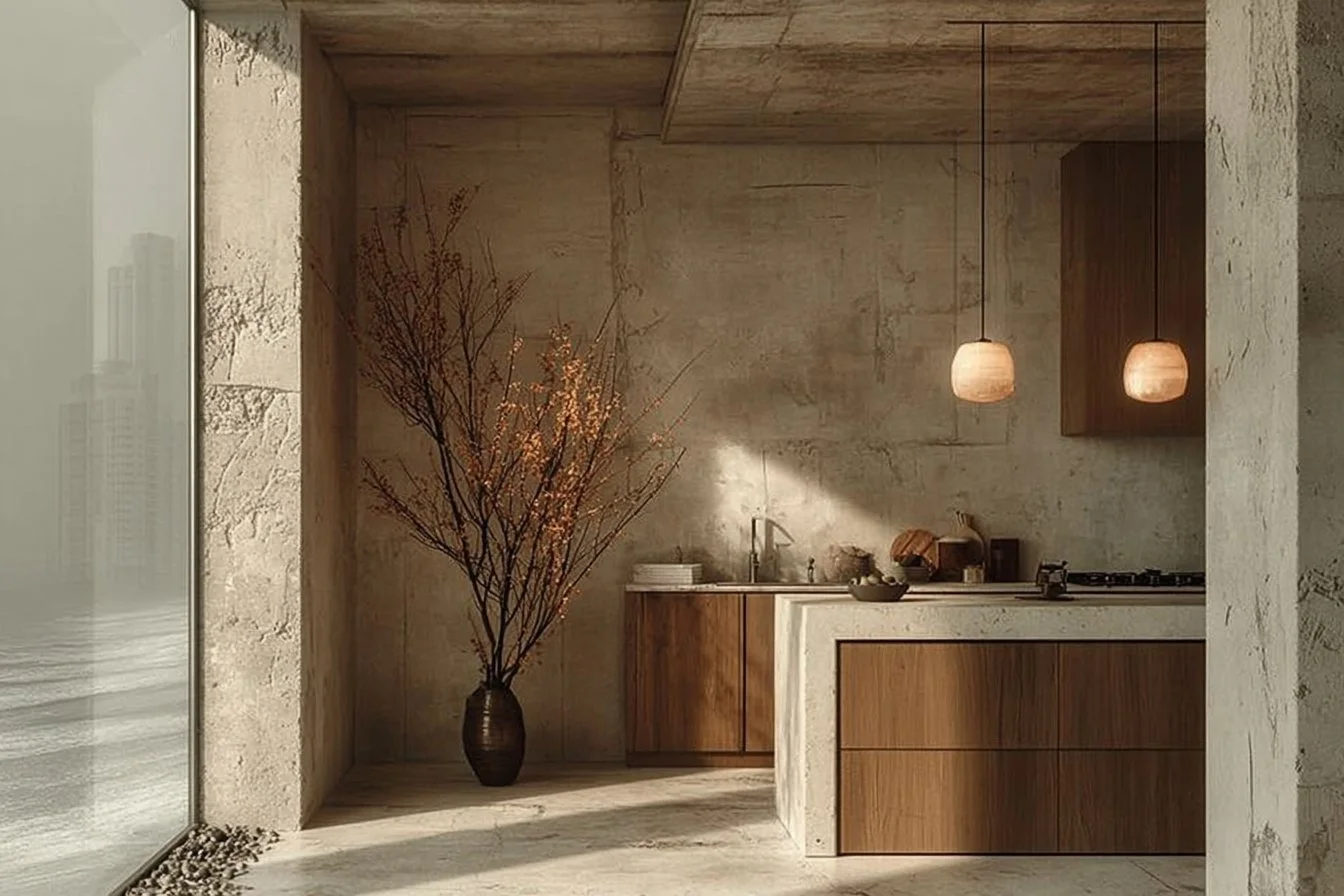
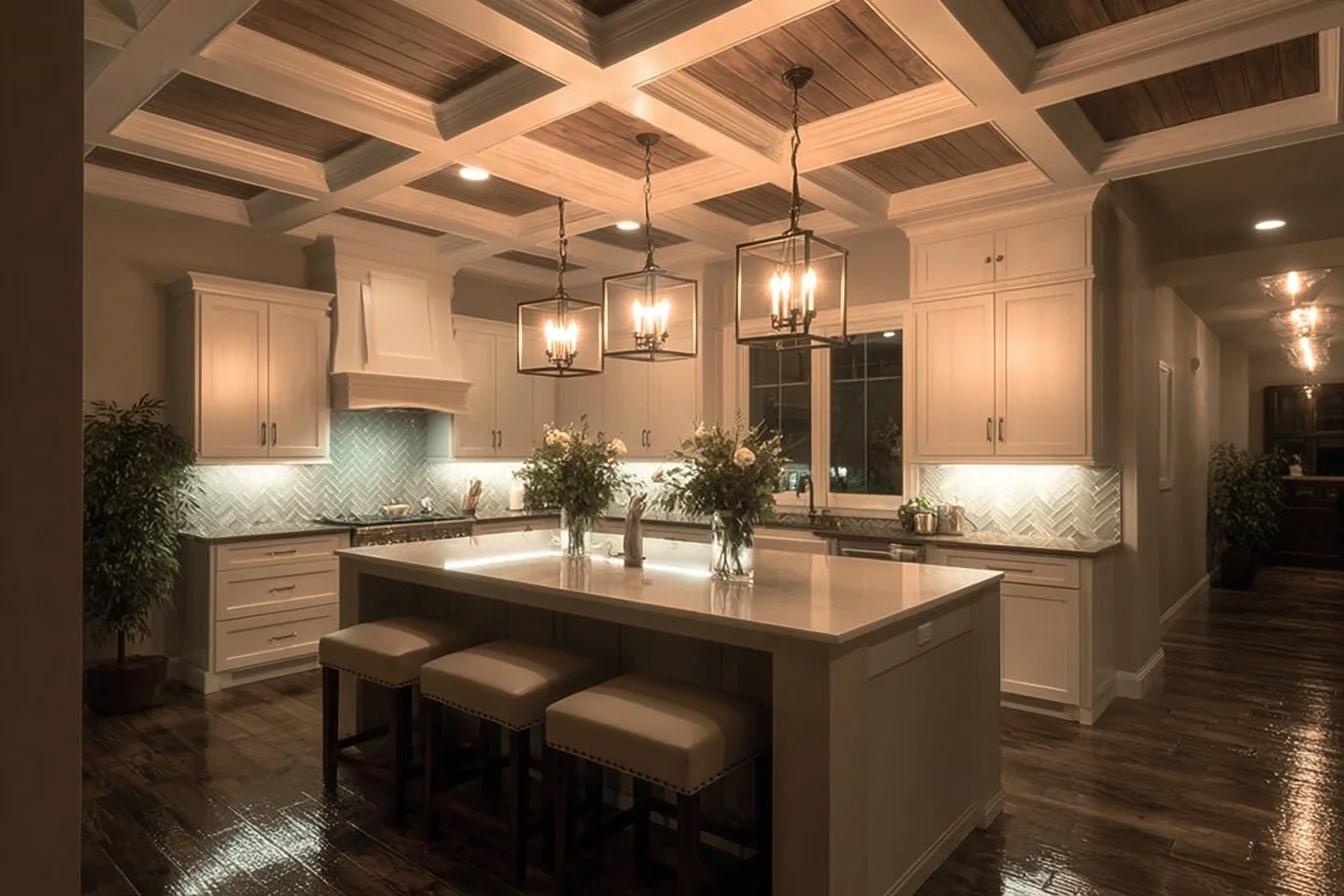
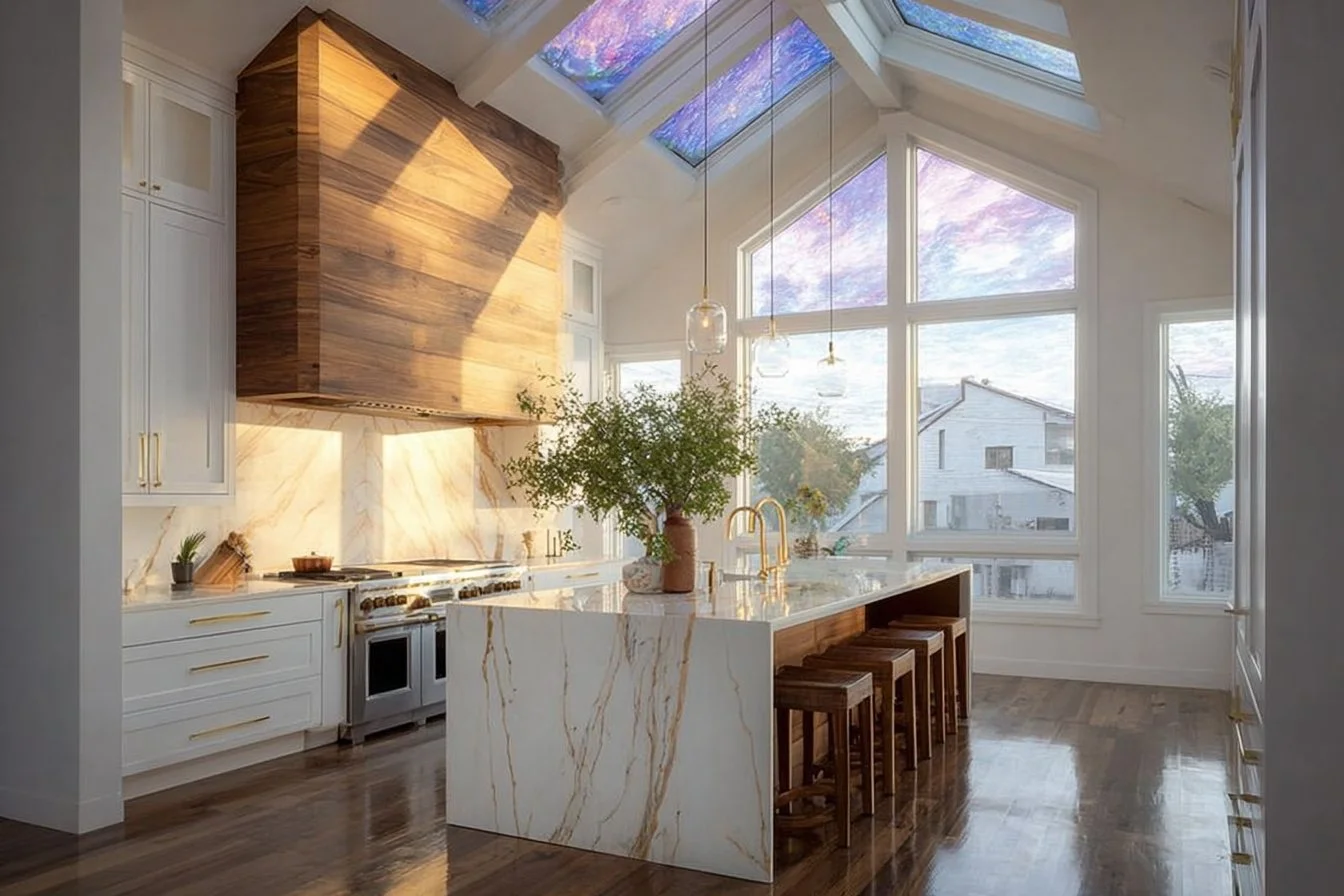
Choosing real wood or wood-look cabinetry instantly grounds a kitchen and gives it a lived-in, welcoming vibe. Visually, warm grains add depth and soften the sharp lines common in modern design. Emotionally, families respond to wood because it feels familiar and less precious—perfect for kids who bring art projects and snacks to the counter. To apply this at home, start with one focal run of lower cabinets in a walnut or oak tone while keeping uppers light to maintain brightness. Mix matte finishes so fingerprints are less obvious, and add simple brass or matte black pulls for modern contrast. For practical family life, choose durable finishes and soft-close drawers so little fingers stay safe and cleanup is fast after weekday dinners.
Stone Surfaces and Earthy Backslashes
Natural stone and textured backsplashes create an organic anchor that reads both modern and timeless. A honed quartzite or soapstone counter delivers visual interest without glossy glare, making spills less obvious and cleanup easier. Emotionally, these materials feel rooted—like the kitchen has history—so everyday moments like homework on the island feel more meaningful. To bring this idea home, pick a neutral-toned countertop and extend the backsplash partially up the wall in a complementary texture. Keep grout minimal and choose sealed stones or low-maintenance engineered options if you need durability for a busy family. This way you get the aesthetic of nature with the resilience required for school lunch rushes and weekend baking days.
Indoor Herb Nook for Life and Flavor
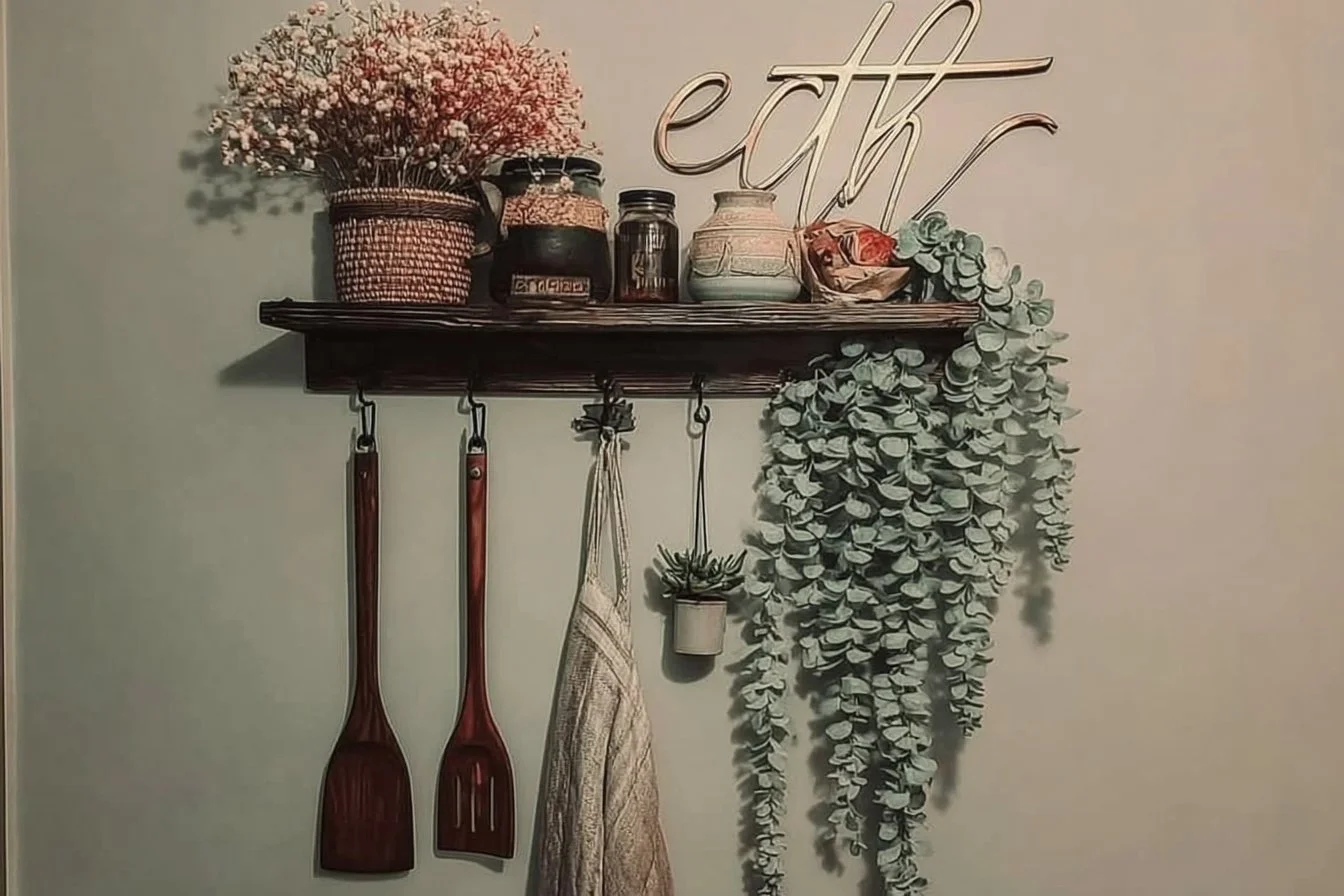
A tiny indoor herb garden near a sunny window adds color, scent, and a sense of growth that resonates with family life. Visually, trailing leaves soften hard surfaces and introduce seasonal change without a full remodel. Emotionally, kids love tending plants, learning responsibility while plucking basil for pasta. To implement this, dedicate a shallow shelf or corner of your counter to a trio of herbs in matching pots—rosemary, basil, and thyme are forgiving starters. Use a simple drip tray for easy watering and teach the kids a nightly routine to check the soil. This small habit ties into interior styling tips by layering living elements with functional tools like a mortar and pestle or wooden spoons displayed nearby.
Warm Neutrals and Layered Textures
Calmer color schemes centered on warm whites, muted greens, and soft greys create a soothing backdrop for family life. Layered textures—linen curtains, woven rugs, rattan baskets—add visual warmth and make the kitchen comfortable for lingering breakfasts and craft projects. Visually, texture prevents a neutral palette from feeling flat. Emotionally, these surfaces invite touch and create a sense of home. Start by painting walls in a warm white and introduce textiles in natural fibers. Place a washable rug near the sink and use open-front baskets to hold snacks and school supplies. The result keeps surfaces uncluttered while still allowing for the small chaos of daily routines.
Matte Black Fixtures with Natural Elements
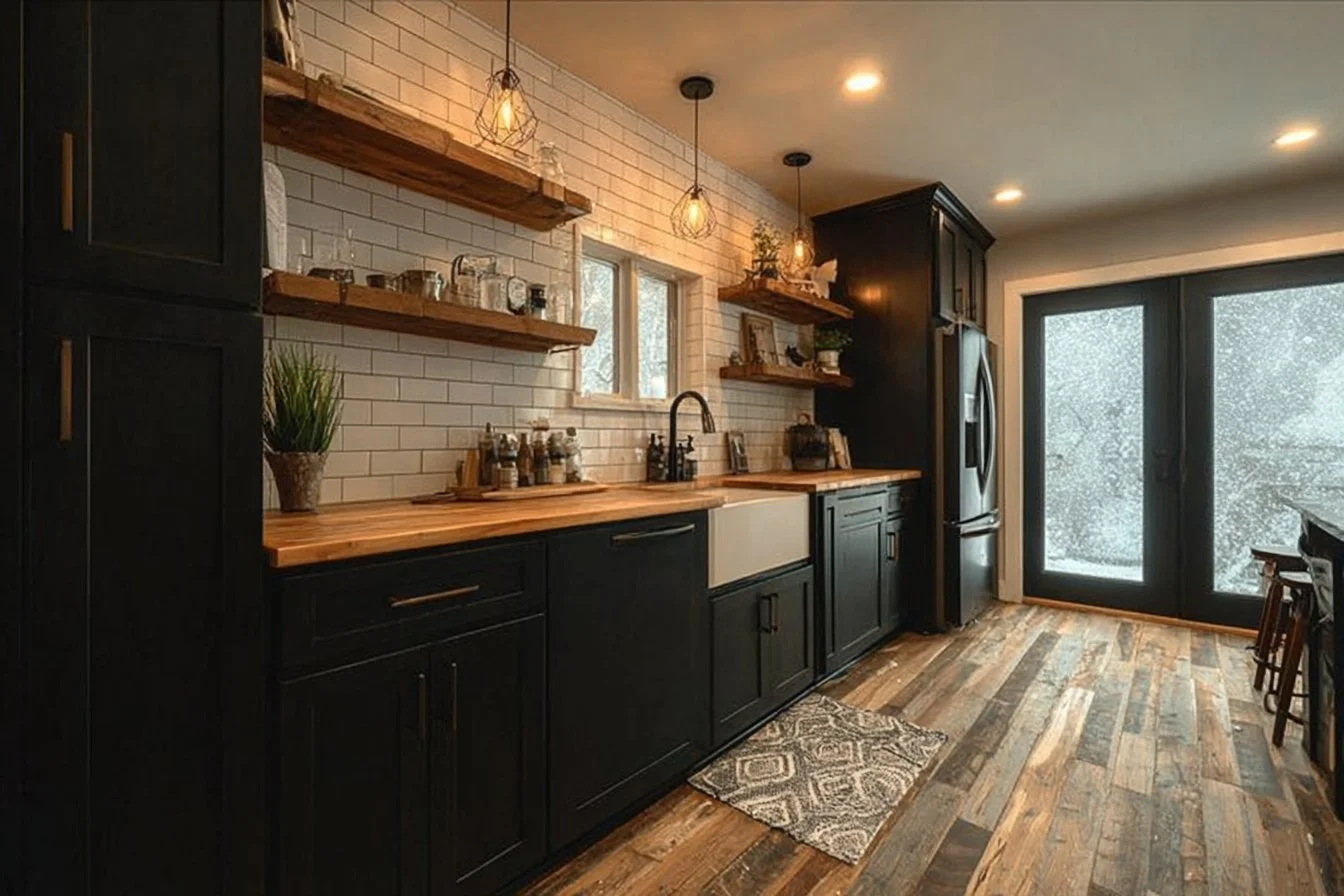
Matte black hardware and faucets introduce contemporary contrast while keeping a grounded, sophisticated look when paired with organic materials. The dark accents provide visual punctuation that makes wood grains and stone surfaces pop. Emotionally, the balance between bold fixtures and softer natural elements can feel both modern and reassuring—perfect for a family that appreciates style without fuss. To apply this, replace cabinet pulls and the faucet with matte black finishes while keeping the rest of the palette warm. Choose antibacterial finishes where possible for busy households. Kids spill and parents wipe, so combining high-contrast hardware with forgiving surfaces gives you a kitchen that looks curated and still survives everyday life.
Open Shelving with Personal Displays
Open shelving showcases ceramics, family mugs, and cookbooks in a way that feels curated rather than cluttered when styled thoughtfully. Visually, it breaks up heavy cabinetry and creates breathing room; emotionally, displaying well-loved dishes offers a sense of identity and memory. To make open shelving work for a family, start with one wall and keep a mix of functional items and meaningful pieces—stacked plates, a child’s painted bowl, and a couple of framed recipe cards. Use consistent color families to avoid visual chaos and keep the most fragile items on higher shelves. Regularly rotate the display to incorporate kids’ artwork or seasonal finds, turning everyday storage into decorating inspiration that evolves with your family.
Conclusion
If you want more refreshing home décor ideas and practical styling examples that fit busy family life, check out Styling Her Life design ideas. Save a few of these concepts for your next weekend refresh, try one that feels manageable, and watch how small, nature-forward changes can transform both the look and the feel of your kitchen.