
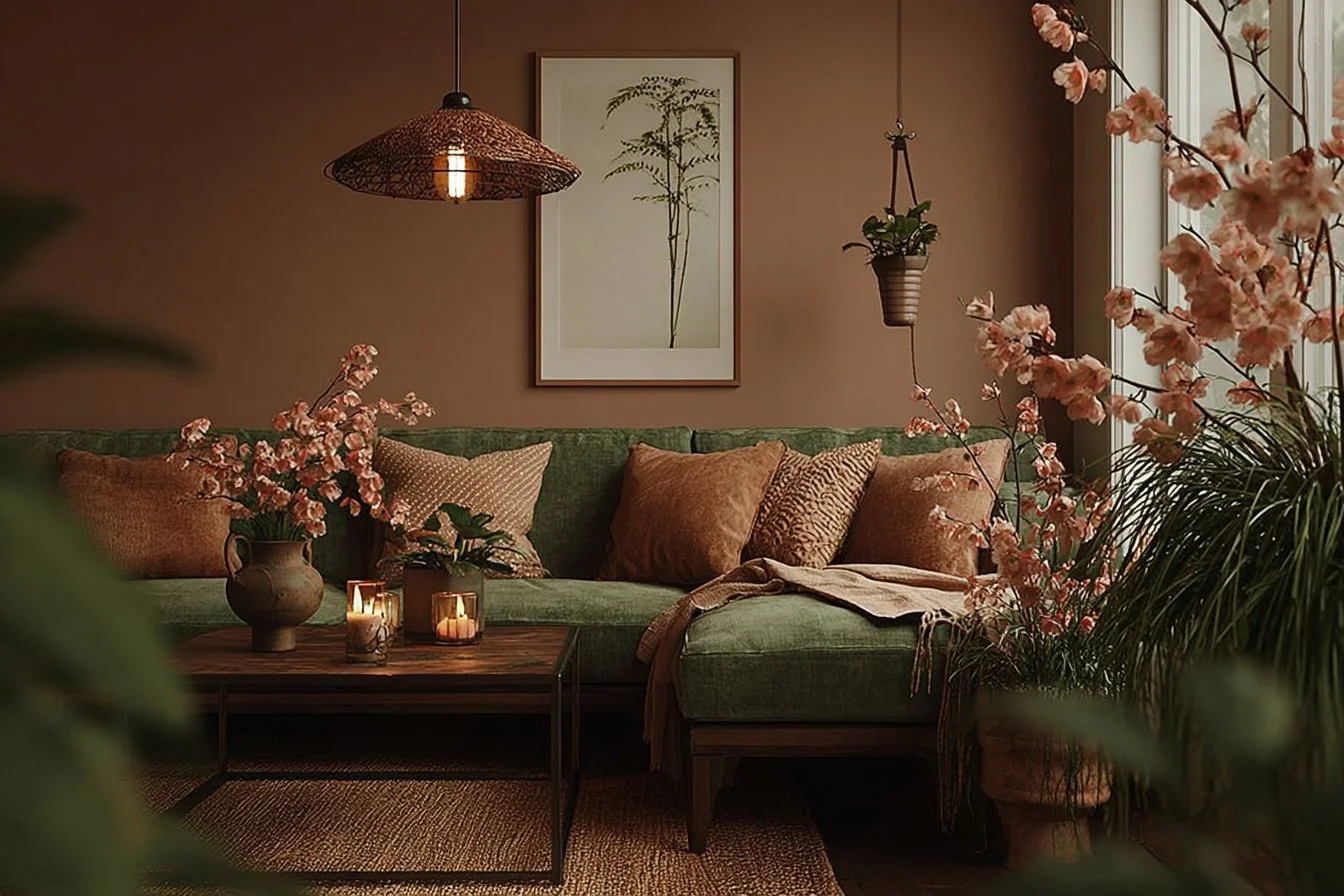
An earthy, minimalist living room blends natural warmth with clean lines and calm neutrals. The goal is a space that feels grounded and inviting without feeling cluttered. Below are practical design tips to help you achieve a serene, tactile living room that highlights natural materials, subtle color, and purposeful simplicity.
Start with a soft, neutral palette
- Choose warm neutrals as your foundation: soft beiges, warm greiges, muted taupes, and creamy off-whites.
- Layer in deeper earth tones sparingly—olive, terracotta, and chocolate—to add depth and visual interest.
- Keep contrasts gentle. High-contrast black-and-white feels sharper than earthy minimalism; aim for tonal harmony instead.
Prioritize natural materials
- Wood: Use oak, walnut, or ash for flooring and larger furniture pieces. Lighter woods keep the space airy; medium tones feel cozier.
- Stone and clay: Marble or honed stone coffee tables, terracotta planters, and ceramic accessories introduce organic texture.
- Textiles: Choose linen, cotton, hemp, and wool for upholstery and soft furnishings. These fibers age gracefully and bring subtle variations.
Choose furniture with clean, organic lines
- Minimalist silhouettes with soft edges read as modern but warm. Avoid overly ornate or ultra-modern glossy pieces.
- Invest in a comfortable, well-proportioned sofa in a neutral fabric—this will be the room’s anchor.
- Mix low-profile seating (like a lounge chair or bench) with functional storage units that conceal clutter to preserve the minimalist feel.
Layer texture for warmth
- Rugs: Choose natural fiber rugs (jute, wool, sisal) in muted shades to define seating areas and add underfoot comfort.
- Throws & cushions: Use layered textures—soft wool throws over linen cushions—to invite touch without introducing loud patterns.
- Wall finishes: Consider textured plaster, limewash, or grasscloth wallpaper for a subtle, tactile backdrop.
Bring in plants thoughtfully
- Greenery is essential for an earthy look. Use a mix of heights and leaf shapes for visual interest—tall palms, medium fiddle-leaf figs, and small succulents or herbs.
- Choose simple, neutral planters (clay, cement, rattan) that complement the palette.
- Group plants to create focal points and soften corners, but avoid overplanting, which can compete with minimalist intentions.
Mindful lighting choices
- Aim for layered lighting: ambient, task, and accent.
- Warm LED bulbs (2700K–3000K) preserve the cozy, earthy atmosphere.
- Use sculptural floor lamps and simple pendant lights in natural materials—rattan shades, matte metal, or ceramic—for both form and function.
- Dimmers are invaluable for adjusting mood and warmth throughout the day.
Create balanced layouts for flow and function
- Keep traffic paths clear and center seating around conversation and views (a fireplace, window, or piece of art).
- In smaller spaces, use multi-functional furniture—nesting tables, storage ottomans, or benches—to reduce clutter.
- For larger rooms, divide areas into purposeful zones (conversation, reading nook, media) while maintaining cohesion through a consistent palette and material choices.
Curate a restrained accessories scheme
- Adopt a “less is more” mentality: choose a few well-made pieces rather than many small items.
- Art: Opt for large, simple artworks or nature-inspired pieces with muted colors. One or two statement pieces work better than a crowded gallery wall.
- Collections: Display natural objects (stones, woven baskets, ceramic bowls) in deliberate vignettes to tell a cohesive story.
Textiles and patterns—use sparingly
- Favor solids and subtle weaves over bold prints. If using pattern, select organic, low-contrast motifs (soft stripes, muted geometrics, or nature-inspired designs).
- Keep scale in mind: larger patterns suit large furniture or rugs, while small-scale patterns can be used for pillows or throws.
Maintain a calm seasonal rhythm
- Rotate textiles seasonally—lighter linens in summer, heavier wool throws in winter—to keep the room feeling fresh without changing the core pieces.
- Introduce small seasonal accents: dried branches in fall, fresh-cut flowers in spring, citrus in summer.
Practical maintenance tips
- Protect floors with natural-fiber rugs in high-traffic areas.
- Choose fabrics with easy-care blends for households with pets or children.
- Keep a regular editing routine: every few months, remove one or two items to maintain the minimalist aesthetic.
Final styling checklist
- One dominant neutral color, plus one or two deeper earth tones for accents.
- At least three natural materials (wood, stone/clay, natural fiber textiles).
- A central, comfortable seating piece and two supporting seats.
- Layered lighting with warm bulbs and dimmers.
- A curated selection of plants and a few meaningful accessories.
Conclusion
An earthy, minimalist living room thrives on thoughtful restraint: a calm neutral palette, honest natural materials, tactile layering, and purposeful furniture choices. If you’re working with a larger room and need guidance on proportion and zoning while keeping a neutral, grounded aesthetic, this resource on How to decorate & furnish large spaces | These Four Walls offers practical strategies for decorating big living areas without losing intimacy or warmth.