
Categories
Living

Declutter Your Space: A Minimalist Living Room Guide

I still remember the Tuesday afternoon when my son tracked mud from soccer all the way to the couch and my daughter spilled a whole cup of crayons while I was making dinner. I am a mom in my forties, juggling carpools, homework checks, and neighborhood potlucks, and my living room often becomes a crossroads for everything our family loves and needs. Over time I realized that when the space felt calmer, our evenings did too. Small habits, like clearing a shelf after guests leave or giving each child a simple basket, made a bigger difference than I expected. If you want comforting, practical home decor that supports a busy life, these ideas will help you create a living room that feels light, intentional, and truly yours. For inspiration on adding personal touches while keeping things simple, check this cozy transformation I loved: transform your living with personal touches.

  1. Clear Surfaces and Smart Storage

    Clutter-free surfaces change how a room feels in an instant. When tables and shelves are uncluttered, your eyes can rest and your family can relax. This works because our brains interpret visual simplicity as order, which reduces stress after a long day. Start by choosing one surface to keep naked most of the time, like a coffee table or mantel. Add a low-profile tray to corral remotes and keys so everything has a place but the surface still reads clean. For kids aged 8 to 12, label bins or baskets at reachable heights so they can help tidy up after play. The goal is not sterile minimalism but practical calm. Rotate decorative items seasonally or monthly from a single storage box so you keep variety without crowding the room. You will notice more breathing space for family conversations, homework, or spontaneous games with neighbors.

  2. Neutral Palette with Layered Textures

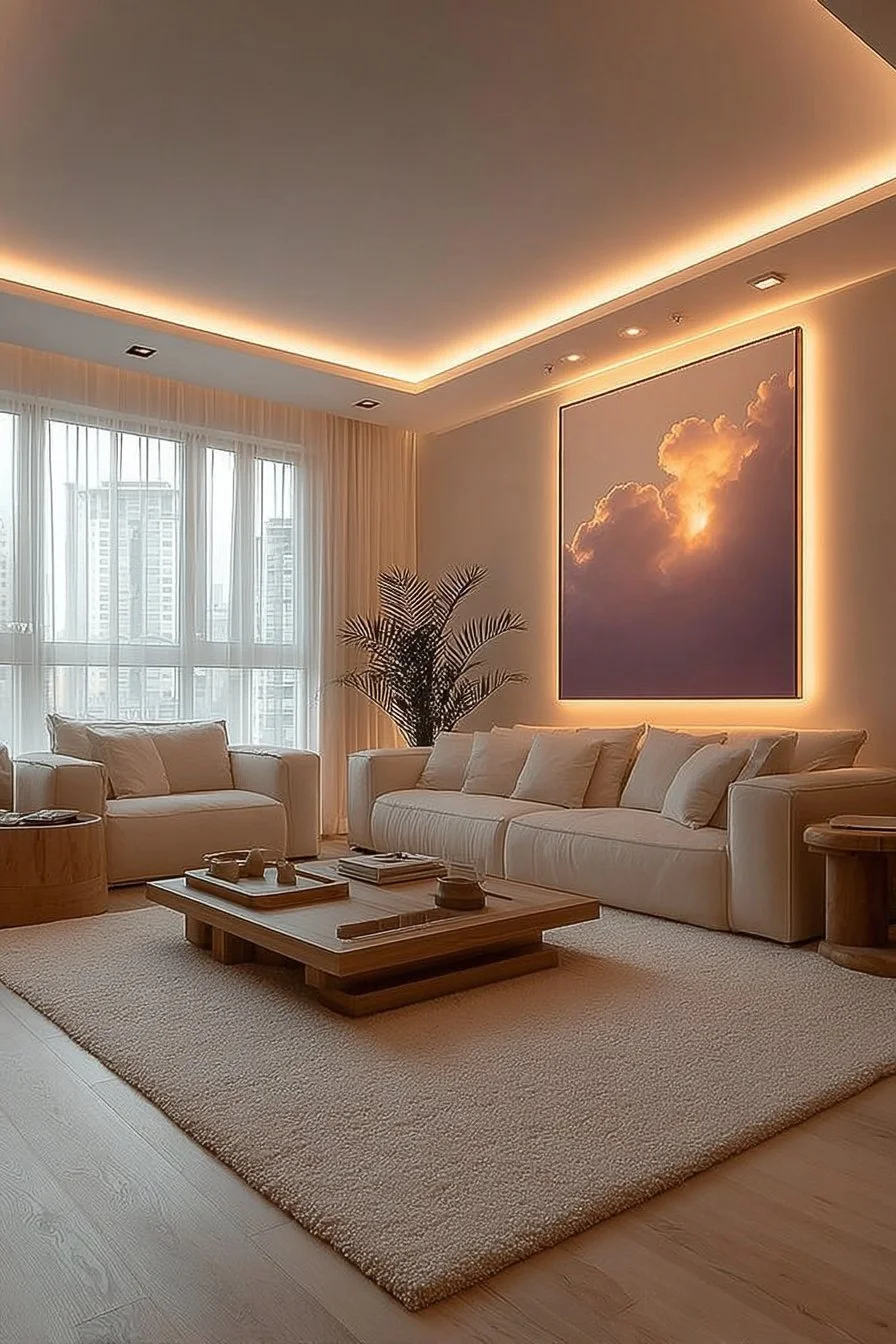
    A neutral color palette creates a soothing backdrop that highlights what matters in your life. It works because muted tones let texture do the storytelling, so a woven rug or chunky throw becomes the focal point instead of competing colors. Choose two or three base shades and then introduce texture through cushions, curtains, and a soft rug. For a family home, pick fabrics that are durable and easy to clean but still tactile. When my daughter invites a friend over, the living room still feels warm and intentional even if toys appear for an hour. Layer a washed linen sofa with a few machine-washable cushion covers and a tactile knit throw for depth. Paint one wall a soft taupe or warm gray to anchor the space and create a canvas for family photos or a simple mirror that reflects light and life.

  3. Multipurpose Furniture That Grows With You

    In a family home every piece of furniture should earn its keep. Multipurpose furniture works because it reduces the number of items in a room while meeting multiple needs. Choose a storage ottoman that opens for blanket and game storage, or a console table with drawers that can hide chargers and school forms. For open-plan homes where the living room bleeds into the kitchen, pick pieces that can move easily—lightweight chairs or nesting tables that tuck away when you need floor space for crafts. A sofa with a built-in chaise can double as a reading nook for your 10-year-old and a spot for movie night. When picking finishes, favor timeless lines so pieces remain useful as tastes change. Practicality means fewer purchases later, and the kids learn to value functional, beautiful things over clutter. For creative crossover ideas that connect living and kitchen zones, you might enjoy this playful approach: 5 ways to make your kitchen more witchy.

  4. Curated Accessories and Meaningful Displays

    Minimalism is not about absence but about intention. Curated accessories work because each item tells a story and supports the room’s calm. Instead of filling shelves, choose a handful of meaningful objects—perhaps a vintage vase, a framed family photo, and a small potted plant. Grouping items in odd numbers creates visual interest without clutter. To keep kids involved, dedicate a small shelf where they can rotate one or two projects they are proud of. This honors their creativity while maintaining an overall tidy look. Use a single gallery wall with consistent frames and a restrained color palette to display memories without overwhelming the space. The result is a living room that feels personal yet uncluttered, a place where neighbors can drop in and you can still easily clear space for a birthday party or a school fundraiser meeting.

  5. Defined Zones and an Easy Traffic Flow

    A minimalist living room functions best when each area has a clear purpose. Defined zones work because they prevent crossover clutter and make everyday routines smoother. Create a cozy seating zone for conversation, a small homework corner with a slim desk, and a tidy entry spot for backpacks and shoes. Use rugs or furniture placement to delineate these areas rather than adding extra screens or dividers. For families, this means after-school life feels streamlined: backpacks stay in the entry zone, crafts happen at the table, and story time happens on the sofa. Keep pathways wide and unobstructed so neighbors and visiting grandparents can move through comfortably. Teach kids to return items to their zones with a gentle routine and watch how much easier cleaning up becomes. The living room remains flexible, welcoming, and ready for whatever family life brings.

Conclusion

If your living room often doubles as a playroom, office, and gathering spot, these design choices can help you create calm without losing warmth. Start small with one cleared surface or a storage ottoman, and build systems that your whole family can follow. Save this guide for later and try one idea each weekend until the room feels like a peaceful, practical center of your home. For more decorating inspiration and mood-focused ideas, visit Inspire Mood: Home for additional resources and styling ideas to enrich your living space: Inspire Mood: Home.
Categories
Living

Transform Your Living Room into Stunning Spaces

I never thought the living room would become our family’s archive of small, perfect moments, but it did. One rainy Saturday when my two kids, ages 9 and 11, built a blanket fort that swallowed half the sofa, I watched our neighbor’s little boy peek through the curtains and grin. The memory of that afternoon – coloring lines on the coffee table, the scent of cinnamon toast, my husband paging through an old photo album – made me want the room to be both lived-in and lovely. As an American mom in my forties, my days are full of carpools, after-school snacks, and late-night laundry, yet I crave a space that welcomes all of it. Those tiny rituals taught me that thoughtful touches can make everyday life feel intentional, and that’s where cozy upgrades and smart styling quietly change how a family uses a room.

  1. Layered Neutrals and Texture for Calm Comfort

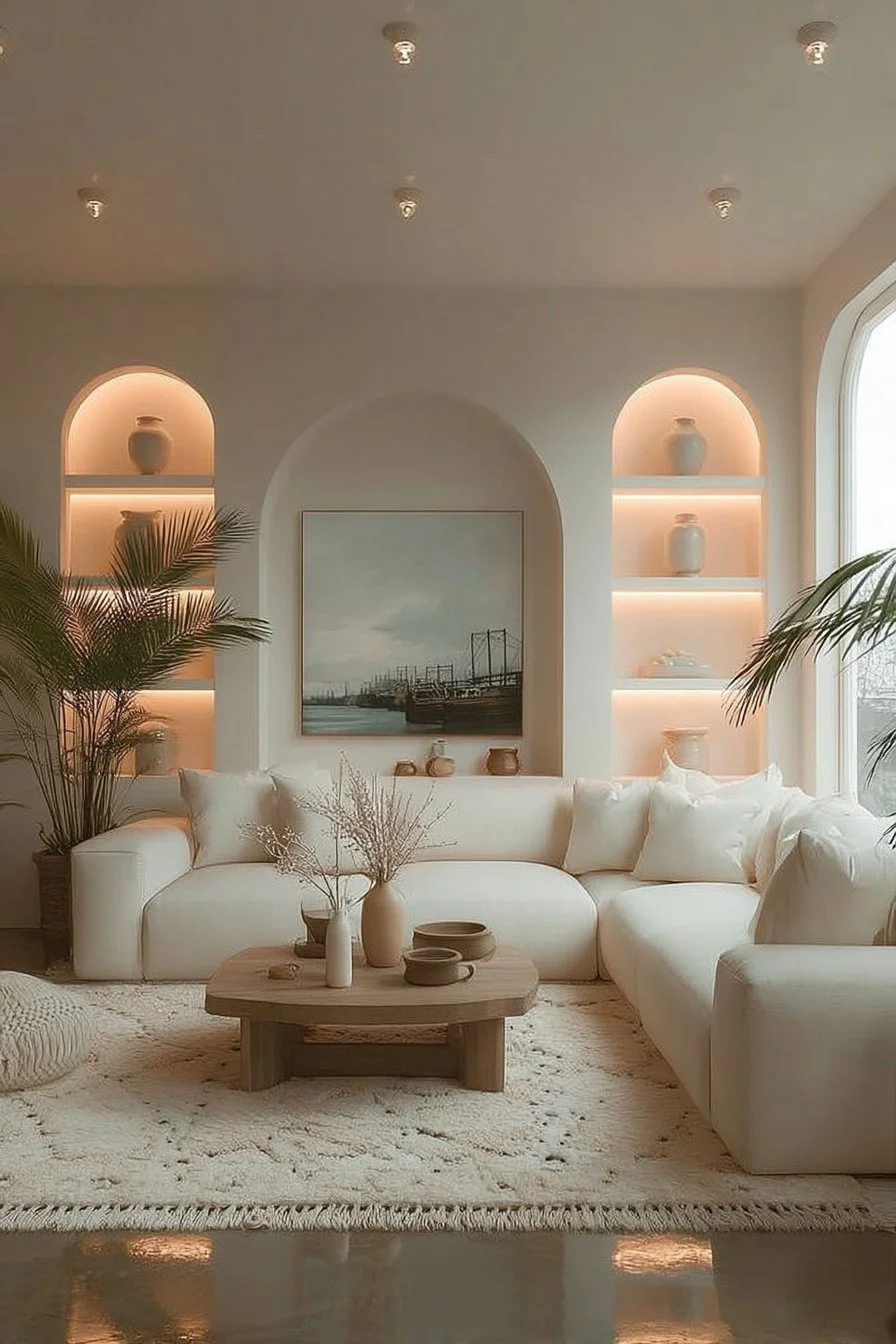
    A neutral base with lots of texture creates a calm backdrop that still feels warm and lived-in. Start with a soft sofa in a neutral tone, then add textured throws, boucle pillows, and a woven pouf to bring depth without overwhelming color. This approach works because texture reads as richness to the eye while allowing toys, crafts, and kids’ art to stand out rather than clash. To apply it at home, choose three complementary fabrics – a soft knit, a nubby weave, and a smooth linen – and use them repeatedly across the room to build cohesion. I keep one basket for Lego and another for library books; when the kids scatter their projects, the neutrals absorb the activity without looking chaotic. These subtle shifts make even hectic evenings feel intentionally styled and cozy.

  2. Family Gallery Wall That Grows with You

    A rotating gallery wall is a smart way to honor family moments and swap in new art without a full redesign. Choose uniform frames for a tidy base, then mix in one or two favorite handmade pieces from the kids. It works because our eyes love order, but our hearts crave story. Hang prints at eye level with a few floating frames for three-dimensional keepsakes like a postcard or a school award. Make it a ritual to update photos each season: replace a snapshot of last summer’s bike ride with a fresh drawing from after-school hour. If you need ideas for personal touches and cozy arrangements, check out personal touches for a cozy home. My daughter insists on adding one new piece after birthdays, which keeps the wall current and gives her a small sense of ownership over the space.

  3. Flexible Seating and Functional Zones for Family Flow

    One living room should handle homework, movie nights, and spontaneous dance parties, so create zones using furniture, rugs, and lighting. A sectional or a compact sofa paired with two lightweight chairs gives flexibility for different activities. Why this works: zoning helps the family move naturally between tasks without fighting for space. To apply it, anchor the conversation area with a rug, place a small table near a reading lamp for homework, and designate a soft corner with floor cushions for play. I keep a low shelf with craft bins within arm’s reach of the sofa so the kids can grab supplies during rainy afternoons. These interior styling tips make the room function like a multiuse living space while staying attractive for guests.

  4. Cohesive Color Palette and Transition to Other Rooms

    Choosing a consistent color palette helps the living room feel like part of a larger home story, not an island. Pick two main hues and one accent to repeat subtly in pillows, artwork, and accessories. This strategy works because repetition creates visual harmony and eases the eye as you move from room to room. If your kitchen opens to the living area, mirror a single tone in both spaces so the flow feels intentional. For playful households, consider carrying moody or eclectic accents into the kitchen as well – you can find fun crossover ideas in 5 ways to make your kitchen more witchy. My neighbors once painted their hallway a deep blue and suddenly every room felt curated; simple repeats like a stripe of color on a vase or a matched runner can do the same. Small, consistent choices make the entire home feel thoughtfully put together.

  5. Smart Lighting for Mood and Practicality

    Good lighting changes everything. Layer overhead fixtures with floor lamps and table lamps to create pockets of light for reading, crafting, or calming evenings. Why it works: varied lighting mimics natural daylight cycles and allows the family to adjust the atmosphere based on activity. Apply this by installing dimmers for the main fixture, placing a warm-toned lamp near the homework area, and using plug-in sconces or clamp lights for temporary tasks. We have a lamp next to the couch that my son claims as his “homework light”; it signals his workspace while leaving the rest of the room soft for conversation. Choose bulbs with warm color temperatures to keep faces flattering on video calls and family movie nights. These decorating inspiration moves are small investments that pay off in everyday convenience and comfort.

  6. Greenery, Practical Storage, and Kid-Friendly Style

    Plants and smart storage can coexist beautifully with a family’s daily mess. Low-light houseplants like pothos or snake plants add life and softness without demanding constant care, and they teach children a bit of responsibility when they help with watering. Practical storage, like lidded baskets and multifunctional ottomans, hides clutter while doubling as seating. This works because it balances aesthetics with function: the room looks planned and still survives homework spreads and snack times. Apply it by placing a tall plant to balance a media console and using a storage bench under a window for puzzles and board games. My son keeps his soccer cleats in a bin that matches our rug, which makes cleanup a little less of a battle. These home décor ideas let a space feel intentional without erasing family life.

Every redesign starts with one small change – swapping a lampshade, moving a rug, or framing a favorite family photo. If one idea here feels right, pin it, try it, and watch how it shifts everyday moments into something a bit more meaningful. Come back when you want fresh interior styling tips or more decorating inspiration; tweaking a corner can change how you use the whole room, and that gentle transformation is worth celebrating.