Repurposed Window Art That Warms Your Home
I still remember hauling a rattly old window from the curb with my neighbor Lisa while the kids were at soccer practice. At forty-two, juggling carpools, homework and dinner plans feels like a craft all its own, and my two kids—an imaginative twelve-year-old who paints everything and an eight-year-old who insists on measuring the sky—love when I turn those curbside finds into something useful. On slow Saturday mornings I sip coffee by the kitchen table, watching them sketch, and I think about how a single pane can hold a memory, brighten a hallway, or act as a quiet reminder of simpler days. That sense of warmth and making-do naturally led me to experiment with windows as decorative pieces. If you love cozy, practical ideas that speak to family life, these creative swaps offer fresh home décor ideas and decorating inspiration you can actually live with.
Stained-Glass Style Window Panels
Turn a plain pane into a jewel-like focal point with glass paint or faux stained glass film. Visually, the colored light casts a soft, comforting glow that makes a room feel both handcrafted and polished. Emotionally, it becomes a keepsake—my daughter traces a sunbeam on lazy afternoons and remembers helping mix colors. To do it at home, clean the pane thoroughly, sketch a simple design on paper, and use liquid leading and translucent glass paints for a forgiving, durable finish. You can also cut film to size for a no-mess option that peels on and off.
Place the finished window in a bright hallway or hang it on an exterior-facing wall to catch the morning light. This kind of interior styling tip works well with casual family routines because it tolerates smudges and little fingerprints while still feeling intentional.
Framed Photo Collage Window
Repurpose the panes as a multi-photo frame that feels nostalgic without crowding walls. A grid of family photos behind each pane tells a visual story; neighbors and visiting grandparents always linger longer when they spot a familiar face. Start by measuring each pane and printing photos slightly smaller so they sit neatly behind the glass. Use archival tape or small photo corners so images can be updated.
Lean the window on a console table in the entryway or secure it to the wall above a bench where kids drop backpacks. This approach to decorating inspiration blends practicality with sentiment—the kids like rotating seasonal school photos, and it doubles as a gentle way to teach them about memory and storytelling.
Mini Indoor Garden Window Planter
Transform a window into a living tableau by installing slim planter boxes across the lower panes. A line of herbs or succulents brightens a kitchen and invites little helpers to water plants after homework, turning chores into family time. Visually, the green textures contrast beautifully with the glass and frame, adding depth and a sense of life.
Mount lightweight cedar boxes or repurposed tins with secure brackets, use well-draining soil, and choose low-maintenance plants if schedules are busy. This interior styling tip brings nature inside without taking over the space, and kids delight in snipping basil for pasta or checking how fast mint grows after a weekend rain.
Chalkboard Message Window
Flip a pane into a writable family command center with chalkboard paint. It becomes a cozy hub where reminders, grocery lists and sibling jokes live side by side. The black matte surface is practical and approachable, visually grounding a gallery wall or adding a rustic touch above a coat rack.
Paint the back of the pane with two coats of chalkboard paint, frame it in a central household spot, and keep a small jar of chalk nearby. My kids love leaving notes to each other—little drawings that make me smile when I find them in the morning—and it’s a flexible decorating idea that grows with your family’s routines.
Mirror Mosaic for Light and Space
Break a few panes into carefully trimmed pieces and create a mirrored mosaic that amplifies light in darker corners. Reflective surfaces make rooms feel larger and add a playful glint that children and guests notice. Emotionally, a mirror art piece can become a conversation starter, a little theatrical flourish for everyday life.
For safety, score and snap glass with gloves and eye protection, adhere pieces to a plywood backing with clear adhesive, and seal the edges. Hang it across from a window to redistribute sunlight, or lean it behind a bookshelf for a whimsical peek-through effect. This decorating approach is surprisingly forgiving—perfect for busy homes that benefit from clever interior styling tips.
Story Window: Rotating Keepsake Display
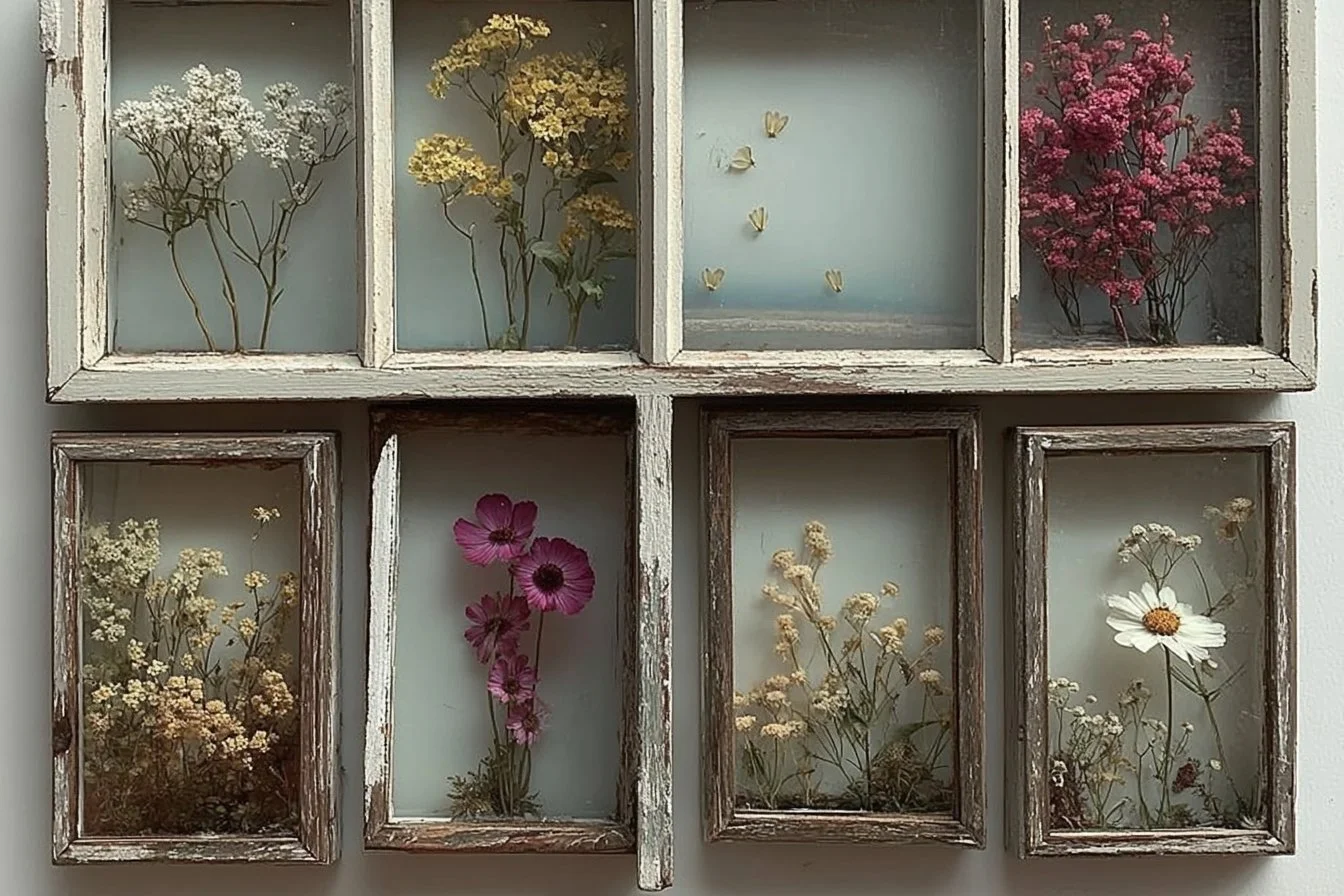
Use the panes to create a rotating gallery of seasonal crafts, school projects and small mementos. Each pane becomes a curated vignette—a child’s watercolor, a pressed flower from a backyard walk, a ribbon from a race—bringing a gentle rhythm to your decor. Visually, the compartmentalized display keeps the room feeling organized; emotionally, it honors everyday moments.
Mount the window with removable clips so you can swap items without fuss. The kids love choosing what goes in their pane each week, and it encourages daily creativity that’s easy to showcase. This style of home décor idea is practical, heartwarming, and invites guests to linger and learn about your family through small, meaningful objects.
Conclusion
If you want more step-by-step inspiration on turning panes into colorful art, this How to make Stained Glass Art from Old Window | Hometalk tutorial is a great place to start. Try one project at a time, involve the kids, and save the ideas that feel right—these small changes add personality and purpose to your rooms while fitting smoothly into your family’s everyday life. For anyone looking for approachable interior styling tips and lasting decorating inspiration, repurposed windows are one of those projects that reward patience, creativity, and a little bit of elbow grease.