
Categories
Living

Transform Your Living Room with Earthy, Minimalist Style

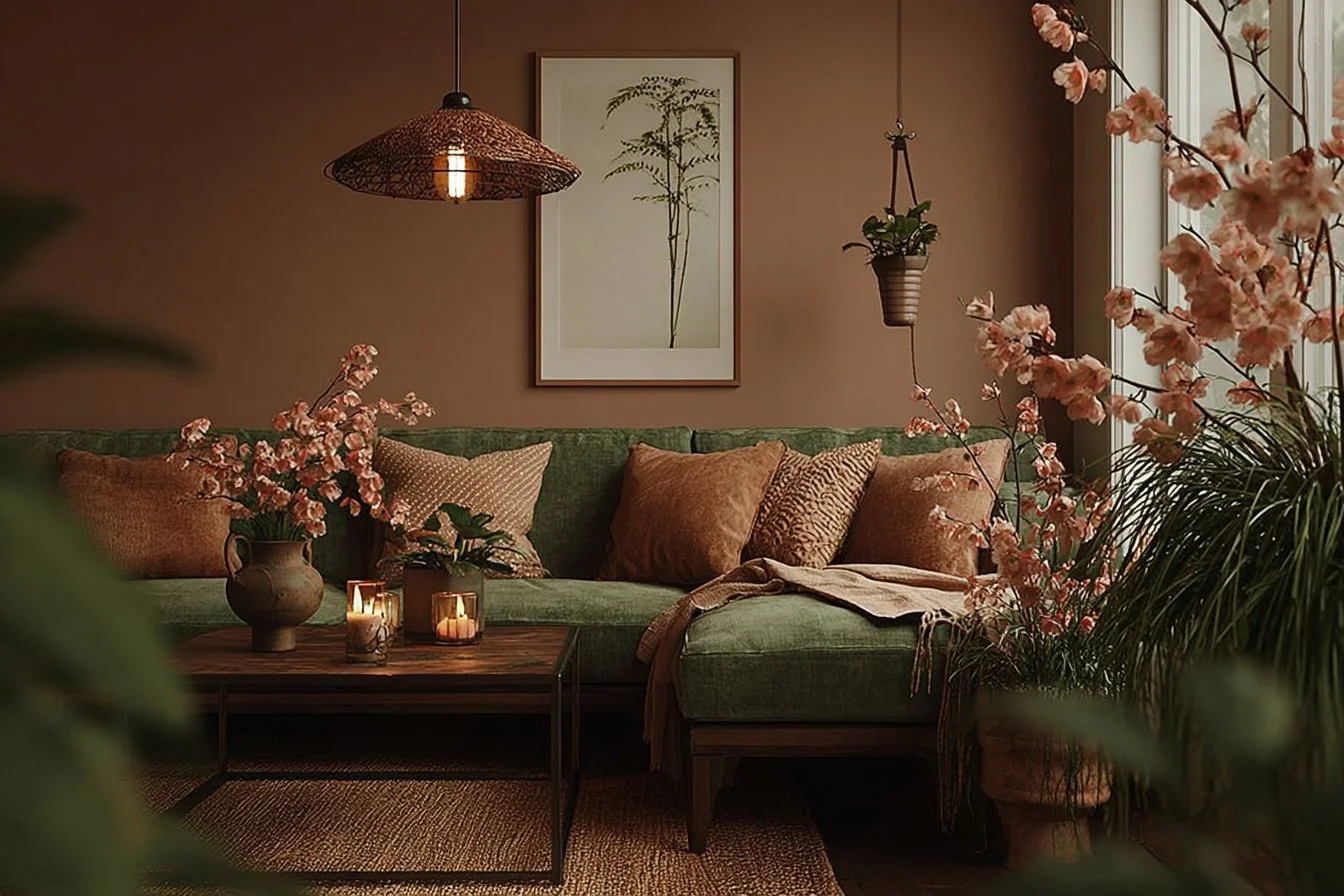
An earthy, minimalist living room blends natural warmth with clean lines and calm neutrals. The goal is a space that feels grounded and inviting without feeling cluttered. Below are practical design tips to help you achieve a serene, tactile living room that highlights natural materials, subtle color, and purposeful simplicity.

Start with a soft, neutral palette

  • Choose warm neutrals as your foundation: soft beiges, warm greiges, muted taupes, and creamy off-whites.
  • Layer in deeper earth tones sparingly—olive, terracotta, and chocolate—to add depth and visual interest.
  • Keep contrasts gentle. High-contrast black-and-white feels sharper than earthy minimalism; aim for tonal harmony instead.

Prioritize natural materials

  • Wood: Use oak, walnut, or ash for flooring and larger furniture pieces. Lighter woods keep the space airy; medium tones feel cozier.
  • Stone and clay: Marble or honed stone coffee tables, terracotta planters, and ceramic accessories introduce organic texture.
  • Textiles: Choose linen, cotton, hemp, and wool for upholstery and soft furnishings. These fibers age gracefully and bring subtle variations.

Choose furniture with clean, organic lines

  • Minimalist silhouettes with soft edges read as modern but warm. Avoid overly ornate or ultra-modern glossy pieces.
  • Invest in a comfortable, well-proportioned sofa in a neutral fabric—this will be the room’s anchor.
  • Mix low-profile seating (like a lounge chair or bench) with functional storage units that conceal clutter to preserve the minimalist feel.

Layer texture for warmth

  • Rugs: Choose natural fiber rugs (jute, wool, sisal) in muted shades to define seating areas and add underfoot comfort.
  • Throws & cushions: Use layered textures—soft wool throws over linen cushions—to invite touch without introducing loud patterns.
  • Wall finishes: Consider textured plaster, limewash, or grasscloth wallpaper for a subtle, tactile backdrop.

Bring in plants thoughtfully

  • Greenery is essential for an earthy look. Use a mix of heights and leaf shapes for visual interest—tall palms, medium fiddle-leaf figs, and small succulents or herbs.
  • Choose simple, neutral planters (clay, cement, rattan) that complement the palette.
  • Group plants to create focal points and soften corners, but avoid overplanting, which can compete with minimalist intentions.

Mindful lighting choices

  • Aim for layered lighting: ambient, task, and accent.
  • Warm LED bulbs (2700K–3000K) preserve the cozy, earthy atmosphere.
  • Use sculptural floor lamps and simple pendant lights in natural materials—rattan shades, matte metal, or ceramic—for both form and function.
  • Dimmers are invaluable for adjusting mood and warmth throughout the day.

Create balanced layouts for flow and function

  • Keep traffic paths clear and center seating around conversation and views (a fireplace, window, or piece of art).
  • In smaller spaces, use multi-functional furniture—nesting tables, storage ottomans, or benches—to reduce clutter.
  • For larger rooms, divide areas into purposeful zones (conversation, reading nook, media) while maintaining cohesion through a consistent palette and material choices.

Curate a restrained accessories scheme

  • Adopt a “less is more” mentality: choose a few well-made pieces rather than many small items.
  • Art: Opt for large, simple artworks or nature-inspired pieces with muted colors. One or two statement pieces work better than a crowded gallery wall.
  • Collections: Display natural objects (stones, woven baskets, ceramic bowls) in deliberate vignettes to tell a cohesive story.

Textiles and patterns—use sparingly

  • Favor solids and subtle weaves over bold prints. If using pattern, select organic, low-contrast motifs (soft stripes, muted geometrics, or nature-inspired designs).
  • Keep scale in mind: larger patterns suit large furniture or rugs, while small-scale patterns can be used for pillows or throws.

Maintain a calm seasonal rhythm

  • Rotate textiles seasonally—lighter linens in summer, heavier wool throws in winter—to keep the room feeling fresh without changing the core pieces.
  • Introduce small seasonal accents: dried branches in fall, fresh-cut flowers in spring, citrus in summer.

Practical maintenance tips

  • Protect floors with natural-fiber rugs in high-traffic areas.
  • Choose fabrics with easy-care blends for households with pets or children.
  • Keep a regular editing routine: every few months, remove one or two items to maintain the minimalist aesthetic.

Final styling checklist

  • One dominant neutral color, plus one or two deeper earth tones for accents.
  • At least three natural materials (wood, stone/clay, natural fiber textiles).
  • A central, comfortable seating piece and two supporting seats.
  • Layered lighting with warm bulbs and dimmers.
  • A curated selection of plants and a few meaningful accessories.

Conclusion

An earthy, minimalist living room thrives on thoughtful restraint: a calm neutral palette, honest natural materials, tactile layering, and purposeful furniture choices. If you’re working with a larger room and need guidance on proportion and zoning while keeping a neutral, grounded aesthetic, this resource on How to decorate & furnish large spaces | These Four Walls offers practical strategies for decorating big living areas without losing intimacy or warmth.
Categories
Living

Modern Transitional Living Room Ideas with Neutral Decor

I still remember the first lazy Saturday after school pickup, when the kids dumped a pile of art projects on the sofa and our neighbor stopped by with a casserole because our oldest had a fever. Life with two kids between eight and twelve means backpacks in the hallway, soccer cleats by the door, and plenty of small, joyful chaos. As a mom in my forties, I started caring more about how our home felt than whether it matched a glossy magazine. I wanted a space that held LEGO forts and birthday sleepovers yet felt calm at the end of a long day. That gentle shift led me to try softer palettes and smarter layouts that work across rooms, even borrowing a few cues from my own journey through modern bedroom design ideas when I wanted continuity throughout the house.

  1. Layered Neutrals for Instant Warmth

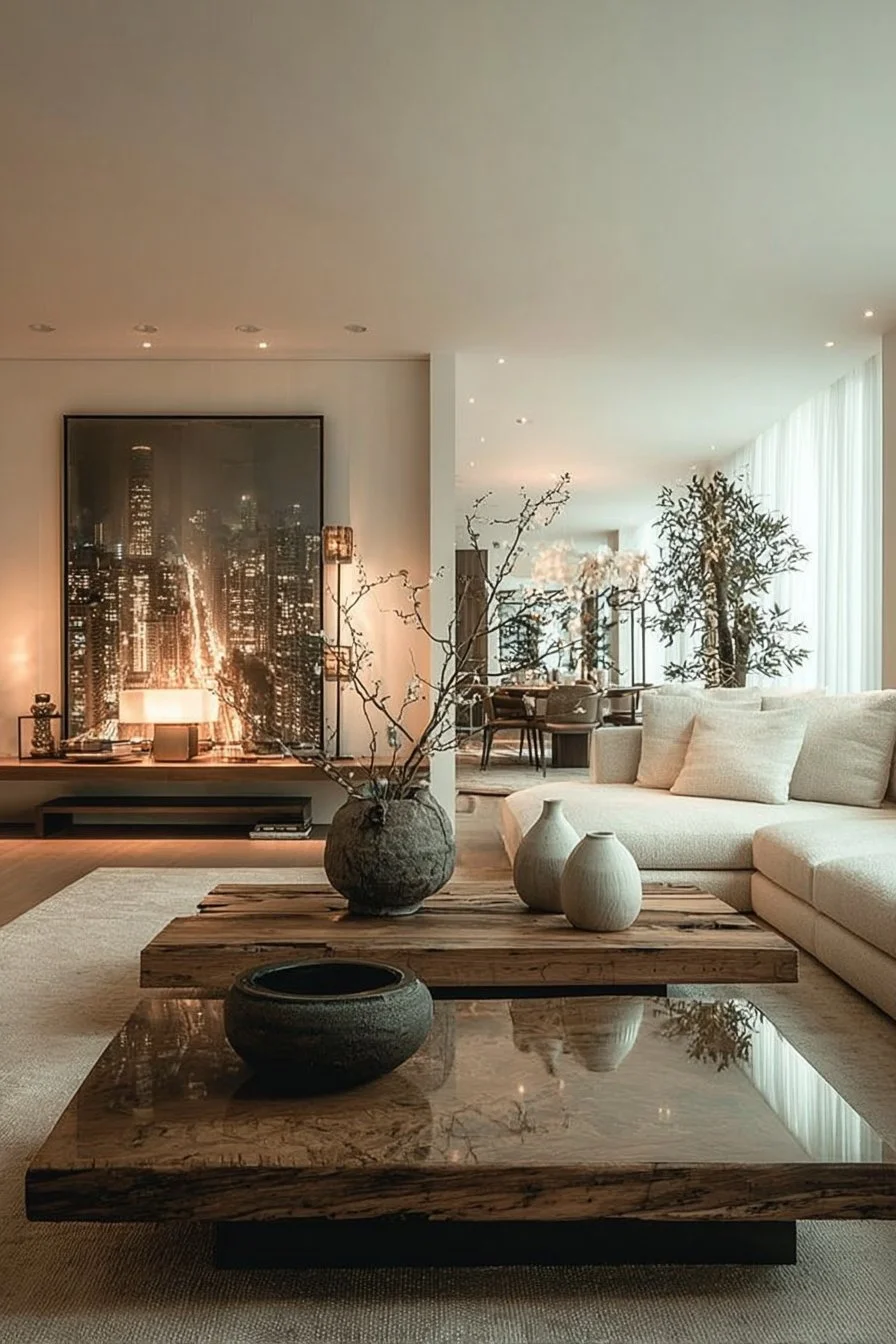
    A neutral palette does not mean bland. Layering different shades of beige, gray, and warm white creates visual depth that feels thoughtful and inviting. This approach works because variations in texture and tone catch the eye without competing with your family’s activities. Start with a neutral sofa, then add a wool throw, a linen pillow, and a soft jute rug to build warmth. In practice, keep one durable neutral piece for everyday kid life, like a stain-resistant slipcover, then layer more delicate textures in higher spots that are easier to rotate or wash. I like placing a plush ottoman where my kids can sit for homework while I sip coffee, creating a cozy corner that reads grown-up and family-friendly at once. These interior styling tips make living rooms feel curated and lived-in.

  2. Clean Lines with Comfortable Seating

    Transitional style thrives on furniture that balances modern simplicity and classic comfort. Choose sofas and armchairs with clean silhouettes but plush cushioning. This combo works because it provides structure without sacrificing the relaxed feel families need. Apply it by selecting a sofa with a low profile and add a couple of overstuffed pillows for kid-approved comfort. Make sure one chair is easy to move for spontaneous board game nights or storytime. My living room has a streamlined sectional where blankets live during soccer season and come off when neighbors drop by for movie night. Incorporating this kind of furniture helps maintain a stylish look while allowing for the unpredictable rhythm of family life.

  3. Mixed Materials for Visual Interest

    Mixing wood, metal, glass, and soft fabrics keeps a neutral living room from feeling flat. A reclaimed wood coffee table paired with a brass lamp and a soft boucle chair creates contrast that reads intentional. This works because different materials reflect light and texture in unique ways, which adds personality without bold color. To apply it at home, pick one focal furniture piece and complement it with accents in other materials—think a metal mirror above a wooden console or glass vases on a textured tray. I like to rotate a basket of storybooks beside the sofa so a tactile element is always within reach for the kids. These decorating inspiration touches help your room tell a story about who lives there.

  4. Thoughtful Lighting to Set the Mood

    Layered lighting transforms a neutral living room from bright and busy to serene and cozy. Combining overhead fixtures, task lamps, and soft accent lights gives you control over mood for homework, family dinners, and relaxed evenings. This works because lighting alters the perception of color and texture, making neutral palettes feel richer. At home, I install dimmers where possible, position a floor lamp next to the reading nook, and use warm bulbs to encourage relaxation after bedtime. For more ideas on calming spaces that suit multigenerational living, inspiration from cozy calm bedroom decor taught me to prioritize soft lighting and quiet corners—techniques that translate beautifully to the living room. Thoughtful lighting also reduces eye strain during late-night board games.

  5. Functional Architecture for Flow

    Small changes to how a living room is arranged can make daily life smoother. Anchoring seating around a focal point, like a fireplace or media console, creates natural conversation zones and keeps toys and schoolwork from spreading randomly. This concept works because purposeful flow reduces clutter and makes the space adaptable for both adult gatherings and kid activities. Apply it by selecting multifunctional furniture, such as a storage coffee table or sideboard, and by defining zones with rugs or furniture placement rather than walls. I often move a lightweight console to the short wall when we host grandparents so there is more room for everyone to sit and share stories. These practical home décor ideas keep the room functioning for everyday moments and special visits.

  6. Art and Accessories That Tell a Story

    The simplest way to personalize a neutral living room is through art and accessories that reflect family life. Choose pieces that feel meaningful rather than trendy, like a framed map of a favorite vacation town or a gallery wall with a mix of kids’ art and professional prints. This works because personal items break the clinical feel of neutrals and make the room resonate emotionally. Apply it by designating a low-height shelf for rotating children’s creations and keeping framed prints at eye level for adults. I swap art seasonally with the kids so they feel proud and involved, which reduces paper clutter and fosters memories. These interior styling tips ensure your living room feels edited, welcoming, and authentically yours.

Conclusion

If you save one thing from these ideas, let it be the gentle confidence that neutral rooms can be both stylish and family-ready. Try layering textures, choosing durable seating, mixing materials, upgrading lighting, refining layout, and showcasing meaningful art to create a living room that supports everyday life and special moments. For more visual inspiration and a wide range of transitional living room solutions, check out this collection of 75 Transitional Living Room Ideas You’ll Love – December, 2025. If something here sparks a plan, save the pin, try one change this weekend, and revisit your space as the family grows.