
I used to think the quietest hour in my house was after bedtime, but these days it comes in the soft pause between school drop-off and the chaos of homework. I’m a mom in my forties with two kids ages 8 and 12, and mornings are a choreography of cereal bowls, lost shoes, and neighborly waves as we race onto the bus. On rainy afternoons the kids and I pull out simple projects for cozy corners, a habit I first found among ideas for easy DIY decorating inspiration that translate well into everyday life. Those small rituals — a folded blanket, a vase of clipped greenery, a lamp switched on in the dining nook — have taught me that thoughtful styling can make regular routines feel softer, more intentional, and perfect for family living.
Lush focal greenery that anchors a room
Bringing plants into the living space creates an instant sense of calm. A tall potted palm or a sculptural fiddle-leaf fig becomes a living focal point that grounds clean lines and modern furniture while adding texture the kids can’t help but touch. Visually, greenery introduces height and organic form, softening rigid architectural elements and making rooms feel lived in rather than staged. Emotionally, plants signal care and growth; my son waters our large plant each week and proudly checks new leaves, which folds family participation into styling.
To apply this at home, choose one large statement plant for a main room and a few smaller plants for shelves and the kitchen counter. Use simple, neutral pots to keep the look modern, and place plants where natural light supports them but they won’t be in the main traffic path. This approach merges practical family life with refined interior styling tips that feel effortless.
Warm woods and tactile textiles for cozy structure
In a modern tropical home, wood tones and woven textures bring warmth without clutter. Warm wood furniture, rattan chairs, and jute rugs introduce an inviting base layer that contrasts beautifully with sleek surfaces. These materials not only look elegant but withstand the everyday — spilled juice, homework art projects, and the occasional science experiment. Visually, they create balance by pairing natural grain with softer fabrics, making the space approachable for both adults and children.
To make this work in your own rooms, start with a statement wood coffee table or a set of open wooden shelves. Add textured throw pillows and a washable rug in a neutral palette so the space remains kid-friendly. If you want budget-aware updates, look for pieces that offer longevity and then refresh small accents seasonally; many readers enjoy following budget-friendly decorating inspiration for ideas on low-cost swaps that still feel designer-level. This way, style and family life coexist without constant overhaul.
Indoor-outdoor flow that enlarges everyday living
Large windows, breezy curtains, and consistent flooring choices help bring the outside in, amplifying light and making rooms feel expansive. When planting beds, patios, or a small herb garden are visible from the kitchen or living area, even weekday routines feel more connected to nature. The visual continuity of outdoor foliage through window frames becomes part of the room’s palette, and those views give kids a sense of room to breathe indoors.
To implement this, prioritize sightlines: arrange seating to face garden views, choose low-profile planters near windows, and select simple, washable drapes that flutter rather than block light. Sliding glass doors or a French door can help blend rooms into outdoor play spaces, so transitions between homework and backyard play are seamless. These interior styling tips create a calm, practical environment where family habits and natural beauty meet.
Layered lighting and subtle ceiling accents
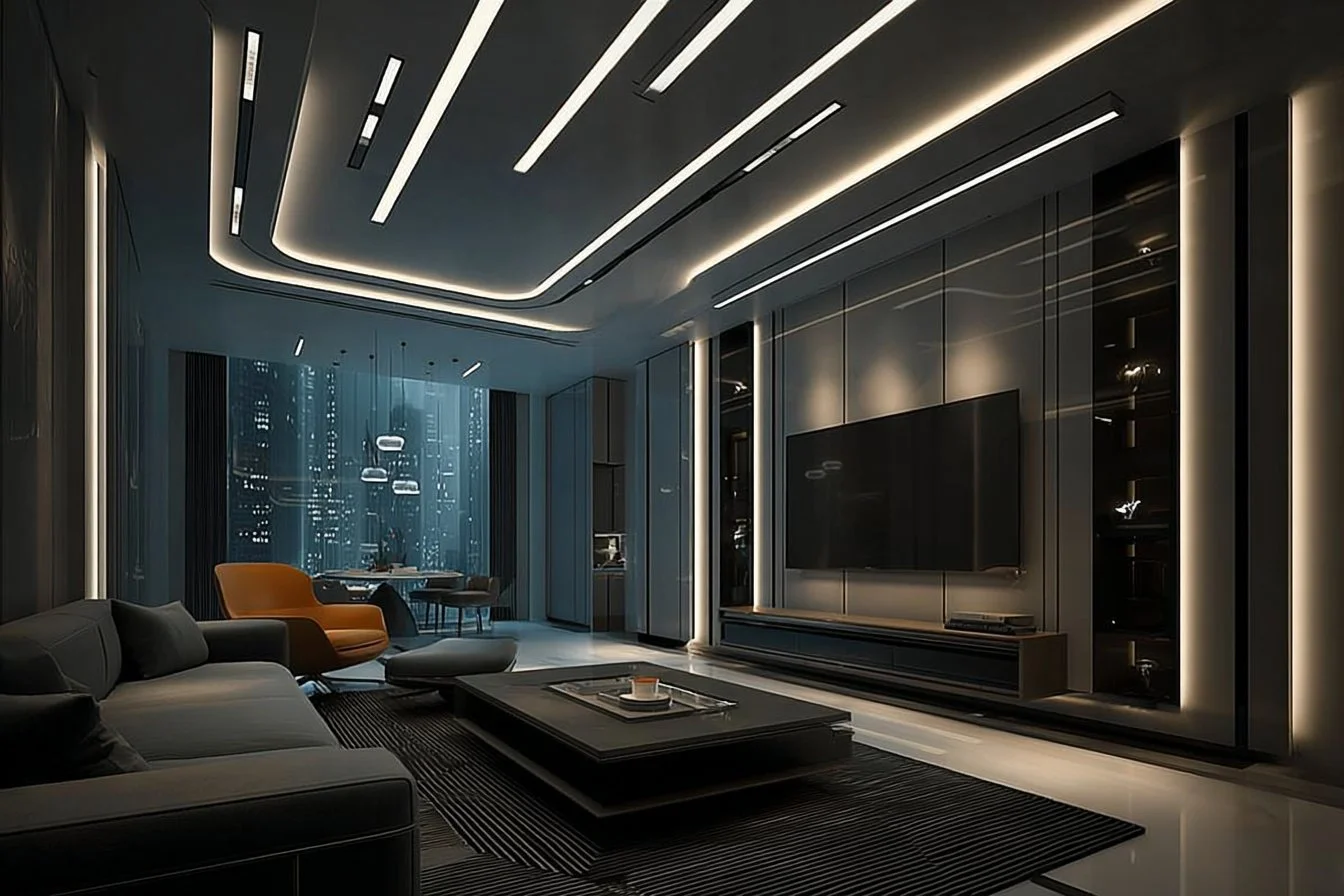
Good lighting changes everything. Layered lighting — ambient fixtures, task lamps, and soft accent lights — shapes mood while supporting real family activities from reading to crafting. A suspended fixture over the dining table or a statement light in the entry adds sculptural appeal and directs attention upward, creating a sense of height and elegance. For those who love small surprising details, consider subtle ceiling treatments or accents that draw the eye, echoing the gentle drama of a well-styled room. I’ve found that little moments of wonder, like a softly lit pendant over a homework station, encourage my kids to linger and enjoy the space.
If you’re curious about creative ways to treat the ceiling without a full remodel, simple additions like a painted medallion, a textured plaster finish, or decorative rope details can be approachable. For more focused inspiration on ceiling styling, check out these inventive creative ceiling styling ideas that also work outside of any single season. Thoughtful lighting and ceiling touches bring a home together visually and emotionally, making everyday routines feel considered.
Soft palettes and organic patterns for serene comfort
A restrained color palette of warm whites, sandy beiges, and soft greens forms a gentle backdrop that highlights natural materials and selected art pieces. Organic patterns — leaf motifs, irregular stripes, and handwoven textures — add interest without overwhelming the senses. This approach keeps the home feeling peaceful, which is essential when you have kids who leave art supplies and projects scattered across surfaces. Soft neutrals make messes less visually jarring and simplify quick cleanups while maintaining a curated look.
To adopt this style, repaint a main wall in a warm neutral, then bring in patterned cushions or a nature-inspired throw to layer depth. Rotate artwork and textiles as your family’s tastes evolve; I swap framed kid drawings with grown-up prints to reflect seasons of life. These decorating inspiration cues help you build a calm, adaptable home that honors both aesthetics and daily family rhythms.
I hope these ideas feel like a quiet invitation to try one small change that fits your life. Pin the ideas that speak to you, try a single new element this weekend, and notice how small shifts in texture, light, or greenery can transform ordinary routines into moments you savor. Come back whenever you need fresh home décor ideas or interior styling tips to refresh your space with warmth and calm.