Categories
Living

5 Cozy Living Room Ideas to Warm Your Heart

Living Room Ideas That Hug Your Family

I still remember the afternoon my son tracked mud across the rug after a soccer game and my daughter dumped a puzzle box in the middle of movie night—life in our house is loud, affectionate, and gloriously imperfect. As a forty-something mom juggling carpools, school projects for kids aged 8 and 11, and a neighbor who always drops by with lemon bars, I’ve learned that a living room needs to be both resilient and welcoming. That’s what got me obsessed with small changes that feel like a hug at the end of the day. If you’re looking for easy home décor ideas that survive sticky fingers and celebrate family moments, these room refreshes blend comfort with smart function—little nudges that transform everyday chaos into warm memories. For more gentle inspiration, check out these cozy heartfelt decor ideas that inspired my first makeover.

1. Layered Textures for Instant Warmth

Layering soft textiles creates an inviting atmosphere without asking for constant maintenance—perfect when two kids and a dog are part of the daily equation. Start with a durable neutral sofa and add a mix of chunky knit throws, a plush rug underfoot, and a few linen or suede pillows. Textures visually read as warmth and make the room feel lived-in rather than staged. From an interior styling tips perspective, choose fabrics that hide wear: woven patterns and cotton blends work well and wash easily. Place a basket for extra blankets by the sofa so your family can grab one during homework time or an evening read-aloud. This approach gives you decorating inspiration that’s both practical and pretty, turning a functional family spot into a soft, layered nook everyone wants to gravitate toward.

2. Warm Lighting That Sets the Mood

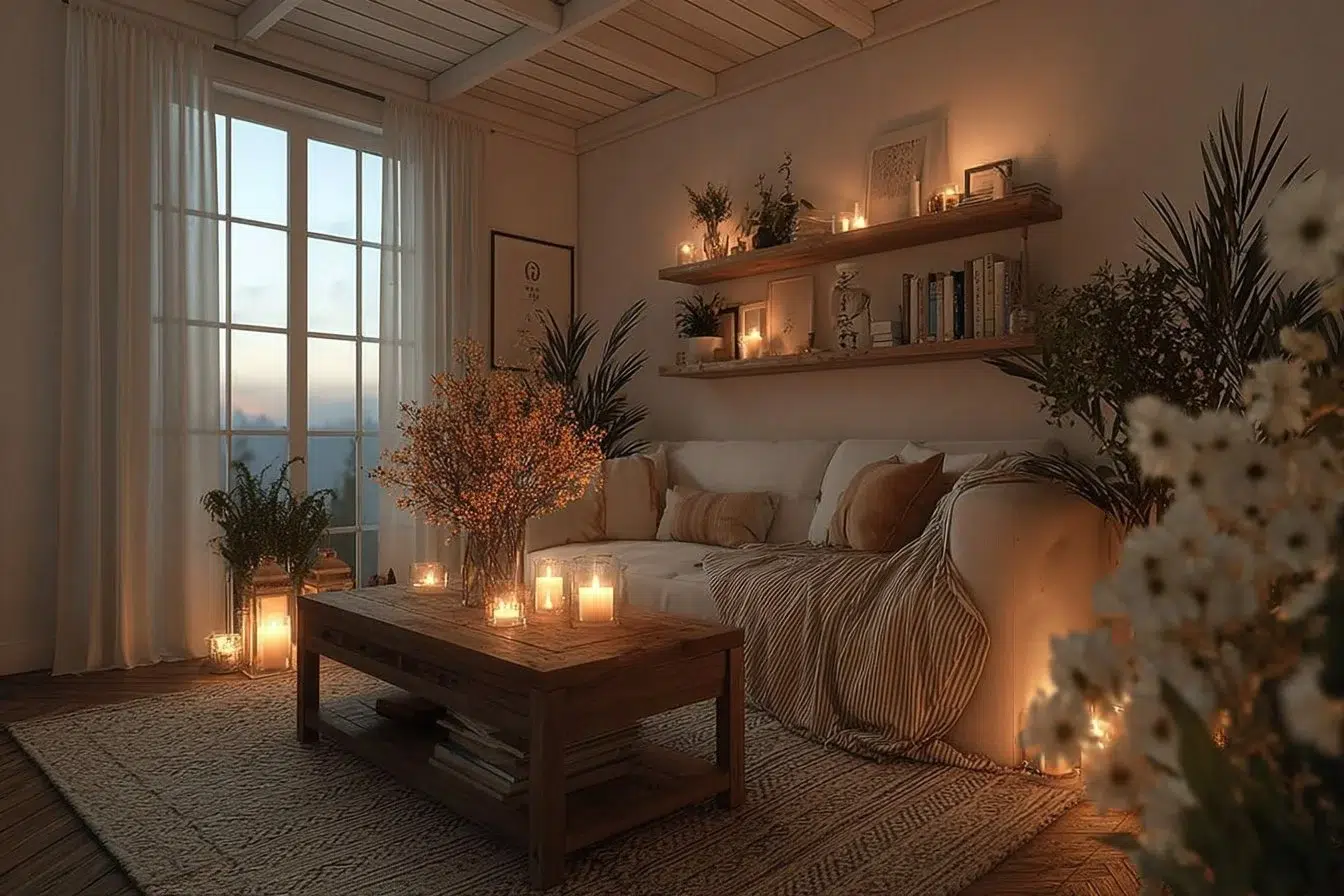
Good light changes moods—brighter for crafts and homework, dimmer for cozy movie nights. Swap a harsh overhead fixture for softer alternatives: add a floor lamp behind a reading chair, tuck a small table lamp near the couch, and use warm-toned LED bulbs for a golden glow. Dimmable switches are a game-changer for parents who want to shift quickly between morning rush and bedtime wind-down. Candles (real or flameless) on a low shelf anchor movie nights and make even a simple throw blanket feel celebratory. As you experiment, keep in mind classic interior styling tips like layering task, ambient, and accent lighting to provide function without sacrificing ambiance. My neighbor once said the right lamp can change a room like a new rug—and she was right; lighting is affordable and instantly transformative.

3. Family-Friendly Seating Zones

A living room should work for play dates, puzzles, and quiet reading alike. Create distinct seating zones: a main couch for TV nights, a low pouf or ottoman for kids to sprawl out with Legos, and a cozy armchair for reading or phone calls while supervising homework. Use a soft area rug to visually anchor play spaces and consider modular seating that can be rearranged for board game nights or impromptu living room forts. Choose slipcovers or stain-resistant fabrics so spills don’t mean panic; washable covers are lifesavers when lunch gets eaten over the coffee table. When styling, think about flow—leave clear paths for little feet and place a small side table near each spot for drinks or craft supplies. These choices make decorating inspiration practical, honoring family life without compromising on style.

4. Personal Displays That Tell Your Story

A living room becomes unforgettable when it showcases family stories rather than just store-bought decor. Create a photo wall with mismatched frames, a shelf with kids’ artwork rotated regularly, or a simple memory table with souvenirs from local walks and neighborhood adventures. These touches make the room feel like home and spark conversations during lazy Sunday afternoons. For a modern take, mix vintage finds with current pieces—an old wooden frame beside a sleek metal one keeps the display grounded. If you need ideas for blending family keepsakes into a contemporary space, explore different approaches to keep your layout feeling fresh and intentional rather than cluttered. I keep a small clipboard for rotating drawings so my kids feel proud and our space remains organized between school projects.

5. Nature Elements and Soft Color Palettes

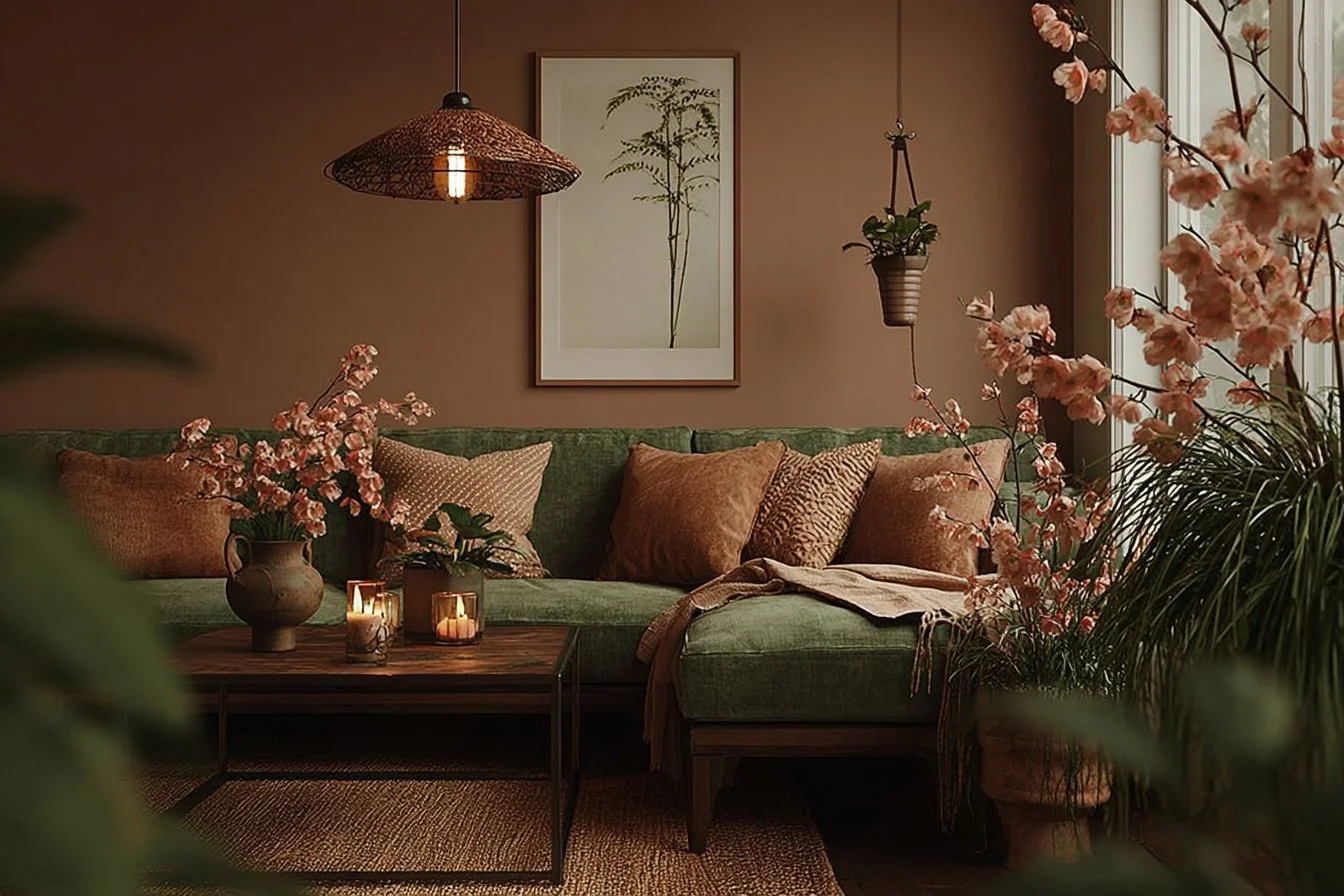
Bringing the outside in soothes busy households: potted plants, woven baskets, and natural wood accents add texture and calm. Choose hardy houseplants like snake plants or pothos that tolerate less-than-perfect care—kids love them, and they breathe life into corners that used to be catch-alls. A soft palette of warm creams, muted greens, and gentle blues keeps the mood serene and flexible for seasonal swaps or bold throw pillows. For more dramatic inspiration on marrying contemporary lines with natural elements, consider browsing curated examples that show how subtle greenery can shift a room’s vibe without demanding constant upkeep. On rainy afternoons we gather by the window with cocoa; the plants and soft tones make those moments feel intentional and restorative rather than chaotic.

Conclusion

If you save one idea, let it be this: design for how your family actually lives. Gentle changes—layered textures, warm lighting, flexible seating, personal displays, and a touch of nature—create a living room that stands up to sticky hands and invites slow Sundays. For a fun seasonal round-up that pairs well with these warm design touches, I found a helpful list of festive tree options here: 10 Popular Christmas Trees from Amazon – Beneath My Heart. Try one idea at a time, save the looks you love, and come back when you’re ready for the next room refresh.
Categories
Valentine’s Day

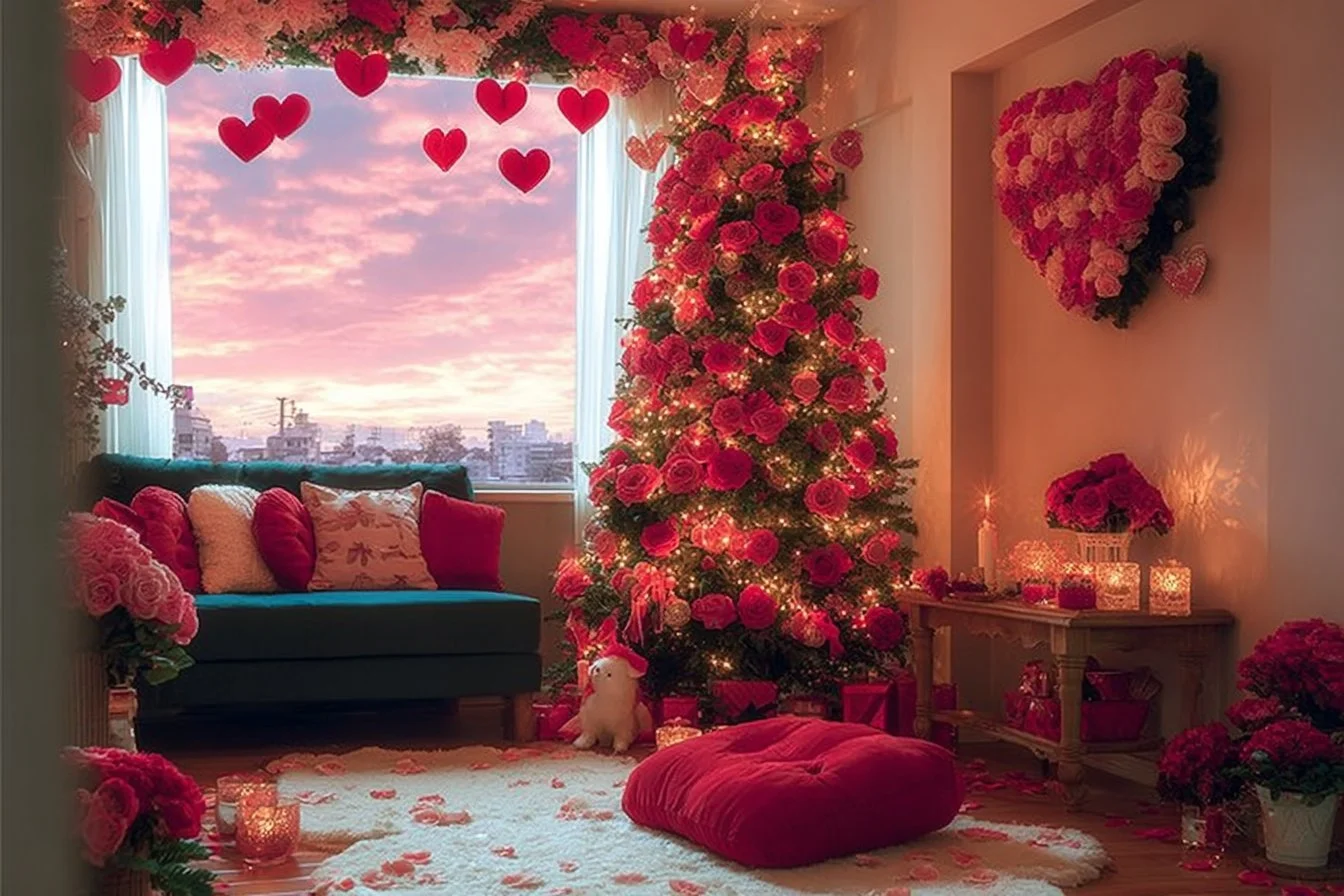
Romantic Living Room Valentines Day Lighting With Fairy Lights

I still remember collapsing onto the couch after a whirlwind morning of school lunches, carpools, and a lost soccer shoe. As a mom in my forties with two kids between eight and twelve, my living room is where the day exhales — homework sprawls across the coffee table, neighbor Mrs. Jensen drops by with too-sweet muffins, and the dog finds the warmest corner. Those small moments made me want the room to feel like a soft hug, a place that calms restless kids and invites friends to linger. Over the years I’ve learned that lighting does more than brighten a space; it sets the mood for storytime, movie night, or a quiet tea after bedtime. That’s how I started experimenting with fairy lights and gentle accents to turn everyday family living into cozy, intentional spaces with easy home décor ideas and subtle interior styling tips.

Canopy of Twinkle Above the Sofa

A fairy-light canopy over the sofa instantly creates a focal point that feels intimate and comforting. The tiny bulbs mimic a starry ceiling, bringing warmth without harsh glare, which is perfect for evenings when the kids want a calm corner for reading or when neighbors pop in for coffee. Visually, this idea draws the eye up, making the ceiling appear higher and the sofa more inviting. To create it at home, drape sheer fabric from a slim curtain rod or tension wire and weave battery-operated string lights through the folds. Anchor the fabric with small hooks or decorative clips so it looks effortless but stays in place during impromptu pillow forts. I like this for family rooms because it softens the space for everything from puzzles to lullabies, and it’s easy to remove for weekend cleaning or when my daughter wants to rearrange the living room for a sleepover.

Mason Jar Clusters on the Mantel or Table

Mason jars filled with fairy lights are a classic way to add cozy accents without committing to permanent fixtures. Grouping jars in varying heights gives a casual, collected look that complements plants, framed photos, or kids’ art projects. Emotionally, the soft glow creates a sense of calm after a noisy after-school hour, and jars are safe to place within reach of curious hands when lights are battery-powered. To style this at home, reuse cleaned jars and coil a short strand of warm white lights inside each one; tuck in a sprig of eucalyptus or a faux rose for texture. Cluster them on the mantel, along a bookshelf, or as a centerpiece on the coffee table. When my son does a homework emergency, the glow feels like a tiny encouragement — a reminder that even busy evenings can be beautiful with a touch of decorating inspiration.

Mirror-Boosted Glow for a Larger Feel

Fairy lights reflected in a framed mirror double the effect and instantly add depth to a room. This trick works visually to make small or narrow living rooms feel airier, and emotionally it gives the space a touch of magic that kids notice and love. To implement this, hang a large mirror opposite a window or an existing light source and string delicate lights around the mirror’s frame. Choose warm-toned bulbs to keep the vibe cozy rather than showy. For a family-friendly version, secure lights with removable hooks so they can be adjusted for movie nights or family gatherings. I often use this tip when I want to create a subtle focal point for neighborhood get-togethers; the reflected glow seems to invite conversation and makes hand-me-down furniture feel intentional and styled.

Photo String with Memory Lighting

Turning a string of photos into a glowing timeline blends personal history with soft ambient light. This approach gives the living room a sentimental focal point while keeping the lighting functional for evening activities like board games or storytelling. Clip family photos, kids’ artwork, or tiny mementos to a lighted cord using mini clothespins. The result is a warm, living gallery that changes as your family grows. At home, I hang this above the sideboard where my children’s latest drawings live alongside birthday snapshots. Swap and rearrange photos with seasons of life — the installation is forgiving and encourages kids to curate their own displays. It’s a simple interior styling tip that invites conversation and anchors the room in family memories.

Curtain Lights as a Soft Room Divider

Curtain-style fairy lights are an elegant way to create a backdrop without building anything permanent. They offer a soft, cinematic glow that works well behind a reading chair, as a screen behind the TV to reduce eye strain, or as a subtle divider between living and dining zones. The visual effect is ethereal and soothing, helping transform a multiuse family room into distinct cozy corners. To set this up, hang a panel of lights on a slim rod or track, letting them fall in gentle folds. Use warm LEDs and pair with textured curtains or a sheer fabric for added softness. In my house this has become my go-to for quiet evenings when one child wants to watch a show and the other wants to read nearby; the curtain lights keep both zones peaceful and connected.

Rose and Candle Centerpiece for Intimate Evenings

A tabletop arrangement of rose-style fairy lights mixed with flameless candles creates an intimate, low-maintenance centerpiece that elevates ordinary nights. The combination feels romantic without being fragile, and it adds a thoughtful layer for family dinners, game nights, or neighbor visits. Choose string lights shaped like flowers or weave lights through a low bowl of faux petals for durability around kids and pets. Flameless candles add flicker without risk, making the setup practical for busy households. I place these on the coffee table or dining sideboard when I want to make weeknight dinners feel special; the soft glow signals to my children that the evening is a little different, inviting slower conversations and a few extra hugs.

Conclusion

If you want a living room that feels like a warm hug after a hectic day, small lighting choices go a long way. These home décor ideas blend style and comfort, offering interior styling tips that fit busy family routines and provide easy decorating inspiration for everyday life. For one of my favorite quick options that adds a floral, glowing touch, I recommend checking out these rose string lights as a safe, pretty accent: FULLBELL rose fairy string lights. Try a few of these ideas, save the ones that feel most you, and come back when you want fresh ways to tweak your cozy corners.

Categories
Living

20 Modern Boho Living Room Ideas You’ll Love”

Boho (bohemian) style has evolved from its eclectic, free-spirited roots into a polished, modern aesthetic that balances warmth, pattern, and texture. Whether you’re starting from scratch or refreshing a corner of your home, these 20 ideas will help you craft a living room that feels curated, comfortable, and unmistakably you. If you want a primer on blending contemporary elements with personality, this guide to modern contemporary living room ideas is a great complement to the tips below.

  1. Natural fiber foundation
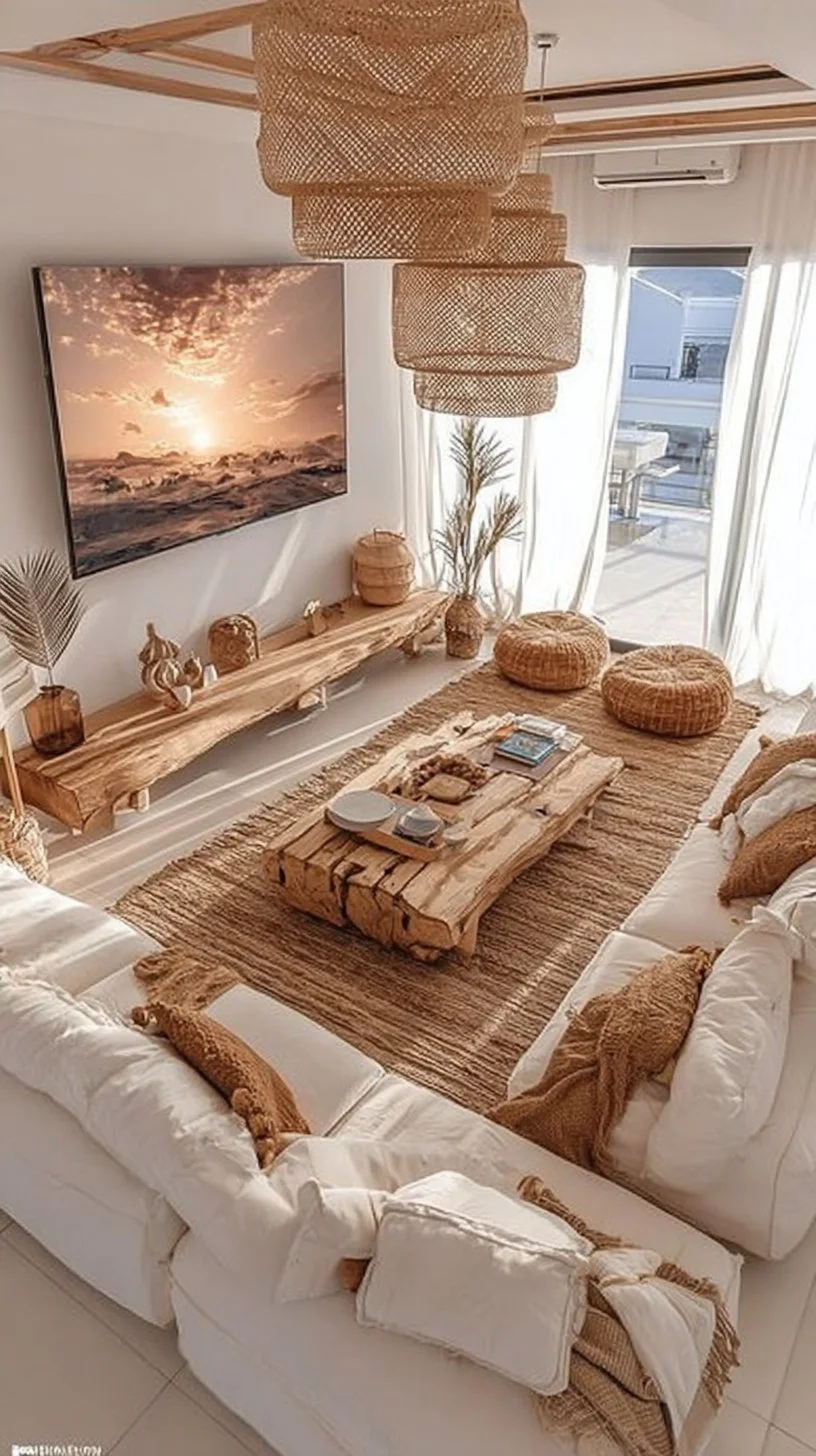
    Use jute, sisal, or seagrass rugs to anchor the space. Natural fibers add warmth, define seating areas, and layer beautifully under patterned rugs.
  2. Neutral base with colorful accents
    Start with a neutral palette—cream, warm white, soft taupe—and introduce color through pillows, throws, and art so the room feels calm but lively.
  3. Mixed-texture seating
    Pair a low-profile linen sofa with a leather accent chair or a velvet pouf. Mix textures to create visual interest without clutter.
  4. Global rugs and pattern play
    A single statement rug with tribal or kilim patterns can set the tone. Keep the rest of the decor simple so the rug reads as intentional rather than chaotic.
  5. Layered lighting
    Combine ambient lighting (pendants or recessed), task lighting (floor and table lamps), and accent lighting (sconces or string lights) for a cozy, adaptable environment.
  6. Macramé and wall hangings
    Use handwoven pieces or modern interpretations to add a tactile focal point above a sofa or console. They soften walls without the heaviness of framed art.
  7. Low, lounge-style seating
    Create a relaxed vibe with low sofas, daybeds, or floor cushions. It encourages conversation and complements boho’s casual aesthetic. For ideas that bridge transitional tastes and subdued palettes, check out this piece on neutral transitional decor.
  8. Houseplants everywhere
    Fiddle-leaf figs, rubber plants, and trailing pothos bring life and humidity into the room. Mix tall plants with table-top varieties in woven baskets or ceramic pots.
  9. Woven storage solutions
    Baskets, rattan cabinets, and cane-front storage units add function with style—perfect for corralling throws, toys, or magazines.
  10. Earthy color accents
    Terracotta, ochre, olive, and deep teal pair beautifully with natural wood and woven textures.
  11. Vintage finds and modern pieces
    Blend a mid-century coffee table or vintage lamp with new furniture for a curated look that feels layered and deliberate.
  12. Sculptural side tables
    Choose interesting shapes—stone, hammered metal, or carved wood—to act as small art pieces beside seating.
  13. Statement mirror
    A large, round mirror with a rattan or carved wood frame opens the room and reflects light, enhancing the airy boho feel.
  14. Textural curtains
    Light, gauzy curtains soften windows while letting in natural light. Consider linen blends for a slightly more structured look.
  15. Mix-and-match patterned pillows
    Stick to a cohesive color story and vary scale—small geometrics with large florals—to keep it visually balanced.
  16. Creative shelving displays
    Open shelving allows you to display books, ceramics, and woven pieces. Keep a mix of low and high elements for an intentional, casual arrangement.
  17. Earthy plaster or matte paint finishes
    Opt for matte wall treatments or a soft plaster finish to add depth and a handcrafted feel. For inspiration on integrating luxe touches and sophisticated finishes, see approaches used in modern luxury styling.
  18. Statement pendant or rattan chandeliers
    A woven pendant instantly reads boho-chic and serves as an anchor for the seating area. Choose one large fixture rather than many competing lights.
  19. Curved furniture and soft shapes
    Rounded sofas, arched mirrors, and circular rugs counterbalance angular architecture and lend a gentle, inviting atmosphere.
  20. Personalized gallery corner
    Curate a small gallery wall of vintage prints, family photos, and woven art. Keep the frames cohesive in color or material to maintain a relaxed, styled look.

Quick styling tips

  • Keep clutter minimal: Boho can slide into messy if every surface is filled. Edit down and rotate pieces seasonally.
  • Use odd numbers when grouping objects for a more dynamic display.
  • Embrace imperfections: Hand-thrown ceramics, slightly faded textiles, and patinaed wood add authenticity.
  • Scale matters: If your room is small, choose one or two bold boho elements (like a rug and a pendant) rather than filling every corner.

Conclusion

If you want boho inspiration that extends beyond the living room and into workspaces, explore these Boho Office Ideas- 20 Clean and Bright Offices You’ll Love … for fresh ways to bring relaxed, modern boho vibes into every corner of your home.

Categories
Living

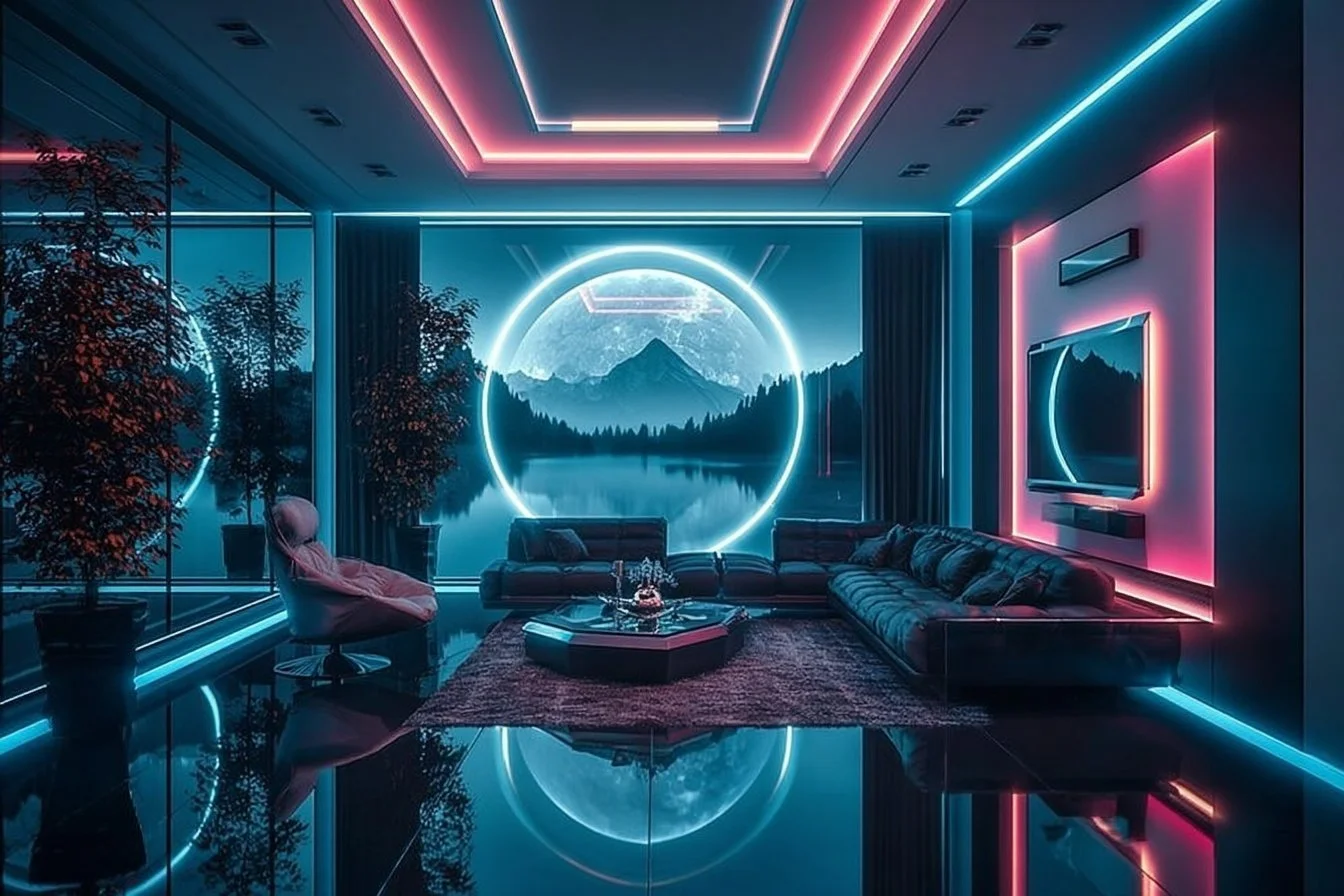
Futuristic Cyberpunk Living Room with Holographic Earth

I still remember the slow hum of the minivan idling in the driveway as I tried to finish a work call while dinner simmered and my youngest practiced piano in the next room. Small routines like swapping backpacks with the neighbor or debating which cartoon to let the kids watch feel like the backbone of our days. As a mom in my forties with two kids between eight and twelve, I live somewhere between chaotic school runs and quiet late nights with a cup of tea. Those moments made me rethink living spaces not as perfect showrooms but as places that hold memories, snack crumbs, and bedtime stories. That mix of lived-in comfort and a touch of wonder is exactly why I started experimenting with futuristic touches in our family room, marrying practical organization with playful technology and gentle style shifts. For tips on simplifying the base layer before adding high-tech flair, check out this decluttering guide for living rooms: https://how-then.com/declutter-your-space-a-minimalist-living-room-guide/.

  1. Holographic Earth as a Centerpiece

    A holographic Earth floating above the coffee table becomes a family ritual waiting to happen. It works because the globe is both a visual anchor and a conversation starter, turning the room into a storybook full of curiosity. To create this effect at home, use a compact holographic projector or a glass display with a small rotating LED base; position it where the kids can safely admire it without touching fragile components. Keep surrounding furniture low and minimal so the hologram reads clearly, and add a soft rug to invite leggy puzzle nights or forts. This idea plays well with younger kids who love showing friends an impressive “space planet” and helps older kids feel like their home has personality. From an interior styling tips standpoint, balancing technology with tactile elements keeps the space cozy and child-friendly while still feeling cutting-edge.

  2. Smart Ambient Lighting and Color Scenes

    Lighting sets the mood and makes futuristic elements feel intentional. Smart RGB strips, programmable overheads, and dimmable floor lamps allow you to shift scenes from homework-focus white to movie-night violet, enhancing the holographic Earth and other displays. This works because color influences perception and energy levels, helping kids calm down or ramp up depending on the hour. Start by wiring LED strips behind shelving or under sofas to create indirect glow, and sync lights to routines so evening colors naturally cue quieter activities. Include a family-friendly control hub that kids can use to pick colors within safe presets, and tuck tech easily into the back of a media console to keep clutter away. These small investments double as interior styling tips and practical tools for managing household flow while still delivering that cyberpunk vibe.

  3. Textures that Soften Futurism

    A cyberpunk living room can easily feel cold, so layering warm textures is essential. Combine matte black or glass surfaces with plush throws, woven baskets, and rounded cushions to humanize sharp-edged tech. This works because contrast creates visual interest and makes high-tech pieces feel welcome rather than imposing. Apply this by placing a soft, oversized wool rug beneath the holographic display and adding washable slipcovers to the sofa for parental sanity. Incorporate metallic accents sparingly to highlight a shelf or frame a digital picture without overwhelming the space. A mix-and-match approach lets kids add drawings or small crafts that sit comfortably alongside futuristic objects, making the room feel lived-in and loved. For more refined inspirations that blend comfort and polish, explore elegant living room design ideas at https://how-then.com/elegant-living-room-design-ideas/.

  4. Modular Seating and Smart Storage

    A family room must adapt to Lego build sessions, movie nights, and craft projects, so modular seating and hidden storage are a must. Systems that reconfigure from sectional to separate chairs work because they keep the space flexible for different activities while hiding the chaos quickly. Choose ottomans with built-in storage or benches that lift to stow puzzles and cables safely away from tiny hands. Add discrete charging docks inside side tables to keep devices powered without visual clutter; kids learn to plug in after homework and it becomes part of the routine. This strategy blends decorating inspiration with functional solutions, allowing tech like a holographic Earth to shine while maintaining a kid-safe environment. Include labels or color-coded bins to teach responsibility in a playful way, and rotate toys so the room stays fresh for everyone.

  5. Interactive Walls and Rotating Art Scenes

    Turn a wall into a living canvas by using projection mapping or modular frames that cycle art and family photos. Interactive walls work because they let the room evolve with mood and occasion, from calming starfields during bedtime to animated cityscapes for weekend movie marathons. To implement this, mount a small projector with adjustable mapping software or use magnetic frames that children can rearrange as they please. Keep one shelf dedicated to rotating family mementos so the space feels personal, and teach kids to curate a mini-exhibit to display their latest projects. This element builds decorating inspiration into everyday life, encouraging children to participate in styling and to feel ownership over their environment. If you enjoy blending nostalgia and new trends, you will appreciate how personal items sit comfortably in a futuristic setting, similar to cozy, layered design ideas like a nostalgic haven for family gatherings: https://how-then.com/grandmacore-living-room-nostalgic-haven-comfort/.

Conclusion

If you want a living room that sparks bedtime stories and sparks curiosity while remaining family-friendly, start small and layer thoughtfully. Save this post for when you are ready to add one piece of tech or a new light scene, and invite the kids to help pick colors or art for rotating displays. For more creative ideas about holograms and how they can be used in near-future or cyberpunk settings, check this roundup of practical concepts: 20 Hologram Uses for Cyberpunk/Near-Future Settings. Try one change at a time, and revisit ideas as your family grows into the space and makes its own memories.

Categories
Living

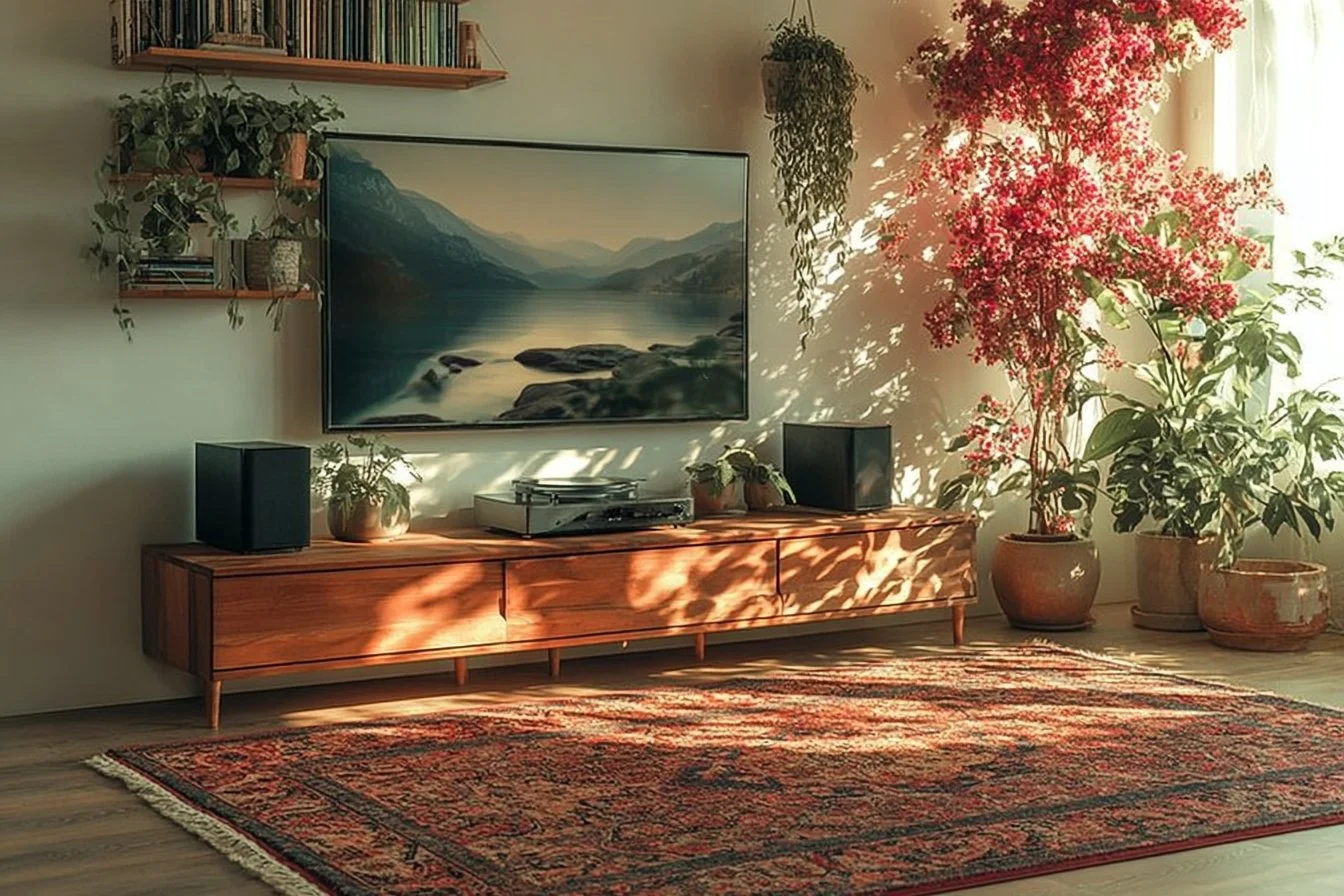
Transform Your Living Room with Earthy, Minimalist Style

An earthy, minimalist living room blends natural warmth with clean lines and calm neutrals. The goal is a space that feels grounded and inviting without feeling cluttered. Below are practical design tips to help you achieve a serene, tactile living room that highlights natural materials, subtle color, and purposeful simplicity.

Start with a soft, neutral palette

  • Choose warm neutrals as your foundation: soft beiges, warm greiges, muted taupes, and creamy off-whites.
  • Layer in deeper earth tones sparingly—olive, terracotta, and chocolate—to add depth and visual interest.
  • Keep contrasts gentle. High-contrast black-and-white feels sharper than earthy minimalism; aim for tonal harmony instead.

Prioritize natural materials

  • Wood: Use oak, walnut, or ash for flooring and larger furniture pieces. Lighter woods keep the space airy; medium tones feel cozier.
  • Stone and clay: Marble or honed stone coffee tables, terracotta planters, and ceramic accessories introduce organic texture.
  • Textiles: Choose linen, cotton, hemp, and wool for upholstery and soft furnishings. These fibers age gracefully and bring subtle variations.

Choose furniture with clean, organic lines

  • Minimalist silhouettes with soft edges read as modern but warm. Avoid overly ornate or ultra-modern glossy pieces.
  • Invest in a comfortable, well-proportioned sofa in a neutral fabric—this will be the room’s anchor.
  • Mix low-profile seating (like a lounge chair or bench) with functional storage units that conceal clutter to preserve the minimalist feel.

Layer texture for warmth

  • Rugs: Choose natural fiber rugs (jute, wool, sisal) in muted shades to define seating areas and add underfoot comfort.
  • Throws & cushions: Use layered textures—soft wool throws over linen cushions—to invite touch without introducing loud patterns.
  • Wall finishes: Consider textured plaster, limewash, or grasscloth wallpaper for a subtle, tactile backdrop.

Bring in plants thoughtfully

  • Greenery is essential for an earthy look. Use a mix of heights and leaf shapes for visual interest—tall palms, medium fiddle-leaf figs, and small succulents or herbs.
  • Choose simple, neutral planters (clay, cement, rattan) that complement the palette.
  • Group plants to create focal points and soften corners, but avoid overplanting, which can compete with minimalist intentions.

Mindful lighting choices

  • Aim for layered lighting: ambient, task, and accent.
  • Warm LED bulbs (2700K–3000K) preserve the cozy, earthy atmosphere.
  • Use sculptural floor lamps and simple pendant lights in natural materials—rattan shades, matte metal, or ceramic—for both form and function.
  • Dimmers are invaluable for adjusting mood and warmth throughout the day.

Create balanced layouts for flow and function

  • Keep traffic paths clear and center seating around conversation and views (a fireplace, window, or piece of art).
  • In smaller spaces, use multi-functional furniture—nesting tables, storage ottomans, or benches—to reduce clutter.
  • For larger rooms, divide areas into purposeful zones (conversation, reading nook, media) while maintaining cohesion through a consistent palette and material choices.

Curate a restrained accessories scheme

  • Adopt a “less is more” mentality: choose a few well-made pieces rather than many small items.
  • Art: Opt for large, simple artworks or nature-inspired pieces with muted colors. One or two statement pieces work better than a crowded gallery wall.
  • Collections: Display natural objects (stones, woven baskets, ceramic bowls) in deliberate vignettes to tell a cohesive story.

Textiles and patterns—use sparingly

  • Favor solids and subtle weaves over bold prints. If using pattern, select organic, low-contrast motifs (soft stripes, muted geometrics, or nature-inspired designs).
  • Keep scale in mind: larger patterns suit large furniture or rugs, while small-scale patterns can be used for pillows or throws.

Maintain a calm seasonal rhythm

  • Rotate textiles seasonally—lighter linens in summer, heavier wool throws in winter—to keep the room feeling fresh without changing the core pieces.
  • Introduce small seasonal accents: dried branches in fall, fresh-cut flowers in spring, citrus in summer.

Practical maintenance tips

  • Protect floors with natural-fiber rugs in high-traffic areas.
  • Choose fabrics with easy-care blends for households with pets or children.
  • Keep a regular editing routine: every few months, remove one or two items to maintain the minimalist aesthetic.

Final styling checklist

  • One dominant neutral color, plus one or two deeper earth tones for accents.
  • At least three natural materials (wood, stone/clay, natural fiber textiles).
  • A central, comfortable seating piece and two supporting seats.
  • Layered lighting with warm bulbs and dimmers.
  • A curated selection of plants and a few meaningful accessories.

Conclusion

An earthy, minimalist living room thrives on thoughtful restraint: a calm neutral palette, honest natural materials, tactile layering, and purposeful furniture choices. If you’re working with a larger room and need guidance on proportion and zoning while keeping a neutral, grounded aesthetic, this resource on How to decorate & furnish large spaces | These Four Walls offers practical strategies for decorating big living areas without losing intimacy or warmth.

Categories
Living

Cozy Living Spaces: Tips to Create Your Family’s Warm and Inviting Home

Embracing Home Décor: Creating Your Cozy Sanctuary

Picture this: a sunlit Saturday morning in our home, the smell of pancakes wafting through the air as my two kids, Emily and Jake, dash through the living room, giggling and wrestling with pillows. As I flip the pancakes, I can hear those joyful sounds and then take a moment to appreciate the cozy corners of our living space, decorated with family photos, whimsical art, and sentimental trinkets collected over the years. This is not just a house; it’s our sanctuary, filled with memories and love. Living in this vibrant setting with my husband, who often helps retrieve legos from under the sofa, and my parents just down the street, I find joy in how each piece of decor can tell a story. Let me share some delightful décor trends and tips that can help you transform your space into a warm, inviting home.

1. Cozy Corner Nooks: Transforming Dead Spaces

Creating cozy nooks in your home can vastly improve your living experience. Think of the often-overlooked spots—empty corners, under the stairs, or even the space beside a window. For instance, in our living room, I’ve crafted a little reading corner for Emily and Jake. I added a vintage armchair I found at a garage sale, some plush cushions, and a small bookshelf filled with their favorite stories. A warm blanket adds to the ambiance and makes it the perfect spot for snuggling up with a book or sharing stories.

To create your own cozy corner, choose a comfortable chair or cushion, add some soft lighting through a lamp or fairy lights, and surround it with books or plants. This nook can become your go-to spot for relaxation or for enjoying heartfelt conversations with loved ones.

2. Earthy Elements: Bringing Nature Indoors

One of the most beautiful trends in home décor today is the use of natural materials and earthy colors. In our home, I’ve incorporated wooden furniture, terracotta pots, and lush green plants, which all work together to create a serene environment. My daughter has taken to tending to a small succulent garden in the kitchen, and it not only provides a burst of greenery but also sparks conversation about caring for living things.

To embrace this trend, consider using reclaimed wood for shelving or even for decor accents. Using warm tones like browns, greens, and muted oranges can evoke a sense of tranquility. Invest in a few indoor plants; they purify the air and bring life to your home, creating a healthy space for your family.

3. Gallery Walls: Showcasing Cherished Memories

A gallery wall is an excellent way to display your family’s journey and spark joy with every glance. In our hallway, I created a colorful display of photos capturing family vacations, birthday celebrations, and candid moments of Emily and Jake just being themselves. Each frame tells a story, and I often find myself reminiscing as I pass by.

To create a gallery wall, gather a mix of art, photographs, and even your children’s artwork. Don’t shy away from varying the frame styles and sizes to give it an eclectic feel. Arrange the pieces on the floor first to find the perfect layout, then hang them up. This personalized touch not only beautifies your home but also fosters a sense of belonging and warmth.

4. Functional Décor: Merging Style with Purpose

In our busy household, I’ve found practicality is as essential as aesthetics. I love furniture that serves a dual purpose, be it a coffee table with hidden storage or an ottoman that doubles as a seat for impromptu playdates. My husband and I recently built a simple bench at the foot of our bed, which not only provides a place to sit but also stores out-of-season blankets and pillows.

When choosing décor, consider items that can enhance both functionality and style. Look for furniture that has built-in storage, or decorative baskets that can organize toys while contributing to the room’s overall aesthetic. The harmony between function and style can create a more organized and appealing home environment.

5. Layering Textures: Adding Depth and Warmth

Texture is a powerful tool in home décor, creating a tactile richness that makes spaces feel lived-in and inviting. I always use various materials—softer throws, plush carpets, silky cushions, and wicker baskets—to add depth to our rooms. My kids love the giant beanbag in the family room, which not only serves as seating but also encourages relaxation during our family movie nights.

To achieve texture, mix fabrics and materials. Combine smooth surfaces like metal or glass with rougher ones like wicker or wood. Add layers by using chunky knit blankets over sleek sofas, or plush rugs on hardwood floors. Anna and I once picked out a beautifully patterned rug that instantly changed the atmosphere of our living room, making it feel so much cozier.

Conclusion: Your Home, Your Story

As you explore these trends and ideas, remember that your home is your canvas. Embrace the comfort of creating spaces where your family can thrive, feel connected, and share memories. Each tip I shared has transformed our home into a sanctuary filled with love and laughter. So, gather your children, your partner, or even a friend, and embark on this delightful journey of home décor. Let your creativity flow and infuse your space with warmth and your personal touch. After all, every decorative choice reflects who you are and the cherished memories you build with your loved ones. Happy decorating!