Categories
Living

Timeless Kitchen Living Room Ideas for Small Spaces With Rustic Charm

Tiny Homes, Big Heart: Rustic Kitchen-Living Ideas

There are mornings when I’m juggling cereal bowls, a lost soccer shoe, and a last-minute permission slip while the neighbor waves from his porch with a dozen eggs from his backyard hens. My kids are 8 and 11 now, and our little open-plan kitchen-living nook hums with homework, impromptu dance-offs, and the smell of something baking. I grew up in a farmhouse where every chair had a story, and I wanted to bring that same lived-in warmth into our compact space without it feeling cramped or staged. Small tweaks, like a weathered board over the sink or a hand-me-down bench, have transformed how we live together. I even experimented with a few cutting board wall ideas to add character without weighing down the room. These are practical, family-friendly home décor ideas that blend function with soul.

Open Shelves That Still Hide the Clutter

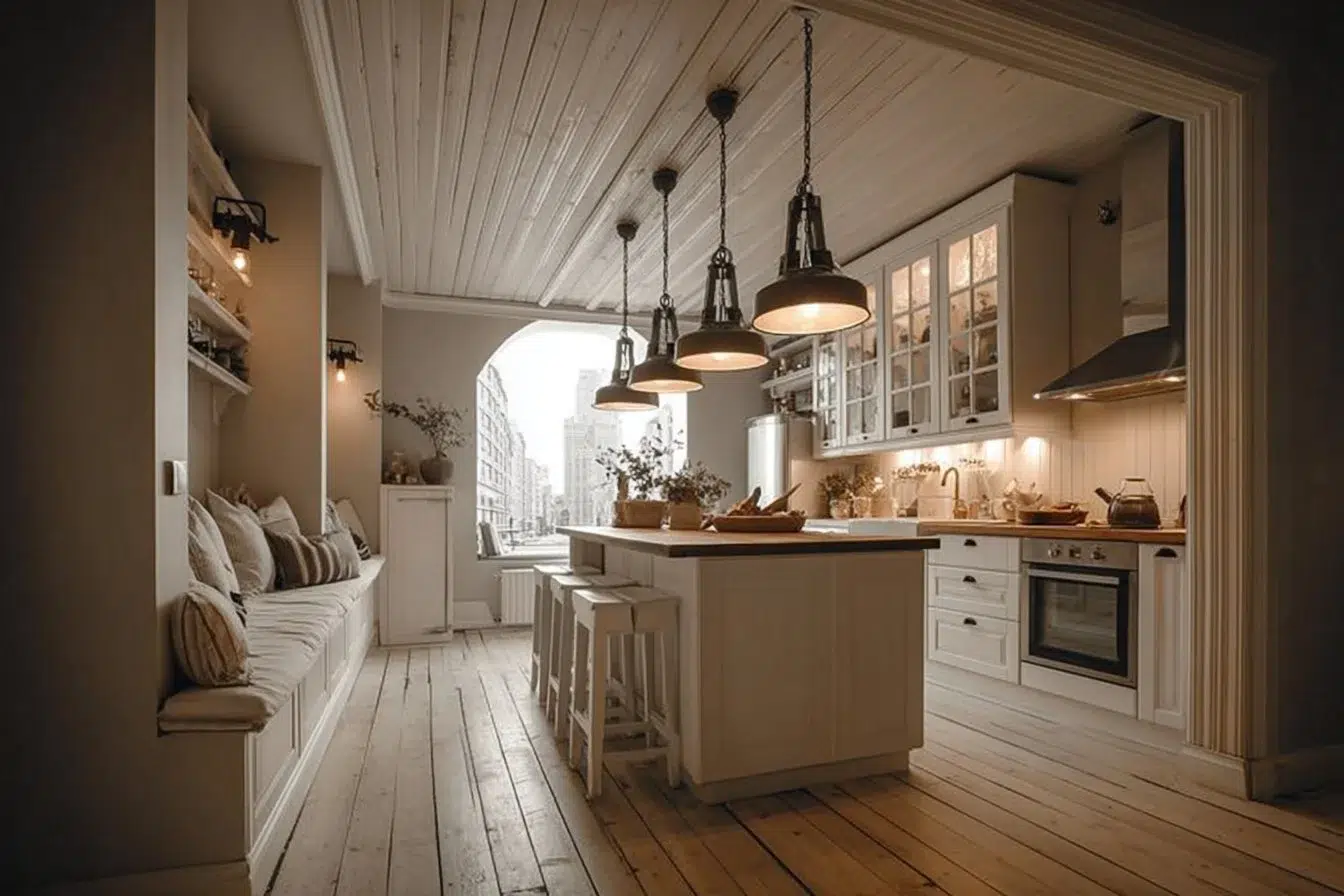
Open shelving is a classic way to make a small kitchen feel larger and more approachable, giving visual breathing room while showing off favorite pieces. Visually, the mix of plates, glassware, and a few curated vintage finds reads as intentional rather than chaotic, and emotionally it creates a lived-in charm that guests compliment. To make it work in a family setting, install a couple of shallow shelves above the counter and keep everyday items on the lowest shelf for kid access. Use baskets or lidded containers on the higher shelves to conceal the bulk of mismatched tools and snack stashes. For safety, secure heavy items and teach routines—my kids know which shelf holds their cereal bowls, so mornings run smoother. These interior styling tips help your small kitchen feel open without sacrificing tidy surfaces.

Foldaway Dining: Small Meals, Big Memories

A fold-down or drop-leaf table gives a compact kitchen-living area the flexibility to host everything from homework sessions to weekend crafts. The visual advantage is immediate: with the table folded, the space reads larger and cleaner, but when dinner or a neighbor’s impromptu visit calls for seats, the table becomes a focal point for connection. Opt for a restored folding bench or a narrow banquette against a wall to maximize seating while keeping floor space clear for scooters or a play mat. Choose durable finishes that handle sticky fingers and spilled juice—waxed wood or sealed pine are forgiving and repairable. My kids love pulling the table out for board games on rainy afternoons, and neighbors always linger longer when the setup feels warm and effortless. These decorating inspiration choices keep life functional and affectionate.

Reclaimed Wood Touches for Warmth

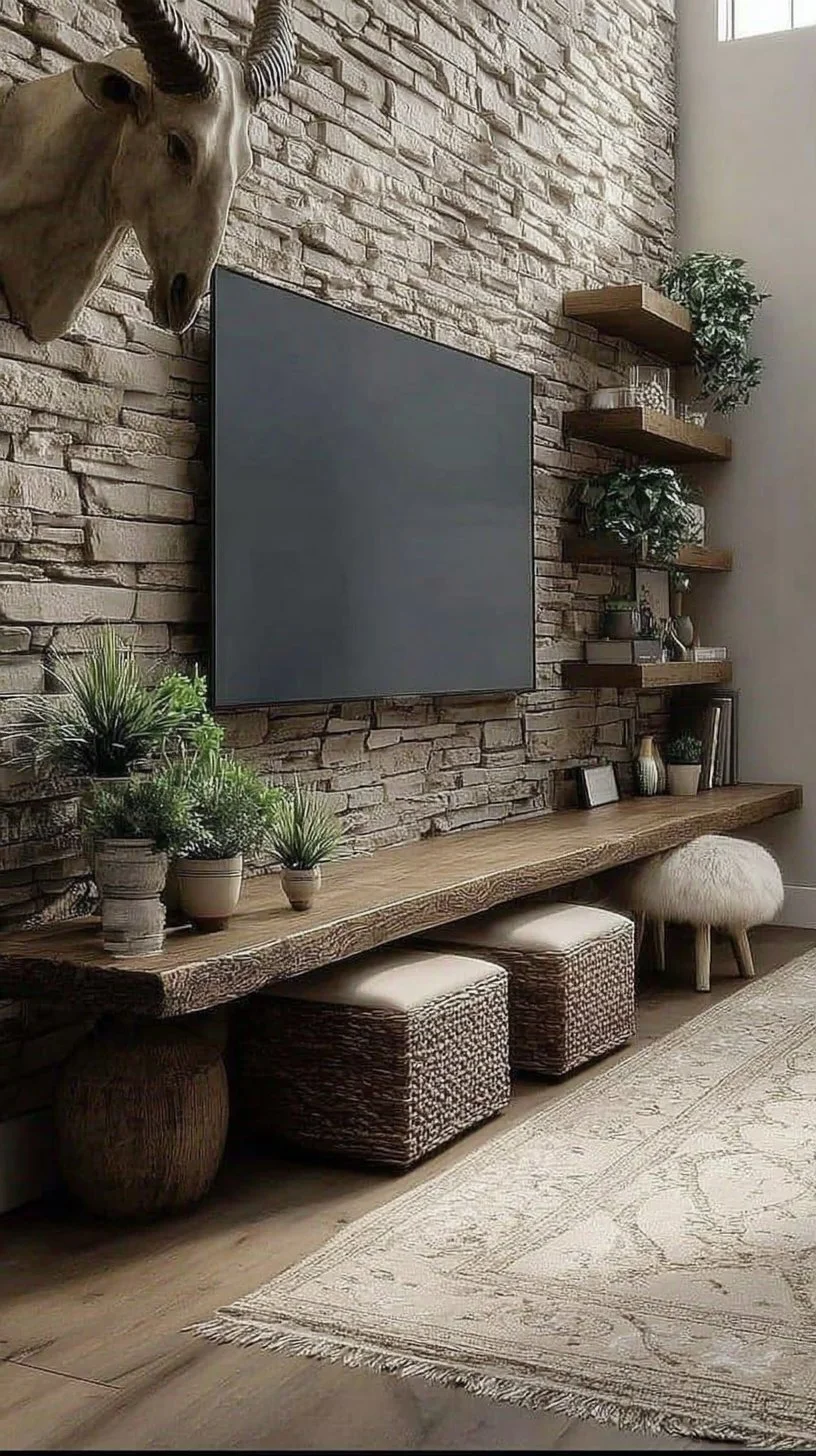
Reclaimed wood inserts instant personality into tiny kitchens and living rooms without adding visual bulk. A narrow beam over the stove, a salvaged mantel turned floating shelf, or a slim coffee table made from an old barn board brings depth and history to a neutral backdrop. The grain and imperfections tell a story, and that authentic patina offers a tactile warmth that synthetic materials can’t mimic. Apply reclaimed wood sparingly—one or two statement pieces prevents the room from feeling heavy. For practicality, seal surfaces near the stove and dining spots, and use lighter wood tones on walls to keep the space bright. If you love mixing room ideas from other corners of the house, I pulled inspiration from small cabin bathroom ideas for compact shelving solutions that translate beautifully into shared living spaces with kids.

Neutral Base with Layered Textures

Start with a calm, neutral palette—soft whites, warm grays, and muted greens—and layer in texture for visual interest. Linen curtains, a braided jute rug, and woven seat cushions add depth without overwhelming a small footprint, while natural fibers wear beautifully under active family life. The result feels serene and timeless, letting rustic accents like hammered metal pendant lights or a weathered bread box stand out. For interiors, swap out heavy drapes for lightweight panels to let daylight work its magic; light equals perceived space. I keep a stack of washable throws folded in a basket for movie nights and chilly mornings, which also doubles as extra seating when friends stop by. These interior styling tips help you balance practicality with personality so the room feels uniquely yours.

Smart Lighting: Mood Meets Function

Layered lighting changes everything in combined kitchen-living areas, especially when square footage is limited. Task lighting over prep areas paired with softer ambient lights in the living zone creates distinct use zones without erecting barriers. Consider a compact pendant over the kitchen island and wall sconces by the sofa that read like vintage finds—they anchor each area and add to the rustic vibe. Dimmer switches are a small upgrade that pays off: bright light for homework and cooking, low light for bedtime stories or movie nights. Use warm-toned bulbs to maintain that inviting, lived-in feeling. As a busy parent, I love that thoughtful lighting turns the same space into a homework station, a study nook, or a family movie corner depending on the hour—practical decorating inspiration that improves daily routines.

Dual-Purpose Pieces and Vintage Finds

In small homes, furniture that pulls double duty is essential. An antique trunk can store blankets and serve as a coffee table; a sideboard with drawers becomes a homework station and tea-serving surface. Visually, mixing a few vetted vintage pieces into newer items keeps the room feeling layered and curated rather than contrived. When choosing dual-purpose pieces, prioritize durability and height—kids lean on surfaces, so select pieces that can take wear and still look lived-in. Hunt at thrift stores, flea markets, or estate sales for characterful items that won’t break the bank; refinishing a found piece is a weekend project that becomes a family story. My son and daughter love choosing the toys stored in the old trunk, which keeps things tidy and turns cleanup into a shared ritual. These home décor ideas let you be resourceful and stylish at once.

Conclusion

If you’re saving ideas for a weekend refresh or dreaming up a year-long makeover, small thoughtful changes can make a big emotional impact—especially when family life is part of the plan. Try one idea at a time: start with lighting or a statement shelf, live with it for a month, and notice how routines shift. For more farmhouse-focused inspiration that fits compact homes, explore Farmhouse Kitchen Ideas: Rustic Charm and Timeless Elegance. Pin the looks you love, adapt them to your family’s rhythms, and come back to refine as your household grows—practical decorating inspiration can be both timeless and tender.

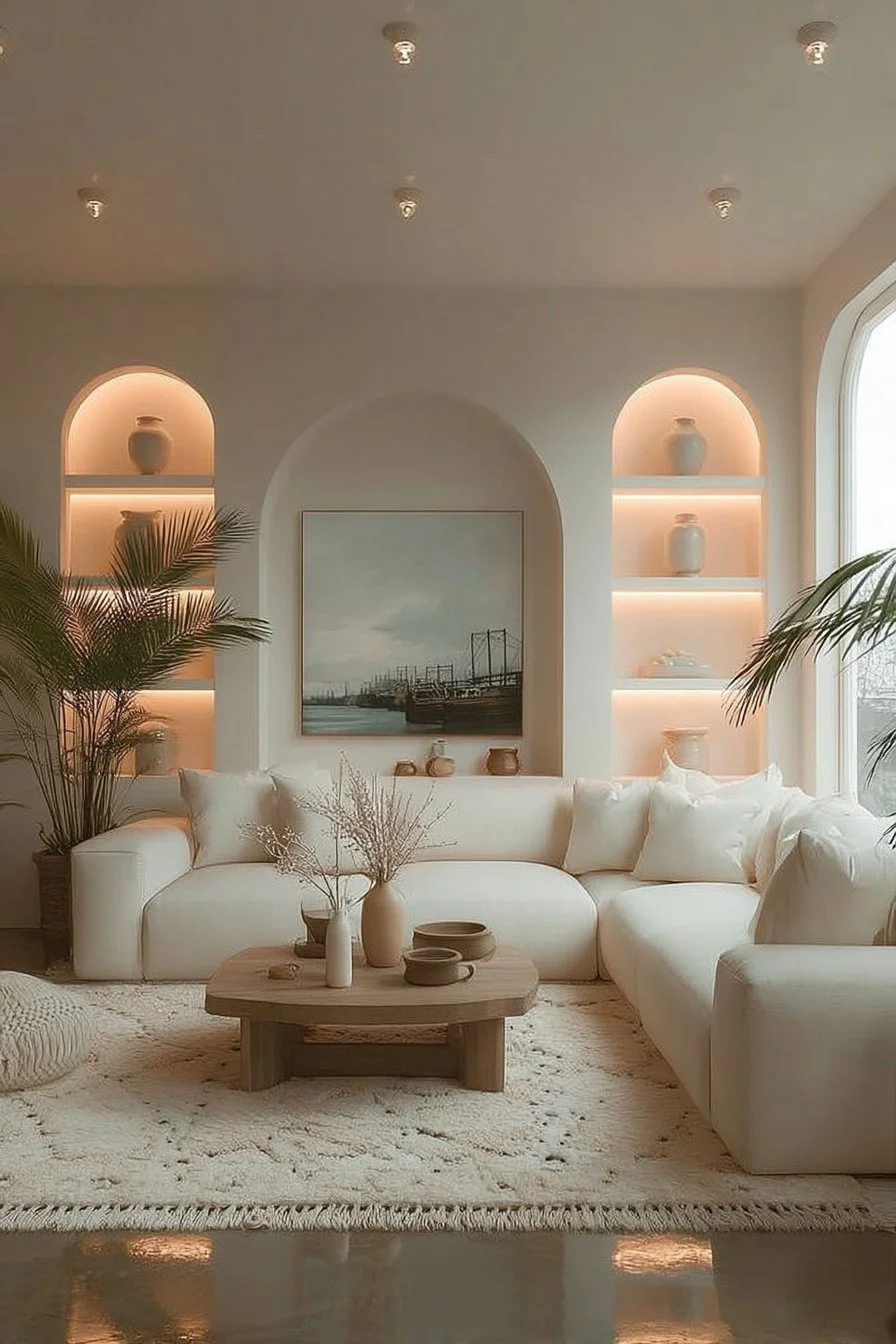
Categories
Living

Futuristic & Spacious Living Room Designs to Elevate Your Home

A big living room is a blank canvas for bold, futuristic design. Whether you’ve got a loft with soaring ceilings or a sprawling open-plan area, the right blend of scale, technology, and materials can turn the space into a comfortable yet forward-thinking environment. Below are practical ideas and design strategies to help you create a living area that feels both expansive and cutting-edge. For quick inspiration and commercial resources, check out this helpful room transformation tips guide.

  1. Embrace Modular, Sculptural Furniture


  • Choose large-scale modular seating with clean lines and rounded edges to fill a big room without making it feel cluttered. Pieces that reconfigure (sofas that convert into daybeds, ottomans that click together) keep the layout flexible for different activities.
  • Add a sculptural statement chair or a curved sectional as a focal point. Futuristic design often favors soft geometry and continuous forms over sharp angles.
  • Use low-profile furniture to maintain sightlines across the space, which emphasizes the room’s size and promotes flow.
  1. Layer Lighting with Smart Controls


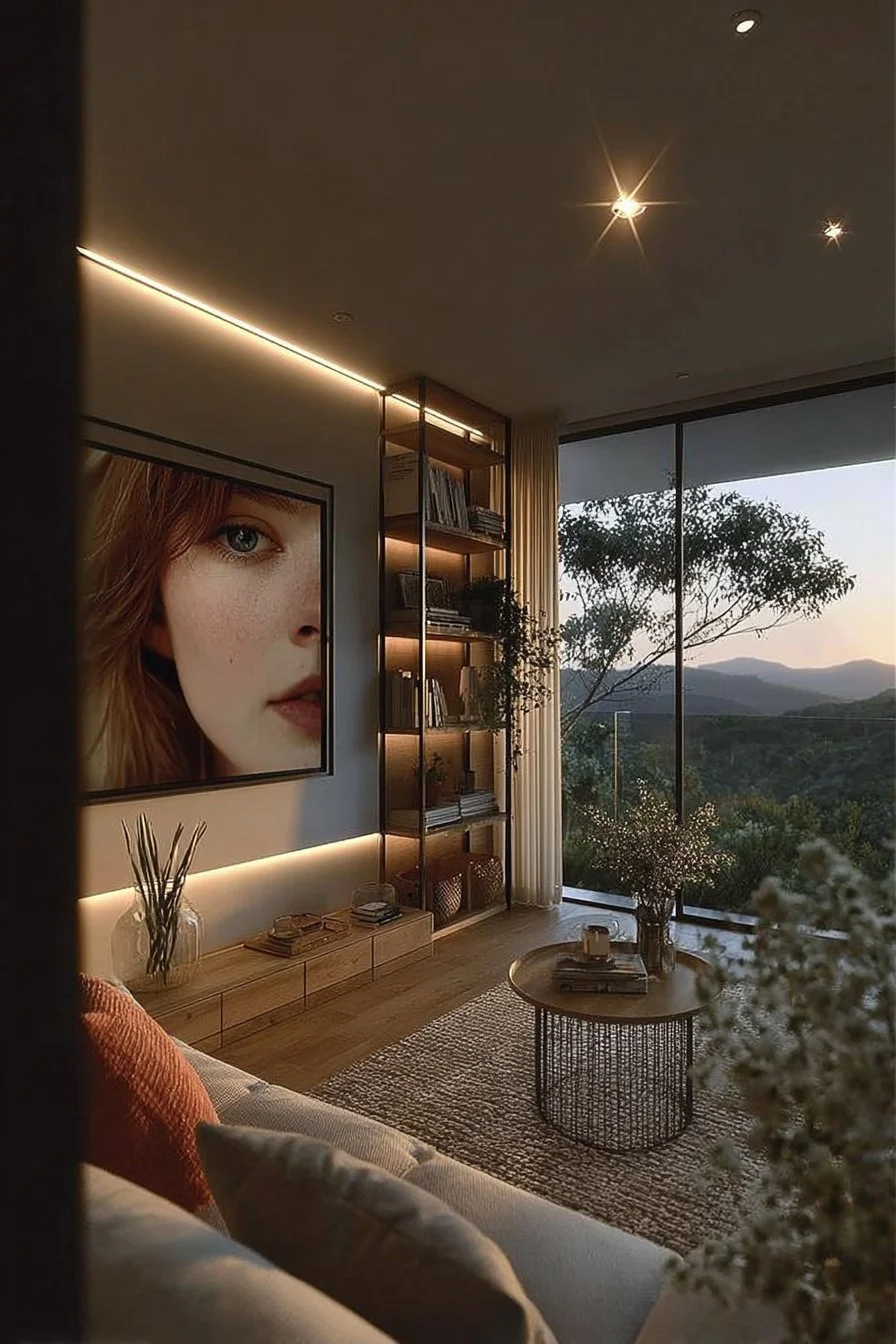
  • Implement layered lighting: recessed ambient lights, directional accent lighting for art or architectural features, and integrated LED strips to highlight coves or shelving.
  • Integrate smart lighting controls so you can change scenes (movie mode, entertaining, reading) at the push of a button or via voice commands. This is central to a futuristic home experience.
  • For tips on tech-friendly setups, explore smart lighting and automation options through practical resources like this smart lighting setups reference.
  1. Zone Your Space Intelligently


  • A large living room benefits from distinct zones: lounging, media, reading nook, and even a workstation or bar. Use area rugs, differing floor materials, or ceiling treatments to visually separate areas without building walls.
  • Position furniture to create conversational islands — for instance, two sofas facing each other with a coffee table between — while still leaving generous circulation paths.
  • Consider floating furniture away from walls to create a more intimate feel within a large footprint and to allow for 360-degree walkaround access. For space planning inspiration, check this space planning resources guide.
  1. Futuristic Materials and Finishes


  • Mix materials like brushed metal, frosted glass, polished concrete, and matte lacquer finishes to give the room a modern edge. Reflective surfaces amplify light and make spaces feel larger.
  • Use continuous floor finishes (polished concrete or large-format porcelain) to unify the room visually. Add warmth with area rugs and textiles in muted or metallic tones.
  • Accent walls in textured plaster, 3D panels, or backlit translucent materials introduce depth and a high-tech aesthetic.
  1. Integrate Audio-Visual Tech Invisibly


  • Hide speakers and wiring in architectural elements, such as ceilings, built-in shelving, or behind acoustically transparent panels. A seamless AV setup keeps the room looking clean and futuristic.
  • Mount a retractable screen or use ultra-short-throw projectors for a large, cinema-like display that disappears when not in use.
  • Smart home hubs that control lighting, climate, and AV from a single interface simplify operation and maintain the minimalist look.
  1. Biophilic Touches for Balance


  • Even the most futuristic rooms benefit from plants and natural materials. Large potted plants or vertical green walls bring life, improve air quality, and soften hard surfaces.
  • Combine greenery with natural wood tones or woven textiles to counterbalance metallics and concrete and make the space feel inviting.
  1. Color Palette and Art


  • Stick to a restrained palette—charcoals, cool grays, deep navy, and crisp whites—punctuated by one or two bold accent colors (electric blue, neon green, or copper).
  • Large-scale art or installation pieces can anchor a zone and add personality. Consider interactive art or LED-based pieces for a distinctively contemporary vibe.

Quick Styling Checklist

  • Define zones with rugs and furniture.
  • Invest in modular, multifunctional furniture.
  • Layer smart lighting and automate scenes.
  • Conceal AV equipment for a clean look.
  • Mix reflective and natural materials for warmth and depth.

Conclusion

To deepen your understanding of different approaches and find style-specific guidance, consult trusted design resources like Interior Design Styles — Interior Designer Auckland | Design & Style …. They provide a helpful overview of styles that can inspire the futuristic and spacious living room you want to create.

Categories
Living

Transform Your Living Room into Stunning Spaces

I never thought the living room would become our family’s archive of small, perfect moments, but it did. One rainy Saturday when my two kids, ages 9 and 11, built a blanket fort that swallowed half the sofa, I watched our neighbor’s little boy peek through the curtains and grin. The memory of that afternoon – coloring lines on the coffee table, the scent of cinnamon toast, my husband paging through an old photo album – made me want the room to be both lived-in and lovely. As an American mom in my forties, my days are full of carpools, after-school snacks, and late-night laundry, yet I crave a space that welcomes all of it. Those tiny rituals taught me that thoughtful touches can make everyday life feel intentional, and that’s where cozy upgrades and smart styling quietly change how a family uses a room.

  1. Layered Neutrals and Texture for Calm Comfort

    A neutral base with lots of texture creates a calm backdrop that still feels warm and lived-in. Start with a soft sofa in a neutral tone, then add textured throws, boucle pillows, and a woven pouf to bring depth without overwhelming color. This approach works because texture reads as richness to the eye while allowing toys, crafts, and kids’ art to stand out rather than clash. To apply it at home, choose three complementary fabrics – a soft knit, a nubby weave, and a smooth linen – and use them repeatedly across the room to build cohesion. I keep one basket for Lego and another for library books; when the kids scatter their projects, the neutrals absorb the activity without looking chaotic. These subtle shifts make even hectic evenings feel intentionally styled and cozy.

  2. Family Gallery Wall That Grows with You

    A rotating gallery wall is a smart way to honor family moments and swap in new art without a full redesign. Choose uniform frames for a tidy base, then mix in one or two favorite handmade pieces from the kids. It works because our eyes love order, but our hearts crave story. Hang prints at eye level with a few floating frames for three-dimensional keepsakes like a postcard or a school award. Make it a ritual to update photos each season: replace a snapshot of last summer’s bike ride with a fresh drawing from after-school hour. If you need ideas for personal touches and cozy arrangements, check out personal touches for a cozy home. My daughter insists on adding one new piece after birthdays, which keeps the wall current and gives her a small sense of ownership over the space.

  3. Flexible Seating and Functional Zones for Family Flow

    One living room should handle homework, movie nights, and spontaneous dance parties, so create zones using furniture, rugs, and lighting. A sectional or a compact sofa paired with two lightweight chairs gives flexibility for different activities. Why this works: zoning helps the family move naturally between tasks without fighting for space. To apply it, anchor the conversation area with a rug, place a small table near a reading lamp for homework, and designate a soft corner with floor cushions for play. I keep a low shelf with craft bins within arm’s reach of the sofa so the kids can grab supplies during rainy afternoons. These interior styling tips make the room function like a multiuse living space while staying attractive for guests.

  4. Cohesive Color Palette and Transition to Other Rooms

    Choosing a consistent color palette helps the living room feel like part of a larger home story, not an island. Pick two main hues and one accent to repeat subtly in pillows, artwork, and accessories. This strategy works because repetition creates visual harmony and eases the eye as you move from room to room. If your kitchen opens to the living area, mirror a single tone in both spaces so the flow feels intentional. For playful households, consider carrying moody or eclectic accents into the kitchen as well – you can find fun crossover ideas in 5 ways to make your kitchen more witchy. My neighbors once painted their hallway a deep blue and suddenly every room felt curated; simple repeats like a stripe of color on a vase or a matched runner can do the same. Small, consistent choices make the entire home feel thoughtfully put together.

  5. Smart Lighting for Mood and Practicality

    Good lighting changes everything. Layer overhead fixtures with floor lamps and table lamps to create pockets of light for reading, crafting, or calming evenings. Why it works: varied lighting mimics natural daylight cycles and allows the family to adjust the atmosphere based on activity. Apply this by installing dimmers for the main fixture, placing a warm-toned lamp near the homework area, and using plug-in sconces or clamp lights for temporary tasks. We have a lamp next to the couch that my son claims as his “homework light”; it signals his workspace while leaving the rest of the room soft for conversation. Choose bulbs with warm color temperatures to keep faces flattering on video calls and family movie nights. These decorating inspiration moves are small investments that pay off in everyday convenience and comfort.

  6. Greenery, Practical Storage, and Kid-Friendly Style

    Plants and smart storage can coexist beautifully with a family’s daily mess. Low-light houseplants like pothos or snake plants add life and softness without demanding constant care, and they teach children a bit of responsibility when they help with watering. Practical storage, like lidded baskets and multifunctional ottomans, hides clutter while doubling as seating. This works because it balances aesthetics with function: the room looks planned and still survives homework spreads and snack times. Apply it by placing a tall plant to balance a media console and using a storage bench under a window for puzzles and board games. My son keeps his soccer cleats in a bin that matches our rug, which makes cleanup a little less of a battle. These home décor ideas let a space feel intentional without erasing family life.

Every redesign starts with one small change – swapping a lampshade, moving a rug, or framing a favorite family photo. If one idea here feels right, pin it, try it, and watch how it shifts everyday moments into something a bit more meaningful. Come back when you want fresh interior styling tips or more decorating inspiration; tweaking a corner can change how you use the whole room, and that gentle transformation is worth celebrating.

Categories
Living

12 Modern Contemporary Living Room Ideas to Add Personality

Some of my fondest weekday moments happen in the living room. Picture a Wednesday afternoon: I’m helping my 10-year-old with a science project while my 8-year-old builds a fortress out of couch cushions, and a neighbor drops by with extra coffee because we ran out. Those ordinary little scenes have taught me that a house needs to be both beautiful and forgiving. Over the years I have saved ideas from magazine tear-outs, Pinterest boards, and quick snapshots of friends’ homes, blending them into practical home décor ideas that work for real families. If you want decorating inspiration that survives sticky fingers and impromptu movie nights, a few smart choices in layout, texture, and personal touches can make all the difference. For more cozy living ideas that feel lived-in, check out this guide I keep returning to: cozy living ideas.

Section 1: Layered Neutrals and a Statement Sofa (Ideas 1 and 2)

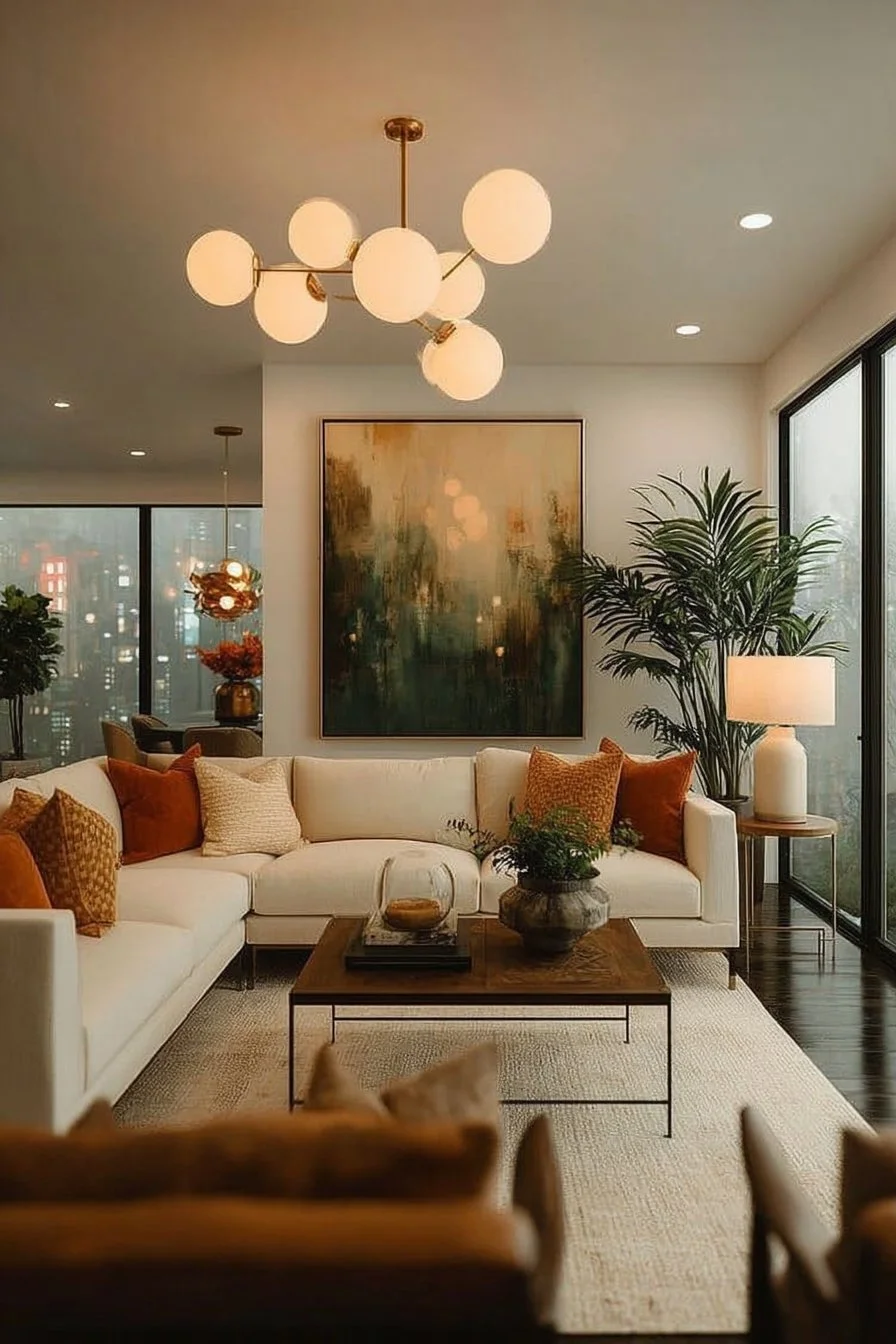
Creating a soft neutral base is a fail-safe way to make a modern contemporary living room feel calm and collected. Start with walls, a rug, and larger furniture in warm creams, soft greys, and rich tans. The advantage is twofold: neutrals act as a flexible backdrop for changing tastes, and they mask wear better than stark whites. Introduce a statement sofa in a bold color or unique silhouette to add personality and anchor the space. Choose a durable performance fabric if you have kids; mine survived spilled juice and art supplies during a weekend crafting marathon. To bring these ideas home, pair the sofa with textured pillows and a cozy throw; the contrast makes the room feel curated but still ready for everyday life. This approach keeps interior styling tips practical and enduring.

Section 2: Mixed Metals and Curated Gallery (Ideas 3 and 4)

Mixing metals in lamps, frames, and hardware adds unexpected depth to contemporary styling. When I swapped out all matching finishes for a mix of brushed brass and matte black, the room suddenly felt intentional and grown-up. The trick is balance: limit the palette to two or three finishes and repeat them in different areas so the look reads cohesive. Another way to personalize is with a gallery wall of family photos, kids’ drawings, and framed postcards. We arranged ours around a central piece of art and added a few floating shelves to rotate seasonal crafts. For families that host neighbors or grandparents, a thoughtful gallery becomes a conversation starter and a living record of everyday memories, giving decorating inspiration both warmth and character.

Section 3: Smart Furniture Choices and Indoor Greenery (Ideas 5 and 6)

Choose multifunctional furniture to maximize comfort and flexibility. A storage ottoman that doubles as a coffee table, a sleeper sofa for guests, and nesting side tables for homework nights keep the room uncluttered. When my kids have friends over, extra seating that tucks away is lifesaving. Pair these pieces with indoor plants to bring life and cleaner air into the space. Low-maintenance plants like snake plants or pothos are toddler-friendly and resilient during busy weeks. Place greenery on staggered heights—on a shelf, on the floor by a window, and on a side table—to create an organic rhythm. These small lifestyle tweaks combine practical interior styling tips with a fresh look that still tolerates the run-and-jump energy of family life. For more on blending bedrooms and living spaces with neutral luxury, see this modern bedroom design ideas guide that inspired my color choices.

Section 4: Patterned Rugs and Cozy Nooks (Ideas 7 and 8)

A patterned rug can anchor a seating area and hide traffic patterns from active kids and pets. Opt for a rug with scale and color that supports your palette; geometric patterns read modern, while faded Persian styles offer an eclectic edge. We placed ours under the front legs of sofas and chairs to define the conversation zone and make cleanup simpler after family pizza nights. Carve out a cozy reading nook with a comfortable armchair, a soft throw, and a small bookshelf. I often tuck mine near a sunny window where my daughter likes to read aloud to her stuffed animals. That little corner becomes a retreat and an invitation for quiet moments in a busy household. These decorating inspiration ideas are family-friendly and make the living room versatile for both loud play and calm downtime.

Section 5: Accent Walls and Open Shelving (Ideas 9 and 10)

An accent wall in a saturated paint color or textured wallpaper creates a focal point without overwhelming the whole room. We painted one wall a deep blue and hung a large piece of art; it added drama but kept the overall palette peaceful. If you prefer less commitment, removable wallpaper offers the same impact and is easy to change as tastes evolve. Complement an accent wall with curated open shelving to display books, pottery, and meaningful mementos. Shelves let you rotate objects as your family grows and seasons of life shift. I find it comforting to arrange a mix of kids’ artwork, travel finds, and a few grown-up finishes. The result is an approachable, lived-in aesthetic that reads as thoughtful rather than staged, giving your space an authentic story.

Section 6: Layered Lighting and Personal Textiles (Ideas 11 and 12)

Good lighting equals good mood. Create layers with overhead ambient lighting, directional task lamps for reading or homework, and softer accent lights for movie nights. Dimmable options are ideal for controlling energy and atmosphere. We installed a floor lamp beside the couch and small table lamps near the play area, which makes late-night storytelling cozy without the glare. Finally, personalize the room with textiles—handwoven blankets, family-knit throws, and patterned pillows. These soft elements add color, texture, and instant comfort. I keep a basket of blankets by the sofa for impromptu snuggles, and it makes the living room feel inviting for both neighbors and family members. Together, layered lighting and textiles make a contemporary space feel warm, practical, and distinctly yours.

Conclusion

If one thing has surprised me as a mom and a homeowner, it is how small, thoughtful changes turn a house into a home. Try one idea at a time and let your family’s routines guide which updates stick. Save this list for future refreshes, test a bold sofa or a new rug, and enjoy mixing practical interior styling tips with personal decorating inspiration. For more ideas that blend modern aesthetic with cozy charm, check out these modern farmhouse living room ideas that inspired some of my favorite touches.

Categories
Living

Elegant Living Room Design Ideas

I remember the late afternoons when the sun would slant through our living room windows and my youngest would trail in with a glue-sticky art project while my neighbor’s golden retriever snoozed on the porch. My life as a mom in my forties is a collage of soccer practices, packed lunches, and small rituals like swapping recipes with other parents at carpool. The living room has quietly become the hub that holds it all together: homework sprawls, impromptu sleepovers, and the quiet cup of coffee I steal between routines. Those lived moments taught me that design should feel like a warm invitation, not a showroom. That’s why I started switching things up slowly, following simple home décor ideas that respected our rhythm, kept the clutter manageable, and still looked like a space we were proud to share. If you want decorating inspiration that honors family life and looks pulled together, these approachable interior styling tips might be just what you need to make your living room sing. For thoughts on flow between spaces, I even saved a few notes about open-plan transitions here.

1. Layered neutrals with playful color accents

Neutral palettes are not boring when layered right. Start with a warm base like cream walls and soft gray upholstery, then introduce personality with colorful throw pillows or a statement ottoman. Layering textures such as linen, boucle, and worn leather keeps the neutrals from feeling flat and makes the room durable enough for kids and neighbors dropping by. Why it works: neutrals create a calming backdrop that highlights meaningful objects, while small pops of color add life without competing with daily chaos. How to apply: choose a neutral sofa, add two contrasting throw pillows per seat, and rotate seasonal or mood-driven accents like a mint lamp or coral vase. Family touch: give each child a designated cushion they can personalize with a small patch or embroidered initial. These choices deliver decorating inspiration that is both functional and Instagram-ready, helping your living room age gracefully with your family.

2. Flexible seating and intentional family zones

A living room that adapts to homework time, movie night, and a craft marathon is priceless. Think modular sofas, lightweight accent chairs, and a couple of poufs that can be moved to create conversational islands. Why it works: flexible seating lets you reshape the room for different activities without a full redesign, keeping both adult conversation and kid-friendly play in mind. How to apply: anchor a central rug, arrange seating to face each other for connection, and keep a small trolley nearby for board games and art supplies. Lifestyle note: when the kids set up a fort, the poufs become perfect makeshift pillars, and when grandparents visit, you’ll appreciate the extra, easy seats. For inspiration on arranging pieces to feel warm and inviting, check out curated ideas on living room inspiration that influenced some of our layouts.

3. Curated gallery walls and practical display shelving

Gallery walls are where memories and design meet. Mix family photos, kids’ artwork, and a couple of framed prints to keep the vibe personal. Shelving should be a balance of display and storage so cherished items sit alongside baskets that hide small toys. Why it works: a curated collection tells your story while functional shelves keep the daily clutter at bay. How to apply: plan the gallery on the floor first, then commit to one cohesive frame color to unify the look. Use lower shelves for kid-friendly baskets and upper shelves for fragile keepsakes. Family touch: let your children choose one frame for their latest masterpiece each month to rotate on the wall. This process creates decorating inspiration that feels collaborative and meaningful, and it supports ad-friendly content areas where readers naturally linger on the visuals.

4. Smart lighting and cozy reading nooks

Good lighting changes everything. Layer overhead lights, floor lamps, and table lamps to create moods throughout the day. Incorporate dimmable options and targeted task lighting for reading or homework. Why it works: layered lighting accommodates various activities while making the room feel intentional and comfortable. How to apply: carve out a corner with a comfy chair, a small shelf for books, and a floor lamp to create a dedicated reading nook. Family note: this becomes a favorite spot for nightly storytime and a secret haven for your teenager to escape to with headphones. Thoughtful lighting is one of the most effective interior styling tips because it enhances photographs, improves functionality, and lifts the room’s overall mood for everyone in the household.

5. Multi-texture rugs and soft furnishings for warmth

A rug is the ground floor of comfort. Choose rugs with layered textures to hide footprints and mask spills while adding warmth. Natural fibers like jute mixed with softer wool rugs create a resilient foundation that still feels cozy under bare feet. Why it works: texture provides visual interest and practical resilience, especially in a family-centered home where kids and pets are part of the daily mix. How to apply: use a larger rug to define seating zones and add smaller, washable throw rugs near doorways or play areas. Family touch: place a twin rug near the craft table for easy cleanup after painting sessions. These soft layers also create great ad placement spots where readers pause to imagine their own rooms transformed.

6. Indoor greenery and low-maintenance plants for life

Plants make a living room breathe. Opt for sturdy, low-maintenance plants like snake plants, pothos, or zz plants for a touch of green without the guilt. Why it works: greenery introduces color and improves air quality while anchoring corners and shelves with organic shapes that soften rigid lines. How to apply: cluster plants of different heights near windows and on shelving, and use woven baskets to hide planter pots for a cohesive look. Lifestyle tie-in: involve the kids by giving each a small watering responsibility or making a weekend ritual out of repotting. This not only teaches care and responsibility but also fosters a sense of pride in the space they helped cultivate.

Conclusion

Designing a living room that fits real family life means choosing small, deliberate changes that add comfort and style. Save these home décor ideas and interior styling tips to your favorite board and try one fresh update each month to see how little shifts create big happy moments. If you want to share your room refresh with a community or learn more about home trends that work for families, visit the Press Room – Mom Blog Society for press and seasonal features that inspire further decorating inspiration.

Categories
Living

Living Room Inspiration: How to Make Your Home Warm, Stylish, and Inviting

Embracing Cozy Elegance: Home Décor Trends for Every Family

As I sit on the porch with a cup of coffee in hand, watching my two children explore the backyard, I’m filled with a warm sense of pride. It’s those simple moments—a shared giggle, the sound of a dog barking next door, or the smell of my favorite vanilla candle—that turn our house into a home. Being an American mom in my forties, I cherish the comfort of family traditions while embracing new trends that breathe fresh life into our space. My husband often compliments the changes I make around the house, and he, along with our kids, gets excited when they return home to a cozy environment where memories are made. Here’s how I’ve combined practicality and aesthetics to create a haven for my family, which could inspire you to do the same.

1. Warm Neutrals: A Canvas for Family Life

When I decided to repaint the living room, I took a leap of faith with warm neutrals. Soft taupes and beiges serve as a perfect backdrop for more vibrant splashes of color—like the cheerful art projects my kids bring home from school. This color palette not only creates a serene atmosphere but also makes it easy to mix in seasonal décor.

For a practical tip, consider using eggshell or satin finishes for those walls. They’re easier to clean, which is essential when my kids occasionally decide to unleash their creativity with crayons. Try layering multiple shades of neutral—think textured pillows or woven throws—and you’ll achieve depth and dimension without overwhelming the senses. Adding family photos or children’s artwork framed in similar tones can also personalize the space beautifully.

2. Multifunctional Spaces: Optimizing for Family Needs

With kids in tow, the need for multifunctional spaces skyrockets. Our dining table isn’t just for meals; it’s a hub for school projects, board games, and even occasional family meetings. Designing spaces that adapt to our family’s daily routines can be both practical and stylish.

For instance, I introduced a storage ottoman in the living room that creatively hides toys while serving as extra seating when friends come over. Aim to incorporate furniture that serves dual purposes. A sleeper sofa in the guest room can become a cozy reading nook during the day. Storage benches, like the one by our entryway, can hold shoes and outdoor gear, keeping clutter at bay. With the right choices, every corner of your home can work harder for you.

3. Nature Inside: Biophilic Design

Bringing the outdoors in has not only boosted our mood but inspired a sense of tranquility in our home. My children love taking care of our small indoor garden, which consists of easy-to-maintain plants like pothos and snake plants. We put them on window sills and tables where they can thrive, making our spaces feel alive and vibrant.

Incorporating natural elements goes beyond just houseplants. Consider wooden accents—like a reclaimed wood coffee table or bamboo picture frames. And don’t shy away from earthy textiles; jute rugs or linen curtains can add an organic flair. If you’re feeling adventurous, try an indoor herb garden in your kitchen. Compact and functional, it serves as both décor and a way to enhance family meals with fresh flavors. Nature isn’t just a beautiful accent; it serves as a grounding element that connects us to the world outside.

4. Personalized Touches: A Family Gallery Wall

Nothing makes a house feel more like a home than showcasing our personal stories together. Creating a gallery wall is an excellent opportunity to feature family photographs, children’s crafts, and meaningful souvenirs collected over the years.

I’ve turned one wall in our hallway into a rotating gallery where we can display art from school projects or our last family vacation. It becomes a canvas for memories. To create your gallery wall, start with a theme or color palette that ties everything together—and don’t hesitate to mix and match frames for that playful touch. Regularly swapping out artworks keeps the area fresh and interactive for the kids, encouraging them to share their latest masterpieces.

5. Textured Layers: The Secret to Coziness

As the seasons change, so does the need for a cozier environment. Textures play a vital role in achieving a warm and inviting atmosphere. In our living room, I’ve layered soft throws, plush cushions, and even a patterned area rug to create comfort that is visually appealing as well.

Think about integrating different materials—like velvet, wool, and cotton—throughout your décor. A chunky knitted blanket draped over a velvet sofa can evoke a sense of warmth, inviting family members to curl up together. And let’s not forget about accent pillows; they offer an easy way to change the look of your space without committing to an extensive makeover. Each item brings stories with it—like the quilt my mother made, which adds sentiment to its softness.

Conclusion: Create Your Cozy Sanctuary

Creating a home that reflects your family’s personality while embracing contemporary trends can be a rewarding journey. From using warm neutrals that provide a soothing backdrop to layering textures that invite comfort, there’s something for every family to enact in their space. Whether you’re painting a wall or crafting a gallery of cherished memories, remember that a house is just a shell until transformed by laughter, love, and creativity.

As you explore these home décor tips, don’t hesitate to put your own twist on each concept. Your home, after all, is a canvas waiting for your unique brushstrokes. Embrace these ideas and let your home tell your family’s story, creating a welcoming haven for everyone who steps through your door.