Categories
Winter Decor

Magical Winter Nature Boho Rooms for Kids

Woodland Boho Kids’ Room Ideas

I still remember the first Saturday after my twins started middle school: backpacks tossed by the door, a chorus of “I’m starving” from the kitchen, and Mrs. Patel from next door waving as she walked her golden retriever past our driveway. Between school runs, piano lessons, and weekend hikes, my house needs to feel like a gentle, imaginative retreat for two kids aged eight and twelve. Decorating has become my quiet rebellion against chaos — a chance to fold nature into everyday life so bedtime feels like a little escape. I’ve learned that small changes in color, texture, and lighting can turn a bedroom into a place where imagination and routine coexist. Below are thoughtful home décor ideas and practical interior styling tips that transformed our bedrooms into calm, playful spaces that kids actually love — and that make parent life a little simpler, too.

Gentle Woodland Mural as a Focal Point

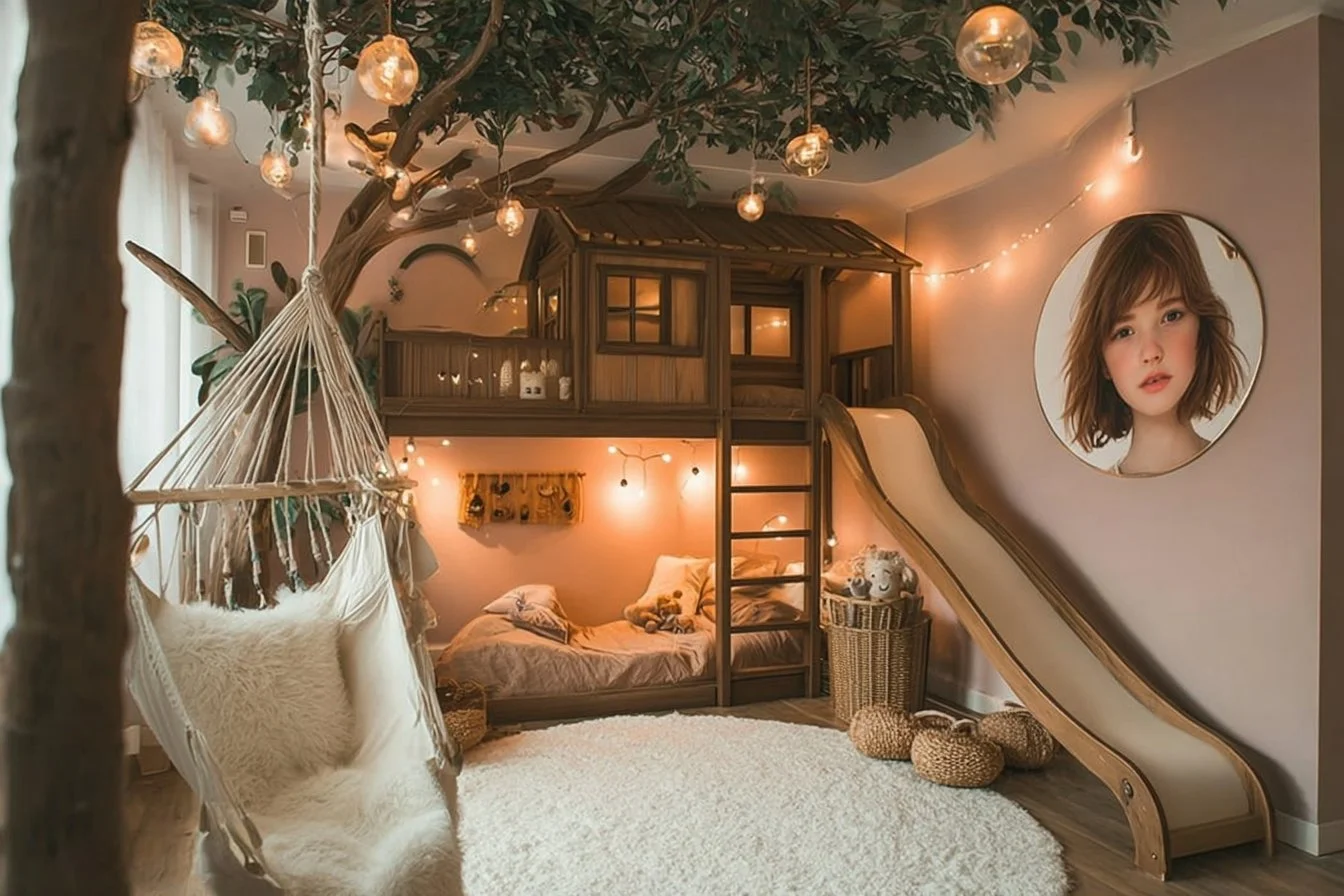
A soft mural sets the emotional tone of a room without overpowering it. Think muted trees, distant hills, or simplified animal silhouettes in earthy greens, warm taupes, and soft creams. Visually, a mural gives the eye a restful place to land and creates an instant sense of place that sparks imagination — perfect for reading and quiet play. Emotionally, children respond to scenes that feel like stories; my daughter points to the painted fox every night and invents new bedtime tales. To achieve this at home, choose a single wall for impact, or use removable wallpaper panels for renters. Pair with one or two framed prints in similar tones rather than bright posters to maintain the calm. This idea works well with common furniture and can be a central piece in your decorating inspiration and overall home décor ideas strategy.

Layered Textures for Comfort and Interest

Layering textures—woven throws, a shaggy rug, macramé wall hangings—brings tactile richness that invites touch and lounging. Textures visually soften corners and create depth so the space feels lived-in and expressive, not staged. From a parenting angle, kids love different surfaces for building forts and settling in with a book; my son drags the pouf into reading sessions all the time. To recreate this without clutter, start with a neutral base rug and add one or two textured elements that are easy to wash or move. Organic textiles, washable cotton throws, and a durable jute rug strike a balance between style and family life. These interior styling tips help rooms feel layered and intentional while leaving plenty of floor space for art projects or late-night study sessions.

Natural Furniture and Smart Storage

Choosing simple wood furniture and woven baskets makes a room feel grounded and timeless. Solid wood beds or a reclaimed-wood desk provide warmth and age beautifully, while baskets and low shelving encourage children to participate in cleanup routines. Visually, natural materials keep the palette cohesive and prevent overstimulation; emotionally, they create a calm backdrop that lets kids’ personalities shine through. In our home, baskets in the corner serve as both toy storage and a laundry landing, cutting down on nightly “where are my cleats?” searches. For realistic application, invest in a sturdy dresser and mix labeled baskets for toys, art supplies, and sports gear. This approach supports both decorating inspiration and practical home décor ideas that fit a busy family schedule.

Soft, Layered Lighting that Feels Like Magic

Lighting changes everything: a dimmable main light for homework, a warm bedside lamp for winding down, and a string of warm LED lights for gentle atmosphere. Layered lighting makes rooms more flexible and emotionally safe — kids transition from play to sleep more easily when the lighting follows. I swapped harsh overheads for a soft globe lamp and added fairy lights draped over a shelf; after soccer practice, the softer glow calms arguments faster than any parental plea. For a family-friendly setup, choose LED bulbs with adjustable warmth, mount clips for fairy lights out of reach, and use timers to keep a consistent bedtime rhythm. These interior styling tips ensure both function and enchantment, and they’re perfect for highlighting natural textures and wall art without overwhelming the space.

Nooks and Built-In Play Areas

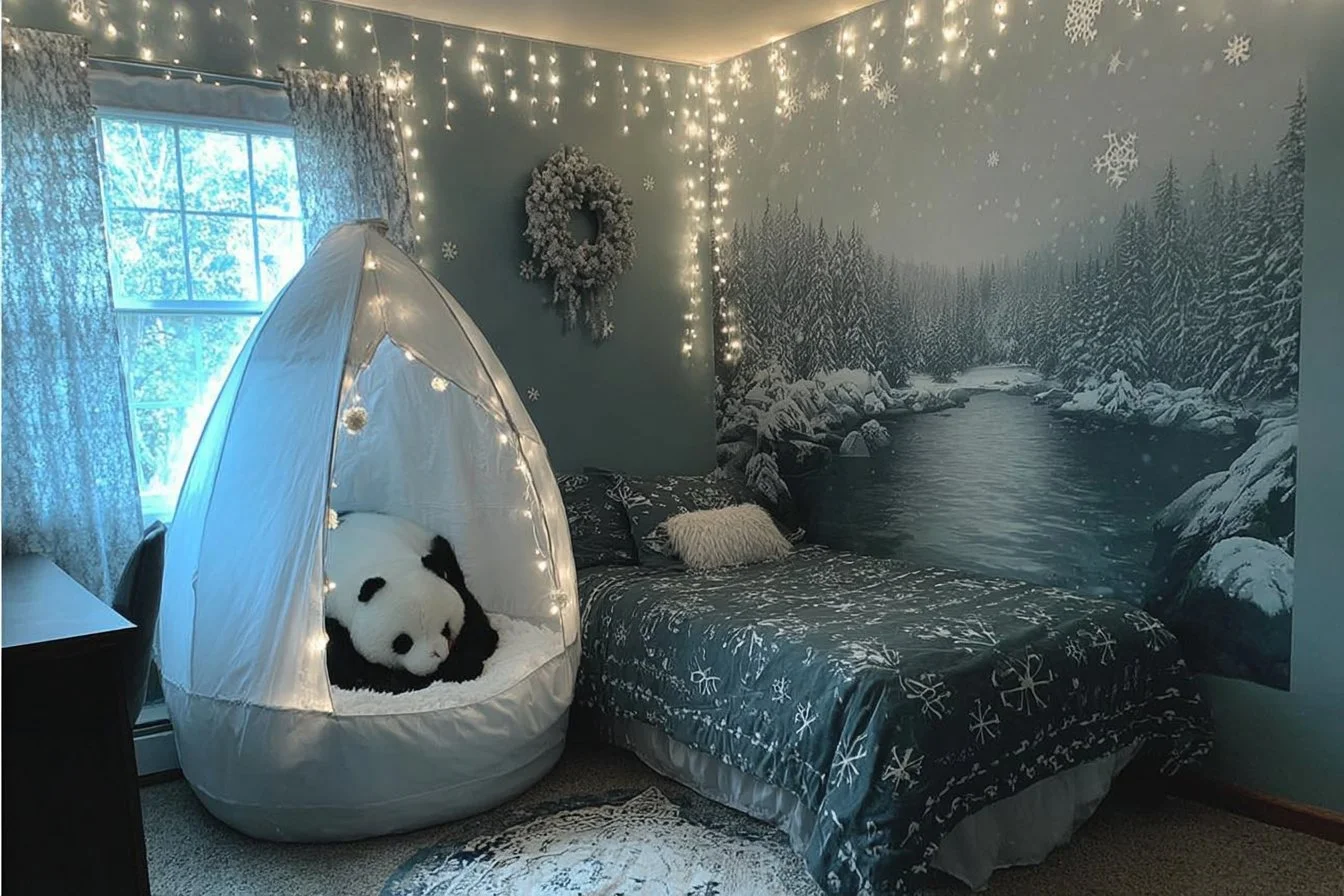
Designing a small, defined nook — a canopy tent, window seat with pillows, or a built-in bench — gives kids a private corner to retreat to and reduces the mess that spreads through the rest of the room. A nook appeals visually by creating a deliberate micro-space and emotionally by offering a cozy stage for play or study. My daughter’s reading nook, framed with a simple boho canopy and a low shelf for books, became the go-to spot for weekend journaling. To create one at home, repurpose an underused corner or add a small bench with storage beneath; keep textiles washable and furniture low to the ground for safety. This idea blends decorating inspiration with practical routines, making it easy to encourage quiet hours without sacrificing family together time.

Nature-Inspired Accents and Playful Details

Small accessories—animal-shaped pillows, botanical prints, driftwood shelves, and mobiles—bring the theme alive without committing to a full remodel. These accents add personality and let kids participate in decorating decisions, which helps them feel ownership over their space. I let my son pick a few character cushions and my daughter choose a set of pressed-leaf prints; the choices reflected their ages and taste while keeping the overall scheme calm. For real-life application, mix durable toy-friendly pieces with a few delicate items displayed higher up. Rotating a couple of seasonal or interest-based pieces keeps the room feeling fresh and encourages ongoing creativity. These subtle touches fit neatly into your broader home décor ideas and offer endless decorating inspiration for evolving tastes.

Conclusion

If you’re saving ideas for a room refresh, try one change at a time—start with a mural or a reading nook and build from there. Small investments in texture, lighting, and practical storage often yield the biggest emotional returns for a busy family. For thoughtful gift or decor additions that complement a Scandinavian-inspired boho look, consider browsing curated options like these Scandinavian-style boho gift ideas to complete a room that feels both playful and peaceful. Pin these ideas, try them gradually, and come back when you’re ready for the next gentle update.
Categories
Kids

Ultra Modern Purple Bunk Bed Design | Luxury Kids Room with City Views

I still remember the quiet hush after bedtime, when the city lights down the block wink at us and the apartment finally feels like ours for a moment. As a mom in my forties with two kids between eight and twelve, my days are packed with school lunches, homework negotiations, and neighborhood playdates that spill into evenings. Our son built a fort out of cushions last week and our daughter insists on arranging the stuffed animals by window view. Those little rituals made me rethink how our home could support both busy routines and sweet moments of calm. That led me to experiment with bold colors and smart layouts that make mornings easier and nights cozier. Along the way I bookmarked a few home décor ideas and interior styling tips that blended practicality with personality, so our small city-space started feeling like a boutique retreat for the whole family. For more inspiration on high-end bedroom transformations, I looked through some modern luxury bedroom styles that guided my choices: modern luxury bedroom styles.

  1. Sleek purple frame and clean lines

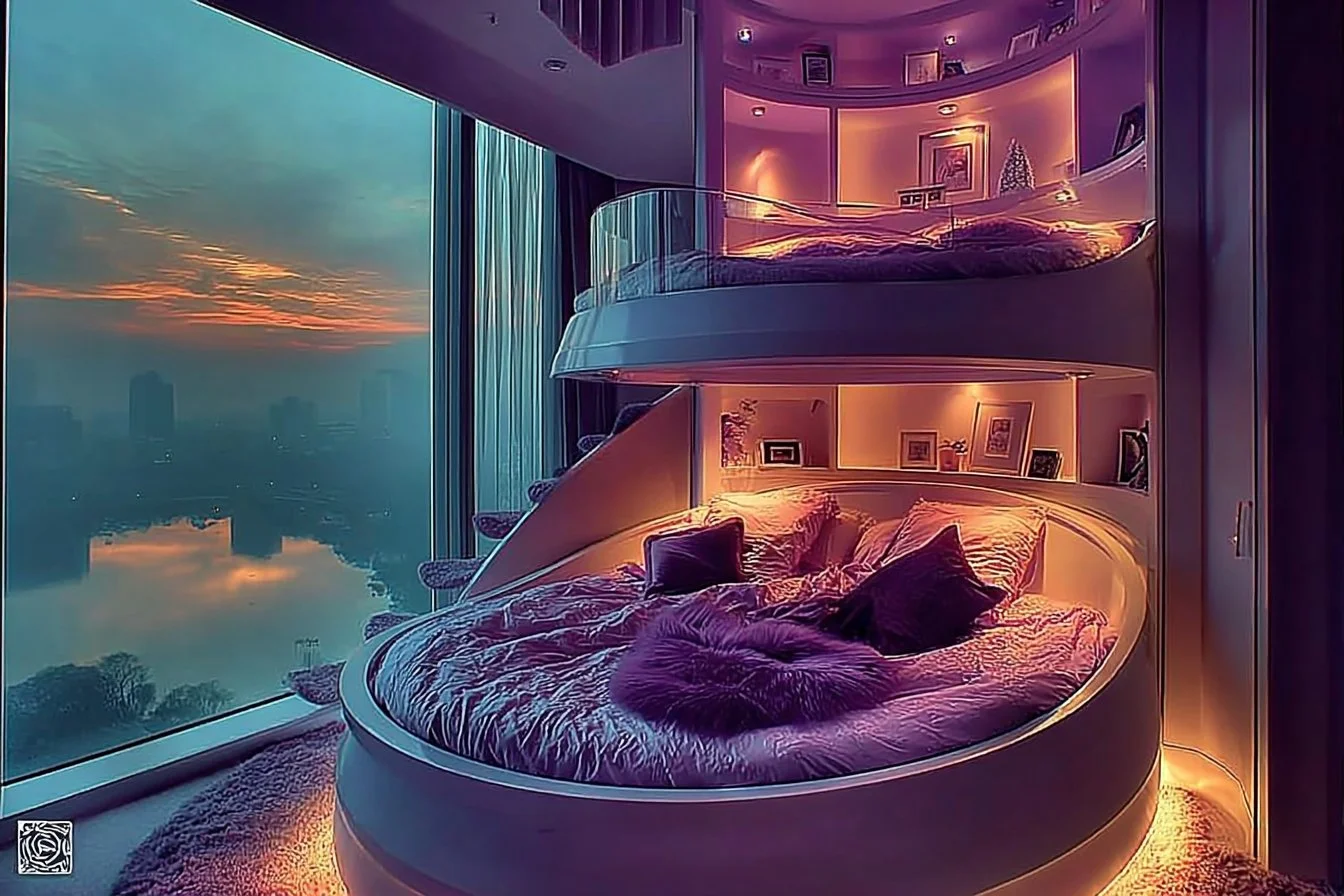
    A crisp, streamlined bunk with a deep purple finish is modern without being fussy, and it instantly signals a grown-up sense of style in a kid-friendly room. Purple reads luxurious when paired with matte metals and neutral walls, so it works for both playtime and sleep. Start with a low-profile frame that maximizes floor space and choose a shade like eggplant or plum to keep it sophisticated. Add integrated LED reading lights for each bunk so kids can read without waking each other, and choose durable, stain-resistant fabrics for the ladder and cushions. For families juggling homework stations and toy storage, a compact built-in desk beneath the lower bunk turns wasted space into a functional nook. I did this in our apartment and it became the favorite homework spot; my daughter claims the view helps her focus during math drills. These choices balance decorating inspiration and everyday needs.

  2. Layered textiles for warmth and personality

    Layering is where interior styling tips meet practical parenting. Plush bedding, a textured throw, and a washable area rug below the bunks create a cozy micro-climate that invites reading and quiet play. Mix a patterned duvet on the top bunk with a solid, easy-to-wash cover on the bottom to reduce late-night laundry stress. Add blackout curtains or a roller shade behind the bunks to keep city glare from creeping into sleep time. Incorporating soft purples with complementary neutrals keeps the room feeling curated rather than cartoonish. I learned this from swapping out a single thin sheet for layered options; suddenly my son stayed in bed longer on chilly mornings. If you want a cross-reference for neutral palettes and durable fabric picks, check out this guide to modern bedroom design ideas that helped me choose textures that endure.

  3. Built-in storage and smart organization

    When two kids share a room, storage is a lifesaver. Built-in drawers under the lower bunk and cubby shelves at the headboard keep toys and clothes accessible yet out of sight. Choose soft-close mechanisms and rounded edges to keep the design kid-safe and polished. A pull-out trundle with divided compartments can hold seasonal bedding or larger toys and still tuck away neatly. Labeling clear bins with stickers or symbols lets younger children participate in clean-up, which I turned into a short game after school. Thoughtful storage reduces clutter and increases usable floor area for after-school projects. Opt for modular pieces that can adjust as your kids grow, and consider a folding desk that drops down when homework time starts. These practical features make elegant décor feel lived-in and purposeful.

  4. City-view focal wall and layered lighting

    If your room has a view of downtown lights or skyline silhouettes, use it. Position the bunks to face the window so evening city vistas become part of the room’s charm. Frame the view with layered lighting: recessed ceiling lights for overall glow, wall sconces for reading, and string lights or a star projector for playful mood lighting. Soft violet LED accents behind the headboard can echo the purple of the bed without overwhelming the space. I installed dimmer switches so bedtime can shift from energetic play to calm story time with a single touch. This combination of natural view and layered lighting elevates the atmosphere and supports different nighttime routines. It also makes every bedtime feel a little like a hotel stay, which my kids enthusiastically agree with after late-night neighborhood fireworks.

  5. Multifunctional furniture and flexible zones

    Design for adaptability by choosing pieces that serve multiple roles. A ladder that doubles as a bookshelf or a side table with charging ports blends form and function. Create zones within the room: a sleep zone, a study corner, and a relaxed play area by using rugs, lighting, and furniture scale to separate activities. Fold-down desks or wall-mounted art boards are perfect for quick creative bursts and easy storage. When friends come over, the lower bunk can convert into a lounge with extra cushions, so sleepovers feel special without extra setup. In our home, a compact fold-out table became the hub for puzzles after piano practice and for family game nights on Sundays. These adaptable solutions keep the room useful through school years and into early teens.

  6. Art, personalization, and durable finishes

    Personal touches make a luxury kids room feel uniquely theirs. Encourage kids to curate a small gallery of framed drawings, photos, or city postcards above the lower bunk. Opt for washable paints and scuff-resistant finishes so the room stays fresh through roughhousing and furniture moves. Metallic accents and minimalist hardware maintain a refined look while standing up to daily use. I found that involving the kids in choosing a piece of wall art created ownership; they were more careful with the space afterward. Add a chalkboard panel or magnetic board for rotating displays so art can change with school projects. These finishing touches combine decorating inspiration with practical considerations, giving the room personality without sacrificing longevity.

Conclusion

If you want to recreate a hotel-like retreat in a city apartment, focus on smart layouts, layered lighting, and timeless finishes that grow with your family. Save these home décor ideas for your next weekend project, try one or two interior styling tips at a time, and come back to tweak as your kids’ needs evolve. For a little urban hotel inspiration that pairs well with city-view styling, consider checking out the modern, compact comforts of YOTEL New York | Times Square, Midtown Manhattan Hotel to spark ideas for lighting, color, and efficient use of space. Keep experimenting and saving favorites on Pinterest so your luxurious purple bunk room can become a practical, playful sanctuary for your family.

Categories
Kids

Kids room interior design

When I think about the sound of our house on a Saturday morning, I picture cereal boxes, a stray soccer ball by the front door, and my two kids, ages eight and twelve, arguing softly about who’s allowed to use the art supplies next. Our neighborhood feels like an extended family; the neighbor’s little girl leaves her drawings on our stoop and my youngest insists on trading stickers with the mail carrier. Those ordinary, messy moments are why I started reimagining their rooms. I wanted spaces that could hold homework triumphs, midnight giggles, and the way our family makes small rituals out of bedtime stories. What I learned along the way is that small, intentional changes in a room can make family life smoother and more joyful without turning your home into a showroom. Below are five ideas that helped our family feel settled, practical, and a bit more inspired.

Section 1: Color zones that grow with them

Using color to define activity zones is one of the best interior styling tips for families with kids at different ages. Instead of painting an entire room in a character motif that will be outgrown, consider dividing the space into color zones: a calming blue corner for reading, a lively yellow area for crafts, and a neutral backdrop for sleeping. This approach works because it gives each child a sensory cue for how to use the space and makes transitions easier when interests change. To apply it at home, test swatches on poster boards and place them near furniture during different times of day to see how light shifts the mood. In our house, the kids helped choose their zone accents over a weekend paint session, which felt like a tiny rite of passage and kept them invested in caring for the space. These simple color strategies are practical home décor ideas that bring personality without clutter.

Section 2: Furniture that adapts as kids grow

Investing in flexible furniture is a saving grace for parents who want longevity from purchases. Think convertible cribs and beds, modular shelving, and desks that adjust in height. These pieces work because they meet changing needs—study space, sleepovers, or a quiet homework nook—while keeping floor clutter down. When shopping, prioritize solid frames and easy-to-change textiles so you can update the look without replacing the whole piece. At home, measure the room and plan a clear pathway so play can happen without moving heavy items. My twelve-year-old’s loft bed transformed into a study-meets-chill spot by swapping ladder storage for a comfy chair, and the eight-year-old moved from a toddler bed to a trundle during sleepover season. Flexible furniture is a smart decorating inspiration that balances budget, safety, and style for busy families.

Section 3: Storage that teaches tidy habits

Storage that looks intentional is also a parenting hack. Open cubbies, labeled baskets, and under-bed drawers reduce decision fatigue for kids and make quick clean-ups possible after pizza nights or impromptu craft sessions. This method works because it pairs function with visibility; children learn where things belong and you avoid the scavenger-hunt end to every playdate. To implement it, choose a consistent set of containers in different sizes and use picture labels for younger kids or color coding for older ones. We rotate toys seasonally and host a ten-minute “put-away party” each evening, which keeps chaos down and makes the room feel calmer for bedtime. Framing artwork above storage and leaving a low shelf for current favorites creates a tidy but lived-in look that supports family routines and teaching responsibility.

Section 4: Cozy corners for focus and calm

Creating a small, cozy corner—a reading nook, a listening space, or a soft play mat—gives kids a place to decompress or dig into focused activities. This idea works because everyone needs a retreat in a busy household, and intentional sensory design helps regulate mood and attention. Add a plush rug, a couple of oversized pillows, and layered lighting like a dimmable lamp or a soft string light to set the tone. In our living room-turned-extra-reading-spot, the corner transformed nightly as the kids grabbed blankets and a stack of picture books. Adding blackout curtains and a simple canopy gave the baby a calm nap zone close to our bedroom while the older kids did quiet homework nearby. Small touches like a clip-on reading light or a bedside caddy can make these corners functional for different ages. This approach blends decorating inspiration with practical comfort for growing families.

Section 5: Timeless themes with swap-friendly accents

A timeless theme keeps a room feeling curated while being easy to update as tastes evolve. Choose a neutral base color or wood tone, then layer in accents—pillows, rugs, framed prints—that reflect a child’s current passions. This strategy works because it avoids expensive makeovers while letting the room stay fresh. To apply it, pick two or three accent colors and find textiles or art in those hues; use removable wall decals or framed poster frames for art swaps. My kids loved curating a seasonal art shelf where friends and family could add small pieces, and we rotated throw pillows from a neutral palette to match new interests. Incorporate family-made art to personalize the room and anchor it in your family’s story. Using plants, carpets, and washable fabrics keeps the space healthy and durable, helping these decorating inspiration choices last through many childhood stages.

Conclusion

If you enjoyed these ideas and want more inspiration for children’s spaces, try pairing a favorite corner with storytime finds from your local library. For a quick dive into kid-friendly books and decor resources, check out this collection of Titles owned by Pflugerville Public Library. Save this pin, try one change at a time, and come back when you need fresh decorating inspiration or practical interior styling tips that fit how your family really lives.

Categories
Kids

Arctic Kids Decor: A Winter Wonderland Adventure

Create an Arctic Adventure: The Ultimate Guide to Winter Wonderland Kids Decor

As a proud American mom in my forty-something years, there is something about nestling into the heart of our home that fills me with warmth. My husband loves to remind me how I have taken our modest abode and turned it into a cozy haven. With two lively kiddos aged 8 and 12, we spend our evenings playing games in the living room and sharing stories over dinner. I often find inspiration in the changing seasons and the magic that winter brings to our imagination.

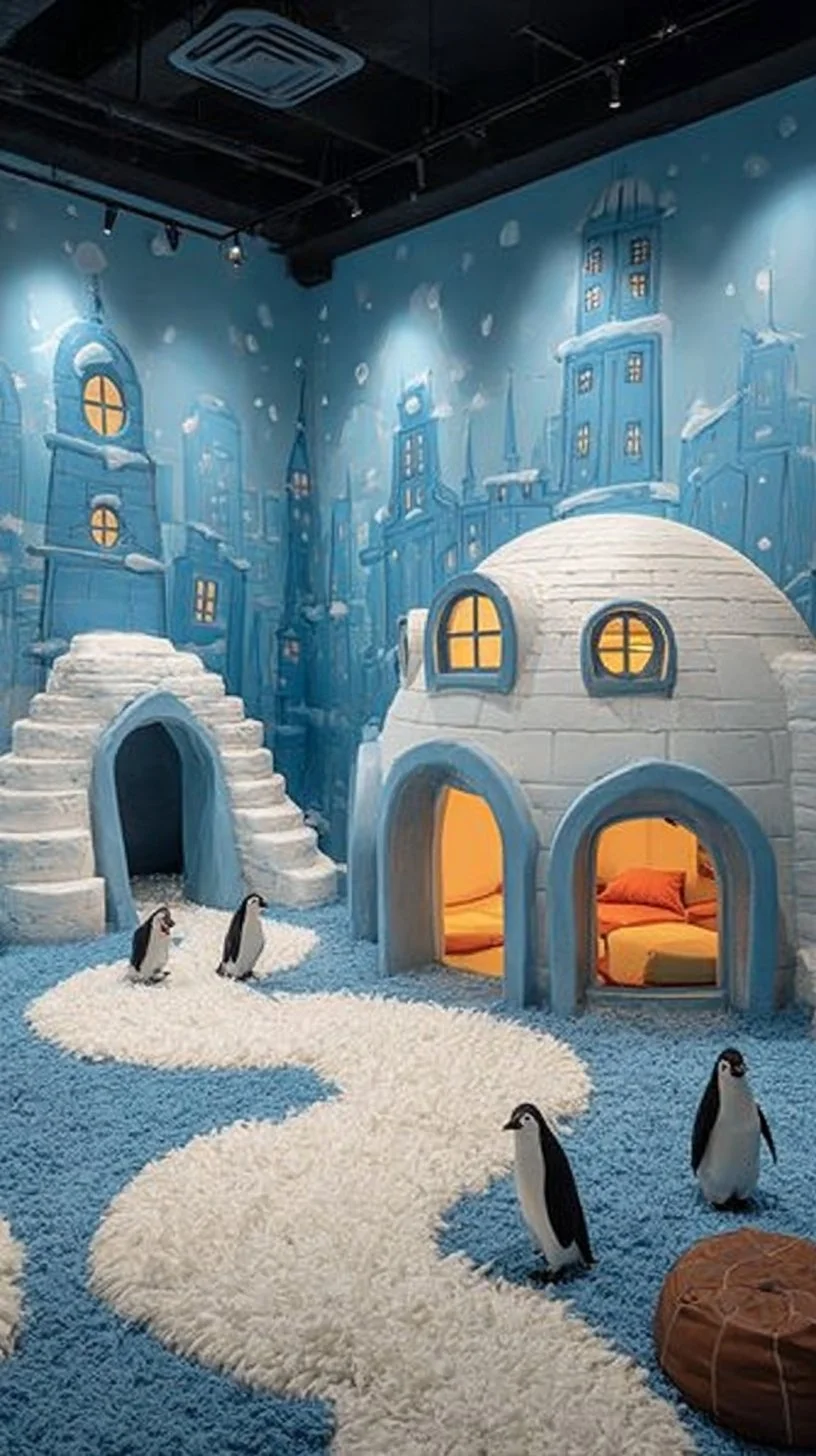
When I look at this breathtaking snowy room, filled with friendly penguins and glowing igloos, I am reminded that a home should be a place where imagination runs wild. It is a space that captures the excitement of a snowy day without the freezing temperatures. Ready to dive into some delightful Kids Decor trends that will bring this cool, magical escape to life? Let’s explore together!

1. The Charm of Minimalist Design

You might think an ice-themed room would feel cold or empty, but there is a beauty in this specific type of minimalism. It is about enjoying a unified color palette to create calm. The beauty of this winter style lies in its ability to transport you to another world using just two main colors: blue and white. By stripping back a chaotic rainbow of colors, you allow the space to feel expansive and serene.

Tips to achieve this look:

  • Monochromatic Magic: Stick to various shades of icy blue and crisp white. This creates a cohesive look that is easy on the eyes and feels very spacious.
  • Statement Structures: The large igloo is the main focus. It serves as furniture, a play structure, and art all at once.
  • Clean Lines: Even with the curved igloos, the background mural features geometric buildings. This keeps the design feeling structured rather than messy.

In our home, we have embraced this trend by limiting our color schemes in the playroom. It not only feels spacious but encourages my children to focus on their play rather than being overwhelmed by visual clutter.

2. The Joy of Personal Touches

Nothing brings a room to life quite like characters that tell a story. In this arctic escape, the Kids Decor comes alive through playful residents. The penguins scattered around the room turn a static space into a scene from a movie. It makes the room feel inhabited and ready for adventure.

Ideas to infuse your personality:

  • Character Integration: You do not need real penguins, but high-quality plush animals can act as “roommates” for your little ones.
  • Thematic Murals: The wall painting of the snowy city adds depth and context. It tells the story of where this magical place is located.
  • Interactive Elements: The path on the floor invites movement. It encourages kids to follow the trail from one igloo to another.

In our home, each personal touch brings warmth. Whether it is a favorite stuffed animal or a drawing on the wall, every piece has a story to tell and helps my children feel like the room belongs to them.

3. Blending Old and New

There is something special about mixing primitive shelter concepts with modern comfort. This room blends the ancient idea of an igloo with contemporary design and luxury. It creates a visual feast that is both exciting and comfortable.

How to successfully merge styles:

  • Rough meets Smooth: The textured “snow” finish on the outside of the igloo contrasts beautifully with the smooth, soft cushions inside.
  • Fantasy Scenery: The backdrop looks like a modern city covered in snow, while the foreground features traditional igloos. This mix fuels the imagination.
  • Functional Fantasy: The igloos are not just for show. They serve as private reading nooks or sleeping pods, blending playtime with rest time.

Our family loves building forts, and this is essentially the ultimate permanent fort. It bridges the gap between raw outdoor adventure and safe indoor snuggles.

4. The Lure of Natural Elements

Nature has an innate ability to ground us, even when that nature is made of ice and snow. Bringing the outdoors inside is a huge trend in Kids Decor. This room simulates the texture of snow and water to create a sensory experience.

Ways to incorporate nature indoors:

  • Textural Flooring: The fluffy white rug mimics a snowy path, while the blue textured carpet looks like icy water. It makes the floor part of the play.
  • Organic Shapes: The rounded domes of the igloos mimic natural snow drifts. They feel softer and more welcoming than sharp square corners.
  • Cool Tones: Using cool blues and whites mimics the natural light of winter. It creates a crisp and fresh feeling in the room.

In my quest to connect our home with nature, we pay attention to textures. My eight-year-old loves rugs that feel interesting to the touch, and this snowy path would be a dream come true for sensory play.

5. The Power of Ambiance

Creating an inviting atmosphere can elevate your home from merely functional to genuinely magical. Lighting plays a crucial role in this winter room. The contrast between the cool blue exterior and the warm orange interior is what makes it cozy.

Tips for enhancing ambiance:

  • Warm Glow: Use warm yellow or orange lighting inside play structures. It creates a “hearth” effect that signals safety and warmth.
  • Window Effects: The lit-up windows in the igloo make it look lived-in and inviting. It makes you want to crawl inside and read a book.
  • Spotlighting: Use track lighting to highlight specific areas, like the snowy path or the mural, to add drama and depth.

Many evenings, our family gathers in the living room with just the warm lamps on. That same concept is applied here. The warm light inside the igloo promises comfort, making it the perfect spot for quiet time after a day of high-energy play.

Conclusion

Transforming your home into a creative sanctuary does not have to be a daunting task. By incorporating these immersive Kids Decor trends, you can curate a space that reflects your child’s dreams of adventure. Your home is a canvas, and with a sprinkle of creativity, it can transport your family to the North Pole or anywhere else they wish to go. So, why not give these ideas a try? Gather your loved ones, enjoy the process, and let your home tell its unique story!