
Categories
DIY

Decor Guide: Kids Room Ideas That Are Nothing but Stylish

Stylish Kids Rooms: Fresh Cozy Decorating Ideas

I still remember the Saturday morning when my neighbor Mrs. Alvarez knocked with a plate of muffins and a paint-splattered grin, asking if she could borrow our ladder while her son and mine debated superhero capes at the picnic table. As a forty-something mom with two kids between eight and twelve, life is a steady stream of carpools, homework checks, and bedtime negotiations over whose stuffed animal gets the top pillow. Our house holds Lego cities on the dining table and crayon murals that somehow find their way into every corner. Those small domestic scenes have taught me that a kid’s room should be a calm backdrop for messy, joyful life — a place that keeps order without squeezing out personality. Over the years I’ve collected simple, real-world tricks to turn chaos into style so rooms feel purposeful, kid-friendly, and picture-worthy without endless overhauls.

Color Anchors: One Wall, Big Impact

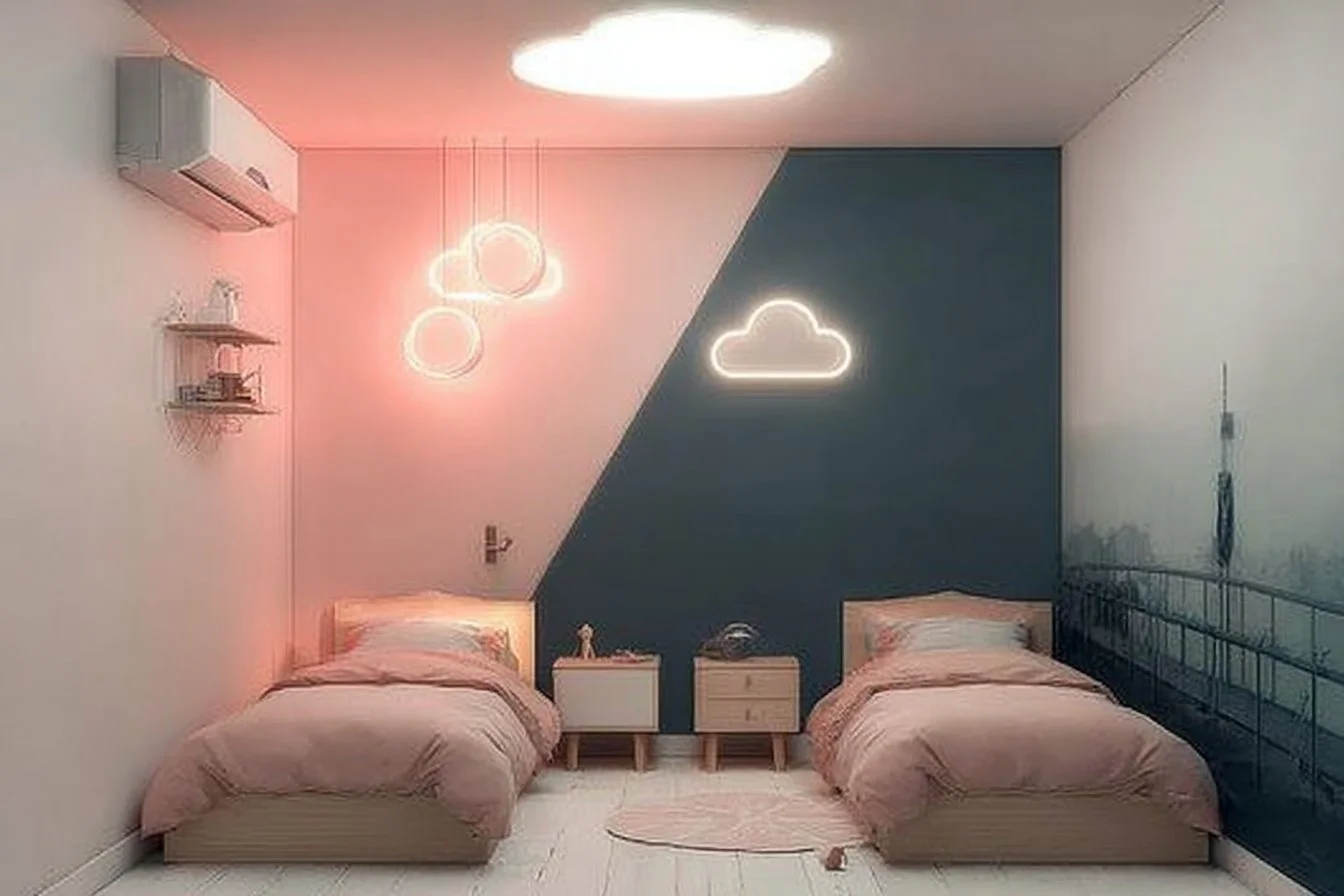
Choosing a single accent wall or a bold wallpaper turns a child’s room into a curated space without overwhelming a busy household. A painted wall becomes a visual anchor where everything else can stay neutral and easy to swap as tastes change. Visually, it grounds the room and gives photos and Pinterest boards something to pop against. Emotionally, a color kids helped pick becomes part of family stories — the blue wall where they learned to ride a scooter inside on rainy afternoons, or the soft coral that brightens after a long week of school. To apply this, pick a washable eggshell paint or peel-and-stick wallpaper for durability, then place the bed or desk against that wall to maximize the impact. These small color investments are classic home décor ideas that make cleaning and rotating toys feel intentional, not chaotic.

Smart Storage That Doubles as Furniture

Clutter fades when storage feels like design. Think benches with hidden boxes, beds with drawers, or modular cubes that become bedside tables. These pieces work visually because they keep lines clean and surfaces tidy, and emotionally because they reduce the friction of family routines — morning rushes and bedtime cleanups are simpler when everything has a place. Start by assessing daily flows: where do school backpacks land, which toys are used most, and where do art projects accumulate? Choose durable fabrics and finishes that stand up to spills and energetic kids. Teach routines gently by making cleanup part of play: a game to stow books before snack, or a race to fill the toy bin. These interior styling tips make rooms look edited and teach kids responsibility without a lecture.

Rotating Gallery Walls to Showcase Growth

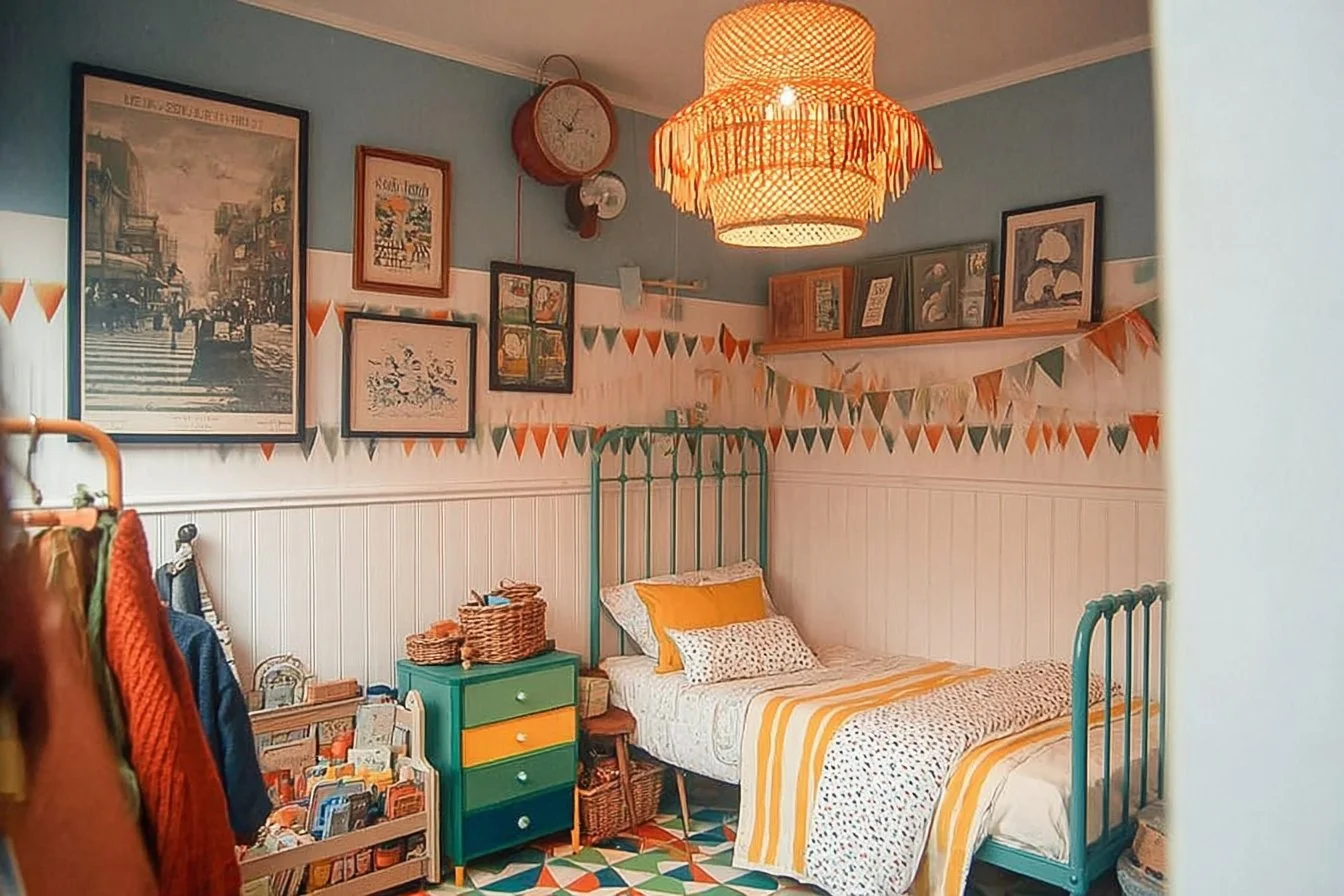
A gallery wall is an evolving statement rather than fixed decor. Frame school art, family photos, or favorite postcards in a mix of sizes so the arrangement feels curated but flexible. Visually it creates texture and personality; emotionally it honors children’s changing interests and small wins. Apply this at home by dedicating a single wall or the space above a headboard to a mix of removable frames or washi-taped prints. Rotate pieces monthly or when a new school project comes home. In my house, swapping art became a Friday ritual: the kids choose one piece to feature and explain why they picked it, turning decorating inspiration into family storytelling. The result is a room that celebrates creativity while staying stylish and uncluttered.

Cozy Reading Nook with Layered Textiles

A cozy corner invites quiet moments and helps balance a busy household full of activity. Create a reading nook with a low bookcase, a soft pouf or bench, and layered textiles like a washable throw and a few plush pillows. Visually, layers add warmth and depth; emotionally, a dedicated spot offers children a reliable retreat for nightly reading or rainy-day calm. Keep books within reach and rotate selections to match interests — adventure titles near the older child’s side, picture books closer to the younger one. Lighting matters: a soft bedside lamp or adjustable clip light makes the space useful after dusk. These small interior styling tips make the room feel lived-in and intentional, encouraging independent reading while fitting seamlessly into a family routine.

Durable, Design-Forward Rugs as Room Anchors

A well-chosen rug can define zones for play, study, and sleep while protecting floors from daily wear. Choose low-pile, stain-resistant rugs with a pattern that hides small spills and survives rough play. Visually, rugs anchor furniture and give the room a finished, polished look; emotionally, a comfy rug becomes the unofficial meeting spot for blocks, board games, and bedtime chats. To apply this practically, size the rug so the front legs of the bed and furniture sit on it, creating cohesion. Layer smaller washable rugs for high-traffic areas like beside the bed. I’ve learned that a rug’s color palette informs the rest of the room — pick tones that coordinate with bedding and wall accents so switching accessories later feels effortless. These home décor ideas keep style and utility in balance.

Whimsical Lighting and Personal Details

Lighting sets mood and supports routines. Mix ambient ceiling light with task lamps for homework corners and soft string lights for nighttime comfort. Visually, varied light sources create depth and warmth; emotionally, personalized lamps or themed shades can become comfort objects children remember as they grow. Apply this by installing dimmable switches where possible and choosing fixtures that are safe and easy to clean. Add a small nightlight near the closet for midnight searches and a wall sconce for the older child’s reading. Personal touches like monogram pillows, a special curtain panel painted together, or a map of places visited add layers of meaning without clutter. These decorating inspiration cues help kids feel ownership while keeping rooms serene for the whole family.

Conclusion

If one thing’s true from years of carpools and late-night story swaps, small, thoughtful changes add up to rooms that feel both stylish and lived-in. Save a pin or try one idea at a time — an accent wall this month, a cozy nook next — and watch how the space shifts with your family’s life. For budget-friendly finds and clearance-worthy picks that spark fresh decorating inspiration, consider browsing kids room clearance inspiration. For additional professional perspectives on designing child-friendly interiors, this children’s room decor guide offers practical examples and styling details.
Categories
Kids

Create A Dreamy Luxury Kids Bedroom: Stylish Ideas

6 Stylish Ideas to Create a Dreamy Luxury Kids Bedroom

Some of my favorite mornings are small and ordinary. I make coffee while my two kids, ages 8 and 12, argue gently over who gets the blue blanket, and our neighbor waves as she walks her dog past the mailbox. There are afternoons when the house smells like baking, and nights when we pile into their room for a movie and the soft glow from a lamp makes everything feel safe. After years of living in a modest suburban home and juggling carpools, homework, and playground memories, I started rethinking their space. I wanted a room that felt grown up without losing that childlike warmth, a place where sleep, play, and small rituals could happen naturally. Those little daily moments are what turned design from a hobby into a mission: how to blend comfort, style, and practicality so a family of four can live beautifully every day.

Idea 1: Luxe canopy and layered bedding

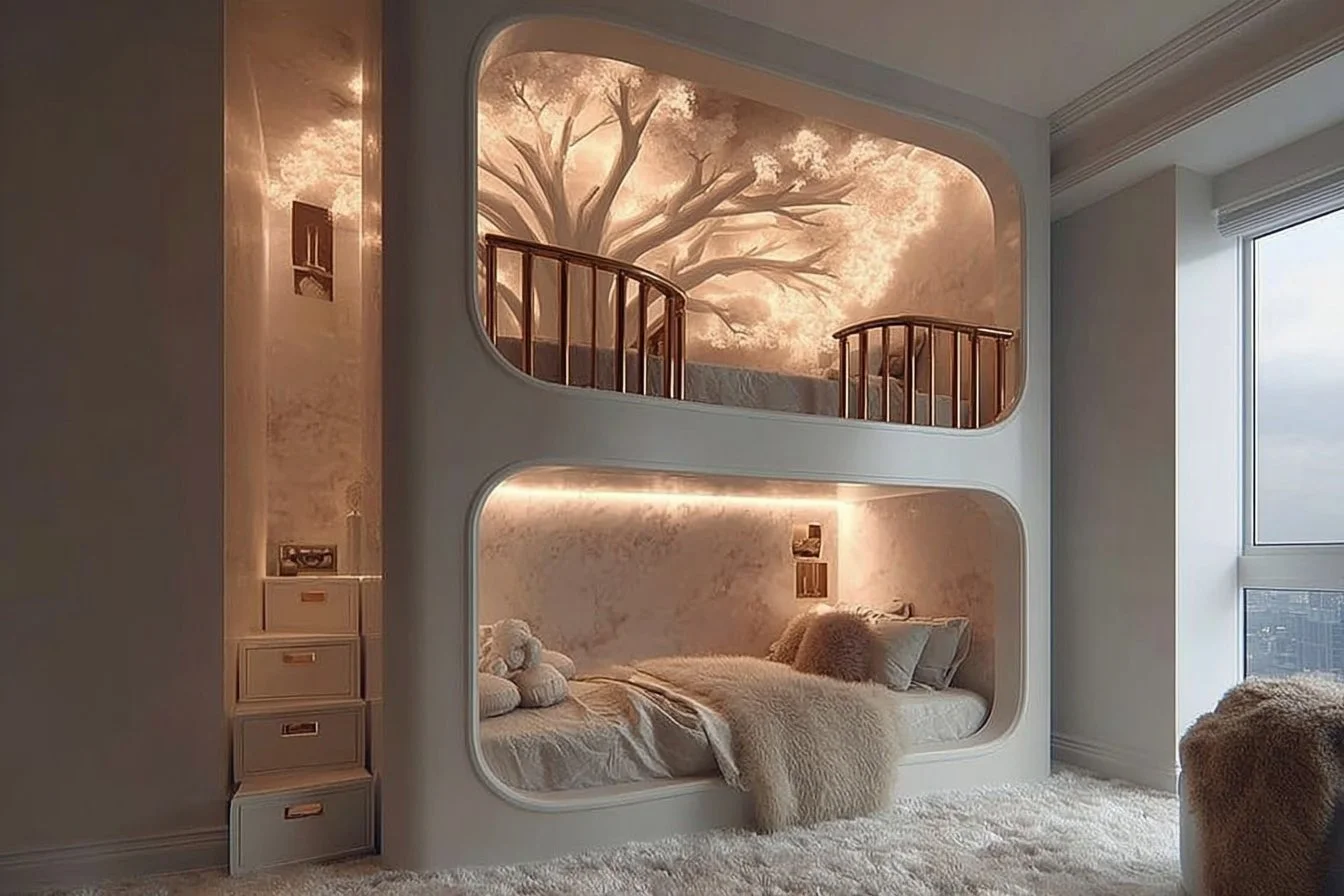
A canopy instantly adds drama and comfort without sacrificing function. For children, a soft, airy canopy creates a private nook that feels like a secret fort while still being elegant. Choose translucent fabrics in washable materials; they look dreamy and are easy to launder after sticky fingers or craft sessions. Layering bedding with a textured quilt, a couple of coordinated throws, and a mix of patterned and solid pillows gives depth and makes bedtime inviting. For families, this setup doubles as a cozy spot for bedtime stories or a rainy day movie. Opt for muted neutrals with one accent color to keep the look sophisticated yet playful. This approach to bedding is an easy interior styling tip that gives a high-end feel without a large budget.

Idea 2: Soft color palette with metallic accents

A calming base palette of creams, muted blues, or dusty pinks sets the stage for a luxurious kids bedroom. These tones make the room feel larger and more serene, helping kids unwind after a busy day of school, sports, and playdates. Metallic accents such as gold drawer pulls, a brass lamp, or framed metallic art bring a touch of glamour that reads luxurious rather than flashy. Use metallics sparingly so they catch the eye without overwhelming the space. In our home, swapping out knobs and adding a small mirror transformed a tired dresser into something the kids were proud of. These subtle touches are practical home décor ideas that show how small changes can elevate a room and create a calming nightly routine for children.

Idea 3: Built-in storage and custom shelving

Smart storage is the backbone of any well-designed kids bedroom. Built-in drawers under beds, cubbies in a window seat, and custom shelving beside a desk create designated spots for toys, books, and schoolwork. When every item has a home, clutter becomes manageable and cleaning up becomes a family habit. Consider adjustable shelves that grow with your child so the investment pays off for years. Include lower hooks or bins for younger kids and higher shelves for keepsakes as they get older. I love watching my kids use their own labeled baskets because it teaches responsibility and keeps the room photo-ready for the neighbor who loves to pop in. Thoughtful storage is an interior styling tip that marries form and function for real family life.

Idea 4: Statement lighting with dimmer control

Lighting changes everything. A standout fixture, like a small chandelier or sculptural pendant, can be the centerpiece that gives a room a designer feel. Pair that with layered lighting: bedside lamps for reading, a floor lamp for play areas, and a ceiling fixture on a dimmer to set mood. Dimmers are crucial for bedtime routines; lowering the light helps signal it is time to wind down after homework or late-night forts. Safety is essential, so pick fixtures rated for children’s rooms and secure cords out of reach. I switched to warm LED bulbs in all our kids spaces and noticed calmer evenings and easier transitions to sleep. This decorating inspiration shows how intentional lighting supports both aesthetics and family rhythms.

Idea 5: Playful yet sophisticated wallpaper or mural

Wallpaper or a painted mural creates instant character without cluttering surfaces. Choose designs that feel whimsical but refined, such as soft florals, subtle geometrics, or a muted sky scene for a sense of wonder. Removable wallpaper is a great option for renters or growing kids because you can update the room as tastes change. Apply wallpaper to a single accent wall to keep the look grounded and let other furnishings shine. In our house, a hand-painted star mural became the backdrop for sleepovers and made the room feel like a private universe for both kids. This is one of those home décor ideas that blends personality with a grown-up sensibility, offering a focal point that invites play and imagination.

Idea 6: Cozy reading nook with window seat and storage

A dedicated reading nook turns a bedroom into a retreat for quiet moments. A cushioned window seat with built-in storage beneath is both practical and beautiful. Add layered cushions, a soft throw, and a small bookshelf nearby to keep bedtime chapter books within reach. Natural light makes the space ideal for afternoon reading and crafts, while a nearby lamp keeps it cozy at night. Our family rituals often involve trading books and whispering plot twists, and a comfy nook encourages independent reading for both ages. This feature ties into interior styling tips that prioritize comfort and usability, creating a personal corner where kids can study, dream, or simply relax away from screens.

Conclusion

I hope these ideas spark your decorating inspiration and help you imagine a room that balances luxury and everyday family life. If you want more ways to bring organization and elegance into your home, check out this collection of 9 Dreamy Luxury Walk-In Closet Ideas for an Organised Home. Save this post for your next redesign, try one idea at a time, and revisit the room as your children grow. A thoughtfully styled bedroom becomes a backdrop for memories, routines, and the small joys of family life.

Categories
Kids

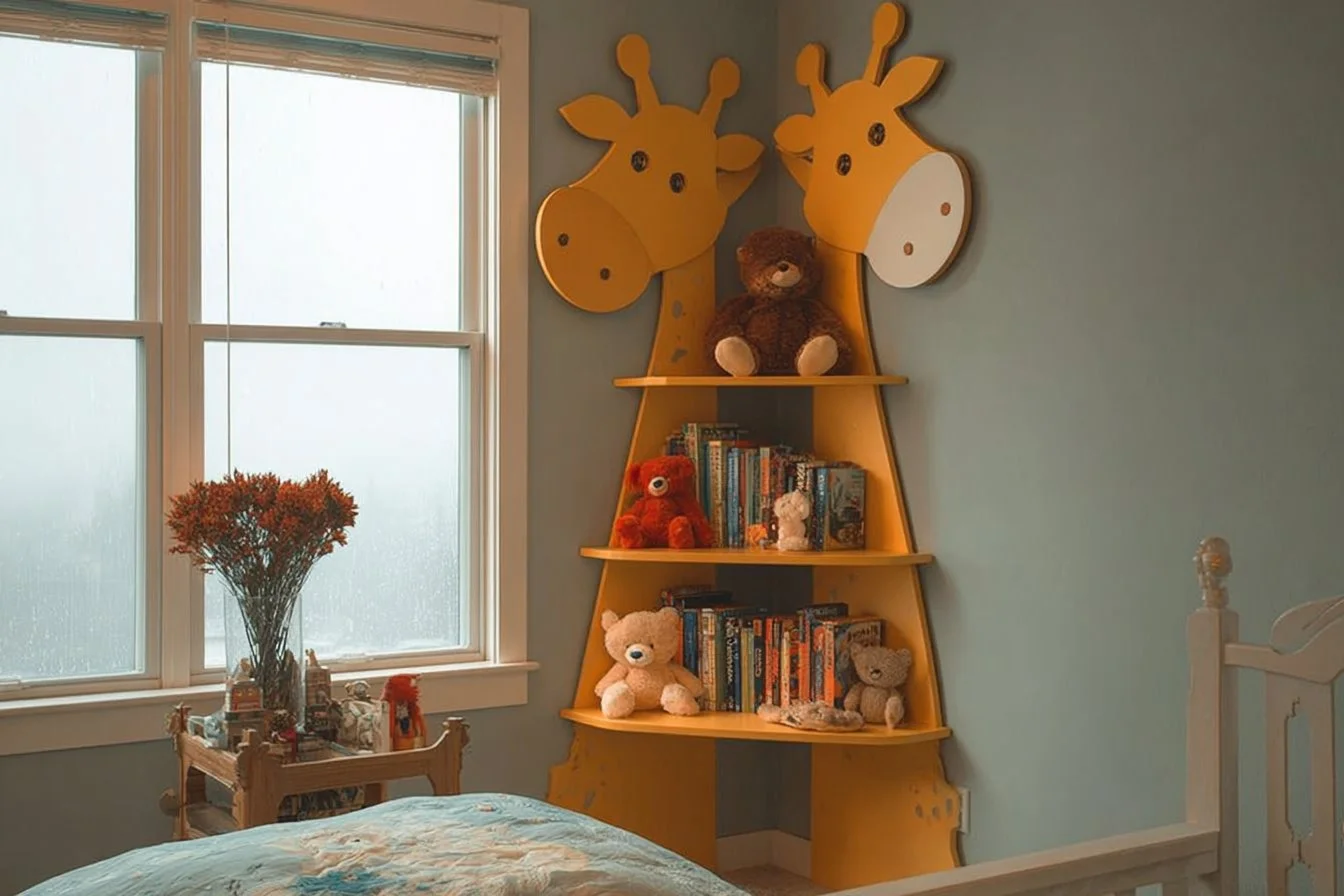
Transform Kids’ Rooms with Corner Shelf Decor and Animal-Shaped Wall Shelves

When the afternoon quiet hits and I’m folding laundry while the kids build yet another blanket fort in the living room, I often catch myself remembering the little things that made my own childhood room feel magical. Our two kids, ages 8 and 11, have a knack for turning ordinary afternoons into treasure hunts, and our neighbor’s daughter stops by after school to trade stickers and stories. Those small rituals—bedtime stories on the rug, swapping drawings at the kitchen counter, and the way light pools in the window—made me realize that thoughtful touches in a child’s space do more than store toys. They create memories. That gentle prompting is why I began experimenting with corner shelves and animal-shaped wall shelves; they felt like tiny stages for my kids’ daily lives, full of comfort and personality without overhauling the whole room.

  1. Cozy Corner Reading Nook with Floating Corner Shelves

    A small corner can become the family’s favorite spot when you add floating corner shelves at varying heights. Corner shelving makes the most of unused space and keeps books and bedtime treasures within arm’s reach. Why it works: corners are naturally intimate and, when layered with soft cushions and soft lighting, they invite lingering. How to apply it at home: mount three cloud or triangular floating shelves in a stepped pattern, place picture books and a small LED lamp, and top off the nook with a washable floor cushion. This setup offers quick access for an 8-year-old who devours picture books and a preteen who likes to tuck in with a comic after homework. It’s one of those simple interior styling tips that supports quiet routines and family reading time without crowding the room.

  2. Animal-Shaped Wall Shelves as Playful Display

    Animal-shaped wall shelves double as wall art and storage, giving kids a sense of ownership and whimsy. A fox, whale, or cloud shelf instantly becomes a focal point that sparks imagination. Why it works: kids connect emotionally to playful shapes, and these shelves are both decorative and functional, holding favorite toys, small plants, or night lights. How to apply it at home: choose one or two animal shelves placed at eye level for each child, use soft, non-toxic paint or prefinished wood, and switch out displayed items on weekends. Incorporating these shelves into a shared room can even help avoid morning squabbles—each child has a designated shelf for their prized possessions. For family life, they become conversation starters with visiting grandparents and friends.

  3. Tiered Corner Shelf Gallery for Art and Awards

    Turn a plain corner into a rotating mini-gallery with tiered corner shelves. This idea celebrates creativity and keeps awards and craft projects on proud display. Why it works: children crave recognition, and seeing their art showcased boosts confidence while keeping clutter off the floor. How to apply it at home: install a slim, tiered corner shelving unit and dedicate a shelf to current artwork, another to school projects, and a top shelf for trophies or photos. Frame a few pieces on inexpensive mat boards to elevate the look without fuss. On school nights when my son runs in waving a new drawing, we swap out a piece and talk about what he learned. This approach blends decorating inspiration with practical storage and supports a rotating showcase that keeps the room feeling fresh.

  4. Themed Shelves for Learning Zones and Play Areas

    Shelves can define zones within a bedroom—one corner for reading, one for crafts, one for STEM toys. Using themed decor like animal-shaped bookends or corner shelves painted with chalkboard paint creates interest and helps kids know where things belong. Why it works: clear zones reduce stress and encourage independence when kids can find and put away items themselves. How to apply it at home: choose a theme that reflects your child’s interests—dinosaurs, ocean life, space—and coordinate shelf colors and small décor items. Install a low corner shelf for craft suppliesable bins and a higher animal shelf for display pieces. My daughter loves labeling baskets with drawings she made, which has made cleanup after playdates much faster. These interior styling tips are both playful and practical for everyday family life.

  5. Mix-and-Match Materials for Texture and Durability

    Combining materials like painted MDF animal shelves, raw wood corner shelves, and woven baskets adds sensory variety that grows with your child. Why it works: texture and quality materials give a room depth and stand up to everyday wear from busy kids. How to apply it at home: pair soft pastel-painted animal shelves with a sturdy wooden corner ladder shelf for heavier items. Use wall anchors rated for the load and choose finishes that clean easily. Over a weekend, my husband and I sanded and sealed a thrift-store shelf while the kids painted cardboard cutouts, turning a chore into a family project. This choice reflects smart decorating inspiration—thoughtful materials add character while being practical for family life.

  6. Growth-Friendly and Safety-First Shelf Layouts

    Kids change fast, so design shelves that adapt as they grow. Adjustable or modular corner shelves and wall mounts let you raise displays to eye level for older kids or lower them for early readers. Why it works: flexible systems extend the life of your décor and prevent frequent replacements, which is great for the budget-conscious parent. How to apply it at home: choose shelves with adjustable brackets, secure all wall mounts into studs, and keep heavier items on lower tiers for safety. Animal-shaped shelves make great anchors for a child’s evolving collection—swap stuffed animals for digital devices as needs change. I remember moving a shelf down when my son moved from preschool toys to sports gear, and the difference in usability made our mornings smoother and safer.

Conclusion

These ideas are meant to be gentle nudges toward a room that feels like home while serving real family needs. Try one corner at a time and let your kids help choose colors or animals for their shelves; it’s a fun weekend project that becomes part of your family story. For an easy starter set of corner shelves that work beautifully in a cozy nook, consider the Beskadi Cloud Floating Corner Shelves – Set of 3 on Amazon. Save this article on Pinterest for future home décor ideas and come back when you’re ready to tackle the next small change that brings big comfort.

Categories
Kids

The Best Girl and Boy Shared Bedroom Design Ideas

Some nights I linger in the doorway, watching my two kids — one who hoards books and one who sleeps with a flashlight — trade whispers over a blanket that smells like summer. Being a mom in my forties, I have a file in my head of small neighbor barbecues, school morning chaos, and the way our house fills up with homework and snack crumbs. Our shared bedroom is where homework turns into giggles and where scraped knees get patched between bedtime stories. I’ve learned that thoughtful touches can calm the chaos and make room for both personalities without sacrificing sleep or style. Those gentle changes are the kind that stick, the kind neighbors ask about, and the kind family photos remember. If you love easy home décor ideas that work for real life, you will find this practical, cozy guide helpful. For ideas on calming palettes that translate to every age, see these cozy calm bedroom ideas.

  1. Zoning with Bunks and Loft Beds

    A loft or bunk approach creates distinct zones for sleep, play, and study while freeing floor space for toys and running shoes. This design works because vertical space is often underused, and lifting one bed opens room for a desk or a reading nook underneath. At home, choose a solid ladder and guardrails for safety, and add a soft rug beneath the loft to warm the footprint. Paint the underside of the loft in a soft color or add string lights to make it feel like a secret fort. For us, the lower bunk became a homework station on weekdays and an afternoon reading den on weekends, giving both kids a sense of ownership without arguments over territory. This idea blends clever interior styling tips with practical safety choices to keep energy focused and clutter minimized.

  2. Neutral Base with Colorful Kid Zones

    Starting with a neutral palette gives the room longevity and makes it easy to introduce personal color choices that change as kids grow. Neutral walls, bedding, and a shared rug form a calm canvas that visually enlarges the room, while the kids pick accent colors through pillows, wall decals, or desk lamps. This works well because it reduces visual conflict and makes cleaning up feel less chaotic. To apply this, paint walls in a warm off-white or pale gray and add two accent corners with removable peel-and-stick wallpaper or decals—one side blue-green, the other coral or lavender. Switch out accents seasonally or as tastes change for a quick refresh. Families with tight schedules will appreciate how this approach streamlines decision making and keeps the space feeling curated. For a refined twist on neutral styling, peek at some luxury modern Japandi ideas that translate beautifully into kid-friendly versions.

  3. Smart Storage That Grows with Them

    Storage is the unsung hero of shared rooms. Built-in drawers under beds, labeled bins, and cubbies keep toys, art supplies, and seasonal clothes organized without overwhelming the room. The reason this idea works is that accessible storage teaches kids to put things away while giving each child responsibility over their own space. At home, use low open shelving for daily items and higher closed storage for less-used belongings. Color-code baskets or add name tags so each child recognizes their zone. My neighbor swears by rolling bins that slide under beds for sleepover gear, which made our own sleepover hosting smoother. This storage approach supports routine and reduces nightly battles, and it provides many opportunities for subtle decorating inspiration when baskets and bins match the room’s palette.

  4. Personalized Display Walls for Identity and Pride

    A shared room can celebrate differences with two mini gallery walls. One wall can showcase sports posters, sculptures, or a corkboard of homework, while the other displays drawings, favorite photos, and trophies. This approach works because it honors individuality without carving the room into permanent halves. To apply, measure two equal wall sections and install picture rails or floating shelves so the displays can evolve without extra holes in the wall. Encourage the kids to curate their own area and switch pieces every few months. I remember how proud my daughter was the first time she rearranged her shelf; it became a confidence builder and a weekend project the whole family enjoyed. Personalized displays bring decorating inspiration into day-to-day life and invite visitors to learn about each child’s interests.

  5. Curtains, Rugs, and Color Blocking to Create Separate Feelings

    You can create the illusion of separate rooms without construction by using curtains, rugs, and color blocks. This works because visual and textile boundaries give each child a private nook while maintaining the flexibility of a shared space. For application, hang light, noise-dampening curtains on a ceiling track that can be pulled between bunks or reading corners. Choose area rugs with different patterns or color tones under each bed to define sleeping spaces. Add a shared lamp and a small divider shelf that opens on both sides for toys and bedside books. In our household, a simple curtain became a stage for play and an instant privacy retreat for teens during study season. These small fixes are easy to update and align with popular home décor ideas that keep function at the forefront.

  6. Creative Study and Play Zones that Adapt

    A shared desk or two side-by-side workstations with privacy dividers help siblings focus while keeping a sense of togetherness. This layout works because it teaches collaboration and boundaries at the same time. At home, pick a long table with adjustable chairs and add clip-on lamps for individual lighting. Use magnetic boards or chalk paint sections above each work area so study tools live vertically and desks stay clear. For younger kids, integrate a play surface that doubles as a craft table with wipe-clean tops. Our Friday craft nights moved smoothly when each kid had their own pegboard for art supplies and a communal jar for shared markers. These functional touches make homework less stressful and offer a steady stream of interior styling tips that parents can tweak as kids mature.

Conclusion

Designing a shared bedroom for a girl and boy is about blending practical solutions with spaces that reflect each child. Save your favorite idea, try one change at a time, and revisit what works as kids grow. For more practical and creative options, check out 24 Ideas for Designing Shared Kids Rooms to spark additional decorating inspiration and home décor ideas you can adapt easily. Pin a few looks, involve the kids, and enjoy the process of building a room that holds memories.

Categories
Kids

6 Boys Bedroom Makeover Ideas That Grow With Your Kids

Some of my favorite memories are built around the chaos of a Saturday morning: cereal bowls on the counter, the neighbor kids barreling through the yard, and my two boys—now eight and twelve—wrangling over whose turn it is to build the biggest Lego fortress. As a mom in my forties, I’ve learned that home is less about perfect styling and more about comfy corners where stories begin. Between carpools and bedtime stories, I started thinking about ways to make our home feel calmer and more purposeful. That slow realization led to a handful of projects that balanced play, sleep, and storage without costing a fortune. If you enjoy browsing home décor ideas and need practical interior styling tips that actually work for busy families, the following ideas grew out of real life, not just Pinterest boards. For a few modern touches I borrowed from broader design trends, I referenced some practical modern bedroom ideas here: modern bedroom ideas.

Section 1 — Color Palette That Grows With Them

Pick a base palette that feels calm and versatile. Neutral blues, soft greens, and warm grays are less likely to feel dated as interests change. These hues create a backdrop that supports evolving decor without frequent repainting, and they photograph beautifully for Pinterest-friendly rooms. Why it works: a restrained palette reduces visual clutter so toys and art can become focal points. How to apply it at home: paint two opposing walls a muted color and keep the rest light, then add accents in brighter tones through bedding or removable wallpaper panels. Family touch: my older son requested an accent navy wall for a model-sailboat display, while the younger one loved teal for his superhero capes; both choices sat comfortably against the same neutral backdrop. This approach brings decorating inspiration into everyday life and reduces the need for constant updates.

Section 2 — Multifunctional Furniture for Small or Shared Rooms

Choose pieces that do double duty: loft beds with desks underneath, bunk beds with drawers, and storage ottomans that pull double duty as seating. Multifunctional furniture maximizes floor space for play and makes cleanup simpler, which is golden on weeknights when homework and dinner overlap. Why it works: smart furniture reduces clutter and lets kids enjoy distinct zones for sleep, study, and play without needing extra square footage. How to apply it at home: measure first, then invest in a bed with built-in storage or a desk that folds down when not in use. For a more traditional feel, mix solid wood pieces with practical laminates so you get durability and style. Lifestyle note: when we added a loft bed with a homework nook below, my middle-of-the-night helper turned into a morning independent worker, and the battles over desk space stopped. For a few cozy, related ideas check out this dreamy bedroom inspiration: dreamy farmhouse bedrooms.

Section 3 — Themed Accents That Are Easy to Switch Out

Instead of committing to a full themed room, use changeable accents like rugs, wall decals, and bedding to add personality. A galaxy-themed throw, a dinosaur lamp, or a map poster gives kids something to love and makes updates affordable. Why it works: removable elements satisfy changing tastes without major renovation, and they photograph nicely for boards focused on decorating inspiration. How to apply it at home: use peel-and-stick decals on a wardrobe or a single wall, choose a pattern rug that ties the room together, and use a couple of themed storage bins for toys. Family angle: our youngest rotated through a superhero phase into a space phase in six months; swapping bedding and a wall decal kept the room feeling fresh without repainting. For the kid who loves all things outer space, inspiration can be paired with durable basics so the theme never overwhelms the room.

Section 4 — Smart Storage That Makes Cleanup a Habit

Storage is the secret to a magazine-worthy room that still functions for everyday life. Open bins, labeled drawers, and under-bed boxes make toys and clothes easy to sort. Why it works: when kids can see and reach storage, they’re more likely to help. Clear containers or fabric bins grouped by category reduce decision fatigue for both kids and parents. How to apply it at home: install a low shelf with baskets for frequently used toys, add hook rails for backpacks, and use drawer dividers for socks and small items. Lifestyle reference: we turned cleanup into a game with a timer; the boys loved racing to put things in the right bins, and our sanity improved overnight. These strategies blend interior styling tips with practical parenting — useful for families who want a pretty room that survives real life.

Section 5 — Layered Lighting and Cozy Textiles

Lighting changes mood. Combine a bright overhead light for homework time with a warm bedside lamp for reading and softer string lights for relaxed evenings. Textiles like washable rugs, quilts, and curtains add warmth and help absorb noise in busy households. Why it works: layered lighting accommodates different activities and supports sleep routines, while textiles create a comfortable, inviting feel that makes a room feel finished. How to apply it at home: choose a dimmable bedside lamp and add a washable rug that can handle spills. Swap out heavy drapes for light-blocking liners that still let the room feel airy during the day. Family touch: our house is full of music and brotherly debates, and adding thick curtains helped dull the noise so bedtime stories became peaceful again. For bold decor with a playful edge, consider mixing practical fabrics with eye-catching accents from kid-friendly collections like this galaxy-inspired set: galaxy kids decor.

Section 6 — DIY Personalization and Growth-Friendly Systems

Encourage creativity with DIY projects that become keep-sake elements of the room. A growth chart behind the door, a framed collage of their art, or a magnetic board for rotating displays is personal and easy to update. Why it works: personalized elements build ownership and strengthen a child’s connection to their space, making them more likely to care for it. How to apply it at home: dedicate a wall or strip for rotating artwork, add hooks at kid height for jackets, and use a simple pegboard above a desk for supplies that can change with interests. Family moment: we turned a rainy afternoon into a gallery night, framing favorite drawings and letting each boy curate their shelf; they beamed, and the room instantly felt more theirs. These small, meaningful additions keep decorating inspiration rooted in family life and celebrate growth over time.

Conclusion

If you want projects that are beautiful, practical, and built around real family life, start with one change and see how it shifts routines. Save the ideas that speak to you, try one small makeover this month, and revisit elements as your children grow. For a helpful example of a full project that inspired some of these tips, check out this detailed Boys Bedroom Makeover – Making Pretty Spaces Blog: Boys Bedroom Makeover – Making Pretty Spaces Blog.

Categories
Kids

Whimsical Treehouse Kids Decor: Fairy Tale Retreat

Create a Whimsical Treehouse Retreat: The Ultimate Guide to Fairy Tale Kids Decor

As a proud American mom in my forties, there is something about nestling into the heart of our home that fills me with warmth. My husband loves to remind me how I have taken our modest abode and turned it into a cozy haven. With two lively kiddos aged 8 and 12, we spend our evenings playing games in the living room and sharing stories over dinner. I often find inspiration in the magic of bedtime stories and the wish that I could bring those fairy tales to life for my children.

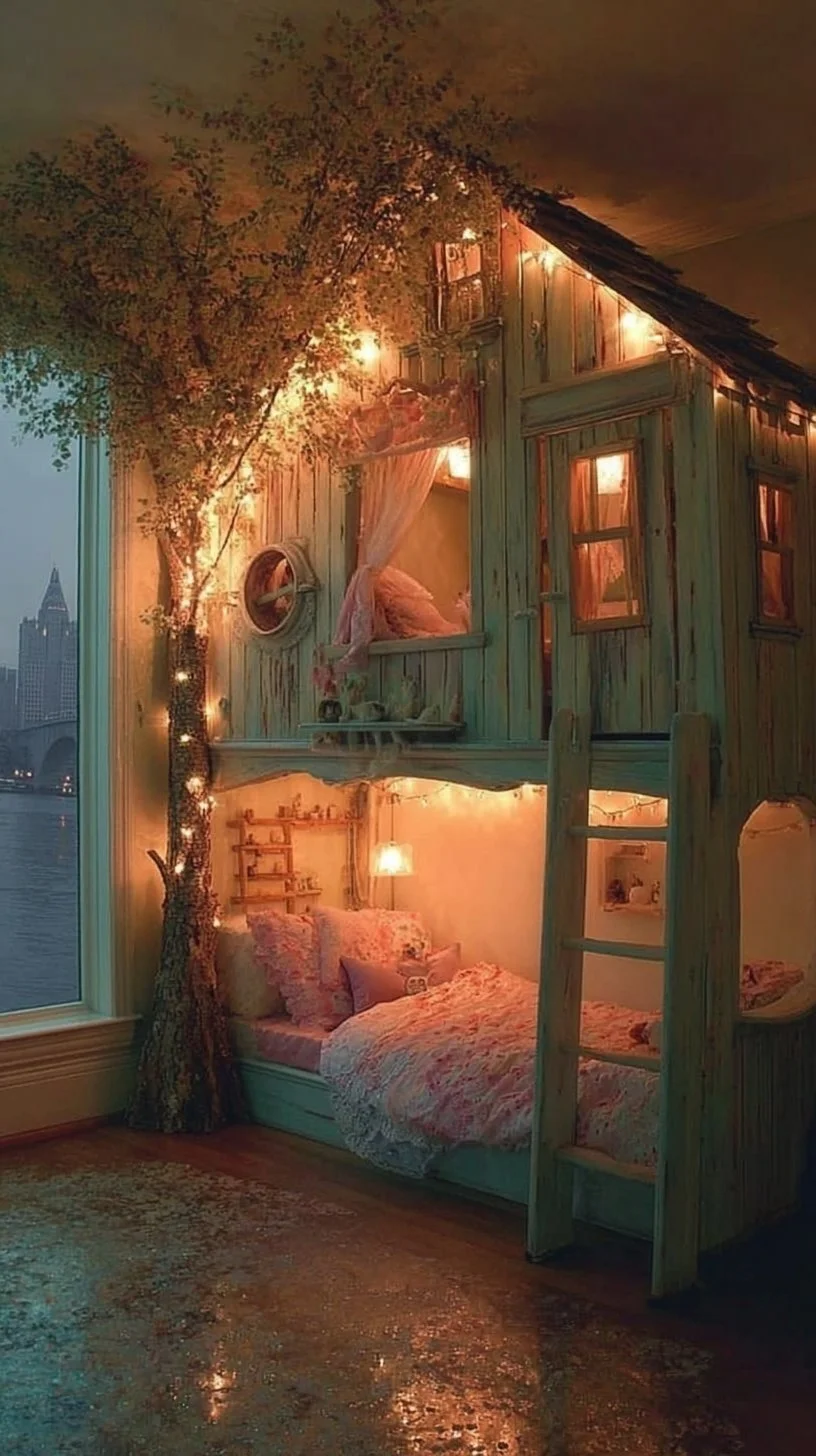
When I look at this enchanting room, with its rustic wooden treehouse and twinkling lights set against a city skyline, I am reminded that our homes can be portals to other worlds. It is a space where the hustle of the city fades away, replaced by the magic of a secret garden. Ready to dive into some delightful Kids Decor trends that will bring this dreamy, shabby-chic vibe to your home? Let’s explore together!

1. The Charm of Minimalist Design

At first glance, this intricate treehouse might look complex, but the design principles behind it are surprisingly minimalist. It is about using one large statement piece to define the entire room. The beauty of this style lies in the consolidation of function. The bed, the play area, and the storage are all contained in one beautiful structure, leaving the rest of the floor open for imagination.

Tips to achieve this look:

  • The Statement Structure: Let the furniture do the talking. A bunk bed with architectural details reduces the need for extra wall art or clutter.
  • Unified Palette: Notice how the wood tones blend with the soft pinks and creams. Sticking to a soft, pastel color palette prevents the rustic textures from feeling heavy or chaotic.
  • Open Floor Plan: By stacking the sleeping and playing zones, you free up the carpet. This creates a sense of airiness that is essential in a room full of visual details.

In our home, we love this concept because it simplifies cleaning. When the bed is the main event, there is less furniture to dust around, which is a win for any busy mom.

2. The Joy of Personal Touches

Nothing brings a room to life quite like soft, romantic textures that invite you to touch them. In this fairy tale room, the Kids Decor is all about comfort and softness. The ruffled pink bedding and the sheer curtains create a sense of nostalgia. It feels like a space that has been curated with love over time.

Ideas to infuse your personality:

  • Layered Textiles: Don’t be afraid to mix lace, ruffles, and heavy knits. The pink bedding in the photo looks incredibly inviting because it is so fluffy and layered.
  • Window Treatments: Adding small curtains to the bunk bed windows gives your child control over their privacy. It turns a bed into a secret cottage.
  • Vintage Vibes: Displaying vintage-style toys or antique-looking frames adds character. It tells a story that goes beyond the latest plastic trends.

In our home, my daughter loves her “nest.” We added a canopy over her bed to mimic this feeling of enclosure, and she says it makes her feel safe and cozy every night.

3. Blending Old and New

There is something special about the marriage of weathered, rustic charm and a modern urban setting. This room masters the contrast between the “old” world of the wooden treehouse and the “new” world of the city skyscrapers outside the window. It creates a visual feast that is grounded yet exciting.

How to successfully merge styles:

  • Distressed Finishes: The paint on the treehouse looks intentionally weathered and chipped. This “shabby chic” look adds history and warmth to the room.
  • Modern Context: Do not hide your view. The large, clean window frames the city like a painting, providing a cool blue backdrop to the warm wood of the bed.
  • Soft Lighting: Using warm, vintage-style bulbs helps bridge the gap. They feel old-fashioned but provide the reliability of modern technology.

Our family loves this blend because it feels unique. It creates a sanctuary where the fast-paced world outside cannot touch the peaceful, timeless world inside.

4. The Lure of Natural Elements

Nature has an innate ability to ground us, and this room takes biophilic design to a magical level. The Kids Decor here focuses on the realistic tree trunk that seems to support the bed. It blurs the line between furniture and forest, sparking a sense of wonder.

Ways to incorporate nature indoors:

  • Faux Trees: You can achieve this look with high-quality artificial trees or by using real branches (properly treated) as decor elements in the corners of the room.
  • Wood Grains: Let the natural grain of the wood show through. Whether it is the ladder or the frame, raw wood textures connect the child to the earth.
  • Floral Accents: The leaves on the tree and the floral patterns on the bedding bring the garden inside. It makes the room feel fresh and alive, even in the middle of winter.

In my quest to connect our home with nature, we have added vine garlands to the top of my son’s bookshelf. It is a simple touch, but it instantly makes the room feel more adventurous and organic.

5. The Power of Ambiance

Creating an inviting atmosphere can elevate your home from merely functional to genuinely magical. Lighting is the absolute star of this bedroom. The fairy lights wrapped around the tree trunk and draped over the bed create a soft, enchanting glow that mimics fireflies.

Tips for enhancing ambiance:

  • String Lights: Wrap them around bed posts, ladders, or structural elements. They add a whimsical touch that is inexpensive but visually stunning.
  • Warmth is Key: Always choose warm white bulbs. Cool white can look harsh, but warm light creates that cozy, candlelit feeling seen in the photo.
  • Internal Glow: Place lights inside the “house” part of the bunk bed. It makes the structure look inhabited and inviting, like a warm cabin in the woods.

Many evenings, our family gathers for story time, and we turn off the main ceiling lights. We rely on the soft glow of lamps and string lights to set the mood. It helps the kids wind down and prepares them for sweet dreams.

Conclusion

Transforming your home into a magical retreat does not have to be a fantasy. By incorporating these dreamy Kids Decor trends, you can curate a space that fosters imagination and provides comfort. Your home is a canvas, and with a sprinkle of creativity and plenty of twinkle lights, it can become a fairy tale come true. So, why not give these ideas a try? Gather your loved ones, enjoy the process, and let your home tell its unique story!