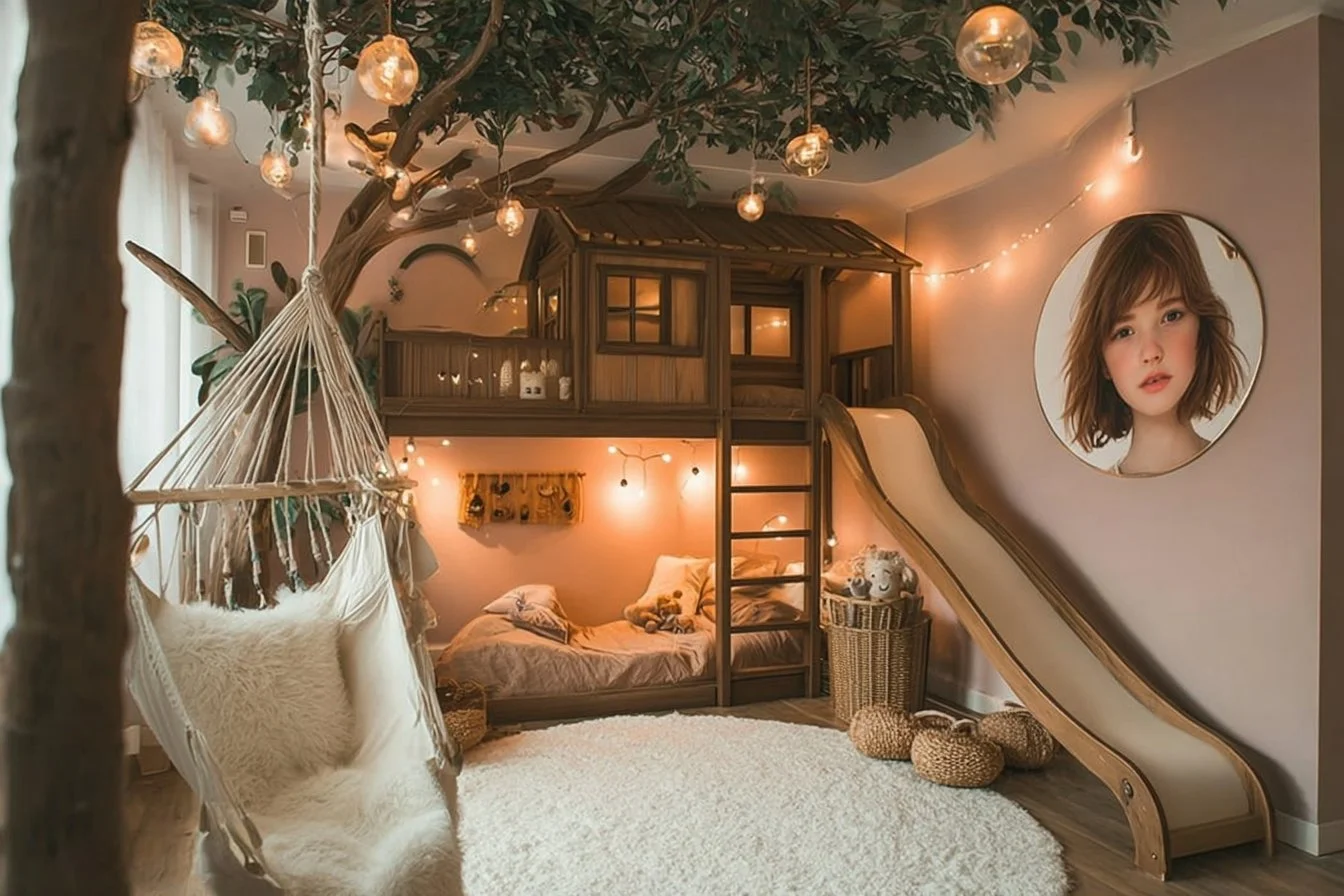

Stylish Kids Rooms: Fresh Cozy Decorating Ideas
I still remember the Saturday morning when my neighbor Mrs. Alvarez knocked with a plate of muffins and a paint-splattered grin, asking if she could borrow our ladder while her son and mine debated superhero capes at the picnic table. As a forty-something mom with two kids between eight and twelve, life is a steady stream of carpools, homework checks, and bedtime negotiations over whose stuffed animal gets the top pillow. Our house holds Lego cities on the dining table and crayon murals that somehow find their way into every corner. Those small domestic scenes have taught me that a kid’s room should be a calm backdrop for messy, joyful life — a place that keeps order without squeezing out personality. Over the years I’ve collected simple, real-world tricks to turn chaos into style so rooms feel purposeful, kid-friendly, and picture-worthy without endless overhauls.
Color Anchors: One Wall, Big Impact
Choosing a single accent wall or a bold wallpaper turns a child’s room into a curated space without overwhelming a busy household. A painted wall becomes a visual anchor where everything else can stay neutral and easy to swap as tastes change. Visually, it grounds the room and gives photos and Pinterest boards something to pop against. Emotionally, a color kids helped pick becomes part of family stories — the blue wall where they learned to ride a scooter inside on rainy afternoons, or the soft coral that brightens after a long week of school. To apply this, pick a washable eggshell paint or peel-and-stick wallpaper for durability, then place the bed or desk against that wall to maximize the impact. These small color investments are classic home décor ideas that make cleaning and rotating toys feel intentional, not chaotic.
Smart Storage That Doubles as Furniture
Clutter fades when storage feels like design. Think benches with hidden boxes, beds with drawers, or modular cubes that become bedside tables. These pieces work visually because they keep lines clean and surfaces tidy, and emotionally because they reduce the friction of family routines — morning rushes and bedtime cleanups are simpler when everything has a place. Start by assessing daily flows: where do school backpacks land, which toys are used most, and where do art projects accumulate? Choose durable fabrics and finishes that stand up to spills and energetic kids. Teach routines gently by making cleanup part of play: a game to stow books before snack, or a race to fill the toy bin. These interior styling tips make rooms look edited and teach kids responsibility without a lecture.
Rotating Gallery Walls to Showcase Growth
A gallery wall is an evolving statement rather than fixed decor. Frame school art, family photos, or favorite postcards in a mix of sizes so the arrangement feels curated but flexible. Visually it creates texture and personality; emotionally it honors children’s changing interests and small wins. Apply this at home by dedicating a single wall or the space above a headboard to a mix of removable frames or washi-taped prints. Rotate pieces monthly or when a new school project comes home. In my house, swapping art became a Friday ritual: the kids choose one piece to feature and explain why they picked it, turning decorating inspiration into family storytelling. The result is a room that celebrates creativity while staying stylish and uncluttered.
Cozy Reading Nook with Layered Textiles
A cozy corner invites quiet moments and helps balance a busy household full of activity. Create a reading nook with a low bookcase, a soft pouf or bench, and layered textiles like a washable throw and a few plush pillows. Visually, layers add warmth and depth; emotionally, a dedicated spot offers children a reliable retreat for nightly reading or rainy-day calm. Keep books within reach and rotate selections to match interests — adventure titles near the older child’s side, picture books closer to the younger one. Lighting matters: a soft bedside lamp or adjustable clip light makes the space useful after dusk. These small interior styling tips make the room feel lived-in and intentional, encouraging independent reading while fitting seamlessly into a family routine.
Durable, Design-Forward Rugs as Room Anchors
A well-chosen rug can define zones for play, study, and sleep while protecting floors from daily wear. Choose low-pile, stain-resistant rugs with a pattern that hides small spills and survives rough play. Visually, rugs anchor furniture and give the room a finished, polished look; emotionally, a comfy rug becomes the unofficial meeting spot for blocks, board games, and bedtime chats. To apply this practically, size the rug so the front legs of the bed and furniture sit on it, creating cohesion. Layer smaller washable rugs for high-traffic areas like beside the bed. I’ve learned that a rug’s color palette informs the rest of the room — pick tones that coordinate with bedding and wall accents so switching accessories later feels effortless. These home décor ideas keep style and utility in balance.
Whimsical Lighting and Personal Details
Lighting sets mood and supports routines. Mix ambient ceiling light with task lamps for homework corners and soft string lights for nighttime comfort. Visually, varied light sources create depth and warmth; emotionally, personalized lamps or themed shades can become comfort objects children remember as they grow. Apply this by installing dimmable switches where possible and choosing fixtures that are safe and easy to clean. Add a small nightlight near the closet for midnight searches and a wall sconce for the older child’s reading. Personal touches like monogram pillows, a special curtain panel painted together, or a map of places visited add layers of meaning without clutter. These decorating inspiration cues help kids feel ownership while keeping rooms serene for the whole family.
Conclusion
If one thing’s true from years of carpools and late-night story swaps, small, thoughtful changes add up to rooms that feel both stylish and lived-in. Save a pin or try one idea at a time — an accent wall this month, a cozy nook next — and watch how the space shifts with your family’s life. For budget-friendly finds and clearance-worthy picks that spark fresh decorating inspiration, consider browsing kids room clearance inspiration. For additional professional perspectives on designing child-friendly interiors, this children’s room decor guide offers practical examples and styling details.