Dark Rustic Kitchen Ideas That Feel Warm And Inviting
When I think about our kitchen, I see my kids chasing each other between the island and the pantry while my husband hums an old song my parents used to play on Sundays. I’m a forty-something American mom who loves family gatherings and the small rituals that make a house feel like home. I remember my grandmother’s stone sink and the way her wooden spoons smelled of cinnamon. Those memories guided me as I mixed dark wood tones with warm textiles to create a rustic yet cozy space. Between school lunches, PTA meetings, and weekend baking experiments with my 10-year-old son and 8-year-old daughter, I’ve learned that thoughtful interior styling and a few decorating tips can transform a kitchen into a welcoming, lived-in hub everyone wants to be in.
Embrace Deep, Earthy Color Palettes
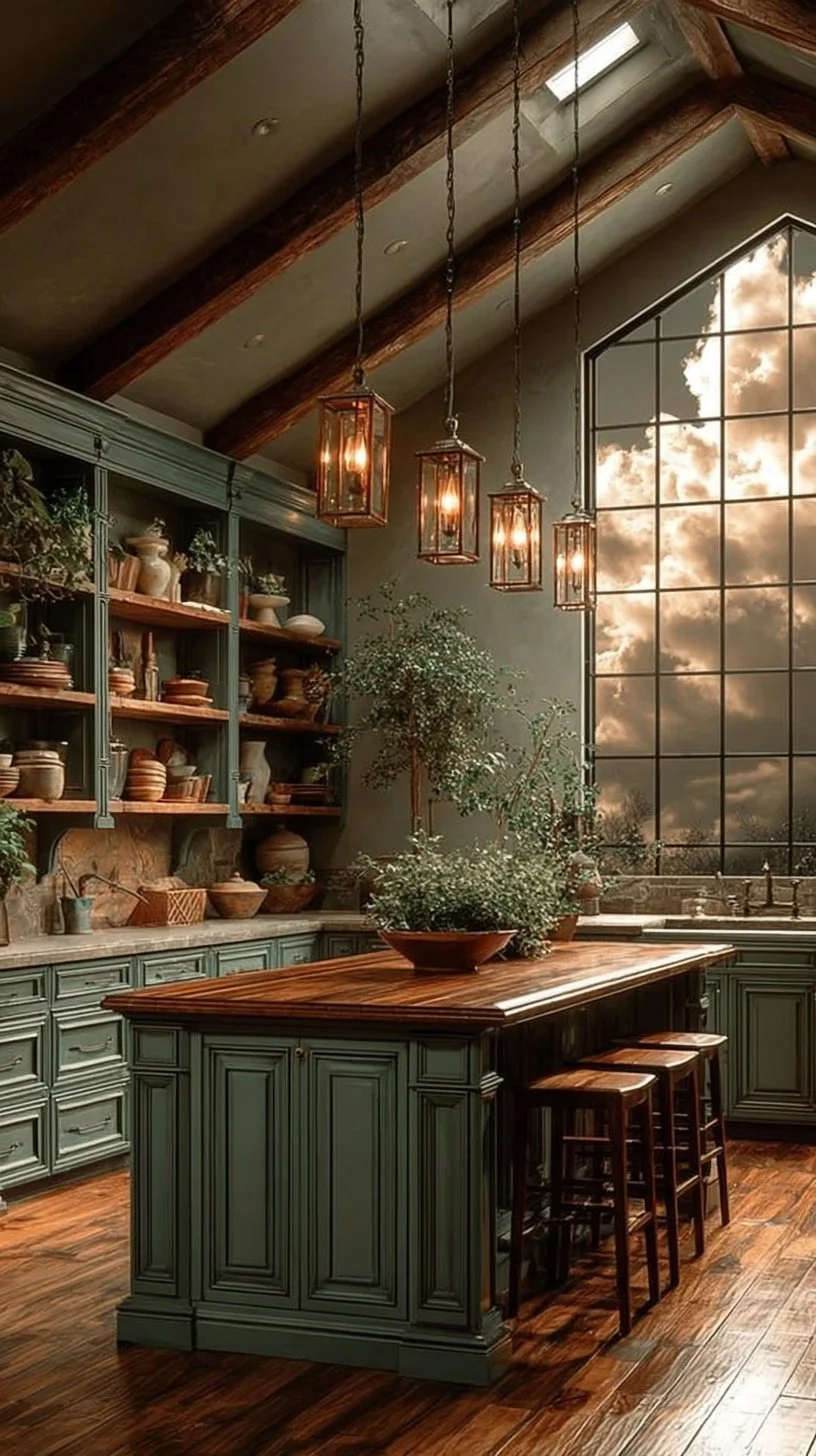
Dark cabinetry and earthy paint colors create a grounded backdrop that feels intimate and timeless. Opt for deep greens, charcoal grays, or rich browns on lower cabinets while keeping upper shelves or a small accent wall slightly lighter to avoid claustrophobia. Pair these tones with warm brass or matte black hardware to add contrast and personality.
Practical tips: choose a durable, low-sheen paint for high-traffic areas and sample swatches in different lighting times of day. Use adhesive peel-and-stick samples to see how colors interact with your countertops. For a lived-in vibe, distress a small piece of wood or test a glaze technique on a drawer front first. I painted a leftover cabinet my neighbor gave me and let my son add a playful stencil on the inside to hide kids’ secret snacks.
Mix Textures for Warmth and Depth
A dark rustic kitchen thrives on texture. Rough-hewn reclaimed wood, honed stone countertops, and matte tile create layers that invite touch. Introduce soft textiles like woven rugs, linen curtains, and hand-stitched tea towels to balance the rough surfaces and make the room feel cozy.
Practical tips: place a woven runner near the sink to soften the hard floor and add a noise-absorbing element for busy mornings. Use open shelves to display ceramic bowls and glass jars; the mix of smooth and rough will keep your interior styling interesting. I keep a basket of folded dishcloths on an open shelf so my daughter can grab one to help dry dishes, making functionality look intentional.
Lighting That Warms Without Washing Out Color
Lighting can make or break a dark kitchen. Aim for layered lighting: ambient ceiling lights, task lighting under cabinets, and a focal pendant over the island. Choose warm temperature bulbs to keep tones rich and inviting. Dimmable fixtures let you shift from family homework time to a relaxed dinner vibe.
Practical tips: install under-cabinet LED strips with a warm color index and use pendant lights with translucent shades to diffuse light softly. Position lighting to illuminate work zones like the stove and prep areas. I swapped out a harsh fluorescent fixture I disliked and replaced it with two pendants my sister found at a thrift market; the glow made our meals feel more intimate and my husband noticed immediately.
Blend Old and New: Vintage Finds with Modern Function
Rustic design is perfect for mixing reclaimed antiques with up-to-date appliances. A farmhouse sink paired with a modern induction cooktop or an antique dresser repurposed as a pantry adds character while keeping your kitchen practical.
Practical tips: when buying vintage, check for water damage and hardware quality. Retrofit cabinets with soft-close hinges for modern convenience. Integrate storage solutions like pull-out spice racks or drawer dividers into an old sideboard so the charm does not sacrifice efficiency. My parents gifted me an old bread box; I had it refinished and now store foil and parchment in it, a small personal touch that also keeps clutter down.
Styling Details That Invite People In
Small details create the feeling of a maintained, loved kitchen. Grouping fresh herbs in terracotta pots, displaying wooden cutting boards vertically, and arranging cookbooks by color or size on a shelf creates an approachable vignette. Keep everyday items like mugs, mixing bowls, and utensils within easy reach to encourage family participation.
Practical tips: use magnetic strips for knives, baskets for produce, and labeled jars for pantry staples to make the kitchen functional and photogenic. Rotate a small display of seasonal ceramics or sentimental objects to keep the space feeling fresh. I hang a tiny chalkboard on the pantry door where my kids write dinner ideas; it doubles as decor and a way to involve them in meal planning.
Creating Cozy Nooks and Flexible Zones
Even in a compact kitchen, you can create zones for different activities. A small bench with cushions and a throw transforms a corner into a homework station or reading nook. The island can serve as a baking area in the morning and a homework table in the afternoon.
Practical tips: define zones with rugs, distinct lighting, and storage solutions tailored to the activity. Keep charging stations tucked away but accessible so devices won’t clutter cooking surfaces. If space allows, add a shallow open shelf near the dining area for placemats and chargers. My neighbor taught me to keep a mini charging basket under the island so my kids can do homework there without cords tangling across the countertop.
Conclusion
Dark rustic kitchens can be warm, practical, and full of personality when you blend rich colors, layered textures, thoughtful lighting, and meaningful accents. Try one small change at a time—like a warm pendant light or a vintage bread box—to see how it transforms your space. For more inspiration and a deeper dive into styling tips, check out Dark Rustic Kitchen Ideas That Feel Warm And Inviting – Edward … (https://edwardgeorgelondon.com/dark-rustic-kitchen-ideas-that-feel-warm-and-inviting/). And if you want ideas for making your living spaces equally cozy, this cozy living ideas guide has helpful personal touches and decorating tips to spark your creativity. Give a few of these ideas a try and invite family and friends over to enjoy the warmth you create.