Categories
Bathroom

Stunning Mid Century Modern Bathroom: Tiny Powder Room Ideas That Transform

I still remember the day I decided to redo our tiny upstairs powder room while my son was building a Lego spaceship at the kitchen table and my daughter was trying to convince our neighbor that her bracelet was a fashion statement. As a forty-something American mom who grew up watching my parents salvage vintage finds and my siblings copy Grandma’s styling, I love spaces that feel lived in, polished, and playful. My husband jokes that I have an interior styling radar, but really I just care about practical beauty that makes family life easier. If you want quick decorating tips and some creative inspiration, start by picturing how your kids and guests move through the room. For a little extra ceiling inspiration, I sometimes borrow ideas from unexpected corners like these ceiling design ideas I bookmarked online: ceiling design ideas.

Mid Century Silhouettes for Maximum Charm
Mid century modern is all about clean lines, organic shapes, and furniture that looks light on its feet. In a tiny powder room, choose a floating vanity with tapered legs or a slender wall-mounted sink to free up visual space. Look for classics like walnut or teak veneer, or go painted in a muted avocado or mustard for period flair. Actionable tip: pick hardware in aged brass or matte black for contrast, and mount a round or oval mirror to soften the geometry. I replaced our old square mirror with a tapered oval and suddenly the whole room felt calmer. Keep your palette to three main colors so the eye moves easily across the space. This interior styling move will make the powder room feel intentional and curated, not crowded.

Play with Tiles and Graphic Flooring
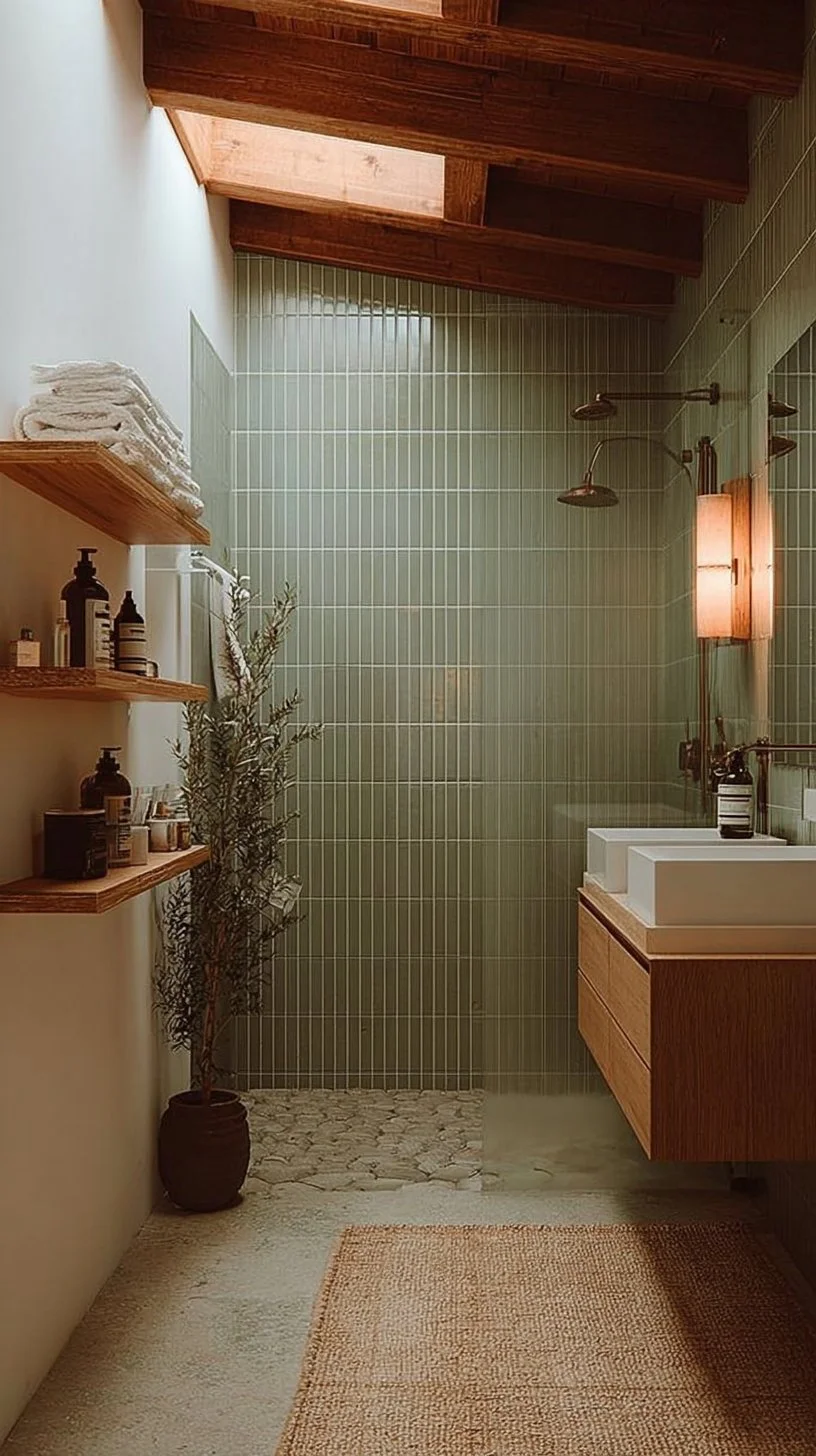
Small-scale tiles and bold geometric patterns are the secret to adding interest without overpowering a compact powder room. Penny tiles, small hexagons, or pattern mosaics allow you to introduce color and texture while keeping scale in check. Practical tip: use a darker grout on light tiles for easier maintenance, or match grout to a mid tone for a seamless look. If the room feels narrow, lay rectangular tiles on the diagonal or use chevron on the floor to create the illusion of width. I used tiny white hex tiles in my own powder room and added a band of sage-green tiles behind the sink; guests always comment on the unexpected detail. These decorating tips combine function with mid century-inspired charm.

Graphic Wallpaper for an Accent Wall
Wallpaper is an amazing way to bring mid century patterns into a tiny space without a big budget. Choose a single accent wall behind the vanity or on the wall you see first when you open the door. Look for patterns with abstract leaves, starbursts, or atomic motifs in scaled-down repeats so the design reads as elegant, not busy. Actionable steps: sample a strip on your wall first to see how the light affects colors, and consider a washable, vinyl-backed paper for durability. Pair the pattern with simple towels and a sculptural soap pump to let the wallpaper be the star. I once used a bold retro print and balanced it with soft oak shelving and plain white towels; the result felt lively yet grounded. For complementary ideas, you can also explore creative ceiling treatments like these creative ceiling treatments that inspired my color choices: creative ceiling treatments.

Lighting and Mirrors that Multiply Space
Good lighting makes a tiny powder room feel luxurious. Mid century lighting favors globe sconces, fluted glass shades, and clean brass arms. Place sconces on either side of the mirror at eye level to reduce shadows and add backlit or LED mirrors for a modern touch. Practical tip: use warm white bulbs around 2700K to 3000K to create a cozy glow that complements wood tones and warm metals. A mirror with a thin, brass rim reflects more of the room and reads like a design element. For added functionality, install a dimmer so you can shift from bright grooming light to soft evening ambiance. My mother always said a well-lit mirror is the secret to a happy morning, and I have to agree. These small changes elevate both the look and usability of the space.

Smart Storage and Multipurpose Accessories
In a tiny powder room, storage must be both clever and attractive. Recessed medicine cabinets, slim floating shelves, and vertical niches keep clutter off counters while still being within reach. Use baskets or a small lidded box to corral guest items and stage a hand lotion and a candle for instant hospitality. Tip: install a towel hook behind the door or a slim ladder towel rack that doubles as storage for a guest extra towel. Consider multiuse fittings like a vanity with a shallow drawer for toiletries and a lower shelf for decorative towels. I keep a small tray with matches, hand soap, and a spare toothbrush for my kids when they forget theirs; it seems like a tiny thing, but guests notice it. These decorating tips help the room function beautifully every day.

Conclusion

Tiny powder rooms are perfect places to experiment with mid century modern ideas: bold patterns, sleek silhouettes, thoughtful lighting, and smart storage all add up to a space that feels stylish and practical. If you need more visual references and creative ways to combine these elements, check out these 75 Mid-Century Modern Powder Room Ideas You’ll Love … for ideas that spark inspiration and guide your next refresh. Give one of the tips a try this weekend, and enjoy how small changes can make a big impact on your home’s interior styling and overall home décor vibe.
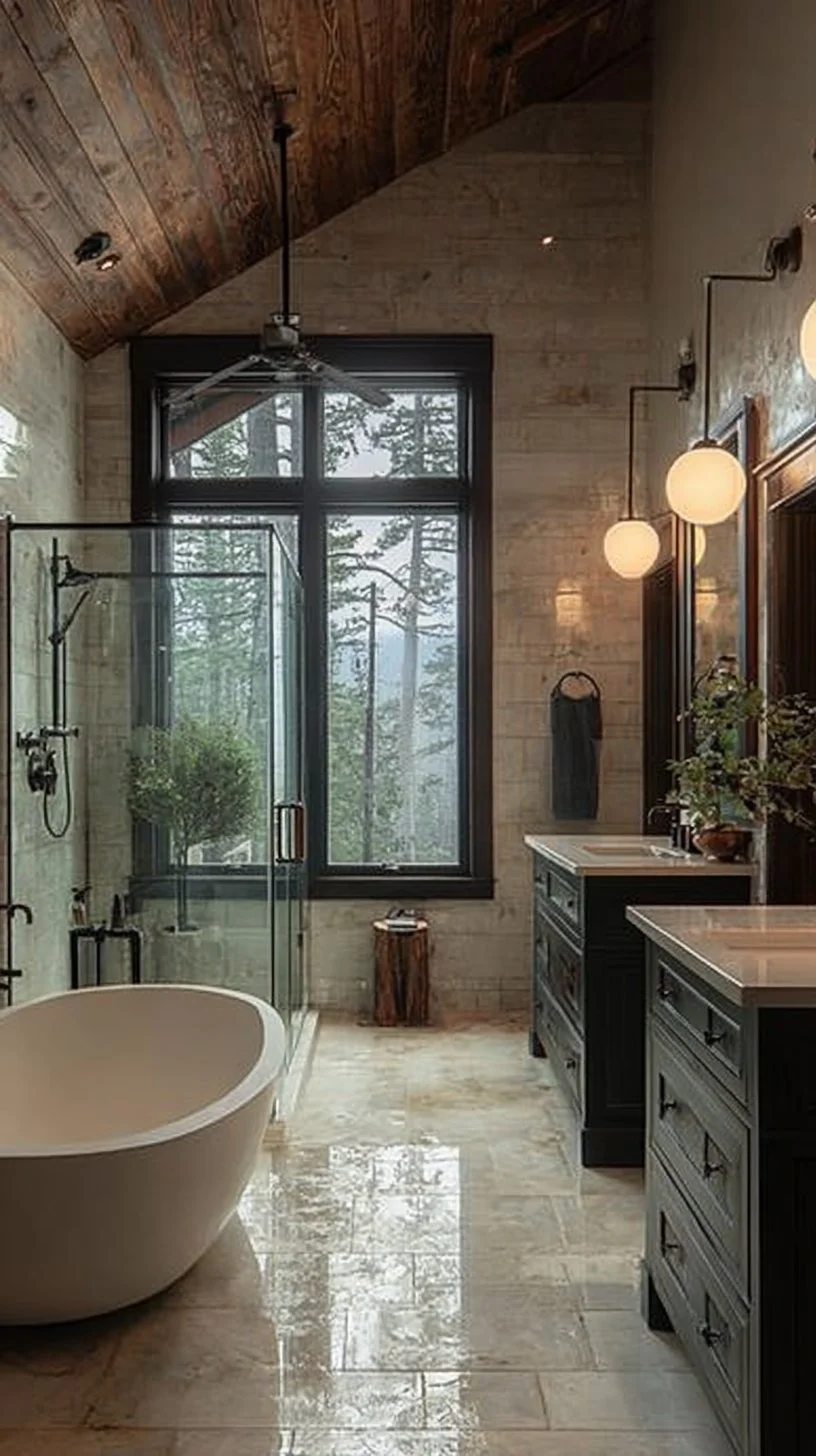
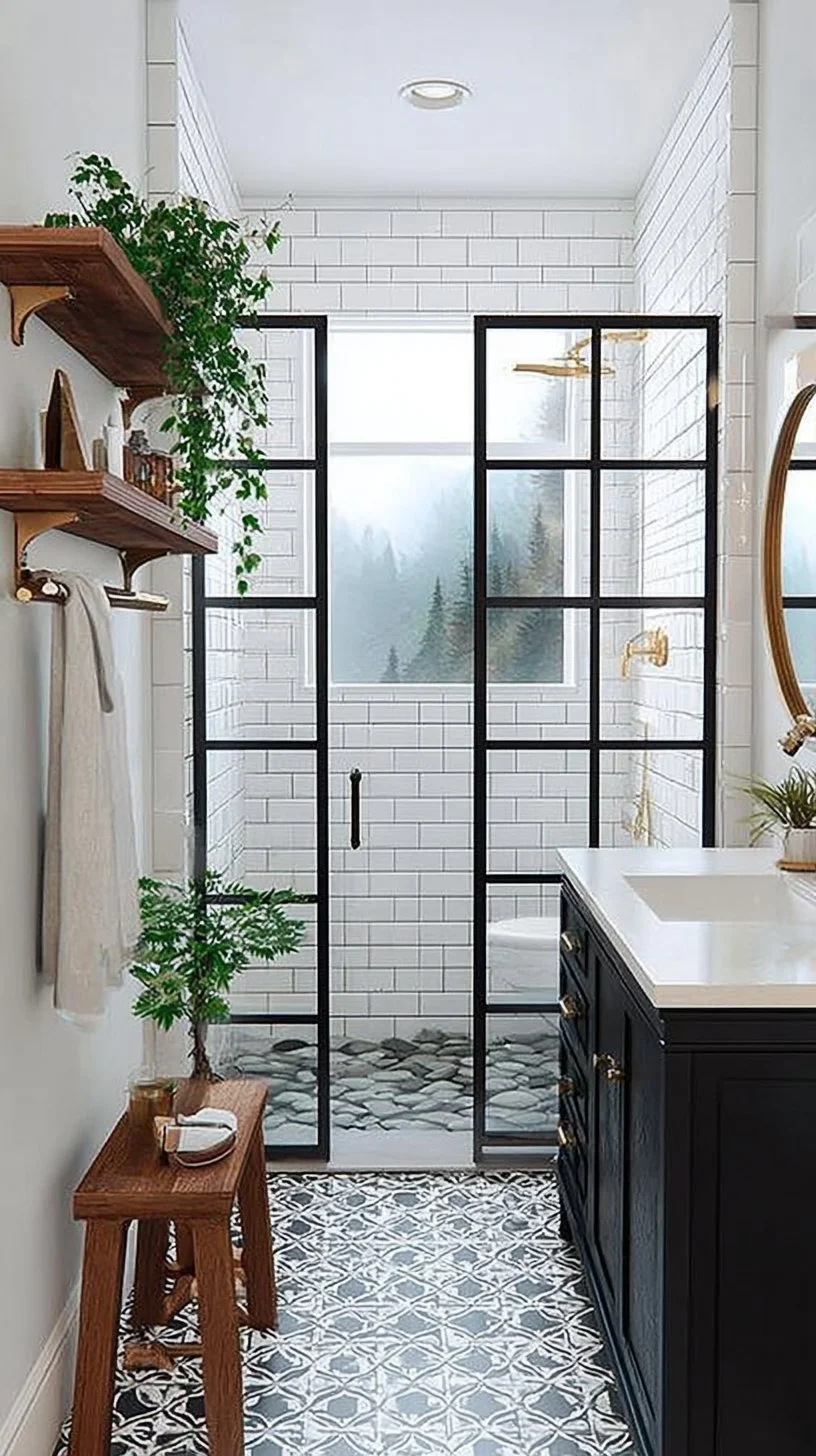
Categories
Bathroom

The Essence of Modern Cottage Bathroom Design

I grew up in a small town where every summer my parents hosted porch-sit evenings and my siblings and I raced bikes until dusk. Now, as a forty-something American mom, I spend slow Saturday mornings coaxing cereal into my eight-year-old and packing snacks for my twelve-year-old daughter before they vanish into their forts. My husband and I renovated our tiny upstairs bathroom one spring, turning it into a space that feels like a warm hug after soccer practice and piano lessons. I love pulling ideas from family memories and the styles my neighbors admire, weaving classic touches with practical, modern solutions. If you enjoy home décor and interior styling that balances charm with function, stick with me. For color inspiration that can cross rooms, I once adapted a palette from a blue-grey kitchen I admired, and it still feels fresh in our bathroom.

Natural materials and textured finishes
Cottage bathrooms thrive on tactile warmth. Think beadboard, shiplap, reclaimed wood shelving, and stone or penny-tile floors that invite barefoot play. Start by replacing a flat vanity top with a quartz or honed stone slab for durability and a soft, natural look. Add floating shelves made from salvaged wood to hold rolled towels and glass jars for cotton swabs. For a quick refresh, apply a limewash or milk paint in a muted tone to cabinet faces; these finishes deliver that lived-in patina without sacrificing modern durability. Practical tip: seal wooden shelves with clear water-based polyurethane to protect from steam and curious little hands. Styling idea: group like items in baskets, mixing woven textures with enamel accents for thrifted charm and cohesion in your interior styling.

Mixing vintage finds with modern fixtures
One of my favorite decorating tips is to blend family heirlooms with contemporary plumbing. A brass faucet paired with a sleek vessel sink creates an approachable contrast that honors tradition while staying current. Visit flea markets with your spouse or a sibling on weekends; I still remember finding a mirror that belonged in my grandmother’s house, which now hangs above our sink. Actionable idea: refinish an antique stool for a plant stand to add height and greenery. For homeowners worried about maintenance, choose modern easy-clean finishes for high-contact areas and let vintage accessories be the low-touch decorative stars. This balance elevates the space without feeling museum-like, providing inspiration for a bathroom that welcomes daily family life.

Soft, layered color palettes that feel lived-in
Cottage bathrooms favor soft hues that soothe and broaden small spaces. Consider layered shades of cream, sea-glass green, blue-grey, and warm taupe to create depth without overwhelm. Paint walls a pale color and introduce a slightly darker tone on the vanity for contrast. Another decorating tip is to use color on the inside of open cabinets or shelves, giving a pop of personality without committing to a bold overall wall color. If you have kids who love drawing, set up a framed magnetic board painted in an accent color for rotating art displays. Practical paint advice: choose a washable, high-quality semi-gloss for trim and lower walls to resist scuffs from towels or rambunctious play. This approach blends visual comfort with long-lasting practicality in your home décor.

Family-friendly features and smart storage
When you have children between eight and twelve, storage becomes a decorating necessity. Think kid-accessible hooks, labeled baskets for toiletries, and a low drawer stocked with washcloths and fun bath soaps. We converted an awkward alcove into a slim cabinet where my son stores his swim goggles and my daughter keeps hair ties; it keeps counters clear and reduces the nightly scramble. For safety and convenience, add soft-close drawers, rounded-edge countertop choices, and a non-slip bath mat that complements your color scheme. A small, wall-mounted cabinet with clear bins is an easy project that encourages kids to help tidy. If you enjoy design that adapts as kids grow, you might like ideas from an urban kids décor guide I referenced when planning our family zones, and you can borrow those organizing principles here too.

Lighting and accessory styling for cozy ambiance
Good lighting transforms a practical room into a cozy retreat. Layer ambient overhead lighting with task sconces flanking the mirror and a dimmable feature for late-night bottle changes or relaxing soaks. I swapped a harsh pendant light from my childhood bathroom for warm, soft LEDs that mimic candlelight without the worry. Accessory styling is where personality shines: stack vintage books on a corner shelf, add a small vase of outgrown hydrangeas from my mom’s yard, and include a tray for perfumes and kid-scented soaps. Tip: use cordless candles for ambiance to maintain safety around curious hands. Keep accessories minimal and curated to avoid a cluttered look, and choose a few statement pieces to anchor your interior styling in both charm and practicality.

Conclusion

Modern cottage bathrooms invite a mix of warmth, functionality, and visual storytelling. Whether you borrow a color from a favorite kitchen, install smart storage for growing kids, or pair an antique mirror with a modern sink, these decorating tips and interior styling ideas help you craft a space that feels like home. If you are dreaming of a larger project that extends cottage charm throughout a house, take a look at this detailed plan for cottage living with modern sensibilities: Modern Cottage Style House Plan | Martin Falls. Try one small change this weekend and watch how it inspires the rest of your home décor journey.

Categories
Bathroom

Our Best Budget-Friendly Small Bathroom Remodel Ideas

I still remember the afternoon my son dropped his soccer cleats by the bathroom door and my daughter turned the little window into a gallery for her watercolor fish. As a proud American mom in my forties, with a husband who loves tinkering in the garage and parents who taught me to make do and mend, I learned that small spaces become big memories. Our tiny bathroom used to be a cluttered pit where towels competed for real estate. Slowly, with thrift-store finds and a few clever tricks I picked up from neighbors and old photos of my childhood home, it became functional and warm. If you like practical decorating tips and interior styling ideas that respect both budget and beauty, stick with me. I even reused a few ornaments from a budget-friendly Christmas decor refresh to add a splash of color in unexpected places.

Maximize storage with open shelving and clever baskets
Open shelving transforms a cramped bathroom into a curated nook. Instead of expensive built-in cabinets, install a floating shelf above the toilet or next to the vanity to display folded towels, a few jars for cotton balls, and a small woven basket for kids items. Use clear labeled jars for Q-tips or bath salts to keep things tidy and Instagram-friendly. If you have little ones between 8 and 12, place their daily items on a lower shelf they can reach to encourage independence. Try mixing materials like reclaimed wood and matte metal brackets for a modern farmhouse vibe that honors your family roots. For a quick upgrade, swap mismatched plastic bins for woven baskets from a discount store; they hide clutter and add texture. Practical tip: measure before you shop, and use adhesive wall anchors if you cannot find a stud.

Paint power and trim tricks for a fresh look
A fresh coat of paint is the most cost-effective way to change mood and light. Choose a light, warm neutral to make the space feel larger and more inviting. Paint the trim in a crisp contrasting shade to create the illusion of height and detail without major renovations. I recall my sister suggesting a soft sage for a calm, spa-like feel; it worked wonders when combined with white trim. For renters or those who prefer nonpermanent changes, consider peel-and-stick wallpaper on one accent wall or removable wainscoting panels to add depth. Around my childhood bathroom, beadboard made everything feel cozy on a budget, so I installed faux beadboard panels that simply adhere to the wall. Quick tip: use semi-gloss paint in bathrooms for easy cleaning and moisture resistance.

Swap fixtures and hardware for big impact
Small hardware swaps deliver a surprising punch for little money. Updating drawer pulls, faucet handles, and towel bars changes the overall aesthetic and can be done in an afternoon. Opt for matte black or brass finishes to add personality while keeping cohesion in interior styling. If replacing a faucet is beyond your comfort level, try a high-quality aerator or a new showerhead for improved function and water savings. I replaced our old showerhead with a high-pressure model and my husband noticed the difference immediately; the kids claimed showers were suddenly more fun. When choosing fixtures, pick a consistent finish and scale to create a unified look. Tip: buy a sample knob or handle first to ensure it matches existing holes or be prepared to fill and repaint.

Brighten up lighting and mirror choices
Good lighting is essential in a small bathroom. Layer light with a combination of overhead fixtures and vanity sconces to reduce shadows and make interior styling pop. A larger mirror not only helps with morning routines but reflects light to make the space feel double-sized. Consider replacing an old mirror with one that has a thin frame or a built-in LED for a modern touch. I once swapped a dated oval mirror for a round one and the room instantly felt cozier and fresher. For task lighting, position sconces at eye level on either side of the mirror to evenly illuminate faces. Practical approach: install dimmable bulbs so you can set a soft glow for bedtime routines with the kids, and brighter light for getting ready.

Refresh tiles and flooring affordably
You do not need to retile the entire room to get a stylish update. Peel-and-stick tile decals or vinyl planks are durable, waterproof, and surprisingly realistic. Use patterned tile decals as a backsplash or on a small floor area to create an accent without the cost of full retiling. For old grout lines, a grout pen can make tiles look brand new in minutes. Another clever option is to paint existing tiles with a bonding primer and tile paint for a fresh color – my mom once painted her bathroom floor a deep blue and it became a family talking point for years. If you choose vinyl planks, select a lighter wood tone to expand the visual space. Tip: always test a small area first and ensure proper ventilation during painting.

Accessorize with textiles, plants, and personal touches
Accessories are where personality shines and costs stay low. Layer rugs and towels in coordinating colors, add a shower curtain with a bold pattern, and incorporate plants that thrive in humidity like pothos or spider plants. Hooks in fun shapes can hold robes and backpacks for school mornings. I keep a small tray for perfume and lotion that belonged to my grandmother; it keeps counters tidy and tells a story. Use art prints in inexpensive frames to create a mini gallery, and rotate pieces to keep the room feeling fresh. For practical decorating tips, invest in a good towel ladder to save space and display towels attractively. Remember, styling is about balance: pick a focal point and keep other elements subdued.

Conclusion

Small bathroom remodels can be soulful and sensible with the right mix of interior styling, decorating tips, and a dose of creativity. Whether you are inspired by practical storage solutions, smart lighting, or budget-friendly tile tricks, these ideas will help you create a space that reflects your family and lifestyle. If you want more visual before-and-after inspiration and step-by-step ideas, check out this helpful resource: Before and After: Budget-Friendly Small Bathroom Remodel Ideas. Give one small project a try this weekend and notice how a few changes can refresh your whole home décor.

Categories
Parents

Luxury Master Bedroom Ideas That Transform Sleep Into Pure Bliss

Luxury Master Bedroom Ideas That Transform Sleep Into Pure Bliss

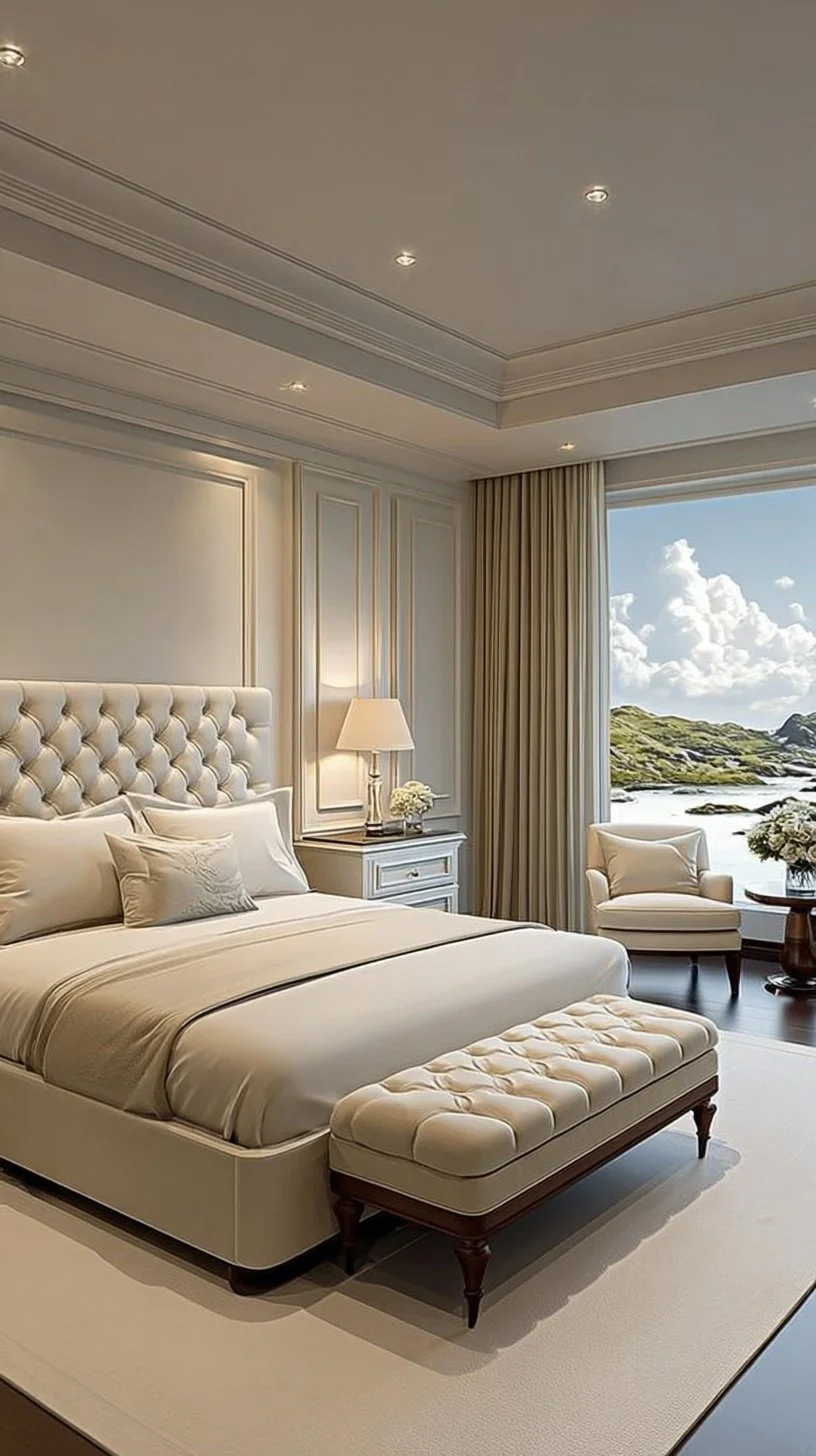
I still remember the first night my son and daughter slept through without waking up anxious about a thunderstorm. My parents had always made our home a sanctuary, where a favorite quilt and a warm mug meant everything. Now, in my forties, married with two curious kids aged 8 and 11, I find joy in creating a master bedroom that feels like a retreat after busy school mornings, neighborhood barbecues, and weekend soccer games. As an American mom proud of our traditions and small-town roots, I love blending classic comforts with modern interior styling. These ideas are practical, family-friendly, and designed to transform your sleep into pure bliss, while also giving you decorating tips and inspiration you can actually use.

Layered Bedding for Hotel-Quality Sleep

Layering bedding is the fastest way to make your master bedroom feel luxurious. Start with a high-thread-count cotton or linen sheet set as the base. Add a breathable duvet with a removable cover, then top with a lightweight throw and a couple of decorative pillows for visual interest. Choose neutral colors and mix textures to keep the look elevated without being fussy.

Actionable tips:

  • Invest in 400-600 thread-count percale or long-staple cotton for durability and softness.
  • Use duvet inserts slightly larger than the cover to avoid bunching.
  • Rotate bedding weekly to maintain freshness and prevent wear.
  • Keep a basket near the bed for extra pillows and throws, so kids who jump in for morning cuddles can grab one easily.

Anecdote: My husband teased me for buying two matching euro shams, but when our daughter crawled into bed during a storm, the plush layers calmed her instantly.

Keywords: bedding, home décor, decorating tips.

Lighting That Creates a Calm, Luxurious Mood

Lighting defines atmosphere. Swap harsh overhead lights for layered lighting that includes bedside lamps, wall sconces, and dimmable fixtures. Soft, warm bulbs foster relaxation and make the room feel like a boutique hotel. Consider smart bulbs or a dimmer switch so you can adjust illumination before bedtime or during late-night feedings.

Actionable tips:

  • Use a mix of ambient, task, and accent lighting to control mood.
  • Install wall sconces on either side of the bed to free up nightstand space.
  • Place a small reading lamp with a flexible arm for late-night pages of a favorite children’s book.
  • Add plug-in under-bed lighting for gentle guidance during midnight trips to the bathroom.

Personal touch: My mother-in-law gave me an old brass lamp that now sits on our dresser. It adds character and a soft glow that takes me back to childhood stories told by firelight.

Keywords: interior styling, lighting ideas, decorating tips.

Texture and Fabrics for Tactile Comfort

Rich textures invite touch and create depth. Think velvet headboards, boucle throw pillows, and woven rugs underfoot. Mixing textures—smooth silk with nubby wool—keeps the space visually interesting. Textiles also play a role in acoustics, absorbing sound to promote restful sleep.

Actionable tips:

  • Layer a soft rug under the bed that extends at least two feet on each side to create a cozy landing.
  • Choose a headboard fabric that complements your bedding and cushions, both visually and in comfort.
  • Use washable slipcovers for areas where kids often sit to protect luxe fabrics.
  • Incorporate a small ottoman or bench at the foot of the bed with storage for extra blankets.

Anecdote: My neighbor admired our textured throw during coffee one morning. She confessed her kids always grabbed it for picnics, which reminded me to keep a spare tucked away in the closet.

Keywords: home décor, textures, decorating tips.

Furniture Placement and Calm, Clutter-Free Design

A well-arranged room feels spacious and calm. Place the bed as the focal point, centered on a main wall, and allow walking space around it. Keep nightstands balanced and limit decor to essentials to maintain a serene environment. Built-in closets or multifunctional furniture help hide clutter, essential for busy families.

Actionable tips:

  • Measure first and create a floor plan so furniture doesn’t overwhelm the room.
  • Use taller dressers instead of wide ones to maximize floor space.
  • Choose nightstands with at least one drawer for stashing chargers and reading glasses.
  • Designate a small drawer for kids’ artwork or school notes you want to keep nearby.

Personal touch: I arranged my grandmother’s antique chest near the window. It holds photo albums and doubles as a place for my daughter to sit and read on rainy afternoons.

Keywords: interior styling, organizing tips, home décor.

Smart Comfort Features and a Mini Spa Corner

Luxury is often about comfort and convenience. Integrate smart thermostats, blackout curtains, and a small spa-inspired corner where you can wind down. A compact area with a plush robe, soothing scents, and a towel warmer elevates routines and makes evenings feel indulgent without requiring much space.

Actionable tips:

  • Install a programmable thermostat to keep sleep temperature consistent.
  • Use layered window treatments: blackout shades for sleep and linen curtains for softness.
  • Create a small tray on a dresser with essential oils, a soft robe, and a candle for ritualized relaxation.
  • Consider a towel warmer or heated throw for chilly mornings to add that hotel-like touch.

Anecdote: My husband laughed at the idea of a towel warmer until the first winter morning he wrapped his chilled hands around a warm towel. Now he recommends it to everyone.

Keywords: decorating tips, comfort, home décor, interior styling.

Conclusion

Creating a luxurious master bedroom is about layering comfort, thoughtful lighting, and textures that invite rest. Try a mix of high-quality bedding, smart lighting, clutter-minimizing furniture, and small spa elements to make your space both beautiful and practical. For an extra touch of indulgence in your nightly routine, consider adding a dedicated warm towel solution such as the PureBliss™ Luxury Towel Warmer | Pure Enrichment® to elevate your home décor and relaxation rituals. These decorating tips and interior styling ideas can be adapted to any budget, and once your bedroom becomes a haven, even weekday mornings will feel like a gentle pause. Try one change this week and enjoy the blissful difference.

Categories
Parents

Modern Bedroom Looks You Can Recreate

Modern Bedroom Looks You Can Recreate

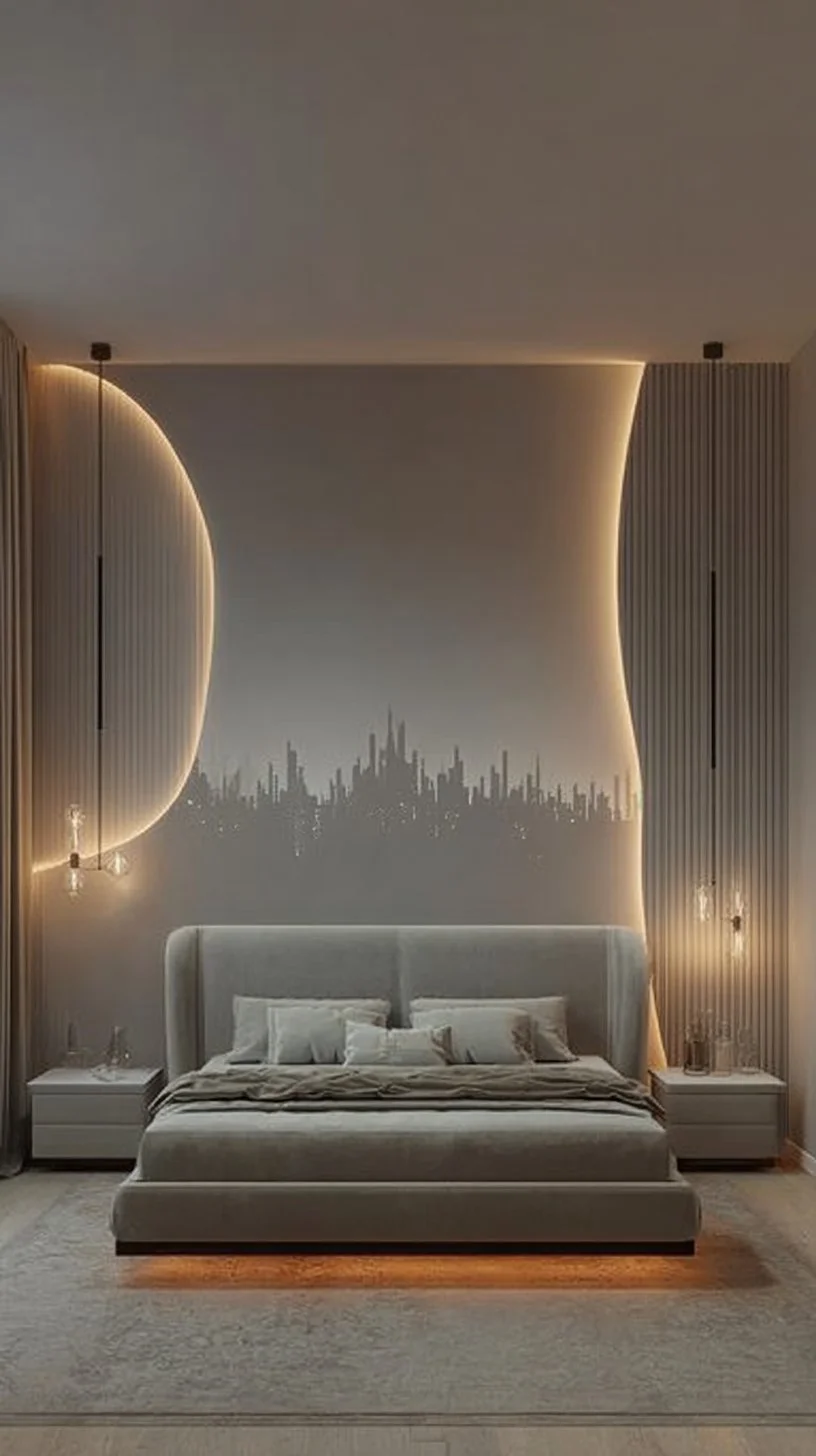
I still remember the first bedroom I painted as a young wife, standing on a rickety stool while my mom called out tips from the doorway. Now, in my forties with a son and daughter between eight and twelve, my bedroom has become a personal retreat that balances grown-up style with family life. My husband teases that I sneak in design edits at midnight, and sometimes my kids rearrange throw pillows into forts. Between weekend barbecues with neighbors and phone calls with my siblings about DIY hacks, I’ve learned to blend comfort, function, and a little bit of Americana pride into every room. If you grew up with hand-me-down quilts or summer afternoons helping Granny pick out curtains like I did, these approachable interior styling ideas will feel familiar and doable. Here are modern bedroom looks that you can recreate, with practical decorating tips and real-life touches.

1. Create a Calm Neutral Base with Layered Texture

Starting with a neutral palette gives you flexibility and longevity. Think soft whites, warm beiges, and gentle greys as a foundation for bedding, walls, and large furniture. To avoid a flat feel, layer texture: a chunky knit throw, linen pillowcases, a woven headboard, and a low-pile rug add depth while keeping the space modern. Practical tip – choose washable slipcovers if you have kids or pets, and pick at least one machine-washable throw for quick cleanups. I often swap my daughter’s scalloped pillow into my bed for a playful touch, then fold it away when guests arrive. For interior styling, use groups of three items on a dresser to create balance, and keep one signature wooden piece from your family history to anchor the room with personality.

2. Use Accent Walls and Art to Add Personality

An accent wall is an easy way to inject color or pattern without committing the whole room. Consider a matte deep blue, soft olive, or a plaster finish that catches light differently through the day. If paint feels permanent, removable wallpaper offers bold patterns with no long-term commitment. For art, mix framed prints with family photos or a woven wall hanging. Actionable tip – hang artwork at eye level when seated on the bed, usually about 57 inches from the floor as a general rule, and use picture ledges to rotate pieces seasonally. I still display a little abstract my son painted on a rainy afternoon; it reminds me to keep the room joyful and lived-in while staying stylish.

3. Choose Multifunctional Furniture and Smart Storage

Modern bedrooms should be restful and clutter-free. Opt for multifunctional pieces – a bed with drawers, a bench with storage, or nightstands with shelves. Use vertical space: floating shelves and tall dressers free up floor area. For quick organizing, use labeled fabric bins inside closets and under-bed organizers for seasonal clothing. Practical decorating tips – measure doorways and staircases before buying large furniture, and keep a small tray on the nightstand for daily essentials like glasses and a watch. I taught my son to fold shirts into cubes so they stack neatly in drawers, and my daughter loves picking storage baskets by color. These little routines cut chaos and preserve the calm modern look.

4. Layer Lighting to Set the Mood

Good lighting transforms a room. Combine ambient overhead lighting with bedside task lamps and accent lighting like wall sconces or LED strips behind a headboard. Choose warm bulbs for a cozy glow and dimmers to control the mood. Practical tip – place task lighting about 24 to 30 inches above the mattress for comfortable reading, and use LED bulbs with a CRI of 90 or above if you care about true color rendering for art and textiles. I installed a soft reading light for my husband, who prefers to unwind with a book, while adding a small nightlight for the kids when they visit. A well-lit room is both functional and inviting, making interior styling choices shine.

5. Personalize with Textiles, Rugs, and Greenery

Textiles are where your personality really shows. Mix patterns in varying scales – a striped sheet, a floral throw, and geometric pillows layered together feel cohesive when they share a common color. Rugs define zones and add warmth; a runner can guide the eye from door to bed. Don’t forget plants to bring life and cleaner air into the space. Actionable tips – choose low-maintenance plants like pothos or snake plants for bedrooms, and pick a rug size that leaves at least 18 inches of visible floor around furniture to frame the bed. I like to swap pillow covers and small rugs seasonally, and my mother-in-law still sends hand-loomed cushions from her hometown as gifts, which make the space uniquely ours.

Conclusion

Recreating a modern bedroom is about combining practical decorating tips with personal touches so the space feels both stylish and lived-in. Start with a neutral base, add texture, use accent walls or art for personality, choose smart storage, layer lighting, and personalize with textiles and plants. If you want more fresh ideas and room-by-room examples to spark your next redesign, check out 72 Modern Bedroom Ideas and Design Tips. Try one small change this weekend and watch how a simple update can make your bedroom feel like a cozy, modern retreat for the whole family.

Categories
Kitchen

Blue Grey Kitchen Cabinets

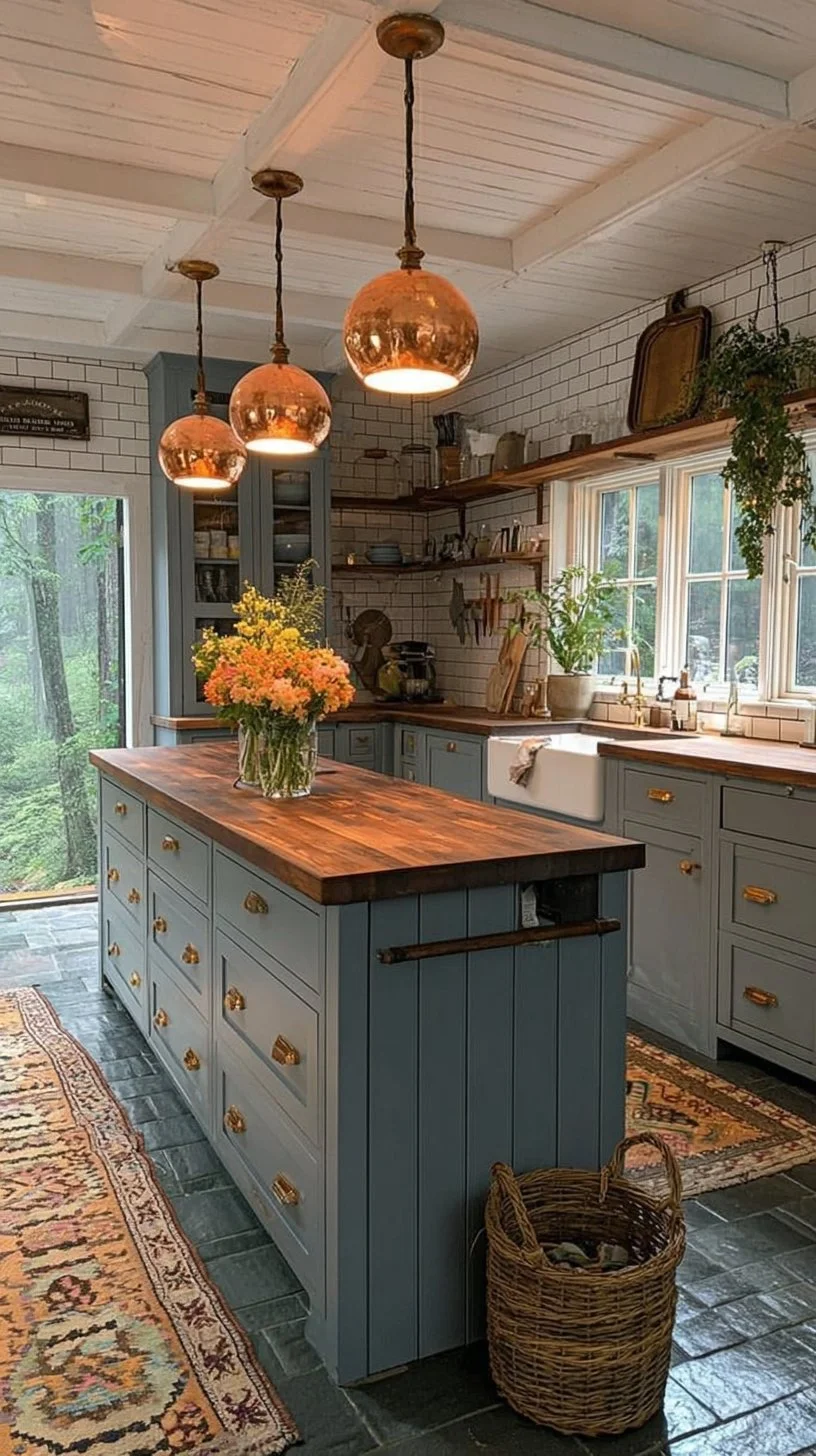
I still remember the first morning after we updated our kitchen cabinets to that lovely blue grey. My son, who is ten, wandered in rubbing his eyes and said it felt like our kitchen had put on new pajamas. My daughter, eight, declared it “calm but fancy,” and my husband joked that even the coffee tasted classier. As a mom in my forties who grew up with lively family dinners and neighborhood potlucks, I love a space that holds memories and makes new ones. Between school lunches, my parents dropping by, and cousins staying over, the kitchen has to be beautiful and practical. Let me walk you through how blue grey kitchen cabinets can become a standout design statement in your home décor journey, with practical decorating tips and interior styling inspiration you can use right away.

1. Why blue grey is the perfect foundation for modern kitchens

Blue grey hits a sweet spot in color psychology. It reads as calm and collected, but it also has enough depth to feel sophisticated. In modern home décor, it serves as a neutral that is anything but boring. Use blue grey as the primary cabinet color to anchor your kitchen palette, then build layers around it. Practical tip: pick a paint sample and view it in morning and evening light before you commit. Actionable trick: paint one lower cabinet as a test and live with it for a week. I did this when my sister visited and offered helpful critique; it saved me from a hue that looked too cold under our kitchen skylight. For interior styling, pair the cabinets with light countertops and a slightly darker wall color to create dimension.

2. Pairings that elevate blue grey: countertops, backsplashes, and walls

Choosing the right pairing can turn blue grey cabinets from pretty to unforgettable. Marble or quartz countertops with subtle veining bring a fresh, high-end feel, while concrete-look counters add an industrial vibe. For backsplashes, subway tile is timeless, but don’t be afraid of textured tiles that catch the light. Actionable decorating tip: select three surface samples and view them together in a tray near your kitchen window to judge harmony. My neighbor, who is an avid gardener, suggested adding a small band of green glass tile behind the stove; it created a lovely nod to the plants she brings over. For walls, soft warm whites or very pale taupes make the blue grey sing while keeping the room inviting.

3. Hardware, lighting, and texture tweaks that make a difference

Hardware and lighting are where a kitchen really gets its personality. Brushed brass pulls warm up blue grey cabinets, while matte black hardware gives a modern contrast. Layering textures through open shelving, woven baskets, and linen curtains adds cozy depth. Small, practical steps: swap out cabinet knobs and add under-cabinet LED strips for task lighting. If you want budget-friendly decorating ideas, try mixing thrifted hardware with one or two new statement pieces to save money and add character. I swapped handles in an afternoon while my kids made centric crafts at the table, and it felt like a mini renovation without the mess. For interior styling, keep daily items like spoons and cutting boards in plain sight on a wooden tray for a lived-in yet styled look.

4. Layout and storage strategies to keep style and function balanced

A beautiful kitchen must work well for the whole family. Blue grey cabinets look great with smart storage ideas that hide clutter while showcasing favorite pieces. Practical tips: install pull-out pantry shelves, deep drawers for pots, and vertical dividers for baking sheets. Consider a dedicated snack drawer at kid height so your 8 to 12 year olds can grab lunchbox items without help. Anecdote: my son once filled the snack drawer so fast that we labeled sections with stickers to restore order. For interior styling, use open shelves to display a few curated items like a ceramic pitcher or a favorite cookbook, and keep the rest behind cabinet doors to maintain a calm visual field.

5. Bringing natural materials and greenery into the mix

Blue grey plays wonderfully with natural woods and plants. Warm oak floors, butcher block islands, or reclaimed wood accents add warmth and contrast to cooler cabinets. Actionable decorating tip: introduce plants that thrive in kitchen conditions, such as herbs on the windowsill or a pothos on top of the fridge. My mother taught me to keep a basil pot near the sink; the scent makes morning routines feel like a small celebration. For interior styling, rotate pottery and wooden bowls seasonally so the space feels fresh. These touches bring organic texture and make the kitchen a hub for home life and inspiration.

6. Small makeovers and DIY painting tips for confident updates

Not ready for a full renovation? Painting existing cabinets blue grey can be transformative on a modest budget. Choose a durable cabinet paint and sand lightly before priming. Actionable steps: remove hardware and label doors, clean with a degreaser, sand, prime, and apply two thin coats of paint with a quality brush or small roller. Let drying times fully pass between coats for a smoother finish. I painted the pantry door on a rainy weekend while my husband entertained the kids with stories from his childhood; the quick project felt rewarding and affordable. For interior styling, finish with coordinating accessories like a new rug, dish towels, and a vase to tie the new color into the rest of your home décor.

Conclusion

Blue grey kitchen cabinets can be a signature design statement that balances modern style with family-ready practicality. Whether you are updating hardware, adding natural wood accents, or tackling a DIY paint job, these decorating tips and interior styling ideas will help you create a warm, inspiring space. For more inspiration on grey cabinetry trends and to explore professional perspectives, check out Grey Painted Kitchen Cabinets: The Must-Have Trend for 2025. Give one of these ideas a try this weekend and watch your kitchen become the heart of your home again.

Categories
Kitchen

Create a Warm and Inviting Boho Kitchen for Family Life

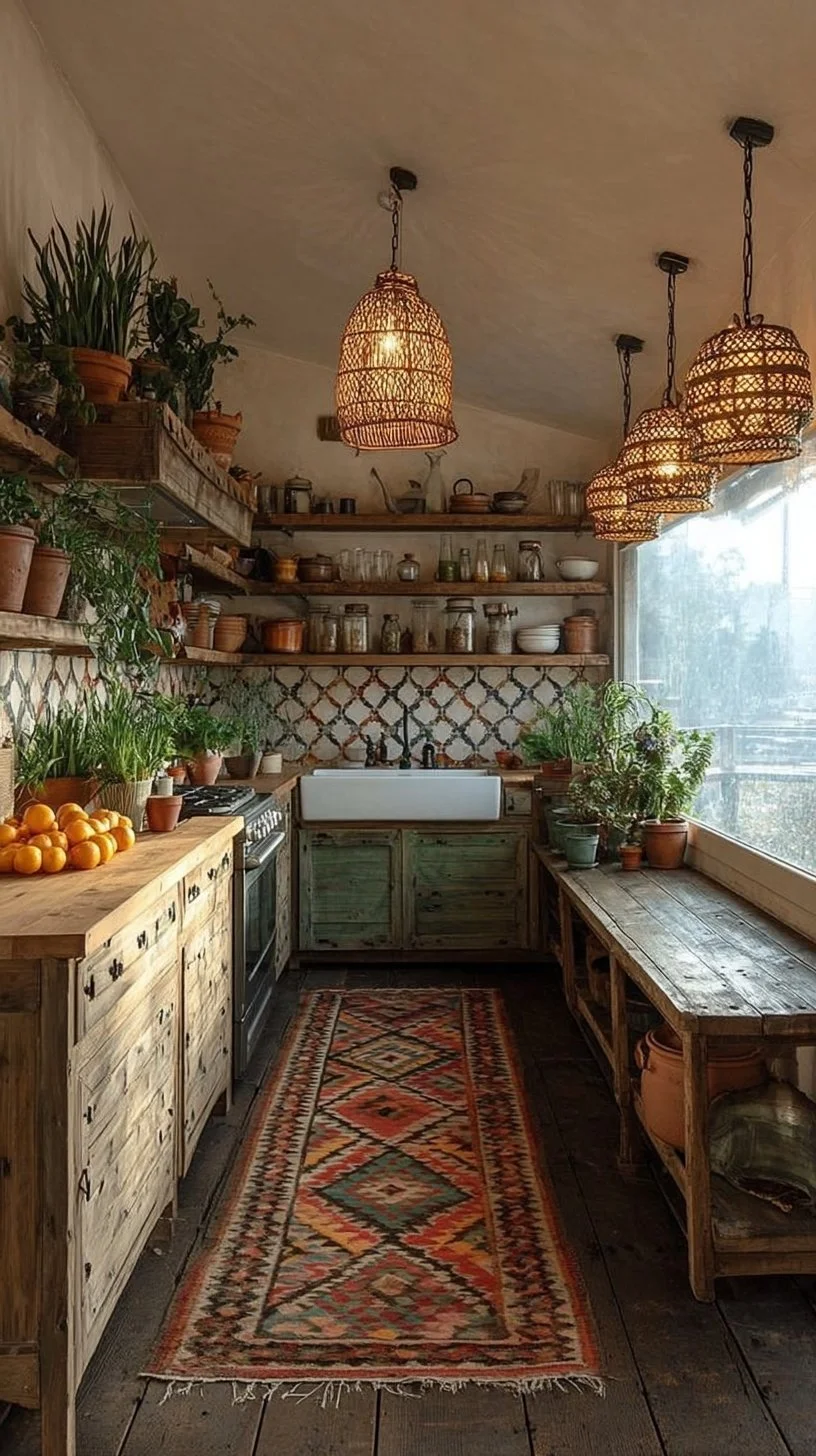
I still remember the afternoon my daughter spilled berry jam on our faded farmhouse table and my son decided to use a woven placemat as a superhero cape. That chaotic little scene somehow became the turning point for our kitchen makeover. As an American mom in my forties, proud of my roots and the recipes my parents taught me, I wanted a space that felt lived-in, warm, and a little adventurous. My husband helped pull up old tiles, my sister gave me a stack of vintage bowls, and the neighbors admired our new plant shelf. With two kids between eight and twelve, I needed durable solutions that also spark joy. Let me walk you through simple, soulful home décor and interior styling ideas that bring a Bohemian spirit to your kitchen while staying practical for family life.

  1. Layered Textures and Natural Materials
    Boho kitchens thrive on texture. Think woven rugs, rattan baskets, reclaimed wood shelves, and linen napkins. Start by swapping a sterile area rug for a flatweave or kilim runner near the sink to catch spills but add instant character. Hang open shelving made from reclaimed pine to display mismatched ceramics and cookbooks. Actionable tip: choose washable textiles for areas your kids touch often, and seal wooden countertops with food-safe oil to protect surfaces. I keep a wicker basket by the counter for fresh herbs my son picks from the windowsill garden. The contrast of warm wood, cool ceramics, and soft textiles is a cornerstone of interior styling that reads both curated and comfortable.
  2. Eclectic Color Palette with a Calm Base
    Bohemian style doesn’t mean loud chaos. Build a calm base with warm whites, soft terracotta, or muted sage, then layer pops of color through accessories. Start with neutral walls and cabinetry, then add colorful tiles behind a stove or a statement pendant. Practical tip: pick three accent colors and repeat them in small doses through dishware, textiles, and wall art to maintain cohesion. My mother always said to choose colors that remind you of home, so I added a deep indigo mug set inherited from her pantry. That keeps the space feeling intentional while giving room for seasonal swaps without an overhaul.
  3. Mix Vintage Finds with Modern Functionality
    A key Boho move is blending antiques with contemporary convenience. Hunt thrift stores for brass utensils or an old wooden dough bowl, then pair them with stainless steel appliances for reliability. Practical action: replace one cabinet door with a glass or wire-front option to show off vintage plates while keeping everyday essentials organized. For budget-conscious updates, check out simple makeovers and budget-friendly decorating tips that often translate well into year-round kitchen upgrades. I scored a retro pendant lamp at a flea market and rewired it to meet modern safety codes, which now casts a soft glow over our family dinners and homework sessions.
  4. Greenery, Herbs, and Living Accents
    Plants bring life to a Boho kitchen and double as functional décor when you grow herbs. Install a narrow shelf near the window with mason jars of basil, thyme, and mint for quick seasoning. Actionable suggestion: use a tiered plant stand to keep fragile plants out of reach of curious hands, and add self-watering pots if your schedule is hectic. I recall teaching my daughter to water the rosemary and rewarding her with a slice of lemon garlic bread she helped season. Hanging planters and a macramé plant hanger create vertical interest, while succulents on the sill handle the occasional over or under watering from my forgetful son.
  5. Personal Collections and Artful Displays
    Boho style celebrates storytelling through objects. Arrange a gallery wall with family photos, vintage postcards from my travels, and my grandmother’s embroidered handkerchief. Use open shelving to display colorful bowls picked up at markets or kids’ pottery projects. Practical tips: rotate small displays to keep the space fresh and label boxes in a nearby drawer for seasonal cookware. When guests arrive, they often ask about a small ceramic rooster that belonged to my aunt. Sharing those little stories makes interior styling feel like an invitation to linger. Include practical storage solutions like woven bins for snacks and a labeled tray for keys and mail to balance beauty and function.
  6. Lighting that Invites Conversation
    Good lighting changes the mood from task-focused to cozy gathering. Layer ambient, task, and accent lighting: recessed lights for prep areas, under-cabinet LED strips for chopping zones, and a warm pendant over the table for family meals. Actionable idea: install a dimmer to soften the mood when you want to host casual dinners, or use a series of vintage Edison bulbs for a boho-industrial flair. I switched a harsh fluorescent fixture for a set of soft-hued pendants, and suddenly evenings felt more like the kitchen in my childhood home where everyone gathered to tell stories. Keep a set of battery-operated candles for safe, low-maintenance ambiance when kids are present.

Conclusion

Transforming your kitchen with Bohemian soul is about combining practical decorating tips with personality and comfort. Start small: add a textured rug, bring in a few plants, or display one family heirloom. These interior styling steps create a warm, welcoming space that supports everyday living and moments of connection. If you want more outdoor-minded inspiration to extend that relaxed, camp-like vibe to patios and picnic setups, explore this guide to Embrace the Camp Vibes: A Guide to Outdoor Adventures. Try one idea this week and watch your kitchen become the heart of your home, where memories are made and stories are shared.

Categories
DIY

How To: Easy DIY Wall Panelling.

I still remember the first time I had the idea to change a room with something as simple as slats on a wall. As an American mom in my forties, with an energetic son and thoughtful daughter aged 8 and 11, small projects are how I keep our house feeling like a home. My mother used to line her kitchen with beadboard when I was a kid, and I can still hear the sound of her laughter while she painted. My husband and I love inviting neighbors over, and these little upgrades always spark conversation. Whether I’m balancing carpools, family dinners, or backyard soccer, wall panelling has become my go-to for adding personality without a huge budget. If you like family-friendly DIY ideas, this quick guide will inspire you to try easy, stylish wall panelling that fits real life and real schedules.

Section 1: Why Wall Panelling Works for Modern Home Décor
Wall panelling is a classic interior styling trick that refreshes a room’s look, adds texture, and increases perceived value. For busy households, it hides imperfections and creates a focal point without expensive renovations. Start by choosing whether you want a full-room treatment or a single accent wall behind a sofa, bed, or console. Measure carefully and consider ceiling height when selecting panel height. Practical tip: use lightweight materials like MDF or foam for easier handling and lower costs. For decorating tips, pair panels with simple crown molding to frame the space. I once wrapped a hallway in soft gray panels to match my daughter’s art gallery; neighbors stopped by to ask how we did it, and it felt great to share inspiration.

Section 2: Board and Batten – Beginner Friendly and Budget Wise
Board and batten is the easiest panelling style for first-timers. You need plywood or MDF boards cut to size, narrow battens for vertical lines, construction adhesive, a nail gun, spackle, primer, and paint. Start by marking vertical lines on the wall using a level and spacing battens evenly for visual balance. Attach the backer board with adhesive and brad nails, then add battens. Caulk seams and sand any rough spots before priming. For quick success, paint in semi-gloss for durability in high-traffic areas. A friend and I once did a half wall in my dining room during naptime windows; the kids were thrilled to see their crafts displayed on the finished ledge. For more family-friendly project ideas, check out this collection of DIY resources.

Section 3: Raised Panel Look Using Foam Molding
If you want a refined look without heavy carpentry, foam molding is a lifesaver. Lightweight, easy-to-cut foam trims mimic real wood and are paintable. Layout a grid using painter’s tape, cut foam strips to fit, and adhere them with construction adhesive. Foam is forgiving if you need to move pieces during placement. Use spackle to hide seams and prime with a bonding primer before painting. Styling tip: paint panels a deep navy and add brass fixtures for a sophisticated contrast. I used foam trims in my bedroom, and my father-in-law, who grew up around traditional woodwork, was impressed by the finished result. Foam is ideal for renters too, since some adhesives peel cleanly.

Section 4: Picture Frame Molding for an Elegant Touch
Picture frame molding creates a custom, tailored look that suits dining rooms and living rooms. Plan a layout by sketching frames on paper; consistent spacing is the key to a polished effect. Use thin strips of MDF or pre-made molding, and install frames using finishing nails and wood glue. Keep frame sizes proportional to the wall size; large rooms can take larger frames. Once installed, prime and paint the frames in a contrasting or complementary shade. Styling tip: mount a gallery of family photos or a mirror inside one frame for depth. My sister and I once transformed my parent’s bland entry with this technique, and their home suddenly felt more refined and welcoming.

Section 5: Shiplap and Horizontal Planks for Cozy Character
Shiplap remains a popular interior styling trend because it creates warmth and visual length. Choose planks with tongue-and-groove edges for tighter seams. For a smooth install, start at the bottom and work up, staggering joints and using screws into studs or adhesive for drywall. Sand lightly and finish with paint or a whitewash for a coastal or cottage feel. Practical tip: pre-paint planks before installation for faster results. I put shiplap behind a reading nook where my son likes to build forts; the horizontal lines add a cozy cabin vibe and hide little scuffs from playtime. Keep decorating simple with floating shelves and a couple of framed prints.

Section 6: Styling Your New Panelling – Decor Tips That Stick
Once your panelling is up, styling brings it to life. Use contrast paint colors to make grooves pop or match panels to trim for a seamless look. Add floating shelves, wall sconces, or hooks for functional flair. Incorporate textiles like a tapered rug or window treatments to soften hard lines. For family photos, use slim floating frames that don’t cover molding details. Light layering works well: one large statement piece flanked by smaller items prevents clutter. When we added panels to our playroom, my daughter hung a corkboard inside one framed section for rotating art; it keeps the room tidy and gives her pride in displaying work. Remember to balance the room so panelling enhances rather than overwhelms.

Conclusion

Wall panelling is a versatile way to elevate your home décor, offering countless styling options that suit busy families and DIY beginners alike. Whether you choose board and batten, foam molding, picture frame trims, or shiplap, these decorating tips can help you create a polished look without a major remodel. For clear step-by-step examples and more ideas to get started, explore 9 Easy DIY Wall Panels to Add Character to a Wall. Try one small wall first and enjoy how a few simple changes bring fresh inspiration to your space.

Categories
Living

Transform Your Living: Personal Touches and Trends for a Cozy Home

Embrace the Spirit of Home: Decorating Trends to Love and Live By

As I sit on our well-loved couch, the afternoon sun filters through sheer curtains, casting delicate patterns on the floor. My daughter, with her artistic flair, is sprawled out on the carpet, glue and glitter in hand, while my son clutches his action figures, dreaming up grand adventures in our living room. I can hear the laughter of our neighbors’ kids in the background, reminiscent of the days when I too played in the sun. These simple moments remind me of the importance of a cozy, welcoming home. As an American mom in my forties, I’ve learned that the spirit of home is not just about the aesthetic but about creating a nurturing space filled with love, joy, and memories. Let’s explore some home décor trends that embody that spirit and can be easily woven into your living spaces.

1. Layering Textures for Comfort

Creating a cozy home often begins with the use of different textures. Think of a warm wool throw tossed over a soft cotton couch or a vintage knitted blanket draped over a chaise lounge. Incorporating various textiles not only adds warmth but also invites a sense of tactile comfort.

One of my favorite tricks has been to mix and match cushions. I usually start with a base of solid colors—perhaps in warm earth tones, which remind me of my childhood home—and then layer in patterned cushions featuring vibrant shades from our family travels. This adds depth and visual interest to the space.

If you have children, let them pick a few fun patterns to add their personal touch. It can be delightful to watch their faces light up when they see their interests reflected in your home décor.

2. Embracing Natural Elements

Nothing beats the warmth brought by nature’s touch inside your home. Integrating natural elements, like wood, stone, and plants, can instantly transform a space. For us, it started with introducing a few potted plants. My son decided we should adopt a snake plant—a low-maintenance choice that thrives both indoors and outdoors.

Adding wooden elements, such as a reclaimed wood coffee table or driftwood art, not only enhances the aesthetics but also embodies sustainability—a lesson I cherish passing on to my kids. I recommend sourcing materials locally if you can. Check out flea markets or local artisans. It not only supports your community but brings unique pieces into your home.

3. Personalizing with Family Art

Art doesn’t have to come from a gallery—it can spark from the creativity of your own family. A wall filled with your children’s paintings, drawings, or even crafts adds a personal touch that store-bought art cannot replicate. It’s a canvas of shared experiences and milestones.

After we moved to our new home, we created an “art wall” where my kids displayed their favorite pieces. We framed them in mismatched frames, giving the display an eclectic touch that speaks to our family’s unique story. This not only boosts their confidence but also fills our space with precious memories.

Encourage your children to contribute to seasonal décor as well. Think about painting and framing a special piece for every season, creating a rotating exhibit that tells the story of your family’s creativity throughout the year.

4. The Warmth of Lighting

Lighting can make or break a room—it’s essential for setting the right mood. I’ve transformed our home by layering ambient, task, and accent lighting. For cozy nights, string lights draped across the living room add a magical glow, making it the perfect spot for family game nights or storytime.

Consider using table lamps with soft, warm bulbs. I love reading next to one of my favorite lamps while the kids get cozy on the sofa with their books. Having a range of lighting options allows you to tailor the atmosphere to any occasion.

Additionally, take advantage of natural light by keeping windows unobtrusive. During the day, opening the curtains fills the room with warm sunlight, brightening up our family space beautifully.

5. The Power of Color

Never underestimate the transformative power of color. A fresh coat of paint or even a statement wall can completely rejuvenate a room. When we painted our living room a soft sage green, the whole space came alive. The color sparked joyful discussions among the family about how nature inspires our home.

To make it a fun project, involve your kids in choosing a new color. I let my daughter pick the shade for her room, and she chose a calm lavender, which makes her space feel like a serene retreat.

When selecting colors, consider your furniture and artwork too. A cohesive palette that balances bold shades with soft ones can make your décor feel polished yet inviting.

6. Creating Functional Spaces

Every home tells a story, and that story should fit your family’s life. Design spaces that cater to your family’s activities, from creative play areas to cozy reading nooks. We’ve created a corner of our living room filled with shelves loaded with books and comfy seating, encouraging my kids to dive into their favorite stories.

Consider how your family interacts with different spaces throughout the day. Maybe a section of the kitchen can become a homework station with bright lights and accessible supplies if your kids have homework to tackle. Adding functional items can be stylish too, like baskets to store toys or stylish boxes for craft supplies.

Think about places that might need a little extra intention. You can inspire your family to work together, sharing responsibilities while also giving everyone their own corner of peace in your bustling home.

Conclusion

Creating a beautifully styled, welcoming home is a joyful journey that reflects your family’s personality. By layering textures, embracing natural elements, featuring family art, utilizing warm lighting, playing with colors, and designing functional spaces, you can cultivate an environment that feels like a big, warm hug. I encourage you to explore these ideas, involve your family in the process, and turn your home into a canvas of love, memories, and personal transformation. After all, it is in our homes that we celebrate life’s simplest and grandest moments. So grab your paintbrush, get those cushions out, and let your home tell your beautiful story!

Categories
Living

Living Room Inspiration: How to Make Your Home Warm, Stylish, and Inviting

Embracing Cozy Elegance: Home Décor Trends for Every Family

As I sit on the porch with a cup of coffee in hand, watching my two children explore the backyard, I’m filled with a warm sense of pride. It’s those simple moments—a shared giggle, the sound of a dog barking next door, or the smell of my favorite vanilla candle—that turn our house into a home. Being an American mom in my forties, I cherish the comfort of family traditions while embracing new trends that breathe fresh life into our space. My husband often compliments the changes I make around the house, and he, along with our kids, gets excited when they return home to a cozy environment where memories are made. Here’s how I’ve combined practicality and aesthetics to create a haven for my family, which could inspire you to do the same.

1. Warm Neutrals: A Canvas for Family Life

When I decided to repaint the living room, I took a leap of faith with warm neutrals. Soft taupes and beiges serve as a perfect backdrop for more vibrant splashes of color—like the cheerful art projects my kids bring home from school. This color palette not only creates a serene atmosphere but also makes it easy to mix in seasonal décor.

For a practical tip, consider using eggshell or satin finishes for those walls. They’re easier to clean, which is essential when my kids occasionally decide to unleash their creativity with crayons. Try layering multiple shades of neutral—think textured pillows or woven throws—and you’ll achieve depth and dimension without overwhelming the senses. Adding family photos or children’s artwork framed in similar tones can also personalize the space beautifully.

2. Multifunctional Spaces: Optimizing for Family Needs

With kids in tow, the need for multifunctional spaces skyrockets. Our dining table isn’t just for meals; it’s a hub for school projects, board games, and even occasional family meetings. Designing spaces that adapt to our family’s daily routines can be both practical and stylish.

For instance, I introduced a storage ottoman in the living room that creatively hides toys while serving as extra seating when friends come over. Aim to incorporate furniture that serves dual purposes. A sleeper sofa in the guest room can become a cozy reading nook during the day. Storage benches, like the one by our entryway, can hold shoes and outdoor gear, keeping clutter at bay. With the right choices, every corner of your home can work harder for you.

3. Nature Inside: Biophilic Design

Bringing the outdoors in has not only boosted our mood but inspired a sense of tranquility in our home. My children love taking care of our small indoor garden, which consists of easy-to-maintain plants like pothos and snake plants. We put them on window sills and tables where they can thrive, making our spaces feel alive and vibrant.

Incorporating natural elements goes beyond just houseplants. Consider wooden accents—like a reclaimed wood coffee table or bamboo picture frames. And don’t shy away from earthy textiles; jute rugs or linen curtains can add an organic flair. If you’re feeling adventurous, try an indoor herb garden in your kitchen. Compact and functional, it serves as both décor and a way to enhance family meals with fresh flavors. Nature isn’t just a beautiful accent; it serves as a grounding element that connects us to the world outside.

4. Personalized Touches: A Family Gallery Wall

Nothing makes a house feel more like a home than showcasing our personal stories together. Creating a gallery wall is an excellent opportunity to feature family photographs, children’s crafts, and meaningful souvenirs collected over the years.

I’ve turned one wall in our hallway into a rotating gallery where we can display art from school projects or our last family vacation. It becomes a canvas for memories. To create your gallery wall, start with a theme or color palette that ties everything together—and don’t hesitate to mix and match frames for that playful touch. Regularly swapping out artworks keeps the area fresh and interactive for the kids, encouraging them to share their latest masterpieces.

5. Textured Layers: The Secret to Coziness

As the seasons change, so does the need for a cozier environment. Textures play a vital role in achieving a warm and inviting atmosphere. In our living room, I’ve layered soft throws, plush cushions, and even a patterned area rug to create comfort that is visually appealing as well.

Think about integrating different materials—like velvet, wool, and cotton—throughout your décor. A chunky knitted blanket draped over a velvet sofa can evoke a sense of warmth, inviting family members to curl up together. And let’s not forget about accent pillows; they offer an easy way to change the look of your space without committing to an extensive makeover. Each item brings stories with it—like the quilt my mother made, which adds sentiment to its softness.

Conclusion: Create Your Cozy Sanctuary

Creating a home that reflects your family’s personality while embracing contemporary trends can be a rewarding journey. From using warm neutrals that provide a soothing backdrop to layering textures that invite comfort, there’s something for every family to enact in their space. Whether you’re painting a wall or crafting a gallery of cherished memories, remember that a house is just a shell until transformed by laughter, love, and creativity.

As you explore these home décor tips, don’t hesitate to put your own twist on each concept. Your home, after all, is a canvas waiting for your unique brushstrokes. Embrace these ideas and let your home tell your family’s story, creating a welcoming haven for everyone who steps through your door.