Categories
Bathroom

Cozy Boho Vanity Corner

Introduction
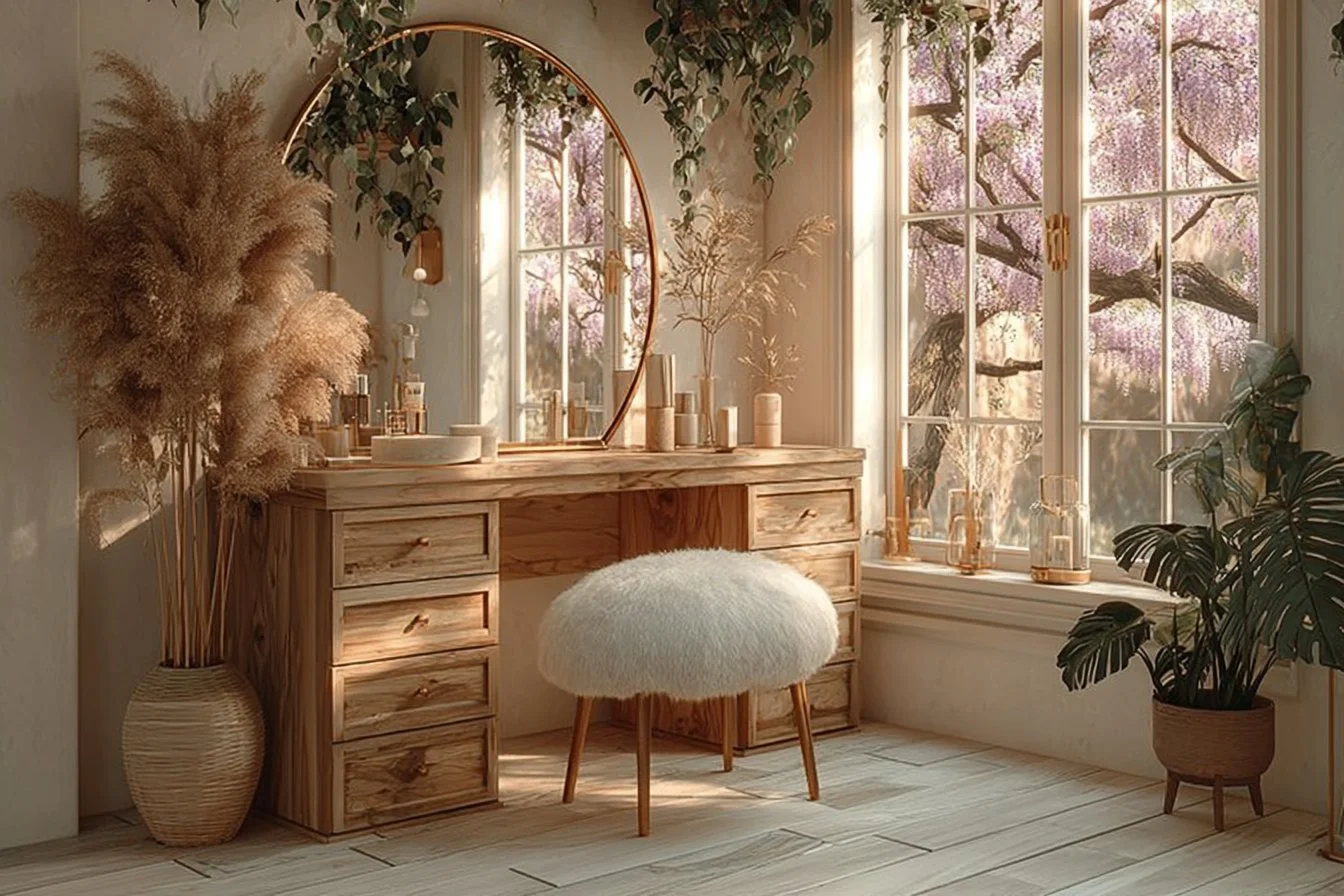
A cozy boho vanity corner is a small sanctuary where style meets function — a place to get ready, reflect, and breathe. Start by thinking of the mood you want: warm, textured, and relaxed. For color and seasonal inspiration that pairs well with boho tones, consider exploring a guide to autumn warmth and rustic charm to help shape your palette and layering ideas.

Plan and Layout

Before choosing furniture or accessories, measure your space carefully. Tiny alcoves or corners need thoughtful planning—a narrow table or a wall-mounted shelf can make a big difference. Pair it with a compact mirror and a stool that can tuck neatly underneath when not in use. Natural light is ideal for makeup and skincare routines, so position your setup near a window if possible. If natural light is limited, plan for layered lighting: a combination of task lighting (for focused work) and ambient lighting (for overall warmth) ensures a well-lit and flattering environment.

Consider circulation and flow as well—avoid placing chairs, baskets, or other furniture in a way that blocks pathways or makes the area feel cramped. Even in a small space, a sense of openness can make your vanity area feel relaxing and functional.

Furniture and Storage

When selecting furniture, look for a small, simple vanity table with at least one drawer or a pair of open baskets underneath. This helps keep everyday products neatly stored and surfaces clutter-free. Materials such as rattan, distressed wood, or a painted vintage piece complement boho and eclectic styles beautifully, adding warmth and character to the space.

Organization is key: small trays, glass jars, or compartmentalized boxes can hold brushes, cotton pads, skincare, and jewelry, keeping the surface tidy and visually appealing. For additional storage, consider stackable trays or a rotating organizer, which maximize vertical space without taking up extra floor area.

Finally, personalize the space with a few decorative accents like a small plant, a scented candle, or a framed print. These touches make the vanity corner feel inviting and reflect your personal style while keeping it functional.

Color, textures, and soft furnishings

Boho style thrives on texture and eclectic layering. Mix a neutral painted wall with a woven tapestry or macramé piece, and bring in a small patterned rug to anchor the area. Soft velvet or kilim cushions on the stool add comfort and pattern. For wreath- or wall-art inspired accents that nod to handmade charm, look into creative craft ideas like a delicate boho wreath concept that can translate to vanity wall decor.

Lighting and Mirror Choices

Good lighting is essential for a functional and flattering vanity. If your space lacks natural light, consider installing a round LED mirror or arranging a row of warm bulbs around a mirror frame to create even, soft illumination that mimics daylight. This ensures that your makeup, skincare, and grooming routines are well-lit and precise.

Beyond functionality, the mirror itself can become a statement piece. Choose designs with a touch of character—aged brass frames, sunburst motifs, or simple rattan rims—to add a subtle boho or eclectic charm. These options allow your vanity to feel stylish and curated while keeping the focus on practicality.

Accessories, Greenery, and Finishing Touches

Accessories can make a vanity corner feel personal and inviting rather than staged. Curate pieces that balance style and function: a small vintage tray for perfumes, a handmade ceramic cup for brushes, or woven baskets for extra linens or everyday essentials. These small organizational elements keep the surface tidy while adding texture and visual interest.

Greenery adds life to the space and softens the look of furniture and accessories. A trailing pothos, a small snake plant, or a mini fern can introduce natural color and a sense of freshness. Seasonal touches—such as a small vase with fresh flowers, a scented candle, or a themed decorative item—help keep the corner feeling current and personalized. Consider incorporating subtle holiday or seasonal textiles and accents inspired by cozy outdoor décor to transition the vanity throughout the year, adding warmth and seasonal charm.

Finally, layering these elements thoughtfully—combining textures like ceramic, rattan, glass, and metal—creates a cohesive, visually pleasing corner that is both functional and full of character. By balancing lighting, mirrors, accessories, greenery, and seasonal accents, even a small vanity can feel like a luxurious and inspiring retreat within your home.

Practical maintenance

Keep daily-wear items within arm’s reach for convenience, while storing less-frequently used products in drawers or baskets to maintain a tidy surface. Wipe down the vanity weekly, declutter monthly, and rotate decorative pieces with the seasons to ensure the nook always feels intentional, refreshed, and inviting. This simple routine keeps the space functional while allowing it to reflect your personal style year-round.

Conclusion

If you’re shopping for a compact centerpiece to start your cozy boho vanity, check out this selection of Small Boho Vanity – Amazon.com for small-scale options that suit tight spaces and boho aesthetics.
Categories
Living

Galactic Luxe: Futuristic Sofas

Introduction
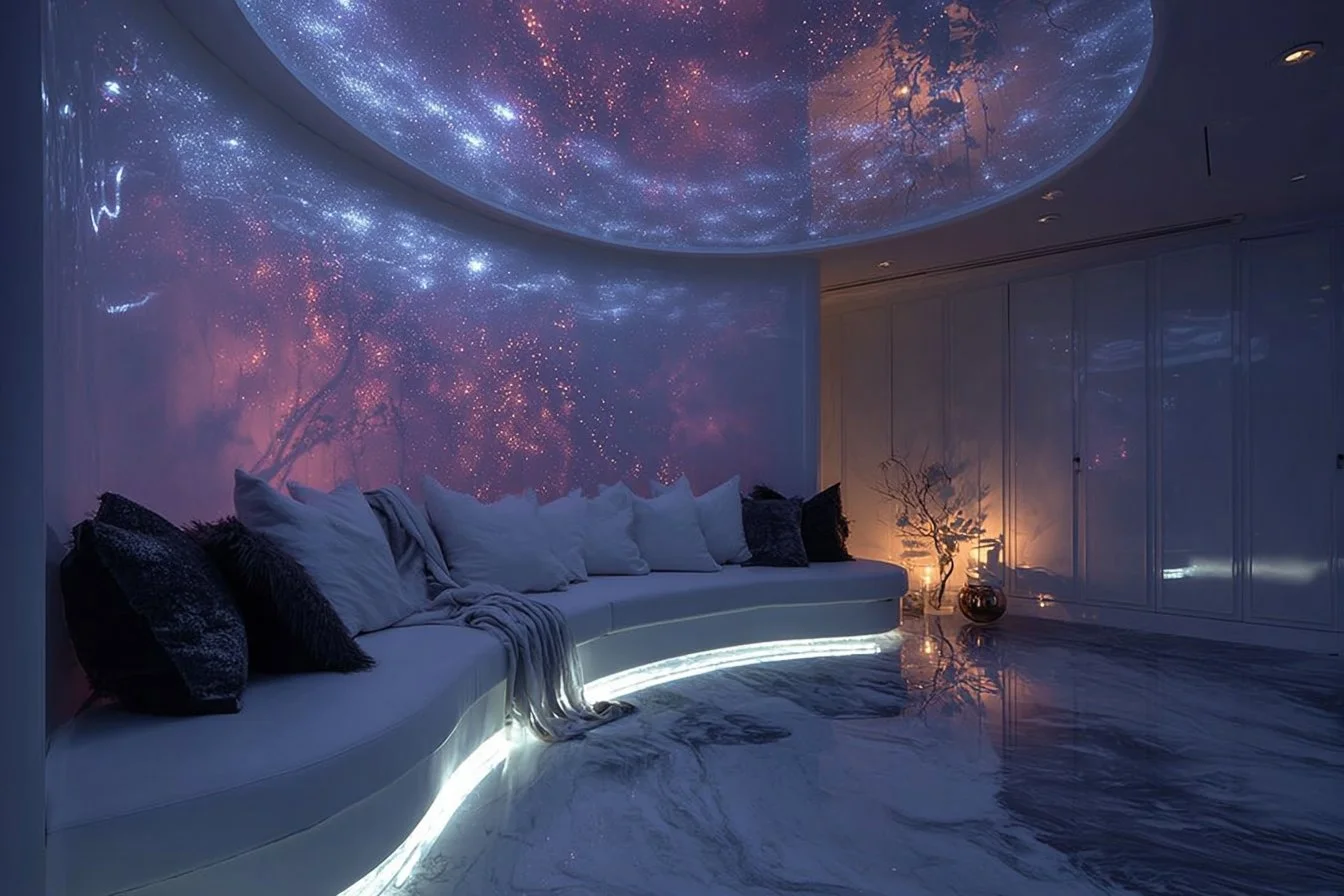
The idea of a sofa is changing. No longer just a place to sit, modern sofas are becoming sculptural statements of lifestyle and imagination. Drawing inspiration from Coruscant’s endless urban layers and illuminated horizons, designers are reimagining lounge furniture as futuristic focal points—sleek, modular, and atmospheric. This article explores how the aesthetic language of a city-planet skyline translates into functional, luxury seating for terrestrial homes.

Design DNA: What “Coruscant” Means for Sofas
Coruscant’s skyline evokes density, vertical rhythm, reflective surfaces, and ambient light. When applied to furniture design, these elements produce a coherent design DNA:

  • Verticality and tiering: Multi-level cushions, stepped armrests, and layered back panels mimic the stacked silhouette of a towering metropolis.
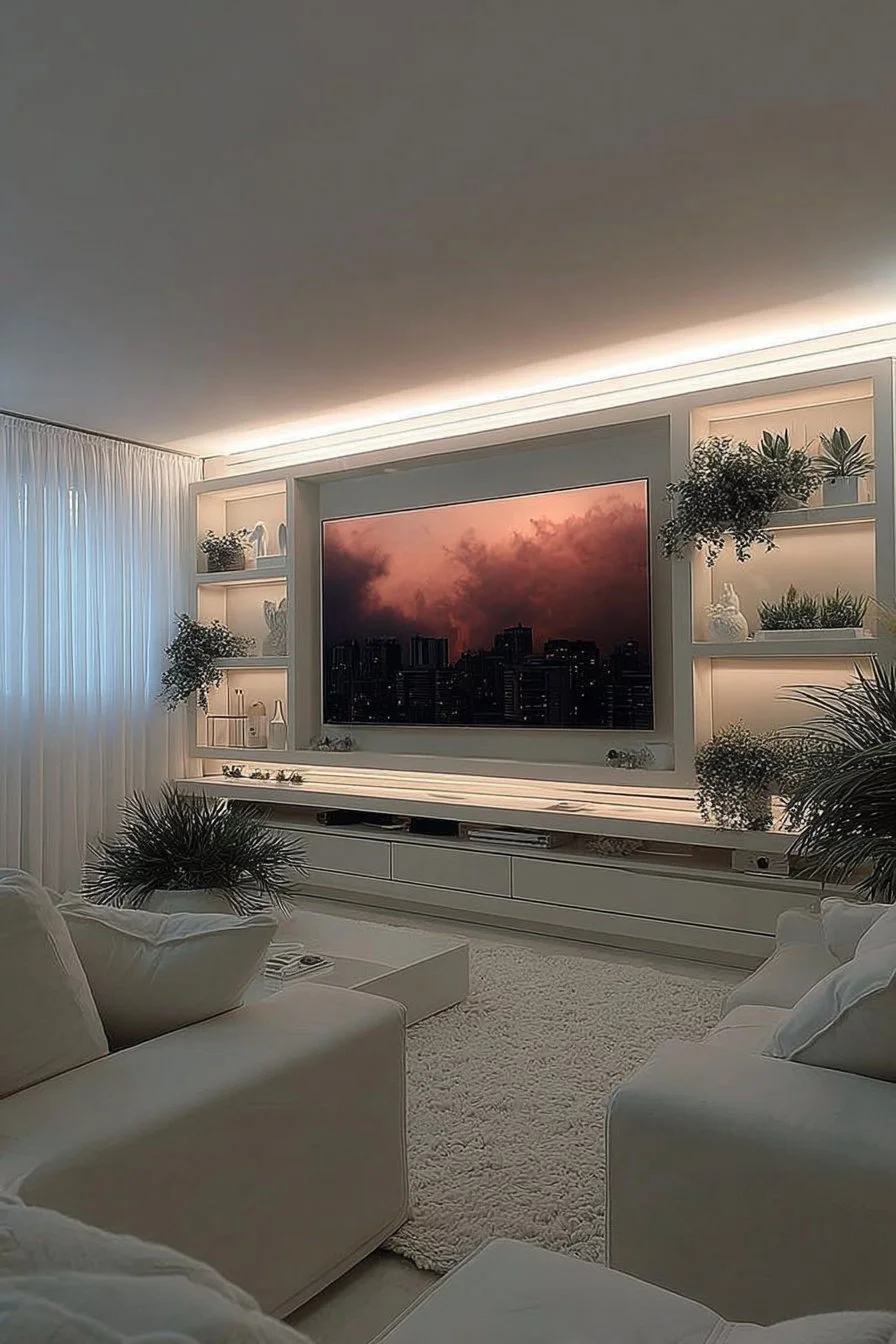
  • Reflective finishes: Metallic trims, lacquered bases, and subtly mirrored upholstery fabrics capture the gleam of city lights at dusk.
  • Ambient illumination: Integrated LED accents beneath bases or along seams create a halo effect reminiscent of suspended skyways.
  • Clean geometry: Flowing yet crisp silhouettes convey speed and futurism without losing comfort.

Materials and Finishes
To achieve a Coruscant-inspired aesthetic, designers combine advanced materials with tactile comfort:

  • Metals: Brushed aluminum, anodized titanium tones, and bronze accents supply that aerospace feel.
  • High-performance fabrics: Microfiber blends, leather alternatives with a slight sheen, and coated textiles for low maintenance.
  • Composite bases: Carbon-fiber-reinforced frames allow thin-profile supports that are both strong and light.
  • Glass and acrylic: Transparent back panels or cantilevered tables echo the transparency and depth of urban architecture.

Color Palette and Light
A Coruscant palette is less about primary colors and more about gradients—dawning purples, cool steel blues, warm amber glows:

  • Deep slate and charcoal for structural pieces.
  • Holographic or pearlescent accents to suggest movement.
  • Backlit seams in soft white, cool blue, or warm gold to set mood and emphasize contours.

Lighting is crucial: integrated LEDs with adjustable color temperature let the sofa shift from cinematic night scenes to crisp daylight atmospheres.

Form Meets Function: Ergonomics and Modularity
Futuristic sofas must balance aesthetics with real-world comfort and flexibility:

  • Modular units: Interlocking sections that can reconfigure from elongated loungers to conversation clusters, reflecting urban adaptability.
  • Adjustable backrests and headrests: Smooth, gearless mechanisms allow subtle posture shifts without breaking the visual line.
  • Built-in tech: Wireless charging pockets, concealed speakers tuned for ambient soundscapes, and pop-out trays for devices and drinks.
  • Storage integration: Minimal, flush drawers or hidden compartments maintain the sleek skyline look while adding functionality.

Sustainability Considerations
A forward-looking design should consider environmental impact:

  • Recycled composites and reclaimed metals reduce material footprints without sacrificing finish quality.
  • Replaceable upholstery panels extend lifecycle and allow users to update colors or fabrics as tastes evolve.
  • Low-VOC finishes and plant-based foams improve indoor air quality while maintaining resilience.

Styling and Placement Tips
To make a Coruscant-inspired sofa sing in a room:

  • Pair with minimal, glossy surfaces—think low-profile coffee tables and slim console units.
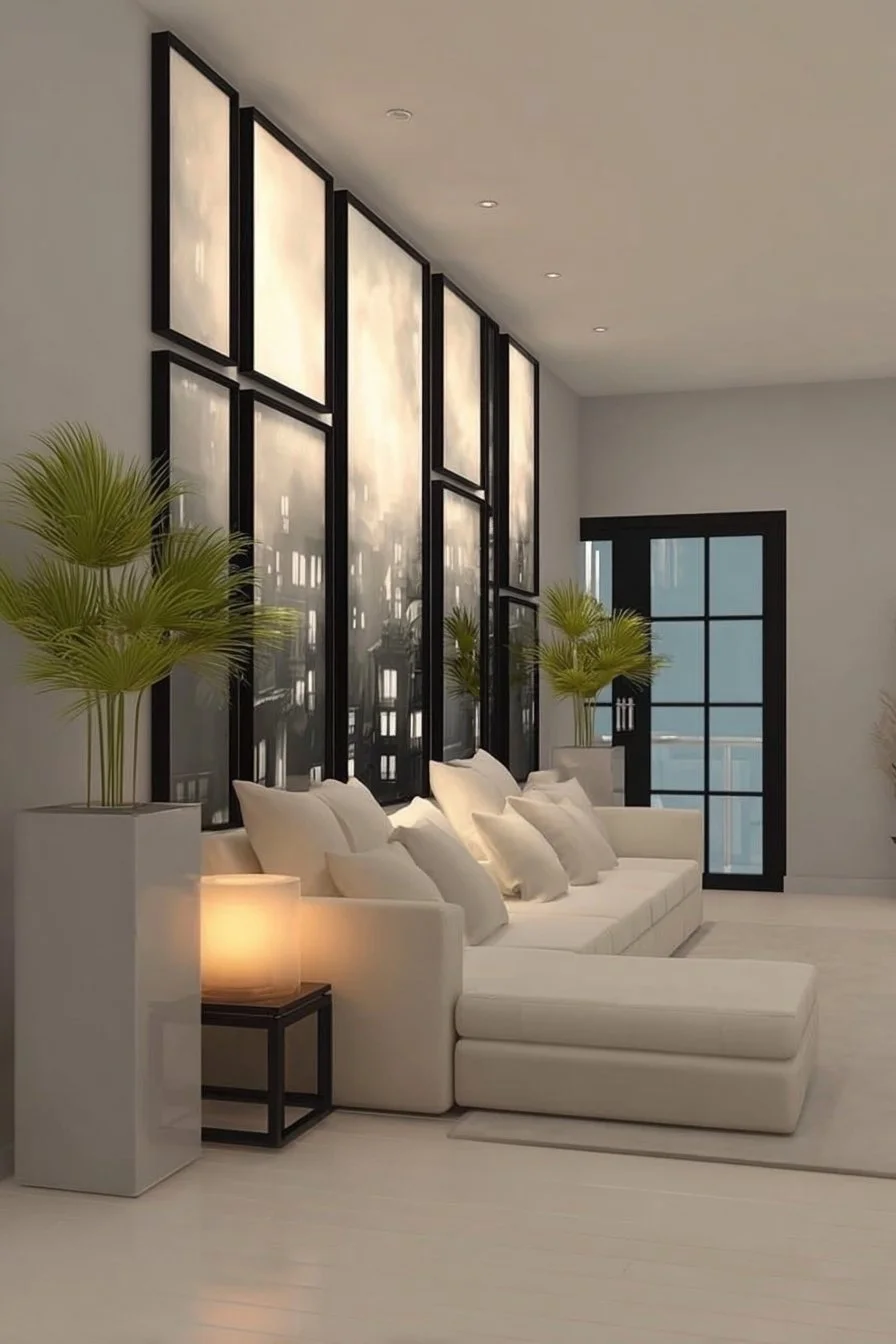
  • Use vertical art or tall shelving to echo the towering skyline motif.
  • Layer lighting: overhead directional fixtures for structure, and integrated sofa lighting for atmosphere.
  • Keep accessories sparse; a sculptural side table or a single metallic floor lamp complements the futuristic aesthetic.

Customization and Bespoke Options
Many designers offer bespoke options to match the imagination:

  • Custom LED choreography: animated lighting patterns that recall flying vehicles or pulsing city traffic.
  • Personalized upholstery textures and contrast piping to emphasize silhouette.
  • Scale adjustments: compact builds for apartments or grand, panoramic configurations for open-plan lofts.

Buying Guide: What to Look For
When choosing a futuristic, Coruscant-inspired sofa:

  • Inspect joinery and frame materials for long-term durability.
  • Test integrated tech for ease of access and future-proof compatibility.
  • Check cushion density and support zones to ensure comfort aligns with the avant-garde form.
  • Ask about replacement parts and upholstery options—longevity matters in statement furniture.

Conclusion

If you’re decorating a living space that wants to feel like a comfortable outpost overlooking a luminous metropolis, consider pairing your sofa with cityscape art that reinforces the theme—such as a detailed Coruscant skyline poster available from Coruscant Skyline Poster – Etsy.

Categories
Living

Maximize Your Space: Small Living Room Design & Lighting Ideas

I used to juggle homework folders, soccer cleats, and the ever-present art projects on the coffee table while making a pot of coffee at 6 a.m. My days are a patchwork of school drop-offs, neighborhood bake sales, and the kind of evenings where my kids, aged eight and twelve, collapse on the couch with mismatched socks and big stories. Our apartment is where we make memories and where I want everything to feel gentle and calm, not cluttered and chaotic. I often borrow ideas from little projects I find online, like clever pallet bed ideas, and adapt them for our living room so toys have homes and cozy corners still feel grown-up. Those small changes matter when neighbors stop by with extra pumpkin muffins or when we need a quiet nook for reading after soccer practice.

  1. Bright neutrals and reflective accents make rooms breathe

    Light color schemes do the heavy lifting in small spaces. Choosing warm whites, soft grays, or pale greiges opens up sight lines and lets natural light do more work. Reflective surfaces like a low-sheen paint, glass coffee tables, or metallic lamp bases bounce light around so the room feels larger without extra square footage. Why it works: pale walls reduce visual clutter and reflective pieces lift the overall feel. How to apply it: pick one wall for a slightly warmer tone to anchor the room, then add a mirror above the sofa and a glass-topped side table near the reading lamp. Family note: I keep a low shelf for my kids to display a rotating selection of drawings so the room feels lived-in but tidy. These home décor ideas are an easy way to refresh without a full renovation.

  2. Multi-function furniture keeps clutter under control

    When square footage is tight, one piece can do many jobs. Think sofa beds, storage ottomans, and nesting tables that tuck away when not in use. Why it works: multifunctional pieces reduce visual noise and create flexible zones for homework, movie nights, and playtime. How to apply it: choose a slim sofa with built-in storage or add baskets under the console for blankets and board games. An ottoman with a removable top doubles as seating and a toy chest. Family note: for rainy day fort building, those nesting tables are perfect little platforms for blankets and flashlights. These interior styling tips help balance practicality with a warm, welcoming look.

  3. Layered lighting creates depth and mood

    Good lighting is more than one overhead fixture. Combine ambient lighting, task lights, and accent fixtures to make the room adaptable from morning chaos to quiet bedtime stories. Why it works: layering controls glare and creates depth, helping small rooms feel larger and more intentional. How to apply it: install a dimmable ceiling fixture for general light, add a floor lamp next to the reading chair, and use wall sconces or LED strips behind shelving for subtle glow. Don’t forget plug-in track lighting if rewiring is off the table. Family note: dimmers make evening homework less harsh and movie time feel like a treat. For more ideas on stretching living space into outdoors, check out these backyard oasis ideas for outdoor living to borrow lighting cues that work inside and out.

  4. Go vertical with storage and display

    When floor space is precious, look up. Wall-mounted shelves, floating cabinets, and tall bookcases draw the eye upward and free up walking space. Why it works: vertical storage organizes items out of child reach and reduces the need for bulky furniture. How to apply it: install a narrow, tall bookcase beside the TV and use baskets to corral small toys. Floating media consoles keep electronics off the floor, while hooks near the door prevent backpacks from piling up. Family note: we keep a high cubby for seasonal items and a lower basket labeled for library books so my older child can grab and return without help. These decorating inspiration moves turn every inch of wall into usable space.

  5. Define zones with rugs and low-profile seating

    Creating visual zones makes a single room do the work of many. A well-placed rug, a slimline sofa, and low shelving can separate play, lounging, and homework areas without walls. Why it works: zones give structure so each activity has its place, reducing mess and mental clutter. How to apply it: layer a soft rug under the seating area, place a small console table behind the sofa for homework supplies, and use a bench along the window as a quiet reading spot. Family note: we use a washable rug that survives craft time and doubles as a picnic blanket for indoor movie nights. These interior styling tips help the room feel intentional and child-friendly while still elegant.

  6. Mirrors and curated art give the illusion of space

    Strategic mirror placement adds depth and curated art gives personality without crowding. A tall mirror opposite a window amplifies daylight, while a single bold piece of art creates a focal point without clutter. Why it works: mirrors reflect light and sightlines, and well-chosen art prevents walls from feeling bare. How to apply it: hang one large mirror at eye level above a slim console or prop a framed mirror on a shelf. For art, rotate prints in inexpensive frames so the space evolves with your family. Family note: we have a gallery shelf where my kids can swap their latest paintings in a rotation box; it keeps creativity on display but contained. These home décor ideas and decorating inspiration tips make small living rooms feel curated, not overcrowded.

Conclusion

Small living rooms are a chance to get creative with home décor ideas that match real life. Pick a couple of changes that fit your routine, like layered lighting or vertical storage, and build from there. Save this page for decorating inspiration and try one idea at a time so your space stays calm and useful for the whole family. For more tight-space inspiration, Explore My Cozy NYC Studio Apartment 🏙️ (https://www.lemon8-app.com/samiyahlateef/7255793262743568902?region=us)

Categories
Living

Small Farmhouse Living Room Ideas: Big Impact in Compact Spaces

I still remember the first morning after we moved into our little house, kids tumbling over backpacks at the kitchen table, a casserole dish cooling on the counter, and Mrs. Lawson from across the street bringing over a welcome pie. At forty-two, with two kids aged 8 and 11, my life is a steady rhythm of school runs, soccer practices, and neighborhood barbecues. Our living room had to work hard for us: homework at the coffee table, pajama movie nights, and crowded holiday gatherings where someone inevitably needed a quiet corner. Those everyday moments pushed me to rethink how a small space could feel open, cozy, and useful all at once. Over time I learned tricks from friends, folded in memories and hand-me-downs, and even borrowed a few ideas from dreamy farmhouse bedrooms that inspired the calm, lived-in feel I wanted for our family room. These changes brought small comforts that made a big difference.

  1. Soft Neutrals and Layered Textures

    Using a palette of soft neutrals instantly opens up compact rooms. Think warm whites, soft greys, and muted taupes that reflect light and create a sense of airiness. Layered textures like a chunky knit throw, woven baskets, and linen pillows add depth without clutter. This combo works because it keeps visual noise low while giving tactile interest that invites you to sit and stay awhile.

To apply this at home, start with a neutral paint or slipcovers, then add texture in small doses. A neutral sofa with patterned pillows and a textured rug anchors the room. I swapped a bright accent chair for a softer, neutral one so my kids’ art and scattered toys felt part of the space rather than competing with it. These interior styling tips make cleanup simpler and let family moments shine.

  1. Multipurpose Furniture for Everyday Flow


    When space is limited, furniture that does double duty is a lifesaver. A storage ottoman, a sofa with built-in shelving, or a small console that becomes a homework station helps each square foot pull its weight. Multipurpose pieces work because they reduce clutter and offer hidden storage, letting the room feel tidy without constant rearranging.

Start by assessing where clutter gathers most. I replaced a horsehair trunk with a bench that stores extra blankets and doubles as seating for sleepover guests. Choose pieces that are scaled to the room and have clean lines so they do not overwhelm sightlines. These home décor ideas keep the living room functional for family game nights and neighbor visits, while giving you room to breathe.

  1. Cozy Seating Arrangements that Encourage Togetherness

    In a small farmhouse living room, arrange seating to nurture conversation rather than create long sightlines to empty corners. A pair of comfy chairs angled toward a small loveseat creates an intimate hub. This arrangement works because it brings people closer and makes the room feel fuller without adding bulky furniture.

Apply this by moving furniture off the walls and into conversational clusters. I moved our main sofa slightly forward and placed a low coffee table in the center so my kids could spread out homework while we chatted. Lightweight side tables mean guests can move them as needed. These decorating inspiration choices make the space feel purposeful for movie nights, casual chats with neighbors, and family crafts.

  1. Vertical Solutions and Wall-Mounted Storage

    When floor space is precious, think up. Tall bookcases, floating shelves, and wall-mounted cabinets keep belongings organized while opening the floor to play. Vertical storage works because it uses unused space and draws the eye upward, making ceilings feel taller and rooms larger.

Install a floating shelf above a reading nook to hold books and a few framed photos. Use a narrow floor-to-ceiling unit in a corner to store board games and kids’ craft supplies. I added a slim peg rail behind our door for backpacks and jackets, which saved frantic mornings before school. For more compact-room inspiration, look at minimalist bathroom ideas to see how vertical thinking can transform tight spaces in unexpected ways. These interior styling tips create calm and order without sacrificing family life.

  1. Rugs and Zoning to Define Purpose

    A well-chosen rug can divide an open floor plan into functional zones without walls. Use a rug to anchor seating, a runner to define a passageway, or a small mat for a reading nook. Zoning with rugs works because texture and pattern create visual boundaries that make each area feel intentional.

Pick a rug size that suits the furniture layout; the front legs of a sofa and chairs should sit on the rug to unify the space. Layer a small, washable rug where the kids do crafts so spills are easier to handle. I swapped a large, fussy rug for two smaller ones last year, which let us rearrange the room for party seating or family yoga. These decorating methods support a busy household and keep the room adaptable for neighbors dropping by or weekend sleepovers.

  1. Personal Vintage Finds and Simple Gallery Walls

    Adding a few vintage pieces or a modest gallery wall brings personality without overwhelming a small room. A thrifted side table, a worn wooden frame, or grandma’s woven blanket tells a story and creates warmth. This approach works because it mixes textures and eras, making a compact living area feel curated, not cramped.

Start with one focal vintage item, like an old clock or an heirloom lamp, then balance it with modern, simple pieces. For gallery walls, limit frames to a consistent palette and keep spacing tight to avoid visual clutter. I created a small gallery above our console using family photos and a child’s school drawing; it sparks conversation and anchors the entry point. These home décor ideas add heart to the room while staying practical for everyday family life.

Conclusion

Small changes can produce big impact in limited square footage, and the right pieces help a farmhouse living room feel both functional and inviting. If you are looking for a practical accent that adds storage and charm, consider a farmhouse side table option like the Hadulcet Farmhouse Side Table with Storage Shelf for a tidy spot to hold books, lamps, or a kid-safe snack during movie night. Save these ideas, try one at a time, and come back to tweak what you love. Little updates will make your compact space feel like a true family room, filled with memories, neighborly visits, and quiet moments of comfort.

Categories
Living

Color Harmony Palettes for Trendy Homes

I still remember the spring our youngest learned to ride a bike without training wheels. It was dusk, the neighborhood kids cheering from driveways, while I juggled dinner, a load of laundry, and the endless paper trail of school permission slips. My house felt like a scrapbook of those small, bright moments: crayon marks on the breakfast table, soccer cleats by the door, and a favorite cardigan draped over the couch. Creating a calm, welcoming space for our busy family became my way to catch my breath. Over time I realized that the right paint palette could do more than look pretty. It could soften mornings, make homework corners feel like havens, and hold up to sticky hands and neighborhood potlucks. If you love practical home décor ideas that balance timeless style with modern life, start with a color story that grows with your family. For kitchen refresh ideas, I often refer to timeless warm white kitchen ideas for real-life inspiration.

Palette 1: Timeless Warm Neutrals

A warm neutral base gives a whole house a cohesive, lived-in feel that stands up to trends. Think soft creams, warm greige, and muted taupe for walls; layer with white trim and natural wood tones. Why it works: neutrals reflect light and provide a forgiving backdrop for kids artwork, changing furniture, and seasonal accents. How to apply: paint main living areas in a single warm neutral, then use slightly lighter tones in hallways and a deeper neutral in the dining area for subtle depth. Add washable finishes in high-traffic zones to handle spills and fingerprints. Lifestyle note: my kids’ homework station sits against a neutral wall with a magnetic board for art and reminders, so the space feels calm while still showing family life. These interior styling tips are great for renters and homeowners alike.

Palette 2: Cozy Blues with Cream Accents

Blue is versatile and calming, making it ideal for whole-house palettes that aim for both trend and timelessness. Choose mid-toned blues for a living room or open-plan space, and balance with cream cabinetry or trim. Why it works: blue has a natural ability to soothe after a hectic day, while cream accents keep the palette warm and welcoming. How to apply: use blue on a focal wall or across connected living spaces, then pick cream or off-white for kitchens and bathrooms to maintain continuity. Add brass or matte black hardware to modernize the look. Lifestyle note: a shared family reading nook painted in a soft blue becomes a magnet for nightly story time and lazy weekend mornings, blending decorating inspiration with practical family living.

Palette 3: Soft Greens and Natural Wood

Soft sage or muted olive pairs beautifully with unvarnished or lightly stained wood for a grounded, nature-inspired home. Why it works: green evokes outdoor calm and complements houseplants, woven baskets, and wooden furniture for an everyday, relaxed aesthetic. How to apply: choose a soft green for entryways and bedrooms, then repeat the hue in accents like built-in bookcases or kitchen islands. Finish with white ceilings to keep rooms bright. Lifestyle note: our backyard herb shelf looks right at home against a sage wall, and the kids love picking sprigs for family dinners. This approach to home décor ideas brings a fresh, lived-in quality without feeling fussy.

Palette 4: Warm Grays with Colorful Accents

Warm gray walls create a neutral canvas that welcomes pops of color—think mustard pillows, teal art, or coral ceramics. Why it works: warm gray is forgiving with light changes and pairs with most furniture styles, making it a smart choice for whole-house continuity. How to apply: paint main areas in a warm gray, reserve a richer shade for an accent wall, and use vivid accessories to inject personality. Consider matte or eggshell finishes in living areas and semi-gloss for trim to aid cleaning. Lifestyle note: our hallway gallery against a warm gray wall showcases rotating kids’ projects and neighborhood snapshots, so the space feels personal and easy to update. For craft-based accents, try ideas like hand-painted wood slice ornaments to add handmade charm.

Palette 5: Sunlit Pastels with Neutral Grounding

Subtle pastels like blush, pale peach, or soft lavender can warm a house without feeling juvenile when grounded by warm neutrals and textured fabrics. Why it works: pastels soften sharp corners and catch light in pleasing ways, creating cozy, optimistic rooms. How to apply: use pastels sparingly on bedroom walls or smaller rooms, then tie them across the home with neutral rugs, woven throws, and natural fiber shades. Keep cabinetry and baseboards in neutral tones to balance the palette. Lifestyle note: my daughter’s art projects pop against a pale peach wall, while parents appreciate that gentle hues still work for adult spaces. These decorating inspiration choices make each room feel intentional and restful.

Palette 6: High-Contrast with Warm Wood and Soft Metals

A high-contrast palette uses deep charcoal or navy paired with crisp white, then softened by warm wood and brushed metals. Why it works: contrast creates a modern, curated look that reads as both trendy and classic when paired with natural materials. How to apply: choose a dark hue for a focal wall or kitchen island, paint surrounding walls white, and introduce wood floors or shelving for warmth. Use soft gold or aged brass fixtures to bring a cozy, family-friendly touch. Lifestyle note: for our weekend pancake mornings, the dark island hides mess and the white surrounding surfaces keep the room bright, so style meets real-life functionality. This blend of interior styling tips keeps a home polished yet practical.

Conclusion

Choosing a whole-house paint strategy is one of the most effective home décor ideas for lasting style and daily comfort. Save these palettes, try one room first, and let the colors evolve with your family’s routines and memories. For curated color pairings and professional palettes that help you plan a cohesive look, explore the Color Collections | HGTV Home® by Sherwin-Williams to find combinations that match your vision. If a palette feels right, revisit and refine it over time to keep your home both timeless and full of life.

Categories
Living

12 Modern Contemporary Living Room Ideas to Add Personality

Some of my fondest weekday moments happen in the living room. Picture a Wednesday afternoon: I’m helping my 10-year-old with a science project while my 8-year-old builds a fortress out of couch cushions, and a neighbor drops by with extra coffee because we ran out. Those ordinary little scenes have taught me that a house needs to be both beautiful and forgiving. Over the years I have saved ideas from magazine tear-outs, Pinterest boards, and quick snapshots of friends’ homes, blending them into practical home décor ideas that work for real families. If you want decorating inspiration that survives sticky fingers and impromptu movie nights, a few smart choices in layout, texture, and personal touches can make all the difference. For more cozy living ideas that feel lived-in, check out this guide I keep returning to: cozy living ideas.

Section 1: Layered Neutrals and a Statement Sofa (Ideas 1 and 2)

Creating a soft neutral base is a fail-safe way to make a modern contemporary living room feel calm and collected. Start with walls, a rug, and larger furniture in warm creams, soft greys, and rich tans. The advantage is twofold: neutrals act as a flexible backdrop for changing tastes, and they mask wear better than stark whites. Introduce a statement sofa in a bold color or unique silhouette to add personality and anchor the space. Choose a durable performance fabric if you have kids; mine survived spilled juice and art supplies during a weekend crafting marathon. To bring these ideas home, pair the sofa with textured pillows and a cozy throw; the contrast makes the room feel curated but still ready for everyday life. This approach keeps interior styling tips practical and enduring.

Section 2: Mixed Metals and Curated Gallery (Ideas 3 and 4)

Mixing metals in lamps, frames, and hardware adds unexpected depth to contemporary styling. When I swapped out all matching finishes for a mix of brushed brass and matte black, the room suddenly felt intentional and grown-up. The trick is balance: limit the palette to two or three finishes and repeat them in different areas so the look reads cohesive. Another way to personalize is with a gallery wall of family photos, kids’ drawings, and framed postcards. We arranged ours around a central piece of art and added a few floating shelves to rotate seasonal crafts. For families that host neighbors or grandparents, a thoughtful gallery becomes a conversation starter and a living record of everyday memories, giving decorating inspiration both warmth and character.

Section 3: Smart Furniture Choices and Indoor Greenery (Ideas 5 and 6)

Choose multifunctional furniture to maximize comfort and flexibility. A storage ottoman that doubles as a coffee table, a sleeper sofa for guests, and nesting side tables for homework nights keep the room uncluttered. When my kids have friends over, extra seating that tucks away is lifesaving. Pair these pieces with indoor plants to bring life and cleaner air into the space. Low-maintenance plants like snake plants or pothos are toddler-friendly and resilient during busy weeks. Place greenery on staggered heights—on a shelf, on the floor by a window, and on a side table—to create an organic rhythm. These small lifestyle tweaks combine practical interior styling tips with a fresh look that still tolerates the run-and-jump energy of family life. For more on blending bedrooms and living spaces with neutral luxury, see this modern bedroom design ideas guide that inspired my color choices.

Section 4: Patterned Rugs and Cozy Nooks (Ideas 7 and 8)

A patterned rug can anchor a seating area and hide traffic patterns from active kids and pets. Opt for a rug with scale and color that supports your palette; geometric patterns read modern, while faded Persian styles offer an eclectic edge. We placed ours under the front legs of sofas and chairs to define the conversation zone and make cleanup simpler after family pizza nights. Carve out a cozy reading nook with a comfortable armchair, a soft throw, and a small bookshelf. I often tuck mine near a sunny window where my daughter likes to read aloud to her stuffed animals. That little corner becomes a retreat and an invitation for quiet moments in a busy household. These decorating inspiration ideas are family-friendly and make the living room versatile for both loud play and calm downtime.

Section 5: Accent Walls and Open Shelving (Ideas 9 and 10)

An accent wall in a saturated paint color or textured wallpaper creates a focal point without overwhelming the whole room. We painted one wall a deep blue and hung a large piece of art; it added drama but kept the overall palette peaceful. If you prefer less commitment, removable wallpaper offers the same impact and is easy to change as tastes evolve. Complement an accent wall with curated open shelving to display books, pottery, and meaningful mementos. Shelves let you rotate objects as your family grows and seasons of life shift. I find it comforting to arrange a mix of kids’ artwork, travel finds, and a few grown-up finishes. The result is an approachable, lived-in aesthetic that reads as thoughtful rather than staged, giving your space an authentic story.

Section 6: Layered Lighting and Personal Textiles (Ideas 11 and 12)

Good lighting equals good mood. Create layers with overhead ambient lighting, directional task lamps for reading or homework, and softer accent lights for movie nights. Dimmable options are ideal for controlling energy and atmosphere. We installed a floor lamp beside the couch and small table lamps near the play area, which makes late-night storytelling cozy without the glare. Finally, personalize the room with textiles—handwoven blankets, family-knit throws, and patterned pillows. These soft elements add color, texture, and instant comfort. I keep a basket of blankets by the sofa for impromptu snuggles, and it makes the living room feel inviting for both neighbors and family members. Together, layered lighting and textiles make a contemporary space feel warm, practical, and distinctly yours.

Conclusion

If one thing has surprised me as a mom and a homeowner, it is how small, thoughtful changes turn a house into a home. Try one idea at a time and let your family’s routines guide which updates stick. Save this list for future refreshes, test a bold sofa or a new rug, and enjoy mixing practical interior styling tips with personal decorating inspiration. For more ideas that blend modern aesthetic with cozy charm, check out these modern farmhouse living room ideas that inspired some of my favorite touches.

Categories
Outdoor

Mid Century Modern House Exteriors That Last

I still remember dropping the kids off at school on a damp Tuesday and waving to Mrs. Harper next door as she watered her succulents, the way her front windows caught the grey morning light like a little stage. My two kids, eight and eleven, clamored from the minivan with backpacks bouncing, and my mind wandered to the little projects that make a house feel like ours again: swapping a tired mailbox for something sleeker, planting low-care shrubs that survive the neighborhood’s wandering squirrels, or finally painting the fence a bolder hue. Between carpools, homework and bedtime rituals, those small changes are how we stitch comfort into everyday life. Lately I keep bookmarking images of houses that seem effortless and personal, the kind of spaces that make you imagine family breakfasts and backyard playdates lingering into golden afternoons. That instinct for thoughtful, livable design is exactly what draws me to modern styling and practical home décor ideas like these.

  1. Clean Lines and Low Rooflines: Keep it simple, live comfortably

Mid century modern exteriors are memorable for their clean, horizontal lines and low roof profiles that feel both understated and intentional. The simplicity of a flat or gently pitched roof calms the street view and gives the whole home a cohesive silhouette. Why it works: clean geometry reduces visual clutter, which makes homes feel wider and more grounded—perfect when you want a safe, familiar backdrop for family life. How to apply it: choose siding materials that emphasize horizontal lines, like long planks of cedar or fiber cement lap siding, and maintain a narrow roof overhang to preserve the style. Paint trim in a complementary but subtle tone to keep the lines crisp. Lifestyle note: for busy weekday mornings, a garage or carport with a low roof can double as a sheltered drop-off spot for backpacks and sports gear, keeping the porch clutter-free and calm.

  1. Warm Woods and Natural Materials: Texture that welcomes

One hallmark of mid century design is the mix of natural materials paired with modern forms. Warm woods like teak, walnut and cedar bring tactile depth to an exterior and age gracefully over time. Why it works: natural textures create an emotional connection, making a modern façade feel more approachable and family-friendly. How to apply it: use wood cladding on a feature wall, add a wood slatted privacy screen, or incorporate stone at the entry to anchor the house. Sealing and finishing will protect surfaces while preserving grain and warmth. Lifestyle note: a wood-clad porch bench or a cedar mailbox shelf makes mornings smoother when kids need a last-minute shoe or glove, turning beautiful materials into useful family spots. These practical touches double as subtle interior styling tips when you carry similar textures inside.

  1. Floor-to-Ceiling Glass and Indoor-Outdoor Flow: Bring the yard in

Expansive windows and sliding glass doors are a signature move in mid century homes, prioritizing natural light and visual connection to the yard. Why it works: more glass makes interiors feel larger and brighter, which is comforting for families who spend time both indoors and out. How to apply it: invest in high-performance glazing to keep energy costs down, and frame openings to align with key views like the play lawn or patio. Pair with simple window treatments that can be opened fully to encourage airflow and sightlines. Lifestyle note: when the kids spread toys or art projects at the kitchen table, the view out to the backyard helps everyone stay relaxed rather than feeling boxed in. For those redesigning bedrooms or other rooms, check out creative space planning tips like these modern bedroom design ideas that echo the open, light-filled ethos.

  1. Open Plans, Built-ins and Functional Touches: Design that supports daily life

Mid century influence is as practical inside as it is outside, with open floor plans, built-in storage and well-considered mudroom areas that keep life organized. Why it works: purposeful built-ins and transitions make the home feel efficient and calm, helping parents manage clutter without sacrificing style. How to apply it: plan a bench with cubbies at the entry, integrate a low, built-in shelving unit in the living area for books and game storage, and keep sightlines clean from entry to backyard. Consider swapping an oversized vanity for a compact mid century-inspired option in smaller bathrooms to maximize movement. Lifestyle note: a built-in homework nook lets my kids spread out after school while I prepare dinner nearby, and having a dedicated drop zone prevents backpacks from taking over the sofa. For ideas on creating cohesive bathrooms that match this approach, see this mid century bathroom inspiration vanity and layout guide.

  1. Statement Front Doors and Color Pops: Personality without fuss

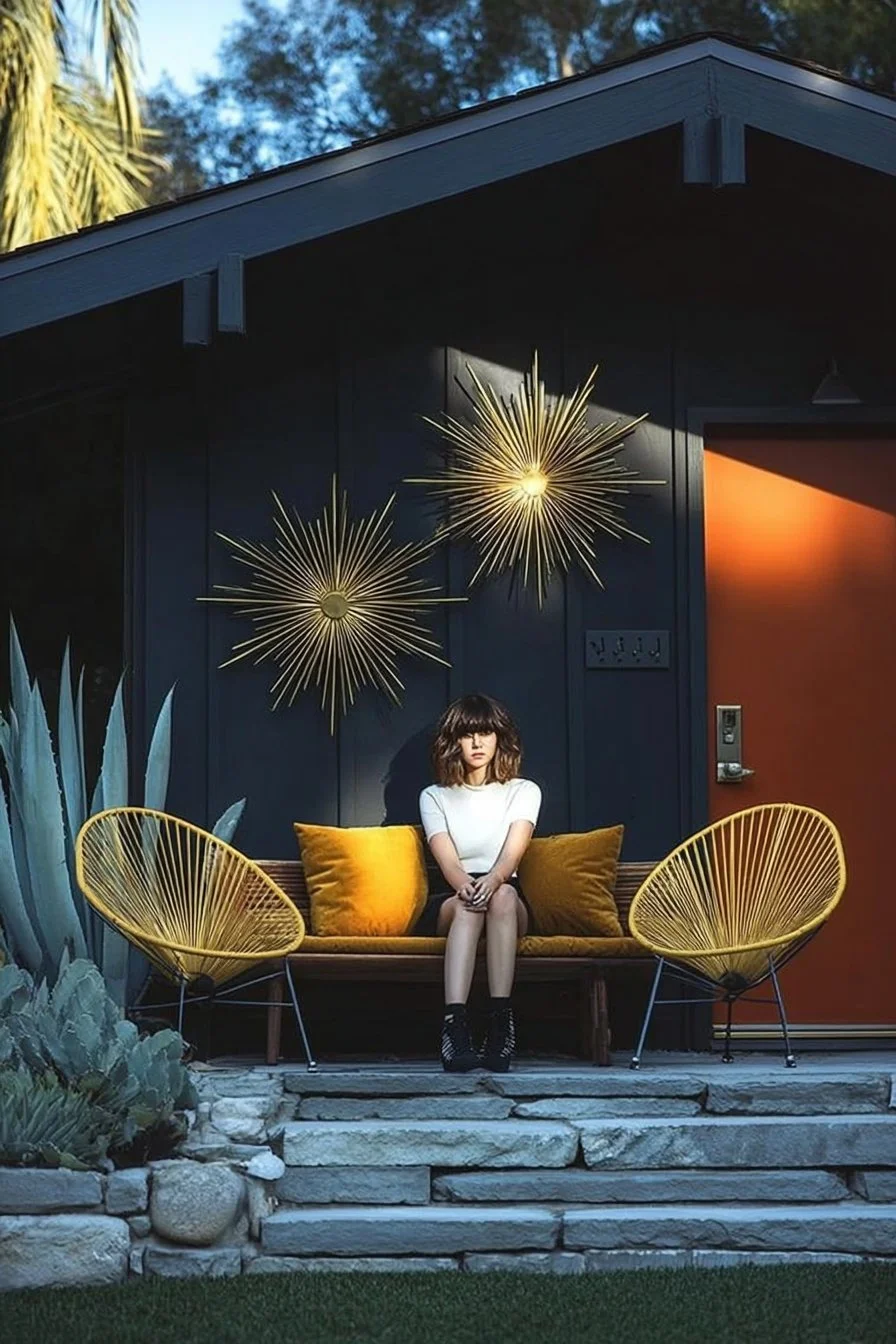
A bold front door or a playful pop of color can turn a modest exterior into a memorable moment on the block. Why it works: mid century design balances restraint with accents, and a bright door provides visual warmth and personality without overwhelming the whole look. How to apply it: choose a saturated, durable paint for the front door—teal, mustard or a rich red—and pair it with understated hardware. Keep surrounding elements neutral to let the door be the focal point. Lifestyle note: a colorful door becomes an easy reference for kids waiting to be picked up, and neighbors often remember houses by these small, joyful choices. Combine color with practical features like a covered porch mat or built-in bench to welcome muddy sneakers while keeping the aesthetic intact.

  1. Landscaped Geometry and Outdoor Living: Simple plants, lasting impact

Landscape makes the house feel complete. Mid century yards favor geometric planting beds, low-maintenance perennials and hardscaping that echoes the home’s lines. Why it works: structured plantings and functional outdoor zones extend living space and require less maintenance—critical for busy families. How to apply it: define walkways with concrete pavers interspersed with groundcover, use ornamental grasses and shrubs for year-round interest, and create a modest patio with clean lines for family dinners. Add a small play lawn bordered by pea gravel for durability. Lifestyle note: our weekend rituals—barbecues, soccer in the yard, or neighbor playdates—feel more cohesive when the outdoor space flows from the interior and stays low-effort. These practical decorating inspiration moves help homes look curated without constant upkeep.

Conclusion

Mid century modern house exteriors offer a timeless balance of form and function that suits real family life—clean lines that calm the eye, warm materials that invite touch, and smart details that make daily routines easier. If you want to explore more visuals and real-world examples that prove this design style endures, take a look at These Mid Century Modern House Exteriors Prove Why This Design Style Is Here To Stay for fresh decorating inspiration and ideas you can adapt for your home. Save the ideas that resonate, and try one small change this week to see how much a thoughtful detail can transform your day-to-day.

Categories
Valentine’s Day

Romantic Home Décor Tips for a Cozy Valentine’s Day

I still remember the way my kitchen smelled the first time I tried to make heart-shaped pancakes for my son and daughter. Now that they are 8 and 11, those small rituals have become part of our family story. As a mom in my forties, I love creating a warm, lived-in home where ordinary spaces feel cozy and inviting. My husband and I enjoy turning corners into conversation spots, and my kids often help with simple touches. These decorating tips come from years of interior styling experiments, neighborhood swaps, and small craft projects from my childhood. If you want inspiration for romantic home décor that feels timeless and personal, read on for approachable decorating ideas you can use all year.

Layered lighting to set a lasting mood

Lighting transforms a room faster than any paint color. Combine soft overhead dimmers with table lamps and string lights to create depth. Place a small lamp on a reading nook and add battery-operated fairy lights in a glass jar for a gentle glow that is safe around kids. Install a dimmer switch in the dining area so you can lower brightness for quiet evenings. Warm white bulbs keep the space inviting. Swapping a harsh pendant bulb for a fabric shade instantly made our living room feel twice as cozy; even my son noticed and called it “our calm light.” Layered lighting is a simple interior styling move that elevates a room without a major overhaul.

Textiles that whisper romance

Textiles add tactile warmth—from throw blankets to area rugs. Choose soft neutrals and blush accents to create a romantic palette that feels modern. Mix textures: a chunky knit throw over a velvet cushion, or a linen runner topped with satin napkins. Pick machine-washable covers for high-traffic areas and rotate seasonal throws to keep spaces refreshed. Stash an extra throw in a decorative basket so anyone can pull it over their knees during movie night. These small touches make spaces feel curated rather than staged.

Personalized vignette displays

Vignettes are small styled groupings that tell a story. Create a memory shelf with framed photos, a plant, and meaningful objects like a vintage clock or a childhood book. For a gallery wall, mix artwork, family photos, and line drawings in matching frames to maintain cohesion. Vary heights and use odd numbers for visual interest. These personalized displays are a powerful interior styling tip to make your home feel uniquely yours and welcoming.

Floral and greenery with long-lasting style

Flowers and plants bring life to any room without daily upkeep. Dried arrangements and preserved eucalyptus create elegant, low-maintenance accents. Easy-care houseplants like pothos or snake plants in decorative pots add color and texture. Use small bud vases on bedside tables and larger planters near seating areas. Combining a few fresh stems with dried elements adds contrast and longevity. This approach brings natural beauty and a perennial sense of romance into your home.

Tabletop styling for intimate moments

A thoughtfully styled table encourages lingering meals and meaningful conversations. Start with a simple centerpiece such as candles on a tray, a low floral arrangement, or a bowl of seasonal fruit. Layer place settings using chargers, coordinating napkins, and small name tags for a personal touch. For everyday use, swap delicate pieces for sturdier alternatives. Include a stack of board games or a playlist nearby to extend evenings after dessert. Tabletop styling is decorative, functional, and makes spaces feel inviting.

Conclusion

Creating a romantic, cozy home is about thoughtful layers and personal touches rather than grand gestures. Use lighting, textiles, vignettes, greenery, and tabletop styling to build an interior styling approach that feels warm and lived in. Try one small change this week and notice how your space invites calmer, more connected moments. For visual inspiration or ready-made accents, check out this curated collection for Valentine’s Day décor ideas.

Categories
Bathroom

How To Create A Neutral Bathroom That Feels Like A Spa

I grew up in a house where Saturday mornings smelled like coffee and my mom’s lavender hand soap, and those tiny rituals were where I learned the power of small comforts. Now, as an American mom in my forties with a son who loves forts and a daughter who collects smooth stones from our backyard, I treasure creating calm corners. My husband jokes that I am training the kids to be spa patrons early, and my parents and siblings tease me about how I rearrange towels more often than I change my shoes. When neighbors drop by, they comment on how our home feels welcoming. If you enjoy weekend DIYs with the kids, try a few simple projects like these easy snowman crafts to get them involved while you style the space. With a few thoughtful choices, your bathroom can become a neutral, spa-like retreat that fits your family life and reflects your cultural warmth.

Calm Color Foundations
Start with a neutral palette that feels warm rather than clinical. Choose soft whites, greige, warm taupe, and muted clay tones as your base. Paint the walls in a tone with subtle undertones so the light from a window reads as warm and inviting. For tiles, consider large-format porcelain in a stone finish to cut down on grout lines and visual clutter. Practical tip: pick one accent color for textiles like towels and a bath mat to prevent the room from feeling flat. I once chose a soft sage after remembering a picnic blanket from my childhood; it became the thread that tied the whole room together. Use these color choices across towels, bath mats, and even a small stool to keep the look cohesive and easy to update with accessories and seasonal inspiration from your favorite interior styling boards.

Layered Textures for Comfort
A spa-like bathroom relies on tactile variety more than bold patterns. Layer natural materials such as woven baskets, linen shower curtains, wooden soap dishes, and terracotta planters to create dimension. Mix plush cotton towels with a waffle-weave hand towel for contrast. Practical styling tip: add a small bench or stool in teak or bamboo to hold a tray with rolled towels and a ceramic soap pump. I love using baskets my mother taught me to weave during summer visits, and they hide clutter while adding a handmade touch. For flooring, soft bath rugs in natural fibers feel luxurious underfoot and help define zones near the tub and sink. This interior styling approach keeps the space cozy, calm, and postcard-ready without sacrificing family practicality.

Soft, Thoughtful Lighting
Good lighting transforms the mood fast. Aim for layered light: a central fixture for even illumination, sconces by the mirror for task lighting, and dimmable recessed lights or strip LEDs to create ambiance. Choose warm color temperatures around 2700 to 3000 Kelvin so skin tones look natural and the room reads cozy. Tip: install a dimmer so bright morning routines and slow evening soaks both get the right light. A fog-proof LED mirror or a backlit mirror adds hotel-like sophistication while saving space. I replaced harsh fluorescent bulbs after a long night helping my daughter with a school project, and the difference felt like stepping into a calm country inn. Lighting is one of the easiest decorating tips that delivers immediate impact.

Greenery, Fragrance, and Little Luxuries
Plants bring life and a spa vibe to a neutral bathroom. Choose low-light tolerant species like snake plant, pothos, or a small fern for a steamy environment. If natural light is scarce, realistic faux plants in textured pots work nearly as well. Add fragrance with reed diffusers, a small tray of essential oils, or a linen spray that reminds you of home. Practical suggestion: keep a small wooden tray by the tub with a candle, a jar of eucalyptus sprigs, and a stack of small soaps. I love to tuck a sprig of rosemary on the sink because its scent takes me back to my grandmother’s kitchen. These little luxuries elevate daily routines and offer inspiration for entertaining friends or guiding kids into better self-care habits.

Smart Storage That Still Looks Stylish
Clutter ruins a spa atmosphere, but storage does not have to be boring. Use vertical shelving to maximize space and keep countertops clear. Concealed storage like recessed medicine cabinets or under-sink organizers are perfect for toiletries, while open cubbies are ideal for rolled towels and decorative baskets. Practical tip: label baskets for family members or types of items to keep kids in the habit of putting things away. Use uniform jars for cotton balls and swabs for a tidy look that feels intentional. I trained my son to return bath toys to a mesh bag on a hook, which cut down on damp chaos. Mixing hidden and on-display storage balances practicality with chic simplicity so the room stays inviting.

Styling Details That Make a Difference
Accessorize with purpose. Choose a few high-quality basics like a matching soap dispenser, toothbrush cup, and towel hooks in a finish that complements your faucets. Keep artwork simple and framed in moisture-resistant materials; a small landscape or abstract print can provide a focal point without overpowering the neutral scheme. Rotate textiles and accessories seasonally or when inspiration strikes to refresh the room affordably. Personal touch: display a small tray of family keepsakes such as a pebble from a beach trip or a tiny framed family photo to make the space feel truly yours. These decorating tips show that a neutral bathroom can be personal and refined at the same time.

Conclusion

Creating a neutral bathroom that feels like a spa is about thoughtful choices, from the color palette to the tiny tray on the vanity. Start with calm colors, layer textures, plan smart lighting, add greenery, and keep storage both functional and pretty. These interior styling ideas give you practical steps and decorating tips that fit a busy family life while offering moments of calm. If you need a simple, impactful idea to upgrade a builder-grade space, consider this guide to Turn Your Builder-Grade Bathroom Into a Spa In One Simple Step when planning your next update.

Categories
Bathroom

Transform Your Mid Century Modern Bathroom With These Timeless Ideas

Transform Your Mid Century Modern Bathroom With These Timeless Ideas

Introduction

I still remember the first tub I scrubbed as a teenager at my parents’ house, humming along to old vinyl while my little brother splashed in bubbles. Now, as an American mom in my forties with an 11-year-old son and a 9-year-old daughter, I love creating spaces that blend style and practicality. Our bathroom has become a place for quick morning routines, late-night teeth brushing, and the occasional pretend spa day when the kids beg for cucumber slices. I take pride in our home décor and interior styling choices, and I often borrow budget-friendly ideas I used elsewhere, like those from a helpful budget-friendly Christmas decor guide, to make smart, affordable updates. Let me walk you through approachable decorating tips and inspiration that will bring lasting mid century modern charm to your family bathroom.

Embrace Clean Lines and Iconic Silhouettes

Mid century modern is all about simple, functional shapes. Start with a floating vanity or a streamlined pedestal sink to free up floor space and keep the room feeling airy. Choose a vanity with tapered legs or a walnut veneer to echo classic silhouettes, and pair it with simple pulls in brushed brass or matte black. For toilets and sinks, look for softly rounded edges that reference mid century design while remaining kid-friendly and easy to clean. Practical tip – measure your layout and choose a compact vanity depth (around 18 to 20 inches) to maintain flow in smaller bathrooms. I swapped our bulky cabinet for a floating unit last year and my neighbor immediately complimented how much bigger the room felt. Keep hardware minimal and coordinate finishes with your mirror and lighting for cohesive interior styling.

Color Palette and Timeless Surfaces

A hallmark of this style is a balanced color story. Think warm whites, soft greys, muted teals, and earthy mustard accents. For walls, choose washable, mildew-resistant paint in a warm white to keep the space bright and calm. If you love the serene feel of neutral palettes, check ideas like the timeless warm white kitchen ideas paint color inspiration which translate well into bathrooms. Tiles are where you can add personality – subway tiles laid horizontally with darker grout create a retro vibe, while geometric cement-look tiles can be a statement floor. Tip – use the same tile at the floor and in a shower curb to make the space read bigger. For a small bathroom, introduce one accent wall in a muted color rather than covering every surface for balance between trend and timelessness.

Layered Lighting and Sculptural Mirrors

Good lighting changes everything. Combine overhead lighting with task lights beside or above the mirror, and add a dimmable fixture for mood. Globe wall sconces or conical-shade pendants evoke mid century style and give flattering illumination for morning routines. Place sconces at eye level, about 60 to 66 inches from the floor, to avoid shadows while brushing teeth. Mirrors in organic shapes or round frames edged in wood or brass add sculptural interest and reflect light to make the room feel larger. A tip I learned from my sister – install a motion-sensor nightlight near the floor for late-night trips with sleepy kids. Consider LEDs with warm color temperatures for a cozy glow that complements wood tones and vintage accents.

Mix Materials for Texture and Warmth

Mid century bathrooms are rich in tactile contrast. Combine natural wood cabinetry with terrazzo countertops or ceramic tiles for visual depth. Teak or oak veneers resist moisture when sealed properly and bring warmth to tile-heavy spaces. Brass fittings age beautifully and pair well with olive greens and terracotta hues. If you want a budget-friendly route, use wood-look porcelain tile for flooring or vanity cladding; it holds up to moisture and gives the same cozy look without high maintenance. My father always said a home should feel lived-in, not museum-perfect, so leave room for patina and character – small dents or water marks tell family stories. Practical care tip – use a penetrating sealer on natural stone and wipe brass regularly to maintain finishes.

Small Details, Big Impact

Styling is where personality shines. Add a low-maintenance plant like a snake plant or a pothos on a shelf to filter air and add life. Woven baskets keep bath toys and towels tidy, and a plush, looped bath mat in a muted color ties the palette together. Consider vintage-inspired accessories – a ceramic soap dish, a teak stool for the kids to climb, or framed botanical prints hung gallery-style. For child-friendly flair, store toothbrushes at kid height and include a small stool with rubber feet. I often involve my kids in choosing a colorful hand towel; it gives them ownership and keeps mornings smoother. These finishing touches are simple decorating tips that create a welcoming, functional space for the whole family.

Create Flexible Storage That Grows With Your Family

Storage makes or breaks a family bathroom. Opt for modular shelving and drawer organizers to keep toiletries, medicines, and hair tools organized. Open shelving shows off pretty jars and rolled towels, while closed drawers hide clutter. Install hooks at multiple heights – lower hooks for the kids, higher ones for adults. A recessed medicine cabinet saves space and keeps countertop styling minimal. I repurposed an old ladder from my childhood bedroom as a towel rack for a playful vintage feel; my kids love hanging their colorful towels after bath time. Tip – label baskets for easy clean-up and rotate seasonal items into a labeled bin so everyday essentials remain accessible. Thoughtful storage is a key decorating tip that blends aesthetics with real-world functionality.

Conclusion

If you want more inspiration as you plan your mid century modern bathroom makeover, these ideas are a great starting point. Blend clean lines, thoughtful color, layered lighting, and mixed materials to create a timeless space that works for your whole family. For detailed project ideas and visuals to guide your renovation, check out Mid-Century Modern Ideas for Your Home Makeover Project (https://sweeten.com/blog/home-renovation-projects/mid-century-modern-design-ideas/). Try one small change this weekend – a new mirror, a fresh paint color, or updated lighting – and enjoy how a few decorating tips and interior styling choices can transform your bathroom into a warm, functional retreat.