Categories
Outdoor

6 Mini Mid Century: Cozy Bungalow Style Ideas

I still remember pushing a scooter down our quiet block while Jenna and Max argued about whose turn it was to pick the music. We’ve been in this neighborhood long enough to know Mrs. Rivera will show up with cookies if she hears a door slam, and the kids leave chalk drawings that last until the rain comes. Between soccer practice, packed lunches, and homework at the kitchen counter, my home needs to feel calm and useful. Lately I find comfort in small, thoughtful changes that make our rooms feel sunnier and more purposeful without losing the warmth that family routines create. That curiosity led me to explore bungalow-inspired touches that balance vintage character with kid-friendly living, and what started as a hobby turned into a fresh wave of decorating inspiration that fits our busy life.

Compact Open Plan with Cozy Zones

A small open plan can feel spacious and intentional when zones are defined with rugs and lighting rather than walls. Visually, this creates a flow that highlights mid century lines and keeps sightlines clear for supervising an 8- to 12-year-old doing homework at the counter. Emotionally, it keeps the family connected: someone can be cooking while another is building a model plane without feeling cut off.

Apply it by choosing a low-profile sofa that reads mid century but is durable enough for kids, then anchor a play area with a washable rug. Add a floor lamp near the reading nook so bedtime stories become a ritual. This approach is a practical home décor idea that respects your daily routines while giving each corner a distinct purpose.

Statement Windows and Natural Light

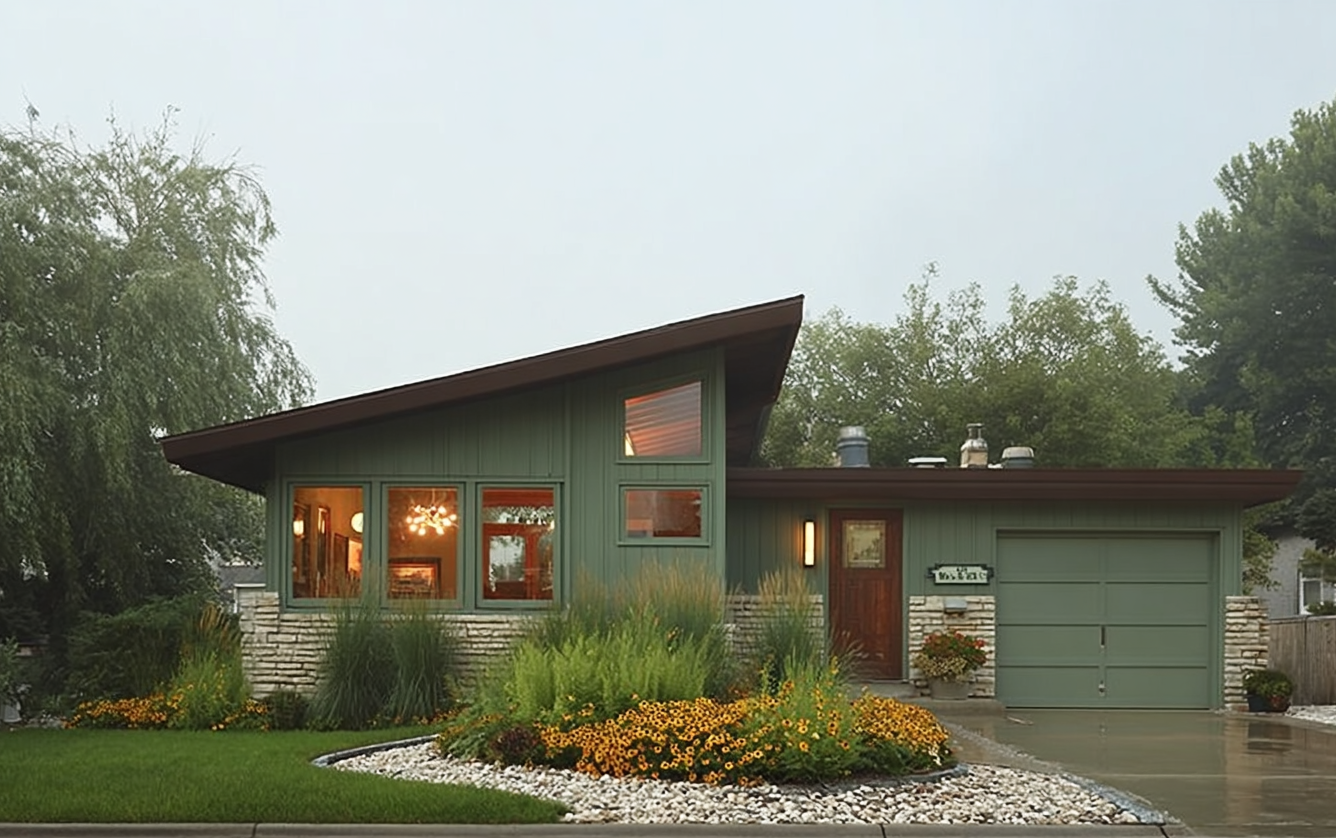
Large picture windows are a signature mid century detail that instantly brighten a compact bungalow and make rooms feel larger. The visual payoff is immediate: clean frames, lots of light, and views that soften busy days. For parents, natural light means a happier morning routine and better visibility for projects and snack prep.

If replacing windows is out of budget, maximize light by using light-filtering curtains and positioning mirrors opposite windows to double the glow. Use sheer panels where privacy is not an issue so the neighborhood feels like an extension of your living room. These interior styling tips invite the outdoors in and make small spaces sing without complicated renovations.

Warm Wood Tones and Mixed Materials

Nothing grounds a small home like warm wood accents paired with modern materials. Mid century color palettes and the tactile comfort of wood offer a soothing backdrop for family life. Visually, mixing walnut or teak tones with metal or glass keeps rooms modern yet cozy; emotionally, wood feels lived-in and forgiving of daily wear.

Start with a wood coffee table or a credenza that stores craft supplies, then layer in fabrics in muted hues. Let natural textures like woven baskets hold toys or blankets. These decorating inspiration moves create a balanced look that tolerates spills and sticky fingerprints while still feeling curated and grown-up.

Retro Furnishings Scaled for Kids

Choosing furniture with mid century silhouettes in child-friendly sizes keeps style intact without sacrificing function. A compact lounge chair, a small-scale dining set, or a low bookshelf respects the bungalow’s proportions and makes the space usable for an 8- to 12-year-old family.

Visually, scaled pieces preserve clean lines and negative space, making rooms feel intentional. Practically, they reduce clutter because everything has a place. Opt for durable upholstery and removable covers for easy washing. This is a practical interior styling tip: invest in a few statement pieces that anchor the room and let the kids’ activities fit comfortably around them.

Built-Ins and Clever Storage

Built-in shelving and hidden storage are lifesavers in compact homes. They maintain the streamlined mid century look while accommodating the detritus of daily family life. A bench with storage under the front window or built-in bookshelves flanking a fireplace keeps toys, art supplies, and sports gear from overtaking floors.

Emotionally, neat spaces support a calmer household because clutter is less likely to pile up. Implement this by adding cubbies at kid height for backpacks, hooks for jackets in the entryway, and closed cabinets for less attractive essentials. These home décor ideas make tidying up faster and teach kids small habits that stick.

Outdoor-Indoor Living with Small Patios

A tiny patio or courtyard extends square footage and gives kids a safe place to play, while creating an extra room for morning coffee or evening chats. Mid century bungalows often blur the line between indoors and out with sliding doors or a simple step-down patio. This visual continuity adds depth, and emotionally it offers a quiet spot for parents to recharge.

Apply this by choosing weatherproof seating, string lights, and potted plants that are easy to maintain. A small table can double as a craft station when weather allows. Embracing outdoor-indoor living is one of those decorating inspiration moves that gives a compact home more breathing room without major work.

Conclusion

If you loved these ideas and want to see real bungalow examples that inspired this post, take a look at 25 Mid Century Modern Bungalows That Define Compact Cool for more visual inspiration. Save the ideas that fit your family, try one small change this weekend, and come back when you need fresh interior styling tips. Small updates can transform daily routines into moments you actually look forward to.


Categories
Outdoor

Tropical Calm: Cozy Modern Home Decor Ideas

I used to think the quietest hour in my house was after bedtime, but these days it comes in the soft pause between school drop-off and the chaos of homework. I’m a mom in my forties with two kids ages 8 and 12, and mornings are a choreography of cereal bowls, lost shoes, and neighborly waves as we race onto the bus. On rainy afternoons the kids and I pull out simple projects for cozy corners, a habit I first found among ideas for easy DIY decorating inspiration that translate well into everyday life. Those small rituals — a folded blanket, a vase of clipped greenery, a lamp switched on in the dining nook — have taught me that thoughtful styling can make regular routines feel softer, more intentional, and perfect for family living.

Lush focal greenery that anchors a room

Bringing plants into the living space creates an instant sense of calm. A tall potted palm or a sculptural fiddle-leaf fig becomes a living focal point that grounds clean lines and modern furniture while adding texture the kids can’t help but touch. Visually, greenery introduces height and organic form, softening rigid architectural elements and making rooms feel lived in rather than staged. Emotionally, plants signal care and growth; my son waters our large plant each week and proudly checks new leaves, which folds family participation into styling.

To apply this at home, choose one large statement plant for a main room and a few smaller plants for shelves and the kitchen counter. Use simple, neutral pots to keep the look modern, and place plants where natural light supports them but they won’t be in the main traffic path. This approach merges practical family life with refined interior styling tips that feel effortless.

Warm woods and tactile textiles for cozy structure

In a modern tropical home, wood tones and woven textures bring warmth without clutter. Warm wood furniture, rattan chairs, and jute rugs introduce an inviting base layer that contrasts beautifully with sleek surfaces. These materials not only look elegant but withstand the everyday — spilled juice, homework art projects, and the occasional science experiment. Visually, they create balance by pairing natural grain with softer fabrics, making the space approachable for both adults and children.

To make this work in your own rooms, start with a statement wood coffee table or a set of open wooden shelves. Add textured throw pillows and a washable rug in a neutral palette so the space remains kid-friendly. If you want budget-aware updates, look for pieces that offer longevity and then refresh small accents seasonally; many readers enjoy following budget-friendly decorating inspiration for ideas on low-cost swaps that still feel designer-level. This way, style and family life coexist without constant overhaul.

Indoor-outdoor flow that enlarges everyday living

Large windows, breezy curtains, and consistent flooring choices help bring the outside in, amplifying light and making rooms feel expansive. When planting beds, patios, or a small herb garden are visible from the kitchen or living area, even weekday routines feel more connected to nature. The visual continuity of outdoor foliage through window frames becomes part of the room’s palette, and those views give kids a sense of room to breathe indoors.

To implement this, prioritize sightlines: arrange seating to face garden views, choose low-profile planters near windows, and select simple, washable drapes that flutter rather than block light. Sliding glass doors or a French door can help blend rooms into outdoor play spaces, so transitions between homework and backyard play are seamless. These interior styling tips create a calm, practical environment where family habits and natural beauty meet.

Layered lighting and subtle ceiling accents

Good lighting changes everything. Layered lighting — ambient fixtures, task lamps, and soft accent lights — shapes mood while supporting real family activities from reading to crafting. A suspended fixture over the dining table or a statement light in the entry adds sculptural appeal and directs attention upward, creating a sense of height and elegance. For those who love small surprising details, consider subtle ceiling treatments or accents that draw the eye, echoing the gentle drama of a well-styled room. I’ve found that little moments of wonder, like a softly lit pendant over a homework station, encourage my kids to linger and enjoy the space.

If you’re curious about creative ways to treat the ceiling without a full remodel, simple additions like a painted medallion, a textured plaster finish, or decorative rope details can be approachable. For more focused inspiration on ceiling styling, check out these inventive creative ceiling styling ideas that also work outside of any single season. Thoughtful lighting and ceiling touches bring a home together visually and emotionally, making everyday routines feel considered.

Soft palettes and organic patterns for serene comfort

A restrained color palette of warm whites, sandy beiges, and soft greens forms a gentle backdrop that highlights natural materials and selected art pieces. Organic patterns — leaf motifs, irregular stripes, and handwoven textures — add interest without overwhelming the senses. This approach keeps the home feeling peaceful, which is essential when you have kids who leave art supplies and projects scattered across surfaces. Soft neutrals make messes less visually jarring and simplify quick cleanups while maintaining a curated look.

To adopt this style, repaint a main wall in a warm neutral, then bring in patterned cushions or a nature-inspired throw to layer depth. Rotate artwork and textiles as your family’s tastes evolve; I swap framed kid drawings with grown-up prints to reflect seasons of life. These decorating inspiration cues help you build a calm, adaptable home that honors both aesthetics and daily family rhythms.

I hope these ideas feel like a quiet invitation to try one small change that fits your life. Pin the ideas that speak to you, try a single new element this weekend, and notice how small shifts in texture, light, or greenery can transform ordinary routines into moments you savor. Come back whenever you need fresh home décor ideas or interior styling tips to refresh your space with warmth and calm.

Categories
DIY

DIY wall hanging decoration

Cozy Wall Hangings: Easy DIY Ideas to Try

I remember the late afternoons when the kids came in from the bus, backpacks half-open, sharing the neighbor’s little triumphs while I rinsed dinner plates and listened. My life in my forties is a comforting loop of school runs, piano practice, and swapping recipes with the woman next door whose porch light always seems lit. Between homework battles and weekend soccer, I like small projects that make our home feel like a warm hug at the end of the day. A simple piece of handmade decor can change the mood in our living room just as easily as a fresh batch of cookies can soothe a scraped knee. Those moments of quiet crafting with my eight and ten-year-old are where lasting memories meet practical decorating, and that’s how I fell in love with easy wall art that tells our family story.

Macramé Minimalist Hanging

Macramé offers a soft, tactile focal point that unfurls warmth across a wall without overpowering a room. The knotted patterns play with light and shadow, creating texture that feels cozy in a living room or calm in a hallway. Emotionally, macramé brings a handcrafted touch that connects to slow afternoons spent with kids looping simple knots or tracing patterns with their fingers. To make one at home, pick a wooden dowel, 3–4 mm cotton cord, and a simple square knot pattern to start. Measure the cord to be about four times the desired hanging length, knot in rows, and trim to shape. Hang it near family photos or above a reading nook for an inviting spot where kids can curl up with a book after school. This project supports interior styling tips that favor texture and family-friendly materials.

Textile Photo Tapestry

A fabric tapestry that includes printed family photos turns a wall into a sentimental gallery that still feels gentle and relaxed. The combination of fabric and imagery softens sharp frames, making memories part of the room’s fabric—literally. It visually unites disparate moments and helps a busy home feel curated rather than cluttered. To create one, choose a lightweight canvas or linen, print a favorite collage of family shots on image-transfer paper, and iron or sew it onto the textile. Finish with a sewn channel for a wooden rod so it hangs flat. My kids love pointing out their own faces at breakfast, and neighbors often ask where I found such a personal piece. This approach blends easy decorating inspiration with approachable customization.

Driftwood and Greenery Display

Natural materials like driftwood and greenery make a wall feel grounded and alive without fuss. The contrast between weathered wood and soft leaf shapes adds depth and a hint of the outdoors that’s calming after a hectic morning of carpools and emails. It’s especially effective over a console table or in a small entryway to welcome guests. Collect a sturdy piece of driftwood or use a smooth branch, attach faux or preserved greenery with floral wire, and secure jute twine to create tiers. My kids once helped tie tiny sprigs to a branch for a school project, and that little collaboration now hangs proudly by the door. This idea supports home décor ideas focused on natural textures and low-maintenance styling.

Yarn Pompom Collage

A colorful pompom collage is playful, tactile, and a great way to involve kids in decorating. Visual impact comes from layers of soft spheres and varied colors, and emotionally it reads as joyful and personal—perfect for playrooms or bedrooms. Start with a stretched canvas or cork board, make pompoms using a simple ring or fork method, and glue or pin them in a shape or gradient you love. My eight-year-old insists on adding a new pompom whenever she finishes a reading milestone, so the wall becomes a living record of small wins. This project merges decorating inspiration with family rituals that encourage pride and creativity.

Boho Ribbon and Bead Mobile

A ribbon and bead mobile adds motion and charm, catching light and shifting with air currents to bring life into a quiet corner. The tactile mix of ribbons, wooden beads, and small charms reads as both whimsical and curated, so it suits bedrooms, nurseries, or cozy corners where children build forts. Choose coordinating ribbons in different widths and textures, string wooden beads at varied intervals on fishing line, and attach everything to an embroidery hoop or wooden dowel. Secure knots with a dot of glue for durability. My neighbor’s preschooler once reached up to touch ours and ended up inspired to make one for her own room, which turned into a weekend crafting swap between our kids. This supports interior styling tips that value movement and handmade detail.

Framed Kids’ Art Textile Grid

Turning children’s artwork into a textile grid of fabric pockets or simple framed squares respects their creativity while keeping walls organized and stylish. This visual approach highlights family moments and encourages kids to contribute to the home’s look. Use a linen backing and sew shallow pockets for rotating drawings, or frame small canvases on a single wooden panel for a neat grid. Mount it at eye level in a hallway or above a study nook so the kids can change their featured pieces themselves. I love how my son’s spontaneous doodles look intentional when displayed together—it’s an everyday reminder that our lives are colorful and constantly evolving. This idea ties into decorating inspiration that embraces personal items as central to style.

Conclusion

If one of these projects sparks an idea, save it to your Pinterest board and set aside a quiet afternoon to try it with your kids—small hands and simple tools make the best memories. For more playful craft ideas that can inspire personalized decor, check out this quirky party banner idea that spurred my own color choices: Huggies And Chuggies Banner DIY inspiration. And if you’re curious about felt-based wall pieces that are child-friendly and easy to swap out, take a look at this felt tree hanging for a kid-friendly wall option: CASA CLAUSI Felt wall hanging idea. Try one project at a time, involve the family, and let your home reflect the comfort and stories you’re building together.

Categories
DIY

Cozy Room Refreshes Every Mom Will Love

I still remember the day my neighbor dropped off a plate of fresh cookies because my son left his soccer cleats in her yard again. Between school carpools, piano practice, and helping my daughter hunt down a missing science project, our house feels alive and a little lived-in. As a forty-something mom with two kids aged eight and eleven, I appreciate small changes that make our daily rhythms smoother and our home feel like a calm hug at the end of the day. Those tiny upgrades—an extra lamp by the homework table or a basket that hides the LEGO pile—have become my quiet victories. They also reminded me that thoughtful room touches can change how a family uses a space, not just how it looks. Here are approachable ideas that blend style and real family life.

Warm Layered Lighting for Everyday Comfort

Layered lighting transforms a room from harsh and clinical to warm and inviting. Start with an overhead fixture that provides general light, then add table lamps and a floor lamp to create pools of cozy brightness where the family actually gathers. I put a soft-glow lamp near the reading chair my daughter claims as hers after school, and it instantly became her homework nook. Dimmable bulbs let you shift from bright craft time to a gentler evening mood without major rewiring. Use warm white bulbs for a comforting color temperature that flatters skin tones and pastel walls. Visually, layered lighting adds depth and highlights favorite corners. Emotionally, it signals a pause button after a busy day. Realistically, swap one hard-to-reach bulb for an easy dimmer or add a plug-in lamp where you need it most; it’s a small change with big family payoff.

Family-Friendly Gallery Wall with Purpose

A gallery wall mixes art, photos, and meaningful objects to tell your family’s story while anchoring a room visually. Choose a consistent frame color or a repeating mat to keep the arrangement cohesive even when adding new pieces each year. We started our wall with the kids’ school portraits and a framed map of our hometown; now it’s a rotating timeline that sparks conversations at dinner. Use lightweight frames and picture-hanging strips for easy swaps without damaging drywall. Emotionally, a curated cluster of images makes everyday spaces feel intentional and loved. Practically, place the gallery at eye level near a hallway or stair landing where family members pass by; it becomes a warm reminder of shared memories rather than a static display. This approach blends decorating inspiration with real-life storytelling.

Smart Storage That Doubles as Style

Storage solutions that look as good as they function are lifesavers in family homes. Think woven baskets, upholstered storage benches, or chic shelving that corral toys, blankets, and school supplies. I added a low bench with hidden storage to the mudroom and instantly freed the entryway of backpacks and shoes strewn by two energetic kids. Visually, textured baskets and closed bins keep chaos out of sight while adding warmth. Emotionally, neat storage reduces morning stress and helps kids learn organization. To apply this at home, audit one zone—like the play corner or media center—and swap an open pile for a labeled basket or dual-purpose ottoman. Choosing pieces in neutral tones keeps the room calm and lets colorful toys or seasonal decor be the accent rather than the main event.

Soft Textiles for Cozy, Kid-Proof Living

Textiles instantly soften a room, making it feel snug without compromising durability. Layer a low-pile rug under the dining table to define the space and survive crumb-filled nights. Add washable throw pillows and a machine-washable slipcover on the sofa for easy cleanups after craft sessions with glitter. I favor rugs with kid-friendly patterns that hide spills and show less wear, so the living room feels styled even on busy weekends. Textiles add color, texture, and tactile comfort that welcome little feet and movie-night snuggles. To apply this idea, pick fabrics labeled for high-traffic use and choose a few accent textiles to rotate through the year—it’s an easy way to refresh the mood without a big budget or a full remodel.

Kid-Centered Zones That Grow with Them

Design spaces that adapt as children change, from reading corners to creative stations. A modular desk in my daughter’s room shifted from homework hub to crafting table and then to a small laptop workstation as she got older. Use adjustable shelving, rolling carts, and multi-height seating to accommodate different ages and activities. Visually, clearly defined zones keep a room from feeling chaotic; emotionally, they give kids a sense of ownership and responsibility. For realistic application, start small: designate a low shelf for homework supplies, place a comfy rug for reading, and add a corkboard for rotating art. These flexible elements support family routines, like morning prep and afterschool projects, and save you from constant furniture swaps.

Bring Nature Inside with Low-Maintenance Greenery

Plants add instant life and improve air quality without feeling like fuss. Choose resilient houseplants like snake plants, pothos, or ZZ plants that tolerate forgetful watering and busy family schedules. I keep a small succulent cluster on the kitchen windowsill and a taller plant in the corner of the family room; both create a calmer atmosphere and a visually dynamic focal point. Greenery pairs well with natural textures—wood, rattan, and linen—to create a lived-in, inviting space. Emotionally, plants lower stress and signal care; kids notice them and often take pride in watering duties. Apply this by starting with one easy plant and a decorative pot that matches your decor palette, then gradually add more as the family develops routine care habits.

Conclusion

I hope these ideas inspire small, manageable changes that make your home more comfortable and stylish for family life. If you want more project-level inspiration, check out cute craft room ideas for a craft space makeover that show how functional decor can double as creativity stations. For playful prints and whimsical nursery or kid-friendly art inspiration, see this floral elephant print inspiration that can influence colors and patterns for a child’s corner. Save a few ideas, try one change this weekend, and come back when you’re ready to refresh another room—small updates add up to a home that feels more peaceful and purposeful for your family.

Categories
Kitchen

Whole-Home Color Stories for Cozy, Modern Living

I used to stand at my kitchen counter with a mug cooling in my hands, watching my two kids, ages 8 and 11, race the mail carrier down the sidewalk while Mrs. Hernandez next door waved from her garden. Weekdays blur with school drop-offs, homework battles and weekend soccer, but the little moments—the way sunlight spills into our living room at 4 p.m., the way a favorite chair still holds the imprint of my son’s afternoon reading nook—are what make a house feel like ours. When I began rethinking paint for every room, I leaned into palettes that could handle sticky fingers, late-night homework, and cozy family movie nights. If you want approachable, whole-house color advice that fits busy family life, my round-up of curated combinations and practical tips brings together the calm and the current. For more detailed color pairing ideas, I often revisit trusted guides like color harmony palettes for fresh inspiration.

1. A Calm Neutral Base That Unifies the Home

Choosing a warm neutral as your home’s anchor creates visual flow from room to room, which helps tired parents feel instantly more relaxed. Neutrals like soft greige, warm ivory, or a muted taupe read differently in morning light and evening lamplight, so they adapt to family routines. Visually, a single neutral base reduces visual friction between furniture and toys, and emotionally it gives everyone a warm backdrop for shared moments like puzzle nights or birthday decorations. Apply this by painting hallways, living rooms and open-plan spaces the same hue and then layering color with textiles and accent furniture. For example, paint trim one shade lighter than walls to add polish without fuss. This approach supports interior styling tips that prioritize cohesion while still allowing each bedroom or playroom to show personality through removable accents and kid-proof fabrics.

2. Warm-White Kitchens with Pops of Personality

A warm white kitchen feels bright and timeless, yet it’s forgiving enough for the daily mess of lunches and homework projects. Warm whites create a welcoming, sunlit feel that neighbors compliment when they pop over with cookies. Paint cabinetry or upper walls in a slightly creamy white, then add depth with a darker island or pantry wall in a muted blue or green. This contrast gives the room a focal point and makes cleanup easier when marks show up on lower cabinetry. For actionable inspiration on kitchen whites and coordinating accents, I looked at curated ideas that highlight how a warm white kitchen can anchor your whole home, like the guide on timeless warm white kitchen ideas. This strategy blends classic styling with practical choices for families who need beauty and durability.

3. Cozy Moody Accents for Living and Dining Areas

Adding a moody accent wall or painted built-in can make a room feel intentional and grown-up while still family friendly. Deep navy, charcoal, or forest green bring warmth and create a backdrop for framed family photos, lively conversations and holiday gatherings. The trick is balance: keep large surfaces lighter and reserve richer tones for one wall, a fireplace surround, or shelving backs. Emotionally these colors feel comforting at the end of a long school day, and visually they make light furniture pop. Practical application: choose semi-gloss on trim and satin on walls for easy wiping, and coordinate soft rugs and washable slipcovers for sofas. This gives parents the elegance they crave with sensible finishes that handle spilled juice and crayon marks with less stress.

4. Soft Pastels to Make Bedrooms Calm and Cheerful

Bedrooms for kids and parents alike can benefit from muted pastels rather than sugary brights. Soft sage, dusty rose or pale aqua create restful retreats that still feel playful when layered with colorful bedding and art. Psychologically, gentler tones support sleep and calm after active days of sports and screen time. To apply this: paint the walls in a single pastel tone and add contrast with white trim and natural wood furniture. Let kids pick removable decals or framed prints so their space stays fresh as they grow. These tones also translate well into guest rooms, making your home versatile when relatives visit and giving you decorating inspiration that keeps both function and style in mind.

5. Coastal Calm for Relaxed Family Gathering Spaces

If your family loves a breezy, lived-in vibe, a coastal-inspired palette is surprisingly adaptable inland too. Think soft sea-glass greens, sandy beiges and driftwood greys that reflect natural textures and casual living. This works visually by creating a layered, calming scheme that hides minor scuffs and always looks intentional during impromptu playdates. Emotionally, the palette invites slower moments—reading on the porch with a blanket, baking with kids, or hosting an after-school snack. Apply it by painting a playroom or family room in a soft green and anchoring seating with neutral slipcovers and woven baskets for toys. For those who want a full coastal mood without overcommitting, this palette offers easy swaps like throw pillows and wall art that refresh the room between seasons.

6. Monochrome Texture for Modern, Durable Style

A monochrome scheme in layered neutrals—think warm grays and soft whites—feels modern yet comfortable and is ideal for homes with active children. The power of monochrome is texture: woven rugs, matte walls, glossy trim and mixed-metal fixtures create depth so rooms never feel flat. Visually, this allows furniture and meaningful items like children’s artwork to shine. For practical application, select washable paints for lower walls and keep high-impact finishes on trim where wear is expected. Add textured curtains, cork notice boards for school memos, and a sturdy dining table that resists daily chaos. This approach supports interior styling tips that are both aspirational and realistic for families who want a curated look without constant upkeep.

Conclusion

Every family’s rhythm is different, but thoughtful color choices make daily life feel easier and more beautiful. Save or pin these decorating inspiration ideas and try one small change first—like a feature wall or refreshed trim—to see how color can lift routines and create cozy memories. For more curated palettes and professional color pairings to help you plan a whole-house update, check the Color Collections | HGTV Home® by Sherwin-Williams.

Categories
Kitchen

Cozy Taupe and Black Kitchen Ideas You’ll Love

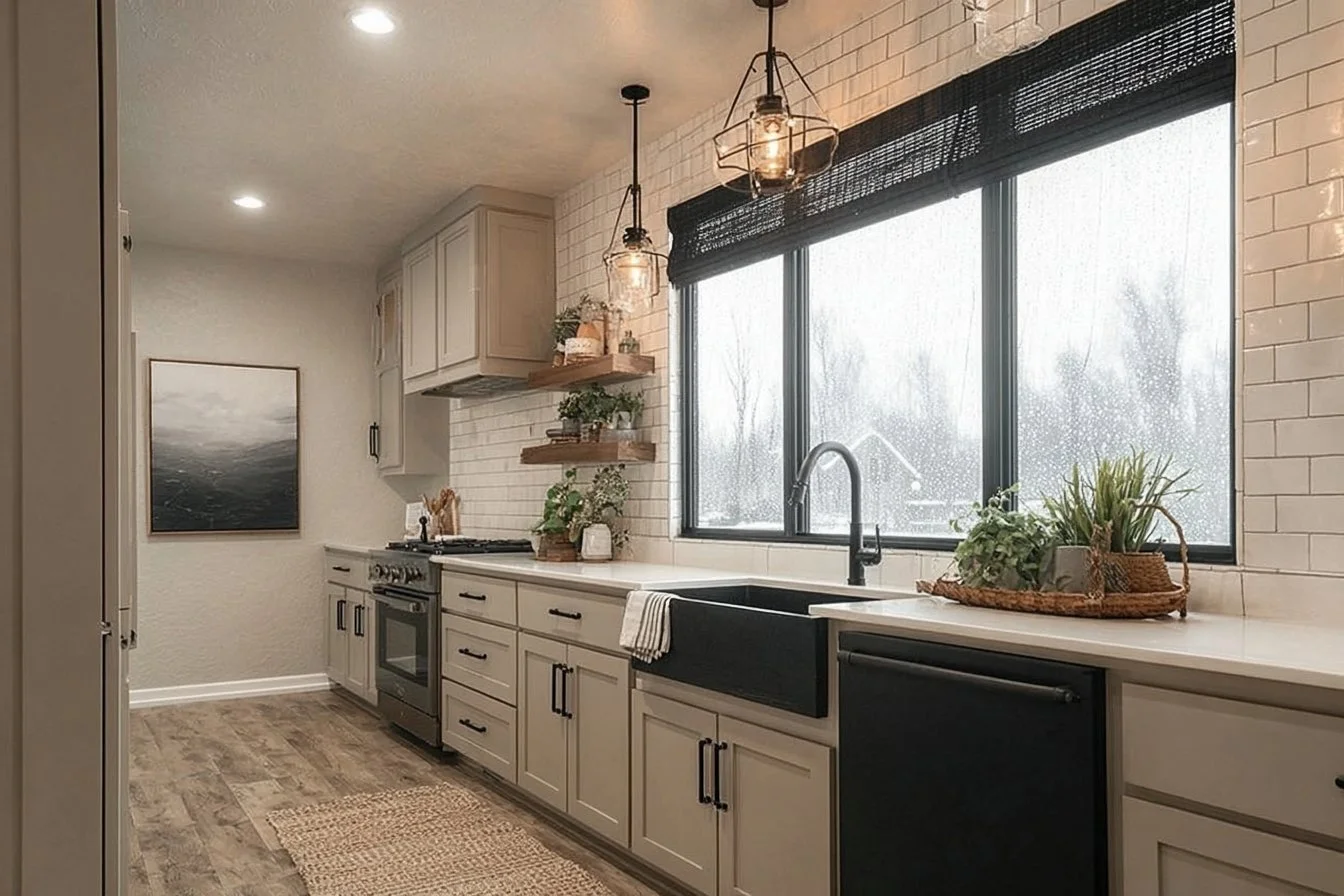
I still remember the first Saturday my kids tried to bake by themselves — flour on the floor, a sticky trail from the counter to the table, and laughter that echoed down the hallway. As a mom in my forties with two kids between eight and twelve, my days are full of carpools, lunchbox negotiations, and neighborhood playdates. I like a kitchen that can handle breakfast chaos, homework sessions at the island, and the quieter moments when I sip coffee while the street wakes up. Over the years I learned that color and texture do more than look pretty; they shape how our family moves through the day. That’s why I’ve been drawn to taupe and black combinations that feel both calm and bold. These ideas blend practical finishes with approachable style so you can create a space that survives sticky fingers and still feels magazine-ready.

Taupe Cabinets with Matte Black Hardware

Pairing soft taupe cabinetry with matte black pulls and faucets gives a familiar yet polished look that works in busy family kitchens. Visually, taupe adds warmth and prevents the room from feeling stark, while black hardware draws the eye to clean lines and adds a modern edge. Emotionally, it feels grounded — like the safe place where homework happens and pancakes are flipped. At home, choose a durable, low-sheen taupe paint on cabinet faces and invest in solid black knobs and long bar pulls for longevity. Keep cabinet interiors light for visibility and use magnetic childproof catches if needed. For a family touch, place a few magnets or your kids’ latest art on the side of the fridge framed by the black hardware accents; the contrast makes small displays feel intentional and stylish while still being kid-friendly.

Bold Black Island Anchored by Taupe Perimeter Cabinets

A black island can act like the anchor of a busy kitchen, creating a focal point where kids gather for snacks and adults perch with coffee. Surrounding it with taupe perimeter cabinets softens the contrast so the room stays warm and inviting. This combination works visually by balancing drama and comfort, and emotionally it reads as both contemporary and cozy — ideal for spaces that host everything from homework to holiday prep. To recreate it, paint or order a durable black finish for the island, then pick a complementary taupe for the surrounding cabinetry. Add comfortable stools with washable fabric for the family, and position a basket of fruit or a jar of wooden spoons on the island to keep the vibe lived-in. This layout encourages one central hub for family life without sacrificing style or function.

Two-Tone Taupe Uppers and Black Lowers

Using taupe on upper cabinets and black on lower ones creates a grounded, layered look that reads as intentionally designed. The lighter taupe uplifts the ceiling plane, making the kitchen feel open, while black lowers hide scuffs and spills down where kids and pets do most of their damage. Visually, the contrast provides structure; emotionally, it feels both elegant and forgiving, which is a relief for busy households. To apply this at home, choose washable taupe paint for the uppers and a durable black enamel for the base cabinets. Keep countertops in neutral stones or engineered materials for easy maintenance. Incorporate family-friendly design choices like soft-close drawers and organized pull-outs so the two-tone scheme supports everyday routines as much as it elevates the space.

Taupe Tile Backsplash with Black Grout

A taupe subway or stacked tile backsplash set in black grout offers texture and practical benefits that suit a lively family kitchen. The taupe tile keeps the palette warm and cohesive, while black grout hides stains and gives an artisanal, graphic quality to the wall. Visually it reads as thoughtfully detailed; emotionally it feels durable and low-maintenance, which is perfect when mornings are rushed and kids are busy. For an at-home approach, pick a matte taupe tile to minimize glare and use black grout for a crisp outline. Seal properly to prevent discoloration and choose a backsplash height that protects from splashes near the stove. A small shelf or rail installed above the counter can hold kids’ snack bowls or recipe cards, making the space both pretty and practical.

Taupe Marble Counters with Black Veining and Fixtures

If you want a touch of luxury that still reads warm and approachable, taupe marble or quartz with subtle black veining paired with black fixtures is a beautiful option. The veins create visual interest without overpowering, and matte black faucets and lighting fixtures add a modern punch. This pairing feels special enough for dinner parties yet comforting for everyday family life. To bring this home, consider engineered quartz in a taupe tone with dark veining for durability, and coordinate with black sink hardware and pendant lights. Keep pantry organization simple and kid-accessible so little hands can help prep without damaging delicate surfaces. The result is a kitchen that looks curated and handles the real rhythms of a household with children.

Layered Neutrals: Taupe Walls, Black Accents, and Warm Wood

Combining taupe walls with black accents and warm wood touches creates a layered, lived-in kitchen that feels welcoming and versatile. The taupe backdrop provides a cozy canvas, black adds definition around windows and trim, and wood elements — like open shelving or a butcher block section — bring softness and family warmth. Visually balanced and emotionally comforting, this mix invites shared meals and lingering conversations. To execute it at home, paint walls in a soft taupe, use black for window frames or cabinet trim, and add wooden stools or floating shelves for texture. Keep everyday items like mixing bowls and kids’ cups on easy-to-reach lower shelves so both style and function support your daily routines. This approach makes the kitchen feel like the heart of the home, where neighbors drop by and children grow up.

Conclusion

If you love these ideas, save a few to your mood board and try one small change — like swapping hardware or adding a black island accent — before committing to a full renovation. For more beautiful examples and detailed taupe kitchen cabinet solutions to inspire your next refresh, check out 20 Taupe Kitchen Cabinet Ideas That Are Seriously Chic. Come back when you are ready for more home décor ideas and interior styling tips to make your kitchen both functional and photo-ready.

Categories
Kitchen

Cozy Beige Backsplash Ideas for Warm Kitchens

I still remember the first time I painted the kitchen walls after my oldest started first grade — paint on my jeans, two little helpers glittering with enthusiasm, and the neighbor popping by with cookies. Now, in my forties with two kids between eight and twelve, our mornings are a blur of lunchboxes, homework check-ins, and quick coffee sips while cheering on weekend soccer. The kitchen is the heartbeat of our routine, where school forms get signed and late-night baking becomes therapy. When I started thinking about refreshing the space, I found myself drawn to warm, easygoing options that feel lived-in but polished. Between school drop-offs and playdates, I grabbed ideas from blogs and saved pins, even exploring playful patterns like the bohemian kitchen backsplash ideas my neighbor swears by, and slowly mapped out a backsplash that would stand up to sticky fingers and still make me smile.

Classic Beige Subway Tile with Warm Grout

A classic subway tile in a soft beige instantly calms a room while offering a timeless backdrop for busy family life. Visually, the rectangular tiles keep lines clean and help light bounce around a kitchen, which works well when mornings begin in dim light. Pairing the tile with slightly darker warm grout adds depth and hides the occasional splatter from pancake breakfasts. To use this at home, choose a durable ceramic or porcelain subway tile and ask your installer to stagger the grout lines for motion and interest. For a family of four, this option is low-maintenance and forgiving — my kids can reach up to sneak cereal, and the grout color keeps things looking neat between deep cleans. It’s one of those interior styling tips that feels familiar but never dated.

Beige Marble-Look Veined Slab for Subtle Luxury

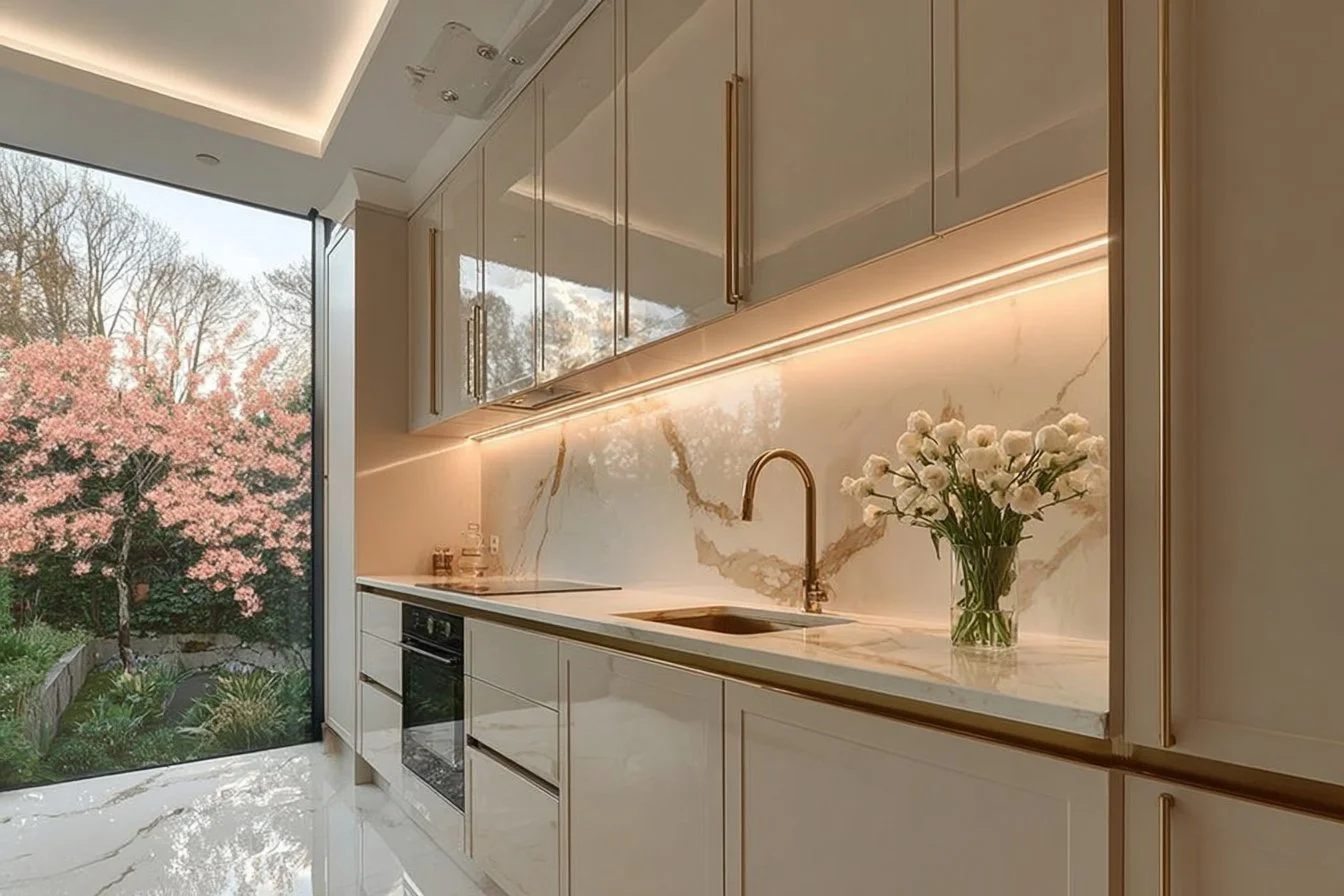
If you crave a bit of elegance without being fussy, a beige marble-look slab backsplash brings in soft veins and natural texture that reads high-end while staying warm and approachable. This design works visually by introducing organic movement, which softens stark cabinets and adds a soothing focal point. Practically, choose engineered quartz slab for durability and easier upkeep compared with natural stone, especially helpful when little hands are around. Install it behind a busy stove area for easy wipe-downs and pair with matte brass fixtures for a cozy, lived-in look. I thought about this when hosting my book club and noticed how the subtle veins made the kitchen feel calm even with a table full of snacks and kids’ homework spread out nearby.

Herringbone Beige Tile for Visual Energy

Herringbone patterns take neutral beige tiles and turn them into a dynamic backdrop that still reads warm and homey. The zigzag layout catches the eye and makes smaller kitchens feel more thoughtfully designed without overwhelming the space. It works emotionally because it adds a handcrafted, thoughtful touch — like the quilts my grandmother used to make — which creates comfort amid daily chaos. To apply it practically, use smaller subway tiles laid at 45 degrees and keep the color palette within the beige family so it stays cohesive. This pattern is ideal over a sink or behind open shelves, and when the kids reach for their morning cereal, the lively tile gives the kitchen a sense of motion and personality that matches our busy household.

Textured Beige Stone and Sanded Finishes

Textured stone-look tiles in sandy beige tones provide a tactile, natural feel that’s perfect for families who favor farmhouse touches or earthy aesthetics. Visually, the roughness adds character and hides wear, while light-reflective variations prevent a flat appearance. Emotionally, it feels grounded — like the moments we spend gathered around a table after a long day. For realistic application, consider porcelain tiles with a textured finish that mimic limestone or travertine; they’re easier to maintain and resist stains better than real stone. Install them as a full backsplash or a waist-high field of texture behind counters to add warmth without demanding constant upkeep. Pair with wooden cutting boards and woven baskets for that lived-in look I love when hosting neighborhood potlucks.

Two-Tone Beige Combinations and Accent Bands

Mixing two beige shades or adding a thin accent band gives a refined, layered look without stark contrast. This approach works visually by creating depth and a subtle frame for cabinets and countertops, and it feels emotionally comforting because the palette is cohesive and soothing. For a practical makeover, choose a lighter beige for the main field and add a darker or patterned band at counter height or under cabinets to catch the eye. This makes the backsplash feel custom without a full renovation. In my home, a two-tone approach allowed me to match the kids’ art colors on the refrigerator while keeping the kitchen calm for dinner prep. It’s an interior styling tip that balances personality with everyday functionality.

Matte Beige Tiles with Soft Metallic Accents

Matte beige tiles paired with soft metallic accents such as brushed gold or aged brass bring modern warmth to the kitchen without feeling flashy. The matte surface reduces glare from overhead lights and hides fingerprints — a real plus when little fingers are constantly touching surfaces. Visually, the metals add jewelry-like flashes that elevate the neutral field, creating an inviting glow during evening dinners. To implement, use matte ceramic tiles and introduce metallic trim or small mosaic strips near the stove or sink. Swap drawer pulls for matching metals to tie the room together. This subtle decorating inspiration makes the kitchen pop in photos for pins or family albums but stays functional for weeknight pasta nights and craft sessions.

Organic Terracotta-Beige Tiles for Rustic Charm

Warm terracotta-leaning beige tiles bring a slightly sunbaked, rustic edge that suits homes filled with plants and handmade pottery. Visually, these tiles add warmth and a casual charm that makes guests feel at home immediately. Emotionally, they evoke long family gatherings and backyard dinners, and they complement wooden countertops beautifully. For a realistic install, pick glazed terracotta-look porcelain that resists moisture and use a satin finish for easier cleaning. We paired this in a small nook where kids do homework; the warmth makes that corner feel like a cozy study spot, and the tile stands up to spilled juice and art-marker accidents.

Beige Mosaic Inserts and Playful Patterns

Small beige mosaic tiles can be used as inserts or medallions to add handcrafted detail without dominating the room. The tiny tiles play with light and texture, creating a focal point that feels both traditional and fresh. Emotionally, mosaic details suggest time spent on things that matter, like family meals and homework help at the counter. To use them at home, create a backsplash band behind the stove or an inset behind open shelving; choose mixed beige tones to create subtle contrast. These mosaics are forgiving when kids touch walls and add decorating inspiration for those who love small, thoughtful details.

Large-Format Beige Slabs for Minimalist Warmth

Large-format beige slabs provide a serene, nearly seamless backdrop ideal for minimalist kitchens that still want warmth. Because there are fewer grout lines, the look feels calm and modern — a perfect canvas for colorful small appliances or kids’ art displayed on the fridge. Emotionally, the clean surface reduces visual clutter and can make hectic weeknights feel more peaceful. For practical application, use durable materials like porcelain or quartz slabs and install them end-to-end where possible. In our home, a large slab behind the sink made wiping down after dinner faster and kept the kitchen looking tidy when homework and craft projects spread across the counter.

Beige Brick or Subway with Soft Grout for Vintage Appeal

A beige brick or subway tile with soft-toned grout channels a vintage aesthetic that’s charming and family-friendly. The irregularities of brick textures create a cozy, nostalgic atmosphere that pairs beautifully with open shelving and mismatched plates collected over the years. It works visually by adding texture and memory, and emotionally it feels like home. Use thin brick tiles or glazed subway with a soft, complementary grout to make the backsplash durable and easy to clean. It’s a style that invites neighbors over for coffee and keeps the kitchen looking intentionally cozy, even on hectic school mornings.

Conclusion

If you’re saving pins and hunting for home décor ideas that balance style with real-life function, these beige backsplash approaches offer plenty of decorating inspiration and practical interior styling tips for family kitchens. Whether you love the quiet luxury of veined slabs or the homespun charm of textured terracotta, pick what feels warm and manageable for your routine, then try it in a small area before committing. For more ideas that blend timeless materials with playful texture, check out 24 Stylish Brick Backsplash to Transform any Kitchen. Save the ones that make you smile and come back when you’re ready to experiment again.

Categories
Kitchen

Glow Up Your Kitchen Island With Perfect Lights

I still remember the Saturday when my youngest scraped a knee under the island and my oldest insisted we bake cookies for the neighbor’s fundraiser, all while I tried to finish a work call. Our kitchen is the center of everything: homework sprawled across the counter, lunchboxes by the sink, and that warm gossip from Mrs. Henderson over the fence. As a forty-something mom with kids aged 8 and 12, I want a space that’s practical for weekday chaos and welcoming when friends drop by for a last-minute playdate. Small touches have made a big difference in how the room feels, from soft textiles to lighting that makes even rushed breakfasts look intentional. If you love cozy, lived-in style, you might also enjoy some of my other favorite room-transforming ideas for a cozier home that pair beautifully with the right kitchen island lighting.

Statement Pendants: Make Your Island the Heart of the Room

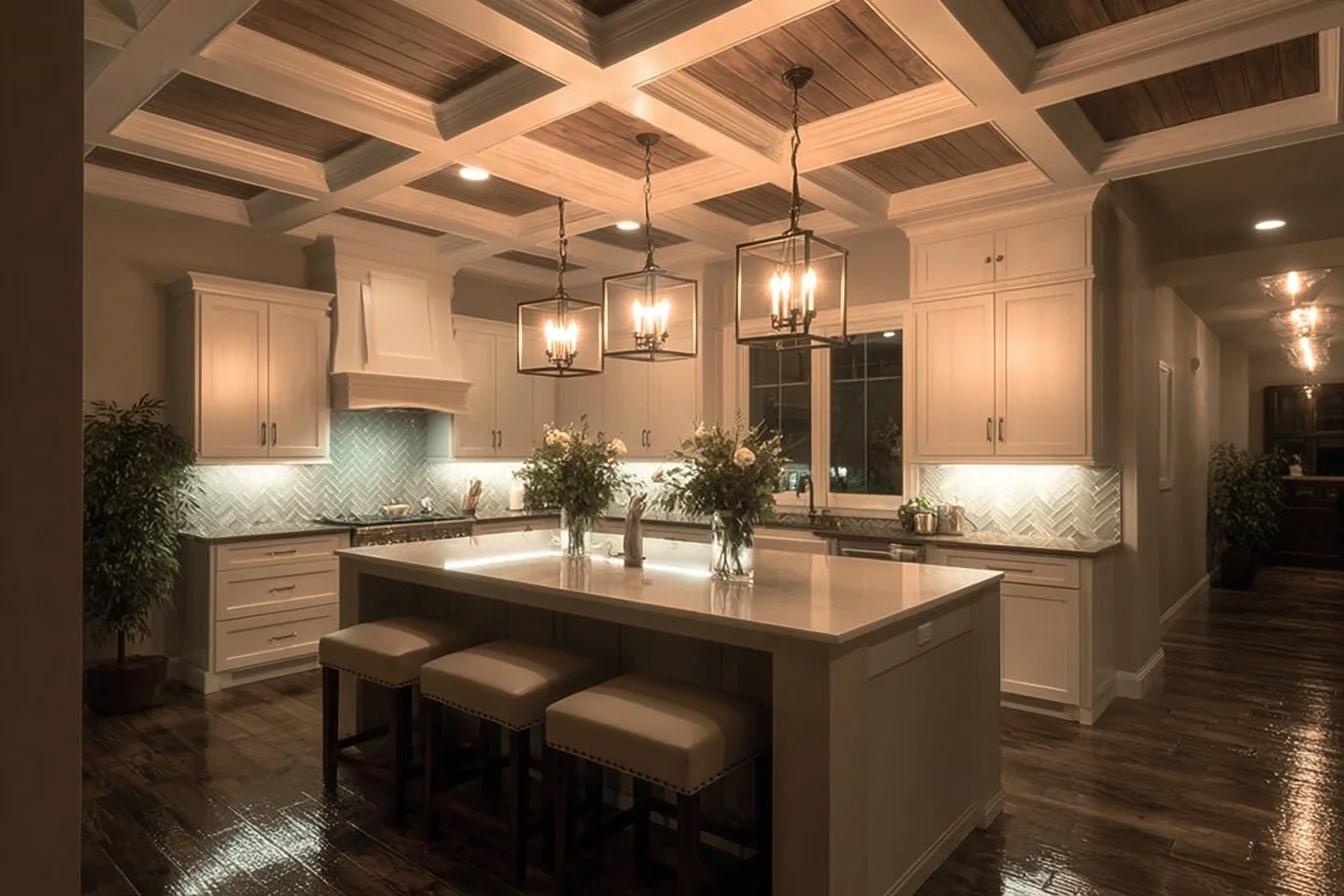
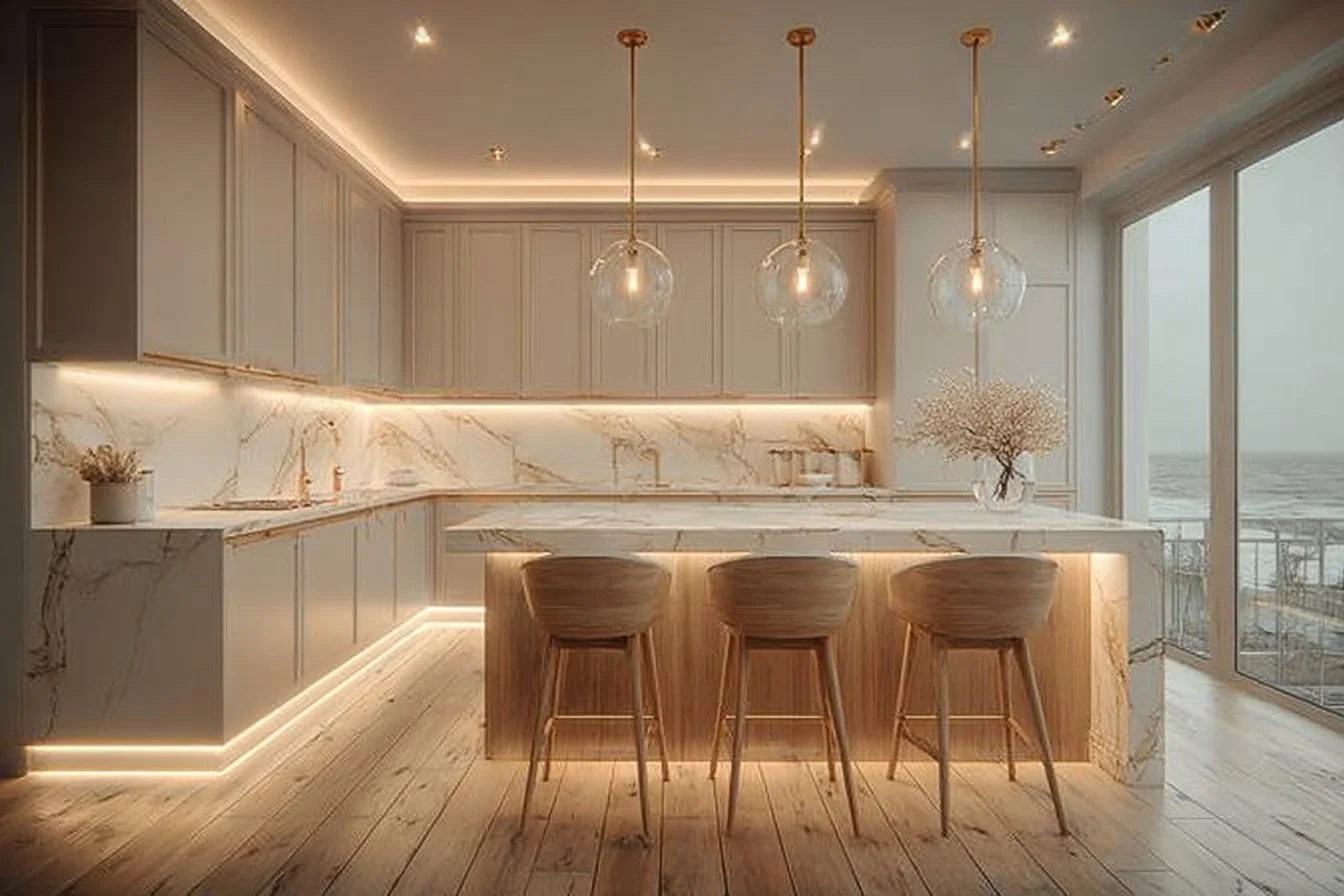
Pendant lights create an instant focal point and give your kitchen personality without overwhelming the family routine. A bold pendant or a cluster of varying shapes can anchor the island visually, helping the space feel designed rather than accidental. For emotional impact, choose warm finishes and soft glass that cast a friendly glow while kids do homework. Practically, position pendants so they illuminate prep areas without casting harsh shadows on the counter where your 12-year-old chops vegetables for dinner. For scaling, make sure the bottom of a pendant sits about 30 to 36 inches above the island surface in most homes; this keeps the light accessible to the eyes without blocking conversation across the island. Hanging a pendant that reflects your family’s style — whether vintage brass that nods to a grandmother’s heirloom or a matte black modern shape — helps the kitchen feel like the story of your household.

Layered Lighting: Combine Task, Accent, and Ambient Light

Layered lighting gives you the flexibility every busy family needs. Task lights over the island help during precise activities like measuring and reading recipes, while ambient lighting fills the room for family dinners and movie nights. Accent lights, such as small directional fixtures or under-cabinet LEDs, add depth and make the kitchen feel curated. Emotionally, layers prevent a harsh clinical look; they create pockets of warmth where your family gathers. Practically, integrate dimmers so you can brighten for homework and soften for bedtime routines. If you enjoy mixing practical updates with budget-friendly charm, consider pairing layered lights with simple decor swaps inspired by budget-friendly decorating ideas to refresh the space without a big renovation. This approach keeps the kitchen useful for school projects and inviting for weekend guests.

Linear Fixtures: Clean Lines for Long or Narrow Islands

Long, narrow islands benefit from a single linear fixture that provides even illumination across the workspace. A linear pendant stretches the visual width of the island and keeps lighting consistent where two kids might be working on separate tasks. Visually, these fixtures add a modern silhouette that complements open layouts and draws the eye along the length of the room. Emotionally, a well-proportioned linear light helps the island feel organized and intentional, which matters when mornings are rushed and lunches are packed between shoes and backpacks. For installation, center the fixture over the island and choose a length that leaves a few inches of space from the ends to avoid visual crowding. Pair it with softer wall or recessed lights so the kitchen stays warm for late-night baking sessions when the kids sneak an extra cookie.

Adjustable Height and Dimmers: Flexibility for Real Life

Adjustable-height pendants and dimmable switches are lifesavers for families that use the island for multiple purposes. Raising lights gives an open sightline when serving meals to guests; lowering them creates cozy task lighting for puzzle nights or crafts. Dimmers let you adapt the mood in seconds, from bright light for recipe prep to a gentler glow for nighttime check-ins. Emotionally, this flexibility reduces stress because the space can shift to match what your family needs in the moment. Practically, choose fixtures compatible with LED bulbs and a wide dimming range to save energy and extend bulb life when kids forget lights on. A favorite tip from my neighbor: set the dimmer softer during homework so the glow is calm but sufficient, helping your 8-year-old focus without feeling like a classroom.

Mixing Metals and Textures: Warmth With a Personal Touch

Combining metals and textures in your island lighting creates approachable warmth that reflects a lived-in home. Brushed brass with woven shades or matte black paired with smoked glass introduces contrast and keeps the look layered rather than sterile. Visually, texture breaks up hard kitchen surfaces, making the island more inviting for spontaneous family moments like assembling school projects or folding laundry. Emotionally, heirloom pieces mixed with modern fixtures tell the story of your home, from hand-me-downs to new finds. To apply this at home, aim for a cohesive palette — choose one dominant metal and introduce a secondary finish for accents. Add a tactile element, such as a rattan shade nearby or a wooden bowl on the island, to soften the space for weekend family breakfasts and neighbor drop-ins. If you want a playful spin, try integrating eclectic touches from creative kitchen styling guides like these playful kitchen styling ideas for a unique, family-friendly vibe.

Conclusion

Lighting your island well changes how you live in your kitchen, from easy weekday mornings to relaxed dinner nights with friends. Try one of these strategies, save the look that feels most like your family, and experiment with scale and warmth until it fits your everyday life. For more inspiration and technical how-tos that can help you pick the right fixtures, check out helpful lighting resources from The Light Palace blog.

Categories
Kitchen

Stunning Navy Kitchen Ideas for a Fresh Look

I still remember the first time my son came home from a school field trip and announced he wanted to paint his bedframe blue because “it looked like mom’s kitchen.” At forty-two, with two kids ages 8 and 11, my days are a steady mix of school runs, soccer practice, and the neighbor dropping over a pie when life feels hectic. Mornings smell like coffee and cereal, afternoons are a blur of homework and carpools, and evenings are when the house finally breathes. Lately, small changes around the sink and stove have felt like tiny acts of self-care—swapping a lamp, rehanging a print, or pinning kitchen ideas when I can steal five minutes. I even saved a helpful piece about kitchen color transitions while picking up a casserole from next door blue grey kitchen cabinets design, because sometimes a fresh color is all you need to make home feel new.

Bold Contrast: Navy Cabinets with Bright Marble or Quartz

A dramatic contrast between deep navy cabinetry and crisp white marble or quartz countertops instantly modernizes a kitchen while keeping it family-friendly. Visually, navy anchors the space and highlights the brightness of the counters, creating a clean, layered look that reads both sophisticated and cozy. Emotionally, the deep hue feels grounding after a long day of shuttling kids to activities and helps the kitchen feel like a calm command center.

To apply this at home, choose mid-tone navy paint with low sheen for lower cabinets to resist fingerprints. Pair with white quartz or a marble-look quartz for durability and low maintenance. Keep upper cabinets white or glass-fronted to preserve light, and add a soft runner near the sink to protect the floor from little spills. This combination makes everyday chores feel a bit more polished, and the kids love the “grown-up” color while still having a welcoming space to do homework.

Two-Tone Charm: Navy Bases with Light Upper Cabinets

Two-tone cabinetry is a smart way to introduce navy without overwhelming the room. Painting base cabinets navy and keeping upper cabinets a pale cream or soft white lifts the eye and makes ceilings feel higher. The result is modern and approachable, perfect for a busy household where both style and practicality matter.

Start by identifying the focal plane of your kitchen—often the island or the stove wall—and apply navy to those lower cabinets first. Choose washable paint for the upper cabinets since they are prone to cooking splatter and sticky fingers. Add under-cabinet lighting to brighten work surfaces and consider open shelving near the breakfast nook so your kids can grab cereal without a fuss. This layout makes the room feel thoughtfully designed while leaving room for life to happen naturally.

Centered Drama: Make the Island Your Navy Showpiece

Turning the island into a navy focal point creates a striking balance between function and design. An island painted in a bold navy tone becomes the natural gathering spot for homework, snacks, and late-night meal prep. Visually, it anchors the kitchen and gives your space a designer feel without a full remodel.

To pull this off, keep the perimeter cabinets in a lighter shade so the island stands out. Consider adding a contrasting countertop on the island such as butcher block for warmth or a veined quartz for elegance. Add durable bar stools and hidden storage for lunchboxes and backpacks so the kids can grab what they need in the morning and leave the clutter contained. This approach gives you a centerpiece that supports daily routines and elevates the entire room.

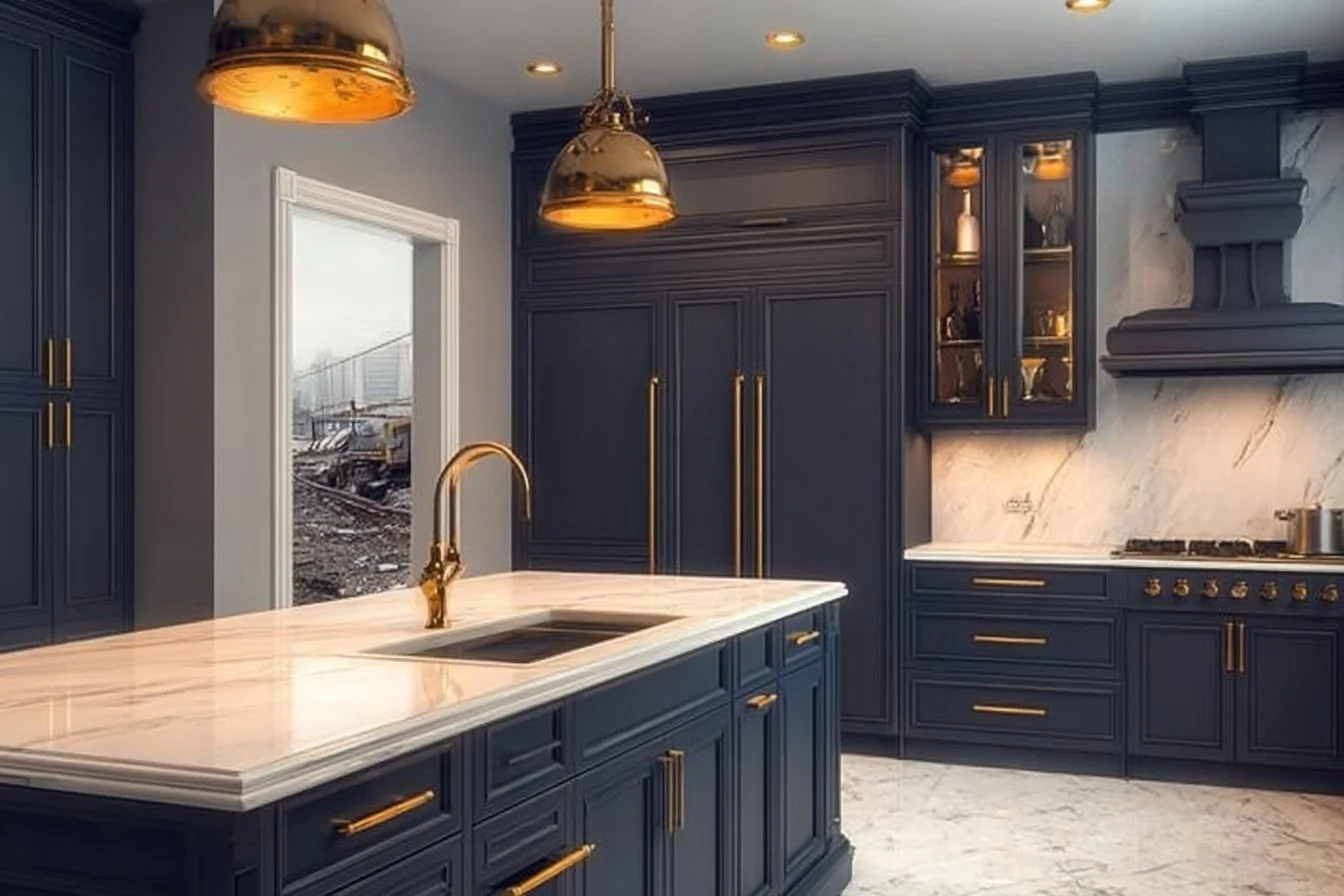
Soft Matte Navy with Warm Brass Hardware

Matte navy cabinets paired with brass hardware create a luxe yet lived-in vibe that feels right at home for families. The matte finish hides minor scuffs and reads contemporary, while brass pulls and faucets add warmth and a hint of glamour. Emotionally, this pairing feels intentional and comforting, like a favorite sweater for your kitchen.

Implement this look by choosing a navy with gray undertones to keep the mood sophisticated. Opt for solid brass or brass-finish knobs and long pulls for a streamlined silhouette. Add family-friendly elements such as rounded-edge countertops and a mix of closed storage with one or two glass doors to display treasured pottery. The result is a kitchen you can be proud of when neighbors stop by and relaxed in when it’s just your little crew at the table.

Open Shelving and Glass Fronts to Break Up Navy

Navy can feel heavy if it covers every surface, so incorporating glass-fronted cabinets and open shelves softens the look and displays personality. This strategy adds visual lightness, showcases family plates and cookbooks, and invites the kitchen to feel collected instead of boxed in. For a mom juggling meals and messes, it also makes it easy to spot where cereal bowls live.

Practical application involves placing glass fronts on upper cabinets near the dining area and replacing a few upper cabinets with floating shelves above the counter. Keep frequently used items on lower shelves for easy access by kids, and style upper shelves with a mix of functional dishware and small decorative pieces. If your family loves dining outside, this openness helps transition to outdoor meals as you carry plates out to the backyard, tapping into inspiration from outdoor living guides like backyard oasis ideas for outdoor living.

Warm Wood Pairings: Navy with Natural Elements

Pairing navy cabinets with warm wood tones brings balance and comfort to a modern kitchen. Wood accents—whether open shelving, a butcher-block countertop, or wide-plank floors—soften navy’s boldness and create an inviting space where kids can linger over breakfast and parents can prep dinner without feeling sterile.

To implement, choose a medium-toned wood to complement the navy; avoid extremes so the contrast feels intentional. Use wood on an island countertop, on floating shelves, or as a hood accent. Add textiles like woven placemats and seat cushions for texture that hides wear. Keep the layout practical with drawers for utensils and a dedicated homework caddy to keep school papers contained. This combination reads timeless, welcoming, and perfectly suited to the ebb and flow of family life while staying true to interior styling tips that last.

Conclusion

If you love the idea of navy but are unsure where to start, saving a few of these approaches to your idea board can turn weekend projects into meaningful changes. Try one focal upgrade at a time—a navy island, a new set of brass pulls, or a single glass-fronted cabinet—and watch how small choices reshape the feel of your whole home. For more curated color picks and paint pairings to inspire your next update, check out this collection of 25 Navy Blue Kitchen Paint Colors And Ideas Worth Trying. Save the ideas that feel like you, experiment a little, and come back to tweak what doesn’t quite fit—your kitchen will grow with your family.

Categories
Kitchen

Warm Beige Kitchen Ideas That Feel Effortlessly Chic

I still remember the first time my kids and I painted cabinets together—Peanut and Rosie, aged ten and eight, tracking tiny flecks of paint like confetti down the hallway as the neighborhood moms waved from their porches. Mornings are a choreography of lunchboxes, soccer carpool, and science projects spread across the counter, so my kitchen has to be both cozy and forgiving. I’ve borrowed a trick from a charming remodel I once loved in a quaint California cottage to make our space feel calm and practical without losing style, and that blend of family life and design is exactly where home décor ideas begin to feel personal. If you ever want a little pinspiration for a kitchen that holds homework, hurried breakfasts, and a neighbor’s casserole, this collection of approachable interior styling tips will help you bring warm beige tones to life while keeping the heart of your home organized and beautiful. For a more postcard-perfect vibe, peek at some California kitchen inspiration for ideas that pair well with beige cabinets: quaint California kitchen inspiration.

Soft Two-Tone Beige and White

A two-tone approach pairs warm beige lower cabinets with crisp white uppers to create visual balance and airiness. Visually, the contrast keeps the eye moving and prevents beige from feeling flat, while emotionally it reads as soothing and familiar—ideal when you’re juggling homework and dinner at once. Realistically, paint the uppers in a semi-gloss white for easy cleaning and choose a durable matte beige for the lowers to hide scuffs from little feet. Add brushed nickel or soft brass pulls that are family-friendly to grip, and keep a few open shelves for the kids’ snack bowls so they can reach them safely. This scheme also adapts well if you want to update countertops later; white uppers act like a neutral frame, so you can swap surfaces without redoing cabinets. For more cozy decorating inspiration that translates to family life, check out these warm home touches and heartfelt styling tips: cozy heartfelt decor ideas.

Beige Shaker Cabinets with Natural Wood Accents

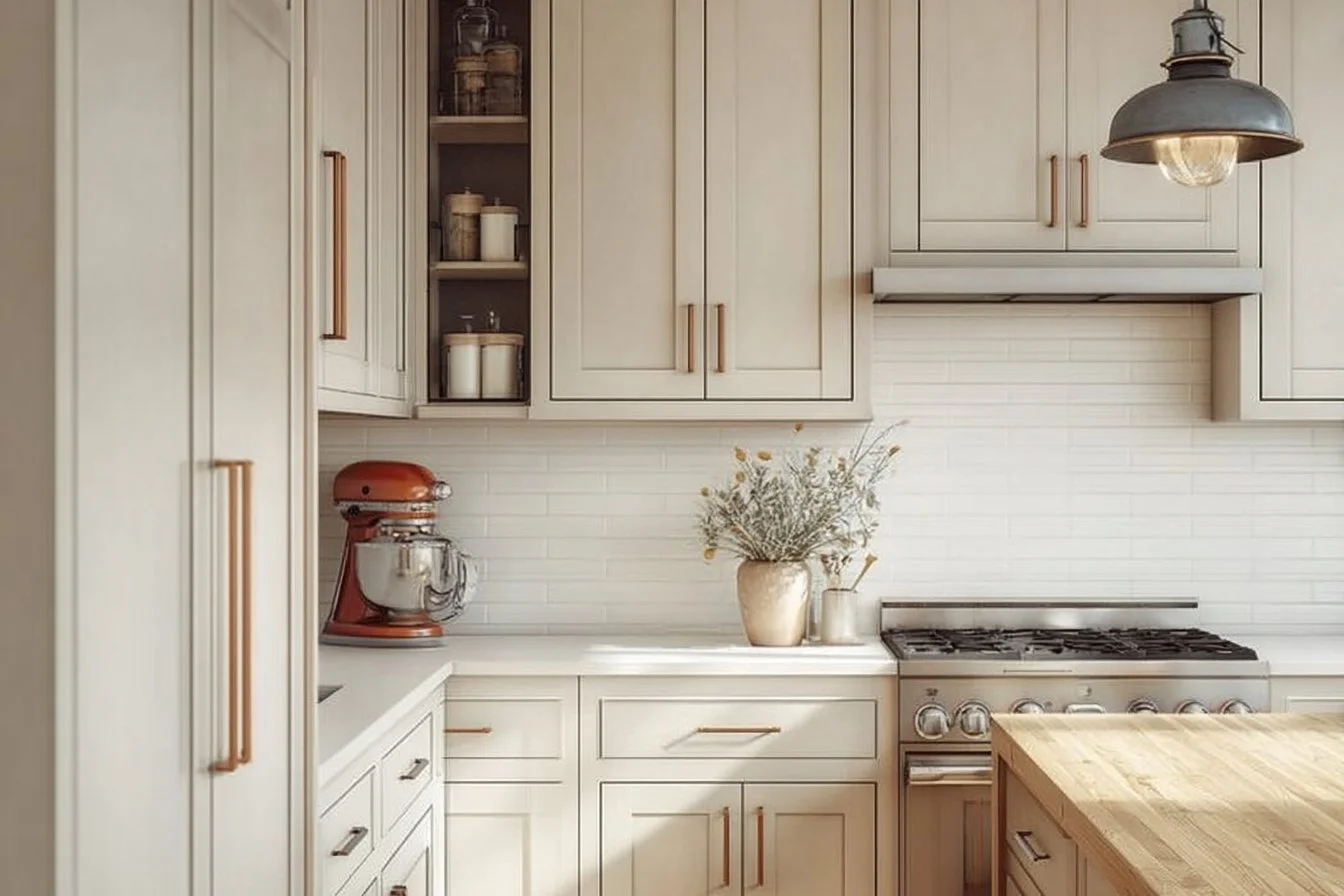
Shaker-style beige cabinetry brings timeless lines and a soft, cottage-like charm that’s easy to live with. The simplicity of the recessed panel design visually calms a busy family kitchen and pairs beautifully with natural wood countertops or floating shelves, which add texture and warmth. Emotionally, wood accents remind us of family meals and handmade crafts, making the kitchen feel lived-in and welcoming. Apply this at home by choosing wide-plank wood for an island or shelf, sealed for durability against spills and crafts. Keep the rest of the palette muted—soft greens or pale blues on accessories—to let the beige and wood breathe. Parents will appreciate how the Shaker silhouette hides fingerprints and stands up to daily use, while kids love having a low shelf to display their latest kindergarten art without cluttering counters.

Matte Beige with Bold Black Accents

A matte beige finish is understated and forgiving, and when you introduce black hardware or a black faucet, you get a modern statement that still feels warm. The visual drama of black against beige creates a clean silhouette and anchors the space—helpful when you need a focal point during hectic mornings. For a practical application, swap all cabinet pulls to black and choose a matte black sink or faucet; these elements are durable and disguise water spots better than shiny finishes. Emotionally, the contrast signals thoughtful design and gives you a grown-up backdrop for family gatherings, where dishes and kids’ crafts won’t visually compete with the cabinetry. Pair with woven placemats and a few framed family photos on a shelf to keep the space personal without sacrificing style.

Glass-Front Uppers and Open Shelving Mix

Combining glass-front uppers with open shelving adds depth and personality to beige kitchens while making everyday items accessible. Visually, glass softens the blockiness of cabinets and catches light, which is great around breakfast time when everyone’s gathering. Emotionally, it creates a little stage for Grandma’s china or the kids’ favorite cereal bowls, turning functional storage into a display of family life. To implement this, replace selected upper doors with glass and install a couple of low, sturdy open shelves where kids can reach cups. Keep dishware organized by color or pattern to avoid a cluttered look, and use clear containers for staples so everything feels purposeful. This setup encourages kids to help with setting the table and makes clean-up a cooperative moment instead of a chore.

Textured Beige Finishes and Subtle Pattern Play

Textured cabinets or a lightly patterned backsplash introduce tactile interest without overwhelming a family kitchen. A soft sand or linen finish on beige cabinetry offers sophistication while hiding the small scratches and smudges that come from everyday life with kids. Visually, texture adds depth and keeps large expanses of beige from feeling monotone. To apply this at home, consider a subtle raised panel or a hand-applied glaze that emphasizes grooves and shadow. Pair with a patterned tile on the backsplash—nothing too busy, perhaps a soft geometric in neutral tones—to inject personality. Emotionally, these layers read as intentional and comforting, like a favorite sweater in the laundry pile; they make the room feel curated but still ready for the inevitable spilled juice or hurried pancake-making mornings. For compact areas, ideas from small-scale chic spaces can translate surprisingly well into textured treatments: small-space chic restroom ideas.

Conclusion

If you want a kitchen that feels lived-in, stylish, and genuinely family-friendly, warm beige cabinets offer a versatile backdrop that works with many decorating inspirations. From two-tone schemes to textured finishes, these interior styling tips can help you create a calm, functional kitchen where school projects and slow Sunday breakfasts both feel right at home. Save the ideas that resonate, try one change at a time, and let your kitchen evolve with your family. For a full gallery of ideas that inspired this roundup, explore 36 Astonishing Beige Kitchen Cabinets Ideas for a Chic Look.