Categories
Living

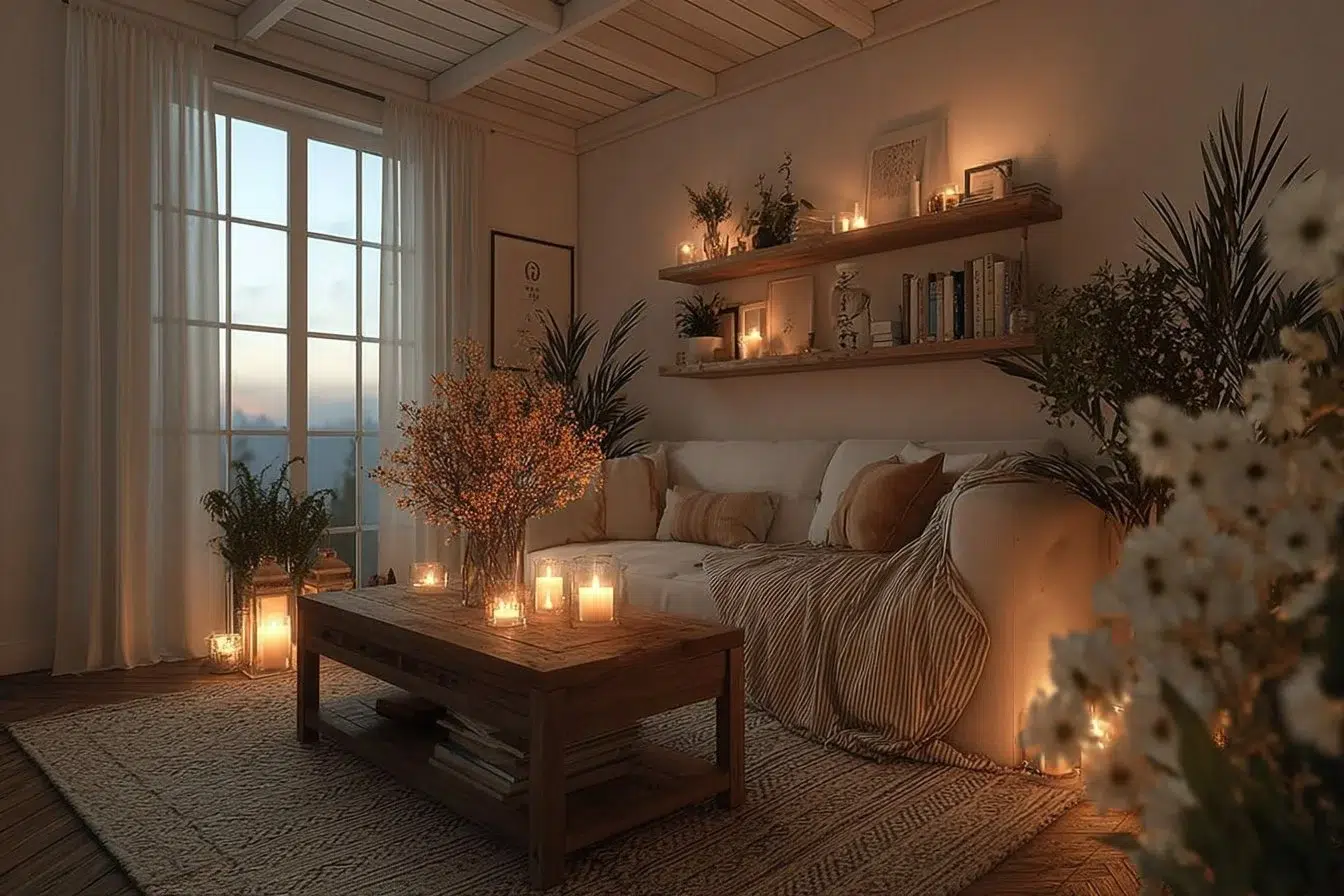
Small Living Rooms Cozy Ideas for a Warm Retreat

Tiny Living, Big Warmth: Create an Inviting Family Room

I still remember the first autumn we moved into our little bungalow — backpacks lined by the door, a soccer ball in the hallway, and two kids arguing over the TV remote while I tried to fold laundry on the couch. Between school runs, PTA meetings, and neighborhood block parties, our living room became the house’s heartbeat: where homework got done, secrets were whispered, and sleepy movie nights happened. Those everyday moments taught me that a small space doesn’t need to be loud to feel full; it simply needs to feel intentional. Over time I gathered simple home décor ideas and interior styling tips that made our compact sitting area feel like an embrace at the end of a long day. If you love practical decorating inspiration that works for active families, start here and peek at a few of my favorite cozy heartfelt decor ideas that inspired our first cozy refresh.

Layered Textiles for Soft Warmth

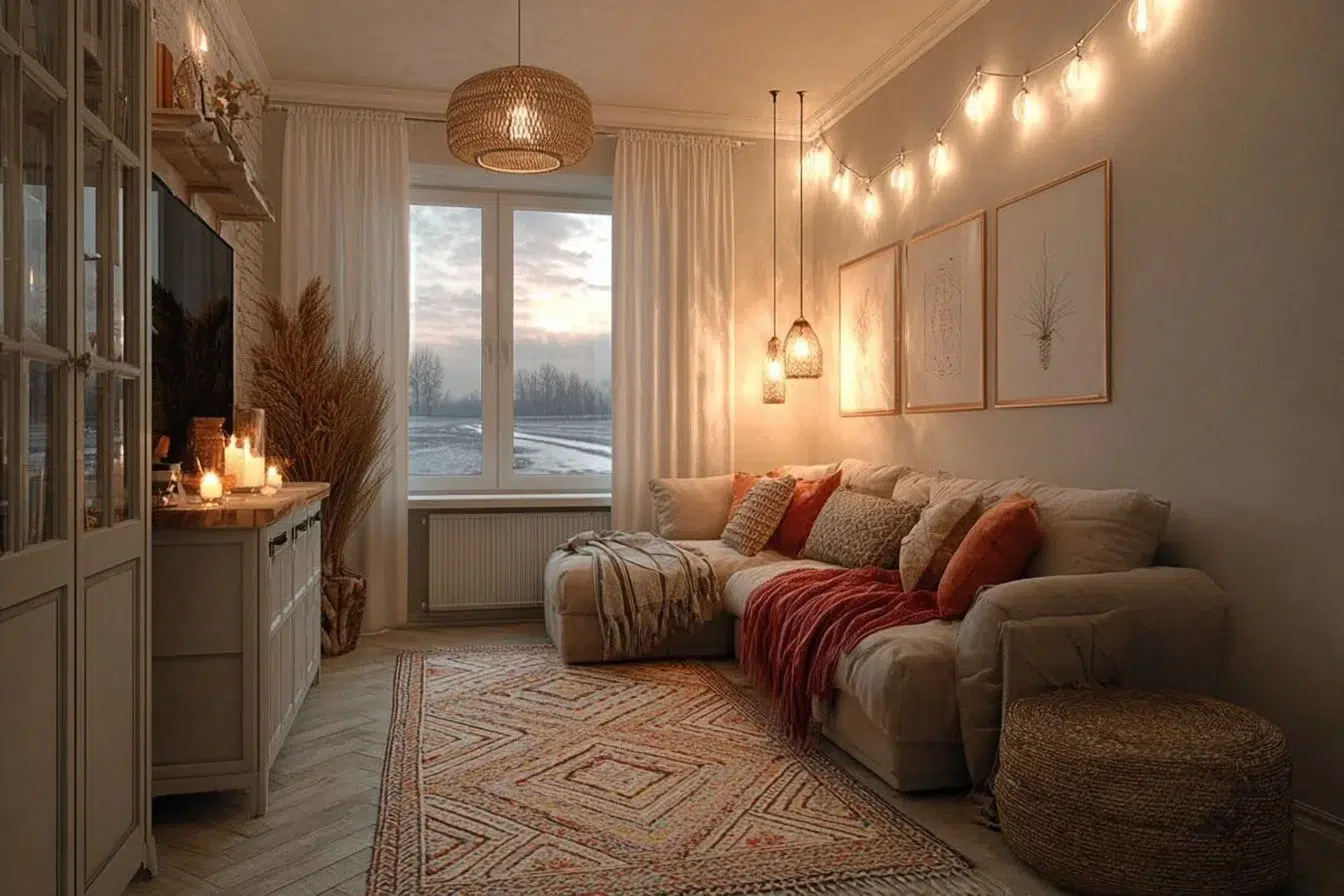
Layering fabrics turns a tight living area into a tactile retreat. Think plush throws over a slim sofa, a weighted cotton throw for movie nights, and a low-pile rug that defines the sitting area without overwhelming the floor. Visually, textiles add depth and tone — they break up clean lines and invite people to linger. Emotionally, a stack of soft pillows becomes a signal that this is a pause spot: for reading with a child, for a neighbor to drop by with coffee, or for a rainy afternoon of board games.

Practically, choose washable fabrics in kid-friendly blends and rotate pieces seasonally so nothing feels stale. Mix patterns in the same color family to keep the look cohesive; a striped lumbar pillow plus a subtle floral cushion works beautifully without shouting. For houses with active children, keep a designated basket for cozy blankets so they’re always within reach but easy to tidy when company arrives.

Smart Furniture That Fits and Feels

In compact rooms, furniture must multitask and feel proportionate. A narrow loveseat paired with an ottoman that doubles as toy storage keeps sightlines open while hiding clutter. Low-profile sofas preserve a sense of vertical space, and furniture on casters can be rearranged for homework help or impromptu playdates. Choosing pieces with exposed legs also creates an airy silhouette that tricks the eye into seeing more room.

Emotionally, furniture that’s scaled to the family invites everyone in — my kids can curl up beside me during storytime, and there’s still space for a friend who pops over after school. When buying, measure for clear walking paths and imagine daily routines: snack time, a craft afternoon, or folding laundry during commercials. These interior styling tips make a small space feel deliberate rather than cramped, and they provide practical zones without sacrificing style.

Light That Hugs: Warm Lighting Tricks

Lighting transforms mood more than color does. Swap harsh overhead bulbs for layered illumination: a warm-toned floor lamp for reading, table lamps on side tables for soft glow, and dimmable fixtures for evening wind-downs. A string of low-profile sconces or plug-in wall lights can add ambient layers without complex wiring, perfect for weekday evenings when homework and dinners blend into family time.

Visually, warm light makes textures sing and skin tones look more flattering — ideal for cozy conversations after school drop-offs. Emotionally, the right light can make a tired space feel rejuvenated; I remember how a single lamp changed our evenings from frazzled to serene. For practicality, choose energy-efficient bulbs with a 2700K–3000K temperature and place lamps at multiple levels so the room never feels flat. These small adjustments are some of the most effective decorating inspiration for family-focused rooms.

Palette of Gentle Neutrals with Pops

A soft, neutral palette creates a calming backdrop that amplifies small spaces. Warm beiges, muted greiges, and soft whites unify the room and reflect light, making corners feel less confined. Instead of stark monochrome, introduce personality with deliberate pops: a mustard throw pillow, a slate-blue vase, or artwork your kids helped pick. These accents give the room life while keeping the overall feel serene.

Why it works: neutrals act like a visual hug, easing transitions between the living area and kitchen or hallway. For families, practical durability matters — pick mid-tone finishes that hide fingerprints and scuffs while letting accent colors shine. I mixed washable slipcovers and an accent armchair we scored at a thrift sale; neighbors compliment it, and my daughter claims it for afternoon reading. These decorating inspiration choices are forgiving, stylish, and rooted in real household rhythms.

Textural Walls and Family-Friendly Art

Walls are blank canvases for adding tactile interest without eating floor space. Consider a subtle grasscloth wallpaper on an accent wall, beadboard behind the TV, or a linen-wrapped pinboard where kids can pin drawings. Textural walls create warmth through depth rather than color, making a compact room feel intentional and curated.

Pair textures with family-friendly art: framed school projects, a rotating gallery of watercolor experiments, or a woven wall hanging that doubles as a conversation starter for visiting grandparents. Emotionally, seeing your kids’ work displayed elevates ordinary days and strengthens that sense of home. Practically, use lightweight frames and removable hanging hardware so you can swap pieces easily; little changes keep the room feeling fresh through each stage of your children’s growth.

Nooks & Multipurpose Zones for Togetherness

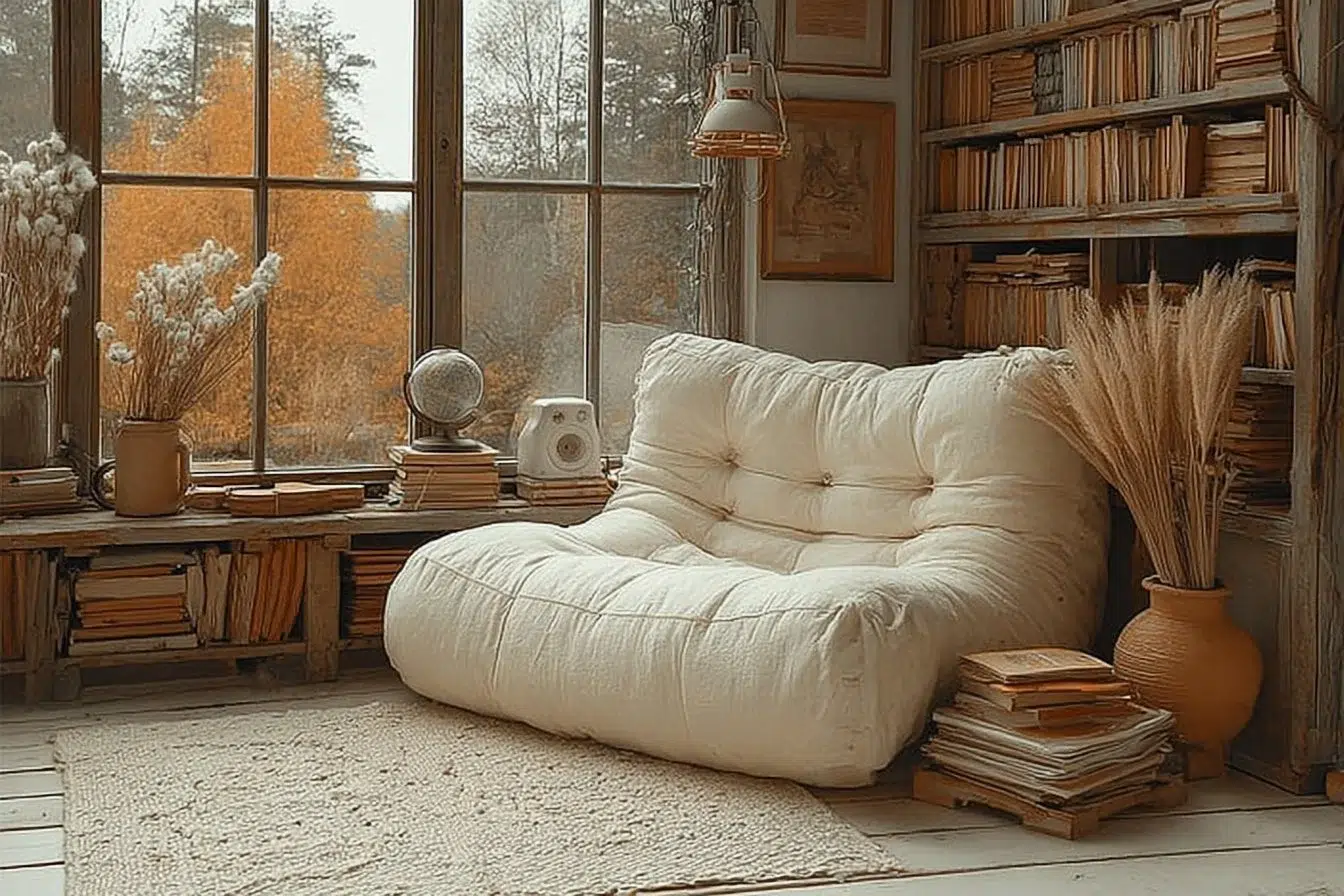
Small rooms benefit from clearly defined micro-zones: a reading nook by the window, a homework corner with a slim desk, and a game zone with a low storage bench. These areas let family members coexist without stepping on each other — homework can happen beside movie prep, and quiet time can live alongside afternoon play. Use a consistent color thread or matching baskets to visually tie zones together so the space feels united.

From a practical angle, furniture that serves double duty — a bench that stores blankets, a coffee table with hidden compartments — supports busy routines. I carved out a tiny craft table for my younger one, and it became the household’s creativity hub: homework sometimes migrates there, and neighbors’ kids often gather for playdates. These interior styling tips maximize function while keeping the room warm and lived-in.

Conclusion

If you’d like more ways to layer warmth into tight spaces, this round-up of ideas can be a gentle starting point for your next refresh. Save the ideas that resonate, try one change at a time, and come back to tweak them as your family’s routines evolve. For extra inspiration that guided some of our choices, see this collection of inviting and cozy living room ideas that blend comfort with real-life practicality.
Categories
Living

5 Cozy Living Room Ideas to Warm Your Heart

Living Room Ideas That Hug Your Family

I still remember the afternoon my son tracked mud across the rug after a soccer game and my daughter dumped a puzzle box in the middle of movie night—life in our house is loud, affectionate, and gloriously imperfect. As a forty-something mom juggling carpools, school projects for kids aged 8 and 11, and a neighbor who always drops by with lemon bars, I’ve learned that a living room needs to be both resilient and welcoming. That’s what got me obsessed with small changes that feel like a hug at the end of the day. If you’re looking for easy home décor ideas that survive sticky fingers and celebrate family moments, these room refreshes blend comfort with smart function—little nudges that transform everyday chaos into warm memories. For more gentle inspiration, check out these cozy heartfelt decor ideas that inspired my first makeover.

1. Layered Textures for Instant Warmth

Layering soft textiles creates an inviting atmosphere without asking for constant maintenance—perfect when two kids and a dog are part of the daily equation. Start with a durable neutral sofa and add a mix of chunky knit throws, a plush rug underfoot, and a few linen or suede pillows. Textures visually read as warmth and make the room feel lived-in rather than staged. From an interior styling tips perspective, choose fabrics that hide wear: woven patterns and cotton blends work well and wash easily. Place a basket for extra blankets by the sofa so your family can grab one during homework time or an evening read-aloud. This approach gives you decorating inspiration that’s both practical and pretty, turning a functional family spot into a soft, layered nook everyone wants to gravitate toward.

2. Warm Lighting That Sets the Mood

Good light changes moods—brighter for crafts and homework, dimmer for cozy movie nights. Swap a harsh overhead fixture for softer alternatives: add a floor lamp behind a reading chair, tuck a small table lamp near the couch, and use warm-toned LED bulbs for a golden glow. Dimmable switches are a game-changer for parents who want to shift quickly between morning rush and bedtime wind-down. Candles (real or flameless) on a low shelf anchor movie nights and make even a simple throw blanket feel celebratory. As you experiment, keep in mind classic interior styling tips like layering task, ambient, and accent lighting to provide function without sacrificing ambiance. My neighbor once said the right lamp can change a room like a new rug—and she was right; lighting is affordable and instantly transformative.

3. Family-Friendly Seating Zones

A living room should work for play dates, puzzles, and quiet reading alike. Create distinct seating zones: a main couch for TV nights, a low pouf or ottoman for kids to sprawl out with Legos, and a cozy armchair for reading or phone calls while supervising homework. Use a soft area rug to visually anchor play spaces and consider modular seating that can be rearranged for board game nights or impromptu living room forts. Choose slipcovers or stain-resistant fabrics so spills don’t mean panic; washable covers are lifesavers when lunch gets eaten over the coffee table. When styling, think about flow—leave clear paths for little feet and place a small side table near each spot for drinks or craft supplies. These choices make decorating inspiration practical, honoring family life without compromising on style.

4. Personal Displays That Tell Your Story

A living room becomes unforgettable when it showcases family stories rather than just store-bought decor. Create a photo wall with mismatched frames, a shelf with kids’ artwork rotated regularly, or a simple memory table with souvenirs from local walks and neighborhood adventures. These touches make the room feel like home and spark conversations during lazy Sunday afternoons. For a modern take, mix vintage finds with current pieces—an old wooden frame beside a sleek metal one keeps the display grounded. If you need ideas for blending family keepsakes into a contemporary space, explore different approaches to keep your layout feeling fresh and intentional rather than cluttered. I keep a small clipboard for rotating drawings so my kids feel proud and our space remains organized between school projects.

5. Nature Elements and Soft Color Palettes

Bringing the outside in soothes busy households: potted plants, woven baskets, and natural wood accents add texture and calm. Choose hardy houseplants like snake plants or pothos that tolerate less-than-perfect care—kids love them, and they breathe life into corners that used to be catch-alls. A soft palette of warm creams, muted greens, and gentle blues keeps the mood serene and flexible for seasonal swaps or bold throw pillows. For more dramatic inspiration on marrying contemporary lines with natural elements, consider browsing curated examples that show how subtle greenery can shift a room’s vibe without demanding constant upkeep. On rainy afternoons we gather by the window with cocoa; the plants and soft tones make those moments feel intentional and restorative rather than chaotic.

Conclusion

If you save one idea, let it be this: design for how your family actually lives. Gentle changes—layered textures, warm lighting, flexible seating, personal displays, and a touch of nature—create a living room that stands up to sticky hands and invites slow Sundays. For a fun seasonal round-up that pairs well with these warm design touches, I found a helpful list of festive tree options here: 10 Popular Christmas Trees from Amazon – Beneath My Heart. Try one idea at a time, save the looks you love, and come back when you’re ready for the next room refresh.

Categories
Living

Modern Farmhouse Paint Palette

Modern Farmhouse Paint Palette: Timeless Neutrals with a Fresh Twist

The modern farmhouse palette blends warm heritage with clean contemporary lines, favoring soft neutrals, muted pastels, and a few bold accents to ground the space. If you’re gathering ideas or dreaming about a remodel, explore some inspiring examples of modern farmhouse projects to see how color sets the tone in different rooms: modern farmhouse inspirations.

Foundations: Whites, Beiges, and Soft Greys

Start with a neutral foundation—warm whites and gentle greiges form the backbone of the look. These hues create a bright, airy backdrop that highlights architectural details like shiplap, exposed beams, and black metal accents. To introduce depth without overwhelming the simplicity, try pairing an off-white wall with a slightly darker trim or cabinetry shade.

For coastal or sun-drenched farmhouse spaces, cooler neutrals with a touch of blue-green can keep rooms feeling fresh and calm; designers often reference seaside palettes when softening grey-beige combinations, as illustrated by the soothing tones in the Coastal Calm Sea Salt palette.

Accent Colors: Muted Greens, Deep Blues, and Warm Blacks

Accents make the farmhouse look modern. Muted sage greens and soft teal bring a hint of nature indoors, while deep navy or charcoal create contrast for kitchen islands, front doors, or an accent wall. Warm black—think blackened bronze rather than stark jet black—adds definition on hardware, window frames, and light fixtures without reading too harshly.

When choosing an accent color, test it on the largest element you intend to paint (an island or an entire wall) rather than a small swatch. Small samples may read differently once they cover more surface area and interact with natural light.

Finishes, Textures, and Complementary Materials

Paint sheen and complementary materials are as important as the color itself. Matte or eggshell finishes hide imperfections and suit walls and ceilings, while satin or semi-gloss fares better on trim, doors, and cabinetry where durability is needed. Layer texture with reclaimed wood, woven textiles, and hand-finished ceramics to keep the palette grounded and tactile—handcrafted elements often amplify the authentic farmhouse vibe, much like seasonal ornaments and rustic DIY accents that personalize the home: hand-painted wood slice DIY ideas.

Practical Tips for Choosing and Using Color

  • Sample multiple tones in different lighting conditions—morning, midday, and evening—to understand how undertones shift.
  • Use the 60-30-10 rule: 60% dominant neutral, 30% secondary color (cabinets, upholstery), 10% accent (hardware, art).
  • Coordinate finishes: pair warmer neutrals with warm metals (brass, bronze) and cooler greys with nickel or matte black.
  • Keep continuity between rooms by repeating one neutral and one accent across adjoining spaces.

Styling with Paint: Room-by-Room Ideas

  • Kitchen: A soft cream or warm grey on walls, deep navy island, and crisp white cabinets make a balanced statement.
  • Living room: A green-grey accent wall behind shelving or a fireplace brings coziness without overpowering.
  • Bedroom: Pale, warm whites with layered linens and natural wood tones create a restful retreat.
  • Exterior: Light siding with darker trim and a bold door color (forest green, navy, or warm black) boosts curb appeal.

Conclusion

For a curated set of modern farmhouse color suggestions and combinations from a leading paint brand, see the official palette guide: Modern Farmhouse Paint Color Palette | Benjamin Moore

Categories
St Patricks Day

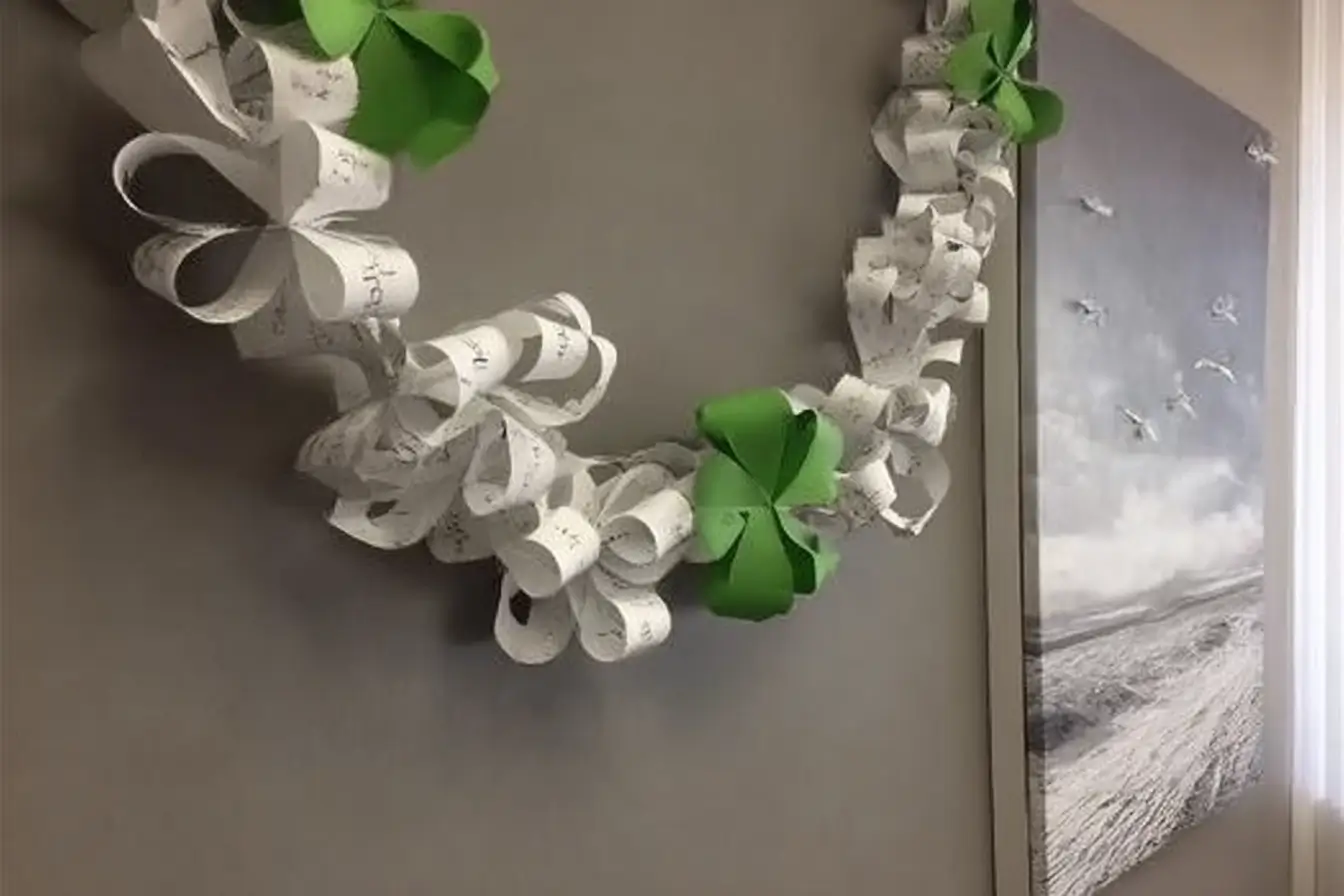
Charming Shamrock Chains to Brighten Your Home

I still remember the sound of cereal bowls clinking on Sunday mornings, the kids racing out to play while I waved to Mrs. Langdon across the street. At forty-two, juggling school runs, soccer practice, and the little rituals that stitch our week together has made me a pro at quick, meaningful touches around the house. My two kids, ages 8 and 11, love when I turn tiny bits of paper into something that makes our house feel warm and purposely lived-in. Decorating doesn’t have to be complicated to feel special; a simple string of shamrocks draped across a shelf can spark the same kind of neighborhood-wide “ooh” that gets you smiling as you hang laundry. If you like simple paper crafts, I keep a few easy patterns handy and even saved a neat tutorial for a classic chain my neighbor tried out for basic paper chains.

Front Door Garland That Welcomes Smiles

A short shamrock chain right at the front door sets a friendly tone before guests step inside. Cut small shamrocks from different green tones and link them into a lightweight garland; hang it on the knob or across the doorframe using removable hooks. Visually, the layered green shapes create movement and invite the eye, while emotionally they convey care and seasonal cheer that neighbors and kids notice when they stop by. This kind of decor is practical—weatherproof cardstock holds up to playful hands—and fits right into morning rushes: one loop can stay up for weeks, and the kids love checking how many shamrocks we add each day. Use a thin ribbon to tie the chain to a wreath for an instant, cohesive entry vignette that feels warm and effortless.

Mantel Layering with Lights and Texture

Drape a shamrock chain along the mantel to add whimsy without clutter. Pair the paper chain with a strand of warm white lights and a few sprigs of faux greenery to balance the paper’s flat shapes with texture and glow. Visually, the repetition of shamrocks creates rhythm while lights give depth and a cozy evening vibe that makes family movie night feel special. Practically, assembling the chain can be a Saturday project while a pot of soup simmers—my kids and I spread out paper, scissors, and glue on the kitchen counter and chat about the week. This placement also gives you a chance to tie in books or family photos nearby, so the mantel becomes a small, personal gallery that reads as thoughtfully styled, not staged.

Window Chains to Catch Light and Little Eyes

Hanging a shamrock chain in front of a sunny window turns paper into ephemeral stained glass when light filters through. Use lighter-weight paper or vellum in a mix of translucent greens to let sunlight animate the shapes; hang several staggered chains at different heights for a playful, dancing effect. Emotionally, these window displays become a favorite for kids waiting for the bus and for neighbors walking past; my daughter loves waving to people and saying she helped “decorate the sky.” This idea is low-cost and tear-down friendly, perfect for renters or busy families. For a craft day twist, combine these with other homemade accents like homemade birdseed ornaments hung nearby to create a layered, nature-inspired corner that both decorates and feeds backyard birds.

Table Runner Accent for Everyday Meals

A low-profile shamrock paper chain woven through the center of your table makes family dinners feel intentional without taking up serving space. Create a long, flat chain and anchor it with small glass votives or a wooden tray to protect the paper and add weight. Visually it elongates the table and leads the eye across plates, encouraging conversation and connection; emotionally it signals that even simple meals deserve a little ceremony. I often let the kids thread shamrocks while we set the table, and the activity doubles as a calm pre-dinner ritual. This approach is practical: keep the colors muted for everyday appeal and swap in seasonal accents as the mood changes. Small touches like this help turn hurried evenings into moments worth remembering.

Kid-Friendly Craft Nights and Learning Moments

Turn the chain-making process into an evening activity that blends creativity and quiet learning. Use templates to help kids cut consistent shamrocks, and talk about patterns, symmetry, and patience as you glue links together. This hands-on time builds family memories and gives children a sense of ownership over home styling. Visually, the variety of handmade shapes across different kids’ skill levels reads as authentic and warm, not perfect; emotionally, it fosters pride and teamwork. If you want a craft that grows with skill, try pairing short craft sessions with other fiber or loom projects after you’ve mastered the chains, then finish off pieces using tips on how to finish a potholder loom to teach persistence and craftsmanship how to finish a potholder loom.

Banister and Stairwell Pathways

A delicate chain running up a stair banister adds vertical interest and invites movement through the home. Secure the chains at intervals with baker’s twine or thin ribbon so they sit neatly against the spindles. This placement works visually because the repeating shamrock motif echoes the rhythm of the stairs, and emotionally it creates a welcoming route that greets family members as they move between floors. It’s also an easy way to make everyday transitions feel celebratory—my son loves counting the shamrocks as he runs up to get ready for bed. Use cardstock for durability and choose a color palette that complements your stair runner or wall paint so it reads like intentional styling instead of temporary clutter.

Conclusion

If you want step-by-step instructions to assemble the basic shamrock chain before trying these decor ideas, this clear guide shows the full process and easy tips for beginners How to Make a Shamrock Paper Chain | Blissful Domestication. Save the ideas that fit your home, try one project with your kids this week, and come back for more simple home décor ideas and interior styling tips that make everyday life feel a little more special.

Categories
Decor

5 Spring Decor Ideas That Add Instant Charm

I still remember lugging in backpacks, soccer cleats, and a science project all at once, while trying to wave hello to Mrs. Patel next door who was pruning her roses. As a mom in my forties with two kids between eight and twelve, our mornings are a collage of lunchboxes, lost homework, and the little rituals that make a house feel like home. Evenings mean homework help, a quick walk with the neighborhood kids, and sneaking a cup of tea before bedtime stories. Those small routines made me obsess over tiny changes that lift the mood without a deep renovation. When I need instant cheer, I often borrow tricks from other projects I’ve tried, like using simple ceiling focal points from past holiday hacks such as the ceiling accent ideas for the holidays that inspired a playful corner in our living room. Here are easy ways to bring fresh home décor ideas into everyday family life.

Entryway Refresh: Small Touches with Big Welcome

The entryway is the first hug your home gives. Swapping a tired doormat for a floral or striped runner immediately softens the welcome and signals a seasonal shift. A pared-down console table with a low vase of blooms, a bowl for lost permission slips, and a mirror to catch last-minute hair checks creates both function and charm. Visually, the mix of texture and reflective surfaces brightens even narrow halls. Emotionally, it sets a calm tone for kids arriving from school and neighbors dropping by. To apply this at home, pick two color accents from a favorite rug and repeat them in cushions or an umbrella stand for cohesion. Add a small tray where the kids can drop keys and library books; it keeps clutter from spilling into the living room while giving you a reason to smile every day.

Fresh Floral Arrangements That Feel Lived-In

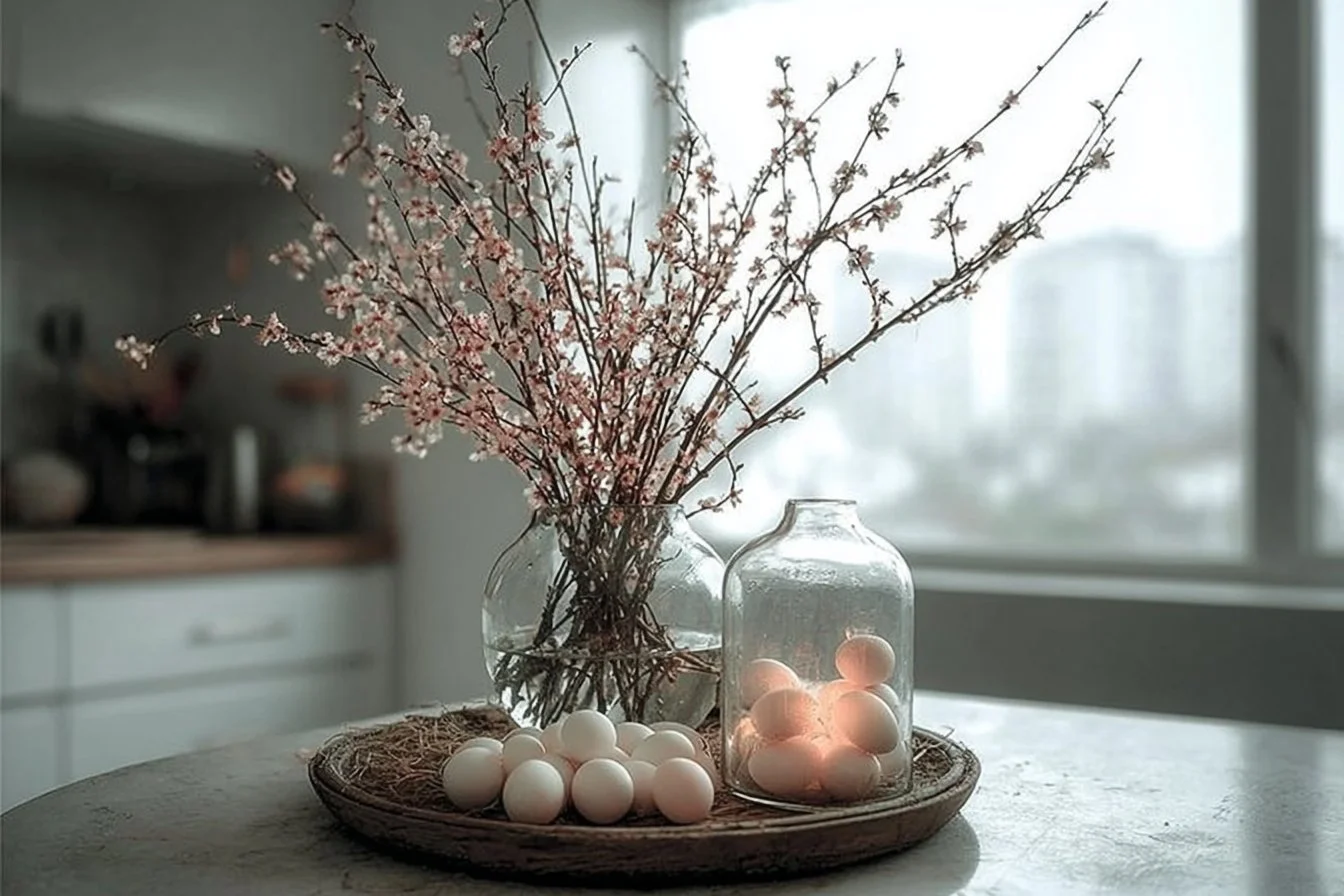
Real or preserved stems in mismatched jars create effortless beauty and make your kitchen or mantel feel loved. Instead of perfect bouquets, gather wild stems or grocery-store bunches, trim casually, and arrange with varying heights for a relaxed silhouette that reads as intentional rather than staged. Flowers enliven a room visually and trigger warm memories of family walks or neighborhood barters for peonies. Try placing a lively arrangement on the family table and swap it into smaller vessels for kid-friendly spots. For more ideas on styling dining surfaces with seasonal touches, I found dining table styling tips that translate well from holiday tables to everyday spring charm. The goal is approachable elegance: let petals fall, use unexpected containers, and teach kids to help freshen the display for instant decorating inspiration.

Layered Textiles: Cozy Color Without Overhaul

Swapping fabrics is one of the fastest ways to transform a room. Introduce pastel throw pillows, light linen curtains, or a patterned runner on a console to soften hard lines and bring color into your daily sightline. Textiles signal comfort to everyone in the house: kids curl up with blankets after homework, and you get a cozy moment with a book before bedtime. Choose washable fabrics where possible so the family’s busy life won’t wreck your styling. Start with one anchor piece, like a new sofa throw, then add coordinating napkins or a table runner for continuity in the dining nook. Layering different textures—cotton with a knit or a woven basket with a soft throw—adds depth and makes decorative choices feel like part of everyday living rather than an unattainable magazine spread.

Porch and Patio Pop-Ups for Casual Gathering

Your outdoor space can be a breath of fresh air for morning coffee and after-school chatter. A few colorful cushions, a weatherproof rug, and string lights create an inviting spot for kids to finish homework while you peek at emails. Visually, outdoor textiles and rotated planters break monotony and create focal points that neighbors will notice during evening walks. To apply it, start with movable pieces: a folding bistro set, potted herbs on a tiered stand, and a sturdy tray for cups and snacks. Small touches like a chalkboard for family notes or a water-safe lantern add personality without fuss. For inspiration on setting tables and making outdoor surfaces feel special, look to table styling inspirations that work equally well indoors and out, giving you flexible decorating inspiration that fits family rhythms.

Kitchen Vignettes and Open Shelving That Tell a Story

Kitchens are where life happens, so styling here should be practical and personal. Swap everyday dish towels for seasonal colors, display a stack of vintage bowls, or create a small herb garden on an open shelf that feeds both meals and conversation. A curated shelf with cookbooks, pottery, and a jar of wooden spoons reads as collected rather than staged, and kids love grabbing a sprig of basil to add to their toast. These little arrangements make cooking feel like an experience, not a chore. Visually, grouping items by color or material creates rhythm and balance. To keep it realistic, limit displays to one shelf where things are easy to reach and maintain; rotating pieces monthly keeps the vignette fresh and gives kids a chance to help decide the next theme.

Conclusion

I love how a handful of thoughtful changes can make everyday routines feel new and inviting. These interior styling tips and home décor ideas are designed to be simple enough to try between school runs but impactful enough to brighten the whole house. Save the ideas that fit your family’s pace, try one this weekend, and watch how small edits make daily life a bit more beautiful. For a dose of porch-specific inspiration that pairs perfectly with these touches, check out these classy rustic front porch ideas.

Categories
Decor

Cheerful Checker Lamp Ideas to Brighten Rooms

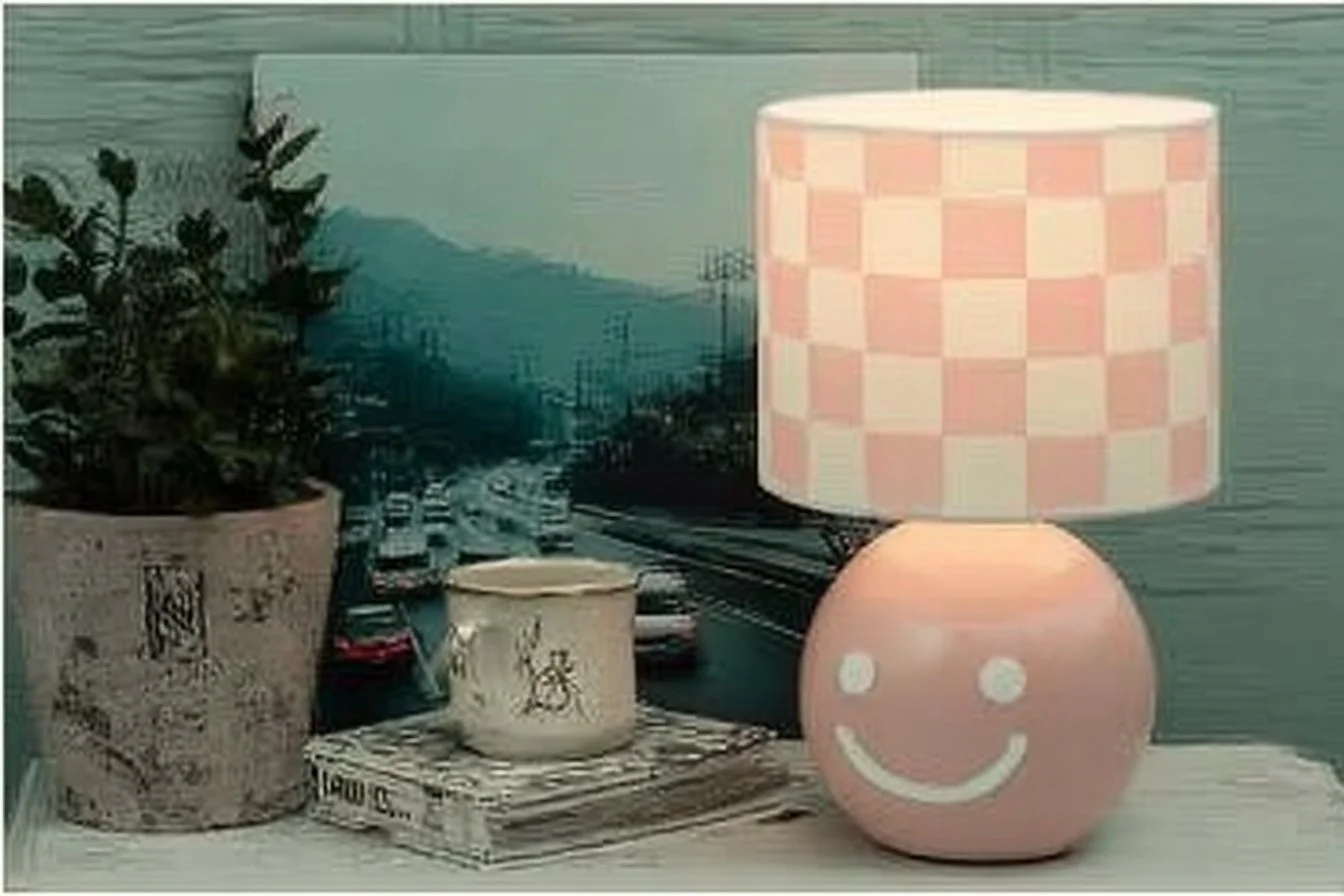
I still remember the spring my neighbor dropped off a quirky little light with a bold check pattern and a grin on its shade. Between school drop-offs, piano practice for my ten-year-old, and an endless rotation of snacks for both kids, that lamp became our unexpected little mood booster. It sat on the hall table, and every time someone came home—friends, grandparents, even our sometimes-grumpy Golden Retriever—it sparked a tiny moment of joy. As a mom in my forties, balancing carpools and kid science projects, I find small, playful touches like that help a house feel more like our home. Lately I’ve been experimenting with ways to style that kind of cheerful light around the house, and I love how those small changes change the rhythm of our days and spark conversations with neighbors who stop by.

Entryway Welcome with a Playful Glow

Place a bold check-pattern lamp on a narrow console to greet everyone who walks in. Visually, the contrast of square patterns plus a happy motif draws the eye, giving your entry an instant focal point without a full redesign. Emotionally, it signals warmth and personality the moment a guest steps through the door. To make this realistic, use a slim console or floating shelf and keep keys, mail, and a small tray nearby so the lamp doesn’t crowd daily routines. Add a framed family photo beside it to link the lamp to memories—my daughter loves arranging tiny shells she collects at the beach next to ours. The lamp’s color can echo a throw pillow or rug, tying the entryway to the living spaces. This is a quick home décor idea that feels curated but stays practical for busy families juggling backpacks and after-school activities.

Kid-Friendly Reading Nook that Sparks Joy

Turn a corner into a cozy reading nook by pairing a bright, patterned lamp with a comfy chair and a low bookshelf. The cheerful light makes storytime feel special and invites reluctant readers to linger after lights-out. From a visual standpoint, the lamp’s pattern breaks up softer textures like blankets and plush toys, creating an energetic focal point that kids find fun. For real-life use, choose a lamp with a sturdy base and an accessible switch so children eight to twelve can turn it on independently for late-afternoon reading. Add a small tray for snacks and a cup holder for juice after homework; my son often brings his science projects there to spread out. This approach blends interior styling tips with practical family routines, helping you create a space that supports learning and downtime without sacrificing style.

Living Room Accent that Starts Conversations

A patterned, cheerful lamp on a side table can become the living room’s conversation starter. It nudges the eye across the room, balancing larger furniture while introducing a playful element that keeps the space from feeling too formal. Emotionally, it softens the atmosphere, making movie nights or board games feel cozy and relaxed. To implement this, choose a lamp color that complements existing textiles—match one of the squares to a sofa throw or an armchair. Keep the lamp near seating so kids or neighbors can easily reach it when reading or playing. We often reposition ours during family game night so the light highlights score sheets and cards. This technique is one of my favorite home décor ideas for blending style with everyday family life, turning practical lighting into part of the home story.

Shelf Styling: Mix Patterns with Personal Touches

Place the lamp on open shelving to create playful vignettes alongside books, framed drawings, and potted plants. The checker pattern introduces geometry that contrasts nicely with organic items like leaves and ceramics, giving depth to the display. Emotionally, these curated shelves tell a layered story about who lives there—our kids’ artwork next to a lamp says more than a blank wall ever could. Practically, stagger heights and use a mix of horizontal and vertical books to give the lamp breathing room. I like to let one shelf be dedicated to rotating kid creations; when my daughter brings home a new painting, I swap it in immediately. This keeps the styling fresh and keeps the family involved. For anyone seeking decorating inspiration, this approach is an easy way to layer color and personality while keeping shelves functional for everyday life.

Bedside Brightness That’s Functional and Fun

Use a bright check-pattern lamp on a child’s bedside table to combine practicality with personality. A lamp that reads well and looks cheerful can make bedtime routines like reading, tooth brushing, and story choices feel more pleasant. Visually, the pattern adds energy without overwhelming a small bedside surface, especially when balanced with neutral bedding. For realistic application, ensure the lamp’s height is suitable for the bed and that the cord is tucked safely away—safety matters when kids are involved. Keep a small basket for bedtime books and a clip-on reading light for later nights. In our house, having a whimsical lamp made my son more excited to pick his bedtime story and helped ease the transition to lights-out. These interior styling tips prove that useful items can be joyful style moments too.

Rotate, Pair, and Personalize for Lasting Charm

Don’t be afraid to move your lamp around the house to freshen up rooms. Rotating decorative pieces keeps spaces lively and lets your family engage with their home. Visually, migration of a colorful lamp can refresh a room’s balance and create new focal points as seasons of life change—kids grow, hobbies shift, and furniture gets rearranged. To apply this at home, set a monthly or quarterly “refresh” day when kids help move a few items; my neighbor’s kids treat it like a mini treasure hunt. Pair the lamp with different textures and art each time—try woven baskets one month, framed travel photos the next. This practice provides ongoing decorating inspiration and strengthens family routines by involving everyone in caring for the home. It’s one of the easiest home décor ideas to implement and it keeps your space feeling lived-in and loved.

Conclusion

If you love the idea of a colorful, check-patterned lamp as a tiny design hero, consider exploring options like the multi-color checkerboard lamp at Hobby Lobby for inspiration. Small lighting choices can transform corners into cozy spots, introduce playful energy, and spark decorating inspiration across your home. Save a few of these ideas, try placing a cheerful lamp in one spot this week, and see how a modest change can lift daily routines and create new family moments.

Categories
Decor

Tulip Glow Ideas for Cozy Family Spaces

I still remember the first time I watched my youngest drift off with a tiny lamp casting soft color across the room. As a mom in my forties juggling school drop offs, community bake sales, and the neighbor who borrows sugar more than she returns it, those small comforts matter. My two kids, now between eight and twelve, have routines that revolve around quiet corners, homework sprawls, and nightly stories. Little lights became our secret trick to turn ordinary afternoons into calm moments. They make homework less harsh, bedtime gentler, and the living room feel like a hug after soccer practice. That personal touch nudged me toward experimenting with one sculptural pot light that fits into every corner of our house. These ideas are born from real family life, and they are meant to help you add warmth without fuss.

Soft Bedside Glow That Calms Kids

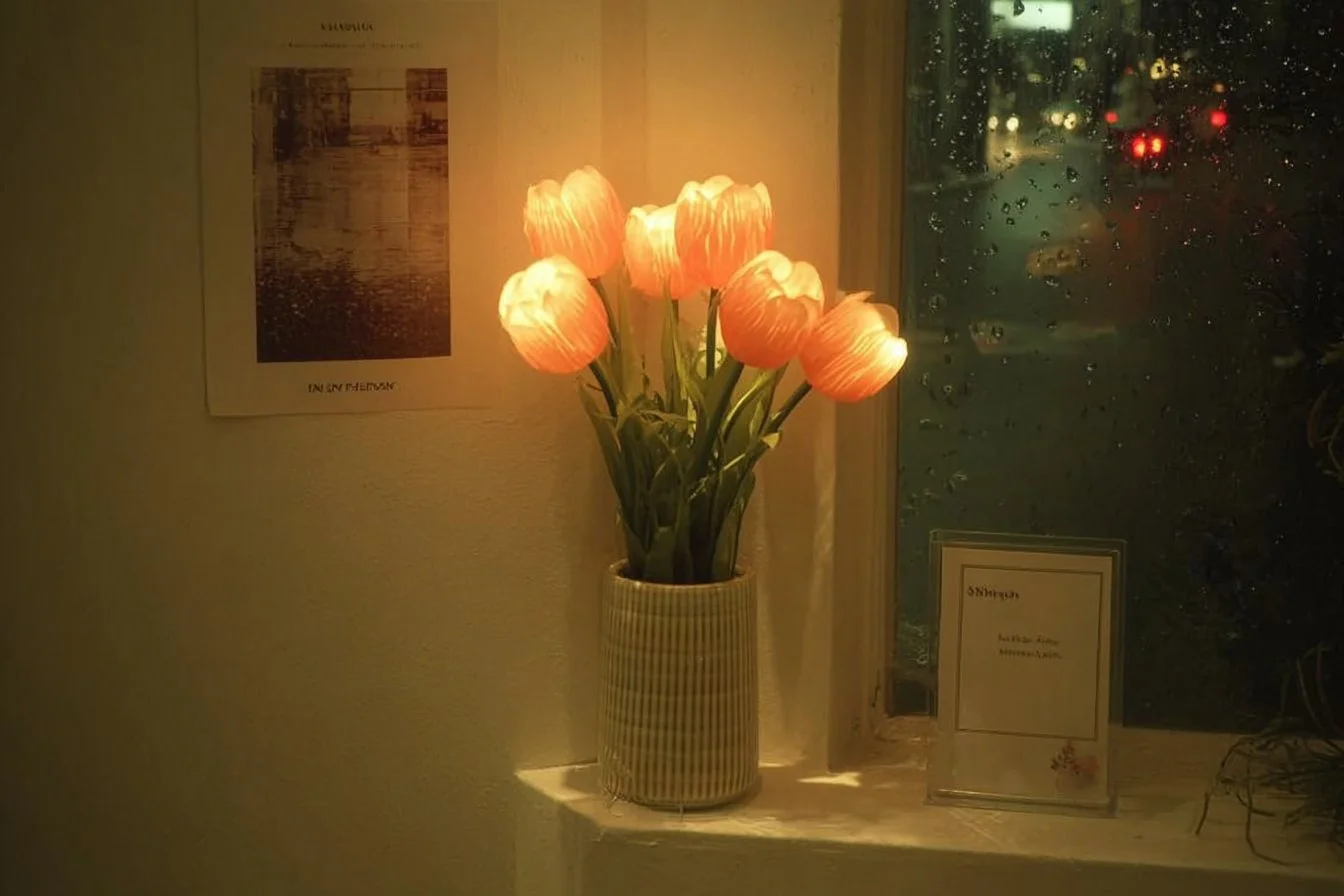
A tulip-shaped lamp with a soft, adjustable glow is perfect for nighttime rituals. Visually it creates a delicate silhouette that reads like a modern flower on the nightstand. Emotionally, a warm, dim light signals safety to young minds and helps the whole family unwind after a long day. To apply this at home, place the lamp on your child’s bedside table and set it to a low amber or pastel shade about 30 minutes before lights-out. Let your eight-year-old pick the color once a week to give them a sense of control. For tweens, use cooler tones during homework time and warmer tones for reading. This simple swap integrates home décor ideas with parenting needs and helps establish predictable routines that make mornings easier.

Reading Nook That Encourages Quiet Time

Create a small corner with a comfy chair, a stack of books, and a tulip pot light for soft, focused illumination. The lamp’s sculptural form acts like both a light source and a decorative accent, elevating the nook aesthetics without crowding the space. Emotionally, dedicated low-light spaces invite calm and concentration, which is priceless for homework or independent reading. Arrange the chair near a bookshelf at child height so your 10-year-old can grab a favorite title. Switch to a gentle blue-white tone for concentration or a warm amber for winding down. This is an easy interior styling tip that blends function and beauty and becomes a family spot where stories and quiet habits form.

Welcoming Entryway Accent for Guests

A tulip-style lamp on a console table makes the front entry feel instantly livable and inviting. The soft glow will greet neighbors and family friends in a way that harsh overheads never can. Visually it adds a sculptural focal point; emotionally it sets a tone of hospitality that says your home is ready for company. To style it, pair the light with a small tray for keys and a framed family photo. Keep the lamp on a low setting in the evenings so kids racing in from the bus feel welcomed. This is a simple decorating inspiration for anyone who wants to create a welcoming vibe without remodeling. It’s practical for those evenings you host a last-minute after-school playdate.

Dinner Table Ambiance for Family Nights

Swap the centerpiece for a single tulip pot lamp when you want a softer dining atmosphere. The rounded glow avoids the drama of candles and creates a cozy bubble for conversation. Visually it keeps the table light and elegant; emotionally it encourages slower meals and better conversation, a small ritual that nourishes family bonds. Place the lamp at center or off to the side on a runner so kids can still see their plates. Dim the light a touch for post-homework dinners and brighten it slightly when you need more task light for clearing dishes. This decorating inspiration works for casual weeknights and weekend gatherings when you want the space to feel intentional but relaxed.

Bathroom Nightlight for Safer Nights

A low-light tulip pot placed on a shelf turns the bathroom into a gentle, navigable space after bedtime. Functionally it prevents stumbles; visually it adds a spa-like touch to an otherwise utilitarian room. Emotionally, a soft glow reduces startling contrasts that can wake children fully. Mount the lamp on a higher shelf away from splashes and set it to the lowest warm tone. Teach your kids to use that light instead of turning on the main fixture during middle-of-the-night trips. This practical interior styling tip meshes safety and design, and it saves both your sleep and minor scolding over loud bathroom lights.

Shelf Vignette That Elevates Everyday Decor

Use the lamp as part of a styled shelf with a mix of family photos, small plants, and favorite trinkets. The lamp’s shape provides height and sculptural interest while the light adds depth to the vignette. Emotionally, a thoughtfully lit shelf whispers calm and order into busy rooms. To style, group items in odd numbers and leave breathing room around the lamp so it reads as a focal piece. Swap a plant or toy when the kids want to personalize their corner. This is a friendly interior styling tip that turns ordinary storage into a curated display and fits naturally into a home filled with kids’ projects and rotating art.

Conclusion

If you love practical home décor ideas that actually work for families, these lighting tweaks blend form and function in ways that feel lived in. Try one spot at a time so you notice how simple light shifts can change moods and routines. For a ready-made option to explore, see the New Bella tulip pot LED lights to imagine how one piece can tie multiple rooms together. Save this page for future decorating inspiration and come back when you want more interior styling tips tailored to real family life.

Categories
Bathroom

6 Fresh Bathroom Wall Ideas That Feel Like Home

I still remember the Saturday mornings when my two kids, ages eight and eleven, would race down the hall wrapped in towels, toothpaste streaks telling the story of rushed mornings. Living in a friendly cul-de-sac, our neighbors drop off cookies and my teen’s soccer cleats end up in our foyer more often than not. Between school runs, after-school snacks, and bedtime stories, my bathroom became one of the few quiet places I could sneak a cup of coffee. Making that small room feel calm and personal—without major renovations—saved my sanity. Little touches on the walls made it feel warm and lived-in, and they were the kind of small wins I love sharing with other busy families looking for decorating inspiration and simple home décor ideas like the ones I tried first. For a boho fresh start, I found helpful tips in this boho bathroom ideas guide that fit right into our routine.

Bright Statement Mirror to Open the Space

A large statement mirror is an instant mood lifter and visually expands a small bathroom, which is perfect when two kids need the sink at once. Mirrors reflect light, creating depth, and a pretty frame becomes wall art that feels intentional. Choose a warm-toned frame to make mornings gentler or a sleek black frame for modern contrast with white tile. Hanging a mirror at kid-friendly height helps little hands reach the sink while still keeping the room stylish for guests. I mounted ours with secure hardware and taught the kids a simple wipe-down routine after brushing their teeth so it stays streak-free between deep cleans. This approach blends interior styling tips with everyday family life: functional, attractive, and built to last.

Personal Gallery Wall for Family Moments

Transform a spare wall into a curated gallery with small framed prints, kids’ drawings, and a favorite quote to make the space uniquely yours. Grouping frames in similar tones keeps things cohesive while mixing sizes adds charm. This works emotionally because it turns a sterile area into a story-filled nook, reminding you of quiet moments and shared laughs. To keep it realistic, use lightweight frames and removable picture hooks so you can swap in a new masterpiece after every school art project. My neighbor loved the idea so much she borrowed our templates for a weekend craft afternoon, and now her kids beam when they spot their own drawings in the mirror. For more heartfelt decorating inspiration that pairs well with family photos, this American-inspired decor ideas post gave me extra layout ideas.

Floating Shelves with Plants and Baskets

Floating shelves are a double win: storage and style. Install two or three slim shelves to display a small plant, hand towels, and a wicker basket for toothpaste and hair ties. Greenery softens tile and mirror reflections, while natural textures like rattan add warmth. Shelves are particularly family-friendly because you can make the bottom shelf kid-accessible for their bath toys and toothbrushes while keeping fragile items higher up. I placed a non-toxic, low-light plant on the middle shelf and labeled baskets so my kids could grab what they needed without a hunt. Visually, the staggered layers create vertical interest and emotional calm, making busy morning routines feel a touch more organized and pleasant.

Removable Wallpaper Accent for Instant Personality

If you crave a bold change without long-term commitment, removable wallpaper is a brilliant trick. An accent wall of subtle geometric pattern or soft florals adds personality that reads like a designer update but can be peeled off after a few years. It’s ideal for renters or families who redecorate frequently as children grow out of themes. Pick patterns that coordinate with towels and bath mats so the room looks cohesive even when kids toss their clothes on the floor. I tested a washable, peel-and-stick variety and taught my son how to avoid scuffing the edges, which kept it looking fresh through sticky fingers. This technique is a fast way to refresh the room and keep decorating inspiration flowing without a full renovation.

Vintage Art and Warm Metallic Accents

Adding one or two vintage prints in brass or antique frames brings a sense of history and calm to a modern bathroom. Warm metallic accents, like a brass towel ring or soap dish, create a cozy glow that softens cold tile. Emotionally, these touches tell a story and invite pause—a welcome counterpoint to days full of carpools and homework. To apply the look, shop thrift stores for affordable frames, swap in prints that speak to you, and balance the metals with soft linens. I swapped in an heirloom print my grandmother liked, and every time I wash my hands I feel connected to family memories. This style mixes well with neutral palettes and keeps the space feeling curated and lived-in.

Smart Hooks and Kid-Friendly Functional Decor

Sometimes the best wall decor is the kind that helps life run smoother. Stylish hook rails, labeled cubbies, or a built-in towel ladder combine practicality with design. Hooks keep robes and towels off the floor, and a family hook system teaches ownership: a color or name tag for each child speeds up post-bath routines. Choose rounded hooks for safety and durable materials that stand up to daily use. I installed a wooden rail with three hooks, one for each of us, and a small chalkboard for reminders like “pack lunch” or “brush teeth.” That simple change reduced towel mismatches and made morning chaos a little friendlier. These small, intentional pieces are decorating inspiration that truly serves a busy household.

Conclusion

If you’re ready to try one change at a time, save these ideas to a board and start with a mirror or a single shelf—you might be surprised how calming a curated wall can feel during hectic family mornings. For a charming travel-inspired visual and more creative styling examples that sparked some of my own choices, I enjoyed reading the JRL Interiors travel diary which offered delightful styling notes I adapted for our home. Come back anytime for more interior styling tips and decorating inspiration to make every room feel like yours.

Categories
Decor

Green Tulip Glow: Charming Floral Lamp Ideas

I still remember the hush of weekday mornings when my two kids, ages eight and eleven, pad downstairs arguing over cereal bowls while I fill thermoses and check the school calendar. Our porch swings creak with neighbor chatter and the dog lopes in for one last nuzzle before the rush begins. At night, after homework and piano practice, the house seems to breathe again — small routines like a bedtime story under a soft lamp make everything feel steadier. I started swapping out harsh overheads for softer bedside lighting and discovered how a single floral lamp can change the mood of a whole room. If you love gentle, lived-in spaces, these home décor ideas grew from my real life of carpools, craft projects on the kitchen table, and quiet moments with a mug and a good book. For visual inspiration that helped me, I often revisit curated living spaces like these elegant living room design ideas to spark fresh ways to style a floral bedside lamp.

Vintage Floral Lamp as a Nightstand Focal Point

A green tulip-inspired lamp becomes more than lighting; it becomes a nightly companion that anchors a bedside vignette. Visually, its curving petals and soft green glaze add organic shape against stacks of books and framed photos, creating a charming focal point that feels both vintage and current. Emotionally, a floral silhouette whispers comfort after a chaotic day — my daughter reaches for that warm pool of light during bedtime reading, and it quietly marks the transition from busy to calm. To apply this, position the lamp on a nightstand with a small tray for nighttime essentials and a low-profile alarm clock so the lamp remains the hero. Choose a G4 LED bulb with warm color temperature to preserve the lamp’s soft glow and keep the light gentle for late-night pages of a chapter book. This technique blends interior styling tips with family-friendly functionality, proving decorating inspiration can be both pretty and practical.

Layered Lighting for Homework and Story Time

Combining the tulip lamp with task and ambient lights creates a layered setup that suits both homework sessions and cozy story time. Place the lamp on one side of a desk or nightstand and add a directional desk lamp or wall sconce for focused tasks like math worksheets or art projects. Visually, layers add depth and prevent a room from feeling flat; emotionally, switching between bright task light and the tulip’s mellow glow helps kids understand activity zones — bright for focus, soft for rest. At our home, I keep a small portable reading light in a basket with crayons and flashcards, so my son can continue a project without tugging on the main lamp. Using bulbs with adjustable brightness or separate switches keeps control simple for tired parents and independent children alike. These interior styling tips make evening routines feel intentional and calm.

Mixing Vintage Lamp with Modern Office Decor

A floral bedside lamp can confidently sit on a home office desk, bridging nostalgic charm with contemporary efficiency. In my makeshift office, the lamp softens the hard lines of a laptop and paperwork, making long evening hours feel less sterile. Visually, combine the lamp with streamlined organizers and a neutral color palette so its green tulip shape stands out without overwhelming the space. Emotionally, this blend prompts a warmer work atmosphere that helps focus without feeling formal — I find it easier to switch from emails to family time when my workspace feels cozy. To implement, choose a small lamp base that doesn’t crowd your desk, and pair it with a minimalist tray for pens and charging cables. These decorating inspiration points make it easy to create a productive corner that still reflects home life and personality.

Kid-Friendly Bedrooms with Floral Accent Lighting

Using a vintage-style floral lamp in a child’s room adds whimsy and a comforting ritual before bed. My youngest loves arranging small stuffed animals around the lamp base, creating a tiny audience for bedtime stories. Visually, the lamp introduces soft curves and botanical color, which pairs well with neutral bedding and playful patterns in pillows or curtains. Emotionally, a special lamp can become part of the family’s nighttime routine — a soft click signals it is time to wind down. To keep it child-friendly, secure the lamp with a non-slip pad, choose LED G4 bulbs that stay cool to the touch, and place it where little hands can reach but cords remain tucked away. These small safety-minded styling tips ensure decorating inspiration doesn’t sacrifice practicality, and the result is a room that feels handcrafted and safe.

Small Living Room Styling with a Statement Lamp

In apartments or compact living rooms, a floral table lamp can act as a compact statement piece that elevates the whole room. Place it on a slim console table by the entry or on an end table beside a comfy armchair. Visually, the lamp’s sculptural silhouette creates a vertical accent that draws the eye upward, making the room feel taller and more layered. Emotionally, it becomes a comforting glow for late-night chats with neighbors or quiet evenings alone with a magazine. For realistic application, pair it with multi-functional furniture — a storage ottoman or nesting tables — so the lamp doesn’t compete for space. I often rearrange small vignettes around a lamp to freshen the room without major purchases, an approach inspired by cozy ideas from a nostalgic decorating style I adore like grandmacore living room nostalgia that makes older pieces feel treasured and new.

Creating Calming Nightstand Corners for Family Routines

A dedicated nightstand corner with a floral lamp supports healthy evening routines for every family member. The lamp creates a consistent visual marker for sleep rituals: a warm light, a favorite bedtime book, and a glass of water. Visually, keep the area uncluttered so the lamp’s elegance can breathe; emotionally, this simplicity helps kids and adults alike shift into rest. To make it real at home, establish a small “wind-down” shelf where reading materials, a soft eye mask, or a bedtime journal live together with the lamp. For us, turning the lamp on signals the start of quiet time after we close laptops and finish dishes. These practical interior styling tips help turn a household routine into a gentle, habitual pause that nurtures family well-being. You can also subtly change the lamp’s placement seasonally to refresh the room without buying anything new, keeping decorating inspiration alive.

Conclusion

If you love the idea of a floral lamp anchoring cozy corners in your home, save a few of these setups for your next refresh and try them out between school drop-offs and weekend crafts. Simple shifts in placement, bulb warmth, and surrounding textures can transform everyday routines into small rituals that comfort the whole family. For a product option I found fits these looks well, check the detailed listing for the green tulip lamp at XMFBSY Green Tulip Table Lamp on Amazon.

Categories
Decor

Spring Refresh: Stylish Living Room Makeover Ideas

I remember the late afternoons when my two kids, ages nine and eleven, tumble back from the bus with muddy shoes and endless stories about neighborhood adventures. Between homework negotiations, a quick dinner plan, and waving hello to Mrs. Carter next door, my living room is the stage for our everyday chaos and quiet moments. I’ve learned that small changes—like swapping a throw or moving a chair—can turn a frazzled evening into a cozy family pause. Those simple swaps come from years of trial, borrowing a clever trick here and there and adapting ideas so they withstand sticky fingers and movie nights. If you love practical touches that still look pulled together, try pairing a few fresh touches with what already works; an easy place to start is remembering budget-friendly decorating tricks that keep beauty and function in balance budget-friendly decorating tricks.

1. Light, Layered Fabrics for an Airy Feel

Soft, breathable fabrics instantly lift a living room’s mood and make family life feel lighter. Linen slipcovers or pale cotton throws provide texture without fuss, and they hide daily wear better than you might expect. Visually, layers add depth: a gauzy curtain, a linen sofa cover, and a washable throw create a welcoming, lived-in look. Emotionally, these fabrics signal comfort to kids who want to collapse after school and to guests who stay for tea. To apply this at home, start with a neutral base—beige or light gray—and introduce one or two pastel pillows that coordinate with your rug. Keep a few extra machine-washable covers in a closet so you can swap them after messy crafts or movie popcorn nights. This approach mixes practical interior styling tips with real-life routines, so your sofa looks styled and survives family life.

2. Bring the Outdoors In with Easy Greenery

Houseplants and cut greenery change a room more than you’d expect; they add color, life, and a calming scent. A low-maintenance snake plant on a side table, a soft fern on a shelf, or a vase of freshly cut greenery from the yard creates an instant seasonal lift without a full overhaul. Plants work visually by breaking up flat surfaces and adding natural texture. They work emotionally by making the space feel cared for and alive—kids tend to respect a plant they helped water. For homes with curious children, choose sturdy varieties and place fragile pots out of reach. If you don’t have a green thumb, start with faux stems in a quality ceramic vase—realistic options can still support the cozy, lived-in vibe. If you like playful touches overhead, pair greenery with subtle ceiling accents inspired by creative ceiling styling ideas creative ceiling styling ideas to make the whole room feel cohesive.

3. Swap Textiles to Refresh Without Spending Much

Swapping pillows, rugs, and curtains is one of the most cost-effective decorating inspiration moves. A new patterned cushion or a textured throw can reset the room’s energy and coordinates well with toys, books, and school backpacks that live in the space. This strategy works visually because color and print guide the eye and refresh the palette without replacing big pieces of furniture. Emotionally, it signals change to your family—kids notice when mom updates the room, and it becomes a shared conversation starter. Practically, assemble a small “refresh kit” with two pillow covers, one throw, and a lightweight rug runner. Rotate these seasonally or when you need a mood boost. For a harmonious result, choose one accent color to repeat across textiles so the room feels intentional rather than mismatched.

4. Reworked Layouts for Better Flow and Family Moments

A fresh floor plan can transform how your living room supports family life. Simply angling a sofa toward a window, or pulling furniture away from walls, creates conversation zones and makes space feel larger. This works visually by improving sightlines and emotionally by promoting togetherness—game nights and homework time become easier when kids can join the conversation from a comfy nook. To try this at home, test one change each weekend: move a chair, rotate a rug, or create a reading corner with a floor lamp. Consider how kids move through the room—leave clear paths for scooters or after-school backpacks. Keep lightweight furniture or pieces on casters to allow easy reconfiguration when neighbors drop by or when you need space for a larger family gathering.

5. Fresh Artwork and Personal Displays

New artwork doesn’t need to be expensive to be impactful. Framed children’s drawings, a family photo gallery, or an affordable print can bring warmth and meaning to walls. Visually, art anchors a room and gives the eye a place to rest; emotionally, it celebrates family memories and builds comfort. To apply this, curate three to five meaningful pieces and group them above a sofa or console at eye level. Mix frames of similar finishes to keep the look cohesive, and swap pieces seasonally to keep the display fresh. This is also a great way to involve kids—let them pick one piece to hang each month. If you want a cozier vibe, add a small shelf beneath the gallery to display a rotating selection of books and keepsakes that reflect your family’s personality, blending interior styling tips with everyday life.

6. Natural Accents and Texture for Warmth

Introducing natural elements like woven baskets, rattan trays, or a jute rug creates tactile contrast against smooth sofas and electronics. These materials offer visual warmth and practical storage for toys, blankets, and game controllers. Emotionally, natural textures ground a room and create a relaxed, inviting atmosphere for family evenings. To apply this idea, start with one or two statement pieces: a woven floor basket for blankets near the couch and a wooden tray on the coffee table for remotes and snacks. Mix textures—soft throws, a leather-bound book, and a woven piece—for a layered, lived-in look. Encourage kids to help by making a habit of tossing items into the basket at the end of the day; it keeps the room tidy while teaching small responsibilities.

Conclusion

These approachable updates prove that small, thoughtful shifts can change how a living room feels during busy family life. Try one idea this weekend—maybe a new throw or a rearranged chair—and notice how it invites calmer evenings and brighter mornings. If you’re saving ideas for later, pin a couple of photos and revisit them when the inspiration strikes; cozy changes often grow into beloved routines. For more living room inspiration and curated examples you can adapt for a family home, explore this living room design gallery.