Categories
Decor

Blush Bouclé: Cozy Storage for Busy Homes

I still remember the first time I watched my son and his buddy collapse into giggles atop a mountain of pillows while I sipped coffee at the kitchen island. Between school drop-offs, soccer practice, and the neighbor’s impromptu porch chats, our home feels like a small lived-in village where every piece of furniture earns its keep. With two kids between eight and twelve, I prize things that can handle sticky fingers, late-night homework spreads, and cozy movie marathons. Lately I’ve been drawn to pieces that blend softness with purpose, the kind that invite a hug and hide the clutter. That curiosity led me down a rabbit hole of simple styling swaps that make our family room feel calmer and more intentional without losing its warmth or our everyday chaos.

Soft Seating as a Family Anchor

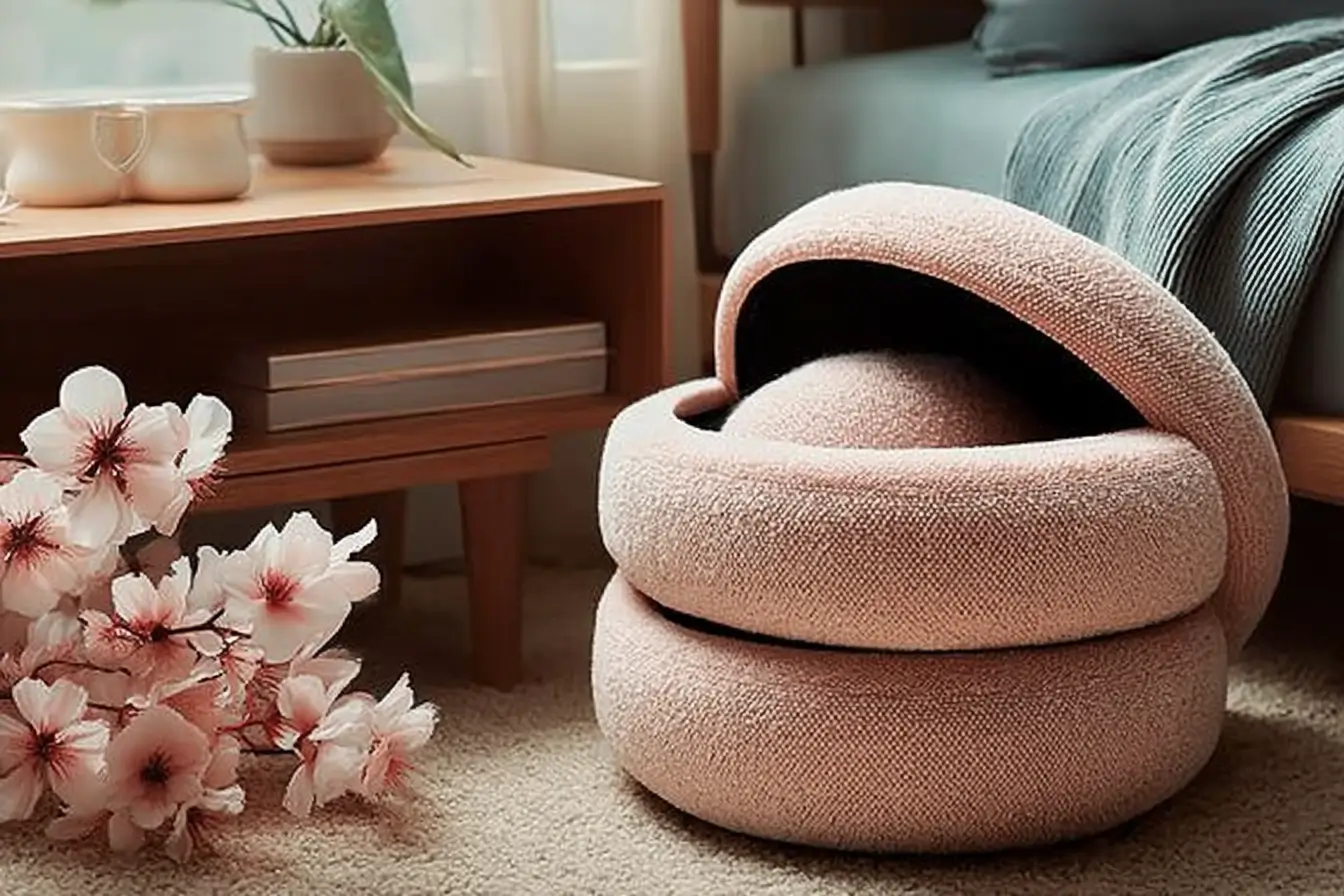
A rounded, upholstered ottoman can become the family’s favorite perch, pulling a room together in a way that feels deliberate but lived-in. Visually, a soft silhouette contrasts sharper furniture lines, adding balance and a welcoming mood. Emotionally, it’s an approachable spot where kids can sprawl with a book or adults can rest tired feet without fuss.

To use this idea at home, place the ottoman in front of your sofa as an alternative to a rigid coffee table. Top it with a shallow tray for remotes and a small vase to keep surfaces tidy while keeping the cushy feel. For families, I suggest choosing fabrics that hide wear, like textured boucle, which disguises small stains and pet hair. This approach offers easy comfort while maintaining a curated look that elevates everyday routines and makes guests feel instantly at ease.

Hidden Storage That Feels Chic

Functionality doesn’t have to shout. Storage ottomans blend form and function, concealing blankets, craft supplies, or board games behind a soft exterior. Having a dedicated stash spot keeps the room clutter-free, which in turn reduces stress during hectic evenings when homework and dinner collide.

Start by assigning one storage ottoman as the official family stash for items that often migrate across the house. Use cloth bins inside to separate art supplies from game pieces so kids can access what they need without disrupting the whole stash. Choose a blush or neutral tone to add warmth; the color softens visual noise while the textured fabric keeps the piece from looking like an afterthought. This small swap helps the living area stay photo-ready for neighbors popping in, and it streamlines clean-up routines after busy afternoons.

Layering Textures for Cozy Cues

Adding boucle or similar nubby textures immediately invites touch and slows a room down in the best way. Texture communicates comfort on a subconscious level, making a space feel more intimate and curated. When mixed with smooth leathers, woven rugs, and soft throws, the room reads as intentionally cozy rather than cluttered.

Bring this to life by pairing the ottoman with a contrasting rug and a lightweight throw over one arm of the sofa. Swap in a velvet pillow or two to add depth without overwhelming the palette. For families, this strategy works because textured pieces mask the evidence of daily life—crumbs, fingerprints, and the occasional art project residue. Encourage kids to keep their favorite blanket nearby in the ottoman, which reinforces tidy habits while preserving the lived-in, layered aesthetic that guests always comment on.

Kid-Friendly Styling Without Sacrificing Style

Stylish homes don’t have to be fragile. Choosing durable upholstery and resilient finishes keeps your design goals intact while accommodating the energy of eight- to twelve-year-olds. A low-profile, soft ottoman is safer during play and doubles as extra seating, which is a win for both aesthetics and practicality.

To implement this, pick fabrics labeled for heavy use and avoid intricate trims that trap crumbs. Position the ottoman where it can serve multiple roles—footrest during adult conversation, platform for afternoon board games, or a seat for a friend who drops by. Teach kids a simple nightly reset routine: stow toys into the ottoman before bedtime. This small family habit makes styling sustainable and gives children ownership of keeping the space welcoming for neighbors, sleepovers, and relaxed weekend mornings alike.

Small-Space Tricks: Ottoman as Zone Marker

In compact family rooms, a storage ottoman can act as an anchor, subtly defining conversation or play zones without bulky furniture. Visually, it establishes a center point that organizes seating and traffic flow, creating the perception of intentional design even in tight layouts.

Place the ottoman perpendicular to a sofa to create a natural separation between TV watching and a reading nook. Add a low shelf behind a couch for homework supplies so kids can pivot easily from floor play to focused study without crossing the entire room. For seasonal crafts or impromptu neighbor hangouts, the ottoman’s portability is invaluable; you can move it to the porch or hallway to create temporary seating. These small spatial adjustments make daily transitions smoother and highlight your interior styling skills with practical, family-focused solutions.

Conclusion

If you’re looking to blend comfort, function, and subtle style in a family-centered home, a textured storage ottoman in a soft blush tone can be a transformative piece. It invites relaxed moments, hides everyday clutter, and helps define how your family uses shared spaces. Save these decorating inspiration notes for your next refresh and try placing a tactile ottoman in your main living area to see how it changes traffic, tidiness, and the overall hug-factor of your home. For product details and to see a blush boucle option that fits these ideas, check out this blush boucle storage ottoman on Walmart.
Categories
Decor

Charming Wood Wall Displays for Every Kitchen

I still remember the Saturday morning when my youngest decided the living room was the perfect place for a fort, blankets draped over dining chairs while I brewed coffee and watched the neighborhood kids pedal by. With two kids between eight and twelve, weekdays are a shuffle of school lunches, soccer practice, and the little rituals that make home feel lived in. Neighbors drop off baked goods, we swap carpool stories, and I keep a running list of quick projects that make our kitchen feel calmer. Crafting corners and easy decor swaps have become my secret weapons. Between homework station adjustments and sneaking in a bit of styling while the kids set the table, small changes to our walls make a big difference. When the kids want a quick craft, I usually pull up a guide to making 3D cardboard stars for inspiration, and those little projects often spark the decorating inspiration I need for the next cozy kitchen refresh.

Layered Wood Display: Mix Sizes for Depth

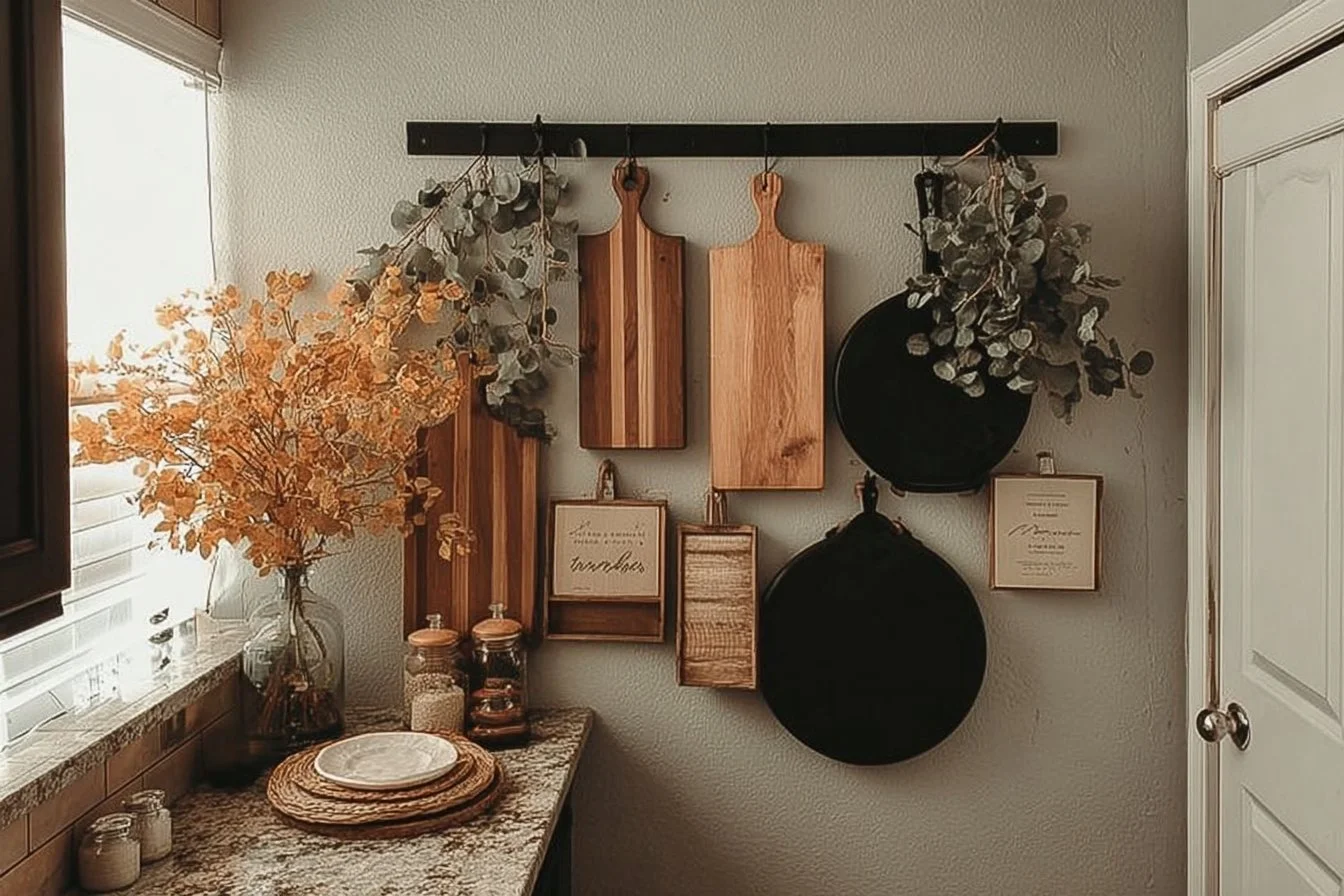
A layered arrangement of different board sizes creates an inviting focal point that reads warm and collected. Start with a large, well-worn board as the anchor and add smaller, contrasting pieces offset at slight angles. Visually, the mix of grain patterns and tones adds texture without feeling busy, which is perfect for a family kitchen where crumbs and homework notes coexist. Emotionally, it feels like a curated collection of moments—each board could be a memory from a market find or a hand-me-down from a neighbor. To apply this at home, pick a wall near the breakfast nook and arrange the boards on the floor first until the composition sings. Use removable wall hooks for easy switching, so you can rotate pieces after a craft day with the kids or rearrange for a fresh look before hosting. This technique pairs well with simple interior styling tips like keeping countertops clutter-free so the wall can breathe.

Hanging Boards with Beautiful Hooks and Strings

Hanging boards by hooks and natural twine turns everyday kitchen tools into art. Choose a line of antique-style hooks or modern brass pegs and suspend boards at slightly different heights for a casual, lived-in feel. This method works visually because the negative space between boards highlights each piece’s unique edge and texture, adding rhythm to the wall. It also feels homey—my daughter loves helping me choose which board to hang each week, and it becomes a family ritual. Practically, use screw-in hooks into studs for heavier boards, or strong wall anchors for lighter ones. If you enjoy little DIY accents, combining this display with a DIY 3D cardboard stars tutorial on a nearby shelf can add playful, kid-friendly charm. This styling approach blends functionality and decor, doubling as easy-access serving boards for weekend breakfasts.

Mosaic Back-splash of Small Boards

Create a mosaic by arranging many small boards into a patchwork above a prep area or coffee station. The key to this look is variation—mix oak, maple, and walnut tones, include a painted board or two, and offset grain directions for visual interest. Emotionally it reads like a handcrafted quilt for the wall, which resonates when you want your kitchen to feel nurturing and warm. To pull this off, measure the space and lay the pattern on the floor before attaching anything; using adhesive strips for lighter pieces can be a renter-friendly option. This layout also hides small scuffs and is forgiving when life happens—crayon marks or accidental drips become part of the story. It’s an approachable interior styling tip that elevates a utilitarian area into a place you actually want to linger, and kids often enjoy selecting which piece goes where, turning a decor refresh into family time.

Framed Board Art for a Polished Look

Turning choice boards into framed wall art makes a bold, refined statement while keeping warmth at the center. Select two or three boards with compelling grain or color, trim or mount them inside simple shadowbox frames, and space them evenly on a dining wall. This works visually because the frames introduce negative space and symmetry, balancing the organic wood texture with crisp lines. For a busy household, framed pieces feel tidy and intentional, giving you a grown-up gallery that still nods to home life. To make it doable, have the kids help decide which boards to frame as a weekend project—framing can be a great way to preserve a board with sentimental value, like one used to present a graduation cake or holiday bake. Framed wood also pairs beautifully with other home décor ideas like floating shelves or a hanging herb basket, creating a layered, styled vignette.

Rotating Shelf Display for Seasonal and Kid-Made Pieces

A slim floating shelf or narrow picture ledge makes rotating boards simple and fun. Place a mix of boards leaning against the wall—add a chalkboard board for notes or a small piece painted by your child to bring in a personal touch. This method works emotionally because it keeps the wall dynamic and allows the family to leave little messages or swap pieces after a creative afternoon. Practically, choose a sturdy ledge and secure it into studs, then arrange boards overlapping slightly so each piece peeks through. It’s an ideal spot for a rotating display: holiday breads, weekend charcuterie, or the kids’ latest painted experiment all look intentional when propped here. This flexible approach also supports decorating inspiration by letting you test combinations without committing to holes in the wall, which is great in rental homes or when you crave frequent updates.

Functional Beauty: Boards as Serving and Storage

Use boards not only as wall decor but as quick-access serving pieces and storage. Mount a few boards near the oven or counter with hooks or a simple rail so you can grab them mid-recipe or use them for impromptu snack spreads when neighbors drop by. Visually, grouping utilitarian pieces signals hospitality and makes the kitchen feel welcoming. Emotionally, it’s practical love—when guests arrive, you can pull down a board, arrange cheese and fruit, and still feel like the host who planned ahead. To implement this, choose boards with comfortable handles and finish them with food-safe oil, and rotate their placement so the kids help set the table from the wall display. This approach blends decorating inspiration with real-life function, making the kitchen beautiful and genuinely useful for family routines.

Conclusion

If you enjoyed these interior styling tips and want more budget-friendly collage ideas to spark your next project, check out this helpful resource for creating mood boards and wall collages: budget-friendly mood board collage ideas. Save a few of the displays you love, try one small change this weekend, and come back when you want fresh decorating inspiration—your kitchen will thank you and the kids will probably have a new craft to add to the lineup.

Categories
Bathroom

Bathroom Organization: 6 Genius Ideas to Transform Your Space

Tiny Bathroom Bliss: Storage Hacks That Spark Joy

Some mornings feel like a sitcom — me, forty-ish, ladling cereal while refereeing a towel tug-of-war between my 8-year-old and 10-year-old. Between homework notes stuck to the fridge and neighborhood kids packing for swim practice, our small hall bath became the scene of many tiny dramas and small victories. I remember the day a neighbor waved from her porch holding up color-coordinated baskets she swore changed her life; I wanted that calm. Little changes in storage and styling made routines smoother and gave our mornings a gentler pace. If you are tackling a compact space, I leaned on budget-friendly small bathroom remodel ideas when I needed practical, pretty solutions that fit a busy family life.

1. Floating Shelves that Feel Like a Breath of Fresh Air

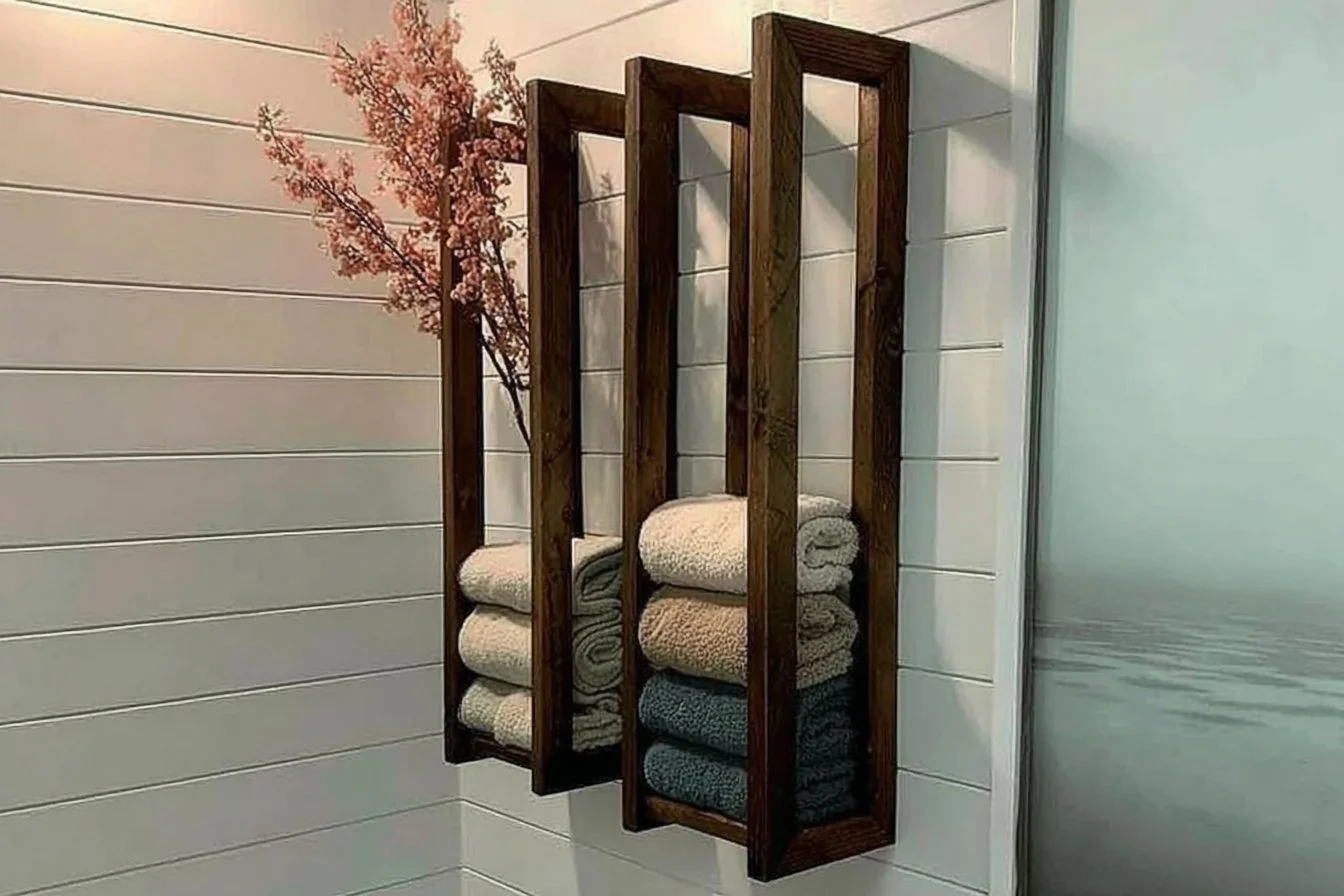
Floating shelves open up a small bathroom visually while providing real, reachable storage. They create a layered look that feels intentional rather than cluttered, which helps a busy mom keep things tidy without a major overhaul. I put one shelf at kid height for everyday items like toothbrush cups and bath toys, and a higher shelf for extra towels and decorative jars. The trick is to mix function and softness — stack rolled towels next to a small plant or framed photo to make the space feel lived-in and loved. Visually, the staggered horizontal lines lengthen the wall and reduce the boxed-in feeling common in small baths. Emotionally, shelves give kids ownership; my son knows where his towel lives now, and our mornings run smoother. These are simple interior styling tips that read like a little daily gift each time you enter the room.

2. Woven Baskets and Lidded Bins for Cozy Order

Woven baskets bring warmth to tile and chrome and hide the everyday chaos in a way that still looks pretty. Their texture adds depth, which is an easy home décor idea to layer into a neutral palette. I place a low basket for dirty clothes, a lidded bin for extra toilet paper, and a shallow tray for hair ties and random bobby pins. Baskets allow quick cleanup at the end of the day when my daughter and I race to tuck toys away before bedtime. Emotionally, a tactile basket feels less clinical than plastic bins and invites touching and tidying. Choose sizes that fit under the vanity or on open shelving so everything has a home. When family life gets hectic, these baskets are small anchors — practical, attractive, and forgiving of the small storms that come with kids.

3. Double-Duty Vanities that Hide the Hustle

A vanity with drawers or a recessed medicine cabinet gives you hidden spots for items that should not be on display, from first-aid kits to hair tools. These pieces look polished but do the heavy lifting behind closed doors, keeping counters calm for a busy morning routine. If your layout leans cozy cottage or modern farmhouse, take cues from a modern cottage bathroom design to choose finishes that feel timeless and family-friendly. Inside drawers, use small dividers and pouches so each child has a shelf for their shampoo or toothpaste; that small system reduces arguments and speeds up showers. Visually, a unified front of cabinetry creates a clean line that helps a small bath feel larger. Emotionally, hiding clutter offers a sense of control when life feels messy — and that makes every shared bathroom a little more peaceful.

4. Vertical Cleverness: Tension Rods and Corner Caddies

When floor space is precious, look up. Tension rods inside shower alcoves and corner caddies make the most of vertical areas without drilling or big renovations. I installed a tension rod for hanging loofahs and baskets of bath crayons, keeping the tub clutter-free and easy to clean. Corner caddies create pockets for kid-sized items, which means no more colorful bottles strewn across the tub edge. Visually, vertical storage draws the eye up, adding perceived height to the room. Practically, it makes everything accessible for shorter kids and helps them learn to stow items after use. This is one of those interior styling tips that blends form and function — useful, inexpensive, and kind to landlords if you rent. The routines smooth out, and small hands gain independence without extra adult steps.

5. Hooks, Color Codes, and Kid-Friendly Stations

Hooks are tiny miracles in family bathrooms. Install a row of at-kid-height hooks for towels and robes so children can grab their things without asking for help. Color-coding towels or baskets for each child adds visual clarity and reduces the “whose towel is this” chaos. I hung a small pegboard for hair ties and clips near the mirror and labeled each hook with a fun sticker; my kids take pride in caring for their space. This approach brings decorating inspiration into daily rituals and makes the bathroom feel personalized. Emotionally, giving children clear responsibility builds confidence and reduces morning friction. The space becomes less a battleground and more a shared routine zone, where style and practicality coexist and everyone knows their part.

6. Mirrors, Lighting, and Illusions of Space

A well-placed mirror and layered lighting can transform a tiny bath into a bright, airy retreat. Swap a dated mirror for a larger one or a mirrored cabinet to double as storage and reflection. Pendant lights or wall sconces placed on either side of the mirror reduce shadows and make tasks like teeth brushing and face washing easier for kids and adults alike. Mirrors bounce light and visually expand the room, while warm bulbs make the space feel welcoming instead of clinical. For our family, upgrading the mirror was one of the cheapest upgrades that made mornings feel less rushed — and more like a little ritual. These are simple home décor ideas that improve both form and function, giving you a fresher-looking space without a full remodel.

Conclusion

If you want a fast win, try one storage change this weekend and watch how it reshapes routines. Small edits like shelves, baskets, or a new mirror deliver big emotional returns for a family home and become part of your decorating inspiration toolkit. For a compact, practical option to corral small essentials, consider a compact bathroom organizer with dividers that fits inside drawers or on shelves and keeps everyday items easy to find. Pin the ideas you love and come back when you are ready for the next tiny upgrade — these changes add up to a calmer, more beautiful family routine.

Categories
Living

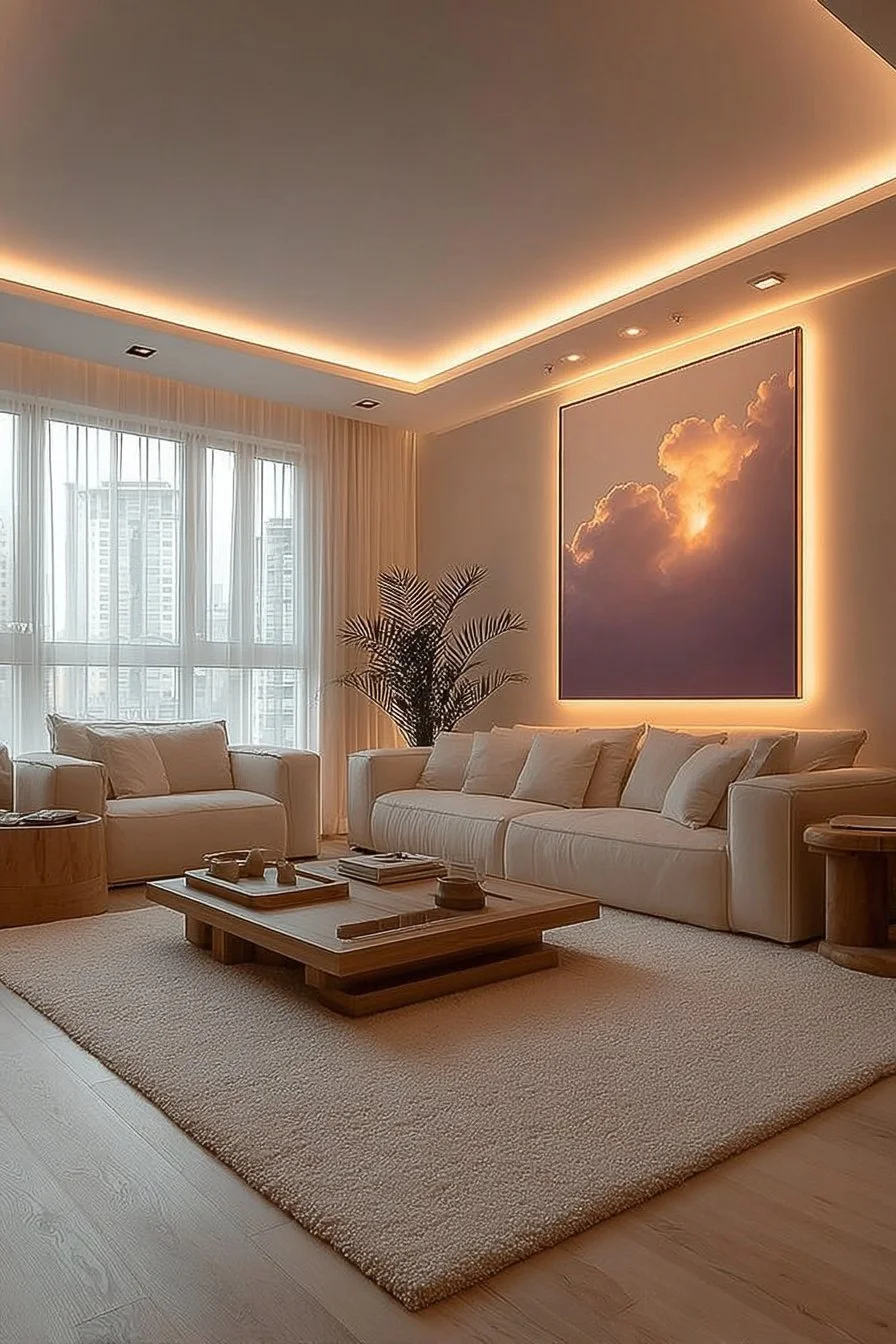
Declutter Your Space: A Minimalist Living Room Guide

I still remember the Tuesday afternoon when my son tracked mud from soccer all the way to the couch and my daughter spilled a whole cup of crayons while I was making dinner. I am a mom in my forties, juggling carpools, homework checks, and neighborhood potlucks, and my living room often becomes a crossroads for everything our family loves and needs. Over time I realized that when the space felt calmer, our evenings did too. Small habits, like clearing a shelf after guests leave or giving each child a simple basket, made a bigger difference than I expected. If you want comforting, practical home decor that supports a busy life, these ideas will help you create a living room that feels light, intentional, and truly yours. For inspiration on adding personal touches while keeping things simple, check this cozy transformation I loved: transform your living with personal touches.

  1. Clear Surfaces and Smart Storage

    Clutter-free surfaces change how a room feels in an instant. When tables and shelves are uncluttered, your eyes can rest and your family can relax. This works because our brains interpret visual simplicity as order, which reduces stress after a long day. Start by choosing one surface to keep naked most of the time, like a coffee table or mantel. Add a low-profile tray to corral remotes and keys so everything has a place but the surface still reads clean. For kids aged 8 to 12, label bins or baskets at reachable heights so they can help tidy up after play. The goal is not sterile minimalism but practical calm. Rotate decorative items seasonally or monthly from a single storage box so you keep variety without crowding the room. You will notice more breathing space for family conversations, homework, or spontaneous games with neighbors.

  2. Neutral Palette with Layered Textures

    A neutral color palette creates a soothing backdrop that highlights what matters in your life. It works because muted tones let texture do the storytelling, so a woven rug or chunky throw becomes the focal point instead of competing colors. Choose two or three base shades and then introduce texture through cushions, curtains, and a soft rug. For a family home, pick fabrics that are durable and easy to clean but still tactile. When my daughter invites a friend over, the living room still feels warm and intentional even if toys appear for an hour. Layer a washed linen sofa with a few machine-washable cushion covers and a tactile knit throw for depth. Paint one wall a soft taupe or warm gray to anchor the space and create a canvas for family photos or a simple mirror that reflects light and life.

  3. Multipurpose Furniture That Grows With You

    In a family home every piece of furniture should earn its keep. Multipurpose furniture works because it reduces the number of items in a room while meeting multiple needs. Choose a storage ottoman that opens for blanket and game storage, or a console table with drawers that can hide chargers and school forms. For open-plan homes where the living room bleeds into the kitchen, pick pieces that can move easily—lightweight chairs or nesting tables that tuck away when you need floor space for crafts. A sofa with a built-in chaise can double as a reading nook for your 10-year-old and a spot for movie night. When picking finishes, favor timeless lines so pieces remain useful as tastes change. Practicality means fewer purchases later, and the kids learn to value functional, beautiful things over clutter. For creative crossover ideas that connect living and kitchen zones, you might enjoy this playful approach: 5 ways to make your kitchen more witchy.

  4. Curated Accessories and Meaningful Displays

    Minimalism is not about absence but about intention. Curated accessories work because each item tells a story and supports the room’s calm. Instead of filling shelves, choose a handful of meaningful objects—perhaps a vintage vase, a framed family photo, and a small potted plant. Grouping items in odd numbers creates visual interest without clutter. To keep kids involved, dedicate a small shelf where they can rotate one or two projects they are proud of. This honors their creativity while maintaining an overall tidy look. Use a single gallery wall with consistent frames and a restrained color palette to display memories without overwhelming the space. The result is a living room that feels personal yet uncluttered, a place where neighbors can drop in and you can still easily clear space for a birthday party or a school fundraiser meeting.

  5. Defined Zones and an Easy Traffic Flow

    A minimalist living room functions best when each area has a clear purpose. Defined zones work because they prevent crossover clutter and make everyday routines smoother. Create a cozy seating zone for conversation, a small homework corner with a slim desk, and a tidy entry spot for backpacks and shoes. Use rugs or furniture placement to delineate these areas rather than adding extra screens or dividers. For families, this means after-school life feels streamlined: backpacks stay in the entry zone, crafts happen at the table, and story time happens on the sofa. Keep pathways wide and unobstructed so neighbors and visiting grandparents can move through comfortably. Teach kids to return items to their zones with a gentle routine and watch how much easier cleaning up becomes. The living room remains flexible, welcoming, and ready for whatever family life brings.

Conclusion

If your living room often doubles as a playroom, office, and gathering spot, these design choices can help you create calm without losing warmth. Start small with one cleared surface or a storage ottoman, and build systems that your whole family can follow. Save this guide for later and try one idea each weekend until the room feels like a peaceful, practical center of your home. For more decorating inspiration and mood-focused ideas, visit Inspire Mood: Home for additional resources and styling ideas to enrich your living space: Inspire Mood: Home.