Categories
Parents

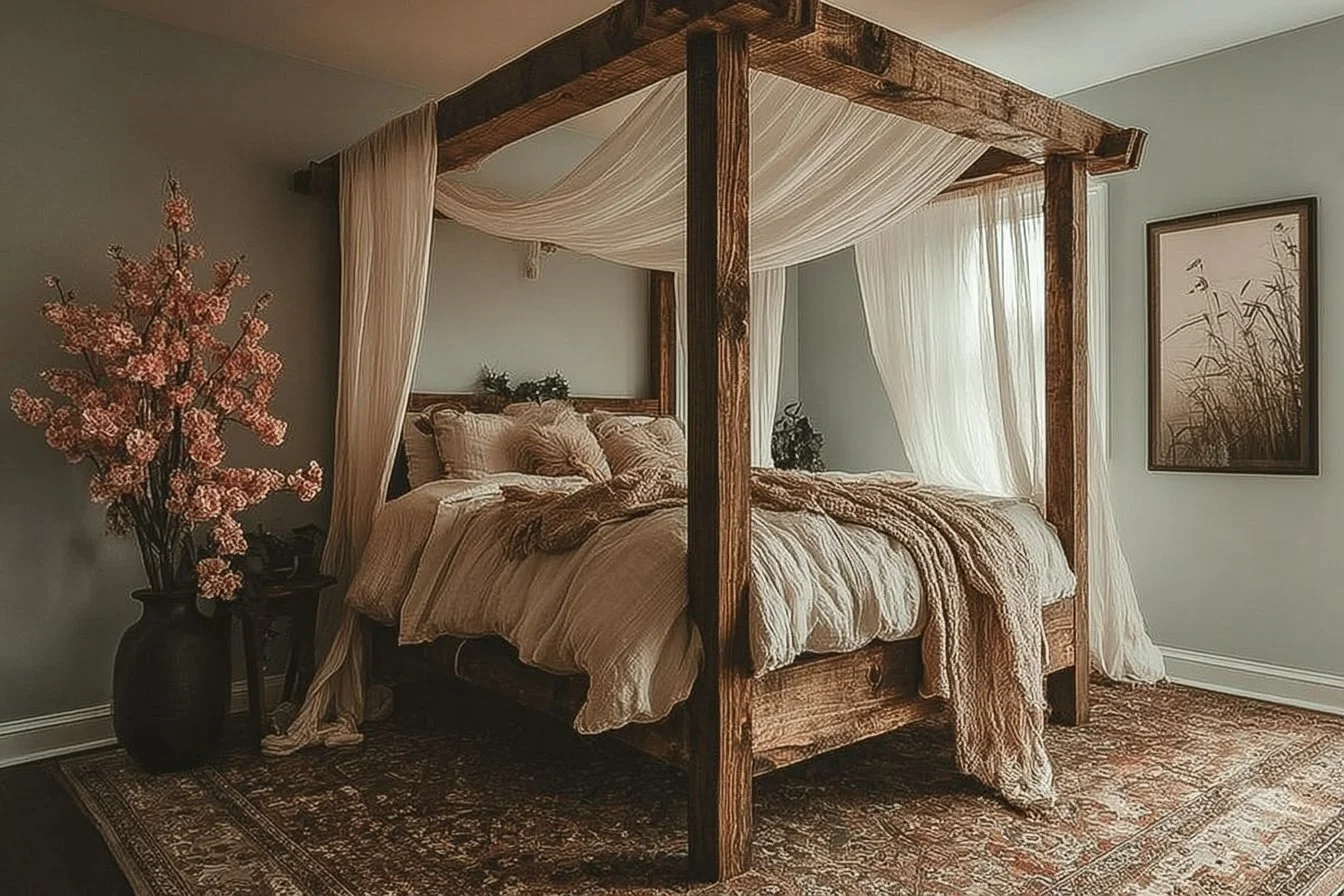
6 Boho Bedroom with Canopy Ideas to Bring Softness and Romance to Your Room

Dreamy Boho Canopy Bedroom Inspirations

I still remember the summer we moved across town, trading porches with friendly neighbors who brought over lemon bars and a hand-me-down rocking chair. As a forty-something mom with two kids ages eight and eleven, our days are a collage of school carpools, after-school snacks, and quiet moments when everyone finally settles down. My daughter likes to drape towels into a makeshift fort; my son insists on reading under a blanket with a flashlight. Those small rituals made me think about how a bedroom can feel like a gentle hug after a busy day. I started collecting soft images and practical boho living room ideas to spark a refresh, and soon realized a canopy adds that hush of romance and softness every family retreat needs.

Sheer Draped Canopy Over the Bed

A simple, sheer canopy instantly softens the room and feels like a private sanctuary without blocking light. Visually, light fabrics float and blur hard edges, creating a quiet, dreamy backdrop that calms a busy mind. Emotionally, it signals a cozy shelter where kids can curl up for bedtime stories and parents can unwind after dinner dishes. To apply this at home, choose lightweight voile or linen curtains, hang a small ceiling hook centered above the bed, and drape fabric so it pools lightly on either side. Tuck a reading lamp on the nightstand and keep washable bedding for easy cleanup when little hands leave fingerprints. This approach blends practical family rhythms with gentle styling, giving you a bedroom that feels lived-in but intentionally serene—perfect for those slow Sunday mornings and bedtime routines.

Woven Macramé Crown Canopy

A woven macramé crown canopy brings boho texture and artisanal charm to a room. The tactile knots and neutral fibers create visual interest without overwhelming a small space, and they pair beautifully with warm wood tones or rattan furniture. Emotionally, handmade details feel personal and collected, like a keepsake from family travels or a thoughtful weekend project with the kids. Hang a macramé crown ring above the headboard, letting soft fabric fall around the bed or frame a nook for afternoon reading. For a family-friendly twist, choose a detachable hoop or add ribbon ties so you can wash nearby textiles easily after art projects or snack time. This styling is one of those interior styling tips that makes a bedroom feel curated but still ready for everyday life.

Layered Textiles and Mixed Patterns

Layering throws, quilts, and patterned pillows under a canopy elevates a simple bed into a boho-inspired nest. Mixing florals, ikat, or subtle geometric prints adds depth and movement, while sticking to a cohesive color palette keeps the look harmonious. Visually, the layers create a sense of abundance without clutter, inviting family members to sink into softness. Practically, choose machine-washable covers and a few stain-resistant accent pillows to handle cereal spills and playground mud brought inside. Start with a neutral base sheet, add a textured blanket, and top with patterned cushions in similar tones. This idea blends decorating inspiration with real-life parenting needs, so the space stays beautiful and resilient through late-night science projects and cozy weekend movie marathons.

Low Platform or Pallet Bed with Canopy

A low platform bed paired with a flowing canopy gives a relaxed, grounded boho vibe that feels safe for kids and stylish for adults. The low profile emphasizes a laid-back aesthetic and makes the canopy feel like a tented retreat rather than a formal canopy castle. For a sustainable spin, consider a simple DIY pallet base or a minimalist platform frame and drape linen panels from a ceiling hoop or an overbed rod. This look lets kids jump into bed with less worry and creates a stage for bedtime stories and living-room-to-bedroom sleepovers. If you love the idea of a grounded bed frame, check out upcycled pallet bed ideas for inspiration that pairs perfectly with soft, billowy canopies and practical family living.

Cozy Corner Canopy for Reading Nooks

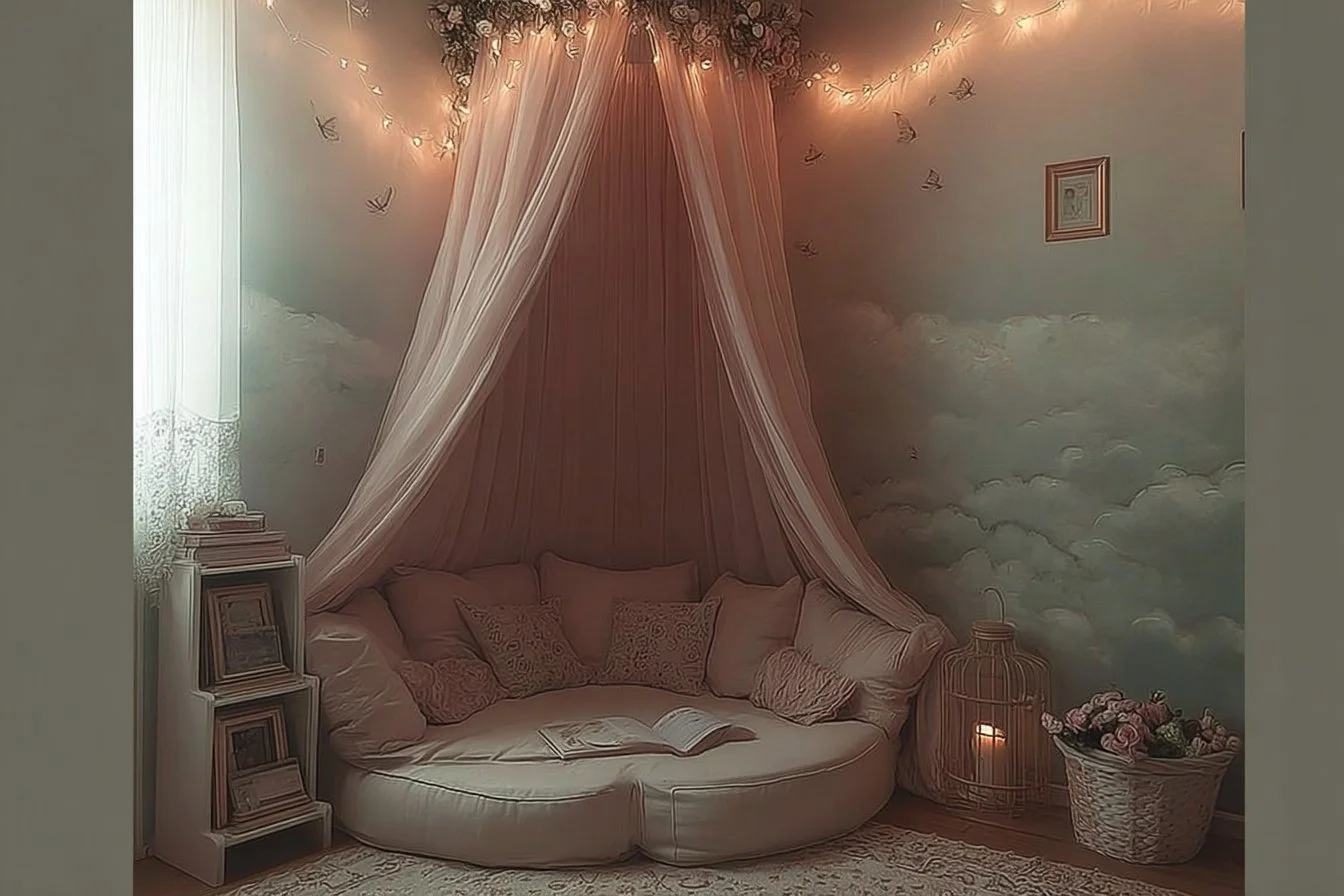
You don’t need to drape the main bed to get the canopy effect. A ceiling-to-floor panel over a corner chair transforms a spare space into a private reading nook that invites kids to curl up with a chapter book. This mini canopy creates a sense of ritual around quiet time and can be moved as family needs shift. Use a lightweight rod or hoop, add string lights for soft glow, and lay down a plush rug with oversized cushions. The visual result is a layered, intimate spot that complements the overall room without dominating it. From a parent’s perspective, this is an easy way to carve out a cozy corner where homework or bedtime reading becomes a shared, peaceful routine, and it keeps the main bed free for sleep and snuggles.

Greenery and Soft Lighting with Canopies

Combining plants and warm lighting with a canopy brings life and mood to a boho bedroom. Hanging planters at the canopy edges or placing potted plants on a nearby shelf softens the space with natural texture and fresh scent. Twinkle lights or a dimmable pendant tucked into the canopy add a romantic glow that works for bedtime and late-night baby checks. Visually, the mix of organic greens and soft light creates depth and a lived-in look; emotionally, it fosters calm and wellbeing. For families, pick low-maintenance, non-toxic plants and battery-operated lights to reduce hazards. This idea balances beauty and safety, letting the bedroom serve as a restorative family retreat after school pickups and weekend soccer practices.

Conclusion

If you want more decorating inspiration to expand on these looks, explore this carefully curated collection of ideas like the ones I borrowed for my own room refresh: 29 Stylish Boho Bedroom Ideas for a Cozy, Chic Space. Save the ideas that speak to your daily life, try one small change at a time, and come back to tweak the details as your family grows. A few soft fabrics, warm lights, and thoughtful textures can turn any room into a place of calm and romance that still fits the joyful chaos of family life.
Categories
Kids

Creating Enchanting Reading Nooks in Kids’ Bedrooms – Fuss Free Home

Creating a cozy little spot where my kids disappear with a book is one of those tiny domestic victories that feels big. I’m a mom in my forties, juggling carpools, homework, and the kind of small neighborly chats that turn into recipe swaps. My two kids, ages 8 and 12, have wildly different reading tastes but the same appetite for a private corner. I remember afternoons when the living room hummed with the sound of pages turning, and how a simple throw pillow could turn a faded window seat into a secret world. Between soccer practices and school lunch packing, crafting a space that invites quiet, imagination, and family stories became something I enjoy planning. If you want a place that feels lived in and loved, these home décor ideas will help you design a nook that fits your family’s rhythm and brings more reading into your everyday life. Learn more about our approach to making rooms work for families on our about page.

Comfortable Window Seat with Built-In Storage
A window seat is timeless because it blends seating, light, and storage in one tidy package. Natural light makes reading feel effortless, and built-in cubbies or drawers hide the clutter of art supplies and half-finished projects. Start with a sturdy bench or repurpose an old dresser by shortening it and adding a cushion. Choose washable fabrics in fun prints that can take spills and sticky fingers. Add a couple of lumbar pillows for back support and a basket beneath for bedtime favorites. This idea works because it creates a defined zone that feels permanent, encouraging kids to return again and again. I tucked storybooks and my daughter’s stuffed animals into my own window seat, and it quickly became the informal homework station and weekend reading lounge for both kids. For extra interior styling tips, pick a color that complements the bedroom palette so the seat reads as part of the room rather than something bolted on.

Canopy or Curtain Reading Tent
A fabric canopy or simple tension-rod curtain can transform a corner into a cozy hideaway without major renovations. The soft enclosure reduces distractions and signals to kids that this is a special place for focus and calm. Choose lightweight cotton or voile for a breezy look, or heavier fabric for a denser feel. String a low-voltage fairy light or clip-on lamp inside for warm, safe illumination during evening storytime. Layer a plush rug and a mix of pillows for varying comfort levels; the youngest might like sprawling while older kids prefer upright support. I made a small canopy in my son’s room using a round hoop and affordable fabric, and it became his go-to spot for silent reading after school. This approach is effective because it offers flexibility: remove the canopy for more space, or move it to another room when guests visit. If you plan to photograph and share your project online, many creators explore ways to monetize those posts, including how to buy ad space to grow a blog or social presence.

Built-In Bookshelf Nook with a Beanbag
Turning a narrow alcove into a bookshelf nook makes books the focal point of the room and turns storage into style. Shelves at kid-friendly heights invite independent browsing and foster ownership of reading choices. Mix display shelves for favorite covers with deeper shelves for series and baskets for small toys. Place a large, supportive beanbag or a comfy floor cushion in front, and add a low side table for a cup of cocoa during weekend reading. The reason this works is psychological: visible books equal choices, and choices equal more reading. In our house, rotating the books on eye level kept my 8-year-old excited about new titles, while my 12-year-old appreciated a designated shelf for series she was collecting. Practical touches like washable slipcovers and anti-tip hardware make this a family-friendly solution that blends decorating inspiration with everyday function.

Mood Lighting and Soft Textiles for Ambience
Lighting and textiles set the tone for a reading nook and can be changed without redecorating the whole room. Warm, layered lighting prevents eye strain and creates a snug atmosphere. Combine a dimmable bedside lamp or clip-on light with string lights or a softly glowing nightlight to give options for different reading times. Pair those lights with tactile textiles: a chunky knit throw, faux sheepskin, or a quilt that holds sentimental value. These choices work because sensory comfort encourages relaxation, and relaxed kids are more likely to read. I swapped thin sheets for a textured throw and added a small lamp with adjustable brightness to my daughter’s corner; it became the place she chose to unwind after busy school days. For interior styling tips, coordinate textures with the room’s paint color and let small pattern mixes add personality without visual chaos.

Rotating Book Displays and Multi-Use Seating
Make books visible and changeable to keep interest fresh. A rotating display rack, lazy susan bookshelf, or a simple ledge that shows covers encourages curiosity and makes selection easy for younger readers. Pair this with multi-use seating like a small upholstered bench with storage, a foldable floor chair, or a low armchair that doubles as a reading spot and a place for board games. This idea works because it blends utility and novelty; rotating titles and flexible seating keep the nook adaptable as kids grow and interests shift. I keep a seasonal rotation of picture books and chapter books on a front-display ledge, and my kids love swapping them out on rainy afternoons. For families who want a quieter, device-free corner, consider setting rules about gadgets in the nook and teaching kids that this is a place for stories, rest, and imagination. If parents prefer fewer ads when researching tutorials, you can find steps to disable ads on many pages that explain how to make spaces calm and focused.

Conclusion

Creating a reading nook is less about perfection and more about balance, texture, and intentional little moments. These home décor ideas and decorating inspiration can help you carve out calm in a busy household, invite kids to choose books, and build a corner that holds family memories. Try one small change this weekend, like adding a throw pillow or a low lamp, and see how your children respond. For a step-by-step guide with photos and cozy styling suggestions, check out How to Create a Cozy and Enchanting Book Nook for Kids. Save this post for later and come back when you are ready to tweak the details or share your own before-and-after photos.

Categories
Kids

Girls Bedroom Design Ideas

I still remember the night my youngest crawled into bed with a flashlight and a stack of library books, insisting the ceiling would make a better reading sky than the living room lamp. Between carpools, neighborhood bake sales, and the small triumphs of homework done early, our house has been a constant flow of tiny emergencies and big hugs. My two kids, ages eight and twelve, share secrets, clothes, and sometimes a sock drawer, and those simple moments nudged me to rethink their rooms. Creating spaces that soothe after a long day, spark creativity on a Saturday morning, and survive sleepover chaos became my little project. What started as a weekend paint job evolved into thoughtful approaches that respect family life, neighbors’ curiosity, and a mom’s desire for order. The result? Practical, pretty spaces that feel lived in and loved.

  1. Color-blocked Walls with Removable Wallpaper

    Color-blocking a room using removable wallpaper or peel-and-stick paint panels gives a bold, playful look without a long-term commitment. It works because it adds visual interest and defines zones, which is perfect for a child’s changing tastes. Choose two or three complementary hues and wrap one wall or a portion of it for instant personality. Removable wallpaper is forgiving and renter-friendly, so you can refresh the room as your child grows. As a mom juggling school projects and neighborhood playdates, I loved that this approach lets me honor my daughter’s current obsession with stars or mermaids without starting a renovation. Pair the color blocks with simple white trim and cozy textiles to keep the space balanced. This idea blends decorating inspiration with practical upkeep, giving you a bold look that still holds up to sibling dramas and craft projects.

  2. Cozy Reading Nook with Built-In Shelves

    A dedicated reading nook transforms bedtime routines and encourages quiet moments. Install shallow built-in shelves or floating ledges at kid height and add a plush cushion, throw pillows, and a small side lamp. This works because children feel ownership over a small, cozy space, which can boost independent reading and imaginative play. Keep a rotating selection of library finds and personal favorites to keep the nook feeling fresh. In our house, weekend library trips became a small ceremony; the kids pick books and then camp out in their corner while I tidy up dinner. Built-ins maximize small rooms and hide clutter behind baskets or bins, which helps maintain calm on busy mornings. This approach is a smart blend of home décor ideas and family-life practicality, encouraging routines that stick while looking Pinterest-ready.

  3. Convertible Furniture and Smart Storage

    When two kids share a room, furniture that adapts is lifesaving. Think trundle beds, lofts with desks below, and beds with built-in drawers. Convertible pieces work because they save floor space, organize belongings, and evolve with your child’s needs. Invest in a modular dresser where shelves can be reconfigured, and use labeled bins for toys, art supplies, and seasonal clothes. I remember reorganizing our son’s side for a science fair project and sliding the craft bin under the bed for easy access. Durable finishes and stain-resistant fabrics make these pieces family-friendly, so spills and late-night snack crumbs are less stressful. This is where interior styling tips meet real life: practical storage choices reduce clutter and create calm, giving you more time for homework help and neighborly chats without sacrificing style.

  4. Layered Lighting for Mood and Function

    Good lighting changes everything. Combine overhead fixtures with task lights for desks, bedside sconces, and soft string lights for ambiance. Layered lighting works because it supports multiple activities: study, sleep, reading, and play. Use dimmable bulbs or plug-in lamps to control brightness depending on the hour. In our home, switching on a warm bedside lamp signaled wind-down time, while a bright desk lamp meant focused homework. Consider motion-sensor night lights for trips to the bathroom to avoid flipping the main switch. This approach also allows you to introduce fun elements like star-projection lamps or colored bulbs for mood without overpowering the room’s overall design. Layered lighting blends decorating inspiration with daily routines, making the bedroom functional and cozy for busy family life.

  5. Personalized Gallery Wall and Display Ledges

    A gallery wall of framed art, school photos, and your child’s creations gives personality and celebrates milestones. Use simple frames in matching finishes or mix-and-match for a playful look, and include ledges to rotate artwork easily. This works because it honors the child’s identity and creates a focal point that’s both decorative and meaningful. I still swap out my daughter’s drawings with seasonal library bookmarks and notes from neighbors after a block party. Display ledges make those swaps quick and keep the wall from feeling permanent, so you can swap themes from ballerina to botanist as interests change. Include a small shelf for trophies or a favorite stuffed animal to keep the wall warm and personal. This idea offers decorating inspiration that showcases family memories while staying flexible for new achievements.

  6. Multi-Functional Study and Craft Corner

    Design a compact zone that supports both homework and creative projects. A slim desk with shallow drawers, a pegboard for supplies, and a wipeable tabletop keeps mess contained. This setup works because it separates focused tasks from play while fitting into tight rooms. Add a corkboard or chalkboard panel for reminders, schedules, and quick sketches. I put a small bin labeled “science lab” where my son stashes materials for experiments after school, and it has saved countless minutes hunting for glue sticks. Comfortable seating and adjustable task lighting help kids focus longer and reduce slouching. This combination of interior styling tips and organization solutions ensures the room supports study routines, artistic flare, and family schedules, making it easier to balance school nights and weekend crafts.

Conclusion

If you want more decorating inspiration to spark fresh ideas or to adapt any of these home décor ideas to your style, check out this helpful roundup of room options and looks. For additional reference and visual ideas, see 27 Best Girls’ Room Ideas in 2024 – Girls’ Bedroom Design. Save this post, try one change this weekend, and come back when the next mood arrives; these rooms are meant to evolve with your family.

Categories
Kids

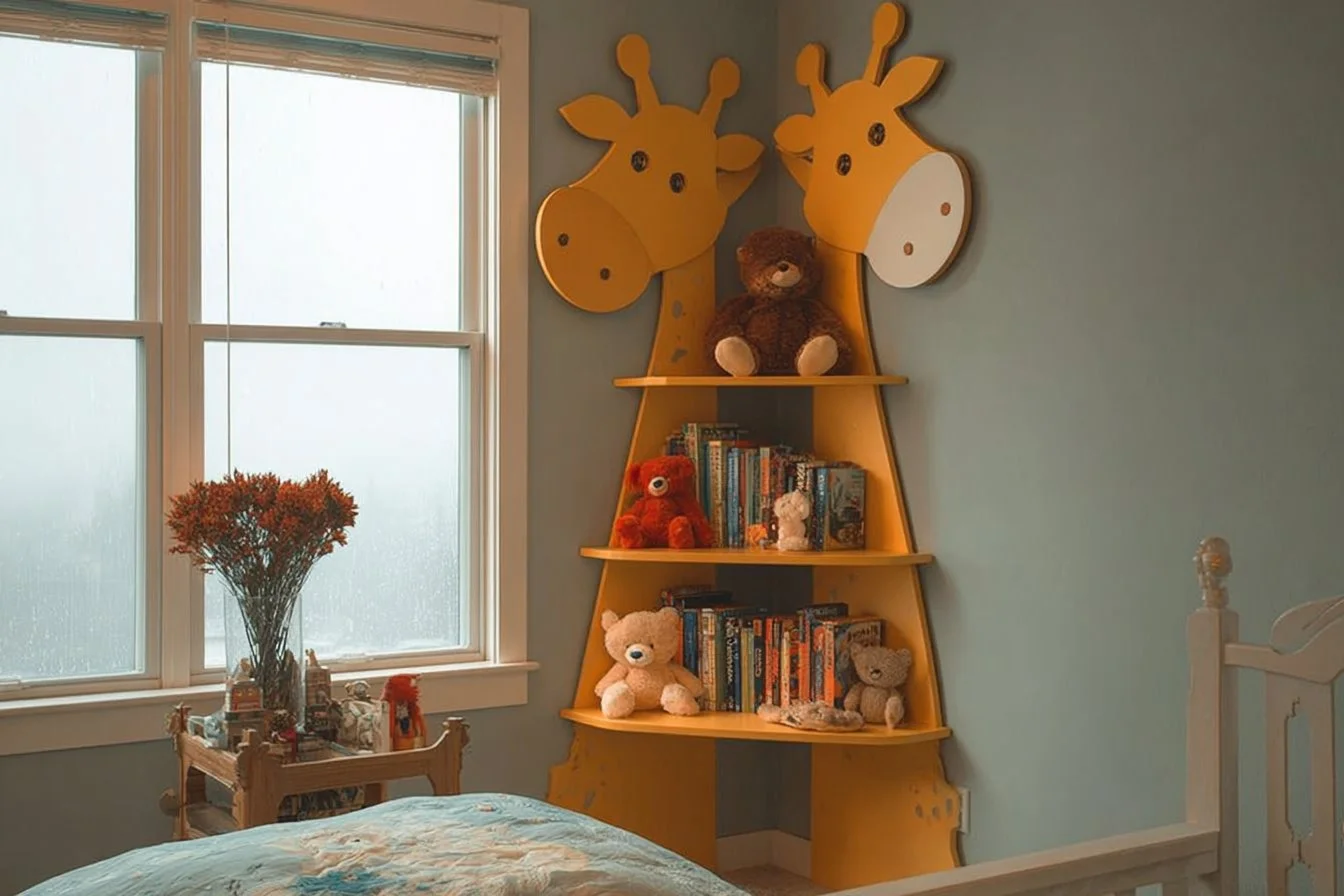
Transform Kids’ Rooms with Corner Shelf Decor and Animal-Shaped Wall Shelves

When the afternoon quiet hits and I’m folding laundry while the kids build yet another blanket fort in the living room, I often catch myself remembering the little things that made my own childhood room feel magical. Our two kids, ages 8 and 11, have a knack for turning ordinary afternoons into treasure hunts, and our neighbor’s daughter stops by after school to trade stickers and stories. Those small rituals—bedtime stories on the rug, swapping drawings at the kitchen counter, and the way light pools in the window—made me realize that thoughtful touches in a child’s space do more than store toys. They create memories. That gentle prompting is why I began experimenting with corner shelves and animal-shaped wall shelves; they felt like tiny stages for my kids’ daily lives, full of comfort and personality without overhauling the whole room.

  1. Cozy Corner Reading Nook with Floating Corner Shelves

    A small corner can become the family’s favorite spot when you add floating corner shelves at varying heights. Corner shelving makes the most of unused space and keeps books and bedtime treasures within arm’s reach. Why it works: corners are naturally intimate and, when layered with soft cushions and soft lighting, they invite lingering. How to apply it at home: mount three cloud or triangular floating shelves in a stepped pattern, place picture books and a small LED lamp, and top off the nook with a washable floor cushion. This setup offers quick access for an 8-year-old who devours picture books and a preteen who likes to tuck in with a comic after homework. It’s one of those simple interior styling tips that supports quiet routines and family reading time without crowding the room.

  2. Animal-Shaped Wall Shelves as Playful Display

    Animal-shaped wall shelves double as wall art and storage, giving kids a sense of ownership and whimsy. A fox, whale, or cloud shelf instantly becomes a focal point that sparks imagination. Why it works: kids connect emotionally to playful shapes, and these shelves are both decorative and functional, holding favorite toys, small plants, or night lights. How to apply it at home: choose one or two animal shelves placed at eye level for each child, use soft, non-toxic paint or prefinished wood, and switch out displayed items on weekends. Incorporating these shelves into a shared room can even help avoid morning squabbles—each child has a designated shelf for their prized possessions. For family life, they become conversation starters with visiting grandparents and friends.

  3. Tiered Corner Shelf Gallery for Art and Awards

    Turn a plain corner into a rotating mini-gallery with tiered corner shelves. This idea celebrates creativity and keeps awards and craft projects on proud display. Why it works: children crave recognition, and seeing their art showcased boosts confidence while keeping clutter off the floor. How to apply it at home: install a slim, tiered corner shelving unit and dedicate a shelf to current artwork, another to school projects, and a top shelf for trophies or photos. Frame a few pieces on inexpensive mat boards to elevate the look without fuss. On school nights when my son runs in waving a new drawing, we swap out a piece and talk about what he learned. This approach blends decorating inspiration with practical storage and supports a rotating showcase that keeps the room feeling fresh.

  4. Themed Shelves for Learning Zones and Play Areas

    Shelves can define zones within a bedroom—one corner for reading, one for crafts, one for STEM toys. Using themed decor like animal-shaped bookends or corner shelves painted with chalkboard paint creates interest and helps kids know where things belong. Why it works: clear zones reduce stress and encourage independence when kids can find and put away items themselves. How to apply it at home: choose a theme that reflects your child’s interests—dinosaurs, ocean life, space—and coordinate shelf colors and small décor items. Install a low corner shelf for craft suppliesable bins and a higher animal shelf for display pieces. My daughter loves labeling baskets with drawings she made, which has made cleanup after playdates much faster. These interior styling tips are both playful and practical for everyday family life.

  5. Mix-and-Match Materials for Texture and Durability

    Combining materials like painted MDF animal shelves, raw wood corner shelves, and woven baskets adds sensory variety that grows with your child. Why it works: texture and quality materials give a room depth and stand up to everyday wear from busy kids. How to apply it at home: pair soft pastel-painted animal shelves with a sturdy wooden corner ladder shelf for heavier items. Use wall anchors rated for the load and choose finishes that clean easily. Over a weekend, my husband and I sanded and sealed a thrift-store shelf while the kids painted cardboard cutouts, turning a chore into a family project. This choice reflects smart decorating inspiration—thoughtful materials add character while being practical for family life.

  6. Growth-Friendly and Safety-First Shelf Layouts

    Kids change fast, so design shelves that adapt as they grow. Adjustable or modular corner shelves and wall mounts let you raise displays to eye level for older kids or lower them for early readers. Why it works: flexible systems extend the life of your décor and prevent frequent replacements, which is great for the budget-conscious parent. How to apply it at home: choose shelves with adjustable brackets, secure all wall mounts into studs, and keep heavier items on lower tiers for safety. Animal-shaped shelves make great anchors for a child’s evolving collection—swap stuffed animals for digital devices as needs change. I remember moving a shelf down when my son moved from preschool toys to sports gear, and the difference in usability made our mornings smoother and safer.

Conclusion

These ideas are meant to be gentle nudges toward a room that feels like home while serving real family needs. Try one corner at a time and let your kids help choose colors or animals for their shelves; it’s a fun weekend project that becomes part of your family story. For an easy starter set of corner shelves that work beautifully in a cozy nook, consider the Beskadi Cloud Floating Corner Shelves – Set of 3 on Amazon. Save this article on Pinterest for future home décor ideas and come back when you’re ready to tackle the next small change that brings big comfort.

Categories
Living

20 Modern Boho Living Room Ideas You’ll Love”

Boho (bohemian) style has evolved from its eclectic, free-spirited roots into a polished, modern aesthetic that balances warmth, pattern, and texture. Whether you’re starting from scratch or refreshing a corner of your home, these 20 ideas will help you craft a living room that feels curated, comfortable, and unmistakably you. If you want a primer on blending contemporary elements with personality, this guide to modern contemporary living room ideas is a great complement to the tips below.

  1. Natural fiber foundation
    Use jute, sisal, or seagrass rugs to anchor the space. Natural fibers add warmth, define seating areas, and layer beautifully under patterned rugs.
  2. Neutral base with colorful accents
    Start with a neutral palette—cream, warm white, soft taupe—and introduce color through pillows, throws, and art so the room feels calm but lively.
  3. Mixed-texture seating
    Pair a low-profile linen sofa with a leather accent chair or a velvet pouf. Mix textures to create visual interest without clutter.
  4. Global rugs and pattern play
    A single statement rug with tribal or kilim patterns can set the tone. Keep the rest of the decor simple so the rug reads as intentional rather than chaotic.
  5. Layered lighting
    Combine ambient lighting (pendants or recessed), task lighting (floor and table lamps), and accent lighting (sconces or string lights) for a cozy, adaptable environment.
  6. Macramé and wall hangings
    Use handwoven pieces or modern interpretations to add a tactile focal point above a sofa or console. They soften walls without the heaviness of framed art.
  7. Low, lounge-style seating
    Create a relaxed vibe with low sofas, daybeds, or floor cushions. It encourages conversation and complements boho’s casual aesthetic. For ideas that bridge transitional tastes and subdued palettes, check out this piece on neutral transitional decor.
  8. Houseplants everywhere
    Fiddle-leaf figs, rubber plants, and trailing pothos bring life and humidity into the room. Mix tall plants with table-top varieties in woven baskets or ceramic pots.
  9. Woven storage solutions
    Baskets, rattan cabinets, and cane-front storage units add function with style—perfect for corralling throws, toys, or magazines.
  10. Earthy color accents
    Terracotta, ochre, olive, and deep teal pair beautifully with natural wood and woven textures.
  11. Vintage finds and modern pieces
    Blend a mid-century coffee table or vintage lamp with new furniture for a curated look that feels layered and deliberate.
  12. Sculptural side tables
    Choose interesting shapes—stone, hammered metal, or carved wood—to act as small art pieces beside seating.
  13. Statement mirror
    A large, round mirror with a rattan or carved wood frame opens the room and reflects light, enhancing the airy boho feel.
  14. Textural curtains
    Light, gauzy curtains soften windows while letting in natural light. Consider linen blends for a slightly more structured look.
  15. Mix-and-match patterned pillows
    Stick to a cohesive color story and vary scale—small geometrics with large florals—to keep it visually balanced.
  16. Creative shelving displays
    Open shelving allows you to display books, ceramics, and woven pieces. Keep a mix of low and high elements for an intentional, casual arrangement.
  17. Earthy plaster or matte paint finishes
    Opt for matte wall treatments or a soft plaster finish to add depth and a handcrafted feel. For inspiration on integrating luxe touches and sophisticated finishes, see approaches used in modern luxury styling.
  18. Statement pendant or rattan chandeliers
    A woven pendant instantly reads boho-chic and serves as an anchor for the seating area. Choose one large fixture rather than many competing lights.
  19. Curved furniture and soft shapes
    Rounded sofas, arched mirrors, and circular rugs counterbalance angular architecture and lend a gentle, inviting atmosphere.
  20. Personalized gallery corner
    Curate a small gallery wall of vintage prints, family photos, and woven art. Keep the frames cohesive in color or material to maintain a relaxed, styled look.

Quick styling tips

  • Keep clutter minimal: Boho can slide into messy if every surface is filled. Edit down and rotate pieces seasonally.
  • Use odd numbers when grouping objects for a more dynamic display.
  • Embrace imperfections: Hand-thrown ceramics, slightly faded textiles, and patinaed wood add authenticity.
  • Scale matters: If your room is small, choose one or two bold boho elements (like a rug and a pendant) rather than filling every corner.

Conclusion

If you want boho inspiration that extends beyond the living room and into workspaces, explore these Boho Office Ideas- 20 Clean and Bright Offices You’ll Love … for fresh ways to bring relaxed, modern boho vibes into every corner of your home.

Categories
Living

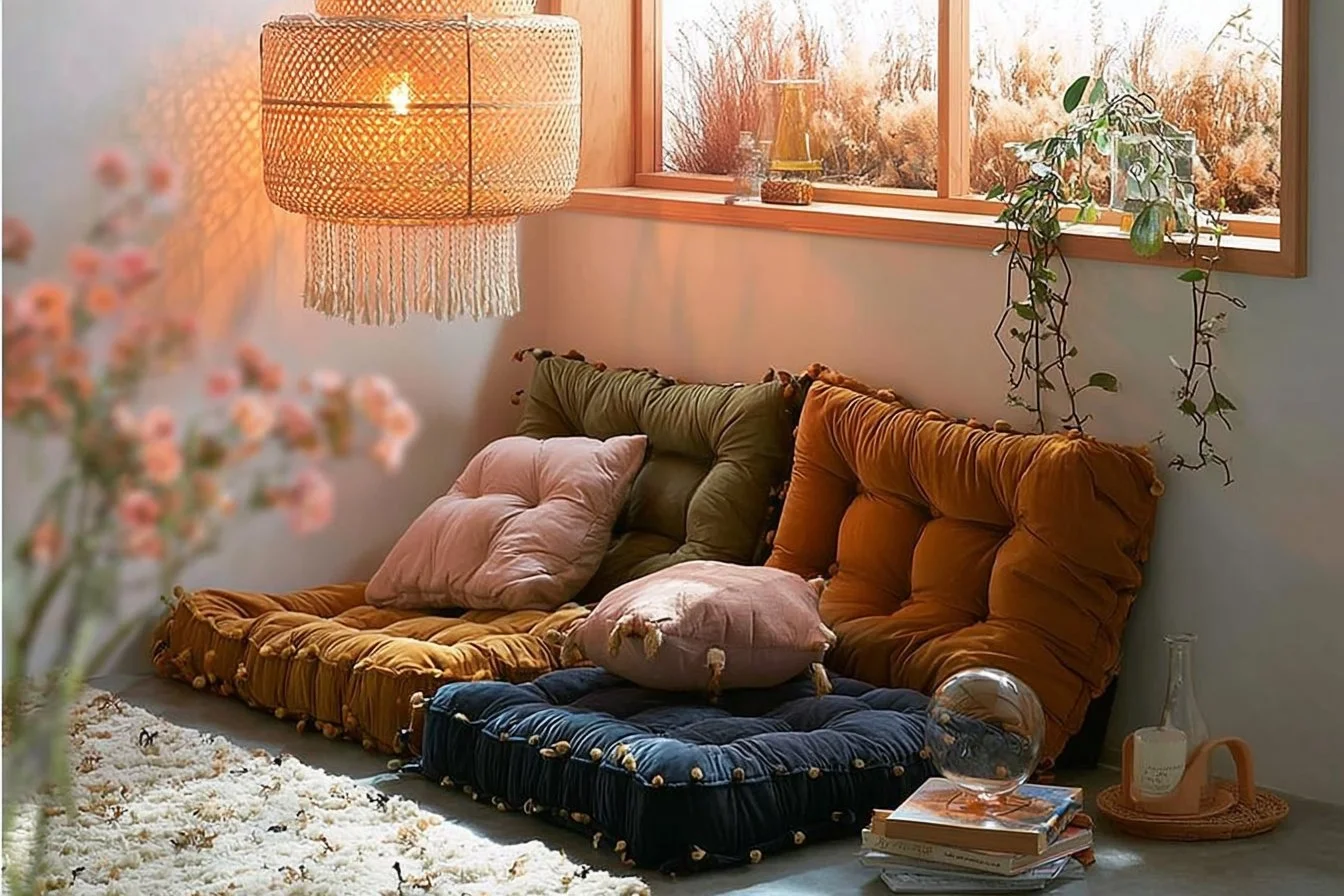
Rohini Velvet Daybed Cushion

The Rohini Velvet Daybed Cushion effortlessly blends sumptuous comfort with refined style, transforming any daybed into a cozy, inviting centerpiece. Perfect for sunrooms, window nooks, or guest rooms, this cushion pairs plush velvet upholstery with thoughtful construction, offering both aesthetic appeal and lasting support.

Design & Materials

At the heart of the Rohini Cushion is its soft, densely woven velvet cover. Velvet introduces depth and subtle sheen to a space, reflecting light beautifully while providing a tactilely pleasing surface. Beneath the luxurious exterior, a high-resilience foam or layered fiber core ensures the cushion retains its shape, offering a perfect balance of support and softness.

Material highlights include:

  • Velvet cover with tight weave for durability and smooth finish

  • High-density foam or polyurethane core for consistent support

  • Reinforced seams and hidden zippers for longevity and ease of cleaning

Comfort & Support

A daybed cushion must be versatile enough to accommodate lounging, seating, and occasional overnight use. The Rohini Cushion’s foam core resists bottoming out while providing gentle give for a relaxing experience. Its thickness typically delivers adequate spinal support for most adults, while the velvet surface prevents sliding and remains comfortable against bare skin.

Tips for maximizing comfort:

  • Add a mattress topper or quilt for extra softness if you plan to sleep on it regularly

  • Rotate the cushion periodically to maintain even wear

  • Include bolsters or lumbar pillows to enhance back support

Styling Ideas

Velvet instantly elevates a room, and the Rohini Cushion adapts beautifully to multiple decor styles:

  • Modern Minimalist: Choose neutral tones like charcoal, ivory, or taupe. Pair with streamlined accessories—metal accent tables, monochrome throws, and clean lines create a sleek look.

  • Bohemian Chic: Layer jewel-toned cushions with patterned throws and textured rugs for a rich, eclectic vibe.

  • Classic Glam: Deep velvet hues look stunning with brass or mirrored accents, creating an elegant, sophisticated space.

Adding pillows in complementary textures—linen, knit, or silk—adds depth and contrast, enhancing the overall aesthetic.

Care & Maintenance

Keeping your velvet cushion looking and feeling its best is simple with regular care:

  • Vacuum gently with an upholstery attachment to remove dust and debris

  • Spot-clean spills immediately using a damp cloth and mild detergent; test on a hidden area first

  • If the cover is removable, follow washing instructions carefully (cold, gentle cycles are usually recommended)

  • Brush with a soft brush to restore the velvet’s nap and sheen

Additional tips:

  • Avoid prolonged direct sunlight to prevent fading

  • Keep sharp objects away to minimize snags

Sizing & Fit

Daybeds come in different lengths and widths, so it’s essential to verify dimensions before purchasing. Common sizes range from twin to full, and the cushion should fit the frame while providing even coverage.

Measuring guide:

  • Measure the internal frame length and width carefully

  • Consider edge overhang if you prefer a draped look

  • Factor in bedding and throws when evaluating cushion thickness

Buying Tips

When selecting a Rohini Velvet Daybed Cushion, consider:

  • Fabric durability and whether the velvet is performance-grade (stain-resistant)

  • Removable covers for easy cleaning

  • Return policies and warranty coverage

  • Customer reviews mentioning long-term shape retention and comfort

If you plan to use the daybed regularly as a sleeping surface, prioritize a firmer core or cushions marketed as “sleep-ready.”

Conclusion

Upgrading your daybed with a plush, stylish cushion like the Rohini Velvet Daybed Cushion can instantly transform your living space. Its combination of luxurious velvet, supportive foam, and versatile style makes it a perfect addition to modern, eclectic, or classic interiors. Take time to compare sizes, colors, and customer feedback to ensure your choice enhances both comfort and aesthetics. With the right cushion, your daybed becomes more than furniture—it becomes a cozy, elegant centerpiece for everyday living.

Categories
Living

29 Exquisite Luxury Living Rooms with Fine Art Displays

An elegantly curated living room is more than furniture and finishes — it’s a stage for fine art that elevates atmosphere, anchors conversation, and reflects the homeowner’s story. Below you’ll find 29 imaginative living-room concepts that marry high-end interiors with artful displays, plus practical principles for framing, lighting, and placement so the works always look their best.

Contents

29 Living Room Concepts

  1. The Gallery Salon
    A museum-style arrangement on a full accent wall: mix large-scale oil paintings with slim bronze sculptures on pedestals. Plush velvet seating invites long views of each piece.
  2. Monochrome Minimalism
    A tonal palette of charcoal and cream lets a single dramatic black-and-white photograph dominate. Low-profile furniture keeps sightlines unobstructed.
  3. Classic with Old Masters
    Antique gilded frames over a marble fireplace, Persian rug, and deep mahogany armchairs create a stately backdrop that suits figurative paintings.
  4. Contemporary Abstract Centerpiece
    A single oversized abstract canvas above a floating media console becomes the room’s statement; neutral furnishings echo a color from the painting.
  5. Sculptural Hearth
    A fireplace flanked by matching pedestal sculptures reads like paired bookends, while mirrors amplify light and three-dimensional form.
  6. Architectural Niches
    Built-in wall niches lit from above showcase small sculptures and ceramics; rich plaster finishes emphasize texture and craft.
  7. Coastal Light & Watercolors
    Soft linen upholstery, bleached oak, and a curated suite of seascape watercolors bring an airy, collected-by-the-sea ambiance.
  8. High-Contrast Drama
    Deep navy walls make gold-leaf frames and warm-toned paintings pop; strategic uplighting emphasizes texture and depth.
  9. Collector’s Library Living Room
    Floor-to-ceiling bookshelves interspersed with framed works and objets d’art create a lived-in, intellectual richness.
  10. Eclectic Travel Gallery
    A salon wall of diverse sizes — ethnographic textiles, street photography, and mixed-media pieces — tells the story of global journeys.
  11. Monuments in Miniature
    A low, wide console supports a trio of small-scale sculptures under focused spotlights for intimate engagement.
  12. Light-Filled Modernist
    Floor-to-ceiling windows, a restrained midcentury furniture mix, and a few bold geometric paintings keep focus balanced and serene.
  13. Botanical Conservatory Room
    Oversized botanical prints paired with indoor trees and woven upholstery create a refined greenhouse effect.
  14. Texture-Forward Neutrality
    Neutral walls and tonal furnishings highlight relief-based artworks — bas-relief panels, woven tapestries, and ceramic wall slabs.
  15. Theatrical Velvet & Portraiture
    Velvet draperies and a rich color story set the stage for a series of portrait paintings arranged salon-style.
  16. Mixed-Media Layering
    Collages, encaustics, and framed textiles combine for a layered, tactile wall that invites closer inspection.
  17. Industrial Loft with Street Art
    Exposed brick and steel beams provide a raw backdrop for bold street-art canvases and neon installations.
  18. Maison de Campagne Elegance
    Soft plaids, warm woods, and pastoral oil landscapes create a refined country atmosphere infused with comfort.
  19. Futurist Minimal Frame
    A single thin-frame LED-backed piece floats on a matte wall for a futuristic gallery-lite effect in an otherwise spare room.
  20. Dual-Focal Symmetry
    Matching artworks on either side of a central console create mirror-like balance — ideal for symmetrical rooms and conversational layouts.
  21. Layered Frames & Mirrors
    Overlapping frames and decorative mirrors arranged above a sideboard produce a lively, collected look that reflects light.
  22. Curated Ceiling Art
    Large-scale murals or painted ceiling medallions draw the eye upward, paired with low-slung seating for dramatic perspective.
  23. Art-Led Color Palette
    Choose upholstery and accessories to echo dominant hues in a work of art, turning the painting into the palette source.
  24. Interactive Digital Art Lounge
    A living room centered around a high-resolution digital canvas can cycle curated work, ideal for collectors who like rotation.
  25. Intimate Corner Atelier
    A reading corner with a single easel-displayed painting and task lighting creates a personal, studio-like vibe within the living space.
  26. Statement Fireplace Mantel
    A sculptural mantelpiece combined with an oversized landscape above becomes the room’s permanent focal point.
  27. Luxury Textiles & Textile Art
    Wall hangings, silk ikats, and vintage quilts become both art and acoustic treatment in a sumptuous, layered room.
  28. Monuments & Mirrors Mix
    A monumental stone or bronze artwork paired with tall mirrors produces a dialogue between permanence and reflection.
  29. Transitional Open-Plan Gallery
    In open-concept homes, a curated circulation path of artworks guides movement between living and dining zones, using rugs and lighting to define stops.

Design Principles for Artful Luxury

  • Establish hierarchy: Assign one primary focal artwork and arrange secondary pieces to support it without competing.
  • Scale is king: Proportion art to wall size and furniture height — a tiny painting above a large sofa will read weak; a well-scaled piece anchors the space.
  • Cohesive story: Let color, era, or theme tie disparate pieces together so the room reads as intentional rather than cluttered.
  • Negative space matters: Luxurious rooms allow breathing room around artworks to emphasize importance.
  • Mix textures: Balance glossy or glass-framed works with sculptural and textile pieces to add depth and tactility.

Lighting, Framing & Installation

  • Layered lighting: Combine ambient, accent, and task lighting. Use picture lights, adjustable recessed fixtures, or track lighting to highlight artworks without creating glare.
  • Color temperature: Warm LEDs (2700K–3000K) flatter warm pigments; neutral (3000K–3500K) works well for mixed collections. Avoid overly cool lighting that can mute warm tones.
  • UV protection: When framing originals or delicate works, include UV-filtering glazing to minimize fading.
  • Professional hanging: For valuable pieces, use museum-grade hanging systems and consult a conservator for climate control and placement.
  • Frame as jewelry: Choose framing that complements both the artwork and the room — minimal for contemporary pieces, layered and ornate for classical works.

Sourcing, Rotation & Care

  • Build relationships: Work with reputable galleries, dealers, and artists. Commissioned pieces can be tailored to a room’s scale and palette.
  • Rotate thoughtfully: Change displayed works seasonally or for events to refresh the living room without oversaturating.
  • Documentation: Keep provenance and conservation records for valuable works; photograph placements before rotation to reproduce successful groupings.
  • Environmental control: Maintain steady temperature and humidity. Avoid placing artwork in direct sunlight or over heat sources.
  • Insurance: High-value collections should be appraised and insured for transit, damage, and theft.

Conclusion

Art transforms luxury living rooms from pretty interiors into personal galleries. Whether you draw inspiration from grand hospitality spaces or private residences that treat every sitting area as an opportunity for display, consider how architecture, light, and curated objects can work together to create memorable rooms. For ideas on how luxury environments — where art, architecture, and hospitality intersect — are designed and staged, explore Chateau Elan: Luxury Winery and Golf Resort in Georgia (Chateau Elan: Luxury Winery and Golf Resort in Georgia).

Categories
Bathroom

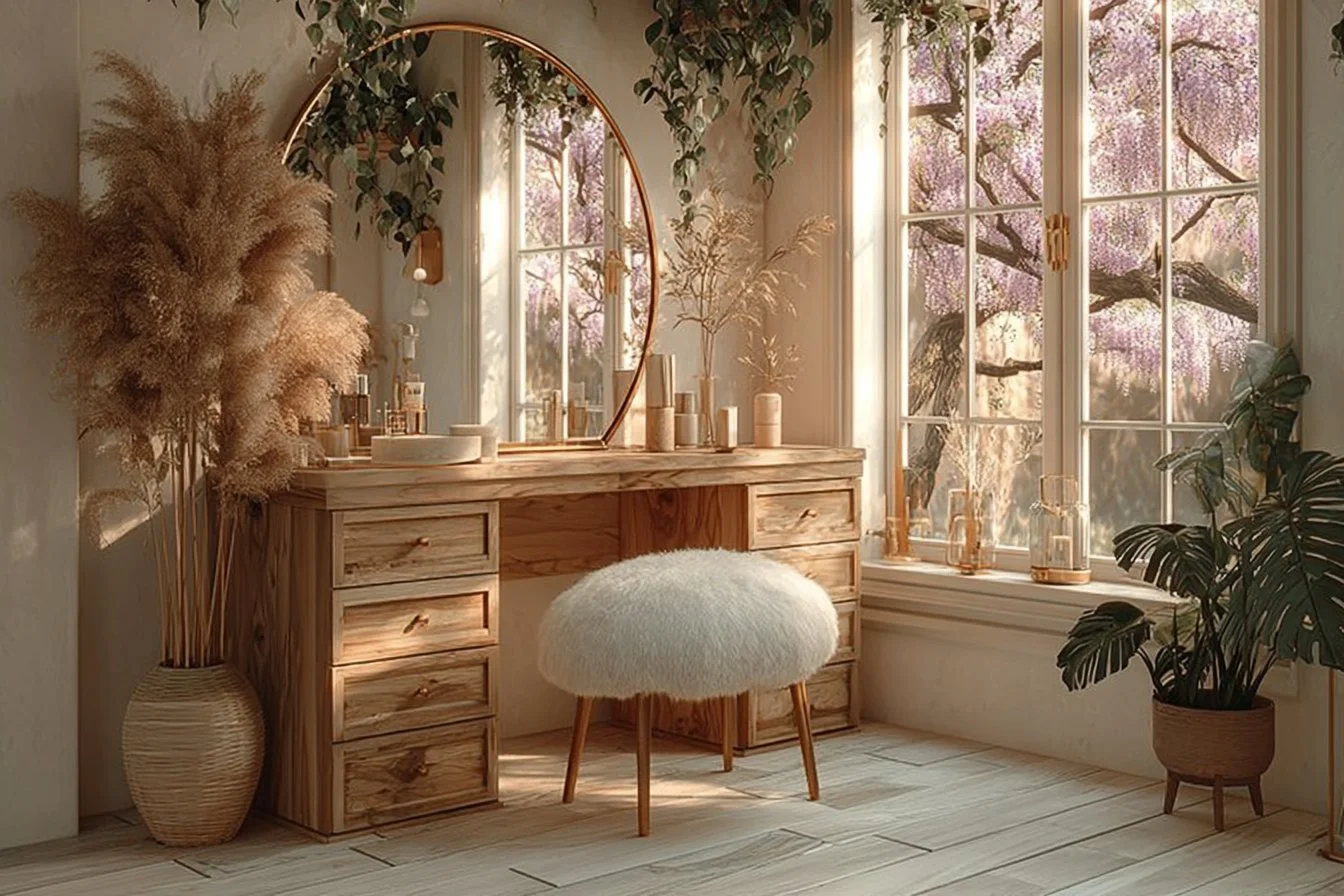
Cozy Boho Vanity Corner

Introduction
A cozy boho vanity corner is a small sanctuary where style meets function — a place to get ready, reflect, and breathe. Start by thinking of the mood you want: warm, textured, and relaxed. For color and seasonal inspiration that pairs well with boho tones, consider exploring a guide to autumn warmth and rustic charm to help shape your palette and layering ideas.

Plan and Layout

Before choosing furniture or accessories, measure your space carefully. Tiny alcoves or corners need thoughtful planning—a narrow table or a wall-mounted shelf can make a big difference. Pair it with a compact mirror and a stool that can tuck neatly underneath when not in use. Natural light is ideal for makeup and skincare routines, so position your setup near a window if possible. If natural light is limited, plan for layered lighting: a combination of task lighting (for focused work) and ambient lighting (for overall warmth) ensures a well-lit and flattering environment.

Consider circulation and flow as well—avoid placing chairs, baskets, or other furniture in a way that blocks pathways or makes the area feel cramped. Even in a small space, a sense of openness can make your vanity area feel relaxing and functional.

Furniture and Storage

When selecting furniture, look for a small, simple vanity table with at least one drawer or a pair of open baskets underneath. This helps keep everyday products neatly stored and surfaces clutter-free. Materials such as rattan, distressed wood, or a painted vintage piece complement boho and eclectic styles beautifully, adding warmth and character to the space.

Organization is key: small trays, glass jars, or compartmentalized boxes can hold brushes, cotton pads, skincare, and jewelry, keeping the surface tidy and visually appealing. For additional storage, consider stackable trays or a rotating organizer, which maximize vertical space without taking up extra floor area.

Finally, personalize the space with a few decorative accents like a small plant, a scented candle, or a framed print. These touches make the vanity corner feel inviting and reflect your personal style while keeping it functional.

Color, textures, and soft furnishings

Boho style thrives on texture and eclectic layering. Mix a neutral painted wall with a woven tapestry or macramé piece, and bring in a small patterned rug to anchor the area. Soft velvet or kilim cushions on the stool add comfort and pattern. For wreath- or wall-art inspired accents that nod to handmade charm, look into creative craft ideas like a delicate boho wreath concept that can translate to vanity wall decor.

Lighting and Mirror Choices

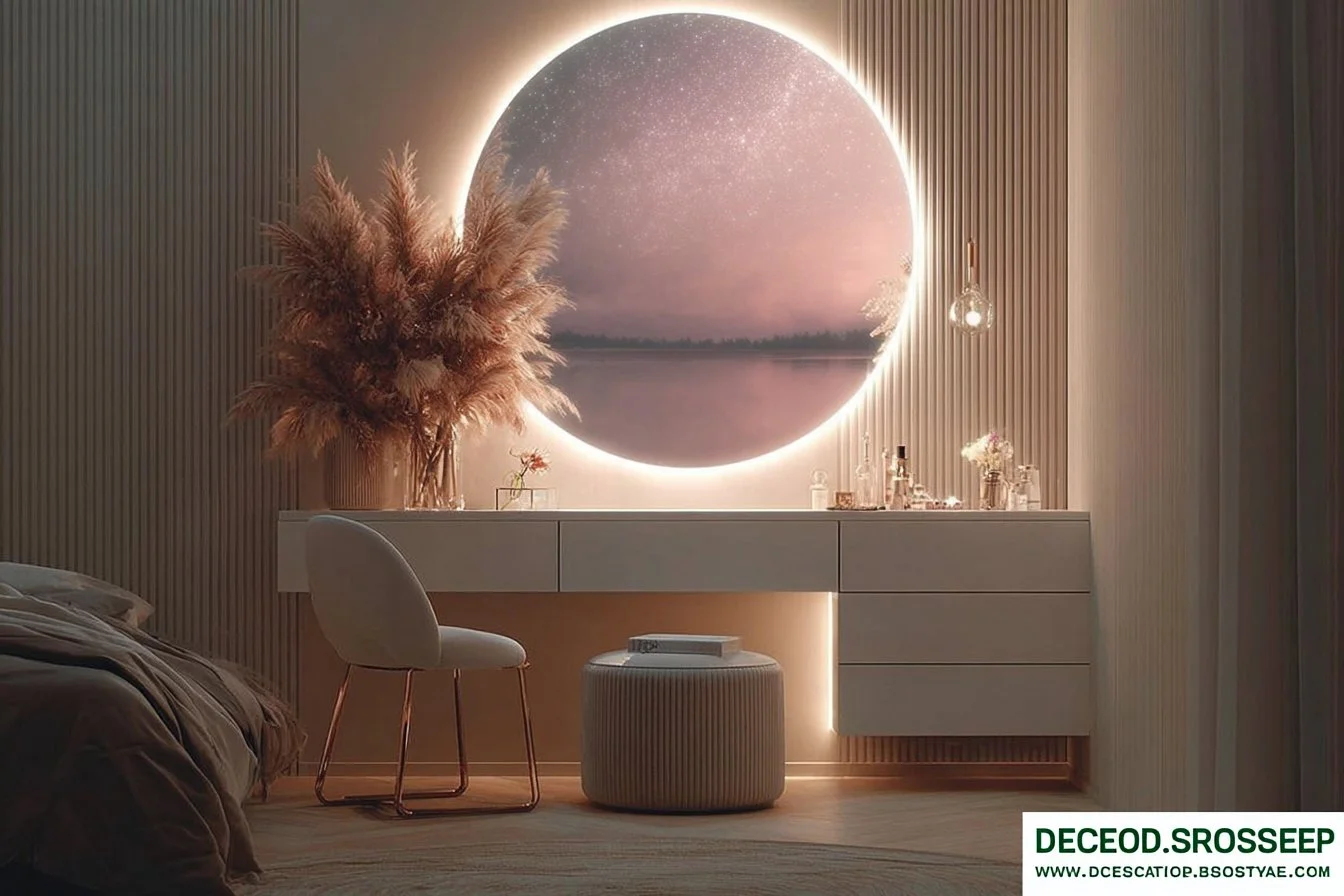
Good lighting is essential for a functional and flattering vanity. If your space lacks natural light, consider installing a round LED mirror or arranging a row of warm bulbs around a mirror frame to create even, soft illumination that mimics daylight. This ensures that your makeup, skincare, and grooming routines are well-lit and precise.

Beyond functionality, the mirror itself can become a statement piece. Choose designs with a touch of character—aged brass frames, sunburst motifs, or simple rattan rims—to add a subtle boho or eclectic charm. These options allow your vanity to feel stylish and curated while keeping the focus on practicality.

Accessories, Greenery, and Finishing Touches

Accessories can make a vanity corner feel personal and inviting rather than staged. Curate pieces that balance style and function: a small vintage tray for perfumes, a handmade ceramic cup for brushes, or woven baskets for extra linens or everyday essentials. These small organizational elements keep the surface tidy while adding texture and visual interest.

Greenery adds life to the space and softens the look of furniture and accessories. A trailing pothos, a small snake plant, or a mini fern can introduce natural color and a sense of freshness. Seasonal touches—such as a small vase with fresh flowers, a scented candle, or a themed decorative item—help keep the corner feeling current and personalized. Consider incorporating subtle holiday or seasonal textiles and accents inspired by cozy outdoor décor to transition the vanity throughout the year, adding warmth and seasonal charm.

Finally, layering these elements thoughtfully—combining textures like ceramic, rattan, glass, and metal—creates a cohesive, visually pleasing corner that is both functional and full of character. By balancing lighting, mirrors, accessories, greenery, and seasonal accents, even a small vanity can feel like a luxurious and inspiring retreat within your home.

Practical maintenance

Keep daily-wear items within arm’s reach for convenience, while storing less-frequently used products in drawers or baskets to maintain a tidy surface. Wipe down the vanity weekly, declutter monthly, and rotate decorative pieces with the seasons to ensure the nook always feels intentional, refreshed, and inviting. This simple routine keeps the space functional while allowing it to reflect your personal style year-round.

Conclusion

If you’re shopping for a compact centerpiece to start your cozy boho vanity, check out this selection of Small Boho Vanity – Amazon.com for small-scale options that suit tight spaces and boho aesthetics.

Categories
Living

Color Harmony Palettes for Trendy Homes

I still remember the spring our youngest learned to ride a bike without training wheels. It was dusk, the neighborhood kids cheering from driveways, while I juggled dinner, a load of laundry, and the endless paper trail of school permission slips. My house felt like a scrapbook of those small, bright moments: crayon marks on the breakfast table, soccer cleats by the door, and a favorite cardigan draped over the couch. Creating a calm, welcoming space for our busy family became my way to catch my breath. Over time I realized that the right paint palette could do more than look pretty. It could soften mornings, make homework corners feel like havens, and hold up to sticky hands and neighborhood potlucks. If you love practical home décor ideas that balance timeless style with modern life, start with a color story that grows with your family. For kitchen refresh ideas, I often refer to timeless warm white kitchen ideas for real-life inspiration.

Palette 1: Timeless Warm Neutrals

A warm neutral base gives a whole house a cohesive, lived-in feel that stands up to trends. Think soft creams, warm greige, and muted taupe for walls; layer with white trim and natural wood tones. Why it works: neutrals reflect light and provide a forgiving backdrop for kids artwork, changing furniture, and seasonal accents. How to apply: paint main living areas in a single warm neutral, then use slightly lighter tones in hallways and a deeper neutral in the dining area for subtle depth. Add washable finishes in high-traffic zones to handle spills and fingerprints. Lifestyle note: my kids’ homework station sits against a neutral wall with a magnetic board for art and reminders, so the space feels calm while still showing family life. These interior styling tips are great for renters and homeowners alike.

Palette 2: Cozy Blues with Cream Accents

Blue is versatile and calming, making it ideal for whole-house palettes that aim for both trend and timelessness. Choose mid-toned blues for a living room or open-plan space, and balance with cream cabinetry or trim. Why it works: blue has a natural ability to soothe after a hectic day, while cream accents keep the palette warm and welcoming. How to apply: use blue on a focal wall or across connected living spaces, then pick cream or off-white for kitchens and bathrooms to maintain continuity. Add brass or matte black hardware to modernize the look. Lifestyle note: a shared family reading nook painted in a soft blue becomes a magnet for nightly story time and lazy weekend mornings, blending decorating inspiration with practical family living.

Palette 3: Soft Greens and Natural Wood

Soft sage or muted olive pairs beautifully with unvarnished or lightly stained wood for a grounded, nature-inspired home. Why it works: green evokes outdoor calm and complements houseplants, woven baskets, and wooden furniture for an everyday, relaxed aesthetic. How to apply: choose a soft green for entryways and bedrooms, then repeat the hue in accents like built-in bookcases or kitchen islands. Finish with white ceilings to keep rooms bright. Lifestyle note: our backyard herb shelf looks right at home against a sage wall, and the kids love picking sprigs for family dinners. This approach to home décor ideas brings a fresh, lived-in quality without feeling fussy.

Palette 4: Warm Grays with Colorful Accents

Warm gray walls create a neutral canvas that welcomes pops of color—think mustard pillows, teal art, or coral ceramics. Why it works: warm gray is forgiving with light changes and pairs with most furniture styles, making it a smart choice for whole-house continuity. How to apply: paint main areas in a warm gray, reserve a richer shade for an accent wall, and use vivid accessories to inject personality. Consider matte or eggshell finishes in living areas and semi-gloss for trim to aid cleaning. Lifestyle note: our hallway gallery against a warm gray wall showcases rotating kids’ projects and neighborhood snapshots, so the space feels personal and easy to update. For craft-based accents, try ideas like hand-painted wood slice ornaments to add handmade charm.

Palette 5: Sunlit Pastels with Neutral Grounding

Subtle pastels like blush, pale peach, or soft lavender can warm a house without feeling juvenile when grounded by warm neutrals and textured fabrics. Why it works: pastels soften sharp corners and catch light in pleasing ways, creating cozy, optimistic rooms. How to apply: use pastels sparingly on bedroom walls or smaller rooms, then tie them across the home with neutral rugs, woven throws, and natural fiber shades. Keep cabinetry and baseboards in neutral tones to balance the palette. Lifestyle note: my daughter’s art projects pop against a pale peach wall, while parents appreciate that gentle hues still work for adult spaces. These decorating inspiration choices make each room feel intentional and restful.

Palette 6: High-Contrast with Warm Wood and Soft Metals

A high-contrast palette uses deep charcoal or navy paired with crisp white, then softened by warm wood and brushed metals. Why it works: contrast creates a modern, curated look that reads as both trendy and classic when paired with natural materials. How to apply: choose a dark hue for a focal wall or kitchen island, paint surrounding walls white, and introduce wood floors or shelving for warmth. Use soft gold or aged brass fixtures to bring a cozy, family-friendly touch. Lifestyle note: for our weekend pancake mornings, the dark island hides mess and the white surrounding surfaces keep the room bright, so style meets real-life functionality. This blend of interior styling tips keeps a home polished yet practical.

Conclusion

Choosing a whole-house paint strategy is one of the most effective home décor ideas for lasting style and daily comfort. Save these palettes, try one room first, and let the colors evolve with your family’s routines and memories. For curated color pairings and professional palettes that help you plan a cohesive look, explore the Color Collections | HGTV Home® by Sherwin-Williams to find combinations that match your vision. If a palette feels right, revisit and refine it over time to keep your home both timeless and full of life.

Categories
DIY

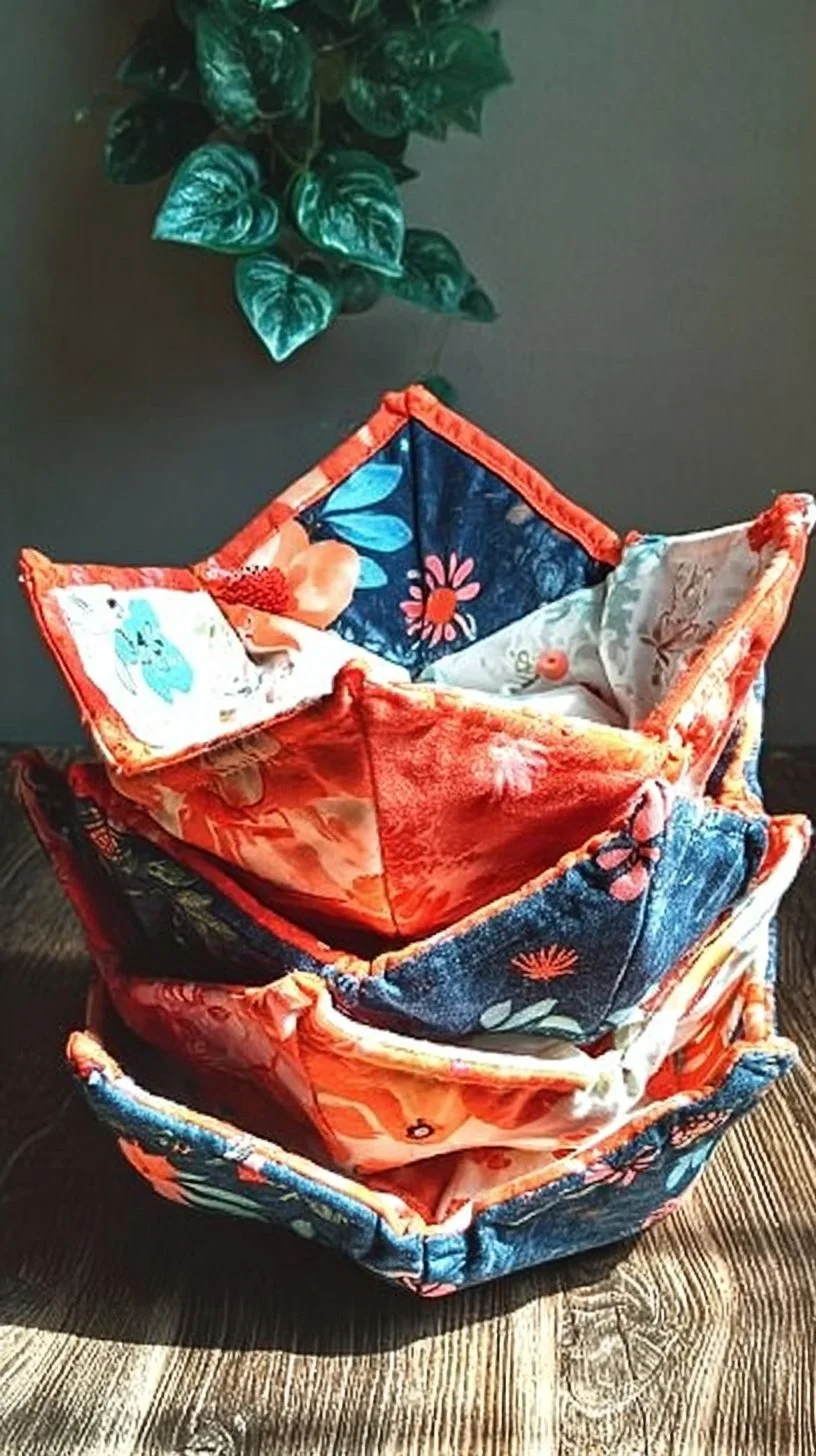
How To Make Reversible Soup Bowl Cozy

When my kids were little, our kitchen table felt like the center of everything: homework sprawled beside cereal bowls, my husband bringing in mugs of coffee, my mother dropping by with a basket of fabric scraps. Now that my son is ten and my daughter is eight, I still love small handmade touches that warm the home and remind me of my childhood summers mending with my grandmother. As an American mom in my forties, proud of our family traditions and the practical creativity that runs in our clan, I find reversible bowl cozies are a simple project that blends usefulness with personal style. They protect hands and surfaces, make soup feel more special, and are a perfect little home décor accent that reflects your taste. Let me walk you through thoughtful choices and styling tips that make these cozies both beautiful and functional.

  1. Choose fabrics that marry function and style

Start by picking two fabrics that complement each other and your home décor. A sturdy cotton for the inner layer will resist spills and handle warmth, while a textured linen or quilting cotton on the outer side brings pattern and personality to your countertop or dining table. Think of color palettes you already use: neutral grays and creams for a minimalist feel, or soft florals and warm plaids for a cozy farmhouse look. When selecting prints, keep scale in mind — small prints pair well with bold solids or stripes. Wash and dry your fabrics before cutting to avoid shrinking later. If you want extra insulation and a quilted appearance, add a thin batting layer. These choices boost interior styling and create a cohesive decorating tip for a table setting that looks curated and intentional.

  1. Design reversible color and pattern combinations

Reversibility is your chance to play stylist. Pick one side that is bold or seasonal in tone without locking you into a holiday motif, and another side that reads as a neutral everyday option. For example, pair a muted sage with a small geometric pattern in navy, or a warm terracotta with a soft cream stripe. Try color-blocking by using contrasting edge piping or topstitching to create a tailored look. If you have children, include a side with a playful print they will love, and a grown-up side for more formal dinners. I often make two cozies and keep one on each side of our cupboard so my daughter can pick the fun pattern while I reach for the calmer one. These reversible design ideas serve both function and decoration in modern home décor.

  1. Step-by-step construction made simple

A clean, repeatable method helps the project stay enjoyable. Cut two identical circles or rings for fabric and one for batting if desired. Mark the center with a small stitch so layers align. Sew with right sides together, leaving a gap for turning, then trim curves and clip seams to reduce bulk. Turn the piece right side out and press it flat with an iron, making the gap easy to topstitch closed. Add an inner quilting stitch or concentric circles from the center to hold batting in place. If you prefer a no-sew option, fabric glue or fusible interfacing can provide structure for an emergency cozy, although sewn finishes last longer. Keep a simple template from sturdy cardboard so you can make matching sets that elevate your kitchen styling.

  1. Sewing techniques for durability and insulation

Durability matters when small hands and frequent machine washes are in play. Double-stitch stress points and use a reinforced topstitch around the edge to prevent fraying. For insulation without bulk, choose a heat-resistant batting designed for pot holders, or layer cotton batting with fusible interfacing to stabilize the shape. Quilting not only secures layers, it adds a decorative element that becomes part of your interior styling. Consider using cotton thread that blends in on one side and contrasts on the other to showcase the reversible nature. My neighbor taught me that little touches like vintage buttons or embroidery can personalize a cozy into a keepsake, and those accents are small decorating tips that make guests ask where you found them.

  1. Styling and placement ideas for home décor impact

Think beyond the bowl. Reversible bowl cozies can double as miniature trivets, small coasters for teacups, or decorative accents on an open shelf. Group a set of three in graduated sizes on a wooden tray to create a tabletop vignette that complements your living room or entryway. Use a coordinated color scheme to tie in with throw pillows and kitchen linens for a deliberate interior styling approach. For busy households, keep a basket near the stove stocked with ready-to-use cozies so warming soup becomes effortless. I like to tuck one under a potted plant to protect my sideboard; it looks intentional and keeps surfaces safe. These small styling ideas are practical decorating tips that make your home feel curated.

  1. Care, gifting, and personalization tips

To keep cozies looking fresh, wash on a gentle cycle and reshape while damp. Avoid high heat if your fabrics include delicate prints. Personalize cozies with initials, simple embroidery, or a stamped leather tag for a polished handmade gift. They make thoughtful housewarming presents or teacher thank-you gifts and are a lovely way to share a bit of family tradition. When I sent a set to my sister, she layered them into a gift basket with a jar of homemade soup mix and a handwritten recipe card, which became an instant family favorite. Small touches like matching wrapping paper or a customized note enhance the homemade appeal and encourage recipients to use them in their own interior styling efforts.

Conclusion

If you want a simple DIY project that combines practicality with charming home décor, reversible bowl cozies are a wonderful place to start. They provide functional protection, reflect your interior styling choices, and offer plenty of room for personalization and gifting. For a clear pattern and step-by-step guidance to get you sewing right away, check out this helpful tutorial from DIY Reversible Bowl Cozy – 5 out of 4 Patterns. Try making a few variations to mix and match with your table linens and storage baskets, and enjoy how a small handmade item can refresh your decorating inspiration.