Categories
Living

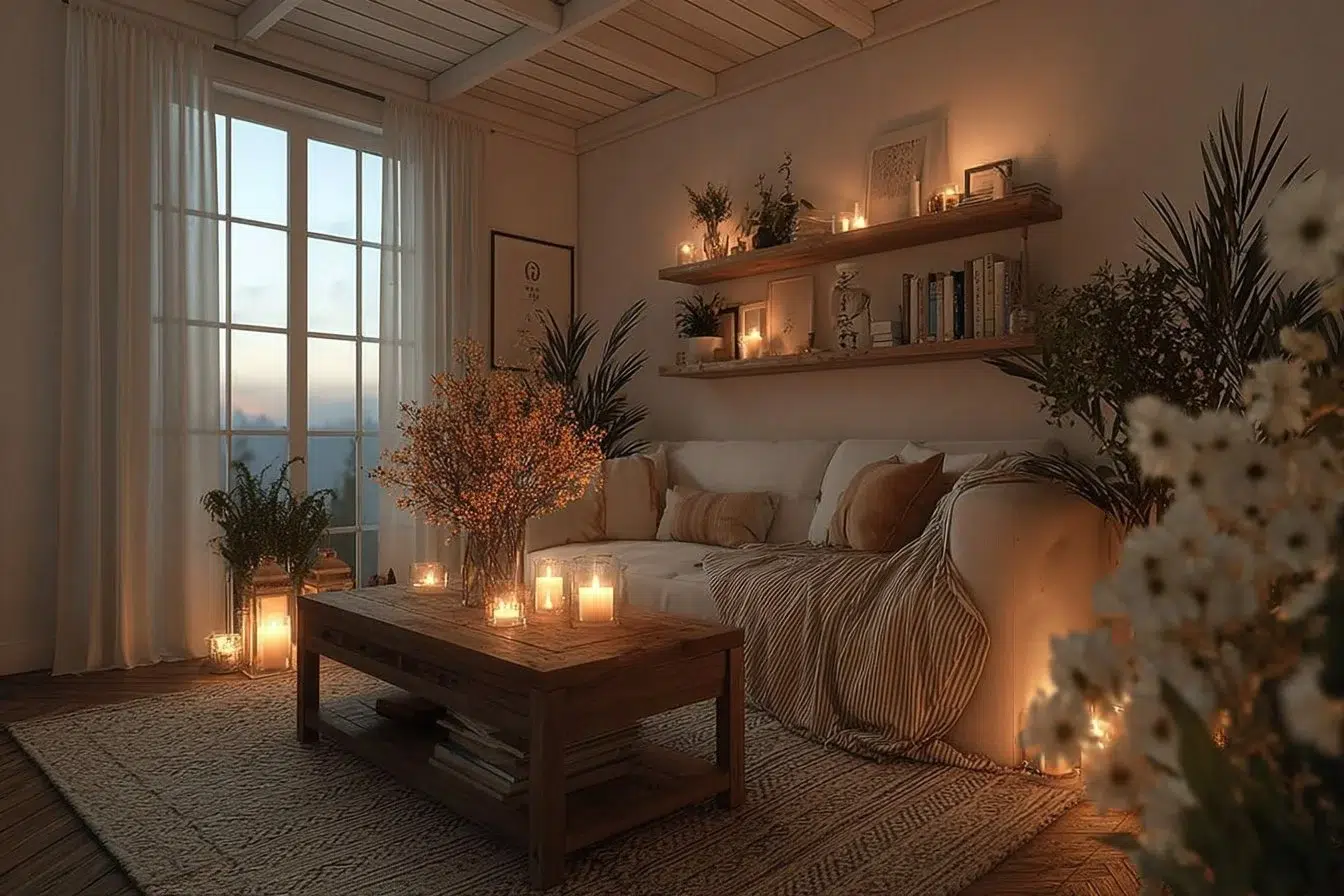
Small Living Rooms Cozy Ideas for a Warm Retreat

Tiny Living, Big Warmth: Create an Inviting Family Room

I still remember the first autumn we moved into our little bungalow — backpacks lined by the door, a soccer ball in the hallway, and two kids arguing over the TV remote while I tried to fold laundry on the couch. Between school runs, PTA meetings, and neighborhood block parties, our living room became the house’s heartbeat: where homework got done, secrets were whispered, and sleepy movie nights happened. Those everyday moments taught me that a small space doesn’t need to be loud to feel full; it simply needs to feel intentional. Over time I gathered simple home décor ideas and interior styling tips that made our compact sitting area feel like an embrace at the end of a long day. If you love practical decorating inspiration that works for active families, start here and peek at a few of my favorite cozy heartfelt decor ideas that inspired our first cozy refresh.

Layered Textiles for Soft Warmth

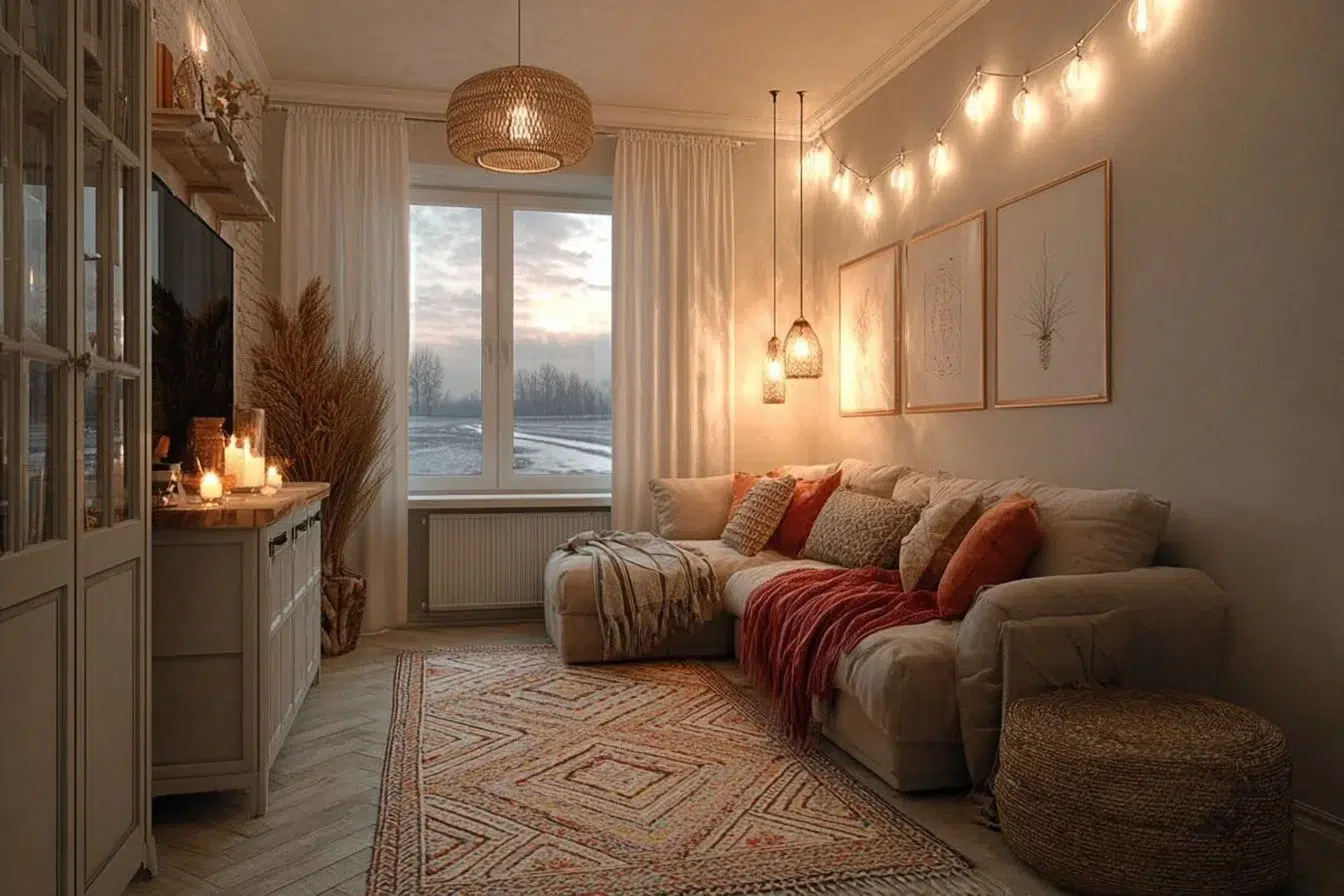
Layering fabrics turns a tight living area into a tactile retreat. Think plush throws over a slim sofa, a weighted cotton throw for movie nights, and a low-pile rug that defines the sitting area without overwhelming the floor. Visually, textiles add depth and tone — they break up clean lines and invite people to linger. Emotionally, a stack of soft pillows becomes a signal that this is a pause spot: for reading with a child, for a neighbor to drop by with coffee, or for a rainy afternoon of board games.

Practically, choose washable fabrics in kid-friendly blends and rotate pieces seasonally so nothing feels stale. Mix patterns in the same color family to keep the look cohesive; a striped lumbar pillow plus a subtle floral cushion works beautifully without shouting. For houses with active children, keep a designated basket for cozy blankets so they’re always within reach but easy to tidy when company arrives.

Smart Furniture That Fits and Feels

In compact rooms, furniture must multitask and feel proportionate. A narrow loveseat paired with an ottoman that doubles as toy storage keeps sightlines open while hiding clutter. Low-profile sofas preserve a sense of vertical space, and furniture on casters can be rearranged for homework help or impromptu playdates. Choosing pieces with exposed legs also creates an airy silhouette that tricks the eye into seeing more room.

Emotionally, furniture that’s scaled to the family invites everyone in — my kids can curl up beside me during storytime, and there’s still space for a friend who pops over after school. When buying, measure for clear walking paths and imagine daily routines: snack time, a craft afternoon, or folding laundry during commercials. These interior styling tips make a small space feel deliberate rather than cramped, and they provide practical zones without sacrificing style.

Light That Hugs: Warm Lighting Tricks

Lighting transforms mood more than color does. Swap harsh overhead bulbs for layered illumination: a warm-toned floor lamp for reading, table lamps on side tables for soft glow, and dimmable fixtures for evening wind-downs. A string of low-profile sconces or plug-in wall lights can add ambient layers without complex wiring, perfect for weekday evenings when homework and dinners blend into family time.

Visually, warm light makes textures sing and skin tones look more flattering — ideal for cozy conversations after school drop-offs. Emotionally, the right light can make a tired space feel rejuvenated; I remember how a single lamp changed our evenings from frazzled to serene. For practicality, choose energy-efficient bulbs with a 2700K–3000K temperature and place lamps at multiple levels so the room never feels flat. These small adjustments are some of the most effective decorating inspiration for family-focused rooms.

Palette of Gentle Neutrals with Pops

A soft, neutral palette creates a calming backdrop that amplifies small spaces. Warm beiges, muted greiges, and soft whites unify the room and reflect light, making corners feel less confined. Instead of stark monochrome, introduce personality with deliberate pops: a mustard throw pillow, a slate-blue vase, or artwork your kids helped pick. These accents give the room life while keeping the overall feel serene.

Why it works: neutrals act like a visual hug, easing transitions between the living area and kitchen or hallway. For families, practical durability matters — pick mid-tone finishes that hide fingerprints and scuffs while letting accent colors shine. I mixed washable slipcovers and an accent armchair we scored at a thrift sale; neighbors compliment it, and my daughter claims it for afternoon reading. These decorating inspiration choices are forgiving, stylish, and rooted in real household rhythms.

Textural Walls and Family-Friendly Art

Walls are blank canvases for adding tactile interest without eating floor space. Consider a subtle grasscloth wallpaper on an accent wall, beadboard behind the TV, or a linen-wrapped pinboard where kids can pin drawings. Textural walls create warmth through depth rather than color, making a compact room feel intentional and curated.

Pair textures with family-friendly art: framed school projects, a rotating gallery of watercolor experiments, or a woven wall hanging that doubles as a conversation starter for visiting grandparents. Emotionally, seeing your kids’ work displayed elevates ordinary days and strengthens that sense of home. Practically, use lightweight frames and removable hanging hardware so you can swap pieces easily; little changes keep the room feeling fresh through each stage of your children’s growth.

Nooks & Multipurpose Zones for Togetherness

Small rooms benefit from clearly defined micro-zones: a reading nook by the window, a homework corner with a slim desk, and a game zone with a low storage bench. These areas let family members coexist without stepping on each other — homework can happen beside movie prep, and quiet time can live alongside afternoon play. Use a consistent color thread or matching baskets to visually tie zones together so the space feels united.

From a practical angle, furniture that serves double duty — a bench that stores blankets, a coffee table with hidden compartments — supports busy routines. I carved out a tiny craft table for my younger one, and it became the household’s creativity hub: homework sometimes migrates there, and neighbors’ kids often gather for playdates. These interior styling tips maximize function while keeping the room warm and lived-in.

Conclusion

If you’d like more ways to layer warmth into tight spaces, this round-up of ideas can be a gentle starting point for your next refresh. Save the ideas that resonate, try one change at a time, and come back to tweak them as your family’s routines evolve. For extra inspiration that guided some of our choices, see this collection of inviting and cozy living room ideas that blend comfort with real-life practicality.
Categories
Living

5 Cozy Living Room Ideas to Warm Your Heart

Living Room Ideas That Hug Your Family

I still remember the afternoon my son tracked mud across the rug after a soccer game and my daughter dumped a puzzle box in the middle of movie night—life in our house is loud, affectionate, and gloriously imperfect. As a forty-something mom juggling carpools, school projects for kids aged 8 and 11, and a neighbor who always drops by with lemon bars, I’ve learned that a living room needs to be both resilient and welcoming. That’s what got me obsessed with small changes that feel like a hug at the end of the day. If you’re looking for easy home décor ideas that survive sticky fingers and celebrate family moments, these room refreshes blend comfort with smart function—little nudges that transform everyday chaos into warm memories. For more gentle inspiration, check out these cozy heartfelt decor ideas that inspired my first makeover.

1. Layered Textures for Instant Warmth

Layering soft textiles creates an inviting atmosphere without asking for constant maintenance—perfect when two kids and a dog are part of the daily equation. Start with a durable neutral sofa and add a mix of chunky knit throws, a plush rug underfoot, and a few linen or suede pillows. Textures visually read as warmth and make the room feel lived-in rather than staged. From an interior styling tips perspective, choose fabrics that hide wear: woven patterns and cotton blends work well and wash easily. Place a basket for extra blankets by the sofa so your family can grab one during homework time or an evening read-aloud. This approach gives you decorating inspiration that’s both practical and pretty, turning a functional family spot into a soft, layered nook everyone wants to gravitate toward.

2. Warm Lighting That Sets the Mood

Good light changes moods—brighter for crafts and homework, dimmer for cozy movie nights. Swap a harsh overhead fixture for softer alternatives: add a floor lamp behind a reading chair, tuck a small table lamp near the couch, and use warm-toned LED bulbs for a golden glow. Dimmable switches are a game-changer for parents who want to shift quickly between morning rush and bedtime wind-down. Candles (real or flameless) on a low shelf anchor movie nights and make even a simple throw blanket feel celebratory. As you experiment, keep in mind classic interior styling tips like layering task, ambient, and accent lighting to provide function without sacrificing ambiance. My neighbor once said the right lamp can change a room like a new rug—and she was right; lighting is affordable and instantly transformative.

3. Family-Friendly Seating Zones

A living room should work for play dates, puzzles, and quiet reading alike. Create distinct seating zones: a main couch for TV nights, a low pouf or ottoman for kids to sprawl out with Legos, and a cozy armchair for reading or phone calls while supervising homework. Use a soft area rug to visually anchor play spaces and consider modular seating that can be rearranged for board game nights or impromptu living room forts. Choose slipcovers or stain-resistant fabrics so spills don’t mean panic; washable covers are lifesavers when lunch gets eaten over the coffee table. When styling, think about flow—leave clear paths for little feet and place a small side table near each spot for drinks or craft supplies. These choices make decorating inspiration practical, honoring family life without compromising on style.

4. Personal Displays That Tell Your Story

A living room becomes unforgettable when it showcases family stories rather than just store-bought decor. Create a photo wall with mismatched frames, a shelf with kids’ artwork rotated regularly, or a simple memory table with souvenirs from local walks and neighborhood adventures. These touches make the room feel like home and spark conversations during lazy Sunday afternoons. For a modern take, mix vintage finds with current pieces—an old wooden frame beside a sleek metal one keeps the display grounded. If you need ideas for blending family keepsakes into a contemporary space, explore different approaches to keep your layout feeling fresh and intentional rather than cluttered. I keep a small clipboard for rotating drawings so my kids feel proud and our space remains organized between school projects.

5. Nature Elements and Soft Color Palettes

Bringing the outside in soothes busy households: potted plants, woven baskets, and natural wood accents add texture and calm. Choose hardy houseplants like snake plants or pothos that tolerate less-than-perfect care—kids love them, and they breathe life into corners that used to be catch-alls. A soft palette of warm creams, muted greens, and gentle blues keeps the mood serene and flexible for seasonal swaps or bold throw pillows. For more dramatic inspiration on marrying contemporary lines with natural elements, consider browsing curated examples that show how subtle greenery can shift a room’s vibe without demanding constant upkeep. On rainy afternoons we gather by the window with cocoa; the plants and soft tones make those moments feel intentional and restorative rather than chaotic.

Conclusion

If you save one idea, let it be this: design for how your family actually lives. Gentle changes—layered textures, warm lighting, flexible seating, personal displays, and a touch of nature—create a living room that stands up to sticky hands and invites slow Sundays. For a fun seasonal round-up that pairs well with these warm design touches, I found a helpful list of festive tree options here: 10 Popular Christmas Trees from Amazon – Beneath My Heart. Try one idea at a time, save the looks you love, and come back when you’re ready for the next room refresh.

Categories
Living

Charming Cottagecore Decor Inspirations

Secret Cottagecore Corners That Feel Like Home

I still remember the first time my youngest and I carried a chipped teacup across the yard to gather wildflowers—our neighbor waved and handed over a jar of honey like we’d always belonged. Between school drop-offs, soccer practice, and late-night homework sessions, small rituals like making breakfasts on a painted tray or tucking a knit throw at the foot of the sofa have become my quiet joys. Those ordinary moments pushed me toward softer, lived-in interiors that speak to family life; decor that survives sticky fingers, dog paw prints, and the occasional glitter explosion. My Pinterest boards are full of simple, heartwarming plans, and I often return to posts with gentle, rustic flair for everyday inspiration like these rustic Easter décor ideas. This isn’t about perfection—it’s about designing rooms that welcome laughter, homework spreads, and friendly drop-ins with a cottagey, practical twist.

Sunlit Floral Tablescapes

A small table by the kitchen window invites morning light and conversation, and nothing brightens family breakfasts like fresh or dried florals arranged in mismatched teacups. Visually, layers of pattern and different vase heights create an effortless focal point that reads warm and curated. Emotionally, flowers recall neighbors bringing over a bouquet or a child’s preschool artwork taped beside a place setting—these touches make guests feel instantly at ease. To apply this look, start with a neutral runner, place a low cluster of mismatched dishes at the center, and tuck in sprigs of wildflowers or eucalyptus. Swap flowers seasonally or let the kids pick their favorites for added personality. This arrangement supports subtle merchandising spots—small decorative boxes or ceramic salt cellars that work well with ad placements—while staying practical for daily use and family breakfasts.

Vintage Finds and Thrifted Layers

Hunting for secondhand treasures taught me that character comes from small imperfections: a slightly faded quilt, a brass candlestick, or a wooden tray with a faded monogram. Incorporating these elements adds visual depth and a sense of history to rooms, which pairs beautifully with modern pieces for balance. Start by giving yourself permission to mix eras: set a thrifted mirror above a simple console table or layer an old rug beneath a newer sisal runner. These choices feel approachable for household life—durable, forgiving, and uniquely yours. If you love seasonal vignette ideas, you’ll find plenty of use for simple swaps and repurposed accents in projects like these thrifted cottage accents. Children’s art can be framed inexpensively and rotated, making this styling both family-friendly and endlessly adaptable.

Soft Color Palettes and Painted Furniture

A palette of muted greens, buttercream, and faded rose offers a gentle backdrop that calms busy afternoons and evening routines. Paint can transform a hand-me-down dresser into a centerpiece without breaking the bank, and distressed finishes add that lived-in personality that invites touch. Visually, soft hues create cohesion across rooms, making transitions from kitchen to living room feel intentional. Emotionally, these colors recall childhood summers and porch swings—perfect for homes where kids’ play and neighborly visits overlap. To try this at home, repaint a small piece first and live with it for a week; you’ll quickly see how it influences fabrics and accessories. This approach supports tasteful ad recognition—imagery with consistent tones performs well for lifestyle traffic while remaining authentic to everyday family life.

Natural Textures: Linen, Rattan, and Wool

Textural variety brings a room to life: linen napkins that rumple attractively, a rattan basket for toy storage, and a wool throw for reading naps on the sofa. These tactile elements work visually by layering attention and warmth, and they hold up to the rhythms of family life—washable linens and sturdy woven baskets are practical choices. Try adding a woven pendant over a breakfast nook or swapping out polyester cushions for linen slipcovers that soften with use. Using natural textures makes spaces feel approachable and lived-in rather than staged, and children can easily help maintain displays—placing books in a woven bin or arranging soft pillows for fort-building. For bloggers and publishers, images featuring textured surfaces encourage longer engagement, which is ideal for interior styling tips and monetization strategies.

Windows, Nooks, and Reading Corners

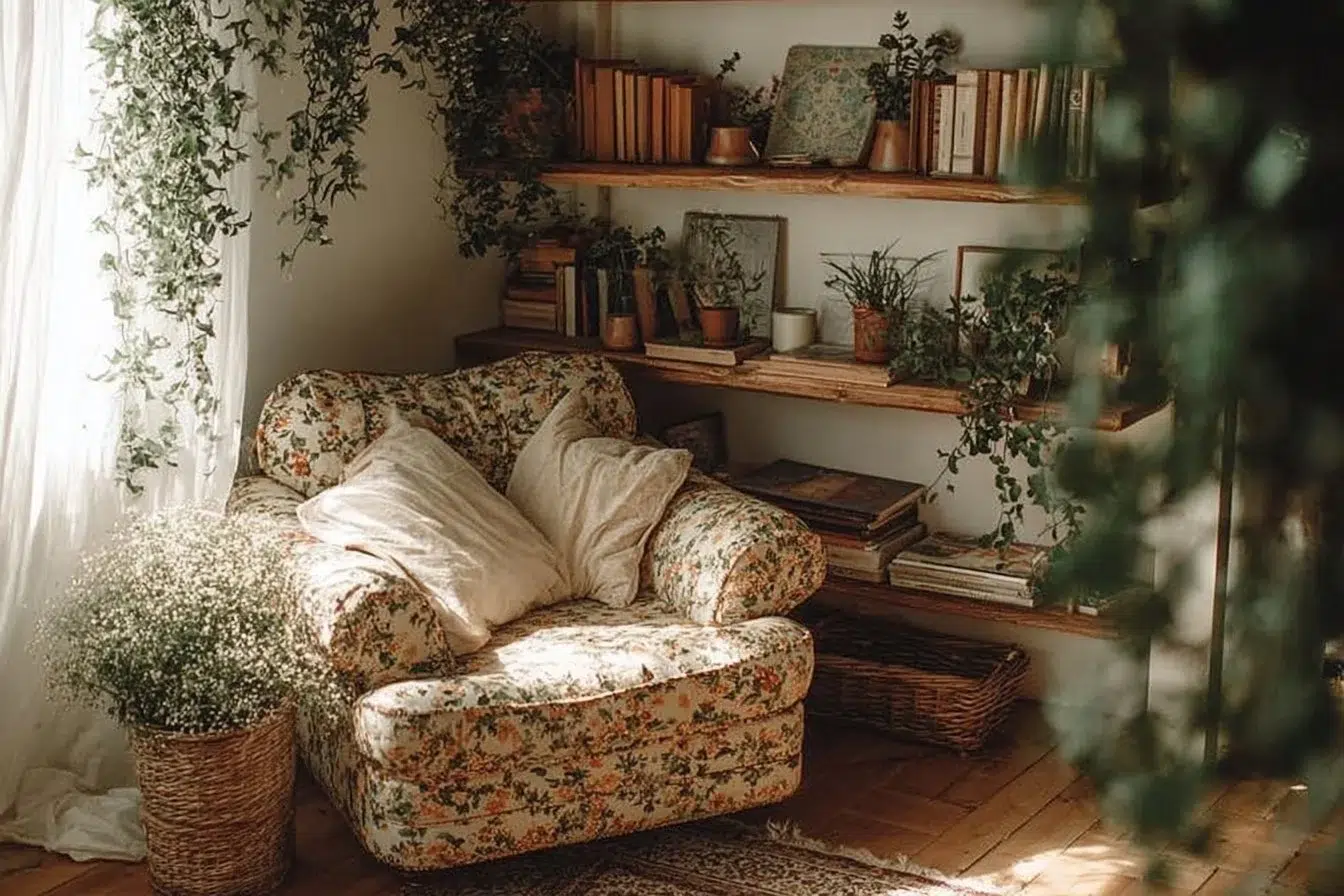
Small nooks are where memories get made: a built-in window seat for afternoon reading, a corner with a lamp where homework happens, or a closet turned play nook for rainy-day forts. These areas are visually impactful because they create focused moments within larger rooms, and they carry emotional weight—my eldest still remembers morning reading with a mug of cocoa while the house woke up. Make a nook inviting with layers: a cushioned bench, a throw, and a small shelf for favorite books and handmade crafts. Incorporate family routines, like a nightly story ritual, into the styling so the space is both beautiful and functional. For outdoor-inspired transitions or porch styling that complements these indoor nooks, consider elements that blur the line between inside and outside, using durable fabrics and weatherproof accents to echo your garden’s charm garden and porch styling ideas.

Artful Storage and Playful Displays

Storage that looks intentional keeps family life feeling stylish rather than chaotic. Open shelving with curated baskets, labeled jars for craft supplies, and a pegboard for school bags make daily comings and goings simpler while adding sculptural interest. Visually, tidy displays frame the room and provide natural places for ads and affiliate imagery that match the aesthetic. Emotionally, accessible storage respects children’s independence—they can put away their own toys and take pride in a tidy shelf. Start small: convert a low shelf into an art station where homework supplies live in pretty tins. Rotate displayed toys and crafts so the shelf refreshes often, creating new visual hooks for returning visitors and encouraging repeat engagement with your decorating inspiration.

Conclusion

If you want a focused example of table and dining room styling that blends floral charm with thrifted pieces, explore this lovely walkthrough for practical inspiration and staging ideas: Embrace Cottagecore Charm: Spring Dining Room Décor Inspiration. Save a few ideas, try one small corner at a time, and come back when you’re ready to layer in more touches—your home will tell the story of daily life, neighbors, and tiny celebrations that matter most.

Categories
Living

Modern Farmhouse Paint Palette

Modern Farmhouse Paint Palette: Timeless Neutrals with a Fresh Twist

The modern farmhouse palette blends warm heritage with clean contemporary lines, favoring soft neutrals, muted pastels, and a few bold accents to ground the space. If you’re gathering ideas or dreaming about a remodel, explore some inspiring examples of modern farmhouse projects to see how color sets the tone in different rooms: modern farmhouse inspirations.

Foundations: Whites, Beiges, and Soft Greys

Start with a neutral foundation—warm whites and gentle greiges form the backbone of the look. These hues create a bright, airy backdrop that highlights architectural details like shiplap, exposed beams, and black metal accents. To introduce depth without overwhelming the simplicity, try pairing an off-white wall with a slightly darker trim or cabinetry shade.

For coastal or sun-drenched farmhouse spaces, cooler neutrals with a touch of blue-green can keep rooms feeling fresh and calm; designers often reference seaside palettes when softening grey-beige combinations, as illustrated by the soothing tones in the Coastal Calm Sea Salt palette.

Accent Colors: Muted Greens, Deep Blues, and Warm Blacks

Accents make the farmhouse look modern. Muted sage greens and soft teal bring a hint of nature indoors, while deep navy or charcoal create contrast for kitchen islands, front doors, or an accent wall. Warm black—think blackened bronze rather than stark jet black—adds definition on hardware, window frames, and light fixtures without reading too harshly.

When choosing an accent color, test it on the largest element you intend to paint (an island or an entire wall) rather than a small swatch. Small samples may read differently once they cover more surface area and interact with natural light.

Finishes, Textures, and Complementary Materials

Paint sheen and complementary materials are as important as the color itself. Matte or eggshell finishes hide imperfections and suit walls and ceilings, while satin or semi-gloss fares better on trim, doors, and cabinetry where durability is needed. Layer texture with reclaimed wood, woven textiles, and hand-finished ceramics to keep the palette grounded and tactile—handcrafted elements often amplify the authentic farmhouse vibe, much like seasonal ornaments and rustic DIY accents that personalize the home: hand-painted wood slice DIY ideas.

Practical Tips for Choosing and Using Color

  • Sample multiple tones in different lighting conditions—morning, midday, and evening—to understand how undertones shift.
  • Use the 60-30-10 rule: 60% dominant neutral, 30% secondary color (cabinets, upholstery), 10% accent (hardware, art).
  • Coordinate finishes: pair warmer neutrals with warm metals (brass, bronze) and cooler greys with nickel or matte black.
  • Keep continuity between rooms by repeating one neutral and one accent across adjoining spaces.

Styling with Paint: Room-by-Room Ideas

  • Kitchen: A soft cream or warm grey on walls, deep navy island, and crisp white cabinets make a balanced statement.
  • Living room: A green-grey accent wall behind shelving or a fireplace brings coziness without overpowering.
  • Bedroom: Pale, warm whites with layered linens and natural wood tones create a restful retreat.
  • Exterior: Light siding with darker trim and a bold door color (forest green, navy, or warm black) boosts curb appeal.

Conclusion

For a curated set of modern farmhouse color suggestions and combinations from a leading paint brand, see the official palette guide: Modern Farmhouse Paint Color Palette | Benjamin Moore

Categories
Winter Decor

5 Gorgeous Winter Decor Ideas For A Serene Home

Transform Your Home: 5 Serene Winter Styling Secrets

I remember the first gray morning last January when my two kids—an energetic ten-year-old and a thoughtful eight-year-old—left muddy boot prints from the front porch all the way to the kitchen. Between packing lunches, checking homework, and waving at Mrs. Jenkins next door as she walked her golden retriever, I found myself craving a calmer space to come home to. There’s a small ritual now: fresh tea, a soft throw over my shoulders, and a minute to breathe before the afternoon chaos resumes. Those quiet moments made me rethink how we live with winter in our home. With small changes that respect family rhythms—sticky fingerprints, homework piles, and unexpected playdates—you can create a serene space that still feels lived-in. Here are five approachable decor ideas I’ve tried, framed as practical interior styling tips and decorating inspiration for families like ours.

1. Soothing Neutral Palette with Layered Textures

A muted color scheme instantly calms a busy household. Think warm creams, gentle grays, and soft taupes instead of stark white. These tones provide a restful backdrop where everyday life—kids’ drawings on the fridge, backpacks by the door—doesn’t feel chaotic. What makes this work visually is texture: knitted throws, linen pillow covers, and a braided rug add depth without visual noise. Emotionally, neutrals feel like a warm exhale after a long day of carpools and piano lessons.

To apply this at home, start with a neutral sofa cover or slipcover that’s washable for inevitable spills. Layer in two or three different-textured throws and swap pillowcases seasonally for a subtle refresh. Include a tactile basket near the entry for gloves and hats so clutter stays contained but accessible when that last-minute school pickup happens. These small investments in fabric and texture are practical, child-friendly, and offer long-lasting decorating inspiration for a serene feel.

2. Natural Elements for Quiet Freshness

Bringing in natural elements—dried pampas, eucalyptus stems, and pinecones—adds life without overstimulation. Greenery, even in muted tones, connects your interior to the outdoors and softens the household hum. I love a simple vase of eucalyptus on the kitchen island while the kids make hot cocoa; it freshens the air and reminds us of neighborhood walks with our dog.

Use dried branches in corners where plants would struggle, and place a small bowl of pinecones or decorative stones on a coffee table to ground a space. Opt for low-maintenance options that survive being nudged by little elbows. These touches count as practical home décor ideas: they require little upkeep, are budget-friendly, and instantly improve the room’s mood—perfect when you need a peaceful morning before school rush.

3. Warm Ambient Lighting That Invites Pause

Lighting rewires how a room feels. Swap harsh overhead lights for layered sources like table lamps, floor lamps, and soft-string lights tucked into shelves. Even a small lamp on a hallway console changes the tone from rushed to restful when you’re putting the kids to bed. Lamps with warm bulbs create a gentle glow that encourages conversation and slows the pace.

Try dimmable bulbs or plug-in lamps in living spaces where homework or family game nights happen. Place a low-wattage lamp near a reading nook paired with a comfy chair—my son’s favorite quiet corner for nightly picture books. Adding a few battery-operated candles on mantels or windowsills gives the same intimate effect safely. These interior styling tips are easy to implement and help transform ordinary routines into comforting rituals.

4. Curated Entryway for Functional Beauty

The entryway is where winter routines start: boots, backpacks, mittens, and last-minute permission slips. A curated foyer balances function and style so your home feels orderly without being staged. Start with a narrow bench that doubles as a shoe drop and add a hook rail for backpacks. A small tray for keys and a pretty bowl for loose change keeps surfaces tidy while still looking intentional.

I stashed a small umbrella stand by the door last year, and it’s a game-changer for rainy drop-offs to school. Choose durable fabrics and wipeable surfaces for family use; a replaceable rug runner in an easy-to-clean pattern conceals mud and snow stains. This idea blends practical storage with decorating inspiration—neighbors often comment on how calm our entry feels, and that warm first impression matters when friends or family pop over unexpectedly.

5. Subtle Seasonal Accents with Family Touches

Instead of full-on seasonal overhauls, I favor a few meaningful accents that nod to the season while keeping the overall calm. A set of neutral-hued pillows, a wreath of preserved greenery, or a simple tray with scented pine cones can refresh a room without overwhelming it. In our home, small handmade crafts from my kids—like paper snowflakes taped on the window—become personal decor that’s both charming and easy to rotate.

Layer these accents into existing vignettes: a single winter-themed book on a coffee table stack, or a soft plaid throw folded at the end of a bed. These touches let family life shine through—proof that decorating inspiration can come from everyday moments, like a spontaneous baking afternoon or a neighborhood sledding trip. This approach keeps spaces serene while making them unmistakably yours.

Conclusion

If you want to create a calm, inviting home without sacrificing family life, these practical home décor ideas and interior styling tips are a great place to start. They respect the ebb and flow of daily routines—school runs, snack-time negotiations, and quiet evenings—while offering decorating inspiration that’s both beautiful and usable. Save the ideas that resonate, try one change this weekend, and watch how small adjustments can lift the whole house. For more focused ideas for your entryway and seasonal touches, check out Winter Foyer Decor Ideas, Tips and Tricks – Happy Haute Home.

Categories
Winter Decor

Stylish Winter Decor Ideas for a Welcoming Home

Layered Textures for a Welcoming Home

I still remember the morning my eldest refused to leave the house because he wanted to finish a fort of blankets and throw pillows on the living room floor. As a mom in my forties with two kids between 8 and 12, our days move between school runs, snack negotiations, and neighborhood drop-bys where Mrs. Alvarez from next door brings over her lemon bars. Those small rituals made me realize my home should be as inviting for spontaneous forts and homework sessions as it is for quiet evenings. Over years of trial and error—swapping out a lamp here, adding a rug there—I’ve learned simple touches can turn everyday chaos into a warm, lived-in haven. If you’re like me, juggling family routines and wanting spaces that feel intentional, these interior styling tips blend practicality with decorating inspiration so your home welcomes everyone, from kids with crayon marks to visiting neighbors.

Soft Neutrals with Warm Accent Colors

A soft neutral base—think warm creams, gentle grays, and sandy beiges—creates a calm backdrop that lets family life shine without feeling cluttered. Neutral walls and larger furniture pieces mean easier swaps when tastes change or the kids decide to redecorate their own rooms. Add pops of warm color through pillows, small throws, or a single accent chair; these touches elevate the room visually and emotionally, making it feel curated rather than chaotic. For a practical application, choose washable fabrics for high-traffic spots and reserve richer textures for places the kids don’t touch as much. I keep a folded plaid throw on the arm of the sofa for movie nights and let my children grab patterned cushions for their fort; it looks styled but survives everyday use. These home décor ideas strike the balance between beautiful and family-friendly.

Chunky Throws and Layered Bedding

Layering bedding is both comforting and functional—perfect for those evenings when a child crawls into bed after a bad dream or when we pull blankets to the couch for homework sessions. Start with a crisp sheet and a mid-weight duvet, then add a chunky knit or faux fur throw at the foot of the bed for texture and warmth. In living areas, drape a heavyweight blanket over the back of a sofa to invite snuggling and to hide the evidence of snack time. Visually, varied textures add depth to a room, while practically they create grab-and-go warmth during busy mornings. I wash my throws weekly and keep an extra folded in a basket near the entry so the kids can grab one before heading outside to build snowmen or collect pinecones on our neighborhood walk. These interior styling tips make layered bedding an inviting, usable element of daily life.

Natural Elements: Greenery, Branches, and Simple Containers

Incorporating natural elements brings life into rooms without fuss. A few evergreen sprigs in a glass vase, a bowl of polished stones on the mantel, or a small potted plant on the windowsill humanizes space and provides sensory texture that kids love to examine. Gather branches from weekend walks or use pinecones collected by the kids to create a centerpiece that feels homemade and meaningful. Visually, organic materials break up straight lines and glossy surfaces; emotionally, they connect the indoors to the backyard treehouse and family outings. To keep things practical, choose low-maintenance varieties like snake plants or hearty succulents for spots kids might reach. I often let my youngest arrange a small bouquet in the kitchen—simple decorating inspiration that doubles as family bonding and a way to teach care for living things.

Layered Lighting and Candle Groupings

Good lighting transforms a room’s mood more than any single accessory. Combine overhead fixtures with table lamps and floor lights to create layered illumination that transitions from morning bustle to evening calm. Place lamps in reading corners for homework, and use dimmers or softer bulbs in family rooms to signal wind-down time. Candles arranged on a tray—battery-operated for safety with kids—add flicker and softness during dinner or a movie night. Stylistically, clusters of light sources create visual interest and highlight textured fabrics or art pieces. Practically, I keep a small stash of flameless candles in a drawer so the kids can set up a “campout” mood without me worrying. These interior styling tips for lighting help you craft spaces that adapt to everyday life while staying comfortably stylish.

Functional Entryway Styling for Easy Routines

The entryway is where family life greets design: backpacks, shoes, mail, and neighborly packages all pass through. Make it both welcoming and practical with a durable rug, a bench that doubles as storage, and a set of hooks for jackets and book bags. A shallow tray for keys and phones keeps clutter off surfaces, while a tall mirror opens the space and helps with last-minute outfit checks. Visually, a styled entry sets the tone for the rest of the home; emotionally, it reassures you that even on hectic mornings things have their place. I taught my kids a quick “drop and hang” routine we do when they walk in—backpacks off, shoes to the rack, lunchbox on the bench—so the space stays tidy and ready for neighborhood friends who pop over after school. These home décor ideas make daily comings and goings feel intentional and handled.

Blend Vintage Finds with Modern Pieces

Mixing antiques or thrifted treasures with contemporary furniture creates personality and tells a story. A weathered side table or a framed heirloom print adds depth and conversation-starting charm among sleeker modern fabrics. The trick is balance—pair a vintage chest with clean-lined seating or repeat a color from a retro find in new throw pillows so the room feels cohesive. Emotionally, those older pieces often carry memories and become family favorites: my grandmother’s lamp sits on a modern console, and every time I light it we remember her and share stories with the kids. Practically, hunt for durable vintage pieces at yard sales or thrift shops and give them simple refreshes like a new knob or a light sanding. These decorating inspiration moments make your space layered, personal, and striking without sacrificing family life.

Conclusion

Try saving a few of these interior styling tips to your Pinterest board and test one small change each weekend—swap a throw, add a plant, adjust lighting—and you’ll notice the difference in how your home feels. If you want more ideas that blend layered textures with warm greens and family-friendly approaches, I found a helpful resource with beautiful, practical examples at Cozy Winter Home Decor Ideas: Layered Textures, Warm Greens …. These decorating inspiration touches help homes feel lived-in and loved, where routines and neighbors’ visits are always welcome.

Categories
Winter Decor

Handmade Lanterns to Warm Your Home

Lanterns That Turn Evening Chaos into Gentle Light

I still remember the time my son tracked in a muddy soccer cleat right as I was setting out homework supplies and my daughter’s violin teacher was waiting outside our door. Between snack requests and neighborhood chats over the fence, evenings feel like controlled chaos—but I crave quiet corners where the family can breathe. On rainy nights I light a small handmade lantern on the kitchen island and suddenly the harsh overhead glare softens into something that feels intentional. Those little flames and warm glows have become our ritual: a storytelling signal that homework can wait and conversation is welcome. Over the years I’ve learned how an easy lantern, placed with purpose, can be both a practical light source and a decorating statement that fits our everyday life, inspiring interior styling tips that work for busy families.

Hand-Painted Mason Jar Lanterns

Mason jars are my go-to for affordable, approachable home décor ideas. Paint the outside in muted farmhouse hues or soft pastels that echo your living room palette, then add a battery-operated flicker candle for safety around kids. The painted glass diffuses light in a gentle, artsy way—perfect for kitchen counters or on bookshelves where homework spreads out. I remember my neighbor’s garage sale find of vintage jars; after a quick paint job, she set them along her porch and the whole street felt friendlier. These lanterns are DIY-friendly and double as makeshift pencil holders when the light’s off, which is a small interior styling tip that saves space. They’re ideal for moms balancing aesthetics with function: pretty enough for Pinterest, practical enough for after-school messes.

Rattan & Rope Lanterns for Family Rooms

Rattan and rope lanterns add texture without overwhelming a room, bringing a hint of outdoors inside—great for creating layered lighting in family rooms. The natural fibers cast patterned shadows that read as soft, lived-in elegance, and their neutral tones fit most color schemes. I placed a rattan lantern on a low coffee table while my kids built a Lego fort; the warm, patterned glow made their fort feel like a secret clubhouse. These lanterns work visually because texture gives depth to flat decorating palettes, and emotionally because natural materials soothe overstimulated senses. Use them atop a console or in a corner to anchor a reading nook; they’re light enough to move when a toddler wants to help and sturdy enough to last through busy households.

Punched Metal Lanterns with Personality

Punched metal lanterns — tin or copper with decorative cutouts — create dramatic pools of light that are surprisingly calming after a hectic day. The tiny perforations throw starry patterns across walls and ceilings, turning a simple living space into something cinematic. I hang a small copper lantern near our entryway; when the kids come home, the glow feels like a welcome hug. Punched patterns also let you play with interior styling by echoing other metallic accents, such as picture frames or faucets. These lanterns pair well with darker wood tones or matte surfaces and provide a focal point without fuss. For safety, pair with low-heat bulbs or LED candles so you can keep the aesthetic without worrying during bedtime routines.

Window-Sill Tea-Lighted Lantern Rows

A row of small lanterns along a window sill transforms an ordinary view into a gentle panorama of light. Tea-light style lanterns in glass or woven frames are low-profile and perfect for lining windows facing the street, where neighbors notice the soft glow and you get that comforting sense of community. I often light a trio while folding laundry and suddenly that chore feels less like a task and more like a pause. The rhythm of repeated light units creates visual balance and an approachable decorating inspiration for narrow spaces. Choose LED tea lights for long nights of reading or when kids are practicing instruments nearby; they’re safer and last longer, making them a practical pick for family life.

Mini Lantern Nightlights with Personality

Mini lanterns make thoughtful nightlights for hallways and kids’ rooms—small, decorative, and friendly at bedtime. My daughter used to be afraid of the dark, and switching to a tiny handcrafted lantern on her dresser changed the routine: she now tucks in knowing a soft, steady glow awaits if she wakes. These compact pieces are great for experimenting with materials—woven paper, ceramic, or frosted glass—and they add personality without demanding much space. They’re also a subtle interior styling tip for blending function and charm: pick a finish that complements your child’s bedding or a lamp you already love. Mini lanterns encourage independence in kids while keeping lamp-switching simple for tired parents.

Paper Lanterns with Layered Textures

Paper lanterns are unexpectedly versatile, offering a lightweight way to introduce rhythm and movement to a room. Using layered papers—tissue, rice, or textured cardstock—creates depth and a handmade feel that warms cold lightbulbs into something more embracing. I like to string a couple above our family table during casual dinners; the soft diffused light makes the meal feel more intentional, and the kids love peeking through the folds. These lanterns are one of my favorite decorating inspiration sources because they’re inexpensive to refresh and safe with battery bulbs. For a more permanent look, pair paper shades with woven fixtures or painted wooden frames to tie them into your broader interior styling plan.

Conclusion

If you’re looking for approachable home décor ideas that fit everyday family life, handmade lanterns are a lovely place to start. They offer practical lighting, memorable atmosphere, and easy ways to express personal style—without complicated installs or fragile upkeep. Save and try a few of these decorating inspiration suggestions next time you want to shift the mood of a room, and don’t hesitate to choose safer electric options for busy households. For a reliable indoor option that blends safety with farmhouse style, I often recommend a simple electric farmhouse candle warmer lamp to enjoy lantern-like warmth without an open flame.

Categories
Decor

5 Spring Decor Ideas That Add Instant Charm

I still remember lugging in backpacks, soccer cleats, and a science project all at once, while trying to wave hello to Mrs. Patel next door who was pruning her roses. As a mom in my forties with two kids between eight and twelve, our mornings are a collage of lunchboxes, lost homework, and the little rituals that make a house feel like home. Evenings mean homework help, a quick walk with the neighborhood kids, and sneaking a cup of tea before bedtime stories. Those small routines made me obsess over tiny changes that lift the mood without a deep renovation. When I need instant cheer, I often borrow tricks from other projects I’ve tried, like using simple ceiling focal points from past holiday hacks such as the ceiling accent ideas for the holidays that inspired a playful corner in our living room. Here are easy ways to bring fresh home décor ideas into everyday family life.

Entryway Refresh: Small Touches with Big Welcome

The entryway is the first hug your home gives. Swapping a tired doormat for a floral or striped runner immediately softens the welcome and signals a seasonal shift. A pared-down console table with a low vase of blooms, a bowl for lost permission slips, and a mirror to catch last-minute hair checks creates both function and charm. Visually, the mix of texture and reflective surfaces brightens even narrow halls. Emotionally, it sets a calm tone for kids arriving from school and neighbors dropping by. To apply this at home, pick two color accents from a favorite rug and repeat them in cushions or an umbrella stand for cohesion. Add a small tray where the kids can drop keys and library books; it keeps clutter from spilling into the living room while giving you a reason to smile every day.

Fresh Floral Arrangements That Feel Lived-In

Real or preserved stems in mismatched jars create effortless beauty and make your kitchen or mantel feel loved. Instead of perfect bouquets, gather wild stems or grocery-store bunches, trim casually, and arrange with varying heights for a relaxed silhouette that reads as intentional rather than staged. Flowers enliven a room visually and trigger warm memories of family walks or neighborhood barters for peonies. Try placing a lively arrangement on the family table and swap it into smaller vessels for kid-friendly spots. For more ideas on styling dining surfaces with seasonal touches, I found dining table styling tips that translate well from holiday tables to everyday spring charm. The goal is approachable elegance: let petals fall, use unexpected containers, and teach kids to help freshen the display for instant decorating inspiration.

Layered Textiles: Cozy Color Without Overhaul

Swapping fabrics is one of the fastest ways to transform a room. Introduce pastel throw pillows, light linen curtains, or a patterned runner on a console to soften hard lines and bring color into your daily sightline. Textiles signal comfort to everyone in the house: kids curl up with blankets after homework, and you get a cozy moment with a book before bedtime. Choose washable fabrics where possible so the family’s busy life won’t wreck your styling. Start with one anchor piece, like a new sofa throw, then add coordinating napkins or a table runner for continuity in the dining nook. Layering different textures—cotton with a knit or a woven basket with a soft throw—adds depth and makes decorative choices feel like part of everyday living rather than an unattainable magazine spread.

Porch and Patio Pop-Ups for Casual Gathering

Your outdoor space can be a breath of fresh air for morning coffee and after-school chatter. A few colorful cushions, a weatherproof rug, and string lights create an inviting spot for kids to finish homework while you peek at emails. Visually, outdoor textiles and rotated planters break monotony and create focal points that neighbors will notice during evening walks. To apply it, start with movable pieces: a folding bistro set, potted herbs on a tiered stand, and a sturdy tray for cups and snacks. Small touches like a chalkboard for family notes or a water-safe lantern add personality without fuss. For inspiration on setting tables and making outdoor surfaces feel special, look to table styling inspirations that work equally well indoors and out, giving you flexible decorating inspiration that fits family rhythms.

Kitchen Vignettes and Open Shelving That Tell a Story

Kitchens are where life happens, so styling here should be practical and personal. Swap everyday dish towels for seasonal colors, display a stack of vintage bowls, or create a small herb garden on an open shelf that feeds both meals and conversation. A curated shelf with cookbooks, pottery, and a jar of wooden spoons reads as collected rather than staged, and kids love grabbing a sprig of basil to add to their toast. These little arrangements make cooking feel like an experience, not a chore. Visually, grouping items by color or material creates rhythm and balance. To keep it realistic, limit displays to one shelf where things are easy to reach and maintain; rotating pieces monthly keeps the vignette fresh and gives kids a chance to help decide the next theme.

Conclusion

I love how a handful of thoughtful changes can make everyday routines feel new and inviting. These interior styling tips and home décor ideas are designed to be simple enough to try between school runs but impactful enough to brighten the whole house. Save the ideas that fit your family’s pace, try one this weekend, and watch how small edits make daily life a bit more beautiful. For a dose of porch-specific inspiration that pairs perfectly with these touches, check out these classy rustic front porch ideas.

Categories
Decor

Tulip Glow Ideas for Cozy Family Spaces

I still remember the first time I watched my youngest drift off with a tiny lamp casting soft color across the room. As a mom in my forties juggling school drop offs, community bake sales, and the neighbor who borrows sugar more than she returns it, those small comforts matter. My two kids, now between eight and twelve, have routines that revolve around quiet corners, homework sprawls, and nightly stories. Little lights became our secret trick to turn ordinary afternoons into calm moments. They make homework less harsh, bedtime gentler, and the living room feel like a hug after soccer practice. That personal touch nudged me toward experimenting with one sculptural pot light that fits into every corner of our house. These ideas are born from real family life, and they are meant to help you add warmth without fuss.

Soft Bedside Glow That Calms Kids

A tulip-shaped lamp with a soft, adjustable glow is perfect for nighttime rituals. Visually it creates a delicate silhouette that reads like a modern flower on the nightstand. Emotionally, a warm, dim light signals safety to young minds and helps the whole family unwind after a long day. To apply this at home, place the lamp on your child’s bedside table and set it to a low amber or pastel shade about 30 minutes before lights-out. Let your eight-year-old pick the color once a week to give them a sense of control. For tweens, use cooler tones during homework time and warmer tones for reading. This simple swap integrates home décor ideas with parenting needs and helps establish predictable routines that make mornings easier.

Reading Nook That Encourages Quiet Time

Create a small corner with a comfy chair, a stack of books, and a tulip pot light for soft, focused illumination. The lamp’s sculptural form acts like both a light source and a decorative accent, elevating the nook aesthetics without crowding the space. Emotionally, dedicated low-light spaces invite calm and concentration, which is priceless for homework or independent reading. Arrange the chair near a bookshelf at child height so your 10-year-old can grab a favorite title. Switch to a gentle blue-white tone for concentration or a warm amber for winding down. This is an easy interior styling tip that blends function and beauty and becomes a family spot where stories and quiet habits form.

Welcoming Entryway Accent for Guests

A tulip-style lamp on a console table makes the front entry feel instantly livable and inviting. The soft glow will greet neighbors and family friends in a way that harsh overheads never can. Visually it adds a sculptural focal point; emotionally it sets a tone of hospitality that says your home is ready for company. To style it, pair the light with a small tray for keys and a framed family photo. Keep the lamp on a low setting in the evenings so kids racing in from the bus feel welcomed. This is a simple decorating inspiration for anyone who wants to create a welcoming vibe without remodeling. It’s practical for those evenings you host a last-minute after-school playdate.

Dinner Table Ambiance for Family Nights

Swap the centerpiece for a single tulip pot lamp when you want a softer dining atmosphere. The rounded glow avoids the drama of candles and creates a cozy bubble for conversation. Visually it keeps the table light and elegant; emotionally it encourages slower meals and better conversation, a small ritual that nourishes family bonds. Place the lamp at center or off to the side on a runner so kids can still see their plates. Dim the light a touch for post-homework dinners and brighten it slightly when you need more task light for clearing dishes. This decorating inspiration works for casual weeknights and weekend gatherings when you want the space to feel intentional but relaxed.

Bathroom Nightlight for Safer Nights

A low-light tulip pot placed on a shelf turns the bathroom into a gentle, navigable space after bedtime. Functionally it prevents stumbles; visually it adds a spa-like touch to an otherwise utilitarian room. Emotionally, a soft glow reduces startling contrasts that can wake children fully. Mount the lamp on a higher shelf away from splashes and set it to the lowest warm tone. Teach your kids to use that light instead of turning on the main fixture during middle-of-the-night trips. This practical interior styling tip meshes safety and design, and it saves both your sleep and minor scolding over loud bathroom lights.

Shelf Vignette That Elevates Everyday Decor

Use the lamp as part of a styled shelf with a mix of family photos, small plants, and favorite trinkets. The lamp’s shape provides height and sculptural interest while the light adds depth to the vignette. Emotionally, a thoughtfully lit shelf whispers calm and order into busy rooms. To style, group items in odd numbers and leave breathing room around the lamp so it reads as a focal piece. Swap a plant or toy when the kids want to personalize their corner. This is a friendly interior styling tip that turns ordinary storage into a curated display and fits naturally into a home filled with kids’ projects and rotating art.

Conclusion

If you love practical home décor ideas that actually work for families, these lighting tweaks blend form and function in ways that feel lived in. Try one spot at a time so you notice how simple light shifts can change moods and routines. For a ready-made option to explore, see the New Bella tulip pot LED lights to imagine how one piece can tie multiple rooms together. Save this page for future decorating inspiration and come back when you want more interior styling tips tailored to real family life.

Categories
Easter

Cozy Door Wreath Ideas to Welcome Spring

Some of my favorite mornings start with cereal-sticky little hands and a sleepy dog pressing at my calves while the sun stretches over the cul-de-sac. With two kids between eight and twelve, our house hums with homework, soccer practice, and the neighbor kids’ impromptu lemonade table. I still remember hanging simple crafts on the door when my oldest was just learning scissors—the proud grin I got when a crooked bow stayed up for a week. Those small rituals, like swapping out a winter wreath for something lighter, make routines feel like celebrations. Decorating has become my quiet way to mark moments for our family, to greet neighbors with a smile, and to let the kids help shape a warm front door that says, “You’re welcome here.” Here are approachable ideas to bring that same cozy feeling to your entryway.

Pastel Floral Wreaths

A pastel floral wreath mixes soft colors and textures for an inviting first impression. It works because the soothing palette taps into gentle, familiar feelings—think soft pinks, lavender, and cream that reflect sunlight and slow the eye. Visually, clustered faux or dried florals create a full, layered look without daily upkeep, and they pair well with neutral doors or painted blues. To make one at home, start with a grapevine base and attach varying stem lengths with floral wire, finishing with a simple ribbon knot. Let the kids choose the blooms during an afternoon craft session; their choices add personality and become a small family story that neighbors notice. This idea is perfect for those who love home décor ideas that feel effortless but personal.

Playful Bunny-Ear and Plush Accents

Bunny-ear wreaths bring a delightfully playful vibe that kids absolutely adore. The visual cue of ears or a plush bunny center instantly communicates warmth and whimsy, which helps transform your door into a friendly landmark for trick-or-treating neighbors or afternoon playdates. To create one, attach faux bunny ears to a foam or grapevine circle and add a fluffy pom-pom tail. For added charm, stitch a tiny bow from patterned fabric scraps—an easy job for an eight- or ten-year-old under supervision. This style blends decorating inspiration with family craft time, and the tactile elements invite little hands to interact while guests smile at the homemade detail.

Minimalist Greenery Hoop

A minimalist greenery hoop is a quiet, modern approach that complements many home exteriors. Its strength comes from clean lines and a focus on texture rather than color, making it a favorite for those who appreciate refined interior styling tips. Use a simple metal ring and weave eucalyptus, olive branches, or faux herbs on one side, leaving negative space for an airy feel. This wreath works well on doors with busy hardware because it doesn’t compete visually; instead, it highlights your entry’s architecture. It’s also practical: a quick shake keeps it looking fresh, and the subtle scent of eucalyptus can feel like a small luxury in daily life—perfect for welcoming tired kids back from school or adding a calm moment to a hectic morning.

Ribbon Cascades and Fabric Bows

Ribbon and fabric wreaths give you endless customization and a lovely movement that changes with every breeze. This design succeeds because texture and motion catch the eye, and the materials are often things you already have at home—old scarves, spring dress scraps, or ribbon leftovers from gifts. To assemble, tie lengths of ribbon around a foam or wire frame, layering widths and patterns for depth. Add long cascading tails for a dramatic, cottage-like look that flutters when the door opens. It’s an easy afternoon project to do with the kids: they love choosing patterns, and the result feels like a family-made decoration that neighbors will compliment when they walk by with their dogs or their mail.

Rustic Twig Wreath with Nest Accents

A rustic twig wreath with small nest accents brings a touch of the outdoors to your doorway and invites cozy, nature-inspired storytelling. The natural materials convey a handcrafted charm and can be collected on family walks—those little twigs and seed pods become memory markers of an afternoon adventure. Bind twigs into a circular base, secure faux nests or painted eggs in clusters, and gently tuck in sprigs of moss or dried grasses for contrast. This wreath feels grounding and nostalgic, and it pairs well with farmhouse or cottage fronts. Kids love helping find “treasures” for the wreath, and it’s a lovely way to teach them about seasonal changes without relying on overt themes.

Draped Garland for Porch and Doorframe

Draped garland extends the welcome beyond the door, framing the porch or entry and creating depth that a single wreath cannot. This approach works visually by drawing the eye across units of the facade, giving your home a curated, finished look that reads well in photos—perfect for saving to a Pinterest board. To style, string lightweight garland across the top of the doorframe and let soft swags hang on either side; mix faux greenery with tiny lights or paper flowers for evening charm. It’s a practical choice for busy families because garland can be rearranged or refreshed in parts, and the kids can help weave in homemade paper shapes or painted wooden eggs for a personal touch that neighbors often ask about during school pickup.

Conclusion

If you’re looking for simple home décor ideas that feel personal and doable, these wreath and garland approaches offer a range of looks—from playful to polished—that welcome family life right at your front door. Save the ideas that spark joy, try one that fits your routine, and let the kids lend a hand to make decorating a shared memory. For more step-by-step projects and visual inspiration, check out this collection of 30+ Creative and Absolutely Chic DIY Easter Wreath Ideas that pairs well with these decorating inspiration tips.