
Categories
Living

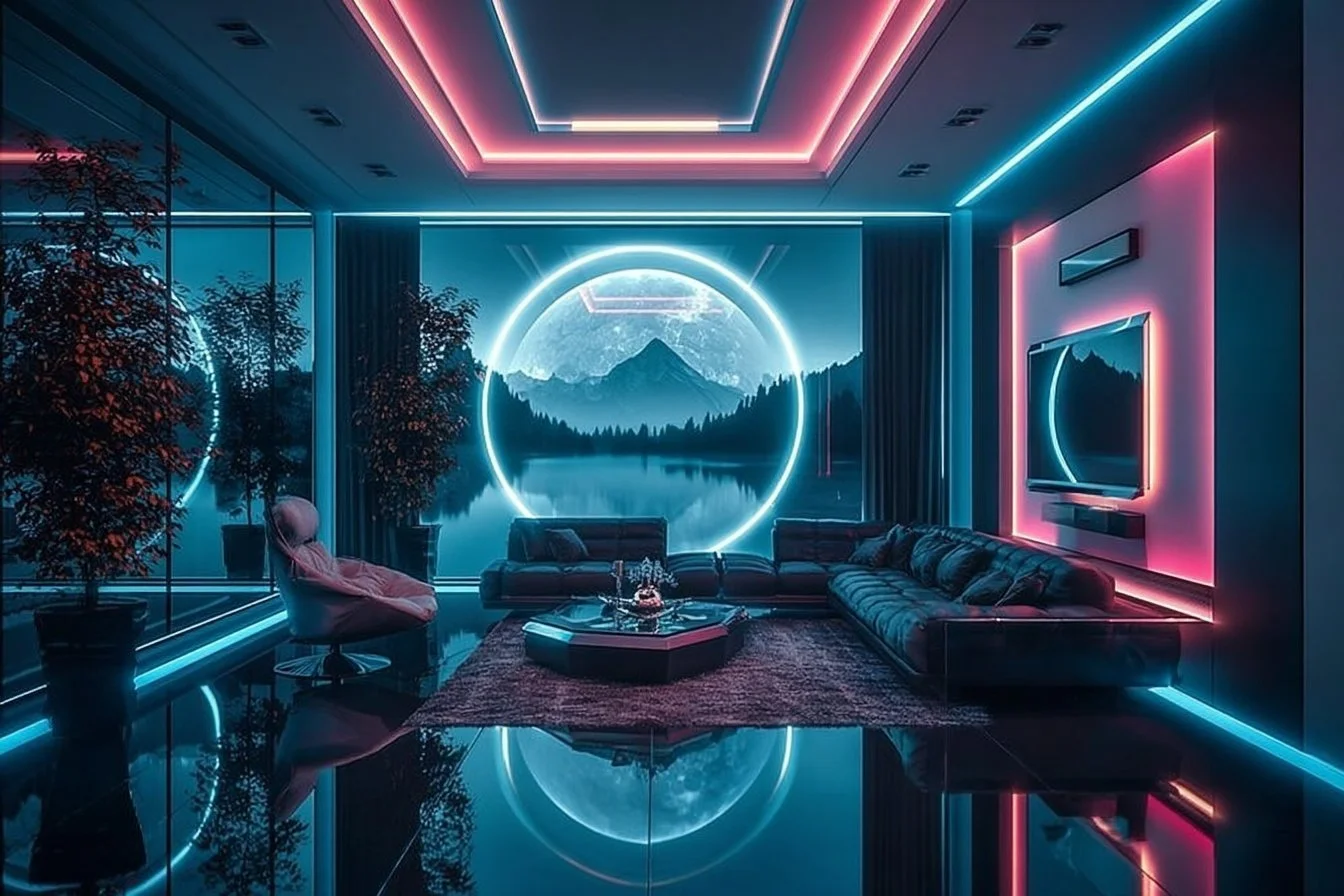
Futuristic Cyberpunk Living Room with Holographic Earth

I still remember the slow hum of the minivan idling in the driveway as I tried to finish a work call while dinner simmered and my youngest practiced piano in the next room. Small routines like swapping backpacks with the neighbor or debating which cartoon to let the kids watch feel like the backbone of our days. As a mom in my forties with two kids between eight and twelve, I live somewhere between chaotic school runs and quiet late nights with a cup of tea. Those moments made me rethink living spaces not as perfect showrooms but as places that hold memories, snack crumbs, and bedtime stories. That mix of lived-in comfort and a touch of wonder is exactly why I started experimenting with futuristic touches in our family room, marrying practical organization with playful technology and gentle style shifts. For tips on simplifying the base layer before adding high-tech flair, check out this decluttering guide for living rooms: https://how-then.com/declutter-your-space-a-minimalist-living-room-guide/.

  1. Holographic Earth as a Centerpiece

    A holographic Earth floating above the coffee table becomes a family ritual waiting to happen. It works because the globe is both a visual anchor and a conversation starter, turning the room into a storybook full of curiosity. To create this effect at home, use a compact holographic projector or a glass display with a small rotating LED base; position it where the kids can safely admire it without touching fragile components. Keep surrounding furniture low and minimal so the hologram reads clearly, and add a soft rug to invite leggy puzzle nights or forts. This idea plays well with younger kids who love showing friends an impressive “space planet” and helps older kids feel like their home has personality. From an interior styling tips standpoint, balancing technology with tactile elements keeps the space cozy and child-friendly while still feeling cutting-edge.

  2. Smart Ambient Lighting and Color Scenes

    Lighting sets the mood and makes futuristic elements feel intentional. Smart RGB strips, programmable overheads, and dimmable floor lamps allow you to shift scenes from homework-focus white to movie-night violet, enhancing the holographic Earth and other displays. This works because color influences perception and energy levels, helping kids calm down or ramp up depending on the hour. Start by wiring LED strips behind shelving or under sofas to create indirect glow, and sync lights to routines so evening colors naturally cue quieter activities. Include a family-friendly control hub that kids can use to pick colors within safe presets, and tuck tech easily into the back of a media console to keep clutter away. These small investments double as interior styling tips and practical tools for managing household flow while still delivering that cyberpunk vibe.

  3. Textures that Soften Futurism

    A cyberpunk living room can easily feel cold, so layering warm textures is essential. Combine matte black or glass surfaces with plush throws, woven baskets, and rounded cushions to humanize sharp-edged tech. This works because contrast creates visual interest and makes high-tech pieces feel welcome rather than imposing. Apply this by placing a soft, oversized wool rug beneath the holographic display and adding washable slipcovers to the sofa for parental sanity. Incorporate metallic accents sparingly to highlight a shelf or frame a digital picture without overwhelming the space. A mix-and-match approach lets kids add drawings or small crafts that sit comfortably alongside futuristic objects, making the room feel lived-in and loved. For more refined inspirations that blend comfort and polish, explore elegant living room design ideas at https://how-then.com/elegant-living-room-design-ideas/.

  4. Modular Seating and Smart Storage

    A family room must adapt to Lego build sessions, movie nights, and craft projects, so modular seating and hidden storage are a must. Systems that reconfigure from sectional to separate chairs work because they keep the space flexible for different activities while hiding the chaos quickly. Choose ottomans with built-in storage or benches that lift to stow puzzles and cables safely away from tiny hands. Add discrete charging docks inside side tables to keep devices powered without visual clutter; kids learn to plug in after homework and it becomes part of the routine. This strategy blends decorating inspiration with functional solutions, allowing tech like a holographic Earth to shine while maintaining a kid-safe environment. Include labels or color-coded bins to teach responsibility in a playful way, and rotate toys so the room stays fresh for everyone.

  5. Interactive Walls and Rotating Art Scenes

    Turn a wall into a living canvas by using projection mapping or modular frames that cycle art and family photos. Interactive walls work because they let the room evolve with mood and occasion, from calming starfields during bedtime to animated cityscapes for weekend movie marathons. To implement this, mount a small projector with adjustable mapping software or use magnetic frames that children can rearrange as they please. Keep one shelf dedicated to rotating family mementos so the space feels personal, and teach kids to curate a mini-exhibit to display their latest projects. This element builds decorating inspiration into everyday life, encouraging children to participate in styling and to feel ownership over their environment. If you enjoy blending nostalgia and new trends, you will appreciate how personal items sit comfortably in a futuristic setting, similar to cozy, layered design ideas like a nostalgic haven for family gatherings: https://how-then.com/grandmacore-living-room-nostalgic-haven-comfort/.

Conclusion

If you want a living room that sparks bedtime stories and sparks curiosity while remaining family-friendly, start small and layer thoughtfully. Save this post for when you are ready to add one piece of tech or a new light scene, and invite the kids to help pick colors or art for rotating displays. For more creative ideas about holograms and how they can be used in near-future or cyberpunk settings, check this roundup of practical concepts: 20 Hologram Uses for Cyberpunk/Near-Future Settings. Try one change at a time, and revisit ideas as your family grows into the space and makes its own memories.
Categories
Living

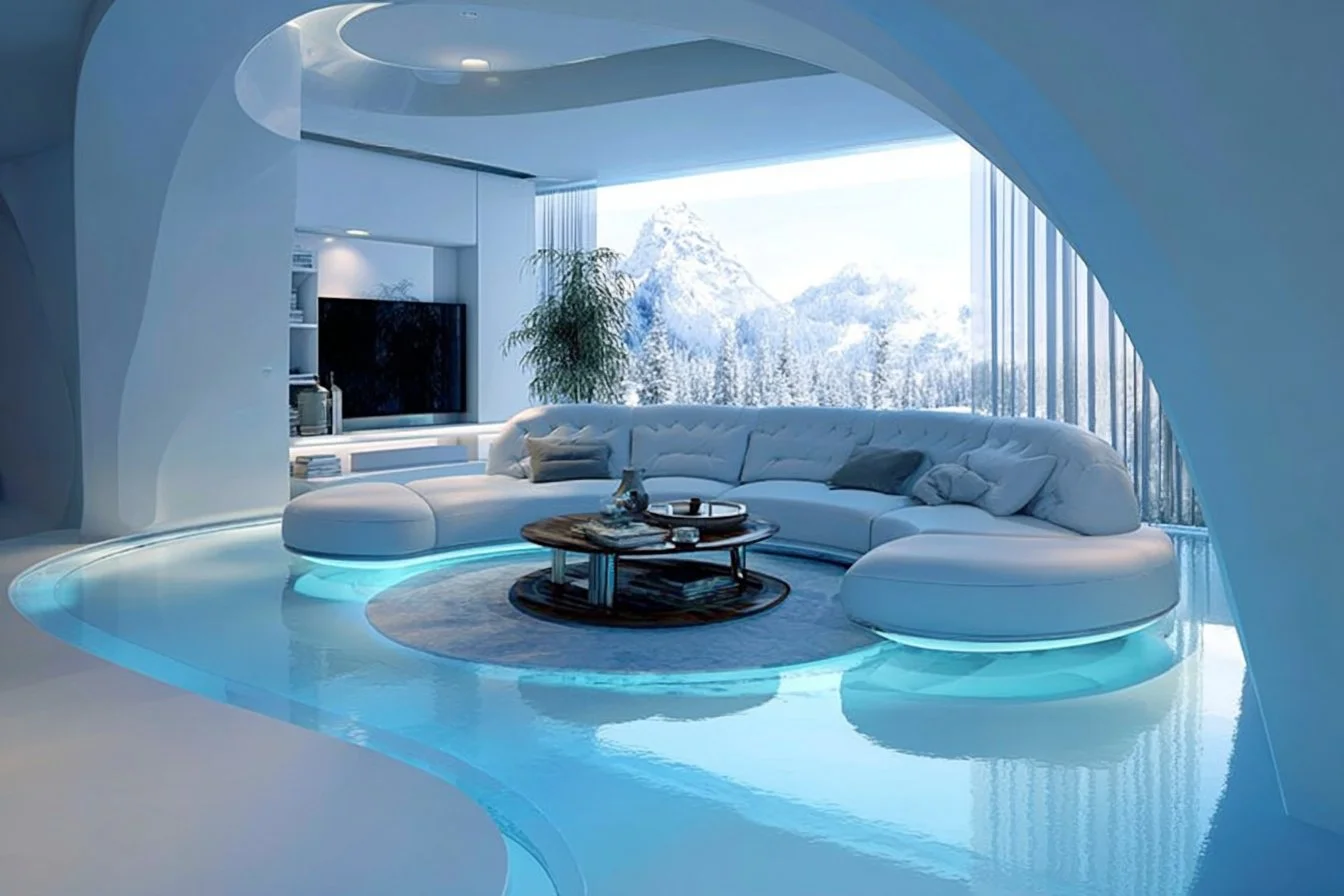
Stellar Galactic Escape: The Ultimate Futuristic Living Room

Imagine stepping into a living room that feels less like a room and more like a small habitat drifting among stars. “Stellar Galactic Escape” rethinks domestic comfort through the lens of speculative cosmology and forward-looking design. It blends immersive lighting, adaptive furniture, and subtle high-tech systems to create a space that’s equal parts sanctuary and observatory—an interior that honors both human scale and cosmic wonder.

A concept grounded in mood and narrative

The key to a successful futuristic living room is storytelling. This is not merely about high-end gadgets; it’s about crafting an emotional arc for the occupant. The Stellar Galactic Escape tells a narrative of quiet travel: slow movement, luminous horizons, reflective surfaces, and private vistas. Every surface, hue, and sound is chosen to suggest motion through space without inducing vertigo—calm propulsion, not chaos.

Palette, materials, and finishes

  • Color: Deep indigo and graphite as base tones, warmed with meteor-ash grays and muted copper accents. Hints of bioluminescent teal or soft lavender function as accent lights rather than dominant color fields.
  • Materials: Matte carbon finishes, anodized aluminum, recycled glass, and scalable smart textiles that adapt opacity and texture on demand. Use of reflective but diffused surfaces preserves depth without harsh glare.
  • Textures: Soft, tactile fabrics mimic cosmic dust drifts and create a tactile counterpoint to sleek metals. A rug with a subtly gradient weave evokes a starfield underfoot.

Lighting and atmosphere

Lighting transforms a room into an environment. For the Stellar Galactic Escape:

  • Layered illumination: Ambient ring lighting in the ceiling simulates a gentle halo; integrated floor lights create low-angle washes that lengthen the space.
  • Dynamic sky panels: A central ceiling panel cycles through slow dawn-to-dusk gradients or abstract nebular formations—controlled manually or tied to circadian settings.
  • Pinpoint lumens: Embedded “starlight” LEDs punctuate shelves and alcoves, delivering just enough sparkle to suggest distant points of interest.

Ambient sound design completes the atmosphere—sub-bass tones and soft harmonic pads that evolve slowly, giving a sense of motion without distraction.

Furniture that breathes and adapts

Futuristic furniture in this living room serves multiple purposes and adapts to the occupant’s needs:

  • Modular seating: Low-profile, curved modular sofas can reconfigure to create intimate conversation pockets or a broad reclined view for media. Hidden actuators adjust lumbar and tilt silently.
  • Convertible surfaces: Coffee and side tables incorporate touch-sensitive glass that transitions between opaque and transparent, revealing storage or serving as display screens.
  • Floating media hub: A wall-mounted console houses projection systems and speakers within a slim frame, preserving negative space and emphasizing the room’s weightless aesthetic.

Attention to ergonomics ensures that even the most stylized pieces feel inviting and comfortable.

Technology—seamless, invisible, empowering

Tech in the Stellar Galactic Escape is designed to recede into the background while amplifying experience:

  • AR/VR-ready zones: A comfortable nook equipped with haptic seating and ambient projection allows occupants to slip into virtual vistas—nebula tours, minimalist workspaces, or guided meditations.
  • Smart surfaces: Tables and armrests recognize touch, gestures, and presence. They adjust temperature, display contextual information, or act as controls for lighting and audio scenes.
  • Integrated sensors: Air quality monitors, circadian lighting controllers, and adaptive acoustics work together to maintain comfort and well-being.
  • Energy autonomy: Photovoltaic glass panels on skylights, localized battery storage, and efficient HVAC systems keep the room running with minimal reliance on external grids.

Crucially, the interface emphasizes natural interactions—speech, gesture, and gaze—reducing friction and preserving immersion.

Sustainability and longevity

A true future-facing living room must be sustainable:

  • Durable, recyclable materials extend the lifecycle of furniture and finishes.
  • Modular systems encourage repair and upgrades rather than replacement.
  • Passive design strategies—optimized insulation, daylight harvesting, and natural ventilation—reduce operational energy use.
  • Biophilic touches like living wall segments and air-purifying planters balance the high-tech elements with living systems that promote health.

Sustainability becomes part of the narrative, expressing a responsible relationship with the broader environment—planetary and cosmic.

Experiential touches and personalization

Small details make the Stellar Galactic Escape feel personal:

  • Memory settings recall favorite lighting and seating configurations tied to activities—reading, socializing, meditating.
  • Curated projection sequences and a library of ambient soundscapes let residents dial into different moods: deep-space cruiser, coastal horizon, or cozy cabin under the aurora.
  • Customizable display panes host digital art, family archives, or generative visuals that shift subtly over time.

These features create a sense that the room grows with its inhabitants, adapting to their evolving tastes and routines.

Practical considerations

Designing for the future must also be pragmatic:

  • Keep wiring centralized and accessible for upgrades.
  • Choose standardized modular components to future-proof investments.
  • Consider acoustics early—soft materials and diffusers can prevent echo in spaces with hard surfaces.
  • Ensure ample storage that hides tech without obscuring access.

Balancing aesthetics with practicality ensures longevity and everyday usability.

Conclusion

The Stellar Galactic Escape is less about gimmicks and more about reimagining domestic life through a lens of calm, thoughtful futurism. Its blend of adaptive furniture, subtle lighting choreography, integrated technology, and sustainable practice creates a living room that feels expansive without being empty—a place that invites quiet exploration and long-term inhabitation. For deeper inspiration on cosmological themes that can inform such designs, read about the future of an expanding universe.

Categories
Living

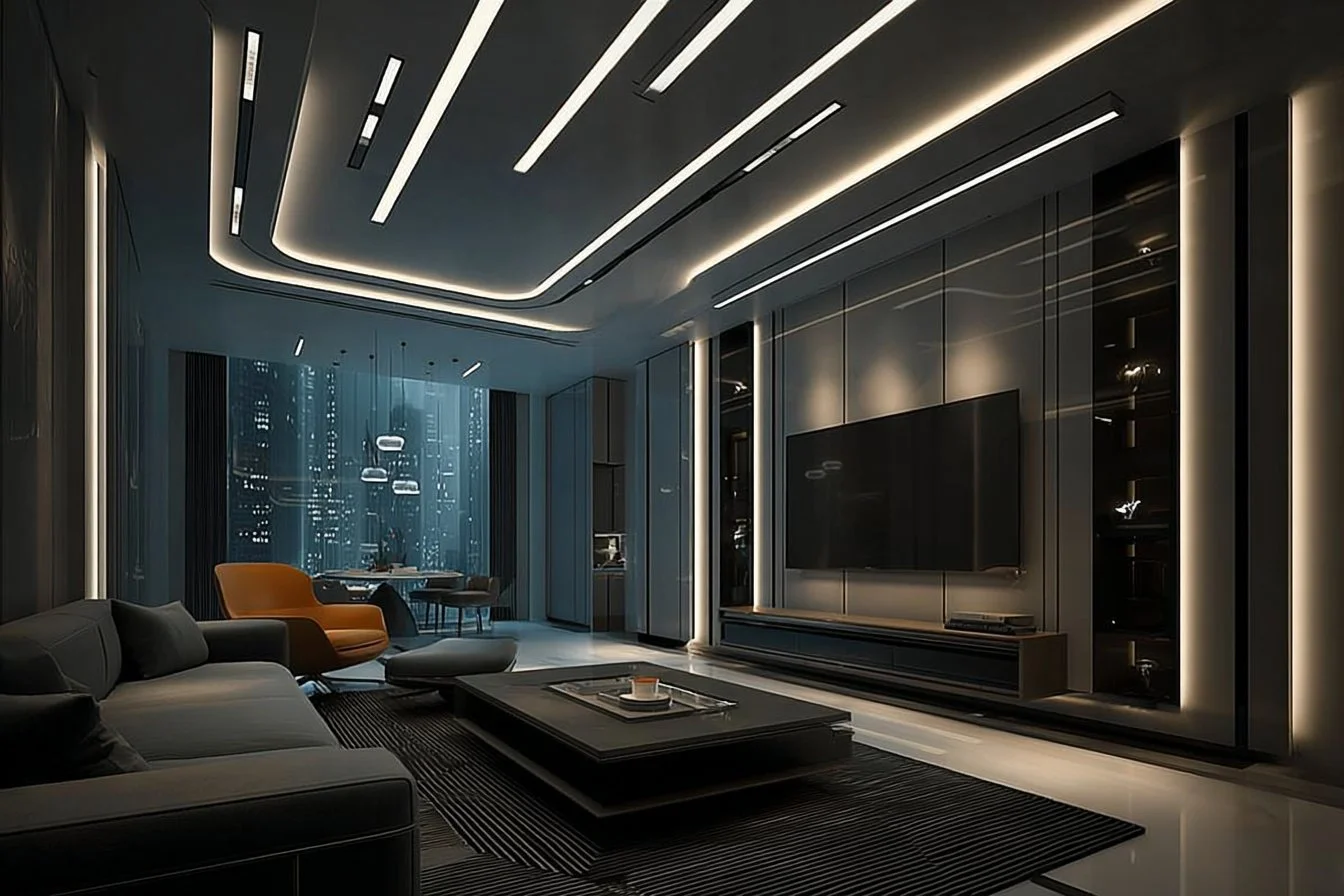
Vertical High-Tech Living Room with Futuristic Elements

Imagine a living room that rises as much as it stretches, where verticality becomes the organizing principle and technology weaves seamlessly into every surface. A vertical high-tech living room rethinks the conventional horizontal lounge: shelving climbs like a city skyline, lighting layers ascend and descend, and interactive panels transform walls into responsive companions. This concept blends cinematic futurism with practical ergonomics to create spaces that feel both expansive and intimate. For guidance on streamlining your layout before introducing tech, consider tips to declutter your space — the clearer the base, the bolder the vertical statement.

Principles of Vertical Design

Vertical design emphasizes height, circulation, and visual continuity. Key moves include:

  • Anchoring elements at different elevations (a low media console, mid-level seating, high art or projection surfaces).
  • Using vertical lines and layered planes to draw the eye upward and create perceived volume.
  • Integrating storage into tall, slim modules to keep floors uncluttered and surfaces available for tech.

A vertical approach benefits small footprints especially well: by mobilizing upward space, you free the floor for movement and adaptable furniture.

Futuristic Materials and Embedded Tech

Materials in a high-tech vertical living room lean toward tactile minimalism — matte metallics, anodized aluminum, engineered glass, and acoustic textiles. These surfaces double as functional tech carriers:

  • OLED or microLED panels can be recessed into wall modules to serve as dynamic art, windows, or ambient displays.
  • Smart fabrics on vertical panels provide touch sensitivity for controlling climate, sound, or lighting.
  • Magnetic track systems allow modular screens, planters, and shelves to be rearranged without tools.

If you want a refined aesthetic that still feels rich and intentional, look into design palettes that prioritize clean lines and selective warmth; for more curated visual inspiration, explore ideas for an elegant living room design to balance futurism with comfort.

Furniture, Lighting, and Interaction

Furniture in a vertical high-tech living room should be low to medium in profile with vertical complements:

  • A low seating cluster keeps sightlines open to vertical displays and lighting rigs.
  • Tall shelving and slim storage towers provide rhythm and practical organization.
  • Retractable or rail-mounted elements (tables, lamps, screens) can slide across heights, adapting to activities.

Lighting is layered: concealed uplighting to emphasize height, adjustable task lights for reading, and pixelated accent strips that create responsive color atmospheres. Interaction patterns lean on gesture, voice, and proximity sensors — but always offer tactile fallback controls for accessibility and reliability.

Spatial Flow and Vertical Storage

Thoughtful circulation is critical. Stairs, mezzanines, or stepped platforms can be part of the living experience, creating niches with distinct functions while preserving a cohesive vertical language. Vertical storage strategies include:

  • Floor-to-ceiling cabinetry with integrated lighting and charging bays.
  • Pull-down modules that reveal appliances or entertainment equipment when needed.
  • Hidden cable channels and recessed power hubs to keep tech accessible without visible clutter.

Incorporating nostalgic or comforting touches — like a curated reading nook or heirloom textiles — helps balance the ultra-modern edge. For ideas on mixing sentimental warmth with structured design, see approaches to a Grandmacore living room that can be adapted into a vertical high-tech context.

Practical Implementation Tips

Start small: prototype one wall or a corner before committing to a whole-room overhaul. Prioritize modular systems so pieces can be upgraded without demolition. Engage lighting designers and AV integrators early to ensure channels, power, and acoustics are planned rather than retrofitted. Finally, keep human comfort central — ergonomics, daylighting, and acoustic privacy will determine whether a futuristic living room is livable as well as striking.

Conclusion

A vertical high-tech living room pairs ambitious spatial design with thoughtful technology to produce spaces that feel forward-looking and deeply usable. If you want a visual starting point that captures the cybernetic-meets-comfort mood, check out this evocative image of a Cyberpunk Comfort Capsule.