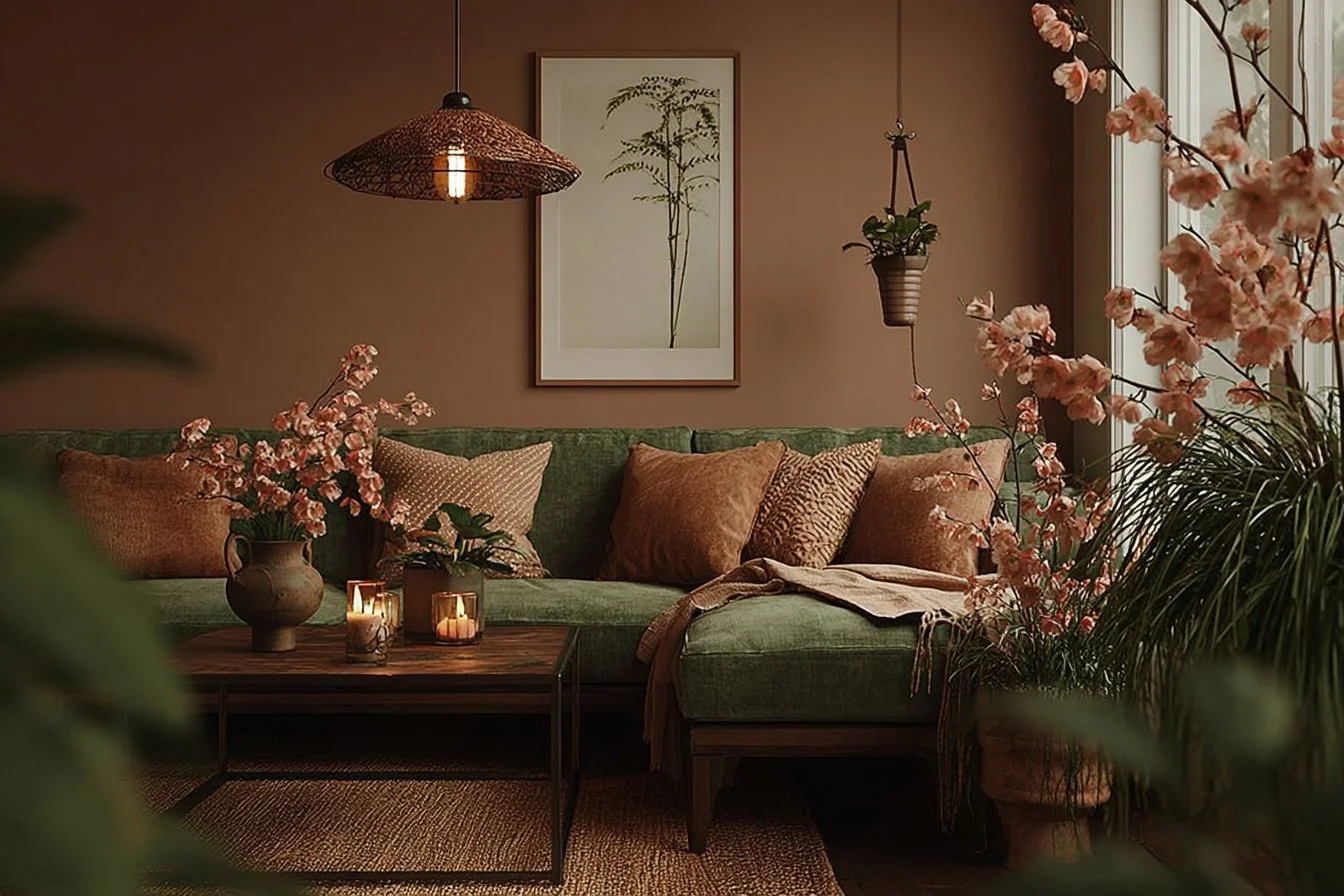

I still remember the chaotic mornings when my twins were little—lunchboxes on the counter, a soccer jersey draped over the dining chair, and the neighbor waving as she walked her dog past our picket fence. Now that my two kids are 8 and 11, our rhythm is different but just as full: homework sprawled on the kitchen island, piano practice in the evenings, and a quiet half hour when everyone finally drifts to their rooms. Creating a warm, grounded room where I can actually breathe has become my small act of self-care. While I explored modern luxury bedroom styles for inspiration, I found that natural textures and calm colors made our family’s evenings slower and mornings gentler. These gentle changes doubled as decorating inspiration and practical solutions for a busy household.
Warm, Nature-Driven Color Palette
Choosing a muted palette of warm tans, soft greens, and clay tones gives a bedroom an instant feeling of calm. Visually, these colors mimic the outdoors, helping the human eye relax after a day full of screens and schedules. Emotionally, a nature-driven palette feels stable and reassuring—perfect for a mom who wants a peaceful retreat while kids are finishing homework in the next room. To apply this, repaint one wall in a soft clay or sage and bring in bedding and curtains in complementary neutrals. Keep one or two playful accents that nod to your child’s personality so the room still feels lived-in and approachable. This approach serves as a subtle home décor idea that blends practicality with personality, letting your family routines continue without sacrificing style.
Layered Textures for Cozy Comfort
Layering textures—linen sheets, a chunky knit throw, and a low-pile wool rug—creates tactile interest that invites touch and rest. Textures work visually by adding depth to a simple color scheme and emotionally by making the room feel lived in and comforting. For easy application, start with neutral bedding and add a textured throw and some woven pillows. Place a soft rug by the bed to warm bare feet in the morning; it’s a small detail that kids notice and love. These interior styling tips make the room child-friendly: choose washable fabrics where spills or markers might happen, and opt for durable natural materials that age beautifully as your kids grow. Your bedroom becomes a cozy hub for late-night chats or early mornings with a warm cup of tea.
Reclaimed Wood and Thoughtful Furnishings
Reclaimed wood furniture adds character and an earthy feel while being sustainable. Visually, knots and grain tell a story, which makes your room feel unique and rich in texture. Emotionally, reclaimed pieces carry a sense of history that can be grounding for a busy family life. Start with a reclaimed headboard or bedside table and pair it with simple modern pieces to avoid a heavy look. When choosing furniture, think about family needs—rounded edges for safety, drawers for extra toy or sock storage, and finishes that can handle everyday wear. Integrating these decorating inspiration ideas means your space looks curated without being fragile, so kids can still play and you can maintain a peaceful sanctuary.
Indoor Plants and Botanical Accents
Adding indoor plants or framed botanical prints brings life and a calming scent to a room. Plants visually soften corners and add a pop of green that lifts the whole space. Emotionally, caring for a plant can be a small, rewarding ritual for both parents and kids—my son waters the spider plant and takes pride in watching it grow. Place low-maintenance plants like snake plants or pothos on a shelf or in a hanging planter. If live plants aren’t practical, choose botanical artwork and woven baskets to mimic that organic feel. These are practical home décor ideas that also teach children about nature and responsibility while improving air quality and the room’s overall vibe.
Soft, Layered Lighting for Mood and Function
Good lighting transforms a room from harsh to inviting. Layered lighting—ambient ceiling lights, bedside lamps, and a soft reading light—allows you to adjust the mood throughout the day. Visually, varied light sources create depth and highlight textures; emotionally, warm lighting signals rest and calm. To implement this, switch to warm-hued bulbs and add a dimmable bedside lamp for late-night reading with a child. A small nightlight near the closet helps with late-night bathroom runs without waking everyone fully. These interior styling tips balance function and atmosphere for a family home, helping transitions between homework time, evening routines, and bedtime feel smoother.
A Relaxing Nook with Natural Accents
Designing a small reading or cozy nook makes a bedroom multi-functional and welcoming. A naturally styled nook—think a rattan chair, soft throw, and a small bookshelf—becomes a place to unwind and read bedtime stories. Visually, a niche like this creates a focal point; emotionally, it becomes a shared spot for connection. To create one, repurpose a corner with a comfortable chair and a lamp, and teach kids to keep it cozy by storing their favorite books there. For siblings who share spaces or alternate rooms, look at shared bedroom design ideas to adapt nooks that work for two. This decorating inspiration keeps the space functional for family life while maintaining a calm, natural aesthetic.
Conclusion
If you want more room-by-room ideas to expand on these concepts, this curated gallery of earthy-inspired bedroom ideas collection offers practical visuals and DIY tips to help you personalize your space. Save a few ideas, try one small change this weekend, and come back when you’re ready to add another layer—small shifts add up to a home that feels more like a sanctuary for you and your family.