Tiny Bathroom Bliss: Storage Hacks That Spark Joy
Some mornings feel like a sitcom — me, forty-ish, ladling cereal while refereeing a towel tug-of-war between my 8-year-old and 10-year-old. Between homework notes stuck to the fridge and neighborhood kids packing for swim practice, our small hall bath became the scene of many tiny dramas and small victories. I remember the day a neighbor waved from her porch holding up color-coordinated baskets she swore changed her life; I wanted that calm. Little changes in storage and styling made routines smoother and gave our mornings a gentler pace. If you are tackling a compact space, I leaned on budget-friendly small bathroom remodel ideas when I needed practical, pretty solutions that fit a busy family life.
1. Floating Shelves that Feel Like a Breath of Fresh Air
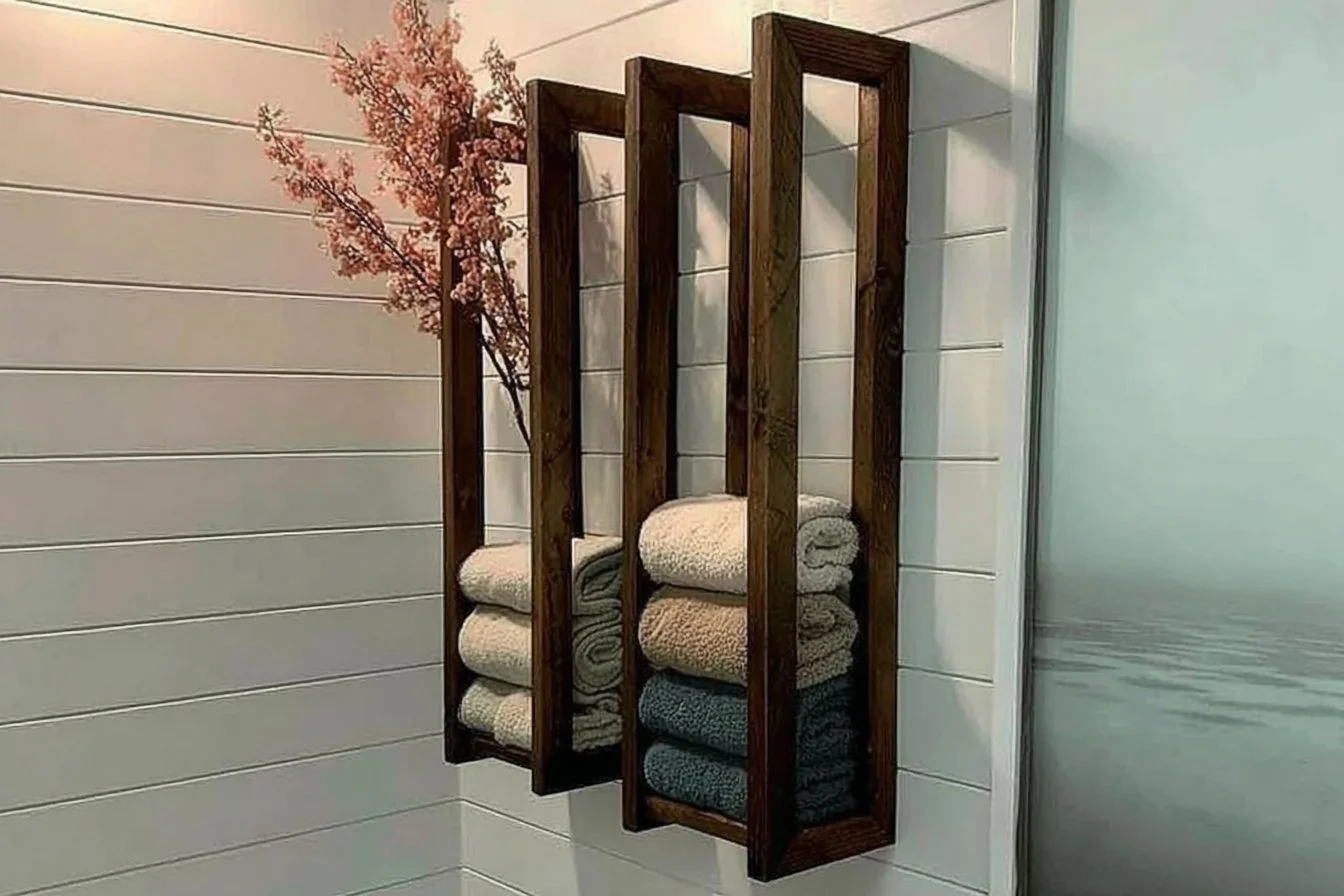
Floating shelves open up a small bathroom visually while providing real, reachable storage. They create a layered look that feels intentional rather than cluttered, which helps a busy mom keep things tidy without a major overhaul. I put one shelf at kid height for everyday items like toothbrush cups and bath toys, and a higher shelf for extra towels and decorative jars. The trick is to mix function and softness — stack rolled towels next to a small plant or framed photo to make the space feel lived-in and loved. Visually, the staggered horizontal lines lengthen the wall and reduce the boxed-in feeling common in small baths. Emotionally, shelves give kids ownership; my son knows where his towel lives now, and our mornings run smoother. These are simple interior styling tips that read like a little daily gift each time you enter the room.
2. Woven Baskets and Lidded Bins for Cozy Order
Woven baskets bring warmth to tile and chrome and hide the everyday chaos in a way that still looks pretty. Their texture adds depth, which is an easy home décor idea to layer into a neutral palette. I place a low basket for dirty clothes, a lidded bin for extra toilet paper, and a shallow tray for hair ties and random bobby pins. Baskets allow quick cleanup at the end of the day when my daughter and I race to tuck toys away before bedtime. Emotionally, a tactile basket feels less clinical than plastic bins and invites touching and tidying. Choose sizes that fit under the vanity or on open shelving so everything has a home. When family life gets hectic, these baskets are small anchors — practical, attractive, and forgiving of the small storms that come with kids.
3. Double-Duty Vanities that Hide the Hustle
A vanity with drawers or a recessed medicine cabinet gives you hidden spots for items that should not be on display, from first-aid kits to hair tools. These pieces look polished but do the heavy lifting behind closed doors, keeping counters calm for a busy morning routine. If your layout leans cozy cottage or modern farmhouse, take cues from a modern cottage bathroom design to choose finishes that feel timeless and family-friendly. Inside drawers, use small dividers and pouches so each child has a shelf for their shampoo or toothpaste; that small system reduces arguments and speeds up showers. Visually, a unified front of cabinetry creates a clean line that helps a small bath feel larger. Emotionally, hiding clutter offers a sense of control when life feels messy — and that makes every shared bathroom a little more peaceful.
4. Vertical Cleverness: Tension Rods and Corner Caddies
When floor space is precious, look up. Tension rods inside shower alcoves and corner caddies make the most of vertical areas without drilling or big renovations. I installed a tension rod for hanging loofahs and baskets of bath crayons, keeping the tub clutter-free and easy to clean. Corner caddies create pockets for kid-sized items, which means no more colorful bottles strewn across the tub edge. Visually, vertical storage draws the eye up, adding perceived height to the room. Practically, it makes everything accessible for shorter kids and helps them learn to stow items after use. This is one of those interior styling tips that blends form and function — useful, inexpensive, and kind to landlords if you rent. The routines smooth out, and small hands gain independence without extra adult steps.
5. Hooks, Color Codes, and Kid-Friendly Stations
Hooks are tiny miracles in family bathrooms. Install a row of at-kid-height hooks for towels and robes so children can grab their things without asking for help. Color-coding towels or baskets for each child adds visual clarity and reduces the “whose towel is this” chaos. I hung a small pegboard for hair ties and clips near the mirror and labeled each hook with a fun sticker; my kids take pride in caring for their space. This approach brings decorating inspiration into daily rituals and makes the bathroom feel personalized. Emotionally, giving children clear responsibility builds confidence and reduces morning friction. The space becomes less a battleground and more a shared routine zone, where style and practicality coexist and everyone knows their part.
6. Mirrors, Lighting, and Illusions of Space
A well-placed mirror and layered lighting can transform a tiny bath into a bright, airy retreat. Swap a dated mirror for a larger one or a mirrored cabinet to double as storage and reflection. Pendant lights or wall sconces placed on either side of the mirror reduce shadows and make tasks like teeth brushing and face washing easier for kids and adults alike. Mirrors bounce light and visually expand the room, while warm bulbs make the space feel welcoming instead of clinical. For our family, upgrading the mirror was one of the cheapest upgrades that made mornings feel less rushed — and more like a little ritual. These are simple home décor ideas that improve both form and function, giving you a fresher-looking space without a full remodel.
Conclusion
If you want a fast win, try one storage change this weekend and watch how it reshapes routines. Small edits like shelves, baskets, or a new mirror deliver big emotional returns for a family home and become part of your decorating inspiration toolkit. For a compact, practical option to corral small essentials, consider a compact bathroom organizer with dividers that fits inside drawers or on shelves and keeps everyday items easy to find. Pin the ideas you love and come back when you are ready for the next tiny upgrade — these changes add up to a calmer, more beautiful family routine.