
Categories
Living

Future Living: Cyberpunk Calm

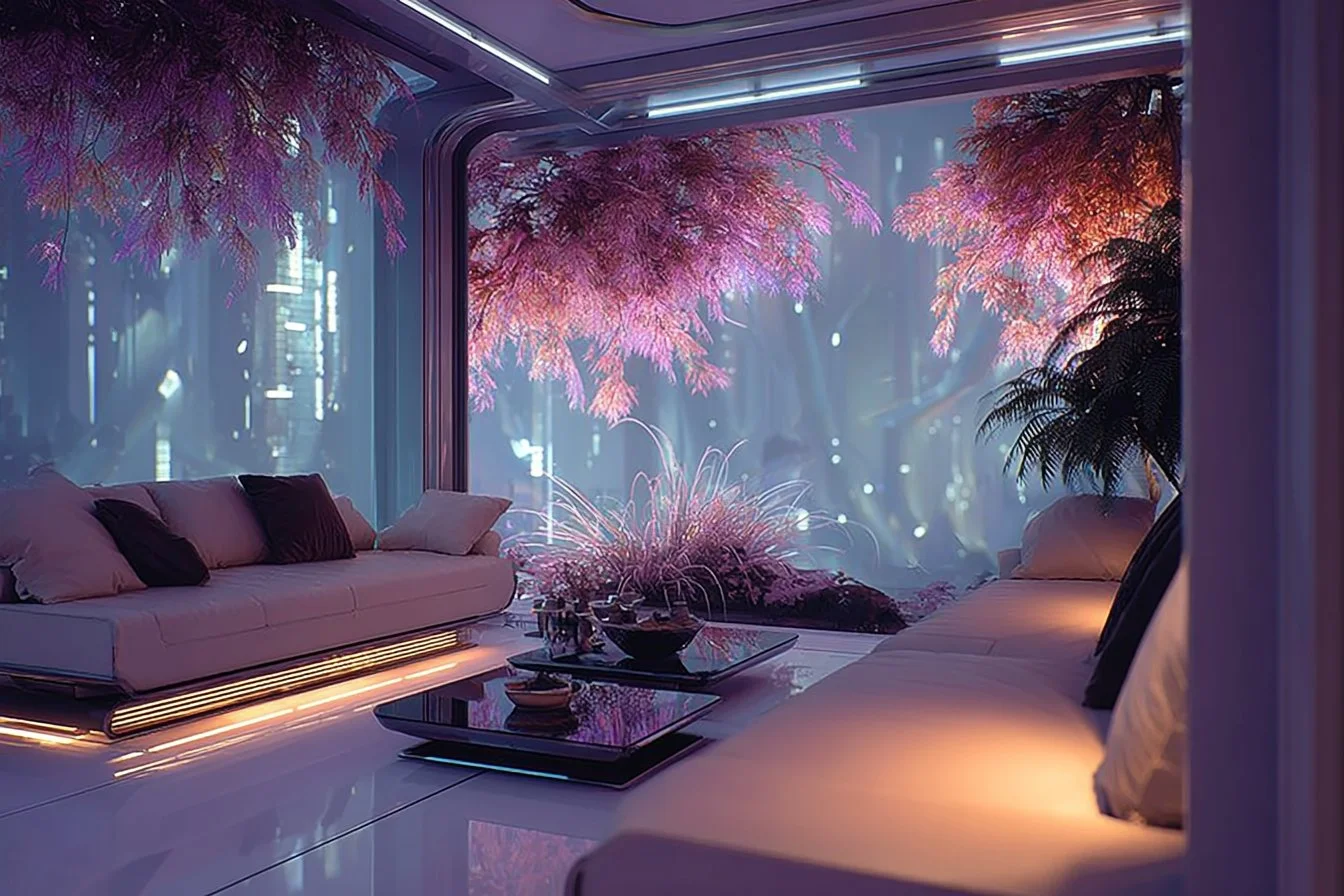
By mid-century the pulse of cities has changed. Neon no longer screams; it hums. Skyscrapers wear gardens like armor, drones move like schools of fish, and the personal is computational yet intimately human. “Cyberpunk Serenity” describes a future where hyperconnectivity and sensory richness meet deliberate design for calm: technology tuned to soothe as much as to amplify. This is not a retrofit of dystopia, but a reimagining of urban life where the gloss of cybernetics and the quiet of nature coexist.

The Skyline: Biophilic Neon

Futuristic skylines favor layered surfaces. Glass facades are studded with vertical parks and photochromic panels that soften glaring advertisements into slow-moving art. Neon persists, but it’s tempered—soft bands that cycle with circadian-aware lighting systems. Towers harvest wind, fog, and sunlight; integrated algae farms hum quietly behind semi-transparent OLED skins. At dusk, neighborhoods glow in palettes chosen by communal governance, creating a living chromatic map of the city’s moods.

Key features:

  • Living facades and pocket forests embedded in high-rises
  • Circadian lighting that adapts to seasons and sleep patterns
  • Local microclimate controls reducing urban heat islands

Interiors: Calm in the Machine

Homes in 2050 are modular ecosystems. Adaptive surfaces regulate acoustics and temperature. Walls shift textures and opacity on demand, providing privacy without isolation. Minimalist design meets tactile richness—natural fibers are blended with smart textiles that respond to touch and biometric feedback, offering gentle haptic comforts when stress is detected.

Daily rituals include:

  • A morning light sequence that blends filtered outdoor views, soft audio tones, and scent diffusers timed to metabolism
  • Modular furniture that rearranges for social gatherings or solitary meditation
  • Domestic AI assistants that prioritize wellbeing, not endless optimization

Mobility: Quiet, Connected Flow

Transportation is quieter, cleaner, and choreographed. Autonomous vehicles share lanes with light-rail pods and bike-carriage lanes. Mobility is a service rather than ownership: subscriptions let you summon the right vehicle for purpose—a silent glide for commuting, a slow landscaped tram for leisure. Low-altitude drones handle logistics with near-zero footprint, delivering goods to green hubs that redistribute items locally.

Impacts:

  • Reduced need for parking creates space for community gardens
  • Noise pollution drops, enhancing urban calm
  • Real-time routing reduces congestion and idling

Augmented Reality, Subtle and Supportive

Rather than overlaying cities with invasive advertising, AR systems in this vision are opt-in and context-sensitive. Public AR gently annotates architecture with historical notes, highlights walking routes through cool microclimates, or surfaces directions for the visually impaired. Wearable displays and auditory interfaces prioritize unobtrusive, moment-aware information.

Design principles:

  • Consent-first AR experiences
  • Localized, peer-moderated content channels
  • Emphasis on memory and place-making over commercial saturation

Health, Biotech, and Mental Space

Healthcare is ubiquitous but discreet. Wearables and implantables track physiology and mental state, but community norms limit surveillance: data is encrypted, aggregated, and only shared with explicit consent. Preventive care is cultural—neighborhood coaches and personalized mental-health AIs create early interventions. Psychedelic-analog therapies and soundscape immersion rooms are regulated, therapeutic tools that help people process living in constant flux.

Ethical priorities:

  • User-owned health records
  • Community oversight of biotech deployments
  • Accessible mental health services integrated into daily infrastructure

Governance, Privacy, and Commons

Cyberpunk Serenity depends on new governance models. Cities employ digital twins to simulate changes before implementation, with citizens participating through deliberative platforms. Privacy is treated as a public good: data trusts, local commons, and privacy-by-design technologies ensure that personal information fuels services without exploitation.

Elements of governance:

  • Participatory budgeting via secure, verifiable voting systems
  • Data cooperatives controlling local economic flows
  • Zoning that enshrines mixed-use, human-scale neighborhoods

Culture: Art, Nightlife, and Ritual

Art is ambient and participatory. Projection gardens host immersive theater under bioluminescent trees. Nightlife becomes non-binary—quiet clubs for sound healing sit beside high-energy synth havens. Street markets blend artisanal craft with digital production: bioprinted ceramics, handwoven circuits, and live-coding musicians collaborating with AI improvisers. Community rituals—shared meals, lantern floats, AR memory walks—anchor people to place.

DIY, Repair, and the Maker Ethos

The maker movement matures into an essential civic skill. Repair cafes are neighborhood institutions, and local labs produce everything from personalized exosuits to edible packaging. Open-source hardware and transparent supply chains reinforce resilience. This ethos resists disposable consumerism, extracting serenity from autonomy and creativity.

A Short Vignette

Lina steps into the morning atrium of her building. The glass blooms open to a vernal scent as sunlight filtered through algae panels warms the room. Her morning AI suggests a walking route that winds through a canopy corridor—less traffic noise, more songbirds. At noon she joins a communal cooking pod on the rooftop where neighbors trade recipes and data on local plantings. At night, she attends a small performance: an augmented shadow dance projected onto living vines, the soundtrack tuned to the neighborhood’s heartbeat—measured, consented, communal.

Conclusion

For storytellers, designers, and gamers imagining 2050’s blend of neon and moss, the future is rich with narrative potential—sometimes edging into cosmic curiosities that mix urban futures with eerie otherworldly themes. If you’re interested in a tabletop exploration that marries futuristic cityscapes with darker, whispering mysteries, consider exploring Cthulhu 2050: Whispers Beyond The Stars by OtherWorlds.
Categories
Living

Futuristic Cyberpunk Living Room with Holographic Earth

I still remember the slow hum of the minivan idling in the driveway as I tried to finish a work call while dinner simmered and my youngest practiced piano in the next room. Small routines like swapping backpacks with the neighbor or debating which cartoon to let the kids watch feel like the backbone of our days. As a mom in my forties with two kids between eight and twelve, I live somewhere between chaotic school runs and quiet late nights with a cup of tea. Those moments made me rethink living spaces not as perfect showrooms but as places that hold memories, snack crumbs, and bedtime stories. That mix of lived-in comfort and a touch of wonder is exactly why I started experimenting with futuristic touches in our family room, marrying practical organization with playful technology and gentle style shifts. For tips on simplifying the base layer before adding high-tech flair, check out this decluttering guide for living rooms: https://how-then.com/declutter-your-space-a-minimalist-living-room-guide/.

  1. Holographic Earth as a Centerpiece

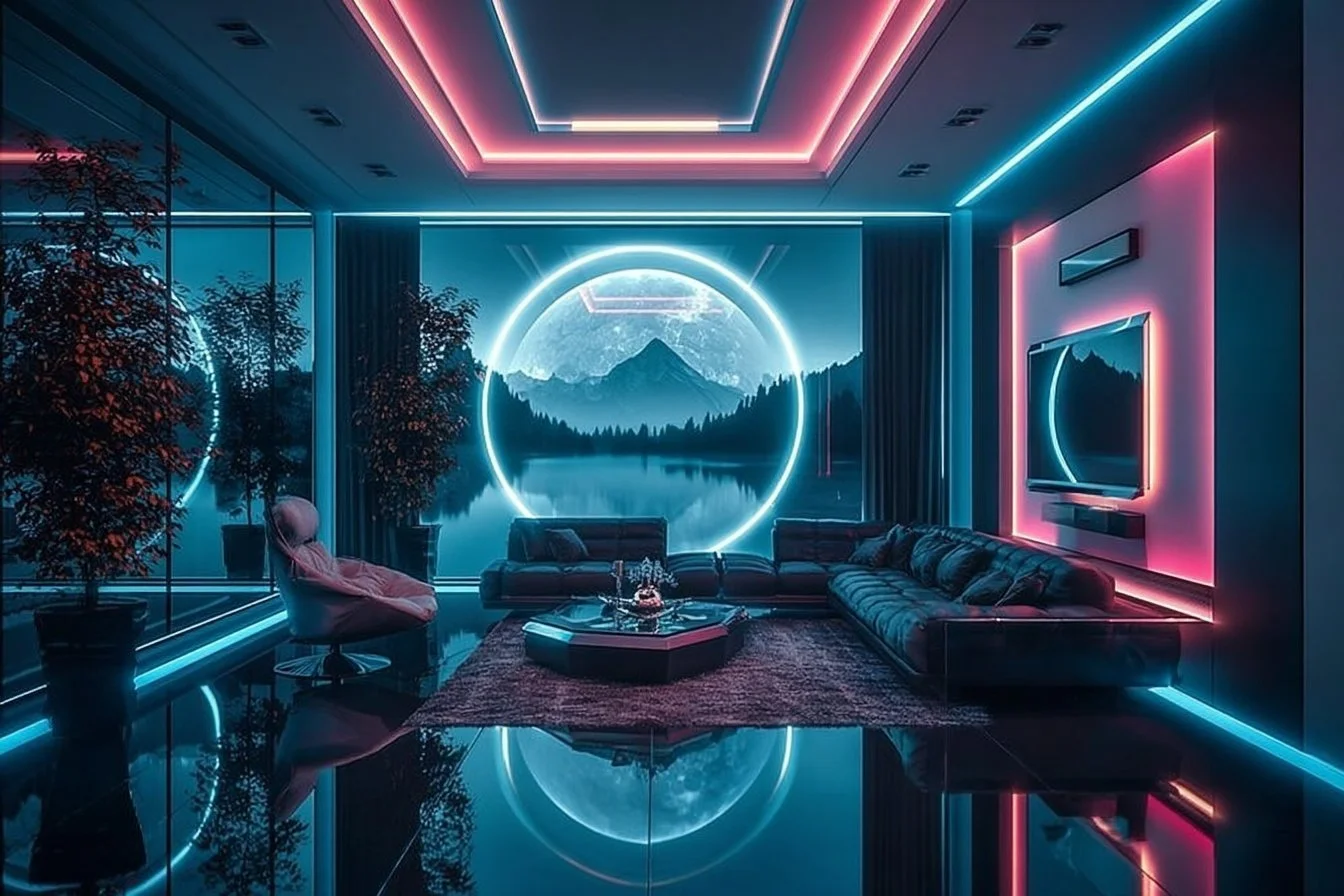
    A holographic Earth floating above the coffee table becomes a family ritual waiting to happen. It works because the globe is both a visual anchor and a conversation starter, turning the room into a storybook full of curiosity. To create this effect at home, use a compact holographic projector or a glass display with a small rotating LED base; position it where the kids can safely admire it without touching fragile components. Keep surrounding furniture low and minimal so the hologram reads clearly, and add a soft rug to invite leggy puzzle nights or forts. This idea plays well with younger kids who love showing friends an impressive “space planet” and helps older kids feel like their home has personality. From an interior styling tips standpoint, balancing technology with tactile elements keeps the space cozy and child-friendly while still feeling cutting-edge.

  2. Smart Ambient Lighting and Color Scenes

    Lighting sets the mood and makes futuristic elements feel intentional. Smart RGB strips, programmable overheads, and dimmable floor lamps allow you to shift scenes from homework-focus white to movie-night violet, enhancing the holographic Earth and other displays. This works because color influences perception and energy levels, helping kids calm down or ramp up depending on the hour. Start by wiring LED strips behind shelving or under sofas to create indirect glow, and sync lights to routines so evening colors naturally cue quieter activities. Include a family-friendly control hub that kids can use to pick colors within safe presets, and tuck tech easily into the back of a media console to keep clutter away. These small investments double as interior styling tips and practical tools for managing household flow while still delivering that cyberpunk vibe.

  3. Textures that Soften Futurism

    A cyberpunk living room can easily feel cold, so layering warm textures is essential. Combine matte black or glass surfaces with plush throws, woven baskets, and rounded cushions to humanize sharp-edged tech. This works because contrast creates visual interest and makes high-tech pieces feel welcome rather than imposing. Apply this by placing a soft, oversized wool rug beneath the holographic display and adding washable slipcovers to the sofa for parental sanity. Incorporate metallic accents sparingly to highlight a shelf or frame a digital picture without overwhelming the space. A mix-and-match approach lets kids add drawings or small crafts that sit comfortably alongside futuristic objects, making the room feel lived-in and loved. For more refined inspirations that blend comfort and polish, explore elegant living room design ideas at https://how-then.com/elegant-living-room-design-ideas/.

  4. Modular Seating and Smart Storage

    A family room must adapt to Lego build sessions, movie nights, and craft projects, so modular seating and hidden storage are a must. Systems that reconfigure from sectional to separate chairs work because they keep the space flexible for different activities while hiding the chaos quickly. Choose ottomans with built-in storage or benches that lift to stow puzzles and cables safely away from tiny hands. Add discrete charging docks inside side tables to keep devices powered without visual clutter; kids learn to plug in after homework and it becomes part of the routine. This strategy blends decorating inspiration with functional solutions, allowing tech like a holographic Earth to shine while maintaining a kid-safe environment. Include labels or color-coded bins to teach responsibility in a playful way, and rotate toys so the room stays fresh for everyone.

  5. Interactive Walls and Rotating Art Scenes

    Turn a wall into a living canvas by using projection mapping or modular frames that cycle art and family photos. Interactive walls work because they let the room evolve with mood and occasion, from calming starfields during bedtime to animated cityscapes for weekend movie marathons. To implement this, mount a small projector with adjustable mapping software or use magnetic frames that children can rearrange as they please. Keep one shelf dedicated to rotating family mementos so the space feels personal, and teach kids to curate a mini-exhibit to display their latest projects. This element builds decorating inspiration into everyday life, encouraging children to participate in styling and to feel ownership over their environment. If you enjoy blending nostalgia and new trends, you will appreciate how personal items sit comfortably in a futuristic setting, similar to cozy, layered design ideas like a nostalgic haven for family gatherings: https://how-then.com/grandmacore-living-room-nostalgic-haven-comfort/.

Conclusion

If you want a living room that sparks bedtime stories and sparks curiosity while remaining family-friendly, start small and layer thoughtfully. Save this post for when you are ready to add one piece of tech or a new light scene, and invite the kids to help pick colors or art for rotating displays. For more creative ideas about holograms and how they can be used in near-future or cyberpunk settings, check this roundup of practical concepts: 20 Hologram Uses for Cyberpunk/Near-Future Settings. Try one change at a time, and revisit ideas as your family grows into the space and makes its own memories.