

Categories
Winter Decor

Calm Minimal Winter Decor Ideas for Cozy Homes

Serene Winter Nesting: Minimal Minimalist Styling

I remember one January evening, kids hemmed in with homework and a spilled cup of cocoa on the kitchen counter, while snow dusted the neighbor’s eaves. As a forty-something mom of two, my days are punctuated by school drop-offs, PTA emails, and the little rituals that make a house feel like ours — pancake Saturdays, lost mittens, and late-night board games. After the holiday rush I crave a home that feels quiet without being cold, a place that welcomes muddy boots yet still breathes. That’s when I started rethinking our rooms with restraint: gentle palettes, tactile layers, and purposeful pieces that survive the chaos. These ideas grew from real life — from balancing kids’ crafts with a calm backdrop — and are meant to help you create a tranquil, family-friendly space using simple home décor ideas anyone can manage.

Layered Neutrals for Tranquil Living Rooms

A subtle neutral palette instantly calms a busy household. Soft beiges, warm greys, and muted whites create a background that highlights texture and family life rather than vying for attention. Visually, layers of tone-on-tone fabric—think a nubby throw over a linen sofa and cashmere-like pillows—add depth without clutter. Emotionally, this restraint helps the room feel intentional and restful after school chaos and neighbor drop-ins.

To apply this at home, start with one neutral as your anchor: paint or a large rug. Add two or three complementary textures—wool, cotton, woven—rather than bold patterns. Keep kid-friendly materials that launder easily but look polished: washable slipcovers and stain-resistant throws. I keep a low basket of board games near the sofa so evenings feel warm but tidy. This approach is a smart interior styling tip for families who want an inviting space that handles daily life gracefully.

Natural Accents: Bring the Outside In

In winter, natural elements read as warm and authentic. Small branches in a simple vase, a cluster of pinecones on a tray, or a jar of eucalyptus can transform a stark room into one that feels lived-in and serene. These accents work visually by introducing organic shapes and softer lines that counterbalance clean minimal furnishings. Emotionally, they trigger memories of backyard walks or neighborhood tree-planting days.

Make it easy by adopting a “one-thing” rule: one nature-based accent per major surface. Gather items on family walks — my kids love finding interesting bark — and display them on a console or windowsill. Mix these with a single textured item, like a woven coaster or a raw-wood bowl, to keep the look intentional. Natural accents are a gentle decorating inspiration that blend with everyday life while staying low-maintenance and budget-friendly.

Soft Lighting and Warm Glow

Lighting changes how a room feels more than any accessory. In the darker months, switch harsh overheads for layered light: table lamps, floor lamps, and strings of warm LED bulbs. Soft lighting creates a soothing atmosphere for homework time, story reading, or early dinners with neighbors. Visually, pools of warm light highlight textures and corners, making small rooms feel intimate rather than cramped.

Implement this by placing lamps in reading nooks and on kitchen islands where kids do crafts. Use dimmers if possible, or plug-in fixtures on timers to mimic natural evening rhythms. Battery-operated candles on a mantel or hearth provide a flicker without the worry of little hands. These simple interior styling tips help your home feel curated and lived-in, balancing functionality with a relaxed aesthetic that supports family routines.

Decluttered Mantels and Shelf Styling

A restrained mantel or bookshelf becomes a focal point without feeling busy. Choose a few meaningful objects—family photos in neutral frames, a sculptural bowl, or a single art print—and give them room to breathe. This minimalist approach reads as elegant and intentional, creating visual harmony that feels reassuring after piles of art projects have been cleared.

To execute, edit ruthlessly: set aside three items you love and rotate them seasonally. Involve the kids by asking them each to pick one item to display; it keeps the space personal and reduces the urge to overcrowd. Use matching frames or consistent shapes to tie disparate items together. This method supports a tidy, functional home while still allowing warmth and character to shine—perfect for households juggling school projects, weekend playdates, and quiet evenings.

Warm Woods and Tactile Textures

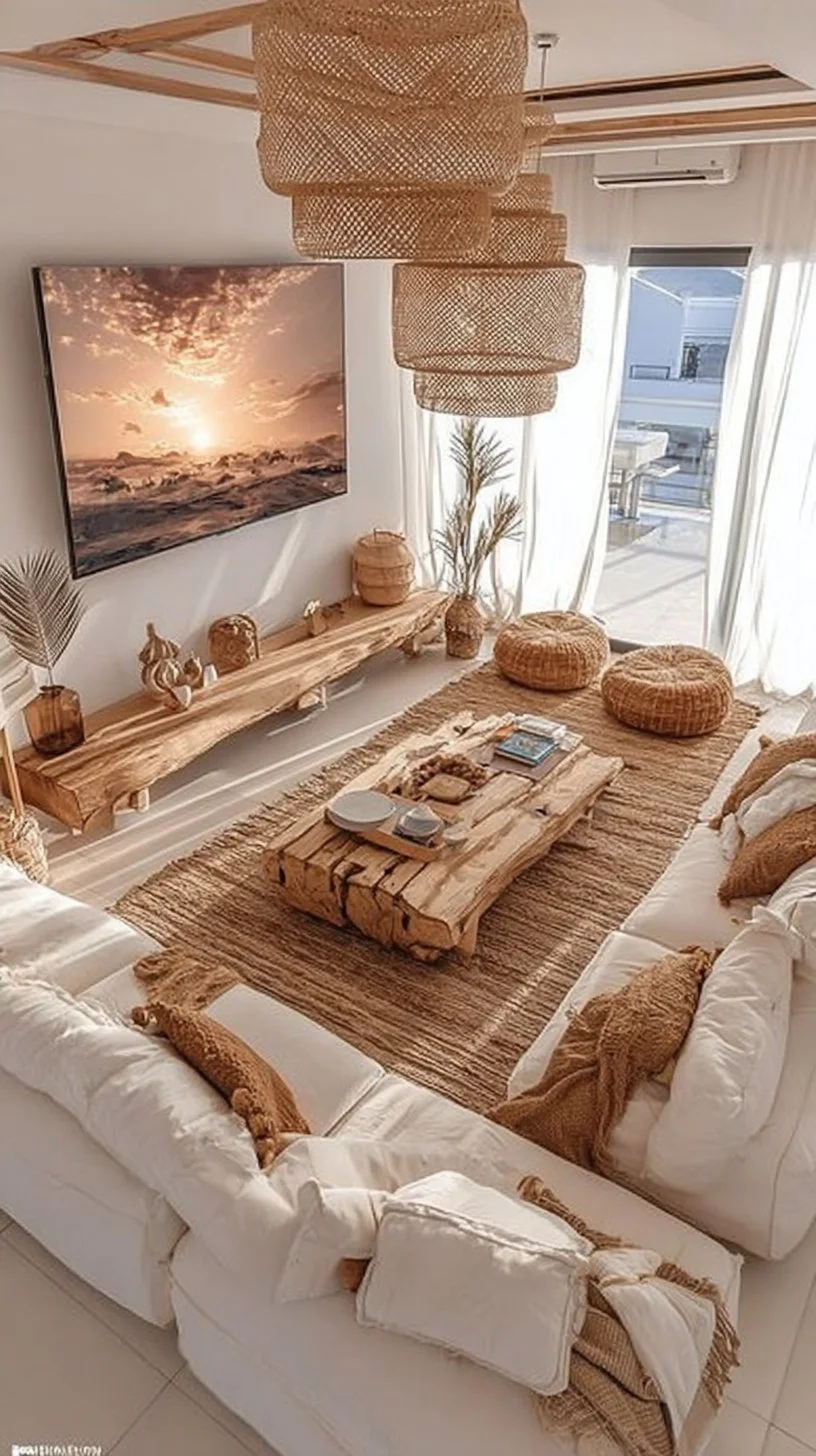
Introduce warmth through materials: ash, pine, and oak furniture with soft finishes feel welcoming without overpowering a room. Woven baskets, sisal rugs, and linen curtains add tactile layers that invite touch and make spaces feel approachable. These elements create visual interest while maintaining the simplicity central to minimalist decor.

Practical application: replace one painted side table with a small wood piece or swap plastic bins for woven baskets in play areas. Choose durable finishes that show wear in a flattering way—fingerprints and patina become part of the story. I keep a wooden tray near the entry for mittens and masks; it looks intentional even on hectic mornings. These decorating inspiration ideas foster a lived-in elegance that stands up to active family life.

Multi-Use Spaces That Grow With Your Family

Designing flexible rooms reduces stress and keeps décor intentional. A dining table doubles as a homework station, a guest room becomes a craft corner, and storage ottomans hide board games while offering extra seating. These multifunctional choices look calm because everything has a place, which is emotionally soothing when routines get hectic.

Start by assessing daily movement: where do you and your kids spend the most time? Add discreet storage—closed cabinets, under-sofa bins—and stick to a curated palette so different uses feel cohesive. I converted a corner of our living area into a homework spot with a narrow desk and floating shelves; it keeps pencils organized and allows the rest of the room to remain uncluttered. These practical home décor ideas ensure your styling supports the real rhythms of family life.

Conclusion

If you’d like more ideas on how to transition holiday decor into subtle, serene winter arrangements, this guide offers helpful strategies for keeping your home tidy and inviting. Save a few concepts to try over the next weekend, and return to experiment with textures, light, and thoughtful editing as your family’s needs evolve. For additional inspiration, check out Beautiful Winter Decor | 6 Tips for Transitioning After Christmas for simple, family-friendly suggestions that align with these interior styling tips.
Categories
Valentine’s Day

Muted Valentine’s Decor: Simple and Cozy Ideas for a Subtle Look

I still remember my mother tucking a small paper heart into my lunchbox when I was little, and now I love passing on those quiet traditions to my own kids. I am an American mom in my forties, juggling school drop-offs for my son and daughter, a husband who loves to tinker in the garage, and neighbors who trade lemon bars at the fence. Muted, cozy decorating has become my go-to for everyday charm that feels special without shouting. Whether I am rearranging the living room after a weekend craft session with the kids or borrowing a vase from my parents, simple changes in color, texture, and lighting turn our home into a warm, inviting space. For more ideas on creating cozy living spaces, check out cozy living spaces tips for practical inspiration.

Soft, Muted Color Palette

Start with a restrained palette to create a calm backdrop for subtle Valentine style. Think blush, dusty rose, warm beige, soft terracotta, and muted greys. For home décor, select one dominant neutral and layer two muted accent tones to keep the look cohesive. Swap one or two throw pillows on the sofa for linen covers in blush and cream, or repaint a small side table in a soft rose chalk paint for a hint of color. Paint sample cards are your friend when choosing the right shade; test them on the wall at different times of day to observe changing light. These interior styling choices let you nod to romantic inspiration without turning your living room into a theme set, and they work year-round.

Layered Textures for Cozy Comfort

Layering texture lets you create depth and comfort without relying on bright colors. Mix knitted throws, boucle cushions, soft velvet, and a low-pile wool rug for a tactile scheme that invites touch. I like to keep a basket of neutral throws near the family reading nook so my daughter can grab one during chilly mornings. Practical decorating tips include balancing textures across surfaces; for example, pair a smooth wooden coffee table with a chunky knit blanket and a suede cushion. Use pattern sparingly, preferring subtle geometrics or tone-on-tone stripes that read as texture from a distance. Textures elevate simple décor into a curated, cozy interior styling that feels intentional.

Natural Elements and Dried Florals

Bring nature indoors with eucalyptus sprigs, dried lavender, or preserved grasses in muted tones. These pieces add organic shape and scent without the upkeep of fresh flowers. Create small arrangements in clear glass bottles or vintage jars on a hallway console, or tuck a single stem into a stack of books on a bedside table for a delicate touch. For a kid-friendly craft, have the children press small flowers and frame them in neutral mats to hang in pairs. Combining natural elements with neutral ceramics or wooden bowls keeps the look grounded. For more family-focused decorating tips that blend style and comfort, see cozy stylish living ideas.

Soft, Ambient Lighting

Lighting makes muted décor feel magical. Replace harsh bulbs with warm LED bulbs or amber-tinted lamps to create a soft glow for evenings. Layer lighting with table lamps, floor lamps, and small string lights tucked inside a glass cloche or trailing over a bookshelf. I dim the lights when we do family game night, and the softer ambiance makes our living room feel like a cozy retreat. For dining or entryway areas, candle clusters in varying heights on a tray add warmth, but always use flameless candles around kids for safety. Installing dimmer switches is a small investment that yields flexible mood control for everyday life and special moments.

Subtle Motifs and Handmade Accents

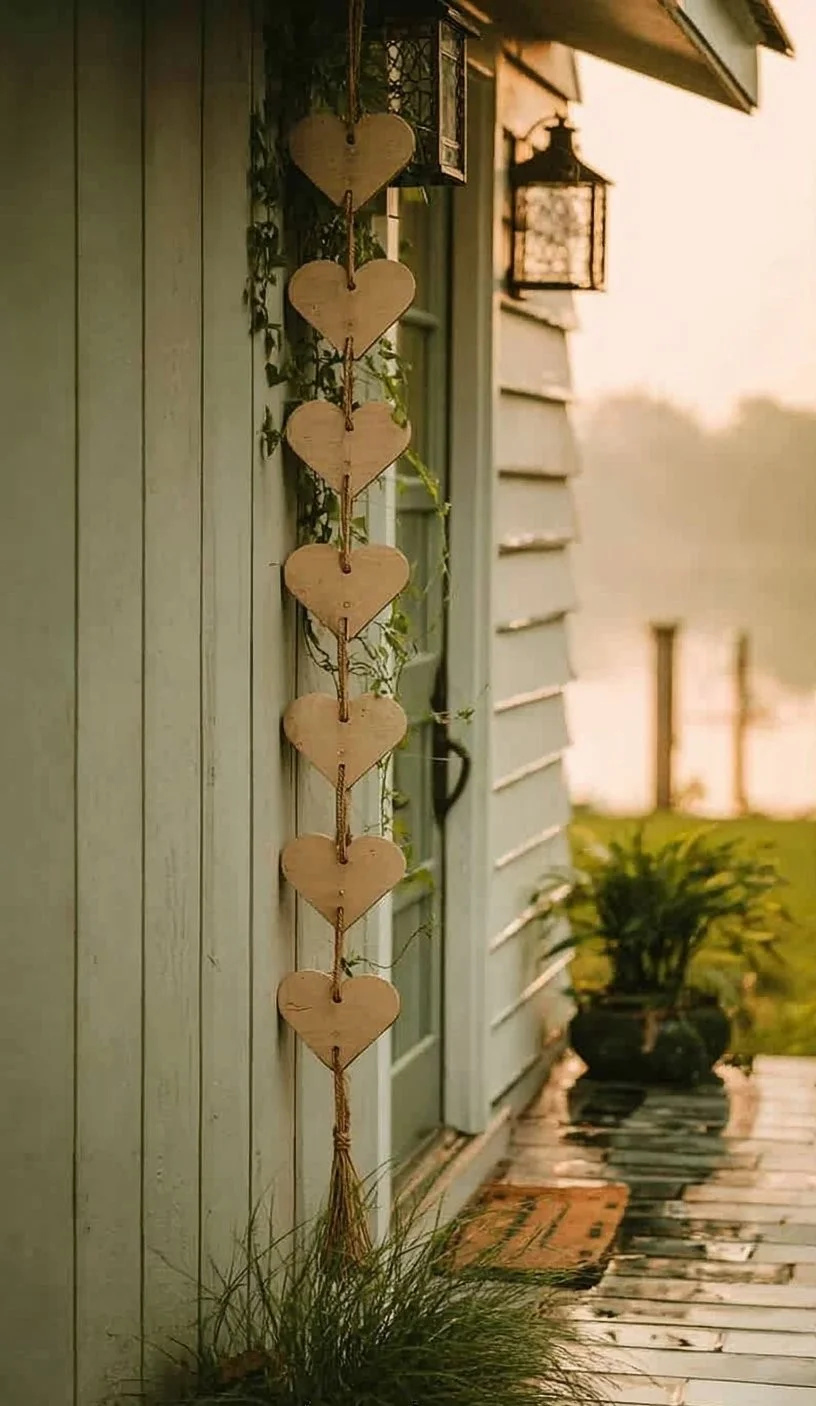
Introduce small, thematic motifs in muted tones for an understated nod to romance. Think hand-stitched heart pillows in oatmeal linen, a wooden heart ornament on a shelf, or minimalist framed prints in dusty rose and tan. DIY is a budget-friendly route: cut simple felt hearts and string them on twine for a neutral garland, or paint a tiny heart on a clay dish for keys and jewelry. These handmade touches make décor personal and meaningful, and my son loves contributing painted rocks with little hearts that end up scattered on the mantel. Keep motifs small and repeat them sparingly so they feel charming rather than decorative overload.

Everyday Tabletop and Entryway Styling

The entryway and tabletop are the easiest places to make an impact with muted décor. Start with a neutral runner or tray, add a small vase with dried blooms, and include a ceramic bowl for keys. For a dining centerpiece, layer a woven placemat, a low ceramic vase, and two small pillar candles in soft shades. When friends drop by, I quickly swap our everyday centerpiece for a slightly more curated one that still fits the subdued palette, signaling a subtle celebration without fuss. These practical decorating tips are perfect for busy families who want inspiration that is simple, repeatable, and adaptable to daily life.

Conclusion

Muted Valentine styling is all about quiet elegance, practical decorating tips, and cozy interior styling that fits family life. Try one idea at a time, such as swapping a pillow cover, adding a dried floral sprig, or changing a lamp bulb, and you will see how small changes build a warm, inviting atmosphere. For more curated date ideas and themed inspiration that complement subtle home décor, explore this collection of Valentine’s Day inspiration. Give these ideas a try and enjoy creating a home that feels gentle, personal, and welcoming.

Categories
Living

Cozy Living Spaces: Tips to Create Your Family’s Warm and Inviting Home

Embracing Home Décor: Creating Your Cozy Sanctuary

Picture this: a sunlit Saturday morning in our home, the smell of pancakes wafting through the air as my two kids, Emily and Jake, dash through the living room, giggling and wrestling with pillows. As I flip the pancakes, I can hear those joyful sounds and then take a moment to appreciate the cozy corners of our living space, decorated with family photos, whimsical art, and sentimental trinkets collected over the years. This is not just a house; it’s our sanctuary, filled with memories and love. Living in this vibrant setting with my husband, who often helps retrieve legos from under the sofa, and my parents just down the street, I find joy in how each piece of decor can tell a story. Let me share some delightful décor trends and tips that can help you transform your space into a warm, inviting home.

1. Cozy Corner Nooks: Transforming Dead Spaces

Creating cozy nooks in your home can vastly improve your living experience. Think of the often-overlooked spots—empty corners, under the stairs, or even the space beside a window. For instance, in our living room, I’ve crafted a little reading corner for Emily and Jake. I added a vintage armchair I found at a garage sale, some plush cushions, and a small bookshelf filled with their favorite stories. A warm blanket adds to the ambiance and makes it the perfect spot for snuggling up with a book or sharing stories.

To create your own cozy corner, choose a comfortable chair or cushion, add some soft lighting through a lamp or fairy lights, and surround it with books or plants. This nook can become your go-to spot for relaxation or for enjoying heartfelt conversations with loved ones.

2. Earthy Elements: Bringing Nature Indoors

One of the most beautiful trends in home décor today is the use of natural materials and earthy colors. In our home, I’ve incorporated wooden furniture, terracotta pots, and lush green plants, which all work together to create a serene environment. My daughter has taken to tending to a small succulent garden in the kitchen, and it not only provides a burst of greenery but also sparks conversation about caring for living things.

To embrace this trend, consider using reclaimed wood for shelving or even for decor accents. Using warm tones like browns, greens, and muted oranges can evoke a sense of tranquility. Invest in a few indoor plants; they purify the air and bring life to your home, creating a healthy space for your family.

3. Gallery Walls: Showcasing Cherished Memories

A gallery wall is an excellent way to display your family’s journey and spark joy with every glance. In our hallway, I created a colorful display of photos capturing family vacations, birthday celebrations, and candid moments of Emily and Jake just being themselves. Each frame tells a story, and I often find myself reminiscing as I pass by.

To create a gallery wall, gather a mix of art, photographs, and even your children’s artwork. Don’t shy away from varying the frame styles and sizes to give it an eclectic feel. Arrange the pieces on the floor first to find the perfect layout, then hang them up. This personalized touch not only beautifies your home but also fosters a sense of belonging and warmth.

4. Functional Décor: Merging Style with Purpose

In our busy household, I’ve found practicality is as essential as aesthetics. I love furniture that serves a dual purpose, be it a coffee table with hidden storage or an ottoman that doubles as a seat for impromptu playdates. My husband and I recently built a simple bench at the foot of our bed, which not only provides a place to sit but also stores out-of-season blankets and pillows.

When choosing décor, consider items that can enhance both functionality and style. Look for furniture that has built-in storage, or decorative baskets that can organize toys while contributing to the room’s overall aesthetic. The harmony between function and style can create a more organized and appealing home environment.

5. Layering Textures: Adding Depth and Warmth

Texture is a powerful tool in home décor, creating a tactile richness that makes spaces feel lived-in and inviting. I always use various materials—softer throws, plush carpets, silky cushions, and wicker baskets—to add depth to our rooms. My kids love the giant beanbag in the family room, which not only serves as seating but also encourages relaxation during our family movie nights.

To achieve texture, mix fabrics and materials. Combine smooth surfaces like metal or glass with rougher ones like wicker or wood. Add layers by using chunky knit blankets over sleek sofas, or plush rugs on hardwood floors. Anna and I once picked out a beautifully patterned rug that instantly changed the atmosphere of our living room, making it feel so much cozier.

Conclusion: Your Home, Your Story

As you explore these trends and ideas, remember that your home is your canvas. Embrace the comfort of creating spaces where your family can thrive, feel connected, and share memories. Each tip I shared has transformed our home into a sanctuary filled with love and laughter. So, gather your children, your partner, or even a friend, and embark on this delightful journey of home décor. Let your creativity flow and infuse your space with warmth and your personal touch. After all, every decorative choice reflects who you are and the cherished memories you build with your loved ones. Happy decorating!