I still remember the afternoon my daughter painted tiny green dots on a paper plate while my son tried to help stack old recipe cards from my mother. As a forty-something American mom proud of my roots, our kitchen is where culture, cooking, and family stories meet. My husband mans the grill on weekends, my parents drop by with jars of pickles, and my siblings call to compare spice mixtures. That cozy chaos taught me to create a kitchen that feels calm rather than chaotic. When I chose sage green, it was for comfort and longevity, not a trend. If you want home décor inspiration that blends practical decorating tips with a soothing look, you are in the right place. For extra ideas on making a house feel like home, check out these cozy living ideas and personal touches.
Choosing the Right Sage Green Palette
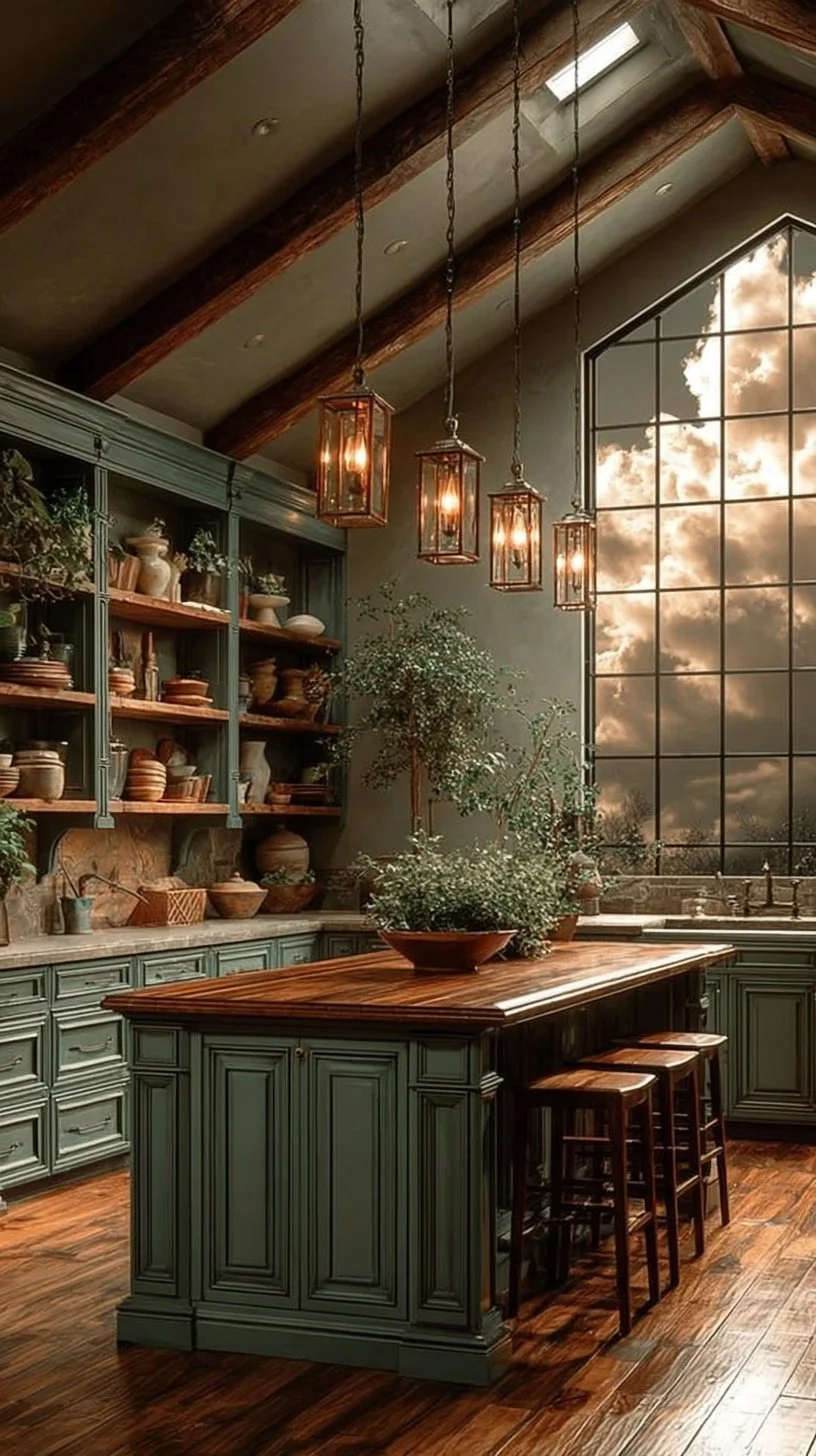
Sage green comes in many moods, so start by finding the undertone that matches your light and style. Warm sage has yellow or beige hints and works well with honey wood and cream tiles. Cool sage leans toward gray or blue and pairs beautifully with marble or chrome. Practical tip: paint a 2-foot sample on your wall and live with it for three days, checking morning and evening light. Use flat or eggshell finishes on walls to hide imperfections, while satin finishes on cabinetry resist fingerprints. For interior styling, combine sage with soft neutrals like warm white, taupe, and muted terracotta to keep the palette timeless. Example: I painted one cupboard door sage before committing to the whole kitchen, then added a strand of warm undercabinet lighting to see how it read at night.
Layering Texture with Wood and Natural Materials
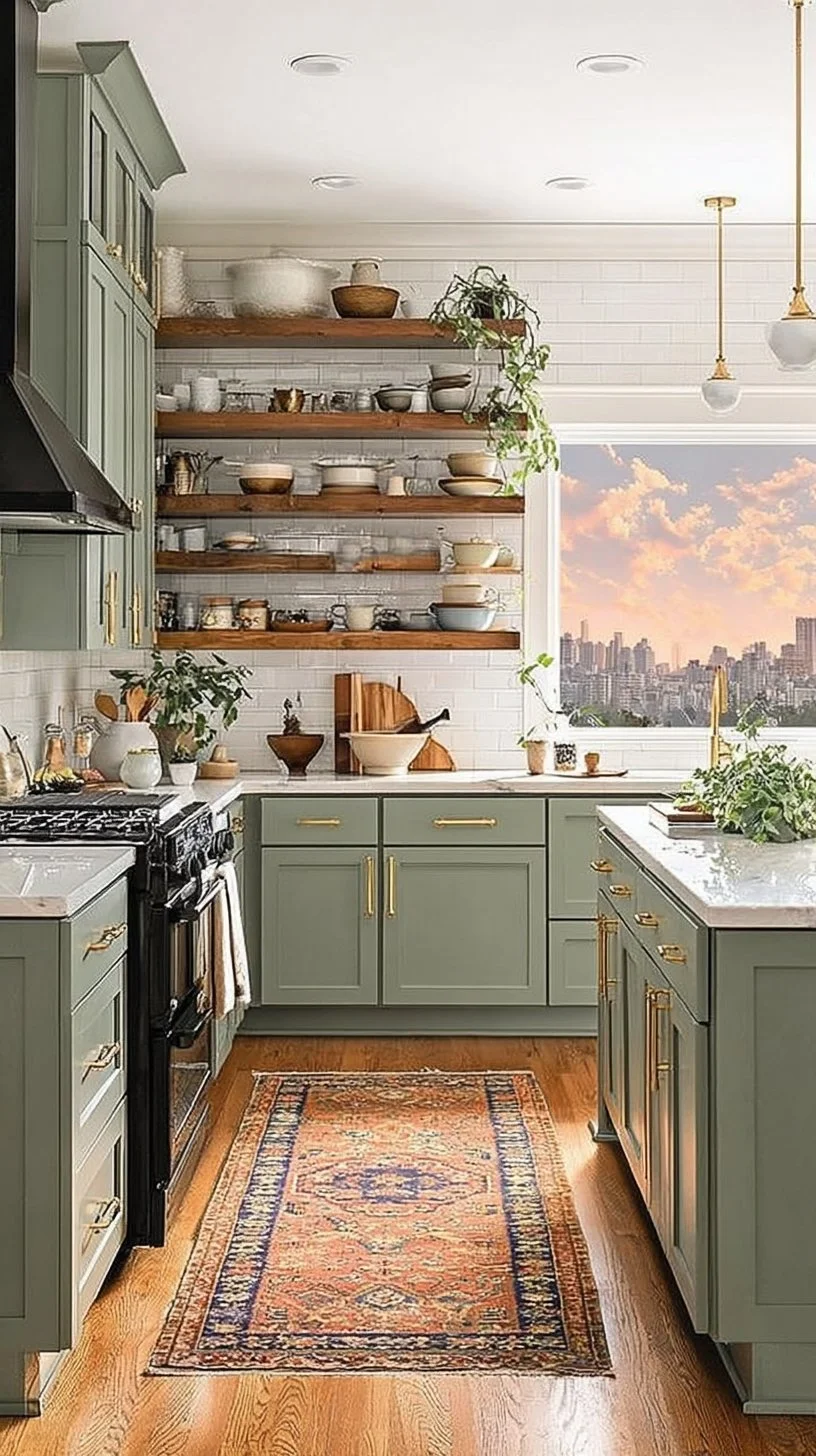
To avoid a flat look, bring in warm woods and tactile finishes. Think oak butcher block countertops, rattan barstools, or a reclaimed wood island face to add depth. Actionable suggestion: choose one wood tone and repeat it in three places, such as the floor, open shelf, and a cutting board, to create cohesion. Natural stone or honed countertops create a soft contrast with sage cabinetry and give a tactile, calm feel. Don’t forget small touches like ceramic knobs or linen napkins to elevate the sensory experience. Anecdote: my neighbor swapped out glossy tiles for matte subway tile she found at a salvage store, and the whole room felt grounded and more lived-in almost overnight.
Cabinetry, Hardware, and Layout That Last
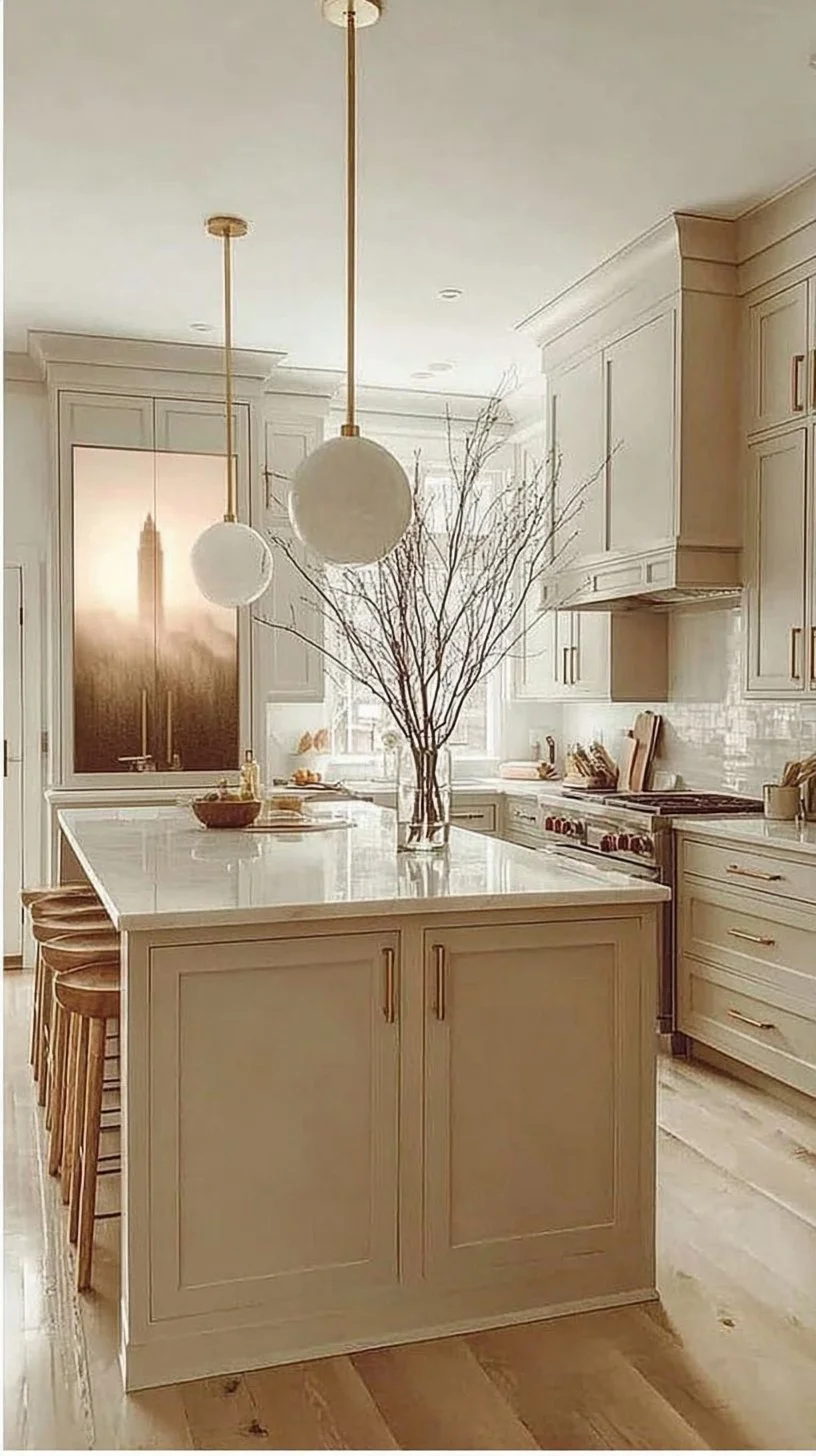
Timeless kitchens rely on classic proportions and smart hardware choices. Opt for shaker-style cabinetry or flat panels with clean lines, which suit both modern and farmhouse aesthetics. Tip: pick hardware that complements your faucets and light fixtures. A warm brass or aged bronze can feel more timeless than trendy finishes. If you have a busy household, consider full-extension soft-close drawers for pots and pans and a pull-out spice rack near the stove. For interior styling, use a mix of closed storage and open shelves to display prized dishes while hiding clutter. Personal touch: we keep a lower cabinet as a homework station with a plywood pullout for my kids, so their projects stay tidy without invading the main prep zones.
Lighting, Textiles, and Greenery to Enhance Calm
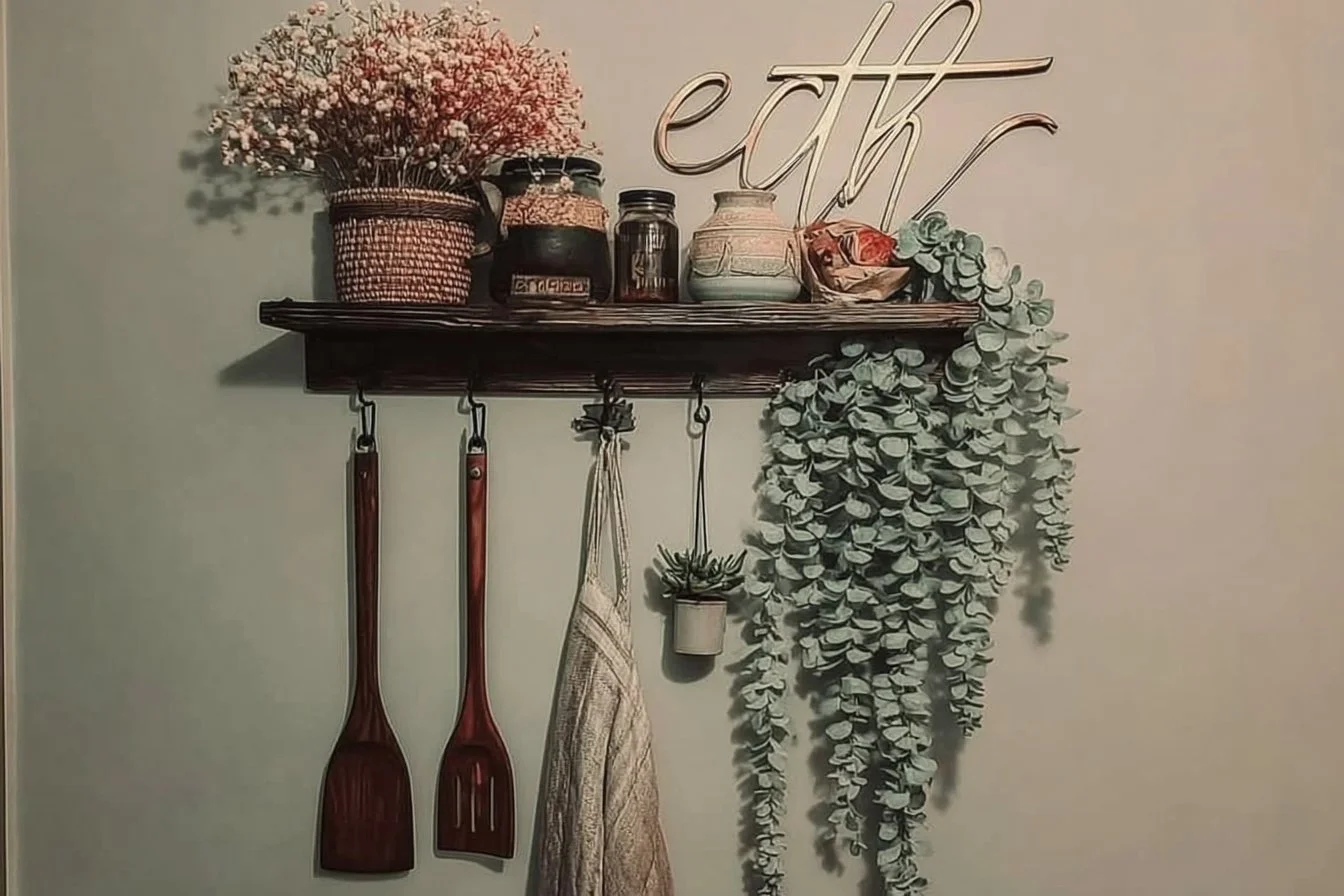
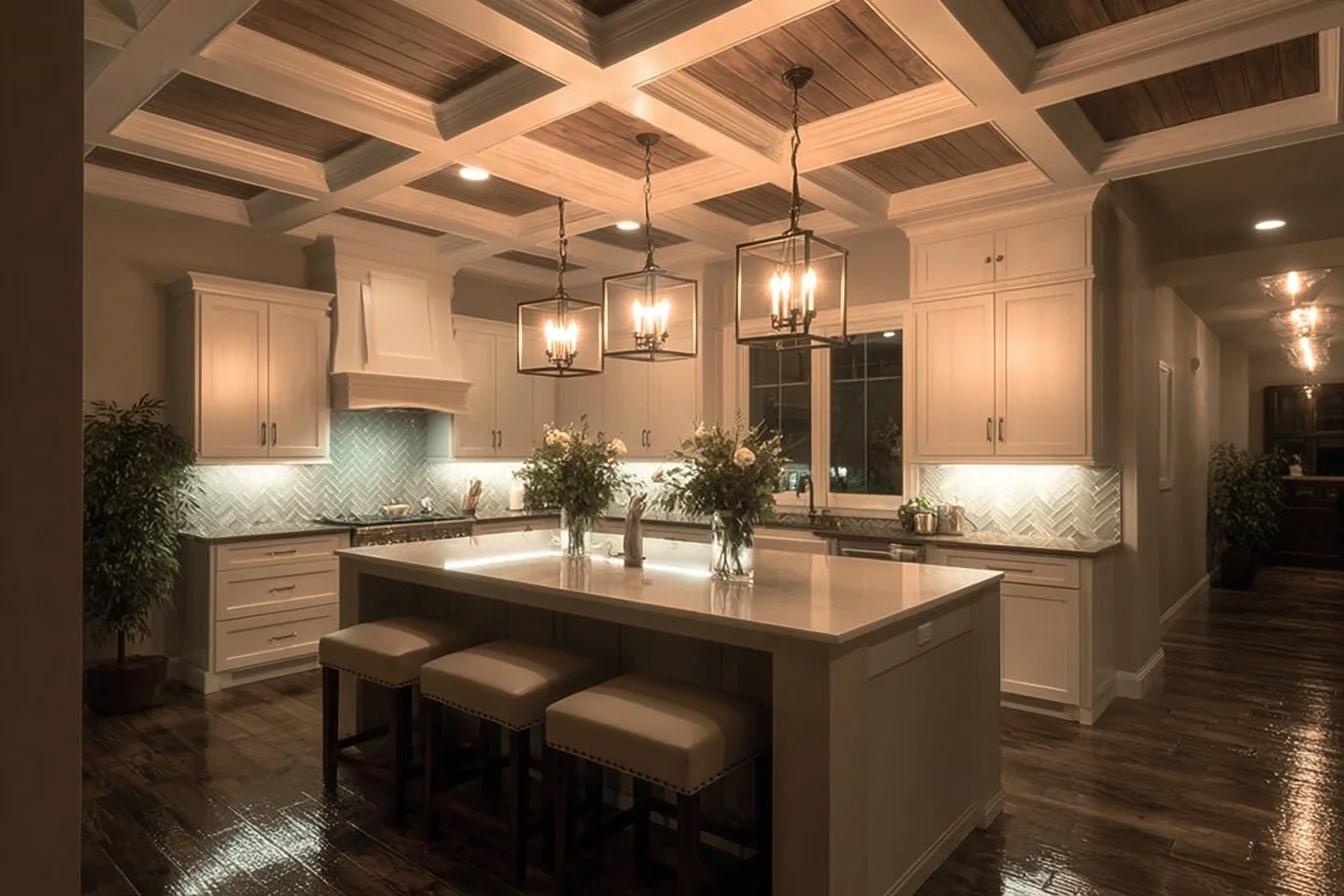
Lighting transforms color and mood, so layer it. Install bright task lights under cabinets, a dimmable ambient fixture overhead, and a statement pendant above the island to create visual focus. Actionable tip: use bulbs in a warm color temperature, about 2700K to 3000K, for a cozy atmosphere that complements sage green. Add textiles like a washable runner, linen curtains, and woven placemats to soften surfaces and reduce echo. Greenery reinforces the palette and brings life into the room; easy plants like pothos or a rosemary pot near the sink add fragrance and function. Example: I hung a small herb rail on the backsplash so my kids can snip basil for pizza night; it doubles as a teaching moment and a style element.
Styling for Real Life: Kid-Friendly, Durable, and Beautiful
Design should be lived in, not just looked at. For a family kitchen, prioritize durable finishes that are easy to clean. Porcelain tile or luxury vinyl plank flooring withstands spills, while quartz countertops resist stains and provide low maintenance. Decorating tips: use washable paint on walls, and keep a magnet board or gallery wall for your children’s latest art near the breakfast nook. Storage is crucial; labeled bins, deep drawers, and a hooked rail for aprons help keep things organized. Practical hack: create a small tray near the door for keys, sunglasses, and the permission slips my son hands me every morning. A family calendar in a sage-toned frame can keep everyone coordinated and tie into the color story.
Conclusion
A sage green kitchen can be both timeless and calming when you combine the right palette, textures, practical layouts, and family-focused styling. Start small with a sample door or a few accessories, then layer wood tones, durable surfaces, and soft lighting to build a cohesive space that welcomes homework sessions, weekend baking, and multi-generation conversations. For more curated inspiration and decorating tips focused on sage tones, explore the Sage Green Home Decor Archives – DexDecor.