














I still remember coming home with two sleepy kids buckled in the backseat, backpacks trailing crumbs and a stack of library books, while Mrs. Harper next door waved from her porch as she watered geraniums. As a forty-something mom juggling carpools, homework checks, and dinner plans, creating a calm, lived-in space became my small act of self-care. Our mornings are full of cereal bowls and quick hugs; our evenings are for board games and scouting the yard for lost soccer balls. Little design choices — a soft throw on the couch, a basket by the door for shoes, or a warm porch light — changed how our house felt after a long day. I even tucked a bookmarked page of outdoor lighting ideas into my phone to make evening routines cozier for the kids. Those tiny shifts inspired a rustic, practical direction that fits family life and small spaces.
1. Embrace Warm Wood Tones for Instant Comfort
Warm wood tones bring an instant sense of history and ease to a small country-style house. The grain, the soft honey hues, and the slightly worn edges all signal authenticity and welcome — qualities kids notice when they flop onto a couch after school. Visually, wood grounds a room, providing contrast to pale walls and bright toys. Emotionally, it reads as durable and familiar, which reassures busy parents.
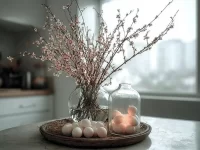
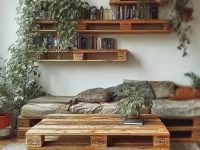
To apply this at home, start small: a reclaimed coffee table, floating shelves made from salvaged planks, or a stained trim around windows. Mix finishes gently; too many different woods can feel chaotic, but a consistent undertone—warm or cool—creates cohesion. In our kitchen, a butcher-block counter paired with white cabinets made meal prep feel less clinical and more like family time. Small changes like swapping out cabinet hardware for aged brass or adding a wooden tray near the entry can be affordable and child-friendly.
2. Layer Textiles for Texture and Family-Friendly Comfort
Layering textiles makes rustic spaces feel soft and inviting while hiding everyday wear and tear. Throws, cushions, and textured rugs absorb sound, dampen the chaos of a busy household, and create cozy zones where kids can read or craft. Textiles also let you rotate colors and patterns without a full makeover; a season of muddy play need not mean permanent compromise.
Choose durable yet soft fabrics—linen, cotton blends, and washable wool-look rugs for high traffic areas. A neutral base with pops of muted color prevents overstimulation and keeps the room adaptable as children grow. Drape a washable throw over the back of your sofa, add a washable slipcover for tough spills, and layer a flatweave rug over a natural-fiber base to protect floors. For us, a mix of braided rugs in the play corner and woven cushions on the reading bench created distinct spots for homework, storytime, and quiet naps.
3. Hunt Vintage Finds to Add Character and Story
Vintage pieces add patina and personality that new furniture rarely achieves. A chipped farmhouse table, a battered mirror, or a chest of drawers with imperfect paint anchors a room with history. Kids love the unique shapes and parents appreciate the durability. Emotionally, these items tell a story and invite imagination, turning a house into a home with memories attached.
Start by scouting thrift stores, flea markets, and online local listings. Focus on pieces with solid structure that can be refinished or left as-is for charm. Refurbish knobs or reupholster a chair in a kid-friendly fabric to make it practical. In our family room, an old sideboard became a craft station with baskets for supplies; the kids loved having their own “grown-up” corner. A few well-chosen vintage accents can feel intentional rather than cluttered when balanced with simpler modern elements.
4. Maximize Small Spaces with Smart, Stylish Solutions
Small homes thrive on smart design that makes every inch useful. Clever storage doubles as decor: a bench with cubbies, wall-mounted peg rails for backpacks, or a narrow console that holds keys and lunchboxes. These solutions keep chaos contained and make daily routines smoother for parents and children alike.
Visually, integrated storage maintains a calm aesthetic, and emotionally, it reduces the stress of misplaced items. Practical styling tips include vertical storage to free floor space, multiuse furniture like sleeper ottomans, and color-coding baskets for each child. If you need inspiration for tiny room transformations, exploring compact bathroom and toilet styling can spark ideas for other small zones; a helpful reference is the guide on small space chic ideas. We created a drop zone by the back door with labeled hooks and a rolling cart for sports gear; mornings became faster and less frazzled.
5. Bring the Outside In with Plants and Natural Light
Plants and natural light quickly lift a rustic interior, forging a connection to the landscape that families love. Greenery introduces life and movement, while sunlight makes textures pop and rooms feel larger. For children, tending a plant can be a simple chore that teaches responsibility and brings pride.
Select low-maintenance, non-toxic plants if kids are curious explorers—snake plants, pothos, and spider plants are good options. Place a plant cluster near windows or on a reclaimed windowsill to create a mini indoor garden. Mirrors opposite windows reflect light and expand the visual space. In our sunny breakfast nook, a hanging fern and a small herb pot encourage kids to smell and taste fresh flavors during weekend pancakes, connecting cooking to the garden outside.
6. Layer Lighting for Mood, Safety, and Evening Routines
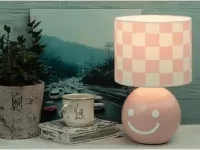
Good lighting is both practical and emotional: layered sources create ambiance for family nights while providing task light for homework and meal prep. Overhead fixtures set the general tone, while table lamps, sconces, and under-cabinet lights offer focused illumination. For small homes, lighting also defines zones and makes spaces feel larger and safer after dark.
Choose warm bulbs to complement wood tones and use dimmers where possible to soften evenings. Install child-friendly switches or smart bulbs for easy control during late bedtimes. Outside, a string of soft lights on the porch or a motion-sensor path light makes returning home feel welcoming and secure for kids coming in from play. Our evening routine shifted when we added a reading lamp by the couch and a soft sconce in the hallway; bedtime felt calmer and hallways less treacherous for sleepy feet.
Conclusion
If you take away one simple idea, let it be this: choose pieces and strategies that fit how your family actually lives. Pin a few of these looks, try one change at a time, and watch a small cozy house transform into a sanctuary where routines flow and memories form. For those curious about deeper historic context and country-home influences, you can explore detailed resources in the historic country home resources to inspire authentic touches for your space. Save the ideas that resonate and come back when you are ready to refresh another corner of your home.