Categories
Kitchen

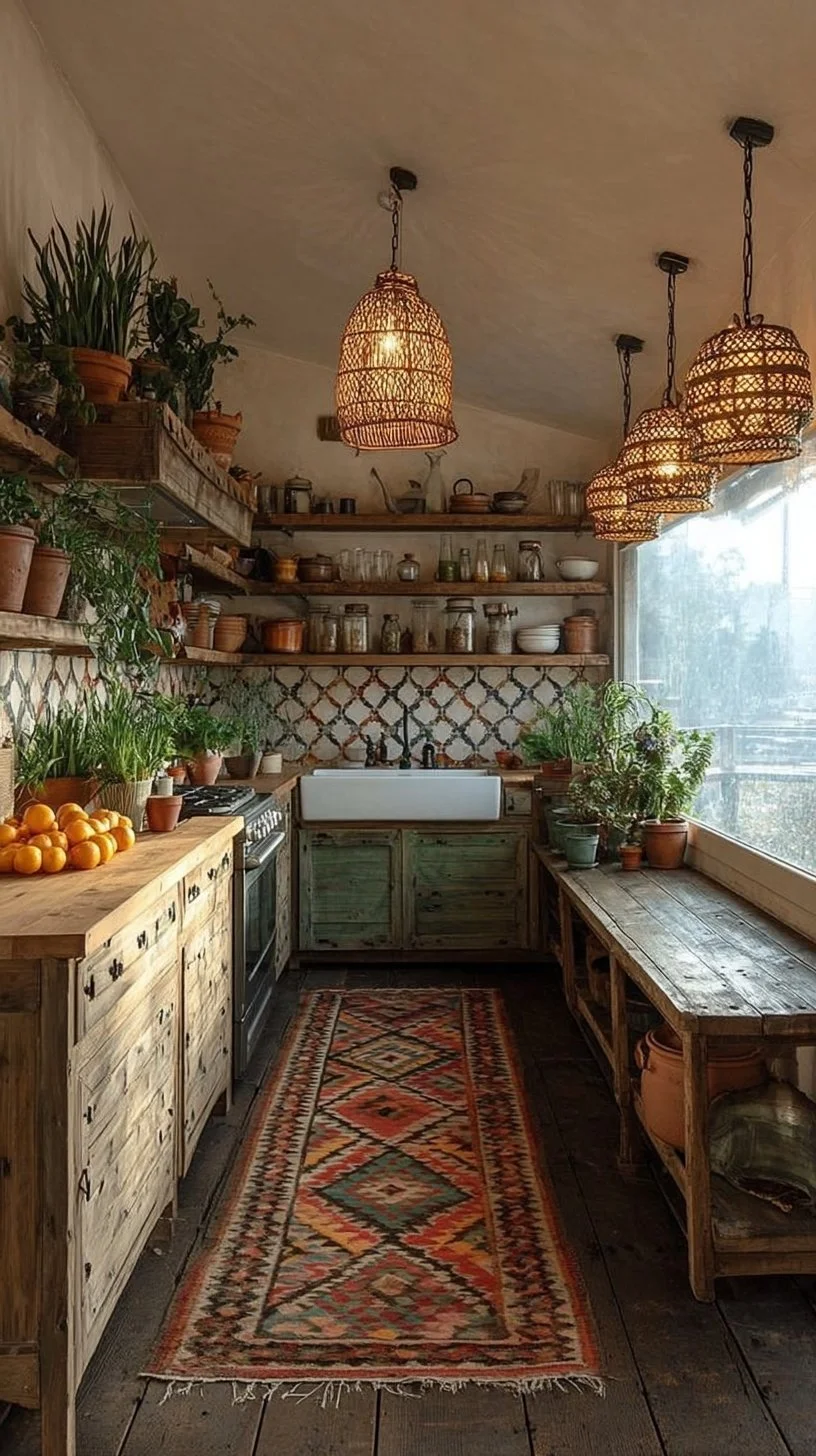
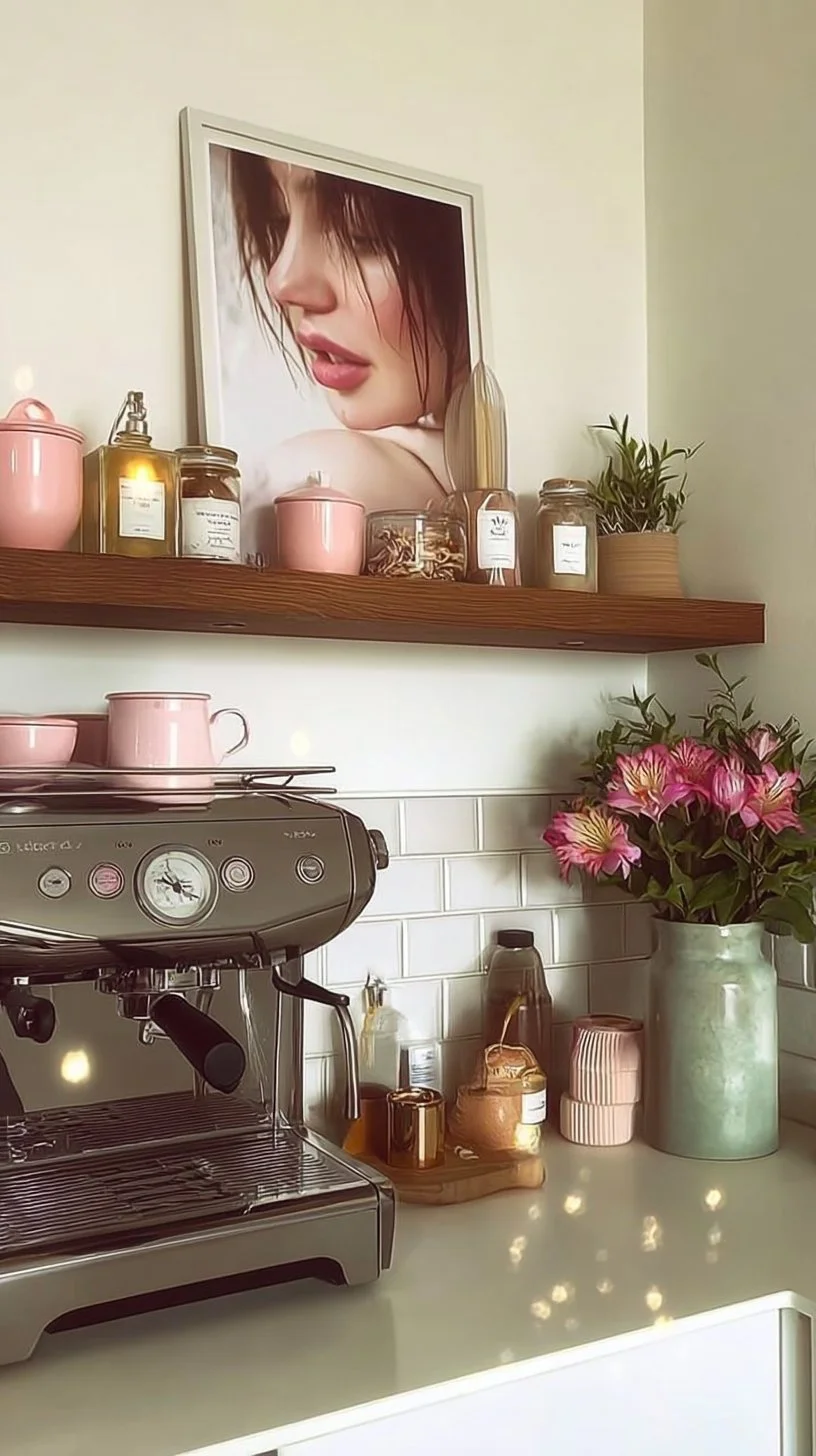
Create a Warm and Inviting Boho Kitchen for Family Life

I still remember the afternoon my daughter spilled berry jam on our faded farmhouse table and my son decided to use a woven placemat as a superhero cape. That chaotic little scene somehow became the turning point for our kitchen makeover. As an American mom in my forties, proud of my roots and the recipes my parents taught me, I wanted a space that felt lived-in, warm, and a little adventurous. My husband helped pull up old tiles, my sister gave me a stack of vintage bowls, and the neighbors admired our new plant shelf. With two kids between eight and twelve, I needed durable solutions that also spark joy. Let me walk you through simple, soulful home décor and interior styling ideas that bring a Bohemian spirit to your kitchen while staying practical for family life.

  1. Layered Textures and Natural Materials
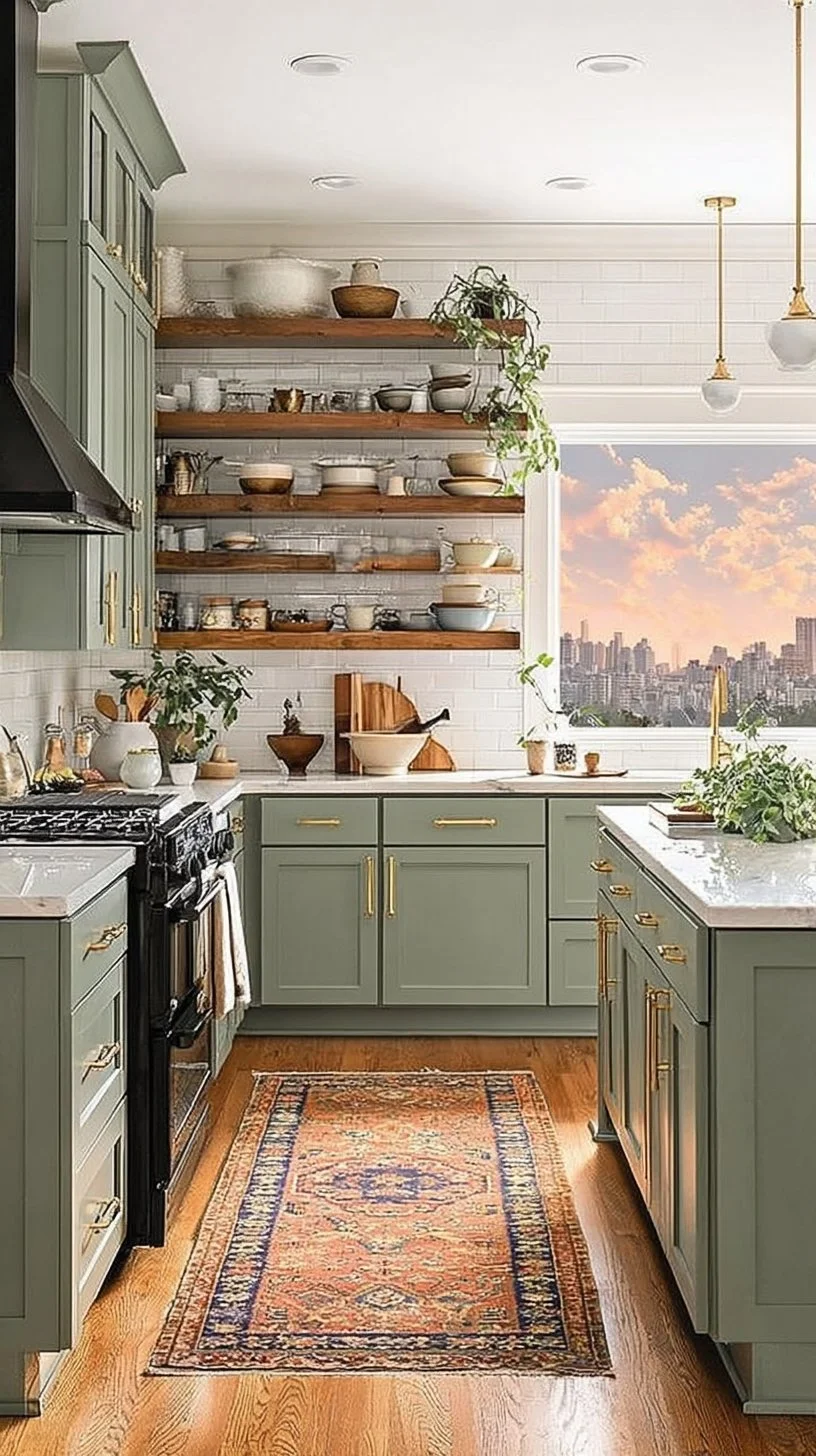
    Boho kitchens thrive on texture. Think woven rugs, rattan baskets, reclaimed wood shelves, and linen napkins. Start by swapping a sterile area rug for a flatweave or kilim runner near the sink to catch spills but add instant character. Hang open shelving made from reclaimed pine to display mismatched ceramics and cookbooks. Actionable tip: choose washable textiles for areas your kids touch often, and seal wooden countertops with food-safe oil to protect surfaces. I keep a wicker basket by the counter for fresh herbs my son picks from the windowsill garden. The contrast of warm wood, cool ceramics, and soft textiles is a cornerstone of interior styling that reads both curated and comfortable.
  2. Eclectic Color Palette with a Calm Base
    Bohemian style doesn’t mean loud chaos. Build a calm base with warm whites, soft terracotta, or muted sage, then layer pops of color through accessories. Start with neutral walls and cabinetry, then add colorful tiles behind a stove or a statement pendant. Practical tip: pick three accent colors and repeat them in small doses through dishware, textiles, and wall art to maintain cohesion. My mother always said to choose colors that remind you of home, so I added a deep indigo mug set inherited from her pantry. That keeps the space feeling intentional while giving room for seasonal swaps without an overhaul.
  3. Mix Vintage Finds with Modern Functionality
    A key Boho move is blending antiques with contemporary convenience. Hunt thrift stores for brass utensils or an old wooden dough bowl, then pair them with stainless steel appliances for reliability. Practical action: replace one cabinet door with a glass or wire-front option to show off vintage plates while keeping everyday essentials organized. For budget-conscious updates, check out simple makeovers and budget-friendly decorating tips that often translate well into year-round kitchen upgrades. I scored a retro pendant lamp at a flea market and rewired it to meet modern safety codes, which now casts a soft glow over our family dinners and homework sessions.
  4. Greenery, Herbs, and Living Accents
    Plants bring life to a Boho kitchen and double as functional décor when you grow herbs. Install a narrow shelf near the window with mason jars of basil, thyme, and mint for quick seasoning. Actionable suggestion: use a tiered plant stand to keep fragile plants out of reach of curious hands, and add self-watering pots if your schedule is hectic. I recall teaching my daughter to water the rosemary and rewarding her with a slice of lemon garlic bread she helped season. Hanging planters and a macramé plant hanger create vertical interest, while succulents on the sill handle the occasional over or under watering from my forgetful son.
  5. Personal Collections and Artful Displays
    Boho style celebrates storytelling through objects. Arrange a gallery wall with family photos, vintage postcards from my travels, and my grandmother’s embroidered handkerchief. Use open shelving to display colorful bowls picked up at markets or kids’ pottery projects. Practical tips: rotate small displays to keep the space fresh and label boxes in a nearby drawer for seasonal cookware. When guests arrive, they often ask about a small ceramic rooster that belonged to my aunt. Sharing those little stories makes interior styling feel like an invitation to linger. Include practical storage solutions like woven bins for snacks and a labeled tray for keys and mail to balance beauty and function.
  6. Lighting that Invites Conversation
    Good lighting changes the mood from task-focused to cozy gathering. Layer ambient, task, and accent lighting: recessed lights for prep areas, under-cabinet LED strips for chopping zones, and a warm pendant over the table for family meals. Actionable idea: install a dimmer to soften the mood when you want to host casual dinners, or use a series of vintage Edison bulbs for a boho-industrial flair. I switched a harsh fluorescent fixture for a set of soft-hued pendants, and suddenly evenings felt more like the kitchen in my childhood home where everyone gathered to tell stories. Keep a set of battery-operated candles for safe, low-maintenance ambiance when kids are present.

Conclusion

Transforming your kitchen with Bohemian soul is about combining practical decorating tips with personality and comfort. Start small: add a textured rug, bring in a few plants, or display one family heirloom. These interior styling steps create a warm, welcoming space that supports everyday living and moments of connection. If you want more outdoor-minded inspiration to extend that relaxed, camp-like vibe to patios and picnic setups, explore this guide to Embrace the Camp Vibes: A Guide to Outdoor Adventures. Try one idea this week and watch your kitchen become the heart of your home, where memories are made and stories are shared.
Categories
DIY

How To: Easy DIY Wall Panelling.

I still remember the first time I had the idea to change a room with something as simple as slats on a wall. As an American mom in my forties, with an energetic son and thoughtful daughter aged 8 and 11, small projects are how I keep our house feeling like a home. My mother used to line her kitchen with beadboard when I was a kid, and I can still hear the sound of her laughter while she painted. My husband and I love inviting neighbors over, and these little upgrades always spark conversation. Whether I’m balancing carpools, family dinners, or backyard soccer, wall panelling has become my go-to for adding personality without a huge budget. If you like family-friendly DIY ideas, this quick guide will inspire you to try easy, stylish wall panelling that fits real life and real schedules.

Section 1: Why Wall Panelling Works for Modern Home Décor
Wall panelling is a classic interior styling trick that refreshes a room’s look, adds texture, and increases perceived value. For busy households, it hides imperfections and creates a focal point without expensive renovations. Start by choosing whether you want a full-room treatment or a single accent wall behind a sofa, bed, or console. Measure carefully and consider ceiling height when selecting panel height. Practical tip: use lightweight materials like MDF or foam for easier handling and lower costs. For decorating tips, pair panels with simple crown molding to frame the space. I once wrapped a hallway in soft gray panels to match my daughter’s art gallery; neighbors stopped by to ask how we did it, and it felt great to share inspiration.

Section 2: Board and Batten – Beginner Friendly and Budget Wise
Board and batten is the easiest panelling style for first-timers. You need plywood or MDF boards cut to size, narrow battens for vertical lines, construction adhesive, a nail gun, spackle, primer, and paint. Start by marking vertical lines on the wall using a level and spacing battens evenly for visual balance. Attach the backer board with adhesive and brad nails, then add battens. Caulk seams and sand any rough spots before priming. For quick success, paint in semi-gloss for durability in high-traffic areas. A friend and I once did a half wall in my dining room during naptime windows; the kids were thrilled to see their crafts displayed on the finished ledge. For more family-friendly project ideas, check out this collection of DIY resources.

Section 3: Raised Panel Look Using Foam Molding
If you want a refined look without heavy carpentry, foam molding is a lifesaver. Lightweight, easy-to-cut foam trims mimic real wood and are paintable. Layout a grid using painter’s tape, cut foam strips to fit, and adhere them with construction adhesive. Foam is forgiving if you need to move pieces during placement. Use spackle to hide seams and prime with a bonding primer before painting. Styling tip: paint panels a deep navy and add brass fixtures for a sophisticated contrast. I used foam trims in my bedroom, and my father-in-law, who grew up around traditional woodwork, was impressed by the finished result. Foam is ideal for renters too, since some adhesives peel cleanly.

Section 4: Picture Frame Molding for an Elegant Touch
Picture frame molding creates a custom, tailored look that suits dining rooms and living rooms. Plan a layout by sketching frames on paper; consistent spacing is the key to a polished effect. Use thin strips of MDF or pre-made molding, and install frames using finishing nails and wood glue. Keep frame sizes proportional to the wall size; large rooms can take larger frames. Once installed, prime and paint the frames in a contrasting or complementary shade. Styling tip: mount a gallery of family photos or a mirror inside one frame for depth. My sister and I once transformed my parent’s bland entry with this technique, and their home suddenly felt more refined and welcoming.

Section 5: Shiplap and Horizontal Planks for Cozy Character
Shiplap remains a popular interior styling trend because it creates warmth and visual length. Choose planks with tongue-and-groove edges for tighter seams. For a smooth install, start at the bottom and work up, staggering joints and using screws into studs or adhesive for drywall. Sand lightly and finish with paint or a whitewash for a coastal or cottage feel. Practical tip: pre-paint planks before installation for faster results. I put shiplap behind a reading nook where my son likes to build forts; the horizontal lines add a cozy cabin vibe and hide little scuffs from playtime. Keep decorating simple with floating shelves and a couple of framed prints.

Section 6: Styling Your New Panelling – Decor Tips That Stick
Once your panelling is up, styling brings it to life. Use contrast paint colors to make grooves pop or match panels to trim for a seamless look. Add floating shelves, wall sconces, or hooks for functional flair. Incorporate textiles like a tapered rug or window treatments to soften hard lines. For family photos, use slim floating frames that don’t cover molding details. Light layering works well: one large statement piece flanked by smaller items prevents clutter. When we added panels to our playroom, my daughter hung a corkboard inside one framed section for rotating art; it keeps the room tidy and gives her pride in displaying work. Remember to balance the room so panelling enhances rather than overwhelms.

Conclusion

Wall panelling is a versatile way to elevate your home décor, offering countless styling options that suit busy families and DIY beginners alike. Whether you choose board and batten, foam molding, picture frame trims, or shiplap, these decorating tips can help you create a polished look without a major remodel. For clear step-by-step examples and more ideas to get started, explore 9 Easy DIY Wall Panels to Add Character to a Wall. Try one small wall first and enjoy how a few simple changes bring fresh inspiration to your space.

Categories
Kitchen

Dark Rustic Kitchen Ideas That Feel Warm And Inviting

Dark Rustic Kitchen Ideas That Feel Warm And Inviting

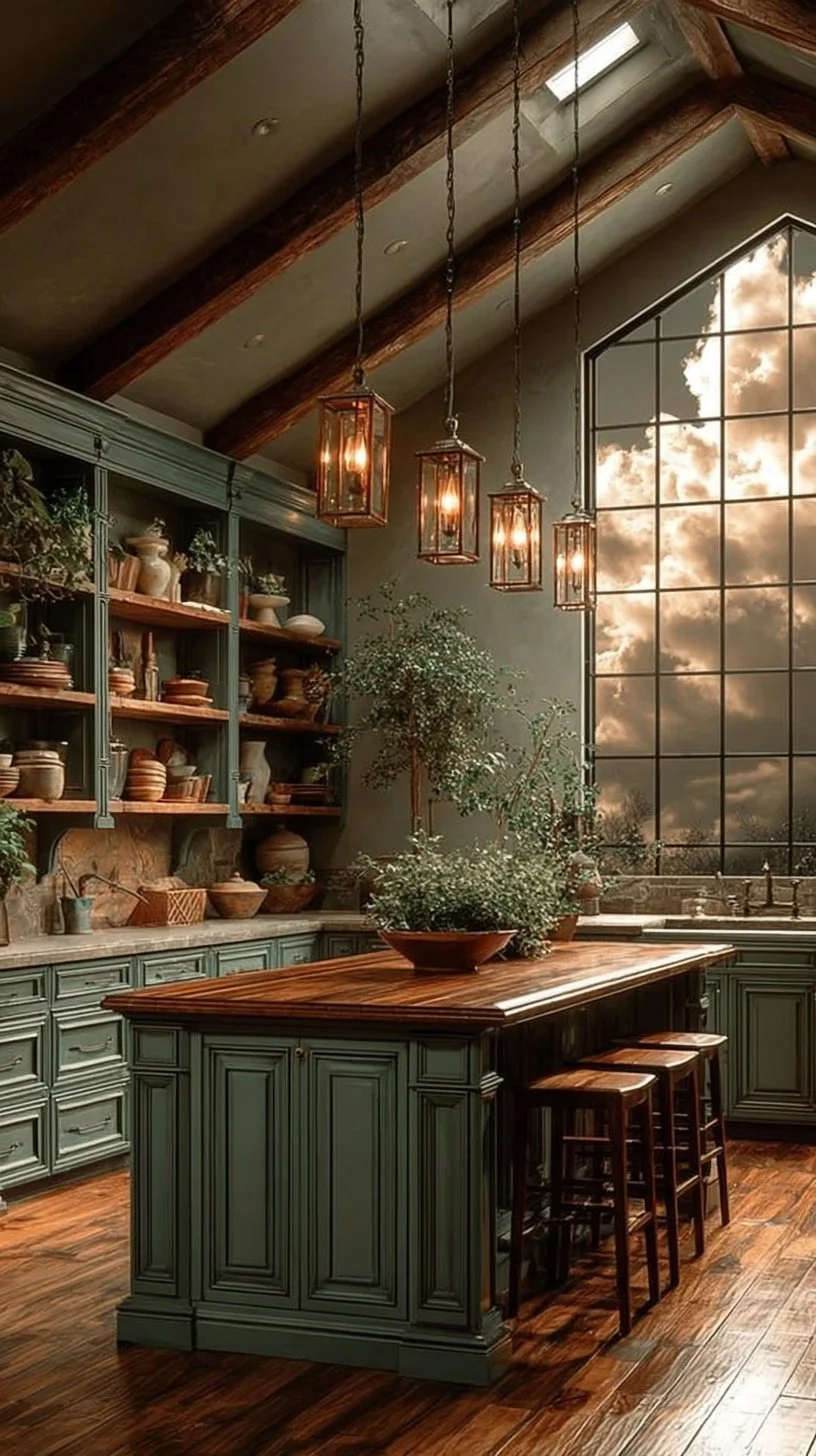
When I think about our kitchen, I see my kids chasing each other between the island and the pantry while my husband hums an old song my parents used to play on Sundays. I’m a forty-something American mom who loves family gatherings and the small rituals that make a house feel like home. I remember my grandmother’s stone sink and the way her wooden spoons smelled of cinnamon. Those memories guided me as I mixed dark wood tones with warm textiles to create a rustic yet cozy space. Between school lunches, PTA meetings, and weekend baking experiments with my 10-year-old son and 8-year-old daughter, I’ve learned that thoughtful interior styling and a few decorating tips can transform a kitchen into a welcoming, lived-in hub everyone wants to be in.

Embrace Deep, Earthy Color Palettes

Dark cabinetry and earthy paint colors create a grounded backdrop that feels intimate and timeless. Opt for deep greens, charcoal grays, or rich browns on lower cabinets while keeping upper shelves or a small accent wall slightly lighter to avoid claustrophobia. Pair these tones with warm brass or matte black hardware to add contrast and personality.

Practical tips: choose a durable, low-sheen paint for high-traffic areas and sample swatches in different lighting times of day. Use adhesive peel-and-stick samples to see how colors interact with your countertops. For a lived-in vibe, distress a small piece of wood or test a glaze technique on a drawer front first. I painted a leftover cabinet my neighbor gave me and let my son add a playful stencil on the inside to hide kids’ secret snacks.

Mix Textures for Warmth and Depth

A dark rustic kitchen thrives on texture. Rough-hewn reclaimed wood, honed stone countertops, and matte tile create layers that invite touch. Introduce soft textiles like woven rugs, linen curtains, and hand-stitched tea towels to balance the rough surfaces and make the room feel cozy.

Practical tips: place a woven runner near the sink to soften the hard floor and add a noise-absorbing element for busy mornings. Use open shelves to display ceramic bowls and glass jars; the mix of smooth and rough will keep your interior styling interesting. I keep a basket of folded dishcloths on an open shelf so my daughter can grab one to help dry dishes, making functionality look intentional.

Lighting That Warms Without Washing Out Color

Lighting can make or break a dark kitchen. Aim for layered lighting: ambient ceiling lights, task lighting under cabinets, and a focal pendant over the island. Choose warm temperature bulbs to keep tones rich and inviting. Dimmable fixtures let you shift from family homework time to a relaxed dinner vibe.

Practical tips: install under-cabinet LED strips with a warm color index and use pendant lights with translucent shades to diffuse light softly. Position lighting to illuminate work zones like the stove and prep areas. I swapped out a harsh fluorescent fixture I disliked and replaced it with two pendants my sister found at a thrift market; the glow made our meals feel more intimate and my husband noticed immediately.

Blend Old and New: Vintage Finds with Modern Function

Rustic design is perfect for mixing reclaimed antiques with up-to-date appliances. A farmhouse sink paired with a modern induction cooktop or an antique dresser repurposed as a pantry adds character while keeping your kitchen practical.

Practical tips: when buying vintage, check for water damage and hardware quality. Retrofit cabinets with soft-close hinges for modern convenience. Integrate storage solutions like pull-out spice racks or drawer dividers into an old sideboard so the charm does not sacrifice efficiency. My parents gifted me an old bread box; I had it refinished and now store foil and parchment in it, a small personal touch that also keeps clutter down.

Styling Details That Invite People In

Small details create the feeling of a maintained, loved kitchen. Grouping fresh herbs in terracotta pots, displaying wooden cutting boards vertically, and arranging cookbooks by color or size on a shelf creates an approachable vignette. Keep everyday items like mugs, mixing bowls, and utensils within easy reach to encourage family participation.

Practical tips: use magnetic strips for knives, baskets for produce, and labeled jars for pantry staples to make the kitchen functional and photogenic. Rotate a small display of seasonal ceramics or sentimental objects to keep the space feeling fresh. I hang a tiny chalkboard on the pantry door where my kids write dinner ideas; it doubles as decor and a way to involve them in meal planning.

Creating Cozy Nooks and Flexible Zones

Even in a compact kitchen, you can create zones for different activities. A small bench with cushions and a throw transforms a corner into a homework station or reading nook. The island can serve as a baking area in the morning and a homework table in the afternoon.

Practical tips: define zones with rugs, distinct lighting, and storage solutions tailored to the activity. Keep charging stations tucked away but accessible so devices won’t clutter cooking surfaces. If space allows, add a shallow open shelf near the dining area for placemats and chargers. My neighbor taught me to keep a mini charging basket under the island so my kids can do homework there without cords tangling across the countertop.

Conclusion

Dark rustic kitchens can be warm, practical, and full of personality when you blend rich colors, layered textures, thoughtful lighting, and meaningful accents. Try one small change at a time—like a warm pendant light or a vintage bread box—to see how it transforms your space. For more inspiration and a deeper dive into styling tips, check out Dark Rustic Kitchen Ideas That Feel Warm And Inviting – Edward … (https://edwardgeorgelondon.com/dark-rustic-kitchen-ideas-that-feel-warm-and-inviting/). And if you want ideas for making your living spaces equally cozy, this cozy living ideas guide has helpful personal touches and decorating tips to spark your creativity. Give a few of these ideas a try and invite family and friends over to enjoy the warmth you create.

Categories
Kitchen

Secrets to Creating a Timeless Sage Green Kitchen With Calming Vibes

I still remember the afternoon my daughter painted tiny green dots on a paper plate while my son tried to help stack old recipe cards from my mother. As a forty-something American mom proud of my roots, our kitchen is where culture, cooking, and family stories meet. My husband mans the grill on weekends, my parents drop by with jars of pickles, and my siblings call to compare spice mixtures. That cozy chaos taught me to create a kitchen that feels calm rather than chaotic. When I chose sage green, it was for comfort and longevity, not a trend. If you want home décor inspiration that blends practical decorating tips with a soothing look, you are in the right place. For extra ideas on making a house feel like home, check out these cozy living ideas and personal touches.

Choosing the Right Sage Green Palette

Sage green comes in many moods, so start by finding the undertone that matches your light and style. Warm sage has yellow or beige hints and works well with honey wood and cream tiles. Cool sage leans toward gray or blue and pairs beautifully with marble or chrome. Practical tip: paint a 2-foot sample on your wall and live with it for three days, checking morning and evening light. Use flat or eggshell finishes on walls to hide imperfections, while satin finishes on cabinetry resist fingerprints. For interior styling, combine sage with soft neutrals like warm white, taupe, and muted terracotta to keep the palette timeless. Example: I painted one cupboard door sage before committing to the whole kitchen, then added a strand of warm undercabinet lighting to see how it read at night.

Layering Texture with Wood and Natural Materials

To avoid a flat look, bring in warm woods and tactile finishes. Think oak butcher block countertops, rattan barstools, or a reclaimed wood island face to add depth. Actionable suggestion: choose one wood tone and repeat it in three places, such as the floor, open shelf, and a cutting board, to create cohesion. Natural stone or honed countertops create a soft contrast with sage cabinetry and give a tactile, calm feel. Don’t forget small touches like ceramic knobs or linen napkins to elevate the sensory experience. Anecdote: my neighbor swapped out glossy tiles for matte subway tile she found at a salvage store, and the whole room felt grounded and more lived-in almost overnight.

Cabinetry, Hardware, and Layout That Last

Timeless kitchens rely on classic proportions and smart hardware choices. Opt for shaker-style cabinetry or flat panels with clean lines, which suit both modern and farmhouse aesthetics. Tip: pick hardware that complements your faucets and light fixtures. A warm brass or aged bronze can feel more timeless than trendy finishes. If you have a busy household, consider full-extension soft-close drawers for pots and pans and a pull-out spice rack near the stove. For interior styling, use a mix of closed storage and open shelves to display prized dishes while hiding clutter. Personal touch: we keep a lower cabinet as a homework station with a plywood pullout for my kids, so their projects stay tidy without invading the main prep zones.

Lighting, Textiles, and Greenery to Enhance Calm

Lighting transforms color and mood, so layer it. Install bright task lights under cabinets, a dimmable ambient fixture overhead, and a statement pendant above the island to create visual focus. Actionable tip: use bulbs in a warm color temperature, about 2700K to 3000K, for a cozy atmosphere that complements sage green. Add textiles like a washable runner, linen curtains, and woven placemats to soften surfaces and reduce echo. Greenery reinforces the palette and brings life into the room; easy plants like pothos or a rosemary pot near the sink add fragrance and function. Example: I hung a small herb rail on the backsplash so my kids can snip basil for pizza night; it doubles as a teaching moment and a style element.

Styling for Real Life: Kid-Friendly, Durable, and Beautiful

Design should be lived in, not just looked at. For a family kitchen, prioritize durable finishes that are easy to clean. Porcelain tile or luxury vinyl plank flooring withstands spills, while quartz countertops resist stains and provide low maintenance. Decorating tips: use washable paint on walls, and keep a magnet board or gallery wall for your children’s latest art near the breakfast nook. Storage is crucial; labeled bins, deep drawers, and a hooked rail for aprons help keep things organized. Practical hack: create a small tray near the door for keys, sunglasses, and the permission slips my son hands me every morning. A family calendar in a sage-toned frame can keep everyone coordinated and tie into the color story.

Conclusion

A sage green kitchen can be both timeless and calming when you combine the right palette, textures, practical layouts, and family-focused styling. Start small with a sample door or a few accessories, then layer wood tones, durable surfaces, and soft lighting to build a cohesive space that welcomes homework sessions, weekend baking, and multi-generation conversations. For more curated inspiration and decorating tips focused on sage tones, explore the Sage Green Home Decor Archives – DexDecor.

Categories
Kitchen

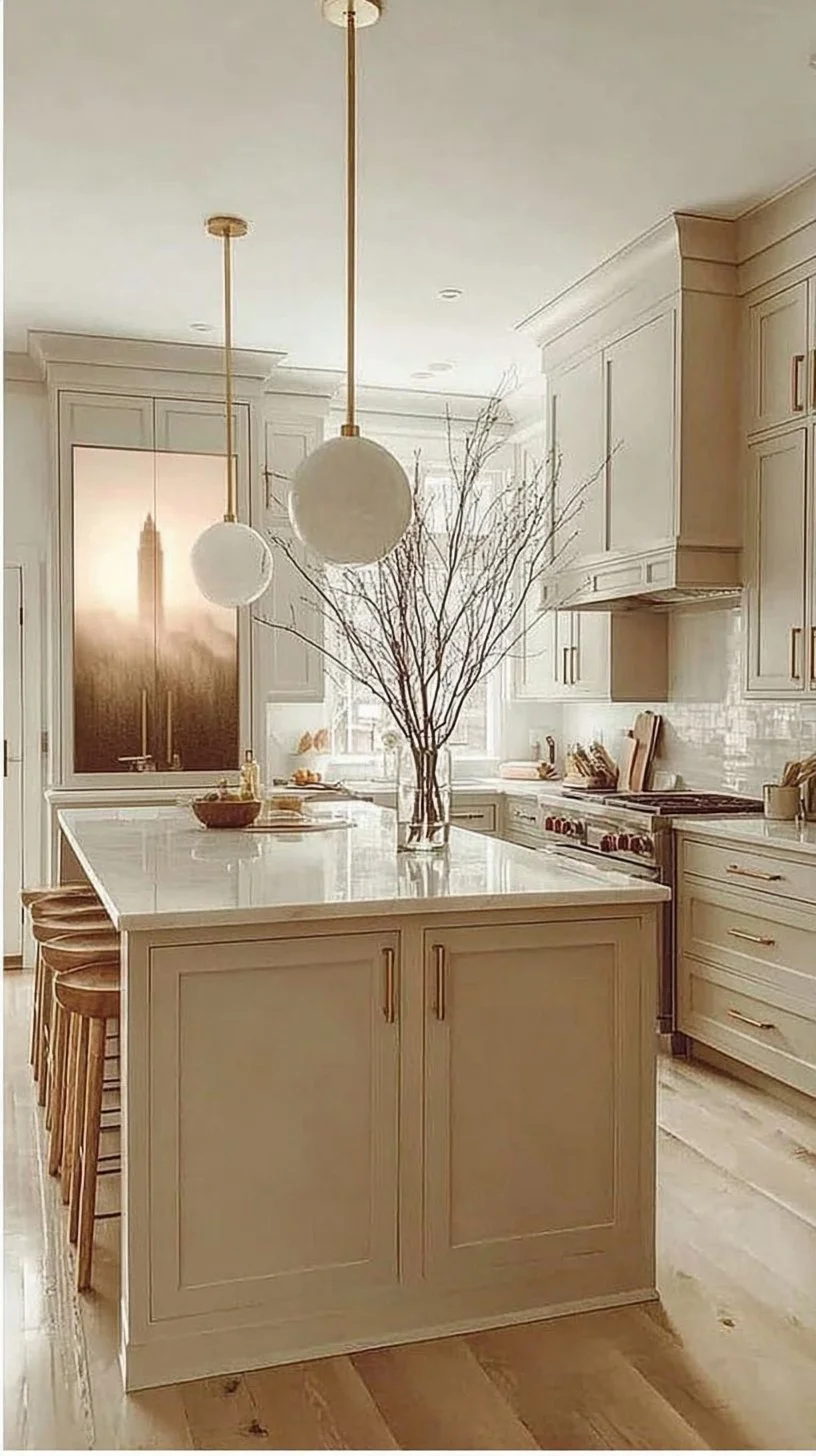
Timeless Warm White Kitchen Ideas and Paint Color Inspiration

I still remember the first meal I cooked in our little house when my son was a baby and my daughter had only just learned to reach for the cookie jar. As a forty-something mom raised on pot roasts and backyard baseball, my kitchen is where family stories hang like aprons on a peg. Mornings now are chaos in the best way: my son, eight, mixes pancake batter while my daughter, twelve, narrates her latest school play. My husband brews coffee and my mother drops by with a comment about the tile. Those tiny moments shaped how I dress my kitchen in warm whites that feel lived in, not museum white. If you love home décor and interior styling that welcomes elbows on the counter, you will find practical decorating tips and gentle inspiration here. Sometimes I pin a pretty table idea from this post when friends ask for quick party styling advice.

Choose warm white paint with the right undertone

Picking a warm white is about undertones, not just brightness. Whites can lean yellow, pink, or creamy beige, and the right choice will cozy up your kitchen without looking dated. Start by testing large swatches on different walls and observe them through morning and evening light. A tip I learned from repainting my grandmother’s kitchen is to view swatches with the cabinet doors closed and open, since shadows change the way whites read. Practical steps: paint three 2-foot squares, live with them for a week, and pair them with any wood samples you plan to use. For interior styling, aim for warmth that complements wood and brass finishes rather than competing with stainless steel. This saves time and money on multiple paint purchases and creates a unified look your neighbors will notice.

Pair warm whites with wood tones and texture

Warm white walls sing when paired with natural wood and textured materials. I love mixing painted lower cabinets with open shelving in a honeyed oak, which my siblings call my “practical farmhouse” approach. Layer in rattan pendant lights, linen curtains, and a reclaimed wood table to anchor the space. Actionable tip: choose one dominant wood tone and add one contrasting accent wood for depth. Use woven baskets to hide kids’ art supplies and a wooden cutting board that doubles as a serving tray for impromptu toast sessions. Texture also helps hide fingerprints and splatters, a blessing when children are frequently at the counter. These combos make decorating feel less precious and more lived in.

Cabinets and finishes that breathe life into white

Cabinet finish affects how a warm white appears in a room. Matte and chalky finishes lend softness and hide scuffs, which is ideal when your kids open cabinets with sticky hands. Semi-gloss is practical near sinks and stoves because it wipes clean easily. My husband once suggested painting all the cabinets in the same color; instead we chose a two-tone approach with white uppers and a soft gray-beige on the island to create visual interest. Practical decorating tips: test how lighting reflects off finishes, avoid pure white for cabinets if you want warmth, and consider soft-close hinges and durable paint for longevity. A practical hardware update, like brushed brass knobs, can elevate the look without a full remodel.

Lighting and metal accents that add warmth

Good lighting is crucial for a cozy kitchen. Layer ambient, task, and accent lighting so your warm white feels inviting at every hour. Pendant lights over the island provide focused light for homework and preschool crafts, while under-cabinet LEDs keep prep areas bright. I keep a small lamp on a shelf for late-night snack runs; it throws a warm glow and tells my son the kitchen is still a calm place. Choose metals with warm undertones like brass, aged bronze, or warm nickel for faucets and hardware. Tip: swap one or two fixtures rather than replacing everything to see the effect. Dimmer switches are an inexpensive addition that instantly shifts ambiance from breakfast bustle to quiet family dinners.

Introduce soft color accents and practical styling

Warm white kitchens are perfect backdrops for subtle color accents that express personality. My daughter loves a pale sage bowl, and my son picks bright blue mugs that my neighbors often comment on. Add a backsplash with muted pattern, a small area rug by the sink, or open shelving styled with heirloom ceramics to bring character. Practical steps: limit accent colors to two or three so the space stays serene, rotate seasonal dishware to refresh the look, and use plants for life and color. For easy interior styling, keep countertops mostly clear and corral utensils and kids’ art projects in pretty containers. These little choices make the kitchen feel curated without being precious.

Styling tips that make warm white kitchens family-ready

Make styling work for family life by blending beauty with function. Create stations for lunch packing, homework, and coffee so everyone has a place. I set up a basket for school forms and a magnetic board for schedules; these small systems reduce countertop clutter and keep the decor intentional. Choose durable textiles like washable cotton napkins and a runner that hides crumbs. Display a few meaningful items, like a vintage pitcher from my mother or a framed family photo, to lend warmth. Practical decorating advice: rotate decor items to keep the space fresh, and involve your children in choosing practical pieces so they feel ownership. This keeps the kitchen not only beautiful but genuinely useful for daily life.

Conclusion

If you are drawn to home décor that combines timeless warmth with practical decorating tips, try these ideas in stages so each change feels manageable. Start with paint swatches, add a textured wood element, and layer lighting for mood and function. For more friendly inspiration and real-life projects that reflect a lived-in, family-centered aesthetic, check out Welcome to Jane at Home, where I share ideas and …. Whether you are repainting cabinets or just swapping hardware, small thoughtful moves can make your warm white kitchen a place where memories are made and shared.

Categories
Kids

Magical Kids Decor: A Whimsical Forest Escape

Create a Magical Forest Escape: The Ultimate Guide to Whimsical Kids Decor

As a proud American mom in my forties, there’s something about nestling into the heart of our home that fills me with warmth. My husband loves to remind me how I’ve taken our modest abode and turned it into a cozy haven. With two lively kiddos aged 8 and 12, we spend our evenings playing games and sharing stories. I often find inspiration in their wild imaginations, recalling the magic of my own childhood forts and fairy tales.

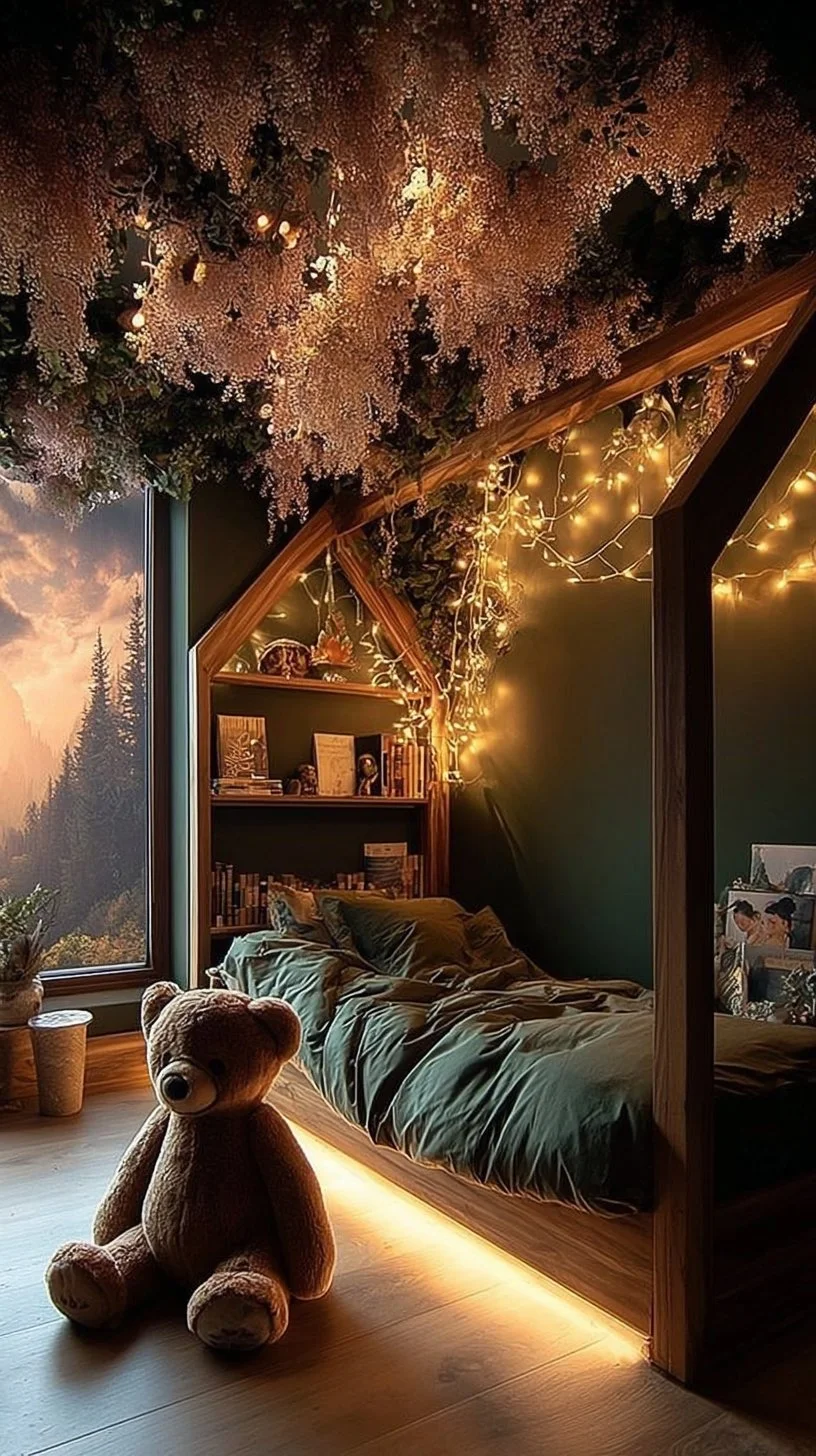
Looking at the incredible room in the photo—with its cascading flowers and cozy lighting, I hold onto the belief that a child’s room should be more than just a place to sleep; it should be a backdrop for their dreams. Ready to dive into some delightful Kids Decor trends that will bring this enchanted forest look to life? Let’s explore together!

1. The Charm of Minimalist Design

You might not think “minimalist” when you see a ceiling full of flowers, but look closer. The beauty of this forest room lies in its lack of clutter. It’s about enjoying quality over quantity. By stripping back unnecessary plastic toys and messy bins, you allow the architectural elements—like the stunning house-frame bed—to breathe.

Tips to achieve this look:

  • Choose a Nature-Inspired Palette: Opt for deep forest greens (like the wall behind the bed), warm wood tones, and soft sage bedding to create a serene backdrop.
  • Invest in Statement Furniture: The wooden house-shaped bed frame is the hero here. It defines the “room within a room” without closing off the space.
  • Limit Decor Items: Notice the shelves? Just a few cherished books and a singular vintage-style lamp. A few well-placed pieces make a stronger statement than crowded shelves.

In our home, we’ve embraced this by letting the furniture define the theme, encouraging my children to keep their sanctuary tidy so the “magic” remains visible.

2. The Joy of Personal Touches

Nothing brings a Kids room to life quite like personal touches. In a room this thematic, personality comes through in the details that invite play and comfort. That giant teddy bear sitting on the floor isn’t just a toy; it’s a roommate and a guardian of dreams.

Ideas to infuse your personality:

  • Curated Book Nooks: Use the built-in shelving of the bed frame to display favorite stories. We let the kids rotate their “top 5” books of the month to keep it fresh.
  • Soft Companions: A large, high-quality plush toy (like the bear in the photo) adds an immediate sense of scale and companionship to the room.
  • The View Matters: If you don’t have a floor-to-ceiling window overlooking a pine forest, consider a high-quality mural or wallpaper to create that depth and personal escape.

In our home, these touches turn a sleeping space into an imaginative playground where my son feels safe to dream big.

3. Blending Old and New

There’s something special about the marriage of rustic textures and modern lighting. This room masters the mix by pairing the timeless feel of a wooden cabin structure with contemporary design elements.

How to successfully merge styles:

  • Start with Wood: The natural wood grain of the bed frame anchors the room with a rustic, almost vintage cabin feel.
  • Embrace Modern Lighting: The under-bed LED glow is thoroughly modern. It acts as a nightlight but looks sophisticated, floating the bed above the floor.
  • Textural Contrast: The crisp, modern lines of the window contrast beautifully with the organic chaos of the floral ceiling.

Our family loves this blend; it feels grounded in tradition but functions perfectly for a modern lifestyle (and makes checking for monsters under the bed much easier with those lights!).

4. The Lure of Natural Elements

Nature has an innate ability to ground us, and this bedroom is the ultimate example of biophilic design in Kids Decor. Bringing the outdoors in—quite literally onto the ceiling—rejuvenates the space and sparks wonder.

Ways to incorporate nature indoors:

  • The “Canopy” Effect: You don’t need a real forest; faux hanging wisteria, ivy, or dried florals suspended from the ceiling can create that immersive “sleeping under the trees” feeling.
  • Natural Materials: Stick to cotton linens in earth tones and solid wood furniture to invoke the tranquility of the outdoors.
  • Maximizing Views: Keep window treatments minimal. If you have a view of nature, let it be the artwork.

In my quest to connect our home with nature, creating a “living ceiling” has become our favorite project. It feels like stepping into a storybook every time we say goodnight.

5. The Power of Ambiance

Creating an inviting atmosphere is the secret sauce that takes a room from “cool” to “magical.” Lighting plays a crucial role here. It’s not about a bright overhead bulb; it’s about pockets of warm glow.

Tips for enhancing ambiance:

  • Layer Your Lighting: This room uses three layers: the under-bed glow, the warm strip lighting on the shelves, and the whimsical fairy lights tangled in the vines.
  • Fairy Lights are Essential: Draping string lights through the foliage creates a firefly effect that is absolutely mesmerizing for children.
  • Cozy Accessories: A thick, messy duvet in a solid color invites you to dive in and snuggle up.

Many evenings, we switch off the main lights and just let the “fairies” (the string lights) illuminate the room. It instantly calms the kids down and sets the mood for a peaceful night’s sleep.

Conclusion

Transforming your child’s room into a cozy, enchanted haven doesn’t have to be a daunting task. By incorporating these Kids Decor trends, like bringing nature inside and playing with magical lighting, you can curate a space that reflects your child’s wildest dreams. Your home is a canvas, and with a sprinkle of creativity and some fairy lights, it can showcase the beautiful tapestry of your family’s life. So, why not give these ideas a try? Gather your loved ones, enjoy the process, and let your home tell its unique story!

Categories
Kitchen

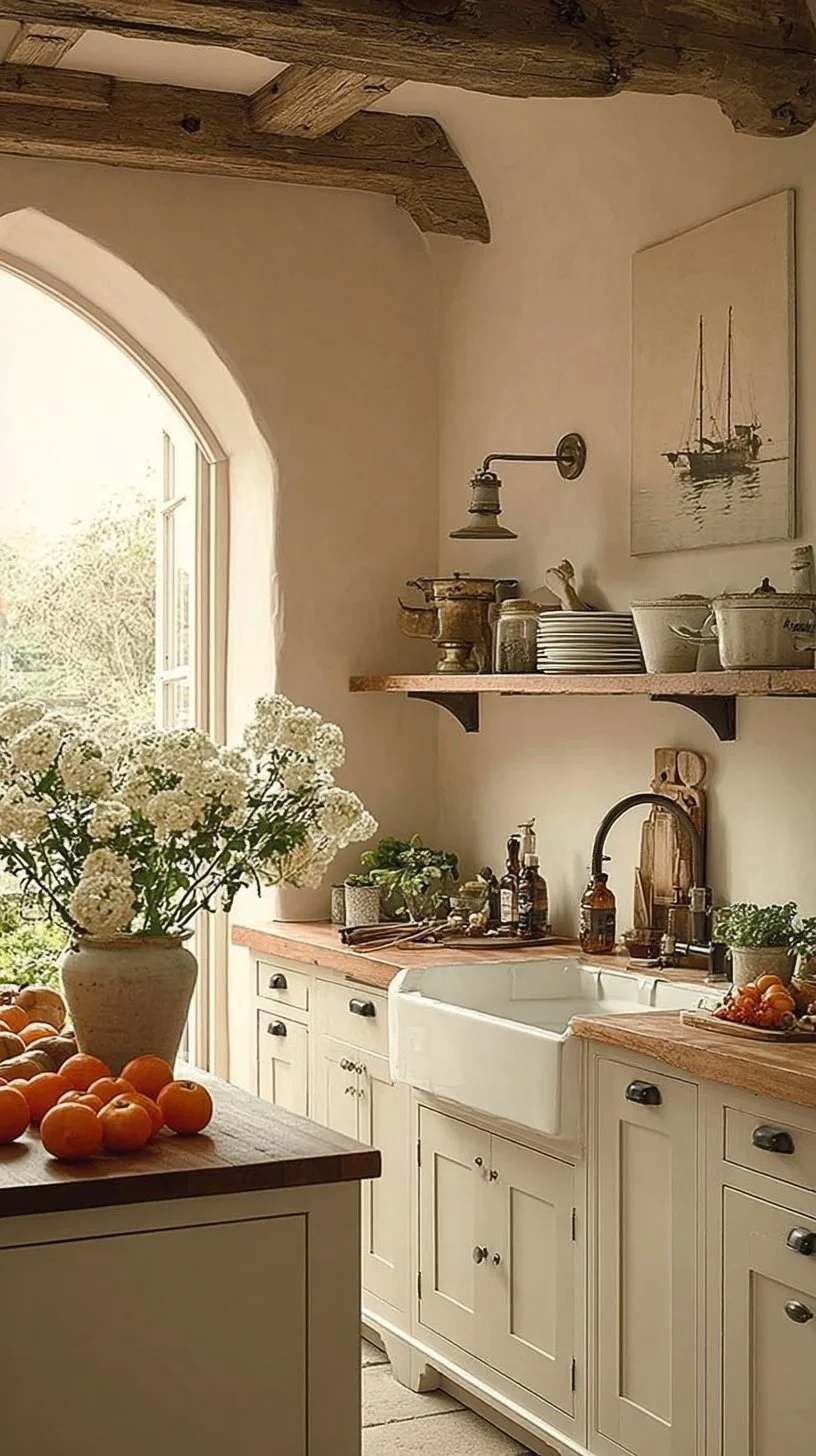
English Countryside Kitchen Designs for Your Perfect Cozy Retreat

I remember the smell of baking from my grandmother’s kitchen, the clatter of a cast-iron pan, and the way my kids would race each other to the cookie jar. As an American mom in my forties, proud of my roots and the backyard block where neighbors still borrow sugar, I love creating spaces that feel lived-in and welcoming. My son and daughter, ages 10 and 8, insist on leaving handprints on the lower cabinets, and my husband jokes that our home has its own personality. Those childhood memories of my parents hosting Sunday dinners inspire how I design now: functional, warm, and full of small comforts that invite family to linger. If you want a cozy kitchen that blends practical home décor with storybook charm, these ideas will help you create a space your family actually uses and enjoys.

Embrace Warm, Timeworn Materials

Think reclaimed wood, scrubbable stone, and brass hardware that develops a soft patina over time. An English countryside feel relies on materials that tell a story, not just look pretty. Start with a durable wood island top or open shelving made from reclaimed barn boards. For countertops, consider honed granite or soapstone for a lived-in look that hides the scratches of everyday life. Actionable tip: visit salvage yards or online marketplaces for authentic reclaimed timber, then seal it with a food-safe oil to protect against spills. Pair these finishes with ceramic sinks and tactile subway tiles to balance texture and function. Small touches, like mismatched wooden stools passed down from my aunt, give personality without breaking the bank. Prioritize materials that age gracefully so your kitchen becomes more charming with each family meal.

Painted Cabinets and Soft Color Palettes

Soft, muted paint colors make a kitchen feel gentle and inviting. Think sage green, dove gray, and creamy off-white rather than stark white. I painted our lower cabinets a dusty blue after my sister suggested it, and it instantly softened the room while hiding fingerprints from my son. Actionable tip: use chalk-style paint for cabinets to achieve that matte, cottage look; it often requires less sanding and gives great coverage. Contrast painted cabinets with warm wood floors or butcher-block countertops to avoid a flat appearance. Add interior styling accents like patterned ceramic knobs or brass pulls for visual interest. For a personal twist, paint the inside of open shelving in a complementary hue to create a little secret pop that makes everyday storage feel curated.

Open Shelving and Curated Displays

Open shelving is a hallmark of the English-inspired kitchen because it celebrates everyday objects as decor. Instead of hiding dishes, display your best plates, teapots, and glassware. I keep a shelf of my mother’s mixing bowls and my kids’ favorite mugs at kid-height so they can help set the table. Actionable tip: photograph and rotate items seasonally or as you find thrifted treasures to keep the display fresh. To avoid clutter, pair one open shelf with a closed cabinet for bulk storage. Use baskets, such as woven seagrass bins, for cereal or snack stashing that’s both practical and pretty. For more ideas on blending personal items with functional design, check out this resource on how small touches can transform a living area: cozy home personal touches.

Cozy Textiles and Layering

Layering textiles instantly warms a kitchen and adds soft color and pattern. Consider a braided rug runner in front of the sink, linen towels hung on low pegs, and seat cushions on wooden chairs. My daughter loves rearranging cushions while my neighbors drop by for coffee, which proves textiles are both decorative and durable. Actionable tip: choose washable cotton or linen for items that will see spills and frequent use. Add a window valance or cafe curtains in light cotton to diffuse sunlight while preserving privacy. For table settings, mix and match vintage linens with modern plates for an eclectic yet cohesive feel. Small embroidered napkins or a handmade table runner can become heirlooms that carry family stories forward.

Functional Farmhouse Fixtures and Layouts

An English countryside kitchen balances beauty and utility with farmhouse sinks, apron-front basins, and classic pulldown faucets. These features are not just pretty; they make cleanup easier when the kids help with dishes. Actionable tip: install a deep farmhouse sink for large pots and a filtered water tap for cooking. Keep workflow in mind by arranging your stove, sink, and refrigerator in a practical triangle to save steps during busy weeknights. Consider built-in seating with storage underneath for lunchboxes and craft supplies, and add a peg rail near the entry for aprons and dog leashes. My husband built a bench with cubbies after our last family move and it became the catch-all that actually made mornings less chaotic.

Personal Touches and Family-Friendly Storage

The heart of a cozy kitchen is personal detail and smart storage that works for a busy family. Display framed family recipes on a small gallery wall, use labeled glass jars for pantry staples, and keep a magnetic board for your kids’ artwork. Actionable tip: dedicate a low drawer for school lunch supplies and another drawer for baking tools so the kids can help without searching the whole kitchen. Integrate closed drawers with soft-close mechanisms to reduce noise during early mornings. Add a small chalkboard near the coffee station to leave notes or menu plans. I like to tuck a basket of board games in a lower cabinet for easy post-dinner family time — it keeps our kitchen lively and connected to the rest of our home life.

Conclusion

Creating an English countryside kitchen is about mixing practical home décor with warm, lived-in charm so your space supports real family life. From painted cabinets and reclaimed materials to layered textiles and smart storage, these decorating tips and interior styling ideas will help you design a cozy retreat where memories form naturally. If you want more inspiration for cottage-style rooms beyond the kitchen, explore these Cozy Country Cottage Bedroom Ideas That Are Simple and Affordable for complementary looks that carry the same welcoming spirit through your home. Try one small change this week, and let your kitchen evolve into the warm gathering place your family will love.

Categories
Kids

Arctic Kids Decor: A Winter Wonderland Adventure

Create an Arctic Adventure: The Ultimate Guide to Winter Wonderland Kids Decor

As a proud American mom in my forty-something years, there is something about nestling into the heart of our home that fills me with warmth. My husband loves to remind me how I have taken our modest abode and turned it into a cozy haven. With two lively kiddos aged 8 and 12, we spend our evenings playing games in the living room and sharing stories over dinner. I often find inspiration in the changing seasons and the magic that winter brings to our imagination.

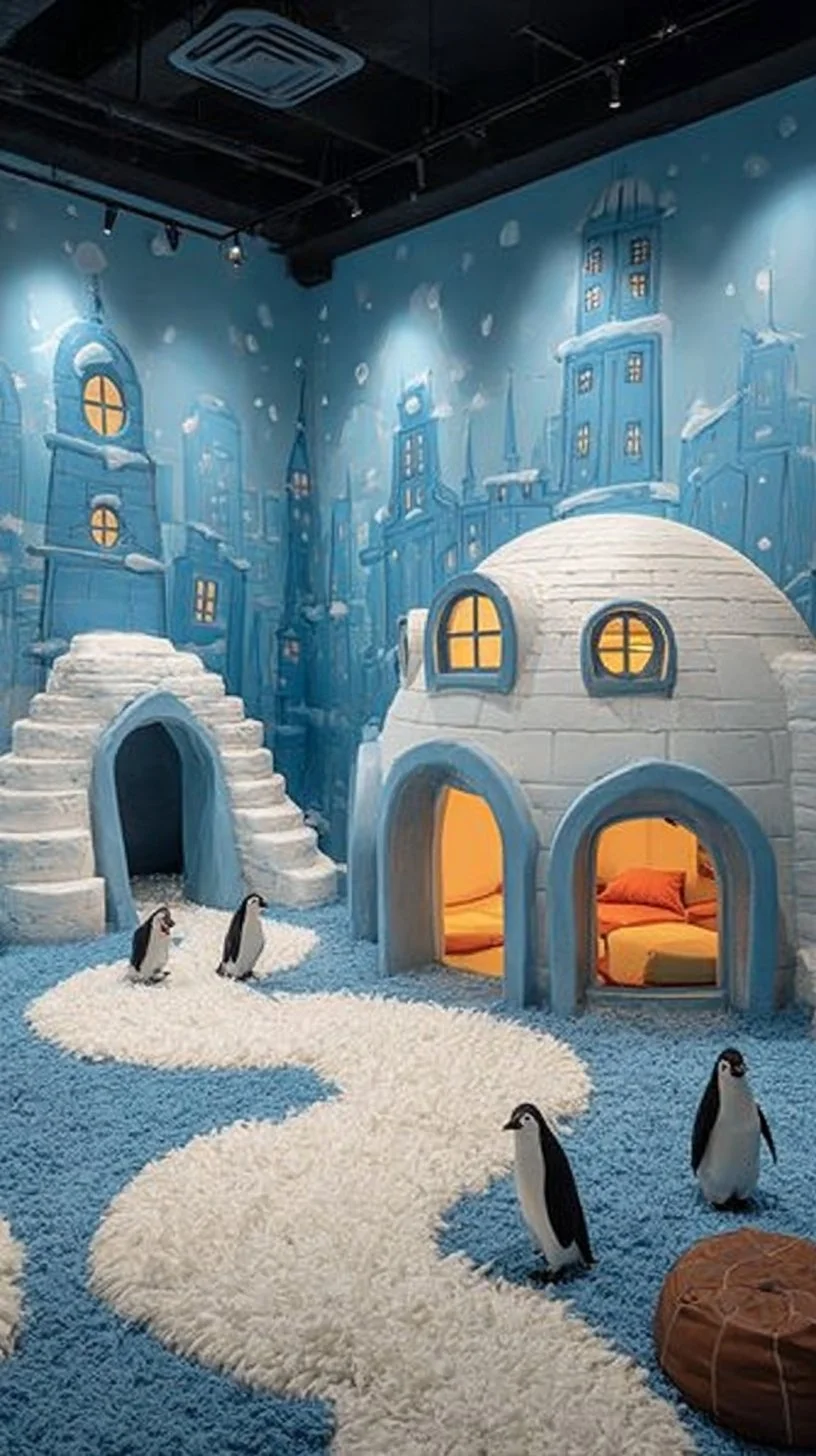
When I look at this breathtaking snowy room, filled with friendly penguins and glowing igloos, I am reminded that a home should be a place where imagination runs wild. It is a space that captures the excitement of a snowy day without the freezing temperatures. Ready to dive into some delightful Kids Decor trends that will bring this cool, magical escape to life? Let’s explore together!

1. The Charm of Minimalist Design

You might think an ice-themed room would feel cold or empty, but there is a beauty in this specific type of minimalism. It is about enjoying a unified color palette to create calm. The beauty of this winter style lies in its ability to transport you to another world using just two main colors: blue and white. By stripping back a chaotic rainbow of colors, you allow the space to feel expansive and serene.

Tips to achieve this look:

  • Monochromatic Magic: Stick to various shades of icy blue and crisp white. This creates a cohesive look that is easy on the eyes and feels very spacious.
  • Statement Structures: The large igloo is the main focus. It serves as furniture, a play structure, and art all at once.
  • Clean Lines: Even with the curved igloos, the background mural features geometric buildings. This keeps the design feeling structured rather than messy.

In our home, we have embraced this trend by limiting our color schemes in the playroom. It not only feels spacious but encourages my children to focus on their play rather than being overwhelmed by visual clutter.

2. The Joy of Personal Touches

Nothing brings a room to life quite like characters that tell a story. In this arctic escape, the Kids Decor comes alive through playful residents. The penguins scattered around the room turn a static space into a scene from a movie. It makes the room feel inhabited and ready for adventure.

Ideas to infuse your personality:

  • Character Integration: You do not need real penguins, but high-quality plush animals can act as “roommates” for your little ones.
  • Thematic Murals: The wall painting of the snowy city adds depth and context. It tells the story of where this magical place is located.
  • Interactive Elements: The path on the floor invites movement. It encourages kids to follow the trail from one igloo to another.

In our home, each personal touch brings warmth. Whether it is a favorite stuffed animal or a drawing on the wall, every piece has a story to tell and helps my children feel like the room belongs to them.

3. Blending Old and New

There is something special about mixing primitive shelter concepts with modern comfort. This room blends the ancient idea of an igloo with contemporary design and luxury. It creates a visual feast that is both exciting and comfortable.

How to successfully merge styles:

  • Rough meets Smooth: The textured “snow” finish on the outside of the igloo contrasts beautifully with the smooth, soft cushions inside.
  • Fantasy Scenery: The backdrop looks like a modern city covered in snow, while the foreground features traditional igloos. This mix fuels the imagination.
  • Functional Fantasy: The igloos are not just for show. They serve as private reading nooks or sleeping pods, blending playtime with rest time.

Our family loves building forts, and this is essentially the ultimate permanent fort. It bridges the gap between raw outdoor adventure and safe indoor snuggles.

4. The Lure of Natural Elements

Nature has an innate ability to ground us, even when that nature is made of ice and snow. Bringing the outdoors inside is a huge trend in Kids Decor. This room simulates the texture of snow and water to create a sensory experience.

Ways to incorporate nature indoors:

  • Textural Flooring: The fluffy white rug mimics a snowy path, while the blue textured carpet looks like icy water. It makes the floor part of the play.
  • Organic Shapes: The rounded domes of the igloos mimic natural snow drifts. They feel softer and more welcoming than sharp square corners.
  • Cool Tones: Using cool blues and whites mimics the natural light of winter. It creates a crisp and fresh feeling in the room.

In my quest to connect our home with nature, we pay attention to textures. My eight-year-old loves rugs that feel interesting to the touch, and this snowy path would be a dream come true for sensory play.

5. The Power of Ambiance

Creating an inviting atmosphere can elevate your home from merely functional to genuinely magical. Lighting plays a crucial role in this winter room. The contrast between the cool blue exterior and the warm orange interior is what makes it cozy.

Tips for enhancing ambiance:

  • Warm Glow: Use warm yellow or orange lighting inside play structures. It creates a “hearth” effect that signals safety and warmth.
  • Window Effects: The lit-up windows in the igloo make it look lived-in and inviting. It makes you want to crawl inside and read a book.
  • Spotlighting: Use track lighting to highlight specific areas, like the snowy path or the mural, to add drama and depth.

Many evenings, our family gathers in the living room with just the warm lamps on. That same concept is applied here. The warm light inside the igloo promises comfort, making it the perfect spot for quiet time after a day of high-energy play.

Conclusion

Transforming your home into a creative sanctuary does not have to be a daunting task. By incorporating these immersive Kids Decor trends, you can curate a space that reflects your child’s dreams of adventure. Your home is a canvas, and with a sprinkle of creativity, it can transport your family to the North Pole or anywhere else they wish to go. So, why not give these ideas a try? Gather your loved ones, enjoy the process, and let your home tell its unique story!

Categories
Kids

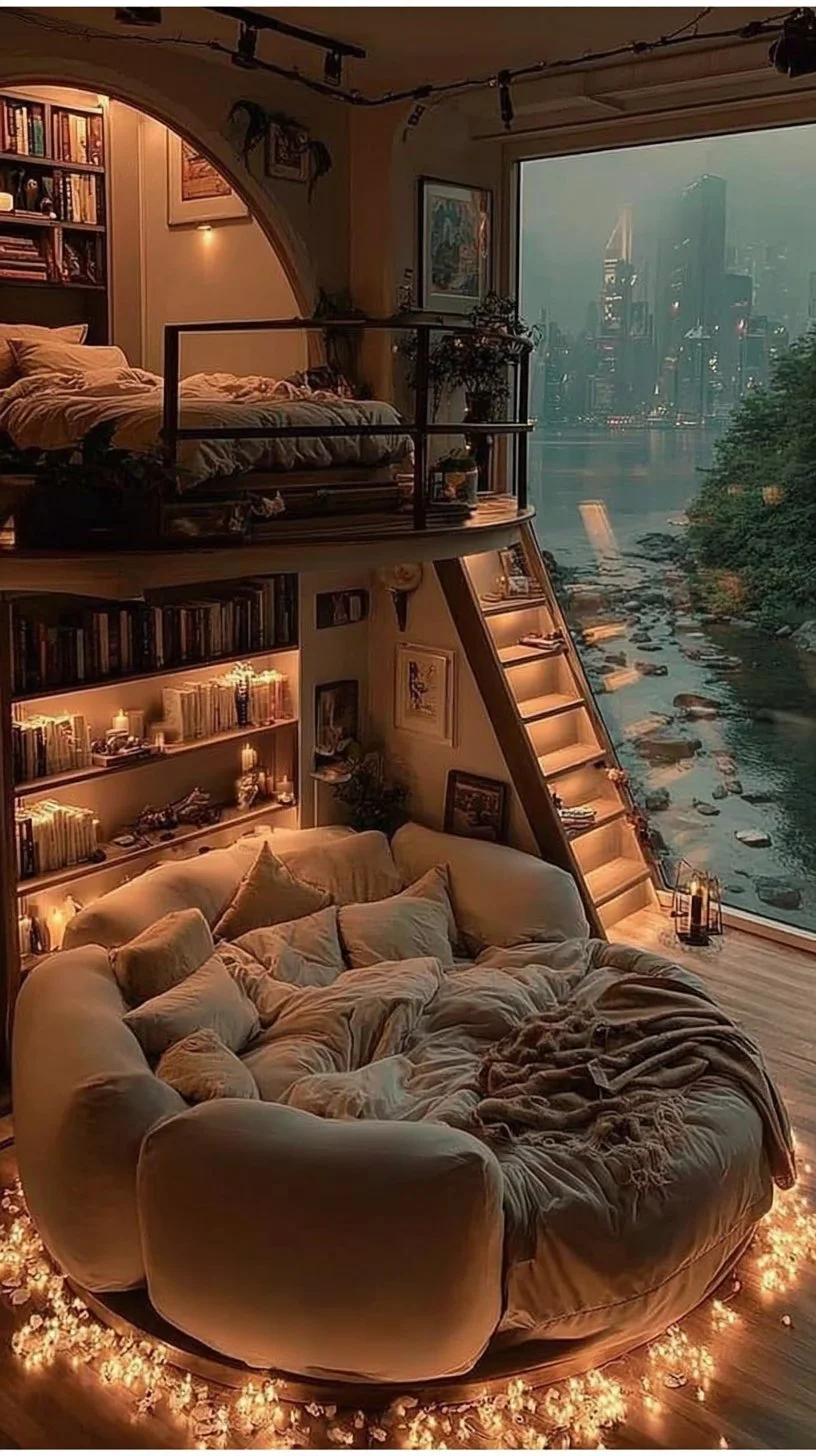
Urban Kids Decor: Cozy & Modern Loft Guide

Transform Your Home with Cozy American Decor Trends

As I nestle into my favorite armchair, a cup of warm tea in hand, I often reflect on the vibrant tapestry of my life as an American mom. My cozy home is filled with laughter, especially from my son and daughter, who are always debating where to best display their latest art projects. My husband occasionally pitches in, sharing heartwarming stories from his childhood in a small town that inspire our decor choices. Each room tells our family story, weaving together memories of my parents’ warm, inviting home and the little treasures I’ve picked up over the years from thrift shops in the neighborhood. Join me as we explore several home décor trends that reflect our rich culture, making each space not just a house, but a true home.

1. Embrace Minimalist Charm

In a world that often feels busy, bringing minimalism into your home can create a sense of peace and tranquility. Think of it as curating your space — selecting only the items that truly resonate with you and your family. When I decided to declutter our living room, I found that less really is more.

Start by picking a few key pieces that speak to you. This could be a stunning wooden coffee table that sparks joy or a beloved family portrait in a simple frame. Use soft, neutral colors to create a calming atmosphere, and let natural light flow freely through your windows. My kids love helping to rearrange furniture, giving them a sense of ownership over our home décor. It is also a great opportunity for them to learn about prioritizing and valuing meaningful items over mere clutter.

2. Celebrate Bold Colors and Patterns

Just as family gatherings are vibrant and full of life, so can your interior styling reflect that enthusiasm! Bold colors and lively patterns bring energy and warmth, creating a welcoming atmosphere. I remember growing up with colorful accents in our home — my mom was never shy about mixing patterns, from floral curtains to striped throw pillows.

You can easily incorporate this trend by adding pops of color to your living spaces. Try using bright throw blankets or cushions in various patterns. If you prefer a more subtle approach, opt for an accent wall painted in a rich hue or with a wallpaper that features playful designs. In my home, a bright blue accent wall in the playroom has become the backdrop for countless art sessions, igniting creativity in my children every day.

3. Layer Textures for Cozy Ambiance

One of my favorite things about interior styling is incorporating various textures — it’s like inviting different friends over for coffee, each bringing a unique flavor to the conversation. Layering textures creates visual interest and warmth that softens a room.

In our living room, we have a cozy knitted throw draped over a leather sofa, paired with a jute rug underfoot. The combination not only feels inviting but also adds depth to the space. To bring this idea to life, consider mixing materials such as velvet cushions, wooden furniture, and metal accents. Each textural layer tells a part of our family story, and my kids always love to snuggle up with all of these inviting materials after a long day at school.

4. Incorporate Sustainable and Repurposed Items

In an age where we often seek to make environmentally conscious choices, integrating sustainable decor trends can reduce your carbon footprint while telling a beautiful story of reuse and creativity. I’ve taken joy in engaging my children in DIY projects, transforming what might have been discarded into charming decor.

Choose furniture made from reclaimed wood or decor crafted from recycled materials. For example, my daughter and I repurposed an old ladder into a cozy bookshelf, painting it in cheerful hues. Encourage your kids to join in on the fun by decorating glass jars to use as vases or storage options. Not only does this cultivate a sense of responsibility towards our environment, but it also fills your home with personalized pieces that hold memories of family crafting time.

5. Create a Meaningful Gallery Wall

As a family, we cherish the moments captured in photos — they remind us of birthdays, vacations, and the simple joys that fill our lives. A gallery wall is an excellent way to showcase these memories and can be enhanced with art that reflects our culture and heritage.

Choose a wall in your home and dedicate it to this living art display. Start by laying out your favorite frames in different sizes on the floor to find an arrangement you love before hanging them up. My children add their artwork alongside snapshots from family trips, making it a dynamic representation of our ever-evolving story. This practice not only brings color and life to our walls but also offers a chance for conversations about our family history whenever friends and neighbors stop by.

Conclusion

Decorating your home is not just about aesthetics; it’s about creating a narrative that reflects your family’s spirit and values. By incorporating trends like minimalist charm, bold colors, layered textures, sustainable decor, and meaningful gallery walls, you can turn any space into a cozy haven that welcomes memories and moments. As you embark on this design journey, remember to have fun, involve your children, and embrace the stories your home will tell.

Let’s transform our spaces into welcoming retreats, celebrating the beauty of life and family within every room!

Categories
Kids

Treehouse Kids Decor: Backyard Adventure Indoors

Create a Backyard Adventure Indoors: The Ultimate Guide to Treehouse Kids Decor

As a proud American mom in my forties, there is something about nestling into the heart of our home that fills me with warmth. My husband loves to remind me how I have taken our modest abode and turned it into a cozy haven. With two lively kiddos aged 8 and 12, we spend our evenings playing games in the living room and sharing stories over dinner. I often find inspiration in their boundless energy and the way they turn every corner of our house into a new world to explore.

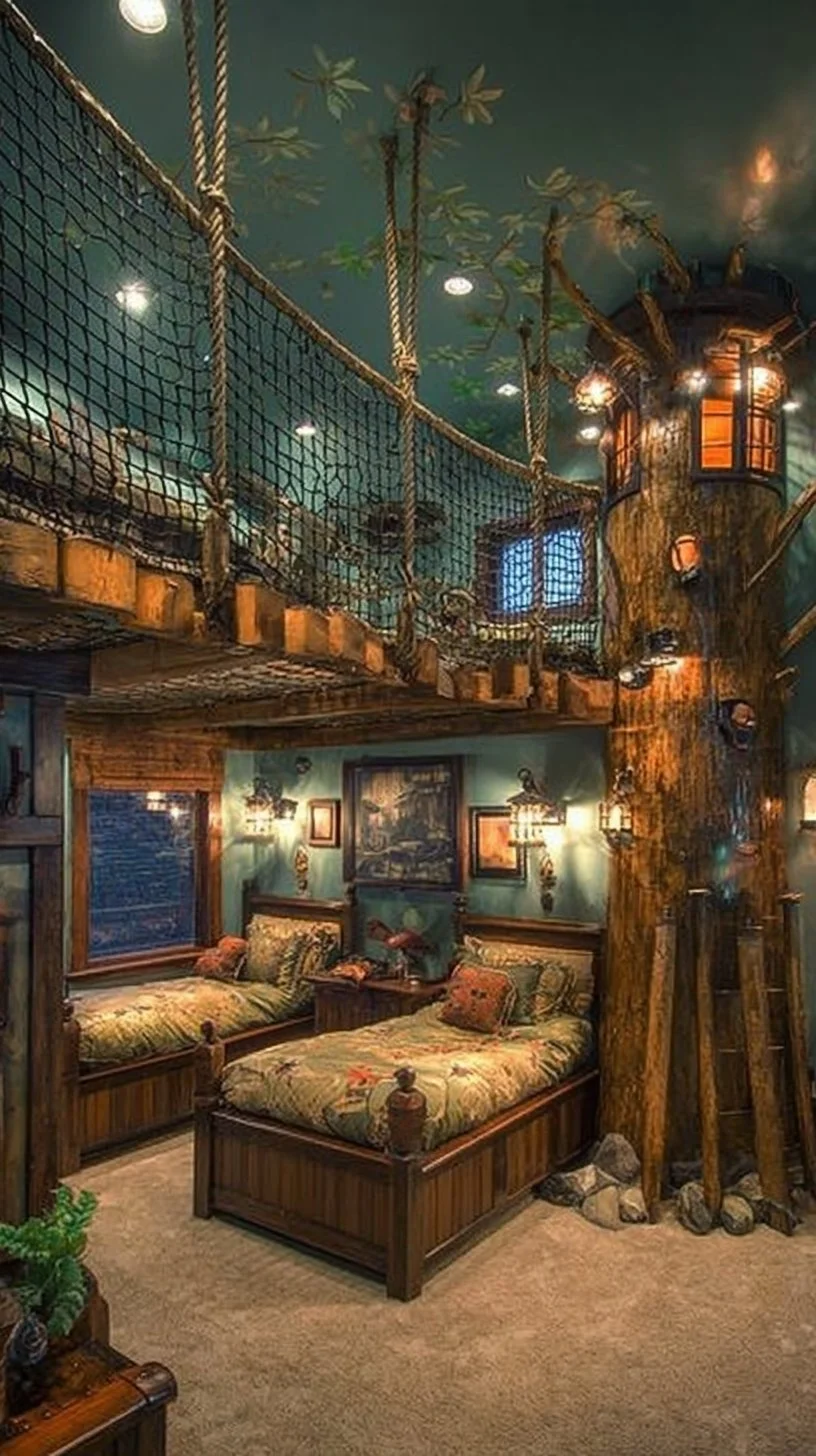
When I look at this spectacular room, featuring a suspension bridge and a massive indoor tree, I am reminded that childhood is fleeting. It deserves a backdrop that is as big as their imagination. This space is not just a bedroom; it is the set of their very own action movie. Ready to dive into some daring Kids Decor trends that will bring this wild, outdoor spirit inside? Let’s explore together!

1. The Charm of Minimalist Design

You might see a giant tree and think this is the opposite of minimalism, but let’s look closer. The design actually relies on a very clean, functional layout to make the “chaos” of the jungle work. It is about keeping the floor space open while utilizing the vertical space for play. By moving the play area to the ceiling with that incredible bridge, the sleeping area below remains uncluttered and peaceful.

Tips to achieve this look:

  • Vertical Play Zones: Utilizing the ceiling for a rope bridge or a loft frees up the carpet for essential movement. It separates high energy play from rest zones.
  • Cohesive Palette: The room sticks to a strict color scheme of deep teals, browns, and greens. This prevents the complex structures from looking messy or overwhelming.
  • Built-in Features: The ladder and the tree trunk are part of the architecture. This reduces the need for extra furniture that would just take up space.

In our home, we try to keep the clutter at bay by giving every toy a home. In a room like this, the structure itself is the toy, which is the ultimate minimalist hack for parents who hate picking up Lego blocks.

2. The Joy of Personal Touches

Nothing brings a room to life quite like a theme that screams adventure. In this explorer’s paradise, the Kids Decor is all about fueling the narrative. The lookout tower inside the tree trunk is a specific detail that invites storytelling. It transforms a standard bunk bed situation into a scene from Swiss Family Robinson.

Ideas to infuse your personality:

  • Interactive Elements: That rope bridge is the star of the show. It encourages physical activity and adds a sense of danger and excitement that kids absolutely crave.
  • Themed Bedding: notice the map or nature prints on the comforters. Choosing bedding that matches the theme is an easy way to tie the look together without construction work.
  • Secret Hideouts: The illuminated window in the tree trunk suggests a hidden fort. Every child wants a secret spot that feels entirely their own.

In our home, my 12-year-old loves having a space that feels private. Creating a nook, whether it is a tree hollow or just a tent in the corner, gives them that sense of ownership and independence.

3. Blending Old and New

There is something special about the marriage of rustic, old-world aesthetics with modern safety and comfort. This room looks like it has been standing in a forest for a hundred years, yet it is clearly a safe, modern interior. It blends the rough texture of the wood with the softness of carpet and plush mattresses.

How to successfully merge styles:

  • Rustic Textures: The rough-hewn wood of the bridge and the tree bark texture add a tactile, historical feel. It makes the room feel permanent and grounded.
  • Antique Lighting: The lantern-style wall sconces look like they belong on a pirate ship, but they likely use safe, cool-touch LED bulbs.
  • Classic Furniture: The sturdy wooden bed frames have a traditional craftsman vibe. They ground the room in history, balancing the wildness of the ceiling elements.

Our family loves this blend because it feels timeless. It is not a plastic fantastic toy room; it is a space with character that respects the architecture of the home while still being fun.

4. The Lure of Natural Elements

Nature has an innate ability to ground us, and this room takes biophilic design to the extreme. It is the ultimate expression of bringing the outdoors in. The Kids Decor here focuses on raw materials like rope, wood, and stone to create a sensory experience.

Ways to incorporate nature indoors:

  • Realistic Faux Flora: The leaves painted on the ceiling and the faux branches create a canopy effect. It triggers a primal sense of being sheltered by nature.
  • Raw Materials: The heavy rope netting and the wooden planks of the bridge introduce rough, organic textures that are great for sensory development.
  • Stone Accents: Notice the river rocks at the base of the tree. These small details ground the fantasy in reality and add another layer of texture.

In my quest to connect our home with nature, I always try to include natural wood tones. It brings a warmth that painted MDF just cannot match, making the room feel like a cozy cabin in the woods.

5. The Power of Ambiance

Creating an inviting atmosphere can elevate your home from merely functional to genuinely magical. Lighting is the secret weapon in this room. The moody, dim lighting mimics the feeling of twilight in a dense forest, which is perfect for winding down after a day of adventures.

Tips for enhancing ambiance:

  • Warm Color Temperature: The lights inside the tree and the wall sconces cast a warm, yellow glow. This is essential for creating that “campfire” vibe.
  • Shadow Play: The netting and branches cast interesting shadows on the walls. It adds depth and mystery to the room that flat lighting would wash out.
  • Task Lighting: While the mood is dark, individual reading lights near the beds ensure the space is still functional for our nightly reading ritual.

Many evenings, our family gathers for story time, and lighting like this sets the perfect stage. It helps the kids transition from high-energy play on the bridge to deep, restorative sleep in their beds.

Conclusion

Transforming your home into a wild sanctuary does not have to be impossible. By incorporating these adventurous Kids Decor trends, you can curate a space that challenges and delights your children. Your home is a canvas, and with a little imagination and perhaps some rope, it can become the greatest playground they will ever know. So, why not give these ideas a try? Gather your loved ones, enjoy the process, and let your home tell its unique story!