









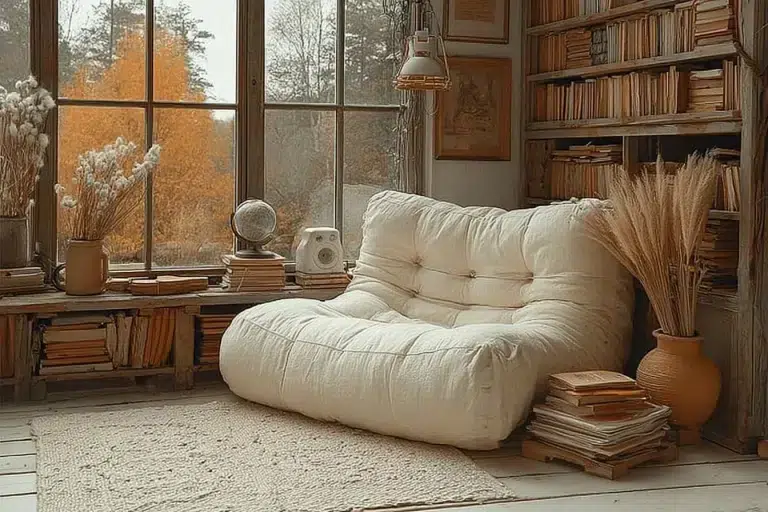

Modern Farmhouse Paint Palette: Timeless Neutrals with a Fresh Twist
The modern farmhouse palette blends warm heritage with clean contemporary lines, favoring soft neutrals, muted pastels, and a few bold accents to ground the space. If you’re gathering ideas or dreaming about a remodel, explore some inspiring examples of modern farmhouse projects to see how color sets the tone in different rooms: modern farmhouse inspirations.
Foundations: Whites, Beiges, and Soft Greys
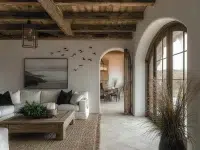
Start with a neutral foundation—warm whites and gentle greiges form the backbone of the look. These hues create a bright, airy backdrop that highlights architectural details like shiplap, exposed beams, and black metal accents. To introduce depth without overwhelming the simplicity, try pairing an off-white wall with a slightly darker trim or cabinetry shade.
For coastal or sun-drenched farmhouse spaces, cooler neutrals with a touch of blue-green can keep rooms feeling fresh and calm; designers often reference seaside palettes when softening grey-beige combinations, as illustrated by the soothing tones in the Coastal Calm Sea Salt palette.
Accent Colors: Muted Greens, Deep Blues, and Warm Blacks
Accents make the farmhouse look modern. Muted sage greens and soft teal bring a hint of nature indoors, while deep navy or charcoal create contrast for kitchen islands, front doors, or an accent wall. Warm black—think blackened bronze rather than stark jet black—adds definition on hardware, window frames, and light fixtures without reading too harshly.
When choosing an accent color, test it on the largest element you intend to paint (an island or an entire wall) rather than a small swatch. Small samples may read differently once they cover more surface area and interact with natural light.
Finishes, Textures, and Complementary Materials
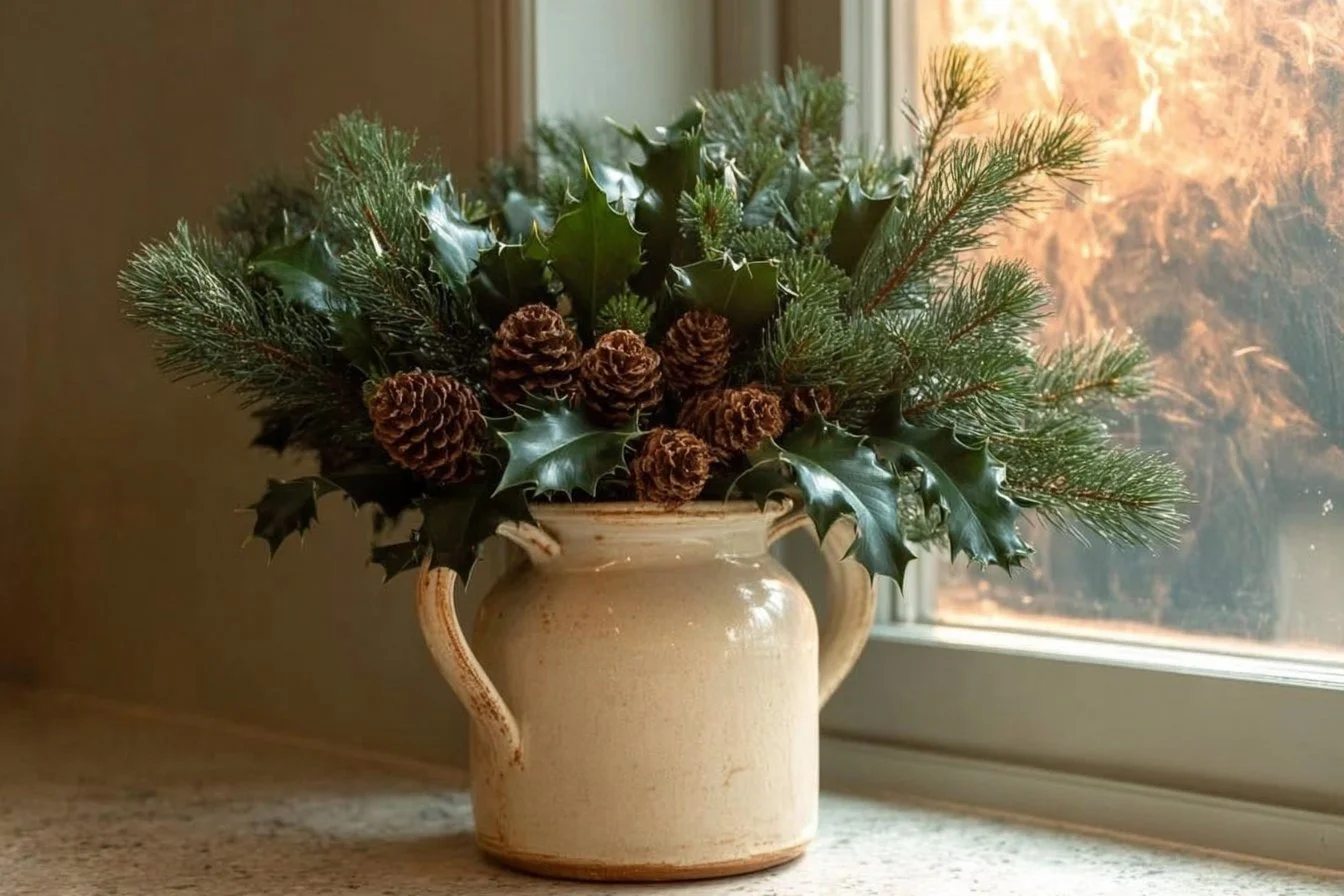
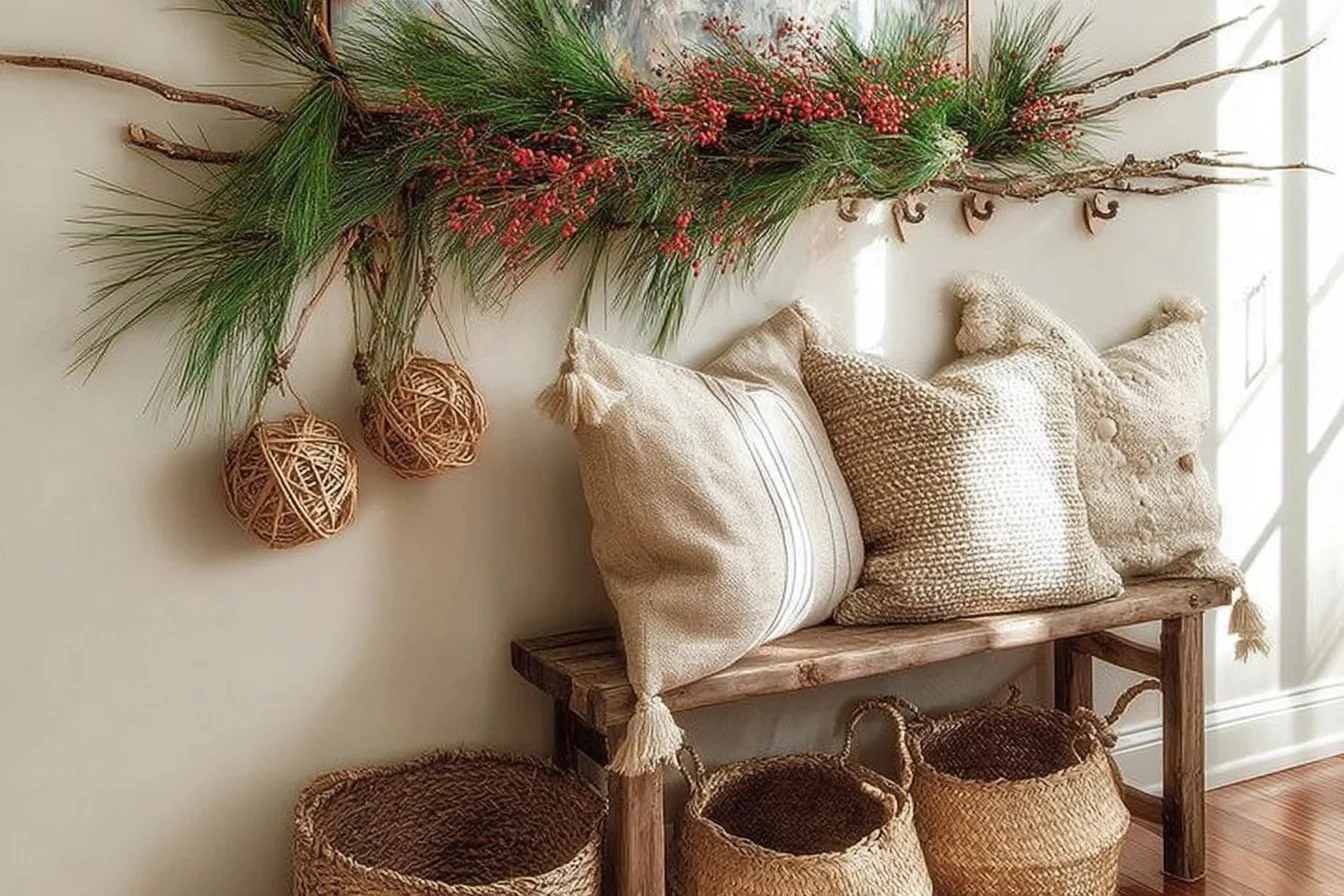
Paint sheen and complementary materials are as important as the color itself. Matte or eggshell finishes hide imperfections and suit walls and ceilings, while satin or semi-gloss fares better on trim, doors, and cabinetry where durability is needed. Layer texture with reclaimed wood, woven textiles, and hand-finished ceramics to keep the palette grounded and tactile—handcrafted elements often amplify the authentic farmhouse vibe, much like seasonal ornaments and rustic DIY accents that personalize the home: hand-painted wood slice DIY ideas.
Practical Tips for Choosing and Using Color
- Sample multiple tones in different lighting conditions—morning, midday, and evening—to understand how undertones shift.
- Use the 60-30-10 rule: 60% dominant neutral, 30% secondary color (cabinets, upholstery), 10% accent (hardware, art).
- Coordinate finishes: pair warmer neutrals with warm metals (brass, bronze) and cooler greys with nickel or matte black.
- Keep continuity between rooms by repeating one neutral and one accent across adjoining spaces.
Styling with Paint: Room-by-Room Ideas
- Kitchen: A soft cream or warm grey on walls, deep navy island, and crisp white cabinets make a balanced statement.
- Living room: A green-grey accent wall behind shelving or a fireplace brings coziness without overpowering.
- Bedroom: Pale, warm whites with layered linens and natural wood tones create a restful retreat.
- Exterior: Light siding with darker trim and a bold door color (forest green, navy, or warm black) boosts curb appeal.
Conclusion
For a curated set of modern farmhouse color suggestions and combinations from a leading paint brand, see the official palette guide: Modern Farmhouse Paint Color Palette | Benjamin Moore