
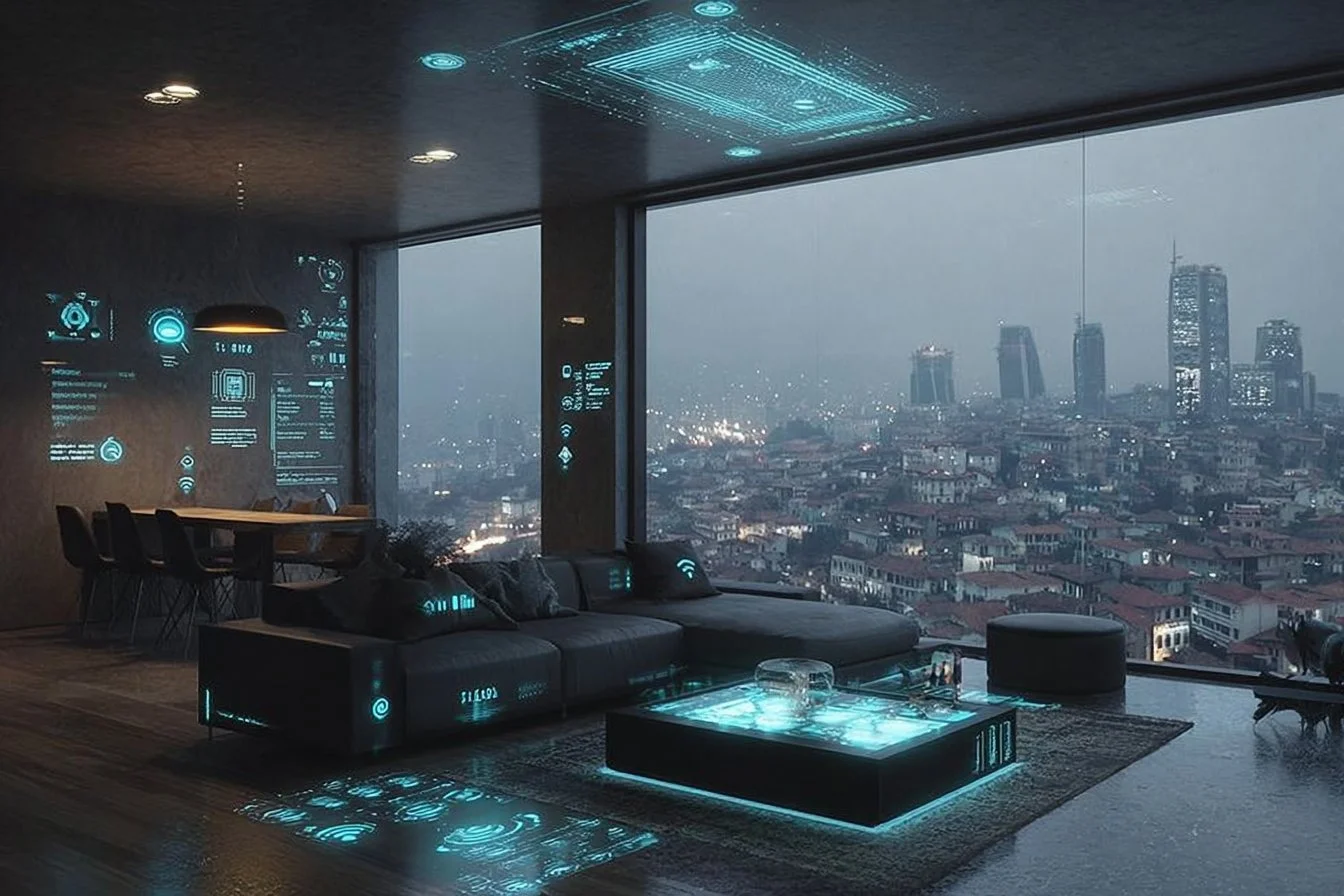
Futuristic Smart Home Living
Introduction
As technology moves from novelty to daily necessity, the idea of a “smart home” has transformed into a vision of entirely adaptive living environments that learn, anticipate, and respond to our needs. Tomorrow’s homes will blend artificial intelligence, distributed sensors, and human-centered design to create spaces that are more comfortable, efficient, and resilient than ever before. For homeowners who want personality as well as automation, blending high tech with warm design cues can make futuristic spaces feel inviting and livable—think of pairing voice-driven systems with thoughtfully curated furnishings like those suggested in cozy living ideas and personal touches.
Core technologies shaping the future
- Ambient intelligence and edge AI: Devices will process more data locally to enable faster responses and preserve privacy. Smart lighting, heating, and appliances will adapt in real time based on behavior patterns without always needing a cloud round-trip.
- Sensor fusion and context awareness: Cameras, motion detectors, acoustics, and environmental sensors will work together to understand occupancy, activity, and mood—powering features like context-aware climate control and safety alerts.
- Ubiquitous connectivity: Ultra-low latency networks (5G/6G and mesh Wi‑Fi) will let devices synchronize effortlessly, enabling seamless experiences across rooms and remote locations.
- Robotics and wearable integration: Helper robots for chores, robotic furniture that reconfigures living space, and wearables that feed personalized health data into the home system will create an integrated living ecosystem.
Comfort, personalization, and wellbeing
Futuristic homes will prioritize occupant wellbeing rather than only convenience. AI-driven systems will personalize lighting spectrums to support circadian rhythms, optimize indoor air quality based on individual sensitivities, and curate ambient soundscapes for relaxation or focus. Design-forward solutions will ensure these systems complement a home’s aesthetic; pairing intelligent systems with tactile, comfortable decor keeps spaces feeling human. For tips on merging comfort with smart features, consider references like cozy living spaces and warm design tips when planning layouts and finishes.
Energy, sustainability, and resilience
Smart homes of the future will be active participants in energy ecosystems:
- Distributed energy resources (solar, batteries, EVs) will be orchestrated to maximize self-consumption and reduce grid strain.
- Predictive energy management will schedule appliance use when renewables are plentiful and tariffs are low.
- Materials and construction techniques—smart glazing, phase-change materials, and adaptive insulation—will work in tandem with digital systems to lower demand.
These practices won’t just cut bills; they’ll make homes more resilient in outages and reduce carbon footprints over their lifetimes. Integrating efficient smart devices with thoughtful decor choices can maintain aesthetics while improving performance—combining practical tips from sources such as cozy and stylish home decor tips with high-tech solutions.
Security, privacy, and control
With great connectivity comes greater responsibility. Homes will need:
- Transparent data practices and local-first privacy modes so sensitive data (video, biometric signals) stays on-premises unless the owner opts in.
- Secure device management with automatic patching, hardware-backed identity, and zero-trust networking to prevent lateral attacks.
- User-friendly consent tools that let families choose what is shared, with whom, and for how long.
Designers and integrators should prioritize explainable AI so occupants understand why a system acted the way it did and can easily override automation when desired.
Living spaces reimagined
Futuristic living isn’t only about gadgets; it’s about rethinking space usage. Rooms that reconfigure on-demand—sliding walls, transformable furniture, and responsive lighting—will allow smaller homes to function flexibly. Projection and AR will turn a spare corner into a home office, classroom, or immersive entertainment space. Acoustic zoning will separate activities without physical barriers, preserving both openness and privacy.
Adoption: how to bring the future home today
- Start small and scale: Introduce core systems (climate, lighting, security) with open standards to avoid vendor lock-in.
- Prioritize human-centered features: Automations should solve real pain points (like managing allergies or energy bills), not just showcase tech.
- Design for longevity: Choose modular hardware and software update paths so the home can evolve over time.
- Work with integrators who balance tech performance with interior design sensibilities to keep spaces both functional and beautiful.
Ethics and social impact
As homes grow smarter, accessibility and equity must be central. Affordable smart features that improve safety and comfort (automated fall detection, voice-first controls) can support aging-in-place and help people with disabilities. Policy and community standards should guide data governance to ensure benefits of these advances are broadly shared.
Conclusion
Futuristic smart home living will be an intersection of advanced technology and thoughtful human-centered design—creating spaces that are adaptive, sustainable, secure, and emotionally resonant. For a practical look at how luxury homes are implementing integrated smart platforms and what that means for modern living, see Smart Home Technology: The Future of Luxury Living | Stonewood.