Categories
DIY

Cozy Room Refreshes Every Mom Will Love

I still remember the day my neighbor dropped off a plate of fresh cookies because my son left his soccer cleats in her yard again. Between school carpools, piano practice, and helping my daughter hunt down a missing science project, our house feels alive and a little lived-in. As a forty-something mom with two kids aged eight and eleven, I appreciate small changes that make our daily rhythms smoother and our home feel like a calm hug at the end of the day. Those tiny upgrades—an extra lamp by the homework table or a basket that hides the LEGO pile—have become my quiet victories. They also reminded me that thoughtful room touches can change how a family uses a space, not just how it looks. Here are approachable ideas that blend style and real family life.

Warm Layered Lighting for Everyday Comfort

Layered lighting transforms a room from harsh and clinical to warm and inviting. Start with an overhead fixture that provides general light, then add table lamps and a floor lamp to create pools of cozy brightness where the family actually gathers. I put a soft-glow lamp near the reading chair my daughter claims as hers after school, and it instantly became her homework nook. Dimmable bulbs let you shift from bright craft time to a gentler evening mood without major rewiring. Use warm white bulbs for a comforting color temperature that flatters skin tones and pastel walls. Visually, layered lighting adds depth and highlights favorite corners. Emotionally, it signals a pause button after a busy day. Realistically, swap one hard-to-reach bulb for an easy dimmer or add a plug-in lamp where you need it most; it’s a small change with big family payoff.

Family-Friendly Gallery Wall with Purpose

A gallery wall mixes art, photos, and meaningful objects to tell your family’s story while anchoring a room visually. Choose a consistent frame color or a repeating mat to keep the arrangement cohesive even when adding new pieces each year. We started our wall with the kids’ school portraits and a framed map of our hometown; now it’s a rotating timeline that sparks conversations at dinner. Use lightweight frames and picture-hanging strips for easy swaps without damaging drywall. Emotionally, a curated cluster of images makes everyday spaces feel intentional and loved. Practically, place the gallery at eye level near a hallway or stair landing where family members pass by; it becomes a warm reminder of shared memories rather than a static display. This approach blends decorating inspiration with real-life storytelling.

Smart Storage That Doubles as Style

Storage solutions that look as good as they function are lifesavers in family homes. Think woven baskets, upholstered storage benches, or chic shelving that corral toys, blankets, and school supplies. I added a low bench with hidden storage to the mudroom and instantly freed the entryway of backpacks and shoes strewn by two energetic kids. Visually, textured baskets and closed bins keep chaos out of sight while adding warmth. Emotionally, neat storage reduces morning stress and helps kids learn organization. To apply this at home, audit one zone—like the play corner or media center—and swap an open pile for a labeled basket or dual-purpose ottoman. Choosing pieces in neutral tones keeps the room calm and lets colorful toys or seasonal decor be the accent rather than the main event.

Soft Textiles for Cozy, Kid-Proof Living

Textiles instantly soften a room, making it feel snug without compromising durability. Layer a low-pile rug under the dining table to define the space and survive crumb-filled nights. Add washable throw pillows and a machine-washable slipcover on the sofa for easy cleanups after craft sessions with glitter. I favor rugs with kid-friendly patterns that hide spills and show less wear, so the living room feels styled even on busy weekends. Textiles add color, texture, and tactile comfort that welcome little feet and movie-night snuggles. To apply this idea, pick fabrics labeled for high-traffic use and choose a few accent textiles to rotate through the year—it’s an easy way to refresh the mood without a big budget or a full remodel.

Kid-Centered Zones That Grow with Them

Design spaces that adapt as children change, from reading corners to creative stations. A modular desk in my daughter’s room shifted from homework hub to crafting table and then to a small laptop workstation as she got older. Use adjustable shelving, rolling carts, and multi-height seating to accommodate different ages and activities. Visually, clearly defined zones keep a room from feeling chaotic; emotionally, they give kids a sense of ownership and responsibility. For realistic application, start small: designate a low shelf for homework supplies, place a comfy rug for reading, and add a corkboard for rotating art. These flexible elements support family routines, like morning prep and afterschool projects, and save you from constant furniture swaps.

Bring Nature Inside with Low-Maintenance Greenery

Plants add instant life and improve air quality without feeling like fuss. Choose resilient houseplants like snake plants, pothos, or ZZ plants that tolerate forgetful watering and busy family schedules. I keep a small succulent cluster on the kitchen windowsill and a taller plant in the corner of the family room; both create a calmer atmosphere and a visually dynamic focal point. Greenery pairs well with natural textures—wood, rattan, and linen—to create a lived-in, inviting space. Emotionally, plants lower stress and signal care; kids notice them and often take pride in watering duties. Apply this by starting with one easy plant and a decorative pot that matches your decor palette, then gradually add more as the family develops routine care habits.

Conclusion

I hope these ideas inspire small, manageable changes that make your home more comfortable and stylish for family life. If you want more project-level inspiration, check out cute craft room ideas for a craft space makeover that show how functional decor can double as creativity stations. For playful prints and whimsical nursery or kid-friendly art inspiration, see this floral elephant print inspiration that can influence colors and patterns for a child’s corner. Save a few ideas, try one change this weekend, and come back when you’re ready to refresh another room—small updates add up to a home that feels more peaceful and purposeful for your family.

Categories
DIY

Petal Tea Lights: Simple DIY Floral Candle Ideas

I still remember juggling carpools and piano practice while trying to keep our cozy kitchen from looking like a never-ending craft zone. With two kids between eight and twelve, weekends somehow blend soccer cleats, homework piles, and the smell of Sunday pancakes. Our neighbor Mrs. Rivera used to drop by with a bouquet from her garden, and those little blooms brightened more than the table — they brought everyone to the kitchen, talking and laughing. That small, warm feeling is why I love tiny decorative projects that fit into the chaos: quick, beautiful, and family-friendly. Making floral tea lights became our go-to for quiet evenings, simple hostess gifts, and a soft glow at family dinners. These ideas are about bringing a little floral comfort to your home, using everyday supplies and a few crafty moments between errands and school runs.

Pressed Flower Votive Wraps

Wrapping a glass votive with pressed blooms transforms a simple candle into a keepsake. Visually, the translucence of the glass lets color and texture peek through, creating a soft, romantic glow that instantly warms a room. Emotionally, pressed flowers carry memories — a birthday bouquet, kids’ nature finds, or a sidewalk daisy a neighbor handed over — and placing them around a candle makes those moments part of your everyday decor. To make them, press flowers ahead of time between heavy books, then use Mod Podge or clear-drying glue to carefully adhere petals to the outside of a clean jar. Seal with another thin coat to protect petals. This project is easy to do with kids aged eight to twelve helping to choose petals; their small hands make arranging petals extra sweet. These votives work on a mantle, dining table, or porch where soft lighting and sentimental detail meet — great for dinner when everyone’s home.

Floating Petal Candle Jars

Floating tea lights in shallow jars with loose flower petals create a delicate centerpiece that feels both spa-like and homey. The reflective water amplifies candlelight, while petals drifting beneath the flame add motion and life. This visual dynamic is calming after a long day of carpools or virtual meetings. To create this look, fill a shallow glass bowl with water, scatter clean petals, and place a floating tea light gently on top. Choose sturdy petals like rose or geranium, and trim stems away so petals float freely. It’s a simple setup for a cozy night in or a casual gathering with friends and their kids; we set one on our coffee table every Friday for family game night. For safety, keep jars on stable surfaces and away from little hands. The effect is effortless decorating inspiration that makes ordinary evenings feel special.

Embedded Dried Flowers in Homemade Tealights

Pouring wax with embedded dried blooms gives you tea lights that look handmade and fragrant. Visually it’s charming — tiny flower faces captured in a pool of golden wax — and it taps into that proud craft-mom feeling when guests admire something you made. Start by melting soy or beeswax in a double boiler, stir in a few drops of essential oil if you like, and pour a small layer into steel tealight cups. Add carefully dried tiny flower heads or petals, then top off with more wax. Use silicone molds for uniform shapes. It takes a bit more time and supervision with younger helpers, but my older child loved picking which flowers to preserve from our backyard. These candles are great for bathroom vignettes or bridal-shower favors, combining scent, color, and the warmth of handmade decor that tells a little family story.

Flower-Adorned Candle Holders

Adorning plain candle holders with faux or dried flowers elevates a room without having to mix wax. The juxtaposition of hard metal or glass with soft petals creates pleasing contrast and fits many interior styles. It’s a practical solution when you want floral accents but prefer battery-operated candles for safety. Use hot glue to attach small sprigs or pressed blooms to the base or handle of a holder, or wrap stems with twine for a rustic vibe. This approach is quick, kid-friendly, and flexible — my daughter and I refreshed a pair of holders to match new throw pillows, and suddenly the living room felt more finished. Place these holders on end tables, kitchen islands, or a bookshelf to subtly tie a room together. They offer decorating inspiration that’s easy to swap out seasonally or whenever the family’s color mood changes.

Kid-Friendly Faux Petal Tealights

When little hands want to help, faux petal tealights are a safe, bright option. Using battery-operated tea lights glued into shallow cups with craft petals around the rim gives kids a chance to create without fire hazards. Visually, the warm LED glow and colorful petals mimic real candles, and emotionally, it’s a proud moment for kids to display something they made at a neighborhood gathering or during a rainy afternoon. Set up a small craft station where children eight to twelve can pick colors, glue petals, and practice patience — my son loves arranging color gradients that match his room. These faux tealights are perfect for kids’ bedrooms, playdates, or as charming table accents for family movie nights. They make decorating approachable and keep memories in little handmade pieces around the house.

Clustered Centerpiece Arrangements

Grouping several floral tea lights in varying heights creates a cohesive table centerpiece that feels curated rather than fussy. The layered light draws the eye and anchors a dining space or console table. Emotionally, clustered candles evoke intimacy and hospitality, the kind that invites neighbors to linger after dropping off a school lunch swap. To assemble, place several votives, floating jars, and a couple of embedded tealights on a tray or mirrored plate, nestling fresh or dried sprigs between them. Alternate textures and heights to keep it dynamic, and consider placing this centerpiece where family homework and snack time happen to add warmth. This setup works well for casual brunches or quiet weeknights when you want the dining area to feel like a special place without a lot of fuss. It’s a simple but effective interior styling tip you can adapt anytime.

Conclusion

If you want a step-by-step look at crafting floral tea lights, this detailed step-by-step tutorial for flower tealights is a lovely reference to follow. For ready-to-use supplies, a pressed flower candle making kit can speed up the process and is perfect for family craft afternoons. Save a few of these ideas to try on a free weekend, use them as a gentle interior styling tip, and enjoy how small handmade touches can turn everyday rooms into warm, welcoming spaces.

Categories
DIY

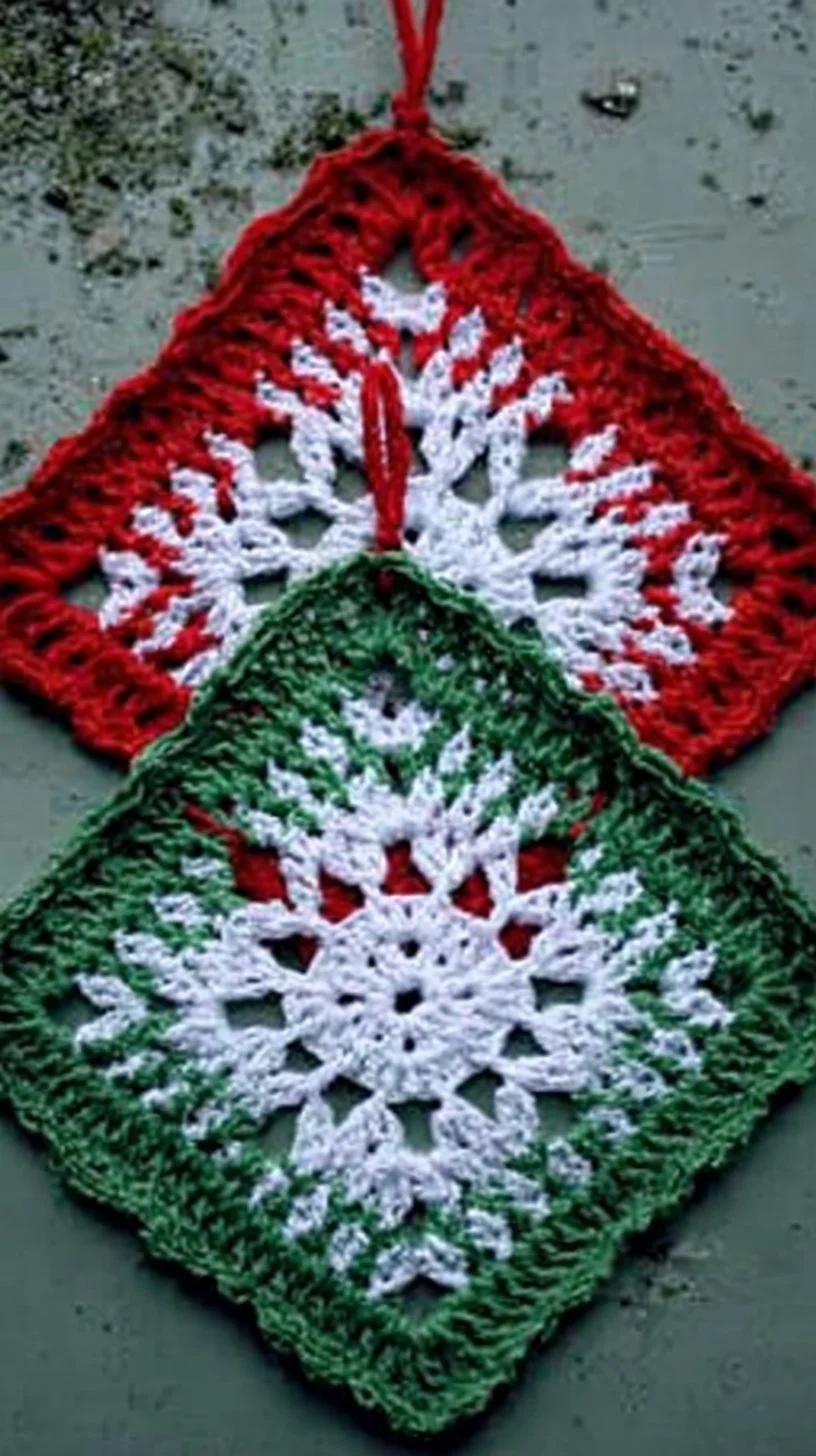
Winter Potholders Free Crochet Patterns

Winter Potholders Free Crochet Patterns: Cozy Crochet for Kitchen Style

I still remember the hum of my mother’s kitchen, the smell of cinnamon and lemon, and how she would set out a stack of potholders on the counter like little flags of welcome. I’m a forty-something American mom with a boy who is ten and a daughter who is eight, and those same rituals live in my home now. On Saturday mornings my husband helps the kids with pancake batter while I braid yarn into potholders, thinking of my childhood and the neighbors who’d drop by for a cup of coffee. I love sharing handmade pieces with family and friends, and crocheting these practical, decorative potholders has become our small tradition of comfort and creativity. They keep my kitchen warm in feeling, even when we’re simply styling our countertops for everyday life.

1. Choose colors and textures that match your décor

Picking the right color palette is the quickest way to make crochet potholders feel like part of your interior styling. Look at the dominant tones in your kitchen—warm wood, cool stainless steel, or soft pastels—and choose 2 to 3 coordinating yarn colors. For a modern look, limit contrasts and go tonal; for farmhouse charm, mix cream, navy, and muted reds. Texture matters too: bulky cotton yarn creates rustic structure while tightly spun cotton offers a cleaner, contemporary finish. Tip: lay out swatches on a cutting board or by the sink to see how they read with your dishes. Try tapestry crochet colorwork for geometric motifs if you want statement pieces that double as wall art.

2. Make potholders that work as functional décor

Potholders are practical, but with a little styling they become decorative accents. Add an integrated hanging loop so they can hang on a peg rail or decorative hook above your stove. Create sets in graduated sizes—small for mugs, medium for pans, large for casserole dishes—and display them on a wooden ladder or brass hook cluster to create a curated vignette. Practical tip: always crochet two layers and consider sandwiching a heat-resistant fabric between them to retain function while preserving the aesthetic. When guests come by, a small stack of coordinated potholders on a vintage tray instantly elevates the counter.

3. Mix patterns and motifs for layered visuals

Layering patterns—stripes, checks, and florals—adds interest without clutter. Start with a neutral base potholder and introduce a patterned accent piece to complement it. For instance, a plain oatmeal potholder pairs beautifully with a navy and cream tapestry potholder featuring simple diamonds. If you are new to colorwork, practice with small 8 to 10 round motifs before committing to a full potholder. Personal anecdote: my daughter loves to pick motif combinations from a pattern book, and her pairings often become our most requested kitchen gifts. Keep balance by limiting bold patterns to one or two pieces per display.

4. Select safe, durable materials and construction methods

For safety and longevity, always choose 100 percent cotton or linen yarn for potholders because they withstand heat better than acrylics. Use a tight stitch—single crochet or half double crochet—to create a dense fabric, and consider doubling the yarn or working two layers joined together. When making a hanging loop, reinforce the attachment point with a few back-and-forth stitches so it does not rip under use. If you plan to use them as oven mitts, line them with a thin layer of heat-resistant batting and a fabric facing to prevent steam burns. Washing tip: pre-wash your yarn swatch to check for shrinkage and colorfastness before crocheting a full set.

5. Display, store, and gift with style

How you present potholders matters nearly as much as how you make them. For storage, keep a shallow basket by the stove or a decorative pegboard for hanging. When gifting, wrap a matching pair with twine and a handwritten recipe card from your family table, or tuck them into a deep drawer with a sprig of dried lavender for a fragrant surprise. I once swapped a set with my sister for a jar of her home-pickled pickles, and those potholders now hang pridefully in her kitchen. Small personalization like embroidered initials or a contrasting edge stitch can make a handmade potholder feel like a keepsake.

6. Incorporate potholders into broader kitchen styling

Think of potholders as part of your kitchen textiles family. Coordinate them with towels, placemats, and oven mitts to create seasonal or year-round looks without being holiday-specific. For a cohesive interior styling approach, choose one accent color to repeat across textiles and a neutral base for larger pieces. Use potholders as part of a themed shelf display—pair them with vintage mugs, a cutting board, and a small plant to create an inviting vignette. Practical decorating tip: rotate potholders regularly to prevent wear in one spot and to freshen your kitchen’s look with minimal effort.

Conclusion

If you enjoy tapestry crochet colorwork or want free crochet patterns to begin, a great resource is A Year of Tapestry Crochet Potholders • RaffamusaDesigns. Try mixing textures, using safe materials, and presenting your potholders as part of your home décor to bring warmth and personal style to everyday spaces. Whether you make a quick set with your kids or plan a year-long project of colorwork motifs, these practical decorating tips offer inspiration for creating handcrafted pieces that look intentional and feel like home.

Categories
DIY

Boho Bunny Wreath – A Wonderful Thought

Boho Bunny Wreath – A Wonderful Thought

Introduction

I remember the afternoon my daughter and son came home from school and insisted we hang something cheerful on the door. As an American mom in my forties, I love weaving family memories into our home décor, whether it is a pillow stitched by my mother or a small craft my son made in art class. My husband laughed as the kids arranged a little gallery by the entry, and my neighbors stopped by to admire it. Those warm, everyday moments are the kind of inspiration that make interior styling feel personal and alive. In this article I will share approachable decorating tips and creative ideas that help you bring the same cozy, lived-in charm into your home, with easy projects and styling cues that work for real families.

Embrace soft textures for a cozy boho look

One of the easiest ways to introduce boho charm is through texture. Layer woven ribbons, faux fur, macrame cords, and cotton tassels onto a wreath base to create depth. For a kid-friendly touch, use lightweight materials so the wreath hangs securely without risking damage if a child reaches up. Practical tip: start with a grapevine or foam base, then hot-glue or tie on textures in small sections so you can adjust balance as you go. Example: I used a strip of vintage linen from my mother’s sewing box and looped it around the base; my daughter then added felt flowers she made, which gave the wreath a handmade, family-friendly feel. These small, tactile details make the wreath inviting and encourage touch and conversation when guests arrive.

Play with neutral layers and gentle pops of color

Boho decorating often relies on neutral palettes with intentional color accents. For a wreath that blends into most interiors, begin with warm neutrals like cream, tan, and muted sage. Then add a single pop of color, such as a soft terracotta ribbon or a dusty rose bunny ear, so the piece feels curated rather than cluttered. Decorating tip: choose two neutrals and one accent color before you start. This guideline makes it simpler to shop and assemble, and keeps the design cohesive. I once helped a neighbor pick out accent hues that matched her living room throw pillows, and the wreath became a natural extension of her existing décor. This approach works well across entryways, above mantels, or as a subtle focal point on a gallery wall.

Mix natural materials for an authentic, earthy vibe

Incorporating natural elements makes a boho wreath feel grounded and versatile for everyday home décor. Think dried grasses, eucalyptus sprigs, willow branches, and wooden beads. These components add organic shapes and soft scents that enhance the sensory experience of your interior styling. Implementation tip: dry your own small sprigs from the garden or buy pre-dried bundles; they glue easily and last months with minimal shedding. Anecdote: my father used to leave bundles of dried lavender on our kitchen windowsill, and that scent now reminds me of family gatherings. When assembling, tuck natural bits into crevices and secure with floral wire so they sit flush against the base. The result is an artisanal wreath that reads as both modern and timeless.

Create a welcoming entryway with layered styling

A wreath is a great starting point for a welcoming entryway, but layering will elevate the entire space. Pair your boho bunny wreath with a textured runner, a small bench, and a basket of cozy throw blankets for guests to use when they come inside. Styling tip: keep scale in mind. If your wreath is large and fluffy, balance it with a simple doormat and minimalist bench. If it is delicate, add small sculptural pieces or a potted plant for visual interest. I often let my kids place one small seasonal or handmade object on the bench when friends arrive; their personal touches turn a styled vignette into a story. Use hooks or pegs to hang keys and jackets neatly, keeping the area both practical and pretty.

Personalize with family touches and practical decorating tips

The most meaningful décor tells a story, so personalize your wreath with small items that reflect your household. Clip a tiny photo charm, a child’s mini art card, or a charm from a family trip onto the wreath base. Practical ideas: use removable clips so you can switch items out easily for birthdays or school milestones. For safety, avoid small choking hazards if little ones are in the house. I once added a tiny wooden airplane my son painted, which became his favorite part of the entry. Cleaning tip: dust gently with a soft brush or use compressed air on low to keep fibers looking fresh. These personalizations make the wreath not just decorative but sentimental, encouraging family pride in your interior styling.

Styling the wreath for year-round appeal

Although many door wreaths feel seasonal, a boho bunny wreath can be styled for everyday use by focusing on neutral, timeless elements. Keep the base neutral and change just a few accents if you want a fresh look – swap ribbons, reposition a few sprigs, or add a new handmade tag. Decorating tip: store alternate accent pieces in a small box labelled with the wreath size so updates are fast and simple. For renters or those who like to switch things often, use command hooks for mounting and lightweight materials to avoid wall damage. I swap a ribbon after holidays and my husband comments how new it looks, even though the changes are subtle. This approach keeps your home décor feeling dynamic without overwhelming your schedule.

Conclusion

I hope these decorating tips and interior styling ideas inspire you to create a boho bunny wreath that feels both stylish and deeply personal. If you would like a walk-through or more inspiration, check out this resource: Boho Bunny Wreath – A Wonderful Thought. Try one or two small projects this weekend and enjoy how a simple wreath can bring warmth and family stories into your home.

Categories
DIY

Potholder and Hot Pad Set Tutorial

I still remember the rainy afternoon when I first taught my son and daughter how to sew a simple square with a zigzag stitch. We laid out scraps on the kitchen island while my husband brewed coffee and my mother called to ask how the grandchildren were doing. As a mom in my forties who takes pride in the warmth of our home and small traditions passed down from my parents, I love turning useful items into charming décor. With two kids between eight and twelve, projects need to be both safe and satisfying. Whether we are swapping fabric choices with the neighbors or I am showing my sister how to finish a corner, these projects become family stories. Here are practical, stylish ideas to make potholders and hot pads that elevate your kitchen decor while keeping everything cozy and functional.

Choose fabrics that speak to your décor

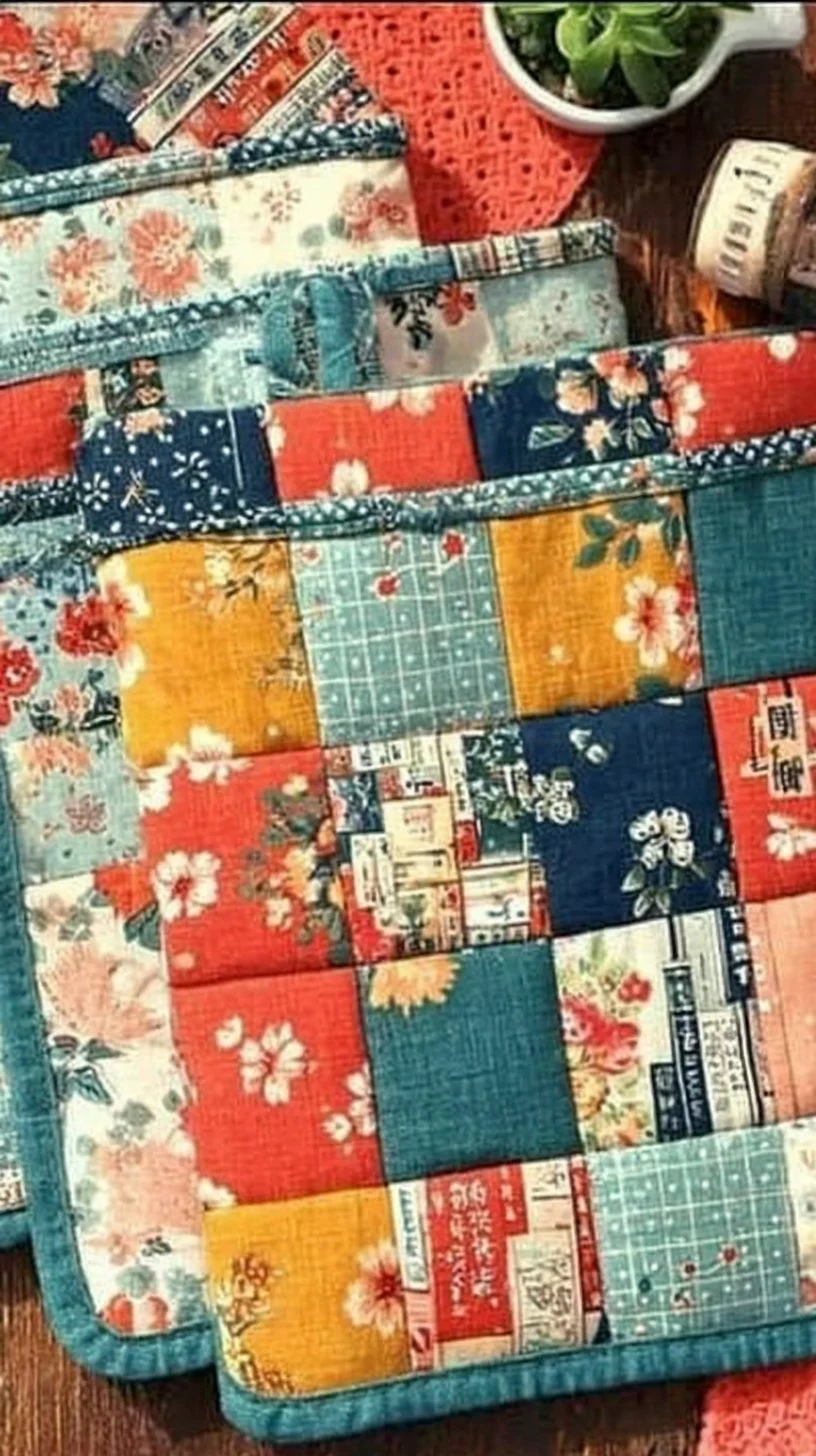
Picking the right fabric is the first interior styling decision. Think of potholders and hot pads as textile accents that should complement your overall home décor palette. If your kitchen leans toward neutral tones, select fabrics with subtle texture like linen blends or woven cottons in warm beige, gray, or soft blue. For a bolder look, go for printed cottons with graphic shapes or retro florals that echo other patterned elements in the room. Practical tip: use cotton or linen for the outer layers and add a heat-resistant batting or insulating layer inside. When I shop with my daughter, she always picks a playful print and I show her how to balance it with a solid binding. This small exercise teaches kids about color coordination and interior styling, and gives you potholders that look intentional on a hook or shelf.

Mix texture and pattern for visual interest

Layering different textures makes a simple kitchen accessory feel curated. Combine smooth cotton with nubby chambray, seersucker, or even a cotton blend with quilting texture. Patterns can play together too: pair a small-scale gingham with a larger botanical print to avoid visual competition. For practical sewing: cut one fabric for the front, another for the back, and use a sturdy binding fabric to frame the piece. Try quilting simple concentric squares or a grid to add dimension and hold the batting in place. I often let my son pick the quilting pattern and it becomes a tiny artwork for the stove area. This mix of texture and pattern ties the potholder into broader decorating themes like farmhouse chic or modern eclectic, offering a small yet effective decorating tip for cohesive kitchen decor.

Design placement and display as part of styling

Potholders and hot pads do double duty when displayed thoughtfully. Instead of hiding them in a drawer, hang them on hooks, stack them on open shelving, or arrange a trio by the kettle for instant visual warmth. Consider a color story: coordinate three matching or complementary pads on a wooden peg rail, or drape a single bright potholder over a vintage ladder styled against the wall. Practical hack: add a small loop at the corner for easy hanging and to create a consistent display line. I keep one near the stove for use and one displayed by the window; each time a neighbor drops by, they remark on the playful mix of fabrics. This is a simple way to incorporate functional decorating tips into everyday life and make usefulness part of your interior styling.

Add personalized embroidery and small embellishments

Personal touches make handmade hot pads feel like heirlooms. Embroidery, simple appliques, or monograms can transform a basic square into a treasured keepsake. Try small motifs like kitchen utensils, herbs, or a family initial stitched in contrasting thread. If you have kids, let them draw a design you can transfer and stitch together. For subtle style, use tone-on-tone stitching so the texture reads as elevated rather than busy. When I embroidered a tiny sprig for my mother’s birthday, she hung it in her kitchen and told every guest the story of our family sewing days. Practical note: use embroidery stabilizer when stitching on cushioned pieces and secure threads on the inside so they do not catch when you use the pad. These little additions make your pieces conversation starters and deepen the meaning of your home decor choices.

Coordinate sets and swap by seasonless themes

Sets create cohesion. Make two or four matching or complementary potholders and hot pads that tie in with your kitchen’s main textiles like towels and chair cushions. Think in terms of themes rather than seasons: coastal neutrals, vintage florals, modern geometrics, or rustic checks work year-round. For a polished presentation, wrap a set with twine and a kraft tag if you are gifting someone, or arrange them stacked on a countertop tray to serve as a purposeful vignette. My neighbor and I trade sets we make for each other; her bold geometric set brightens my backsplash and my neutral set softens her modern counter. Tip: label the storage drawer with fabric swatch samples so you can reproduce or add to the set later, keeping your decorating inspiration organized.

Practical finishing tips and maintenance

Good finishing makes your potholders both durable and decorative. Use reinforced topstitching around edges and a double-fold binding for strength. Insulating batting and a heat-proof layer protect hands and countertops; test your materials by holding the finished pad over a warm pot before gifting it. For care, wash cotton potholders on a gentle cycle and air dry to preserve shape and color. If a stain happens, spot treat with a mild detergent and a soft brush. Keep a small repair kit with matching threads and an extra fabric scrap for quick fixes. I once repaired a singed corner after my son accidentally held a pot too long, and the tiny patch became a charm in our storytelling. These small maintenance habits will keep your handmade items looking intentional and integrated with your home décor.

Conclusion

I hope these decorating tips and styling ideas inspire you to turn simple potholders and hot pads into meaningful home décor pieces that reflect your personality and family stories. If you want a step-by-step project to follow, check out this detailed Potholder and Hot Pad Set Tutorial on DIY Joy: Potholder and Hot Pad Set Tutorial – DIY Joy. Try a small set this weekend, involve the kids, and enjoy how a practical craft can brighten your kitchen and reinforce the warm, lived-in style of your home.

Categories
DIY

DIY Beaded Corn Fall Craft

I remember sitting at my kitchen table with a mug of chamomile, watching my eight year old son string beads while my ten year old daughter carefully selected colors. As an American mom in my forties, I love passing down small creative rituals that connect us to family stories and to the handmade things my mother taught me. My husband chips in when he can, and Grandpa stops by with old jars of beads he saved from his workshop. Those afternoons of quiet crafting with little chatter from the kids are how I learned to make simple pieces that feel like home. If you like warm, approachable decorating tips that welcome family participation, these beaded corn ideas will give you charming inspiration for interior styling, plus easy projects your kids can help with.

Materials and prep: what to gather for success

Start with basic, affordable supplies so this project fits any budget and home décor plan. You will need pipe cleaners or floral wire, an assortment of seed beads in various sizes, a sturdy base for each ear of corn such as a small styrofoam cone or rolled cardstock, and simple craft glue. For interior styling, pick bead finishes that match your palette: glossy neutrals for modern Scandinavian rooms, matte earth tones for rustic looks, or jewel tones for an eclectic vignette. Practical tip: sort beads into small dishes or muffin tins to keep little hands organized. If your children are helping, pre-thread a few sections or use larger beads to reduce frustration. This prep makes the craft doable and keeps the end result polished for display as home décor.

Beading techniques and color palettes that work with home décor

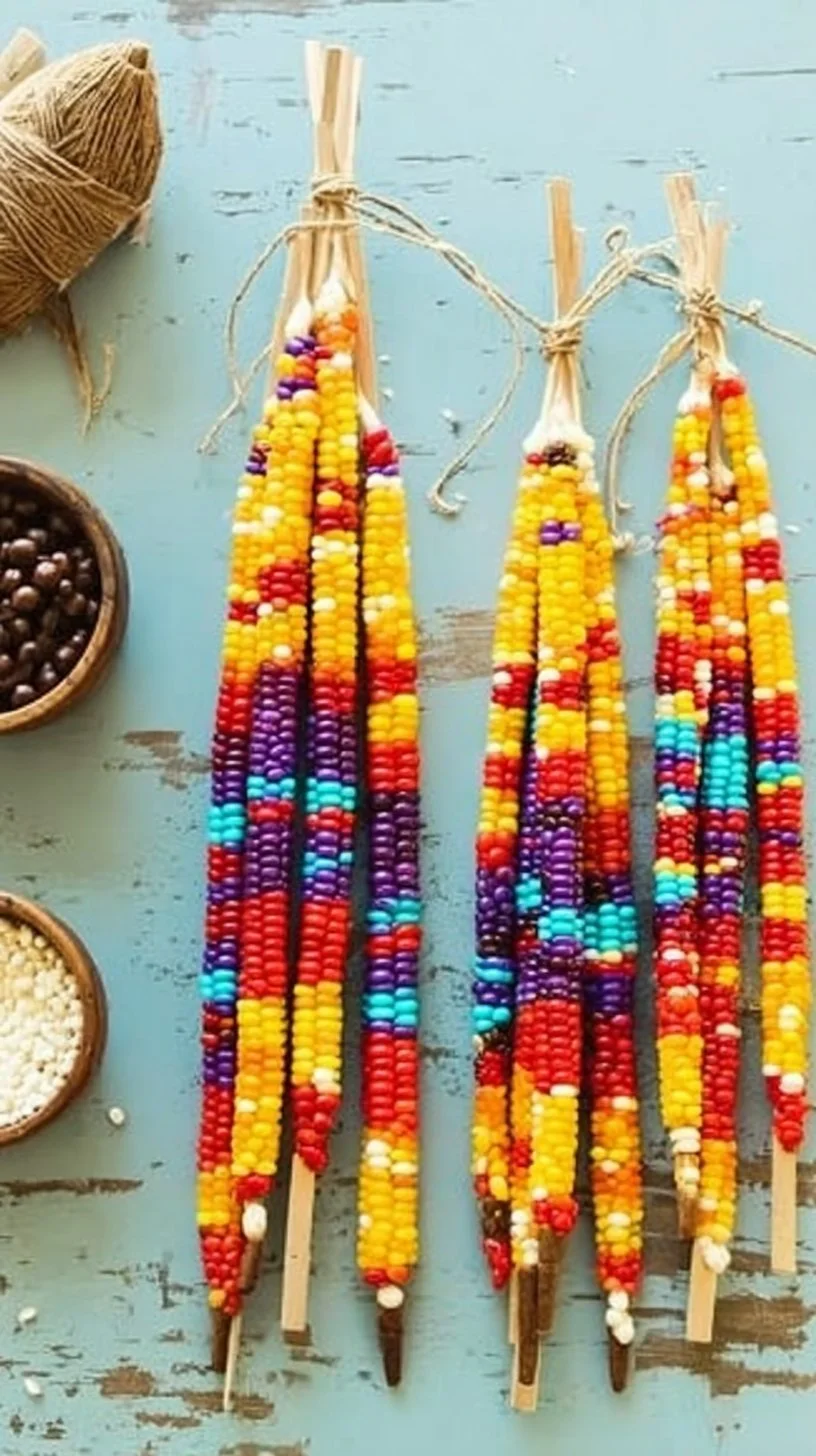
There are a few easy techniques to create textured, realistic patterns that elevate interior styling. Try stitching beads in rows around a cone or twisting beaded pipe cleaners to mimic kernels. Alternate sizes and finishes to catch light and add depth. For color palettes, imagine the room where you will display the piece: choose complementary tones to tie into pillows or artwork. A neutral living room benefits from warm amber and cream beads, while a bold gallery wall can handle turquoise and brass accents. Anecdote: my daughter mixed a metallic bead with a soft pastel and it became our favorite piece because it contrasted the sofa fabric in a delightful way. Small variations in technique create big visual interest that reads as thoughtful home décor rather than a craft project.

Styling beaded corn in living spaces and vignettes

These beaded ears are versatile accents for mantels, bookshelves, entry tables, or as part of a centerpiece. Group three different sizes at varying heights to create balance. Place them in a shallow bowl with polished stones or on a wooden tray with small candles to add texture. For an entryway, line a narrow shelf with beaded corn leaning against framed family photos for a curated look. Tip: coordinate with natural elements like fresh greenery or dried grasses to make the pieces feel integrated in the room. I once tucked a beaded ear into a decorative pitcher on a side table; neighbors complimented the subtle handmade touch during a casual visit. These styling tips make the beaded corn feel like purposeful interior styling, not just a craft left on a shelf.

Kid-friendly variations and family project tips

Turn this into a repeatable family activity that suits ages and skill levels. For younger kids, use larger pony beads and pipe cleaners so they can thread easily. Older children can try more intricate patterns or mix tiny seed beads for finer detail. Create a simple template or color key for each child to follow, or let them invent their own combination for creative freedom. Make it a weekend ritual: set out a “bead bar” with labeled jars and let the kids make one item while you work on a more complex piece. Practical safety note: supervise small beads around younger siblings and store extras in a sealed container. My son took pride in gifting a beaded ear to Grandma; it became a keepsake and a story we retell when she visits. These family-friendly approaches keep interior decorating collaborative and meaningful.

Display longevity and care to keep pieces looking fresh

Beaded items need a little care to stay beautiful. Avoid placing them in direct sunlight which can fade bead finishes. Dust gently with a soft brush or use a hairdryer on cool, low setting to blow dust away from crevices. If a bead comes loose, have a small repair kit on hand with glue and matching beads so kids can learn simple mending skills. For storage between uses, wrap each ear in tissue and keep in a shallow box to prevent crushing. Consider making a few variations in different color stories so you can rotate them through your home décor when updating pillows or wall art. A small investment in care keeps these handcrafted pieces looking intentional and integrated with your interior styling.

Conclusion

These beaded corn ideas offer approachable decorating tips and DIY inspiration that blend craft with thoughtful interior styling. If you want a step-by-step pattern to try with kids or to adapt for your own color scheme, check out this Beaded Pipe Cleaner Indian Corn tutorial for clear instructions and visuals. It is a useful resource when planning a family crafting session that results in polished home décor pieces you will enjoy displaying. Beaded Pipe Cleaner Indian Corn – One Little Project

Categories
DIY

Here’s How You Make Those Viral Plastic Cup Ornaments

Here’s How You Make Those Viral Plastic Cup Ornaments

I remember the late afternoon light in our kitchen, when my two kids were sprawled across the table, markers and glue in little piles, and I was trying to carve out a quiet creative hour between pizza practice and homework. As an American mom in my forties, raised by parents who loved weekend craft fairs, I find joy in turning ordinary things into something special. My son, who is ten, and my daughter, who is nine, love making projects that end up on display, not shoved in a drawer. My husband cheers us on, and sometimes our neighbor drops by with a cup of coffee and a compliment. Those simple, joyful sessions inspired me to try plastic cup ornaments for our home décor. They are budget-friendly, kid-approved, and surprisingly chic when styled right.

Why plastic cup ornaments are a fresh home décor trend

Plastic cup ornaments are part of a tiny revolution in accessible interior styling. People are looking for inexpensive, sustainable ways to refresh a room without buying mass-produced objects. These ornaments take disposable cups and transform them into sculptural accents that add personality to shelves, mantels, and window nooks. They fit perfectly into current home décor trends that value upcycling and handmade details. Use them as grouped vignettes, hanging mobiles, or shelf-sized sculptures. Practical tip: keep a small bin for clear and colored cups so you can mix transparencies. Example: I grouped three translucent ornaments on a bookshelf next to my favorite coffee table book; the light caught them and suddenly a plain shelf looked curated. This is the kind of decorating tip that reads expensive but costs next to nothing.

Materials and the basic technique anyone can follow

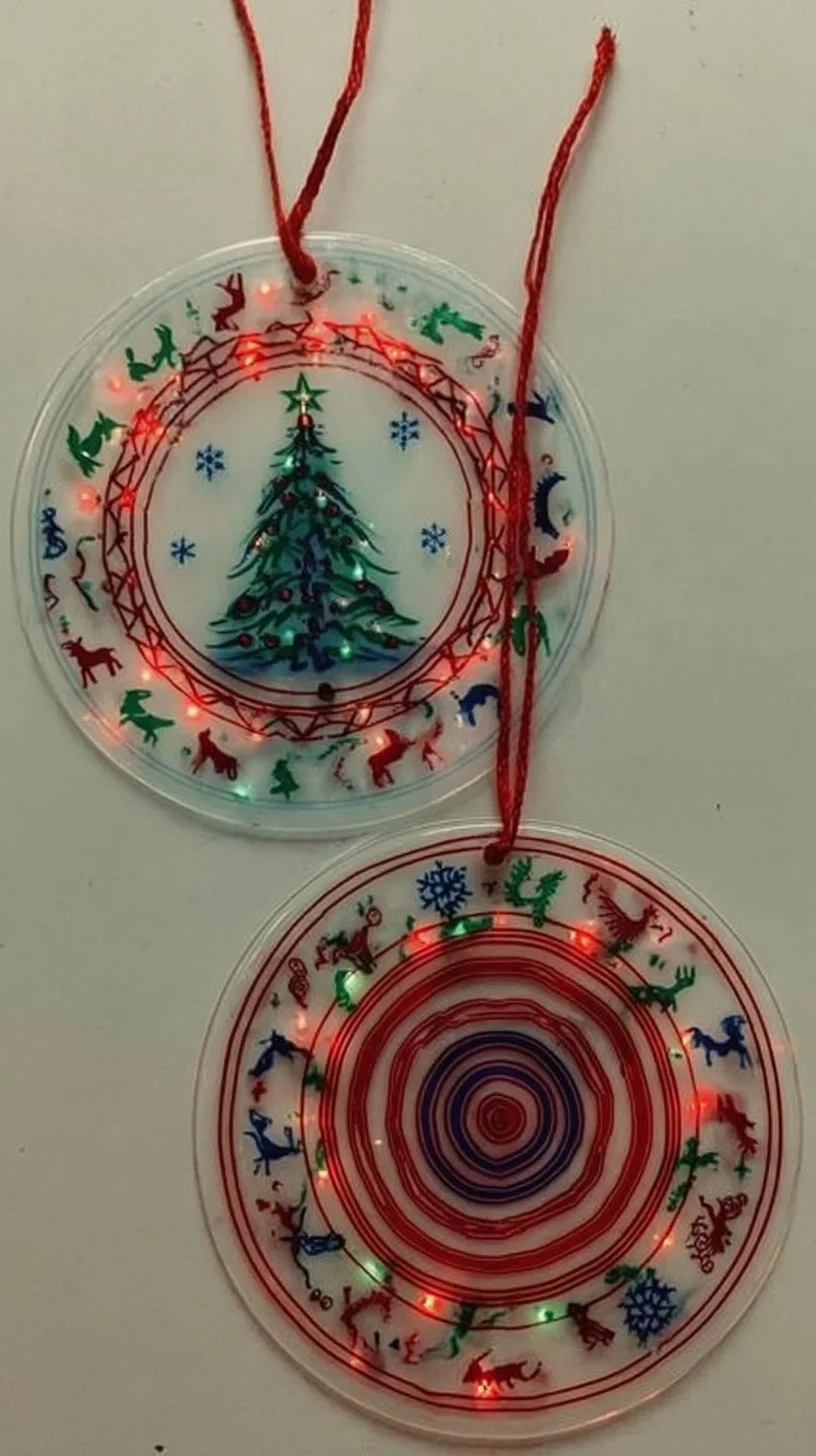
You do not need fancy supplies to start. Basic materials include clear or lightly tinted plastic cups, scissors, a hole punch or heated needle for hanging holes, acrylic paints or permanent markers, glue for embellishments, and twine or ribbon for hanging or display. Start by deciding on a shape: cut petal shapes to create a floral orb, or stack rim-to-rim to build layered spheres. A practical tip: warm the scissors under hot water before cutting the plastic for smoother edges. Safety note: supervise kids and handle hot tools yourself. Anecdote: my daughter loved choosing the color palette, while my son got obsessed with counting the number of petals for symmetry. For durability, coat painted areas with a matte clear sealer so the finish withstands handling and dust. This is a simple DIY that gives immediate decorating inspiration.

Color, texture, and finishing touches for professional results

Color and texture will elevate these ornaments from craft to design. Choose a cohesive palette that matches your room’s tones: soft neutrals for a Scandinavian look, jewel tones for a boho edge, or metallics for a modern vibe. Try sanding cup rims lightly to create frosted edges, or use alcohol ink to achieve marbled effects. Tip: use a sponge brush for translucent washes of paint so light still passes through. For texture, glue thin strips of lace, yarn, or even natural fibers like jute to the outer edges. Example: I painted a set of cups in a warm sage and applied a gold leaf highlight to the rim; they became the focal point on my mantel. These finishing touches are the decorating tips that make upcycled items look intentional and styled.

Styling ideas for everyday rooms and unexpected places

Think beyond the tree. Plastic cup ornaments work in the entryway above a console, clustered in a pendant-style mobile over a reading chair, or grouped on a coffee table tray as a sculptural set. Try hanging a small trio at varying heights in a narrow hallway to add vertical interest. For kitchen styling, use them as lightweight hanging planters for air plants. Practical tip: use removable adhesive hooks for temporary displays so walls stay damage-free. Personal example: I hung a set in front of our kitchen window; when I stew tomato sauce for dinner the warm light through the ornaments looks like tiny stained glass accents. These are easy decorating tips for everyday inspiration that refresh a room without a full redesign.

Kid-friendly variations and how to turn this into a family project

This craft is perfect for a casual family afternoon. Set up stations: one for cutting, one for painting, and one for assembling. Encourage children to experiment with stickers, glitter, and washi tape rather than tiny beads that can be choking hazards. Tip: pre-cut shapes for younger children so they can focus on decorating. Make it a learning moment by measuring cup rims, counting petals, or exploring color mixing. Anecdote: my son loves symmetry and insisted each ornament have an even number of petals, while my daughter preferred glitter-heavy designs. At the end, take photos of each creation and pin them to a family inspiration board. These personalized ornaments become little keepsakes that tell a story on your shelves.

Mixing with other décor and care for lasting display

Combine plastic cup ornaments with candles, ceramics, and books to create layered vignettes. Use varying heights and textures to build contrast. Tip: place a small felt pad under ornaments that sit on wood surfaces to avoid scratches. For hanging displays, choose clear fishing line for an invisible effect or braided twine for a more rustic look. Cleaning is easy: dust with a soft cloth and avoid harsh chemicals that may dull painted finishes. Storage tip: nest ornaments with tissue paper between them to prevent scratching. Example: after a weekend of crafting we stored extras in a labeled bin in a closet; the next time I redecorated, pulling them out felt like discovering new ornaments all over again.

Conclusion

I hope these decorating tips inspire you to try plastic cup ornaments as a creative addition to your home décor. They are a fun, budget-friendly way to bring handmade charm into everyday spaces, and they make excellent family projects that result in meaningful, display-ready pieces. If you need a cozy break while crafting, I often take a little baking pause and follow this recipe for a sweet treat: Here’s How To Make The World’s Greatest Chocolate Chip Cookies. Try one idea today and let your interior styling tell a story that is uniquely yours.

Categories
DIY

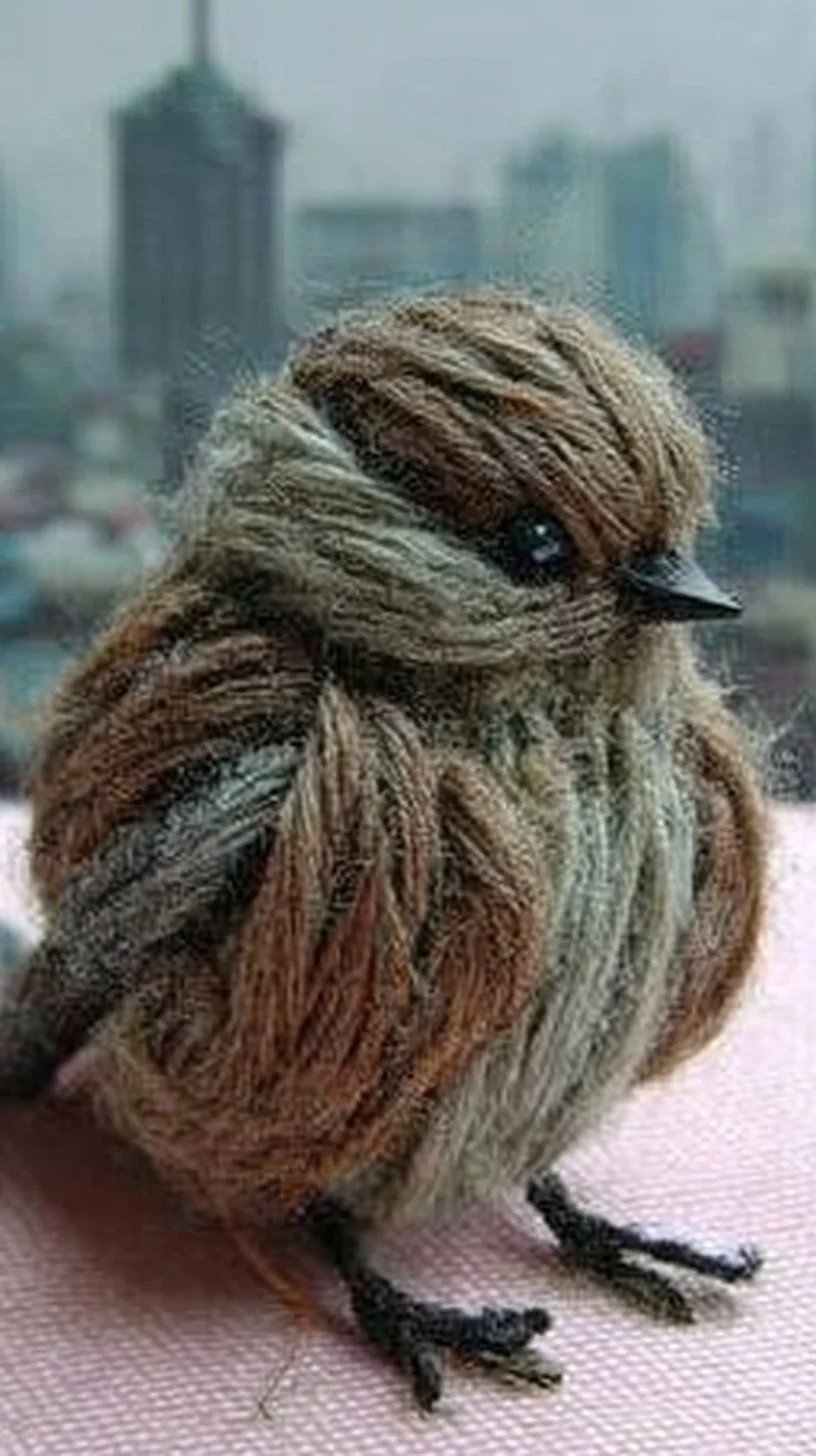
DIY Cute Yarn Birdies You Can Make in Minutes

DIY Cute Yarn Birdies You Can Make in Minutes

I still remember sitting at my kitchen table while my kids did their homework and my mother called to ask about Sunday dinner. As a proud forty-something American mom, I love filling our home with small handmade touches that tell a story. My son, who is ten, and my daughter, who is nine, love to add their doodles to my projects, and sometimes my husband and I will sip tea and string yarn together after the kids are in bed. These little birdies started as a rainy-day craft, inspired by the crocheted ornaments my grandmother kept on her mantle. Sharing them with neighbors and giving them as tiny gifts to schoolteachers has become a weekend ritual. If you like cozy, approachable decorating ideas that blend family memories with modern home décor, this is a perfect, quick craft to add warmth to any room.

Quick supplies and simple techniques for busy households

Creating yarn birdies does not require a closet full of craft supplies. Start with basic materials: yarn in a few favorite colors, scissors, a glue gun or fabric glue, small styrofoam or yarn-wrapped cores if you want a round body, and a few beads or tiny felt scraps for eyes and beaks. For interior styling on a budget, choose a neutral palette with one accent color that matches your living room or bedroom. The technique is forgiving: wrap yarn around a small cardboard ring or balloon, tie it off, and shape it with scissors. If your children are between 8 and 12, they can safely help with wrapping and gluing while you handle hot glue. Practical tip: set up a craft tray to contain stray yarn and make clean-up quick. This approach keeps decorating tips realistic for busy families and supports collaborative projects with kids and neighbors.

Styling birdies as shelf and mantel accents

Once you have a handful of birdies, think about placement. Group them on a mantel with a mix of books and potted plants to create layered texture. Use odd numbers, like three or five birdies, for a more natural arrangement. Try varying heights by placing some on small wooden blocks or cake stands to add dimension. For interior styling that feels curated, pick one shelf in your living room and build the display around a family photo or a favorite ceramic piece. A small anecdote: my daughter loves to set the birds near her science books; she says they keep her company during study time. Practical tip: secure tiny birdies with museum putty if pets or little siblings are active in the home. These small touches bring decorating inspiration into everyday spaces.

Creating playful garlands and mobiles for cozy corners

Stringing multiple birdies into a garland is an instant update for a reading nook or entryway. Use thin twine or sturdy ribbon and space the birds about 6 to 8 inches apart. For mobiles, suspend three to five birdies from a wooden hoop and hang near a window where they can gently sway. This adds movement to a room without overwhelming the decor. If you are aiming for a cohesive look, coordinate the yarn colors with throw pillows or curtains in the same room. A practical tip: attach birds with small clothespins so you can rearrange or wash the garland easily. I once made a mobile for my son’s homework corner and he said it made studying feel more fun. These ideas are easy to implement and give immediate decorative payoff.

Tabletop arrangements and center-of-attention displays

Yarn birdies make charming tabletop decor for coffee tables, bedside tables, or kitchen islands. Create a simple centerpiece by placing a cluster of birdies in a shallow tray with smooth stones or faux moss for texture. For a more elevated look, perch a bird on the rim of a decorative bowl or drape one over a stack of hardcover books as a playful accent. Use them to punctuate a vignette of candles and ceramic vessels to introduce softness and color. Practical tip: mix materials like wood, glass, and fabric to maintain balance in your interior styling. My neighbor loved this idea and brought a trio of birdies to our last book club meeting to decorate the snack table; everyone ended up asking how to make them. These small decorative pieces become conversation starters.

Customization, gift ideas, and family craft nights

One of the best parts of yarn birdies is how customizable they are. Add tiny stitched initials for teacher gifts, glue on little beaded eyes for sparkle, or use patterned yarn for a vintage look. Host a family craft night where each person personalizes a birdie; my siblings and I once made a dozen in an evening and labeled each with a memory from our childhood. For practical gift packaging inspired by decorating tips, tuck a birdie into a simple kraft box with shredded paper and a handwritten note. If you plan to sell or gift these at community fairs, attach a little card with care instructions for long-lasting home décor. These projects teach kids crafting skills and create keepsakes that reflect personal stories and interior styling preferences.

Conclusion

Handmade accents like yarn birdies are an easy and affordable way to refresh your home décor and spark creativity in the whole family. If you want a step-by-step visual guide to making similar pieces, check out this helpful tutorial: DIY Cute Yarn Bird : 5 Steps (with Pictures) – Instructables. Try a few techniques, involve your kids or neighbors, and let these little birdies bring new warmth and inspiration to your decorating routine.

Categories
DIY

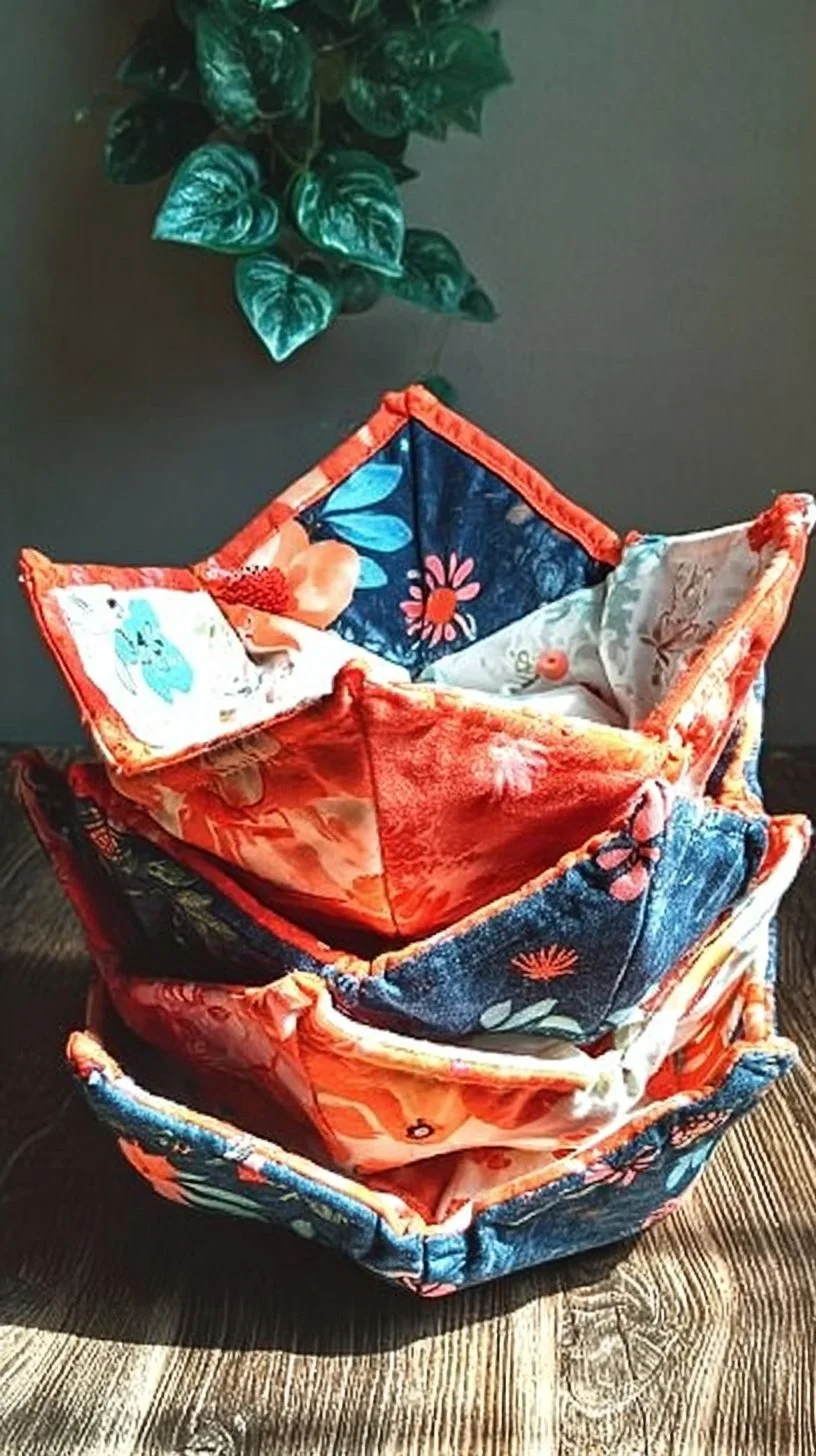
How To Make Reversible Soup Bowl Cozy

When my kids were little, our kitchen table felt like the center of everything: homework sprawled beside cereal bowls, my husband bringing in mugs of coffee, my mother dropping by with a basket of fabric scraps. Now that my son is ten and my daughter is eight, I still love small handmade touches that warm the home and remind me of my childhood summers mending with my grandmother. As an American mom in my forties, proud of our family traditions and the practical creativity that runs in our clan, I find reversible bowl cozies are a simple project that blends usefulness with personal style. They protect hands and surfaces, make soup feel more special, and are a perfect little home décor accent that reflects your taste. Let me walk you through thoughtful choices and styling tips that make these cozies both beautiful and functional.

  1. Choose fabrics that marry function and style

Start by picking two fabrics that complement each other and your home décor. A sturdy cotton for the inner layer will resist spills and handle warmth, while a textured linen or quilting cotton on the outer side brings pattern and personality to your countertop or dining table. Think of color palettes you already use: neutral grays and creams for a minimalist feel, or soft florals and warm plaids for a cozy farmhouse look. When selecting prints, keep scale in mind — small prints pair well with bold solids or stripes. Wash and dry your fabrics before cutting to avoid shrinking later. If you want extra insulation and a quilted appearance, add a thin batting layer. These choices boost interior styling and create a cohesive decorating tip for a table setting that looks curated and intentional.

  1. Design reversible color and pattern combinations

Reversibility is your chance to play stylist. Pick one side that is bold or seasonal in tone without locking you into a holiday motif, and another side that reads as a neutral everyday option. For example, pair a muted sage with a small geometric pattern in navy, or a warm terracotta with a soft cream stripe. Try color-blocking by using contrasting edge piping or topstitching to create a tailored look. If you have children, include a side with a playful print they will love, and a grown-up side for more formal dinners. I often make two cozies and keep one on each side of our cupboard so my daughter can pick the fun pattern while I reach for the calmer one. These reversible design ideas serve both function and decoration in modern home décor.

  1. Step-by-step construction made simple

A clean, repeatable method helps the project stay enjoyable. Cut two identical circles or rings for fabric and one for batting if desired. Mark the center with a small stitch so layers align. Sew with right sides together, leaving a gap for turning, then trim curves and clip seams to reduce bulk. Turn the piece right side out and press it flat with an iron, making the gap easy to topstitch closed. Add an inner quilting stitch or concentric circles from the center to hold batting in place. If you prefer a no-sew option, fabric glue or fusible interfacing can provide structure for an emergency cozy, although sewn finishes last longer. Keep a simple template from sturdy cardboard so you can make matching sets that elevate your kitchen styling.

  1. Sewing techniques for durability and insulation

Durability matters when small hands and frequent machine washes are in play. Double-stitch stress points and use a reinforced topstitch around the edge to prevent fraying. For insulation without bulk, choose a heat-resistant batting designed for pot holders, or layer cotton batting with fusible interfacing to stabilize the shape. Quilting not only secures layers, it adds a decorative element that becomes part of your interior styling. Consider using cotton thread that blends in on one side and contrasts on the other to showcase the reversible nature. My neighbor taught me that little touches like vintage buttons or embroidery can personalize a cozy into a keepsake, and those accents are small decorating tips that make guests ask where you found them.

  1. Styling and placement ideas for home décor impact

Think beyond the bowl. Reversible bowl cozies can double as miniature trivets, small coasters for teacups, or decorative accents on an open shelf. Group a set of three in graduated sizes on a wooden tray to create a tabletop vignette that complements your living room or entryway. Use a coordinated color scheme to tie in with throw pillows and kitchen linens for a deliberate interior styling approach. For busy households, keep a basket near the stove stocked with ready-to-use cozies so warming soup becomes effortless. I like to tuck one under a potted plant to protect my sideboard; it looks intentional and keeps surfaces safe. These small styling ideas are practical decorating tips that make your home feel curated.

  1. Care, gifting, and personalization tips

To keep cozies looking fresh, wash on a gentle cycle and reshape while damp. Avoid high heat if your fabrics include delicate prints. Personalize cozies with initials, simple embroidery, or a stamped leather tag for a polished handmade gift. They make thoughtful housewarming presents or teacher thank-you gifts and are a lovely way to share a bit of family tradition. When I sent a set to my sister, she layered them into a gift basket with a jar of homemade soup mix and a handwritten recipe card, which became an instant family favorite. Small touches like matching wrapping paper or a customized note enhance the homemade appeal and encourage recipients to use them in their own interior styling efforts.

Conclusion

If you want a simple DIY project that combines practicality with charming home décor, reversible bowl cozies are a wonderful place to start. They provide functional protection, reflect your interior styling choices, and offer plenty of room for personalization and gifting. For a clear pattern and step-by-step guidance to get you sewing right away, check out this helpful tutorial from DIY Reversible Bowl Cozy – 5 out of 4 Patterns. Try making a few variations to mix and match with your table linens and storage baskets, and enjoy how a small handmade item can refresh your decorating inspiration.

Categories
DIY

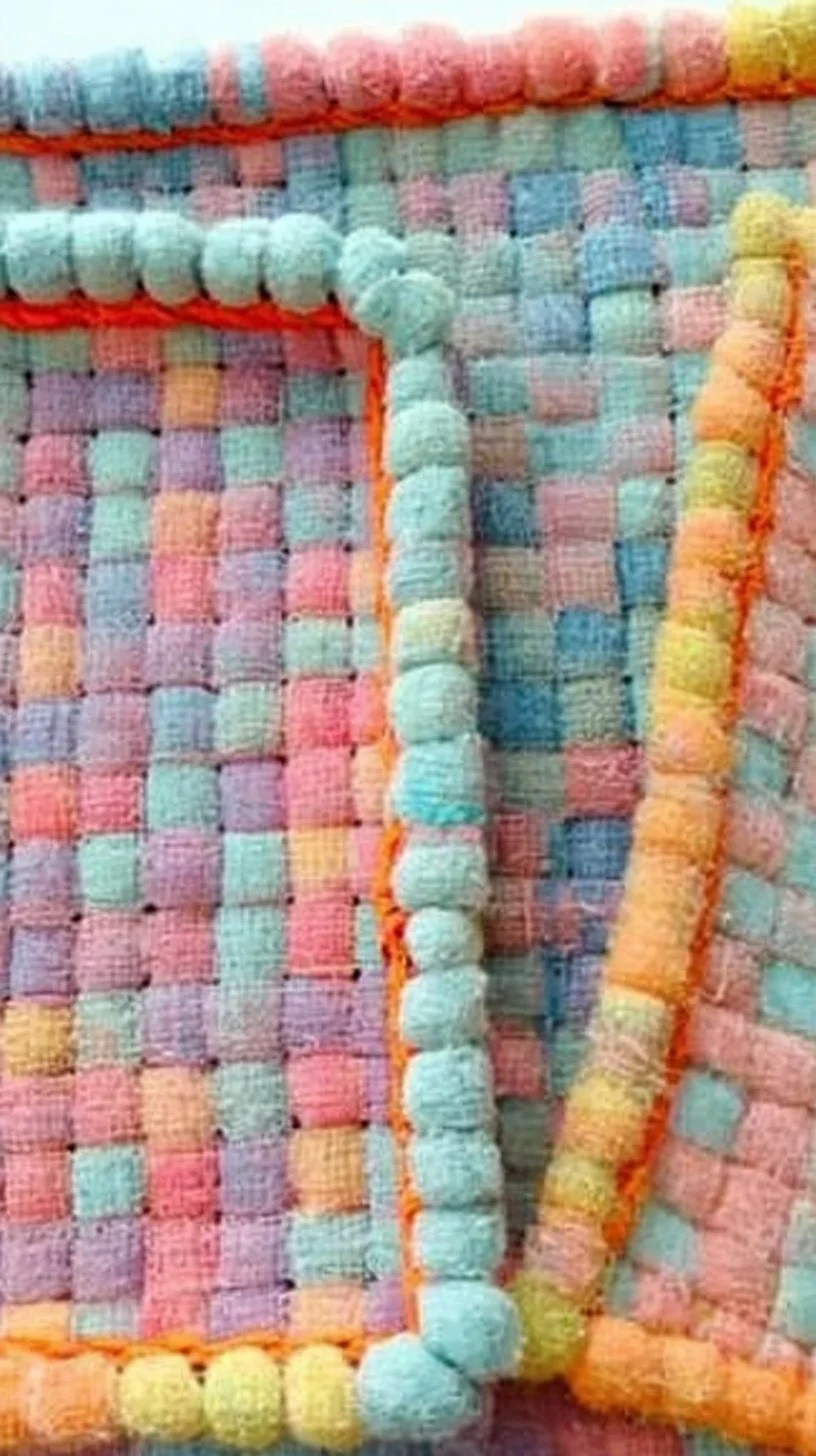
How to Finish a Potholder Loom

I still remember the afternoon my kids turned my kitchen table into a makeshift craft studio, flour on one side and a potholder loom on the other. I’m a mom in my forties, proud of the small-town values my parents taught me, and I love sharing hands-on projects with my son and daughter, who are 8 and 11. My husband will bring down a tray of lemonade while the neighbors’ kids stop by to admire our colorful squares. Those afternoons echo memories of my own childhood, sitting with my aunt as she showed me how to finish edges neatly. Finishing a potholder loom is a cozy, satisfying ritual that gives you a usable piece and a touch of handmade charm for your home décor. I’ll walk you through thoughtful, practical finishing techniques that add durability and style while fitting into modern interior styling and decorating tips.

Choose the right finishing edge for style and strength

The edge you pick determines both the look and longevity of your potholder. Popular finishes include whipstitch, overcast stitch, braided fringe, and a neat crochet border. For a kitchen that leans toward farmhouse or cottage-core, a simple whipstitch with matching cotton yarn gives a tidy, homey finish. If your interior styling favors boho or eclectic looks, add a braided fringe on two sides for texture.

Actionable tips:

  • Use a needle large enough for your yarn to avoid snagging. I teach my kids the whipstitch first because it’s forgiving and fast.
  • Match your border color to a dominant tone in your kitchen to make it feel intentional as part of your home décor palette.
  • For strength, stitch through both layers at the edge so the potholder can handle frequent use and washing.

A neat border turns a plain square into a decorative item you won’t be afraid to display on hooks or arrange on open shelving.

Add a practical backing for durability and visual appeal

A backing protects the weaving and gives the potholder a polished look. You can hand-sew a cotton fabric backing, use felt for insulation, or quilt a thin layer for extra thickness. Fabric backing also lets you coordinate with placemats, napkins, or curtains for cohesive decorating tips across your kitchen.

Practical steps:

  • Cut the backing slightly smaller than the woven square to avoid corners peeking out.
  • Use a short, tight stitch to secure the fabric to the weaving; this prevents bunching after washing.
  • If you want more heat resistance, add a layer of cotton batting or sew in a small square of insulated fabric inside.

I often let my daughter pick scraps from my sewing box to create playful, personalized combinations. The backing not only improves function but also ties your potholder into your overall interior styling.

Create a hanging loop or tab that complements your decor

A small loop turns a potholder into both a tool and a display piece. Think of it as a dual-purpose finishing touch that makes your potholder accessible and part of the room’s look. Choose a loop made from matching yarn, leather cord, or a small ribbon that echoes the room’s aesthetic.

How to do it:

  • Secure the loop into the edge when you finish the border so it is anchored to multiple stitches.
  • Reinforce the attachment by stitching through the loop base several times, or add a small backing patch for extra strength.
  • Position the loop in a corner for a traditional look, or centered on one side for a modern display.

I hang a set of three coordinated potholders on a slim wall peg near my stove — they’re practical and create a colorful vignette that fits my home décor inspiration.

Block, trim, and wash for a professional finish

Blocking and gentle washing make a handmade potholder look like it came from a boutique. After finishing the edges, trim stray yarn ends close to the fabric but not so close you risk unraveling. Blocking evens the shape and helps the border sit flat.

Steps to follow:

  • Lightly dampen the potholder and pin it gently to a flat towel to shape it, letting it air-dry fully.
  • Trim loops or uneven yarn with sharp scissors, keeping the cut clean.
  • Wash gently by hand or on a delicate cycle in a mesh bag; reshape while damp to maintain the edges.

These finishing touches create a polished item that stays attractive through use. I always show my kids how blocking smooths out their projects — it’s a satisfying bit of magic for little makers.

Style potholders into everyday home décor and inspiration

Think beyond utility and let potholders add charm to shelves, hooks, and tablescapes. They work as small placemats under hot dishes, layered coasters for a casual coffee station, or framed as textile art on a gallery wall that highlights craft and texture. Match them to your kitchen’s color story, or use them as little pops of pattern against neutral countertops.

Practical styling ideas:

  • Group several in a row on a peg rail for a curated, artisanal look.
  • Rotate color families to refresh visual interest without a full redecorating effort.
  • Use sets to echo other textiles such as tea towels or chair cushions for cohesive interior styling.

When friends drop by, these small handmade touches often spark conversations about technique and tradition. For a home that blends function and design, potholders are a delightful way to weave personal craft into everyday decorating tips.

Conclusion

Finishing a potholder loom well gives you a useful piece and a tiny canvas to express your home décor style. If you want a clear, hands-on tutorial with photos and step-by-step finishing methods, check out The Best Way to Finish Handwoven Potholders – Big Green Chair. Try a few different edges, backings, and display ideas until you find combinations that fit your kitchen and interior styling. With a little patience and practice, you’ll have durable, attractive potholders that add warmth and inspiration to your home.