Categories
DIY

Creative Upcycled Pallet Furniture Ideas

I still remember the Saturday when I dragged two weathered pallets home from a neighbor’s driveway while my kids rode scooters in circles. I’m a mom in my forties juggling school drop-offs, soccer practices, and the little rituals that make a house feel like ours. My 8-year-old insists on building forts, and my 11-year-old wants a room that feels like a clubhouse. Between homework and neighborhood barbecues, those rough boards turned into small projects that brought the family together. The first time we painted a pallet bench together, even our shy neighbor stopped by to ask for tips. If you love simple, budget-friendly ways to refresh your rooms and enjoy easy wins in home décor ideas, you’ll appreciate how pallets can become practical, pretty pieces that fit everyday family life, childproof needs, and seasonal touches like those creative Valentine and spring decor ideas you pin for later.

1. Cozy Pallet Sofa for Family Time

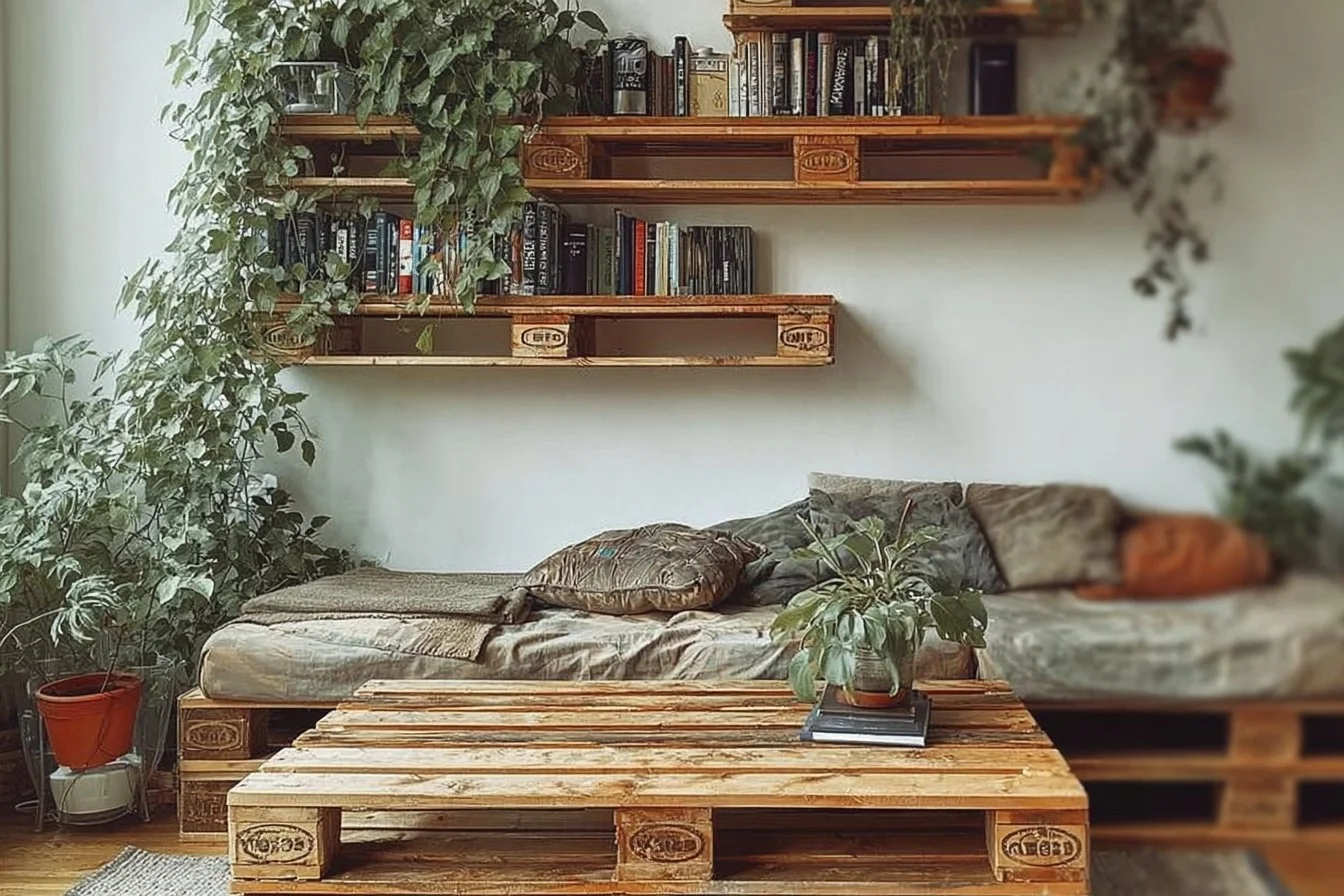
A low pallet sofa creates an instant gathering spot for movie nights and weekend crafts. Visually, pallet slats add texture and a farmhouse-chic warmth that blends with cushions and throws, giving your living room a relaxed, lived-in vibe. Emotionally, it becomes a hub where kids spread out after school, and neighbors linger long after pie is served. To build one, stack two pallet layers for a sturdy base, sand the edges, seal against stains, and top with outdoor foam or thrifted cushions. Anchor it with a washable slipcover to survive muddy shoes and glitter crafts. This is a practical interior styling tip that looks bespoke without the price tag, and it fits well in a home where comfort and durability matter most.

2. Pallet Dining Bench for Backyard Meals

A pallet dining bench transforms family dinners on the patio into an inviting scene without blowing the budget. The reclaimed wood brings earthy tones that warm a garden table and make casual meals feel intentional and cozy. Emotionally, benches encourage closeness; kids slide together and tell louder stories, and neighbors squeeze in during potlucks. To make one, reinforce pallet boards with extra supports, sand and stain for weather resistance, and add simple seat cushions that can be stored indoors. Tuck it under the table to save space between playdates. This piece is a smart decorating inspiration for anyone wanting a mix of charm and utility outdoors, especially when paired with potted herbs or a pallet planter nearby.

3. Toy Storage and Play Tables from Pallet Panels

Turn a pallet into a low play table with cubby storage to cut clutter and create a designated activity zone. Visually, the slatted design hides bins while keeping a light, airy look that fits most playrooms or corners of the living room. Parents love that these units are low to the ground, making clean-up faster after Lego castle demolition. For realism, attach caster wheels for mobility, add labeled baskets for sorting, and finish with non-toxic paint for safety. This solution doubles as a homework hub where my kids do puzzles and art projects together, and it’s an interior styling tip that blends function with kid-friendly style without looking like a toy store fixture.

4. Pallet Headboard that Tells a Story

A pallet headboard creates instant character in a bedroom and can be customized to reflect family memories or colors. The vertical slats draw the eye, making small rooms feel taller, and the rustic wood balances brighter linens or bold wallpaper. On the emotional side, it’s a project you can personalize with stenciled initials, family dates, or a small ledge for bedtime books. To install, sand thoroughly, treat for pests, and mount securely to studs for safety. We painted initials for each child on a couple of boards, and bedtime stories suddenly felt cozier. This piece is one of those interior styling tips that’s inexpensive but looks intentionally curated.

5. Pallet Coffee Table with Hidden Storage

A pallet coffee table is practical for living rooms where schoolwork and snacks coexist. The thick pallet top reads warm and tactile, and a stained finish pairs well with modern sofas or vintage rugs. Emotionally, it becomes a drop zone that keeps family life organized: backpacks, markers, and remote controls all tuck away. To build it, join two pallet layers, add a lower shelf for baskets, and top with a glass insert if you prefer a smoother surface for crafts and puzzles. My kids use ours as a LEGO base at school break, and wiping up spills is simple. This is a decorating inspiration that balances rugged charm with everyday usability.

6. Vertical Pallet Planter to Brighten Corners

A pallet vertical planter brings greenery into tight spaces, perfect for porches, balconies, or an inside nook by a sunny window. The staggered wood makes a natural frame for herbs, trailing plants, and small flowers, adding visual interest and a sense of calm to busy family routines. Emotionally, tending plants becomes a shared ritual—my son waters basil while my daughter arranges baby succulents—small acts that teach responsibility. To make one, line the pallet with landscaping fabric, add potting mix, and choose low-maintenance plants if your schedule is full. This is a practical home décor idea that adds fresh scent and color without needing much space or upkeep.

Conclusion

If you’ve ever scrolled for decorating inspiration and felt overwhelmed, remember that small pallet projects can change how your family uses a room without major renovations. Save a few of these ideas to return to when you have a free weekend, and try starting with something simple like a bench or storage unit that fits your family’s habits. For more budget-friendly plans and step-by-step projects you can tackle together, check out this collection of Top 16 Budget-Friendly DIY Pallet Furniture Ideas and see which style sparks your next cozy makeover.
Categories
DIY

Charming Cutting Board Wall Ideas for Your Kitchen

I used to juggle carpools, piano practice, and a hundred tiny emergencies while balancing a mug of coffee on the counter that always seemed to attract crumbs. As a mom in my forties with two kids between eight and twelve, my kitchen is where homework meets dinner and where neighbors pop in to borrow sugar. I remember the afternoon my daughter drew a tiny sun on the back of a wooden board while I chopped herbs; that little mark somehow turned an ordinary utensil into a keepsake. Those everyday moments made me rethink practical decor. I wanted something warm, simple to update, and sturdy enough for family life. That’s how a pared-back approach to styling cutting boards on the wall became a weekend project that felt personal, useful, and oddly soothing—an easy way to refresh the heart of the home with real life in mind.

Layered Wood Focal Display

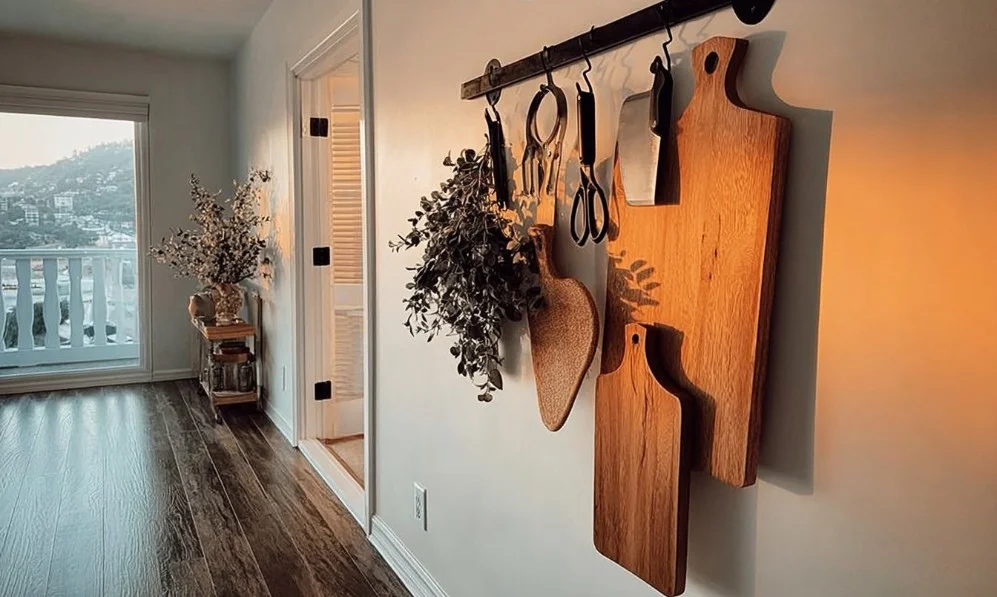
A clustered, layered arrangement of boards turns functional pieces into a focal artwork that feels collected, not staged. Visually, different shapes and grain patterns create movement and warmth, pulling the eye without overwhelming the room. Emotionally, a mix of heirloom boards and inexpensive finds reads like a family story, which resonates when friends and neighbors stop by for a casual visit. To recreate this, start with a simple grid or asymmetric cluster above your counter or sink. Use small picture hooks or french cleats for heavier pieces and vary orientations for interest. Let a child’s carved initials or a souvenir board sit among them to make the display feel lived-in. This approach works as a home décor idea because it blends utility with memory while staying easy to change as tastes evolve.

Functional Gallery Over Prep Area

Turning the wall above your main prep zone into a gallery makes tools both beautiful and accessible. This is an interior styling tip that bridges form and function: boards hang like art but are within reach for quick slicing during homework-time dinners. Visually, aligning boards of similar tones creates cohesion; emotionally, having everything in plain sight cuts down on frantic searches when your youngest asks for a snack right before soccer practice. Install a shallow rail or a row of pegs at a comfortable height so kids can grab a board when setting out snacks. Keep heavier or oil-treated boards lower and lighter ones higher. This layout supports busy family routines and shows that decorating inspiration can be practical without losing personality.

Mix Textures with Floating Shelves

Combining floating shelves and cutting boards adds dimension and lets you layer plants, cookbooks, and small framed photos alongside your boards. The interplay of wood, ceramic, and greenery refreshes the wall and softens the kitchen’s workwear look. This technique works because it creates vignettes that feel curated but still usable; emotionally, it signals hospitality and warmth when you invite neighbors over for coffee. To implement, install a couple of staggered shelves and lean boards behind potted herbs or a vintage mug collection. Allow a child’s favorite cup or a postcard from a family trip to peek through. The result is a cozy, functional corner that blends interior styling tips with the rhythm of everyday life.

Cozy Breakfast Nook Accent

Smaller boards make perfect accents around a breakfast nook, framing a chalkboard menu or a family photo wall. Their natural hues warm up the space and complement soft textiles, making morning routines feel gentler. This decorating inspiration is especially useful when you want to create a spot that invites lingering over cereal or a quick craft project. Arrange boards in a loose row or scatter a few above the bench for a casual look. Include a shallow ledge for napkins and kids’ art to make the area practical for breakfast and homework. This small update refreshes a high-use corner and helps transform rushed mornings into moments with a little more grace.

Seasonal Swap and Personalization

One of the best parts of a cutting board wall is how easy it is to update. Rotate boards by season, swap in a painted board for holidays, or let the kids personalize one each year with washable paint or wood-safe markers. Visually, rotating pieces keeps the wall dynamic; emotionally, it becomes a living scrapbook of family life. To do this, store extra boards in a lower cabinet labeled for swap-outs and dedicate one spot on the wall for new additions. Teach your children to oil a board as a mini chore; it becomes a ritual that connects them to the space. This method combines simple maintenance with decorating inspiration and ensures the display stays fresh and meaningful.

DIY Finishes and Kid-Safe Options

Finishing boards with food-safe oils or beeswax keeps them looking great and safe for family use. Choosing easy, non-toxic finishes not only preserves wood but also invites kids to help with after-dinner care—an interior styling tip that doubles as skill-building. Visually, a well-oiled board pops with color and grain, adding a handcrafted feel to your décor. For a kid-friendly approach, use lighter woods for the lower hooks and reserve the top row for decorative or seldom-used pieces. Keep a small care kit in a drawer so your children can lend a hand on weekend refreshes. Simple DIY touch-ups make the wall durable, teach responsibility, and keep your kitchen both pretty and practical.

Conclusion

If you need a small weekend project that blends style and function, a thoughtfully arranged cutting board wall can change the look of your kitchen while fitting into real family life. Save the ideas that speak to you, let the kids add their marks, and treat the wall as a rotating gallery that grows with your family. For a detailed, step-by-step guide to making this kind of display yourself, check out this step-by-step cutting board wall tutorial and adapt the tips to suit your space. Come back later to swap pieces, try a new layout, or share what your family adds next.

Categories
DIY

6 Fun Kids Crafts That Will Keep Your Little Ones Engaged for Hours!

I still remember the Saturday my younger one dragged a paint-splattered blanket into the living room and declared it their “new museum.” Between school drop-offs, after-dinner homework, and waving to Mrs. Carter next door as she watered her geraniums, craft time has become our small, steady ritual. As a mom in my forties with two kids aged 8 and 12, I love how a simple glue stick or a jar of buttons can turn a hectic afternoon into something calm and proud. Those little handmade pieces now live on shelves and walls, quietly blending family life with thoughtful touches that help our rooms feel personal and lived-in. If you want decorating inspiration that doubles as playtime, these approachable craft-based décor ideas make it easy to refresh a space while keeping kids happily engaged.

Upcycled Art Gallery Wall: Frame Their Masterpieces

Transforming a hallway into a rotating gallery gives every scribble and watercolor a moment to shine. Visually, framed artwork creates rhythm and personality on a blank wall, and emotionally it tells your family’s story to anyone who walks by. Start with inexpensive frames in matching colors or thrifted mismatched frames painted the same hue for cohesion. Let each child curate their section once a month; swap pieces into frames or string a simple wire with clips for quick changes. This project teaches kids about composition and pride while adding a custom focal point that neighbors often compliment. It’s a simple interior styling tip that turns clutter into curated charm, and the ritual of “gallery night” can become a sweet way to celebrate creativity with snacks and applause.

Handmade Pillow Covers: Soft, Personal Accents

Pillow covers painted, tied, or sewn by kids bring an instant cozy vibe to sofas and beds. The tactile process of fabric painting or simple sewing helps children practice fine motor skills and see a direct result on everyday décor. Choose durable cotton or old tees, use washable fabric paints, and add stenciled initials or abstract shapes. Swap these pillows between the den and bedrooms to refresh a room’s palette without a big spend. Visually, they add texture and color while emotionally giving kids ownership of family spaces. Try an afternoon station with newspaper, paint, and music—your kids craft while you tweak throw arrangements and admire how these pieces upgrade your home décor ideas into meaningful accents.

Mason Jar Lanterns and Crafty Holders

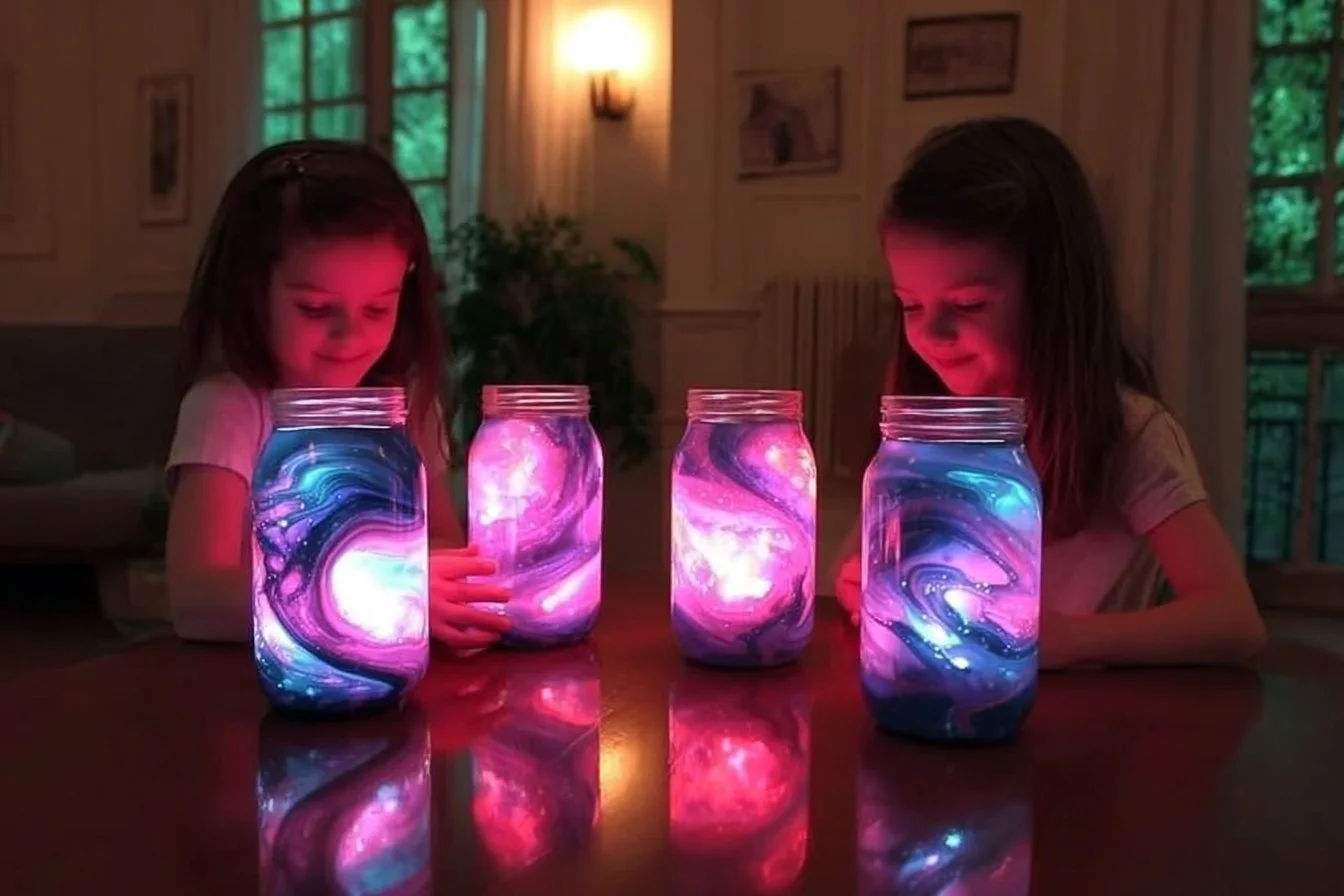
Mason jars are a great base for kid-made lanterns, pencil holders, and mini vases that style desks and mantels. Painted jars with glitter glue, tissue decoupage, or wrapped twine make functional décor that’s visually charming and homey. Add battery tea lights for soft evening glow or use jars to corral art supplies on a craft cart. The act of decorating jars involves decision making and creativity, and seeing their jars on a shelf gives kids a proud connection to the space. As an interior styling tip, group jars by color or height to create a more intentional vignette that complements your other décor elements, and involve the kids in choosing what gets stored where for a neat, family-forward finish.

Nature Collages and Mini Terrariums

Bring the outdoors inside with nature collages and simple terrariums made by little hands. Collect leaves, twigs, and flowers on a neighborhood walk and let kids arrange them on cardstock or inside clear containers. These pieces add organic texture and soft, natural tones that calm a room and connect your home to the nearby parks and backyard memories. Terrariums teach low-maintenance plant care and look sculptural on window sills; collages can be framed and rotated with the seasons. Emotionally, this fosters curiosity about the world and encourages family outings. As a decorating inspiration, a cluster of small natural displays on a console table creates a considered, layered look that feels both curated and cozy.

Painted Crate Shelves and Toy Display Cubes

Turn wooden crates into colorful shelves or display cubes that showcase crafts, books, and trophies. A fresh coat of paint and a few sanding strokes make crates look boutique and purposeful, giving toys a tidy home while doubling as décor. Arrange crates horizontally for open shelving or stack them to form playful storage towers. This approach visually organizes a room and emotionally gives kids a sense of responsibility when they help choose what to show off. Use this interior styling tip in a playroom or family room to balance practicality with design—mix in framed art, a plant, and a child’s sculpture for an edited shelf that feels intentional and warm.

Banner Garlands and Keepsake Shadow Boxes

Create year-round banners or shadow boxes with kids’ small creations and souvenirs for a sweet, personal touch. Fabric pennants painted by the children, threaded on a ribbon across a mantel, add movement and color without dominating a room. Shadow boxes let you preserve tiny treasures—ticket stubs, a shell from a beach trip, or a miniature drawing—while turning them into art. These decor pieces are emotionally rich, holding memories that spark family stories and late-night reminiscing. Practically, they are great interior styling tips to add height and depth to walls and mantels. Make a weekend of assembling these keepsakes; the crafting time and the finished display both become treasured parts of daily life.

Conclusion

If you enjoyed these home décor ideas that double as creative projects, save a few pins and try one this weekend—kids love seeing their work become part of the house. For helpful reading on relationship dynamics that can affect family routines, check out this article about red flags in partnerships that I found eye-opening. If you ever want to turn craft classes into a small side hustle or host a neighborhood workshop, this guide on how to price in-person workshops is a practical resource to get started. Come back anytime for more decorating inspiration and interior styling tips that make family life feel a little cozier and a lot more creative.

Categories
DIY

Charming DIY Teen Room Ideas You’ll Love

I still remember when I painted my younger son’s train table in the garage while the older one practiced soccer drills in the driveway and my neighbor waved from her porch. Mornings in our house blend cereal bowls, last-minute homework checks, and the constant hunt for misplaced headphones. As a mom in my forties with two kids between eight and twelve, creating calm, creative spaces has become a little ritual for us. I love projects we can finish in an afternoon, things that survive sibling messes, and decor that grows with them. Over the years I’ve learned which simple DIY touches make a bedroom feel personal and comforting without draining an entire weekend. Below are approachable ideas that mix style and function, perfect for busy families who want pretty, practical rooms that reflect a teen’s personality.

Cozy Canopy and String-Light Nook

A dreamy canopy corner instantly makes a room feel like a personal retreat. Visually, the soft fabric and warm string lights create layers that draw the eye and smooth out a room’s harder lines. Emotionally, it gives a child a private reading or chill-out zone that feels safe and special after a hectic school day. To make one at home, hang an inexpensive tension rod or curtain ring from the ceiling, drape a lightweight curtain or sheer fabric, and weave battery-operated string lights through the fabric for a soft glow. Add oversized floor pillows or a small mattress for lounging. This is great for siblings who need quiet time during homework or for sleepovers with neighborhood friends, and the whole family can help choose fabrics and lights so the corner reflects the teen’s personality.

Custom Gallery Wall with Photos and Crafts

A gallery wall turns memories and handmade art into a focal point that tells a story. It works visually by balancing different frame sizes and textures, and it works emotionally by showcasing milestones, friend photos, and DIY crafts that build confidence. Start with a mix of frames in neutral tones, then layer in scrapbook pages, small canvas paintings, and a couple of three-dimensional pieces like woven coasters or a kid-made plaque. Use removable picture-hanging strips to avoid holes and to allow easy swapping as tastes change. Pull your teen into the process: print photos from family hikes, frame their best art, and let them rearrange pieces when they want a fresh look. It’s a simple way to honor memories and encourage creative pride.

Upcycled Furniture with Paint and Stencils

Refinishing an old dresser or nightstand gives a room character and teaches resourcefulness. A coat of chalk paint and a stencil pattern can transform a thrift-store find into a bespoke piece that anchors a bedroom’s color scheme. Visually, painted furniture adds color and depth without overwhelming the space. Emotionally, it becomes a project that families can share—kids pick colors, moms handle the prep, and neighbors sometimes drop off unexpected treasures. To keep it practical, choose durable finishes and add felt pads under hardware to protect floors. For teens who change styles frequently, use removable drawer pulls or peel-and-stick designs for an easy update. Small projects like this fit into weekend routines and offer a proud centerpiece that lasts.

Removable Wallpaper Accent Wall

A bold accent wall offers maximum impact with minimal commitment. Removable wallpaper works visually by creating a feature area that anchors the bed or desk and introduces pattern without cluttering the room. Emotionally, it gives teens a chance to express a changing personal style without permanent decisions. Choose a peel-and-stick pattern that complements bedding and curtains, and apply it behind the headboard or along a short wall to keep costs down. Involving your teen in the selection process makes it a shared decision and reduces arguments later about style. If siblings share a room, use the wallpaper area to define each child’s side with coordinating accessories. It’s an easy way to refresh a space between hand-me-down furniture swaps.

Functional Pegboard or Cork Workspace

A customizable pegboard or cork wall is ideal for organizing school supplies while keeping the room visually tidy. The system works because it offers vertical storage and personal display options—clips for schedules, small baskets for markers, and hooks for headphones. Emotionally, it helps teens feel in control of their work zones, reducing morning chaos around misplaced supplies. Mount a painted pegboard above a compact desk, add baskets and shelves, and encourage kids to personalize it with photos or trophies. For families balancing activities, pegboards make it easy to keep permission slips and practice schedules visible. This solution supports study habits and keeps cords and clutter off the floor, creating a more peaceful, functional room.

Textile DIYs: No-Sew Pillows and Garland

Textiles introduce warmth and texture and can be surprisingly simple to DIY. No-sew pillow covers, fleece blankets tied at the edges, and pom-pom garlands offer visual softness and tactile comfort that help a room feel cozy. Emotionally, crafting these items together becomes a family moment—kids learn basic sewing alternatives while chatting about their day. To create a cohesive look, choose a palette that complements the wall color and layer patterns in varying scales. Add a chunky knit throw or a handmade tassel at the foot of the bed for an instant style lift. These items are forgiving when life gets messy and are easy to refresh as tastes evolve, making them ideal for busy households and for teens who enjoy hands-on decorating.

Conclusion

If you love creative, budget-friendly ways to make a teen’s room feel personal and practical, these projects are great starting points for family weekends, neighborhood trade-offs, or quick after-school updates. Save a few ideas for when the kids ask for a room refresh, and try one small project together this month to see how much personality and calm a few handmade touches can bring. For more step-by-step inspiration, check out this DIY teen bedroom ideas roundup and this handy DIY wall decor installation guide.

Categories
DIY

10 Amazing Spider Man Bedroom Ideas for Superhero Fans

Transform Your Child’s Room with These 10 Superhero Bedroom Inspirations

As a busy mom juggling two energetic kids, I often find myself navigating spontaneous adventures between school pick-ups, playdates, and the inevitable homework hustle. My two children, aged 8 and 12, bring so much joy into our home, but they sure know how to fill our space with an array of superheroes. Just the other day, I caught my youngest re-enacting epic battles between Spider-Man and Venom in the living room, his imaginative play spilling into every corner of our home. While I cherish the goofiness of childhood, I’ve often daydreamed about incorporating that superhero magic into their bedrooms—not just as an aesthetic choice but as a way to elevate their everyday lives. Here are ten vibrant and fun room ideas that every superhero fan would adore.

Bold Spider-Man Wall Murals

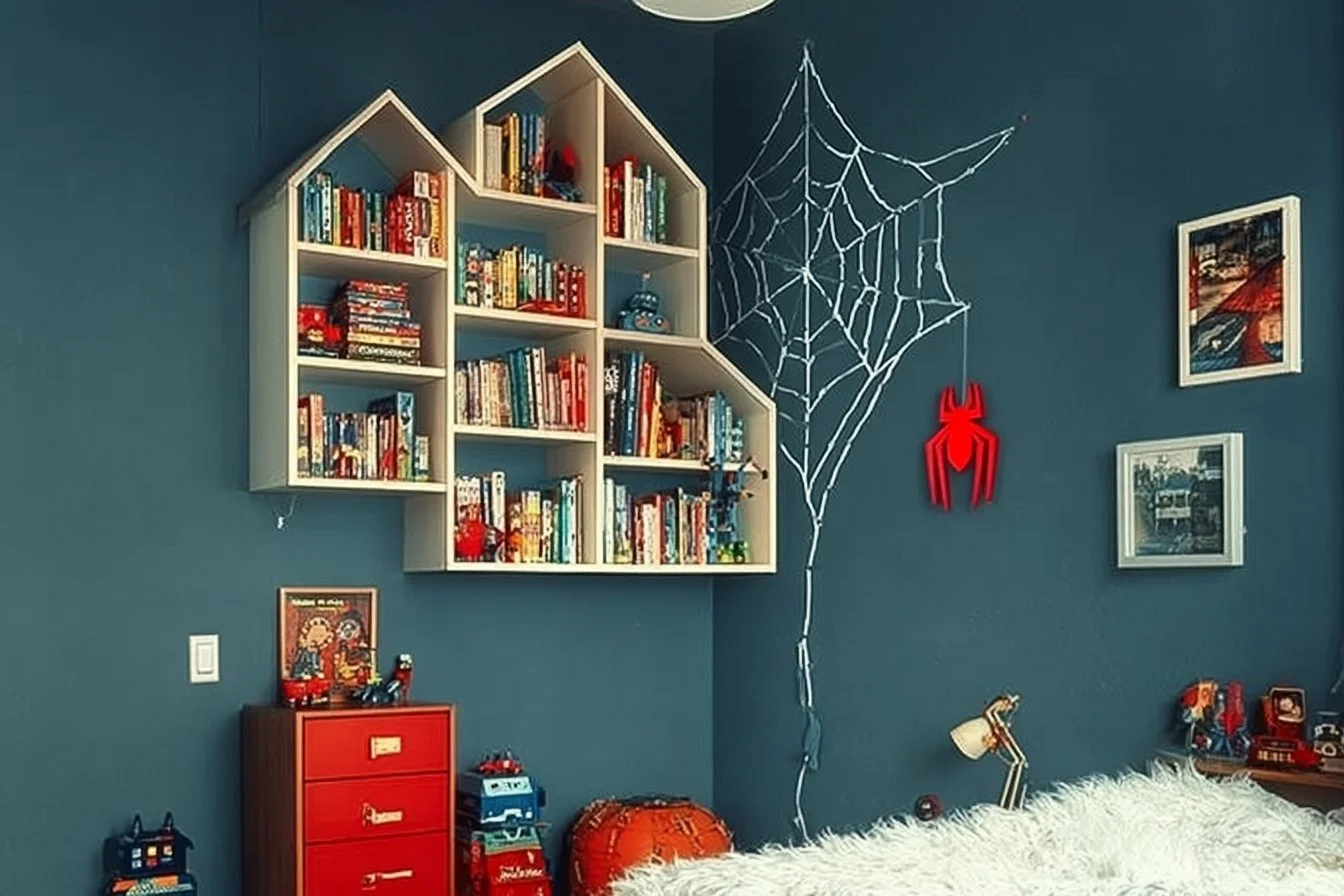
One of the easiest and most stunning ways to bring Spider-Man into your child’s room is with a bold wall mural. Imagine walking into a room where the web-slinger is leaping across the wall in a swirl of colors. This kind of visual impact instantly transforms the space into an exciting lair. Paint or wallpaper murals can reflect your child’s favorite moments from the comics or movies and foster inspiration while encouraging play and creativity. Adding some comic-book-themed décor, like floating wall shelves shaped like webs, can tie the theme together beautifully.

Spider-Man Bedding Sets

Every kid loves to snuggle up with their favorite hero, and what better way to do that than with themed bedding? A vibrant Spider-Man bedding set can encapsulate the essence of your child’s love for the character while ensuring a cozy night’s sleep. Look for sets featuring a combination of red, blue, and iconic spider-web designs, ensuring they dream of their next big adventure. As a bonus, these sets are often machine washable, making them practical for busy families like ours.

Web-Inspired Bedding Pillows

To further complement your child’s Spider-Man bedding, consider adding web-inspired throw pillows. These unique accents provide comfort and can be arranged for maximum fun when building a pillow fort or inviting friends for a movie night. Mix in a few plush Spider-Man toys for a cohesive look that not only enhances the theme but also gives your kids some cuddly companions during bedtime. They’ll love having their favorite superhero within arm’s reach.

Spider-Man Action Figures Display

For many kids, action figures are more than toys; they’re cherished collectibles that tell stories of heroism and bravery. Designating a shelf to display Spider-Man action figures can turn your child’s room into a mini gallery of superpowers. Opt for a floating shelf or a glass cabinet to showcase their collection. This encourages organizational skills while ensuring the room stays tidy—something every mom appreciates. Plus, it creates a personal touch, showcasing their unique style and passions.

Superhero-Themed Art and Prints

Decorate the walls with superhero-themed art that reflects your children’s love for Spider-Man. Look for vibrant prints that include famous quotes or dynamic scenes, perfect for igniting imagination and conversation. As they grow, you can mix and match different pieces to refresh the aesthetic, making the room feel new without a complete makeover. Artwork can motivate creativity and engagement, nurturing your child’s artistic side while subtly teaching them the importance of personal expression.

Sleek Study Area with Spider-Man Touches

Create a dedicated study area that channels your child’s superhero spirit and encourages them to tackle homework like a true hero. A desk with Spider-Man decals or a bold red chair can make a world of difference in their attitude toward studying. Pair this setup with thoughtful organization tools like colorful folders and themed stationery. This not only enhances their educational space but helps instill a sense of responsibility while making it fun to work on assignments.

Spider-Man Rugs for Comfort and Style

Rugs are a fantastic way to ground a space and add comfort underfoot—perfect for playtime! A Spider-Man-themed rug can illuminate the room while adding warmth and whimsy. Look for options that can handle spills since kids can be prone to messes during snack time or play. These rugs can serve as a designated play area and maintain the superhero theme cohesively, giving kids an inviting spot to unleash their imaginations.

Themed Nightlights for Sweet Dreams

Light plays a significant role in setting the mood of a room. A Spider-Man nightlight can provide just the right amount of soft glow to comfort your child as they drift off to dreamland. There are options available that project Spider-Man’s image, making bedtime adventures a little less intimidating. Nightlights can also foster independence as kids learn to sleep in their rooms, allowing them to shine a little bright even during the dark hours.

Hanging Capes and Costumes Display

If your little ones love dressing up, cleverly incorporating a display for their superhero attire adds functionality and fun. Hang a decorative hook or a mini rack in their space for capes and costumes. This not only keeps the room tidy but encourages imaginative play. Plus, seeing their favorite Spider-Man costume on display can inspire them to jump into their next adventure, keeping the superhero spirit alive in their daily routines.

Spider-Man Themed Storage Solutions

Keeping a kid’s room organized can be a daunting task, yet themed storage options can make it exciting. Invest in Spider-Man bins, baskets, or boxes to sort toys and games—keeping playful energy in the room while cultivating neatness. These storage solutions add a practical yet visually appealing element to the décor, proving that even superheroes need some order in their lives.

Creating a superhero haven within your home can connect your children’s dreams with their everyday lives, making their rooms a sanctuary for creativity and imagination. Each idea serves not just to decorate but to inspire, turning their spaces into vibrant reminders of their favorite heroes. As you explore these ideas, remember to let your child’s personality shine through—after all, their room should be a reflection of who they are, superpowers and all! Save these inspirations for later, and embrace the fun of decorating your superhero’s lair!

Categories
DIY

Homemade Yarn Pom-pom Rug

I still remember hauling backpacks, soccer gear, and an accidental science project home on a Tuesday, thinking there had to be a softer landing spot than the kitchen tile. As a mom in my forties with two kids between eight and twelve, my house is a constant flow of homework, carpools, and neighbor drop-ins. Mornings are a blur of cereal bowls and lost shoes, while evenings tend to end with someone curled up reading under a lamp. Those little moments made me hunt for pieces that bring warmth and personality without fuss. That search led me to handmade textures that feel like a family hug underfoot, easy projects I could finish while watching my son practice piano and my daughter color at the dining table. What followed were creative touches that changed rooms from functional to cozy, and offered simple decorating inspiration I could enjoy every day.

Plush Reading Nook Rug

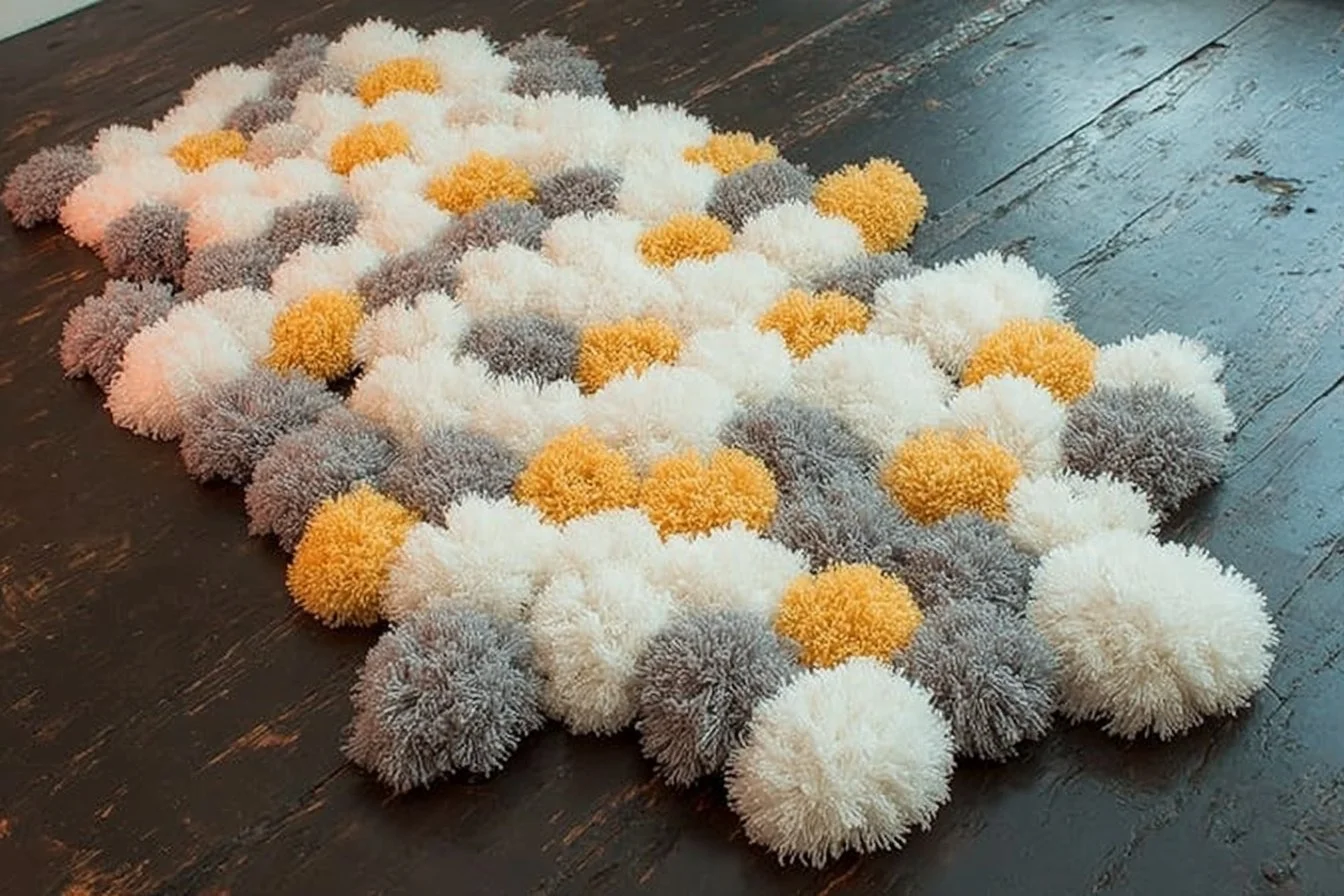
A small, fluffy pom-pom rug instantly defines a cozy corner and invites kids to curl up with a book. Visually, the soft texture contrasts with hard floors and furniture, creating a clear spot that reads as “stay awhile.” Emotionally, it becomes a familiar landing place after school or a rainy afternoon, a tactile cue that slows everyone down. To apply this at home, pick yarn in two or three complementary colors to match your lamp shade or throw pillow. Aim for a 2-3 foot diameter rug to fit beside a comfy chair; use a non-slip mat underneath for safety. When my daughter claims the corner for art time, the rug survives spilled crayons and quick wipe-downs because I chose washable acrylic blends. This kind of small upgrade is one of those home décor ideas that makes routine moments feel intentionally styled and loved.

Playroom Sensory Mat

A pom-pom textured mat is perfect for a playroom where imagination and sensory play go hand in hand. The visual appeal comes from the playful dots and soft peaks that contrast with toy bins and plastic bins. Emotionally, it offers kids a safe, soothing surface for floor games and quiet time after high-energy play. To create one, cluster pom-poms tightly on a sturdy rug backing so the surface stays plush and even under foot. Choose durable yarn in cheerful hues that hide crumbs and marks, and consider a removable mat for easy washing. My son loves rolling toy cars off the rug and counting the colors that land on each pom-pom, turning a simple piece of décor into a game. This approach blends practical interior styling tips with kid-focused functionality.

Layered Living Room Accent

Layering a pom-pom topper over a larger area rug adds instant depth and personality to a family living room. The smaller piece breaks up large expanses and draws attention to seating arrangements, creating a deliberately styled yet lived-in look. It works visually by introducing contrast in texture and scale; emotionally it feels curated but cozy, the kind of detail your neighbors notice during a casual visit. Place a circular pom-pom rug under a coffee table or in front of the sofa to anchor a reading lamp or family photo wall. Choose colors that echo cushions or throws for cohesion. On movie nights, the kids love sprawling on the layered textures, and the rug hides dropped popcorn surprisingly well. Layering is one of the easiest interior styling tips that blends aesthetics and family life.

Hallway Accent Runner

Turn an ordinary hallway into a welcoming path with a row of small pom-pom mats or an elongated pom-pom runner. The rhythm of repeating pom-poms makes a long corridor feel intentional and friendly rather than purely functional. Visually, it adds movement and softness to narrow spaces; emotionally, it becomes a cheerful transition zone people notice on their way in. For application, make a slim runner by sewing pom-poms into a tight grid on a durable backing or place multiple petite mats spaced evenly. Keep the palette simple to avoid overwhelming visitors and choose sturdier yarn for high-traffic areas. When guests come over, neighbors often comment on the playful touch, and my kids love racing down the hallway without slipping on the soft strip. This tweak is a subtle decorating inspiration that elevates everyday routes through the house.

Bathroom Bath Mat Makeover

A pom-pom mat can turn a routine bathroom into a softer, spa-like spot for kids and adults alike. The contrast of fluffy yarn against tile adds an inviting textural pause where everyone starts and ends their day. Emotionally, a tactile mat makes slow moments—like brushing teeth or tying hair—feel intentional and calm. For durability, use quick-dry yarn and secure pom-poms tightly to a non-skid backing to avoid moisture issues. Choose lighter tones for a serene look or bold colors to add cheer for children who wake up earlier than anyone else. I found mine becomes a favorite landing spot for sleepy feet after bath time, and it brightens up the small space without permanent changes. This is an easy decorating inspiration that blends practicality and comfort.

Personalized Bedroom Focal Piece

Create a custom statement rug for a child’s bedroom that reflects their personality and grows with them. Whether shaped as a heart, cloud, or simple circle, a handmade pom-pom rug becomes a little heirloom that ties bedding, curtains, and wall art together. Visually, it acts as a focal point that balances patterns and colors in the room; emotionally, it’s a comforting item a child can claim as their own. Use your child’s favorite colors, or pick a neutral base with pops of accent hues. Involve your kids in choosing yarn or making a few pom-poms to create memories—they remember crafting sessions years later during sleepovers. Place the rug near the bed or beneath a reading lamp to define a personal zone. This type of personalized touch ranks high among home décor ideas that feel lived in and cherished.

Conclusion

If you want step-by-step help on construction and layout, Katie Bookser’s guide explains how to make a cozy pom-pom rug with clear photos and tips for yarn choices: Katie Bookser’s cozy pom-pom rug tutorial. For a simpler method and tricks to speed the process, check this easy approach with practical tools and shortcuts: easy pom-pom rug method at Little Yellow Wheelbarrow.

Try saving a few of these decorating inspiration ideas to a board, pick one small corner to start, and see how a handmade texture can change daily routines into cozy moments your family returns to again and again.

Categories
DIY

5 Rainbow Craft Ideas for Kids To Spark Creativity!

Bright Rainbow Crafts to Transform Kids’ Rooms

I remember standing at the kitchen counter, coffee gone cold, watching my two—an energetic eight-year-old and a thoughtful twelve-year-old—race cereal boxes and giggle with the neighbors’ kids out front. Evenings in our cul-de-sac are full of pickup basketball, impromptu chalk art on the driveway, and the ritual of unpacking backpacks that always leave a colorful trail through the house. Those small, ordinary moments have me reaching for simple ways to brighten our living spaces without fuss. Little hands that love to create deserve spots where their art feels celebrated, not just stored. That instinct to turn their crafts into décor transformed our home, blending practical interior styling tips with play. Below are creative, kid-friendly projects that bring color and warmth to everyday rooms while fitting into busy family routines.

Rainbow Wall Gallery with Washable Frames

Turning kids’ artwork into a gallery adds instant charm and keeps memories alive. Start by creating a palette of washable frames in rainbow hues—tempera paint or removable vinyl work great—and hang them at kid-eye level in a hallway or above a reading nook. Visually, the repeated color blocks make a cohesive statement even when pieces change, giving a polished interior styling tip any parent can use. Emotionally, seeing their masterpieces framed validates creativity and boosts confidence for both an eight-year-old who doodles daily and a preteen who’s discovering a more refined style. To apply this at home, set a weekly swap routine: the kids choose a piece to display while older siblings help level the frames. Over time the gallery becomes a living timeline, echoing family rhythms and neighborhood playdates shared over the fence.

Rainbow String Light Canopy

A soft canopy of string lights wrapped with rainbow yarn turns a plain corner into a cozy retreat. The warm glow balances the bright colors, making a calming space for homework or storytime. From a practical perspective, this is one of the easiest home décor ideas to install: anchor three ceiling hooks, drape fairy lights, and weave colored yarn or tulle to create gentle bands of color. Emotionally, the canopy becomes a mini hideaway after a long day of soccer practice or piano lessons, a place where kids tell secrets or read beside a parent. For families with limited space, this trick creates vertical interest and helps define a spot without heavy furniture. It’s simple to adapt as tastes change—swap yarn for fabric strips or replace colors to match new bedding—so the canopy grows with your children.

Rainbow Chalkboard Wall for Ever-Changing Displays

A section of chalkboard-painted wall invites constant creativity and doubles as practical message space. Use a smooth, matte finish and frame the area with painted molding in rainbow shades to tie it into the room’s palette. Visually, the contrast between blackboard and bright framing creates striking focal points while letting kids express seasonal art, daily schedules, or neighborhood scavenger hunts. Emotionally, it’s collaborative: siblings leave notes for each other and neighbors’ kids contribute drawings when they stop by. To implement this, pick a low-traffic wall in the playroom or kitchen and set ground rules for who erases when—this keeps routines smooth and prevents disagreements. Chalk holders and a small shelf for supplies make it tidy and encourage independent creativity.

Rainbow Mobile with Recycled Materials

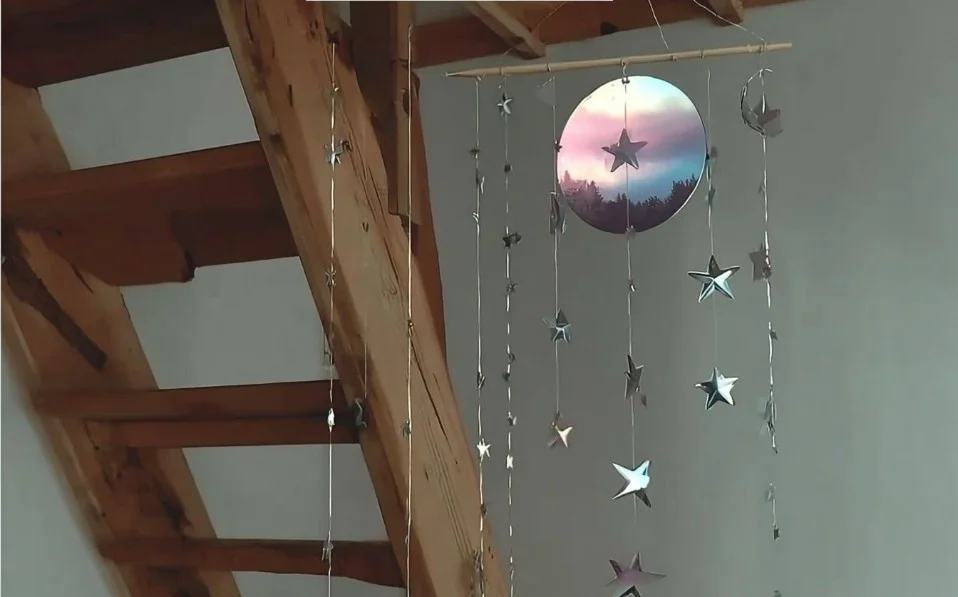
A lightweight mobile crafted from recycled cardboard, colorful tissue paper, and wooden beads brings motion and personality to a corner or over a bed. Cut simple arched shapes or raindrop silhouettes, paint or decoupage them in rainbow gradients, and hang on clear thread from a wooden hoop. The visual rhythm of the mobile draws the eye up, making ceilings feel higher and rooms more whimsical. Emotionally, mobiles are calming to younger kids and nostalgic for parents who remember making similar pieces in school. In real life, we hang one above our playmat and find it soothes our eight-year-old during quiet time while giving our twelve-year-old a display spot for miniature projects. To keep it tidy, balance the pieces so it rotates freely and swap colors seasonally or as kids grow.

Rainbow Fabric Bunting and Pillows for Cozy Corners

Soft textiles add immediate warmth and are easy to change as kids’ tastes evolve. Sew or tie a rainbow fabric bunting to drape along a bookshelf or window frame and layer small rainbow-themed throw pillows on a reading chair. Textiles play into tactile comfort and create inviting nooks for sibling reading sessions or neighborhood sleepovers. From a practical standpoint, pillow covers can be machine-washed and bunting can be rearranged, making this a durable decorating inspiration for busy households. To apply at home, involve the kids in choosing fabric scraps during a weekend sewing session; even simple no-sew tied bunting teaches hand-eye coordination and pride of ownership. The result is a soft, personalized corner that blends functional comfort with playful color.

Conclusion

If you want to save these decorating inspiration ideas, pin the projects that match your home flow and try one small change this weekend—kids love seeing their work turned into real décor. For easy snack ideas to enjoy during craft sessions, this fun family snack idea is always a hit with little helpers. And if you need tools for building imaginative structures while decorating, consider a sturdy magnetic building tiles set that doubles as playtime and room styling material. Come back anytime for more home décor ideas and interior styling tips to keep your home colorful, cozy, and truly yours.

Categories
DIY

DIY wall hanging decoration

Cozy Wall Hangings: Easy DIY Ideas to Try

I remember the late afternoons when the kids came in from the bus, backpacks half-open, sharing the neighbor’s little triumphs while I rinsed dinner plates and listened. My life in my forties is a comforting loop of school runs, piano practice, and swapping recipes with the woman next door whose porch light always seems lit. Between homework battles and weekend soccer, I like small projects that make our home feel like a warm hug at the end of the day. A simple piece of handmade decor can change the mood in our living room just as easily as a fresh batch of cookies can soothe a scraped knee. Those moments of quiet crafting with my eight and ten-year-old are where lasting memories meet practical decorating, and that’s how I fell in love with easy wall art that tells our family story.

Macramé Minimalist Hanging

Macramé offers a soft, tactile focal point that unfurls warmth across a wall without overpowering a room. The knotted patterns play with light and shadow, creating texture that feels cozy in a living room or calm in a hallway. Emotionally, macramé brings a handcrafted touch that connects to slow afternoons spent with kids looping simple knots or tracing patterns with their fingers. To make one at home, pick a wooden dowel, 3–4 mm cotton cord, and a simple square knot pattern to start. Measure the cord to be about four times the desired hanging length, knot in rows, and trim to shape. Hang it near family photos or above a reading nook for an inviting spot where kids can curl up with a book after school. This project supports interior styling tips that favor texture and family-friendly materials.

Textile Photo Tapestry

A fabric tapestry that includes printed family photos turns a wall into a sentimental gallery that still feels gentle and relaxed. The combination of fabric and imagery softens sharp frames, making memories part of the room’s fabric—literally. It visually unites disparate moments and helps a busy home feel curated rather than cluttered. To create one, choose a lightweight canvas or linen, print a favorite collage of family shots on image-transfer paper, and iron or sew it onto the textile. Finish with a sewn channel for a wooden rod so it hangs flat. My kids love pointing out their own faces at breakfast, and neighbors often ask where I found such a personal piece. This approach blends easy decorating inspiration with approachable customization.

Driftwood and Greenery Display

Natural materials like driftwood and greenery make a wall feel grounded and alive without fuss. The contrast between weathered wood and soft leaf shapes adds depth and a hint of the outdoors that’s calming after a hectic morning of carpools and emails. It’s especially effective over a console table or in a small entryway to welcome guests. Collect a sturdy piece of driftwood or use a smooth branch, attach faux or preserved greenery with floral wire, and secure jute twine to create tiers. My kids once helped tie tiny sprigs to a branch for a school project, and that little collaboration now hangs proudly by the door. This idea supports home décor ideas focused on natural textures and low-maintenance styling.

Yarn Pompom Collage

A colorful pompom collage is playful, tactile, and a great way to involve kids in decorating. Visual impact comes from layers of soft spheres and varied colors, and emotionally it reads as joyful and personal—perfect for playrooms or bedrooms. Start with a stretched canvas or cork board, make pompoms using a simple ring or fork method, and glue or pin them in a shape or gradient you love. My eight-year-old insists on adding a new pompom whenever she finishes a reading milestone, so the wall becomes a living record of small wins. This project merges decorating inspiration with family rituals that encourage pride and creativity.

Boho Ribbon and Bead Mobile

A ribbon and bead mobile adds motion and charm, catching light and shifting with air currents to bring life into a quiet corner. The tactile mix of ribbons, wooden beads, and small charms reads as both whimsical and curated, so it suits bedrooms, nurseries, or cozy corners where children build forts. Choose coordinating ribbons in different widths and textures, string wooden beads at varied intervals on fishing line, and attach everything to an embroidery hoop or wooden dowel. Secure knots with a dot of glue for durability. My neighbor’s preschooler once reached up to touch ours and ended up inspired to make one for her own room, which turned into a weekend crafting swap between our kids. This supports interior styling tips that value movement and handmade detail.

Framed Kids’ Art Textile Grid

Turning children’s artwork into a textile grid of fabric pockets or simple framed squares respects their creativity while keeping walls organized and stylish. This visual approach highlights family moments and encourages kids to contribute to the home’s look. Use a linen backing and sew shallow pockets for rotating drawings, or frame small canvases on a single wooden panel for a neat grid. Mount it at eye level in a hallway or above a study nook so the kids can change their featured pieces themselves. I love how my son’s spontaneous doodles look intentional when displayed together—it’s an everyday reminder that our lives are colorful and constantly evolving. This idea ties into decorating inspiration that embraces personal items as central to style.

Conclusion

If one of these projects sparks an idea, save it to your Pinterest board and set aside a quiet afternoon to try it with your kids—small hands and simple tools make the best memories. For more playful craft ideas that can inspire personalized decor, check out this quirky party banner idea that spurred my own color choices: Huggies And Chuggies Banner DIY inspiration. And if you’re curious about felt-based wall pieces that are child-friendly and easy to swap out, take a look at this felt tree hanging for a kid-friendly wall option: CASA CLAUSI Felt wall hanging idea. Try one project at a time, involve the family, and let your home reflect the comfort and stories you’re building together.

Categories
DIY

Decor Guide: Kids Room Ideas That Are Nothing but Stylish

Stylish Kids Rooms: Fresh Cozy Decorating Ideas

I still remember the Saturday morning when my neighbor Mrs. Alvarez knocked with a plate of muffins and a paint-splattered grin, asking if she could borrow our ladder while her son and mine debated superhero capes at the picnic table. As a forty-something mom with two kids between eight and twelve, life is a steady stream of carpools, homework checks, and bedtime negotiations over whose stuffed animal gets the top pillow. Our house holds Lego cities on the dining table and crayon murals that somehow find their way into every corner. Those small domestic scenes have taught me that a kid’s room should be a calm backdrop for messy, joyful life — a place that keeps order without squeezing out personality. Over the years I’ve collected simple, real-world tricks to turn chaos into style so rooms feel purposeful, kid-friendly, and picture-worthy without endless overhauls.

Color Anchors: One Wall, Big Impact

Choosing a single accent wall or a bold wallpaper turns a child’s room into a curated space without overwhelming a busy household. A painted wall becomes a visual anchor where everything else can stay neutral and easy to swap as tastes change. Visually, it grounds the room and gives photos and Pinterest boards something to pop against. Emotionally, a color kids helped pick becomes part of family stories — the blue wall where they learned to ride a scooter inside on rainy afternoons, or the soft coral that brightens after a long week of school. To apply this, pick a washable eggshell paint or peel-and-stick wallpaper for durability, then place the bed or desk against that wall to maximize the impact. These small color investments are classic home décor ideas that make cleaning and rotating toys feel intentional, not chaotic.

Smart Storage That Doubles as Furniture

Clutter fades when storage feels like design. Think benches with hidden boxes, beds with drawers, or modular cubes that become bedside tables. These pieces work visually because they keep lines clean and surfaces tidy, and emotionally because they reduce the friction of family routines — morning rushes and bedtime cleanups are simpler when everything has a place. Start by assessing daily flows: where do school backpacks land, which toys are used most, and where do art projects accumulate? Choose durable fabrics and finishes that stand up to spills and energetic kids. Teach routines gently by making cleanup part of play: a game to stow books before snack, or a race to fill the toy bin. These interior styling tips make rooms look edited and teach kids responsibility without a lecture.

Rotating Gallery Walls to Showcase Growth

A gallery wall is an evolving statement rather than fixed decor. Frame school art, family photos, or favorite postcards in a mix of sizes so the arrangement feels curated but flexible. Visually it creates texture and personality; emotionally it honors children’s changing interests and small wins. Apply this at home by dedicating a single wall or the space above a headboard to a mix of removable frames or washi-taped prints. Rotate pieces monthly or when a new school project comes home. In my house, swapping art became a Friday ritual: the kids choose one piece to feature and explain why they picked it, turning decorating inspiration into family storytelling. The result is a room that celebrates creativity while staying stylish and uncluttered.

Cozy Reading Nook with Layered Textiles

A cozy corner invites quiet moments and helps balance a busy household full of activity. Create a reading nook with a low bookcase, a soft pouf or bench, and layered textiles like a washable throw and a few plush pillows. Visually, layers add warmth and depth; emotionally, a dedicated spot offers children a reliable retreat for nightly reading or rainy-day calm. Keep books within reach and rotate selections to match interests — adventure titles near the older child’s side, picture books closer to the younger one. Lighting matters: a soft bedside lamp or adjustable clip light makes the space useful after dusk. These small interior styling tips make the room feel lived-in and intentional, encouraging independent reading while fitting seamlessly into a family routine.

Durable, Design-Forward Rugs as Room Anchors

A well-chosen rug can define zones for play, study, and sleep while protecting floors from daily wear. Choose low-pile, stain-resistant rugs with a pattern that hides small spills and survives rough play. Visually, rugs anchor furniture and give the room a finished, polished look; emotionally, a comfy rug becomes the unofficial meeting spot for blocks, board games, and bedtime chats. To apply this practically, size the rug so the front legs of the bed and furniture sit on it, creating cohesion. Layer smaller washable rugs for high-traffic areas like beside the bed. I’ve learned that a rug’s color palette informs the rest of the room — pick tones that coordinate with bedding and wall accents so switching accessories later feels effortless. These home décor ideas keep style and utility in balance.

Whimsical Lighting and Personal Details

Lighting sets mood and supports routines. Mix ambient ceiling light with task lamps for homework corners and soft string lights for nighttime comfort. Visually, varied light sources create depth and warmth; emotionally, personalized lamps or themed shades can become comfort objects children remember as they grow. Apply this by installing dimmable switches where possible and choosing fixtures that are safe and easy to clean. Add a small nightlight near the closet for midnight searches and a wall sconce for the older child’s reading. Personal touches like monogram pillows, a special curtain panel painted together, or a map of places visited add layers of meaning without clutter. These decorating inspiration cues help kids feel ownership while keeping rooms serene for the whole family.

Conclusion

If one thing’s true from years of carpools and late-night story swaps, small, thoughtful changes add up to rooms that feel both stylish and lived-in. Save a pin or try one idea at a time — an accent wall this month, a cozy nook next — and watch how the space shifts with your family’s life. For budget-friendly finds and clearance-worthy picks that spark fresh decorating inspiration, consider browsing kids room clearance inspiration. For additional professional perspectives on designing child-friendly interiors, this children’s room decor guide offers practical examples and styling details.

Categories
DIY

6 Easy DIY Ideas to Decorate Kids’ Bedrooms for Spring!

Fresh Spring DIY Decor for Kids’ Rooms

I still remember the slow Saturday mornings when the sun slides through our kitchen window and the kids race in, socks squeaking, arguing about who gets the blue blanket. At forty-two, my life orbits school carpools, soccer practices, and the neighbor’s lemon tree that somehow sprouts a new idea every season. My two kids, ages eight and eleven, love projects that feel like play but leave a room that’s calmer for homework and sleep. Between packing lunches and folding tiny socks, I’ve picked up simple tricks that make a bedroom feel cheerful without turning my dining table into a craft disaster zone for weeks. Those small wins—fresh pillows, a bright corner for reading, a wall that sparks imagination—are what keep our household humming and give the kids a space they actually want to keep tidy.

Floral Accent Wall with Washable Paint

A painted accent wall gives an instant focal point and is forgiving for active kids. Choosing a soft floral stencil or a large-scale blossom pattern lifts a room without overwhelming it. Visually, it anchors furniture and adds depth; emotionally, it creates a cheerful backdrop that feels cozy and grown-up. To do it at home, pick washable, low-VOC paint and tape off a rectangle behind the bed or a reading chair. Use a sponge roller and stencils for a painterly look that hides small mistakes. Let the kids pick two coordinating colors and help with stenciling—mine love counting petals while I steady the stencil. You’ll end up with a personalized wall that’s easy to repaint later and looks great in photos for memory boards or neighborhood home tours.

Cozy Canopy Reading Nook

A canopy turns a corner into a mini-retreat where imagination runs free. Soft fabrics draped from a tension rod or ceiling hook create instant enclosure and a sense of calm that helps kids settle for stories or quiet play. This works because it defines a space within a room, giving kids their own zone without major renovations. Choose light, washable fabrics in spring hues and pile washable cushions and a throw rug underneath. Add a battery-operated string light for evening reading and a small basket of books. I set up a nook in my younger child’s room so homework interruptions drop—sudden sibling negotiations become less frequent when there’s a designated quiet spot. The setup is portable, inexpensive, and can be swapped out as tastes change.

Upcycled Furniture Makeover

A fresh coat of paint and new hardware breathes life into hand-me-down dressers and nightstands. Upcycling is practical, budget-friendly, and teaches kids about resourcefulness. A bold drawer color or playful stripes can make furniture feel custom and cohesive with the room’s theme. Start by sanding lightly, priming with a stain-blocking base, and using chalk or satin paint for durability. Change knobs to fun, tactile options—ceramic animals or shiny brass for a modern touch. Enlist your older child to sand or pick colors while the younger one tests knobs for coolness factor. The small project becomes a family memory, reduces waste, and gives you room to place ads around the finished piece without feeling cluttered.

Nature-Inspired Mobile and Planters

Bringing little bits of the outdoors in adds texture and calm to a child’s room. A DIY mobile made from pressed leaves, driftwood, or paper flowers offers delicate movement that delights both kids and adults. Small, low-maintenance planters—like succulents or air plants—teach responsibility and brighten tabletops or window sills. Visually, natural elements soften synthetic toys and fabrics, and emotionally they foster curiosity about the seasons and science. To make this work at home, collect safe, dried botanicals or use durable faux greenery for low upkeep. Hang a mobile over a desk or reading nook and place a trio of small pots on a shelf where kids can water them on weekends. My neighbor’s boys loved swapping plant jobs, turning care into a friendly routine.

Chalkboard Gallery Wall for Creativity

A chalkboard wall area invites daily creativity and serves as a changeable art gallery. Instead of covering an entire wall, frame a chalkboard paint rectangle or mount a large framed panel above a desk. It looks stylish and gives kids a dedicated spot to draw, practice spelling, or track weekly chores. Chalkboard surfaces are tactile and forgiving; the ability to erase keeps the space fresh and reduces the pressure to make perfect art. Apply two coats of chalkboard paint and season it by rubbing chalk over the surface before first use. Hang a small ledge below for chalk and erasers, and rotate artwork by snapping photos to a family album. In our house, sketches of the dog or impromptu math problems become mementos, and the wall cuts down on stray papers pinned to the fridge.

Bright Textiles and Swappable Art

Swapping pillows, curtains, and art is one of the easiest ways to refresh a room and control the budget. Bright textiles instantly lift a space and are simple to wash and replace as tastes evolve. Textiles also add pattern and softness that balances painted surfaces and furniture. To implement this at home, choose a base bedding set and add seasonal or thematic pillow covers that are machine washable. Create a gallery rail with clip frames for easy art swaps—kids can display school projects and friends’ doodles. This approach supports rotating styles without a full redecorate and is perfect when siblings want different themes during sleepovers. I keep a small basket of extra pillow covers in the linen closet, ready for a quick refresh when a kid invites a friend over or inspiration strikes.

Conclusion

If you enjoyed these ideas, save a pin and start small—swap a pillow or hang a print this weekend to see how little changes brighten your daily routine. For more hands-on projects you can make with the kids, check out 12 Beautiful Spring Crafts to Make and Sell for simple craft inspiration. If you want a tour for styling ideas and layout tips, the Light + Airy Farmhouse Spring Bedroom Tour offers gorgeous examples to spark your interior styling tips and decorating inspiration. Come back when you’re ready for fresh home décor ideas or a new weekend project—your kids will thank you for the cozy, cheerful spaces.