Categories
Bathroom

5 Bathroom Storage Ideas That Will Totally Change the Way You Organize

Bathroom Storage Hacks You’ll Want to Pin

Some of my clearest weekday memories are a blur of cereal bowls, soccer practice and little socks trailing from the laundry basket to the van. As a forty-something mom of two kids between eight and twelve, my mornings are a choreography of toothbrush timers and hairbrush hunts while the neighbor waves from her porch. I used to stash toiletries in random drawers and stash extra toilet paper behind the hamper, promising myself I would fix it someday. Then a few small changes to how I organized our bathroom completely shifted our family rhythm and the way our mornings feel. Between sneaking decorating inspiration from blogs and borrowing a clever hook from a kitchen post, I learned to make storage both beautiful and practical for busy family life — so everyone can find what they need without the stress.

When I need style and comfort ideas for the rest of the house, I sometimes click over to modern boho living room ideas for a quick refresh on color and texture.

Section 1: Use vertical shelving to free floor space

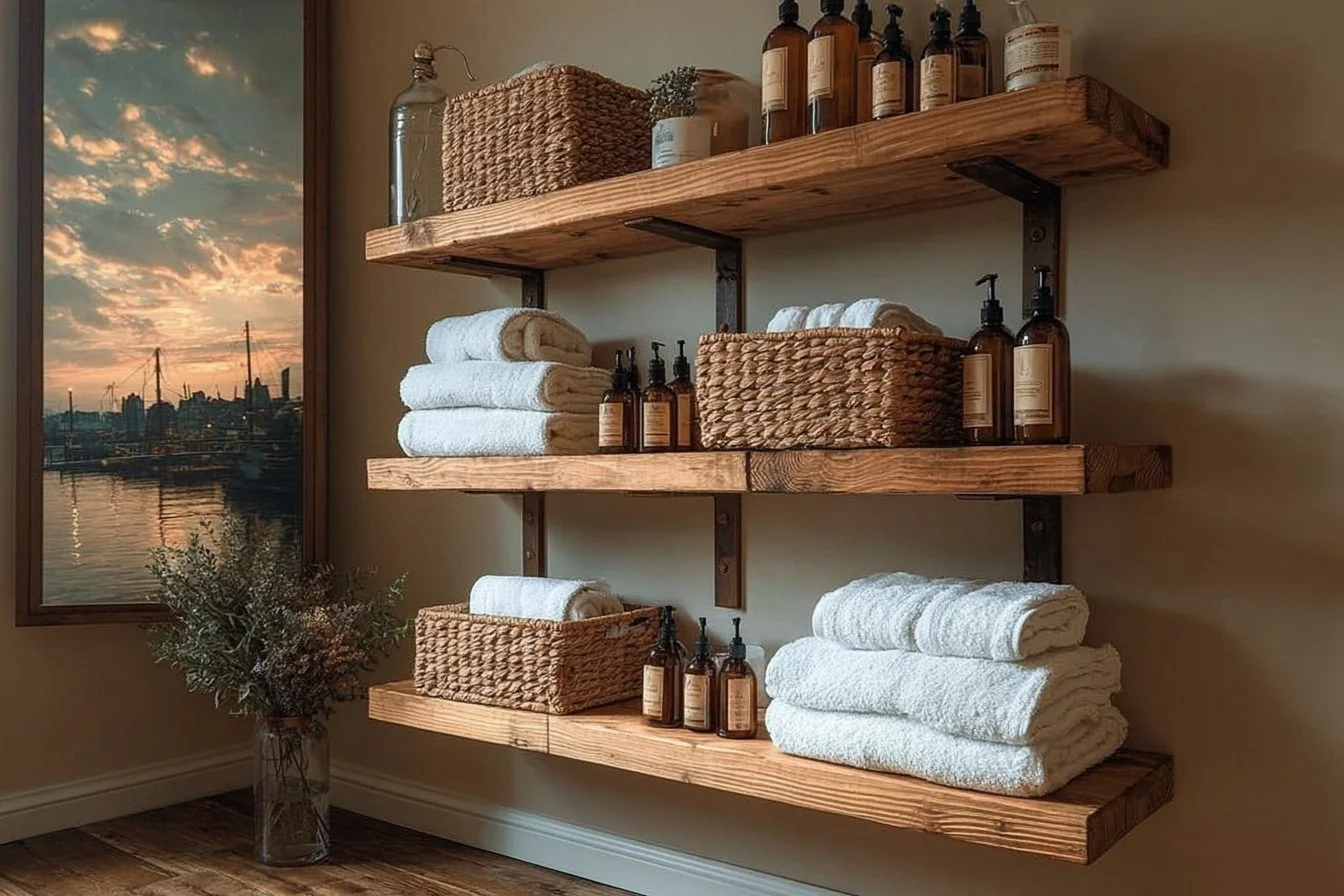
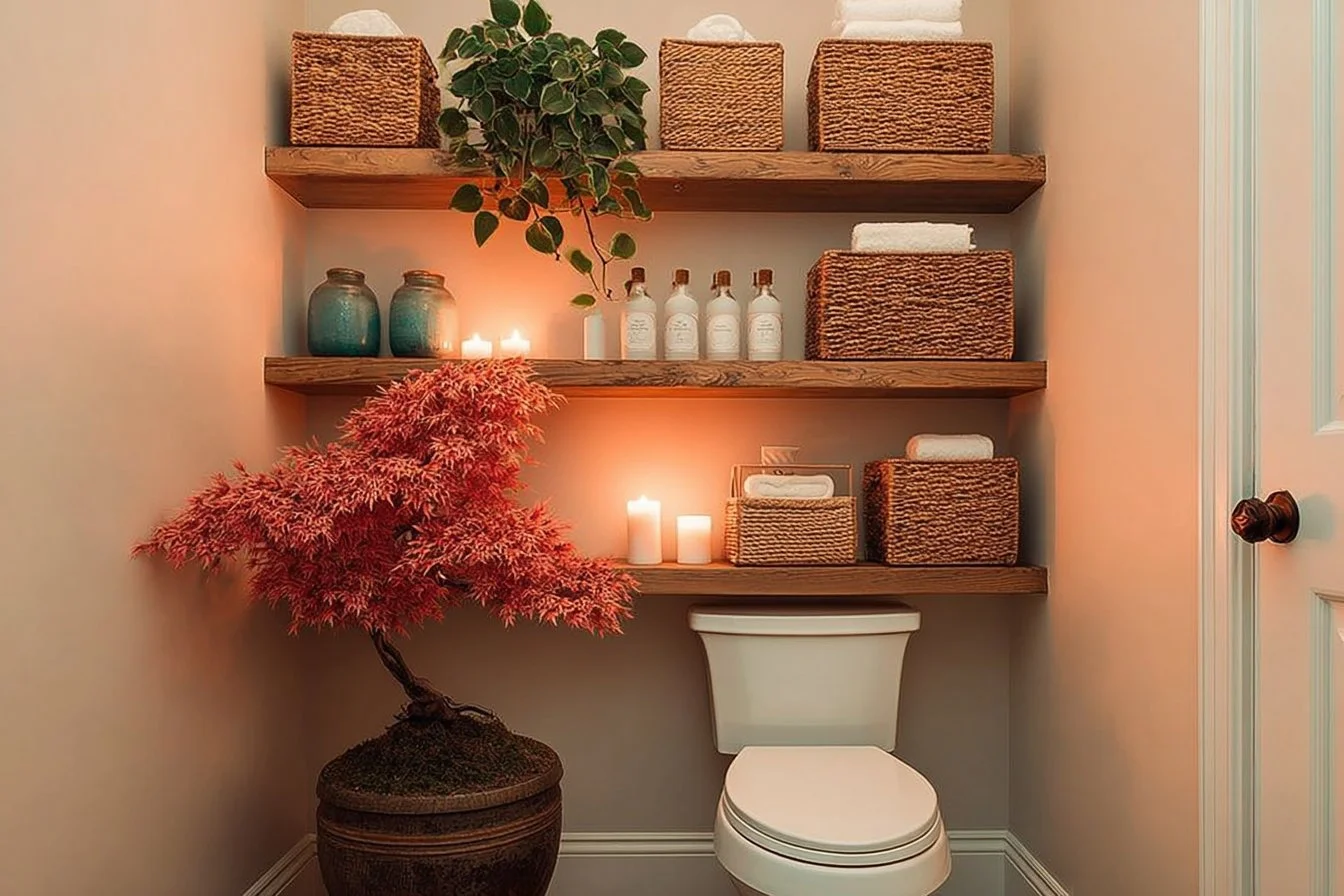
One of the easiest visual upgrades that also conquers clutter is adding vertical shelving. A set of floating shelves above the toilet or near the mirror creates a runway for pretty jars, spare towels and the everyday items kids need at arm’s reach. It works visually because your eye travels upward, making the room feel taller and calmer, and emotionally it gives you a sense of order without hiding everything away. Practically, floating shelves are simple to install and can be styled with baskets for small items like hair ties and cotton rounds. I keep a lower shelf at a kid-friendly height for their own cups and toothpaste, which saves time during rushed mornings. Styling them with a plant or framed photo ties the organization into your home décor ideas, so the bathroom looks intentional rather than piled.

Section 2: Opt for recessed and mirrored cabinets that double as décor

Hidden storage that also functions as a focal point can change how you use daily space. A recessed medicine cabinet or a mirrored cabinet replaces a plain mirror and keeps medicines, lotions and small tools out of sight but easy to reach. It works emotionally because it reduces visual noise, creating a peaceful start to the day, and visually it reflects light back into the room. For families, I recommend dividing shelves by person so kids learn to put things back. Pair a mirrored cabinet with under-sink pull-out drawers for hair tools and extra cleaning supplies. I even borrowed a magnetic strip trick from a kitchen post I read about 5 ways to make your kitchen more witchy to hold tweezers and bobby pins inside the cabinet door, which saves time and keeps small metal items from getting lost.

Section 3: Make vanity drawers work smarter with dividers and trays

Vanity drawers can be a chaotic black hole, or they can be your best friend. Using adjustable dividers and shallow trays creates zones for skincare, makeup and dental care. This approach works visually because everything has a place, eliminating frantic searching, and emotionally it gives a tiny daily victory when the kids put items back where they belong. I label a small tray for kid-approved products so they don’t bring the whole drawer into the shower. Investing in a pull-out tray for the top drawer keeps your everyday items visible and easy to grab while a deeper drawer below stores larger items like hair dryers. These small systems are a cornerstone of interior styling tips that blend function with feeling; they make the bathroom look curated instead of chaotic.


Section 4: Treat shower space like its own little storage project

When water time is family time, shower storage needs to be safe, smart and simple. Swap clunky hanging plastic bags for stainless or bamboo corner shelves and a tension-rod caddy to hold bottles at kid height. This setup works visually because materials like wood and metal elevate the look, and emotionally families appreciate durability and easy cleaning. Install a small suction hook for loofahs and a hanging toiletry basket for each child so everyone recognizes their space. If you’re tight on wall space, use a low-profile over-the-showerhead organizer or magnetic soap dishes that cling to tile. For my family, a clear system cut down on the number of arguments about which shampoo is whose and made bath time cleaner and quicker, which is a real win for busy evenings.


Section 5: Use doors and walls to gain unexpected storage and style

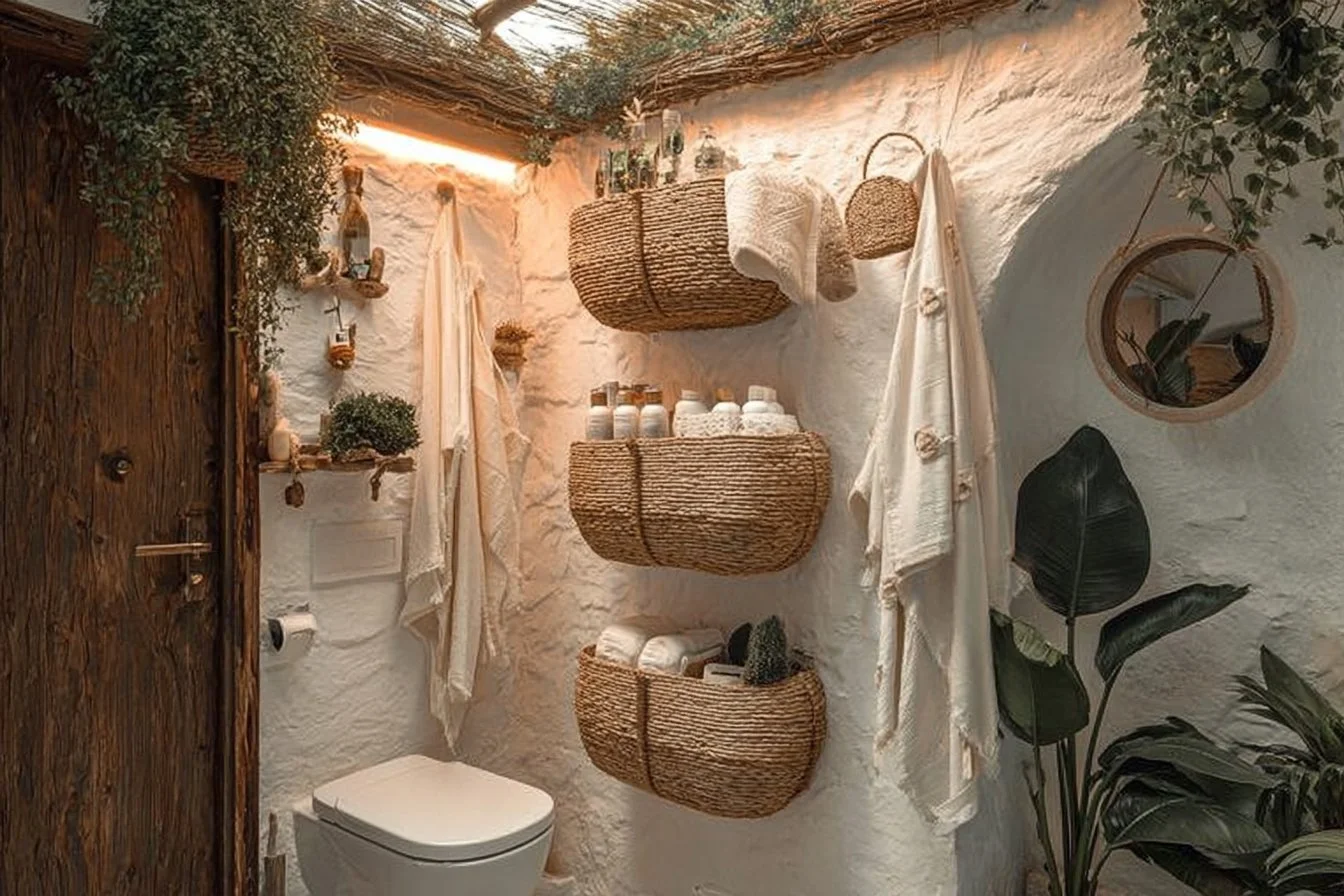
Doors and free wall space are often ignored but packed with potential. A slim over-the-door organizer or mounted pegboard for hair tools becomes a display of tidy utility, adding both texture and function. This works emotionally because it turns messy tools into a neat tableau, and visually it gives you layers to the room without sacrificing floor space. A leaning towel ladder or a row of decorative hooks keeps towels accessible and doubles as a style choice that supports your decorating inspiration. Baskets mounted on the wall are perfect for extra toilet paper, kid’s bath toys or guest toiletries. In our house, a low hook for pajamas means no wet towels on the floor and one less thing for me to chase before bedtime, blending practical home décor ideas with real family life.

Conclusion

If you try even a few of these storage strategies, you’ll notice how small changes make mornings less frantic and bathrooms feel more like a restful retreat. Save the ideas that fit your space and remember that mixing pretty storage with practical systems creates room to breathe for everyone in the family. For a deeper dive on how to bring style and order to a master bath, I found a helpful guide that shows step-by-step room planning and storage solutions when I needed more inspiration: organize the master bathroom in style. Come back later to tweak a shelf or two — the best organizing projects evolve with your family.
Categories
Bathroom

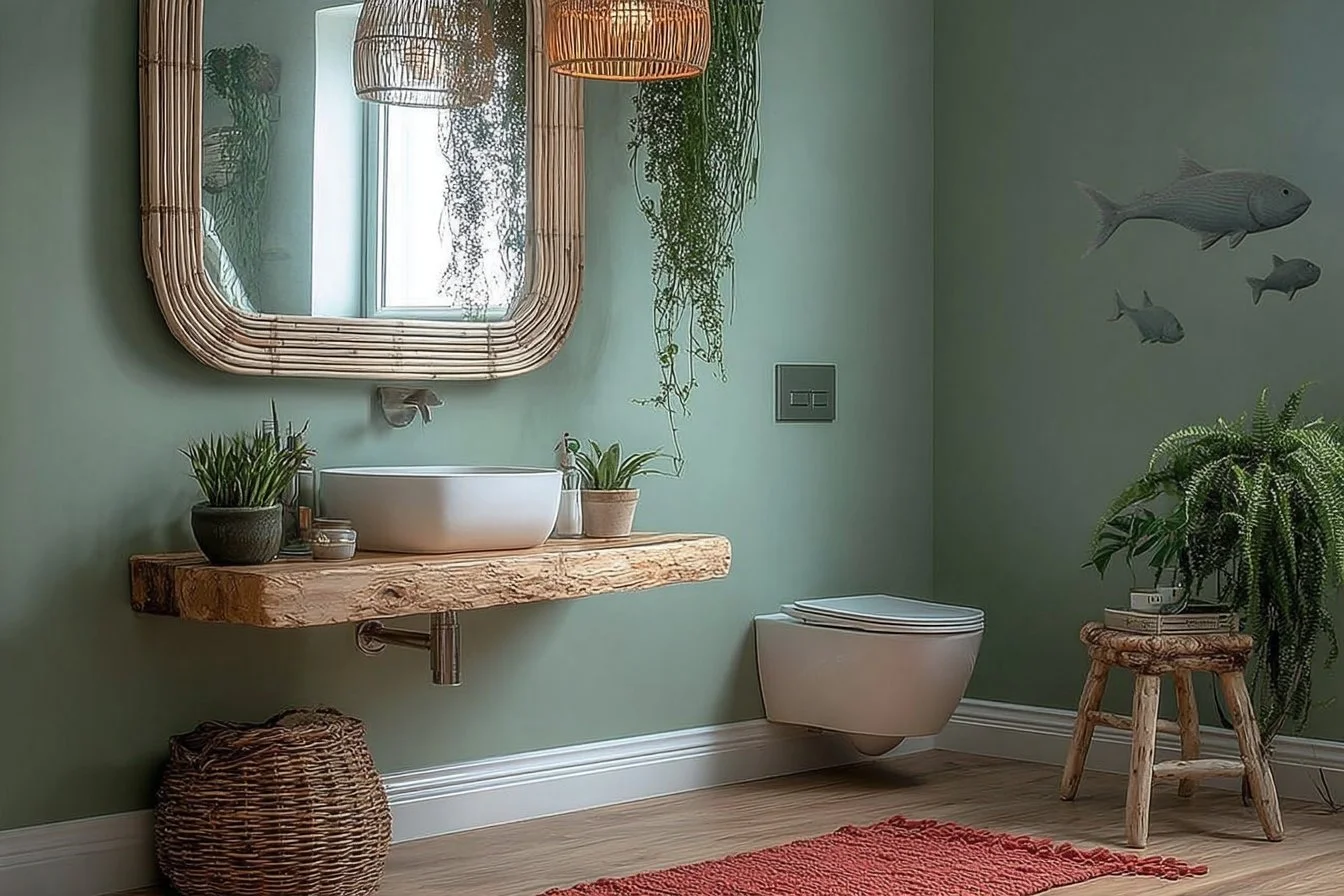
Sage Green Boho Bathroom

Sage Sanctuary: Boho Bathroom Refresh

Some evenings I park at the curb, watching the porch lights come on across the street while the kids argue over who gets the last s’mores stick. Between carpools, homework episodes and the neighbor’s labradoodle who insists on greeting our front door, my house is where routine meets little surprises. I love small rituals like folding warm towels right after baths, and those quiet minutes of sipping coffee while the kids trace dragons with rubber duckies in the tub have given me ideas for making our bathroom feel calm and lived-in. I even scrolled through timeless sage green kitchen tips for color confidence, because color flows through a home and can soothe everyone after a busy day. What follows are practical, family-friendly design moves to bring a gentle, modern boho vibe into a small family bathroom without losing functionality.

Soft Sage Walls as a Serene Backdrop

Painting a bathroom in a muted sage instantly creates a sense of calm that works with both sunlight and warm vanity lighting. Visually, sage acts like a neutral with personality; it softens bright tile and makes white fixtures feel more inviting. Emotionally, the color evokes nature and stability, which helps tired parents breathe a little easier during late-night tuck-ins. For application, choose a washable, semi-gloss or satin finish around splash zones so the walls stand up to little hands and steam from showers. Try painting just one accent wall behind the vanity if you rent or want a subtle change, or paint the whole room to make a small bathroom feel like a cozy retreat. Add family touches like framed kids’ handprints in neutral mats to keep things personal and avoid a museum look while still feeling thoughtfully styled.

Warm Natural Textures: Woven Accents and Wood

Boho style leans on texture more than bold patterns, so layering woven materials gives a bathroom depth without clutter. Rattan trays, jute rugs and a small wooden stool bring warmth and tactile contrast against cool tile and porcelain. These textures feel lived-in, which is perfect for a family bathroom where practicality meets charm. For real-life use, choose rugs with a non-slip backing and water-resistant finishes for tiny splashes. A woven basket beside the tub is an easy catch-all for bath toys and extra shampoo bottles, keeping counters clear during school mornings. If your children like to help with laundry, a lightweight wicker hamper is easy for eight- to twelve-year-olds to carry. Mixing wood tones with sage walls enhances the organic look and creates a welcoming, neighborhood-friendly vibe that makes guests feel at home.

Layered Lighting and Mirrors for Cozy Function

Good lighting transforms a bathroom from harsh and utilitarian to soft and flattering, which is essential for both getting ready and winding down. Combine a warm-toned overhead fixture with sconces beside the mirror to reduce shadows; this is especially helpful when helping kids brush their hair or read bedtime stories in the tub light. A round or irregular mirror adds a boho touch and breaks up the straight lines of cabinets for a friendlier feel. Practical updates like dimmable bulbs let you switch from bright task light during morning routines to a gentler glow for baths. Also consider plug-in wall sconces or battery-powered lights if you want to avoid rewiring. These small investments make the space feel boutique-level while still being family proof, so that late-night teeth brushing becomes less of a chore and more of a shared, cozy ritual.

Greenery and Botanical Accents for Life and Freshness

Plants do wonders for both air quality and mood, and a bathroom with a sage palette invites greenery in naturally. Small potted plants like pothos, spider plants or ferns thrive in humidity and add life to shelves or windowsills. Visually, green-on-green layering reinforces the soothing vibe without feeling matchy. If you prefer art, botanical prints in thin frames give the same calming energy and are easier to maintain with kids around. For families, pick low-maintenance plants that can survive a missed watering after a busy weekend soccer tournament. Position plants out of reach of little hands or choose hanging planters to keep things tidy. Adding living elements also creates a soft visual loop between the bathroom and other decorated spaces, echoing the relaxing palette you might use elsewhere for cohesion and flow.

Textiles and Towel Styling That Survive Real Life

A boho bathroom feels tactile, and textiles are where function and style collide. Choose plush, quick-drying towels in off-white and sage variations, and layer a woven hand towel or patterned face cloth for personality. A small bath mat with a low pile is safer for kids and easier to wash; look for machine-washable jute-blend rugs to keep the boho look without high upkeep. Store extra towels in an open shelf or woven basket so children can grab what they need—this teaches independence and keeps morning routines moving. Consider installing a lower hook or peg to give an eight- to twelve-year-old their own spot for a towel, which can cut down on mid-morning squabbles. Styling towels in loose rolls or stacked neatly creates a boutique feel, but keep enough within reach so practicality always wins over perfection.

Smart Storage and Kid-Friendly Organization

A stylish bathroom needs smart storage to remain functional for a family of four. Open shelving shows off decorative items like small succulents or pretty glass jars while keeping daily essentials accessible. Mix closed cabinets for cleaning supplies with baskets or bins for kids’ bath toys and hair accessories. Use labeled woven baskets for quick sorting so the kids can help put things away, turning cleanup into a team effort. When counter space is limited, a slim over-the-toilet unit or a hanging organizer behind the door can hold extra toiletries without crowding the sink. Think about where you need frequent access during morning routines and position items accordingly; for example, keep toothpaste and brush cups at kid height to speed things up on school days. These small systems maintain the relaxed boho look while accommodating the real pace of family life.

Conclusion

If you want one simple way to tie these ideas together, consider adding a coordinated accessory set in a calming green to reinforce the sage palette and add instant polish. For a practical option that blends style with everyday use, this FEXIA green bathroom accessories set can make styling and organizing feel effortless. Save this page for later, try one small update at a time, and enjoy the slow unfolding of a bathroom that feels both peaceful and perfectly suited to family life.

Categories
Bathroom

10 Chic Small Bathroom Ideas for a Stylish, Trendy Space

I still remember the afternoon my neighbor popped by with a casserole and stayed to chat while my son practiced piano and my daughter argued about which socks matched her outfit. Between refereeing sibling spats, packing lunches and sneaking an extra almond into my coffee, our tiny downstairs bathroom became this little oasis of calm for quick breathers and whispered pep talks. When I plan weekend projects, I flip through design posts and save ideas for corners that get the most family traffic. Sometimes a clever shelf or a pop of pattern can turn that squeeze of space into something guests compliment as they leave. If you love mixing practical fixes with pretty touches, you might also enjoy how a cozy kitchen scheme translates to small spaces through warm textures and inviting colorways in resources like this cozy country kitchen inspiration.

1. Use Floating Shelves to Maximize Vertical Space

Floating shelves are one of the easiest ways to add storage without crowding a small bathroom. By drawing the eye upward, they visually stretch the room and make it feel taller. Install slim shelves above the toilet or beside the mirror to display folded hand towels, a candle, or a small plant. They turn a purely functional corner into a styled moment guests remember.

2. Add a Statement Wallpaper Accent

A bold wallpaper on a single wall can completely transform a compact bathroom. Choose a moisture-resistant, washable wallpaper with a small-scale pattern to avoid overwhelming the space. A feature wall behind the sink or toilet adds depth, personality, and hides everyday wear—perfect for busy family homes.

3. Choose a Compact Vanity with Built-In Storage

A slim cabinet or floating vanity gives you a real sink surface and hidden compartments for toiletries, medicines and extra toilet paper. Visually, these vanities reduce clutter and make the room feel more intentional; emotionally they cut stress because everything has a place—ideal for busy mornings. Opt for drawers with compartment dividers so small items don’t tumble into a single jumbled tray. My family uses shallow drawers to stash kids’ night creams and my quick-fix makeup items, so our bathroom routine stays smooth even when we’re rushing out the door. For a cohesive look, match the vanity finish to the mirror frame or towel hooks so the space reads as a designed room rather than a patched-together utility area. For playful textural pairings that inspire similar cohesion in living zones, peek at these modern boho living room ideas.

4. Upgrade the Mirror for Instant Impact

A well-chosen mirror can make a small bathroom feel twice its size. Opt for a rounded shape, arched top, or thin metallic frame to add character without heaviness. Mirrors reflect light and create openness, making even quick visits feel more pleasant.

5. Layer Soft, Warm Lighting

Lighting changes the entire mood of a small space. Instead of harsh overhead lights, add a wall sconce or LED strip above the mirror. Warm-toned bulbs create a cozy, welcoming atmosphere that feels more like a home and less like a utility space—something guests notice immediately.

6. Stick to a Monochrome Color Palette

A single color family layered with different textures keeps a small bathroom feeling open and sophisticated. Soft beige, muted green, or warm gray work beautifully when paired with tiles, woven baskets, and matte hardware. This approach makes the room feel cohesive and visually larger.

7. Introduce Texture to Add Warmth

Texture is essential in small bathrooms where color is often limited. Think plush towels, woven storage baskets, ribbed glass accessories, or matte ceramic soap dispensers. These details soften hard surfaces and add a sense of comfort without clutter.

8. Bring in Greenery for Life and Balance

A small plant instantly freshens a compact bathroom. Low-maintenance options like snake plants or pothos thrive in indirect light and add a calming, natural element. Greenery balances tile and porcelain, making the space feel more lived-in and welcoming.

9. Keep Accessories Minimal but Thoughtful

In small spaces, every item should earn its place. A simple tray for soap and hand lotion, a discreet hook for guest towels, or a small decorative object can elevate the room without overwhelming it. Thoughtful restraint is what makes the space feel chic rather than crowded.

10. Finish with Scent and Soft Textiles

The final layer is sensory. A subtle room spray, linen hand towels, or a soft bath mat can turn a quick stop into a pleasant pause. These finishing touches make guests feel cared for and help the bathroom blend seamlessly with the rest of the home’s atmosphere.

Conclusion

If you loved these approachable home décor ideas and need more visuals to spark a weekend makeover, you can explore additional small-scale possibilities in this collection of Inspivie small toilet decor ideas. Save a few favorites, try one small change at a time and come back when you want more interior styling tips or decorating inspiration for other rooms.

Categories
Bathroom

Creating Calm at Home: Family Spa Bathrooms and Relaxing Massage Rooms

I still remember the mornings when my eight-year-old knocked on my bedroom door looking for a hair tie while my ten-year-old practiced piano in the kitchen, and the neighbor waved as she walked her dog outside. Weekday life is full of small rituals that quietly shape the rhythm of a home. Between school carpools, weekend soccer matches, and that peaceful hour after bedtime when I finally sip my coffee, I’ve grown more intentional about how our spaces feel. I find myself collecting decorating ideas that soften the noise of everyday life and bring a sense of calm to rooms we use the most. When I need fresh visual cues for cozy corners or full-room refreshes, I often save inspiration from collections of cute room ideas for home that match our lived-in, family-first style. All of these moments have shaped how I see bathrooms and massage spaces—not just as functional rooms, but as places where comfort, design, and family life meet.

Calming Color Palettes That Support Family Routines

A spa-style family bathroom starts with a calming and durable color palette that works for both children and adults. Soft greens, warm grays, and creamy whites create a serene backdrop without feeling overly delicate or trend-driven. Visually, these shades make even smaller bathrooms appear larger and more open, which helps during busy mornings when everyone needs to move through the space efficiently. Emotionally, gentle colors reduce visual clutter and bring a sense of ease after long days filled with school, work, and activities. To apply this approach at home, choose one main wall color and layer in towels, rugs, and accessories in two complementary tones that can be updated easily over time. For family use, washable finishes and colors that hide water marks keep the room welcoming between quick cleanups.

Lighting and Mirrors That Create a Restful Atmosphere

Lighting plays a major role in turning a practical bathroom into a restorative space. A layered lighting setup works best for families, combining overhead lighting, vanity task lighting, and a soft nightlight for evening or early-morning use. Large mirrors help reflect natural light and make the room feel brighter and more spacious, which is especially helpful for kids brushing teeth or fixing their hair. Emotionally, warm and well-placed lighting signals relaxation and makes even rushed routines feel gentler. Simple updates like swapping cool bulbs for warm LED lighting, installing a dimmable vanity fixture, or choosing a moisture-safe mirror with a slim frame can make a noticeable difference. In our home, adding a motion-sensor nightlight made nighttime trips easier and gave my youngest a sense of independence.

Layered Textures and Smart Storage for Busy Homes

Texture brings warmth and depth to family bathrooms while keeping them approachable. Matte tiles, woven baskets, soft bath mats, and natural wood accents create a balanced look that feels both styled and comfortable. These tactile elements matter when you’re drying off a child, folding towels, or easing into bedtime routines. Storage is just as important as style—recessed shelving, under-sink organizers, and labeled baskets help prevent clutter from taking over. Emotionally, a tidy and textured space feels calmer, which helps lower stress at the end of the day. To recreate this at home, replace glossy finishes with softer materials, add floating shelves at child-friendly heights, and use clear or labeled bins so kids can participate in keeping the space organized. The result is a room that looks intentional while functioning effortlessly for family life.

Designing a Home Massage Nook Without Extra Space

A relaxing massage nook doesn’t require a dedicated room or a big budget. Even a small corner can become a retreat with the right elements. A supportive chair or compact massage table, soft lighting, and calming artwork immediately change how the space feels. Visually, neutral tones and layered textiles signal rest, while emotionally, having a designated self-care area makes it easier to pause during a busy day. To set this up at home, repurpose a cabinet or shelf for towels and oils, add a plush throw, and use curtains or blinds to control light. Gentle background sound and subtle aromatherapy can enhance the experience if you enjoy sensory details. In our house, my husband and I take turns using the space while keeping an eye on the kids, which makes relaxation realistic rather than aspirational. The cozy feel reminds me of the warmth found in dreamy farmhouse bedrooms, where comfort and calm naturally coexist.

Multi-Use Relaxation Spaces for Parents and Children

Designing rooms that serve both adults and children makes home design more sustainable and realistic. A relaxation room that doubles as a quiet reading or play space works best when furniture is flexible and easy to maintain. Clean lines, neutral colors, and washable fabrics help the room stay polished even during active days. Emotionally, these shared spaces become family refuges where kids learn calm habits and parents find moments to breathe. Creating clear zones helps the room function smoothly—one area for quiet play with books and cushions, another for gentle stretching or rest. In our home, the kids understand that this room is for low-energy activities after school, which naturally sets the tone for peaceful evenings without making anyone feel restricted.

Finishing Touches That Add Comfort and Personality

The final layer of décor is what turns a functional space into one that feels loved and lived in. Plants, framed artwork, and soft rugs add warmth and personality to both bathrooms and massage corners. Low-maintenance plants like pothos or snake plants thrive in humid environments and subtly improve air quality. Visually, rotating framed kids’ artwork keeps the space fresh; emotionally, it makes children feel included in the home’s design. For everyday practicality, choose washable rugs, lightweight frames, and plants that don’t require constant care. In our home, a small plant and a shelf of family photos transformed a basic bathroom into a comforting space that still feels quietly luxurious—perfect for everyday life and moments of rest alike.

Conclusion

I hope these ideas spark your own take on peaceful, family-friendly spaces that blend practicality with quiet luxury. Save the ones that resonate and try small steps first so the whole family can adapt. For a thoughtful reflection on change and keeping keepsakes while refreshing your home, I found a personal note from Nancy Zieman to be gently encouraging and relevant to how we approach updating rooms. Keep returning to these ideas as your family grows; a few simple touches can continue to offer comfort for years to come.

Categories
Parents

10 Neutral Bedrooms That Prove Minimal Isn’t Boring

I still remember stacking lunchboxes in the kitchen while telling my son about his school play and reminding my daughter to finish her math; mornings in our suburban cul-de-sac are a choreography of backpacks, bikes, and friendly waves to the neighbors. At forty-two, I like the little routines that make our house feel like home: pancakes on Saturdays, bedtime stories that stretch a little too long, and the quiet, half-empty moments when the kids are at school and I finally sip my coffee. Those in-between spaces made me rethink our rooms — especially the bedrooms — and how a calm palette can actually invite more family life rather than less. If you need refreshing decorating inspiration, I even found tips for creating a neutral bathroom that feels like a spa that inspired the same relaxed vibe for our sleeping spaces.

Soft Layered Textures for Cozy Calm

A bedroom that feels neutral but not boring often starts with texture. Think woven throws, linen sheets, and a low-pile rug layered over hardwood. Visually, texture adds depth to a limited palette and keeps the eye engaged without loud color. Emotionally it signals warmth and comfort — perfect for kids returning from a long day of school or a spouse who needs to unwind after work. To apply this at home, pick a neutral base like cream walls and add three different textures: a knit blanket, a linen duvet, and a jute rug. My daughter loves flopping onto the soft pile after homework, and the textures hide the small spills and fingerprints of everyday family life.

Monochrome Mood with Natural Accents

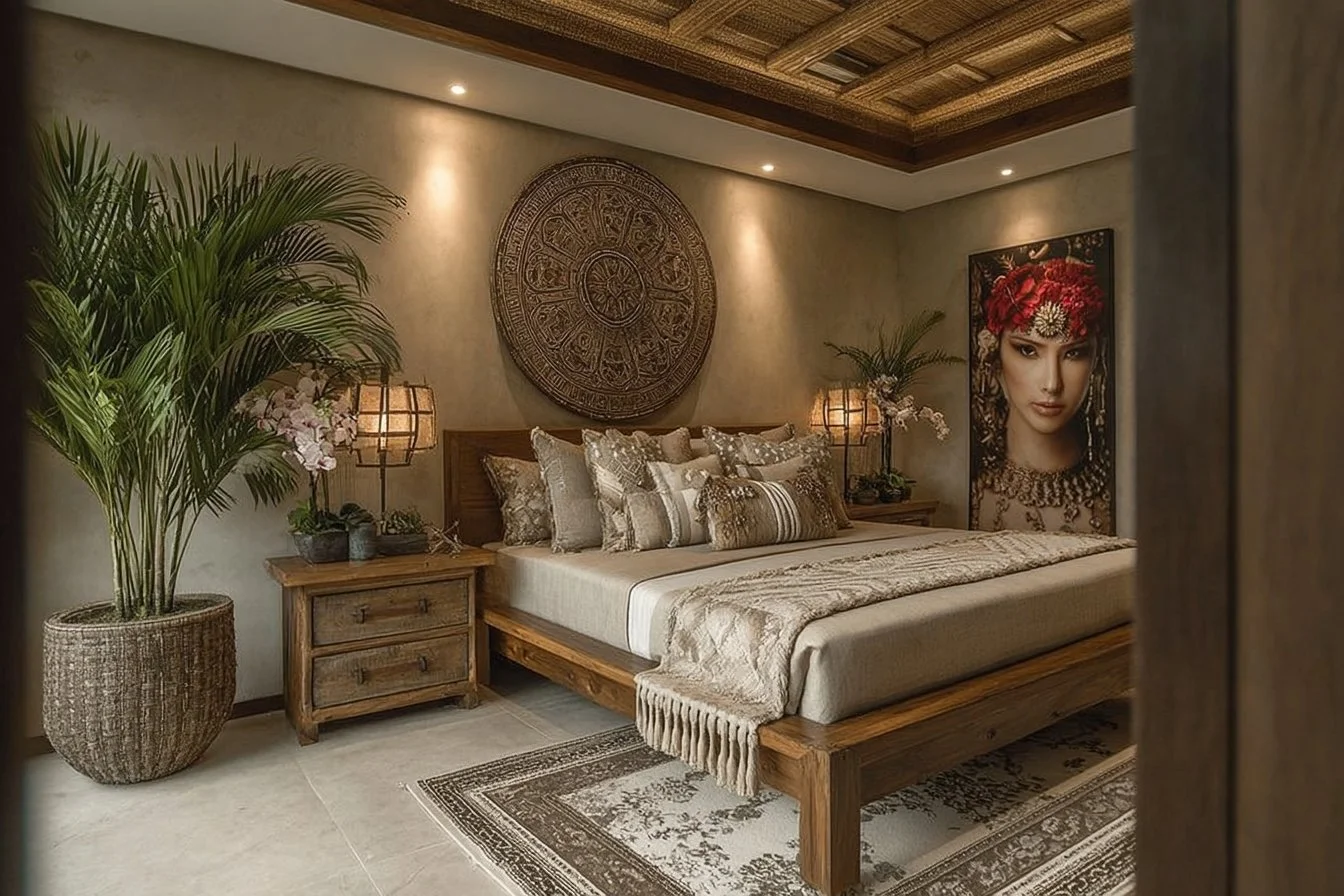
Using one dominant neutral tone and punctuating it with natural materials keeps a room unified yet interesting. A palette of warm greige or soft taupe looks sophisticated and calming. Add wooden nightstands, a wicker basket for toys, and a potted plant to bring a hint of life. This works visually because the eye appreciates repetition, and emotionally it creates a restful retreat for bedtime routines. We swapped mismatched furniture for a cohesive monochrome look and suddenly the room felt larger and more serene, which made reading together before lights-out an easier ritual.

Statement Headboard Without Loud Color

A headboard can be the focal point in a neutral room without introducing bright hues. Opt for a sculpted upholstered headboard or a reclaimed wood panel for visual interest. It grounds the bed and provides a cozy backdrop for storytime or late-night chats. Practically, an upholstered headboard also softens noise, which is helpful when the kids are winding down and the rest of the house is still busy. To create this look, choose a fabric in a neutral shade and add a couple of different-sized pillows in similar tones to make the bed feel intentional and lived-in.

Soft Lighting Layers for Gentle Evenings

Layered lighting is a simple way to keep a neutral bedroom engaging after sunset. Combine ambient ceiling light, bedside lamps with warm bulbs, and a small task light for reading. Warm lighting enhances neutrals, making creams and beiges feel comforting rather than flat. For family life, dimmable bedside lamps let you ease into bedtime rituals, whether it is tucking the kids in or having a quiet moment with your partner. Install a lamp with a soft shade on each side of the bed so nightly routines feel intimate and relaxed.

Minimal Art That Tells a Story

Neutral does not mean blank walls. Curate a few pieces of art in muted tones that reflect family memories: a favorite landscape print, a framed child’s sketch, or a vintage photograph. These pieces create focal points and emotional anchors without clashing with the palette. Visually, limited-color art keeps the room cohesive; emotionally, it reinforces belonging. We hung a simple frame of our family’s favorite beach photo above the dresser, and now the morning routine feels like a small ritual of gratitude before the day begins.

Functional Furniture with Soft Lines

Choose furniture with simple silhouettes and soft edges to keep a neutral room feeling inviting. Rounded bedside tables, a low dresser, and a bench at the foot of the bed make the space practical for morning overtime and kids’ sleepovers. The softer shapes are less formal and more kid-friendly, which is great for families who need durability and calm. When we replaced a sharp-cornered table with a rounded one, the room instantly felt gentler and safer for little feet running at dawn.

Textured Window Treatments for Privacy and Warmth

Curtains and shades are an easy way to add personality without vivid colors. Layer linen curtains with blackout shades for a soft look that also blocks morning light when weekends mean extra sleep. Textured drapery frames windows and makes the room feel finished. For our household, good window coverings mean better naps for the little ones and a darker room for weekend sleep-ins. Choose a neutral tone that’s slightly darker than the walls to provide contrast without loudness.

Natural Materials for an Organic Feel

Incorporating rattan, wood, and stone can elevate a neutral bedroom from safe to soulful. These materials introduce subtle patterns and tones that catch the eye and feel grounded. Emotionally, natural elements bring a sense of calm and permanence, reminding us of slower moments like backyard evenings and simple family dinners. We added a wooden mirror and a small rattan lamp to give the room personality; our kids loved the tactile elements and often help dust and arrange them, turning chores into family cooperation.

Patterned Neutrals for Quiet Interest

Introduce pattern through bedding or rugs in understated motifs: thin stripes, small geometric prints, or tone-on-tone florals. Patterns provide movement and keep neutrals from feeling flat. Use patterns sparingly — one patterned quilt or a runner rug is enough to enliven the space. This is practical for families because patterned fabrics hide everyday wear and crumbs better than pure solids, and my son’s pillow with subtle stripes is both durable and stylish, surviving Lego sessions and movie nights.

Flexible Layouts for Growing Needs

Design a neutral bedroom with flexibility in mind so it adapts as kids grow. A daybed that doubles as seating, a removable side table, and storage that can shift from toys to school supplies keeps a room useful over time. Neutral tones make updates feel effortless; swap a lamp or pillow to reflect a new stage. We organized bins under the bed and left wall space for a future desk, which meant the room transitioned smoothly when my daughter started middle school, and family life stayed harmonious during the change.

Conclusion

If your home needs decorating inspiration that respects family life, a neutral bedroom can offer warmth, calm, and personality without shouting for attention. Save a few ideas you love and try them one at a time — texture, lighting, or a single statement piece can transform how the whole room feels. For practical conversations about balancing quiet evenings and family habits, I found a thoughtful husband and family communication thread that resonates with real-life routines and might offer useful perspectives.

Also try a playful crafting corner to keep kids engaged while you style — I used an easy project from an easy snowman crafts guide to create simple decor that lives well in a neutral room. Come back when you need fresh ideas and pin your favorites so your next weekend refresh is effortless.

Categories
Bathroom

How to Use Sage Green to Create a Spa-Like Bathroom

Sage Green Secrets for a Calm Bathroom Retreat

I still remember the evening Lucy, age 10, and Jonah, 8, came in from the neighbor’s impromptu sprinkler play, dripping with laughter and grass stains. Between school projects, soccer practice, and remembering a million little things for the week, our bathroom became the spot where small dramas get smoothed out with a warm towel and a cup of peppermint tea for me. As a mom in my forties, I love spaces that restore energy after a busy day and make guests feel immediately at ease. That search for calm led me to simple color shifts and little styling moves that changed morning routines into moments of ease. If you enjoy exploring home décor ideas that actually fit family life, this kind of gentle transformation feels doable and family-friendly, much like the neutral examples in this helpful guide to creating a peaceful bathroom neutral bathroom that feels like a spa.

Soft Sage Walls: The Foundation of Calm

Painting the walls in a muted sage green creates an instant sense of calm without feeling cold. This shade reads as organic and familiar, which helps the bathroom feel lived-in and soothing—perfect for early mornings when I’m corralling lunches and backpacks. Visually, sage pairs beautifully with warm whites and soft wood tones, so the room keeps a clean, airy look while avoiding starkness. Emotionally, the color evokes nature, which helps reduce stress after a hectic school drop-off. To apply it at home, test swatches on different walls and observe them under morning and evening light; small changes in light can shift the color significantly. Keep trim and ceilings a warm off-white to frame the sage and add depth. A family-friendly touch is to choose low-VOC paint so the kids can safely help with small painting tasks during weekend upgrades.

Natural Materials: Texture that Warms the Space

Incorporating wood and woven elements makes sage green feel cozy rather than spa-cold. A reclaimed wood shelf above the vanity or a bamboo stool beside the tub adds warmth and personality, and those textures hide fingerprints and kid-traffic wear better than pristine lacquer. Visually, the contrast of soft green and warm wood balances the room and creates a lived-in spa vibe that neighbors compliment the moment they step in. Emotionally, natural materials feel inviting—my kids often sit on a small wooden bench while we read together before bath time. To recreate this, choose moisture-resistant wood or treated rattan and place it near the vanity or tub for towels and toiletries. Keep one family memento, like a small framed photo or a simple jar of seashells from a family trip, to make the space feel personal and welcoming.

Tile Choices: Calm Patterns, Practical Surfaces

Tile is where design and family practicality meet. Large-format tiles in neutral stone tones minimize grout lines and create a serene backdrop for sage accents. For areas like shower niches or a vanity backsplash, consider penny or hex tiles in a muted sage or soft cream to add subtle pattern without dominating the room. These choices read as high-end but are durable enough for splashed toothpaste and nightly baths. Emotionally, a thoughtfully tiled space feels intentional, turning routine tasks like bathing kids into something a little nicer. To apply this, pick durable porcelain for wet zones and balance glossy and matte finishes to control reflections. When planning with the kids, involve them in choosing a small accent tile color—my daughter helped pick a slightly deeper green for the niche, and she still beams when she spots it.

Textiles and Soft Layers: Towels, Rugs, and Little Luxuries

Soft textiles are where the spa feeling truly lands. Plush towels in cream or pale sage, a quick-dry mat, and a cotton shower curtain soften hard edges and add comfort during family routines. Layering textures—think waffle-weave hand towels over a thicker bath towel—creates a tactile, inviting space that makes bedtime feel like a mini-retreat. These touches work visually by introducing movement and warmth against the coolness of tile and paint. For real-life application, choose machine-friendly fabrics that can withstand frequent washing; designate towel colors to each child to keep laundry sorting simple. I keep a small basket of extra washcloths for my son after soccer practices and a hand towel folded near the sink so homework-clean-ups are quick. These small textile choices elevate daily habits into comforting rituals.

Greenery and Scent: Living Elements that Refresh

Plants are an easy way to give sage green depth and life. A small potted fern or a trailing pothos beside the sink complements the palette and improves air quality. If you have limited natural light, a faux fern in a textured planter still brings warmth and needs no maintenance. Scents like eucalyptus sprays or a diffuser with lavender help create an immediate spa-like mood that signals to the family it is time to relax. Visually, plants add an extra layer of green that makes the room feel curated, while emotionally they create calm rituals—my children now know the aroma of lavender means it is quiet time before bed. To apply this at home, pick plants known for humidity tolerance, place them where kids won’t reach for them often, and rotate scent blends to keep the bathroom feeling fresh.

Lighting and Mirrors: Brighten with Warmth and Reflection

Layered lighting takes a sage bathroom from pretty to peaceful. Combine overhead lighting with warm vanity sconces and consider a dimmer so evening baths can feel cozy. A backlit mirror or one with a simple frame reflects the sage tones and visually enlarges the room, which helps busy mornings run smoother when kids are sharing space. Emotionally, good lighting reduces tension during hurried routines because everyone can see clearly without harsh glare. To implement this, choose LED bulbs with warm color temperatures and position sconces at eye level to reduce shadows. Add a small nightlight for middle-of-the-night tippy-toe moments and teach kids the dimmer routine for baths; it becomes a small family habit that makes evenings more relaxed.

Conclusion

These interior styling tips and decorating inspiration ideas make designing a family-friendly spa bathroom feel manageable and inviting. Save a few concepts to test at home, start small with paint or textiles, and build from there as your routine and memories shape the space. For a professional perspective on planning a full remodel, explore this helpful resource: Creating a Spa-Like Retreat with Your Bathroom Remodel.

Categories
Parents

Coastal Calm: Sea Salt Paint Palette for Homes

I still remember the first time I painted our living room while my two kids, ages 8 and 11, built forts from couch cushions and traced crayon maps of the neighborhood. Mornings start with backpacks thumping on the stairs and a neighbor waving from their porch as we juggle lunches and permission slips. Those small routines made me crave a home that feels restful but lived-in, a place where muddy shoes and ballet slippers both belong. When I need fresh decorating inspiration between school runs, I flip through online mood boards and even saved a helpful guide on color harmony palettes that sparked my whole-house refresh. The right paint palette can soften hectic days, bring coastal comfort to busy family life, and make every corner feel like a calm breath.

Soft Whole-House Base: Sea Salt as Your Everyday Calm

Choosing a soft, muted Sea Salt-inspired paint for your entire home sets a peaceful tone that helps reverse the chaos of daily routines. Visually, the gentle green-blue has enough warmth to play nicely with natural wood and sunlight, but it stays subtle so your family’s artwork and nickknacks stand out without clashing. Emotionally, this hue reads as calm and collected, perfect for coming in from school drop-offs and settling down for homework. To apply it, pick one slightly warmer shade for high-traffic zones like hallways and an even softer tint for bedrooms to maintain cohesion while adding gentle variety. Use eggshell or satin finishes where scuffs are likely and reserve matte for bedrooms. This approach makes cleaning manageable for parents while keeping the house feeling layered and intentional.

Trim and Moldings: Bright Whites for Clean Contrast

Crisp, warm-white trim creates a tailored frame for soft Sea Salt walls and instantly lifts the entire room. The contrast reads fresh without feeling stark, which is especially helpful when neighbors notice curb appeal during casual porch chats. White trim highlights architectural features and makes spaces look polished, while still allowing family photos and children’s artwork to pop. Try painting baseboards and door frames in a slightly creamy white rather than pure bright white to avoid a chilly look. For practical application, semi-gloss finishes on trim resist fingerprints and are easy to wipe down after art projects or snack time spills. This small step delivers big visual payoff and keeps interiors bright during long afternoons of homework and play.

Kitchen Refresh: Sea Salt with Warm Wood and Brass

Pairing a Sea Salt hue with natural wood tones and warm metal accents creates a kitchen that feels both beachy and family-ready. Wood cabinetry or open shelving brings in warmth that balances the coolness of the paint, while brass or antique brass hardware adds a touch of refined, lived-in character. Visually, this trio creates depth; emotionally, it feels welcoming for weekday breakfasts and weekend pancake-making. If full cabinet paint feels bold, start with an island or lower cabinetry in the Sea Salt tone and leave upper cabinets or counters in a lighter neutral. Choose durable, washable cabinet paint and seal edges to withstand sticky hands. Small updates like swapping knobs and adding woven placemats can tie the look together without a full renovation.

Bathroom Serenity: Tiles, Lighting, and Refreshing Textures

In bathrooms, Sea Salt-inspired tones pair beautifully with sea-glass tiles, soft linen towels, and natural stone for a spa-like retreat within a busy family home. The color’s hint of blue instantly makes small baths feel cooler and brighter, which helps when getting kids ready for school on rushed mornings. Opt for glossy tiles near the tub and a satin wall finish elsewhere for easy cleaning. Layer texture with a sisal rug or a woven shower curtain to soften the space and create visual interest. Consider swapping light fixtures for frosted glass or brass sconces to warm the palette. These choices make bathing routines feel calmer and can turn ordinary mornings into little moments of comfort for both kids and grownups.

Kids’ Bedrooms: Playful, Durable, and Calm

Using the Sea Salt palette in kids’ rooms lends a restful backdrop that still invites creativity. It’s neutral enough to grow with them yet cheerful when paired with brighter bedding, colorful art, or a handmade banner. From sleepovers to school project stations, the muted tone helps reduce visual overstimulation while letting toys and drawings shine. For realistic application, paint three walls in the Sea Salt shade and reserve one wall for removable wallpaper or a chalkboard paint accent that can evolve with interests. Choose washable paints and consider a tougher sheens like satin on lower sections to resist scuffing from scooters and art supplies. This approach balances style with the energetic realities of family life.

Layered Textures and Family Projects for Coastal Vibes

Layering natural textures—woven rugs, linen curtains, and driftwood accents—brings warmth and life to a Sea Salt base, and makes the space feel collected over time. Displaying family crafts, like a string of hand-painted ornaments made during holiday breaks, adds instant personality and memories. If you enjoy DIY projects, try simple family crafts that echo the palette and tie rooms together; a weekend of painting turned into keepsakes and storytelling. For an idea that blends farmhouse charm with coastal tones, consider crafting hand-painted wood slice pieces as personalized accents and keepsakes to hang in hallways and playrooms. These small, handmade touches make interiors distinctly yours and welcome the messy, joyful rhythm of family life.

Conclusion

If you want a ready-made option to explore these tones further, check the Clary Sage Home Paint Palette, Sherwin Williams 2025 Inspired listing for palette variations and printable swatches. Save a few of these ideas to your favorite board, try one room at a time, and come back when you’re ready to expand the look. With soft Sea Salt foundations, bright trim, and family-friendly finishes, your home can feel like a cozy coastal retreat that supports everyday life, messy moments and all.

Categories
Parents

6 Boho Coastal Bedroom Ideas

Coastal Boho Bedroom Ideas to Pin Today

I still laugh when the kids and I race out the door on school mornings, shoes flying, backpacks half-zipped, while Mrs. Ramirez next door waves from her porch with her morning coffee. As a forty-something mom with an eight-year-old who wants superhero sheets and a twelve-year-old who sleeps in hoodie armor, I crave a peaceful room to collapse into after bedtime stories and PTA meetings. Weekend rituals—sandy beach combing, iced coffee on the porch, swapping crockpot wins with neighbors—shape how I want our home to feel: calming, lived-in, and a little bit whimsical. That’s why I started collecting simple home décor ideas that balance family life with a coastal, boho vibe. These touches helped me create a bedroom that feels like a gentle exhale at the end of a chaotic day, and they’re the same styling tricks I used when refreshing the living room in a similar boho spirit at modern boho living room ideas you’ll love.

Textiles That Feel Like the Shore

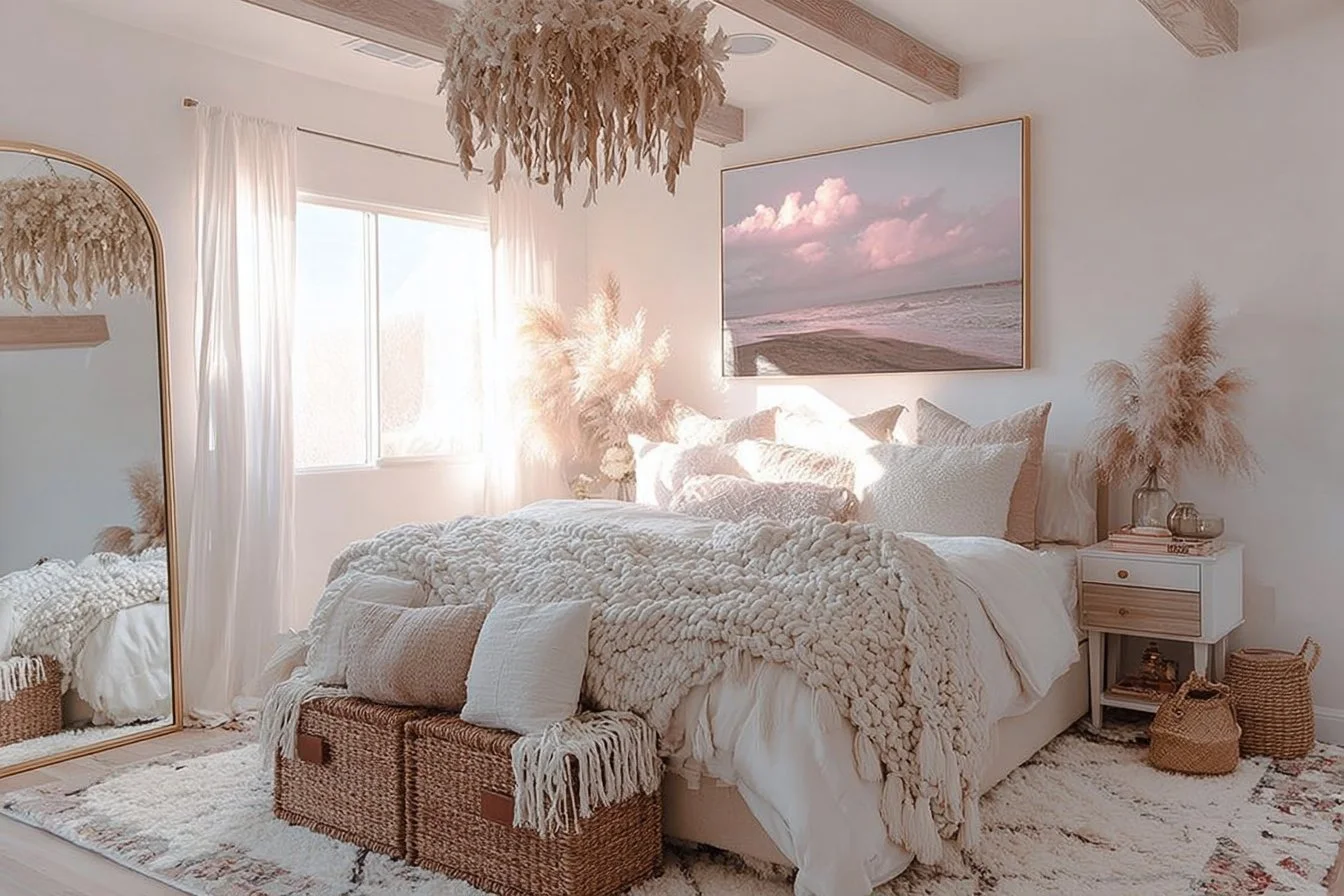
Start with bedding that invites you in: washed linen sheets and a slubby cotton throw create that sun-faded, lived-in look without fuss. Visually, linen has a relaxed drape that echoes beach towels left to dry on a line, which is soothing after a busy day of carpools and homework help. Emotionally, soft layers offer a calm retreat when you finally steal five quiet minutes with a book while the kids are at piano practice. To apply this at home, swap crisp hotel white for muted sand and seafoam tones, add a chunky knit throw at the foot of the bed, and choose pillows in varied textures rather than matching sets. For easy family-proofing, pick machine-washable linens and keep a basket nearby for stray art projects and soccer socks so the aesthetic survives real life.

Woven Headboards and Natural Frames

A woven rattan or seagrass headboard is an instant focal point that reads coastal without feeling themed. These materials catch light and shadow in a way painted wood never does, giving the room depth and a handcrafted vibe that neighbors often ask about when they stop by. Emotionally, natural fibers bring warmth and a subtle connection to the outdoors, which helps everyone sleep a little more peacefully. Installing one is straightforward: secure a prefabricated headboard to the bedframe or hang a lightweight woven panel on the wall. For durability in a family room, seal rattan edges and choose tightly woven pieces to resist little hands. Pairing this with bedside family photos in driftwood frames keeps the look personal and lived-in.

Soft Lighting with a Beachy Twist

Lighting sets the mood, and layered lamps plus a rattan pendant can transform a functional room into a cozy retreat. Soft amber bulbs mimic sunset and make late-night reading or storytime with the kids feel cinematic. A pendant made of woven natural fibers scatters light like dappled sunlight through dune grass, creating a calm atmosphere that soothes overstimulated minds. To implement this at home, replace one overhead harsh bulb with a pendant and add two bedside lamps on dimmers or smart bulbs. This makes it easy to switch from “homework bright” to “bedtime calm” with one tap. Practical tip from our household: clip-on reading lights are lifesavers for a child who insists on an extra five minutes of flashlight reading.

Driftwood Accents and Subtle Marine Motifs

Incorporating driftwood shelves or a reclaimed wood dresser adds a storied, beach-found charm without being kitschy. Driftwood’s irregularities tell a story of weather and time, which gives the room an authentically collected feel. Small marine motifs—like a ceramic shell dish for jewelry or a muted fish print—work best when used sparingly to avoid a novelty look. Emotionally, these elements invoke calm memories of family beach days and shell hunts, creating comforting continuity between home and favorite seaside outings. At home, mount a small driftwood shelf for nighttime essentials or display a mason jar of saved shells from family trips. These touches are practical and meaningful, and they often spark a conversation when friends pop in after soccer practice.

Layered Rugs and Kid-Friendly Textures

Layering rugs—start with a flat-woven jute and add a softer wool or cotton rug on top—anchors the bed and creates a tactile play zone for the kids. Visually, the mix of textures keeps the room interesting, while the top rug adds warmth for bare feet during morning routines. Emotionally, a layered rug system conveys intentional comfort that welcomes late-night tuck-ins and pajama dance parties. To make this realistic for families, choose stain-resistant top layers and use non-slip pads beneath thinner rugs. If you want kid-friendly boho touches in other rooms, check these playful boho playroom teepee ideas for inspiration that translates well to a bedroom nook.

Greens, Art, and Personal Finds

Plants and curated art make the room feel alive without clutter. A tall potted palm, a string of heart-leaf philodendron, or a small succulent on a nightstand brings a subtle coastal green that softens the palette. Art made from natural materials—like woven wall hangings or shore-combed framed pieces—adds texture and family stories without overwhelming the space. Emotionally, living things and meaningful objects foster calm and a sense of continuity, helpful when juggling school drop-offs and evening routines. To apply this, choose low-maintenance plants for busy weeks and rotate a few favorite kid drawings into simple frames on a shelf. These personal touches keep the room feeling homey and curated, not staged.

Conclusion

If you want a bedroom that welcomes exhaustion and transforms it into calm, try mixing natural fibers, soft lighting, and personal coastal finds until the room feels like your little harbor. Save a few of these decorating inspiration tips for your next weekend refresh, and start small—swap linens, add a woven headboard, or bring in a plant and see how the vibe shifts. A statement mirror or art piece can pull the look together; a bold option to consider is the BECHAEO 3D Coastal Metal Fish Mirror, which adds texture and personality without shouting theme. Pin what you love, try one change at a time, and come back for more interior styling tips when you’re ready to tweak another corner of your home.

Categories
Bathroom

Bathroom with Wallpaper and Green Cabinet

Cozy Bathroom Makeover: Wallpaper + Green Cabinet

I still remember dropping off the kids at school, the youngest clutching her lunchbox like a security blanket while the oldest debated whether to bike with the neighbor kids or walk with friends. As an American mom in my forties, my days are a steady drum of carpools, homework checks, and the little rituals that make our house feel like home: baking on Sundays, swapping casseroles with the neighbor across the street, and sneaking in a quiet shower while the kids are at friends’ soccer practice. Between school uniforms and the never-ending stack of towels, I learned that small changes in our spaces make a big emotional difference. One evening, after a rowdy bath-time with bubbles and giggles, I sketched a plan for a more cheerful bathroom that could survive sticky fingers and still feel grown-up. If you love practical yet pretty ideas, take a peek at this very small minimalist bathroom with shower for compact inspiration.

Section 1: Make the Green Cabinet Your Heart

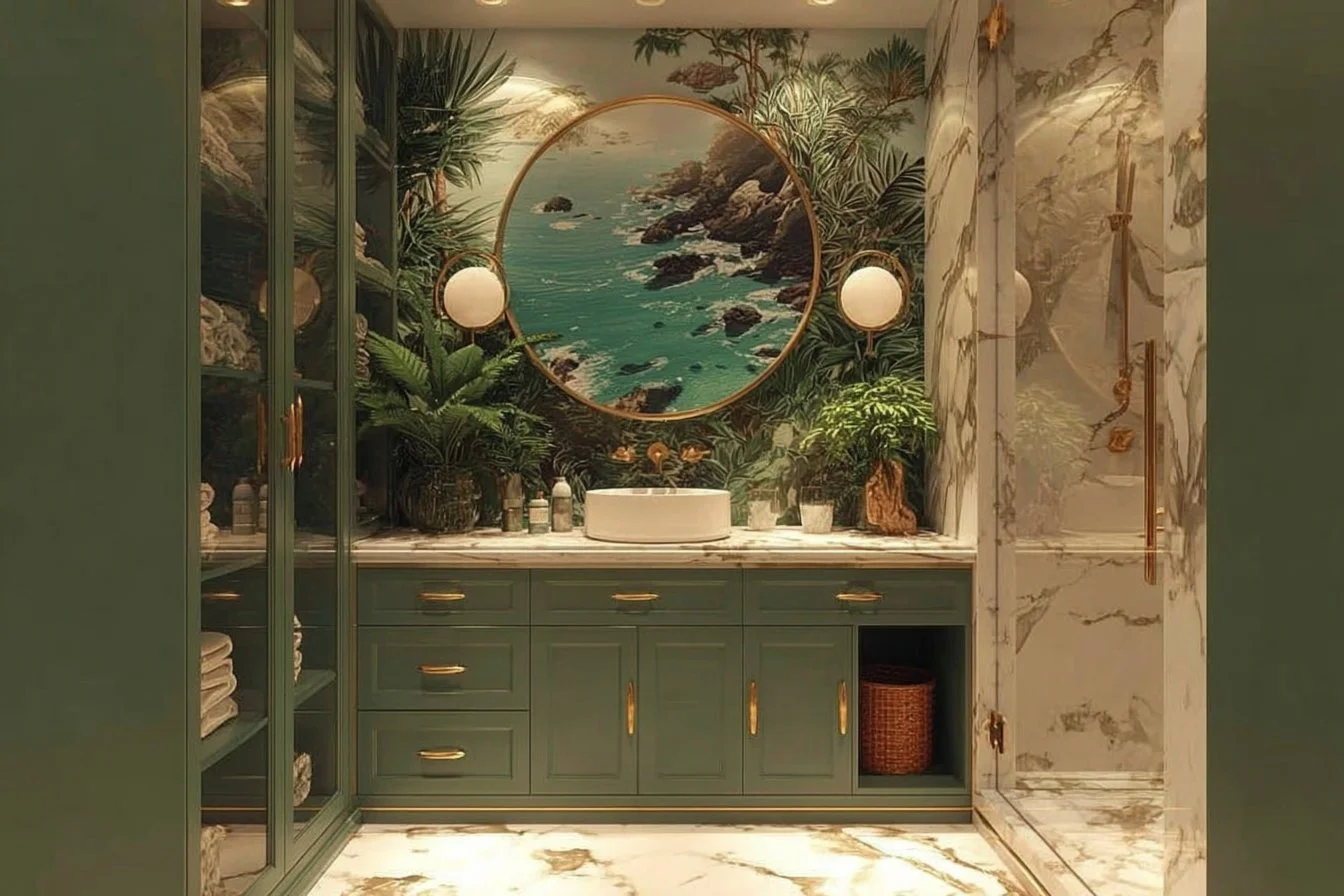
A bold green cabinet instantly anchors a bathroom and feels both fresh and comforting, like a hug after a long day. Visually, rich green tones pair beautifully with patterned wallpaper because the cabinet offers a solid, calming counterpoint to busy motifs. Emotionally, green evokes nature and balance, which helps transform hurried mornings into small moments of calm. To apply this at home, choose a cabinet in a mid to deep green and paint existing vanity doors for an affordable update. Keep cabinet hardware simple and durable so little hands and running water do not wear it down. Add family-friendly finishes like semi-gloss paint for easy wiping. Pair the cabinet with a wallpaper behind the mirror or on a single accent wall; that focused use avoids overwhelming a small space while creating a show-stopping look that still feels practical for bath-time routines.

Section 2: Choose Wallpaper That Tells a Story

Wallpaper is where personality lives in a small bathroom. Instead of wallpapering the whole room, pick a single wall or the area behind the sink to create a vignette. Patterned wallpapers with botanical or geometric motifs work especially well with a green cabinet because they echo natural tones and create depth without competing. Emotionally, a beautiful pattern can brighten the day—and children love the visual interest during bath-time. For a realistic application, prep the wall carefully: smooth imperfections with spackle and prime so the pattern lays flat. If you rent or prefer temporary options, try high-quality removable wallpaper to test colors without commitment. Pair the pattern with white or neutral tiles to keep cleaning simple and to give busy parents more time for coffee and conversation with neighbors after drop-off.

Section 3: Layer Textures for Warmth and Durability

Combine textured wallpaper with tactile elements to create a layered, lived-in look. Think grasscloth-like prints or subtle embossed patterns that catch the light and add a soft sensory feel underfoot when you step out of the shower. These textures play nice with painted green cabinetry because the contrast feels intentional, not chaotic. Practically, use washable wallpapers in a family bathroom to handle splashes and occasional crayon mishaps. Add a woven basket for laundry and plush, quick-dry towels in complementing hues so kids can reach them easily. If you enjoy playful themes for your little ones, you can borrow ideas from playful kids’ bathroom themes when choosing motifs that spark imagination while staying stylish. This approach balances beauty, comfort, and the wear-and-tear of daily family life.

Section 4: Hardware, Mirrors, and Kid-Proof Choices

Small details like faucets, drawer pulls, and mirrors make a big impact when combined with wallpaper and a green cabinet. Brass or matte black hardware adds a grown-up contrast that feels timeless and hides fingerprints better than high-polish finishes. Round mirrors soften angular wallpapers and invite light in, helping small bathrooms look larger. For real-life application, choose low-maintenance finishes and secure mirror mounts so active kids cannot dislodge them during impromptu towel forts. Include a lower towel hook or step-stool so children can access sinks independently, which builds confidence and cuts down on morning chaos. These interior styling tips make a space both beautiful and functional; your bathroom should be a place where the family routine flows smoothly while still scoring high on decorating inspiration.

Section 5: Storage Solutions that Stay Pretty

A green cabinet is a stylish storage hero, but coupling it with smart shelving multiplies its usefulness. Open shelves above the cabinet provide a place for decorative jars, family-photo frames, or a stack of spare toothbrushes. Closed drawers keep medicines and small items out of curious hands. Choose durable, wipeable materials and consider soft-close mechanisms to keep noise down during early school mornings. Emotionally, seeing neatly folded towels and labeled baskets can reduce the mental clutter parents feel when juggling schedules. To implement this at home, measure twice and opt for adjustable shelving so you can swap in washcloths, bath toys, or seasonal hand soaps. Little touches like a low basket for the kids’ bath toys make cleanup a team effort and turn tidying into a quick ritual instead of a chore.

Section 6: Lighting, Color Balance, and Final Touches

Good lighting completes the partnership between wallpaper and a green cabinet. Layered lighting—ambient, task, and accent—keeps the space functional for everything from tooth-brushing to nighttime diaper changes years ago. Warm-toned bulbs complement green hues and make wallpaper patterns feel inviting instead of stark. When choosing fixtures, favor designs that diffuse light gently to avoid glaring reflections while you help homework or apply face cream. Add a small plant or a jar of seashells collected on family trips to create a sense of continuity and memory. Implementing this is simple: install a dimmable vanity light and add a motion-sensor night light for late-night bathroom runs. These small interior styling tips keep the room warm, practical, and in tune with daily family life.

Conclusion

I hope these home décor ideas have sparked decorating inspiration for your next bathroom refresh. If you’re leaning toward an easy update, consider testing a removable green wallpaper to pair with a painted cabinet for an affordable before-and-after. For a starter option that many readers find helpful, check out this practical choice for peel-and-stick applications: dark green peel and stick wallpaper. Save these ideas to your favorite board, try one small change this weekend, and come back when you are ready to explore more interior styling tips that blend family life with style.

Categories
Parents

7 Minimalist Organic Bedroom Designs for a Peaceful Sleep

I still remember the sound of cereal spoons clinking on Saturday mornings, the way sunlight slips past the maple tree and paints a stripe across my kitchen floor. As a forty-something mom with two kids between eight and twelve, our days rotate around school drop-offs, soccer practices, and a neighbor who always borrows a cup of sugar. Between bedtime stories and homework battles, I crave a bedroom that feels calm and truly mine — a place to breathe after a busy day. I looked for ideas that would work with kid-stamped schedules and a family-friendly home, and even borrowed a few playful touches from a guide on luxury kids’ bedroom ideas to keep things cohesive. That search led me into organic, minimalist styling that calms the senses and supports better sleep, while still fitting a lived-in family life.

Organic Neutrals and Natural Textures

A peaceful bedroom begins with a soft, neutral color palette grounded in natural materials. Warm beiges, muted taupes, and gentle grays create a visual calm that instantly slows the pace of the room. Linen sheets, cotton duvet covers, and a woven jute or wool rug add layers of texture without adding visual clutter. Emotionally, these materials feel familiar and grounding, reminiscent of simpler moments like summer afternoons spent on a shaded porch. To bring this look home, start with neutral walls and layer fabrics in slightly varied tones. Replace synthetic pillows with organic cotton or wool options, and choose wooden furniture with rounded edges to soften the overall feel. In a household with kids, this approach is forgiving — it hides small imperfections while preserving a serene adult retreat.

Light and Airy Layouts That Encourage Rest

One of the most effective minimalist bedroom principles is keeping the layout open and breathable. Arranging furniture to maximize natural light and clear pathways makes the room feel larger and more peaceful. Visually, fewer obstacles mean less mental noise, which matters after long days filled with errands and responsibilities. Place the bed where it feels balanced in the room, ideally facing natural light, and opt for slim-profile furniture that doesn’t overwhelm the space. Floating shelves or narrow dressers provide function without heaviness. In our home, a small reading chair by the window doubles as a quiet escape for both me and my daughter. This kind of layout proves that calm design and family life can comfortably coexist.

Bringing Nature Indoors with Greenery and Scents

Plants are an effortless way to enhance a minimalist organic bedroom. A snake plant, fern, or pothos introduces gentle green tones that soften neutral palettes and subtly improve air quality. Alongside greenery, natural scents play a powerful role in relaxation. Linen sprays, dried lavender, or a beeswax candle create a sensory cue that signals bedtime. Emotionally, these elements reconnect us to nature and establish small nightly rituals — a light spritz of linen spray after the kids are tucked in feels grounding and intentional. For busy households, choose low-maintenance plants and place them in indirect light. If little hands are curious, higher shelves work beautifully. These simple additions bring depth and calm without disrupting the minimalist aesthetic.

Decluttered Storage That Supports Family Life

Minimalist bedrooms rely on smart, hidden storage — and for families, this is essential. Closed cabinets, under-bed drawers, and woven baskets help contain everyday clutter while maintaining a restful visual flow. Emotionally, a decluttered bedroom sends a clear message: this space is meant for rest and restoration. To make this work in real life, create practical zones. A laundry basket at the foot of the bed, a small tray for glasses and essentials, and concealed bins for seasonal items keep surfaces clear. When artwork or school projects make their way upstairs, a dedicated box in the closet prevents chaos from spreading. These storage strategies allow the bedroom to remain calm, even within the rhythm of a busy household.

Soft Lighting for Evening Wind-Down

Lighting has a direct impact on sleep quality, and minimalist organic bedrooms benefit from a layered approach. Bedside lamps, dimmable overhead lights, and low-glow accent lighting create a gentle transition from day to night. Warm-toned light reduces harsh contrasts and enhances the natural textures in the room. Emotionally, this type of lighting encourages the body to slow down. To recreate this at home, swap bright white bulbs for warm LEDs and use dimmers or smart plugs for flexibility. With kids who sometimes wander in during the night, soft lighting keeps the space calm without feeling disruptive.

Sleep-Friendly Fabrics for Everyday Comfort

Textiles play a crucial role in how restful a bedroom feels. Breathable fabrics like organic cotton, flannel, and linen regulate temperature and feel soothing against the skin. Visually, they add softness without overwhelming the room. Replace heavy or scratchy throws with lighter, touchable options and choose curtains that block light while still allowing airflow. In a family home, these choices balance comfort and practicality, supporting better sleep while handling unpredictable routines.

Creating a Bedroom That Grows with You

A minimalist organic bedroom isn’t about perfection — it’s about intention. By choosing adaptable furniture, timeless materials, and calming sensory elements, the room evolves with changing seasons of family life. Emotionally, it becomes a place to recharge, reflect, and breathe. Even with backpacks occasionally left behind or kids climbing in after a bad dream, the space holds its purpose. It remains a peaceful anchor in a lively home, proving that thoughtful design can support both rest and real life.

Conclusion

If you’re looking for decorating inspiration that balances family rhythms with a restful adult retreat, organic minimalist rooms provide both beauty and function. Saving a few ideas now can lead to evenings that feel calmer and mornings that start lighter. For more ideas and visual guidance, check out this helpful resource on 29 Organic Bedroom Ideas For A Naturally Restful Sleep to spark your next refresh. Come back to these interior styling tips whenever you need a little reset, and enjoy experimenting with small changes that make a big difference in everyday family life.