Categories
Kitchen

Warm Beige Kitchen Ideas That Feel Effortlessly Chic

I still remember the first time my kids and I painted cabinets together—Peanut and Rosie, aged ten and eight, tracking tiny flecks of paint like confetti down the hallway as the neighborhood moms waved from their porches. Mornings are a choreography of lunchboxes, soccer carpool, and science projects spread across the counter, so my kitchen has to be both cozy and forgiving. I’ve borrowed a trick from a charming remodel I once loved in a quaint California cottage to make our space feel calm and practical without losing style, and that blend of family life and design is exactly where home décor ideas begin to feel personal. If you ever want a little pinspiration for a kitchen that holds homework, hurried breakfasts, and a neighbor’s casserole, this collection of approachable interior styling tips will help you bring warm beige tones to life while keeping the heart of your home organized and beautiful. For a more postcard-perfect vibe, peek at some California kitchen inspiration for ideas that pair well with beige cabinets: quaint California kitchen inspiration.

Soft Two-Tone Beige and White

A two-tone approach pairs warm beige lower cabinets with crisp white uppers to create visual balance and airiness. Visually, the contrast keeps the eye moving and prevents beige from feeling flat, while emotionally it reads as soothing and familiar—ideal when you’re juggling homework and dinner at once. Realistically, paint the uppers in a semi-gloss white for easy cleaning and choose a durable matte beige for the lowers to hide scuffs from little feet. Add brushed nickel or soft brass pulls that are family-friendly to grip, and keep a few open shelves for the kids’ snack bowls so they can reach them safely. This scheme also adapts well if you want to update countertops later; white uppers act like a neutral frame, so you can swap surfaces without redoing cabinets. For more cozy decorating inspiration that translates to family life, check out these warm home touches and heartfelt styling tips: cozy heartfelt decor ideas.

Beige Shaker Cabinets with Natural Wood Accents

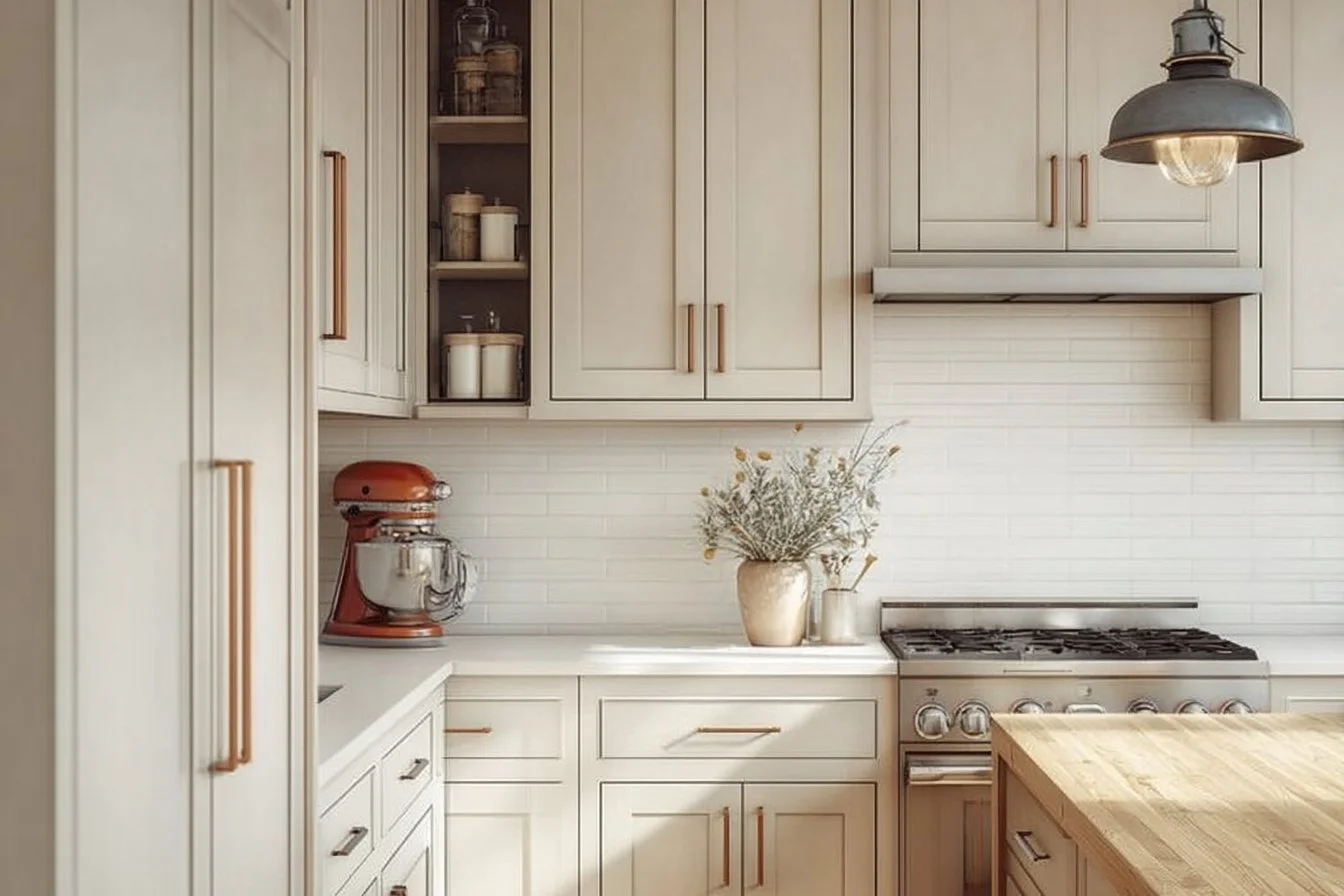
Shaker-style beige cabinetry brings timeless lines and a soft, cottage-like charm that’s easy to live with. The simplicity of the recessed panel design visually calms a busy family kitchen and pairs beautifully with natural wood countertops or floating shelves, which add texture and warmth. Emotionally, wood accents remind us of family meals and handmade crafts, making the kitchen feel lived-in and welcoming. Apply this at home by choosing wide-plank wood for an island or shelf, sealed for durability against spills and crafts. Keep the rest of the palette muted—soft greens or pale blues on accessories—to let the beige and wood breathe. Parents will appreciate how the Shaker silhouette hides fingerprints and stands up to daily use, while kids love having a low shelf to display their latest kindergarten art without cluttering counters.

Matte Beige with Bold Black Accents

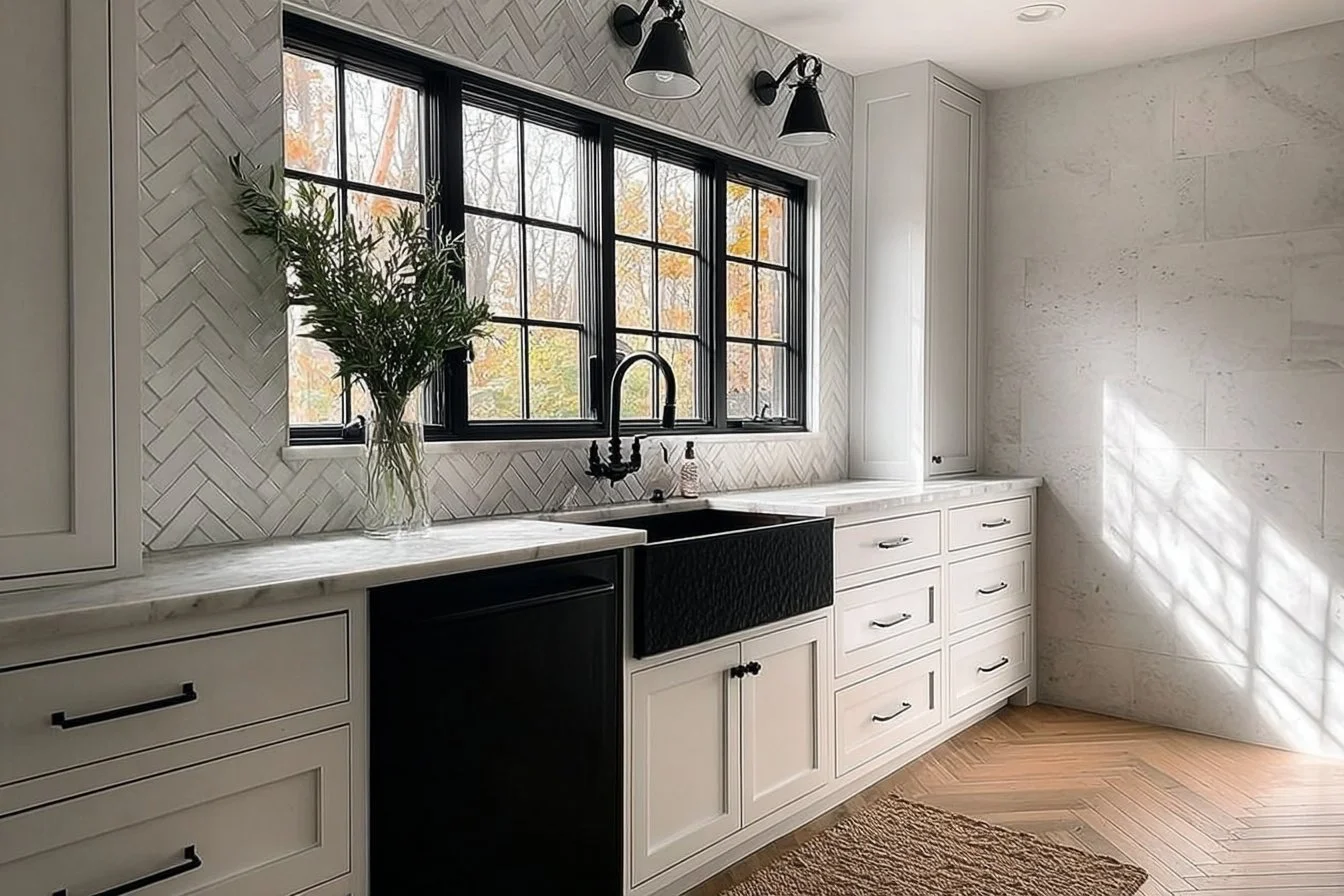
A matte beige finish is understated and forgiving, and when you introduce black hardware or a black faucet, you get a modern statement that still feels warm. The visual drama of black against beige creates a clean silhouette and anchors the space—helpful when you need a focal point during hectic mornings. For a practical application, swap all cabinet pulls to black and choose a matte black sink or faucet; these elements are durable and disguise water spots better than shiny finishes. Emotionally, the contrast signals thoughtful design and gives you a grown-up backdrop for family gatherings, where dishes and kids’ crafts won’t visually compete with the cabinetry. Pair with woven placemats and a few framed family photos on a shelf to keep the space personal without sacrificing style.

Glass-Front Uppers and Open Shelving Mix

Combining glass-front uppers with open shelving adds depth and personality to beige kitchens while making everyday items accessible. Visually, glass softens the blockiness of cabinets and catches light, which is great around breakfast time when everyone’s gathering. Emotionally, it creates a little stage for Grandma’s china or the kids’ favorite cereal bowls, turning functional storage into a display of family life. To implement this, replace selected upper doors with glass and install a couple of low, sturdy open shelves where kids can reach cups. Keep dishware organized by color or pattern to avoid a cluttered look, and use clear containers for staples so everything feels purposeful. This setup encourages kids to help with setting the table and makes clean-up a cooperative moment instead of a chore.

Textured Beige Finishes and Subtle Pattern Play

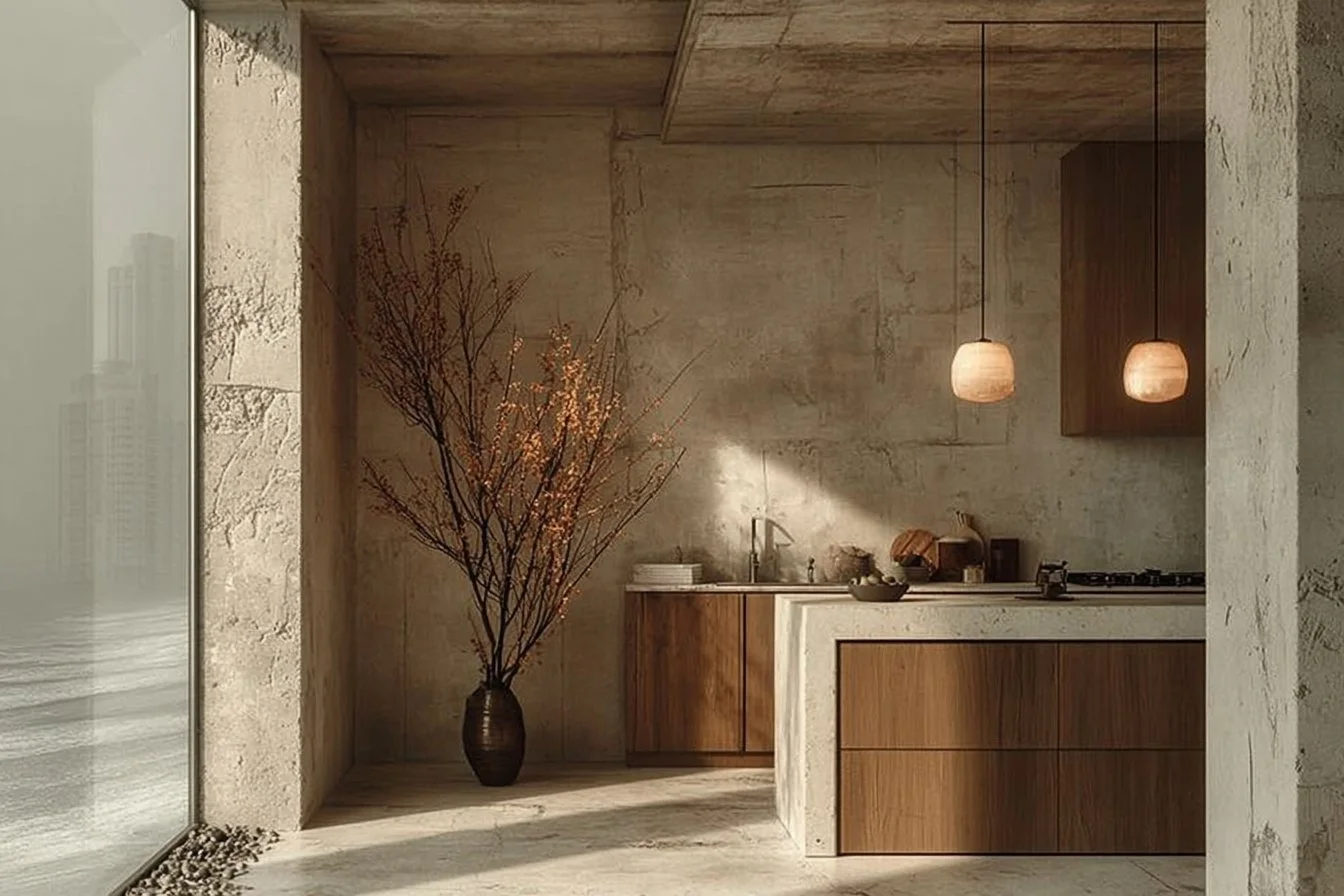
Textured cabinets or a lightly patterned backsplash introduce tactile interest without overwhelming a family kitchen. A soft sand or linen finish on beige cabinetry offers sophistication while hiding the small scratches and smudges that come from everyday life with kids. Visually, texture adds depth and keeps large expanses of beige from feeling monotone. To apply this at home, consider a subtle raised panel or a hand-applied glaze that emphasizes grooves and shadow. Pair with a patterned tile on the backsplash—nothing too busy, perhaps a soft geometric in neutral tones—to inject personality. Emotionally, these layers read as intentional and comforting, like a favorite sweater in the laundry pile; they make the room feel curated but still ready for the inevitable spilled juice or hurried pancake-making mornings. For compact areas, ideas from small-scale chic spaces can translate surprisingly well into textured treatments: small-space chic restroom ideas.

Conclusion

If you want a kitchen that feels lived-in, stylish, and genuinely family-friendly, warm beige cabinets offer a versatile backdrop that works with many decorating inspirations. From two-tone schemes to textured finishes, these interior styling tips can help you create a calm, functional kitchen where school projects and slow Sunday breakfasts both feel right at home. Save the ideas that resonate, try one change at a time, and let your kitchen evolve with your family. For a full gallery of ideas that inspired this roundup, explore 36 Astonishing Beige Kitchen Cabinets Ideas for a Chic Look.
Categories
Kitchen

Chic Black Cabinets to Elevate Your Kitchen

I used to make breakfast while my two kids, ages 8 and 11, debated the quickest route to school and the dog insisted on stealing raggedy toast crumbs. My forties have taught me the little things matter: a warm mug waiting on the counter, a neighbor dropping off leftover zucchini, or how wallpaper in the hall can transport you back to Sunday dinners at Grandma’s. I’m the mom who notices how a cabinet color can change the mood of weekday chaos into a calm place where homework gets done and pancakes are flipped without drama. When I started thinking about updating our kitchen, I bookmarked images and saved ideas — even comparing how other textures and tones read in small, lived-in spaces. For a dose of unexpected color pairing inspiration I loved, I kept coming back to some excellent blue-grey kitchen design ideas that helped me choose what would actually work for our family rhythms.

Matte Black Cabinets for Everyday Elegance

Matte black cabinets bring a quiet, grown-up confidence to kitchens, and they hide fingerprints better than high gloss — a life-saver when little hands help mix batter. Visually, the finish absorbs light to create a cozy, enveloping backdrop that showcases brass knobs or white marble beautifully. Emotionally, matte black feels steady, like an anchor in the middle of busy family routines, so morning chaos still has a sense of order. To apply this at home, pick matte black for lower cabinets or an island first; it’s less overwhelming than going full wall-to-wall black and gives you permission to accessorize. Pair with warm wood open shelves to keep the space approachable for kids reaching for cereal bowls. Add good task lighting above counters so homework and lunch prep stay bright. This approach is practical for everyday life and still feels special when neighbors come over for coffee.

Two-Tone Black and Natural Wood Warmth

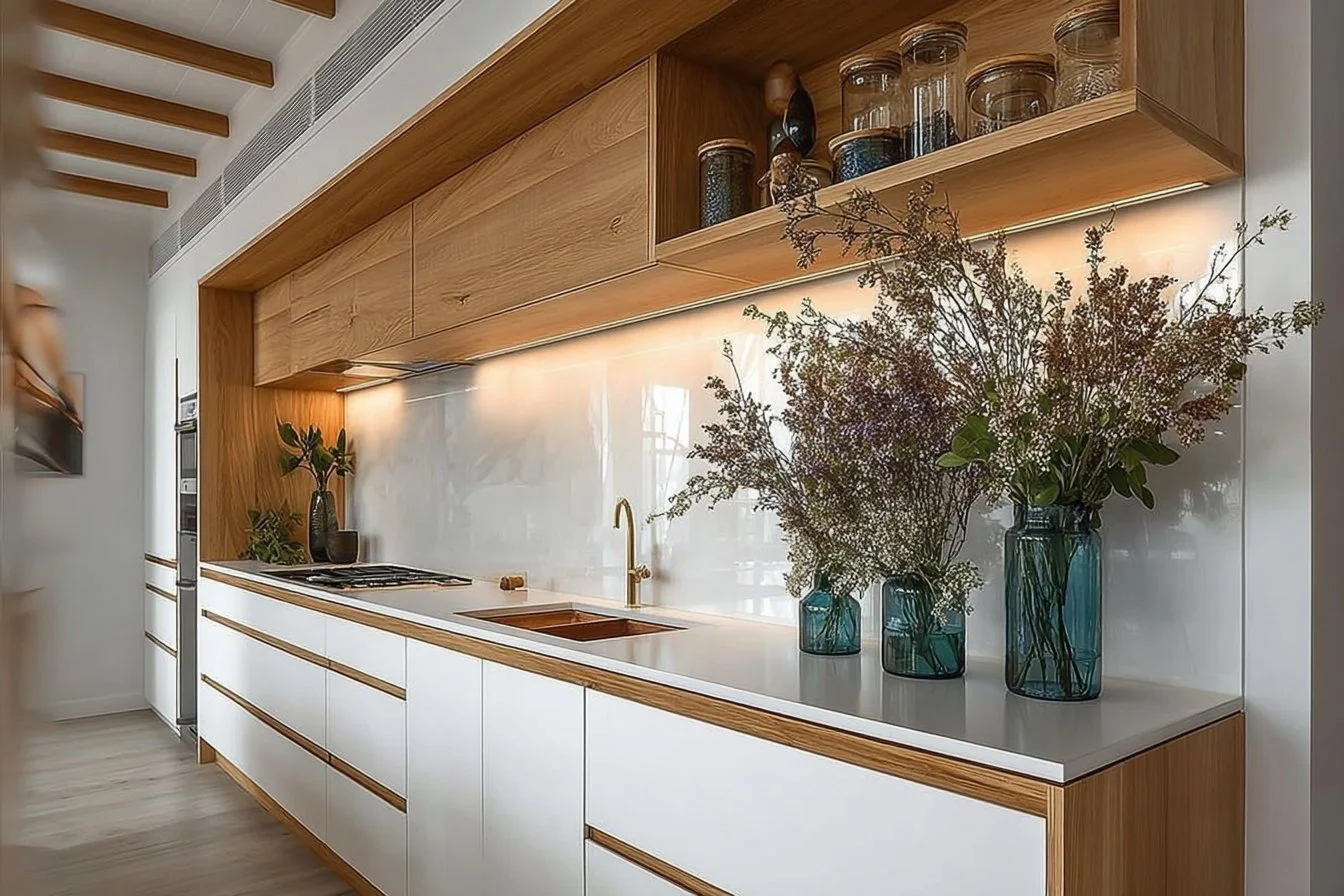
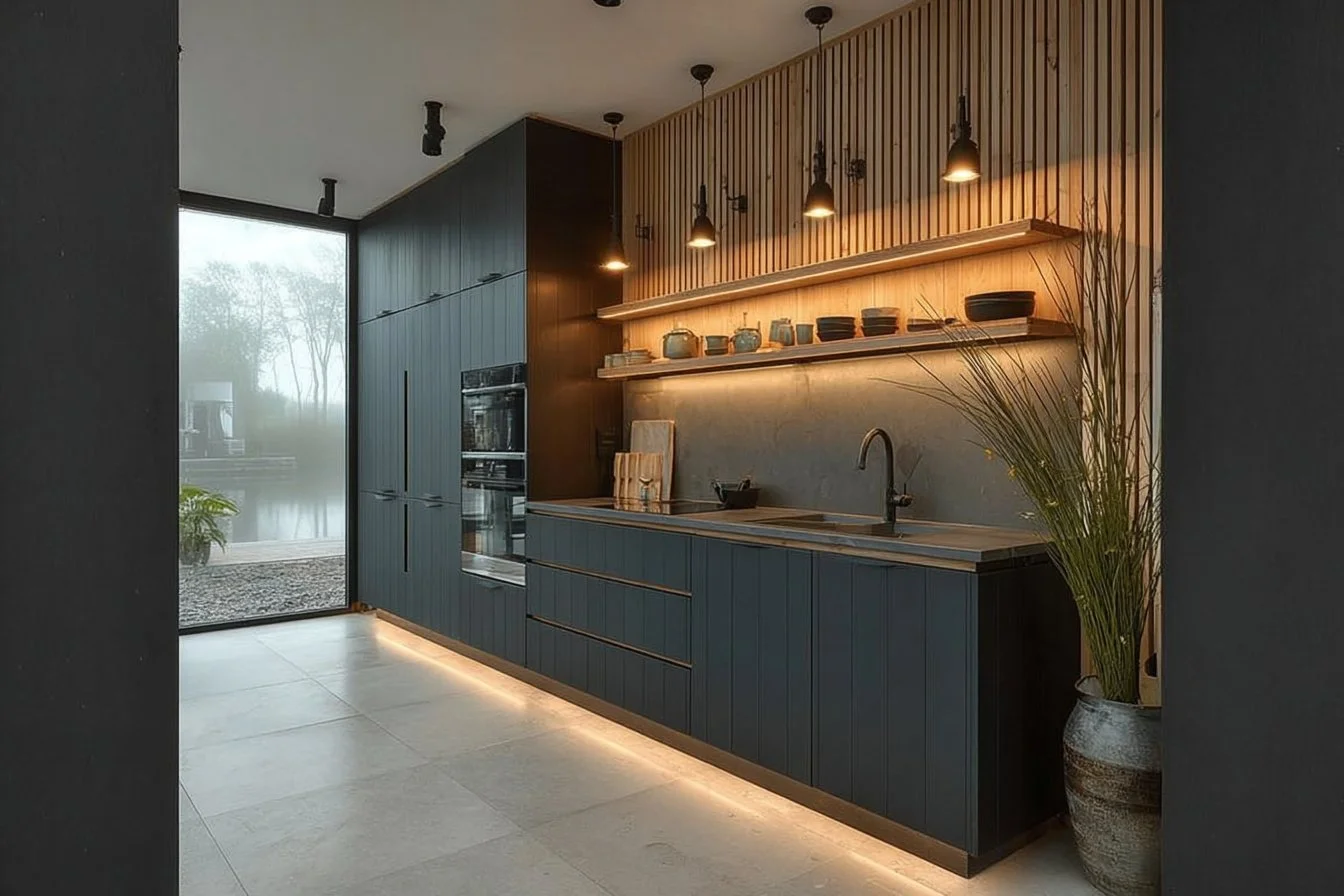
Pairing black cabinetry with natural wood softens the look and makes it family-friendly. The contrast balances drama with comfort: black offers sleekness, while wood introduces tactile warmth that reminds me of cutting boards and sticky cookie-making afternoons. Visually it creates horizontal layers that guide the eye and hide wear-and-tear in high-use zones. Start by choosing black for the lower perimeter cabinets and a butcher block or walnut for open shelving and islands. This combo lets you keep pantry doors or upper cabinets light to avoid closing in small kitchens. For realistic application, stain or choose veneers that match the warmth of your floors so everything reads cohesive when kids run in with muddy shoes. Small touches like integrated pull-out trash bins and a designated lunch-packing drawer make it as functional as it is beautiful.

Black Base Cabinets with Light Upper Cabinets for Balance

Using black on lowers and a lighter tone above is one of the most forgiving ways to enjoy dark cabinetry without losing brightness. The darker base grounds the room and hides scuffs from chair kicks and active kids, while light uppers keep eye level airy and open. Visually this split keeps a kitchen from feeling top-heavy and emotionally creates a calming rhythm during hectic weekday evenings. To implement this at home, paint lower cabinets in a deep charcoal or soot black and choose crisp white or pale grey for uppers. Swap solid doors for a few glass-fronted upper cabinets to display pretty mugs or school trophies, making cleanup and retrieval easier for young helpers. This strategy works beautifully in family homes where you want elegance that endures spills and sticky fingers.

Moody Black Islands Paired with Brass Hardware

A black island can be the center stage of a kitchen and it’s a perfect spot to inject personality with hardware and lighting. Brass or aged gold fixtures pop against black and add a lived-in, collected feel that’s both chic and inviting. Emotionally, an island becomes the family command center — homework station, snack bar, and the place neighbors pull up a stool for a chat. To bring this to life at home, paint the island a deep black and install durable countertop material like quartz for low maintenance. Add brass pendant lights and mixed-metal stools for contrast. For a whimsical, darker vibe you can consult creative styling cues that lean into moody themes; they make late-night baking feel atmospheric and special when kids stay up for a rare cookie session. Practical additions like deep drawers for school lunch supplies help keep the surface tidy.

Black Cabinets with Light Counters and Patterned Backsplash

Dark cabinetry paired with a light countertop and an eye-catching backsplash creates balance while letting playful patterns shine. The black serves as a dramatic frame so tiles or a bold geometric pattern become the focal point — perfect for moms who love personality without chaos. Visually, the contrast lifts the room and makes cleanup zones clear; emotionally, patterned backsplashes can spark joy during daily routines like packing lunches. To apply it at home, choose a durable, pale quartz or honed stone for countertops and select a backsplash that speaks to your family’s energy — maybe a subtle encaustic print or glossy subway tile in a herringbone. Keep lower cabinetry black to hide traffic marks and set up easy-access caddies for everyday utensils so kids can help set the table. This mix is both stylish and restrains the mess visually.

Black Cabinets That Maximize Small Kitchen Coziness

In compact kitchens, black cabinets can actually make the space feel more intentional and snug rather than cluttered. Using black selectively — on the island or lower run — creates depth and makes cabinetry recede visually, which can make open shelving and decor pop. It emotionally signals a curated space, the kind where recipes are handed down and Sunday pancakes are a ritual. At home, keep upper walls light and install under-cabinet lighting to preserve brightness where you need it most. Consider glass-front doors in high cabinets to display family heirlooms or kids’ art, keeping them safe but visible. If you love a cottage or countryside vibe, blending black with softer textures and vintage accents will feel authentic; for a touch of playful moodiness you can explore themes that add personality without fuss. Small changes like magnetic knife strips and pull-out drawers turn style into everyday functionality.

Conclusion

If you’ve been saving ideas for a kitchen refresh, try pinning a few looks that match how your family actually uses the space and then experiment with one small change at a time. Whether you’re drawn to matte finishes, warm wood pairings, or a bold black island, these options let you balance practicality with decorating inspiration so your kitchen becomes both beautiful and lived in. For more color-focused inspiration that helped me finalize choices, I referred to these inspiring blue kitchen cabinets to compare moods and finishes before deciding what would work in our home. Save the ideas that feel like “you” and return to them when you have a quiet hour to plan.

Categories
Kitchen

Kitchen Ideas. Modern Kitchen in Light Tones: Ideas for a Stylish and Functional Interior

Serene Light Kitchen Design Ideas

I still remember the first chilly morning our twins were in middle school and I stood at the sink watching steam rise from a cereal bowl while neighbor Mrs. Collins waved from her porch. As a forty-something mom juggling carpools, homework negotiations, and soccer snacks for my two kids aged 8 and 11, the kitchen has become the heartbeat of our home. It’s where lunches are made, science projects are assembled, and quiet coffee moments are stolen between carpools. Over the years I learned that a calming kitchen makes chaotic mornings softer and evenings cozier. Small changes in color, texture, and layout have transformed how our family moves through the day, and those everyday upgrades are what inspired the fresh decorating ideas I want to share. These are practical, child-friendly tweaks that also look picture-perfect for a Pinterest board or a weekend refresh.

Soft White Foundations with Layered Texture

A light, soft-white base creates a calm canvas that visually expands the space and soothes a busy household. Using varying textures—matte cabinets, honed quartz countertops, and a subtle textured backsplash—prevents the space from feeling flat. This works emotionally because the eye finds comfort in simplicity, and your family will notice the difference when mornings feel less cluttered. Realistically, start by repainting cabinets in a warm white and add tactile elements like woven baskets or a linen runner. For a family with kids, choose paints and finishes that are easy to wipe clean and finishes that hide fingerprints. The result is a kitchen that brightens school-day breakfasts and looks effortlessly styled for weekend breakfasts when neighbors drop by.

Warm Wood Accents to Ground Light Tones

Introducing warm wood tones brings life and warmth into a pale palette without overwhelming it. Think a butcher block island top, oak open shelving, or a walnut cutting board displayed proudly. Visually, wood adds contrast and a natural focal point; emotionally, it feels inviting and homey. To apply this at home, swap a countertop section for wood, install floating shelves, or choose stools with wood legs. For families, wood surfaces are forgiving for everyday wear and can be sanded or refinished after boisterous craft sessions. Pair wood accents with soft whites to keep the kitchen bright while making it feel like a cozy extension of your living space.

Matte Finishes and Minimal Hardware for a Calm Look

Matte finishes on cabinets and fixtures create subtle elegance that hides smudges and softens reflections. Paired with pared-down hardware or recessed pulls, the kitchen reads as modern yet approachable. People respond to understated spaces emotionally because they reduce visual noise and allow family moments to stand out. Implement this by choosing matte cabinet paint or replacing glossy tiles with honed stone. Opt for small, durable hardware that won’t snag on school backpacks or sweaters. This update is budget-friendly when done in stages: swap cabinet handles first, then update paint or surfaces. Your kitchen will feel curated, and your kids will appreciate the easier cleanup after arts-and-crafts afternoons.

Open Shelving with Thoughtful Curating

Open shelving is an excellent way to showcase pretty dishes, cookbooks, and a few cherished family items while keeping the kitchen airy. Visually it opens walls and provides instant decorating inspiration. Emotionally, it turns everyday objects into shared memories—grandma’s mixing bowl, a hand-painted mug from a third grader. To do this well, pick two or three coordinated dish colors and mix in wooden or ceramic accents. Keep lower shelves kid-accessible for bowls and plates, and reserve upper shelves for fragile items. For busy households, use baskets on shelves to tuck away snacks and lunchbox supplies, making mornings quicker and giving the space a lived-in, loved feel.

Maximizing Natural Light and Soft Window Treatments

Natural light elevates pale interiors, making them feel fresh and uplifting. It enhances the light tones and highlights textures, which is ideal for a kitchen where family life unfolds. Emotionally, sunlight helps regulate moods and creates a welcoming atmosphere for weekday breakfasts and weekend baking. To maximize light, choose translucent window treatments or simple Roman shades that filter glare but preserve privacy. If privacy is a concern on a busy street, opt for top-down shades or light-filtering blinds. Place a small bench by the window for reading time while dinner simmers—kids can do homework there while you keep an eye on the stove. Thoughtful window choices turn ordinary days into brighter, calmer ones.

Family-Friendly Surfaces and Functional Zones

Designing zones for cooking, homework, and quick snacks makes a light-toned kitchen function beautifully for real life. Durable, low-maintenance materials like quartz or porcelain tile withstand spills and crayons, while a designated homework nook keeps clutter off counters. Visually, separate zones create a clean, intentional look; emotionally, they reduce morning chaos. Set up a charging station near the breakfast bar and a homework caddy with pencils and a timer. For active families, choose stain-resistant fabrics on bar stools and rounded-edge counters for safety. These practical interior styling tips keep the kitchen beautiful and usable, turning it into a calm command center where family routines flow more smoothly.

Conclusion

If your goal is to create a serene, light-filled kitchen that feels both stylish and family-ready, start small and build layers of texture, warmth, and function. Save ideas that speak to your routine, try one change each weekend, and watch how tiny adjustments transform everyday moments. For more kitchen trends and decorating inspiration that pair well with these tips, check out a curated guide that can spark bigger updates when you’re ready. Keep creating a space that supports the small, meaningful rituals of your family.

Categories
Kitchen

Timeless Earthy Brown Interiors – Direct Paint

Cozy Brown Home Styling Ideas to Love

I still remember the afternoon my son and daughter tracked muddy shoes through the entryway while I was trying to finish dinner, and how our neighbor stopped by with a warm pie and a compliment about our living room. At forty-two, life is a steady loop of school drop-offs, science projects, and weekend soccer. My home has to hold all of that chaos and the quiet moments in between, like late-night story time curled on the sofa. Over the years I learned that certain colors and textures anchor a household, making it feel calm even when shoes are everywhere. That quiet reassurance is what drew me to earthy brown palettes and practical styling choices that welcome everyday family life without sacrificing style or comfort.

Warm Walnut Walls for Lasting Comfort

A deep, walnut-toned wall creates a cozy backdrop that makes furniture and family photos pop visually while calming the room emotionally. Warm brown paints absorb light just enough to soften harsh daylight and add a sense of security when kids tumble through after school. Choose a mid-tone brown for living areas so the space reads rich but not cavernous, and keep trims lighter for contrast.

Applying this at home is simple: paint a single wall behind a sofa or bed to create a focal point that hides scuffs and shows less dirt than pale shades. Pair with washable paints for easy maintenance during crafting sessions or sticky-finger moments. The color also works beautifully with the tones of wooden toys and well-loved blankets, helping a busy household look curated without much effort.

Layered Natural Textures That Tell a Story

Layering textures like linen curtains, jute rugs, and wool throws makes brown interiors feel lived-in and inviting instead of flat. These natural materials age gracefully, which is perfect when kids leave little marks that become part of your home’s story. Textural contrasts highlight the brown palette, creating depth and touchable surfaces that family members naturally gravitate toward.

Start small by swapping a slick cushion for a nubby linen pillow or adding a woven basket by the door for backpacks. These swaps give you visual interest and durable solutions for daily life, such as a place for sports gear or art supplies. The result is a comforting aesthetic that supports family routines and sparks decorating inspiration without needing constant upkeep.

Timeless Wood Furniture for Real Life

Solid wood pieces in oak, walnut, or smoked finishes pair naturally with earthy brown walls and create a cohesive, timeless look. Wood hides wear and can be refinished, which is a practical advantage when you have kids drawing on surfaces or balancing school projects. Choosing classic lines over trendy shapes keeps a room feeling calm and adaptable as your family grows.

Use a sturdy wooden dining table as the household command center—homework, meals, and crafts all happen here. Mix in storage benches or low shelves to keep clutter at bay and give kids a place to put their things. The tactile warmth of wood invites hands and feet, making your home feel like a lived-in sanctuary rather than a staged room.

Soft Lighting to Create Calm Corners

Lighting transforms brown interiors from moody to cozy. Warm bulbs and layered fixtures like floor lamps, table lamps, and dimmers let you tailor the ambiance to homework time, movie nights, or quiet reading. When the kids are doing puzzles on the floor, a soft lamp creates a gentle island of light that feels intimate and peaceful.

In practice, add a lamp near the reading nook and a pendant over the dining table for task lighting. Use dimmers or smart bulbs so you can lower brightness without getting up from a parenting moment. Lighting choices also impact how brown hues read: softer light enhances warmth and makes the whole house feel more inviting during busy evenings.

Greenery and Simple Accents That Breathe Life

Plants and small accents brighten brown interiors with fresh energy and movement. A few easy-care plants like pothos or snake plants add vertical interest and naturally break up brown tones without shouting for attention. Family photos in warm-toned frames, ceramic bowls, or woven trays add personal touches that make a house feel like a home.

Place plants out of reach on higher shelves or in weighted pots that won’t tip during rough-and-tumble play. Rotate small accents seasonally or when you want a fresh mood to inspire new routines, like creating a painting station on a side table. These subtle additions support a lived-in look that welcomes family life and sparks ongoing decorating inspiration.

Conclusion

If you want more examples and real-room visuals to spark your next refresh, explore the curated examples in Direct Paint’s gallery for ideas you can adapt to family life. For more home décor ideas and interior styling tips, see this collection of Direct Paint’s earthy brown interiors gallery to save and try at home. Save the ideas you love and come back when you’re ready to make a change; small, intentional shifts can turn daily chaos into comforting, stylish spaces.

Categories
Kitchen

Warm Natural Kitchens That Feel Like Home

I still remember the morning my youngest climbed into a sunlit stool to stir pancake batter while the neighbor’s golden retriever snoozed under the table. Between school drop-offs, soccer practice, and Saturday playdates, my kitchen became more than a cooking space; it was a living room with a stove. I started noticing the ways our family gravitated toward warmth and texture—the worn wooden cutting board, a favorite linen towel, a potted basil plant with sticky little hands learning to water it. Those small comforts pushed me to rework our space into something that felt calm and practical. Over time I learned how subtle design choices can hold a household together: gentle wood tones, tactile textiles, and a little greenery make daily routines feel intentional and cozy without extra fuss.

Natural Wood Cabinets for Lasting Warmth

Choosing real wood or wood-look cabinetry instantly grounds a kitchen and gives it a lived-in, welcoming vibe. Visually, warm grains add depth and soften the sharp lines common in modern design. Emotionally, families respond to wood because it feels familiar and less precious—perfect for kids who bring art projects and snacks to the counter. To apply this at home, start with one focal run of lower cabinets in a walnut or oak tone while keeping uppers light to maintain brightness. Mix matte finishes so fingerprints are less obvious, and add simple brass or matte black pulls for modern contrast. For practical family life, choose durable finishes and soft-close drawers so little fingers stay safe and cleanup is fast after weekday dinners.

Stone Surfaces and Earthy Backslashes

Natural stone and textured backsplashes create an organic anchor that reads both modern and timeless. A honed quartzite or soapstone counter delivers visual interest without glossy glare, making spills less obvious and cleanup easier. Emotionally, these materials feel rooted—like the kitchen has history—so everyday moments like homework on the island feel more meaningful. To bring this idea home, pick a neutral-toned countertop and extend the backsplash partially up the wall in a complementary texture. Keep grout minimal and choose sealed stones or low-maintenance engineered options if you need durability for a busy family. This way you get the aesthetic of nature with the resilience required for school lunch rushes and weekend baking days.

Indoor Herb Nook for Life and Flavor

A tiny indoor herb garden near a sunny window adds color, scent, and a sense of growth that resonates with family life. Visually, trailing leaves soften hard surfaces and introduce seasonal change without a full remodel. Emotionally, kids love tending plants, learning responsibility while plucking basil for pasta. To implement this, dedicate a shallow shelf or corner of your counter to a trio of herbs in matching pots—rosemary, basil, and thyme are forgiving starters. Use a simple drip tray for easy watering and teach the kids a nightly routine to check the soil. This small habit ties into interior styling tips by layering living elements with functional tools like a mortar and pestle or wooden spoons displayed nearby.

Warm Neutrals and Layered Textures

Calmer color schemes centered on warm whites, muted greens, and soft greys create a soothing backdrop for family life. Layered textures—linen curtains, woven rugs, rattan baskets—add visual warmth and make the kitchen comfortable for lingering breakfasts and craft projects. Visually, texture prevents a neutral palette from feeling flat. Emotionally, these surfaces invite touch and create a sense of home. Start by painting walls in a warm white and introduce textiles in natural fibers. Place a washable rug near the sink and use open-front baskets to hold snacks and school supplies. The result keeps surfaces uncluttered while still allowing for the small chaos of daily routines.

Matte Black Fixtures with Natural Elements

Matte black hardware and faucets introduce contemporary contrast while keeping a grounded, sophisticated look when paired with organic materials. The dark accents provide visual punctuation that makes wood grains and stone surfaces pop. Emotionally, the balance between bold fixtures and softer natural elements can feel both modern and reassuring—perfect for a family that appreciates style without fuss. To apply this, replace cabinet pulls and the faucet with matte black finishes while keeping the rest of the palette warm. Choose antibacterial finishes where possible for busy households. Kids spill and parents wipe, so combining high-contrast hardware with forgiving surfaces gives you a kitchen that looks curated and still survives everyday life.

Open Shelving with Personal Displays

Open shelving showcases ceramics, family mugs, and cookbooks in a way that feels curated rather than cluttered when styled thoughtfully. Visually, it breaks up heavy cabinetry and creates breathing room; emotionally, displaying well-loved dishes offers a sense of identity and memory. To make open shelving work for a family, start with one wall and keep a mix of functional items and meaningful pieces—stacked plates, a child’s painted bowl, and a couple of framed recipe cards. Use consistent color families to avoid visual chaos and keep the most fragile items on higher shelves. Regularly rotate the display to incorporate kids’ artwork or seasonal finds, turning everyday storage into decorating inspiration that evolves with your family.

Conclusion

If you want more refreshing home décor ideas and practical styling examples that fit busy family life, check out Styling Her Life design ideas. Save a few of these concepts for your next weekend refresh, try one that feels manageable, and watch how small, nature-forward changes can transform both the look and the feel of your kitchen.

Categories
Kitchen

Sage & Wood Kitchens That Feel Like Home

I still remember standing at the sink, watching my son juggle a soccer ball in the driveway while my daughter traced a crayon masterpiece across the fridge door. Mornings are a blur of school lunches, lost shoes, and coffee that somehow cools before I get a sip. Our neighbors wave from across the cul-de-sac and drop off banana bread when life gets hectic. Between carpools and homework, I began to notice how the kitchen felt like a hug at the center of our day. Small changes—soft paint, a warm wooden shelf, a cozy island corner—made that space calmer and somehow more like the home I wanted for my kids. Those tiny shifts in color and texture inspired me to think about fresh ways to bring warmth and style into a busy family kitchen.

Soft Sage Cabinets with Warm Wood Countertops

Painting lower cabinets a soft sage tone anchors a kitchen with a calm, lived-in feel. The green reads as soothing but not fussy, and pairing it with warm wood countertops adds an organic contrast that feels tactile and welcoming. Visually, the wood grain provides movement against a flat painted surface, while emotionally it brings in a sense of nature, perfect for a room that hosts everything from cereal spills to baking experiments.

To make this work at home, start with a sample of sage paint on a cabinet door and test it against wood samples under your kitchen lighting. Choose durable finishes for busy hands and sticky fingers. Keep family needs in mind by selecting a countertop sealant that resists stains, and add open wood shelving for the kids to reach their cereal bowls. This combo blends style and function, delivering home décor ideas that survive real life.

Two-Tone Layout: Sage Island, Natural Wood Perimeter

A two-tone kitchen with a sage island and natural wood perimeter cabinets feels curated without trying too hard. The island becomes an inviting focal point for homework sessions or late-night sandwich assembly, while the surrounding wood cabinetry keeps the space grounded. The contrast supports depth and warmth, creating an intimate backdrop that still reads modern.

To apply this look, choose one consistent sage shade and balance it with wood tones that complement rather than match exactly. Consider durable hardware and kid-friendly storage inside the island for lunchbox supplies and craft bins. This layout offers practical interior styling tips: designate zones for homework, cooking, and landing school bags so the family can move smoothly through the day. It’s a design that looks good on a Pinterest board and stands up to everyday chaos.

Open Wood Shelves Against a Sage Backdrop

Open shelving in raw or stained wood paired with a sage backsplash or painted wall instantly makes dishes feel like part of the décor. The shelves introduce texture and display opportunities for treasured mugs, the kids’ art projects, and that chipped mixing bowl Grandma gave you. Emotionally, it reads as approachable and lived-in, not overly styled.

Start by mounting sturdy shelves where they’re easily accessible to little hands. Use the sage backdrop to make ceramics pop, and mix closed storage below to hide school paperwork. For a practical touch, keep everyday items within reach and reserve the top shelf for seasonal pieces. This approach blends decorating inspiration with everyday function, creating a kitchen that invites hands-on moments and casual conversations.

Sage Walls with Wooden Trim and Family Nooks

Painting walls in a muted sage and adding wooden trim or paneling adds subtle architectural interest that feels cozy and personal. Wooden trim around windows or a small banquette bench makes the room feel custom without a full renovation. This is especially helpful for families who want warmth without the commitment of full wood cabinetry.

To bring this to life, choose a sage that complements your home’s natural light and pick wood trim in a finish that resists scuffs. Add a small bench with storage for backpacks and sports gear beneath a window trimmed in wood to create a morning routine station. The result is a blend of home décor ideas and functional design where the kids can stash their jackets and you can sip coffee in a pleasant, soft-lit corner.

Mixed Metals, Sage Cabinets, and Reclaimed Wood

Combining mixed metal hardware with sage cabinets and reclaimed wood accents creates a layered, collected look that feels like your family has lived into it. Brass knobs bring warmth, black pulls add modern edge, and reclaimed wood introduces character and story. This mix creates depth and personality without feeling chaotic.

Apply this by choosing one cohesive tone for large surfaces and letting metals and wood act as accents. Swap a few hardware pieces for something vintage or mismatched to add charm. Use reclaimed wood for a floating shelf or a small bar cart that can double as a homework station on busy nights. This idea gives you interior styling tips that let personality shine while keeping things practical for kid-driven routines.

Muted Sage Walls with Warm Wood Floors for Timeless Comfort

Sage-painted walls paired with warm wood floors create a serene stage for family life. The continuity of the wood underfoot ties living spaces together, making transitions between kitchen and play areas feel smooth. The color palette supports calming mornings and relaxed evenings after sports practices, helping the room function as a communal hub.

To execute this, select a durable wood or wood-look flooring that withstands spills and heavy foot traffic. Keep the sage slightly muted to hide scuffs and pair with washable upholstery and rugs in high-traffic seating zones. Add layered lighting so homework can be done under task lights while the rest of the room remains soft. This approach delivers decorating inspiration and practical benefits that help busy households breathe easier.

Conclusion

If you’re collecting home décor ideas or looking for fresh interior styling tips, these sage and wood combinations are family-friendly, visually soothing, and easy to live with. Save a few of these motifs for your next slow weekend project and try swapping one element at a time so the kids can help. For more color guidance and cabinet ideas that pair beautifully with sage and wood, check out 23 Gorgeous Kitchen Cabinet Color Ideas You Need to Try.

Categories
Kitchen

5 Timeless Monochrome Kitchen Looks

I still remember the weekend my neighbor dropped by with two muffins and a sketch of her tiny island. My youngest, age 8, insisted on wearing a superhero cape at breakfast while my 11-year-old practiced piano in the next room. Between carpools, homework, and PTA meetings, my kitchen has to do double duty: morning chaos zone, homework station, and the place where friends linger over coffee. Those little daily rituals taught me that a kitchen’s color story matters more than ever. Simple contrasts calm the eye after a busy day and make cleanup feel intentional. Over the years I’ve borrowed a few smart aesthetic tricks from other rooms, even tucking in a Scandinavian sensibility that keeps things airy and livable, which makes the whole family happy and the space feel like ours. Scandinavian style ideas helped me see how monochrome balance can feel warm instead of stark.

High-Gloss Black Cabinets with White Marble Countertops

A dramatic high-gloss black cabinet run paired with white marble countertops makes a kitchen feel polished and effortless without being fussy. Visually, the shine reflects light from windows and pendants, while the white counters anchor daily chores with a clean surface. Emotionally, the look reads like confidence — a space that’s both elegant and approachable when kids leave cereal streaks or a baking experiment goes sideways. To apply it at home, pick a durable honed or leathered marble alternative if you want less maintenance, and place kid-friendly prep zones on a white surface to hide wear. Keep lower cabinets black and upper shelves or a few open white niches to ease the contrast so your family doesn’t feel overwhelmed. Add soft textiles like striped towels or a woven runner to invite warmth and practical comfort for morning routines.

Graphic Tile Backsplash and Patterned Accents

A bold black and white backsplash is a quick way to introduce personality without committing to painted walls. Patterned tiles — think checkerboard, herringbone, or small geometric mosaics — create movement and draw the eye to the heart of the kitchen. These patterns work emotionally by turning daily tasks into little design moments; making dinner feels a bit more special when the backdrop is playful. Install the tiles behind the range or sink for maximum impact, and balance them with calm white cabinetry so the room stays light and family-friendly. If you love mid-century touches, look to simple geometric shapes and warm wood tones to soften the graphic edges, which is where a dash of mid-century modern inspiration can guide your lighting and hardware choices.

Two-Tone Cabinets: Black Island, White Perimeter

Two-tone cabinetry — a black island with white perimeter cabinets — gives depth and a natural focal point while keeping the overall feel bright. The island acts like a visual anchor and can hide the inevitable mess of craft projects, baking chaos, or homework spreads, while white cabinets around the edges keep the room feeling open. This arrangement works emotionally by signaling designated zones; children learn that the island is for gathering and the counters against the wall are for prep. To implement this, choose a durable, matte finish for the island to hide fingerprints and scuffs, and add family-friendly seating with washable cushions. A contrasting countertop on the island, such as warm wood or black quartz, helps tie the two tones together and creates a cozy place for quick breakfasts and late-night chats.

Black Accents with Warm White Shaker Cabinets

Classic shaker cabinets in warm white feel timeless and forgiving, and adding black accents — think hardware, faucets, light fixtures, and window frames — gives modern edge without losing comfort. This combo reads as curated rather than clinical; it supports lively family life because it masks smudges and feels lived-in. Visually, the black details punctuate the white canvas, creating rhythm and sophistication. Start small by swapping knobs, installing black task lighting, and painting a single window frame black to test the look. For a complete update, choose warm white paint that flatters skin tones and wooden floors, then layer black metal shelving or a framed chalkboard for grocery lists and kids’ artwork. If you want gentle contrast ideas for cabinet color and finishes, check out some tried-and-true warm white kitchen ideas to match family life with long-lasting style.

Patterned Floors and Cozy Monochrome Textiles

A patterned floor in black and white, such as encaustic tiles or a scaled checkerboard, gives the room personality underfoot and hides the small spills and crumbs that come with kids and pets. Patterned floors work emotionally by adding playful energy; they make every step feel intentional and encourage everyone to take pride in the space. For families, pair bold flooring with neutral lower-profile rugs near work zones to soften falls and contain mess. If full-tile feels permanent, consider patterned vinyl or peel-and-stick tiles in less-used areas to test the look. Layer textiles like black-and-white striped dish towels, geometric cushions on stools, and framed family photos in simple black frames to create warmth. This approach lets you enjoy a lively aesthetic that holds up to daily living while still feeling stylish when neighbors stop by for an impromptu coffee.

Conclusion

If you loved these monochrome kitchen ideas, you might enjoy exploring more backsplash-driven looks to find patterns that suit your family’s energy and routines; this round-up of 22 Stunning Black and White Kitchen Backsplash Design Ideas offers plenty of inspiration to pin, adapt, and make your own. Save a few looks, try one small change this weekend, and come back later to build on what feels right for your home — the best kitchens grow with the life lived inside them.

Categories
Parents

Best 6 Boho Bedroom Ideas for a Cozy Coastal Retreat

As I’ve explored the world of interior design, I can’t help but fall in love with the relaxed vibe of boho coastal décor. It transforms a bedroom into a cozy retreat that whispers tranquility and warmth, perfect for unwinding after a long day. In this listicle, I’ll share my favorite boho bedroom ideas that not only embrace soft textures and earthy tones but also incorporate that airy coastal charm we all crave. Whether you’re dreaming of a romantic canopy, minimalist designs, or earthy inspirations, I promise you’ll find tips and inspiration to create a space that feels like a tranquil escape. So, let’s dive in and discover how to make your bedroom the charming sanctuary you’ve always wanted!

1. 6 Boho Coastal Bedroom Ideas

6 Boho Coastal Bedroom Ideas

Coastal Boho Bedroom Ideas to Pin Today

I still laugh when the kids and I race out the door on school mornings, shoes flying, backpacks half-zipped, while Mrs. Ramirez next door waves from her porch with her morning coffee. As a forty-something mom with an eight-year-old who wants superhero sheets and a twelve-year-old who sleeps in hoodie armor, I crave a peaceful room to collapse into after bedtime stories and PTA meetings. Weekend rituals—sandy beach combing, iced coffee on the porch, swapping crockpot wins with neighbors—shape how I want our home to feel: calming, lived-in, and a little bit whimsical. That’s why I started collecting simple home décor ideas that balance family life with a coastal, boho vibe. These touches helped me create a bedroom that feels like a gentle exhale at the end of a chaotic day, and they’re the same styling tricks I used when refreshing the living room in a similar boho spirit at modern boho living room ideas you’ll love.

Textiles That Feel Like the Shore

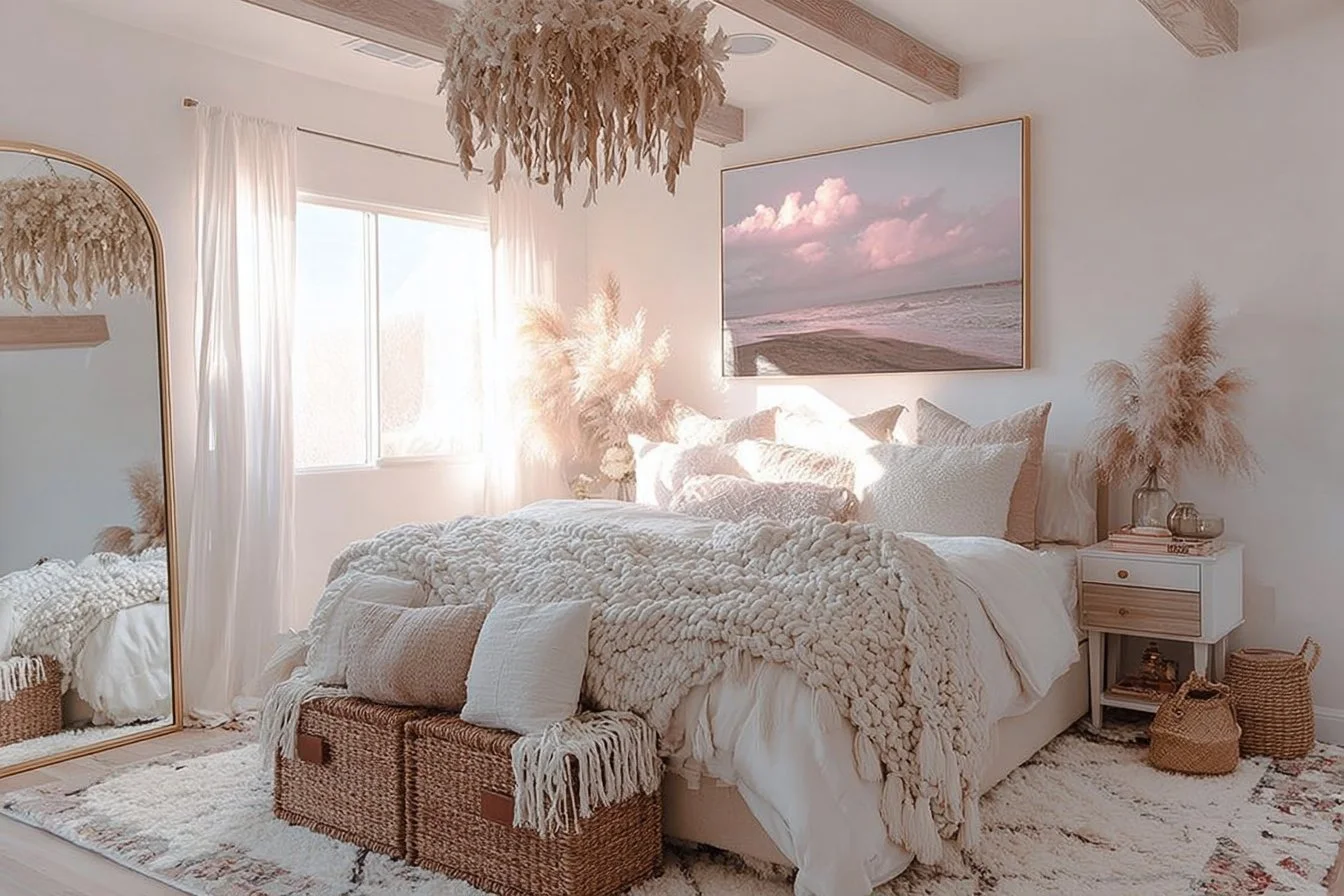
Start with bedding that invites you in: washed linen sheets and a slubby cotton throw create that sun-faded, lived-in look without fuss. Visually, linen has a relaxed drape that echoes beach towels left to dry on a line, which is soothing after a busy day of carpools and homework help. Emotionally, soft layers offer a calm retreat when you finally steal five quiet minutes with a book while the kids are at piano practice. To apply this at home, swap crisp hotel white for muted sand and seafoam tones, add a chunky knit throw at the foot of the bed, and choose pillows in varied textures rather than matching sets. For easy family-proofing, pick machine-washable linens and keep a basket nearby for stray art projects and soccer socks so the aesthetic survives real life.

Woven Headboards and Natural Frames

A woven rattan or seagrass headboard is an instant focal point that reads coastal without feeling themed. These materials catch light and shadow in a way painted wood never does, giving the room depth and a handcrafted vibe that neighbors often ask about when they stop by. Emotionally, natural fibers bring warmth and a subtle connection to the outdoors, which helps everyone sleep a little more peacefully. Installing one is straightforward: secure a prefabricated headboard to the bedframe or hang a lightweight woven panel on the wall. For durability in a family room, seal rattan edges and choose tightly woven pieces to resist little hands. Pairing this with bedside family photos in driftwood frames keeps the look personal and lived-in.

Soft Lighting with a Beachy Twist

Lighting sets the mood, and layered lamps plus a rattan pendant can transform a functional room into a cozy retreat. Soft amber bulbs mimic sunset and make late-night reading or storytime with the kids feel cinematic. A pendant made of woven natural fibers scatters light like dappled sunlight through dune grass, creating a calm atmosphere that soothes overstimulated minds. To implement this at home, replace one overhead harsh bulb with a pendant and add two bedside lamps on dimmers or smart bulbs. This makes it easy to switch from “homework bright” to “bedtime calm” with one tap. Practical tip from our household: clip-on reading lights are lifesavers for a child who insists on an extra five minutes of flashlight reading.

Driftwood Accents and Subtle Marine Motifs

Incorporating driftwood shelves or a reclaimed wood dresser adds a storied, beach-found charm without being kitschy. Driftwood’s irregularities tell a story of weather and time, which gives the room an authentically collected feel. Small marine motifs—like a ceramic shell dish for jewelry or a muted fish print—work best when used sparingly to avoid a novelty look. Emotionally, these elements invoke calm memories of family beach days and shell hunts, creating comforting continuity between home and favorite seaside outings. At home, mount a small driftwood shelf for nighttime essentials or display a mason jar of saved shells from family trips. These touches are practical and meaningful, and they often spark a conversation when friends pop in after soccer practice.

Layered Rugs and Kid-Friendly Textures

Layering rugs—start with a flat-woven jute and add a softer wool or cotton rug on top—anchors the bed and creates a tactile play zone for the kids. Visually, the mix of textures keeps the room interesting, while the top rug adds warmth for bare feet during morning routines. Emotionally, a layered rug system conveys intentional comfort that welcomes late-night tuck-ins and pajama dance parties. To make this realistic for families, choose stain-resistant top layers and use non-slip pads beneath thinner rugs. If you want kid-friendly boho touches in other rooms, check these playful boho playroom teepee ideas for inspiration that translates well to a bedroom nook.

Greens, Art, and Personal Finds

Plants and curated art make the room feel alive without clutter. A tall potted palm, a string of heart-leaf philodendron, or a small succulent on a nightstand brings a subtle coastal green that softens the palette. Art made from natural materials—like woven wall hangings or shore-combed framed pieces—adds texture and family stories without overwhelming the space. Emotionally, living things and meaningful objects foster calm and a sense of continuity, helpful when juggling school drop-offs and evening routines. To apply this, choose low-maintenance plants for busy weeks and rotate a few favorite kid drawings into simple frames on a shelf. These personal touches keep the room feeling homey and curated, not staged.

Conclusion

If you want a bedroom that welcomes exhaustion and transforms it into calm, try mixing natural fibers, soft lighting, and personal coastal finds until the room feels like your little harbor. Save a few of these decorating inspiration tips for your next weekend refresh, and start small—swap linens, add a woven headboard, or bring in a plant and see how the vibe shifts. A statement mirror or art piece can pull the look together; a bold option to consider is the BECHAEO 3D Coastal Metal Fish Mirror, which adds texture and personality without shouting theme. Pin what you love, try one change at a time, and come back for more interior styling tips when you’re ready to tweak another corner of your home.

2. 6 Boho Bedroom with Canopy Ideas to Bring Softness and Romance to Your Room

6 Boho Bedroom with Canopy Ideas to Bring Softness and Romance to Your Room

Dreamy Boho Canopy Bedroom Inspirations

I still remember the summer we moved across town, trading porches with friendly neighbors who brought over lemon bars and a hand-me-down rocking chair. As a forty-something mom with two kids ages eight and eleven, our days are a collage of school carpools, after-school snacks, and quiet moments when everyone finally settles down. My daughter likes to drape towels into a makeshift fort; my son insists on reading under a blanket with a flashlight. Those small rituals made me think about how a bedroom can feel like a gentle hug after a busy day. I started collecting soft images and practical boho living room ideas to spark a refresh, and soon realized a canopy adds that hush of romance and softness every family retreat needs.

Sheer Draped Canopy Over the Bed

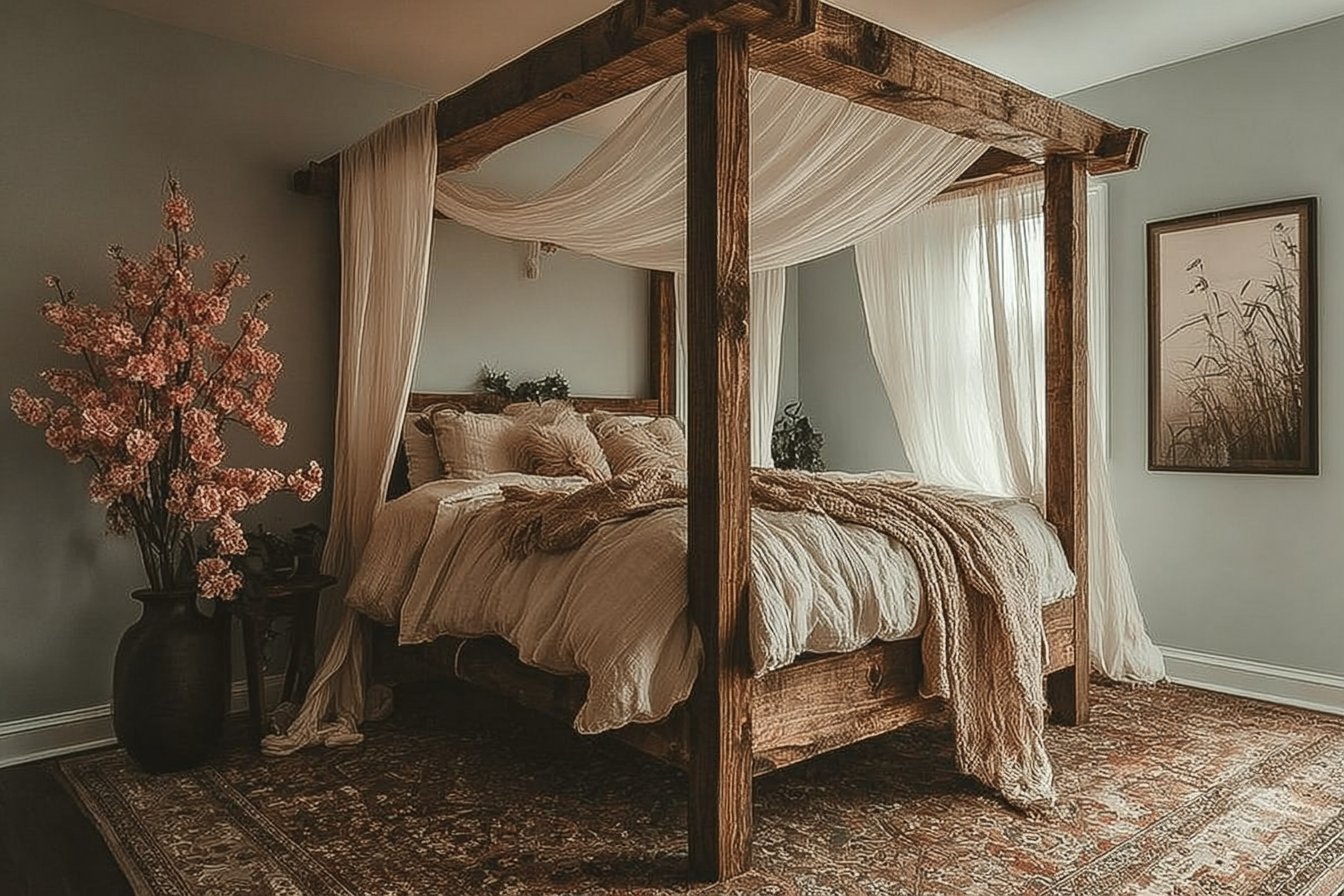
A simple, sheer canopy instantly softens the room and feels like a private sanctuary without blocking light. Visually, light fabrics float and blur hard edges, creating a quiet, dreamy backdrop that calms a busy mind. Emotionally, it signals a cozy shelter where kids can curl up for bedtime stories and parents can unwind after dinner dishes. To apply this at home, choose lightweight voile or linen curtains, hang a small ceiling hook centered above the bed, and drape fabric so it pools lightly on either side. Tuck a reading lamp on the nightstand and keep washable bedding for easy cleanup when little hands leave fingerprints. This approach blends practical family rhythms with gentle styling, giving you a bedroom that feels lived-in but intentionally serene—perfect for those slow Sunday mornings and bedtime routines.

Woven Macramé Crown Canopy

A woven macramé crown canopy brings boho texture and artisanal charm to a room. The tactile knots and neutral fibers create visual interest without overwhelming a small space, and they pair beautifully with warm wood tones or rattan furniture. Emotionally, handmade details feel personal and collected, like a keepsake from family travels or a thoughtful weekend project with the kids. Hang a macramé crown ring above the headboard, letting soft fabric fall around the bed or frame a nook for afternoon reading. For a family-friendly twist, choose a detachable hoop or add ribbon ties so you can wash nearby textiles easily after art projects or snack time. This styling is one of those interior styling tips that makes a bedroom feel curated but still ready for everyday life.

Layered Textiles and Mixed Patterns

Layering throws, quilts, and patterned pillows under a canopy elevates a simple bed into a boho-inspired nest. Mixing florals, ikat, or subtle geometric prints adds depth and movement, while sticking to a cohesive color palette keeps the look harmonious. Visually, the layers create a sense of abundance without clutter, inviting family members to sink into softness. Practically, choose machine-washable covers and a few stain-resistant accent pillows to handle cereal spills and playground mud brought inside. Start with a neutral base sheet, add a textured blanket, and top with patterned cushions in similar tones. This idea blends decorating inspiration with real-life parenting needs, so the space stays beautiful and resilient through late-night science projects and cozy weekend movie marathons.

Low Platform or Pallet Bed with Canopy

A low platform bed paired with a flowing canopy gives a relaxed, grounded boho vibe that feels safe for kids and stylish for adults. The low profile emphasizes a laid-back aesthetic and makes the canopy feel like a tented retreat rather than a formal canopy castle. For a sustainable spin, consider a simple DIY pallet base or a minimalist platform frame and drape linen panels from a ceiling hoop or an overbed rod. This look lets kids jump into bed with less worry and creates a stage for bedtime stories and living-room-to-bedroom sleepovers. If you love the idea of a grounded bed frame, check out upcycled pallet bed ideas for inspiration that pairs perfectly with soft, billowy canopies and practical family living.

Cozy Corner Canopy for Reading Nooks

You don’t need to drape the main bed to get the canopy effect. A ceiling-to-floor panel over a corner chair transforms a spare space into a private reading nook that invites kids to curl up with a chapter book. This mini canopy creates a sense of ritual around quiet time and can be moved as family needs shift. Use a lightweight rod or hoop, add string lights for soft glow, and lay down a plush rug with oversized cushions. The visual result is a layered, intimate spot that complements the overall room without dominating it. From a parent’s perspective, this is an easy way to carve out a cozy corner where homework or bedtime reading becomes a shared, peaceful routine, and it keeps the main bed free for sleep and snuggles.

Greenery and Soft Lighting with Canopies

Combining plants and warm lighting with a canopy brings life and mood to a boho bedroom. Hanging planters at the canopy edges or placing potted plants on a nearby shelf softens the space with natural texture and fresh scent. Twinkle lights or a dimmable pendant tucked into the canopy add a romantic glow that works for bedtime and late-night baby checks. Visually, the mix of organic greens and soft light creates depth and a lived-in look; emotionally, it fosters calm and wellbeing. For families, pick low-maintenance, non-toxic plants and battery-operated lights to reduce hazards. This idea balances beauty and safety, letting the bedroom serve as a restorative family retreat after school pickups and weekend soccer practices.

Conclusion

If you want more decorating inspiration to expand on these looks, explore this carefully curated collection of ideas like the ones I borrowed for my own room refresh: 29 Stylish Boho Bedroom Ideas for a Cozy, Chic Space. Save the ideas that speak to your daily life, try one small change at a time, and come back to tweak the details as your family grows. A few soft fabrics, warm lights, and thoughtful textures can turn any room into a place of calm and romance that still fits the joyful chaos of family life.

3. 10 Neutral Bedrooms That Prove Minimal Isn’t Boring

10 Neutral Bedrooms That Prove Minimal Isn’t Boring

Neutral Bedrooms That Feel Warm, Not Bland

I still remember stacking lunchboxes in the kitchen while telling my son about his school play and reminding my daughter to finish her math; mornings in our suburban cul-de-sac are a choreography of backpacks, bikes, and friendly waves to the neighbors. At forty-two, I like the little routines that make our house feel like home: pancakes on Saturdays, bedtime stories that stretch a little too long, and the quiet, half-empty moments when the kids are at school and I finally sip my coffee. Those in-between spaces made me rethink our rooms — especially the bedrooms — and how a calm palette can actually invite more family life rather than less. If you need refreshing decorating inspiration, I even found tips for creating a neutral bathroom that feels like a spa that inspired the same relaxed vibe for our sleeping spaces.

Soft Layered Textures for Cozy Calm

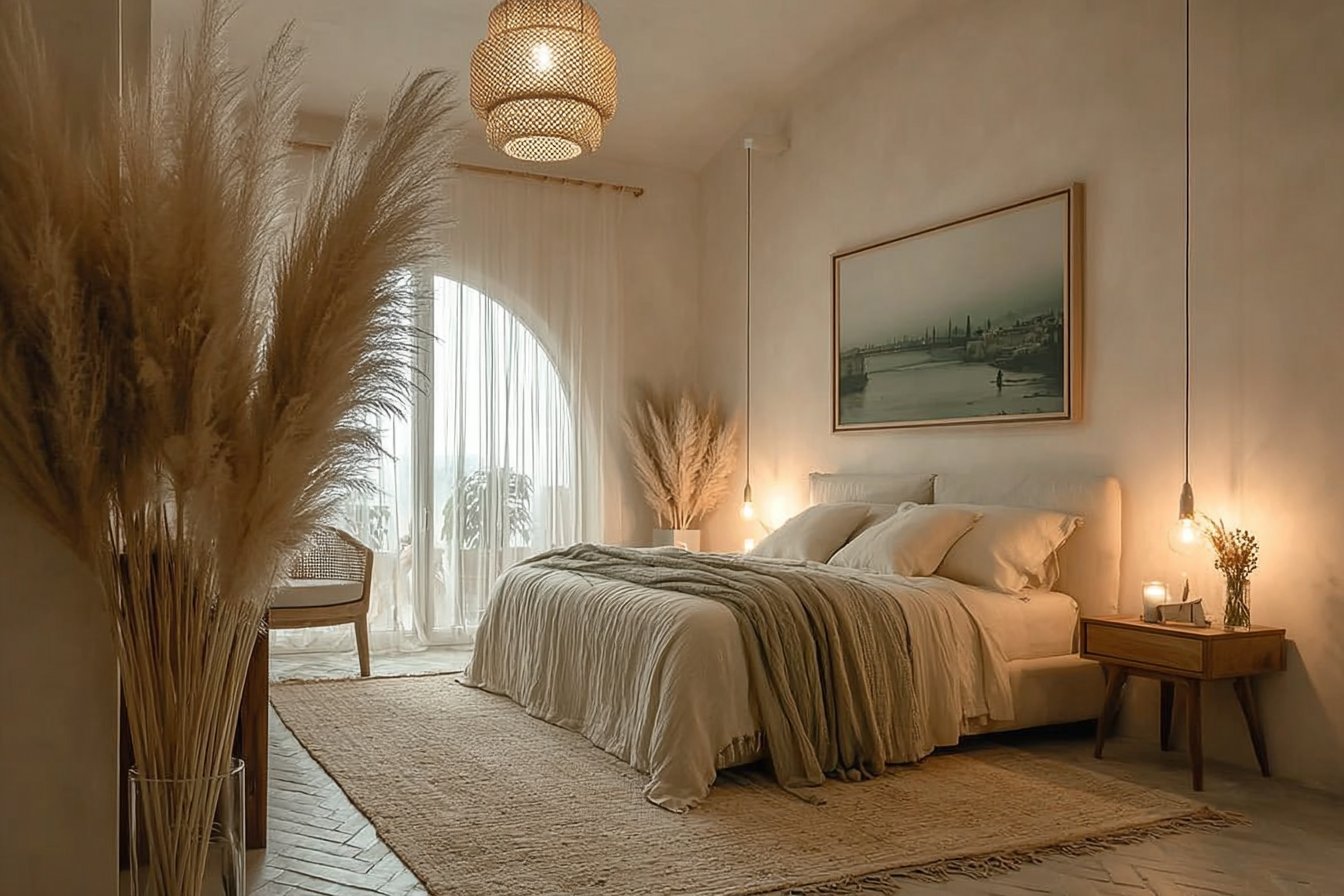
A bedroom that feels neutral but not boring often starts with texture. Think woven throws, linen sheets, and a low-pile rug layered over hardwood. Visually, texture adds depth to a limited palette and keeps the eye engaged without loud color. Emotionally it signals warmth and comfort — perfect for kids returning from a long day of school or a spouse who needs to unwind after work. To apply this at home, pick a neutral base like cream walls and add three different textures: a knit blanket, a linen duvet, and a jute rug. My daughter loves flopping onto the soft pile after homework, and the textures hide the small spills and fingerprints of everyday family life.

Monochrome Mood with Natural Accents

Using one dominant neutral tone and punctuating it with natural materials keeps a room unified yet interesting. A palette of warm greige or soft taupe looks sophisticated and calming. Add wooden nightstands, a wicker basket for toys, and a potted plant to bring a hint of life. This works visually because the eye appreciates repetition, and emotionally it creates a restful retreat for bedtime routines. We swapped mismatched furniture for a cohesive monochrome look and suddenly the room felt larger and more serene, which made reading together before lights-out an easier ritual.

Statement Headboard Without Loud Color

A headboard can be the focal point in a neutral room without introducing bright hues. Opt for a sculpted upholstered headboard or a reclaimed wood panel for visual interest. It grounds the bed and provides a cozy backdrop for storytime or late-night chats. Practically, an upholstered headboard also softens noise, which is helpful when the kids are winding down and the rest of the house is still busy. To create this look, choose a fabric in a neutral shade and add a couple of different-sized pillows in similar tones to make the bed feel intentional and lived-in.

Soft Lighting Layers for Gentle Evenings

Layered lighting is a simple way to keep a neutral bedroom engaging after sunset. Combine ambient ceiling light, bedside lamps with warm bulbs, and a small task light for reading. Warm lighting enhances neutrals, making creams and beiges feel comforting rather than flat. For family life, dimmable bedside lamps let you ease into bedtime rituals, whether it is tucking the kids in or having a quiet moment with your partner. Install a lamp with a soft shade on each side of the bed so nightly routines feel intimate and relaxed.

Minimal Art That Tells a Story

Neutral does not mean blank walls. Curate a few pieces of art in muted tones that reflect family memories: a favorite landscape print, a framed child’s sketch, or a vintage photograph. These pieces create focal points and emotional anchors without clashing with the palette. Visually, limited-color art keeps the room cohesive; emotionally, it reinforces belonging. We hung a simple frame of our family’s favorite beach photo above the dresser, and now the morning routine feels like a small ritual of gratitude before the day begins.

Functional Furniture with Soft Lines

Choose furniture with simple silhouettes and soft edges to keep a neutral room feeling inviting. Rounded bedside tables, a low dresser, and a bench at the foot of the bed make the space practical for morning overtime and kids’ sleepovers. The softer shapes are less formal and more kid-friendly, which is great for families who need durability and calm. When we replaced a sharp-cornered table with a rounded one, the room instantly felt gentler and safer for little feet running at dawn.

Textured Window Treatments for Privacy and Warmth

Curtains and shades are an easy way to add personality without vivid colors. Layer linen curtains with blackout shades for a soft look that also blocks morning light when weekends mean extra sleep. Textured drapery frames windows and makes the room feel finished. For our household, good window coverings mean better naps for the little ones and a darker room for weekend sleep-ins. Choose a neutral tone that’s slightly darker than the walls to provide contrast without loudness.

Natural Materials for an Organic Feel

Incorporating rattan, wood, and stone can elevate a neutral bedroom from safe to soulful. These materials introduce subtle patterns and tones that catch the eye and feel grounded. Emotionally, natural elements bring a sense of calm and permanence, reminding us of slower moments like backyard evenings and simple family dinners. We added a wooden mirror and a small rattan lamp to give the room personality; our kids loved the tactile elements and often help dust and arrange them, turning chores into family cooperation.

Patterned Neutrals for Quiet Interest

Introduce pattern through bedding or rugs in understated motifs: thin stripes, small geometric prints, or tone-on-tone florals. Patterns provide movement and keep neutrals from feeling flat. Use patterns sparingly — one patterned quilt or a runner rug is enough to enliven the space. This is practical for families because patterned fabrics hide everyday wear and crumbs better than pure solids, and my son’s pillow with subtle stripes is both durable and stylish, surviving Lego sessions and movie nights.

Flexible Layouts for Growing Needs

Design a neutral bedroom with flexibility in mind so it adapts as kids grow. A daybed that doubles as seating, a removable side table, and storage that can shift from toys to school supplies keeps a room useful over time. Neutral tones make updates feel effortless; swap a lamp or pillow to reflect a new stage. We organized bins under the bed and left wall space for a future desk, which meant the room transitioned smoothly when my daughter started middle school, and family life stayed harmonious during the change.

Conclusion

If your home needs decorating inspiration that respects family life, a neutral bedroom can offer warmth, calm, and personality without shouting for attention. Save a few ideas you love and try them one at a time — texture, lighting, or a single statement piece can transform how the whole room feels. For practical conversations about balancing quiet evenings and family habits, I found a thoughtful husband and family communication thread that resonates with real-life routines and might offer useful perspectives.

Also try a playful crafting corner to keep kids engaged while you style — I used an easy project from an easy snowman crafts guide to create simple decor that lives well in a neutral room. Come back when you need fresh ideas and pin your favorites so your next weekend refresh is effortless.

4. Earthy bedroom

Earthy bedroom

Cozy Natural Bedroom Ideas for Calm Mornings

I still remember the chaotic mornings when my twins were little—lunchboxes on the counter, a soccer jersey draped over the dining chair, and the neighbor waving as she walked her dog past our picket fence. Now that my two kids are 8 and 11, our rhythm is different but just as full: homework sprawled on the kitchen island, piano practice in the evenings, and a quiet half hour when everyone finally drifts to their rooms. Creating a warm, grounded room where I can actually breathe has become my small act of self-care. While I explored modern luxury bedroom styles for inspiration, I found that natural textures and calm colors made our family’s evenings slower and mornings gentler. These gentle changes doubled as decorating inspiration and practical solutions for a busy household.

Warm, Nature-Driven Color Palette

Choosing a muted palette of warm tans, soft greens, and clay tones gives a bedroom an instant feeling of calm. Visually, these colors mimic the outdoors, helping the human eye relax after a day full of screens and schedules. Emotionally, a nature-driven palette feels stable and reassuring—perfect for a mom who wants a peaceful retreat while kids are finishing homework in the next room. To apply this, repaint one wall in a soft clay or sage and bring in bedding and curtains in complementary neutrals. Keep one or two playful accents that nod to your child’s personality so the room still feels lived-in and approachable. This approach serves as a subtle home décor idea that blends practicality with personality, letting your family routines continue without sacrificing style.

Layered Textures for Cozy Comfort

Layering textures—linen sheets, a chunky knit throw, and a low-pile wool rug—creates tactile interest that invites touch and rest. Textures work visually by adding depth to a simple color scheme and emotionally by making the room feel lived in and comforting. For easy application, start with neutral bedding and add a textured throw and some woven pillows. Place a soft rug by the bed to warm bare feet in the morning; it’s a small detail that kids notice and love. These interior styling tips make the room child-friendly: choose washable fabrics where spills or markers might happen, and opt for durable natural materials that age beautifully as your kids grow. Your bedroom becomes a cozy hub for late-night chats or early mornings with a warm cup of tea.

Reclaimed Wood and Thoughtful Furnishings

Reclaimed wood furniture adds character and an earthy feel while being sustainable. Visually, knots and grain tell a story, which makes your room feel unique and rich in texture. Emotionally, reclaimed pieces carry a sense of history that can be grounding for a busy family life. Start with a reclaimed headboard or bedside table and pair it with simple modern pieces to avoid a heavy look. When choosing furniture, think about family needs—rounded edges for safety, drawers for extra toy or sock storage, and finishes that can handle everyday wear. Integrating these decorating inspiration ideas means your space looks curated without being fragile, so kids can still play and you can maintain a peaceful sanctuary.

Indoor Plants and Botanical Accents

Adding indoor plants or framed botanical prints brings life and a calming scent to a room. Plants visually soften corners and add a pop of green that lifts the whole space. Emotionally, caring for a plant can be a small, rewarding ritual for both parents and kids—my son waters the spider plant and takes pride in watching it grow. Place low-maintenance plants like snake plants or pothos on a shelf or in a hanging planter. If live plants aren’t practical, choose botanical artwork and woven baskets to mimic that organic feel. These are practical home décor ideas that also teach children about nature and responsibility while improving air quality and the room’s overall vibe.

Soft, Layered Lighting for Mood and Function

Good lighting transforms a room from harsh to inviting. Layered lighting—ambient ceiling lights, bedside lamps, and a soft reading light—allows you to adjust the mood throughout the day. Visually, varied light sources create depth and highlight textures; emotionally, warm lighting signals rest and calm. To implement this, switch to warm-hued bulbs and add a dimmable bedside lamp for late-night reading with a child. A small nightlight near the closet helps with late-night bathroom runs without waking everyone fully. These interior styling tips balance function and atmosphere for a family home, helping transitions between homework time, evening routines, and bedtime feel smoother.

A Relaxing Nook with Natural Accents

Designing a small reading or cozy nook makes a bedroom multi-functional and welcoming. A naturally styled nook—think a rattan chair, soft throw, and a small bookshelf—becomes a place to unwind and read bedtime stories. Visually, a niche like this creates a focal point; emotionally, it becomes a shared spot for connection. To create one, repurpose a corner with a comfortable chair and a lamp, and teach kids to keep it cozy by storing their favorite books there. For siblings who share spaces or alternate rooms, look at shared bedroom design ideas to adapt nooks that work for two. This decorating inspiration keeps the space functional for family life while maintaining a calm, natural aesthetic.

Conclusion

If you want more room-by-room ideas to expand on these concepts, this curated gallery of earthy-inspired bedroom ideas collection offers practical visuals and DIY tips to help you personalize your space. Save a few ideas, try one small change this weekend, and come back when you’re ready to add another layer—small shifts add up to a home that feels more like a sanctuary for you and your family.

5. 6 Dreamy Boho Bedroom Ideas You’ll Love!

6 Dreamy Boho Bedroom Ideas You'll Love!

Cozy Boho Bedroom Oasis You’ll Adore

I still remember hauling a thrift-store rug home while my two kids, ages 8 and 11, argued over who got the last cookie. Mornings here include lunches packed at the kitchen island, soccer practices across the street, and a neighbor waving by the mailbox with a garden tip. As a mom in my forties, I crave small corners of calm where I can breathe between carpools and bedtime stories. Those same cozy corners are what inspired the little refresh I did in our master and the occasional touch in the kids’ rooms when they wanted something “cool but chill.” If you’re thinking about switching up your space and want realistic, family-friendly inspiration, check out some stylish kids’ bedroom ideas that translate surprisingly well into grown-up boho retreats.

Soft Layering with Natural Textiles

Layering woven throws, linen sheets, and a jute rug gives a boho room a tactile personality that feels lived-in and warm. Visually, mixes of texture create depth without relying on bright colors, so a neutral palette still reads as inviting. Emotionally, soft textiles invite you to flop onto the bed after a busy day of school drop-offs and grocery runs, which matters when you have little ones around. To apply this at home, start with a quality linen duvet, add two patterned throws at the foot, and swap a synthetic rug for natural fiber to reduce static during playtime. Keep a small laundry basket nearby for quick pickup on hectic mornings. This approach makes the room comfortable for morning cuddles and late-night storytime while staying low maintenance for a busy household.

Macramé and Wall Hangings for Personality

A statement macramé or layered wall hanging instantly adds boho flair without permanent changes. It softens light and echoes handcraft traditions, offering a personal touch that friends and neighbors often comment on. On an emotional level, handmade elements convey care and slow living, a nice counterpoint to a calendar full of practices and PTA meetings. To install one, choose a focal wall behind the bed and center the piece at eye level; pair it with a small gallery of family snapshots for warmth. For families, consider a collar or hook near the door to hang kids’ backpacks so the wall art remains visible and untouched. This detail keeps the room feeling curated while practical for daily routines.

Earthy Accent Colors and Botanical Prints

Infusing earthy tones—terracotta, olive, warm ochre—and botanical prints grounds a bedroom in nature even if you live in a suburban cul-de-sac. These colors calm the eye and pair beautifully with wooden furniture, making the space cozy during late-night homework sessions or early-morning wake-ups. To bring this into your home, paint one accent wall in a muted terracotta or add pillows with leaf prints. A couple of potted plants on a sunny windowsill adds life and teaches kids a little responsibility when they water them weekly. For inspiration on pairing boho touches across living areas, see some modern boho living room inspiration that can be adapted to a bedroom scale.

Canopy Vibes without the Fuss

A lightweight canopy or draped fabric above the bed adds drama and a sense of sanctuary, perfect for parents who want a restful retreat after bedtime routines. Visually, soft drapes frame the bed and introduce movement, while emotionally they create a den-like privacy that feels safe and cozy. To do this simply, hang sheer fabric from a central ceiling hook or curtain rod, letting it fall loosely around the headboard. Choose washable fabrics for easy cleaning after messy craft afternoons. If your kids like to have sleepovers, the canopy also becomes a fun backdrop for indoor fort-building, so keep a fabric clip or two handy to open and close the space as needed. This trick gives your bedroom a hotel-like vibe while staying family-friendly.

Mixed Metals and Vintage Finds

Layering brass, aged copper, and black metal gives depth and a collected-over-time feeling. A vintage bedside lamp or mirrored dresser pulls stories into the room, sparking conversations with guests and neighbors who drop by. Emotionally, these pieces feel comforting and storied, reminding you of flea-market hunts with your mom or weekend morning drives. Start small: swap in brass drawer pulls, add a vintage brass lamp, or prop a thrifted mirror on a dresser. Keep breakable items out of reach of small hands and anchor heavier finds to the wall for safety. These touches make a room feel curated and lived-in without overhauling the whole space.

Cozy Nooks and Reading Corners

Designing a small reading nook with a pouf, hanging chair, or window seat invites quiet moments for you and the kids. Visually, a dedicated corner adds balance to a room and becomes a focal point for family downtime. Emotionally, it signals permission to slow down—a rare gift when juggling homework, sports, and dinner plans. Create the space by placing a comfy chair near a lamp and a low shelf with favorite books within reach for your 8- to 12-year-olds. Add a soft throw and a small basket for library returns. This corner becomes your go-to for bedtime stories, school reading assignments, and those five-minute breathers between errands.

Conclusion

If any of these ideas sparked your imagination, save this page and try one small change this weekend; even swapping textiles or adding a wall hanging can shift the whole mood. For more layered styling tips and seasonal vignettes that pair well with boho bedrooms, explore some helpful fall decorating vignette ideas that translate into year-round charm. Come back when you’re ready for the next refresh—these decorating inspiration moments are best enjoyed slowly, one cozy update at a time.

6. 7 Minimalist Organic Bedroom Designs for a Peaceful Sleep

7 Minimalist Organic Bedroom Designs for a Peaceful Sleep

Title: Cozy Organic Bedrooms for Deep, Peaceful Sleep

I still remember the sound of cereal spoons clinking on Saturday mornings, the way sunlight slips past the maple tree and paints a stripe across my kitchen floor. As a forty-something mom with two kids between eight and twelve, our days rotate around school drop-offs, soccer practices, and a neighbor who always borrows a cup of sugar. Between bedtime stories and homework battles, I crave a bedroom that feels calm and truly mine — a place to breathe after a busy day. I looked for ideas that would work with kid-stamped schedules and a family-friendly home, and even borrowed a few playful touches from a guide on luxury kids’ bedroom ideas to keep things cohesive. That search led me into organic, minimalist styling that calms the senses and supports better sleep, while still fitting a lived-in family life.

Organic Neutrals and Natural Textures

Choosing a soft, neutral palette grounded in natural materials immediately sets a peaceful tone. Linen sheets, cotton duvet covers, and a woven jute rug work visually to create layers of comfort without clutter. Emotionally, these textures feel familiar and cozy, reminding me of childhood summers spent on my grandmother’s screened porch. To apply this at home, start with a neutral wall color like warm beige or soft gray, then layer with tactile fabrics in varying tones. Swap out synthetic pillows for organic cotton or wool, and introduce a wooden nightstand with rounded edges to soften the room. For families, this approach hides the occasional smudge from little hands while keeping a serene adult refuge. These kinds of home décor ideas make every evening feel intentional and nurturing, even when the kids’ backpacks are still in the corner.

Light, Airy Layouts for Calm

A clean layout is one of the simplest interior styling tips that yields big emotional returns. Arranging furniture to maximize natural light and clear sightlines makes the room feel larger and less chaotic, which is crucial after a day of school runs and playdates. Practically, position the bed to face the window or door, keep walking paths clear, and choose slim-profile furniture that doesn’t overwhelm the space. Use floating shelves or a narrow dresser to maintain storage without crowding. When my daughter needs a quiet corner to read, a small armchair tucked by the window proves that family life and calm layouts can coexist. This approach reduces visual noise and creates a restful atmosphere, so even a busy household can enjoy decorating inspiration that supports better sleep.

Greenery and Natural Scents

Plants are a low-effort way to bring the outdoors in and add life to a minimalist organic bedroom. A snake plant or potted fern purifies the air and introduces soothing green hues that ease the mind. Scents from linen spray, a small jar of dried lavender, or a beeswax candle can gently shift the bedroom mood toward relaxation. Emotionally, these elements reconnect us to nature and offer a subtle ritual at bedtime — a quick spritz of linen mist after tucking the kids in feels almost ceremonial. To make it realistic, choose low-maintenance plants if you have a hectic routine, and place them where they receive indirect light. For homes with curious kids, keep delicate plants higher on a shelf. These touches are simple home décor ideas that bring sensory depth without overwhelming a minimalist aesthetic.

Decluttered Storage for Family Life

Minimalist design depends on smart storage that hides away daily chaos, and for a family bedroom that balance is everything. Closed cabinetry, under-bed drawers, and woven baskets keep toys, laundry, and school papers out of sight while preserving a serene look. Emotionally, a decluttered room signals that the space is yours to recharge in, which is especially important when weekdays are full of routines and carpools. Implement this by designating zones: a laundry basket at the foot of the bed, a small tray for keys and glasses, and a hidden bin for seasonal items. When my son brings home an art project, a shallow box in the closet becomes its temporary home. These interior styling tips make daily life smoother and keep the bedroom feeling calm and restorative despite the realities of family living.

Soft Lighting and Sleep-Friendly Fabrics

Lighting and textiles dramatically influence how restful a room feels. Layered lighting — soft bedside lamps, a dimmable overhead fixture, and a low-level floor lamp — creates a warm atmosphere that signals winding down. Fabrics that are soft to the touch, like organic flannel or breathable cotton, feel comforting against the skin and help regulate temperature at night. Visually, soft lighting casts gentle shadows that enhance the room’s textures without being harsh. To incorporate this at home, swap bright bulbs for warm-toned LEDs and use smart plugs or dimmers for easy control. Replace coarse throws with softer options and choose blackout curtains that still allow a breath of air when needed. With two kids who sometimes tiptoe in during the night, this combination helps maintain a soothing adult space while handling the unpredictable rhythms of family life.

Conclusion

If you’re looking for decorating inspiration that balances family rhythms with a restful adult retreat, organic minimalist rooms provide both beauty and function. Saving a few ideas now can lead to evenings that feel calmer and mornings that start lighter. For more ideas and visual guidance, check out this helpful resource on 29 Organic Bedroom Ideas For A Naturally Restful Sleep to spark your next refresh. Come back to these interior styling tips whenever you need a little reset, and enjoy experimenting with small changes that make a big difference in everyday family life.

Categories
Bathroom

5 Little Cabin Bathroom Ideas That Make Small Spaces Shine

Cozy Cabin Bathroom Ideas for Tiny Spaces

I still remember the mornings when the kids were small and the whole family seemed to converge at our tiny upstairs bath like a magnet. Now, with two energetic 8 and 10 year olds, mornings are a flurry of toothbrushes, mismatched socks, and one neighbor waving as he walks his dog past our porch. As a mom in my forties, I learned that small changes make a big difference to household rhythm and mood. After a messy paint spill and late-night Pinterest scrolling, I tackled our little cabin-style bathroom one weekend at a time. If you are juggling family routines and want practical decorating inspiration that actually works, these ideas helped me create a calm, usable space without overwhelming the kids or the budget. For more budget-first tips, I leaned on budget-friendly small bathroom remodel ideas while planning how to keep our mornings flowing.

Section 1: Bright Paint and Wood Accents

Light, warm paint instantly opens up a compact bathroom and brings that cozy cabin feeling without stealing floor space. Choose soft creams or pale sage to bounce natural light and reduce visual clutter. Pair that with narrow wood trim or a reclaimed shelf above the toilet for a lived-in, homey vibe. Visually, the contrast between pale walls and natural wood creates depth, making the room feel larger yet intimate. Emotionally, wood warms the space and ties the bathroom to the rest of the house so your kids feel comfortable in a familiar setting. Practical application: use semi-gloss paint on trim for easy cleaning, and mount a thin floating shelf at a child-friendly height for bath toys and toothpaste. This approach blends smart interior styling tips with family-friendly function and keeps daily routines simple.

Section 2: Glass Shower and Corner Storage

Clear glass shower doors or a minimal glass partition let light travel, so a tiny bathroom feels airy instead of boxed in. The key visual win is removing visual barriers; the eye moves through the room and it reads as bigger. Emotionally, an open look feels less claustrophobic for kids who sometimes dread baths. Add corner shelving or a built-in niche to tuck shampoo and washcloths out of the way, keeping counters uncluttered. For real-life use, install a floating corner caddy that’s easy for small hands to reach and mount hooks at different heights so both kids can hang towels independently. This pairing of open glass and smart storage supports smooth morning routines while offering practical decorating inspiration for parents who need form and function.

Section 3: Slim Vanity and Open Shelving

A narrow, wall-mounted vanity gives you storage without taking up precious floor area and visually frees up the room. Choose a vanity with shallow drawers and soft-close hardware to keep little fingers safe and clutter hidden. Above it, open shelving adds personality: stack spare towels, wicker baskets, and a small framed family photo to make the cabin vibe feel personal. This combination works because the vanity tucks essentials out of reach while open shelves show curated items that make the room warm. If you prefer a cohesive house look, consider matching the bathroom finishes to your living areas—see these small farmhouse living room ideas for big impact to borrow palettes and textures that carry through your home. For everyday life, teach kids to return items to baskets and use labeled drawers so family habits keep the space tidy.

Section 4: Patterned Tile and Vintage Fixtures

A small area of patterned tile, like behind the sink or as a shower accent, gives big personality without overwhelming the cabin’s simple aesthetic. Pattern draws the eye and creates a focal point, making the space feel curated and intentional. Complement that with a vintage-looking faucet or a brass shower arm to introduce character and warmth. Emotionally, these touches feel nostalgic and comforting—like staying at Grandma’s cabin—while visually anchoring the room. To implement this at home, tile a half wall or create a vertical stripe of decorative tile where it won’t meet too much grout-cleaning, and pick fixtures with durable finishes that age well. Kids love the little details too, and a special faucet can make toothbrushing feel like a tiny event in their day.

Section 5: Plants, Mirrors, and Layered Lighting

Greenery instantly livens small spaces and brings a cabin-in-the-woods mood without taking up much room. A trailing plant on a high shelf or a faux fern near the sink adds color and a sense of calm. Pair plants with a large, well-placed mirror to reflect light and expand the visual field, and use layered lighting—a bright overhead, a softer vanity light, and maybe a small night light—for flexible moods. This mix works visually by creating balance and emotionally by offering comfort during sleepy mornings or late-night baths. Practical tips: choose low-maintenance plants like pothos or pick high-quality fauxs for easy care, hang the mirror so a child can see themselves brushing their teeth, and install dimmer-friendly fixtures to adjust for everyone’s routine. These touches turn everyday rituals into cozy moments.

Conclusion

I hope these ideas spark fresh decorating inspiration and make your little cabin bathroom both beautiful and practical for family life. If you love tiny house details and want to see how compact living can feel intentional and charming, check out A Tour of “MoonShine,” a Tiny House Cabin at Blue Moon Rising for real-life small space creativity. Save a few of these ideas for later and try one change this weekend—you might be surprised how a small update lifts the whole morning routine.

Categories
Bathroom

Bathroom Organization: 6 Genius Ideas to Transform Your Space

Tiny Bathroom Bliss: Storage Hacks That Spark Joy

Some mornings feel like a sitcom — me, forty-ish, ladling cereal while refereeing a towel tug-of-war between my 8-year-old and 10-year-old. Between homework notes stuck to the fridge and neighborhood kids packing for swim practice, our small hall bath became the scene of many tiny dramas and small victories. I remember the day a neighbor waved from her porch holding up color-coordinated baskets she swore changed her life; I wanted that calm. Little changes in storage and styling made routines smoother and gave our mornings a gentler pace. If you are tackling a compact space, I leaned on budget-friendly small bathroom remodel ideas when I needed practical, pretty solutions that fit a busy family life.

1. Floating Shelves that Feel Like a Breath of Fresh Air

Floating shelves open up a small bathroom visually while providing real, reachable storage. They create a layered look that feels intentional rather than cluttered, which helps a busy mom keep things tidy without a major overhaul. I put one shelf at kid height for everyday items like toothbrush cups and bath toys, and a higher shelf for extra towels and decorative jars. The trick is to mix function and softness — stack rolled towels next to a small plant or framed photo to make the space feel lived-in and loved. Visually, the staggered horizontal lines lengthen the wall and reduce the boxed-in feeling common in small baths. Emotionally, shelves give kids ownership; my son knows where his towel lives now, and our mornings run smoother. These are simple interior styling tips that read like a little daily gift each time you enter the room.

2. Woven Baskets and Lidded Bins for Cozy Order

Woven baskets bring warmth to tile and chrome and hide the everyday chaos in a way that still looks pretty. Their texture adds depth, which is an easy home décor idea to layer into a neutral palette. I place a low basket for dirty clothes, a lidded bin for extra toilet paper, and a shallow tray for hair ties and random bobby pins. Baskets allow quick cleanup at the end of the day when my daughter and I race to tuck toys away before bedtime. Emotionally, a tactile basket feels less clinical than plastic bins and invites touching and tidying. Choose sizes that fit under the vanity or on open shelving so everything has a home. When family life gets hectic, these baskets are small anchors — practical, attractive, and forgiving of the small storms that come with kids.

3. Double-Duty Vanities that Hide the Hustle

A vanity with drawers or a recessed medicine cabinet gives you hidden spots for items that should not be on display, from first-aid kits to hair tools. These pieces look polished but do the heavy lifting behind closed doors, keeping counters calm for a busy morning routine. If your layout leans cozy cottage or modern farmhouse, take cues from a modern cottage bathroom design to choose finishes that feel timeless and family-friendly. Inside drawers, use small dividers and pouches so each child has a shelf for their shampoo or toothpaste; that small system reduces arguments and speeds up showers. Visually, a unified front of cabinetry creates a clean line that helps a small bath feel larger. Emotionally, hiding clutter offers a sense of control when life feels messy — and that makes every shared bathroom a little more peaceful.

4. Vertical Cleverness: Tension Rods and Corner Caddies

When floor space is precious, look up. Tension rods inside shower alcoves and corner caddies make the most of vertical areas without drilling or big renovations. I installed a tension rod for hanging loofahs and baskets of bath crayons, keeping the tub clutter-free and easy to clean. Corner caddies create pockets for kid-sized items, which means no more colorful bottles strewn across the tub edge. Visually, vertical storage draws the eye up, adding perceived height to the room. Practically, it makes everything accessible for shorter kids and helps them learn to stow items after use. This is one of those interior styling tips that blends form and function — useful, inexpensive, and kind to landlords if you rent. The routines smooth out, and small hands gain independence without extra adult steps.

5. Hooks, Color Codes, and Kid-Friendly Stations

Hooks are tiny miracles in family bathrooms. Install a row of at-kid-height hooks for towels and robes so children can grab their things without asking for help. Color-coding towels or baskets for each child adds visual clarity and reduces the “whose towel is this” chaos. I hung a small pegboard for hair ties and clips near the mirror and labeled each hook with a fun sticker; my kids take pride in caring for their space. This approach brings decorating inspiration into daily rituals and makes the bathroom feel personalized. Emotionally, giving children clear responsibility builds confidence and reduces morning friction. The space becomes less a battleground and more a shared routine zone, where style and practicality coexist and everyone knows their part.

6. Mirrors, Lighting, and Illusions of Space

A well-placed mirror and layered lighting can transform a tiny bath into a bright, airy retreat. Swap a dated mirror for a larger one or a mirrored cabinet to double as storage and reflection. Pendant lights or wall sconces placed on either side of the mirror reduce shadows and make tasks like teeth brushing and face washing easier for kids and adults alike. Mirrors bounce light and visually expand the room, while warm bulbs make the space feel welcoming instead of clinical. For our family, upgrading the mirror was one of the cheapest upgrades that made mornings feel less rushed — and more like a little ritual. These are simple home décor ideas that improve both form and function, giving you a fresher-looking space without a full remodel.

Conclusion

If you want a fast win, try one storage change this weekend and watch how it reshapes routines. Small edits like shelves, baskets, or a new mirror deliver big emotional returns for a family home and become part of your decorating inspiration toolkit. For a compact, practical option to corral small essentials, consider a compact bathroom organizer with dividers that fits inside drawers or on shelves and keeps everyday items easy to find. Pin the ideas you love and come back when you are ready for the next tiny upgrade — these changes add up to a calmer, more beautiful family routine.