Categories
Decor

Whimsical Spring Cottage Office Makeovers for Joyful Days

I can still smell the pancakes from Saturday mornings while I type this, the kids arguing gently over syrup in the next room and our neighbor dropping off the mail like clockwork. As a mom in my forties with two kids between eight and twelve, my day moves between carpools, zoom art projects, and the small rituals that make our street feel like home. I’ve learned how tiny changes to my workspace can turn a chaotic afternoon into a calm, creative hour—especially when the kids need a quiet corner for homework and I need a bit of focus. Those moments of domestic life shaped the way I approach decorating: practical, warm, and a little bit dreamy. Below are my favorite cottage-inspired office touches that keep workdays feeling gentle, whimsical, and entirely livable with kids around.

Soft Floral Accents to Warm a Desk

Floral patterns instantly soften hard surfaces and make a desk feel inviting rather than clinical. Choose a muted floral wallpaper behind your workspace or add a small framed botanical print to lean against the wall. A floral linen runner or desk pad protects surfaces and invites you to linger. Visually, florals create depth and a calming focal point; emotionally, they recall backyard blooms and kids bringing in wildflowers.

To apply this, swap one bold art piece for floral tones that echo existing colors in your room. I keep a small jar of fresh daisies on busy afternoons, which brightens my mood and encourages my daughter to sit and draw beside me. These easy swaps balance pretty with practical, giving you decorating inspiration that fits real family life.

Vintage Desk and Mismatched Seating

A well-loved wooden desk with a little patina tells a story and grounds a workspace in cottage charm. Pair it with a mismatched chair or a painted stool to bring personality and comfort. Visually, vintage furniture adds texture and history; emotionally, it feels like home rather than a showroom.

Hunt thrift stores or neighborhood sales for a desk with character, then sand and refinish a small area if needed. For a family-friendly twist, add a washable cushion on a chair so kids can use your space for crafts. When my son needs help with a school project, the cozy chair arrangement makes it natural for us to share the desk without cluttering the whole room.

Natural Materials: Wood, Rattan, and Linen

Natural fibers and woods create a tactile, lived-in look that is central to cottage styling. Incorporate a rattan lamp, wooden trays, or linen curtains to soften light and add warmth. These elements feel calm and approachable, which can reduce stress on busy afternoons filled with schedules and snacks.

Implement this by replacing one synthetic item with a natural alternative—swap a plastic pen cup for a ceramic pot or use a woven basket to store project papers. I use a rattan basket for my kids’ art supplies; it hides the mess while staying accessible when they burst into the room with glitter and glue.

Soft Lighting and Warm Fairy Lights

Lighting has a huge emotional impact; soft, warm bulbs and string lights make a space feel cozy and inviting. A small table lamp with a dimmer and a strand of fairy lights over a shelf create layers of light that are easy on the eyes during late-night emails. Visually this adds depth; emotionally it signals calm and care.

Place lights strategically: a desk lamp for tasks and fairy lights around shelving or corkboards for ambiance. When my neighbor’s kids come over after school, the gentle glow helps transform the room into a relaxed homework spot rather than a fluorescent study hall. This is an easy way to add decorating inspiration while keeping the room practical.

Cozy Nook with Layered Textiles

Create a petite reading or planning nook with layered throw blankets, a soft cushion, and a small side table. Textiles add color and comfort while absorbing sound, which matters in a household with kids and busy schedules. A window seat or corner with a plush throw becomes a place for mental breaks and quick one-on-one chats.

Start by adding a textured throw on a chair and a low shelf for a cup of tea or a pencil cup. I often steal five minutes in my own nook to jot down grocery lists or a dinner idea while my kids finish a craft at the main table. This approach blends home décor ideas with real family rhythms.

Curated Shelves with Found Objects and Greenery

Open shelving feels lived-in when filled with a mix of books, small pottery, framed sketches, and potted plants. Curate rather than overcrowd: leave breathing room between objects to let each piece tell its story. Visually, this creates a layered backdrop that reads as intentional and cozy; emotionally, it evokes slow afternoons collecting pieces over time.

Arrange shelves with a balance of functional items like baskets for cords and decorative finds like a child’s watercolor tucked between books. I let my kids place one small treasure on a shelf each month; it keeps them involved in decorating and creates a rotating display that feels personal and homey.

Conclusion

If you save one idea from these cottage-inspired tweaks, let it be this: choose pieces that feel like part of your family story. Mixing florals, natural materials, warm lighting, vintage finds, layered textiles, and curated shelves gives you interior styling tips that are both beautiful and usable with kids around. Try one small change this week and see how it softens your workday—then come back to explore more decorating inspiration. For more ways to add gentle, romantic charm to daily life, I like this helpful piece on 50 Ways to Romanticize Your Life.
Categories
Decor

6 Wood Wood Touches for Tiny Cabin Bliss

I still remember the first time we packed the kids into the minivan for a weekend getaway to the little cabin down the lane. My daughter begged to bring her favorite blanket, my son tucked a flashlight into his backpack, and our neighbor waved as we pulled out, promising to water the geraniums. Those small rituals—packing lunches, finding lost socks, reading stories under a lamp—make a place feel like ours. Back home, between school runs and soccer practice, I find myself daydreaming about warm nooks and calming textures that welcome the whole family. Over the years I’ve learned that a few thoughtful touches can turn even a modest space into a comforting retreat. Here are wood-centered styling suggestions that blend practical family life with cozy charm, offering decorating inspiration you can actually live with.

Reclaimed Wood Accent Wall

A reclaimed wood wall instantly gives a small cabin personality without overwhelming the space. Weathered boards bring texture and a storied look that reads as both rustic and refined, which is perfect when you want a focal point that feels lived-in and authentic. Visually, the varied grain and tones add depth so rooms appear warmer and more inviting. Emotionally, it evokes memories of family trips, grandparents’ homes, and outdoor afternoons—comforting associations that help everyone relax. To apply this at home, pick one wall behind a sofa or bed and install tongue-and-groove planks or thin reclaimed panels. Keep the finish matte to avoid glare from kids’ flashlights or overhead lights. For busy households, seal the wood lightly to protect from fingerprints and smudges. A reclaimed wall pairs well with simple shelving to hold children’s artwork or a stack of well-loved board games.

Exposed Ceiling Beams

Exposed wood beams lift a low ceiling and create the illusion of height while adding structural charm. They frame the room and draw the eye upward, which makes compact cabins feel more spacious and intentional. Beyond aesthetics, beams suggest stability and tradition—qualities that feel grounding for a family juggling school and weekend plans. Install faux or real beams depending on budget: faux beams are lighter and easier to attach, while real timber brings authentic texture and scent. Position them over the living area or the kitchen to create defined zones without closing off sightlines, so you can keep an eye on homework while preparing dinner. Pair beams with soft, layered lighting and neutral textiles so the space stays cozy for bedtime stories or movie nights. Even a single beam across a dormer window can make a huge impact without heavy renovation.

Warm Wood Trim and Window Casings

Swapping standard white trim for a warm wood finish can transform the feel of every room without changing furniture or layout. Wood trim around windows and doors frames views and infuses subtle richness that reads as both classic and cozy. This small switch enhances natural light and creates continuity between indoors and the surrounding trees or lake. Emotionally, it grounds daily routines—getting kids dressed in the morning or tucking them in at night—by creating a consistent, homey backdrop. To apply this, stain or paint-ready trim in a tone that complements your floors or cabinets. Keep profiles simple and durable; rounded edges are more forgiving with energetic little hands. If you rent or prefer minimal changes, try faux wood casing or peel-and-stick trim for a reversible update that still offers big visual returns.

Compact Wood Furniture with Family-Friendly Finishes

Choosing the right wood furniture can make small spaces functional and beautiful. Opt for compact pieces—a narrow console, a small dining bench, or a ladder bookshelf—that maximize storage without crowding the room. Wood furniture with smoother finishes resists scratches and wipes clean easily, which matters when art supplies and after-school snacks are part of daily life. A family table with warm tones invites gatherings, homework sessions, and the inevitable craft messes, creating memories around a single surface. Look for multifunctional items like ottomans with hidden storage or fold-down desks that tuck away when not in use. Mix wood tones thoughtfully to avoid a cluttered look; keep major pieces within a similar color family and add a couple of accent items to introduce contrast. These practical choices blend interior styling tips with real-world needs.

Built-In Shelving and Wood Nooks

Built-in wooden shelving makes the most of tight corners and awkward angles in small cabins. These custom nooks provide storage for books, toys, and family photos, creating a curated display that feels both personal and tidy. Visually, the continuity of built-ins streamlines the room and prevents clutter from spilling onto floors—a major help during hectic mornings. Emotionally, having a dedicated place for each child’s belongings reduces stress and teaches organization. When planning built-ins, include lower shelves at kid height for easy access and secure heavy items to the wall for safety. Paint the back panel in a soft neutral or leave the wood natural to highlight grain. Add a small cushion or child-sized chair nearby to turn a nook into a cozy reading corner, perfect for rainy day escapes and bedtime rituals.

Wooden Lighting and Small Accessories

Small wooden accents like pendant lights, frames, and tray tables can pull a room together without major renovations. Wood in lighting fixtures softens glare and casts warm tones that make evenings feel intimate and relaxed. Accessories with tactile wood elements—picture frames, candle holders, or serving boards—add subtle layers that read as intentional and collected. For families, choose finishes that are easy to care for and avoid fragile ornaments within reach of younger children. Hang a low wood pendant over a snack station to define a spot for cereal bowls after school, or use a wooden tray as a command center for keys and lunchboxes by the door. These small touches are quick wins for decorating inspiration and help you create a lived-in, welcoming cabin that still looks pulled together.

Conclusion

If you love home décor ideas that feel both practical and heartfelt, start with one wood element and build from there. These interior styling tips—reclaimed walls, beams, warm trim, compact furniture, built-ins, and wood accessories—work together to make small cabins feel roomy, cozy, and endlessly livable for families. Save a few of these ideas for your next weekend project, and treat each change as a way to craft new memories with your kids. For visual inspiration and historic cottage charm that might spark your next project, take a look at The Cottages at Crystal Cove.

Categories
Decor

How to Decorate Sustainably with Secondhand Finds

I still remember hauling in a battered wicker basket from a neighborhood yard sale while my two kids argued about whose turn it was to feed the goldfish. As a forty-something mom, my days are a patchwork of school drop-offs, soccer snacks, and neighborhood playdates where we swap recipes and the best spots to thrift. The kids help me sort little finds—an old lamp here, a framed print there—and we turn those discoveries into small weekend projects. Sometimes we even make crafts together; my son loved a cardboard stars tutorial we tried for a cozy reading nook. Those imperfect pieces carry our stories, and slowly our house has become a warm mix of memories and style that feels both intentional and kind to the planet.

Mix Vintage and Modern for Visual Balance

Combining a sleek new sofa with a thrifted side table brings contrast that feels effortless. Visually, the old piece adds texture and history while the newer item keeps the room feeling fresh. Emotionally, vintage finds carry a story that sparks conversation when neighbors drop by for coffee, and kids love pointing out the “cool old stuff” they helped choose. To apply this at home, pick one major modern anchor like a sofa or rug, then layer in two or three secondhand accents—an end table, lamp, or mirror—to ground the look. Keep colors cohesive and let one vintage item be the focal point so the space reads as curated, not cluttered. This approach to home décor ideas makes every room feel edited and personal, and it’s easy to change out a thrifted piece when the mood shifts.

Upcycle Furniture to Extend Its Life

A chipped dresser can be a weekend hero with a little sanding, paint, and new hardware. Upcycling not only saves money, it reduces waste and makes each piece uniquely yours. Visually, painted mid-century chests or reupholstered chairs add personality and a handmade quality that mass-produced items can’t match. Start small: swap a drawer pull, paint inside the drawers a cheerful color, or replace upholstery with durable fabric that stands up to kids. Include your children in simple steps like choosing paint color or sanding under supervision; it becomes a family ritual and teaches care for belongings. These interior styling tips help you create functional pieces that reflect your family’s life while making decorating inspiration practical and achievable.

Curate Meaningful Displays Instead of Buying New

A shelf filled with thrifted vases, travel mementos, and an old cookbook feels intentional when every item has a story. Curating is about restraint: choose few items that complement each other in color or theme, then give them room to breathe. This method works visually because it creates focal points rather than visual noise. It works emotionally because those objects become memory anchors for bedtime stories and holiday memories with neighbors and cousins. To try it, dedicate one shelf or corner to a curated vignette and rotate items seasonally or as your kids bring home school art. Adding a handmade star or framed children’s drawing makes the space feel lived-in and loved, a subtle interior styling tip that supports both aesthetics and family life.

Layer Textiles for Instant Warmth and Comfort

Adding thrifted throws, cushions, and rugs softens a room and makes it inviting for homework sessions and movie nights. Textiles introduce patterns and texture that transform a cold space into a cozy one without major expense. Emotionally, soft layers invite cuddles during rainy evenings and give kids designated cozy spots for reading. Practically, mix different fabrics—linen, wool, cotton—in complementary colors and focus on touchable textures. Repurpose vintage blankets as chair throws, or upholster a footstool with an old curtain for an easy refresh. These decorating inspiration practices are budget-friendly and swap-friendly, so you can rotate pieces as tastes evolve without feeling wasteful.

Repurpose Glass, Ceramics, and Frames for Function

Clear glass jars from thrifts become herb planters on kitchen windowsills, and mismatched frames unite as a gallery wall that tells your family’s story. Repurposing gives objects practical life while contributing to a curated look. Visually, repeated shapes like similar frames or grouped jars create cohesion; emotionally, kids get excited seeing their art professionally displayed. Try grouping glass bottles of varying heights on a dining table with seasonal greenery, or turn a vintage frame into a family calendar. These small changes are perfect for busy moms who need decorating ideas that are low fuss but high impact. They blend utility and charm, giving every corner a purpose and a smile.

Brighten Rooms with Thrifted Lighting and Small Details

Swapping a dated lamp shade for a thrifted pendant or polishing a found brass lamp can change a room’s mood instantly. Good lighting enhances color, texture, and the atmosphere for family dinners and homework time. A secondhand lamp with a fresh shade becomes a focal point that elevates simple shelving or a reading nook. Small details like new switch plates, thrifted curtain rods, or vintage knobs add polish without the cost of a full redesign. Involve your kids: let them pick a playful shade for the playroom or a soft lamp for the bedside. These interior styling tips make decorating achievable in short bursts between school runs and soccer practice.

Conclusion

If you’re saving pins and planning a weekend hunt, remember small swaps and a little creativity add up to a home that feels both stylish and sustainable. Try one idea at a time, involve the kids in the choices, and enjoy the stories behind each find. For more inspiration on using secondhand materials in clever ways around the house, check out this helpful article about shopping secondhand for decor.

Categories
Decor

Turning Old Windows into Eco-Friendly Wall Art

Repurposed Window Art That Warms Your Home

I still remember hauling a rattly old window from the curb with my neighbor Lisa while the kids were at soccer practice. At forty-two, juggling carpools, homework and dinner plans feels like a craft all its own, and my two kids—an imaginative twelve-year-old who paints everything and an eight-year-old who insists on measuring the sky—love when I turn those curbside finds into something useful. On slow Saturday mornings I sip coffee by the kitchen table, watching them sketch, and I think about how a single pane can hold a memory, brighten a hallway, or act as a quiet reminder of simpler days. That sense of warmth and making-do naturally led me to experiment with windows as decorative pieces. If you love cozy, practical ideas that speak to family life, these creative swaps offer fresh home décor ideas and decorating inspiration you can actually live with.

Stained-Glass Style Window Panels

Turn a plain pane into a jewel-like focal point with glass paint or faux stained glass film. Visually, the colored light casts a soft, comforting glow that makes a room feel both handcrafted and polished. Emotionally, it becomes a keepsake—my daughter traces a sunbeam on lazy afternoons and remembers helping mix colors. To do it at home, clean the pane thoroughly, sketch a simple design on paper, and use liquid leading and translucent glass paints for a forgiving, durable finish. You can also cut film to size for a no-mess option that peels on and off.

Place the finished window in a bright hallway or hang it on an exterior-facing wall to catch the morning light. This kind of interior styling tip works well with casual family routines because it tolerates smudges and little fingerprints while still feeling intentional.

Framed Photo Collage Window

Repurpose the panes as a multi-photo frame that feels nostalgic without crowding walls. A grid of family photos behind each pane tells a visual story; neighbors and visiting grandparents always linger longer when they spot a familiar face. Start by measuring each pane and printing photos slightly smaller so they sit neatly behind the glass. Use archival tape or small photo corners so images can be updated.

Lean the window on a console table in the entryway or secure it to the wall above a bench where kids drop backpacks. This approach to decorating inspiration blends practicality with sentiment—the kids like rotating seasonal school photos, and it doubles as a gentle way to teach them about memory and storytelling.

Mini Indoor Garden Window Planter

Transform a window into a living tableau by installing slim planter boxes across the lower panes. A line of herbs or succulents brightens a kitchen and invites little helpers to water plants after homework, turning chores into family time. Visually, the green textures contrast beautifully with the glass and frame, adding depth and a sense of life.

Mount lightweight cedar boxes or repurposed tins with secure brackets, use well-draining soil, and choose low-maintenance plants if schedules are busy. This interior styling tip brings nature inside without taking over the space, and kids delight in snipping basil for pasta or checking how fast mint grows after a weekend rain.

Chalkboard Message Window

Flip a pane into a writable family command center with chalkboard paint. It becomes a cozy hub where reminders, grocery lists and sibling jokes live side by side. The black matte surface is practical and approachable, visually grounding a gallery wall or adding a rustic touch above a coat rack.

Paint the back of the pane with two coats of chalkboard paint, frame it in a central household spot, and keep a small jar of chalk nearby. My kids love leaving notes to each other—little drawings that make me smile when I find them in the morning—and it’s a flexible decorating idea that grows with your family’s routines.

Mirror Mosaic for Light and Space

Break a few panes into carefully trimmed pieces and create a mirrored mosaic that amplifies light in darker corners. Reflective surfaces make rooms feel larger and add a playful glint that children and guests notice. Emotionally, a mirror art piece can become a conversation starter, a little theatrical flourish for everyday life.

For safety, score and snap glass with gloves and eye protection, adhere pieces to a plywood backing with clear adhesive, and seal the edges. Hang it across from a window to redistribute sunlight, or lean it behind a bookshelf for a whimsical peek-through effect. This decorating approach is surprisingly forgiving—perfect for busy homes that benefit from clever interior styling tips.

Story Window: Rotating Keepsake Display

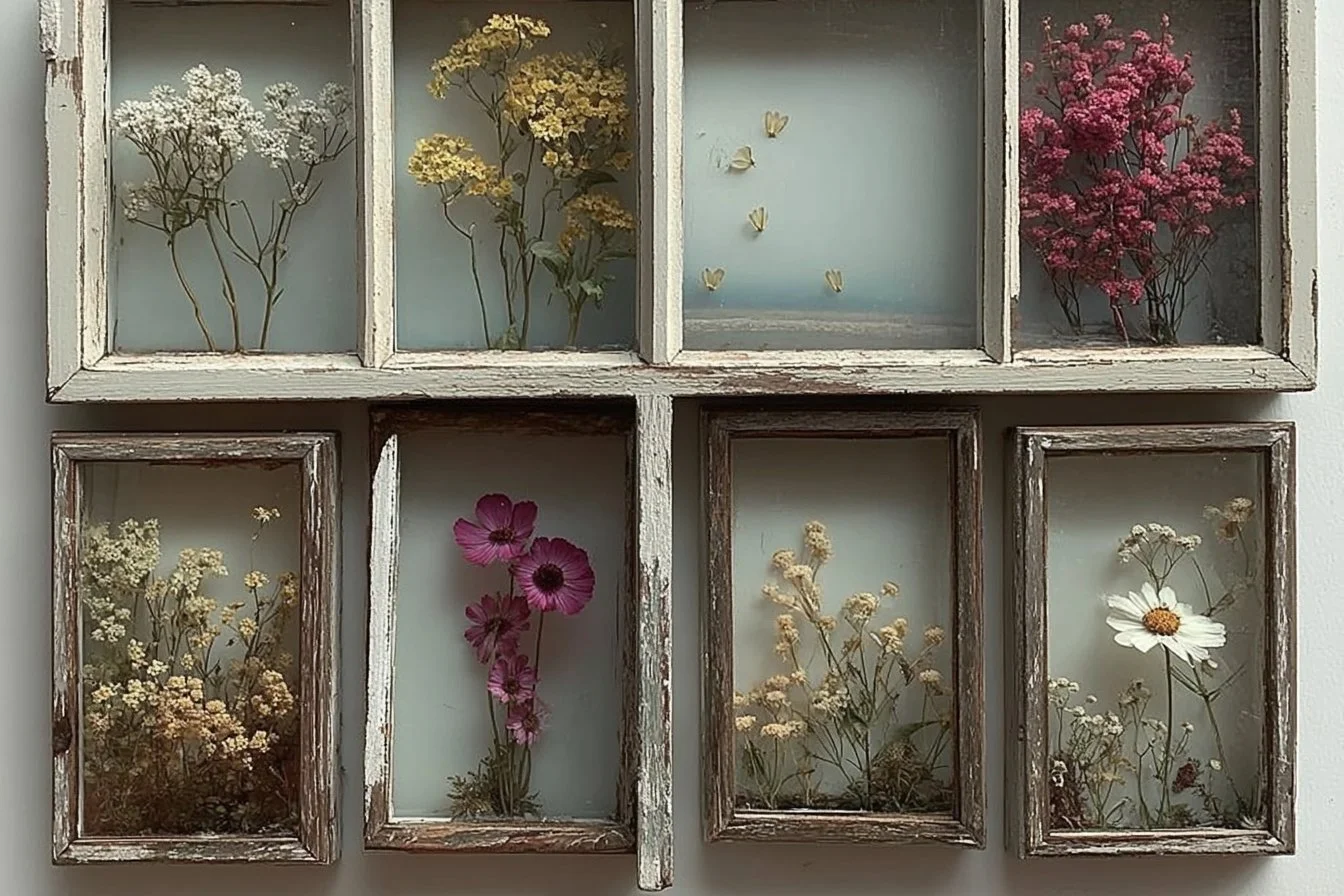
Use the panes to create a rotating gallery of seasonal crafts, school projects and small mementos. Each pane becomes a curated vignette—a child’s watercolor, a pressed flower from a backyard walk, a ribbon from a race—bringing a gentle rhythm to your decor. Visually, the compartmentalized display keeps the room feeling organized; emotionally, it honors everyday moments.

Mount the window with removable clips so you can swap items without fuss. The kids love choosing what goes in their pane each week, and it encourages daily creativity that’s easy to showcase. This style of home décor idea is practical, heartwarming, and invites guests to linger and learn about your family through small, meaningful objects.

Conclusion

If you want more step-by-step inspiration on turning panes into colorful art, this How to make Stained Glass Art from Old Window | Hometalk tutorial is a great place to start. Try one project at a time, involve the kids, and save the ideas that feel right—these small changes add personality and purpose to your rooms while fitting smoothly into your family’s everyday life. For anyone looking for approachable interior styling tips and lasting decorating inspiration, repurposed windows are one of those projects that reward patience, creativity, and a little bit of elbow grease.

Categories
Decor

5 Spring Decor Ideas That Add Instant Charm

I still remember lugging in backpacks, soccer cleats, and a science project all at once, while trying to wave hello to Mrs. Patel next door who was pruning her roses. As a mom in my forties with two kids between eight and twelve, our mornings are a collage of lunchboxes, lost homework, and the little rituals that make a house feel like home. Evenings mean homework help, a quick walk with the neighborhood kids, and sneaking a cup of tea before bedtime stories. Those small routines made me obsess over tiny changes that lift the mood without a deep renovation. When I need instant cheer, I often borrow tricks from other projects I’ve tried, like using simple ceiling focal points from past holiday hacks such as the ceiling accent ideas for the holidays that inspired a playful corner in our living room. Here are easy ways to bring fresh home décor ideas into everyday family life.

Entryway Refresh: Small Touches with Big Welcome

The entryway is the first hug your home gives. Swapping a tired doormat for a floral or striped runner immediately softens the welcome and signals a seasonal shift. A pared-down console table with a low vase of blooms, a bowl for lost permission slips, and a mirror to catch last-minute hair checks creates both function and charm. Visually, the mix of texture and reflective surfaces brightens even narrow halls. Emotionally, it sets a calm tone for kids arriving from school and neighbors dropping by. To apply this at home, pick two color accents from a favorite rug and repeat them in cushions or an umbrella stand for cohesion. Add a small tray where the kids can drop keys and library books; it keeps clutter from spilling into the living room while giving you a reason to smile every day.

Fresh Floral Arrangements That Feel Lived-In

Real or preserved stems in mismatched jars create effortless beauty and make your kitchen or mantel feel loved. Instead of perfect bouquets, gather wild stems or grocery-store bunches, trim casually, and arrange with varying heights for a relaxed silhouette that reads as intentional rather than staged. Flowers enliven a room visually and trigger warm memories of family walks or neighborhood barters for peonies. Try placing a lively arrangement on the family table and swap it into smaller vessels for kid-friendly spots. For more ideas on styling dining surfaces with seasonal touches, I found dining table styling tips that translate well from holiday tables to everyday spring charm. The goal is approachable elegance: let petals fall, use unexpected containers, and teach kids to help freshen the display for instant decorating inspiration.

Layered Textiles: Cozy Color Without Overhaul

Swapping fabrics is one of the fastest ways to transform a room. Introduce pastel throw pillows, light linen curtains, or a patterned runner on a console to soften hard lines and bring color into your daily sightline. Textiles signal comfort to everyone in the house: kids curl up with blankets after homework, and you get a cozy moment with a book before bedtime. Choose washable fabrics where possible so the family’s busy life won’t wreck your styling. Start with one anchor piece, like a new sofa throw, then add coordinating napkins or a table runner for continuity in the dining nook. Layering different textures—cotton with a knit or a woven basket with a soft throw—adds depth and makes decorative choices feel like part of everyday living rather than an unattainable magazine spread.

Porch and Patio Pop-Ups for Casual Gathering

Your outdoor space can be a breath of fresh air for morning coffee and after-school chatter. A few colorful cushions, a weatherproof rug, and string lights create an inviting spot for kids to finish homework while you peek at emails. Visually, outdoor textiles and rotated planters break monotony and create focal points that neighbors will notice during evening walks. To apply it, start with movable pieces: a folding bistro set, potted herbs on a tiered stand, and a sturdy tray for cups and snacks. Small touches like a chalkboard for family notes or a water-safe lantern add personality without fuss. For inspiration on setting tables and making outdoor surfaces feel special, look to table styling inspirations that work equally well indoors and out, giving you flexible decorating inspiration that fits family rhythms.

Kitchen Vignettes and Open Shelving That Tell a Story

Kitchens are where life happens, so styling here should be practical and personal. Swap everyday dish towels for seasonal colors, display a stack of vintage bowls, or create a small herb garden on an open shelf that feeds both meals and conversation. A curated shelf with cookbooks, pottery, and a jar of wooden spoons reads as collected rather than staged, and kids love grabbing a sprig of basil to add to their toast. These little arrangements make cooking feel like an experience, not a chore. Visually, grouping items by color or material creates rhythm and balance. To keep it realistic, limit displays to one shelf where things are easy to reach and maintain; rotating pieces monthly keeps the vignette fresh and gives kids a chance to help decide the next theme.

Conclusion

I love how a handful of thoughtful changes can make everyday routines feel new and inviting. These interior styling tips and home décor ideas are designed to be simple enough to try between school runs but impactful enough to brighten the whole house. Save the ideas that fit your family’s pace, try one this weekend, and watch how small edits make daily life a bit more beautiful. For a dose of porch-specific inspiration that pairs perfectly with these touches, check out these classy rustic front porch ideas.

Categories
Bathroom

Cozy Rustic Bathroom Ideas to Love

I still remember the first Saturday morning with both kids asleep past seven — a rare hush in a house usually ruled by cereal boxes and mismatched socks. I’m a forty-something mom, and our small cul-de-sac is full of familiar faces who swap recipes and lend a cup of sugar like it’s a ritual. Between school drop-offs, piano lessons, and a leaky faucet that somehow waits for the least convenient times, I find comfort in little homemaking projects that make our routine feel gentler. Turning our dated powder room into a cozy, lived-in space became one of those projects that soothed the chaos. If you ever find yourself sneaking a quiet moment before the kids wake, you’ll understand why thoughtful touches in a bathroom can feel like a soft hug — practical, pretty, and full of memory. For more playful design prompts that inspired me, I loved browsing cute rooms inspiration while planning.

Reclaimed Wood Vanity for Rustic Warmth

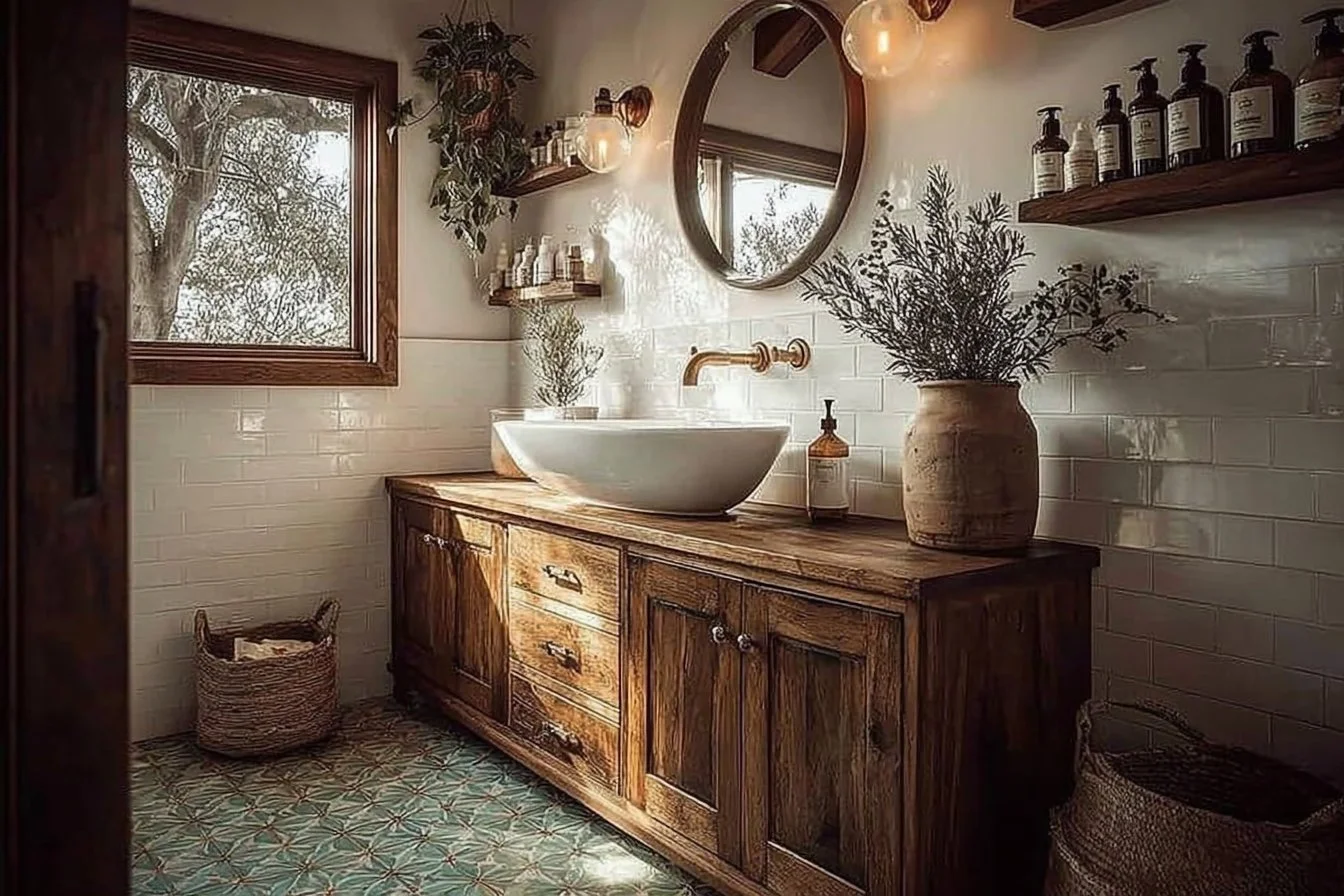
A reclaimed wood vanity instantly reads as authentic and warm, and it’s perfect when you want a bathroom that feels lived-in without looking messy. Visually, the grain and imperfections tell a story; emotionally, it brings a sense of history and comfort that makes a quick morning routine feel more mindful. To apply this at home, choose a pre-made reclaimed vanity or refinish an old dresser with a wide farmhouse sink on top. Seal the wood to protect it from moisture, and keep the hardware simple so the texture shines. For families, a sturdy vanity with deep drawers hides bath toys and hair tools, keeping the top clutter-free during school mornings. I tucked a small basket for my eight-year-old’s bath crayons on a lower shelf so cleanup is quick — practical decorating inspiration that blends style with family life.

Natural Stone and Woven Textures for Calm

Stone countertops, slate floors, or a pebble shower floor add tactile richness that softens bright fixtures and creates a grounded palette. Combine those cool surfaces with woven baskets or a jute rug to balance the look — the contrast between stone and fiber makes the room feel curated yet cozy. This pairing works visually because the textures layer without competing, and emotionally it offers a spa-like pause in a busy day. In practice, install a small section of stone accent wall behind the mirror or use a runner in front of the tub to introduce warmth. As a mom, I love keeping an open basket for freshly laundered towels; it’s easy for my pre-teen to grab a towel after a shower, which keeps the bathroom tidy and everyone moving smoothly through the evening routine while staying stylish.

Vintage Fixtures and Mix-and-Match Metals

Swapping out modern, matchy chrome for vintage brass faucets or an aged bronze mirror frame adds character instantly. Mixing metals — a pewter light fixture with brass knobs, for example — keeps the room feeling collected over time rather than staged. The visual payoff is a layered, eclectic charm that invites closer inspection, and the emotional effect is nostalgia with a modern edge. To apply this, start with one standout piece like an antique mirror, then introduce coordinating accents in smaller doses. Keep plumbing considerations in mind — retrofit-friendly faucets make updates easier. For our family, a durable, vintage-looking towel rack holds up to daily use and still looks special when grandparents come over, which feels important during holidays and weekend guests.

Soft, Muted Palette with Green Cabinetry

A muted palette of cream, soft gray, and sage green fosters a tranquil backdrop, and painting lower cabinets in green creates a subtle focal point without overwhelming a small space. Green connects to nature and reads as timeless, which is why it’s a reliable choice for long-term decorating inspiration. To do this at home, choose a low-VOC paint for cabinetry and pair it with warm wood accents or antique brass pulls to keep the rustic vibe cohesive. I once repainted our half-bath’s vanity in sage after seeing how a friend’s color choice brightened her morning routine; now my kids know which cabinet holds the extra toothbrushes, which makes getting ready more independent and less frantic. If you want ideas on pairing wallpaper or accessories with green cabinets, this bathroom wallpaper and green cabinet guide gave me a helpful visual nudge.

Patterned Floor Tile as a Family-Friendly Statement

Bold patterned floor tile can anchor a rustic bathroom while standing up to high traffic — it’s decorative and practical. A geometric encaustic or muted floral tile reads vintage without feeling fussy, and because it covers the floor, it hides scuffs and splashes that come with family life. Visually it adds personality, and emotionally it becomes a signature detail everyone remembers. To apply this, pick a durable porcelain tile in a pattern you love, and balance it with simpler wall treatments to avoid visual overload. We used a small-scale pattern in our hallway bath, which distracted from fingerprints and stayed charming even when my kids tracked in mud after soccer. For tiny bathrooms or cabins, scaled-down tiles make the space feel intentional and can be paired with a neutral pedestal sink for a classic, functional arrangement. For more small-space ideas that inspired our layout, this little cabin bathroom article was full of practical tips that helped me plan.

Layered Lighting and Soft Textiles for a Cozy Finish

Good lighting transforms a rustic bathroom from merely pretty to genuinely usable and welcoming. Layer overhead lighting with wall sconces and a small lamp or LED mirror lighting to create zones for makeup, bathing, and late-night handwashing. Soft textiles — flannel hand towels, a plush bath mat, and a linen shower curtain — add warmth and absorb sound, so the room feels calmer when kids are playing nearby. The visual result is a layered, hotel-like comfort; emotionally it’s a small daily luxury that makes hurried mornings less stressful. In practice, install dimmers and easy-to-reach hooks for robes so kids can grab what they need independently. I also keep a folded throw on a stool for chilly mornings; my ten-year-old loves wrapping up after bath time, which turns a routine into a cozy, remembered moment.

Conclusion

If you want a quick source of additional inspiration while planning a rustic bathroom refresh, this roundup of 57+ small bathroom decor ideas offers approachable examples and photos that spark decorating inspiration. Save a few ideas, try one change at a time, and enjoy how small updates can make daily routines feel calmer and more beautiful for your whole family.

Categories
Decor

Transform Your Space: Simple Home Décor Ideas for a Cozy Vibe

As I juggle life as a busy mom of two energetic kids aged 8 and 12, I find joy in the little moments we share at home. Those weekend mornings filled with family pancakes and laughter remind me of the warmth and love that a cozy space can bring. Our neighborhood buzzes with life, kids racing down sidewalks and neighbors stopping for quick chats. In the midst of this vibrant family routine, I’ve learned that a thoughtfully decorated home doesn’t just look good—it creates a sanctuary where memories are made. The decor we choose reflects not only our style but also our shared experiences. So, while our home is bustling with activity, I’ve discovered some simple yet effective decor ideas that infuse comfort and personality throughout the house.

Infuse Color with Accent Walls

One of the easiest ways to breathe life into your home is by introducing an accent wall. Whether it’s in the living room or the kids’ play area, selecting a bold color can invigorate the atmosphere and create a focal point. Consider vibrant hues like teal or sunny yellow that spark joy and energy. For families, these colors appeal to kids’ creativity and can be an excellent backdrop for family photos or art displays.

To apply this idea, choose a wall that naturally draws attention, such as one behind a sofa or where the kids’ art can shine. Use non-toxic paint, especially if you’re working in a child’s room, ensuring a safe and healthy environment. This small change can not only boost the room’s appeal but also create an animated backdrop for your family’s adventures.

Soft Textures for a Cozy Touch

Layering textures is another fantastic way to enhance your interior while adding warmth. Consider fluffy throw blankets, chunky knit pillows, and soft area rugs that create inviting spaces for relaxation. These elements are perfect for cozy Sunday afternoons when we gather for family movies or game nights.

When incorporating textures, think about varying fabric types like cotton, wool, and velvet in your cushions or a plush throw on your sofa. Additionally, incorporating soft rugs can transform hardwood or tile surfaces into warm, inviting areas for your children to play. The tactile experience not only adds visual interest but encourages a sense of comfort that resonates with the family.

Personalized Gallery Walls

Transform a blank wall into a gallery filled with personal memories. Busy schedules often leave little time to reflect on cherished moments, but dedicating a space to showcase family photographs, artwork, and travel souvenirs can create an emotional connection. This decor idea becomes a conversation starter and allows your home to tell your unique story.

To create your gallery wall, choose a mix of frames in various sizes and shapes. Lay them out on the floor first to find an arrangement that feels balanced and visually appealing. When kids see their art alongside family photos, they feel valued, and it encourages creativity. Make sure to periodically update the display, keeping memories fresh and relevant.

Nature-Inspired Accents

Bringing the outdoors in can dramatically affect the feel of your space. Houseplants not only enhance air quality but also bring a touch of tranquility that complements busy family life. The gentle presence of plants can make your home feel more inviting and can help establish a relaxing atmosphere.

Opt for easy-care plants like snake plants or pothos that require minimal maintenance. Position them on window sills or shelves to brighten up corners. You can even involve your kids in choosing and caring for the plants. This decor element fosters a sense of responsibility while also enriching the home environment with color and life.

Utilize Multi-Functional Furniture

In a family home where space is sometimes limited, choosing multi-functional furniture is a smart decor strategy. Select pieces that offer storage or that can serve more than one purpose, such as an ottoman that can double as seating or a coffee table with hidden compartments. These pieces can help declutter your space, making it feel more open and organized.

Consider a stylish, yet practical furniture arrangement in your living area, making clear pathways for kids to move around while still providing functional areas for family activities, like homework or arts and crafts. This approach allows your home to adjust seamlessly to daily routines while maintaining an aesthetically pleasing atmosphere.

Charming Lighting Solutions

Finally, don’t underestimate the power of lighting in transforming your home’s ambiance. A well-lit room feels larger and more inviting. Incorporate layers of lighting, utilizing overhead fixtures, table lamps, and even string lights to create a welcoming glow, especially during family gatherings or cozy evenings.

Choose warm-toned bulbs to create a soft, comforting atmosphere. Position lights in strategic areas like play zones and reading nooks to enhance functionality. The right lighting can make your space feel more relaxed, inviting your family to unwind after a long day.

Incorporating these decor ideas into your home not only elevates its visual appeal but also fosters a warm and loving atmosphere conducive to family bonding. Remember, it’s all about creating spaces that reflect who you are and inspire the moments you cherish. Embrace these simple transformations and let your home radiate the warmth of family life, inviting everyone to make lasting memories. Save this article for your next home décor inspiration session and enjoy the process of creating a space filled with love and comfort!

Categories
Bathroom

Emerald Bathroom Mood: Family-Friendly Eclectic Style

I still remember the slow Saturday mornings when my two kids—an imaginative 8-year-old and a slightly sassy 12-year-old—would troop through the kitchen in their pajamas, bringing a trail of yesterday’s bath toys and today’s lunch plans. Neighbors dropped over with fresh coffee, my youngest demanded a story while brushing teeth, and our tiny hallway shelf collected every little thing that felt important. Those routines taught me that a bathroom must work harder than it looks: it has to be practical for sticky hands, calm for hurried mornings, and somehow joyful enough to make a mom smile during the chaos. That’s when I started experimenting with color and playful accents, turning a plain sink into a small family-friendly retreat. For a quick craft that brightened our space and kept the kids busy, we even tried a simple homemade ornament project adapted as a hanging mirror accent.

1. Deep Green Accent Wall with Warm Wood

A single emerald or moss green accent wall instantly grounds an eclectic bathroom and keeps the space feeling cozy for the whole family. Visually, green reads as calm and natural, which helps balance the morning rush and late-night teeth brushing sessions. Emotionally it evokes the outdoors, a small reminder of the neighborhood walks we take before school. To apply this at home, pick a wall behind the vanity or tub and choose a washable eggshell paint so fingerprints clean easily. Pair it with reclaimed wood shelving or a floating vanity to add warmth and kid-friendly storage—open baskets work better for school uniforms and bath toys than closed drawers in our house. This approach gives you a bold focal point without overwhelming the room and fits seamlessly with other home décor ideas like mixing textures and lived-in finishes.

2. Mix Modern Fixtures with Vintage Finds

An eclectic bathroom shines when modern fixtures meet vintage treasures. A sleek matte-black faucet looks intentionally designed next to an old brass mirror scored at a neighborhood sale. The contrast creates visual depth and tells a story—the kind of story that sparks conversations with neighbors and family guests. Start by choosing one modern element, like a streamlined vanity or a new shower head, then hunt for a vintage mirror, stool, or light fixture at thrift stores. For practical family use, swap any delicate glass shelving for sturdier alternatives or place fragile items up high, out of reach of little climbers. If you’re inspired to rethink the overhead plane, consider treating the ceiling as another surface for personality and light—our family loves experimenting with interesting finishes inspired by simple creative ceiling treatments to elevate the room without spending a fortune.

3. Playful Patterns in Towels and Tiles

Pattern brings personality without permanent commitment, which is ideal for family bathrooms where tastes change as fast as lunchbox menus. A geometric or botanical border tile paired with patterned towels gives the space an eclectic edge while remaining practical—towels hide wear and kids love grabbing bright, fun patterns. Pick one pattern at medium scale, like a hex tile or a leafy motif, and repeat it in a smaller scale through textiles to keep the look cohesive. To make it work at home, replace one strip of wall tile near the sink or tub, or simply layer patterned bath mats and shower curtains for an instant update. These small choices provide decorating inspiration that’s budget-friendly and easy to swap when your kids’ preferences evolve. Also, switching up textiles is a low-commitment home décor idea that refreshes the room season after season.

4. Lush Plants and Natural Accents

Bringing plants into the bathroom softens the space and improves air quality, and kids love helping water an easy-care pot or two. Hanging plants, such as pothos or spider plants, thrive with the humidity from showers and give an eclectic, lived-in feel that blends with mixed styles. Place a small wooden stool for plants near the tub or use wicker baskets for towel storage to add texture and warmth. If you’re mindful of budget, try inexpensive options first and watch which plants do well in your light conditions. For extra thrift-savvy inspiration, combine greenery with repurposed items for displays; we once used painted mason jars to hold toothbrushes and succulents, a little project inspired by simple budget-friendly decor tips that focused on maximizing charm on a shoestring. This approach creates a calm, family-centered space that feels both stylish and welcoming.

5. Small Statements: Artwork, Hardware, and Playful Details

The magic of an eclectic bathroom often lives in its small, intentional details. Swap a plain towel hook for a sculptural one, hang a framed family photo or child’s watercolor where steam can’t reach it, or install a colorful soap dish that makes handwashing a tiny celebration. These accents deliver high visual impact without large renovations, and they’re easy to rotate as tastes change or kids grow. To apply this at home, designate a small budget for switches and art—our family keeps a rotating frame where we display a new kiddo drawing each month. Consider hardware finishes that contrast with wall color for a curated look: brass on emerald, brushed nickel on soft green. These touches deliver decorating inspiration and interior styling tips that respect a busy family life while creating a bathroom that feels personal and intentional.

Creating a bathroom that supports family routines and still feels thoughtfully designed doesn’t require a major remodel. Small investments in color, texture, and meaningful accents make a big difference—especially when kids are involved in choosing patterns or plants. Save the ideas you like, try one change at a time, and let the room grow with your family. Come back to these concepts on a slow Saturday when you have a cup of coffee and a spare hour; you might be surprised how a few intentional swaps can turn ordinary mornings into moments you actually enjoy.

Categories
Bathroom

Farmhouse Bathroom Ideas Moms Love

I still remember schlepping kids to soccer practice in the rain, juggling backpacks, snack boxes, and that one mismatched mitten I always find behind the dryer. As a mom in my forties with two kids between eight and twelve, our mornings are a choreography of toothbrushes, lunch-packing and quick pep talks about homework. Neighbors wave from across the street, and I keep a small basket of crayons and stickers for impromptu playdates. In the evenings I steal five minutes to flip through decorating pins and saved pages for little ways to make our home feel calmer. Sometimes I flip through seasonal inspiration, like a favorite holiday decoration guide, and jot down ideas that could work year-round in a cozy bathroom the whole family actually enjoys using.

Rustic Vanity Refresh with Shiplap Accent

A refreshed vanity anchors a farmhouse bathroom and gives daily routines an uplifting backdrop. Shiplap or beadboard behind the sink adds texture without shouting, and a fresh coat of muted paint keeps things soft for kids and company. Visually, horizontal lines draw the eye and make the room feel wider, while the tactile wood adds warmth that a tile wall alone cannot deliver. Practically, swap out an outdated countertop for a durable butcher-block or low-maintenance quartz that survives toothpaste splatters and tiny fingerprints. For a family-friendly touch, install a lower towel hook or small step stool that tucks under the vanity so your eight-year-old can wash hands independently. The result feels collected not staged, and that lived-in warmth makes mornings a little less hectic.

Open Shelving with Vintage Finds

Open shelving lets you layer personality into a small bathroom and keeps essentials within reach for busy households. A mix of woven baskets, mason jars for cotton swabs, and an antique stool creates a curated look that invites touch and use. Emotionally, vintage pieces carry stories—an old wooden crate from a neighbor’s barn sale or a thrifted mirror becomes part of family lore when kids ask where it came from. For function, reserve the lower shelf for daily items and the higher shelves for spare towels and seasonal decor. If you like weekend DIY projects, I’ve kept a list of DIY decorating ideas that sparked a quick upcycle I used for a jewelry tray. This approach balances style with the practicality a household with children needs.

Soft Palettes and Natural Textures

Color affects how we feel in the room before we even notice it. Soft greens, warm creams, and faded blues create a calming backdrop for hectic mornings, while natural textures—linen curtains, jute rugs, and stone soap dishes—ground the space in tactile comfort. These choices work visually by layering subtle contrast rather than high drama, which suits a family that prefers timeless over trendy. To apply this, repaint the walls in a single soothing shade, then introduce texture through towels and plants. A small hanging fern or a eucalyptus bundle on the shower head makes the space smell fresh and invites a moment of calm after bath time. Kids also respond well to consistent palettes; it’s easier to keep things looking tidy when everything coordinates.

Farmhouse Fixtures that Blend Form and Function

A farmhouse sink or apron-front basin brings that signature look while offering real-life benefits for families. Deeper sinks handle a sinkful of bath toys or a quick soak for stained soccer socks, and vintage-inspired faucets offer modern water savings with classic looks. Choose fixtures in matte black or brushed nickel for durability and less visible water spots. Install a handheld shower wand for easier rinsing of little ones and quick tub cleanup. Emotionally, these fixtures create a sense of craftsmanship in a room often used for routine tasks; the kids notice the pretty faucet and, suddenly, hand washing feels a bit more special. Practical upgrades like ceramic drawer pulls and soft-close cabinets keep daily wear-and-tear quieter and kinder on sleepy mornings.

Cozy Textiles and Smart Storage

Textiles are the easiest way to inject coziness without a full remodel. Plush towels, a washable bathroom runner, and a simple shower curtain in natural fiber warm the space instantly. Layer in family-friendly storage: a wicker hamper for wet towels, labeled baskets for each child’s toiletries, and a small cabinet lock for cleaners. These touches work emotionally by creating order and comfort—children feel secure when they know where things belong, and parents enjoy fewer frantic searches. For a finishing touch, create a small “get-ready” basket with mini toothbrushes and combs for sleepovers; it’s a small ritual that makes our house feel hospitable and calm. I sometimes adapt simple tabletop ideas into bathroom styling, inspired by a roundup of easy table styling tricks that translate surprisingly well to shelves and countertops.

Conclusion

If you’re like me—balancing carpools, homework, and quiet moments between the chaos—these approachable farmhouse touches can turn a utilitarian bathroom into a comforting family space without overwhelming your schedule. Save a few of the ideas that resonate, try one small update at a time, and come back to tweak as your family grows. For even more design inspiration and to see how professionals blend story and style in a home, explore the Serenbe Designer Showhouse inspiration. I hope a few of these ideas make your mornings smoother and your evenings a little softer.

Categories
Decor

Charming Wood Wall Displays for Every Kitchen

I still remember the Saturday morning when my youngest decided the living room was the perfect place for a fort, blankets draped over dining chairs while I brewed coffee and watched the neighborhood kids pedal by. With two kids between eight and twelve, weekdays are a shuffle of school lunches, soccer practice, and the little rituals that make home feel lived in. Neighbors drop off baked goods, we swap carpool stories, and I keep a running list of quick projects that make our kitchen feel calmer. Crafting corners and easy decor swaps have become my secret weapons. Between homework station adjustments and sneaking in a bit of styling while the kids set the table, small changes to our walls make a big difference. When the kids want a quick craft, I usually pull up a guide to making 3D cardboard stars for inspiration, and those little projects often spark the decorating inspiration I need for the next cozy kitchen refresh.

Layered Wood Display: Mix Sizes for Depth

A layered arrangement of different board sizes creates an inviting focal point that reads warm and collected. Start with a large, well-worn board as the anchor and add smaller, contrasting pieces offset at slight angles. Visually, the mix of grain patterns and tones adds texture without feeling busy, which is perfect for a family kitchen where crumbs and homework notes coexist. Emotionally, it feels like a curated collection of moments—each board could be a memory from a market find or a hand-me-down from a neighbor. To apply this at home, pick a wall near the breakfast nook and arrange the boards on the floor first until the composition sings. Use removable wall hooks for easy switching, so you can rotate pieces after a craft day with the kids or rearrange for a fresh look before hosting. This technique pairs well with simple interior styling tips like keeping countertops clutter-free so the wall can breathe.

Hanging Boards with Beautiful Hooks and Strings

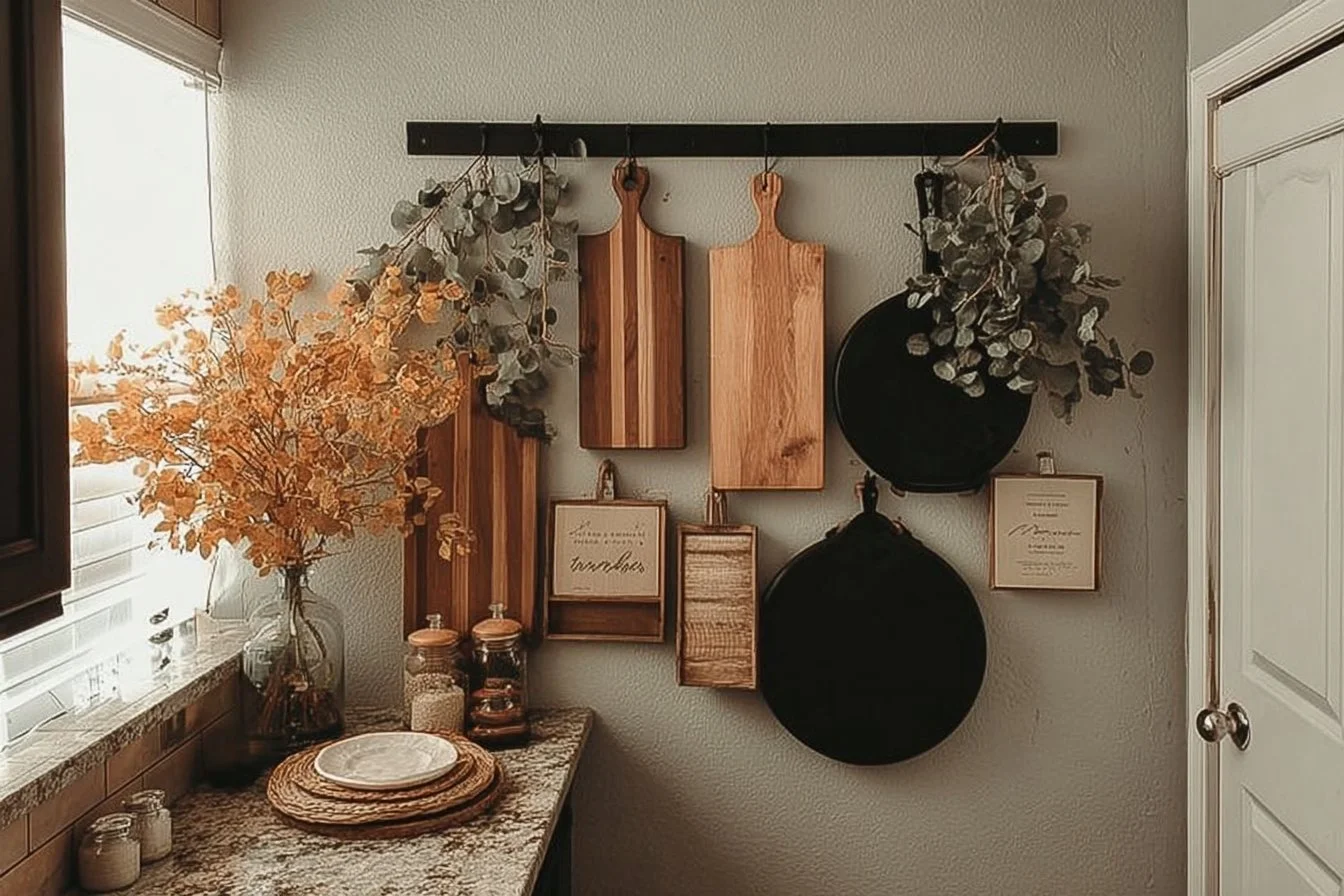
Hanging boards by hooks and natural twine turns everyday kitchen tools into art. Choose a line of antique-style hooks or modern brass pegs and suspend boards at slightly different heights for a casual, lived-in feel. This method works visually because the negative space between boards highlights each piece’s unique edge and texture, adding rhythm to the wall. It also feels homey—my daughter loves helping me choose which board to hang each week, and it becomes a family ritual. Practically, use screw-in hooks into studs for heavier boards, or strong wall anchors for lighter ones. If you enjoy little DIY accents, combining this display with a DIY 3D cardboard stars tutorial on a nearby shelf can add playful, kid-friendly charm. This styling approach blends functionality and decor, doubling as easy-access serving boards for weekend breakfasts.

Mosaic Back-splash of Small Boards

Create a mosaic by arranging many small boards into a patchwork above a prep area or coffee station. The key to this look is variation—mix oak, maple, and walnut tones, include a painted board or two, and offset grain directions for visual interest. Emotionally it reads like a handcrafted quilt for the wall, which resonates when you want your kitchen to feel nurturing and warm. To pull this off, measure the space and lay the pattern on the floor before attaching anything; using adhesive strips for lighter pieces can be a renter-friendly option. This layout also hides small scuffs and is forgiving when life happens—crayon marks or accidental drips become part of the story. It’s an approachable interior styling tip that elevates a utilitarian area into a place you actually want to linger, and kids often enjoy selecting which piece goes where, turning a decor refresh into family time.

Framed Board Art for a Polished Look

Turning choice boards into framed wall art makes a bold, refined statement while keeping warmth at the center. Select two or three boards with compelling grain or color, trim or mount them inside simple shadowbox frames, and space them evenly on a dining wall. This works visually because the frames introduce negative space and symmetry, balancing the organic wood texture with crisp lines. For a busy household, framed pieces feel tidy and intentional, giving you a grown-up gallery that still nods to home life. To make it doable, have the kids help decide which boards to frame as a weekend project—framing can be a great way to preserve a board with sentimental value, like one used to present a graduation cake or holiday bake. Framed wood also pairs beautifully with other home décor ideas like floating shelves or a hanging herb basket, creating a layered, styled vignette.

Rotating Shelf Display for Seasonal and Kid-Made Pieces

A slim floating shelf or narrow picture ledge makes rotating boards simple and fun. Place a mix of boards leaning against the wall—add a chalkboard board for notes or a small piece painted by your child to bring in a personal touch. This method works emotionally because it keeps the wall dynamic and allows the family to leave little messages or swap pieces after a creative afternoon. Practically, choose a sturdy ledge and secure it into studs, then arrange boards overlapping slightly so each piece peeks through. It’s an ideal spot for a rotating display: holiday breads, weekend charcuterie, or the kids’ latest painted experiment all look intentional when propped here. This flexible approach also supports decorating inspiration by letting you test combinations without committing to holes in the wall, which is great in rental homes or when you crave frequent updates.

Functional Beauty: Boards as Serving and Storage

Use boards not only as wall decor but as quick-access serving pieces and storage. Mount a few boards near the oven or counter with hooks or a simple rail so you can grab them mid-recipe or use them for impromptu snack spreads when neighbors drop by. Visually, grouping utilitarian pieces signals hospitality and makes the kitchen feel welcoming. Emotionally, it’s practical love—when guests arrive, you can pull down a board, arrange cheese and fruit, and still feel like the host who planned ahead. To implement this, choose boards with comfortable handles and finish them with food-safe oil, and rotate their placement so the kids help set the table from the wall display. This approach blends decorating inspiration with real-life function, making the kitchen beautiful and genuinely useful for family routines.

Conclusion

If you enjoyed these interior styling tips and want more budget-friendly collage ideas to spark your next project, check out this helpful resource for creating mood boards and wall collages: budget-friendly mood board collage ideas. Save a few of the displays you love, try one small change this weekend, and come back when you want fresh decorating inspiration—your kitchen will thank you and the kids will probably have a new craft to add to the lineup.