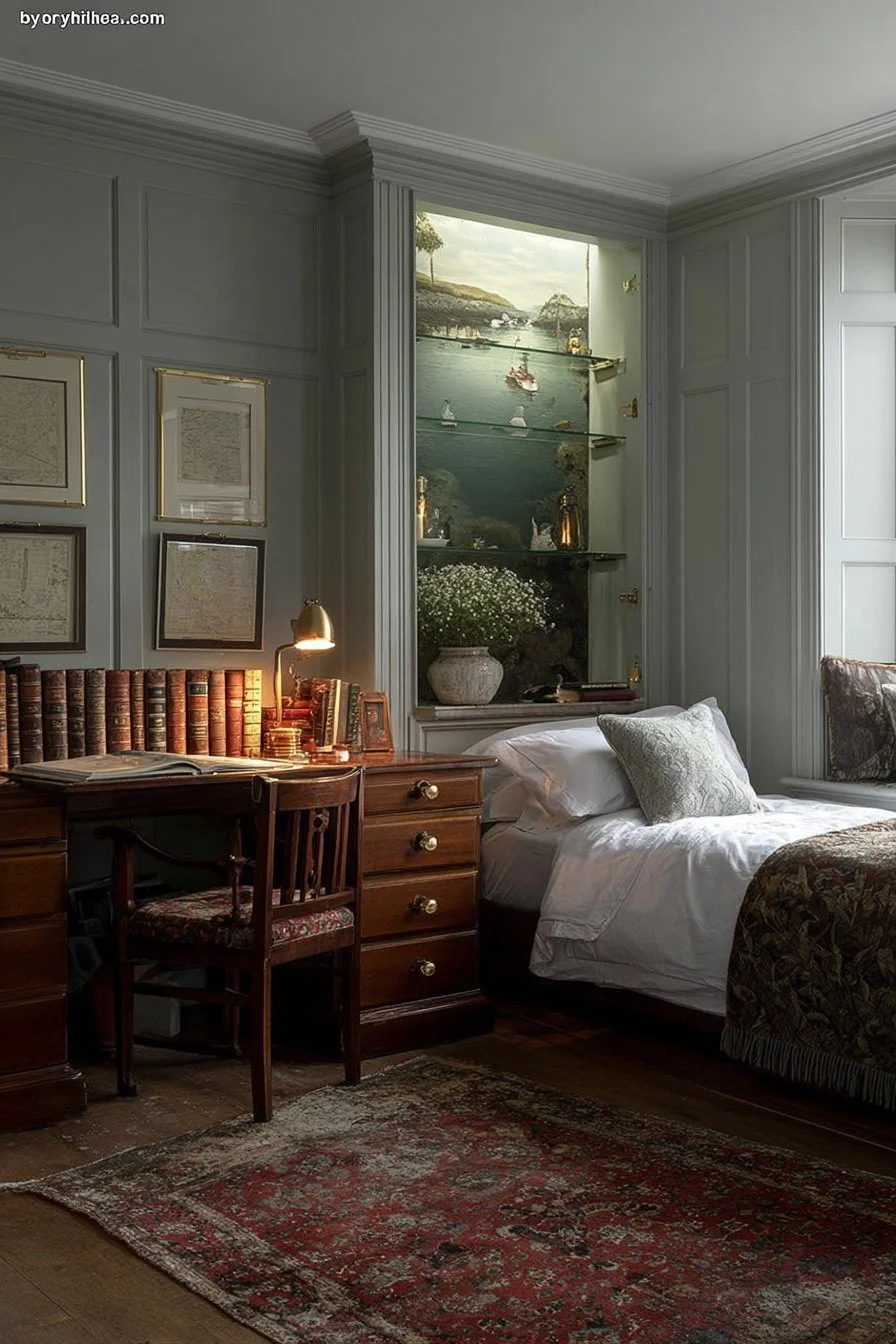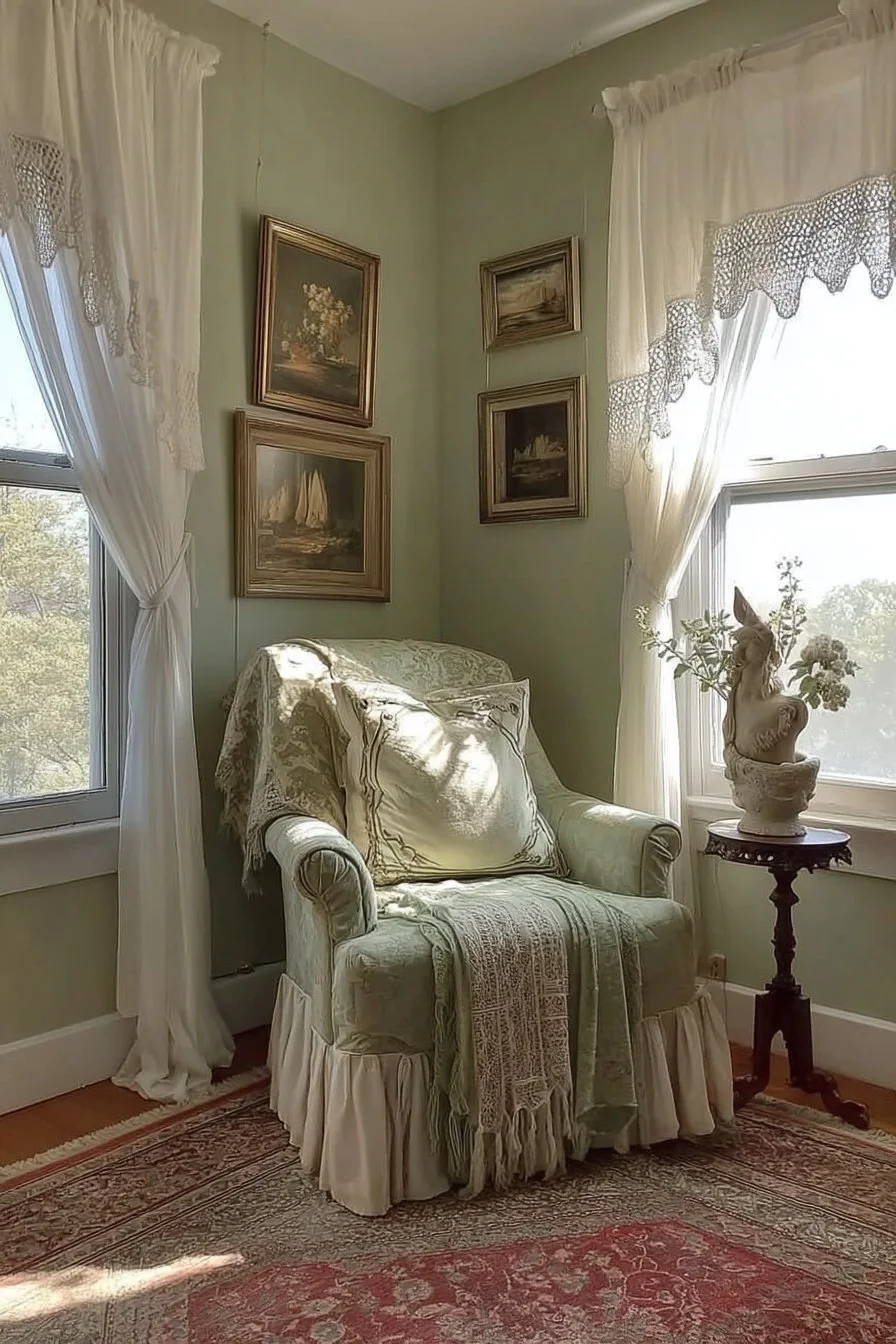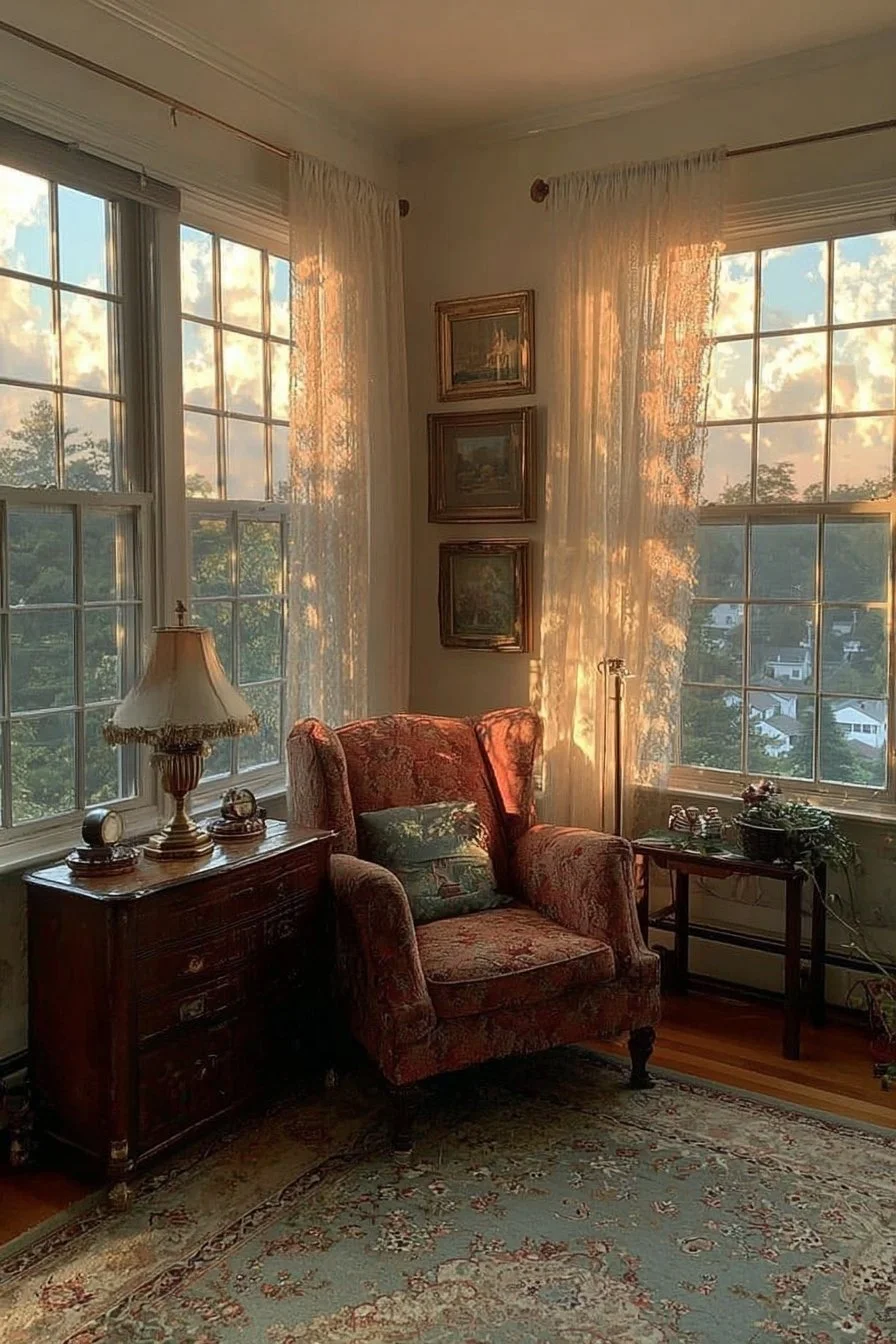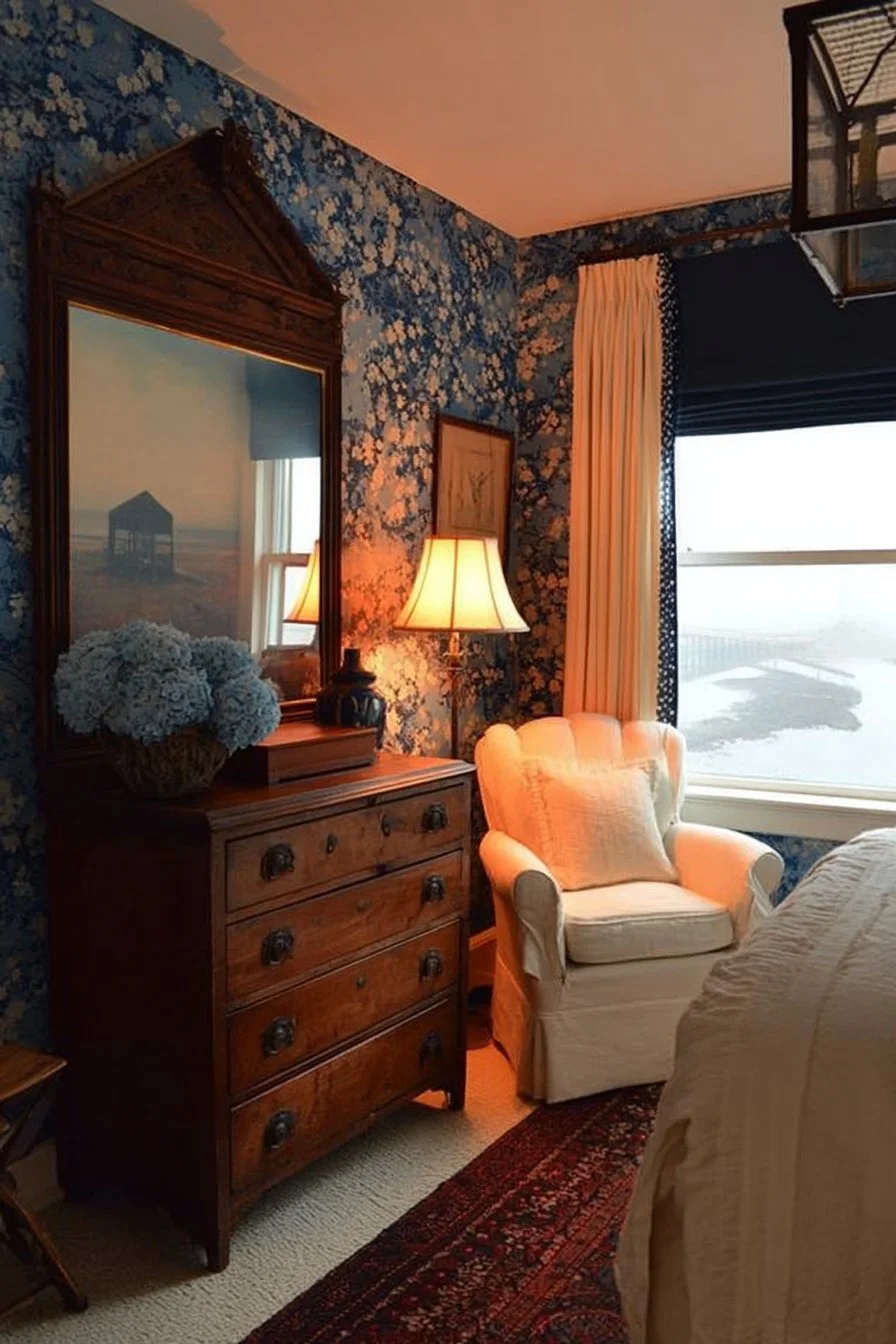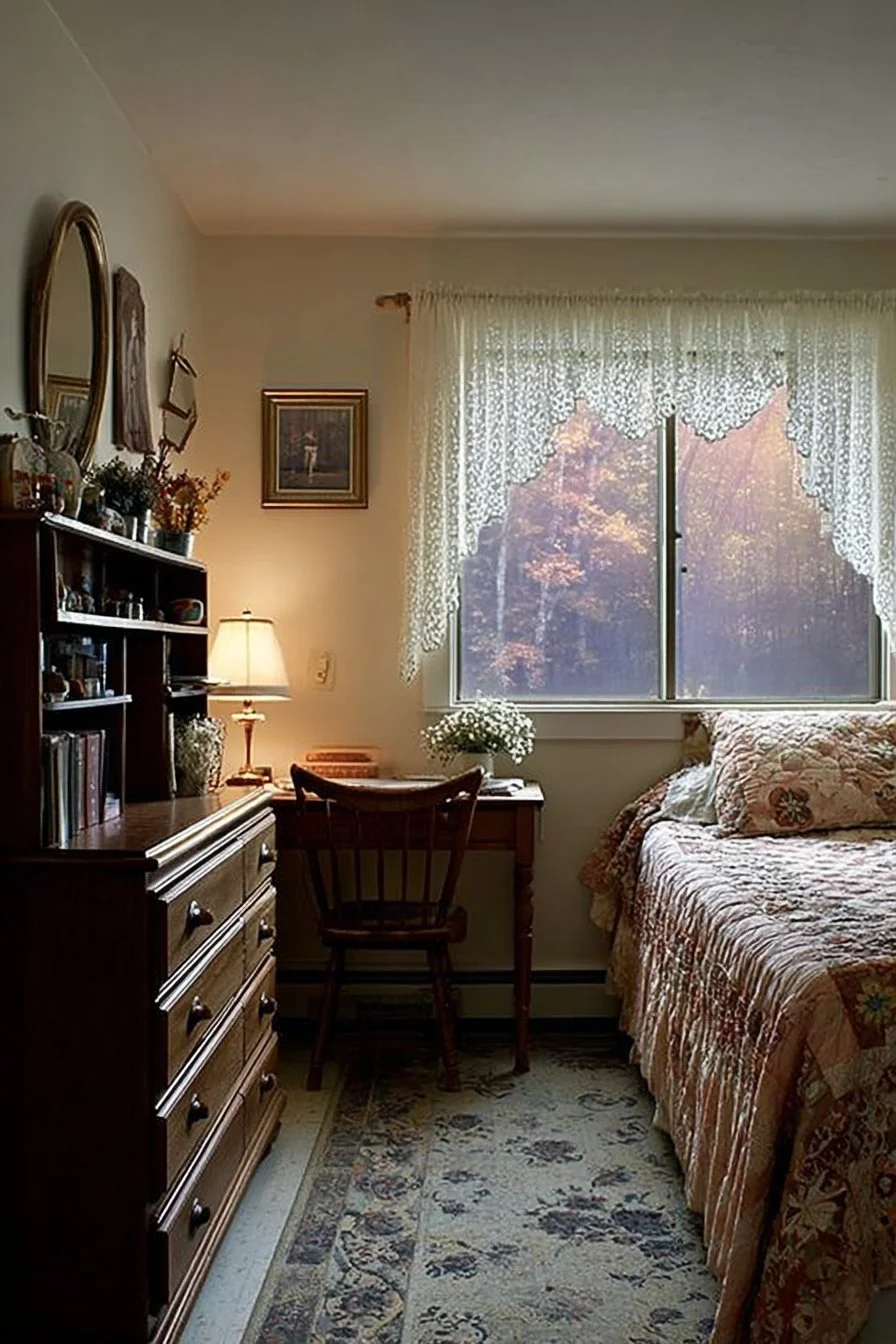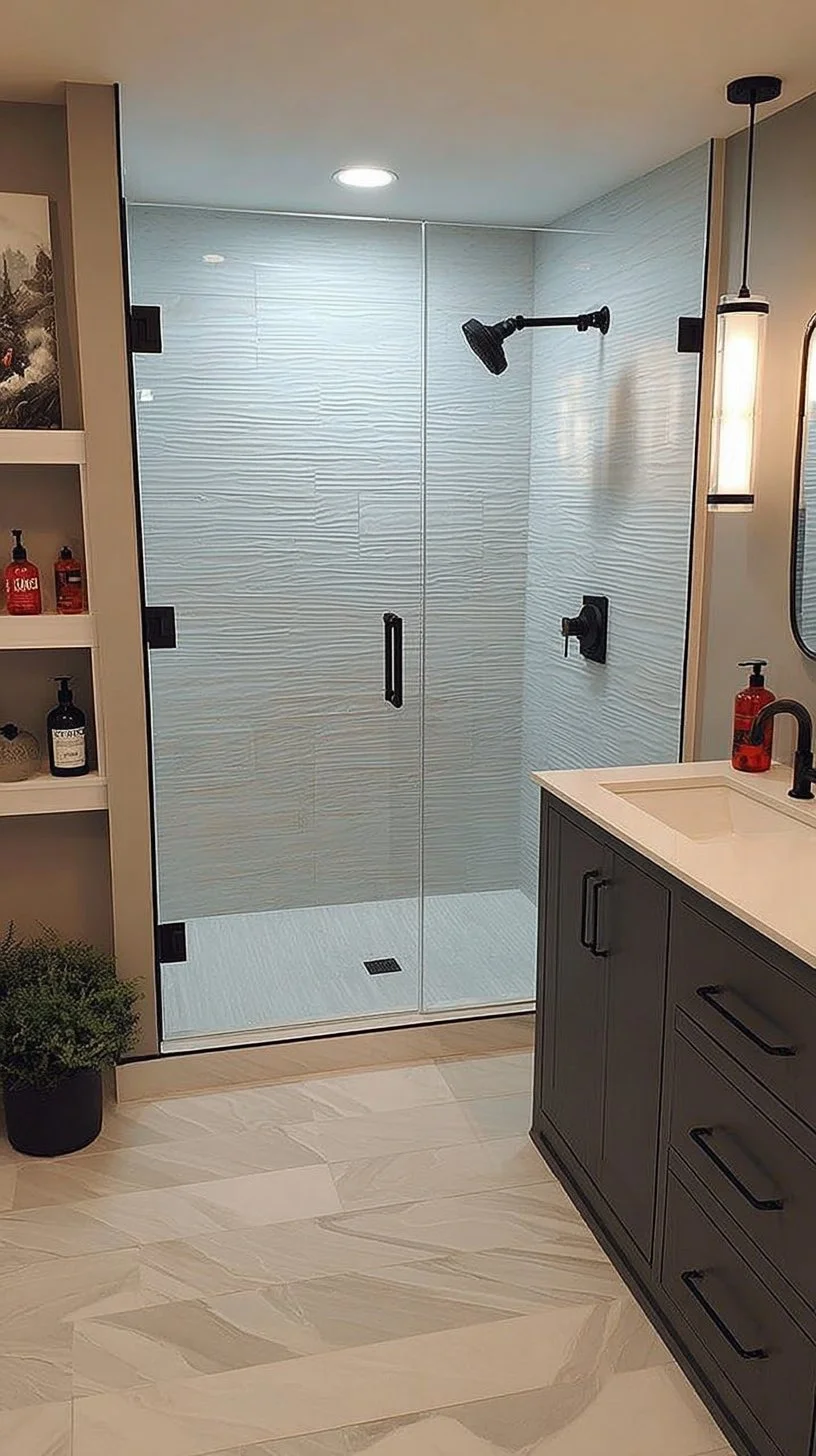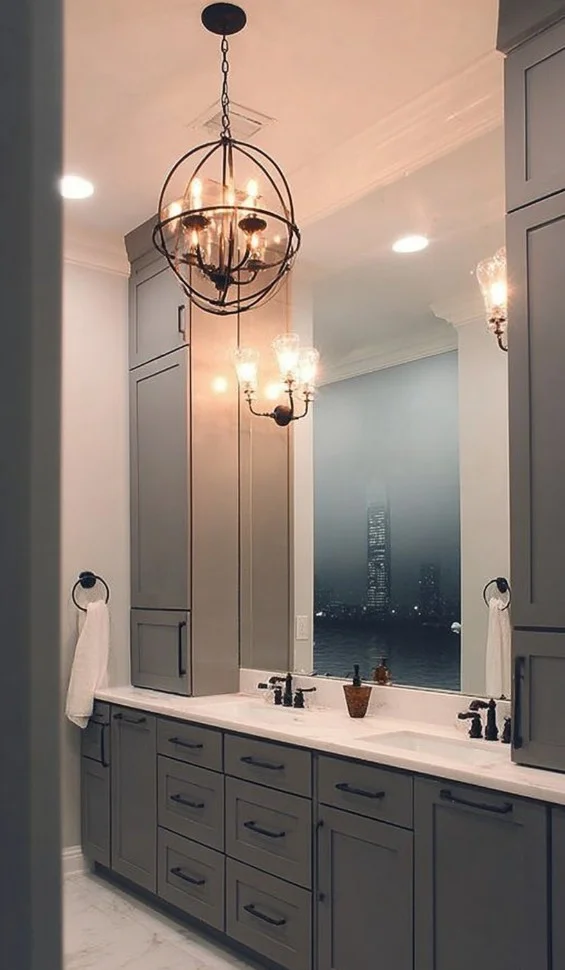
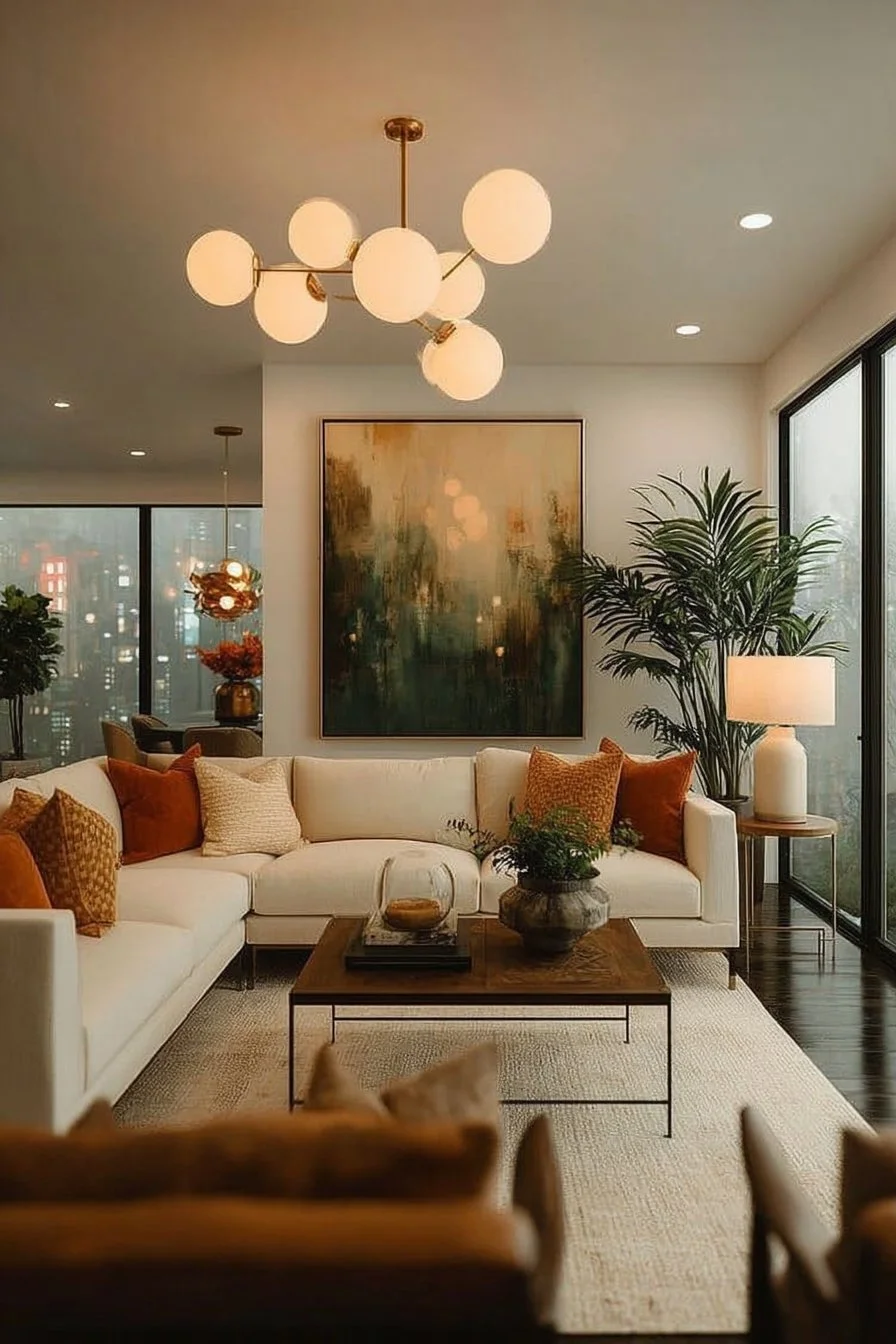
Categories
Living

12 Modern Contemporary Living Room Ideas to Add Personality

Some of my fondest weekday moments happen in the living room. Picture a Wednesday afternoon: I’m helping my 10-year-old with a science project while my 8-year-old builds a fortress out of couch cushions, and a neighbor drops by with extra coffee because we ran out. Those ordinary little scenes have taught me that a house needs to be both beautiful and forgiving. Over the years I have saved ideas from magazine tear-outs, Pinterest boards, and quick snapshots of friends’ homes, blending them into practical home décor ideas that work for real families. If you want decorating inspiration that survives sticky fingers and impromptu movie nights, a few smart choices in layout, texture, and personal touches can make all the difference. For more cozy living ideas that feel lived-in, check out this guide I keep returning to: cozy living ideas.

Section 1: Layered Neutrals and a Statement Sofa (Ideas 1 and 2)

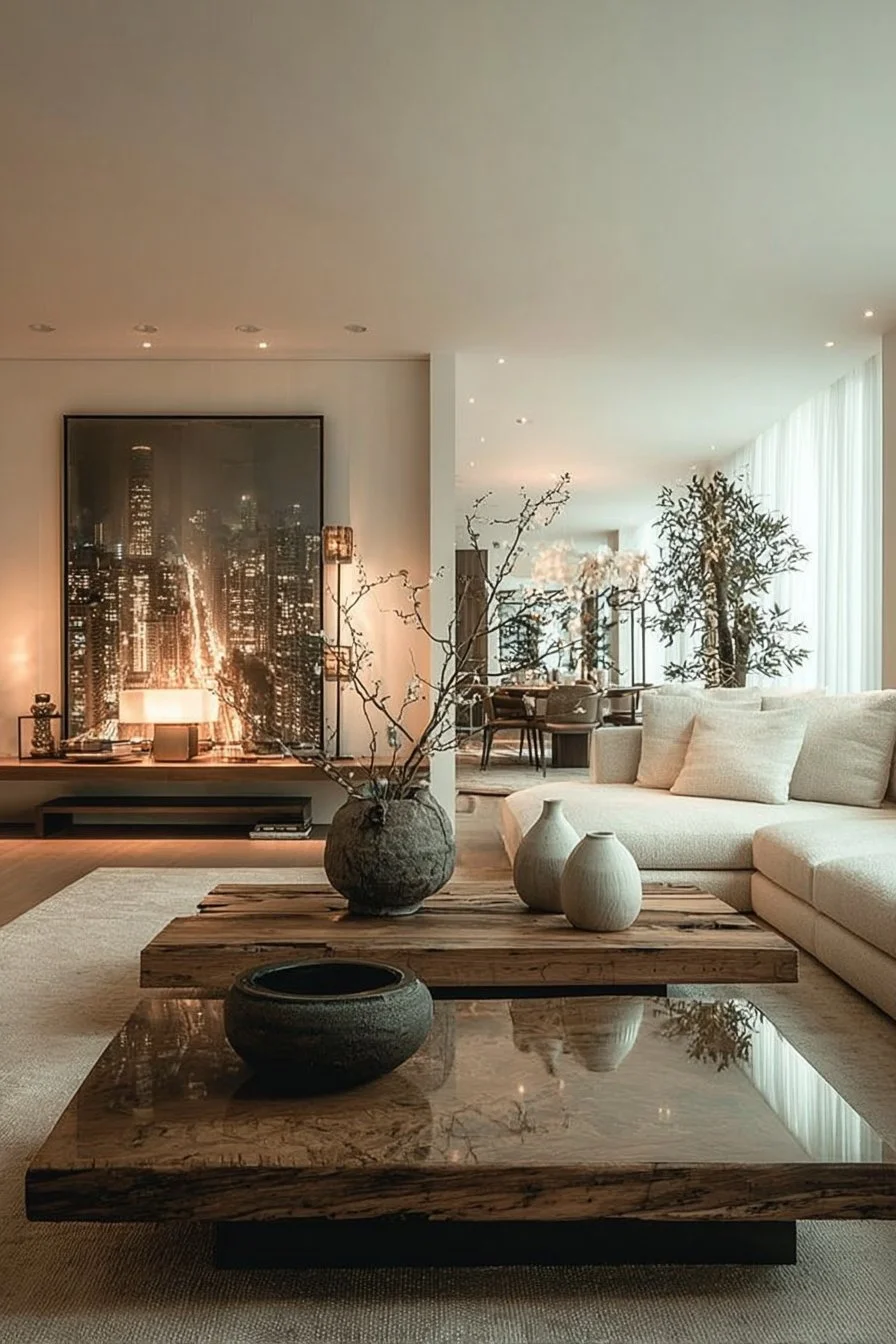
Creating a soft neutral base is a fail-safe way to make a modern contemporary living room feel calm and collected. Start with walls, a rug, and larger furniture in warm creams, soft greys, and rich tans. The advantage is twofold: neutrals act as a flexible backdrop for changing tastes, and they mask wear better than stark whites. Introduce a statement sofa in a bold color or unique silhouette to add personality and anchor the space. Choose a durable performance fabric if you have kids; mine survived spilled juice and art supplies during a weekend crafting marathon. To bring these ideas home, pair the sofa with textured pillows and a cozy throw; the contrast makes the room feel curated but still ready for everyday life. This approach keeps interior styling tips practical and enduring.

Section 2: Mixed Metals and Curated Gallery (Ideas 3 and 4)

Mixing metals in lamps, frames, and hardware adds unexpected depth to contemporary styling. When I swapped out all matching finishes for a mix of brushed brass and matte black, the room suddenly felt intentional and grown-up. The trick is balance: limit the palette to two or three finishes and repeat them in different areas so the look reads cohesive. Another way to personalize is with a gallery wall of family photos, kids’ drawings, and framed postcards. We arranged ours around a central piece of art and added a few floating shelves to rotate seasonal crafts. For families that host neighbors or grandparents, a thoughtful gallery becomes a conversation starter and a living record of everyday memories, giving decorating inspiration both warmth and character.

Section 3: Smart Furniture Choices and Indoor Greenery (Ideas 5 and 6)

Choose multifunctional furniture to maximize comfort and flexibility. A storage ottoman that doubles as a coffee table, a sleeper sofa for guests, and nesting side tables for homework nights keep the room uncluttered. When my kids have friends over, extra seating that tucks away is lifesaving. Pair these pieces with indoor plants to bring life and cleaner air into the space. Low-maintenance plants like snake plants or pothos are toddler-friendly and resilient during busy weeks. Place greenery on staggered heights—on a shelf, on the floor by a window, and on a side table—to create an organic rhythm. These small lifestyle tweaks combine practical interior styling tips with a fresh look that still tolerates the run-and-jump energy of family life. For more on blending bedrooms and living spaces with neutral luxury, see this modern bedroom design ideas guide that inspired my color choices.

Section 4: Patterned Rugs and Cozy Nooks (Ideas 7 and 8)

A patterned rug can anchor a seating area and hide traffic patterns from active kids and pets. Opt for a rug with scale and color that supports your palette; geometric patterns read modern, while faded Persian styles offer an eclectic edge. We placed ours under the front legs of sofas and chairs to define the conversation zone and make cleanup simpler after family pizza nights. Carve out a cozy reading nook with a comfortable armchair, a soft throw, and a small bookshelf. I often tuck mine near a sunny window where my daughter likes to read aloud to her stuffed animals. That little corner becomes a retreat and an invitation for quiet moments in a busy household. These decorating inspiration ideas are family-friendly and make the living room versatile for both loud play and calm downtime.

Section 5: Accent Walls and Open Shelving (Ideas 9 and 10)

An accent wall in a saturated paint color or textured wallpaper creates a focal point without overwhelming the whole room. We painted one wall a deep blue and hung a large piece of art; it added drama but kept the overall palette peaceful. If you prefer less commitment, removable wallpaper offers the same impact and is easy to change as tastes evolve. Complement an accent wall with curated open shelving to display books, pottery, and meaningful mementos. Shelves let you rotate objects as your family grows and seasons of life shift. I find it comforting to arrange a mix of kids’ artwork, travel finds, and a few grown-up finishes. The result is an approachable, lived-in aesthetic that reads as thoughtful rather than staged, giving your space an authentic story.

Section 6: Layered Lighting and Personal Textiles (Ideas 11 and 12)

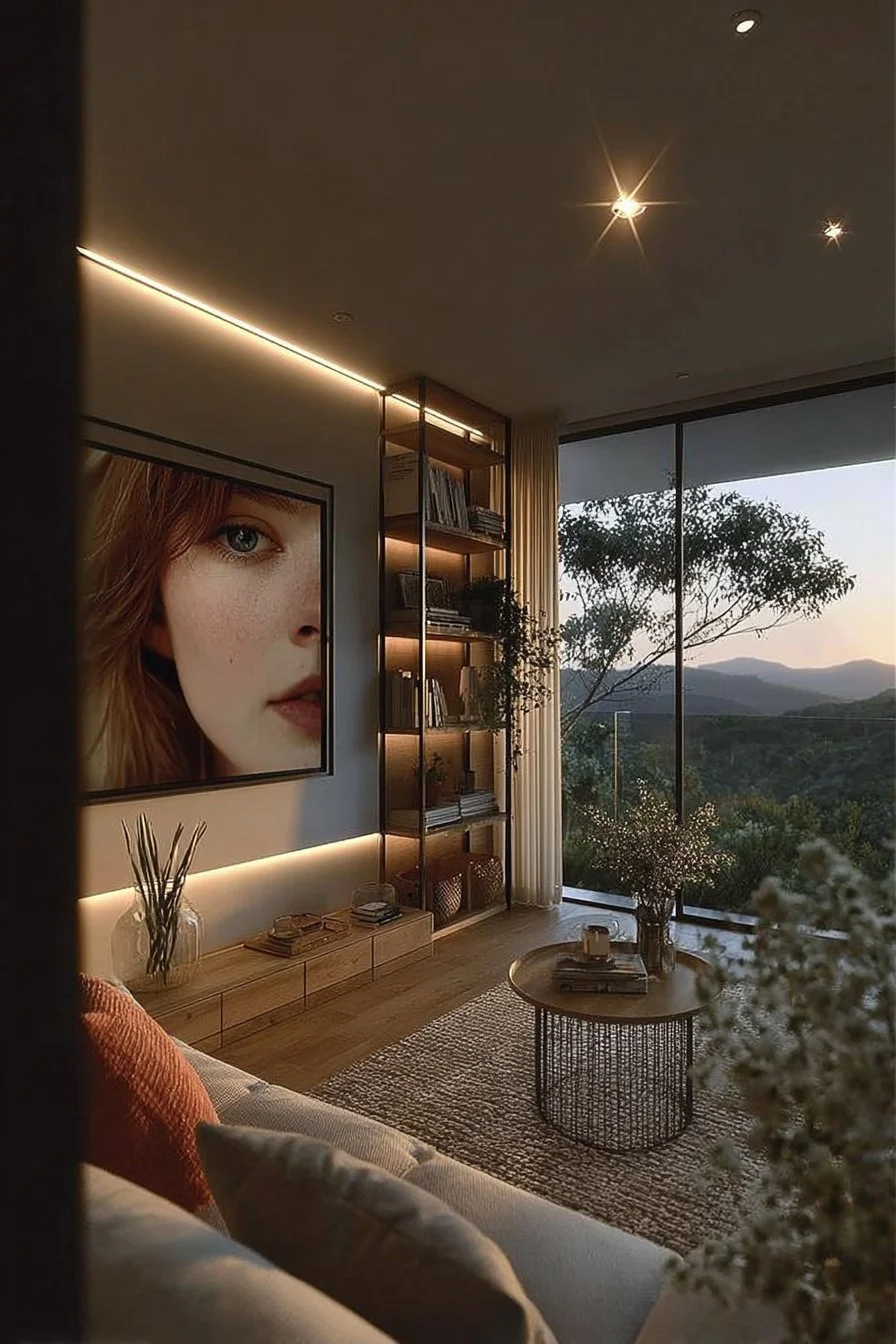
Good lighting equals good mood. Create layers with overhead ambient lighting, directional task lamps for reading or homework, and softer accent lights for movie nights. Dimmable options are ideal for controlling energy and atmosphere. We installed a floor lamp beside the couch and small table lamps near the play area, which makes late-night storytelling cozy without the glare. Finally, personalize the room with textiles—handwoven blankets, family-knit throws, and patterned pillows. These soft elements add color, texture, and instant comfort. I keep a basket of blankets by the sofa for impromptu snuggles, and it makes the living room feel inviting for both neighbors and family members. Together, layered lighting and textiles make a contemporary space feel warm, practical, and distinctly yours.

Conclusion

If one thing has surprised me as a mom and a homeowner, it is how small, thoughtful changes turn a house into a home. Try one idea at a time and let your family’s routines guide which updates stick. Save this list for future refreshes, test a bold sofa or a new rug, and enjoy mixing practical interior styling tips with personal decorating inspiration. For more ideas that blend modern aesthetic with cozy charm, check out these modern farmhouse living room ideas that inspired some of my favorite touches.
Categories
Living

Modern Transitional Living Room Ideas with Neutral Decor

I still remember the first lazy Saturday after school pickup, when the kids dumped a pile of art projects on the sofa and our neighbor stopped by with a casserole because our oldest had a fever. Life with two kids between eight and twelve means backpacks in the hallway, soccer cleats by the door, and plenty of small, joyful chaos. As a mom in my forties, I started caring more about how our home felt than whether it matched a glossy magazine. I wanted a space that held LEGO forts and birthday sleepovers yet felt calm at the end of a long day. That gentle shift led me to try softer palettes and smarter layouts that work across rooms, even borrowing a few cues from my own journey through modern bedroom design ideas when I wanted continuity throughout the house.

  1. Layered Neutrals for Instant Warmth

    A neutral palette does not mean bland. Layering different shades of beige, gray, and warm white creates visual depth that feels thoughtful and inviting. This approach works because variations in texture and tone catch the eye without competing with your family’s activities. Start with a neutral sofa, then add a wool throw, a linen pillow, and a soft jute rug to build warmth. In practice, keep one durable neutral piece for everyday kid life, like a stain-resistant slipcover, then layer more delicate textures in higher spots that are easier to rotate or wash. I like placing a plush ottoman where my kids can sit for homework while I sip coffee, creating a cozy corner that reads grown-up and family-friendly at once. These interior styling tips make living rooms feel curated and lived-in.

  2. Clean Lines with Comfortable Seating

    Transitional style thrives on furniture that balances modern simplicity and classic comfort. Choose sofas and armchairs with clean silhouettes but plush cushioning. This combo works because it provides structure without sacrificing the relaxed feel families need. Apply it by selecting a sofa with a low profile and add a couple of overstuffed pillows for kid-approved comfort. Make sure one chair is easy to move for spontaneous board game nights or storytime. My living room has a streamlined sectional where blankets live during soccer season and come off when neighbors drop by for movie night. Incorporating this kind of furniture helps maintain a stylish look while allowing for the unpredictable rhythm of family life.

  3. Mixed Materials for Visual Interest

    Mixing wood, metal, glass, and soft fabrics keeps a neutral living room from feeling flat. A reclaimed wood coffee table paired with a brass lamp and a soft boucle chair creates contrast that reads intentional. This works because different materials reflect light and texture in unique ways, which adds personality without bold color. To apply it at home, pick one focal furniture piece and complement it with accents in other materials—think a metal mirror above a wooden console or glass vases on a textured tray. I like to rotate a basket of storybooks beside the sofa so a tactile element is always within reach for the kids. These decorating inspiration touches help your room tell a story about who lives there.

  4. Thoughtful Lighting to Set the Mood

    Layered lighting transforms a neutral living room from bright and busy to serene and cozy. Combining overhead fixtures, task lamps, and soft accent lights gives you control over mood for homework, family dinners, and relaxed evenings. This works because lighting alters the perception of color and texture, making neutral palettes feel richer. At home, I install dimmers where possible, position a floor lamp next to the reading nook, and use warm bulbs to encourage relaxation after bedtime. For more ideas on calming spaces that suit multigenerational living, inspiration from cozy calm bedroom decor taught me to prioritize soft lighting and quiet corners—techniques that translate beautifully to the living room. Thoughtful lighting also reduces eye strain during late-night board games.

  5. Functional Architecture for Flow

    Small changes to how a living room is arranged can make daily life smoother. Anchoring seating around a focal point, like a fireplace or media console, creates natural conversation zones and keeps toys and schoolwork from spreading randomly. This concept works because purposeful flow reduces clutter and makes the space adaptable for both adult gatherings and kid activities. Apply it by selecting multifunctional furniture, such as a storage coffee table or sideboard, and by defining zones with rugs or furniture placement rather than walls. I often move a lightweight console to the short wall when we host grandparents so there is more room for everyone to sit and share stories. These practical home décor ideas keep the room functioning for everyday moments and special visits.

  6. Art and Accessories That Tell a Story

    The simplest way to personalize a neutral living room is through art and accessories that reflect family life. Choose pieces that feel meaningful rather than trendy, like a framed map of a favorite vacation town or a gallery wall with a mix of kids’ art and professional prints. This works because personal items break the clinical feel of neutrals and make the room resonate emotionally. Apply it by designating a low-height shelf for rotating children’s creations and keeping framed prints at eye level for adults. I swap art seasonally with the kids so they feel proud and involved, which reduces paper clutter and fosters memories. These interior styling tips ensure your living room feels edited, welcoming, and authentically yours.

Conclusion

If you save one thing from these ideas, let it be the gentle confidence that neutral rooms can be both stylish and family-ready. Try layering textures, choosing durable seating, mixing materials, upgrading lighting, refining layout, and showcasing meaningful art to create a living room that supports everyday life and special moments. For more visual inspiration and a wide range of transitional living room solutions, check out this collection of 75 Transitional Living Room Ideas You’ll Love – December, 2025. If something here sparks a plan, save the pin, try one change this weekend, and revisit your space as the family grows.

Categories
Living

Elegant Living Room Design Ideas

I remember the late afternoons when the sun would slant through our living room windows and my youngest would trail in with a glue-sticky art project while my neighbor’s golden retriever snoozed on the porch. My life as a mom in my forties is a collage of soccer practices, packed lunches, and small rituals like swapping recipes with other parents at carpool. The living room has quietly become the hub that holds it all together: homework sprawls, impromptu sleepovers, and the quiet cup of coffee I steal between routines. Those lived moments taught me that design should feel like a warm invitation, not a showroom. That’s why I started switching things up slowly, following simple home décor ideas that respected our rhythm, kept the clutter manageable, and still looked like a space we were proud to share. If you want decorating inspiration that honors family life and looks pulled together, these approachable interior styling tips might be just what you need to make your living room sing. For thoughts on flow between spaces, I even saved a few notes about open-plan transitions here.

1. Layered neutrals with playful color accents

Neutral palettes are not boring when layered right. Start with a warm base like cream walls and soft gray upholstery, then introduce personality with colorful throw pillows or a statement ottoman. Layering textures such as linen, boucle, and worn leather keeps the neutrals from feeling flat and makes the room durable enough for kids and neighbors dropping by. Why it works: neutrals create a calming backdrop that highlights meaningful objects, while small pops of color add life without competing with daily chaos. How to apply: choose a neutral sofa, add two contrasting throw pillows per seat, and rotate seasonal or mood-driven accents like a mint lamp or coral vase. Family touch: give each child a designated cushion they can personalize with a small patch or embroidered initial. These choices deliver decorating inspiration that is both functional and Instagram-ready, helping your living room age gracefully with your family.

2. Flexible seating and intentional family zones

A living room that adapts to homework time, movie night, and a craft marathon is priceless. Think modular sofas, lightweight accent chairs, and a couple of poufs that can be moved to create conversational islands. Why it works: flexible seating lets you reshape the room for different activities without a full redesign, keeping both adult conversation and kid-friendly play in mind. How to apply: anchor a central rug, arrange seating to face each other for connection, and keep a small trolley nearby for board games and art supplies. Lifestyle note: when the kids set up a fort, the poufs become perfect makeshift pillars, and when grandparents visit, you’ll appreciate the extra, easy seats. For inspiration on arranging pieces to feel warm and inviting, check out curated ideas on living room inspiration that influenced some of our layouts.

3. Curated gallery walls and practical display shelving

Gallery walls are where memories and design meet. Mix family photos, kids’ artwork, and a couple of framed prints to keep the vibe personal. Shelving should be a balance of display and storage so cherished items sit alongside baskets that hide small toys. Why it works: a curated collection tells your story while functional shelves keep the daily clutter at bay. How to apply: plan the gallery on the floor first, then commit to one cohesive frame color to unify the look. Use lower shelves for kid-friendly baskets and upper shelves for fragile keepsakes. Family touch: let your children choose one frame for their latest masterpiece each month to rotate on the wall. This process creates decorating inspiration that feels collaborative and meaningful, and it supports ad-friendly content areas where readers naturally linger on the visuals.

4. Smart lighting and cozy reading nooks

Good lighting changes everything. Layer overhead lights, floor lamps, and table lamps to create moods throughout the day. Incorporate dimmable options and targeted task lighting for reading or homework. Why it works: layered lighting accommodates various activities while making the room feel intentional and comfortable. How to apply: carve out a corner with a comfy chair, a small shelf for books, and a floor lamp to create a dedicated reading nook. Family note: this becomes a favorite spot for nightly storytime and a secret haven for your teenager to escape to with headphones. Thoughtful lighting is one of the most effective interior styling tips because it enhances photographs, improves functionality, and lifts the room’s overall mood for everyone in the household.

5. Multi-texture rugs and soft furnishings for warmth

A rug is the ground floor of comfort. Choose rugs with layered textures to hide footprints and mask spills while adding warmth. Natural fibers like jute mixed with softer wool rugs create a resilient foundation that still feels cozy under bare feet. Why it works: texture provides visual interest and practical resilience, especially in a family-centered home where kids and pets are part of the daily mix. How to apply: use a larger rug to define seating zones and add smaller, washable throw rugs near doorways or play areas. Family touch: place a twin rug near the craft table for easy cleanup after painting sessions. These soft layers also create great ad placement spots where readers pause to imagine their own rooms transformed.

6. Indoor greenery and low-maintenance plants for life

Plants make a living room breathe. Opt for sturdy, low-maintenance plants like snake plants, pothos, or zz plants for a touch of green without the guilt. Why it works: greenery introduces color and improves air quality while anchoring corners and shelves with organic shapes that soften rigid lines. How to apply: cluster plants of different heights near windows and on shelving, and use woven baskets to hide planter pots for a cohesive look. Lifestyle tie-in: involve the kids by giving each a small watering responsibility or making a weekend ritual out of repotting. This not only teaches care and responsibility but also fosters a sense of pride in the space they helped cultivate.

Conclusion

Designing a living room that fits real family life means choosing small, deliberate changes that add comfort and style. Save these home décor ideas and interior styling tips to your favorite board and try one fresh update each month to see how little shifts create big happy moments. If you want to share your room refresh with a community or learn more about home trends that work for families, visit the Press Room – Mom Blog Society for press and seasonal features that inspire further decorating inspiration.

Categories
Grandparents

Fabulous Granny Chic (Grandmillennial) Home Decor Ideas

I still remember the first time I sat on my grandmother’s floral sofa, a cup of tea sweating in my hands while the kids chased the neighbor’s dog through the yard. I’m an American mom in my forties, with two kids aged 8 and 11, juggling school runs, PTA emails, and dinner plans. Small rituals—baking chocolate chip cookies on rainy afternoons, swapping stories with Mrs. Carter next door, saving my grandmother’s embroidered napkins—have a way of sneaking into how I want our home to feel. Those shared moments taught me that comfort can be beautiful, and that a cozy chair draped with a soft afghan can be as meaningful as a brand new sofa. Between carpools and bedtime stories, I found myself collecting pieces that whispered of heritage and warmth, and the result has become our family’s happy blend of old and new. If you love home décor ideas that feel lived-in yet stylish, these decorating inspiration tips will help you make a house feel like a well-loved home. Visit this helpful ceiling resource for unexpected touches: ceiling decor ideas.

Soft Neutrals and Printed Florals

Printed floral wallpaper can instantly transform a space without feeling overwhelming. Choose a single accent wall in a sitting room or bedroom nook to introduce pattern while keeping the rest of the room calm. Muted vintage florals pair beautifully with neutral walls, wooden furniture, and family heirlooms, creating a sense of nostalgia and intentional design.

Why it works: Pattern adds depth, personality, and warmth to the room, while visually anchoring furniture groupings for everyday family life.

How to apply it: Select a wall behind a favorite armchair or by a reading nook. Keep other walls neutral so the floral wallpaper feels curated, not overpowering. Add an antique mirror or vase of fresh flowers to reflect light and bring the room to life. This combination ensures elegance without sacrificing comfort or kid-friendliness.


Layering Textiles for Warmth

Mixing patterns with vintage textiles creates a cozy, lived-in atmosphere. Pair a striped slipcover with floral throw pillows, then layer in a checked wool blanket or heirloom quilt.

Why it works: Grandmillennial style celebrates curated contrasts, where heirloom pieces meet modern living, creating a personal and collected look.

How to apply it: Start with a neutral base—like a sofa or bed—then add two or three complementary patterns in different scales. A quilt handed down from a relative can function as both décor and practical comfort for reading or relaxing. Layered textures not only enhance visual appeal but also invite family members to linger, read, or enjoy a quiet afternoon together.


Curated Gallery Walls

A gallery wall of family photos, vintage finds, and personal memorabilia keeps cherished memories on display while adding character to the room. Begin with a central frame and arrange outward with a mix of gilded, wooden, and painted frames.

Why it works: Gallery walls tell a story, balancing heirloom pieces with modern elements to create a room that feels lived-in and approachable.

How to apply it: Include smaller frames for grandchildren’s artwork, seasonal botanical prints, or travel souvenirs. Rotate items over time to refresh the space and keep it dynamic. A thoughtful gallery wall transforms a simple bedroom into a personalized sanctuary that celebrates family and heritage.


Open Shelving and Displayed Collectibles

Open shelving turns functional storage into a design statement. Use glass-front cabinets or open shelves in bedroom corners or nearby sitting areas to display favorite teacups, heirloom china, or small keepsakes.

Why it works: Showing curated objects signals a collected, meaningful life and encourages mindful organization.

How to apply it: Dedicate lower shelves to frequently used items for easy access, and place delicate or decorative pieces on higher shelves. Incorporate small potted plants or well-loved books to add life and texture. Mixed metals, like brass candlesticks with silver serving pieces, create visual interest that feels intentional, not cluttered.


Cozy Reading Nooks

A dedicated reading nook invites relaxation and quiet connection. Use a comfortable armchair with a washable slipcover, layered rugs, and soft lighting to create an intimate space.

Why it works: Grandmillennial design prioritizes comfort and charm, making it easy to enjoy quiet moments alone or with visiting grandchildren.

How to apply it: Place a small side table for tea or snacks, a floor lamp with a warm bulb, and a basket for throws. Layer rugs, like a braided rug over a sisal base, to define the area and add texture. A corner near a window or by a bookshelf can become the perfect reading sanctuary.


Natural Elements and Seasonal Displays

Incorporating natural elements softens the space and brings life indoors. Wooden furniture, woven baskets, potted herbs, or low-maintenance plants add freshness and texture. Seasonal touches like a bowl of apples, fresh flowers, or preserved jams enhance both décor and function.

Why it works: Natural materials ground the room, provide subtle color, and create a restorative atmosphere.

How to apply it: Arrange plants or seasonal displays on nightstands, shelves, or window sills. This approach encourages gentle interaction and fosters a sense of rhythm with nature while keeping the room practical and inviting.


Thoughtful Lighting

Layered lighting is essential for creating comfort and functionality. Combine overhead lights, bedside lamps, and floor lamps to provide flexibility for different activities.

Why it works: Lighting sets the mood and highlights décor without being harsh.

How to apply it: Use dimmable bulbs or warm-toned lamps to create a soft glow. Place task lighting near reading chairs or desks and accent lighting to highlight personal displays or gallery walls. Thoughtful lighting ensures the room is both stylish and functional for relaxation and family visits.


Flooring and Window Treatments

Flooring should be both safe and inviting. Consider layered rugs to define spaces like reading nooks or seating clusters. Low-pile rugs, wool, or natural fibers like jute add warmth and texture.

Window treatments balance privacy, light, and style. Layered curtains with sheers allow daylight while maintaining intimacy. Heavier drapes provide coziness in the evenings. Coordinated fabrics with bedding and furniture complete the cohesive look.


Conclusion

These decorating ideas combine heritage, comfort, and practical design to create a bedroom that grandparents will love. From layered textiles and curated gallery walls to cozy nooks and natural touches, each element contributes to a warm and inviting sanctuary. Implement one change at a time—add a patterned throw, display a family photo, or layer a rug—and watch the space evolve into a room that is both functional and full of memories. This approach ensures a bedroom that is stylish, personal, and perfect for both quiet moments and cherished family gatherings.

Categories
Grandparents

Granny Chic Decor: Bringing Vintage Charm into Modern Homes

I still remember the sound of my mother folding lace tablecloths while I helped set snacks on a rainy Saturday. Now, with two kids between 8 and 12, our house is a whirl of homework, soccer cleats, and cookie crumbs, but those small rituals have stuck with me. I find comfort in mixing the familiar with the fresh, whether it is a chipped teacup in the cabinet or a hand-me-down quilt on the couch. Between school runs and neighbor chats over the fence, I sneak in little changes that make our living room feel like a warm hug after a long day,  perfect for welcoming grandparents and family alike. Those same instincts helped me rethink bedrooms and shared spaces using gentle vintage touches alongside modern conveniences, which is exactly the kind of home décor ideas that keep a house feeling like home.

Section 1: Heirlooms Meet Minimalism

Bringing a treasured heirloom into a clean, modern room instantly adds personality and history. A grandmother’s chest or an old mirror creates contrast against crisp paint and simple furniture because it tells a story in a space that might otherwise feel anonymous. These pieces also create cozy spots where grandparents can sit, relax, and enjoy family visits. They invite conversation, spark memories, and often become favorite spots for storytelling or sharing afternoon tea with grandchildren. Incorporating these heirlooms thoughtfully keeps the room feeling warm, lived-in, and connected to family traditions.

Section 2: Floral Fabrics in Unexpected Places

Floral patterns are often dismissed as fussy, but when used sparingly they add warmth and softness to modern interiors. Slip a floral lumbar pillow onto a leather chair or reupholster a single dining seat in a faded chintz. The pattern brings a gentle vibrancy that reads as intentional rather than old-fashioned. I swapped one dining chair cover and suddenly snack time felt cozier; my son likes to claim that chair for Lego building. When introducing floral fabrics, limit the palette to two complementary colors that match modern accessories, and place the patterned piece where family life happens so it looks lived in and loved. This approach keeps decorating inspiration practical and family-oriented.

Section 3: Layered Rugs and Textures

Layering rugs and textiles adds depth and comfort in a way that invites people to linger. Start with a neutral flatweave and top it with an heirloom rug or a soft braided mat to create zones in open-plan rooms. The tactile variety makes floors more forgiving for spilled juice and board games while keeping the aesthetic rich. I laid an old Persian runner under the coffee table and put a washable, kid-friendly rug next to it for art projects; the combination works for both beauty and mess. Choose rugs with similar color stories and vary textures rather than patterns. For more ways to blend classic and contemporary bedroom ideas, I often reference modern design guides like this modern luxury bedroom design for inspiration on scale and balance.

Section 4: Painted Furniture and Curated Displays

A coat of paint can revive a worn sideboard or a small dresser, turning it into a statement piece without losing its history. Soft sage, muted blue, or cottage white can transform an old chest into a practical storage hub for toys, linens, or school supplies. Curate the top with a few meaningful items like a vintage clock, a family photo, and a small plant to create a lived-in vignette. When my daughter needed an art station, a painted dresser became her supply center and somehow made cleanup feel cheerful. Keep the styling functional so it works for daily routines, and swap items seasonally to refresh the look without adding clutter. This tactic offers decorating inspiration that is both beautiful and purposeful.

Section 5: Cozy Nooks with Vintage Lighting

Creating a nook encourages family moments and quiet time, and vintage lighting is a perfect finishing touch. A small armchair, a knitting basket, and a lamp with a warm bulb invite bedtime stories and weekend reading. It’s a space where grandparents can enjoy quiet afternoons or read to visiting grandchildren.

My husband reads to our youngest under a soft-shaded lamp while the older one practices piano in another corner; these pockets of comfort organize our home life around routines. Choose lamps with updated wiring for safety and place them in spots where the family naturally gathers. This cozy approach to interior styling tips makes the house feel restful and timeless.

Section 6: Displaying China, Art, and Everyday Finds

Open shelving or a modest glass-front cabinet lets you showcase beautiful everyday items without overdoing it. Rotating plates, bowls, and small framed art keeps displays fresh and gives kids ways to contribute by placing their small creations beside treasured pieces. I encourage my children to pick one object to add each month and that habit teaches them appreciation for objects and the stories behind them. Group items by color or theme so the display reads clearly from across the room. Use museum putty or secure anchors for anything fragile, especially in busy family rooms. This simple method offers decorating inspiration that is interactive and sentimental.

Conclusion

Granny chic is not about recreating a past decade, it is about blending old and new so your home feels layered, practical, and full of stories. Try one idea at a time and involve your family in small decisions to make the process fun and manageable. For a deeper look at how grandmillennial style translates into modern living rooms, consider this helpful resource: Timeless Elegance: Bringing Grandmillennial Style into the 21st Century. Save this article for later, try a single change this weekend, and revisit these ideas as your home evolves.

Categories
Grandparents

Grandmacore Living Room: Crafting a Nostalgic Haven of Comfort

I was folding a tiny superhero cape while my daughter practiced piano and my son negotiated snack trade-offs with the neighbor across the fence when I noticed how our living room had quietly become the backdrop to everything. As a forty-something mom, I have handfuls of mismatched keys, baby teeth boxes, and neighborhood bake-sale memories stacked in corners. There is comfort in small, everyday rituals like Sunday cartoons on grandma’s quilt or a rainy afternoon spent rearranging books. Those ordinary moments made me want a space that feels like a warm exhale, a place that holds family stories without shouting. If you love gentle decorating inspiration that blends heirloom charm and practical family living, these ideas build on real life. For more cozy living ideas and personal touches, take a look at this guide to inviting home touches to spark your own decor decisions.

  1. Embrace Layered Textiles and Vintage Quilts

    Layering fabrics creates immediate warmth and tactile comfort. In a grandmacore living room, think soft cotton throws, crocheted afghans, and a faded quilt draped over the sofa. These layers work because texture invites touch and gives depth without needing a full redesign. To apply this at home, start with a neutral base sofa and add two to three textiles in varying scales and materials. Place a quilt where kids can curl up during movie night and a small throw on the arm for quick cozying. I keep a basket of extra blankets near the fireplace for impromptu puppet shows and when neighbors drop by with a casserole. This approach fits well with home décor ideas and interior styling tips because it balances practicality and nostalgia, making the room feel lived-in and loved while supporting ad placements naturally between cozy scenes.

  2. Mix Antiques with Thrifted Finds for a Collected Look

    A grandmacore living room thrives on a curated mix of new and old. Antique side tables, secondhand picture frames, and a gently worn armchair tell a story that mass-produced pieces cannot. This works because contrast adds visual interest and the imperfections show life. Start by choosing one statement vintage piece, like a spindle-back chair or a small writing desk, then hunt thrift stores for complementary items. Keep functionality in mind: a sturdy vintage coffee table is perfect for puzzle nights and craft spreads. I once scored an old bookshelf that now holds our rotating display of family drawings, current craft projects, and that box of neighborhood postcards. This strategy is a practical decorating inspiration that invites treasure hunting without breaking the budget and encourages creative reuse in family life.

  3. Warm, Muted Color Palette with Floral Accents

    Colors set mood, and grandmacore favors warm neutrals with soft floral pops. Think oatmeal, sage, and buttercream, paired with small-scale floral prints on cushions or lamp shades. It works because muted hues create a calming backdrop while florals add charm without overwhelming the space. Apply this by repainting walls in a warm neutral and introducing floral textiles in areas that see family use, like ottomans or window seats. Swap out throw pillow covers seasonally or let kids help stitch a simple floral patchwork. Our living room used a gentle green that made the whole house feel calmer during homework hour, and floral curtains became a favorite hiding spot for whispered secrets between siblings. Integrating these tones supports interior styling tips that keep the space cozy, visually interesting, and kid-friendly.

  4. Create a Sentimental Display and Memory Wall

    Grandmacore is rooted in memories, so thoughtful displays of keepsakes make the room feel personal. A memory wall can include framed family recipes, embroidered samplers, small plates, and black-and-white photos. This works because storytelling in décor turns sterile surfaces into conversation starters and anchors family history. Start small: pick a corner and mix frames of different sizes with a few three-dimensional pieces on floating shelves. Rotate items when new treasures arrive, and involve the kids in curating what stays on display. I keep a low shelf with my mother’s teacups where my youngest can easily reach them for tea parties, which doubles as play and a lesson in care. This approach offers decorating inspiration that feels intimate and accessible while providing natural ad-friendly pauses focused on lifestyle moments.

  5. Layer Lighting with Lamps, Candles, and Soft Fixtures

    Lighting changes a room’s personality more than paint or furniture. For a grandmacore living room, combine floor lamps, table lamps with fabric shades, and clusters of candles to create pockets of warmth. This works because layered lighting provides versatility for reading, craft nights, or winding down after a busy day. Apply it by adding a reading lamp next to the armchair and smaller table lamps on side tables. Use string lights tucked into a mantel garland or battery candles on a shelf for safety during kids’ play. On rainy evenings, we dim the overhead light, switch on lamps, and the house feels instantly calmer for storytime. If you want more ideas on arranging cozy lighting and furniture, try this helpful resource on cozy living spaces tips for warm and inviting layouts.

  6. Build a Cozy Reading Nook and Flexible Family Zones

    A grandmacore living room should be functional for family rhythms. Create a small reading nook with a comfortable chair, a low bookshelf, and a soft rug to anchor quiet moments. This works because designated zones make a multipurpose room feel intentional and reduce clutter. For application, place the nook near a window when possible, add a small side table for a cup of tea, and keep a basket for kids’ picture books. Leave space for an expandable game table that folds away or a pouf that doubles as extra seating during playdates. Our living room’s nook became my after-school checkpoint where homework stops and hugs happen before dinner. These interior styling tips help the whole family use the room in ways that honor both nostalgia and everyday life, supporting decorating inspiration that feels practical and heartwarming.

Conclusion

If you want to see a visual deep dive into cottage grandma core aesthetics and gather more ideas to adapt to your family’s routines, check out Transform Your Space with Cottage Grandma Core Aesthetics. Save these ideas, try one small change this weekend, and revisit what works as your household habits evolve. Small, intentional choices in textiles, lighting, and sentimental displays will help you build a living room that holds memories and welcomes neighbors, kids, and quiet afternoons with equal warmth.

Categories
Grandparents

Cozy and Gracious Bedroom for Grandparents

I still remember the quiet afternoons spent enjoying the little routines that make a house feel like home. The soft light coming through the windows, the scent of fresh flowers, and a favorite book waiting on a chair reminded me that a bedroom should feel warm, collected, and forgiving of everyday life. For grandparents, this space is not only a retreat for relaxation but also a welcoming environment for family visits, cherished memories, and simple daily pleasures.

Creating a cozy and gracious bedroom is about more than just picking furniture or color schemes—it’s about crafting a space that supports comfort, tranquility, and function while reflecting personal style. From layered textures to practical furniture choices, every detail matters in making the room inviting and usable.


Soft Neutrals and Layered Textures

A soft, neutral palette is the foundation of a relaxing bedroom. Colors like warm whites, creamy beiges, muted grays, and soft greens create a calm backdrop that allows personal items and accents to shine. Neutrals also make small spaces feel larger and airy, providing visual relief and a sense of balance.

Layering textures is key to adding depth and warmth. Consider knit throws, linen or cotton pillow covers, woven rugs, and soft upholstered chairs. These elements provide visual interest while inviting relaxation. For grandparents, durable and easy-care fabrics are essential—they ensure comfort without constant upkeep.

Incorporate tactile layers on the bed, window seats, and chairs. A chunky throw at the foot of the bed can be used while reading or resting, while textured pillows add subtle elegance. Layered textures not only enhance the visual appeal but also create a lived-in feel that is both stylish and practical.


Vintage Finds and Timeless Charm

Vintage furniture and thrifted treasures bring a sense of history and personality to the bedroom. Items like a reclaimed dresser, a wooden rocking chair, or a classic trunk tell stories while providing functional value.

When selecting vintage pieces, focus on durability and usability. Can the coffee table withstand a cup of tea, or will a sideboard accommodate linens or books? Repurposing items—like using an old trunk for storage or a bench with hidden compartments—adds charm without compromising practicality.

These curated, timeless pieces contribute to a cozy atmosphere while connecting the room to personal and family history. Mixing vintage with new furniture ensures a cohesive look that blends tradition and contemporary comfort.


Open Shelving and Styled Vignettes

Open shelving offers both function and aesthetic appeal. Shelves can display favorite books, keepsakes, decorative bowls, or seasonal accents while keeping essentials accessible. For grandparents, open shelves can highlight memories, hobbies, or collections, turning everyday objects into a curated visual story.

Arrange items thoughtfully, grouping by color, scale, or theme. Combine practical objects with decorative pieces to balance usability and style. A low shelf can hold daily-use items, while higher shelves showcase collectibles or framed photos. Adding small DIY touches—hand-painted ornaments or crafted items from grandchildren—introduces a personal and playful element.

Styled vignettes make the space feel intentional without being fussy. Wooden trays, small baskets, or simple ceramic pieces help corral items and maintain order, ensuring the bedroom is both functional and beautiful.


Cozy Seating Clusters That Invite Conversation

Seating arrangements play a crucial role in making the bedroom feel welcoming. Instead of lining furniture against the walls, create clusters that encourage conversation and connection. Pair a sofa or armchair with a small side table and perhaps a pouf or floor cushion to offer flexible seating.

These clusters support multiple activities: reading, chatting with visiting family, or quietly enjoying tea. Adding rugs defines different areas within the room, visually anchoring seating and creating a sense of intimacy. Keep blankets and small baskets nearby for convenience, and incorporate storage options for books, magazines, or games.

Seating clusters make the space feel approachable and lived-in. They also enhance photography-friendly corners for Pinterest inspiration while remaining functional for real-life use.


Natural Elements and Greenery

Bringing natural elements into the bedroom creates a sense of calm and connection to the outdoors. Wooden furniture, woven baskets, jute rugs, and greenery add texture and warmth. Potted plants like peace lilies, snake plants, or herbs provide freshness while requiring minimal maintenance.

Displaying edible or seasonal elements, like bowls of fruit or jars of preserves, adds both beauty and practicality. For grandparents, low windowsill herb gardens or small plants can offer gentle engagement and sensory stimulation. Natural elements make the space feel alive and restorative, enhancing well-being and creating a serene retreat.


Thoughtful Lighting for Comfort and Mood

Lighting is critical in shaping the room’s atmosphere. Layered lighting—combining overhead fixtures, bedside lamps, and floor lighting—allows flexibility for different activities. Dimmable bulbs or warm-toned lamps provide comfort for reading, relaxing, or entertaining family.

Position lamps near reading chairs or seating clusters for functional light, and consider accent lighting to highlight artwork, family photos, or decorative vignettes. Soft lighting encourages relaxation, while strategic placement enhances the room’s style. For grandparents, good lighting supports both comfort and safety, making daily routines easier and more enjoyable.


Personal Touches and Memory Displays

Adding personal touches turns a functional bedroom into a meaningful sanctuary. Gallery walls, framed photographs, heirlooms, or curated keepsakes tell stories and preserve memories. Rotating items over time keeps the room fresh and allows for seasonal updates or additions from family visits.

Consistency in frame color or style maintains cohesion, while flexible displays let personal objects shine. Memory shelves, hand-made crafts, and souvenirs from family trips or local markets make the room feel lived-in and treasured. Personal touches foster nostalgia, connection, and a sense of identity, turning the bedroom into a warm and inviting haven.


Flooring, Rugs, and Window Treatments

Flooring contributes to comfort and safety. Low-pile carpets, area rugs, or layered rugs provide warmth underfoot and prevent slips. Choose natural fibers like jute, sisal, or wool for durability and texture. Layered rugs can define functional areas, such as a reading nook or seating cluster.

Window treatments balance light, privacy, and style. Layered curtains—sheer panels for daylight and heavier drapes for evening—offer flexibility. Easy-to-operate blinds or shades ensure functionality, especially for older adults. Coordinating fabrics and patterns with bedding and furniture strengthens the room’s cohesive, welcoming feel.


Conclusion

Designing a grandparents’ bedroom is about creating a space that is cozy, practical, and filled with personal meaning. By using soft neutrals, layered textures, vintage finds, natural elements, and thoughtful lighting, the bedroom becomes a sanctuary that balances comfort, style, and function. Seating clusters, open shelving, and memory displays ensure the room is welcoming for visitors while supporting quiet moments of relaxation.

Take your time implementing these ideas, one change at a time. Incorporate personal memories, seasonal accents, and practical furniture to create a space that feels alive and lived-in. The result is a gracious, inviting bedroom that celebrates comfort, family, and the beauty of everyday life.

Categories
Grandparents

Grandparents’ Cozy and Calm Bedroom Decor Ideas

I still remember the afternoons when little messes and neighborhood stories filled our home. Over the years, creating a calming bedroom became my quiet retreat, a space where comfort meets practical design. For grandparents, this bedroom is not only a personal sanctuary but also a place to welcome family visits, reflect on memories, and enjoy simple daily pleasures. These ideas focus on warmth, usability, and timeless style—turning any bedroom into a space that is both inviting and functional.

Soft Neutral Base with Layered Textures

The foundation of a cozy bedroom starts with a neutral color palette. Warm whites, soft oatmeal, greige, or muted pastels create a calming environment that can evolve with the seasons. Using a soft base on walls, floors, and main furniture allows accents and accessories to shine without overwhelming the senses.

Layered textures make the room feel lived-in and inviting. Think chunky knit throws draped over chairs, linen pillow shams, and woven rugs underfoot. Texture not only adds visual interest but also serves a practical purpose: it helps hide minor wear, dust, or small spills while maintaining a polished appearance.

For grandparents, consider fabrics that are soft but durable. Upholstered chairs in washable fabrics, cozy wool blankets, or lightweight quilts create comfort without requiring constant maintenance. A tactile throw at the foot of the bed provides a cozy spot for reading or for grandchildren who might visit. By mixing three or four neutral tones across walls, bedding, and furniture, the room feels cohesive yet layered.

Cozy Reading and Relaxation Nook

A well-designed grandparents’ bedroom benefits from a corner dedicated to relaxation. A low armchair, cushioned window seat, or small loveseat can become a reading nook, a place to enjoy tea, or a spot to quietly watch grandchildren play.

Adding layered cushions and a soft throw makes the space feel welcoming. Consider including a small side table or basket to hold books, magazines, or knitting supplies. Focused task lighting, like a small reading lamp or adjustable wall sconce, ensures comfort without straining the eyes.

The nook can also double as a practical spot for quiet hobbies. Whether it’s sketching, journaling, or working on a puzzle, this small area gives grandparents a sense of ownership and personal space. Multi-functional corners like this also help reduce clutter by keeping frequently used items organized in a single area.

Smart and Durable Furniture Choices

Furniture in a grandparents’ bedroom should combine elegance with practicality. Sturdy bed frames, solid dressers, and side tables in timeless finishes provide durability while keeping the aesthetic classic. Rounded edges and soft upholstery reduce the risk of bumps or scratches, especially during visits from younger family members.

Storage is equally important. A bench at the foot of the bed or an ottoman with hidden compartments can hold extra blankets, seasonal clothing, or grandchildren’s toys, keeping the room tidy and comfortable. Drawer organizers, elegant baskets, and labeled storage boxes make it easier to find and maintain items while still keeping the room visually pleasing.

Prioritize high-traffic pieces in durable materials, and then accessorize with delicate items like vases, framed photos, or small decorative bowls that can be moved if necessary. This balance allows the room to feel personal and warm without compromising functionality.

Warm Layered Lighting for Mood and Function

Lighting is one of the most transformative elements in a bedroom. A combination of overhead fixtures, bedside lamps, and floor lamps allows for different moods and uses throughout the day.

For grandparents, consider dimmable bulbs or lamps with warm color temperatures. Soft, ambient lighting encourages relaxation in the evening, while adjustable task lighting supports reading, hobbies, or writing. Placing a reading lamp near the armchair or window seat ensures adequate light for activities without disturbing the overall ambiance.

Layered lighting also enhances photographs and decorative features in the room. A strategically placed lamp can highlight a gallery wall, a favorite plant, or a cherished piece of furniture. Warm lighting contributes to a sense of calm, making it easier to unwind and enjoy quiet moments.

Personal Touches and Memory Displays

A bedroom feels truly special when it reflects the people who live there. Personalized gallery walls or memory shelves turn plain walls into storytelling spaces. Mix framed family photos, artwork, heirlooms, and small keepsakes to create a dynamic, ever-changing display.

Use a consistent frame color or style to maintain cohesion, even with a variety of images. Removable hooks and versatile shelving systems allow for easy rotation of pieces, ensuring the room stays fresh over time. Grandparents can incorporate their children’s or grandchildren’s art, postcards, or travel souvenirs, blending nostalgia with contemporary design.

This kind of display not only adds personality but also encourages storytelling and memory-sharing with visiting family. It makes the space interactive and meaningful, turning simple decor into a living narrative.

Natural Elements for Calm

Bringing natural elements into the bedroom helps create a grounding, restorative atmosphere. Wooden nightstands, jute rugs, wicker baskets, and low-maintenance plants soften the space and add texture. Plants like snake plants, pothos, or peace lilies improve air quality while being easy to care for.

A few well-placed pieces of natural material—such as a wooden chair, a small plant on the bedside table, or woven storage baskets—bring warmth without cluttering the room. For grandparents, plants also offer gentle engagement: checking soil, watering, and observing growth becomes a simple daily ritual that connects them to nature.

Natural elements complement neutral palettes and textured layers, creating a bedroom that feels serene, balanced, and welcoming.

Comfortable Flooring and Rugs

The choice of flooring and rugs significantly affects the feel of the room. Soft, low-pile carpets or large area rugs provide warmth underfoot and prevent slips, which is particularly important in a space designed for older adults. Layering smaller rugs over a neutral carpet can create visual interest while defining functional areas, such as a reading nook or the space near the bed.

Textured rugs also tie together furniture and accent pieces, giving the room a cohesive look. Natural fiber rugs, like jute or sisal, add durability and subtle elegance, blending seamlessly with other elements like wooden furniture or linen bedding.

Thoughtful Window Treatments

Window treatments balance natural light with privacy, comfort, and style. Layered curtains—such as sheer panels for daylight and heavier drapes for evening—allow flexibility. Choose fabrics that are easy to clean, resistant to fading, and complementary to the room’s color palette.

Roman shades or soft roller blinds can be added for precision light control without cluttering the visual flow. For grandparents, ensuring that windows are easy to operate and maintain is just as important as their aesthetic appeal.

Conclusion

A grandparents’ bedroom is more than just a place to sleep, it is a sanctuary. Small, intentional design choices create comfort, function, and warmth, making every moment spent there relaxing and enjoyable. From layered textures and cozy nooks to personal gallery walls and natural elements, these ideas blend practicality with timeless style.

Take your time, implement one change at a time, and focus on what brings peace and joy to the room. Whether it’s a soft throw, a favorite plant, or a framed memory, these details transform a simple bedroom into a welcoming retreat that can be shared with family or enjoyed quietly alone.

Categories
Bathroom

Very Small Minimalist Bathroom With Shower

Very Small Minimalist Bathroom With Shower

I still remember the first time I remodeled a tiny bathroom in our old house, with my mom helping me pick tiles and my son and daughter doing a “quality control” run through after school. As a forty-something American mom proud of my roots and the way family traditions shape our spaces, I love making small rooms feel warm and thoughtful. With my husband often joking that our neighbors think we live in a dollhouse, I learned to balance functionality and charm. If you enjoy simple home décor that welcomes both little feet and grown-up guests, these interior styling ideas will feel like a cozy chat over coffee. For quick craft-inspired storage tricks the kids can help with, see this idea that blends creativity and practicality: kids’ craft storage ideas.

1. Maximize Layout with Compact Fixtures

When a bathroom is the size of a closet, layout becomes everything. Start by measuring and sketching a plan to see how a corner shower or compact vanity could free up space. Consider a wall-mounted toilet or a pedestal sink to open the floor visually. I swapped my old bulky cabinet for a narrow floating vanity and suddenly the whole room seemed taller. Actionable tip: measure door swing and fixture depths before purchasing; even 2 inches can change a layout plan. For families, choose durable finishes that handle sticky hands and wet towels. Another handy trick is to replace a bathtub with a small walk-in shower if bathing kids is rare, or install a shallow tub-shower combo if your daughter insists on her weekly bubble bath. These decisions combine practical decorating tips with real family needs.

2. Choose a Glass Shower to Keep Sight Lines Open

A clear glass shower is a minimalist’s best friend because it preserves sight lines and makes the room feel larger. Frameless or semi-frameless panels are elegant and easy to maintain when you wipe with a squeegee after showering. I taught my son to do a quick wipe-down and turned it into a small chore that makes a big visual difference. Actionable tip: opt for clear glass instead of etched or frosted if space is the priority; frosted glass can feel cozier but reduces the open look. If privacy is important, you can place a textured tile wall opposite the glass to create a focal point while keeping the glass clear. Use minimal hardware in matte black or brushed nickel for a modern touch without visual clutter.

3. Use Light Colors and Smart Tile Patterns

Light, neutral colors instantly expand a small bathroom, but you can add personality without crowding the space. Large-format tiles reduce grout lines and create a smoother visual flow. I chose subway tiles laid vertically behind the shower and it made the ceiling seem higher, a trick my sister taught me from her tiny NYC apartment. Actionable tip: pick a single tile color family and vary textures rather than patterns to avoid visual noise. For accent, use a single row of mosaic tiles as a shelf back or shower niche and repeat that color in towels for cohesion. Small floral or geometric accents work best sparingly; they give inspiration without overwhelming the minimalist vibe.

4. Create Smart Storage and Dual-purpose Solutions

Storage is where function meets style in a tiny bathroom. Think vertically and use recessed niches inside the shower for shampoo and soap. I installed a slim medicine cabinet with a mirrored front so my daughter could brush her teeth and my son could check his hair before school. Actionable tip: add magnetic strips behind cabinet doors for small metal tools and hang baskets on the wall for extra towels. Consider a towel ladder that doubles as a radiator or a narrow shelf above the door for linens. If you want a rustic touch, blend in a reclaimed wood floating shelf for display and storage; for ideas on mixing rustic charm with warm accents, this guide can spark ideas: rustic charm inspiration. These solutions help keep surfaces clean, improving both aesthetic and hygiene.

5. Finish with Thoughtful Textiles and Lighting

The right lighting and textiles turn a small bathroom from purely functional to pleasantly inviting. Layer lighting with a bright task light over the mirror, a dimmable overhead fixture for ambience, and a small LED strip in a niche for soft glow. I like to keep a woven bath mat and a plush hand towel in a neutral tone that complements tile accents; my husband jokes it feels like a mini spa. Actionable tip: choose moisture-resistant fabrics and quick-dry mats to prevent mildew. Add a small plant that tolerates humidity, such as a pothos or fern, to bring life and a touch of color. Accent hooks, a decorative soap dish, and coordinated dispensers create a curated look without clutter.

Conclusion

Small bathrooms can be beautiful and highly functional with intentional interior styling and smart decorating tips. Start by mapping your layout, favor clear glass, select light colors and large tiles, build vertical storage, and layer textiles and lighting to create warmth and practicality. If you want more ideas specifically focused on shower solutions for compact spaces, this collection of 16 Walk-In Shower Ideas for Small Bathrooms to Make Them Look … offers great visual inspiration and real-world examples. Try one change at a time and involve the family; you might find your neighbors asking how you made such a tiny room feel so welcoming.

Categories
Bathroom

Master Bathroom with Steam Shower

I still remember the first time my little guy tried to “cook” in the bathroom with bath toys and a colander, and my daughter insisted on bringing her stuffed rabbit into the steam. As an American mom in my forties, proud of my culture and the way our family comes together around home life, I love designing spaces that feel warm and practical. My husband and I wanted a master bathroom that could be a peaceful retreat after school runs and soccer practice, a place my parents admire when they visit, and a comfortable, durable space for our energetic kids aged 8 and 11. Along the way I borrowed ideas from neighbors, memories of my grandmother’s tiled sink, and a few online inspirations like blue-grey kitchen cabinets that taught me how color can anchor a room. Here are friendly, expert tips to turn your master bathroom with a steam shower into a stylish, functional sanctuary.

Design a Steam-Friendly Spa Corner

A steam shower is the heart of a luxurious master bathroom with calming benefits and high curb appeal. Start by choosing materials that tolerate high humidity – porcelain, glazed ceramics, and natural stone with proper sealing. Plan a built-in bench or fold-down seat for comfort and safety, and position steam outlets low so the vapor rises naturally. Practical decorating tips include installing a waterproof steam control panel outside the wet zone and using frameless tempered glass to keep the space feeling open and airy.

Actionable suggestions: hire a licensed plumber to run dedicated steam plumbing, add a vapor-proof light rated for wet locations, and install a ceiling exhaust fan to protect the rest of the bathroom. For safety with kids around, incorporate non-slip flooring and a handheld showerhead for quick rinses after play. Small personal touches like a teak bench or ambient LED backlighting make the area both spa-like and family-friendly.

Tile, Texture, and Timeless Patterns

Tiles set the mood for a master bathroom with a chic, long-lasting look. Large-format tiles create a minimal, contemporary feel and reduce grout lines, while mosaic tiles can add accent zones behind a steam outlet or niche. Mix textures like honed stone with glossy subway tiles to add depth without cluttering the room.

Practical styling tips: create a sample board first so you can see how grout color changes the whole look; use a darker grout for high-traffic areas to hide wear and use a lighter grout for a classic, clean finish. Add recessed niches for shampoo and a tiled steam seat for continuity. For easy maintenance, select rectified tiles for precise grout lines, and seal natural stone annually. These decorating tips keep the bathroom feeling curated and simple to care for.

Layered Lighting and Reflective Mirrors

Lighting can transform a steam shower from a utilitarian space to a tranquil retreat. Layer task lighting around vanities with warm-color LEDs, add dimmable ambient lighting for relaxing steam sessions, and consider small accent lights in niches to create a glow. Mirrors with anti-fog features or heated pads prevent condensation and help maintain a clear reflection after a steam session.

For continuity between rooms, I like to borrow color and texture cues from adjacent spaces, similar to how cozy bedroom ideas coordinate textiles with bathroom accents. Actionable tips: install low-voltage LED strips around mirrors, use frosted glass fixtures for softer light, and set up multiple switches or smart controls so family members can choose bright morning light or dim evening ambiance. Make sure all fixtures are rated for damp or wet locations, especially those inside steam zones.

Smart Storage That Looks Stylish

Clutter ruins a relaxing atmosphere, so build storage into the design. Think recessed medicine cabinets, tall linen towers, and under-sink drawers with organizers. Open shelving can display pretty towels and plants, but keep frequently used items behind doors to reduce dust and moisture exposure.

Practical organizing tips: use labeled baskets for children’s toiletries, install pull-out drawers for hair tools, and add a towel warmer rail for that hotel-like finish. Consider a lockable drawer for medicines if you have curious kids, and use moisture-resistant materials for drawer liners. Small decorative boxes or glass jars keep cotton swabs and bath salts tidy and part of the décor. These simple steps elevate both function and style in your master bathroom.

Greenery, Scents, and Soft Textiles

Soft textiles and gentle scents turn a steam shower into a multi-sensory experience. Choose absorbent, quick-dry towels in colors that complement tile and cabinetry. Layer bath mats with non-slip pads, and pick materials like bamboo or memory foam for comfort. For fragrance, eucalyptus sprigs hung in the steam stream release a natural aroma and add a spa touch.

Plant choices matter in humid spaces: opt for humidity-loving plants like ferns, pothos, or philodendrons placed on high shelves or near windows. Practical care tips: use faux plants in steam-prone corners to avoid mold, wash linens regularly with vinegar to remove mildew, and rotate textiles to keep them fresh. Adding a few framed prints or family photos in humidity-resistant frames personalizes the space without overwhelming it.

Conclusion

Creating a master bathroom with a steam shower is about balancing form and function to suit family life while staying true to your interior styling goals. Start with durable materials, smart lighting, meaningful storage, and sensory elements like plants and textures to craft a space that welcomes everyone from kids to grandparents. For detailed inspiration and a visual starting point, explore this project example: Master Bathroom with Steam Shower – KBF Design Gallery. Try one or two of these decorating tips at a time and enjoy designing a calm, beautiful retreat for your home.