Categories
Living

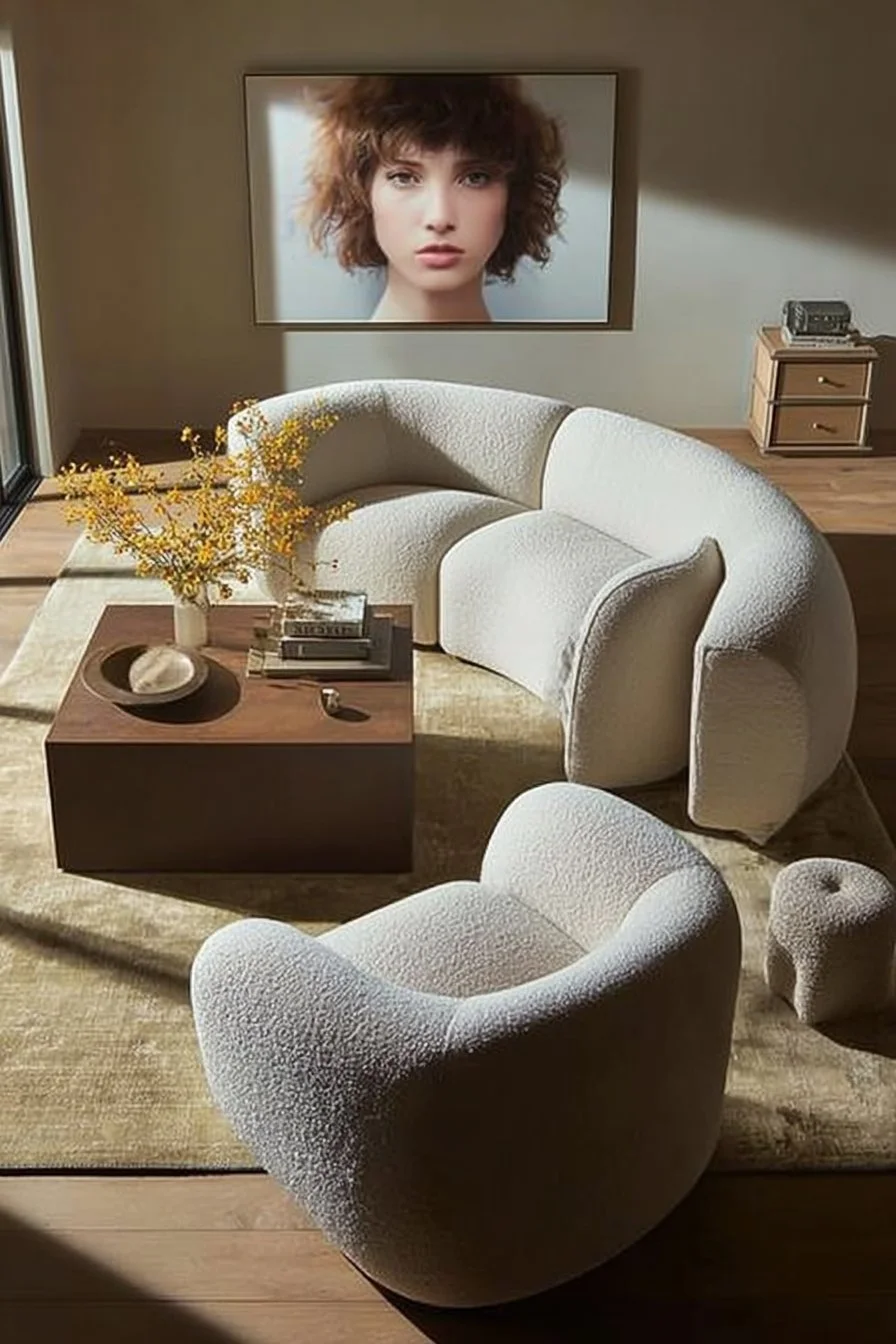
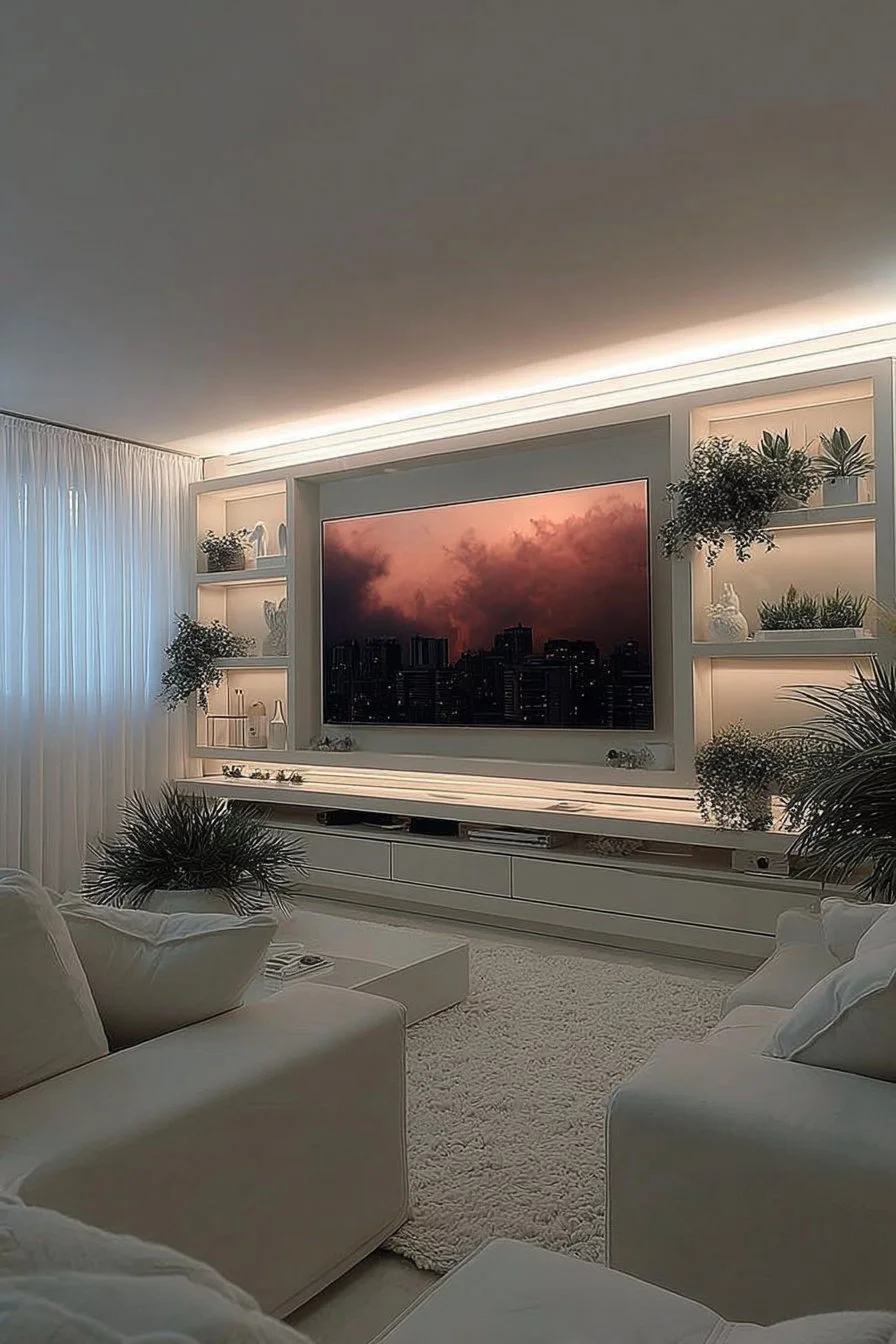
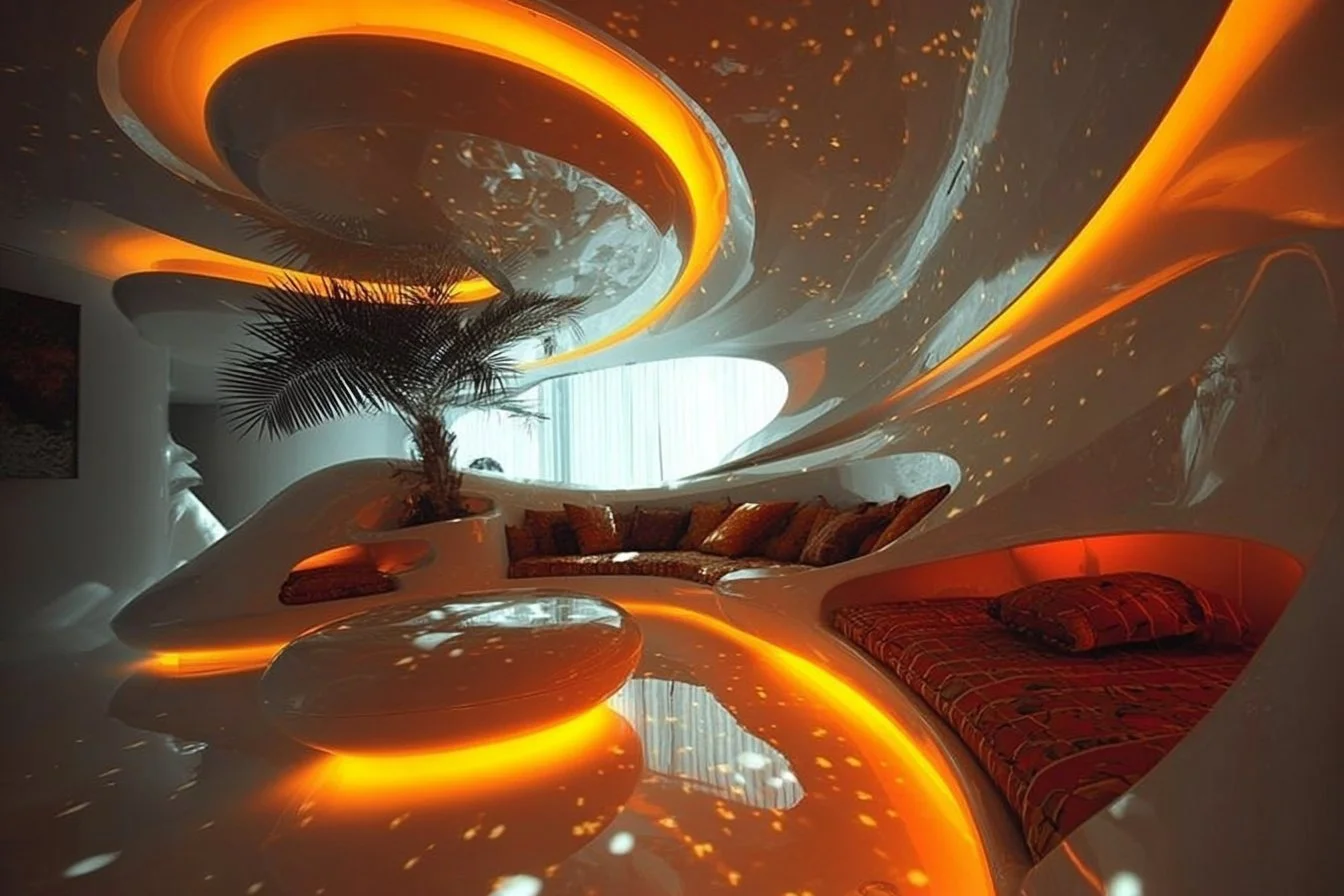
29 Exquisite Luxury Living Rooms with Fine Art Displays

An elegantly curated living room is more than furniture and finishes — it’s a stage for fine art that elevates atmosphere, anchors conversation, and reflects the homeowner’s story. Below you’ll find 29 imaginative living-room concepts that marry high-end interiors with artful displays, plus practical principles for framing, lighting, and placement so the works always look their best.

Contents

29 Living Room Concepts

  1. The Gallery Salon
    A museum-style arrangement on a full accent wall: mix large-scale oil paintings with slim bronze sculptures on pedestals. Plush velvet seating invites long views of each piece.
  2. Monochrome Minimalism
    A tonal palette of charcoal and cream lets a single dramatic black-and-white photograph dominate. Low-profile furniture keeps sightlines unobstructed.
  3. Classic with Old Masters
    Antique gilded frames over a marble fireplace, Persian rug, and deep mahogany armchairs create a stately backdrop that suits figurative paintings.
  4. Contemporary Abstract Centerpiece
    A single oversized abstract canvas above a floating media console becomes the room’s statement; neutral furnishings echo a color from the painting.
  5. Sculptural Hearth
    A fireplace flanked by matching pedestal sculptures reads like paired bookends, while mirrors amplify light and three-dimensional form.
  6. Architectural Niches
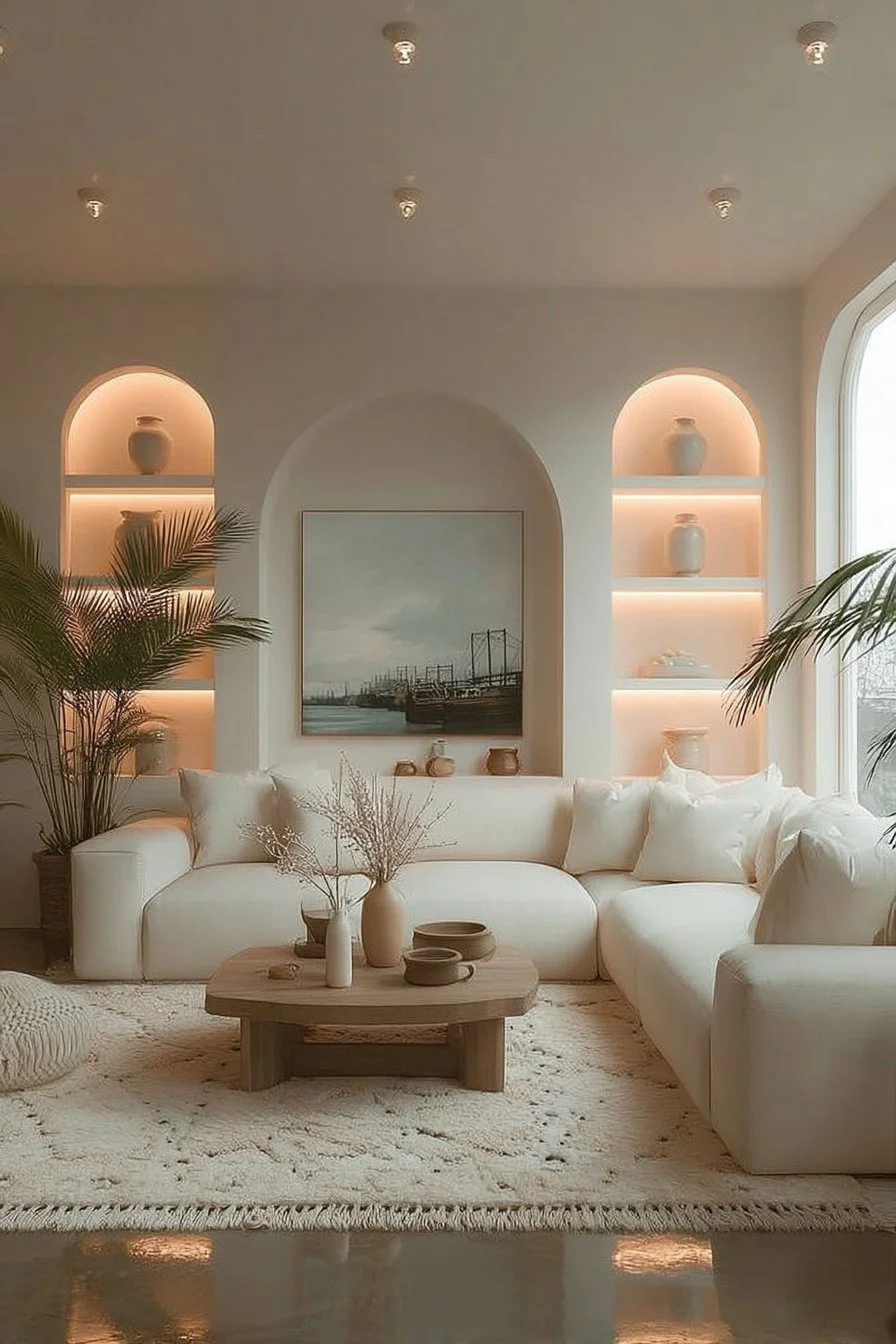
    Built-in wall niches lit from above showcase small sculptures and ceramics; rich plaster finishes emphasize texture and craft.
  7. Coastal Light & Watercolors
    Soft linen upholstery, bleached oak, and a curated suite of seascape watercolors bring an airy, collected-by-the-sea ambiance.
  8. High-Contrast Drama
    Deep navy walls make gold-leaf frames and warm-toned paintings pop; strategic uplighting emphasizes texture and depth.
  9. Collector’s Library Living Room
    Floor-to-ceiling bookshelves interspersed with framed works and objets d’art create a lived-in, intellectual richness.
  10. Eclectic Travel Gallery
    A salon wall of diverse sizes — ethnographic textiles, street photography, and mixed-media pieces — tells the story of global journeys.
  11. Monuments in Miniature
    A low, wide console supports a trio of small-scale sculptures under focused spotlights for intimate engagement.
  12. Light-Filled Modernist
    Floor-to-ceiling windows, a restrained midcentury furniture mix, and a few bold geometric paintings keep focus balanced and serene.
  13. Botanical Conservatory Room
    Oversized botanical prints paired with indoor trees and woven upholstery create a refined greenhouse effect.
  14. Texture-Forward Neutrality
    Neutral walls and tonal furnishings highlight relief-based artworks — bas-relief panels, woven tapestries, and ceramic wall slabs.
  15. Theatrical Velvet & Portraiture
    Velvet draperies and a rich color story set the stage for a series of portrait paintings arranged salon-style.
  16. Mixed-Media Layering
    Collages, encaustics, and framed textiles combine for a layered, tactile wall that invites closer inspection.
  17. Industrial Loft with Street Art
    Exposed brick and steel beams provide a raw backdrop for bold street-art canvases and neon installations.
  18. Maison de Campagne Elegance
    Soft plaids, warm woods, and pastoral oil landscapes create a refined country atmosphere infused with comfort.
  19. Futurist Minimal Frame
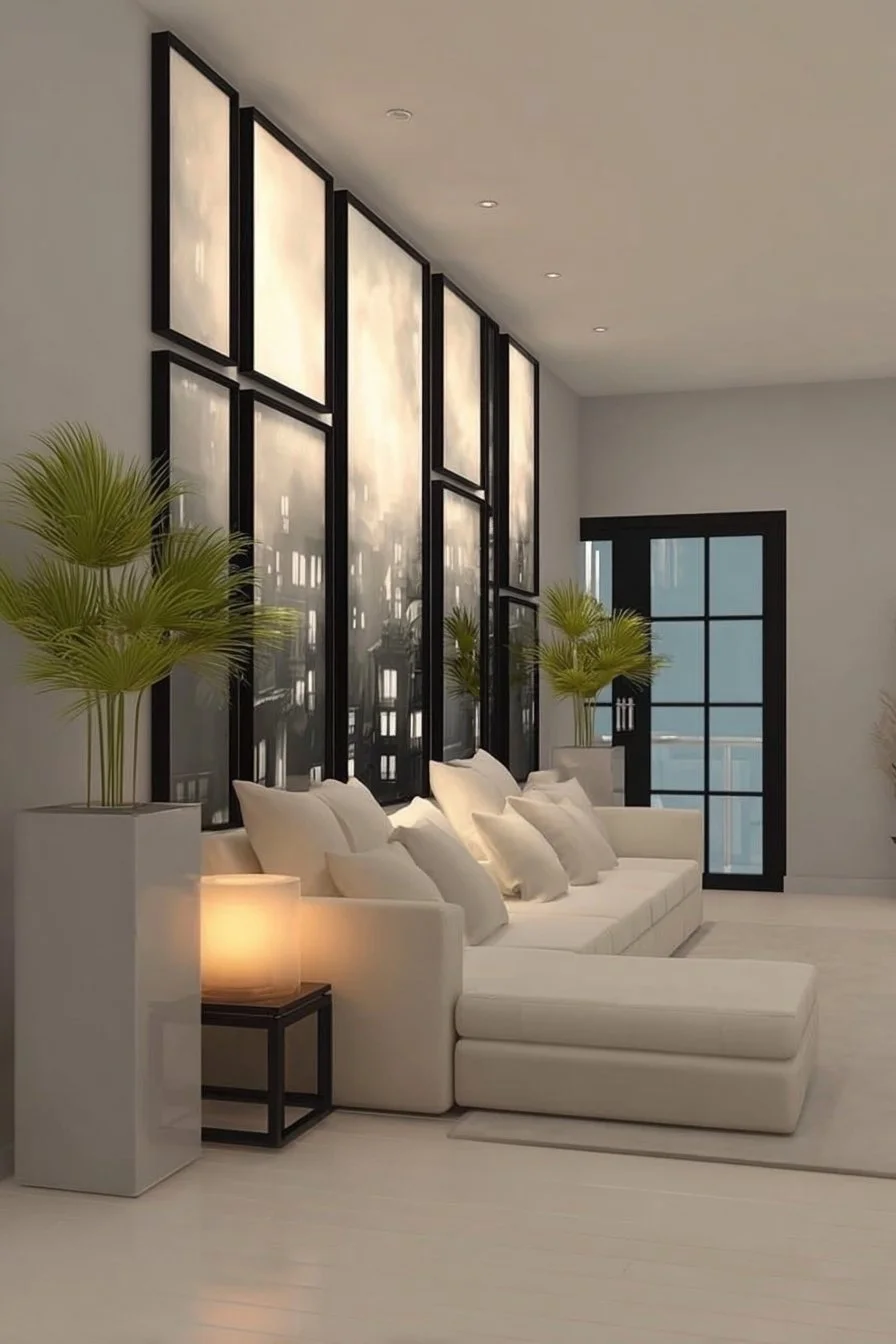
    A single thin-frame LED-backed piece floats on a matte wall for a futuristic gallery-lite effect in an otherwise spare room.
  20. Dual-Focal Symmetry
    Matching artworks on either side of a central console create mirror-like balance — ideal for symmetrical rooms and conversational layouts.
  21. Layered Frames & Mirrors
    Overlapping frames and decorative mirrors arranged above a sideboard produce a lively, collected look that reflects light.
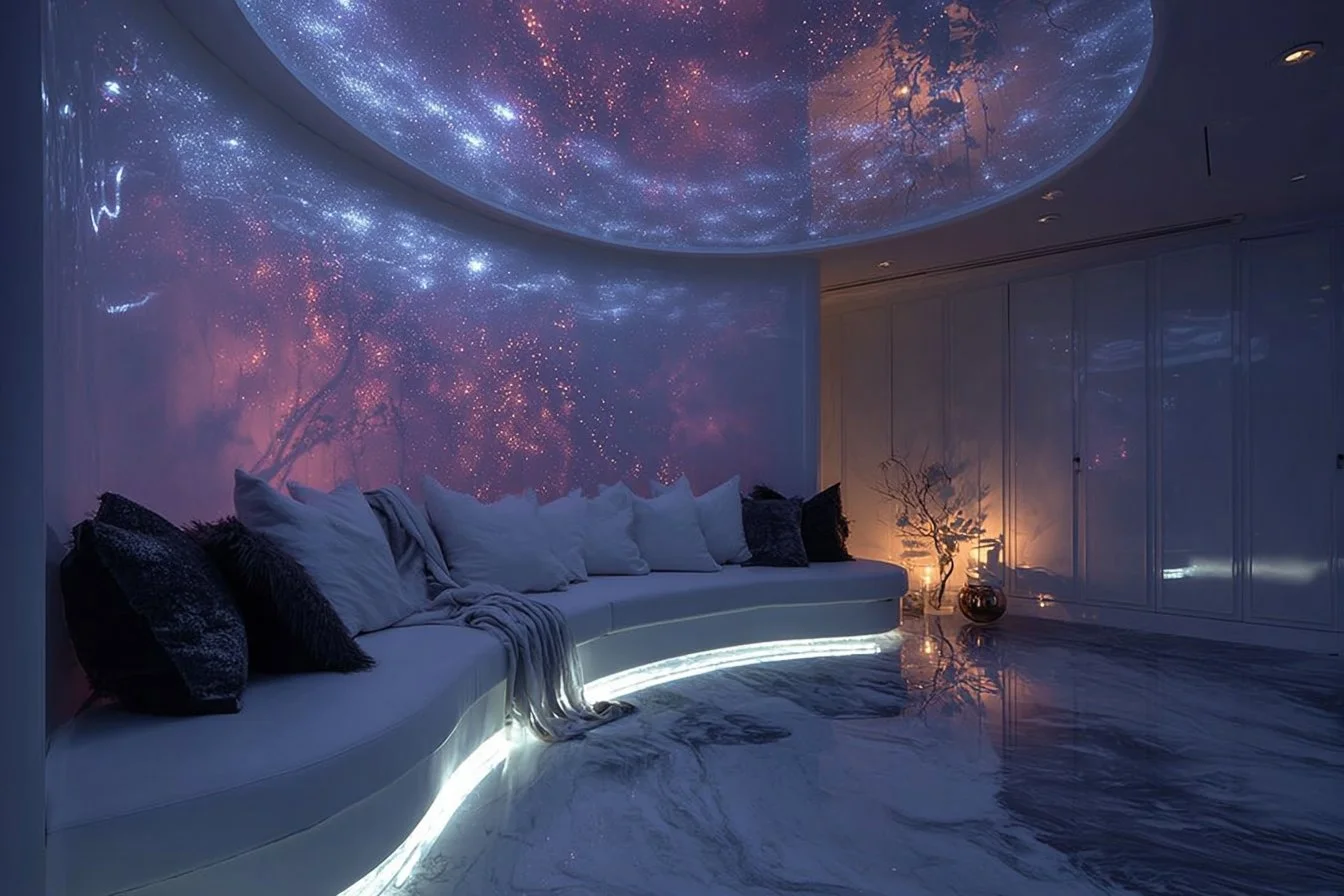
  22. Curated Ceiling Art
    Large-scale murals or painted ceiling medallions draw the eye upward, paired with low-slung seating for dramatic perspective.
  23. Art-Led Color Palette
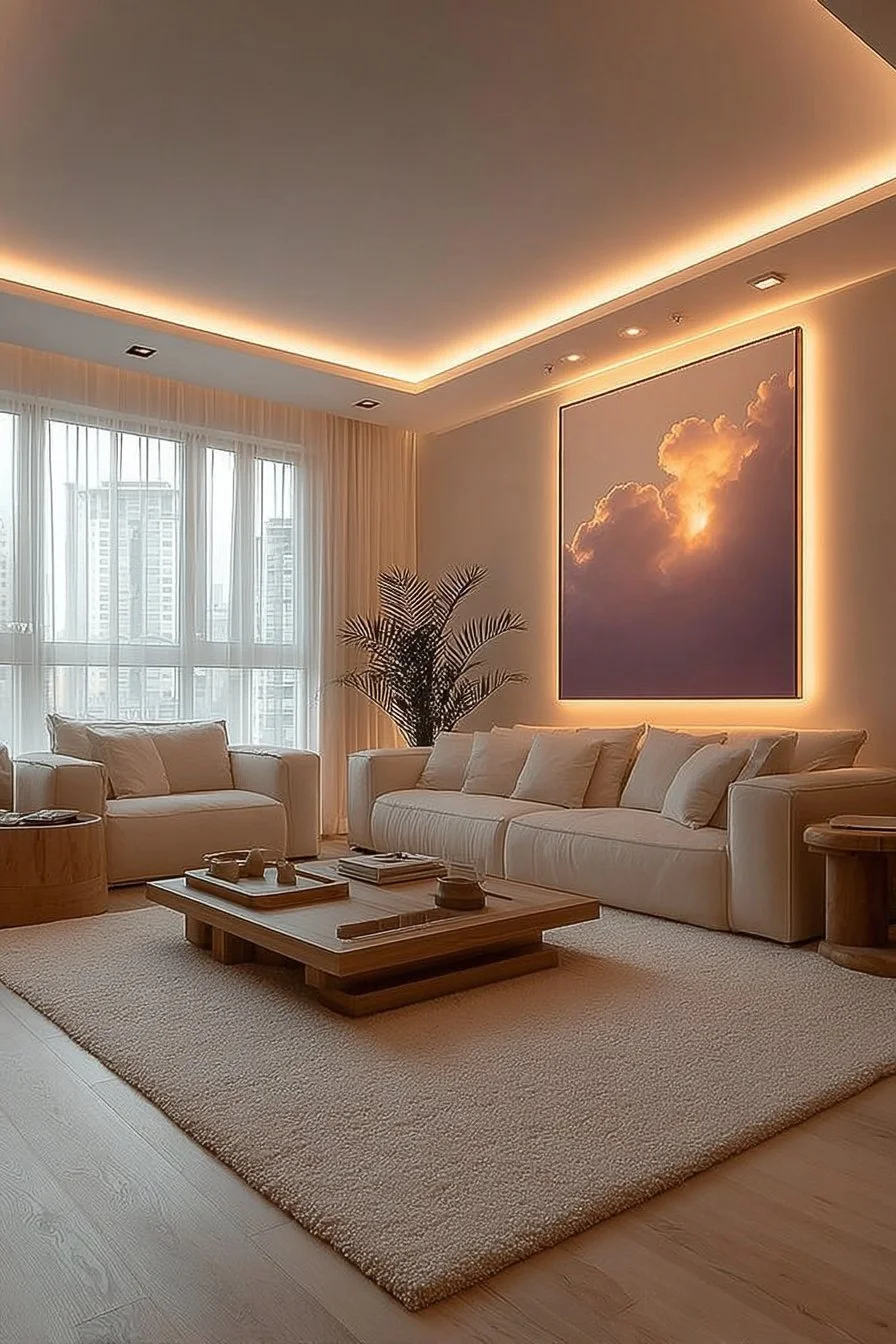
    Choose upholstery and accessories to echo dominant hues in a work of art, turning the painting into the palette source.
  24. Interactive Digital Art Lounge
    A living room centered around a high-resolution digital canvas can cycle curated work, ideal for collectors who like rotation.
  25. Intimate Corner Atelier
    A reading corner with a single easel-displayed painting and task lighting creates a personal, studio-like vibe within the living space.
  26. Statement Fireplace Mantel
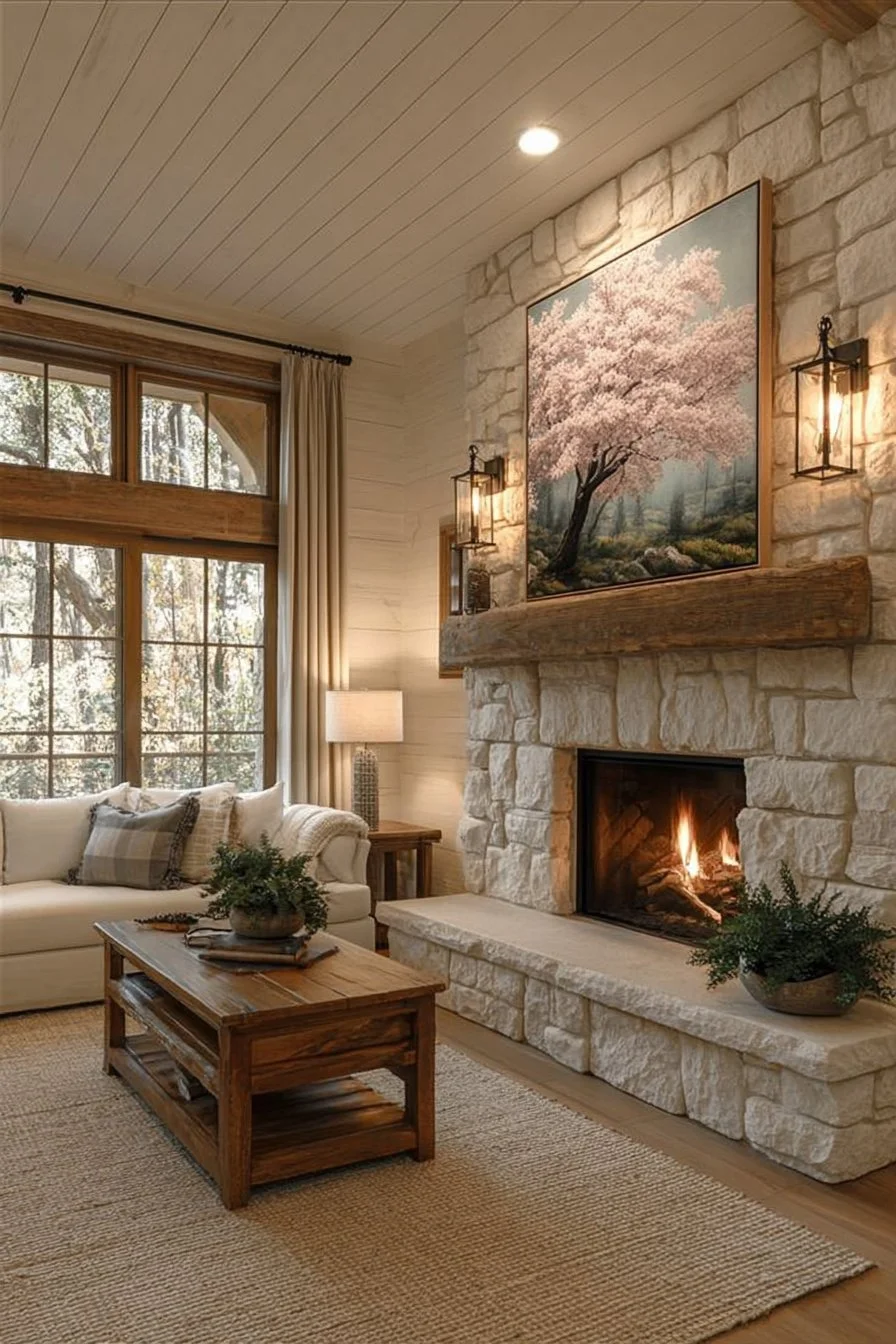
    A sculptural mantelpiece combined with an oversized landscape above becomes the room’s permanent focal point.
  27. Luxury Textiles & Textile Art
    Wall hangings, silk ikats, and vintage quilts become both art and acoustic treatment in a sumptuous, layered room.
  28. Monuments & Mirrors Mix
    A monumental stone or bronze artwork paired with tall mirrors produces a dialogue between permanence and reflection.
  29. Transitional Open-Plan Gallery
    In open-concept homes, a curated circulation path of artworks guides movement between living and dining zones, using rugs and lighting to define stops.

Design Principles for Artful Luxury

  • Establish hierarchy: Assign one primary focal artwork and arrange secondary pieces to support it without competing.
  • Scale is king: Proportion art to wall size and furniture height — a tiny painting above a large sofa will read weak; a well-scaled piece anchors the space.
  • Cohesive story: Let color, era, or theme tie disparate pieces together so the room reads as intentional rather than cluttered.
  • Negative space matters: Luxurious rooms allow breathing room around artworks to emphasize importance.
  • Mix textures: Balance glossy or glass-framed works with sculptural and textile pieces to add depth and tactility.

Lighting, Framing & Installation

  • Layered lighting: Combine ambient, accent, and task lighting. Use picture lights, adjustable recessed fixtures, or track lighting to highlight artworks without creating glare.
  • Color temperature: Warm LEDs (2700K–3000K) flatter warm pigments; neutral (3000K–3500K) works well for mixed collections. Avoid overly cool lighting that can mute warm tones.
  • UV protection: When framing originals or delicate works, include UV-filtering glazing to minimize fading.
  • Professional hanging: For valuable pieces, use museum-grade hanging systems and consult a conservator for climate control and placement.
  • Frame as jewelry: Choose framing that complements both the artwork and the room — minimal for contemporary pieces, layered and ornate for classical works.

Sourcing, Rotation & Care

  • Build relationships: Work with reputable galleries, dealers, and artists. Commissioned pieces can be tailored to a room’s scale and palette.
  • Rotate thoughtfully: Change displayed works seasonally or for events to refresh the living room without oversaturating.
  • Documentation: Keep provenance and conservation records for valuable works; photograph placements before rotation to reproduce successful groupings.
  • Environmental control: Maintain steady temperature and humidity. Avoid placing artwork in direct sunlight or over heat sources.
  • Insurance: High-value collections should be appraised and insured for transit, damage, and theft.

Conclusion

Art transforms luxury living rooms from pretty interiors into personal galleries. Whether you draw inspiration from grand hospitality spaces or private residences that treat every sitting area as an opportunity for display, consider how architecture, light, and curated objects can work together to create memorable rooms. For ideas on how luxury environments — where art, architecture, and hospitality intersect — are designed and staged, explore Chateau Elan: Luxury Winery and Golf Resort in Georgia (Chateau Elan: Luxury Winery and Golf Resort in Georgia).
Categories
Living

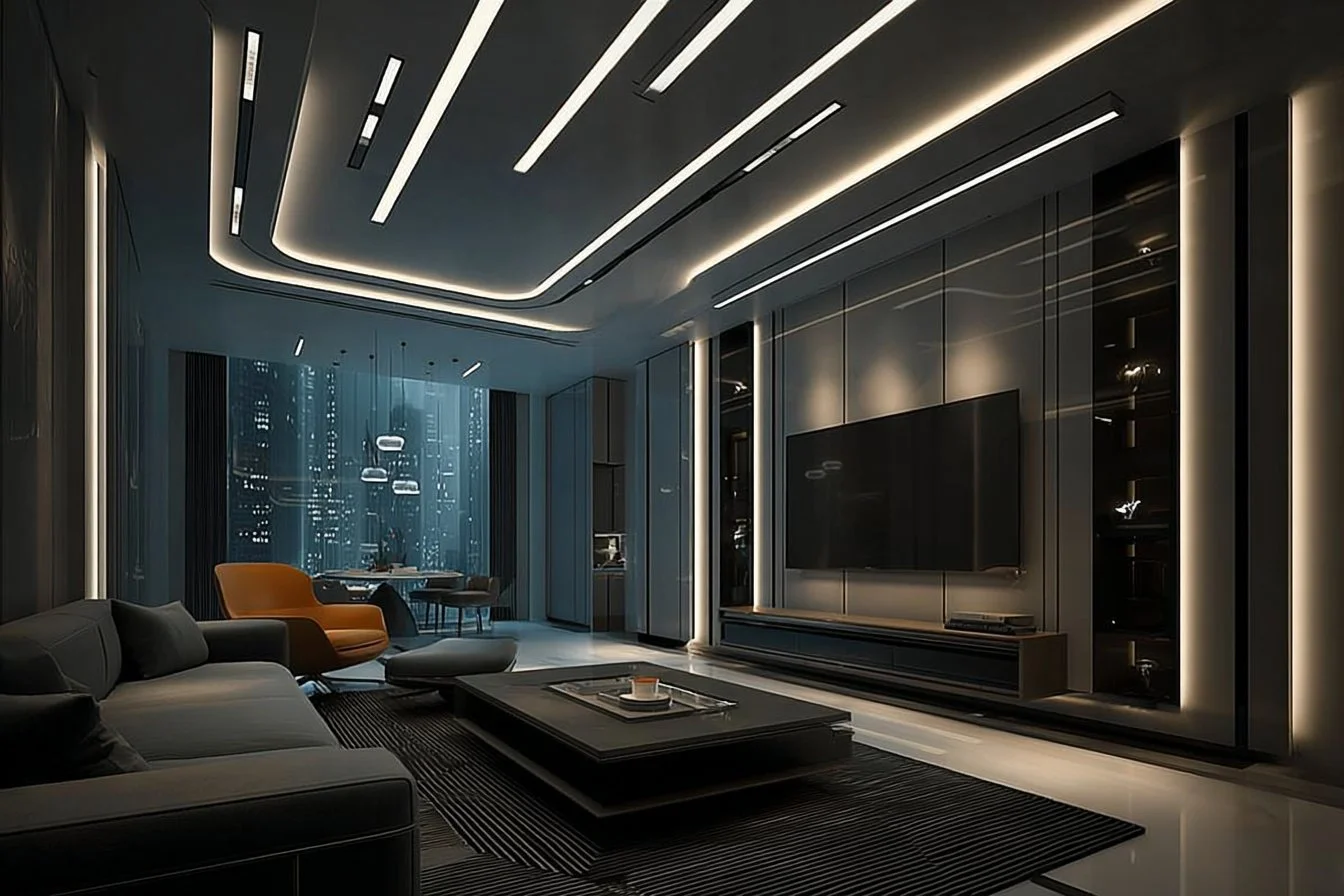
Vertical High-Tech Living Room with Futuristic Elements

Imagine a living room that rises as much as it stretches, where verticality becomes the organizing principle and technology weaves seamlessly into every surface. A vertical high-tech living room rethinks the conventional horizontal lounge: shelving climbs like a city skyline, lighting layers ascend and descend, and interactive panels transform walls into responsive companions. This concept blends cinematic futurism with practical ergonomics to create spaces that feel both expansive and intimate. For guidance on streamlining your layout before introducing tech, consider tips to declutter your space — the clearer the base, the bolder the vertical statement.

Principles of Vertical Design

Vertical design emphasizes height, circulation, and visual continuity. Key moves include:

  • Anchoring elements at different elevations (a low media console, mid-level seating, high art or projection surfaces).
  • Using vertical lines and layered planes to draw the eye upward and create perceived volume.
  • Integrating storage into tall, slim modules to keep floors uncluttered and surfaces available for tech.

A vertical approach benefits small footprints especially well: by mobilizing upward space, you free the floor for movement and adaptable furniture.

Futuristic Materials and Embedded Tech

Materials in a high-tech vertical living room lean toward tactile minimalism — matte metallics, anodized aluminum, engineered glass, and acoustic textiles. These surfaces double as functional tech carriers:

  • OLED or microLED panels can be recessed into wall modules to serve as dynamic art, windows, or ambient displays.
  • Smart fabrics on vertical panels provide touch sensitivity for controlling climate, sound, or lighting.
  • Magnetic track systems allow modular screens, planters, and shelves to be rearranged without tools.

If you want a refined aesthetic that still feels rich and intentional, look into design palettes that prioritize clean lines and selective warmth; for more curated visual inspiration, explore ideas for an elegant living room design to balance futurism with comfort.

Furniture, Lighting, and Interaction

Furniture in a vertical high-tech living room should be low to medium in profile with vertical complements:

  • A low seating cluster keeps sightlines open to vertical displays and lighting rigs.
  • Tall shelving and slim storage towers provide rhythm and practical organization.
  • Retractable or rail-mounted elements (tables, lamps, screens) can slide across heights, adapting to activities.

Lighting is layered: concealed uplighting to emphasize height, adjustable task lights for reading, and pixelated accent strips that create responsive color atmospheres. Interaction patterns lean on gesture, voice, and proximity sensors — but always offer tactile fallback controls for accessibility and reliability.

Spatial Flow and Vertical Storage

Thoughtful circulation is critical. Stairs, mezzanines, or stepped platforms can be part of the living experience, creating niches with distinct functions while preserving a cohesive vertical language. Vertical storage strategies include:

  • Floor-to-ceiling cabinetry with integrated lighting and charging bays.
  • Pull-down modules that reveal appliances or entertainment equipment when needed.
  • Hidden cable channels and recessed power hubs to keep tech accessible without visible clutter.

Incorporating nostalgic or comforting touches — like a curated reading nook or heirloom textiles — helps balance the ultra-modern edge. For ideas on mixing sentimental warmth with structured design, see approaches to a Grandmacore living room that can be adapted into a vertical high-tech context.

Practical Implementation Tips

Start small: prototype one wall or a corner before committing to a whole-room overhaul. Prioritize modular systems so pieces can be upgraded without demolition. Engage lighting designers and AV integrators early to ensure channels, power, and acoustics are planned rather than retrofitted. Finally, keep human comfort central — ergonomics, daylighting, and acoustic privacy will determine whether a futuristic living room is livable as well as striking.

Conclusion

A vertical high-tech living room pairs ambitious spatial design with thoughtful technology to produce spaces that feel forward-looking and deeply usable. If you want a visual starting point that captures the cybernetic-meets-comfort mood, check out this evocative image of a Cyberpunk Comfort Capsule.

Categories
Bathroom

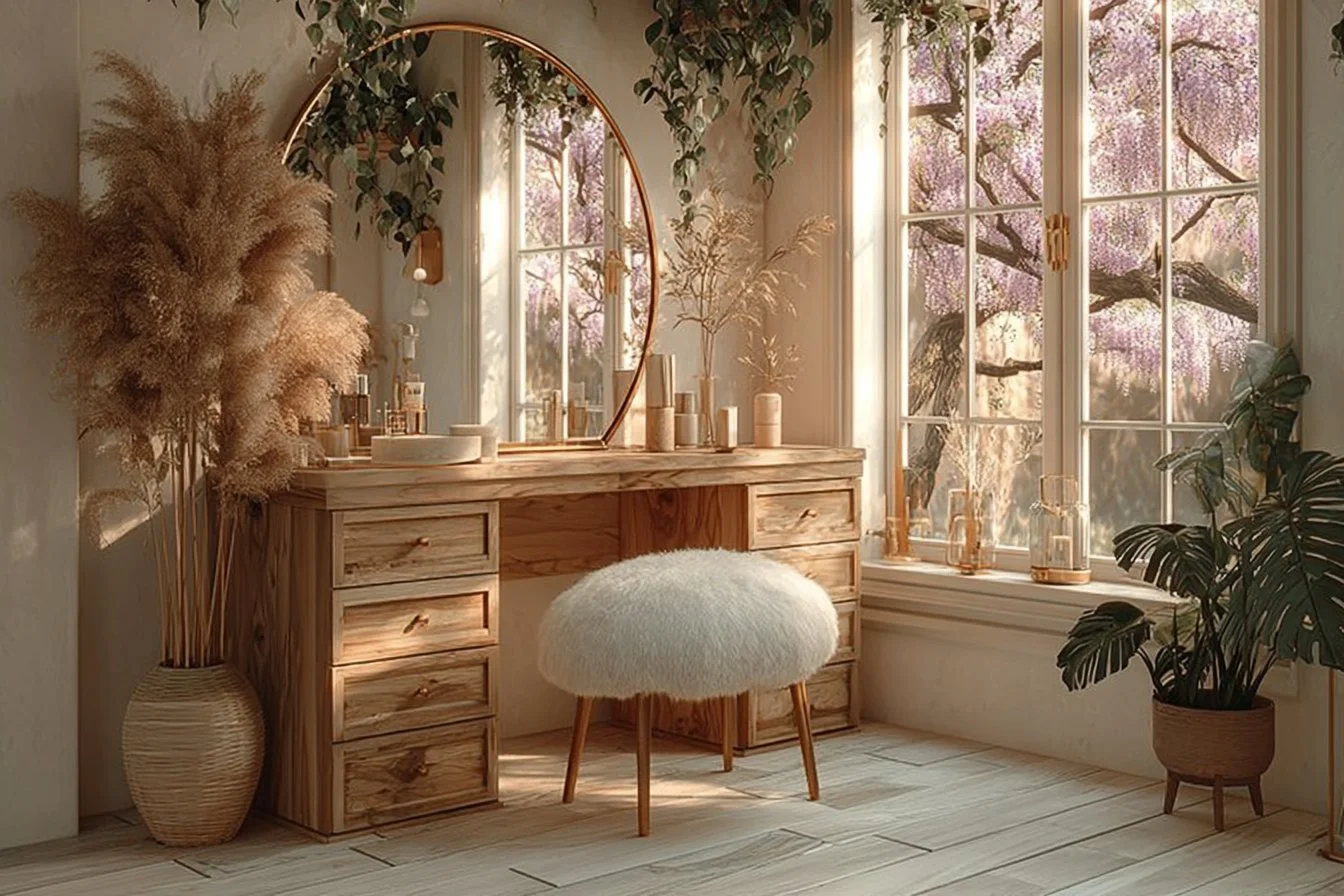
Cozy Boho Vanity Corner

Introduction
A cozy boho vanity corner is a small sanctuary where style meets function — a place to get ready, reflect, and breathe. Start by thinking of the mood you want: warm, textured, and relaxed. For color and seasonal inspiration that pairs well with boho tones, consider exploring a guide to autumn warmth and rustic charm to help shape your palette and layering ideas.

Plan and Layout

Before choosing furniture or accessories, measure your space carefully. Tiny alcoves or corners need thoughtful planning—a narrow table or a wall-mounted shelf can make a big difference. Pair it with a compact mirror and a stool that can tuck neatly underneath when not in use. Natural light is ideal for makeup and skincare routines, so position your setup near a window if possible. If natural light is limited, plan for layered lighting: a combination of task lighting (for focused work) and ambient lighting (for overall warmth) ensures a well-lit and flattering environment.

Consider circulation and flow as well—avoid placing chairs, baskets, or other furniture in a way that blocks pathways or makes the area feel cramped. Even in a small space, a sense of openness can make your vanity area feel relaxing and functional.

Furniture and Storage

When selecting furniture, look for a small, simple vanity table with at least one drawer or a pair of open baskets underneath. This helps keep everyday products neatly stored and surfaces clutter-free. Materials such as rattan, distressed wood, or a painted vintage piece complement boho and eclectic styles beautifully, adding warmth and character to the space.

Organization is key: small trays, glass jars, or compartmentalized boxes can hold brushes, cotton pads, skincare, and jewelry, keeping the surface tidy and visually appealing. For additional storage, consider stackable trays or a rotating organizer, which maximize vertical space without taking up extra floor area.

Finally, personalize the space with a few decorative accents like a small plant, a scented candle, or a framed print. These touches make the vanity corner feel inviting and reflect your personal style while keeping it functional.

Color, textures, and soft furnishings

Boho style thrives on texture and eclectic layering. Mix a neutral painted wall with a woven tapestry or macramé piece, and bring in a small patterned rug to anchor the area. Soft velvet or kilim cushions on the stool add comfort and pattern. For wreath- or wall-art inspired accents that nod to handmade charm, look into creative craft ideas like a delicate boho wreath concept that can translate to vanity wall decor.

Lighting and Mirror Choices

Good lighting is essential for a functional and flattering vanity. If your space lacks natural light, consider installing a round LED mirror or arranging a row of warm bulbs around a mirror frame to create even, soft illumination that mimics daylight. This ensures that your makeup, skincare, and grooming routines are well-lit and precise.

Beyond functionality, the mirror itself can become a statement piece. Choose designs with a touch of character—aged brass frames, sunburst motifs, or simple rattan rims—to add a subtle boho or eclectic charm. These options allow your vanity to feel stylish and curated while keeping the focus on practicality.

Accessories, Greenery, and Finishing Touches

Accessories can make a vanity corner feel personal and inviting rather than staged. Curate pieces that balance style and function: a small vintage tray for perfumes, a handmade ceramic cup for brushes, or woven baskets for extra linens or everyday essentials. These small organizational elements keep the surface tidy while adding texture and visual interest.

Greenery adds life to the space and softens the look of furniture and accessories. A trailing pothos, a small snake plant, or a mini fern can introduce natural color and a sense of freshness. Seasonal touches—such as a small vase with fresh flowers, a scented candle, or a themed decorative item—help keep the corner feeling current and personalized. Consider incorporating subtle holiday or seasonal textiles and accents inspired by cozy outdoor décor to transition the vanity throughout the year, adding warmth and seasonal charm.

Finally, layering these elements thoughtfully—combining textures like ceramic, rattan, glass, and metal—creates a cohesive, visually pleasing corner that is both functional and full of character. By balancing lighting, mirrors, accessories, greenery, and seasonal accents, even a small vanity can feel like a luxurious and inspiring retreat within your home.

Practical maintenance

Keep daily-wear items within arm’s reach for convenience, while storing less-frequently used products in drawers or baskets to maintain a tidy surface. Wipe down the vanity weekly, declutter monthly, and rotate decorative pieces with the seasons to ensure the nook always feels intentional, refreshed, and inviting. This simple routine keeps the space functional while allowing it to reflect your personal style year-round.

Conclusion

If you’re shopping for a compact centerpiece to start your cozy boho vanity, check out this selection of Small Boho Vanity – Amazon.com for small-scale options that suit tight spaces and boho aesthetics.

Categories
Living

Galactic Luxe: Futuristic Sofas

Introduction
The idea of a sofa is changing. No longer just a place to sit, modern sofas are becoming sculptural statements of lifestyle and imagination. Drawing inspiration from Coruscant’s endless urban layers and illuminated horizons, designers are reimagining lounge furniture as futuristic focal points—sleek, modular, and atmospheric. This article explores how the aesthetic language of a city-planet skyline translates into functional, luxury seating for terrestrial homes.

Design DNA: What “Coruscant” Means for Sofas
Coruscant’s skyline evokes density, vertical rhythm, reflective surfaces, and ambient light. When applied to furniture design, these elements produce a coherent design DNA:

  • Verticality and tiering: Multi-level cushions, stepped armrests, and layered back panels mimic the stacked silhouette of a towering metropolis.
  • Reflective finishes: Metallic trims, lacquered bases, and subtly mirrored upholstery fabrics capture the gleam of city lights at dusk.
  • Ambient illumination: Integrated LED accents beneath bases or along seams create a halo effect reminiscent of suspended skyways.
  • Clean geometry: Flowing yet crisp silhouettes convey speed and futurism without losing comfort.

Materials and Finishes
To achieve a Coruscant-inspired aesthetic, designers combine advanced materials with tactile comfort:

  • Metals: Brushed aluminum, anodized titanium tones, and bronze accents supply that aerospace feel.
  • High-performance fabrics: Microfiber blends, leather alternatives with a slight sheen, and coated textiles for low maintenance.
  • Composite bases: Carbon-fiber-reinforced frames allow thin-profile supports that are both strong and light.
  • Glass and acrylic: Transparent back panels or cantilevered tables echo the transparency and depth of urban architecture.

Color Palette and Light
A Coruscant palette is less about primary colors and more about gradients—dawning purples, cool steel blues, warm amber glows:

  • Deep slate and charcoal for structural pieces.
  • Holographic or pearlescent accents to suggest movement.
  • Backlit seams in soft white, cool blue, or warm gold to set mood and emphasize contours.

Lighting is crucial: integrated LEDs with adjustable color temperature let the sofa shift from cinematic night scenes to crisp daylight atmospheres.

Form Meets Function: Ergonomics and Modularity
Futuristic sofas must balance aesthetics with real-world comfort and flexibility:

  • Modular units: Interlocking sections that can reconfigure from elongated loungers to conversation clusters, reflecting urban adaptability.
  • Adjustable backrests and headrests: Smooth, gearless mechanisms allow subtle posture shifts without breaking the visual line.
  • Built-in tech: Wireless charging pockets, concealed speakers tuned for ambient soundscapes, and pop-out trays for devices and drinks.
  • Storage integration: Minimal, flush drawers or hidden compartments maintain the sleek skyline look while adding functionality.

Sustainability Considerations
A forward-looking design should consider environmental impact:

  • Recycled composites and reclaimed metals reduce material footprints without sacrificing finish quality.
  • Replaceable upholstery panels extend lifecycle and allow users to update colors or fabrics as tastes evolve.
  • Low-VOC finishes and plant-based foams improve indoor air quality while maintaining resilience.

Styling and Placement Tips
To make a Coruscant-inspired sofa sing in a room:

  • Pair with minimal, glossy surfaces—think low-profile coffee tables and slim console units.
  • Use vertical art or tall shelving to echo the towering skyline motif.
  • Layer lighting: overhead directional fixtures for structure, and integrated sofa lighting for atmosphere.
  • Keep accessories sparse; a sculptural side table or a single metallic floor lamp complements the futuristic aesthetic.

Customization and Bespoke Options
Many designers offer bespoke options to match the imagination:

  • Custom LED choreography: animated lighting patterns that recall flying vehicles or pulsing city traffic.
  • Personalized upholstery textures and contrast piping to emphasize silhouette.
  • Scale adjustments: compact builds for apartments or grand, panoramic configurations for open-plan lofts.

Buying Guide: What to Look For
When choosing a futuristic, Coruscant-inspired sofa:

  • Inspect joinery and frame materials for long-term durability.
  • Test integrated tech for ease of access and future-proof compatibility.
  • Check cushion density and support zones to ensure comfort aligns with the avant-garde form.
  • Ask about replacement parts and upholstery options—longevity matters in statement furniture.

Conclusion

If you’re decorating a living space that wants to feel like a comfortable outpost overlooking a luminous metropolis, consider pairing your sofa with cityscape art that reinforces the theme—such as a detailed Coruscant skyline poster available from Coruscant Skyline Poster – Etsy.

Categories
Living

Maximize Your Space: Small Living Room Design & Lighting Ideas

I used to juggle homework folders, soccer cleats, and the ever-present art projects on the coffee table while making a pot of coffee at 6 a.m. My days are a patchwork of school drop-offs, neighborhood bake sales, and the kind of evenings where my kids, aged eight and twelve, collapse on the couch with mismatched socks and big stories. Our apartment is where we make memories and where I want everything to feel gentle and calm, not cluttered and chaotic. I often borrow ideas from little projects I find online, like clever pallet bed ideas, and adapt them for our living room so toys have homes and cozy corners still feel grown-up. Those small changes matter when neighbors stop by with extra pumpkin muffins or when we need a quiet nook for reading after soccer practice.

  1. Bright neutrals and reflective accents make rooms breathe

    Light color schemes do the heavy lifting in small spaces. Choosing warm whites, soft grays, or pale greiges opens up sight lines and lets natural light do more work. Reflective surfaces like a low-sheen paint, glass coffee tables, or metallic lamp bases bounce light around so the room feels larger without extra square footage. Why it works: pale walls reduce visual clutter and reflective pieces lift the overall feel. How to apply it: pick one wall for a slightly warmer tone to anchor the room, then add a mirror above the sofa and a glass-topped side table near the reading lamp. Family note: I keep a low shelf for my kids to display a rotating selection of drawings so the room feels lived-in but tidy. These home décor ideas are an easy way to refresh without a full renovation.

  2. Multi-function furniture keeps clutter under control

    When square footage is tight, one piece can do many jobs. Think sofa beds, storage ottomans, and nesting tables that tuck away when not in use. Why it works: multifunctional pieces reduce visual noise and create flexible zones for homework, movie nights, and playtime. How to apply it: choose a slim sofa with built-in storage or add baskets under the console for blankets and board games. An ottoman with a removable top doubles as seating and a toy chest. Family note: for rainy day fort building, those nesting tables are perfect little platforms for blankets and flashlights. These interior styling tips help balance practicality with a warm, welcoming look.

  3. Layered lighting creates depth and mood

    Good lighting is more than one overhead fixture. Combine ambient lighting, task lights, and accent fixtures to make the room adaptable from morning chaos to quiet bedtime stories. Why it works: layering controls glare and creates depth, helping small rooms feel larger and more intentional. How to apply it: install a dimmable ceiling fixture for general light, add a floor lamp next to the reading chair, and use wall sconces or LED strips behind shelving for subtle glow. Don’t forget plug-in track lighting if rewiring is off the table. Family note: dimmers make evening homework less harsh and movie time feel like a treat. For more ideas on stretching living space into outdoors, check out these backyard oasis ideas for outdoor living to borrow lighting cues that work inside and out.

  4. Go vertical with storage and display

    When floor space is precious, look up. Wall-mounted shelves, floating cabinets, and tall bookcases draw the eye upward and free up walking space. Why it works: vertical storage organizes items out of child reach and reduces the need for bulky furniture. How to apply it: install a narrow, tall bookcase beside the TV and use baskets to corral small toys. Floating media consoles keep electronics off the floor, while hooks near the door prevent backpacks from piling up. Family note: we keep a high cubby for seasonal items and a lower basket labeled for library books so my older child can grab and return without help. These decorating inspiration moves turn every inch of wall into usable space.

  5. Define zones with rugs and low-profile seating

    Creating visual zones makes a single room do the work of many. A well-placed rug, a slimline sofa, and low shelving can separate play, lounging, and homework areas without walls. Why it works: zones give structure so each activity has its place, reducing mess and mental clutter. How to apply it: layer a soft rug under the seating area, place a small console table behind the sofa for homework supplies, and use a bench along the window as a quiet reading spot. Family note: we use a washable rug that survives craft time and doubles as a picnic blanket for indoor movie nights. These interior styling tips help the room feel intentional and child-friendly while still elegant.

  6. Mirrors and curated art give the illusion of space

    Strategic mirror placement adds depth and curated art gives personality without crowding. A tall mirror opposite a window amplifies daylight, while a single bold piece of art creates a focal point without clutter. Why it works: mirrors reflect light and sightlines, and well-chosen art prevents walls from feeling bare. How to apply it: hang one large mirror at eye level above a slim console or prop a framed mirror on a shelf. For art, rotate prints in inexpensive frames so the space evolves with your family. Family note: we have a gallery shelf where my kids can swap their latest paintings in a rotation box; it keeps creativity on display but contained. These home décor ideas and decorating inspiration tips make small living rooms feel curated, not overcrowded.

Conclusion

Small living rooms are a chance to get creative with home décor ideas that match real life. Pick a couple of changes that fit your routine, like layered lighting or vertical storage, and build from there. Save this page for decorating inspiration and try one idea at a time so your space stays calm and useful for the whole family. For more tight-space inspiration, Explore My Cozy NYC Studio Apartment 🏙️ (https://www.lemon8-app.com/samiyahlateef/7255793262743568902?region=us)

Categories
Living

Small Farmhouse Living Room Ideas: Big Impact in Compact Spaces

I still remember the first morning after we moved into our little house, kids tumbling over backpacks at the kitchen table, a casserole dish cooling on the counter, and Mrs. Lawson from across the street bringing over a welcome pie. At forty-two, with two kids aged 8 and 11, my life is a steady rhythm of school runs, soccer practices, and neighborhood barbecues. Our living room had to work hard for us: homework at the coffee table, pajama movie nights, and crowded holiday gatherings where someone inevitably needed a quiet corner. Those everyday moments pushed me to rethink how a small space could feel open, cozy, and useful all at once. Over time I learned tricks from friends, folded in memories and hand-me-downs, and even borrowed a few ideas from dreamy farmhouse bedrooms that inspired the calm, lived-in feel I wanted for our family room. These changes brought small comforts that made a big difference.

  1. Soft Neutrals and Layered Textures

    Using a palette of soft neutrals instantly opens up compact rooms. Think warm whites, soft greys, and muted taupes that reflect light and create a sense of airiness. Layered textures like a chunky knit throw, woven baskets, and linen pillows add depth without clutter. This combo works because it keeps visual noise low while giving tactile interest that invites you to sit and stay awhile.

To apply this at home, start with a neutral paint or slipcovers, then add texture in small doses. A neutral sofa with patterned pillows and a textured rug anchors the room. I swapped a bright accent chair for a softer, neutral one so my kids’ art and scattered toys felt part of the space rather than competing with it. These interior styling tips make cleanup simpler and let family moments shine.

  1. Multipurpose Furniture for Everyday Flow


    When space is limited, furniture that does double duty is a lifesaver. A storage ottoman, a sofa with built-in shelving, or a small console that becomes a homework station helps each square foot pull its weight. Multipurpose pieces work because they reduce clutter and offer hidden storage, letting the room feel tidy without constant rearranging.

Start by assessing where clutter gathers most. I replaced a horsehair trunk with a bench that stores extra blankets and doubles as seating for sleepover guests. Choose pieces that are scaled to the room and have clean lines so they do not overwhelm sightlines. These home décor ideas keep the living room functional for family game nights and neighbor visits, while giving you room to breathe.

  1. Cozy Seating Arrangements that Encourage Togetherness

    In a small farmhouse living room, arrange seating to nurture conversation rather than create long sightlines to empty corners. A pair of comfy chairs angled toward a small loveseat creates an intimate hub. This arrangement works because it brings people closer and makes the room feel fuller without adding bulky furniture.

Apply this by moving furniture off the walls and into conversational clusters. I moved our main sofa slightly forward and placed a low coffee table in the center so my kids could spread out homework while we chatted. Lightweight side tables mean guests can move them as needed. These decorating inspiration choices make the space feel purposeful for movie nights, casual chats with neighbors, and family crafts.

  1. Vertical Solutions and Wall-Mounted Storage

    When floor space is precious, think up. Tall bookcases, floating shelves, and wall-mounted cabinets keep belongings organized while opening the floor to play. Vertical storage works because it uses unused space and draws the eye upward, making ceilings feel taller and rooms larger.

Install a floating shelf above a reading nook to hold books and a few framed photos. Use a narrow floor-to-ceiling unit in a corner to store board games and kids’ craft supplies. I added a slim peg rail behind our door for backpacks and jackets, which saved frantic mornings before school. For more compact-room inspiration, look at minimalist bathroom ideas to see how vertical thinking can transform tight spaces in unexpected ways. These interior styling tips create calm and order without sacrificing family life.

  1. Rugs and Zoning to Define Purpose

    A well-chosen rug can divide an open floor plan into functional zones without walls. Use a rug to anchor seating, a runner to define a passageway, or a small mat for a reading nook. Zoning with rugs works because texture and pattern create visual boundaries that make each area feel intentional.

Pick a rug size that suits the furniture layout; the front legs of a sofa and chairs should sit on the rug to unify the space. Layer a small, washable rug where the kids do crafts so spills are easier to handle. I swapped a large, fussy rug for two smaller ones last year, which let us rearrange the room for party seating or family yoga. These decorating methods support a busy household and keep the room adaptable for neighbors dropping by or weekend sleepovers.

  1. Personal Vintage Finds and Simple Gallery Walls

    Adding a few vintage pieces or a modest gallery wall brings personality without overwhelming a small room. A thrifted side table, a worn wooden frame, or grandma’s woven blanket tells a story and creates warmth. This approach works because it mixes textures and eras, making a compact living area feel curated, not cramped.

Start with one focal vintage item, like an old clock or an heirloom lamp, then balance it with modern, simple pieces. For gallery walls, limit frames to a consistent palette and keep spacing tight to avoid visual clutter. I created a small gallery above our console using family photos and a child’s school drawing; it sparks conversation and anchors the entry point. These home décor ideas add heart to the room while staying practical for everyday family life.

Conclusion

Small changes can produce big impact in limited square footage, and the right pieces help a farmhouse living room feel both functional and inviting. If you are looking for a practical accent that adds storage and charm, consider a farmhouse side table option like the Hadulcet Farmhouse Side Table with Storage Shelf for a tidy spot to hold books, lamps, or a kid-safe snack during movie night. Save these ideas, try one at a time, and come back to tweak what you love. Little updates will make your compact space feel like a true family room, filled with memories, neighborly visits, and quiet moments of comfort.

Categories
Living

Declutter Your Space: A Minimalist Living Room Guide

I still remember the Tuesday afternoon when my son tracked mud from soccer all the way to the couch and my daughter spilled a whole cup of crayons while I was making dinner. I am a mom in my forties, juggling carpools, homework checks, and neighborhood potlucks, and my living room often becomes a crossroads for everything our family loves and needs. Over time I realized that when the space felt calmer, our evenings did too. Small habits, like clearing a shelf after guests leave or giving each child a simple basket, made a bigger difference than I expected. If you want comforting, practical home decor that supports a busy life, these ideas will help you create a living room that feels light, intentional, and truly yours. For inspiration on adding personal touches while keeping things simple, check this cozy transformation I loved: transform your living with personal touches.

  1. Clear Surfaces and Smart Storage

    Clutter-free surfaces change how a room feels in an instant. When tables and shelves are uncluttered, your eyes can rest and your family can relax. This works because our brains interpret visual simplicity as order, which reduces stress after a long day. Start by choosing one surface to keep naked most of the time, like a coffee table or mantel. Add a low-profile tray to corral remotes and keys so everything has a place but the surface still reads clean. For kids aged 8 to 12, label bins or baskets at reachable heights so they can help tidy up after play. The goal is not sterile minimalism but practical calm. Rotate decorative items seasonally or monthly from a single storage box so you keep variety without crowding the room. You will notice more breathing space for family conversations, homework, or spontaneous games with neighbors.

  2. Neutral Palette with Layered Textures

    A neutral color palette creates a soothing backdrop that highlights what matters in your life. It works because muted tones let texture do the storytelling, so a woven rug or chunky throw becomes the focal point instead of competing colors. Choose two or three base shades and then introduce texture through cushions, curtains, and a soft rug. For a family home, pick fabrics that are durable and easy to clean but still tactile. When my daughter invites a friend over, the living room still feels warm and intentional even if toys appear for an hour. Layer a washed linen sofa with a few machine-washable cushion covers and a tactile knit throw for depth. Paint one wall a soft taupe or warm gray to anchor the space and create a canvas for family photos or a simple mirror that reflects light and life.

  3. Multipurpose Furniture That Grows With You

    In a family home every piece of furniture should earn its keep. Multipurpose furniture works because it reduces the number of items in a room while meeting multiple needs. Choose a storage ottoman that opens for blanket and game storage, or a console table with drawers that can hide chargers and school forms. For open-plan homes where the living room bleeds into the kitchen, pick pieces that can move easily—lightweight chairs or nesting tables that tuck away when you need floor space for crafts. A sofa with a built-in chaise can double as a reading nook for your 10-year-old and a spot for movie night. When picking finishes, favor timeless lines so pieces remain useful as tastes change. Practicality means fewer purchases later, and the kids learn to value functional, beautiful things over clutter. For creative crossover ideas that connect living and kitchen zones, you might enjoy this playful approach: 5 ways to make your kitchen more witchy.

  4. Curated Accessories and Meaningful Displays

    Minimalism is not about absence but about intention. Curated accessories work because each item tells a story and supports the room’s calm. Instead of filling shelves, choose a handful of meaningful objects—perhaps a vintage vase, a framed family photo, and a small potted plant. Grouping items in odd numbers creates visual interest without clutter. To keep kids involved, dedicate a small shelf where they can rotate one or two projects they are proud of. This honors their creativity while maintaining an overall tidy look. Use a single gallery wall with consistent frames and a restrained color palette to display memories without overwhelming the space. The result is a living room that feels personal yet uncluttered, a place where neighbors can drop in and you can still easily clear space for a birthday party or a school fundraiser meeting.

  5. Defined Zones and an Easy Traffic Flow

    A minimalist living room functions best when each area has a clear purpose. Defined zones work because they prevent crossover clutter and make everyday routines smoother. Create a cozy seating zone for conversation, a small homework corner with a slim desk, and a tidy entry spot for backpacks and shoes. Use rugs or furniture placement to delineate these areas rather than adding extra screens or dividers. For families, this means after-school life feels streamlined: backpacks stay in the entry zone, crafts happen at the table, and story time happens on the sofa. Keep pathways wide and unobstructed so neighbors and visiting grandparents can move through comfortably. Teach kids to return items to their zones with a gentle routine and watch how much easier cleaning up becomes. The living room remains flexible, welcoming, and ready for whatever family life brings.

Conclusion

If your living room often doubles as a playroom, office, and gathering spot, these design choices can help you create calm without losing warmth. Start small with one cleared surface or a storage ottoman, and build systems that your whole family can follow. Save this guide for later and try one idea each weekend until the room feels like a peaceful, practical center of your home. For more decorating inspiration and mood-focused ideas, visit Inspire Mood: Home for additional resources and styling ideas to enrich your living space: Inspire Mood: Home.

Categories
Living

How to Style a Cozy, Family-Friendly Living Room

I still remember the first lazy Saturday after soccer practice when my neighbor popped over with muffins and two sleepy kids in tow. We traded whispers about homework, swapped recipes, and both watched our children build a blanket fort that swallowed half the living room. That chaotic calm is the heartbeat of my home. As a mom in my forties with two kids aged 8 and 11, I want spaces that survive sticky fingers, spontaneous sleepovers, and neighborhood drop-ins while feeling warm and intentional. Over the years I learned that the right furniture can quietly anchor family life, making everyday moments feel a little more put together. That’s what led me down the rabbit hole of styling a comfortable, practical sectional that balances durability with design, and inspired these approachable home décor ideas for real families.

  1. Create a Cozy Family Hub with the Right Layout

    A sectional can turn a scattered living room into a true family hub. Positioning a wedge chaise sectional to face the main traffic pattern makes conversation easy and keeps kids near while you’re cooking or folding laundry. This layout works because it creates a natural focal point without blocking sightlines, so you can watch homework or a movie from the kitchen island. To apply this at home, measure the room first and arrange the sectional so the chaise aligns with the room’s longest wall, leaving a clear path for foot traffic. Add a low coffee table within reach of little hands, and place soft rugs to define play zones. My son claims the chaise is his fort throne, while my daughter uses the corner for reading, so a smart layout supports both play and quiet time.

  2. Balance Neutrals with Pops of Personality

    Neutral upholstery gives you a forgiving base for life with kids, but you still want personality. Choosing a warm neutral for the sectional allows bright pillows, art, and accessories to shine. This approach works because neutrals hide wear and mingle well with evolving tastes, while colorful accents are inexpensive to swap as trends or kid preferences change. At home, pick two to three accent colors and rotate throw pillows or seasonal artwork. I keep a basket of washable pillow covers and lightweight throws that I can rotate depending on whether my kids bring friends over or we need a more grown-up feel for a date night at home. It’s an easy interior styling tip that keeps things fresh without a full overhaul.

  3. Layer Textures for Comfort and Visual Interest

    Texture is a simple decorating inspiration that makes a room feel rich and lived-in. Mix smooth upholstery with knit throws, a leather ottoman, and a soft jute rug to create depth. This works because different materials catch light and create visual contrast, masking minor stains and adding tactile comfort. To bring this into your living room, choose a chunky knit throw for cold mornings, a few linen cushion covers for a breezy vibe, and a cozy faux fur for movie nights. My daughter loves curling up on a textured throw with her tablet, while my husband appreciates the practical leather pouf that doubles as an extra seat for guests. Layering textures keeps a family room comfy and camera-ready for those accidental Pinterest-worthy moments.

  4. Accessorize with Kid-Friendly Functionality

    Accessories should solve problems, not create them. Choose trays that corral remotes, baskets for toys, and washable slipcovers for extra protection. Functional accessories work because they reduce clutter and make cleanup faster, which is essential when kids are involved. Apply this by placing decorative bins near the sectional for stuffed animals and crafting supplies, and by using a low console table with drawers for board games and chargers. I taught my kids a simple pick-up routine: toys go into the baskets before dinner. It saves time and keeps our space looking neat for spontaneous neighbor visits. These small interior styling tips are the backbone of a livable and appealing family room.

  5. Anchor the Space with Scale and Lighting

    Proportion matters. A large sectional needs a substantial rug and layered lighting to feel anchored. This combination works because it creates zones and emphasizes the seating area, making the room look intentional rather than ad hoc. To implement this, choose a rug that extends at least 18 inches beyond the sectional edges and add a mix of ambient and task lighting like floor lamps and table lamps. In our home, a dimmable floor lamp near the chaise makes bedtime stories cozier, and a statement pendant in the center adds polish for when adults are entertaining. Proper scale and lighting support both family routines and the kind of decorating inspiration you pin for future projects.

  6. Choose Durable Fabrics and Easy-Care Finishes

    When kids and pets are regulars in the living room, fabric choice is critical. Performance fabrics, stain-resistant finishes, and tight weave materials simplify maintenance while keeping a high-end look. This matters because you can have style without constant stress over spills. Look for options labeled for heavy use and consider darker neutrals or patterned textures that hide wear. At home, I favor a sectional with removable cushion covers and an upholstery cleaner on hand. It’s reassuring to know that a grape juice incident or muddy sneakers won’t end the day. Teaching kids to eat at the coffee table and having a small towel nearby reduces most mishaps, letting you enjoy the sofa rather than policing it.

Conclusion

If you are planning to anchor your living room around a chaise sectional, exploring well-made pieces can save time and money in the long run. For example, the Laurent 2-Piece Wedge Chaise Sectional is one option to consider when thinking about layout, fabric, and family-friendly design. Learn more about the piece here: Laurent 2-Piece Wedge Chaise Sectional (111.5″) | West Elm. Save this article for decorating inspiration, try one idea at a time, and revisit these interior styling tips as your family’s needs change.

Categories
Living

Color Harmony Palettes for Trendy Homes

I still remember the spring our youngest learned to ride a bike without training wheels. It was dusk, the neighborhood kids cheering from driveways, while I juggled dinner, a load of laundry, and the endless paper trail of school permission slips. My house felt like a scrapbook of those small, bright moments: crayon marks on the breakfast table, soccer cleats by the door, and a favorite cardigan draped over the couch. Creating a calm, welcoming space for our busy family became my way to catch my breath. Over time I realized that the right paint palette could do more than look pretty. It could soften mornings, make homework corners feel like havens, and hold up to sticky hands and neighborhood potlucks. If you love practical home décor ideas that balance timeless style with modern life, start with a color story that grows with your family. For kitchen refresh ideas, I often refer to timeless warm white kitchen ideas for real-life inspiration.

Palette 1: Timeless Warm Neutrals

A warm neutral base gives a whole house a cohesive, lived-in feel that stands up to trends. Think soft creams, warm greige, and muted taupe for walls; layer with white trim and natural wood tones. Why it works: neutrals reflect light and provide a forgiving backdrop for kids artwork, changing furniture, and seasonal accents. How to apply: paint main living areas in a single warm neutral, then use slightly lighter tones in hallways and a deeper neutral in the dining area for subtle depth. Add washable finishes in high-traffic zones to handle spills and fingerprints. Lifestyle note: my kids’ homework station sits against a neutral wall with a magnetic board for art and reminders, so the space feels calm while still showing family life. These interior styling tips are great for renters and homeowners alike.

Palette 2: Cozy Blues with Cream Accents

Blue is versatile and calming, making it ideal for whole-house palettes that aim for both trend and timelessness. Choose mid-toned blues for a living room or open-plan space, and balance with cream cabinetry or trim. Why it works: blue has a natural ability to soothe after a hectic day, while cream accents keep the palette warm and welcoming. How to apply: use blue on a focal wall or across connected living spaces, then pick cream or off-white for kitchens and bathrooms to maintain continuity. Add brass or matte black hardware to modernize the look. Lifestyle note: a shared family reading nook painted in a soft blue becomes a magnet for nightly story time and lazy weekend mornings, blending decorating inspiration with practical family living.

Palette 3: Soft Greens and Natural Wood

Soft sage or muted olive pairs beautifully with unvarnished or lightly stained wood for a grounded, nature-inspired home. Why it works: green evokes outdoor calm and complements houseplants, woven baskets, and wooden furniture for an everyday, relaxed aesthetic. How to apply: choose a soft green for entryways and bedrooms, then repeat the hue in accents like built-in bookcases or kitchen islands. Finish with white ceilings to keep rooms bright. Lifestyle note: our backyard herb shelf looks right at home against a sage wall, and the kids love picking sprigs for family dinners. This approach to home décor ideas brings a fresh, lived-in quality without feeling fussy.

Palette 4: Warm Grays with Colorful Accents

Warm gray walls create a neutral canvas that welcomes pops of color—think mustard pillows, teal art, or coral ceramics. Why it works: warm gray is forgiving with light changes and pairs with most furniture styles, making it a smart choice for whole-house continuity. How to apply: paint main areas in a warm gray, reserve a richer shade for an accent wall, and use vivid accessories to inject personality. Consider matte or eggshell finishes in living areas and semi-gloss for trim to aid cleaning. Lifestyle note: our hallway gallery against a warm gray wall showcases rotating kids’ projects and neighborhood snapshots, so the space feels personal and easy to update. For craft-based accents, try ideas like hand-painted wood slice ornaments to add handmade charm.

Palette 5: Sunlit Pastels with Neutral Grounding

Subtle pastels like blush, pale peach, or soft lavender can warm a house without feeling juvenile when grounded by warm neutrals and textured fabrics. Why it works: pastels soften sharp corners and catch light in pleasing ways, creating cozy, optimistic rooms. How to apply: use pastels sparingly on bedroom walls or smaller rooms, then tie them across the home with neutral rugs, woven throws, and natural fiber shades. Keep cabinetry and baseboards in neutral tones to balance the palette. Lifestyle note: my daughter’s art projects pop against a pale peach wall, while parents appreciate that gentle hues still work for adult spaces. These decorating inspiration choices make each room feel intentional and restful.

Palette 6: High-Contrast with Warm Wood and Soft Metals

A high-contrast palette uses deep charcoal or navy paired with crisp white, then softened by warm wood and brushed metals. Why it works: contrast creates a modern, curated look that reads as both trendy and classic when paired with natural materials. How to apply: choose a dark hue for a focal wall or kitchen island, paint surrounding walls white, and introduce wood floors or shelving for warmth. Use soft gold or aged brass fixtures to bring a cozy, family-friendly touch. Lifestyle note: for our weekend pancake mornings, the dark island hides mess and the white surrounding surfaces keep the room bright, so style meets real-life functionality. This blend of interior styling tips keeps a home polished yet practical.

Conclusion

Choosing a whole-house paint strategy is one of the most effective home décor ideas for lasting style and daily comfort. Save these palettes, try one room first, and let the colors evolve with your family’s routines and memories. For curated color pairings and professional palettes that help you plan a cohesive look, explore the Color Collections | HGTV Home® by Sherwin-Williams to find combinations that match your vision. If a palette feels right, revisit and refine it over time to keep your home both timeless and full of life.

Categories
Living

Transform Your Living Room into Stunning Spaces

I never thought the living room would become our family’s archive of small, perfect moments, but it did. One rainy Saturday when my two kids, ages 9 and 11, built a blanket fort that swallowed half the sofa, I watched our neighbor’s little boy peek through the curtains and grin. The memory of that afternoon – coloring lines on the coffee table, the scent of cinnamon toast, my husband paging through an old photo album – made me want the room to be both lived-in and lovely. As an American mom in my forties, my days are full of carpools, after-school snacks, and late-night laundry, yet I crave a space that welcomes all of it. Those tiny rituals taught me that thoughtful touches can make everyday life feel intentional, and that’s where cozy upgrades and smart styling quietly change how a family uses a room.

  1. Layered Neutrals and Texture for Calm Comfort

    A neutral base with lots of texture creates a calm backdrop that still feels warm and lived-in. Start with a soft sofa in a neutral tone, then add textured throws, boucle pillows, and a woven pouf to bring depth without overwhelming color. This approach works because texture reads as richness to the eye while allowing toys, crafts, and kids’ art to stand out rather than clash. To apply it at home, choose three complementary fabrics – a soft knit, a nubby weave, and a smooth linen – and use them repeatedly across the room to build cohesion. I keep one basket for Lego and another for library books; when the kids scatter their projects, the neutrals absorb the activity without looking chaotic. These subtle shifts make even hectic evenings feel intentionally styled and cozy.

  2. Family Gallery Wall That Grows with You

    A rotating gallery wall is a smart way to honor family moments and swap in new art without a full redesign. Choose uniform frames for a tidy base, then mix in one or two favorite handmade pieces from the kids. It works because our eyes love order, but our hearts crave story. Hang prints at eye level with a few floating frames for three-dimensional keepsakes like a postcard or a school award. Make it a ritual to update photos each season: replace a snapshot of last summer’s bike ride with a fresh drawing from after-school hour. If you need ideas for personal touches and cozy arrangements, check out personal touches for a cozy home. My daughter insists on adding one new piece after birthdays, which keeps the wall current and gives her a small sense of ownership over the space.

  3. Flexible Seating and Functional Zones for Family Flow

    One living room should handle homework, movie nights, and spontaneous dance parties, so create zones using furniture, rugs, and lighting. A sectional or a compact sofa paired with two lightweight chairs gives flexibility for different activities. Why this works: zoning helps the family move naturally between tasks without fighting for space. To apply it, anchor the conversation area with a rug, place a small table near a reading lamp for homework, and designate a soft corner with floor cushions for play. I keep a low shelf with craft bins within arm’s reach of the sofa so the kids can grab supplies during rainy afternoons. These interior styling tips make the room function like a multiuse living space while staying attractive for guests.

  4. Cohesive Color Palette and Transition to Other Rooms

    Choosing a consistent color palette helps the living room feel like part of a larger home story, not an island. Pick two main hues and one accent to repeat subtly in pillows, artwork, and accessories. This strategy works because repetition creates visual harmony and eases the eye as you move from room to room. If your kitchen opens to the living area, mirror a single tone in both spaces so the flow feels intentional. For playful households, consider carrying moody or eclectic accents into the kitchen as well – you can find fun crossover ideas in 5 ways to make your kitchen more witchy. My neighbors once painted their hallway a deep blue and suddenly every room felt curated; simple repeats like a stripe of color on a vase or a matched runner can do the same. Small, consistent choices make the entire home feel thoughtfully put together.

  5. Smart Lighting for Mood and Practicality

    Good lighting changes everything. Layer overhead fixtures with floor lamps and table lamps to create pockets of light for reading, crafting, or calming evenings. Why it works: varied lighting mimics natural daylight cycles and allows the family to adjust the atmosphere based on activity. Apply this by installing dimmers for the main fixture, placing a warm-toned lamp near the homework area, and using plug-in sconces or clamp lights for temporary tasks. We have a lamp next to the couch that my son claims as his “homework light”; it signals his workspace while leaving the rest of the room soft for conversation. Choose bulbs with warm color temperatures to keep faces flattering on video calls and family movie nights. These decorating inspiration moves are small investments that pay off in everyday convenience and comfort.

  6. Greenery, Practical Storage, and Kid-Friendly Style

    Plants and smart storage can coexist beautifully with a family’s daily mess. Low-light houseplants like pothos or snake plants add life and softness without demanding constant care, and they teach children a bit of responsibility when they help with watering. Practical storage, like lidded baskets and multifunctional ottomans, hides clutter while doubling as seating. This works because it balances aesthetics with function: the room looks planned and still survives homework spreads and snack times. Apply it by placing a tall plant to balance a media console and using a storage bench under a window for puzzles and board games. My son keeps his soccer cleats in a bin that matches our rug, which makes cleanup a little less of a battle. These home décor ideas let a space feel intentional without erasing family life.

Every redesign starts with one small change – swapping a lampshade, moving a rug, or framing a favorite family photo. If one idea here feels right, pin it, try it, and watch how it shifts everyday moments into something a bit more meaningful. Come back when you want fresh interior styling tips or more decorating inspiration; tweaking a corner can change how you use the whole room, and that gentle transformation is worth celebrating.