Categories
Living

20 Modern Boho Living Room Ideas You’ll Love”

Boho (bohemian) style has evolved from its eclectic, free-spirited roots into a polished, modern aesthetic that balances warmth, pattern, and texture. Whether you’re starting from scratch or refreshing a corner of your home, these 20 ideas will help you craft a living room that feels curated, comfortable, and unmistakably you. If you want a primer on blending contemporary elements with personality, this guide to modern contemporary living room ideas is a great complement to the tips below.

  1. Natural fiber foundation
    Use jute, sisal, or seagrass rugs to anchor the space. Natural fibers add warmth, define seating areas, and layer beautifully under patterned rugs.
  2. Neutral base with colorful accents
    Start with a neutral palette—cream, warm white, soft taupe—and introduce color through pillows, throws, and art so the room feels calm but lively.
  3. Mixed-texture seating
    Pair a low-profile linen sofa with a leather accent chair or a velvet pouf. Mix textures to create visual interest without clutter.
  4. Global rugs and pattern play
    A single statement rug with tribal or kilim patterns can set the tone. Keep the rest of the decor simple so the rug reads as intentional rather than chaotic.
  5. Layered lighting
    Combine ambient lighting (pendants or recessed), task lighting (floor and table lamps), and accent lighting (sconces or string lights) for a cozy, adaptable environment.
  6. Macramé and wall hangings
    Use handwoven pieces or modern interpretations to add a tactile focal point above a sofa or console. They soften walls without the heaviness of framed art.
  7. Low, lounge-style seating
    Create a relaxed vibe with low sofas, daybeds, or floor cushions. It encourages conversation and complements boho’s casual aesthetic. For ideas that bridge transitional tastes and subdued palettes, check out this piece on neutral transitional decor.
  8. Houseplants everywhere
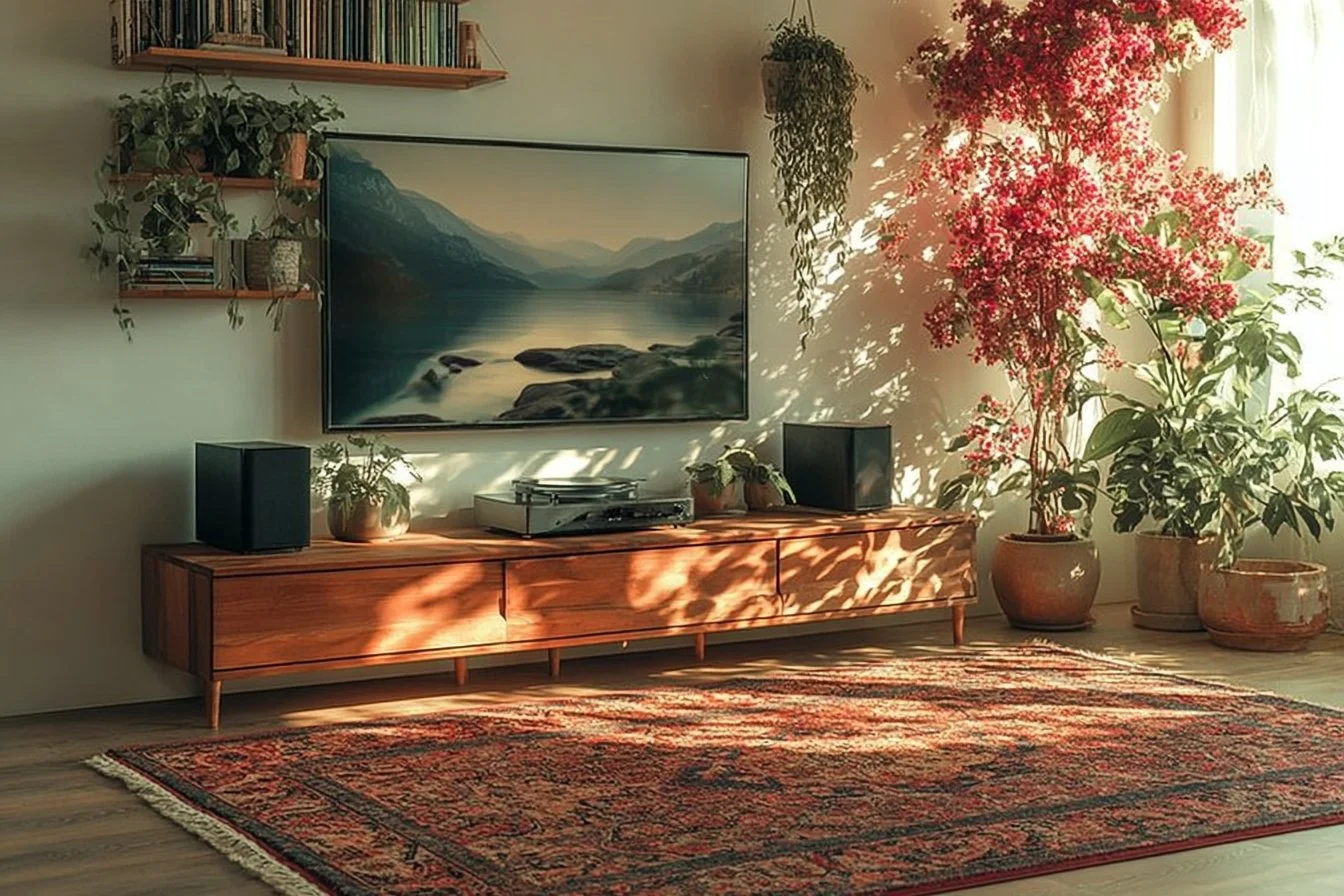
    Fiddle-leaf figs, rubber plants, and trailing pothos bring life and humidity into the room. Mix tall plants with table-top varieties in woven baskets or ceramic pots.
  9. Woven storage solutions
    Baskets, rattan cabinets, and cane-front storage units add function with style—perfect for corralling throws, toys, or magazines.
  10. Earthy color accents
    Terracotta, ochre, olive, and deep teal pair beautifully with natural wood and woven textures.
  11. Vintage finds and modern pieces
    Blend a mid-century coffee table or vintage lamp with new furniture for a curated look that feels layered and deliberate.
  12. Sculptural side tables
    Choose interesting shapes—stone, hammered metal, or carved wood—to act as small art pieces beside seating.
  13. Statement mirror
    A large, round mirror with a rattan or carved wood frame opens the room and reflects light, enhancing the airy boho feel.
  14. Textural curtains
    Light, gauzy curtains soften windows while letting in natural light. Consider linen blends for a slightly more structured look.
  15. Mix-and-match patterned pillows
    Stick to a cohesive color story and vary scale—small geometrics with large florals—to keep it visually balanced.
  16. Creative shelving displays
    Open shelving allows you to display books, ceramics, and woven pieces. Keep a mix of low and high elements for an intentional, casual arrangement.
  17. Earthy plaster or matte paint finishes
    Opt for matte wall treatments or a soft plaster finish to add depth and a handcrafted feel. For inspiration on integrating luxe touches and sophisticated finishes, see approaches used in modern luxury styling.
  18. Statement pendant or rattan chandeliers
    A woven pendant instantly reads boho-chic and serves as an anchor for the seating area. Choose one large fixture rather than many competing lights.
  19. Curved furniture and soft shapes
    Rounded sofas, arched mirrors, and circular rugs counterbalance angular architecture and lend a gentle, inviting atmosphere.
  20. Personalized gallery corner
    Curate a small gallery wall of vintage prints, family photos, and woven art. Keep the frames cohesive in color or material to maintain a relaxed, styled look.

Quick styling tips

  • Keep clutter minimal: Boho can slide into messy if every surface is filled. Edit down and rotate pieces seasonally.
  • Use odd numbers when grouping objects for a more dynamic display.
  • Embrace imperfections: Hand-thrown ceramics, slightly faded textiles, and patinaed wood add authenticity.
  • Scale matters: If your room is small, choose one or two bold boho elements (like a rug and a pendant) rather than filling every corner.

Conclusion

If you want boho inspiration that extends beyond the living room and into workspaces, explore these Boho Office Ideas- 20 Clean and Bright Offices You’ll Love … for fresh ways to bring relaxed, modern boho vibes into every corner of your home.

Categories
Living

25 Nature-Inspired Contemporary Living Room Ideas with Greenery

Introduction
Bringing greenery into a contemporary living room is one of the simplest yet most effective ways to breathe life into your space. Plants don’t just add color; they soften clean lines, introduce texture, and create a sense of connection between your indoor environment and the natural world outside. In a modern living room, greenery can balance minimalism with warmth, creating spaces that feel inviting and serene. Below, I’ve compiled 25 nature-inspired ideas to refresh your living room with plants, natural materials, and thoughtful styling — all while keeping a contemporary aesthetic that feels cohesive and curated.


1. Statement Indoor Tree

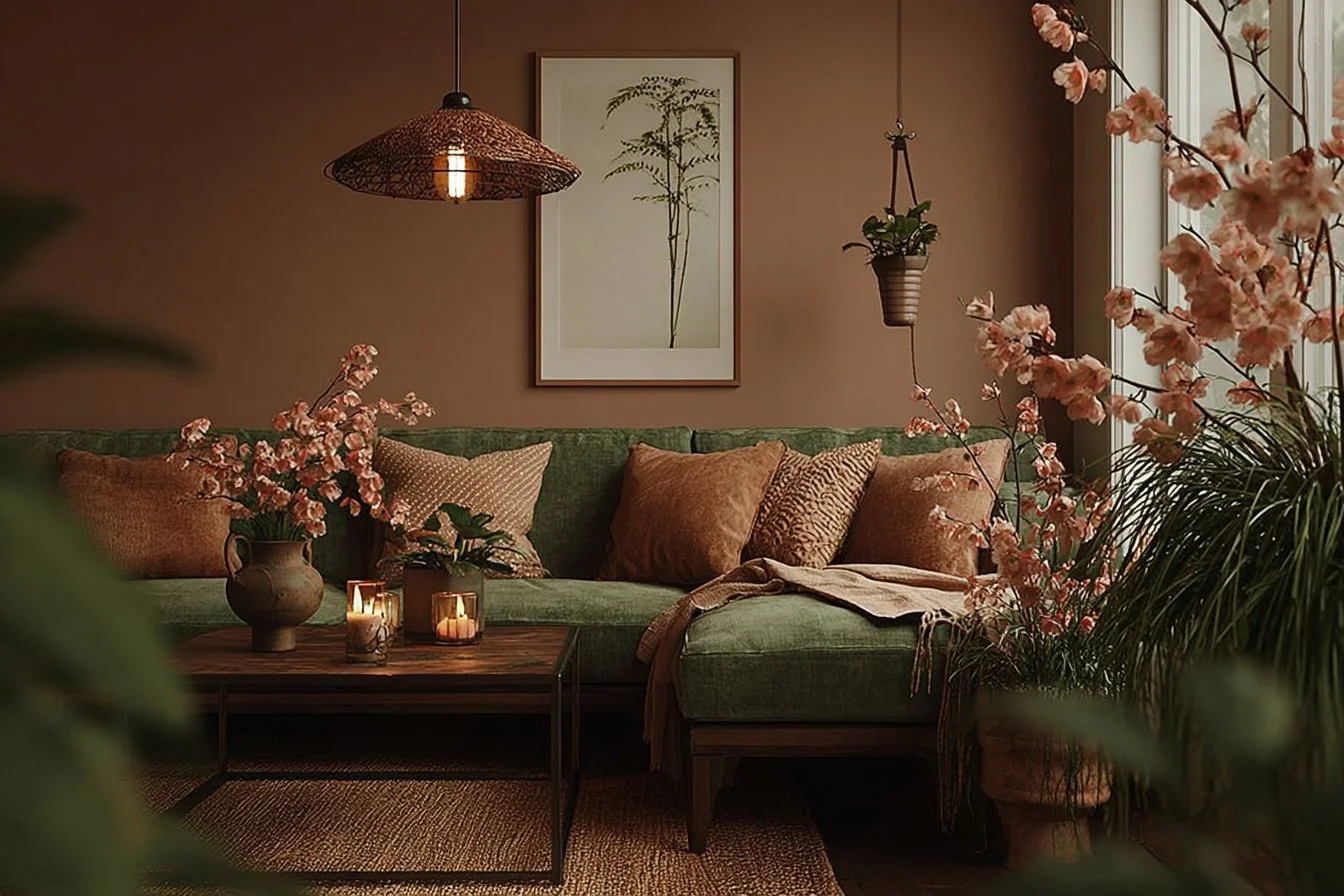
A single indoor tree can transform a room. A fiddle-leaf fig or a kentia palm placed in a prominent corner becomes a living sculpture. These trees not only provide height but also serve as a natural focal point, drawing the eye upward and creating a sense of space. Choose a pot that complements your room’s color palette, such as a sleek black ceramic or a textured terracotta, to maintain a contemporary look.

2. Living Wall

Vertical gardens are an innovative way to incorporate lush greenery without taking up floor space. Modular planters or mounted wall systems allow you to create a living tapestry of plants. This feature works particularly well in small living rooms, bringing the calming effects of nature indoors while serving as a striking design statement.

3. Floor-to-Ceiling Window Planting

Tall windows invite natural light, and framing them with plants like palms or dracaenas helps blur the boundary between indoor and outdoor spaces. The effect is airy and expansive, making your living room feel connected to the garden or cityscape outside.

4. Sculptural Planters

Modern living rooms benefit from planters that are as visually interesting as the plants themselves. Geometric shapes, minimalist ceramics, and matte finishes can enhance the architectural lines of your furniture while highlighting the organic forms of greenery. This combination creates a harmonious dialogue between nature and design.

5. Hanging Planters

Suspended plants such as pothos or string-of-pearls add vertical interest and a sense of movement to your living room. Using sleek metal or macramé hangers allows the plants to dangle gracefully, creating layers and depth that draw the eye across the room.

6. Shelf-Level Trails

Allowing trailing plants like philodendrons or ivy to spill over shelves softens hard lines and brings life to eye-level furniture. This technique works beautifully on floating shelves, bookcases, or media units, adding a dynamic sense of flow and movement to otherwise static displays.

7. Mixed-Size Groupings

Cluster pots of different heights, textures, and plant types to create a curated gallery-style display. Groupings of three to five plants often feel visually balanced and intentional. Mix leafy plants with sculptural succulents or cacti for contrast and visual intrigue.

8. Moss and Preserved-Plant Art

For those who want the beauty of greenery without daily maintenance, preserved moss frames and botanical panels are ideal. They maintain a vibrant green color and natural texture while requiring no watering, giving your living room a fresh, living-wall feel without the upkeep.

9. Terrariums on Coffee Tables

Miniature glass ecosystems are perfect for adding intrigue to your living room. Terrariums can house tiny ferns, moss, or succulents, creating a modern, whimsical focal point. They also serve as conversation starters and add a touch of “modern vintage” style.

10. Natural-Fiber Textiles

Introduce textures that complement your greenery. Jute rugs, linen throws, and cotton cushions create warmth and tactile contrast. These materials bring a soft, organic element to the room, echoing the natural beauty of your plants.

11. Stone and Pebble Accents

Small stones, pebbles, or sand trays under planters can ground your plant arrangements and add earthy texture. These details are subtle but effective, creating visual cohesion while reinforcing a natural aesthetic.

12. Water Feature Focal Point

A compact fountain or tabletop waterfall can add movement and the soothing sound of flowing water. Water features mimic the tranquility of nature, creating a meditative corner while enhancing the biophilic atmosphere in your living room.

13. Botanical Prints and Photography

Complement living plants with botanical artwork. Muted, large-scale prints or photography of leaves, ferns, or flowers can unify the space and reinforce a nature-inspired theme. Art and plants together create a cohesive and stylish design story.

14. Indoor Herb Nook

A sunny windowsill or shelf dedicated to herbs like basil, rosemary, and thyme adds both beauty and function. Not only does it bring greenery into the living space, but it also offers fragrant scents and the convenience of fresh ingredients for cooking.

15. Minimalist Plant Stands

Elevate your plant display with thin metal or timber stands. Lifting pots off the floor adds airiness and emphasizes the sculptural quality of both plants and containers. This technique is especially effective with taller plants or unique pot designs.

16. Biophilic Color Palette

A modern living room benefits from a color palette inspired by nature. Soft greens, warm neutrals, and natural wood tones echo the environment outdoors and provide a subtle, calming backdrop for your plant arrangements.

17. Reclaimed-Wood Furniture

A coffee table, sideboard, or console made of reclaimed wood introduces warmth and organic texture. The natural grain of the wood complements plants beautifully, bridging contemporary style with earthy elements.

18. Statement Palm Corner

Grouping several palms in a corner creates a tropical, yet understated, sculptural presence. The combination of fronds and height adds drama while maintaining elegance, perfect for larger spaces that need a focal area.

19. Air Plants and Wall Displays

Air plants mounted on driftwood, cork boards, or geometric frames offer a lightweight and low-maintenance option. These displays are perfect for modern interiors, adding interest without crowding surfaces.

20. Seasonal Rotations

Keep your living room fresh by rotating plants or foliage with the seasons. Introduce bright blooms in spring, textural branches in fall, or evergreens in winter. Seasonal changes maintain visual interest and keep the space aligned with the natural rhythm of the year.

21. Pebble and Succulent Tray

Create a low-maintenance centerpiece with a shallow tray filled with succulents, sand, and river stones. This arrangement is perfect for coffee tables or sideboards and brings a modern, minimalist touch to your living room.

22. Layered Lighting for Plants

Proper lighting highlights your plants’ beauty and supports healthy growth. Adjustable spotlights, floor lamps, or grow-friendly fixtures can create dramatic shadows, emphasize textures, and enhance the overall ambiance of the space.

23. Transparent Planters

Glass or acrylic pots provide a modern, clean aesthetic while showcasing root structure. Transparent planters give your living room a botanical “statement piece” quality and allow you to observe your plant’s growth over time.

24. Mixed-Material Planters

Mixing concrete, brass, and wood planters adds visual contrast and interest. The combination of materials creates depth, texture, and a sophisticated contemporary look that complements modern interiors.

25. Green Partition

Use a shelf of potted plants or a trellis of climbing vines as a living room divider. This approach provides privacy while maintaining openness, blending functionality with greenery for a modern, biophilic solution.


Plant Picks (by light and maintenance)

  • Bright, indirect light: Monstera, Fiddle-leaf fig, Bird of paradise

  • Low light: Snake plant, ZZ plant, Pothos

  • Humidity-friendly: Ferns, Calathea, Peace lily

  • Sun-loving: Succulents, cacti, rosemary

Placement & Styling Tips

  • Odd-numbered groupings (3, 5, or 7) create natural visual harmony.

  • Keep lines clean by choosing pots with similar tones or a shared metal accent.

  • Use height variation — tall trees, mid-size pots, and small tabletop plants prevent flat arrangements.

  • Reflective surfaces like mirrors or glass can amplify greenery and light.

  • Balance greenery with open negative space for a calm, contemporary feel.

Care Essentials

  • Match plant choice to light conditions before placing.

  • Water consistently but avoid overwatering — always check soil moisture first.

  • Dust leaves regularly to maintain photosynthesis and a polished look.

  • Rotate pots so all sides receive light evenly.

  • Inspect for pests routinely and quarantine new plants.

Sustainable & Practical Considerations

  • Choose native or low-water plants whenever possible.

  • Reuse or upcycle containers to reduce waste.

  • Invest in quality potting mix and breathable pots like terracotta for healthy roots.

  • Consider plant services or smart sensors if your schedule limits care time.

Styling Examples (quick combos)

  • Minimalist: Single fiddle-leaf fig + monochrome rug + brass floor lamp

  • Cozy contemporary: Layered rugs + clustered pothos + woven throw + wooden coffee table

  • Tropical-modern: Palm cluster + rattan chair + stone side table

  • Scandinavian green: Clean white walls + eucalyptus stems + pale wood furniture


Conclusion
Bringing plants into your contemporary living room is about more than decoration — it’s about creating an environment that feels alive, calming, and connected to nature. When combined with natural materials, textured textiles, and art that complements the greenery, your living space becomes a haven of tranquility. Adding a scenic piece like Waterfall Wall Art Living Room Decorations can echo the soothing presence of your plants, enhancing a biophilic atmosphere that nurtures both relaxation and inspiration. With these 25 ideas, you can create a modern, green sanctuary that’s stylish, functional, and enduring.

Categories
Living

Futuristic Smart Home Living

Futuristic Smart Home Living

Introduction
As technology moves from novelty to daily necessity, the idea of a “smart home” has transformed into a vision of entirely adaptive living environments that learn, anticipate, and respond to our needs. Tomorrow’s homes will blend artificial intelligence, distributed sensors, and human-centered design to create spaces that are more comfortable, efficient, and resilient than ever before. For homeowners who want personality as well as automation, blending high tech with warm design cues can make futuristic spaces feel inviting and livable—think of pairing voice-driven systems with thoughtfully curated furnishings like those suggested in cozy living ideas and personal touches.

Core technologies shaping the future

  • Ambient intelligence and edge AI: Devices will process more data locally to enable faster responses and preserve privacy. Smart lighting, heating, and appliances will adapt in real time based on behavior patterns without always needing a cloud round-trip.
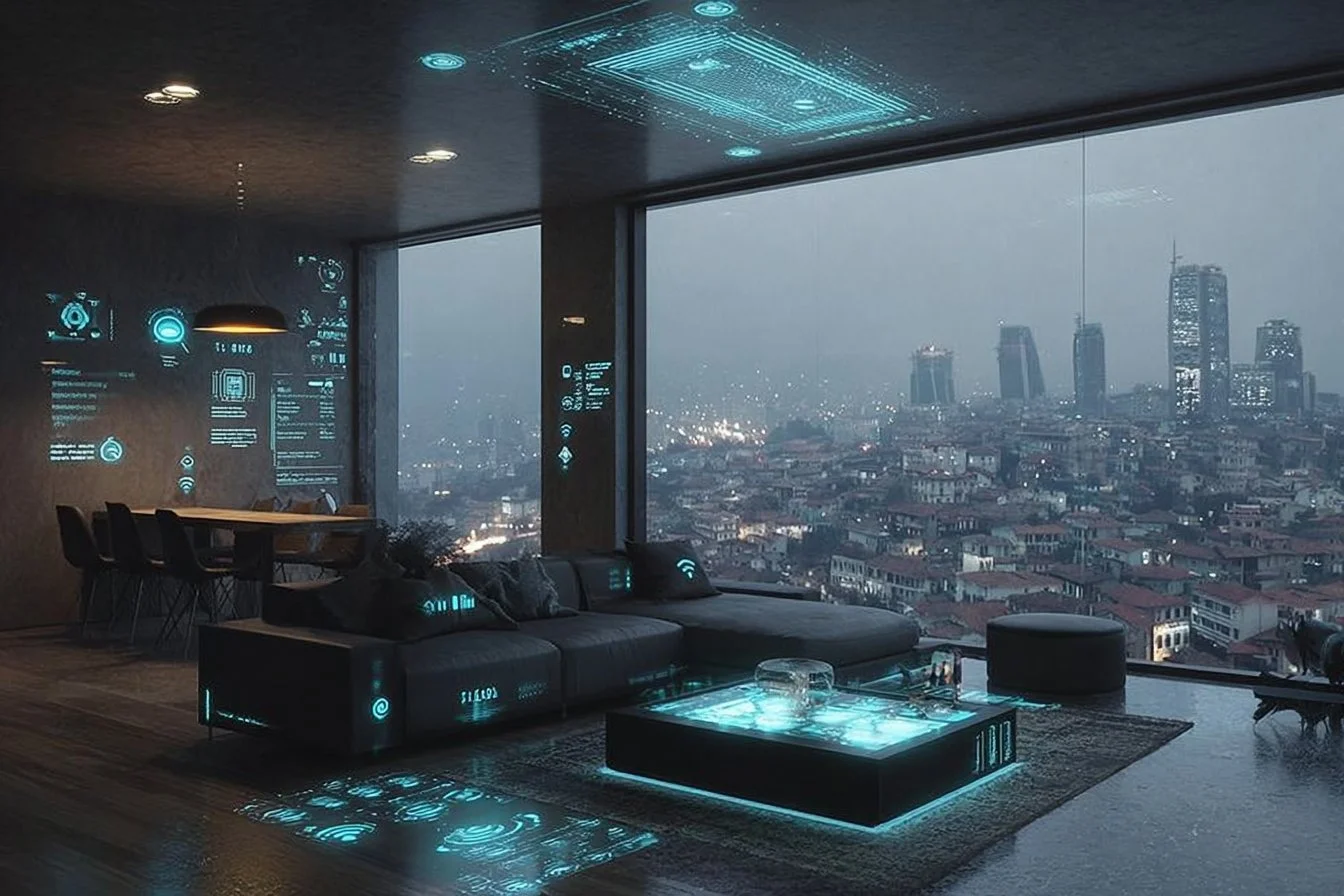
  • Sensor fusion and context awareness: Cameras, motion detectors, acoustics, and environmental sensors will work together to understand occupancy, activity, and mood—powering features like context-aware climate control and safety alerts.
  • Ubiquitous connectivity: Ultra-low latency networks (5G/6G and mesh Wi‑Fi) will let devices synchronize effortlessly, enabling seamless experiences across rooms and remote locations.
  • Robotics and wearable integration: Helper robots for chores, robotic furniture that reconfigures living space, and wearables that feed personalized health data into the home system will create an integrated living ecosystem.

Comfort, personalization, and wellbeing
Futuristic homes will prioritize occupant wellbeing rather than only convenience. AI-driven systems will personalize lighting spectrums to support circadian rhythms, optimize indoor air quality based on individual sensitivities, and curate ambient soundscapes for relaxation or focus. Design-forward solutions will ensure these systems complement a home’s aesthetic; pairing intelligent systems with tactile, comfortable decor keeps spaces feeling human. For tips on merging comfort with smart features, consider references like cozy living spaces and warm design tips when planning layouts and finishes.

Energy, sustainability, and resilience
Smart homes of the future will be active participants in energy ecosystems:

  • Distributed energy resources (solar, batteries, EVs) will be orchestrated to maximize self-consumption and reduce grid strain.
  • Predictive energy management will schedule appliance use when renewables are plentiful and tariffs are low.
  • Materials and construction techniques—smart glazing, phase-change materials, and adaptive insulation—will work in tandem with digital systems to lower demand.
    These practices won’t just cut bills; they’ll make homes more resilient in outages and reduce carbon footprints over their lifetimes. Integrating efficient smart devices with thoughtful decor choices can maintain aesthetics while improving performance—combining practical tips from sources such as cozy and stylish home decor tips with high-tech solutions.

Security, privacy, and control
With great connectivity comes greater responsibility. Homes will need:

  • Transparent data practices and local-first privacy modes so sensitive data (video, biometric signals) stays on-premises unless the owner opts in.
  • Secure device management with automatic patching, hardware-backed identity, and zero-trust networking to prevent lateral attacks.
  • User-friendly consent tools that let families choose what is shared, with whom, and for how long.
    Designers and integrators should prioritize explainable AI so occupants understand why a system acted the way it did and can easily override automation when desired.

Living spaces reimagined
Futuristic living isn’t only about gadgets; it’s about rethinking space usage. Rooms that reconfigure on-demand—sliding walls, transformable furniture, and responsive lighting—will allow smaller homes to function flexibly. Projection and AR will turn a spare corner into a home office, classroom, or immersive entertainment space. Acoustic zoning will separate activities without physical barriers, preserving both openness and privacy.

Adoption: how to bring the future home today

  • Start small and scale: Introduce core systems (climate, lighting, security) with open standards to avoid vendor lock-in.
  • Prioritize human-centered features: Automations should solve real pain points (like managing allergies or energy bills), not just showcase tech.
  • Design for longevity: Choose modular hardware and software update paths so the home can evolve over time.
  • Work with integrators who balance tech performance with interior design sensibilities to keep spaces both functional and beautiful.

Ethics and social impact
As homes grow smarter, accessibility and equity must be central. Affordable smart features that improve safety and comfort (automated fall detection, voice-first controls) can support aging-in-place and help people with disabilities. Policy and community standards should guide data governance to ensure benefits of these advances are broadly shared.

Conclusion

Futuristic smart home living will be an intersection of advanced technology and thoughtful human-centered design—creating spaces that are adaptive, sustainable, secure, and emotionally resonant. For a practical look at how luxury homes are implementing integrated smart platforms and what that means for modern living, see Smart Home Technology: The Future of Luxury Living | Stonewood.

Categories
Living

Futuristic Luxury Living Room Wall Designs

I still laugh when I think about the day my son tried to hang a superhero cape on the chandelier and my daughter declared the sofa “too plain” for movie night. As a mom in my forties, life is a blend of soccer practice, school bake sales, grocery runs, and late-night chats with neighbors over the fence. Our home is where tiny triumphs and messy moments pile up, where I want comfort that also feels a little special. Decorating has become my quiet joy, a way to stitch together family memories and create a living space that holds energy for kids and calm for adults. Those afternoons of rearranging cushions and swapping art have taught me that smart wall choices can add personality without losing practicality, turning everyday living into something a bit more beautiful and intentional. For a deeper declutter before you start, check this minimalist living room guide for helpful tips: minimalist living room guide.

1. Metallic Geometry Feature Wall

A metallic geometry feature wall blends futuristic polish with warm luxury, giving a living room a focal point that feels curated and modern. Geometric panels in gold, brass, or brushed nickel catch light and create subtle movement, which is perfect when kids are running in and out or when neighbors drop by for coffee. This approach works because metals reflect light, making spaces feel larger while adding texture without overwhelming other elements. To apply it, choose one wall behind your sofa and install a pattern of interlocking metallic tiles or geometric wallpaper with metallic ink. Keep the rest of the room grounded with neutral upholstery and family-friendly fabrics, and add a few framed family photos to soften the sheen. These home décor ideas balance glam and liveability, so the wall looks elegant during grown-up entertaining and resilient through everyday wear.

2. Smart LED-Integrated Panels

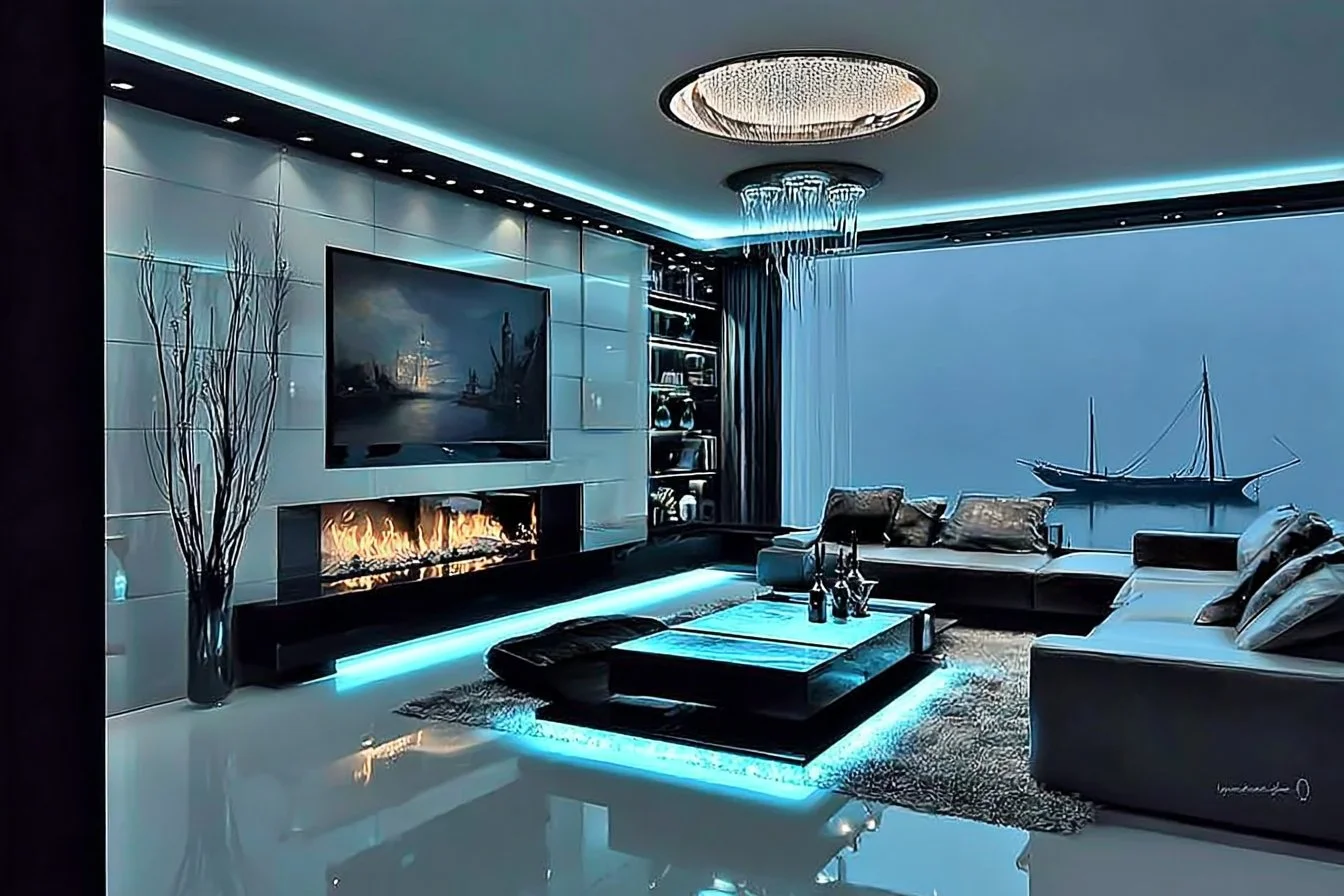
LED-integrated panels give living rooms a futuristic edge without future complexity. Smart lighting built into wall panels can shift color temperature for morning breakfasts or cozy movie nights, and it pairs beautifully with sleek furnishings for an upscale look. Why it works is simple: layered lighting enhances mood and highlights architectural details, while smart controls make it practical for busy parents who need quick ambiance changes. Install slim LED strips behind panel seams or choose pre-made panels with hidden lighting channels. Pair with a voice assistant or a simple app so kids can help set the scene for family game night. This design is a modern home décor idea that doubles as interior styling tips for a family home, marrying technology and texture in a way that feels thoughtful rather than flashy.

3. Textured 3D Wall Panels

Textured 3D wall panels bring depth and tactile interest to a living room, perfect for families who love cozy corners and layered design. These panels create shadow and pattern that change with the light, giving your room a dynamic, living quality that resists getting stale. They work because texture adds dimension without relying on color, helping a neutral palette feel luxurious and intentional. To apply this, install panels on a single accent wall or create a framed section above a console table. Choose durable materials that can survive the occasional door slam or sticky fingerprints. Add soft throws and a reading nook nearby where kids can lounge, and you have a space that feels both sophisticated and welcoming. This decorative approach offers fresh decorating inspiration while keeping cleanup and maintenance realistic for a busy household.

4. Mixed Materials: Marble, Wood, and Metal

Combining marble, warm wood, and sleek metal creates a luxurious yet approachable wall treatment that reads futuristic because of the contrast and craftsmanship. This blend works as a design strategy because each material brings a different sensory note: marble adds polish, wood lends warmth, and metal gives modern edge. To bring it home, create a panel composition that uses a marble slab inset framed by wood trim and accented with thin metal inlays. Keep family practicalities in mind by sealing stone surfaces and using kid-friendly finishes on wood. Place your television in a recessed section to hide cables and maintain a clean silhouette. This mix offers both high-end appeal and real-life functionality, a smart interior styling tip for parents who want splendor without sacrificing everyday comfort.

5. Living Art and Rotating Gallery Walls

A living art wall that can evolve with your family captures personal stories while keeping the space fresh and forward-looking. Rotating gallery walls let you swap artworks, children’s masterpieces, and sculptural pieces so the décor grows with your kids. This idea works because changeable displays keep the room current and personal, and they can be tailored to fit moments like school successes or a neighbor’s pottery sale. To implement, install a simple rail system or modular frames that allow quick changes. Make a family ritual of updating the wall on the first of each month so children feel ownership and creativity is encouraged. Paired with strategic lighting and a neutral backdrop, a living gallery becomes an ongoing source of decorating inspiration and a cherished family archive.

6. Seamless Media and Storage Wall

A seamless media and storage wall hides clutter and technology, offering a clean futuristic aesthetic that is easy to live with. Concealed cabinets, recessed shelving, and integrated channels for cables create a calm visual field that makes the living room feel like a curated environment rather than a storage zone. This approach works because reducing visual noise increases perceived luxury and makes cleaning easier on busy evenings. To apply it, frame your television within custom cabinetry, include pull-out drawers for toys and remotes, and add a small display niche for rotating décor items. Use kid-safe locks or soft-close hardware so drawers are family-friendly. This practical interior styling tip keeps the room tidy after playdates and transformations during adult gatherings, blending form and function in a way every parent will appreciate.

Conclusion

I hope these ideas spark a little inspiration for your own living room makeover. Whether you try metallic geometry for instant glamour, install LED panels for smart lighting control, or create a rotating gallery that showcases family life, these home décor ideas and interior styling tips are meant to be practical and personal. Save this article to revisit when you are ready to refresh a wall or plan a weekend project. For a quick way to add luxe presence without a full renovation, consider adding a statement piece like this Large Framed Modern Luxury Gold Wall Art for Living to anchor your design and inspire more decorating inspiration.

Categories
Living

Futuristic & Spacious Living Room Designs to Elevate Your Home

A big living room is a blank canvas for bold, futuristic design. Whether you’ve got a loft with soaring ceilings or a sprawling open-plan area, the right blend of scale, technology, and materials can turn the space into a comfortable yet forward-thinking environment. Below are practical ideas and design strategies to help you create a living area that feels both expansive and cutting-edge. For quick inspiration and commercial resources, check out this helpful room transformation tips guide.

  1. Embrace Modular, Sculptural Furniture


  • Choose large-scale modular seating with clean lines and rounded edges to fill a big room without making it feel cluttered. Pieces that reconfigure (sofas that convert into daybeds, ottomans that click together) keep the layout flexible for different activities.
  • Add a sculptural statement chair or a curved sectional as a focal point. Futuristic design often favors soft geometry and continuous forms over sharp angles.
  • Use low-profile furniture to maintain sightlines across the space, which emphasizes the room’s size and promotes flow.
  1. Layer Lighting with Smart Controls


  • Implement layered lighting: recessed ambient lights, directional accent lighting for art or architectural features, and integrated LED strips to highlight coves or shelving.
  • Integrate smart lighting controls so you can change scenes (movie mode, entertaining, reading) at the push of a button or via voice commands. This is central to a futuristic home experience.
  • For tips on tech-friendly setups, explore smart lighting and automation options through practical resources like this smart lighting setups reference.
  1. Zone Your Space Intelligently


  • A large living room benefits from distinct zones: lounging, media, reading nook, and even a workstation or bar. Use area rugs, differing floor materials, or ceiling treatments to visually separate areas without building walls.
  • Position furniture to create conversational islands — for instance, two sofas facing each other with a coffee table between — while still leaving generous circulation paths.
  • Consider floating furniture away from walls to create a more intimate feel within a large footprint and to allow for 360-degree walkaround access. For space planning inspiration, check this space planning resources guide.
  1. Futuristic Materials and Finishes


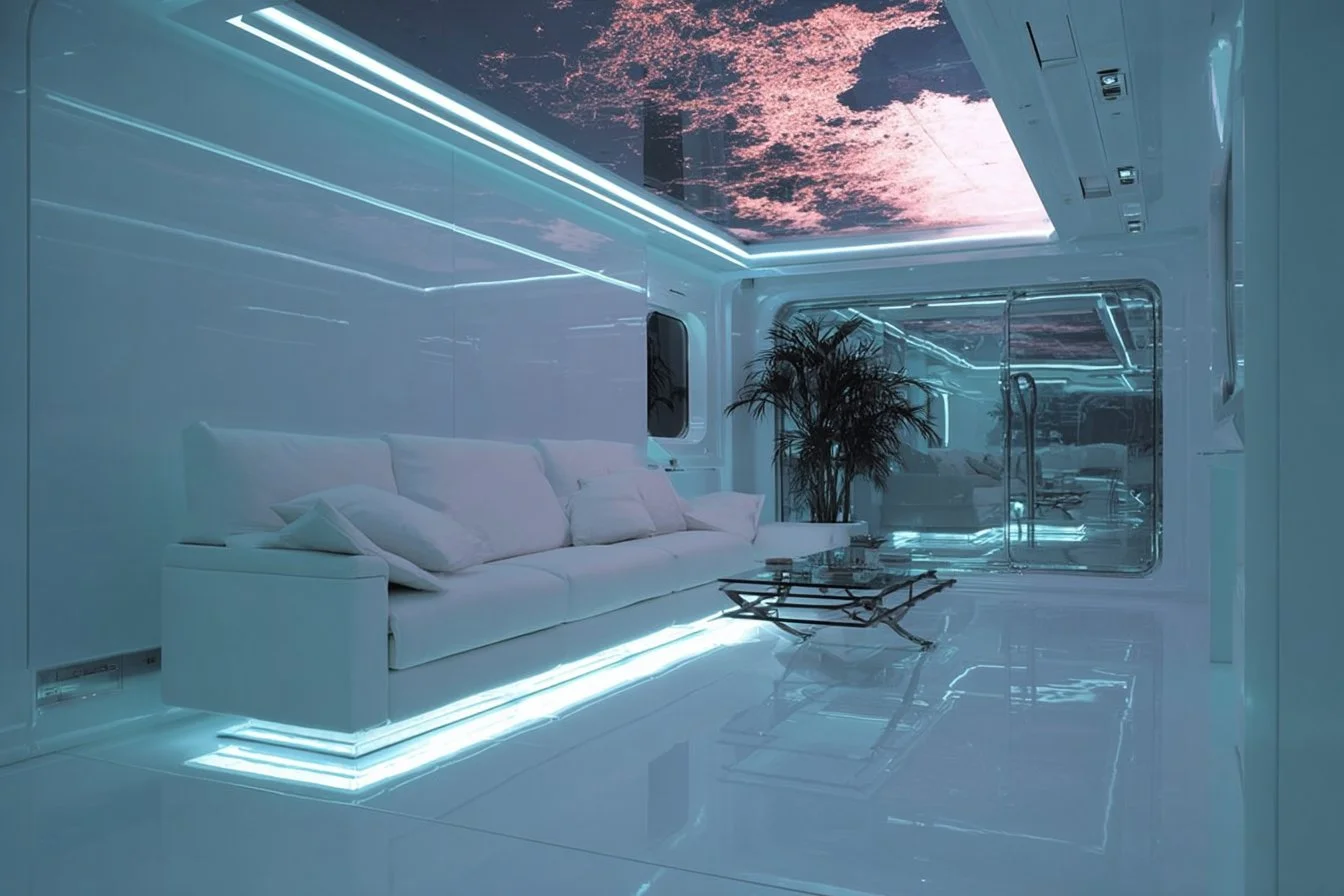
  • Mix materials like brushed metal, frosted glass, polished concrete, and matte lacquer finishes to give the room a modern edge. Reflective surfaces amplify light and make spaces feel larger.
  • Use continuous floor finishes (polished concrete or large-format porcelain) to unify the room visually. Add warmth with area rugs and textiles in muted or metallic tones.
  • Accent walls in textured plaster, 3D panels, or backlit translucent materials introduce depth and a high-tech aesthetic.
  1. Integrate Audio-Visual Tech Invisibly


  • Hide speakers and wiring in architectural elements, such as ceilings, built-in shelving, or behind acoustically transparent panels. A seamless AV setup keeps the room looking clean and futuristic.
  • Mount a retractable screen or use ultra-short-throw projectors for a large, cinema-like display that disappears when not in use.
  • Smart home hubs that control lighting, climate, and AV from a single interface simplify operation and maintain the minimalist look.
  1. Biophilic Touches for Balance


  • Even the most futuristic rooms benefit from plants and natural materials. Large potted plants or vertical green walls bring life, improve air quality, and soften hard surfaces.
  • Combine greenery with natural wood tones or woven textiles to counterbalance metallics and concrete and make the space feel inviting.
  1. Color Palette and Art


  • Stick to a restrained palette—charcoals, cool grays, deep navy, and crisp whites—punctuated by one or two bold accent colors (electric blue, neon green, or copper).
  • Large-scale art or installation pieces can anchor a zone and add personality. Consider interactive art or LED-based pieces for a distinctively contemporary vibe.

Quick Styling Checklist

  • Define zones with rugs and furniture.
  • Invest in modular, multifunctional furniture.
  • Layer smart lighting and automate scenes.
  • Conceal AV equipment for a clean look.
  • Mix reflective and natural materials for warmth and depth.

Conclusion

To deepen your understanding of different approaches and find style-specific guidance, consult trusted design resources like Interior Design Styles — Interior Designer Auckland | Design & Style …. They provide a helpful overview of styles that can inspire the futuristic and spacious living room you want to create.

Categories
Living

Futuristic Cyberpunk Living Room with Holographic Earth

I still remember the slow hum of the minivan idling in the driveway as I tried to finish a work call while dinner simmered and my youngest practiced piano in the next room. Small routines like swapping backpacks with the neighbor or debating which cartoon to let the kids watch feel like the backbone of our days. As a mom in my forties with two kids between eight and twelve, I live somewhere between chaotic school runs and quiet late nights with a cup of tea. Those moments made me rethink living spaces not as perfect showrooms but as places that hold memories, snack crumbs, and bedtime stories. That mix of lived-in comfort and a touch of wonder is exactly why I started experimenting with futuristic touches in our family room, marrying practical organization with playful technology and gentle style shifts. For tips on simplifying the base layer before adding high-tech flair, check out this decluttering guide for living rooms: https://how-then.com/declutter-your-space-a-minimalist-living-room-guide/.

  1. Holographic Earth as a Centerpiece

    A holographic Earth floating above the coffee table becomes a family ritual waiting to happen. It works because the globe is both a visual anchor and a conversation starter, turning the room into a storybook full of curiosity. To create this effect at home, use a compact holographic projector or a glass display with a small rotating LED base; position it where the kids can safely admire it without touching fragile components. Keep surrounding furniture low and minimal so the hologram reads clearly, and add a soft rug to invite leggy puzzle nights or forts. This idea plays well with younger kids who love showing friends an impressive “space planet” and helps older kids feel like their home has personality. From an interior styling tips standpoint, balancing technology with tactile elements keeps the space cozy and child-friendly while still feeling cutting-edge.

  2. Smart Ambient Lighting and Color Scenes

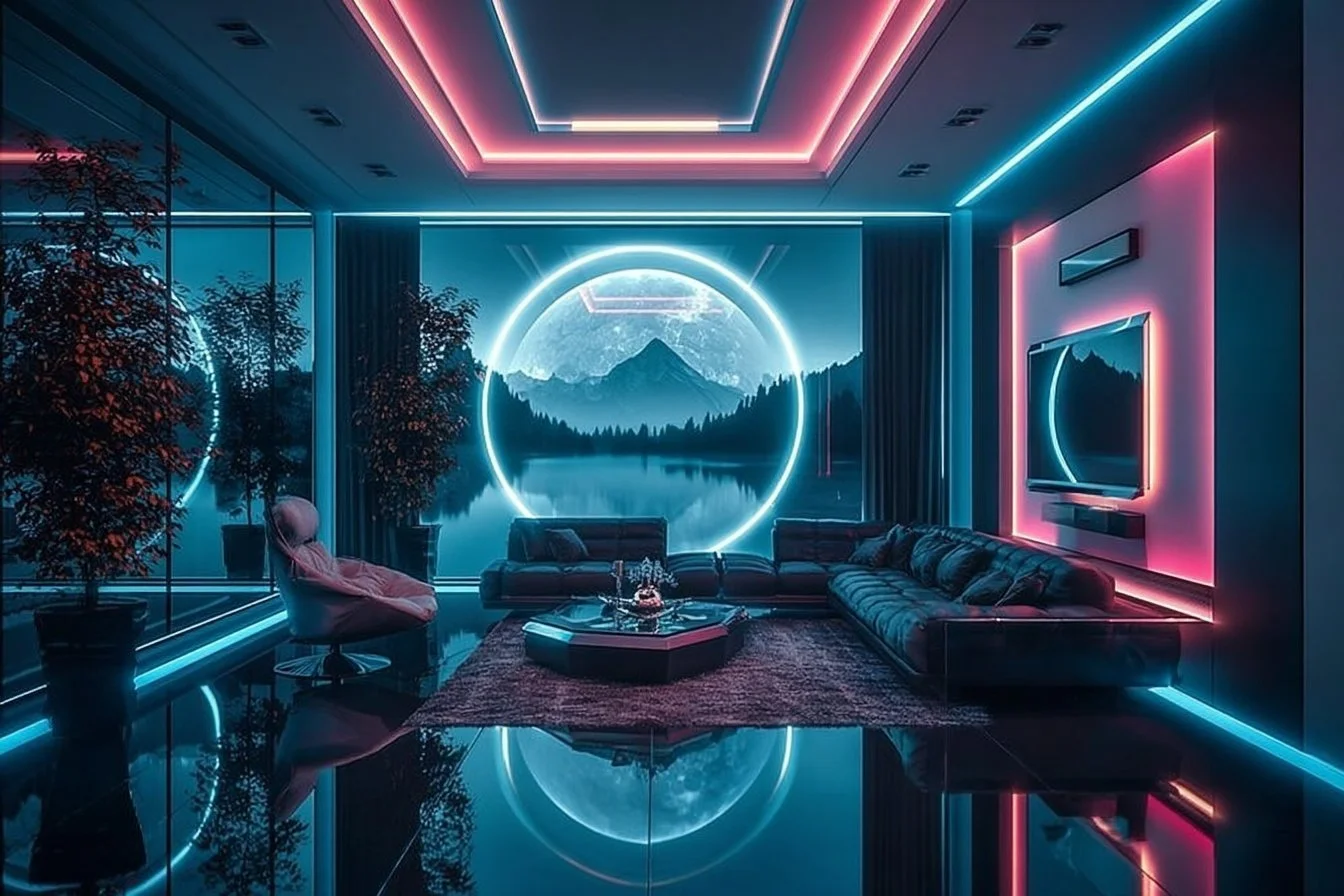
    Lighting sets the mood and makes futuristic elements feel intentional. Smart RGB strips, programmable overheads, and dimmable floor lamps allow you to shift scenes from homework-focus white to movie-night violet, enhancing the holographic Earth and other displays. This works because color influences perception and energy levels, helping kids calm down or ramp up depending on the hour. Start by wiring LED strips behind shelving or under sofas to create indirect glow, and sync lights to routines so evening colors naturally cue quieter activities. Include a family-friendly control hub that kids can use to pick colors within safe presets, and tuck tech easily into the back of a media console to keep clutter away. These small investments double as interior styling tips and practical tools for managing household flow while still delivering that cyberpunk vibe.

  3. Textures that Soften Futurism

    A cyberpunk living room can easily feel cold, so layering warm textures is essential. Combine matte black or glass surfaces with plush throws, woven baskets, and rounded cushions to humanize sharp-edged tech. This works because contrast creates visual interest and makes high-tech pieces feel welcome rather than imposing. Apply this by placing a soft, oversized wool rug beneath the holographic display and adding washable slipcovers to the sofa for parental sanity. Incorporate metallic accents sparingly to highlight a shelf or frame a digital picture without overwhelming the space. A mix-and-match approach lets kids add drawings or small crafts that sit comfortably alongside futuristic objects, making the room feel lived-in and loved. For more refined inspirations that blend comfort and polish, explore elegant living room design ideas at https://how-then.com/elegant-living-room-design-ideas/.

  4. Modular Seating and Smart Storage

    A family room must adapt to Lego build sessions, movie nights, and craft projects, so modular seating and hidden storage are a must. Systems that reconfigure from sectional to separate chairs work because they keep the space flexible for different activities while hiding the chaos quickly. Choose ottomans with built-in storage or benches that lift to stow puzzles and cables safely away from tiny hands. Add discrete charging docks inside side tables to keep devices powered without visual clutter; kids learn to plug in after homework and it becomes part of the routine. This strategy blends decorating inspiration with functional solutions, allowing tech like a holographic Earth to shine while maintaining a kid-safe environment. Include labels or color-coded bins to teach responsibility in a playful way, and rotate toys so the room stays fresh for everyone.

  5. Interactive Walls and Rotating Art Scenes

    Turn a wall into a living canvas by using projection mapping or modular frames that cycle art and family photos. Interactive walls work because they let the room evolve with mood and occasion, from calming starfields during bedtime to animated cityscapes for weekend movie marathons. To implement this, mount a small projector with adjustable mapping software or use magnetic frames that children can rearrange as they please. Keep one shelf dedicated to rotating family mementos so the space feels personal, and teach kids to curate a mini-exhibit to display their latest projects. This element builds decorating inspiration into everyday life, encouraging children to participate in styling and to feel ownership over their environment. If you enjoy blending nostalgia and new trends, you will appreciate how personal items sit comfortably in a futuristic setting, similar to cozy, layered design ideas like a nostalgic haven for family gatherings: https://how-then.com/grandmacore-living-room-nostalgic-haven-comfort/.

Conclusion

If you want a living room that sparks bedtime stories and sparks curiosity while remaining family-friendly, start small and layer thoughtfully. Save this post for when you are ready to add one piece of tech or a new light scene, and invite the kids to help pick colors or art for rotating displays. For more creative ideas about holograms and how they can be used in near-future or cyberpunk settings, check this roundup of practical concepts: 20 Hologram Uses for Cyberpunk/Near-Future Settings. Try one change at a time, and revisit ideas as your family grows into the space and makes its own memories.

Categories
Living

Transform Your Living Room with Earthy, Minimalist Style

An earthy, minimalist living room blends natural warmth with clean lines and calm neutrals. The goal is a space that feels grounded and inviting without feeling cluttered. Below are practical design tips to help you achieve a serene, tactile living room that highlights natural materials, subtle color, and purposeful simplicity.

Start with a soft, neutral palette

  • Choose warm neutrals as your foundation: soft beiges, warm greiges, muted taupes, and creamy off-whites.
  • Layer in deeper earth tones sparingly—olive, terracotta, and chocolate—to add depth and visual interest.
  • Keep contrasts gentle. High-contrast black-and-white feels sharper than earthy minimalism; aim for tonal harmony instead.

Prioritize natural materials

  • Wood: Use oak, walnut, or ash for flooring and larger furniture pieces. Lighter woods keep the space airy; medium tones feel cozier.
  • Stone and clay: Marble or honed stone coffee tables, terracotta planters, and ceramic accessories introduce organic texture.
  • Textiles: Choose linen, cotton, hemp, and wool for upholstery and soft furnishings. These fibers age gracefully and bring subtle variations.

Choose furniture with clean, organic lines

  • Minimalist silhouettes with soft edges read as modern but warm. Avoid overly ornate or ultra-modern glossy pieces.
  • Invest in a comfortable, well-proportioned sofa in a neutral fabric—this will be the room’s anchor.
  • Mix low-profile seating (like a lounge chair or bench) with functional storage units that conceal clutter to preserve the minimalist feel.

Layer texture for warmth

  • Rugs: Choose natural fiber rugs (jute, wool, sisal) in muted shades to define seating areas and add underfoot comfort.
  • Throws & cushions: Use layered textures—soft wool throws over linen cushions—to invite touch without introducing loud patterns.
  • Wall finishes: Consider textured plaster, limewash, or grasscloth wallpaper for a subtle, tactile backdrop.

Bring in plants thoughtfully

  • Greenery is essential for an earthy look. Use a mix of heights and leaf shapes for visual interest—tall palms, medium fiddle-leaf figs, and small succulents or herbs.
  • Choose simple, neutral planters (clay, cement, rattan) that complement the palette.
  • Group plants to create focal points and soften corners, but avoid overplanting, which can compete with minimalist intentions.

Mindful lighting choices

  • Aim for layered lighting: ambient, task, and accent.
  • Warm LED bulbs (2700K–3000K) preserve the cozy, earthy atmosphere.
  • Use sculptural floor lamps and simple pendant lights in natural materials—rattan shades, matte metal, or ceramic—for both form and function.
  • Dimmers are invaluable for adjusting mood and warmth throughout the day.

Create balanced layouts for flow and function

  • Keep traffic paths clear and center seating around conversation and views (a fireplace, window, or piece of art).
  • In smaller spaces, use multi-functional furniture—nesting tables, storage ottomans, or benches—to reduce clutter.
  • For larger rooms, divide areas into purposeful zones (conversation, reading nook, media) while maintaining cohesion through a consistent palette and material choices.

Curate a restrained accessories scheme

  • Adopt a “less is more” mentality: choose a few well-made pieces rather than many small items.
  • Art: Opt for large, simple artworks or nature-inspired pieces with muted colors. One or two statement pieces work better than a crowded gallery wall.
  • Collections: Display natural objects (stones, woven baskets, ceramic bowls) in deliberate vignettes to tell a cohesive story.

Textiles and patterns—use sparingly

  • Favor solids and subtle weaves over bold prints. If using pattern, select organic, low-contrast motifs (soft stripes, muted geometrics, or nature-inspired designs).
  • Keep scale in mind: larger patterns suit large furniture or rugs, while small-scale patterns can be used for pillows or throws.

Maintain a calm seasonal rhythm

  • Rotate textiles seasonally—lighter linens in summer, heavier wool throws in winter—to keep the room feeling fresh without changing the core pieces.
  • Introduce small seasonal accents: dried branches in fall, fresh-cut flowers in spring, citrus in summer.

Practical maintenance tips

  • Protect floors with natural-fiber rugs in high-traffic areas.
  • Choose fabrics with easy-care blends for households with pets or children.
  • Keep a regular editing routine: every few months, remove one or two items to maintain the minimalist aesthetic.

Final styling checklist

  • One dominant neutral color, plus one or two deeper earth tones for accents.
  • At least three natural materials (wood, stone/clay, natural fiber textiles).
  • A central, comfortable seating piece and two supporting seats.
  • Layered lighting with warm bulbs and dimmers.
  • A curated selection of plants and a few meaningful accessories.

Conclusion

An earthy, minimalist living room thrives on thoughtful restraint: a calm neutral palette, honest natural materials, tactile layering, and purposeful furniture choices. If you’re working with a larger room and need guidance on proportion and zoning while keeping a neutral, grounded aesthetic, this resource on How to decorate & furnish large spaces | These Four Walls offers practical strategies for decorating big living areas without losing intimacy or warmth.

Categories
Living

Stellar Galactic Escape: The Ultimate Futuristic Living Room

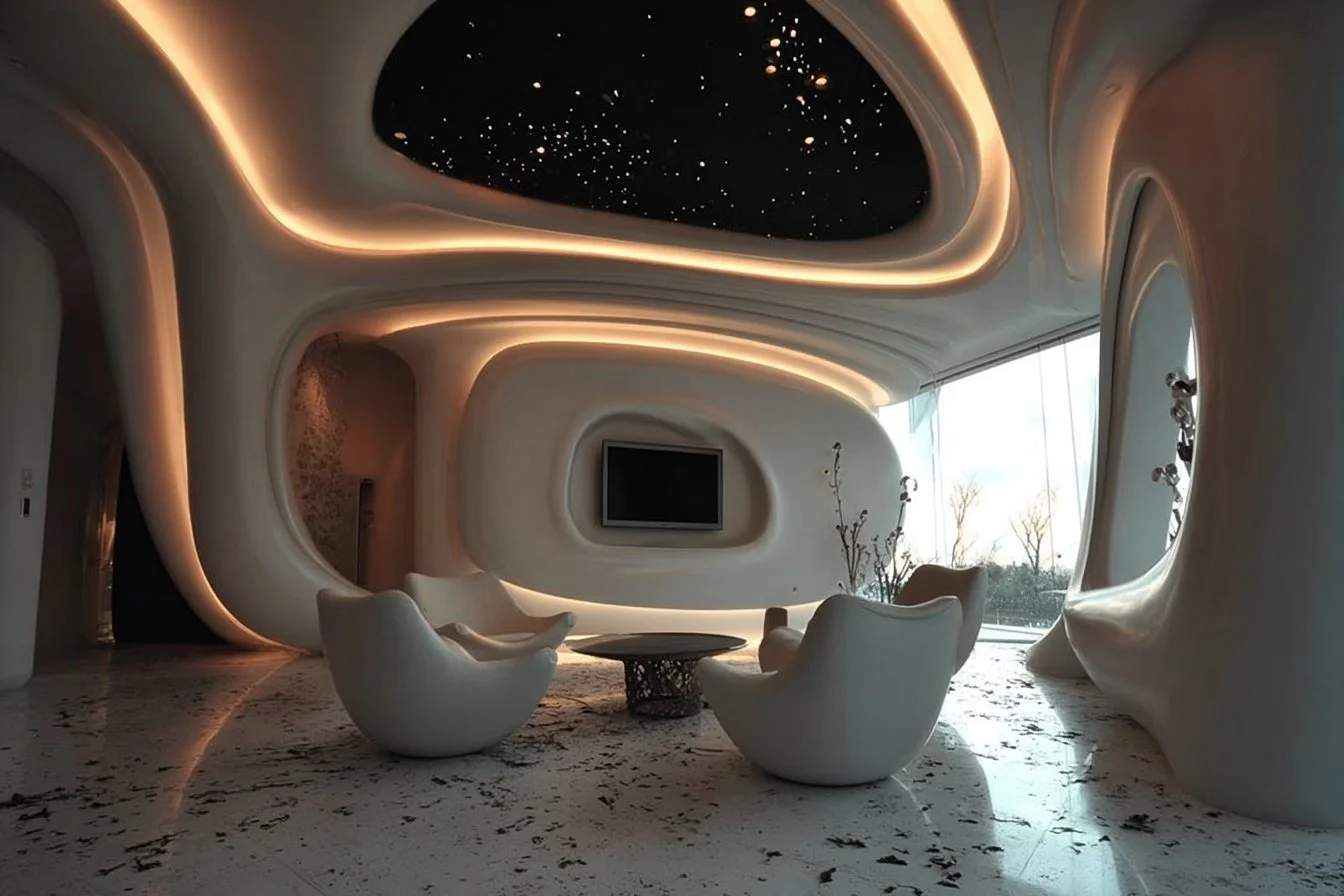
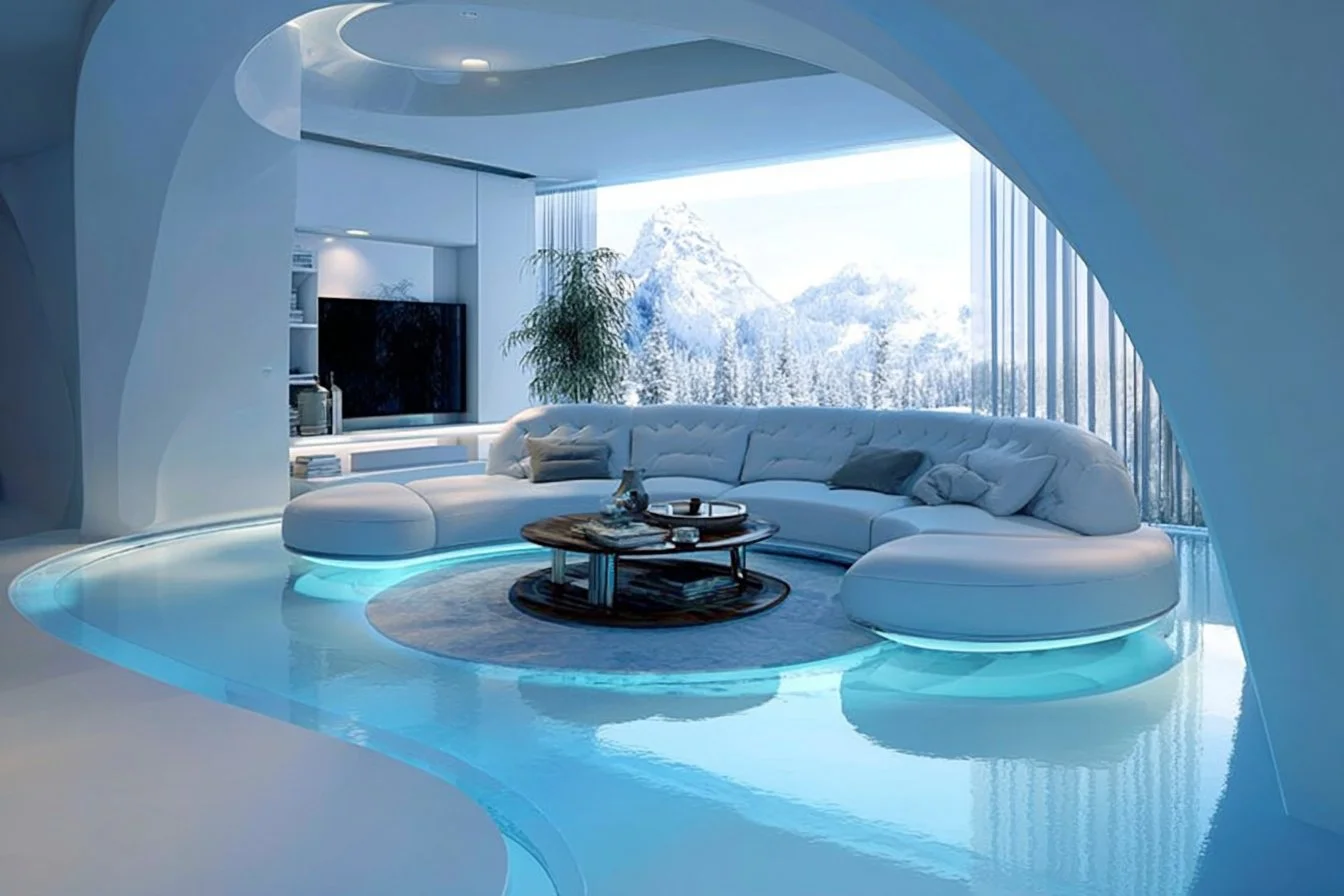
Imagine stepping into a living room that feels less like a room and more like a small habitat drifting among stars. “Stellar Galactic Escape” rethinks domestic comfort through the lens of speculative cosmology and forward-looking design. It blends immersive lighting, adaptive furniture, and subtle high-tech systems to create a space that’s equal parts sanctuary and observatory—an interior that honors both human scale and cosmic wonder.

A concept grounded in mood and narrative

The key to a successful futuristic living room is storytelling. This is not merely about high-end gadgets; it’s about crafting an emotional arc for the occupant. The Stellar Galactic Escape tells a narrative of quiet travel: slow movement, luminous horizons, reflective surfaces, and private vistas. Every surface, hue, and sound is chosen to suggest motion through space without inducing vertigo—calm propulsion, not chaos.

Palette, materials, and finishes

  • Color: Deep indigo and graphite as base tones, warmed with meteor-ash grays and muted copper accents. Hints of bioluminescent teal or soft lavender function as accent lights rather than dominant color fields.
  • Materials: Matte carbon finishes, anodized aluminum, recycled glass, and scalable smart textiles that adapt opacity and texture on demand. Use of reflective but diffused surfaces preserves depth without harsh glare.
  • Textures: Soft, tactile fabrics mimic cosmic dust drifts and create a tactile counterpoint to sleek metals. A rug with a subtly gradient weave evokes a starfield underfoot.

Lighting and atmosphere

Lighting transforms a room into an environment. For the Stellar Galactic Escape:

  • Layered illumination: Ambient ring lighting in the ceiling simulates a gentle halo; integrated floor lights create low-angle washes that lengthen the space.
  • Dynamic sky panels: A central ceiling panel cycles through slow dawn-to-dusk gradients or abstract nebular formations—controlled manually or tied to circadian settings.
  • Pinpoint lumens: Embedded “starlight” LEDs punctuate shelves and alcoves, delivering just enough sparkle to suggest distant points of interest.

Ambient sound design completes the atmosphere—sub-bass tones and soft harmonic pads that evolve slowly, giving a sense of motion without distraction.

Furniture that breathes and adapts

Futuristic furniture in this living room serves multiple purposes and adapts to the occupant’s needs:

  • Modular seating: Low-profile, curved modular sofas can reconfigure to create intimate conversation pockets or a broad reclined view for media. Hidden actuators adjust lumbar and tilt silently.
  • Convertible surfaces: Coffee and side tables incorporate touch-sensitive glass that transitions between opaque and transparent, revealing storage or serving as display screens.
  • Floating media hub: A wall-mounted console houses projection systems and speakers within a slim frame, preserving negative space and emphasizing the room’s weightless aesthetic.

Attention to ergonomics ensures that even the most stylized pieces feel inviting and comfortable.

Technology—seamless, invisible, empowering

Tech in the Stellar Galactic Escape is designed to recede into the background while amplifying experience:

  • AR/VR-ready zones: A comfortable nook equipped with haptic seating and ambient projection allows occupants to slip into virtual vistas—nebula tours, minimalist workspaces, or guided meditations.
  • Smart surfaces: Tables and armrests recognize touch, gestures, and presence. They adjust temperature, display contextual information, or act as controls for lighting and audio scenes.
  • Integrated sensors: Air quality monitors, circadian lighting controllers, and adaptive acoustics work together to maintain comfort and well-being.
  • Energy autonomy: Photovoltaic glass panels on skylights, localized battery storage, and efficient HVAC systems keep the room running with minimal reliance on external grids.

Crucially, the interface emphasizes natural interactions—speech, gesture, and gaze—reducing friction and preserving immersion.

Sustainability and longevity

A true future-facing living room must be sustainable:

  • Durable, recyclable materials extend the lifecycle of furniture and finishes.
  • Modular systems encourage repair and upgrades rather than replacement.
  • Passive design strategies—optimized insulation, daylight harvesting, and natural ventilation—reduce operational energy use.
  • Biophilic touches like living wall segments and air-purifying planters balance the high-tech elements with living systems that promote health.

Sustainability becomes part of the narrative, expressing a responsible relationship with the broader environment—planetary and cosmic.

Experiential touches and personalization

Small details make the Stellar Galactic Escape feel personal:

  • Memory settings recall favorite lighting and seating configurations tied to activities—reading, socializing, meditating.
  • Curated projection sequences and a library of ambient soundscapes let residents dial into different moods: deep-space cruiser, coastal horizon, or cozy cabin under the aurora.
  • Customizable display panes host digital art, family archives, or generative visuals that shift subtly over time.

These features create a sense that the room grows with its inhabitants, adapting to their evolving tastes and routines.

Practical considerations

Designing for the future must also be pragmatic:

  • Keep wiring centralized and accessible for upgrades.
  • Choose standardized modular components to future-proof investments.
  • Consider acoustics early—soft materials and diffusers can prevent echo in spaces with hard surfaces.
  • Ensure ample storage that hides tech without obscuring access.

Balancing aesthetics with practicality ensures longevity and everyday usability.

Conclusion

The Stellar Galactic Escape is less about gimmicks and more about reimagining domestic life through a lens of calm, thoughtful futurism. Its blend of adaptive furniture, subtle lighting choreography, integrated technology, and sustainable practice creates a living room that feels expansive without being empty—a place that invites quiet exploration and long-term inhabitation. For deeper inspiration on cosmological themes that can inform such designs, read about the future of an expanding universe.

Categories
Living

Rohini Velvet Daybed Cushion

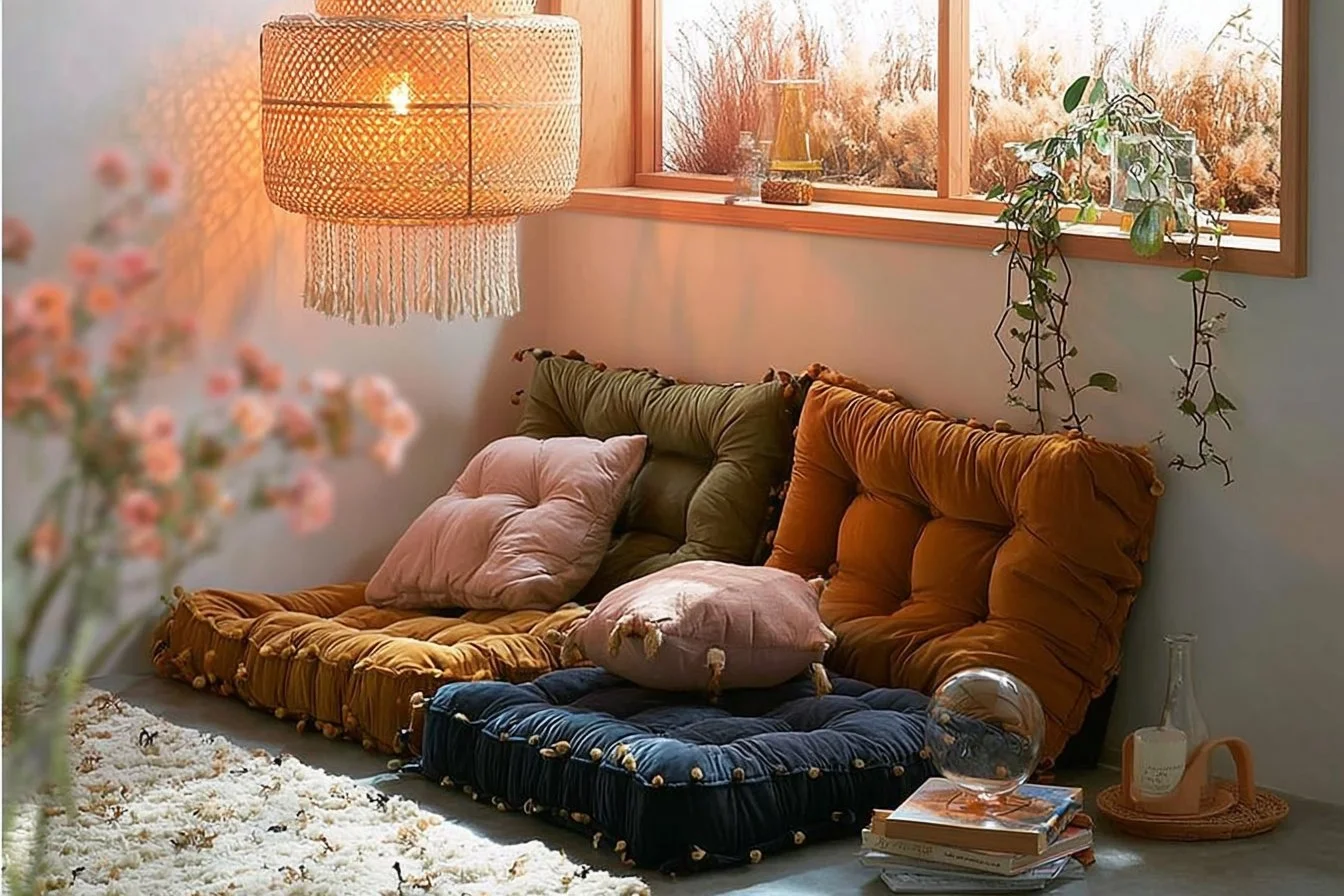
The Rohini Velvet Daybed Cushion effortlessly blends sumptuous comfort with refined style, transforming any daybed into a cozy, inviting centerpiece. Perfect for sunrooms, window nooks, or guest rooms, this cushion pairs plush velvet upholstery with thoughtful construction, offering both aesthetic appeal and lasting support.

Design & Materials

At the heart of the Rohini Cushion is its soft, densely woven velvet cover. Velvet introduces depth and subtle sheen to a space, reflecting light beautifully while providing a tactilely pleasing surface. Beneath the luxurious exterior, a high-resilience foam or layered fiber core ensures the cushion retains its shape, offering a perfect balance of support and softness.

Material highlights include:

  • Velvet cover with tight weave for durability and smooth finish

  • High-density foam or polyurethane core for consistent support

  • Reinforced seams and hidden zippers for longevity and ease of cleaning

Comfort & Support

A daybed cushion must be versatile enough to accommodate lounging, seating, and occasional overnight use. The Rohini Cushion’s foam core resists bottoming out while providing gentle give for a relaxing experience. Its thickness typically delivers adequate spinal support for most adults, while the velvet surface prevents sliding and remains comfortable against bare skin.

Tips for maximizing comfort:

  • Add a mattress topper or quilt for extra softness if you plan to sleep on it regularly

  • Rotate the cushion periodically to maintain even wear

  • Include bolsters or lumbar pillows to enhance back support

Styling Ideas

Velvet instantly elevates a room, and the Rohini Cushion adapts beautifully to multiple decor styles:

  • Modern Minimalist: Choose neutral tones like charcoal, ivory, or taupe. Pair with streamlined accessories—metal accent tables, monochrome throws, and clean lines create a sleek look.

  • Bohemian Chic: Layer jewel-toned cushions with patterned throws and textured rugs for a rich, eclectic vibe.

  • Classic Glam: Deep velvet hues look stunning with brass or mirrored accents, creating an elegant, sophisticated space.

Adding pillows in complementary textures—linen, knit, or silk—adds depth and contrast, enhancing the overall aesthetic.

Care & Maintenance

Keeping your velvet cushion looking and feeling its best is simple with regular care:

  • Vacuum gently with an upholstery attachment to remove dust and debris

  • Spot-clean spills immediately using a damp cloth and mild detergent; test on a hidden area first

  • If the cover is removable, follow washing instructions carefully (cold, gentle cycles are usually recommended)

  • Brush with a soft brush to restore the velvet’s nap and sheen

Additional tips:

  • Avoid prolonged direct sunlight to prevent fading

  • Keep sharp objects away to minimize snags

Sizing & Fit

Daybeds come in different lengths and widths, so it’s essential to verify dimensions before purchasing. Common sizes range from twin to full, and the cushion should fit the frame while providing even coverage.

Measuring guide:

  • Measure the internal frame length and width carefully

  • Consider edge overhang if you prefer a draped look

  • Factor in bedding and throws when evaluating cushion thickness

Buying Tips

When selecting a Rohini Velvet Daybed Cushion, consider:

  • Fabric durability and whether the velvet is performance-grade (stain-resistant)

  • Removable covers for easy cleaning

  • Return policies and warranty coverage

  • Customer reviews mentioning long-term shape retention and comfort

If you plan to use the daybed regularly as a sleeping surface, prioritize a firmer core or cushions marketed as “sleep-ready.”

Conclusion

Upgrading your daybed with a plush, stylish cushion like the Rohini Velvet Daybed Cushion can instantly transform your living space. Its combination of luxurious velvet, supportive foam, and versatile style makes it a perfect addition to modern, eclectic, or classic interiors. Take time to compare sizes, colors, and customer feedback to ensure your choice enhances both comfort and aesthetics. With the right cushion, your daybed becomes more than furniture—it becomes a cozy, elegant centerpiece for everyday living.

Categories
Living

25 Chic Modern Luxury Living Room Ideas to Inspire

A modern luxury living room blends clean lines, rich textures, and carefully chosen accents to create a space that feels both contemporary and indulgent. Whether you’re renovating a whole room or refreshing a corner, these ideas will help you strike the right balance between elegance and livability. For complementary bedroom ideas that align with modern-luxe aesthetics, check out 2025 bedroom design inspiration.

Core principles to follow

  • Prioritize quality over quantity: a few premium pieces make a stronger statement than many mediocre ones.
  • Keep palettes restrained: neutrals with one bold accent color often feel most sophisticated.
  • Layer textures: velvet, leather, metal, and stone provide depth without clutter.

25 Chic Modern Luxury Living Room Ideas

  1. Statement sofa
    • Choose a sculptural sofa in a luxe fabric (velvet or fine leather) as the room’s anchor.
  2. Sculptural lighting
    • A statement chandelier or asymmetrical pendant can double as art.
  3. Monochrome with a pop
    • Build a neutral base and add a single saturated color for drama.
  4. Mixed metals
    • Combine brass, chrome, and black metal for depth — keep finishes cohesive.
  5. Oversized artwork
    • One large canvas can unify the room and create a gallery-like vibe.
  6. Minimalist built-ins
    • Sleek shelving and concealed storage keep clutter away while showcasing selected objects.
  7. Textured wall treatments
    • Venetian plaster, wood slats, or grasscloth add tactile luxury to plain walls.
  8. Area rug anchoring
    • Oversized rugs define seating zones and bring warmth to large floors.
  9. Curved furniture
    • Rounded sofas and chairs soften modern lines and invite conversation.
  10. Layered window treatments
    • Combine sheer panels with heavy drapes for control of light and privacy.
  11. Accent chairs
  12. Built-in fireplace
    • A seamless, modern fireplace becomes a focal point and elevates comfort.
  13. Statement coffee table
    • Choose an artistic or mixed-material coffee table as a centerpiece.
  14. Hidden TV solutions
    • Use motorized panels, cabinetry, or artwork that slides to conceal screens.
  15. High-gloss and matte contrasts
    • Combine glossy lacquer with matte finishes for elegant contrast.
  16. Natural stone accents
    • Marble or honed stone for a side table, mantel, or accent wall feels timeless.
  17. Smart integration
    • Integrate lighting and AV seamlessly for a high-end user experience.
  18. Bespoke millwork
    • Custom cabinetry and trim create a tailored, expensive look.
  19. Statement bookshelves
    • Curate shelves with art, coffee-table books, and sculptural objects.
  20. Sculptural plantings
    • Architectural plants (like fiddle-leaf figs) in sculptural pots add life without clutter.
  21. Metallic accent trim
    • Thin metal inlays on tables or walls add subtle shine.
  22. Layered lighting
    • Combine recessed, task, and ambient lighting to shape mood and depth.
  23. Curated accessories
    • Edit accessories down to a few meaningful pieces rather than filling surfaces.
  24. High-contrast entrances
    • A dramatic foyer with a bold door or statement console sets the tone for the living space.
  25. Neutral luxury framework
    • Build a calm, neutral foundation and vary materials for an elevated result; for tips on neutral luxury decor in sleeping spaces (transferable to living rooms), see luxury neutral decor ideas.

Design tips for execution

  • Start with the largest item (sofa or rug) and layer outward.
  • Create focal points: art, fireplace, or a dramatic light fixture.
  • Keep traffic flow in mind; luxury is comfortable, not cramped.
  • Invest in two or three signature pieces and refresh smaller items seasonally.

Sourcing and budget

You don’t need a celebrity budget to achieve a luxe look. Mix investment pieces (sofa, lighting) with affordable accents (throws, pillows, decorative objects). Shop vintage or custom-shop for unique pieces that read expensive.

Maintenance and longevity

  • Choose durable finishes for high-use surfaces.
  • Protect textiles with professional cleaning plans.
  • Maintain natural materials (wood, stone) with appropriate care to preserve their premium appearance.

Conclusion

To finish your living room with the right ambiance, consider lighting options that complement both modern and luxurious sensibilities — one curated resource for fixtures that bridge style and function is Best modern kitchen island lighting ideas Factory Sale.