Categories
Kids

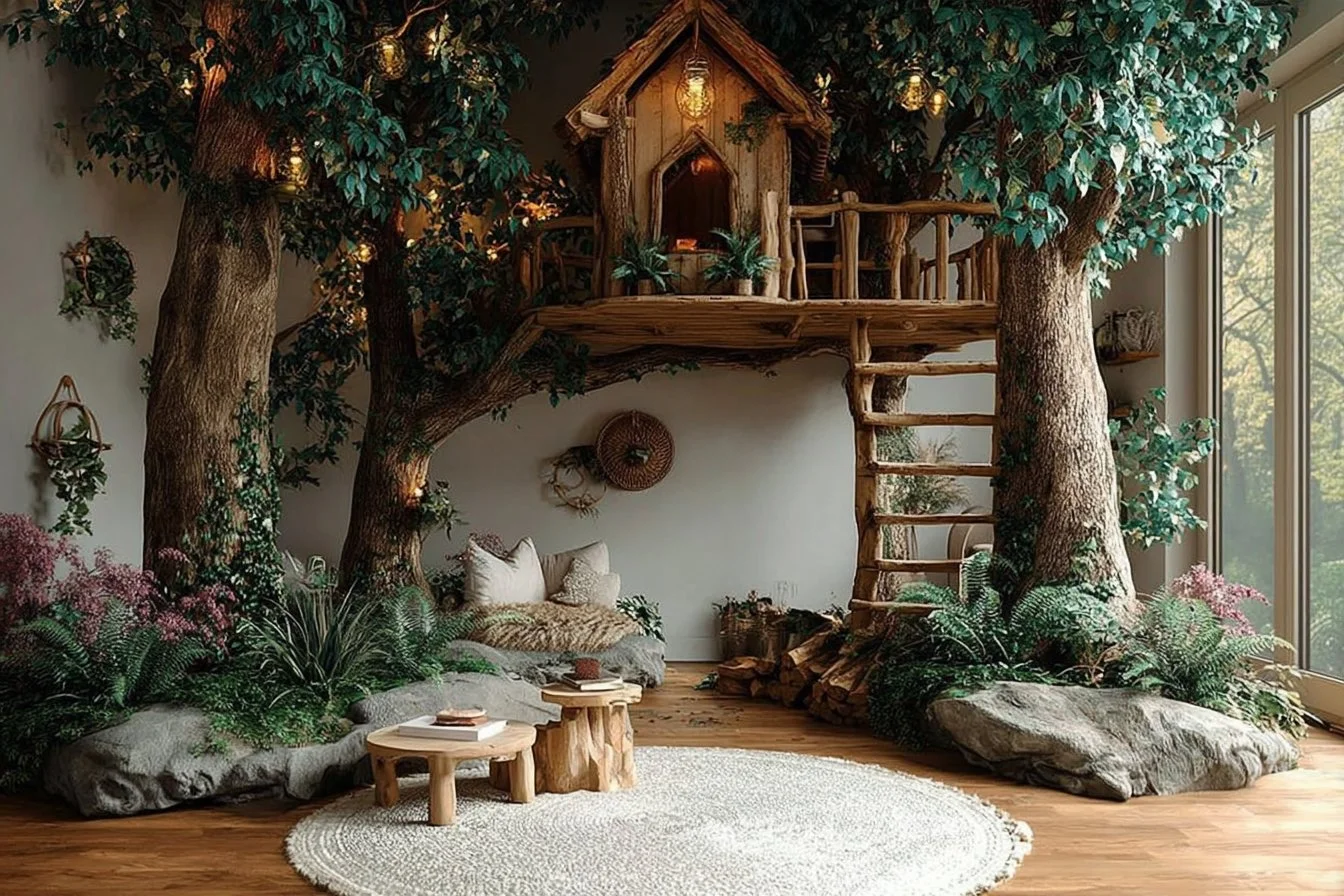
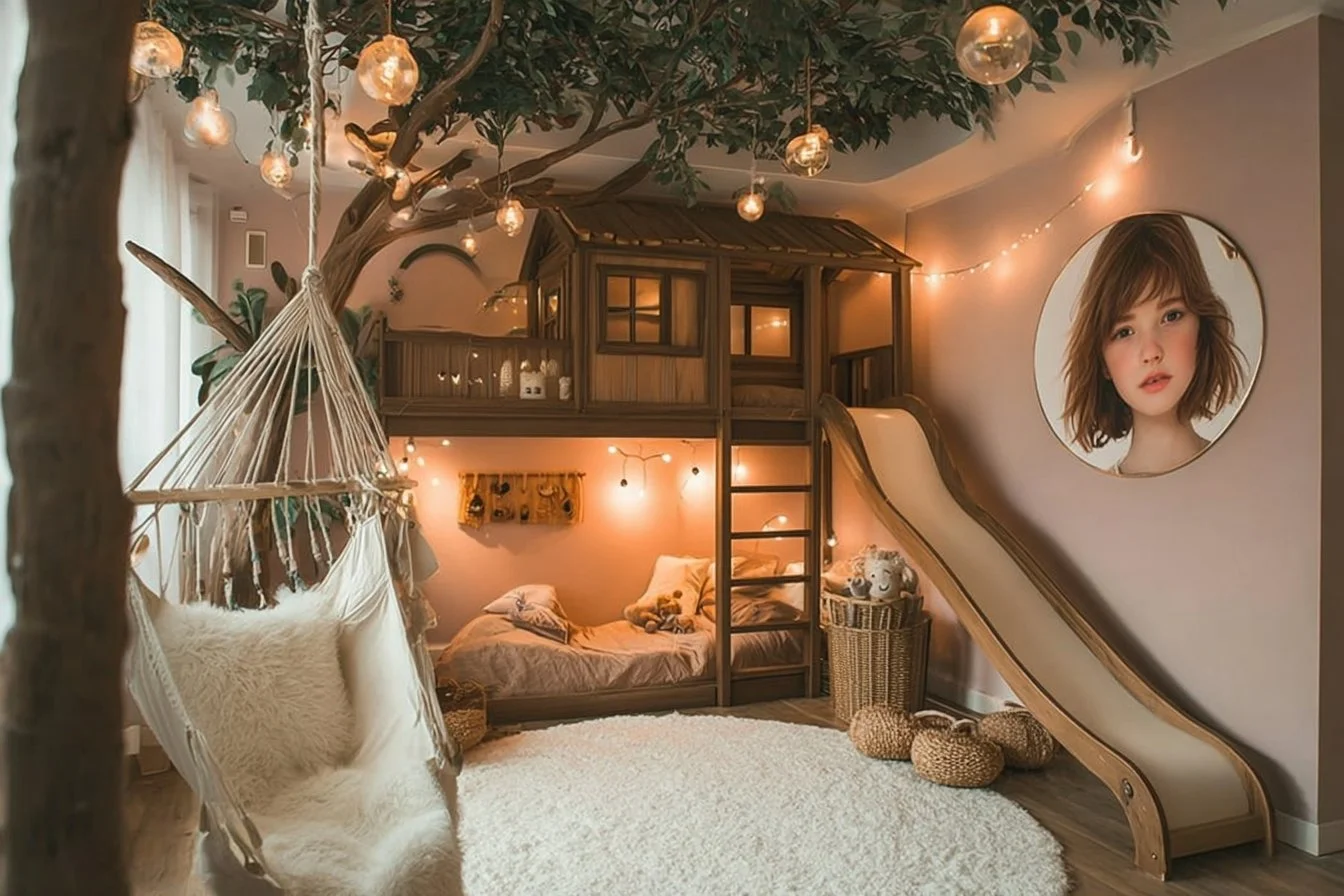
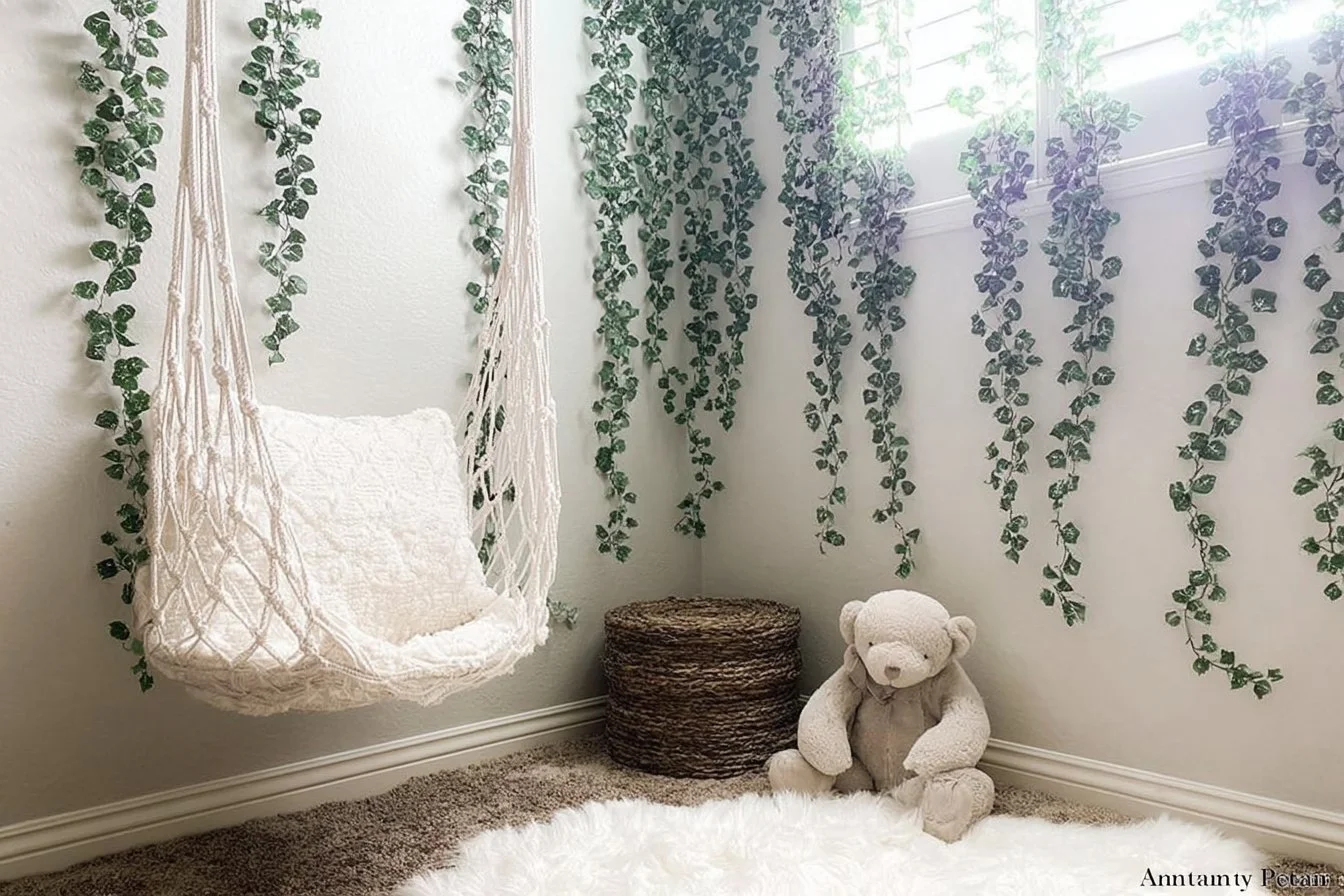
Girls Bedroom Decor on a Budget

Girls Bedroom Decor on a Budget: 6 Smart Ideas

I still remember the way our living room smelled after a Saturday of pancakes and laundry, the kids racing toy cars down the hallway while the neighbor waved from her porch. I am an American mom in my forties with two kids, eight and twelve, and our house is full of ordinary chaos and little triumphs. Between piano practice and weekend soccer, I collect small moments that tell me something about home: a crayon drawing stuck to the fridge, a friend dropping off a thrifted lamp, the evenings when we all pile into one bed for a movie. Those tiny memories are what make a room feel lived in. Over the years I learned that small choices, not big budgets, shape the places my girls love to spend time, and I enjoy sharing what works for families like ours. If you want to read more about our approach, check out our story at the about us page.

  1. Fresh Paint and an Accent Wall

    A fresh coat of paint is the fastest, most affordable way to reset a room without replacing anything. Paint changes the mood, makes mismatched furniture look cohesive, and is one of the top home décor ideas for budget refreshes. Pick a muted base color and one brighter accent to highlight the bed wall or a reading nook. Choose washable, low-VOC paints so they stand up to fingerprints and art projects.At home, involve your kids in choosing swatches and testing small sample cans. Use painter’s tape to create a simple geometric accent, or paint stripes for a tailor-made look without the cost of wallpaper. This kind of project is easy to break into afternoon sessions so it fits around soccer practices and school pickups. The result is dramatic, family-friendly, and perfect for quick updates that still look put together.

  1. Multi-functional Furniture that Grows with Them

    Smart furniture choices stretch a dollar and add function in small rooms. Multi-functional pieces like loft beds with desks, storage ottomans, and beds with built-in drawers are practical picks among interior styling tips for families. They reduce clutter, give each child a zone, and make cleaning faster when evenings get busy.Measure the room first and think vertically if floor space is tight. Look for secondhand or floor-model items that can be refreshed with paint or new hardware to match your color scheme. A thrifted desk paired with a comfy chair becomes a homework hub that also doubles as a crafting station on weekends. If you want personalized recommendations or product sources, feel free to contact me and I will share what has worked in our home. These choices create a flexible space that supports both play and study.

  1. Creative Storage Solutions that Look Good

    Storage that doubles as décor is a lifesaver for busy households. Baskets, labeled bins, and under-bed drawers keep toys and art supplies organized while adding texture and pattern. Good storage is one of the simplest decorating inspiration moves that helps a room feel calm and intentional.Try open cubbies with fabric bins so kids can see and access their things, or install floating shelves to display favorite books and small trinkets. Use matching baskets on the bottom shelf to corral stuffed animals, and place a small laundry basket near the door to avoid clothes pileups. These small systems make nightly tidy-ups faster and teach kids responsibility without sacrificing style. When neighbors drop off hand-me-downs, storage solutions help integrate new pieces without an overhaul.

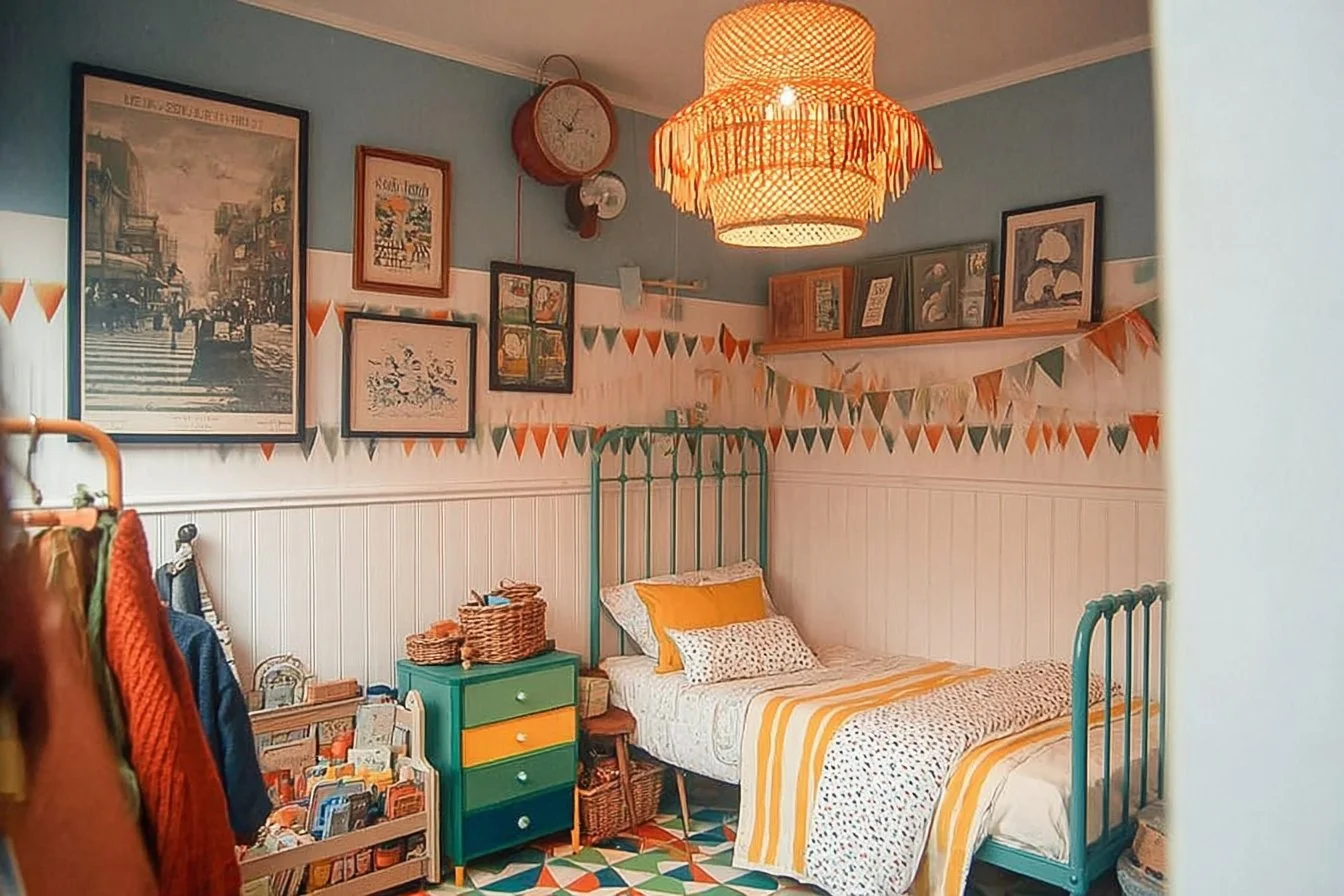
  1. Thrifted and Upcycled Finds with Personality

    A few well-chosen vintage pieces bring warmth and character without a high price tag. Thrift stores, neighborhood garage sales, and online marketplaces are treasure troves for headboards, nightstands, and picture frames. Upcycling with paint or new knobs turns a dated piece into a custom accent that feels intentional.Start small: refinish a bedside table to match a new paint scheme or reupholster a chair in a playful fabric. Let your kids personalize a thrifted frame with spray paint or stickers for a project that becomes keepsake art. These projects are perfect for weekend afternoons when the kids can help sand, select finishes, or choose colors. The result is a room that looks collected, not cookie-cutter, and it teaches children that style can be sustainable and creative.

  1. Textiles and Layers for Comfort

    Changing textiles is one of the most cost-effective interior styling tips you can use to refresh a girl’s room. New bedding, a soft rug, and layered curtains inject color and comfort while masking less expensive furniture. Mixing patterns and textures creates depth without spending a fortune.Shop sales for duvet covers and throw blankets, or repurpose fabric from older projects to make pillow covers. A washable cotton rug near the bed makes bedtime stories cozier and hides wear from everyday play. Curtain panels with a blackout lining improve sleep while framing windows beautifully. If you run a small shop or blog and want to collaborate, check our buy ad space page to learn how we work with local makers. Thoughtful textiles make a room feel grown-up enough for tweens while still cozy for family movie nights.

  1. Personal Gallery Wall and DIY Art

    A gallery wall turns simple walls into a storybook of the people who live there. Framed school art, family photos, favorite quotes, and DIY canvases create a personalized focal point that costs next to nothing. This is an easy decorating inspiration move that adds meaning and encourages creativity. Start with a few frames in the same finish for cohesion, then mix in handmade pieces or 3-D items like small shelves for dolls or trophies. Let each child pick one item to display and rotate pieces seasonally or as new artwork arrives from school. Craft nights become part of the process and memorable family rituals, and neighbors often swap frames or art in our community which gives the wall a lived-in charm. A personal gallery is functional, sentimental, and endlessly flexible.

Conclusion

Creating a beautiful, functional bedroom for girls does not require a big budget, just thoughtful choices and a little family input. From paint and textiles to smart storage and thrifted treasures, these home décor ideas and interior styling tips help you craft a room that feels personal and practical. For more step-by-step projects and ideas, check out this helpful resource on Easy Girls Bedroom Decor on a Budget – Somewhat Simple. Save these ideas, try one this weekend, and come back often for fresh decorating inspiration that fits real family life.
Categories
Kids

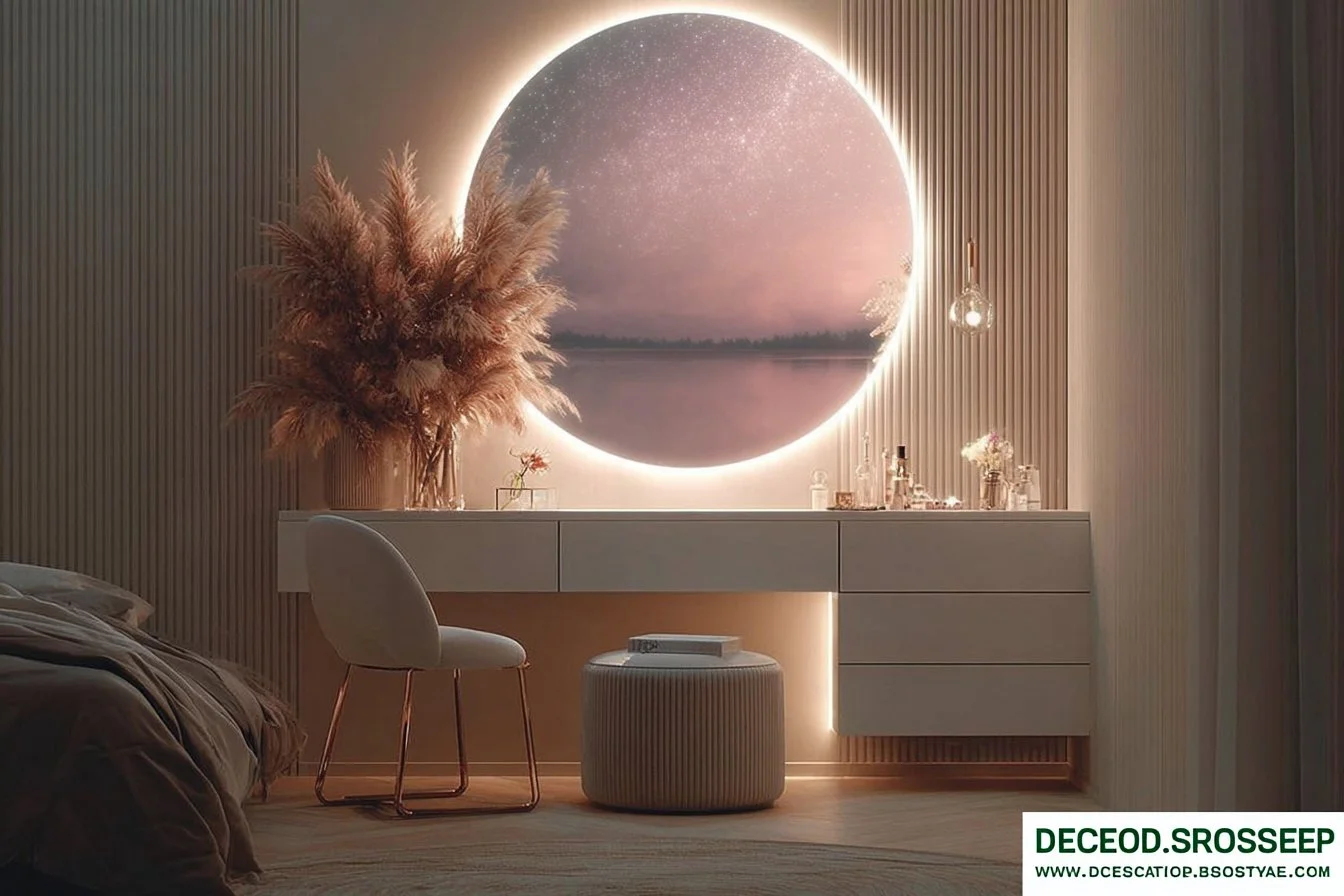
Girls Bedroom Design Ideas

I still remember the night my youngest crawled into bed with a flashlight and a stack of library books, insisting the ceiling would make a better reading sky than the living room lamp. Between carpools, neighborhood bake sales, and the small triumphs of homework done early, our house has been a constant flow of tiny emergencies and big hugs. My two kids, ages eight and twelve, share secrets, clothes, and sometimes a sock drawer, and those simple moments nudged me to rethink their rooms. Creating spaces that soothe after a long day, spark creativity on a Saturday morning, and survive sleepover chaos became my little project. What started as a weekend paint job evolved into thoughtful approaches that respect family life, neighbors’ curiosity, and a mom’s desire for order. The result? Practical, pretty spaces that feel lived in and loved.

  1. Color-blocked Walls with Removable Wallpaper

    Color-blocking a room using removable wallpaper or peel-and-stick paint panels gives a bold, playful look without a long-term commitment. It works because it adds visual interest and defines zones, which is perfect for a child’s changing tastes. Choose two or three complementary hues and wrap one wall or a portion of it for instant personality. Removable wallpaper is forgiving and renter-friendly, so you can refresh the room as your child grows. As a mom juggling school projects and neighborhood playdates, I loved that this approach lets me honor my daughter’s current obsession with stars or mermaids without starting a renovation. Pair the color blocks with simple white trim and cozy textiles to keep the space balanced. This idea blends decorating inspiration with practical upkeep, giving you a bold look that still holds up to sibling dramas and craft projects.

  2. Cozy Reading Nook with Built-In Shelves

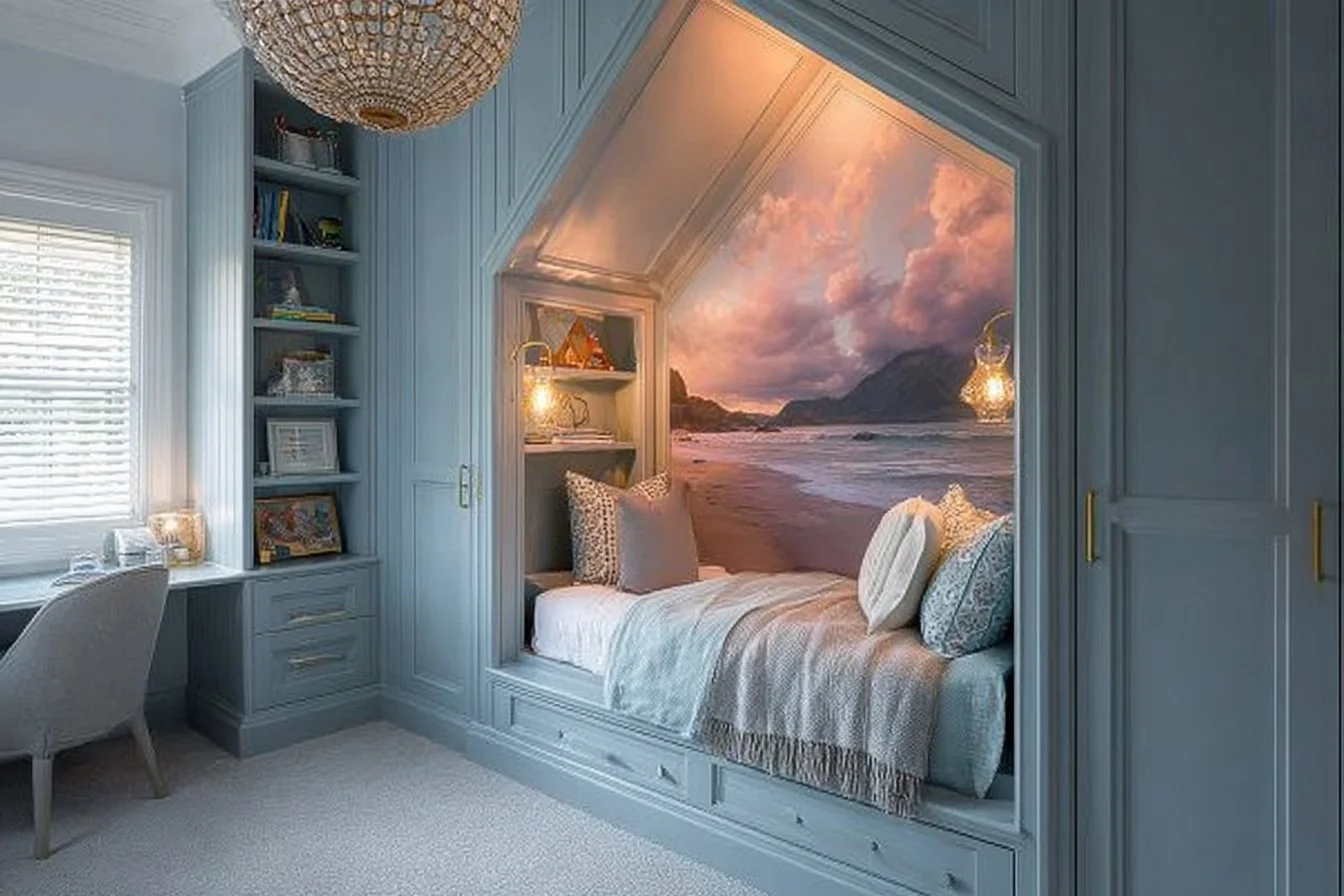
    A dedicated reading nook transforms bedtime routines and encourages quiet moments. Install shallow built-in shelves or floating ledges at kid height and add a plush cushion, throw pillows, and a small side lamp. This works because children feel ownership over a small, cozy space, which can boost independent reading and imaginative play. Keep a rotating selection of library finds and personal favorites to keep the nook feeling fresh. In our house, weekend library trips became a small ceremony; the kids pick books and then camp out in their corner while I tidy up dinner. Built-ins maximize small rooms and hide clutter behind baskets or bins, which helps maintain calm on busy mornings. This approach is a smart blend of home décor ideas and family-life practicality, encouraging routines that stick while looking Pinterest-ready.

  3. Convertible Furniture and Smart Storage

    When two kids share a room, furniture that adapts is lifesaving. Think trundle beds, lofts with desks below, and beds with built-in drawers. Convertible pieces work because they save floor space, organize belongings, and evolve with your child’s needs. Invest in a modular dresser where shelves can be reconfigured, and use labeled bins for toys, art supplies, and seasonal clothes. I remember reorganizing our son’s side for a science fair project and sliding the craft bin under the bed for easy access. Durable finishes and stain-resistant fabrics make these pieces family-friendly, so spills and late-night snack crumbs are less stressful. This is where interior styling tips meet real life: practical storage choices reduce clutter and create calm, giving you more time for homework help and neighborly chats without sacrificing style.

  4. Layered Lighting for Mood and Function

    Good lighting changes everything. Combine overhead fixtures with task lights for desks, bedside sconces, and soft string lights for ambiance. Layered lighting works because it supports multiple activities: study, sleep, reading, and play. Use dimmable bulbs or plug-in lamps to control brightness depending on the hour. In our home, switching on a warm bedside lamp signaled wind-down time, while a bright desk lamp meant focused homework. Consider motion-sensor night lights for trips to the bathroom to avoid flipping the main switch. This approach also allows you to introduce fun elements like star-projection lamps or colored bulbs for mood without overpowering the room’s overall design. Layered lighting blends decorating inspiration with daily routines, making the bedroom functional and cozy for busy family life.

  5. Personalized Gallery Wall and Display Ledges

    A gallery wall of framed art, school photos, and your child’s creations gives personality and celebrates milestones. Use simple frames in matching finishes or mix-and-match for a playful look, and include ledges to rotate artwork easily. This works because it honors the child’s identity and creates a focal point that’s both decorative and meaningful. I still swap out my daughter’s drawings with seasonal library bookmarks and notes from neighbors after a block party. Display ledges make those swaps quick and keep the wall from feeling permanent, so you can swap themes from ballerina to botanist as interests change. Include a small shelf for trophies or a favorite stuffed animal to keep the wall warm and personal. This idea offers decorating inspiration that showcases family memories while staying flexible for new achievements.

  6. Multi-Functional Study and Craft Corner

    Design a compact zone that supports both homework and creative projects. A slim desk with shallow drawers, a pegboard for supplies, and a wipeable tabletop keeps mess contained. This setup works because it separates focused tasks from play while fitting into tight rooms. Add a corkboard or chalkboard panel for reminders, schedules, and quick sketches. I put a small bin labeled “science lab” where my son stashes materials for experiments after school, and it has saved countless minutes hunting for glue sticks. Comfortable seating and adjustable task lighting help kids focus longer and reduce slouching. This combination of interior styling tips and organization solutions ensures the room supports study routines, artistic flare, and family schedules, making it easier to balance school nights and weekend crafts.

Conclusion

If you want more decorating inspiration to spark fresh ideas or to adapt any of these home décor ideas to your style, check out this helpful roundup of room options and looks. For additional reference and visual ideas, see 27 Best Girls’ Room Ideas in 2024 – Girls’ Bedroom Design. Save this post, try one change this weekend, and come back when the next mood arrives; these rooms are meant to evolve with your family.

Categories
Kids

Luxury Kids Bedroom Ideas for a Stylish and Comfortable Space

6 Luxury Kids Bedroom Ideas for a Stylish and Comfortable Space

I still remember the day I painted a tiny stripe on our oldest’s bedroom wall and thought it would barely be noticed. Now, a decade into after-school carpools, soccer snacks on the kitchen counter, and backyard lemonade stands with the neighbors, those little details feel like the threads that hold my family memories together. With two kids between eight and twelve, mornings are a cheerful blur of mismatched socks, last-minute homework checks, and the familiar sound of giggles down the hallway. Creating rooms that feel both grown-up and cozy became more than décor for me; it was about giving my kids peaceful corners to be themselves while keeping a style that makes me smile when guests stop by. That balance—comfort, practicality, and a little bit of luxury—is where my best interior styling tips began to grow.

Elevated Bedding and Layered Textiles

High-quality bedding transforms a room the way a well-chosen coat can lift an outfit. Soft, breathable sheets, a substantial duvet, and a mix of throw pillows add depth without clutter. Why it works: tactile layers invite relaxation and make a bed feel like a destination, not just a place to sleep. For families, durable fabrics like percale or linen blend softness with easy care, so spills and weekend forts do not ruin the look.

How to apply it at home: choose a neutral base sheet set, then add a statement quilt or velvet throw for contrast. Select machine-washable coverlets and keep a spare duvet in a labeled bin for quick swaps after sleepovers. In our house, I pair durable mattress protectors with a luxe-looking quilt; my kids still build pillow tents, but guests compliment the room every time. These home décor ideas deliver both elegance and practicality, making mornings smoother and bedtime feel special.

Statement Walls That Still Grow With Them

A carefully chosen wall treatment can read as playful today and sophisticated tomorrow. Whether it is textured plaster, a mural, or high-end wallpaper in a subtle pattern, a statement wall anchors the room and makes other pieces feel intentional. Why it works: walls take up the largest visual space, so investing there sets a tone without requiring constant updates as tastes change.

How to apply it at home: pick a single wall behind the bed or desk for bold impact. Opt for removable wallpaper if you expect a tween will want a change next year. In our neighborhood, one house painted a soft metallic stripe that looks whimsical in daylight and elegantly reflective at night. For families, choose colors that coordinate with furniture and toys so the room remains cohesive during every stage. Thoughtful wall choices are a top decorating inspiration that provide big style for relatively small effort.

Smart Furniture Mix: Scale, Quality, and Function

Luxury does not always mean extravagant. Mixing a few high-quality anchor pieces with playful, affordable finds elevates the space while keeping it kid-friendly. Why it works: proportion and function matter. A well-scaled bed, a sturdy dresser, and a refined desk give the room structure. Add modular storage and a comfortable chair for reading or homework to balance form and function.

How to apply it at home: invest in a solid bed frame and dresser that can last through growth spurts, then layer in trend-forward rugs or accent chairs that can be swapped. Use under-bed drawers or built-in shelving to hide toys and craft supplies. I learned from a neighbor whose clever built-in bench stores sports gear; it keeps the room tidy and the design feels cohesive. These interior styling tips create a room that looks considered and serves a busy family’s daily routine.

Layered Lighting for Ambience and Function

Lighting changes everything. A single harsh overhead light makes a room feel flat, while layered lighting adds depth and usability. Why it works: combining ambient, task, and accent lighting lets kids do homework, read comfortably, and wind down in a cozy glow. Lighting design also subtly elevates a space, making it feel more luxurious.

How to apply it at home: start with a dimmable overhead fixture, then add bedside lamps or wall sconces and a focused desk lamp. Consider a small chandelier or decorative pendant to add drama while keeping wattage kid-appropriate. In our home, swapping out a plain ceiling fixture for a statement pendant made the whole room feel curated. Choose LED bulbs with warm color temperature for comfort. These decorating inspiration tips help craft zones for play, study, and rest without sacrificing style.

Personalized Art and Curated Accessories

Personal touches make a room feel like it belongs to the child, not just to a magazine spread. Curated art and accessories blend sophistication with personality. Why it works: artwork and meaningful objects give children a sense of ownership and make a space emotionally rich without adding clutter.

How to apply it at home: create a gallery ledge with a rotating mix of framed drawings, photographs, and tasteful prints. Use matching frames to keep the display polished, and include a few sculptural pieces or a special lamp. My kids love swapping their own art into frames, and neighbors often comment on how personal and grown-up the room looks. For practical styling, keep smaller accessories on trays or in baskets so surfaces stay tidy. These home décor ideas ensure the room is both beautiful and deeply personal.

Cozy Reading Nook and Flexible Zones

Designing dedicated zones encourages better routines and gives kids private spaces to grow. A cozy reading nook or a flexible corner for crafts fosters relaxation and creativity. Why it works: distinct areas make a room multifunctional and prevent the whole space from feeling chaotic when toys or projects are out.

How to apply it at home: carve out a corner with a small upholstered chair or floor cushion, a soft rug, and a low shelf with favorite books. Add a string of soft lights or a small lamp for evening reading. For older kids, a fold-down desk or modular cubbies can transform the same corner into a study spot. I remember one rainy afternoon when both my children curled up in a shared nook to finish a book together; those quiet moments became part of our daily rhythm. These interior styling tips help make every square foot work harder while keeping the room inviting.

Conclusion

If you want more ideas to keep refining your child’s space, a great resource is this curated collection of inspiration, which includes a wide range of looks from simple upgrades to bold renovations. Explore 70 Best Kids’ Bedroom Ideas for 2025 for extra decorating inspiration and practical home décor ideas to adapt to your family’s needs. Save a few favorites, try one small change at a time, and come back to these interior styling tips when you need fresh motivation.

Categories
Kids

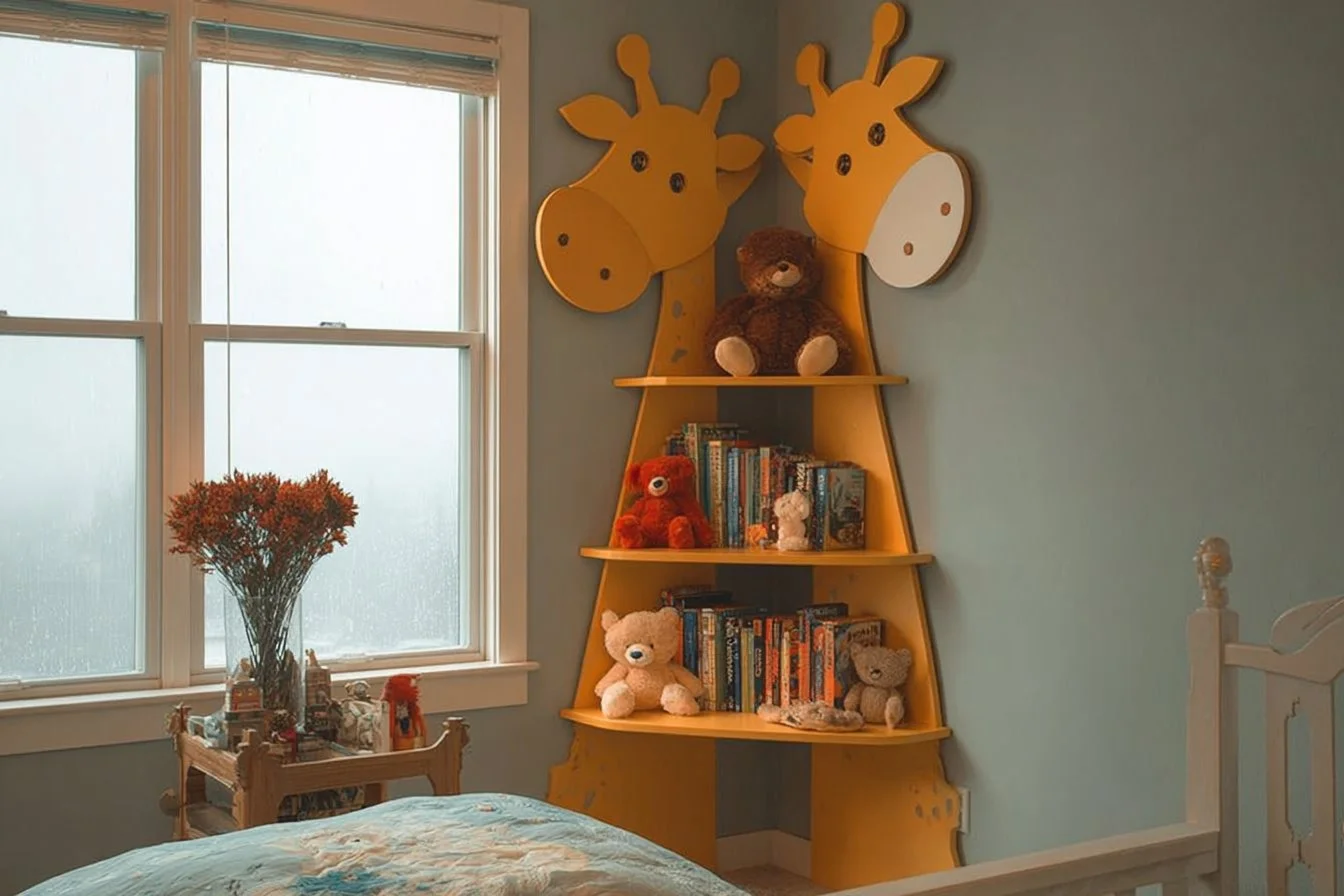
Transform Kids’ Rooms with Corner Shelf Decor and Animal-Shaped Wall Shelves

When the afternoon quiet hits and I’m folding laundry while the kids build yet another blanket fort in the living room, I often catch myself remembering the little things that made my own childhood room feel magical. Our two kids, ages 8 and 11, have a knack for turning ordinary afternoons into treasure hunts, and our neighbor’s daughter stops by after school to trade stickers and stories. Those small rituals—bedtime stories on the rug, swapping drawings at the kitchen counter, and the way light pools in the window—made me realize that thoughtful touches in a child’s space do more than store toys. They create memories. That gentle prompting is why I began experimenting with corner shelves and animal-shaped wall shelves; they felt like tiny stages for my kids’ daily lives, full of comfort and personality without overhauling the whole room.

  1. Cozy Corner Reading Nook with Floating Corner Shelves

    A small corner can become the family’s favorite spot when you add floating corner shelves at varying heights. Corner shelving makes the most of unused space and keeps books and bedtime treasures within arm’s reach. Why it works: corners are naturally intimate and, when layered with soft cushions and soft lighting, they invite lingering. How to apply it at home: mount three cloud or triangular floating shelves in a stepped pattern, place picture books and a small LED lamp, and top off the nook with a washable floor cushion. This setup offers quick access for an 8-year-old who devours picture books and a preteen who likes to tuck in with a comic after homework. It’s one of those simple interior styling tips that supports quiet routines and family reading time without crowding the room.

  2. Animal-Shaped Wall Shelves as Playful Display

    Animal-shaped wall shelves double as wall art and storage, giving kids a sense of ownership and whimsy. A fox, whale, or cloud shelf instantly becomes a focal point that sparks imagination. Why it works: kids connect emotionally to playful shapes, and these shelves are both decorative and functional, holding favorite toys, small plants, or night lights. How to apply it at home: choose one or two animal shelves placed at eye level for each child, use soft, non-toxic paint or prefinished wood, and switch out displayed items on weekends. Incorporating these shelves into a shared room can even help avoid morning squabbles—each child has a designated shelf for their prized possessions. For family life, they become conversation starters with visiting grandparents and friends.

  3. Tiered Corner Shelf Gallery for Art and Awards

    Turn a plain corner into a rotating mini-gallery with tiered corner shelves. This idea celebrates creativity and keeps awards and craft projects on proud display. Why it works: children crave recognition, and seeing their art showcased boosts confidence while keeping clutter off the floor. How to apply it at home: install a slim, tiered corner shelving unit and dedicate a shelf to current artwork, another to school projects, and a top shelf for trophies or photos. Frame a few pieces on inexpensive mat boards to elevate the look without fuss. On school nights when my son runs in waving a new drawing, we swap out a piece and talk about what he learned. This approach blends decorating inspiration with practical storage and supports a rotating showcase that keeps the room feeling fresh.

  4. Themed Shelves for Learning Zones and Play Areas

    Shelves can define zones within a bedroom—one corner for reading, one for crafts, one for STEM toys. Using themed decor like animal-shaped bookends or corner shelves painted with chalkboard paint creates interest and helps kids know where things belong. Why it works: clear zones reduce stress and encourage independence when kids can find and put away items themselves. How to apply it at home: choose a theme that reflects your child’s interests—dinosaurs, ocean life, space—and coordinate shelf colors and small décor items. Install a low corner shelf for craft suppliesable bins and a higher animal shelf for display pieces. My daughter loves labeling baskets with drawings she made, which has made cleanup after playdates much faster. These interior styling tips are both playful and practical for everyday family life.

  5. Mix-and-Match Materials for Texture and Durability

    Combining materials like painted MDF animal shelves, raw wood corner shelves, and woven baskets adds sensory variety that grows with your child. Why it works: texture and quality materials give a room depth and stand up to everyday wear from busy kids. How to apply it at home: pair soft pastel-painted animal shelves with a sturdy wooden corner ladder shelf for heavier items. Use wall anchors rated for the load and choose finishes that clean easily. Over a weekend, my husband and I sanded and sealed a thrift-store shelf while the kids painted cardboard cutouts, turning a chore into a family project. This choice reflects smart decorating inspiration—thoughtful materials add character while being practical for family life.

  6. Growth-Friendly and Safety-First Shelf Layouts

    Kids change fast, so design shelves that adapt as they grow. Adjustable or modular corner shelves and wall mounts let you raise displays to eye level for older kids or lower them for early readers. Why it works: flexible systems extend the life of your décor and prevent frequent replacements, which is great for the budget-conscious parent. How to apply it at home: choose shelves with adjustable brackets, secure all wall mounts into studs, and keep heavier items on lower tiers for safety. Animal-shaped shelves make great anchors for a child’s evolving collection—swap stuffed animals for digital devices as needs change. I remember moving a shelf down when my son moved from preschool toys to sports gear, and the difference in usability made our mornings smoother and safer.

Conclusion

These ideas are meant to be gentle nudges toward a room that feels like home while serving real family needs. Try one corner at a time and let your kids help choose colors or animals for their shelves; it’s a fun weekend project that becomes part of your family story. For an easy starter set of corner shelves that work beautifully in a cozy nook, consider the Beskadi Cloud Floating Corner Shelves – Set of 3 on Amazon. Save this article on Pinterest for future home décor ideas and come back when you’re ready to tackle the next small change that brings big comfort.

Categories
Kids

Space themed boys room inspiration

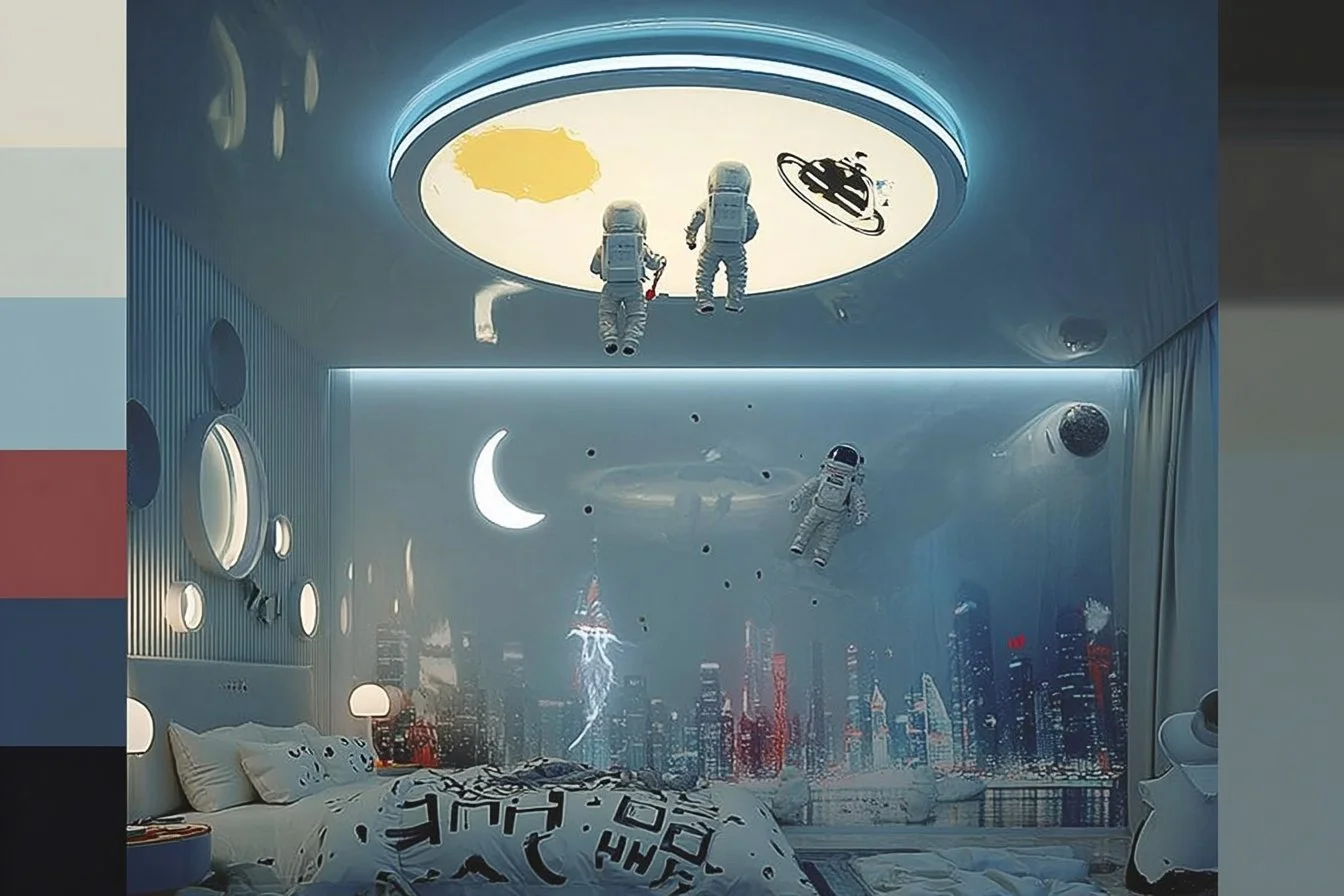
I still remember the night my younger son crawled into bed, flashlight tucked under his chin, convinced the ceiling held secret constellations only brave children could see. As a forty-something American mom with two kids between eight and twelve, our house hums with soccer cleats, school projects, and neighbor kids knocking on the door to ride bikes. Weekends mean pancake mornings and impromptu backyard stargazing, and small rituals like that shape how I think about our rooms. Creating warmth and wonder in a child’s space feels more like crafting memories than matching trends. That blend of practicality and playfulness is exactly why I started reworking bedrooms into little launchpads of imagination, where everyday life meets decorating inspiration and families gather to dream together.

Celestial mural or accent wall


A painted mural or high-quality wallpaper with planets, galaxies, or a simple starfield becomes the room’s focal point and sets the tone for the whole scheme. Visually it anchors the space, so other elements like bedding and toys feel intentional rather than cluttered. For a realistic but budget-friendly approach, choose peel-and-stick wallpaper or commission a local artist for a small section behind the bed. I painted a scaled planet scene to match my older son’s school project, and neighbors complimented the cozy, storybook feel during a block party. When planning, think about scale and sightlines so the mural reads well from the doorway and while tucked in at bedtime. This kind of bold statement is one of those home décor ideas that instantly turns a plain room into an immersive environment without sacrificing daily practicality.

Starry ceiling and smart lighting


Lighting transforms mood, and for a space themed room a starry ceiling projector or layered lighting creates bedtime magic while supporting practical use. A soft, dimmable overhead fixture paired with a string of warm LED stars or a compact projector lets kids read or play and then drift off under a gentle night sky. In our house, we installed a projector that casts moving galaxies and added a lamp with interchangeable color bulbs for homework nights. This dual setup offers interior styling tips that balance whimsy with function. Place task lighting near a desk and a low-level nightlight near the door so kids can navigate bathrooms or hallways without waking the whole house. These small changes support routines and create memories, and they work well whether your child prefers rocket ships or astronauts.

Space-themed bedding and textiles


Textiles are an easy swap that refreshes a room overnight. Bedding, curtains, and rugs with subtle planet motifs, constellation prints, or rocket embroidery provide comfort and visual cohesion without committing to full redesign. I found that mixing a bold patterned duvet with solid throw pillows keeps the look grounded and less juvenile as kids get older. Choose machine-washable fabrics for frequent laundry cycles and consider layering textures for a cozy, lived-in feel that fits a busy family life. When my younger son joined a sleepover, his friends noticed the glow-in-the-dark sheets and wanted the same playful detail at home. Incorporating these fabrics is one of my favorite decorating inspiration moves because it’s affordable, swap-friendly, and perfect for adapting to changing interests as kids grow.

Functional furniture with a space twist


Smart furniture choices make a themed room maintain order while fueling imagination. Look for beds that double as storage, desks with adjustable heights, or bookcases shaped like rockets or space stations, which blend utility with visual interest. We swapped a bulky dresser for a chest with labeled drawers, which made morning routines smoother when both boys dressed for school in the same hallway. A small reading nook with a comfy chair and a spaceship-shaped shelf became the homework command center during busy sports seasons. Opt for durable materials and finishes that hide scuffs, and choose pieces with easy-to-replace accents like knobs or decals to refresh the look without buying new furniture. These interior styling tips help a room stay kid-friendly and camera-ready for those Pinterest-worthy moments parents love to save.

Educational displays and interactive play zones

Turning the room into a place for both learning and play deepens engagement and extends use beyond sleep. A wall-mounted world map that highlights planets, a corkboard for science fair projects, and a simple telescope by the window invite curiosity and discovery. Our family keeps a rotating shelf of space books and DIY model kits so rainy days become mini science labs. Incorporate a small table for crafts and model-building that can also serve as a snack station during movie nights. These decorating inspiration elements encourage hands-on learning and give siblings a shared zone to brainstorm and bond. Integrate labels or family rules nearby to keep things tidy and respectful, especially when neighbors or friends stop by after school to collaborate on the next rocket design.

Conclusion

If you want to gather more pieces that spark imagination while staying practical, consider browsing curated finds that fit this approach. For a quick way to shop themed accents and decor that match the ideas above, check out Outer Space Room Decor For Boys – Amazon.com for options like bedding, wall decals, and night lights that work well with the layers and styling tips described here. Save the ideas you love, try one refresh at a time, and revisit the room every season to adapt it as your kids grow and their interests evolve.

Categories
Kids

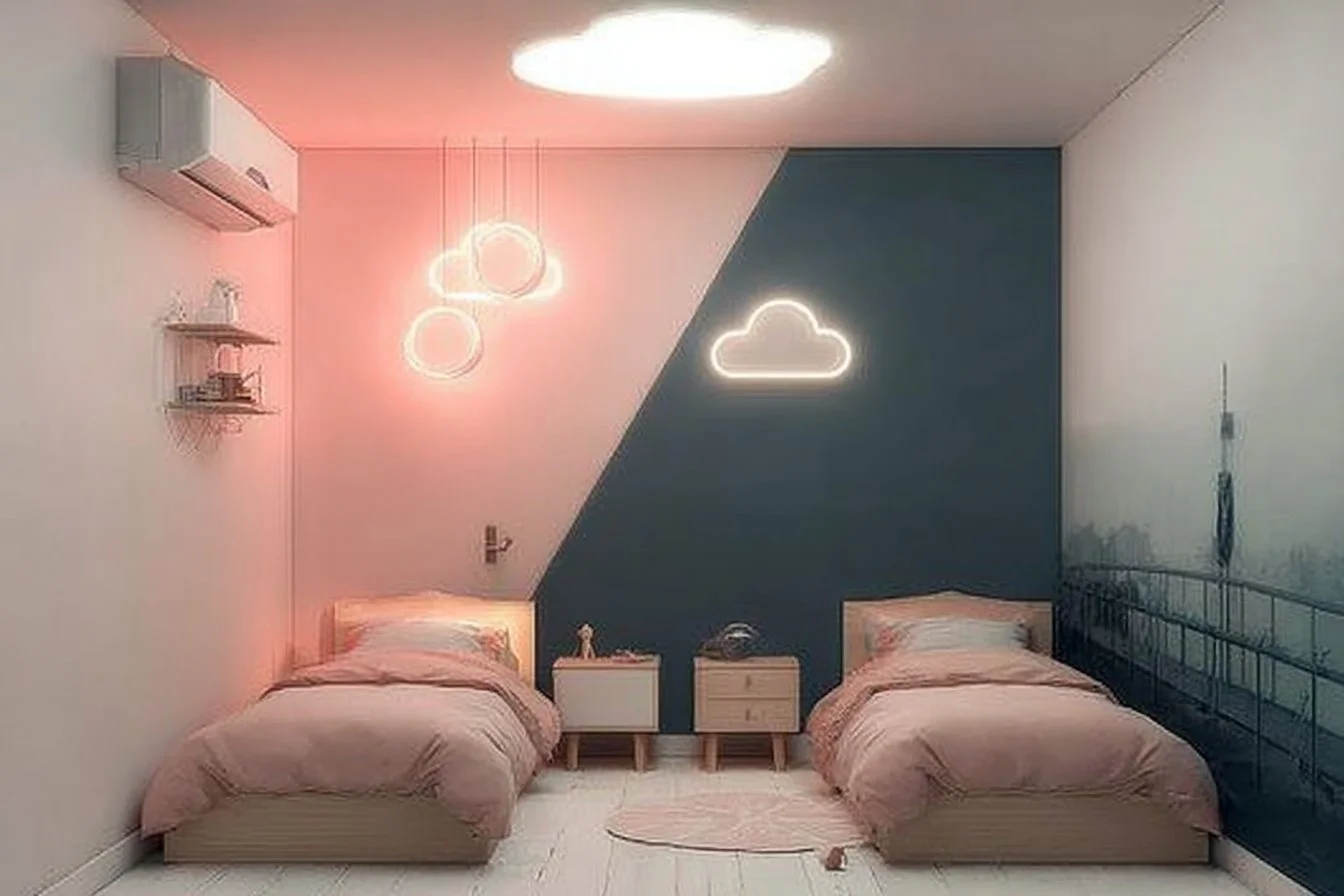
The Best Girl and Boy Shared Bedroom Design Ideas

Some nights I linger in the doorway, watching my two kids — one who hoards books and one who sleeps with a flashlight — trade whispers over a blanket that smells like summer. Being a mom in my forties, I have a file in my head of small neighbor barbecues, school morning chaos, and the way our house fills up with homework and snack crumbs. Our shared bedroom is where homework turns into giggles and where scraped knees get patched between bedtime stories. I’ve learned that thoughtful touches can calm the chaos and make room for both personalities without sacrificing sleep or style. Those gentle changes are the kind that stick, the kind neighbors ask about, and the kind family photos remember. If you love easy home décor ideas that work for real life, you will find this practical, cozy guide helpful. For ideas on calming palettes that translate to every age, see these cozy calm bedroom ideas.

  1. Zoning with Bunks and Loft Beds

    A loft or bunk approach creates distinct zones for sleep, play, and study while freeing floor space for toys and running shoes. This design works because vertical space is often underused, and lifting one bed opens room for a desk or a reading nook underneath. At home, choose a solid ladder and guardrails for safety, and add a soft rug beneath the loft to warm the footprint. Paint the underside of the loft in a soft color or add string lights to make it feel like a secret fort. For us, the lower bunk became a homework station on weekdays and an afternoon reading den on weekends, giving both kids a sense of ownership without arguments over territory. This idea blends clever interior styling tips with practical safety choices to keep energy focused and clutter minimized.

  2. Neutral Base with Colorful Kid Zones

    Starting with a neutral palette gives the room longevity and makes it easy to introduce personal color choices that change as kids grow. Neutral walls, bedding, and a shared rug form a calm canvas that visually enlarges the room, while the kids pick accent colors through pillows, wall decals, or desk lamps. This works well because it reduces visual conflict and makes cleaning up feel less chaotic. To apply this, paint walls in a warm off-white or pale gray and add two accent corners with removable peel-and-stick wallpaper or decals—one side blue-green, the other coral or lavender. Switch out accents seasonally or as tastes change for a quick refresh. Families with tight schedules will appreciate how this approach streamlines decision making and keeps the space feeling curated. For a refined twist on neutral styling, peek at some luxury modern Japandi ideas that translate beautifully into kid-friendly versions.

  3. Smart Storage That Grows with Them

    Storage is the unsung hero of shared rooms. Built-in drawers under beds, labeled bins, and cubbies keep toys, art supplies, and seasonal clothes organized without overwhelming the room. The reason this idea works is that accessible storage teaches kids to put things away while giving each child responsibility over their own space. At home, use low open shelving for daily items and higher closed storage for less-used belongings. Color-code baskets or add name tags so each child recognizes their zone. My neighbor swears by rolling bins that slide under beds for sleepover gear, which made our own sleepover hosting smoother. This storage approach supports routine and reduces nightly battles, and it provides many opportunities for subtle decorating inspiration when baskets and bins match the room’s palette.

  4. Personalized Display Walls for Identity and Pride

    A shared room can celebrate differences with two mini gallery walls. One wall can showcase sports posters, sculptures, or a corkboard of homework, while the other displays drawings, favorite photos, and trophies. This approach works because it honors individuality without carving the room into permanent halves. To apply, measure two equal wall sections and install picture rails or floating shelves so the displays can evolve without extra holes in the wall. Encourage the kids to curate their own area and switch pieces every few months. I remember how proud my daughter was the first time she rearranged her shelf; it became a confidence builder and a weekend project the whole family enjoyed. Personalized displays bring decorating inspiration into day-to-day life and invite visitors to learn about each child’s interests.

  5. Curtains, Rugs, and Color Blocking to Create Separate Feelings

    You can create the illusion of separate rooms without construction by using curtains, rugs, and color blocks. This works because visual and textile boundaries give each child a private nook while maintaining the flexibility of a shared space. For application, hang light, noise-dampening curtains on a ceiling track that can be pulled between bunks or reading corners. Choose area rugs with different patterns or color tones under each bed to define sleeping spaces. Add a shared lamp and a small divider shelf that opens on both sides for toys and bedside books. In our household, a simple curtain became a stage for play and an instant privacy retreat for teens during study season. These small fixes are easy to update and align with popular home décor ideas that keep function at the forefront.

  6. Creative Study and Play Zones that Adapt

    A shared desk or two side-by-side workstations with privacy dividers help siblings focus while keeping a sense of togetherness. This layout works because it teaches collaboration and boundaries at the same time. At home, pick a long table with adjustable chairs and add clip-on lamps for individual lighting. Use magnetic boards or chalk paint sections above each work area so study tools live vertically and desks stay clear. For younger kids, integrate a play surface that doubles as a craft table with wipe-clean tops. Our Friday craft nights moved smoothly when each kid had their own pegboard for art supplies and a communal jar for shared markers. These functional touches make homework less stressful and offer a steady stream of interior styling tips that parents can tweak as kids mature.

Conclusion

Designing a shared bedroom for a girl and boy is about blending practical solutions with spaces that reflect each child. Save your favorite idea, try one change at a time, and revisit what works as kids grow. For more practical and creative options, check out 24 Ideas for Designing Shared Kids Rooms to spark additional decorating inspiration and home décor ideas you can adapt easily. Pin a few looks, involve the kids, and enjoy the process of building a room that holds memories.

Categories
Kids

6 Boys Bedroom Makeover Ideas That Grow With Your Kids

Some of my favorite memories are built around the chaos of a Saturday morning: cereal bowls on the counter, the neighbor kids barreling through the yard, and my two boys—now eight and twelve—wrangling over whose turn it is to build the biggest Lego fortress. As a mom in my forties, I’ve learned that home is less about perfect styling and more about comfy corners where stories begin. Between carpools and bedtime stories, I started thinking about ways to make our home feel calmer and more purposeful. That slow realization led to a handful of projects that balanced play, sleep, and storage without costing a fortune. If you enjoy browsing home décor ideas and need practical interior styling tips that actually work for busy families, the following ideas grew out of real life, not just Pinterest boards. For a few modern touches I borrowed from broader design trends, I referenced some practical modern bedroom ideas here: modern bedroom ideas.

Section 1 — Color Palette That Grows With Them

Pick a base palette that feels calm and versatile. Neutral blues, soft greens, and warm grays are less likely to feel dated as interests change. These hues create a backdrop that supports evolving decor without frequent repainting, and they photograph beautifully for Pinterest-friendly rooms. Why it works: a restrained palette reduces visual clutter so toys and art can become focal points. How to apply it at home: paint two opposing walls a muted color and keep the rest light, then add accents in brighter tones through bedding or removable wallpaper panels. Family touch: my older son requested an accent navy wall for a model-sailboat display, while the younger one loved teal for his superhero capes; both choices sat comfortably against the same neutral backdrop. This approach brings decorating inspiration into everyday life and reduces the need for constant updates.

Section 2 — Multifunctional Furniture for Small or Shared Rooms

Choose pieces that do double duty: loft beds with desks underneath, bunk beds with drawers, and storage ottomans that pull double duty as seating. Multifunctional furniture maximizes floor space for play and makes cleanup simpler, which is golden on weeknights when homework and dinner overlap. Why it works: smart furniture reduces clutter and lets kids enjoy distinct zones for sleep, study, and play without needing extra square footage. How to apply it at home: measure first, then invest in a bed with built-in storage or a desk that folds down when not in use. For a more traditional feel, mix solid wood pieces with practical laminates so you get durability and style. Lifestyle note: when we added a loft bed with a homework nook below, my middle-of-the-night helper turned into a morning independent worker, and the battles over desk space stopped. For a few cozy, related ideas check out this dreamy bedroom inspiration: dreamy farmhouse bedrooms.

Section 3 — Themed Accents That Are Easy to Switch Out

Instead of committing to a full themed room, use changeable accents like rugs, wall decals, and bedding to add personality. A galaxy-themed throw, a dinosaur lamp, or a map poster gives kids something to love and makes updates affordable. Why it works: removable elements satisfy changing tastes without major renovation, and they photograph nicely for boards focused on decorating inspiration. How to apply it at home: use peel-and-stick decals on a wardrobe or a single wall, choose a pattern rug that ties the room together, and use a couple of themed storage bins for toys. Family angle: our youngest rotated through a superhero phase into a space phase in six months; swapping bedding and a wall decal kept the room feeling fresh without repainting. For the kid who loves all things outer space, inspiration can be paired with durable basics so the theme never overwhelms the room.

Section 4 — Smart Storage That Makes Cleanup a Habit

Storage is the secret to a magazine-worthy room that still functions for everyday life. Open bins, labeled drawers, and under-bed boxes make toys and clothes easy to sort. Why it works: when kids can see and reach storage, they’re more likely to help. Clear containers or fabric bins grouped by category reduce decision fatigue for both kids and parents. How to apply it at home: install a low shelf with baskets for frequently used toys, add hook rails for backpacks, and use drawer dividers for socks and small items. Lifestyle reference: we turned cleanup into a game with a timer; the boys loved racing to put things in the right bins, and our sanity improved overnight. These strategies blend interior styling tips with practical parenting — useful for families who want a pretty room that survives real life.

Section 5 — Layered Lighting and Cozy Textiles

Lighting changes mood. Combine a bright overhead light for homework time with a warm bedside lamp for reading and softer string lights for relaxed evenings. Textiles like washable rugs, quilts, and curtains add warmth and help absorb noise in busy households. Why it works: layered lighting accommodates different activities and supports sleep routines, while textiles create a comfortable, inviting feel that makes a room feel finished. How to apply it at home: choose a dimmable bedside lamp and add a washable rug that can handle spills. Swap out heavy drapes for light-blocking liners that still let the room feel airy during the day. Family touch: our house is full of music and brotherly debates, and adding thick curtains helped dull the noise so bedtime stories became peaceful again. For bold decor with a playful edge, consider mixing practical fabrics with eye-catching accents from kid-friendly collections like this galaxy-inspired set: galaxy kids decor.

Section 6 — DIY Personalization and Growth-Friendly Systems

Encourage creativity with DIY projects that become keep-sake elements of the room. A growth chart behind the door, a framed collage of their art, or a magnetic board for rotating displays is personal and easy to update. Why it works: personalized elements build ownership and strengthen a child’s connection to their space, making them more likely to care for it. How to apply it at home: dedicate a wall or strip for rotating artwork, add hooks at kid height for jackets, and use a simple pegboard above a desk for supplies that can change with interests. Family moment: we turned a rainy afternoon into a gallery night, framing favorite drawings and letting each boy curate their shelf; they beamed, and the room instantly felt more theirs. These small, meaningful additions keep decorating inspiration rooted in family life and celebrate growth over time.

Conclusion

If you want projects that are beautiful, practical, and built around real family life, start with one change and see how it shifts routines. Save the ideas that speak to you, try one small makeover this month, and revisit elements as your children grow. For a helpful example of a full project that inspired some of these tips, check out this detailed Boys Bedroom Makeover – Making Pretty Spaces Blog: Boys Bedroom Makeover – Making Pretty Spaces Blog.

Categories
Kids

6 Fun and Themed Kids’ Playroom Ideas

I still remember the Saturday morning when my neighbor Mrs. Carlson knocked on our door with a plate of cinnamon rolls and a laugh about the toy avalanche that had spilled into her yard. As a mom in my forties with two kids between eight and twelve, our house is a constant rotation of homework, soccer cleats, and late-night fort-building. Those small moments taught me that a playroom should feel like an invitation, not a battleground. I borrowed calming paint cues from other rooms like these cozy calm bedroom ideas and mixed them with practical storage, so after school the kids know exactly where to put puzzles and plush friends. It made our days smoother and our evenings together more relaxed, and that same gentle logic can help you shape a playful, stylish space without stress.

Section 1: Reading Nook Retreat (and Storybook Display)

A cozy reading nook is a simple way to add charm and purpose to a playroom. Why it works: it creates a quiet corner for independent play and literacy development, giving kids a space to decompress. How to apply it: tuck a small upholstered chair or beanbag by a window, layer soft rugs, and install low shelves at kid height so they can grab books easily. Add a storybook display with covers facing forward to spark curiosity. In our home, the kids rotate their favorite chapter books each week, and neighbors stop by for impromptu story swaps after bike practice. From a home décor ideas perspective, this combines function with visual warmth, and the result feels like a mini library that supports both reading and family routines.

Section 2: Art Studio and Display Gallery


Turning a corner into an art studio supports creativity and keeps supplies contained. Why it works: designated art zones encourage ongoing projects and reduce clutter in the rest of the house. How to apply it: add a washable table, mounted cups for brushes, and an easy-clean mat on the floor. Hang a rotating gallery above a low rail or wire so kids can clip up their masterpieces, proud and visible. Use washable paints and labeled storage bins to teach organization. I remember the time our son covered an entire sheet with painted handprints and insisted it be displayed until his birthday; small rituals like that make decorating inspiration feel personal. For interior styling tips, balance bold kid-made art with neutral wall tones to keep the room lively without overwhelming the senses. Also useful for color cues: some exterior decorating schemes inspired our palette choices, which was a fun experiment borrowing outdoor flair indoors via creative exterior décor tips.

Section 3: Teepee or Tent Adventure Zone


A tent or teepee creates instant magic and works for quiet play or imaginative stories. Why it works: it gives children a defined territory for pretend play and a place to gather with pals. How to apply it: choose a sturdy frame tent for safety, add fairy lights, floor cushions, and a basket of favorite books or toys inside. Place it near a set of shelves so kids can easily bring treasures in and out. Our daughter often invites the neighborhood kids over for “campouts” with homemade s’mores by the kitchen, and the tent becomes a social hub that also teaches sharing. For decorating inspiration, mix textures like canvas and woven rugs to build a layered look that feels curated. This setup blends playfulness with practical storage solutions so cleanup is part of play.

Section 4: Montessori-Style Low Storage and Play Zones


Implementing Montessori principles keeps the playroom accessible and empowering. Why it works: low shelves and labeled baskets encourage independence and reduce parental prompt fatigue. How to apply it: install open shelving at child height, use clear bins or baskets for different categories, and rotate toys to keep interest high. Include a small table for puzzles and tactile play, and a soft corner for quiet time. Our routine improved dramatically after we kept puzzles in a visible tray and named the basket it lived in; the kids began tidying up before dinner because it felt doable. For interior styling tips, pick natural materials like wood and woven fiber to create a calming backdrop that complements colorful toys without competing with them. This approach merges practical storage with thoughtful home décor ideas.

Section 5: Chalkboard and Magnetic Learning Wall

A dedicated wall for drawing, math games, and magnetic letters makes learning playful. Why it works: it transforms walls into active learning surfaces while keeping counters clear. How to apply it: paint one wall with chalkboard paint or affix a large magnetic sheet, and keep chalk, erasers, and magnets in a slim tray below. Use the wall for daily challenges, grocery list games, or family notes. Our son loves drawing a “menu” on Saturdays, and it became a family ritual to vote on the weekend special. For decorating inspiration, frame the chalk area with a simple wooden border to make it look intentional and stylish. Pairing this wall with floating shelves for baskets keeps supplies handy and ties the look into your overall home décor ideas.

Section 6: Themed Zones and Flexible Storage

Create themed corners like space, jungle, or vintage play to spark imagination without permanent commitment. Why it works: themes can rotate as interests change and they make the room feel curated. How to apply it: designate a small area for each theme with removable decals, themed baskets, and specialized props like telescopes or plush animals. Use modular storage so zones can shift easily, and keep a neutral base so the themes pop. I recall when a space phase lasted two months straight; instead of repainting, we swapped in star decals and a glow-in-the-dark mobile, and it felt fresh every week. For interior styling tips, combine playful patterns with muted furniture so the room reads as intentional adult-approved décor while still being kid-friendly. This flexibility supports evolving tastes and keeps decorating inspiration sustainable.

Conclusion

Designing a playroom that balances fun with order is all about creating small rituals, clear zones, and kid-friendly access to toys and books. Try saving a few ideas you love, test one change at a time, and watch how simple shifts improve daily routines and family time. For more visual ideas and themed inspiration to help you plan your next refresh, check out this curated collection of 28 Fun and Themed Kids’ Playroom Ideas.

Categories
Kids

6 Boho Playroom Ideas with Teepees and Tents

I still laugh when I remember the rainy afternoon my two kids decided the living room was a jungle and our neighbor’s cat was a misplaced tiger. At forty-something, balancing carpools, soccer practices and those small neighborhood moments is part of the rhythm of my life. My children, ages 8 and 11, have turned every nook into an imagination station, and I have learned that the right little hideaway makes all the difference. Between school projects and quiet reading hours, I started collecting simple home décor ideas that feel warm and practical. A few touches changed our playtime from chaotic to cozy, and I found inspiration from a bunch of sources, including a handy collection of modern boho living room ideas that sparked my first tent corner. These small shifts made our house calmer and gave the kids a place of their own that fits our family rhythms.

  1. Cozy Teepee Corner with Floor Cushions

    A classic teepee remains the easiest way to carve out a private play space that feels magical and grounded. The reason it works is simple – a teepee creates a visual boundary without closing off light, and kids love the tent-like privacy. To create one, choose a neutral canvas teepee and surround it with oversized floor cushions in natural fibers like cotton or linen. Layer a soft rug underneath for comfort and to define the zone. For our family, the teepee became a homework station and a secret reading hideaway when neighborhood friends stopped by. Keep a small basket of books and a clip-on lamp inside so the space is useful during both play and study. This approach blends decorating inspiration with practical interior styling tips that fit everyday life.

  2. Layered Rugs and a Sun-Shaped Centerpiece

    Rugs instantly warm a room and act as an anchor for play areas. Layering rugs is a boho trick that creates texture and separates zones – a flatwoven jute rug topped with a softer patterned rug gives the room depth. A bright sun-shaped rug or round boho mat makes a playful focal point under a teepee or play tent and helps little ones know where toys should stay. I paired a layered rug setup in our playroom with low storage baskets so my kids could clean up quickly before dinnertime. If you want more ideas for blending natural elements with contemporary styling, take a look at these nature-inspired living room ideas that helped me pick the right textures. This method balances style and function, perfect for families who want decorating inspiration without sacrificing durability.

  3. Natural Materials and Textural Accents

    Boho style thrives on natural materials and tactile elements like rattan, wicker, and macrame. A woven rattan teepee pole or a macrame hanging inside a larger tent adds visual interest and softens the space. These pieces work because they feel handmade and approachable, which is reassuring in a busy household. Try incorporating woven storage baskets for toys, a small wooden bookshelf, and a macrame wall hanging at child height so it feels personal. I remember my son arranging his stuffed animals on a small wooden crate like they were guests at a tea party, and the natural palette made everything calmer after a long day of play. For interior styling tips, prioritize washable textiles and low-slung furniture so the room stays kid-friendly and beautiful.

  4. Neutral Palette with Pops of Color

    Sticking to a neutral base keeps a playroom feeling serene, and adding pops of color through pillows, garlands, or a painted tent flap provides playful contrast. A cream teepee with terracotta or muted teal pillows reads cozy, not chaotic. This idea works because it creates visual order while still honoring a child’s love of bright things. At my house, the kids pick a color accent each season to swap into pillows or art, which makes redecorating feel fun rather than expensive. To apply this, choose a few color accents and repeat them in small details like storage bins and wall art. That repetition keeps the space cohesive and reinforces a calm vibe even when toys scatter across the floor.

  5. Reading Nook Tents with String Lights

    A small tent or canopy dedicated to reading transforms story time into an event. String fairy lights inside create a cozy glow that encourages quiet moments and helps transition to bedtime routines. This works because the tent signals a specific purpose – reading – which helps kids self-regulate. To set one up, pick a low tent with a soft door flap, add a floor cushion or pouf, a small bookshelf, and a clip-on light. When my daughter was nine she started requesting nightly reading sessions in her tent, and that quiet ritual gave us a calm window in the evening. If you are thinking about comfortable, family-centered spaces, I also found useful tips in this grandparents cozy calm bedroom decor ideas guide that inspired our lighting choices.

  6. Multipurpose Play Tent with Built-In Storage

    Think of a tent as more than a hideout – it can be a functional hub with toy storage, fold-out seats, or a chalkboard panel. A canvas tent with pockets sewn into the sides or a nearby shelf keeps art supplies and small toys organized. This idea works because it combines play with easy cleanup, which is essential for families juggling activities and neighbors dropping by. To implement, choose a tent with sturdy poles, add labeled woven baskets, and designate a “put-away” ritual the kids follow before leaving the tent. On rainy weekends our tent doubles as a craft station and a nap spot, and the built-in organization makes transitions smoother. Interior styling tips like matching storage to the room’s neutral palette make everything feel intentional.

Conclusion

If you want a simple decor upgrade that brings both function and charm, a focus on textiles, natural materials, and purpose-built tents can transform a corner of your home into a go-to playroom. Save a few ideas, try one small change at a time, and let your kids help choose the accents so the space reflects their personalities. For a cheerful focal piece that works well under tents and as a play mat, consider this Boho Sun Round Rug – 4ft Colorful Bohemia Play Mat For Kids Room as a quick way to tie the whole design together: Boho Sun Round Rug – 4ft Colorful Bohemia Play Mat For Kids Room. Save this post for later and come back when you are ready to refresh your playroom with simple home décor ideas and gentle decorating inspiration.

Categories
Kids

Kids room interior design

When I think about the sound of our house on a Saturday morning, I picture cereal boxes, a stray soccer ball by the front door, and my two kids, ages eight and twelve, arguing softly about who’s allowed to use the art supplies next. Our neighborhood feels like an extended family; the neighbor’s little girl leaves her drawings on our stoop and my youngest insists on trading stickers with the mail carrier. Those ordinary, messy moments are why I started reimagining their rooms. I wanted spaces that could hold homework triumphs, midnight giggles, and the way our family makes small rituals out of bedtime stories. What I learned along the way is that small, intentional changes in a room can make family life smoother and more joyful without turning your home into a showroom. Below are five ideas that helped our family feel settled, practical, and a bit more inspired.

Section 1: Color zones that grow with them

Using color to define activity zones is one of the best interior styling tips for families with kids at different ages. Instead of painting an entire room in a character motif that will be outgrown, consider dividing the space into color zones: a calming blue corner for reading, a lively yellow area for crafts, and a neutral backdrop for sleeping. This approach works because it gives each child a sensory cue for how to use the space and makes transitions easier when interests change. To apply it at home, test swatches on poster boards and place them near furniture during different times of day to see how light shifts the mood. In our house, the kids helped choose their zone accents over a weekend paint session, which felt like a tiny rite of passage and kept them invested in caring for the space. These simple color strategies are practical home décor ideas that bring personality without clutter.

Section 2: Furniture that adapts as kids grow

Investing in flexible furniture is a saving grace for parents who want longevity from purchases. Think convertible cribs and beds, modular shelving, and desks that adjust in height. These pieces work because they meet changing needs—study space, sleepovers, or a quiet homework nook—while keeping floor clutter down. When shopping, prioritize solid frames and easy-to-change textiles so you can update the look without replacing the whole piece. At home, measure the room and plan a clear pathway so play can happen without moving heavy items. My twelve-year-old’s loft bed transformed into a study-meets-chill spot by swapping ladder storage for a comfy chair, and the eight-year-old moved from a toddler bed to a trundle during sleepover season. Flexible furniture is a smart decorating inspiration that balances budget, safety, and style for busy families.

Section 3: Storage that teaches tidy habits

Storage that looks intentional is also a parenting hack. Open cubbies, labeled baskets, and under-bed drawers reduce decision fatigue for kids and make quick clean-ups possible after pizza nights or impromptu craft sessions. This method works because it pairs function with visibility; children learn where things belong and you avoid the scavenger-hunt end to every playdate. To implement it, choose a consistent set of containers in different sizes and use picture labels for younger kids or color coding for older ones. We rotate toys seasonally and host a ten-minute “put-away party” each evening, which keeps chaos down and makes the room feel calmer for bedtime. Framing artwork above storage and leaving a low shelf for current favorites creates a tidy but lived-in look that supports family routines and teaching responsibility.

Section 4: Cozy corners for focus and calm

Creating a small, cozy corner—a reading nook, a listening space, or a soft play mat—gives kids a place to decompress or dig into focused activities. This idea works because everyone needs a retreat in a busy household, and intentional sensory design helps regulate mood and attention. Add a plush rug, a couple of oversized pillows, and layered lighting like a dimmable lamp or a soft string light to set the tone. In our living room-turned-extra-reading-spot, the corner transformed nightly as the kids grabbed blankets and a stack of picture books. Adding blackout curtains and a simple canopy gave the baby a calm nap zone close to our bedroom while the older kids did quiet homework nearby. Small touches like a clip-on reading light or a bedside caddy can make these corners functional for different ages. This approach blends decorating inspiration with practical comfort for growing families.

Section 5: Timeless themes with swap-friendly accents

A timeless theme keeps a room feeling curated while being easy to update as tastes evolve. Choose a neutral base color or wood tone, then layer in accents—pillows, rugs, framed prints—that reflect a child’s current passions. This strategy works because it avoids expensive makeovers while letting the room stay fresh. To apply it, pick two or three accent colors and find textiles or art in those hues; use removable wall decals or framed poster frames for art swaps. My kids loved curating a seasonal art shelf where friends and family could add small pieces, and we rotated throw pillows from a neutral palette to match new interests. Incorporate family-made art to personalize the room and anchor it in your family’s story. Using plants, carpets, and washable fabrics keeps the space healthy and durable, helping these decorating inspiration choices last through many childhood stages.

Conclusion

If you enjoyed these ideas and want more inspiration for children’s spaces, try pairing a favorite corner with storytime finds from your local library. For a quick dive into kid-friendly books and decor resources, check out this collection of Titles owned by Pflugerville Public Library. Save this pin, try one change at a time, and come back when you need fresh decorating inspiration or practical interior styling tips that fit how your family really lives.