Categories
Kids

Kids Bedroom Ideas: Space-Saving Solutions for Small Kids’ Rooms

I still remember the afternoon my oldest brought home a trembling stack of school art projects and my younger one decided the cardboard box was the perfect spaceship. Our small house felt suddenly full in a way that was wonderful and borderline chaotic. As a mom in my forties, I have learned to measure success not by spotless countertops but by the number of bedtime stories we squeeze in before lights out. Neighbors drop off extra toys, cousins come for sleepovers, and morning routines must happen without tripping over dinosaur figurines. Those everyday moments taught me to rethink space, not to fight it. Finding smart ways to keep the kids comfortable and organized became part of our family rhythm, and it made our home feel calmer and more inviting for everyone.

Lofted beds with built-in storage

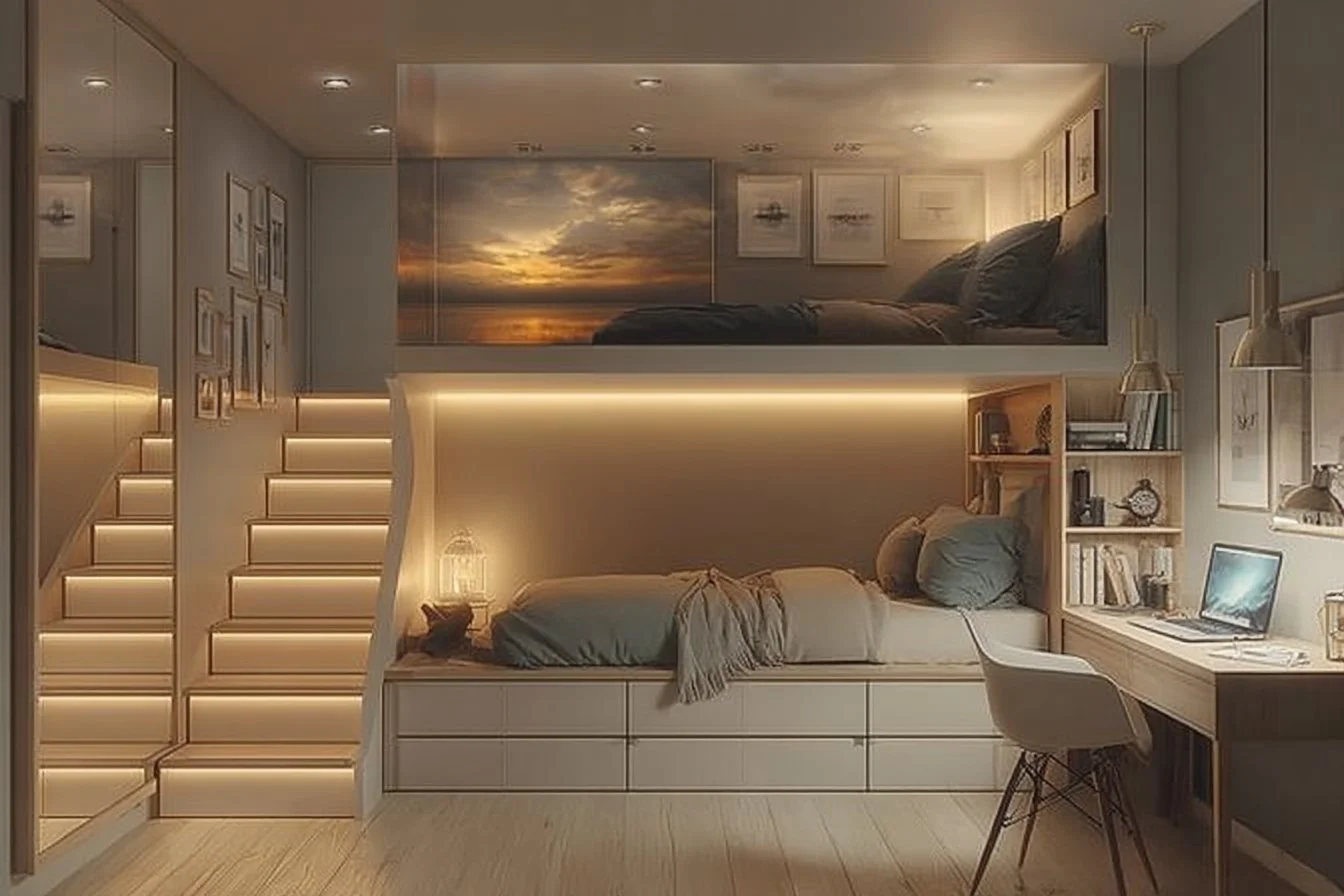
A lofted bed transforms vertical space into real estate. For a room under 10 by 10 feet, lifting the bed frees up an entire zone for play, homework, or extra storage. This works particularly well for an 8 year old who likes a cozy nook and a 12 year old who needs a desk. Choose a model with built-in shelves or drawers to tuck away books, clothes, and craft supplies. When installing, involve your kids in choosing a color or fabric curtain for a sense of ownership. I once turned the lower area into a rotating “project station” where each week my kids displayed school work or built forts. That small ritual reduced clutter and built pride. Loft beds are among the top home décor ideas for small kids rooms because they combine function, playfulness, and storage without crowding the floor.

Built-in shelving and cubbies for everyday flow

Wall-to-wall or corner built-ins make awkward nooks work harder. A row of cubbies at child height gives kids a place to drop backpacks and shoes, which keeps hallways tidier and the morning rush smoother. Built-ins are customizable, so you can size compartments for puzzles, stuffed animals, or shoe bins. They also give a room architectural interest, which is a simple interior styling tip that elevates a small space without adding bulk. We used a shallow ledge above my younger child’s bed to showcase rotating art, and a lower cubby for board games. It became part of their daily routine to choose one item to put away before bed. That habit, paired with easy-to-reach storage, keeps surfaces clear for family time and makes cleanup feel doable even after a busy weekend with the neighbors’ kids.

Multi-purpose furniture: beds that do double duty

Choosing furniture that works more than one way is a lifesaver in small rooms. Trundle beds are perfect for sleepovers because they store under the main bed until needed, while daybed styles can serve as seating during the day. Desks that fold up into the wall or attach to bed frames create study nooks without permanent footprint. These are practical decorating inspiration picks that blend style with function. For our family, a loft bed with an integrated desk was a game changer for homework hours. My tween could focus on projects while the younger one used the lower area for building blocks. When shopping, look for sturdy hardware and finishes that can take the wear and tear of siblings and guests. Multi-purpose pieces keep your layout flexible and support the ebb and flow of real family life.

Vertical solutions and wall-mounted organizers

When floor space is tight, look up. Wall-mounted shelves, pegboards, and hanging bins make toys, art supplies, and sports gear accessible without taking up valuable square footage. Pegboards can hold baskets, hooks for headphones, and clips for school papers. A slim wall shelf near the door is an ideal spot for permission slips or a nightlight. We installed a magnetic board for chore charts and a small wall hammock for stuffed animals, which kept floor baskets from overflowing. These kinds of interior styling tips are especially useful when siblings share a room because each child can claim a vertical zone. Use color-coordinated containers to keep the look cohesive. Vertical storage keeps daily items in reach for kids while giving you back precious floor space for games and movement.

Under-bed organization and smart bins

Under-bed space often becomes a forgotten storage goldmine. Low-profile rolling bins and vacuum storage bags slide easily under mattresses and hold seasonal clothes, extra bedding, or craft materials. Clear bins let kids find favorite toys without dumping everything out, and labeled containers teach sorting skills that stick. For our household, stowing art supplies in labeled boxes under the older child’s bed made afternoon cleanup much faster. When choosing organizers, aim for breathable materials for fabric items and sturdy lids for things that might need quick access. Under-bed solutions marry practicality with decorating inspiration because they keep clutter hidden while preserving the clean lines of a small room. They are a staple among home décor ideas that actually support daily routines.

Zoning with color and flexible layouts

You can make a small bedroom feel larger by creating distinct zones for sleep, study, and play. Use color and rugs to visually separate areas: a soft neutral on the walls, a brighter accent behind a bed, and a washable rug for the play corner. This interior styling tip helps kids understand boundaries without imposing rigid rules. We assigned each child a color accent for their space: one picked teal and the other coral, which made their areas feel personal and easier to maintain. Furniture placement matters too; position the bed to maximize natural light for study and keep the play space near storage. Rotate toys and decorations seasonally to keep the room fresh without adding items. Zoning guides choices and helps the family live together comfortably, making room for both quiet moments and energetic play.

Conclusion

Small kids’ rooms can be both cozy and functional when you use smart storage, multi-purpose furniture, and thoughtful styling. Save ideas that fit your family rhythm, try one change at a time, and revisit layouts as your kids grow. For more practical ideas and storage tips that inspired some of our solutions, check out 14 Small Kids Room Design Ideas & Storage Tips | Extra Space. These resources can help you match home décor ideas with real-life routines and make small rooms feel like a big part of your family.

Categories
Kids

Cosmic Dreams: Futuristic Space-Themed Child’s Room

As an American mom in my forties, I still remember driving past the house on Elm where my neighbor pinned a paper rocket to her front window and my younger son would press his face to the glass, certain it could lift him to the moon. Weeknights these days are quieter but full of routine: school projects spread across the kitchen island, soccer practice pickups, and bedtime stories that end with my daughter asking about constellations. Neighbors drop over with muffins, and the kids trade LEGO models like tiny engineers. Those small rituals have made me want our home to be a place that sparks wonder between folded laundry and carpools. That quiet wish nudged me toward reimagining a corner of our house into a space that feels both playful and grown-up, a place where kids can dream, learn, and sleep under a sky they helped design.

Section 1: Starfield Ceiling with Fiber Optic and LED Lighting

A starfield ceiling turns a bedroom from ordinary to magical without overwhelming the rest of the room. This idea works because it creates depth and a sense of calm that encourages reading, quiet play, and restful sleep. For families juggling homework and evening routines, a soft, dimmable star ceiling becomes the room’s natural night signal, cueing winding down with gentle light. To apply it at home, choose a fiber optic lighting kit or a low-profile LED panel that can be installed on a drywall or drop ceiling. Plan the placement to avoid direct glare on desks or screens. Let the kids help map constellations by sticking faint glow-in-the-dark star decals around the main points for a personal touch. It doubles as a learning moment during storytime and blends practical interior styling tips with a whimsical finishing touch that complements other home décor ideas.

Section 2: Galaxy Mural or Peel-and-Stick Wallpaper

A galaxy mural anchors a room visually and sets the tone for all other decorating choices. This works because a bold backdrop simplifies styling decisions; once you have a deep-space scene on one wall, furniture and accessories can be chosen to complement rather than compete. At home, go peel-and-stick wallpaper for a renter-friendly solution or commission a mural for a one-of-a-kind statement. Position the mural behind the bed or reading nook to create an immersive focal point. Ask your kids to pick a few favorite elements, like a nebula color or a planet, so the room feels theirs. Using this approach offers decorating inspiration that’s easy to update as tastes change. Pair the mural with neutral furniture and allow the wall art to carry much of the visual weight, making it one of the most effective interior styling tips for a child’s futuristic room.

Section 3: Futuristic Furniture and Modular Pieces

Choose furniture with clean lines and modular function to build a room that grows with your child. Futuristic pieces work because they blend form and function, offering storage, play surfaces, and a modern aesthetic that still feels cozy. At home, opt for low-profile platforms, cube storage, and convertible desks that adapt from homework station to craft table. A loft bed with integrated shelves or a modular bench with hidden compartments maximizes square footage and keeps clutter manageable between school and weekend activities. In our house, a modular shelving unit became a rotating gallery for science projects and book collections, and neighbors’ kids often stop by to borrow a planet book. This strategy keeps decorating practical and stylish, and it fits well with broader home décor ideas for active families looking for longevity in design.

Section 4: Glow-in-the-Dark Accents and Educational Elements

Glow-in-the-dark paint, planet decals, and a solar system mobile add fun while supporting curiosity. These accents work because they combine sensory delight with educational value, turning bedtime into an opportunity to learn names, order, and scale. To implement, choose subtle glow paints for a few planets or a meteor trail on trim, and add labeled planet decals on a door or closet. Include a tactile element like a plush moon pillow for cozy reading spots. We used glow paint sparingly over our kids’ dresser knobs and now those small touches make night trips calmer and more playful. This approach delivers decorating inspiration that parents appreciate: it’s affordable, easy to update, and creates talking points that enrich nightly rituals without overpowering other interior styling tips you might want to showcase in the rest of the room.

Section 5: Tech Corner with Projector and Smart Lighting

Design a tech corner that balances entertainment and education while keeping screen habits intentional. A small projector and adjustable smart lighting work because they offer a flexible atmosphere for family movie nights, virtual stargazing, and interactive learning apps without building a heavy wall-mounted TV. To set it up at home, mount a compact projector on a shelf and pair it with smart bulbs that change from bright cool light for homework to warm dim tones for sleep routines. Add a sensor nightlight for middle-of-the-night check-ins and a cozy beanbag for reading. Our kids love using the projector for animated planet documentaries on rainy afternoons, and neighbors’ children join in for small sleepovers. This is one of those home décor ideas that brings utility and wonder together, fitting smoothly into a family lifestyle where technology supports learning and connection.

Section 6: Textiles, Color Palette, and Soft Furnishings

Soft textiles and a cohesive color palette complete the cosmic look and keep the room inviting. Choosing muted space hues with pops of neon works because it balances the futuristic theme with comfort and practicality. For application, select washable rugs in deep navy, curtains in muted gray-blue, and throw pillows in metallic or iridescent fabrics for flair. Layer in tactile elements like a chunky knit throw and a plush rug near the reading nook to make floor play comfortable. Let your kids pick a bedding set with subtle constellations so they feel ownership over their space. In our home, switching to soft, machine-wash fabrics made weekend cleanup easier after craft days and kept the room cozy for bedtime chats. This approach ties together interior styling tips and decorating inspiration to form a room that feels both imaginative and lived-in.

Conclusion

If you save one idea, let it be creating a space that invites curiosity and calm in equal measure. These home décor ideas and interior styling tips are meant to be approachable, so try one small project this weekend and build from there. For practical furniture options that pair well with a space-themed room, consider checking a curated list of Top kids space bed Top Sellers to find beds and storage that blend functionality with a futuristic look. Pin this post for later, try one project with your kids, and come back to swap ideas as their tastes evolve.

Categories
Kids

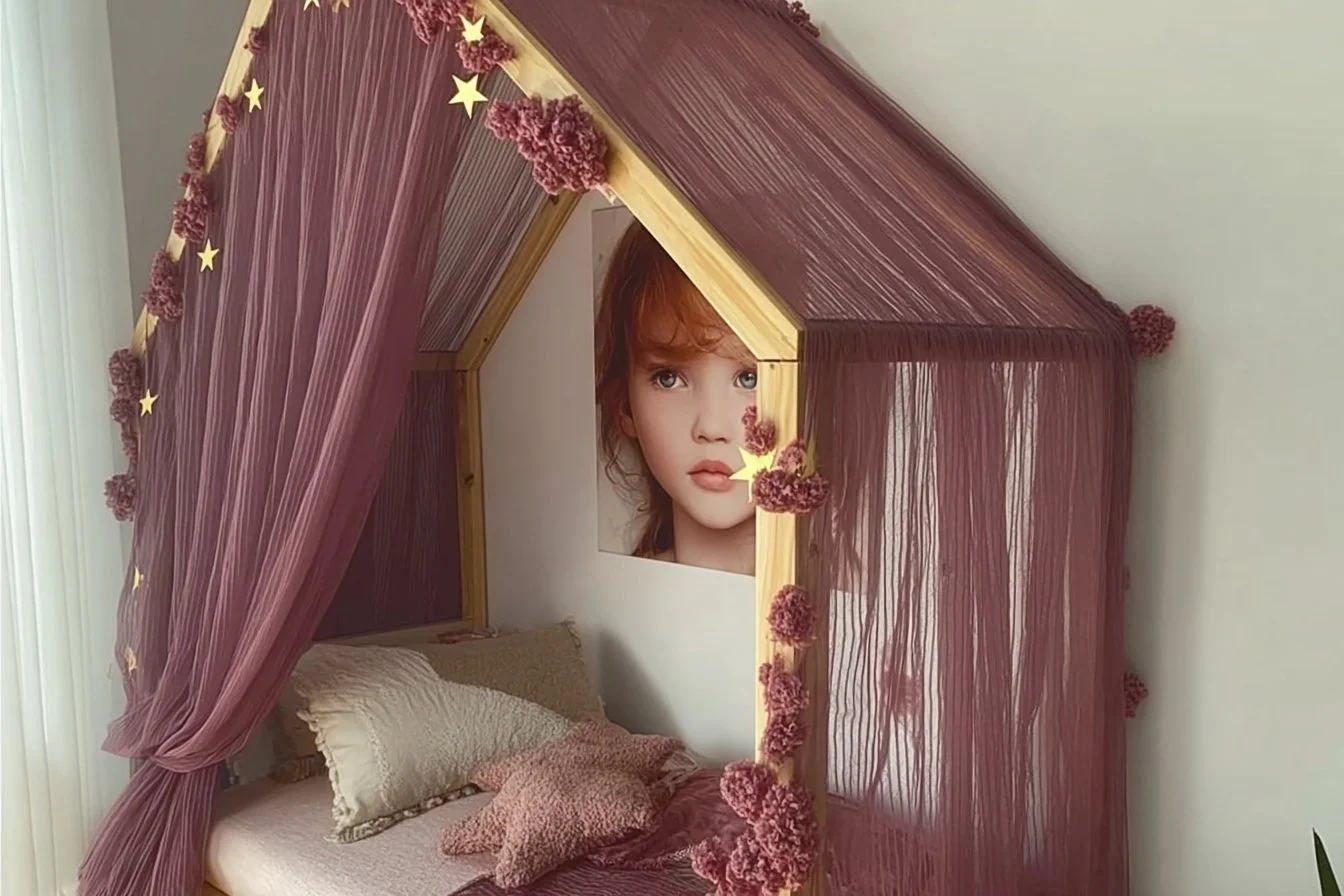
6 Ways to Bring Pamuka’s Opera Mauve Canopy Magic into Your Kids’ Room

I still remember the sound of neighborhood kids racing past our yard on summer afternoons, my youngest clutching a stuffed rabbit while my older one debated whether to build a fort or start a painting project on the porch. As a mom in my forties with two lively kids aged eight and twelve, our house is a mix of homework spots, impromptu dance sessions, and bedtime stories read under dim lamps. I keep little reminders of those ordinary moments everywhere, like a faded postcard from a neighbor and a jar of crayons that somehow never runs out. Lately, I wanted the kids to have a room that feels like those small comforts—cozy, imaginative, and elegant without being fussy. If you want to source similar pieces or ask about local makers, check the supplier contact page to get started with fabrics and custom options that make decorating simple.

1. Let the Opera Mauve Canopy Be the Room’s Heart

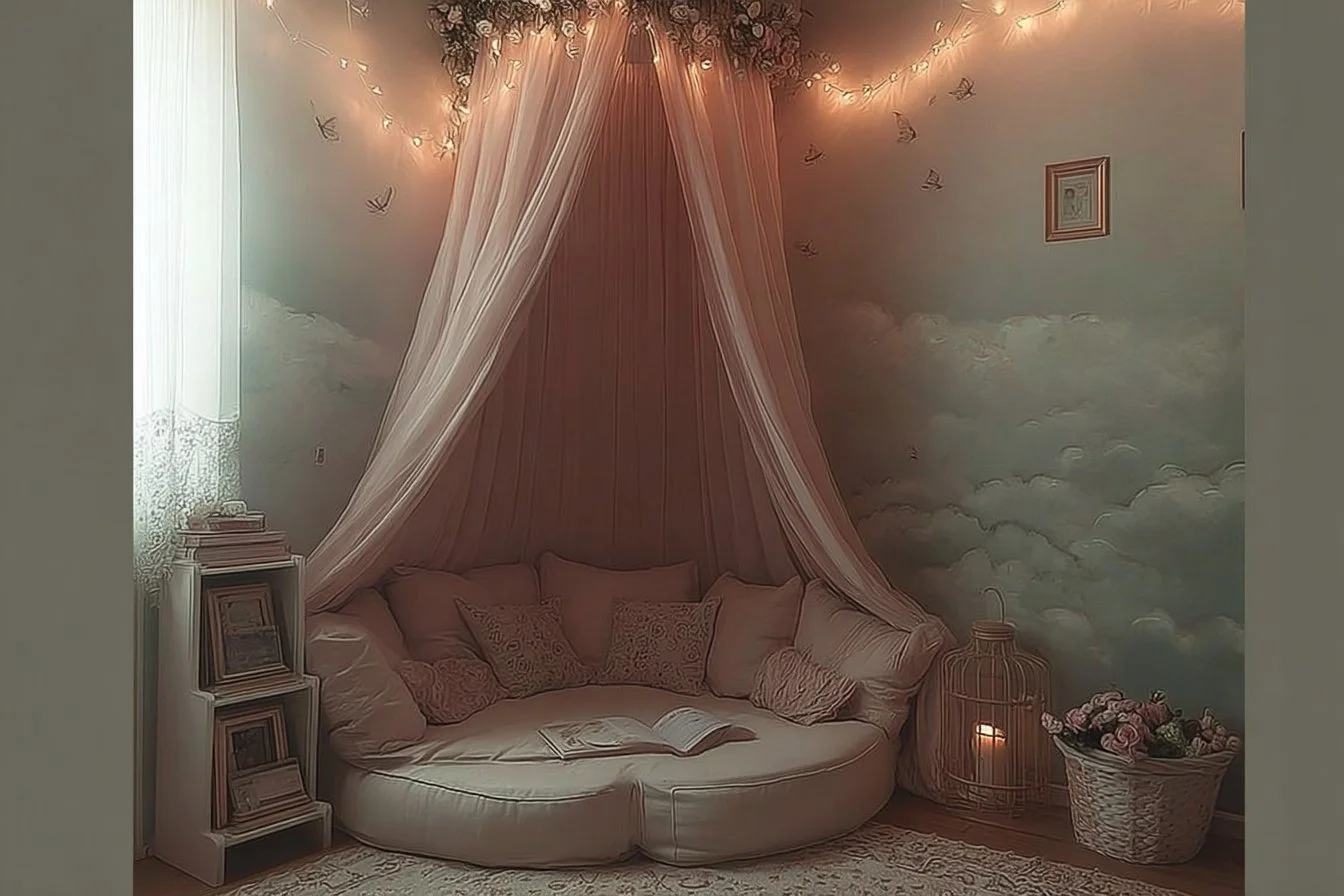
A flowing opera mauve tulle canopy creates an instant focal point because it combines soft color and graceful movement. The hue reads both romantic and modern, making it easy to pair with neutral walls or playfully patterned wallpaper. Why this works is simple: a canopy frames the bed like art, turning a sleeping area into a cozy stage for imagination. To apply it at home, hang a circular hoop canopy slightly above the bed’s headboard and allow the fabric to pool gently at the mattress edge. Use lightweight tulle so kids can peek through without feeling closed in. Add a few plush pillows and a washable throw for messy days. My daughter uses the canopy as a reading tent after school, while my son claims it as a quiet corner for Lego builds, so it doubles as both sanctuary and play space and supports family routines without getting in the way.

2. Layer Textures for Depth and Warmth

Mixing fabrics and finishes gives the mauve theme dimension and keeps a child-friendly vibe from feeling too kitschy. Think velvet cushions, a jute rug, and a cotton quilt in complementary tones. This approach works because contrast draws the eye and adds tactile interest, which kids love to touch and rearrange. Start by anchoring the room with a neutral base like cream or soft gray, then introduce opera mauve in accessories rather than every surface. A velvet bolster or embroidered throw pillow signals luxury but stays practical when machine washable options are chosen. For storage, woven baskets and open shelving balance softness with structure. If you want help finding fabric swatches or coordinating colors that hold up to daily life, consider reaching out for custom canopy options to match your palette. In our house, texture layering makes nap time more inviting and helps transition the room from daytime chaos to bedtime calm.

3. Add Soft Lighting to Extend the Magic

Lighting transforms a room from bright play zone to dreamy retreat, and opera mauve plays beautifully with warm, soft bulbs. Why it works comes down to atmosphere: warm lighting amplifies mauve’s rosy undertones and makes the space feel restorative. Practical ways to apply this include stringing fairy lights around the canopy hoop, installing a dimmable bedside lamp, or tucking LED puck lights on shelves for reading. For safety, choose low-heat, battery-operated lights when kids are very young, and secure cords out of reach. Use a mix of task and ambient lighting so homework gets proper illumination while bedtime remains mellow. My son uses a desk lamp for science projects, then switches to the canopy glow for evening stories, which keeps transitions smooth. These interior styling tips encourage longer, more peaceful evenings and support routines without needing a full room overhaul.

4. Blend Function with Pretty Storage

Beautiful rooms for kids need clever storage so decorating inspiration survives everyday life. Open bins, labeled boxes, and under-bed drawers keep toys and art supplies organized while preserving the canopy’s visual appeal. This works because when kids can find and put away items easily, their spaces stay tidy and the décor stays intact. To implement this, choose stackable baskets in complementary tones and rotate toys into a few visible spots rather than exposing everything at once. Install a low bookshelf near the bed so favorite books can live under the canopy; it doubles as a nightstand for a water bottle or a favorite plush. We keep a small tray for nighttime routines—teeth brush, a bedtime story, and a bookmark—so the kids learn to wind down in the same place each night. Functional storage blends interior styling tips with everyday parenting needs and keeps the room photo-ready for those Pinterest-perfect moments.

5. Personalize with Art, Canopy Charms, and DIY Details

Personal touches make the opera mauve look uniquely theirs and not just a styled shoot. Custom artwork, handmade tassels, or a gallery of simple framed drawings bring personality while encouraging creativity. This approach works because it gives children ownership of their space and makes the decor meaningful. To apply it, involve kids in selecting prints or painting a small mural strip; hang a few lightweight mobiles or ribbon charms from the canopy hoop for movement and sensory play. Use washable paints and secure hangings to withstand energetic play. If you prefer commissioned elements or want to learn about local artisans who can create bespoke pieces, feel free to reach out here for connections. In our family, framing the kids’ art became a weekend tradition, and the pride they take in seeing their work displayed has made tidying up feel like caring for a personal gallery.

6. Create a Reading and Dreaming Nook under the Canopy

Turning the canopy into a multipurpose nook makes the most of the space and encourages quiet moments. A cozy rug, a stack of favorite books, and a plush bean bag or floor cushion convert the area into an all-day retreat. This idea works because it separates active play from calm time visually and physically, and kids learn to associate the canopy with both rest and imagination. To set it up, place a low bookshelf nearby, add a soft lamp with a warm bulb, and include a small tray for bedtime drink and glasses. My daughter often invites a friend over for a story session in that nook, while my son uses it as a drawing station during rainy afternoons. These decorating inspiration touches support family rituals and help kids develop peaceful habits without feeling like their room is a set piece.

Ending on a quiet note, the opera mauve canopy is less about a single statement and more about how the space supports everyday moments—playful afternoons, homework huddles, and whispered bedtime stories. Save these ideas to experiment with textiles, lighting, and personalized details until you find the mix that fits your family’s rhythm. Try one change at a time and watch how a soft color and a few thoughtful touches can turn a room into a treasured everyday retreat. If you loved these home décor ideas, revisit them when you’re ready to refresh and let the room evolve with your kids.

Categories
Kids

Creating Enchanting Reading Nooks in Kids’ Bedrooms – Fuss Free Home

Creating a cozy little spot where my kids disappear with a book is one of those tiny domestic victories that feels big. I’m a mom in my forties, juggling carpools, homework, and the kind of small neighborly chats that turn into recipe swaps. My two kids, ages 8 and 12, have wildly different reading tastes but the same appetite for a private corner. I remember afternoons when the living room hummed with the sound of pages turning, and how a simple throw pillow could turn a faded window seat into a secret world. Between soccer practices and school lunch packing, crafting a space that invites quiet, imagination, and family stories became something I enjoy planning. If you want a place that feels lived in and loved, these home décor ideas will help you design a nook that fits your family’s rhythm and brings more reading into your everyday life. Learn more about our approach to making rooms work for families on our about page.

Comfortable Window Seat with Built-In Storage
A window seat is timeless because it blends seating, light, and storage in one tidy package. Natural light makes reading feel effortless, and built-in cubbies or drawers hide the clutter of art supplies and half-finished projects. Start with a sturdy bench or repurpose an old dresser by shortening it and adding a cushion. Choose washable fabrics in fun prints that can take spills and sticky fingers. Add a couple of lumbar pillows for back support and a basket beneath for bedtime favorites. This idea works because it creates a defined zone that feels permanent, encouraging kids to return again and again. I tucked storybooks and my daughter’s stuffed animals into my own window seat, and it quickly became the informal homework station and weekend reading lounge for both kids. For extra interior styling tips, pick a color that complements the bedroom palette so the seat reads as part of the room rather than something bolted on.

Canopy or Curtain Reading Tent
A fabric canopy or simple tension-rod curtain can transform a corner into a cozy hideaway without major renovations. The soft enclosure reduces distractions and signals to kids that this is a special place for focus and calm. Choose lightweight cotton or voile for a breezy look, or heavier fabric for a denser feel. String a low-voltage fairy light or clip-on lamp inside for warm, safe illumination during evening storytime. Layer a plush rug and a mix of pillows for varying comfort levels; the youngest might like sprawling while older kids prefer upright support. I made a small canopy in my son’s room using a round hoop and affordable fabric, and it became his go-to spot for silent reading after school. This approach is effective because it offers flexibility: remove the canopy for more space, or move it to another room when guests visit. If you plan to photograph and share your project online, many creators explore ways to monetize those posts, including how to buy ad space to grow a blog or social presence.

Built-In Bookshelf Nook with a Beanbag
Turning a narrow alcove into a bookshelf nook makes books the focal point of the room and turns storage into style. Shelves at kid-friendly heights invite independent browsing and foster ownership of reading choices. Mix display shelves for favorite covers with deeper shelves for series and baskets for small toys. Place a large, supportive beanbag or a comfy floor cushion in front, and add a low side table for a cup of cocoa during weekend reading. The reason this works is psychological: visible books equal choices, and choices equal more reading. In our house, rotating the books on eye level kept my 8-year-old excited about new titles, while my 12-year-old appreciated a designated shelf for series she was collecting. Practical touches like washable slipcovers and anti-tip hardware make this a family-friendly solution that blends decorating inspiration with everyday function.

Mood Lighting and Soft Textiles for Ambience
Lighting and textiles set the tone for a reading nook and can be changed without redecorating the whole room. Warm, layered lighting prevents eye strain and creates a snug atmosphere. Combine a dimmable bedside lamp or clip-on light with string lights or a softly glowing nightlight to give options for different reading times. Pair those lights with tactile textiles: a chunky knit throw, faux sheepskin, or a quilt that holds sentimental value. These choices work because sensory comfort encourages relaxation, and relaxed kids are more likely to read. I swapped thin sheets for a textured throw and added a small lamp with adjustable brightness to my daughter’s corner; it became the place she chose to unwind after busy school days. For interior styling tips, coordinate textures with the room’s paint color and let small pattern mixes add personality without visual chaos.

Rotating Book Displays and Multi-Use Seating
Make books visible and changeable to keep interest fresh. A rotating display rack, lazy susan bookshelf, or a simple ledge that shows covers encourages curiosity and makes selection easy for younger readers. Pair this with multi-use seating like a small upholstered bench with storage, a foldable floor chair, or a low armchair that doubles as a reading spot and a place for board games. This idea works because it blends utility and novelty; rotating titles and flexible seating keep the nook adaptable as kids grow and interests shift. I keep a seasonal rotation of picture books and chapter books on a front-display ledge, and my kids love swapping them out on rainy afternoons. For families who want a quieter, device-free corner, consider setting rules about gadgets in the nook and teaching kids that this is a place for stories, rest, and imagination. If parents prefer fewer ads when researching tutorials, you can find steps to disable ads on many pages that explain how to make spaces calm and focused.

Conclusion

Creating a reading nook is less about perfection and more about balance, texture, and intentional little moments. These home décor ideas and decorating inspiration can help you carve out calm in a busy household, invite kids to choose books, and build a corner that holds family memories. Try one small change this weekend, like adding a throw pillow or a low lamp, and see how your children respond. For a step-by-step guide with photos and cozy styling suggestions, check out How to Create a Cozy and Enchanting Book Nook for Kids. Save this post for later and come back when you are ready to tweak the details or share your own before-and-after photos.

Categories
Kids

Star Wars Kids Bed: Galactic Dreams Come to Life in Your Child’s Room

I used to pack lunches and field last-minute science projects while humming the same two songs on repeat. My two kids, ages 8 and 12, run the household energy in neat little bursts of laughter, Lego towers, and evening debates about which movie character is braver. Our neighbor’s kids still come over after school, shoes thumping on the porch, and I love the way our living room becomes a tiny community hub. Those small, ordinary moments taught me that a child’s room is more than a place to sleep. It is a stage for imagination and a retreat for quiet reading. When my son asked for something “out of this world” last birthday, I started collecting little ideas and snippets from friends and online trends, like the kind you find in a roundup of popular home décor ideas that help turn simple rooms into cozy, magical spaces. See what’s trending.

  1. Galactic Bed Frame and Canopy

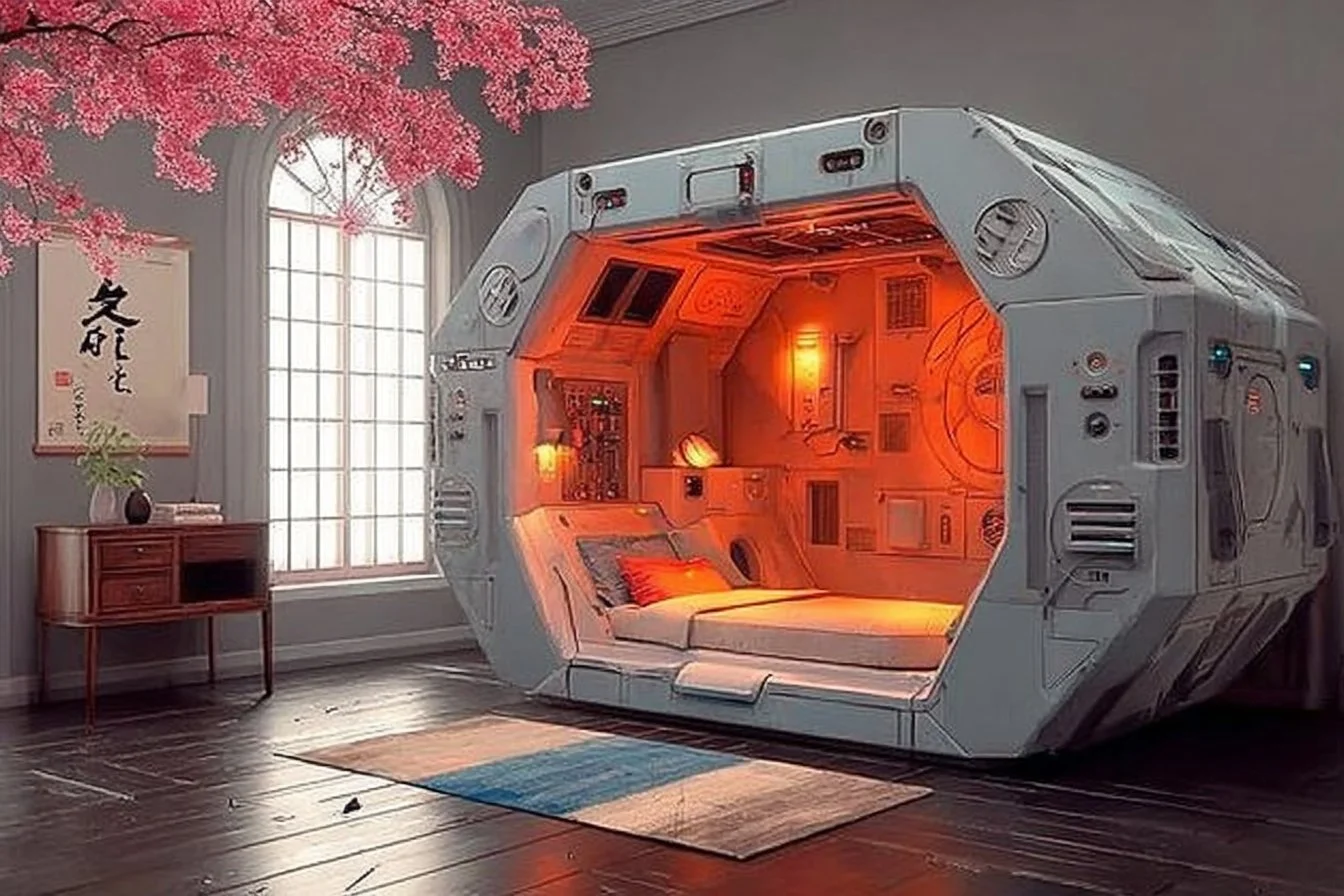
    A themed bed frame creates an instant focal point and anchors the whole room visually. Choosing a bed that looks like a starship, loft, or cabin works because it gives kids a base for play and a clear space for sleep routines. Start by measuring your room and picking a low-profile frame for younger kids or a loft bed if you want a play area underneath. Paint the frame in matte navy or charcoal, then add metallic details with removable stickers or adhesive foil to suggest panels and console controls. Pair the bed with a lightweight canopy or sheer fabric for a cockpit feel during bedtime stories. This approach saves floor space for Lego cities and invitations from neighborhood friends, while also supporting quiet routines before lights-out. Little touches like a mounted reading lamp and a small shelf for a bedtime book make it practical for family life and quiet parent-child reading moments.

  2. Starry Ceiling and Soft Lighting

    Lighting shapes mood, and a starry ceiling is a simple way to foster wonder. Projectors that cast constellations or adhesive glow-in-the-dark stars work because they add visual interest without permanent changes to the room. Install a dimmable lamp by the bed to create layered lighting for homework, drawing, and bedtime. You can also string soft LED ropes around shelving to simulate a spaceship’s horizon. When the neighborhood kids come over for a sleepover, the lighting becomes part of the adventure and encourages cozy group story sessions. For a budget-friendly option, paint a small section of the ceiling with a midnight blue primer and apply peel-and-stick stars to concentrate the effect over the bed. These interior styling tips make the room multifunctional and comforting, helping kids wind down after active afternoons and giving parents a low-maintenance way to refresh the space.

  3. Themed Bedding and Mixable Textiles

    Bedding and textiles let you pivot the whole look without remodeling. Choose a duvet or quilt with star maps, subtle galaxy prints, or neutral geometric patterns that hint at a space theme. Layer in solid-colored throws and pillows so you can swap accents as tastes change, which works well for kids who are experimenting with personal style between ages 8 and 12. Opt for breathable fabrics like cotton for durability and easy laundry days. Add a cozy rug that mimics a planet or moon silhouette to bring warmth to early-morning breakfast rituals and board games sprawled across the floor. Textile choices also anchor other home décor ideas in the room, making it easy to coordinate with wall art and shelving. When neighbors drop by after school, the layered look feels lived-in and welcoming, showing off a curated space that still invites play and spontaneous sleepovers.

  4. Removable Wall Murals and Art Displays

    Walls are prime real estate for decorating inspiration, and removable murals create drama without commitment. Choose a large-scale space mural or peel-and-stick wallpaper for one accent wall so the theme is bold but balanced. This works because it provides an impressive backdrop for photos, play scenes, and rotating artwork from school projects. Combine a mural with framed prints of star maps, movie posters, or your child’s own drawings to encourage creativity. Install a simple picture ledge to rotate pieces with seasons or new interests, and include a small hook area for costumes and helmets used during imaginative play. This approach supports family storytelling; I remember framing a childhood sketch my daughter made and swapping it with her brother’s Lego schematic, which made both kids beam with pride. These interior styling tips help keep the room fresh and child-centered without costly renovations.

  5. Functional Storage with Themed Containers

    Smart storage keeps playtime fun and cleanup easy, which is essential for busy households. Use trunks that look like cargo holds, labeled bins that mimic mission crates, and under-bed drawers to hide extra blankets and seasonal toys. This works because themed containers make tidying up part of the game rather than a chore. Designate zones for building blocks, costumes, and books so kids know where items belong after neighborhood playdates. For a flexible setup, use open shelving at a child-friendly height and woven baskets for easy access. I teach my kids to manage small chores by making a quick race of putting toys away before dinner; the storage becomes a prop in our family rituals. These decorating inspiration tricks also help when you want to feature a few favorite items on display while keeping the rest neatly stored for quieter evenings.

  6. Interactive Play Nook and Display Shelf

    Create a little corner dedicated to reading, crafts, and displaying collectibles. A low bench with cushions, a small bookshelf, and a pegboard for star charts or tools make the space both inviting and functional. This works because it separates active play from sleep space, helping kids transition to bedtime more easily. Include a soft throw and a clip-on lamp for evening reading with a parent, and a magnetic board for rotating drawings or awards. When friends come over, this nook becomes the source of group storytelling and collaborative builds. For a personalized touch, involve your child in choosing a few pieces to display on a shelf, like small action figures or a model rocket, which reinforces their sense of ownership and pride in the room. These home décor ideas build a balanced room that encourages independent play while staying cozy for family moments.

Conclusion

Designing a space that sparks imagination and still works for everyday family life is entirely doable. Try one or two of these interior styling tips at a time, swap textiles and lighting as tastes evolve, and let your child contribute to the decorating inspiration. If you want a ready-made statement piece to anchor the room, check out this special offer on a themed bed to kickstart your project: Best the galaxy kids bed Factory Sale. Save this article for later, try a couple of ideas this weekend, and come back as your child’s interests grow to update the room together.

Categories
Kids

The Coolest Bunk Room for Boys You’ve Ever Seen


Creating Cozy Corners in a Shared Bedroom

Some of my sweetest memories come from late summer evenings when my two boys, ages eight and twelve, finally drift into the room they share while our neighbor walks past with her dog. Between school carpools, soccer practices, and the endless laundry, our house hums with routines that feel both chaotic and warm. I love the small pockets of calm—reading stories on the floor while the boys trade superhero theories, or sipping coffee as they build blanket forts that transform the living room. These tiny rituals made me realize that kids’ rooms should feel cozy, clever, and a little like a secret clubhouse.

LED Accent Lighting to Set the Mood

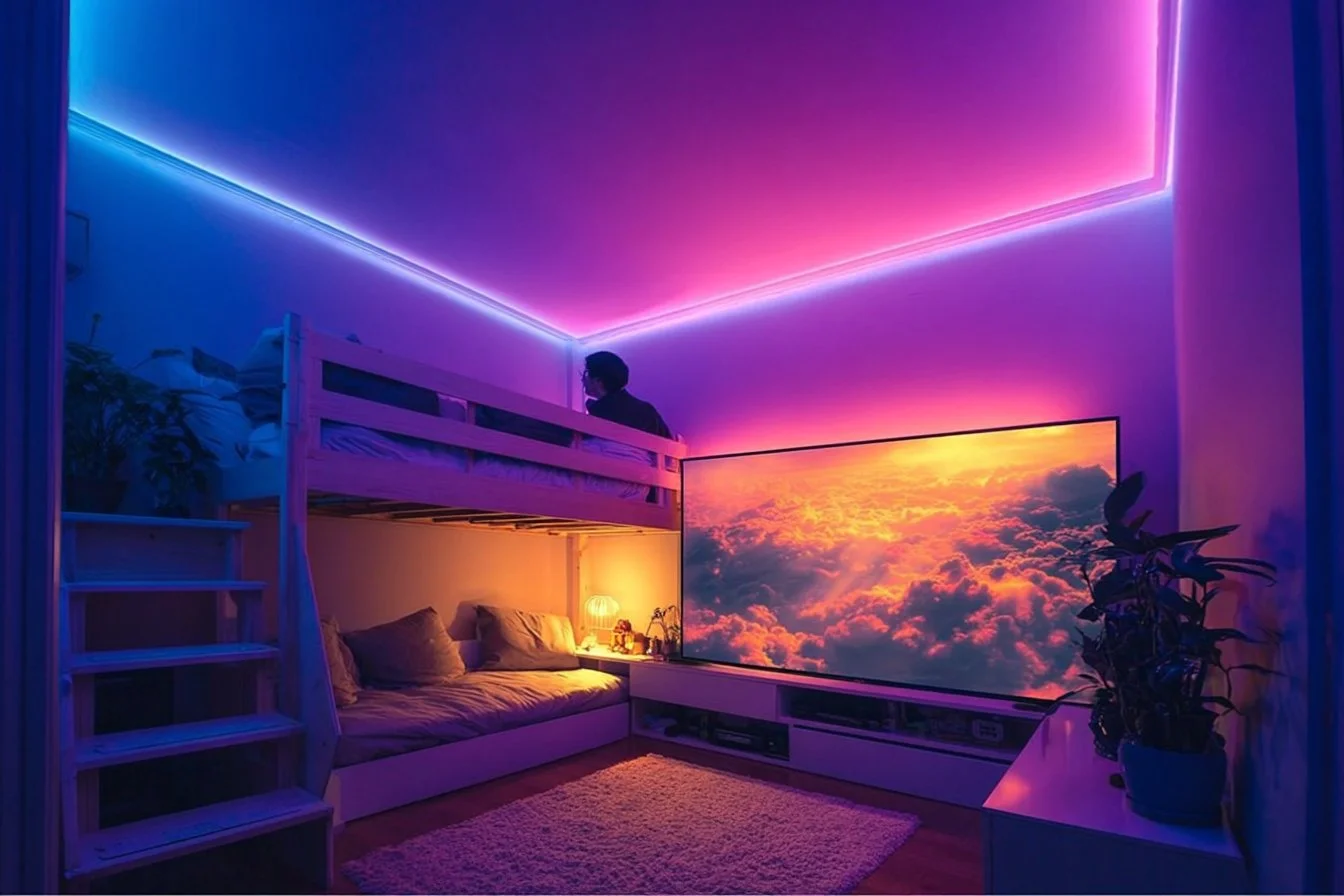
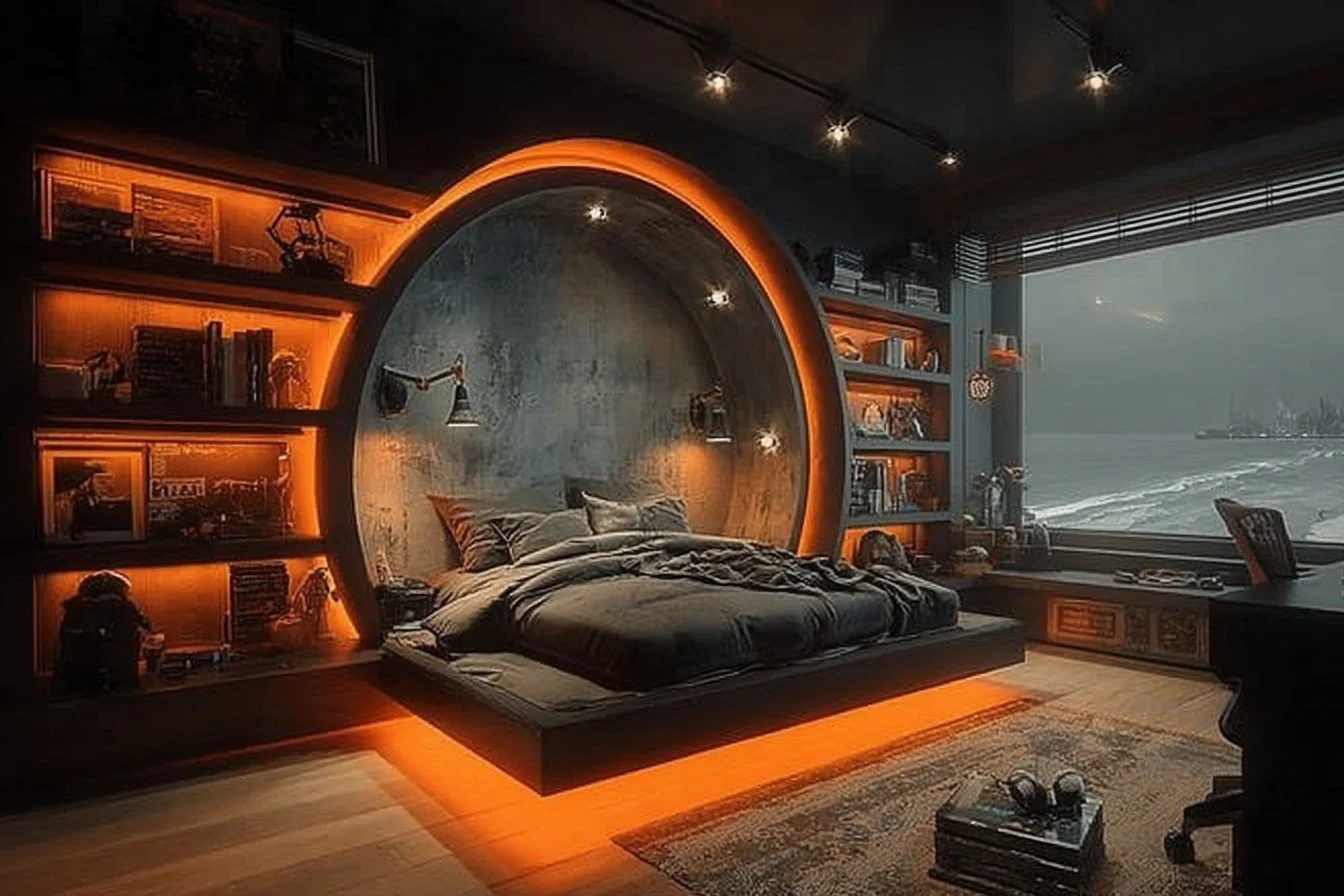
LED strip lighting is one of the easiest ways to transform a bunk room without a full remodel. For kids who love gaming, space themes, or just moody ambiance, LEDs create layered light that can shift from soft night light to full-on party mode. They’re low-heat, energy-efficient, and color-adjustable, so siblings can agree on a setting—or take turns choosing it. At home, RGB strips under the upper bunk and along the headboard edge work perfectly. Hiding the power supply in a drawer and using a small remote keeps cords out of the way. For reading, some kids use LED strips as task lighting without disturbing the rest of the household.

Built-In Storage That Doubles as Play Space

Small rooms get messy fast unless storage is both practical and inviting. Built-in drawers under the lower bunk and wall cubbies can serve as storage and seating, making cleanup feel less like a chore. Kids are more likely to put things away when storage is visible and accessible. At home, pull-out drawers on casters and labeled fabric bins help organize toys and gear. A shallow shelf can display trophies or favorite models, giving kids a small daily ritual of rearranging items after homework.

Accent Walls and Personalized Graphics

A bold accent wall anchors the room and makes shared spaces feel cohesive. Choose paint, peel-and-stick wallpaper, or removable decals for a focal point that reflects their interests while remaining adaptable as they grow. A matte navy wall behind the bunks with faint glowing constellation decals can turn a room into a spaceship cabin. For older kids, textured finishes like faux brick or wood planks add a grown-up touch while keeping the playful vibe. Accent walls create a backdrop for homework, sleepover selfies, and everyday adventures.

Dedicated Homework Nook with Smart Lighting

A quiet spot for focus makes a bunk room work harder. Compact desks or fold-down wall tables with task lighting create clear zones for sleep, study, and play. At home, a slim desk beneath a window with an adjustable desk lamp gives the right light for mornings and afternoons. Noise-cancelling headphones in a wall basket and a cork strip for schedules help kids concentrate. Using a timer for focused work sessions encourages productivity and keeps busy weekends manageable.

Layered Bedding and Washable Textures

Bedding affects comfort, sleep quality, and laundry frequency. Layering washable throws, a durable duvet, and fitted sheets in complementary colors creates a polished look that withstands roughhousing. Texture and durable fabrics hide wear and can be cleaned frequently without losing style. At home, dark, stain-friendly duvet covers paired with a soft knit throw handle nightly reading and play. Mixing patterns in the same color family keeps the room cohesive while letting each child express personal style.

Rotating Display Walls and Hobby Zones

Give kids ownership of their space with display areas for evolving interests. Pegboards, magnet boards, or floating shelves allow them to showcase models, art, and trophies without permanent holes. Rotating projects—like robotics, nature finds, or comic art—make the room dynamic and engaging. Display zones spark conversation during sleepovers and encourage pride and care, keeping the room fun, lived-in, and adaptable as tastes change.

Conclusion

If you want a step-by-step inspiration guide for a boy’s bedroom makeover, this DIY Boy’s Bedroom Makeover resource is a great place to start and pairs well with the LED and storage ideas above. Try saving this article for later, pinning your favorite sections, and experimenting one small change at a time so the room grows with your family. For more project planning and real-life before and afters, check out DIY Boy’s Bedroom Makeover – Lake and Lumber. These home décor ideas and interior styling tips are all about making practical, kid-friendly choices that still look intentional and fun.

Categories
Kids

Create A Dreamy Luxury Kids Bedroom: Stylish Ideas

6 Stylish Ideas to Create a Dreamy Luxury Kids Bedroom

Some of my favorite mornings are small and ordinary. I make coffee while my two kids, ages 8 and 12, argue gently over who gets the blue blanket, and our neighbor waves as she walks her dog past the mailbox. There are afternoons when the house smells like baking, and nights when we pile into their room for a movie and the soft glow from a lamp makes everything feel safe. After years of living in a modest suburban home and juggling carpools, homework, and playground memories, I started rethinking their space. I wanted a room that felt grown up without losing that childlike warmth, a place where sleep, play, and small rituals could happen naturally. Those little daily moments are what turned design from a hobby into a mission: how to blend comfort, style, and practicality so a family of four can live beautifully every day.

Idea 1: Luxe canopy and layered bedding

A canopy instantly adds drama and comfort without sacrificing function. For children, a soft, airy canopy creates a private nook that feels like a secret fort while still being elegant. Choose translucent fabrics in washable materials; they look dreamy and are easy to launder after sticky fingers or craft sessions. Layering bedding with a textured quilt, a couple of coordinated throws, and a mix of patterned and solid pillows gives depth and makes bedtime inviting. For families, this setup doubles as a cozy spot for bedtime stories or a rainy day movie. Opt for muted neutrals with one accent color to keep the look sophisticated yet playful. This approach to bedding is an easy interior styling tip that gives a high-end feel without a large budget.

Idea 2: Soft color palette with metallic accents

A calming base palette of creams, muted blues, or dusty pinks sets the stage for a luxurious kids bedroom. These tones make the room feel larger and more serene, helping kids unwind after a busy day of school, sports, and playdates. Metallic accents such as gold drawer pulls, a brass lamp, or framed metallic art bring a touch of glamour that reads luxurious rather than flashy. Use metallics sparingly so they catch the eye without overwhelming the space. In our home, swapping out knobs and adding a small mirror transformed a tired dresser into something the kids were proud of. These subtle touches are practical home décor ideas that show how small changes can elevate a room and create a calming nightly routine for children.

Idea 3: Built-in storage and custom shelving

Smart storage is the backbone of any well-designed kids bedroom. Built-in drawers under beds, cubbies in a window seat, and custom shelving beside a desk create designated spots for toys, books, and schoolwork. When every item has a home, clutter becomes manageable and cleaning up becomes a family habit. Consider adjustable shelves that grow with your child so the investment pays off for years. Include lower hooks or bins for younger kids and higher shelves for keepsakes as they get older. I love watching my kids use their own labeled baskets because it teaches responsibility and keeps the room photo-ready for the neighbor who loves to pop in. Thoughtful storage is an interior styling tip that marries form and function for real family life.

Idea 4: Statement lighting with dimmer control

Lighting changes everything. A standout fixture, like a small chandelier or sculptural pendant, can be the centerpiece that gives a room a designer feel. Pair that with layered lighting: bedside lamps for reading, a floor lamp for play areas, and a ceiling fixture on a dimmer to set mood. Dimmers are crucial for bedtime routines; lowering the light helps signal it is time to wind down after homework or late-night forts. Safety is essential, so pick fixtures rated for children’s rooms and secure cords out of reach. I switched to warm LED bulbs in all our kids spaces and noticed calmer evenings and easier transitions to sleep. This decorating inspiration shows how intentional lighting supports both aesthetics and family rhythms.

Idea 5: Playful yet sophisticated wallpaper or mural

Wallpaper or a painted mural creates instant character without cluttering surfaces. Choose designs that feel whimsical but refined, such as soft florals, subtle geometrics, or a muted sky scene for a sense of wonder. Removable wallpaper is a great option for renters or growing kids because you can update the room as tastes change. Apply wallpaper to a single accent wall to keep the look grounded and let other furnishings shine. In our house, a hand-painted star mural became the backdrop for sleepovers and made the room feel like a private universe for both kids. This is one of those home décor ideas that blends personality with a grown-up sensibility, offering a focal point that invites play and imagination.

Idea 6: Cozy reading nook with window seat and storage

A dedicated reading nook turns a bedroom into a retreat for quiet moments. A cushioned window seat with built-in storage beneath is both practical and beautiful. Add layered cushions, a soft throw, and a small bookshelf nearby to keep bedtime chapter books within reach. Natural light makes the space ideal for afternoon reading and crafts, while a nearby lamp keeps it cozy at night. Our family rituals often involve trading books and whispering plot twists, and a comfy nook encourages independent reading for both ages. This feature ties into interior styling tips that prioritize comfort and usability, creating a personal corner where kids can study, dream, or simply relax away from screens.

Conclusion

I hope these ideas spark your decorating inspiration and help you imagine a room that balances luxury and everyday family life. If you want more ways to bring organization and elegance into your home, check out this collection of 9 Dreamy Luxury Walk-In Closet Ideas for an Organised Home. Save this post for your next redesign, try one idea at a time, and revisit the room as your children grow. A thoughtfully styled bedroom becomes a backdrop for memories, routines, and the small joys of family life.

Categories
Kids

Cute Rooms – home design inspiration ideas

6 Cute Rooms: Home Design Inspiration Ideas

I still remember the afternoon the school bus dropped the kids off drenched from a sudden rainstorm and our living room looked like a tiny tide pool of sneakers, backpacks, and art projects. As an American mom in my forties juggling two kids between 8 and 12, my days are full of packed lunches, neighborhood play dates, and the small victories of getting everyone out the door on time. Evenings are for homework, folding laundry while trading stories with the neighbor over the fence, and sneaking in a cup of tea after the kids are asleep. Those routines made me cherish rooms that feel warm, practical, and a little bit charming. Over time I started collecting small styling ideas from places I loved, like a few pages on dreamy farmhouse bedrooms that showed how comfort and charm can coexist without sacrificing function. Tiny changes made home life easier and prettier, and that’s what I want to share.

Playful Pastel Accents

Soft, playful pastels bring a gentle lift to any room without overwhelming the space. Pastel accents work because they introduce color in a way that feels light and calming, ideal for rooms where family activity and relaxation overlap. Start small with throw pillows, a pastel area rug, or framed prints that coordinate with your existing palette. In a child’s room, swap bright, hyperactive colors for muted pinks, blues, or mint to create a soothing backdrop for sleep and play. In shared spaces, a pastel lamp or vase can add personality without competing with furniture. Apply this at home by choosing one dominant pastel and two complementary neutrals so items blend naturally. I swapped a few bold cushions for pastel ones after a neighbor complimented our living area, and suddenly the whole room felt more cohesive and inviting during after-school craft sessions.

Cozy Reading Nook

A dedicated reading nook transforms a corner into a family-friendly retreat where both kids and adults can unwind. It works because a small, curated space signals pause and presence, encouraging quiet moments amidst a busy household. Choose a comfortable chair or a window bench with storage, add layered blankets and a basket of books, and anchor the area with soft lighting like a floor lamp or wall sconce. Personalize the nook with a small shelf of favorites and seasonal discoveries from the library. For inspiration on creating inviting spaces, I often turn to ideas similar to those found in cozy living ideas that emphasize warmth and personal touches. My kids love claiming the nook during rainy afternoons, and I enjoy sneaking in a chapter of a novel while they build pillow forts nearby. A reading corner is an easy, high-impact spot to practice interior styling tips that support family routines.

Multi-Functional Furniture

Choosing multi-functional furniture is a practical decorating inspiration that keeps rooms tidy and adaptable. These pieces work because they solve storage problems while maintaining style, which is essential in family homes where toys, school supplies, and laundry circulate constantly. Look for benches with hidden compartments, ottomans that double as storage, beds with drawers underneath, and extendable tables that accommodate homework or dinner guests. When shopping, imagine daily life: can the piece withstand sticky fingers, be easily cleaned, and serve multiple roles? At our house, swapping a living room coffee table for a storage ottoman meant fewer scattered puzzles and more floor space for impromptu dance parties. Integrate this idea by measuring the room first, picking durable fabrics, and selecting finishes that complement your color scheme. Multi-functional furniture keeps the aesthetic serene while supporting the practical chaos of family life.

Statement Wall with Subtle Patterns

A statement wall with subtle patterns adds character without overwhelming a room, offering a focal point that still feels cozy and family-friendly. Subtle patterns work because they bring texture and visual interest without becoming a distraction when children are doing crafts, homework, or play. Consider washable wallpaper with tone-on-tone prints, half-wall paint with a stencil, or a gallery-style arrangement of framed family photos and artwork. Apply the pattern to one wall only, such as behind a bed or sofa, to maintain balance. I once turned our hallway into a soft patterned gallery wall where kids’ school portraits sit beside hand-drawn masterpieces; neighbors stop by to admire it, and it sparks conversation at family gatherings. This approach to decorating inspiration allows you to experiment boldly in a controlled way so the room remains usable and attractive for everyday life.

Natural Textures and Greenery

Bringing natural textures and greenery into a room creates warmth and a lived-in elegance that feels both fresh and familiar. Natural elements work because they add layers and contrast to smooth, manufactured surfaces, making spaces feel more inviting and calming for everyone at home. Incorporate woven baskets, jute rugs, linen curtains, and potted plants that tolerate family traffic, such as snake plants or pothos. Even faux greenery can add life where real plants are impractical. Use plant stands to keep low plants away from curious hands and rotate arrangements seasonally to keep the look interesting. I get ideas from outdoor inspiration and sometimes adapt them indoors, linking curb appeal ideas to the kinds of plants and textures that translate well inside. My kids enjoy helping water low-maintenance plants, and the extra greenery makes mornings feel brighter and more peaceful.

Personalized Display Shelves

Personalized display shelves turn everyday objects into meaningful décor and tell the story of your family in a way that guests instantly connect with. This idea works because it showcases memories and achievements while keeping surfaces organized and intentional. Use floating shelves, built-ins, or a ladder shelf to arrange family photos, travel finds, small plants, and a rotating selection of children’s artwork. Mix heights and materials for visual interest, and reserve one shelf for seasonal or weekly highlights like school awards or a special craft. In our home, a hallway shelf became a gallery of our little victories and silly moments, and it prompts stories from my kids when grandparents visit. Display shelves encourage treasure-keeping without clutter, and they make decorating feel personal rather than perfect. Keep the vibe approachable so children can contribute and help refresh the arrangement.

Conclusion

If you liked these home décor ideas and want more decorating inspiration, save this post for later and try a few changes that match your family’s rhythms. Small shifts in color, texture, and function can make rooms feel cuter and more livable without big budgets. For further ideas to pin and explore, check out this helpful Houzz collection of home design ideas that sparks fresh interior styling tips and practical solutions for every room: 75 Home Design Ideas You’ll Love – December, 2025 | Houzz.

Categories
Kids

Ultra Modern Purple Bunk Bed Design | Luxury Kids Room with City Views

I still remember the quiet hush after bedtime, when the city lights down the block wink at us and the apartment finally feels like ours for a moment. As a mom in my forties with two kids between eight and twelve, my days are packed with school lunches, homework negotiations, and neighborhood playdates that spill into evenings. Our son built a fort out of cushions last week and our daughter insists on arranging the stuffed animals by window view. Those little rituals made me rethink how our home could support both busy routines and sweet moments of calm. That led me to experiment with bold colors and smart layouts that make mornings easier and nights cozier. Along the way I bookmarked a few home décor ideas and interior styling tips that blended practicality with personality, so our small city-space started feeling like a boutique retreat for the whole family. For more inspiration on high-end bedroom transformations, I looked through some modern luxury bedroom styles that guided my choices: modern luxury bedroom styles.

  1. Sleek purple frame and clean lines

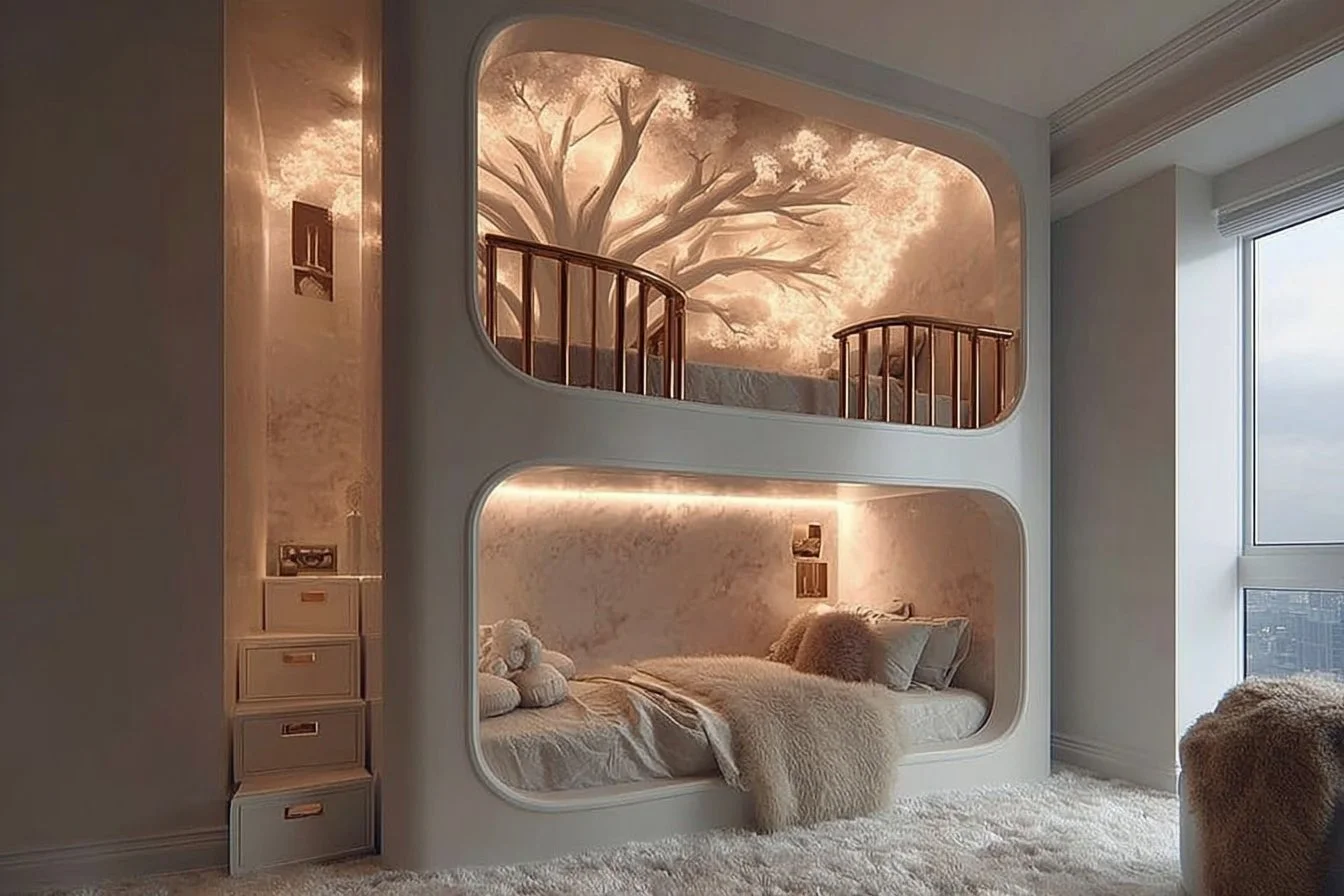
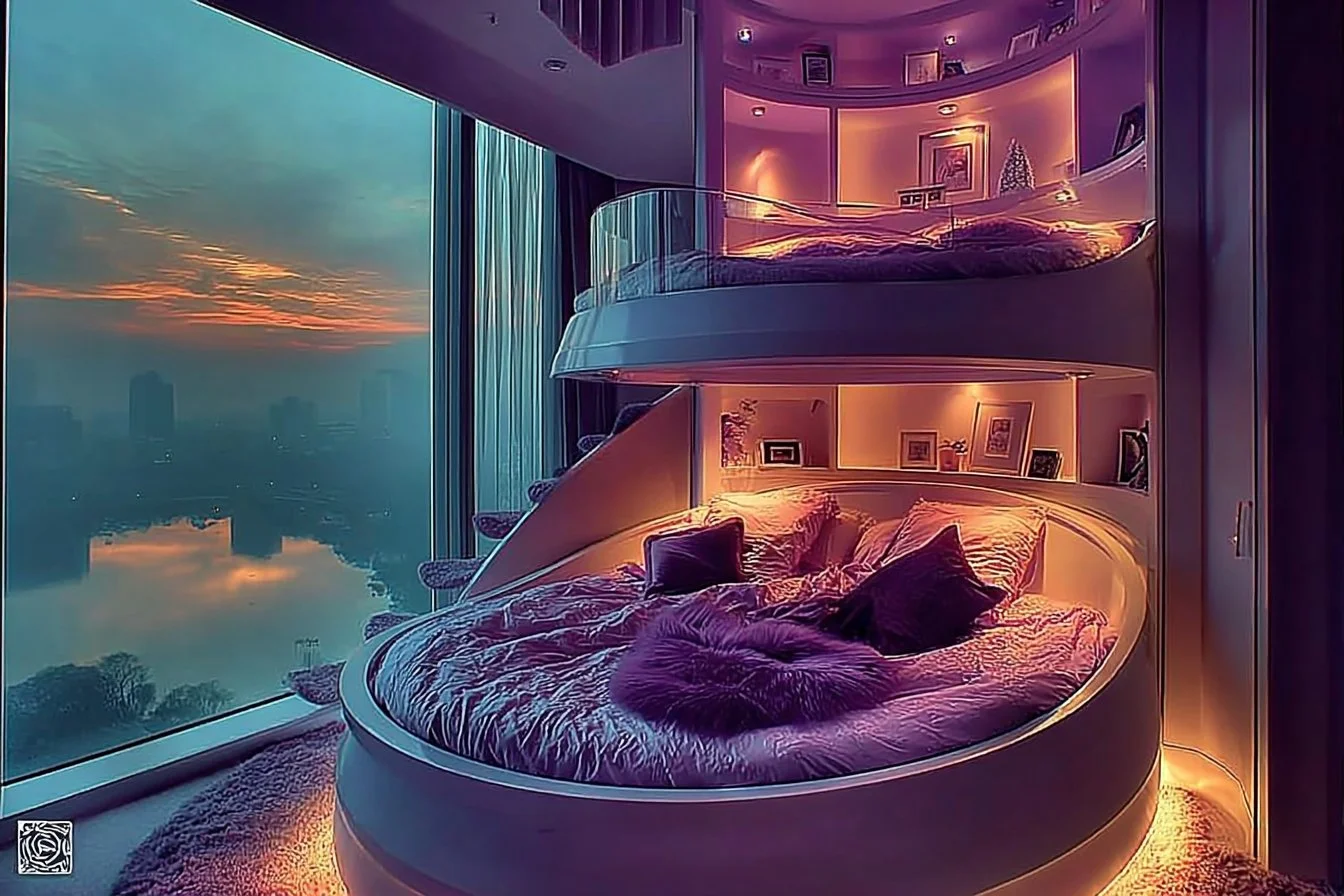
    A crisp, streamlined bunk with a deep purple finish is modern without being fussy, and it instantly signals a grown-up sense of style in a kid-friendly room. Purple reads luxurious when paired with matte metals and neutral walls, so it works for both playtime and sleep. Start with a low-profile frame that maximizes floor space and choose a shade like eggplant or plum to keep it sophisticated. Add integrated LED reading lights for each bunk so kids can read without waking each other, and choose durable, stain-resistant fabrics for the ladder and cushions. For families juggling homework stations and toy storage, a compact built-in desk beneath the lower bunk turns wasted space into a functional nook. I did this in our apartment and it became the favorite homework spot; my daughter claims the view helps her focus during math drills. These choices balance decorating inspiration and everyday needs.

  2. Layered textiles for warmth and personality

    Layering is where interior styling tips meet practical parenting. Plush bedding, a textured throw, and a washable area rug below the bunks create a cozy micro-climate that invites reading and quiet play. Mix a patterned duvet on the top bunk with a solid, easy-to-wash cover on the bottom to reduce late-night laundry stress. Add blackout curtains or a roller shade behind the bunks to keep city glare from creeping into sleep time. Incorporating soft purples with complementary neutrals keeps the room feeling curated rather than cartoonish. I learned this from swapping out a single thin sheet for layered options; suddenly my son stayed in bed longer on chilly mornings. If you want a cross-reference for neutral palettes and durable fabric picks, check out this guide to modern bedroom design ideas that helped me choose textures that endure.

  3. Built-in storage and smart organization

    When two kids share a room, storage is a lifesaver. Built-in drawers under the lower bunk and cubby shelves at the headboard keep toys and clothes accessible yet out of sight. Choose soft-close mechanisms and rounded edges to keep the design kid-safe and polished. A pull-out trundle with divided compartments can hold seasonal bedding or larger toys and still tuck away neatly. Labeling clear bins with stickers or symbols lets younger children participate in clean-up, which I turned into a short game after school. Thoughtful storage reduces clutter and increases usable floor area for after-school projects. Opt for modular pieces that can adjust as your kids grow, and consider a folding desk that drops down when homework time starts. These practical features make elegant décor feel lived-in and purposeful.

  4. City-view focal wall and layered lighting

    If your room has a view of downtown lights or skyline silhouettes, use it. Position the bunks to face the window so evening city vistas become part of the room’s charm. Frame the view with layered lighting: recessed ceiling lights for overall glow, wall sconces for reading, and string lights or a star projector for playful mood lighting. Soft violet LED accents behind the headboard can echo the purple of the bed without overwhelming the space. I installed dimmer switches so bedtime can shift from energetic play to calm story time with a single touch. This combination of natural view and layered lighting elevates the atmosphere and supports different nighttime routines. It also makes every bedtime feel a little like a hotel stay, which my kids enthusiastically agree with after late-night neighborhood fireworks.

  5. Multifunctional furniture and flexible zones

    Design for adaptability by choosing pieces that serve multiple roles. A ladder that doubles as a bookshelf or a side table with charging ports blends form and function. Create zones within the room: a sleep zone, a study corner, and a relaxed play area by using rugs, lighting, and furniture scale to separate activities. Fold-down desks or wall-mounted art boards are perfect for quick creative bursts and easy storage. When friends come over, the lower bunk can convert into a lounge with extra cushions, so sleepovers feel special without extra setup. In our home, a compact fold-out table became the hub for puzzles after piano practice and for family game nights on Sundays. These adaptable solutions keep the room useful through school years and into early teens.

  6. Art, personalization, and durable finishes

    Personal touches make a luxury kids room feel uniquely theirs. Encourage kids to curate a small gallery of framed drawings, photos, or city postcards above the lower bunk. Opt for washable paints and scuff-resistant finishes so the room stays fresh through roughhousing and furniture moves. Metallic accents and minimalist hardware maintain a refined look while standing up to daily use. I found that involving the kids in choosing a piece of wall art created ownership; they were more careful with the space afterward. Add a chalkboard panel or magnetic board for rotating displays so art can change with school projects. These finishing touches combine decorating inspiration with practical considerations, giving the room personality without sacrificing longevity.

Conclusion

If you want to recreate a hotel-like retreat in a city apartment, focus on smart layouts, layered lighting, and timeless finishes that grow with your family. Save these home décor ideas for your next weekend project, try one or two interior styling tips at a time, and come back to tweak as your kids’ needs evolve. For a little urban hotel inspiration that pairs well with city-view styling, consider checking out the modern, compact comforts of YOTEL New York | Times Square, Midtown Manhattan Hotel to spark ideas for lighting, color, and efficient use of space. Keep experimenting and saving favorites on Pinterest so your luxurious purple bunk room can become a practical, playful sanctuary for your family.

Categories
Kids

Explore Innovation: Create a Stunning Tech-Savvy Bedroom for Your Tech-Loving Boy!

Rethinking the Bedroom: A Space for Curiosity and Calm

I still remember the evening my youngest came home with grass-stained knees and a head full of plans for a rocket fort. Between homework, fixing bikes with our neighbor Miguel, and the endless stream of laundry, our house hums with small, noisy adventures. As a mom in my forties raising two kids aged eight to twelve, I cherish cozy corners where they can read, tinker, or game without chaos taking over. These moments inspired me to rethink the bedroom as a space that nurtures both curiosity and calm.

Smart Lighting: Balancing Energy and Relaxation

The right lighting can transform a room overnight. For a tech-loving child, layered lighting is key: a bright task lamp for homework, soft strip lights for relaxing evenings, and color-changing LEDs for gaming or celebratory moments. Install a dimmable overhead light and an adjustable desk lamp to protect evening wind-down. Add LED strips under shelves or behind monitors for subtle bias lighting that reduces eye strain and enhances room aesthetics. Motion-sensor night lights ensure safe late-night trips without harsh brightness. Small rituals, like switching LEDs to a warm amber after reading, signal bedtime and ease transitions.

Creating a Compact Tech Hub

A dedicated tech station keeps devices charged, cords hidden, and surfaces clutter-free. Choose a desk with built-in USB ports, a small charging drawer, and cable grommets. Add a pegboard for headphones and controllers, and a slim shelf for trophies or school projects. This teaches kids to manage their tech while minimizing distractions. Weekly routines like “dock and charge” reinforce responsibility without constant reminders.

Wall-Mounted and Projection Solutions

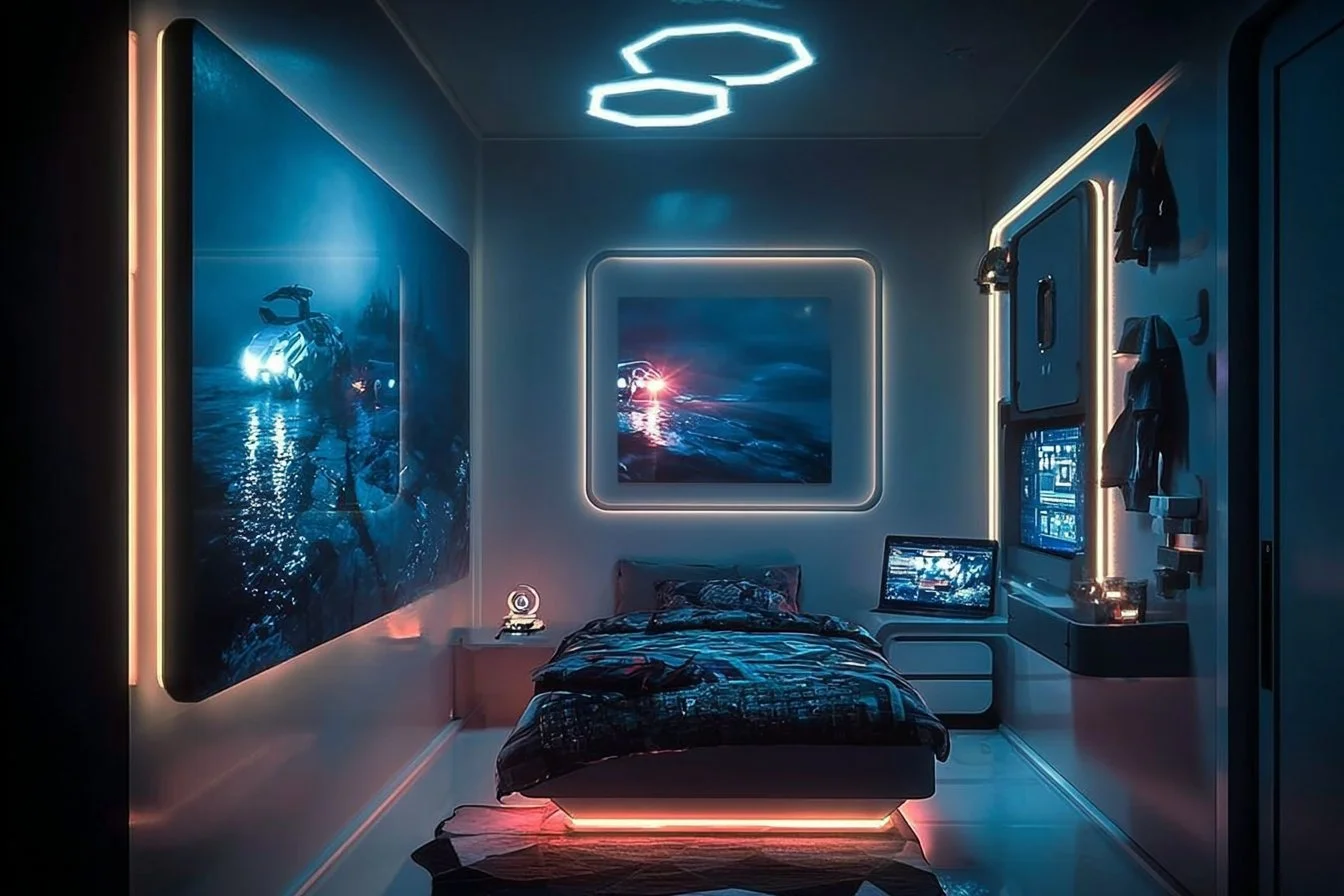
Wall-mounted monitors or short-throw projectors create a high-tech feel without taking up floor space. These setups can double as study tools for virtual classes while keeping cables tidy through raceways or wall channels. Add a magnetic board for schedules or coding ideas to balance technology with hands-on planning. Thoughtful placement transforms a bedroom into a mini movie theater or gaming hub while keeping the room stylish and connected to the rest of the home.

Kid-Friendly Colors and Durable Finishes

Choose muted blues, slate grays, and warm neutrals for a modern, tech-forward look that allows gadgets and bedding accents to pop. Durable, washable paints and scuff-resistant furniture reduce upkeep while maintaining style. Acoustic panels or fabric wall tiles help tame noise from play or gaming. These practical choices keep the room looking fresh while letting technology shine.

Maximizing Storage and Personalization

Built-in shelves, under-bed drawers, and modular bins provide space for books, art supplies, and robotics kits while keeping the floor clear. Personalization can be tech-friendly: cork boards with QR codes linking to playlists or framed displays for digital badges showcase achievements. Categorize items by type to simplify tidying. Family rituals, like Saturday cleanup sessions, turn organization into bonding time rather than a chore.

Safety, Ergonomics, and Simple Routines

Ergonomic chairs and adjustable monitor stands protect posture during long study or gaming sessions. Use outlet covers, cord organizers, and surge protectors to minimize hazards. Parental controls, time-limited profiles, and clear tech rules help manage screen time effectively. Gentle habits like a “power-down” hour before family reading time improve sleep and create structure. Labeling zones and scheduling device-free family moments make the bedroom a safe, comfortable space for both discovery and relaxation.

Conclusion

Creating a tech-savvy bedroom for your child is about thoughtful choices that blend function, safety, and personality. Save these decorating inspiration ideas, try one upgrade at a time, and revisit the room as your child’s interests evolve. For a wider view on planning long-term choices and generosity in life that might inspire how you invest in your family’s future, read this perspective from Bill Gates on meaningful long-term decisions at 20 years to give away virtually all my wealth | Bill Gates.