











Secret Cottagecore Corners That Feel Like Home
I still remember the first time my youngest and I carried a chipped teacup across the yard to gather wildflowers—our neighbor waved and handed over a jar of honey like we’d always belonged. Between school drop-offs, soccer practice, and late-night homework sessions, small rituals like making breakfasts on a painted tray or tucking a knit throw at the foot of the sofa have become my quiet joys. Those ordinary moments pushed me toward softer, lived-in interiors that speak to family life; decor that survives sticky fingers, dog paw prints, and the occasional glitter explosion. My Pinterest boards are full of simple, heartwarming plans, and I often return to posts with gentle, rustic flair for everyday inspiration like these rustic Easter décor ideas. This isn’t about perfection—it’s about designing rooms that welcome laughter, homework spreads, and friendly drop-ins with a cottagey, practical twist.
Sunlit Floral Tablescapes
A small table by the kitchen window invites morning light and conversation, and nothing brightens family breakfasts like fresh or dried florals arranged in mismatched teacups. Visually, layers of pattern and different vase heights create an effortless focal point that reads warm and curated. Emotionally, flowers recall neighbors bringing over a bouquet or a child’s preschool artwork taped beside a place setting—these touches make guests feel instantly at ease. To apply this look, start with a neutral runner, place a low cluster of mismatched dishes at the center, and tuck in sprigs of wildflowers or eucalyptus. Swap flowers seasonally or let the kids pick their favorites for added personality. This arrangement supports subtle merchandising spots—small decorative boxes or ceramic salt cellars that work well with ad placements—while staying practical for daily use and family breakfasts.
Vintage Finds and Thrifted Layers
Hunting for secondhand treasures taught me that character comes from small imperfections: a slightly faded quilt, a brass candlestick, or a wooden tray with a faded monogram. Incorporating these elements adds visual depth and a sense of history to rooms, which pairs beautifully with modern pieces for balance. Start by giving yourself permission to mix eras: set a thrifted mirror above a simple console table or layer an old rug beneath a newer sisal runner. These choices feel approachable for household life—durable, forgiving, and uniquely yours. If you love seasonal vignette ideas, you’ll find plenty of use for simple swaps and repurposed accents in projects like these thrifted cottage accents. Children’s art can be framed inexpensively and rotated, making this styling both family-friendly and endlessly adaptable.
Soft Color Palettes and Painted Furniture
A palette of muted greens, buttercream, and faded rose offers a gentle backdrop that calms busy afternoons and evening routines. Paint can transform a hand-me-down dresser into a centerpiece without breaking the bank, and distressed finishes add that lived-in personality that invites touch. Visually, soft hues create cohesion across rooms, making transitions from kitchen to living room feel intentional. Emotionally, these colors recall childhood summers and porch swings—perfect for homes where kids’ play and neighborly visits overlap. To try this at home, repaint a small piece first and live with it for a week; you’ll quickly see how it influences fabrics and accessories. This approach supports tasteful ad recognition—imagery with consistent tones performs well for lifestyle traffic while remaining authentic to everyday family life.
Natural Textures: Linen, Rattan, and Wool
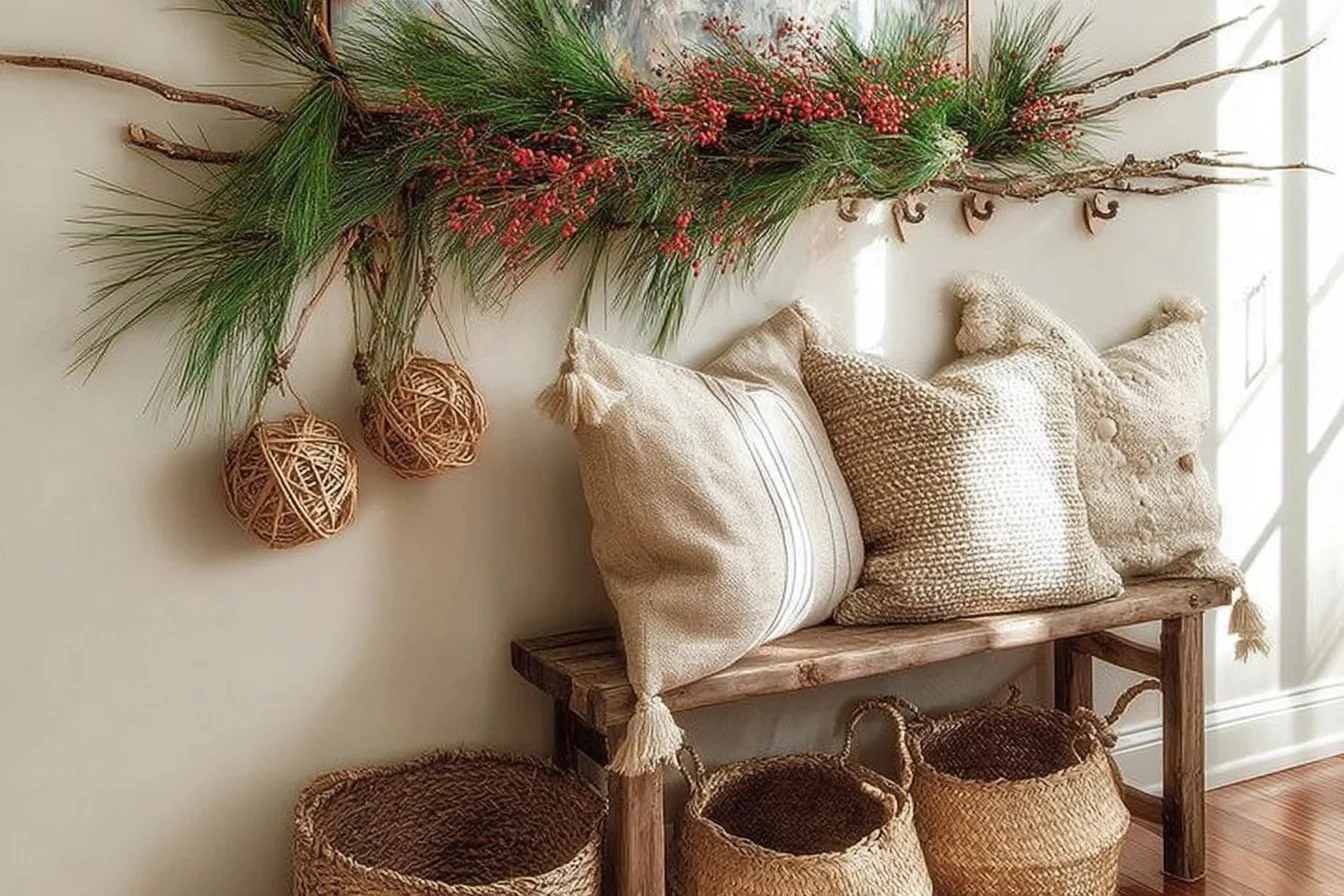
Textural variety brings a room to life: linen napkins that rumple attractively, a rattan basket for toy storage, and a wool throw for reading naps on the sofa. These tactile elements work visually by layering attention and warmth, and they hold up to the rhythms of family life—washable linens and sturdy woven baskets are practical choices. Try adding a woven pendant over a breakfast nook or swapping out polyester cushions for linen slipcovers that soften with use. Using natural textures makes spaces feel approachable and lived-in rather than staged, and children can easily help maintain displays—placing books in a woven bin or arranging soft pillows for fort-building. For bloggers and publishers, images featuring textured surfaces encourage longer engagement, which is ideal for interior styling tips and monetization strategies.
Windows, Nooks, and Reading Corners
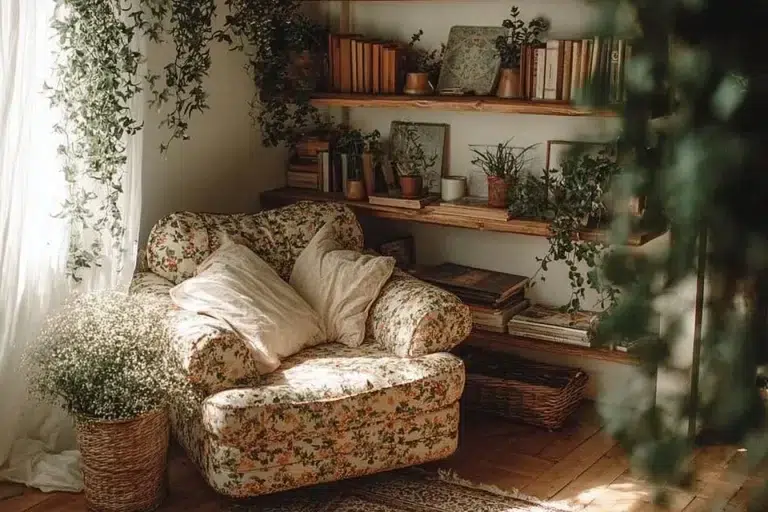
Small nooks are where memories get made: a built-in window seat for afternoon reading, a corner with a lamp where homework happens, or a closet turned play nook for rainy-day forts. These areas are visually impactful because they create focused moments within larger rooms, and they carry emotional weight—my eldest still remembers morning reading with a mug of cocoa while the house woke up. Make a nook inviting with layers: a cushioned bench, a throw, and a small shelf for favorite books and handmade crafts. Incorporate family routines, like a nightly story ritual, into the styling so the space is both beautiful and functional. For outdoor-inspired transitions or porch styling that complements these indoor nooks, consider elements that blur the line between inside and outside, using durable fabrics and weatherproof accents to echo your garden’s charm garden and porch styling ideas.
Artful Storage and Playful Displays
Storage that looks intentional keeps family life feeling stylish rather than chaotic. Open shelving with curated baskets, labeled jars for craft supplies, and a pegboard for school bags make daily comings and goings simpler while adding sculptural interest. Visually, tidy displays frame the room and provide natural places for ads and affiliate imagery that match the aesthetic. Emotionally, accessible storage respects children’s independence—they can put away their own toys and take pride in a tidy shelf. Start small: convert a low shelf into an art station where homework supplies live in pretty tins. Rotate displayed toys and crafts so the shelf refreshes often, creating new visual hooks for returning visitors and encouraging repeat engagement with your decorating inspiration.
Conclusion
If you want a focused example of table and dining room styling that blends floral charm with thrifted pieces, explore this lovely walkthrough for practical inspiration and staging ideas: Embrace Cottagecore Charm: Spring Dining Room Décor Inspiration. Save a few ideas, try one small corner at a time, and come back when you’re ready to layer in more touches—your home will tell the story of daily life, neighbors, and tiny celebrations that matter most.