I still remember the first time I painted our entryway a warm, muted terracotta; my mom called it brave and my husband pretended it was an accident. As a mom in my forties with an energetic son and a thoughtful daughter between eight and twelve, I like rooms that invite play, homework, and quiet reading. Our little house, full of hand-me-downs from my parents and a few vintage finds from my siblings, is where I practice interior styling the way my grandmother used to cook from intuition. Neighbors stop by and compliment our cozy corners, and I love swapping decorating tips over coffee. This guide will share approachable home décor ideas that blend rustic charm with practical decorating tips, so you can create a welcoming space your family will adore.
Layered Textures for Inviting Living Spaces
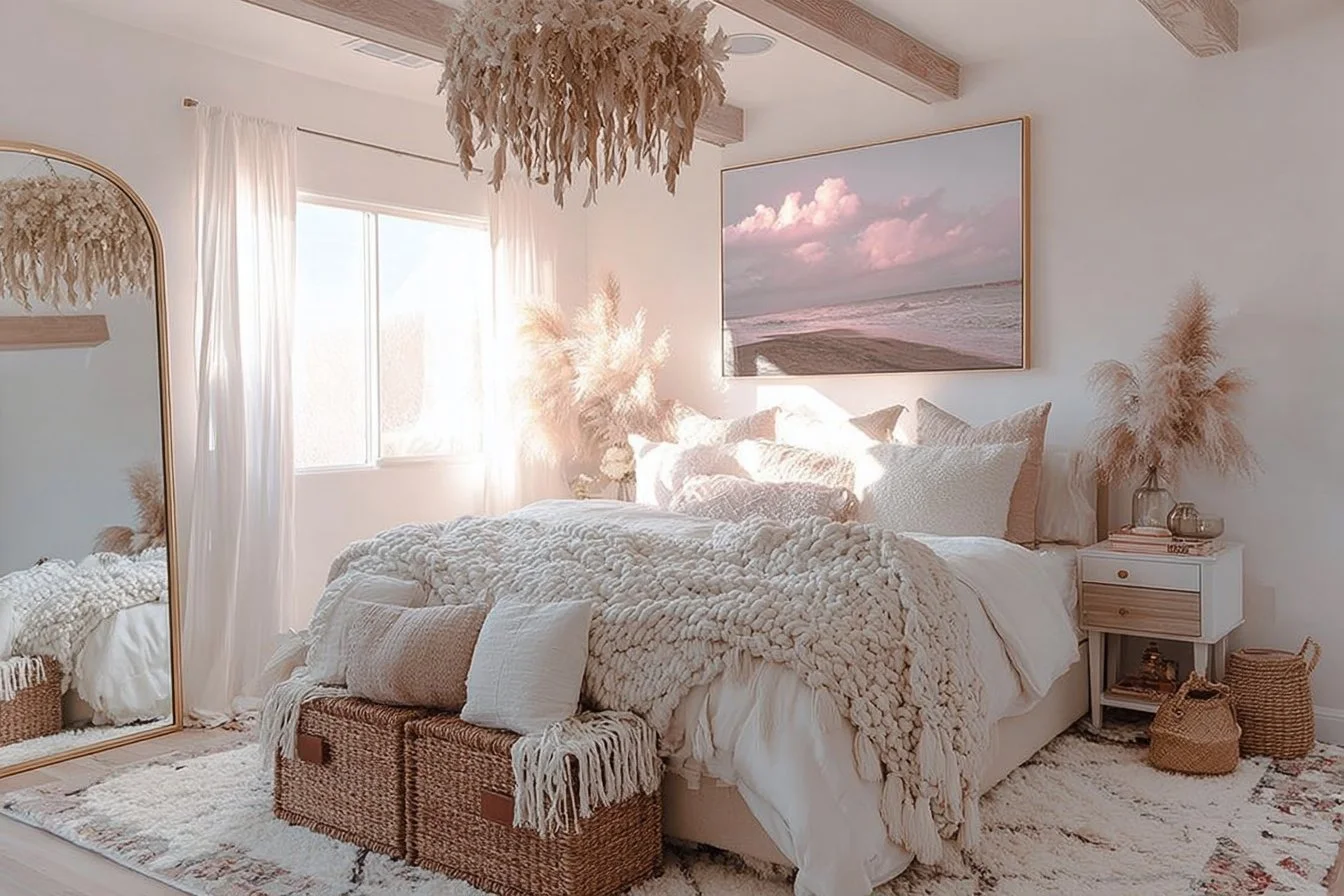
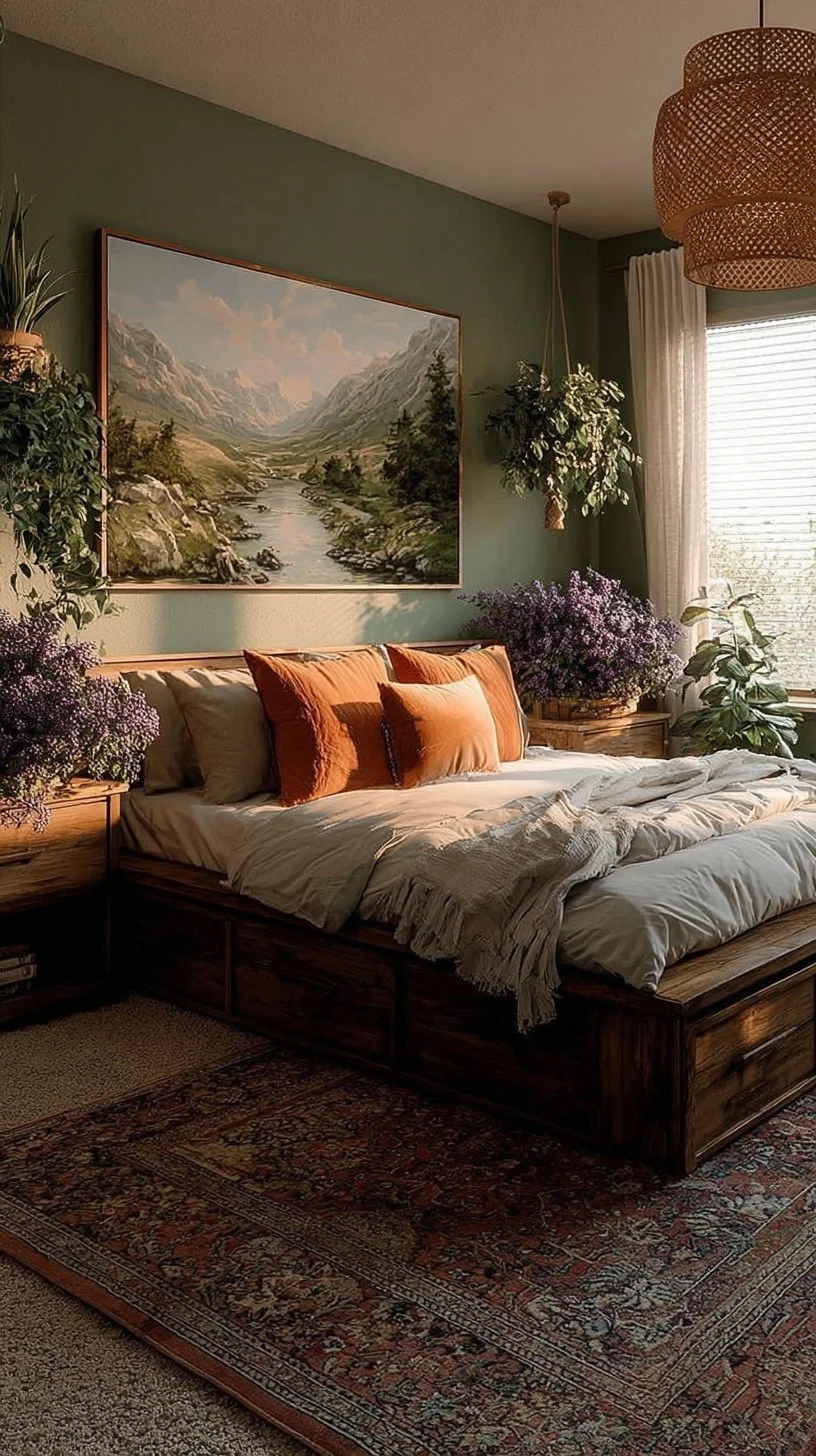
One of the easiest ways to introduce rustic charm into your home décor is to layer textures. Think chunky knit throws, woven baskets, linen pillows, and distressed wood surfaces. These tactile elements invite people to linger, whether your kids are building forts or your husband is lounging with a book. Start by choosing a neutral base for larger pieces like sofas, then add textured accents for depth and warmth. Practical tip: swap out smooth microfiber pillows for ones with visible weave or fringe to instantly elevate the room. I keep a basket of different-sized throws by our couch; my daughter grabs them for movie nights, and they hide toy messes fast. For an affordable refresh, thrift a wooden side table and sand it lightly to add character while keeping it sturdy for everyday family life.
Natural Materials and Earthy Color Palettes
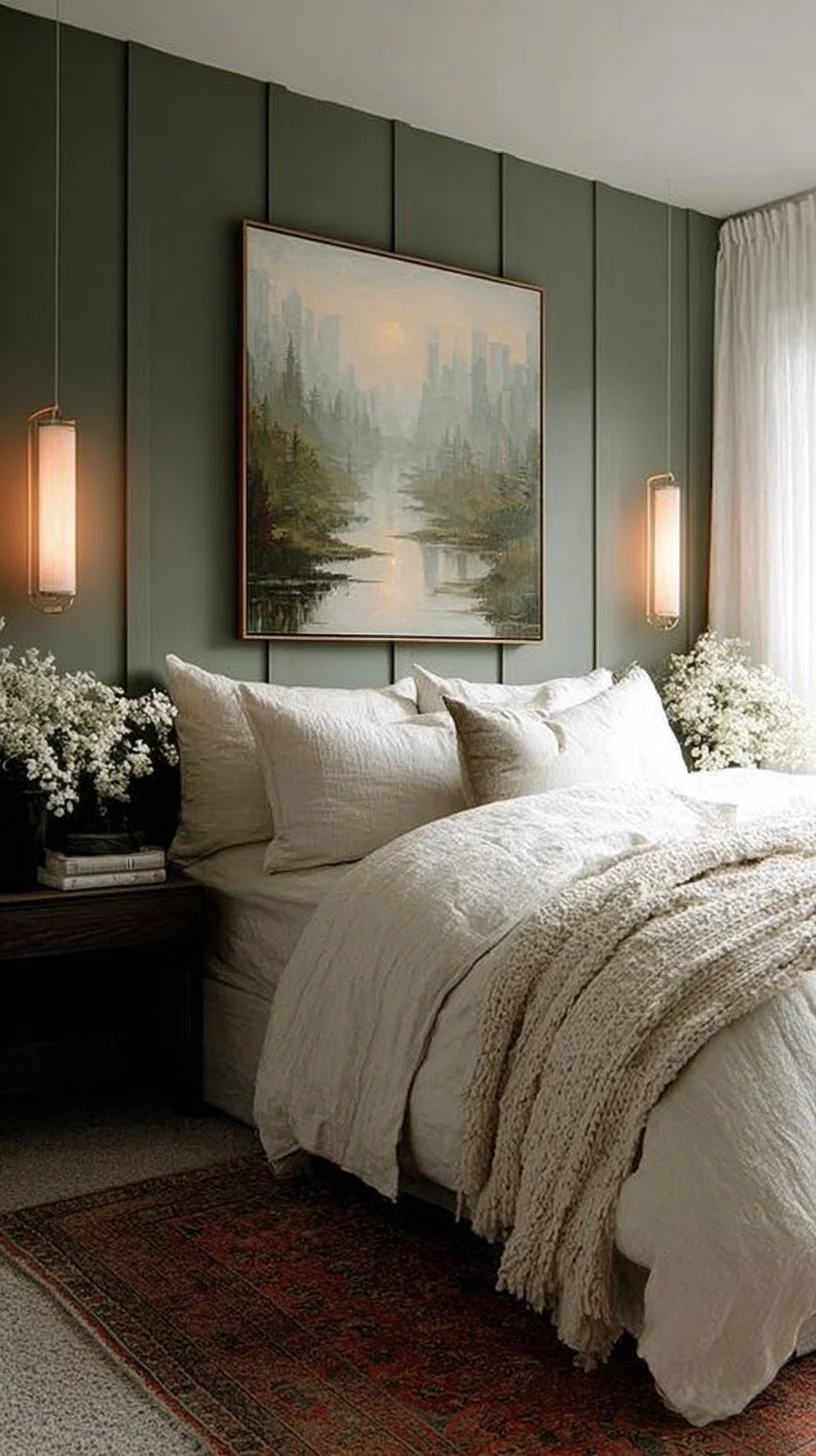
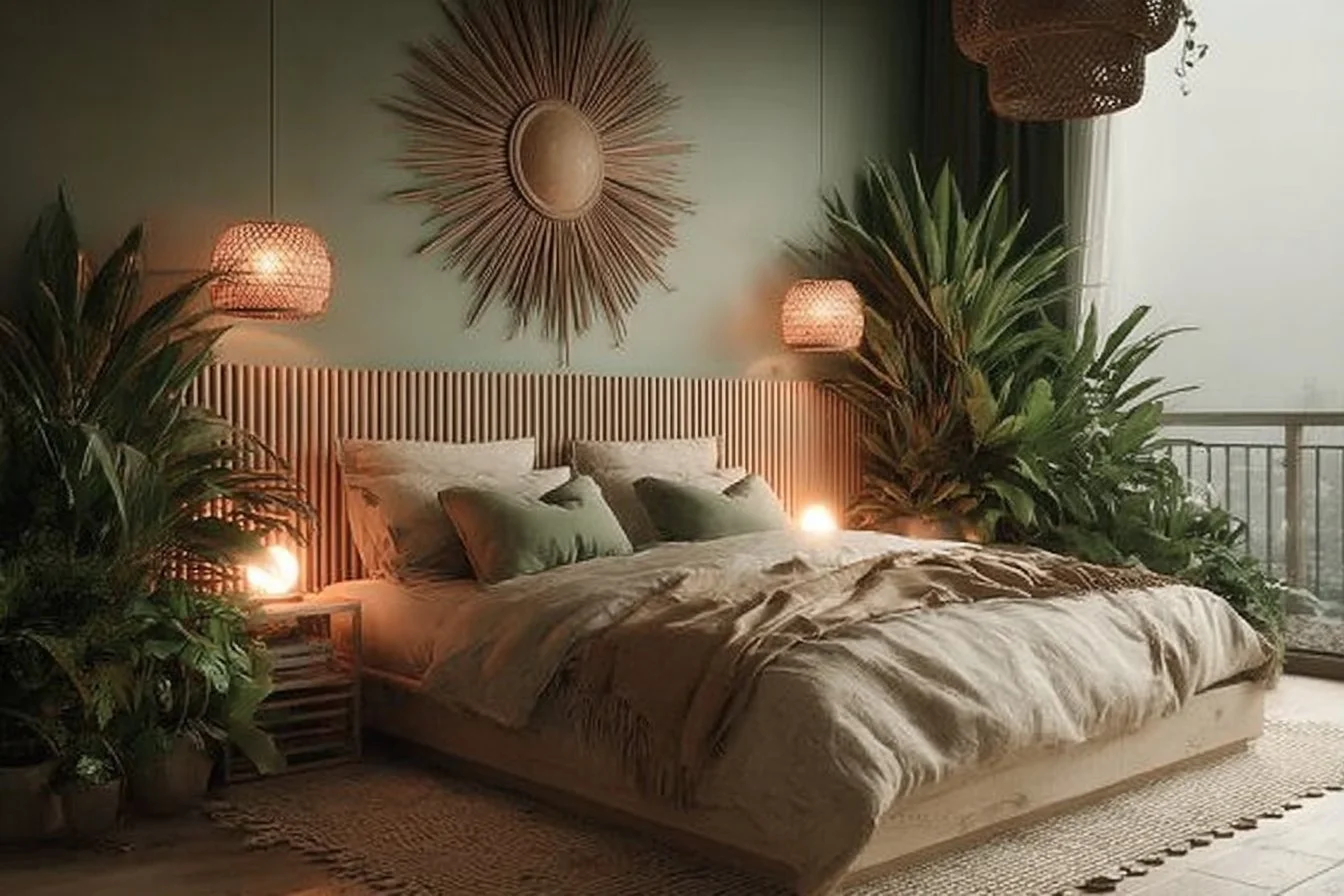
Embracing natural materials helps ground interior styling in a way that feels both modern and timeless. Wood, stone, jute, and wrought iron pair beautifully with earthy color palettes like sage green, warm ochre, and slate gray. These tones give a rustic yet refined feeling without feeling fussy. Tip: introduce one natural material at a time across the room so the look stays cohesive; for example, pair a wooden coffee table with linen curtains and a stone planter. When my parents visited last summer, my mother admired how the reclaimed wood shelving displayed my son’s art and my daughter’s science projects. Small changes, like replacing plastic planters with terracotta pots or swapping a glossy lamp base for a matte ceramic one, can make a big impact on the overall aesthetic.
Mix Vintage Finds with Modern Pieces
A lived-in look comes from blending vintage finds with contemporary pieces. That balance keeps a space feeling curated rather than staged. Start by sourcing one vintage focal point, such as an old trunk used as a coffee table or a restored dresser in the foyer. Pair it with modern lighting and fresh upholstery to give the piece new life. Practical decorating tip: when shopping thrift stores, look for solid construction and unique hardware you can polish or replace. I love telling my kids the story behind each vintage item; my son calls our vintage globe the “time machine,” and my daughter likes tracing old travel routes. Mixing eras not only adds visual interest but also creates conversation starters for guests.
Functional Rustic Kitchens and Cozy Corners
Rustic charm should always be practical, especially in spaces like the kitchen where family life happens. Open shelving with neatly grouped pottery, mason jars for pantry goods, and magnetic strips for knives combine form and function. Create cozy corners for morning coffee or reading by placing a comfortable chair, a side table, and a warm throw in underused nooks. Tip: use labeled baskets for snack organization that look decorative but keep clutter contained for busy mornings with kids. Our kitchen counter often becomes a homework station after school, so I keep a tray with pens, notepads, and a small lamp to transition the space easily. Small hooks for aprons and a wooden cutting board propped against the backsplash add rustic flair while staying useful.
Thoughtful Lighting and Warm Ambience
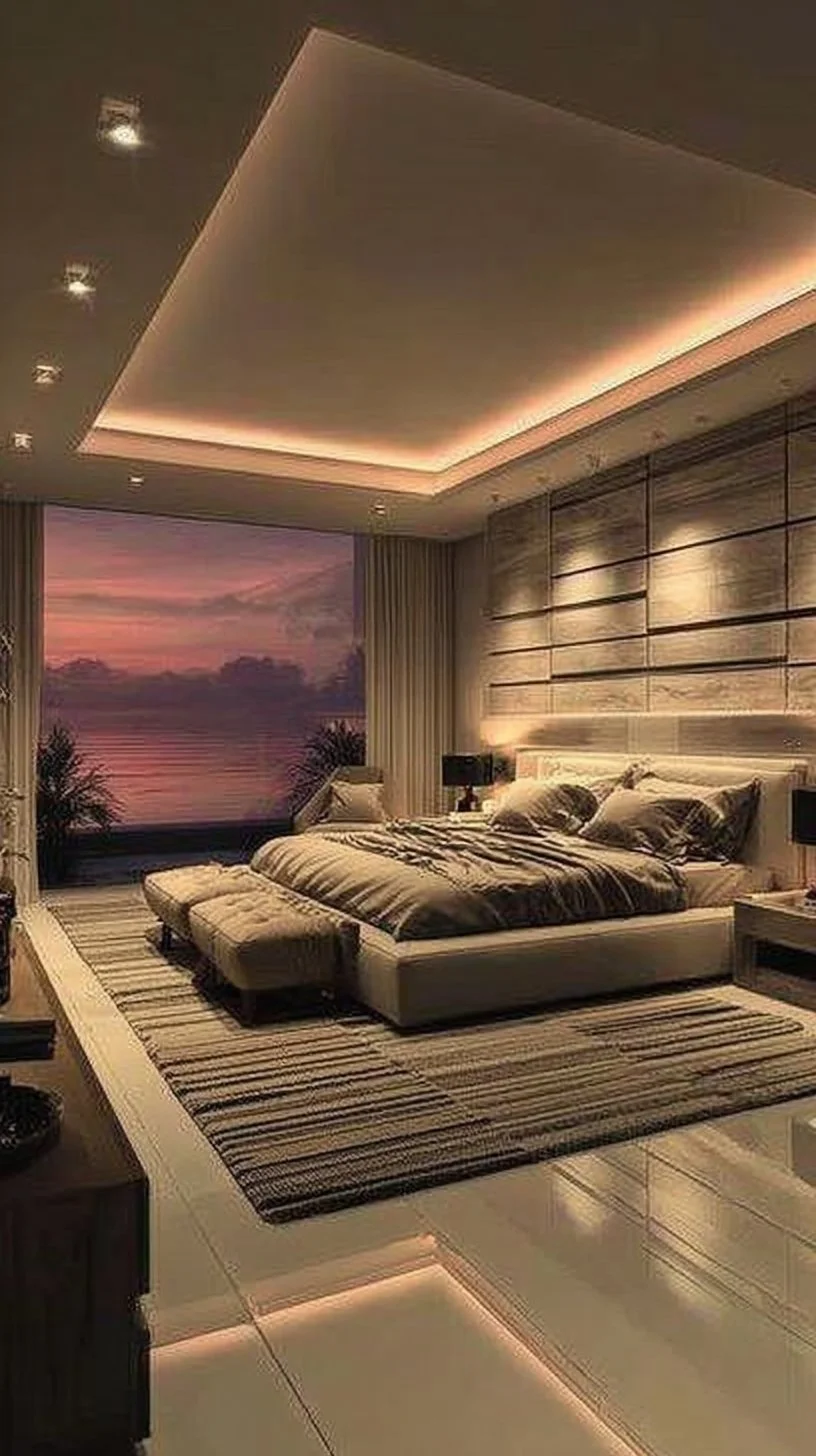
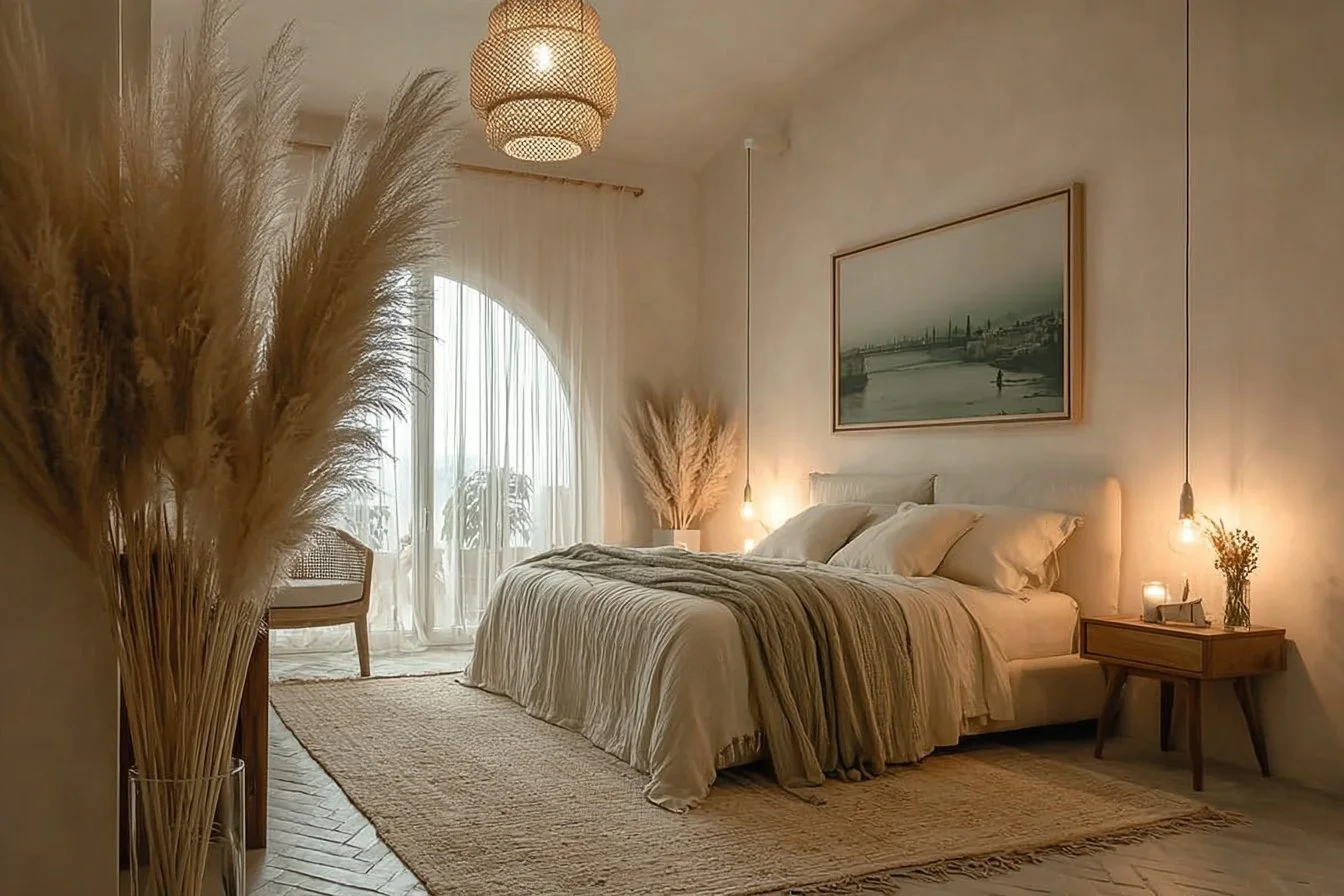
Lighting can transform a rustic space from flat to inviting. Aim for layered lighting: overhead fixtures for general illumination, task lamps for reading and cooking, and accent lights to highlight artwork or architectural details. Choose warm-toned bulbs to enhance the cozy vibe and consider dimmers for flexibility. Practical tip: add battery-operated LED candles to mantels or shelves for soft glow without the fuss. I installed a pendant over our dining table that my neighbor recommended; it became the family’s favorite spot for puzzles and late-night talks. If rewiring is not an option, strategically placed floor lamps and string lights can create similar warmth without major renovations.
Greenery, Personal Touches, and Sustainable Choices
Plants and personal touches make rustic décor feel alive and intentional. Houseplants like pothos or snake plants bring color and filter air, while dried flowers in simple vases add texture without much upkeep. Incorporate family photos in mismatched frames or display kids’ artwork in a gallery wall to personalize your space. Decorating tips: use natural-fiber mats and rugs for durability, and choose secondhand textiles to reduce waste while adding unique patterns. I love involving my kids in plant care; watering them becomes a small ritual my son enjoys. When guests ask about the woven rug or the hand-thrown mug, I tell them where we found it, and sharing those stories becomes part of the décor itself.
Conclusion
Creating a home that feels warm and rustic is about thoughtful choices, practical decorating tips, and a few well-loved pieces that tell your family story. Start small with layered textures, add natural materials, and mix vintage finds with modern comforts to craft a welcoming interior styling scheme. For additional inspiration on cozy, wood-centered design ideas, check out this article on Cozy Cabin Vibes: Why We Love Wood Burning Stoves. Try one idea this weekend, and you might find your home becomes the place neighbors and family want to gather most.