Categories
Living

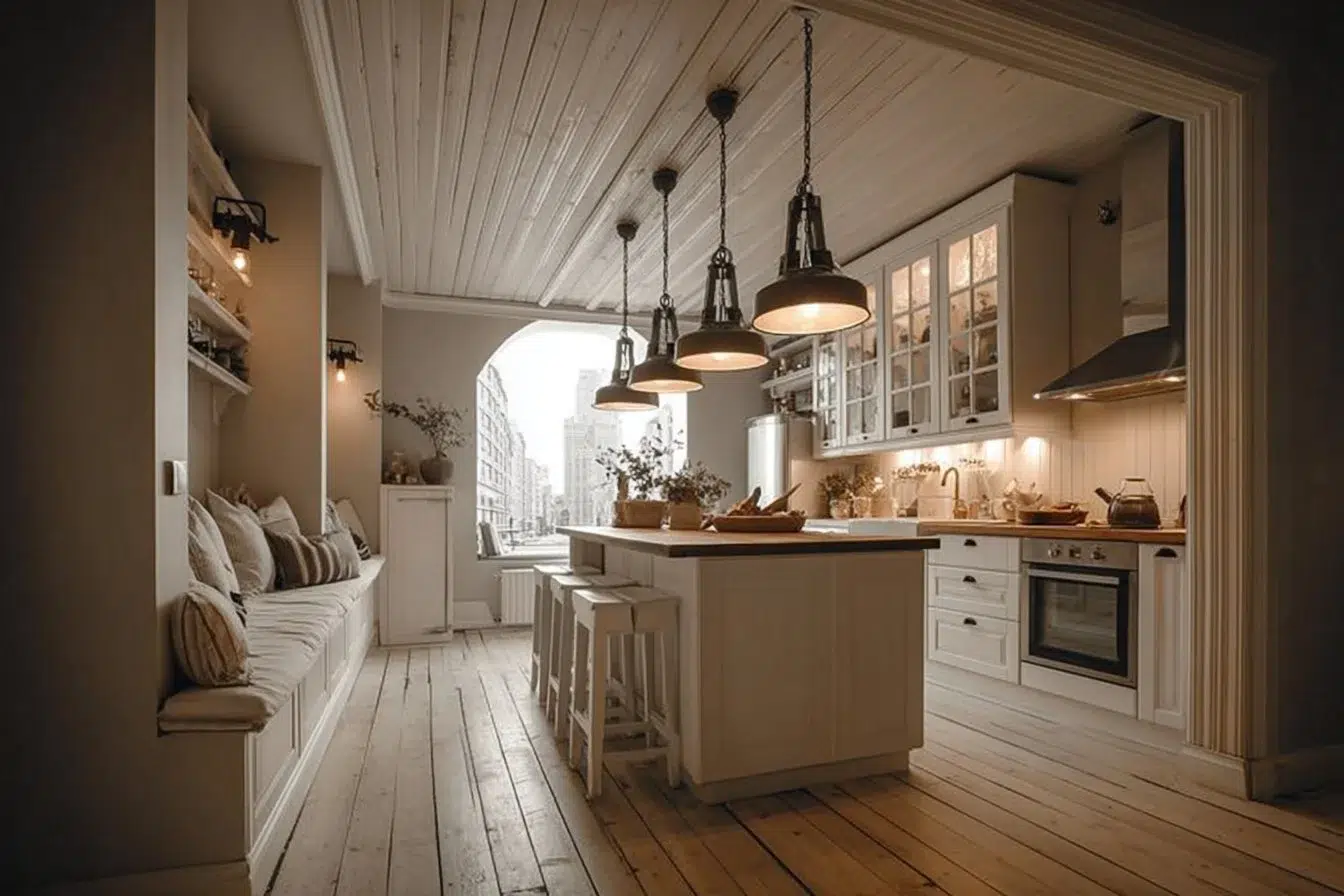
Timeless Kitchen Living Room Ideas for Small Spaces With Rustic Charm

Tiny Homes, Big Heart: Rustic Kitchen-Living Ideas

There are mornings when I’m juggling cereal bowls, a lost soccer shoe, and a last-minute permission slip while the neighbor waves from his porch with a dozen eggs from his backyard hens. My kids are 8 and 11 now, and our little open-plan kitchen-living nook hums with homework, impromptu dance-offs, and the smell of something baking. I grew up in a farmhouse where every chair had a story, and I wanted to bring that same lived-in warmth into our compact space without it feeling cramped or staged. Small tweaks, like a weathered board over the sink or a hand-me-down bench, have transformed how we live together. I even experimented with a few cutting board wall ideas to add character without weighing down the room. These are practical, family-friendly home décor ideas that blend function with soul.

Open Shelves That Still Hide the Clutter

Open shelving is a classic way to make a small kitchen feel larger and more approachable, giving visual breathing room while showing off favorite pieces. Visually, the mix of plates, glassware, and a few curated vintage finds reads as intentional rather than chaotic, and emotionally it creates a lived-in charm that guests compliment. To make it work in a family setting, install a couple of shallow shelves above the counter and keep everyday items on the lowest shelf for kid access. Use baskets or lidded containers on the higher shelves to conceal the bulk of mismatched tools and snack stashes. For safety, secure heavy items and teach routines—my kids know which shelf holds their cereal bowls, so mornings run smoother. These interior styling tips help your small kitchen feel open without sacrificing tidy surfaces.

Foldaway Dining: Small Meals, Big Memories

A fold-down or drop-leaf table gives a compact kitchen-living area the flexibility to host everything from homework sessions to weekend crafts. The visual advantage is immediate: with the table folded, the space reads larger and cleaner, but when dinner or a neighbor’s impromptu visit calls for seats, the table becomes a focal point for connection. Opt for a restored folding bench or a narrow banquette against a wall to maximize seating while keeping floor space clear for scooters or a play mat. Choose durable finishes that handle sticky fingers and spilled juice—waxed wood or sealed pine are forgiving and repairable. My kids love pulling the table out for board games on rainy afternoons, and neighbors always linger longer when the setup feels warm and effortless. These decorating inspiration choices keep life functional and affectionate.

Reclaimed Wood Touches for Warmth

Reclaimed wood inserts instant personality into tiny kitchens and living rooms without adding visual bulk. A narrow beam over the stove, a salvaged mantel turned floating shelf, or a slim coffee table made from an old barn board brings depth and history to a neutral backdrop. The grain and imperfections tell a story, and that authentic patina offers a tactile warmth that synthetic materials can’t mimic. Apply reclaimed wood sparingly—one or two statement pieces prevents the room from feeling heavy. For practicality, seal surfaces near the stove and dining spots, and use lighter wood tones on walls to keep the space bright. If you love mixing room ideas from other corners of the house, I pulled inspiration from small cabin bathroom ideas for compact shelving solutions that translate beautifully into shared living spaces with kids.

Neutral Base with Layered Textures

Start with a calm, neutral palette—soft whites, warm grays, and muted greens—and layer in texture for visual interest. Linen curtains, a braided jute rug, and woven seat cushions add depth without overwhelming a small footprint, while natural fibers wear beautifully under active family life. The result feels serene and timeless, letting rustic accents like hammered metal pendant lights or a weathered bread box stand out. For interiors, swap out heavy drapes for lightweight panels to let daylight work its magic; light equals perceived space. I keep a stack of washable throws folded in a basket for movie nights and chilly mornings, which also doubles as extra seating when friends stop by. These interior styling tips help you balance practicality with personality so the room feels uniquely yours.

Smart Lighting: Mood Meets Function

Layered lighting changes everything in combined kitchen-living areas, especially when square footage is limited. Task lighting over prep areas paired with softer ambient lights in the living zone creates distinct use zones without erecting barriers. Consider a compact pendant over the kitchen island and wall sconces by the sofa that read like vintage finds—they anchor each area and add to the rustic vibe. Dimmer switches are a small upgrade that pays off: bright light for homework and cooking, low light for bedtime stories or movie nights. Use warm-toned bulbs to maintain that inviting, lived-in feeling. As a busy parent, I love that thoughtful lighting turns the same space into a homework station, a study nook, or a family movie corner depending on the hour—practical decorating inspiration that improves daily routines.

Dual-Purpose Pieces and Vintage Finds

In small homes, furniture that pulls double duty is essential. An antique trunk can store blankets and serve as a coffee table; a sideboard with drawers becomes a homework station and tea-serving surface. Visually, mixing a few vetted vintage pieces into newer items keeps the room feeling layered and curated rather than contrived. When choosing dual-purpose pieces, prioritize durability and height—kids lean on surfaces, so select pieces that can take wear and still look lived-in. Hunt at thrift stores, flea markets, or estate sales for characterful items that won’t break the bank; refinishing a found piece is a weekend project that becomes a family story. My son and daughter love choosing the toys stored in the old trunk, which keeps things tidy and turns cleanup into a shared ritual. These home décor ideas let you be resourceful and stylish at once.

Conclusion

If you’re saving ideas for a weekend refresh or dreaming up a year-long makeover, small thoughtful changes can make a big emotional impact—especially when family life is part of the plan. Try one idea at a time: start with lighting or a statement shelf, live with it for a month, and notice how routines shift. For more farmhouse-focused inspiration that fits compact homes, explore Farmhouse Kitchen Ideas: Rustic Charm and Timeless Elegance. Pin the looks you love, adapt them to your family’s rhythms, and come back to refine as your household grows—practical decorating inspiration can be both timeless and tender.

Categories
Living

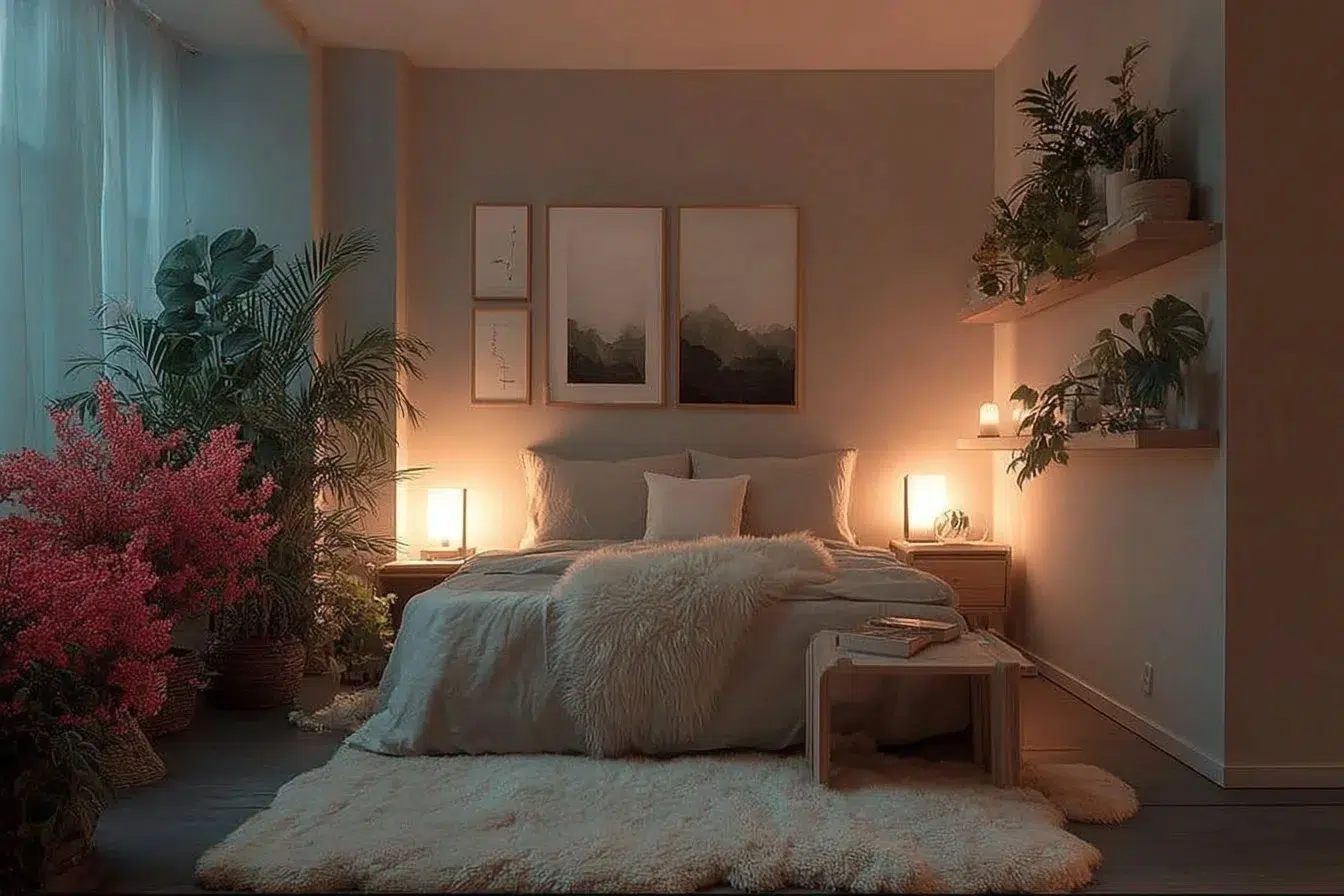
6 Decor Ideas for Small Bedroom With No Windows

Small Room, Big Style: 6 Window-Free Makeovers

I remember the first time I painted that tiny upstairs room—my son was six, my daughter was nine, and the house hummed with school drop-off routines, soccer practices, and the friendly gossip over the fence with Mrs. Alvarez next door. We used that windowless room as a playroom, then a guest room, and finally my late-night sewing nook. Between bedtime stories and packing lunches I wanted a space that felt alive, not boxed in. As a forty-something mom balancing carpools and homework patrol, I tested practical tricks that fit our lifestyle and still looked pulled together. If you’re juggling family life and dreaming of decorating inspiration for a small, windowless bedroom, these home décor ideas are friendly, achievable, and kid-approved. For quick kids’ refresh ideas that inspired one makeover, I followed some simple DIY kids bedroom refresh ideas that worked around our schedule.

Brighten With Layered Lighting & Mirrors

A room without a window doesn’t need to feel like a cave. Layered lighting—ambient, task, and accent—creates depth and mood. I swapped the single harsh ceiling bulb for a dimmable pendant, added a bedside reading lamp for late-night story time, and tucked LED strip lighting behind a headboard for soft glow during homework sessions. Mirrors are powerful: a large vertical mirror opposite the doorway or a mirrored wardrobe panel instantly reflects light and expands perceived space. Visually, this balances warmth and clarity; emotionally, it makes the kids’ homework nook feel inviting rather than cramped. Realistically, choose warm daylight bulbs (around 2700–3000K) and place mirrors to catch light from lamps rather than bulbs. It’s an easy upgrade between soccer practice drop-offs and piano lessons.

Paint Smart: Light Hues and Reflective Finishes

Light, neutral tones open up a room fast. I picked a soft warm white for the walls and a slightly darker greige for an accent wall behind the bed to give depth without closing the space. Using semi-gloss trim and a satin finish on furniture reflects more light than flat paint, subtly increasing brightness. Metallic accents—brass drawer pulls, a silver-framed mirror, or a glossy side table—add little flashes that feel modern and cheery. From an interior styling tips perspective, tone-on-tone layers create continuity, while a single bolder color in textiles keeps personality alive. For practical families, washable paints and scuff-resistant finishes mean less touch-up after a busy week of kids, pets, and neighborhood sleepovers.

Create Depth With Art and Thematic Murals

A painted mural or a gallery wall can become an optical window. We turned one wall into a faux landscape with soft horizon lines and framed it with crown molding to read like a window frame; the kids loved pointing out “our view” during lazy Saturday mornings. Bold graphic art, a large-scale photograph, or even a textured wallpaper creates a visual focal point that draws the eye and makes the room feel purposeful. For superhero fans or themed corners, you can take inspiration from curated setups—my son’s corner borrowed ideas from fun spider-man bedroom concepts—but stay balanced so the space grows with them. Emotionally this adds personality and comfort, and practically it’s an affordable way to bring decorating inspiration without structural changes.

Maximize Space With Smart Furniture and Vertical Storage

In a small room every inch counts. We swapped a bulky dresser for a tall narrow chest and used wall-mounted shelves to keep toys, books, and school supplies off the floor. A daybed with under-bed drawers or a loft-style bunk frees play space and gives each child an organized zone. From a visual standpoint, vertical storage pulls the eye up, making the ceiling feel higher; emotionally, it reduces morning chaos when backpacks and shoes have a designated spot. Realistic application: measure twice, choose multifunctional pieces, and anchor shelving to studs for safety. This approach pairs well with home décor ideas that favor function first—after all, quarter-hour bed-making battles fit better in a tidy room.

Faux Windows, Curtains, and Canopies for Softness

To mimic a window, try installing a framed mirror or a large piece of art at eye level and flanking it with lightweight curtains on a simple rod—this reads like a window when lit with wall sconces. Sheer panels add softness and movement without demanding natural light. For a playful, intimate touch, a fabric canopy over a bed or reading nook creates a sense of shelter and privacy; we used a soft drape for late-night story rituals. These textile choices bring layered texture and emotional warmth, helping the room feel like a restful retreat rather than just another box in the house. I leaned on ideas from a boho canopy guide when crafting a calming corner that both kids and visiting cousins love: boho canopy inspiration made it simple to style quickly.

Bring Life With Plants, Scents, and Airflow

Living elements make a windowless room breathe. Low-light plants like snake plants, pothos, or ZZ plants add greenery without constant sun, and a few well-placed faux plants can fill tricky corners. A small essential oil diffuser or linen spray with calming scents helps the room smell fresh and signals bedtime; lavender became our go-to after homework wind-down. If safety or allergies are a concern, air-purifying machines paired with light greenery do wonders for comfort. Visually, plants add organic shapes that soften hard edges; emotionally, they create a sense of well-being that’s great for busy families. For practical households, choose low-maintenance varieties and keep planters on a catch tray to avoid spills during morning rushes.

Conclusion

If you’re saving ideas for a weekend refresh or planning a slow transformation between carpools, these interior styling tips and home décor ideas are designed to feel lived-in and lovely. Try one change—swap a light, hang a mirror, or add a canopy—and watch how small tweaks shift the whole room’s energy. For more practical guidance on making a compact guest or family room feel warm and functional, check out Small Guest Bedroom Ideas: AVOID These 3 (+15 To Do Instead)! and save the post for your next project.

Categories
Winter Decor

Paper Icicles for Frozen Ceiling Decoration

Transform Your Ceiling with Paper Icicles

When the school carpool and soccer pickup blur into one long string of afternoons, I find little rituals that make our house feel like my own sanctuary again. As a mom in my forties with two kids between eight and twelve, my days are filled with homework negotiations, ferrying friends to the park, and borrowing sugar from the neighbor who always waves from her porch. One rainy afternoon, while the kids built forts and I brewed tea, I pulled out some scrap paper and scissors and started cutting long teardrop shapes. The house suddenly felt playful and a touch magical—like a small, charming secret that belonged to us. That simple craft reminded me how interior styling tips that don’t require a big budget can refresh family routines and create warm memories without disrupting the chaos.

Ethereal White Icicles for a Fresh Focal Point

A cluster of crisp white paper icicles can turn any flat ceiling into an elegant focal point without heavy investment. Visually, the long tapered shapes draw the eye upward, creating the illusion of higher ceilings and a light, airy atmosphere. Emotionally, they lend a sense of wonder—kids love looking up and imagining a sparkling canopy above their heads.

To create this look at home, cut graduated lengths from white cardstock, fold slightly for dimension, and string them along clear fishing line. Hang several rows across a hallway or above a breakfast nook for instant impact. My kids helped rank the lengths by size; it doubled as a quiet afternoon activity. This approach is a smart home décor idea because it’s inexpensive, kid-friendly, and easy to change when you want a different mood.

Metallic and Shimmer Layers for Subtle Glam

If you want a touch of sparkle without overwhelming the room, introduce metallic accents within layered paper icicles. Gold, silver, or rose-gold mirrored paper catches light and adds a refined shimmer that plays well with natural sunlight or ceiling fixtures. This technique elevates a simple craft into a chic design statement that reads more polished than purely homemade.

Layer mirrored strips behind matte paper icicles and stagger the lengths for depth. Use double-sided tape to secure thin metallic slices so they flutter slightly in a breeze, creating soft motion and glints of light. I used this above our dining table for family game nights—my tween loved claiming the “special seat” beneath the shimmer. It’s a practical interior styling tip that blends handcrafted charm with mature texture, appealing to both kids and adults.

Personalize with Kid-Crafted Shapes and Colors

Turning ceiling décor into a hands-on family project is one of my favorite decorating inspirations. Letting kids cut their own shapes and choose colors makes the installation personal and unforgettable. Paper icicles don’t have to be uniform; scalloped edges, painted patterns, or hand-drawn doodles add character and story.

Set up a crafting station with safe scissors, colored paper, and washable markers. Encourage your 8- to 12-year-olds to create themed sets—abstract swirls, geometric cuts, or even favorite colors. Once hung, these pieces become conversation starters for guests and a proud display of your children’s creativity. This idea works visually because variety keeps the eye moving, and emotionally because it honors family routines and small moments of collaboration.

Clustered Icicle Chandeliers for Dramatic Impact

For homeowners who love a dramatic but low-cost statement, arrange clustered paper icicles to form a chandelier-like installation. Group several long icicles at different heights from a central point to mimic the fall of a modern pendant light. The result draws attention to a seating area or entryway and becomes a memorable part of your home’s personality.

Practical application involves anchoring a lightweight ring to the ceiling and suspending icicles at varying lengths. Secure with small hooks or a removable adhesive plate for easier removal later. I hung a cluster in our foyer and loved watching neighborhood guests pause at the doorway; my kids used it as a backdrop for impromptu photo ops. This is a smart home décor idea for renters and homeowners alike because it’s removable and transforms the space with minimal effort.

Color-Coordinated Themes for Everyday Style

You don’t need to limit paper icicles to pale tones—coordinating colors with room accents gives a polished, intentional look that complements existing décor. Pick hues that echo throw pillows, rugs, or art for a cohesive palette that reads as thoughtfully styled rather than purely crafty. This approach ties the installation into your larger interior styling scheme.

Try softer pastels for a subdued look, or richer jewel tones for a bolder statement. Arrange icicles in gradient order to create a flowing ombré effect that feels modern and curated. I matched a soft teal set to my daughter’s bedroom curtains; it made the room feel layered and intentional without spending on new furnishings. This strategy is a versatile decorating inspiration that adapts to changing tastes as your family grows.

Twinkling Lights and Paper for Magical Ambience

Combine LED fairy lights with paper icicles to create gentle backlighting that changes the room’s mood from ordinary to enchanting. The soft glow behind semi-opaque paper adds depth and a whisper of sparkle, perfect for bedtime stories or relaxed evenings after the kids are in bed. It’s an approachable way to introduce mood lighting without rewiring fixtures.

String warm white LED strands along a ceiling beam and sandwich the clips behind layered icicles so the light diffuses through the paper. Battery-operated LEDs are safe and moveable, which works well in a family home where flexibility matters. My husband and I dimmed the lights one night while the kids were building blanket forts beneath—the room felt transformed into a private little world. This method blends practical decorating inspiration with cozy, family-centered experiences.

Conclusion

If you want step-by-step help to get started with this kind of ceiling project, I found a clear paper icicle tutorial that walks through materials and hanging tips. Save your favorite ideas from this article and try one project at a time—these home décor ideas and interior styling tips are meant to be playful, family-friendly, and easy on the schedule. Come back when you’re ready for a new look; small changes like these can refresh everyday routines and make the house feel special again.

Categories
Winter Decor

Magical Winter Nature Boho Rooms for Kids

Woodland Boho Kids’ Room Ideas

I still remember the first Saturday after my twins started middle school: backpacks tossed by the door, a chorus of “I’m starving” from the kitchen, and Mrs. Patel from next door waving as she walked her golden retriever past our driveway. Between school runs, piano lessons, and weekend hikes, my house needs to feel like a gentle, imaginative retreat for two kids aged eight and twelve. Decorating has become my quiet rebellion against chaos — a chance to fold nature into everyday life so bedtime feels like a little escape. I’ve learned that small changes in color, texture, and lighting can turn a bedroom into a place where imagination and routine coexist. Below are thoughtful home décor ideas and practical interior styling tips that transformed our bedrooms into calm, playful spaces that kids actually love — and that make parent life a little simpler, too.

Gentle Woodland Mural as a Focal Point

A soft mural sets the emotional tone of a room without overpowering it. Think muted trees, distant hills, or simplified animal silhouettes in earthy greens, warm taupes, and soft creams. Visually, a mural gives the eye a restful place to land and creates an instant sense of place that sparks imagination — perfect for reading and quiet play. Emotionally, children respond to scenes that feel like stories; my daughter points to the painted fox every night and invents new bedtime tales. To achieve this at home, choose a single wall for impact, or use removable wallpaper panels for renters. Pair with one or two framed prints in similar tones rather than bright posters to maintain the calm. This idea works well with common furniture and can be a central piece in your decorating inspiration and overall home décor ideas strategy.

Layered Textures for Comfort and Interest

Layering textures—woven throws, a shaggy rug, macramé wall hangings—brings tactile richness that invites touch and lounging. Textures visually soften corners and create depth so the space feels lived-in and expressive, not staged. From a parenting angle, kids love different surfaces for building forts and settling in with a book; my son drags the pouf into reading sessions all the time. To recreate this without clutter, start with a neutral base rug and add one or two textured elements that are easy to wash or move. Organic textiles, washable cotton throws, and a durable jute rug strike a balance between style and family life. These interior styling tips help rooms feel layered and intentional while leaving plenty of floor space for art projects or late-night study sessions.

Natural Furniture and Smart Storage

Choosing simple wood furniture and woven baskets makes a room feel grounded and timeless. Solid wood beds or a reclaimed-wood desk provide warmth and age beautifully, while baskets and low shelving encourage children to participate in cleanup routines. Visually, natural materials keep the palette cohesive and prevent overstimulation; emotionally, they create a calm backdrop that lets kids’ personalities shine through. In our home, baskets in the corner serve as both toy storage and a laundry landing, cutting down on nightly “where are my cleats?” searches. For realistic application, invest in a sturdy dresser and mix labeled baskets for toys, art supplies, and sports gear. This approach supports both decorating inspiration and practical home décor ideas that fit a busy family schedule.

Soft, Layered Lighting that Feels Like Magic

Lighting changes everything: a dimmable main light for homework, a warm bedside lamp for winding down, and a string of warm LED lights for gentle atmosphere. Layered lighting makes rooms more flexible and emotionally safe — kids transition from play to sleep more easily when the lighting follows. I swapped harsh overheads for a soft globe lamp and added fairy lights draped over a shelf; after soccer practice, the softer glow calms arguments faster than any parental plea. For a family-friendly setup, choose LED bulbs with adjustable warmth, mount clips for fairy lights out of reach, and use timers to keep a consistent bedtime rhythm. These interior styling tips ensure both function and enchantment, and they’re perfect for highlighting natural textures and wall art without overwhelming the space.

Nooks and Built-In Play Areas

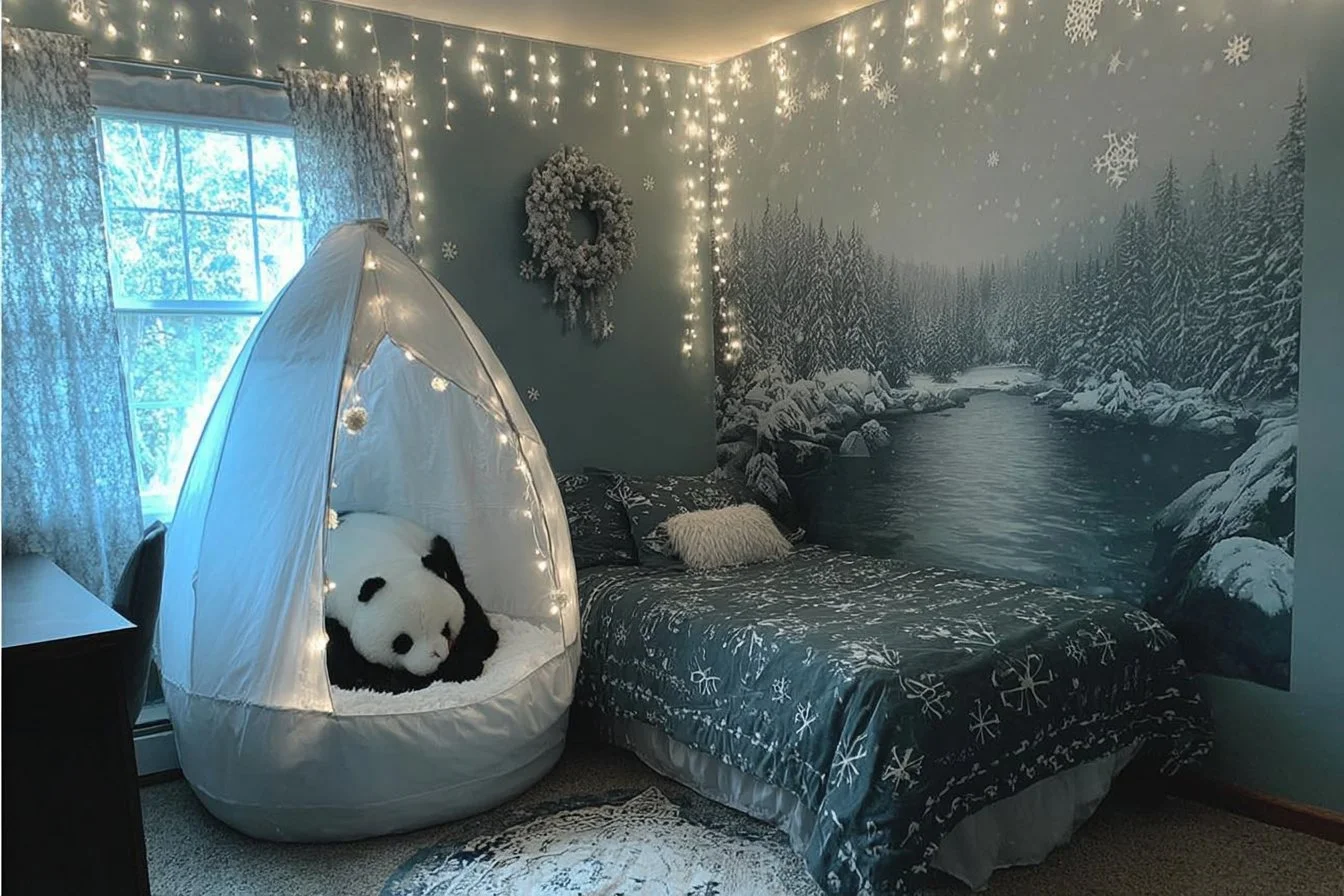
Designing a small, defined nook — a canopy tent, window seat with pillows, or a built-in bench — gives kids a private corner to retreat to and reduces the mess that spreads through the rest of the room. A nook appeals visually by creating a deliberate micro-space and emotionally by offering a cozy stage for play or study. My daughter’s reading nook, framed with a simple boho canopy and a low shelf for books, became the go-to spot for weekend journaling. To create one at home, repurpose an underused corner or add a small bench with storage beneath; keep textiles washable and furniture low to the ground for safety. This idea blends decorating inspiration with practical routines, making it easy to encourage quiet hours without sacrificing family together time.

Nature-Inspired Accents and Playful Details

Small accessories—animal-shaped pillows, botanical prints, driftwood shelves, and mobiles—bring the theme alive without committing to a full remodel. These accents add personality and let kids participate in decorating decisions, which helps them feel ownership over their space. I let my son pick a few character cushions and my daughter choose a set of pressed-leaf prints; the choices reflected their ages and taste while keeping the overall scheme calm. For real-life application, mix durable toy-friendly pieces with a few delicate items displayed higher up. Rotating a couple of seasonal or interest-based pieces keeps the room feeling fresh and encourages ongoing creativity. These subtle touches fit neatly into your broader home décor ideas and offer endless decorating inspiration for evolving tastes.

Conclusion

If you’re saving ideas for a room refresh, try one change at a time—start with a mural or a reading nook and build from there. Small investments in texture, lighting, and practical storage often yield the biggest emotional returns for a busy family. For thoughtful gift or decor additions that complement a Scandinavian-inspired boho look, consider browsing curated options like these Scandinavian-style boho gift ideas to complete a room that feels both playful and peaceful. Pin these ideas, try them gradually, and come back when you’re ready for the next gentle update.

Categories
Winter Decor

10 Winter Craft Projects Perfect for Lazy, Cozy Days Indoors

I still remember the hush after school when the kids tromped in, backpacks in a heap and the house smelling like whatever my neighbor brought over from her oven. As a forty-something mom with two kids between soccer practice and piano lessons, those slow afternoons are my secret luxury — the kind of quiet that invites a little creativity instead of a marathon of screens. I started keeping a craft box by the couch years ago for exactly this: a way to turn restless energy into something warm and homey. These projects are the kind that let you sip tea, chat about the day, and make pieces that actually pull a room together. They’re simple enough for an 8-year-old to help with and pretty enough to keep on display. Below you’ll find approachable home décor ideas that feel personal, look intentional, and fit into the rhythms of family life without elaborate planning.

Felted Mug Cozies & Pom-Pom Garland

Make mug cozies from felt or recycled sweaters to add instant texture to your kitchen or breakfast nook. Felted mug covers are quick: cut strips, stitch or glue seams, and embellish with buttons or simple embroidery. They’re practical (no more cold hands on morning cocoa) and visually charming, especially when several different fabrics line a wooden tray for serving. Pair this with a handmade pom-pom garland above the coffee station — use yarn scraps for color coordination and toss it on when you want an extra homey touch. Both projects work as easy swaps to refresh a small corner without redecorating. In our house, my son arranges mugs while my daughter strings pom-poms, turning a short craft into a family ritual that brightens the kitchen and adds to our rotating list of interior styling tips for small spaces.

Salt Dough Ornaments & Simple Candle Displays

Salt dough ornaments are a classic that double as sentimental décor. Mix flour, salt, and water, cut shapes with cookie cutters, and bake until hard — kids love stamping family names or dates. Paint them in muted tones to match your palette, then cluster on a small branch in a vase for a handcrafted focal point. For soft ambient glow, create a candle vignette on a tray using varied heights and colors; glue ribbon or twine around plain jars to coordinate with the ornaments. These touches make a subtle, lived-in vignette perfect for entryways or side tables. I keep a tray like this by the door, so it’s the last thing I glance at on school mornings, a tiny reminder that simple decorating inspiration can feel luxurious without a big weekend commitment.

Faux Fur Pillow Covers & No-Sew Fleece Throw

Textile crafts make a huge visual difference with minimal time. Sew or glue faux fur pillow covers over existing throw pillows to add depth to a living room sofa; neutral fur tones look elevated, while jewel-toned accents can warm up a sitting area. For instant snuggly appeal, a no-sew fleece throw is perfect: cut two matching pieces, fringe and knot the edges, and you’ve got a customizable blanket that’s machine-washable and kid-friendly. Layer these on a bench or reading nook to create a welcoming spot where board games and storytime naturally happen. These fabric projects are practical home décor ideas that invite family moments and are forgiving of a little glue or uneven stitching — my daughter calls it “character.”

Pressed Branch Wall Hanging & Botanical Bleach Prints

Bring the outside in with minimal supplies. Collect small branches on neighborhood walks and arrange them on twine for a rustic wall hanging — hang a row above a radiator cover or above kids’ desks for instant visual interest. For botanical bleach prints, place leaves or paper cutouts on dark fabric or canvas, carefully apply diluted bleach with a cotton swab, and rinse to reveal ghostly silhouettes. Frame these pieces or attach them to clipboards for a rotating gallery of nature-inspired art. Both crafts are easy to involve kids in (they love the scavenger hunt), and the results read like thoughtful interior styling tips rather than child’s projects. Neighbors often comment on the personal touch these bring to our hallway, and they’re low-cost ways to refresh a space between larger decorating projects.

Hand-Painted Canisters & Snowflake Window Clings

Upcycle glass jars and tin cans with simple paint or decoupage to create coordinated storage that doubles as décor. Use chalk paint or matte acrylics in a limited palette to make pantry canisters or craft supply holders that sit out proudly on shelves. Add handwritten labels for charm and usability — my kids love labeling their own snack jars. For a playful window treatment, make reusable snowflake clings from diluted glue and fabric paint on parchment; once dry, peel and stick to windows for a soft frosted effect. These projects are practical and decorative, offering both organization and seasonal flair without a full overhaul. They slot easily into weekend routines: one afternoon for painting, another for arranging and admiring, creating small wins in decorating inspiration that last.

Conclusion

If you liked these approachable ideas, save a few to try on the next quiet afternoon — they’re designed to fit into family life and boost your list of home décor ideas and interior styling tips without major effort. For more step-by-step inspiration and cozy winter craft tutorials that work well for adults and kids, check out cozy winter crafts for adults to try. Come back when you want new decorating inspiration or to swap stories about which projects became family favorites.

Categories
Easter

6 Easy Easter Touches for Every Room

I still remember the small thrill when I’d spot pastel eggs in Mrs. Carter’s yard walking the kids to school; now, with two kids ages eight and eleven, my mornings are a woven script of backpacks, soccer practices, and neighborhood drop-offs. Weeknights are for homework and hurried dinners, but come the weekend I love slowing down—pouring coffee, listening to the kids giggle over a craft, and borrowing a neighbor’s porch light chatter. Those little rituals made me realize how tiny seasonal touches can lift our home without upending family life. Swapping one throw pillow, tucking a few eggs into a basket, or hanging a simple wreath creates the same soft, quiet joy that made my childhood spring mornings special. Below are approachable ways to weave uplifting color and charm through every room, using practical home décor ideas that fit a busy family rhythm.

Welcome with a Simple Door Wreath

A fresh wreath does so much work visually and emotionally; guests and children feel the home is ready and cared for before they step inside. Choose a grapevine base and tuck in faux baby’s breath, small pastel eggs, or ribbon in lively hues. The texture of natural vine plus soft pastels gives a sophisticated yet playful look that neighbors often comment on. Hang it at a kid-friendly height or add a small tag for the kids to rearrange—this makes decorating a family ritual they can help with each year. For extra impact, swap your doormat for a subtle patterned one in coordinating tones. This pairing brings cohesion to your entryway and sets the tone for interior styling tips that follow through the house.

Cozy Living Room Touches That Feel Intentional

In the living room, swap one or two throw pillows and add a lightweight, pastel throw over the sofa to create an instant seasonal refresh without clutter. Textiles soften the space and invite family movie nights or a cozy reading session with the kids. Add a small tabletop vignette on your coffee table—a shallow wooden tray with a cluster of ceramic eggs, a candle, and a sprig of greenery—to introduce decorating inspiration that reads as curated, not fussy. This approach blends practical comfort with visual interest, so your space remains usable for homework spreadouts and weekend board games, while also feeling uplifted for simple gatherings with friends.

Dining Table Flair for Everyday Moments

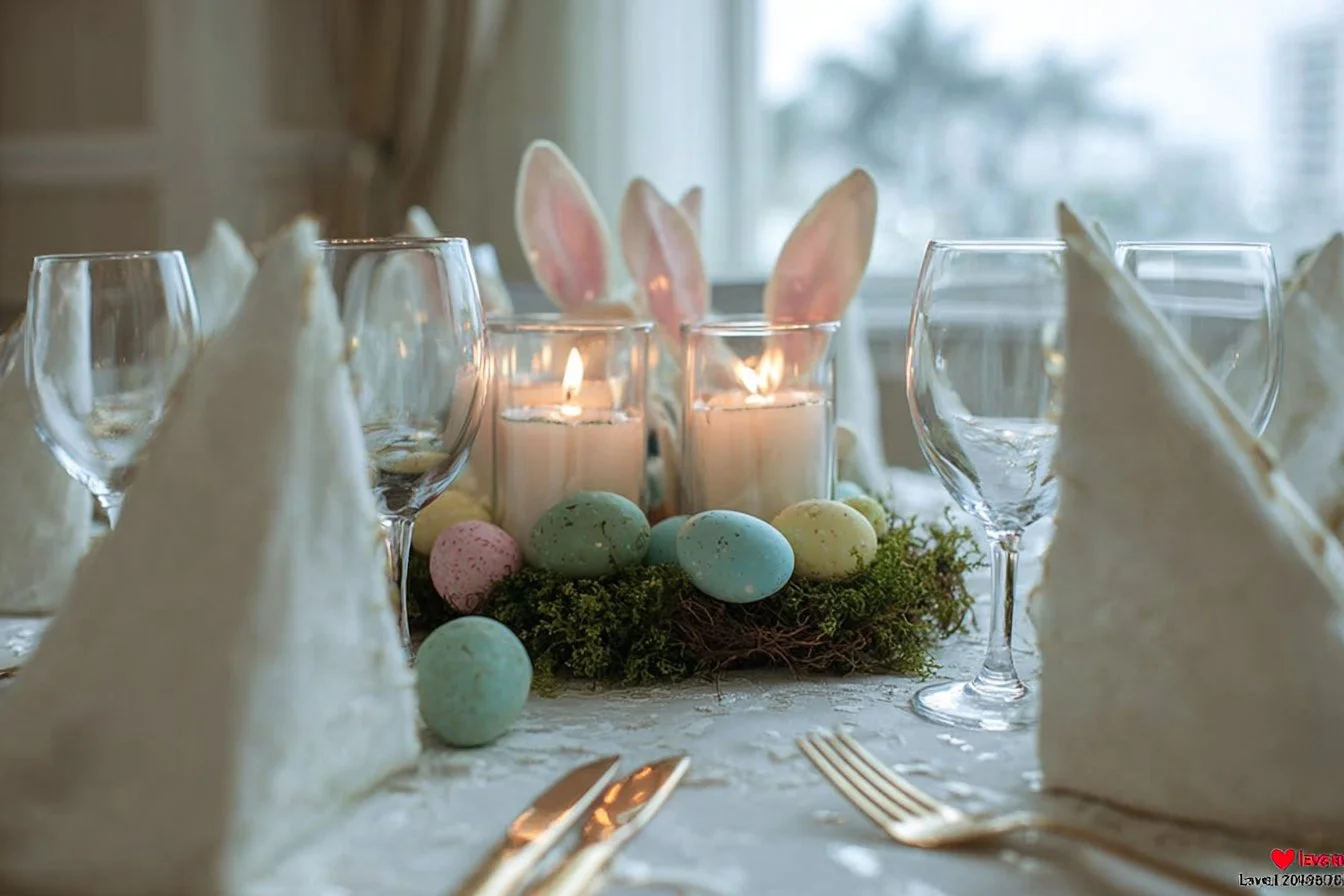
You don’t need an elaborate tablescape to feel special; a runner in a neutral linen, paired with mismatched but color-coordinated napkins, immediately elevates family dinners and weekend baking sessions. Center a low planter filled with moss, tiny bulb flowers, and a few faux eggs to keep things child-safe. That low profile preserves conversation flow and keeps plates within reach during school-night dinners. Invite your children to place small name tags or hand-painted eggs as a quick craft that doubles as place settings—their pride in contributing becomes part of your interior styling tips and keeps them engaged while you finish preparing the meal.

Kitchen Nooks That Invite Little Helpers

The kitchen is the heart of hectic mornings and baking afternoons, so choose décor that is durable and functional. Mason jars repurposed as vases with fresh cut tulips or daffodils add color to the counter and are easy for kids to water. Swap out tea towels for soft pastel ones and hang a small decorative egg garland on an open shelf to add charm without reducing workspace. These small changes make the kitchen feel festive and friendly, encouraging your kids to linger after school to help stir batter or set cookies, and they align perfectly with home décor ideas that prioritize family life.

Bedrooms Made Calm and Cheerful

In bedrooms, adopt subtle accents that change the mood without overwhelming sleep spaces. A new duvet in a soft hue, paired with a textured throw at the foot of the bed, creates a fresh look for children and adults alike. Add a small Easter-themed hook or wall pocket for tiny treasures and seasonal crafts; this is an easy way for kids to store finds from backyard hunts. These touches are practical for nightly routines and can be updated each year as tastes evolve, making decorating inspiration feel sustainable and personalized to each child’s personality.

Small Bathroom Swaps That Feel Luxurious

Bathrooms are perfect for tiny indulgences that feel elevated. Replace one hand towel or soap dispenser with a spring-inspired alternative—think lavender soap and a pastel towel folded neatly on the counter. A small vase with a single bloom or a few faux stems near the sink brightens the room and gives your morning routine a gentle lift. These minimal swaps are easy to maintain and create an unexpected moment of calm amidst busy mornings, aligning with interior styling tips that focus on mood and ease rather than elaborate changes.

Conclusion

If you enjoyed these approachable ideas and want more playful, family-friendly options—especially clever, non-food treats the kids will love—check out this handy resource for creative alternatives: 100 Best Non-Candy Easter Egg Fillers. Save a few of these touches to your favorite board, try one room at a time, and notice how small, thoughtful changes make your home feel brighter and more connected to the season and to each other.

Categories
Easter

10 Charming Outdoor Easter Ideas for Your Yard

I still remember the first spring we moved into this neighborhood: mornings spent packing lunches, shuttling the kids to school, and sneaking a cup of coffee on the porch before the day really began. With two kids between eight and twelve, our backyard has become a patchwork of sports practices, art projects, and quiet reading corners. Neighbors stop by to chat while we hang laundry, and those little rituals made me want our yard to feel like a warm invitation. Decorating for seasonal moments became my way to create small celebrations between routines, and it often starts with something simple that the kids can help with. If you like thrifty solutions, I borrow a lot of tricks from budget-friendly decorating ideas and adapt them for spring. Below are ten outdoor ideas that blend color, charm, and family-friendly fun so your yard feels fresh, welcoming, and ready for memories.

Egg Topiary Front Display

A clustered egg topiary adds vertical interest to any entryway and instantly reads festive without feeling over the top. Start with foam or plastic eggs threaded onto dowels and nestled in a weatherproof planter filled with moss or soil. The visual rhythm of repeated egg shapes creates a cheerful focal point that draws neighbors’ eyes and invites guests closer. Emotionally, this kind of display feels handcrafted and approachable, especially when the kids choose colors or patterns. To apply it at home, place a pair on either side of your front step or on a porch table, and swap a plain welcome mat for a seasonal one to complete the look. This idea pairs well with small potted tulips to add texture and a lived-in family vibe.

Painted Planters and Bunny Stakes

Hand-painted planter pots let you translate indoor interior styling tips to the garden in a playful way. Use chalk paint or outdoor acrylics to stencil eggs, bunnies, or simple stripes on clay pots; then plant spring bulbs or trailing ivy. Insert wooden bunny stakes among the plants for a storybook feel that kids will love hunting for. The painted pots give you control over color palette, so they can tie into porch pillows or outdoor rugs for cohesive decorating inspiration. Set up a little planting station on a folding table and involve your children in the design—their fingerprints and imperfect lines make the display feel personal and authentic rather than store-bought.

Wreath Swap and Garden Gate Garland

Swapping your front-door wreath for an Easter-themed one signals celebration in a subtle way. Choose a grapevine wreath and weave in faux eggs, pastel florals, and ribbon for a lightweight, all-weather option. Extend that motif to your garden gate with a garland of faux greenery and sprigs of blossoms to create a sense of arrival that neighbors notice. The circular wreath symbolizes welcome and renewal, and it creates an emotional cue that something special is happening in your home. For real-life application, keep the wreath weatherproof and mount garland along the top of fences or a picket gate; it’s an easy backdrop for family photos on a bright afternoon.

Mason Jar Lanterns and Chalkboard Signs

Mason jar lanterns hung from shepherd hooks create warm pockets of light and nostalgia as evening settles. Fill jars with battery-operated fairy lights, sand, or colored stones, and add a sprig of rosemary or a painted egg tied to the rim for scent and whimsy. Pair these with a small chalkboard sign near the path with a friendly message or weekly scavenger hunt clue for the kids. The soft glow and handwritten note make the yard feel like an extension of home life, inviting family rituals after dinner. This setup is budget-conscious and easy to change as your children grow or as you move into new decorating themes; it blends practical lighting with personal touches.

Egg Hunt Nook and Picnic Corner

Designate a cozy corner of the yard as an official egg hunt staging area, complete with a low picnic table or blanket, decorated baskets, and a sign marking the start. Scatter faux nests in shrubs and tuck colorful eggs at varying heights to make the hunt accessible for younger kids and delightfully challenging for older ones. This idea works visually because it divides the yard into purposeful spaces instead of one big display, creating intimacy and movement. Apply it at home by keeping a small storage bin of baskets and props ready for surprise weekend activities; the family will learn to expect playful pauses between routines and neighbors will see the joyful energy when kids lead the way.

Bunny Topiary and Living Egg Centerpiece

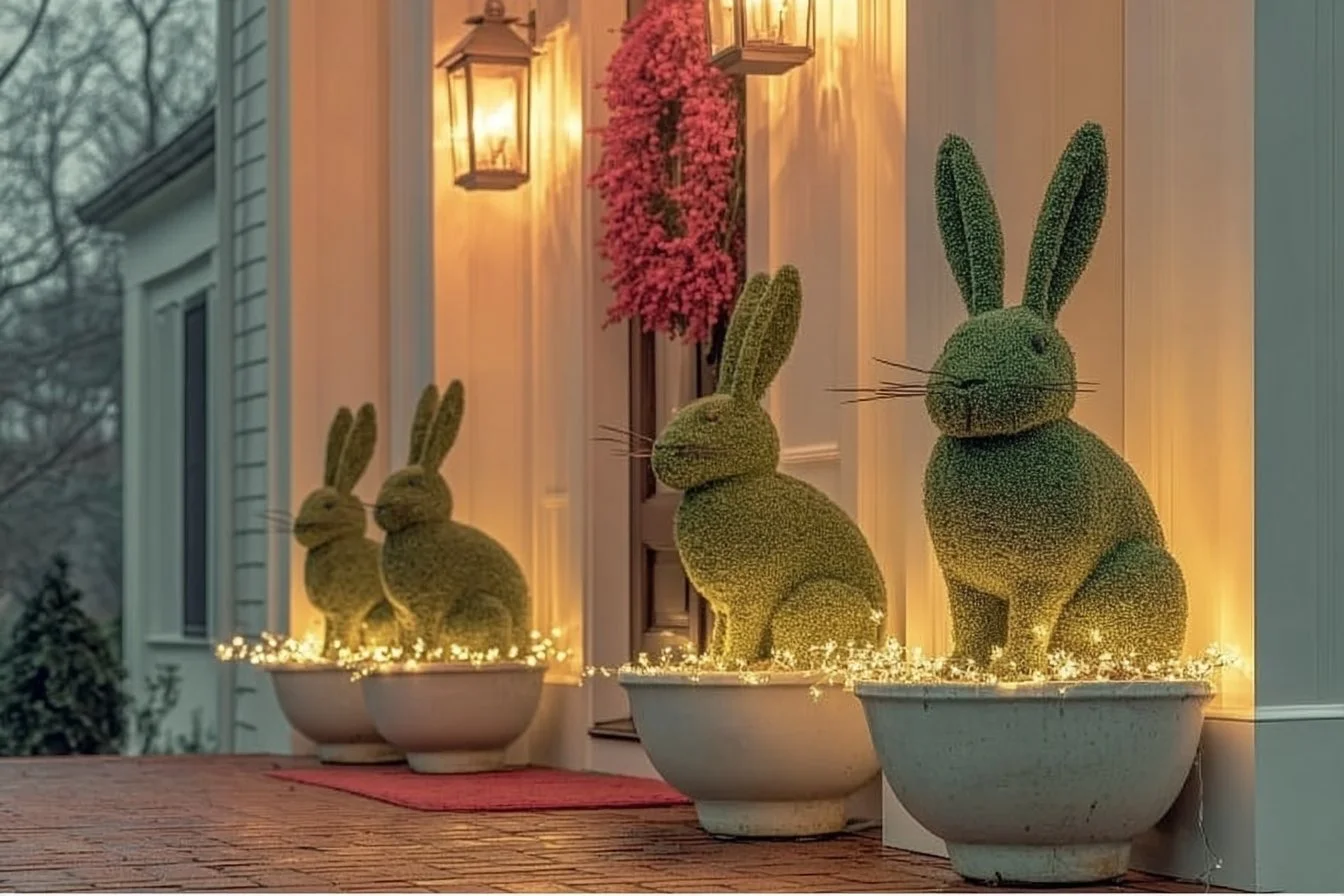
Create a bunny topiary from trimmed boxwood or an artificial greenery shape for a whimsical, sculptural addition near a walkway. Complement it with a living egg centerpiece on an outdoor dining table using a shallow planter filled with moss, succulents, and a few decorative eggs for texture. Sculptural greenery brings a sense of permanence and sophistication, while the centerpiece keeps the table primed for casual family meals. To bring this home, choose hardy plants that tolerate outdoor conditions and place the topiary where it can be admired during both playtime and quiet moments. Kids enjoy naming the bunny and checking its “growth” through the season.

Pallet Display and Burlap Banners

A rustic pallet display leans easily against a fence or porch wall and becomes a canvas for seasonal styling without much fuss. Attach small hooks for hanging eggs, clipped seed packets, or tiny pots of herbs. Drape a burlap banner with stenciled letters spelling a short, cheerful message for a country-chic vibe that feels relaxed and deliberate. This approach works visually because it layers textures and keeps decor off the ground, making it practical for small yards. Assemble the pallet as a weekend family project; children can paint letters or help tie the banner, turning setup into meaningful time together and fostering pride in the finished display.

Floral Mailbox Makeover and Pathway Petals

Refresh your mailbox with a ring of faux or real spring blooms secured with floral wire and add a few fluttering ribbons for motion on breezy days. Complement this with a scattering of biodegradable flower petals or faux blossom cutouts along the pathway to guide guests to your door. This creates a visual sweet spot at the edge of your property and a choreography of color that feels like an invitation. Practically, choose materials that withstand wind and rain, and involve the kids by letting them pick the colors for the ribbons or arrange flower clusters—small choices that feel big to them and foster neighborhood charm.

Porch Swing Pillows and Painted Rocks

Update a porch swing or outdoor bench with seasonal pillows featuring pastel tones or subtle egg motifs for an instant décor lift. For a playful family touch, paint rocks with egg patterns or inspirational words and tuck them into flower beds or line them along steps. Soft textiles add comfort and style while painted rocks create low-cost treasures children enjoy finding and hiding. This idea connects interior styling tips to outdoor comfort, making the porch feel like an extension of your living room. Keep a small basket for the painted rocks so your kids can rotate which ones are on display, keeping the story fresh each week.

Miniature Garden Scenes and Welcome Flags

Miniature garden scenes inside shallow planters—think tiny benches, small bunny figurines, and little birdhouses—invite close-up exploration and imaginative play. Complement these with a welcome flag near the door that has a subtle seasonal motif to greet passersby. The tiny scenes offer delight up close, rewarding kids who crouch to examine the details, while a flag gives a larger visual cue from the street. To implement this at home, use weather-resistant miniatures and rotate small elements with the children so the scene tells a new story during visits from friends or family.

Conclusion

I hope these ideas spark a few projects you can enjoy with your family and neighbors; small touches often become the backdrop for lasting memories. If you want a faith-centered option for a front-yard statement, consider this religious yard sign option that’s durable and easy to install. Save the ideas that resonate, try one at a time, and return when you’re ready for fresh decorating inspiration.

Categories
Easter

Spring Table Magic: 9 Elegant Easter Centerpieces

I still remember the first spring my twins traded matchbox cars for tiny gardening gloves. Between school drop-offs, soccer practice, and the ritual of waving to Mrs. Callahan across the street as she watered her tulips, our house slowly filled with little seasonal treasures. Weekend mornings now include a stack of picture books, a bowl of jellybeans traded for hugs, and the occasional nap-craft left on the kitchen table. Those everyday moments are why I love making our table feel special with simple touches that welcome family and neighbors. Turning ordinary routines into small celebrations keeps our home cozy and alive, and a well-chosen centerpiece does more than decorate — it gathers memories, sparks conversations, and invites everyone to linger a little longer at the table.

Rustic Bunny Basket Centerpiece

A woven basket filled with moss, faux eggs, and a plush bunny brings instant charm and comfort to any table. The texture of wicker paired with soft natural elements feels warm and grounded, perfect for household routines that balance activity with calm. Visually, the contrast between rough basket fibers and smooth eggs creates a pleasing focal point that kids love to peek at before dinner. To recreate this, line a shallow basket with florist’s moss, tuck in dyed or wooden eggs, and add a small ceramic bunny or two. Place it on a linen runner to tie into your existing décor. This centerpiece works emotionally because it echoes childhood memories and neighborly spring strolls, making family mealtimes feel intentional without extra fuss.

Mini Garden Terrarium Display

A cluster of glass terrariums, each with tiny succulents and a single pastel egg, gives a modern, airy feel to the table. The clear glass keeps sightlines open, which is great when kids spread out homework and coloring pages during family gatherings. Succulents are low-maintenance and symbolic of fresh growth, supporting that quiet joy of spring without daily upkeep. Arrange three terrariums of varying heights down the center of the table, and scatter a few pebbles to reflect light. This idea blends interior styling tips with playful natural elements, and it pairs well with open-plan kitchens where neighbors often pop in for coffee. It’s a centerpiece that encourages hands-on curiosity from children while staying chic enough for grown-up conversation.

Floral Napkin Ring Bouquet

Transform everyday napkins into little bouquets by wrapping them with a sprig of fresh flowers and a linen ribbon. This practical approach doubles as both place-setting and centerpiece accent, perfect for busy evenings when dinner and bedtime routines demand efficiency. Choose seasonal blooms like ranunculus or tulips and tuck them into simple napkin rings made from twine or thin greenery. Visually, the repetition of small bouquets creates rhythm across the table and invites guests to notice the details. It makes family dinners feel intentional and gives kids a tiny piece of beauty to admire. This technique is an easy entry into home décor ideas, offering a high-impact look without needing a large arrangement or extra surface space.

Eggshell Planter Arrangement

Use cleaned eggshells as mini planters for tiny herbs or baby lettuce — a whimsical, edible-friendly centerpiece perfect for family meals. The delicate shells sit in a shallow tray or a bed of coarse salt to stabilize them, producing a delicate row of living accents. This idea works emotionally because it blends craftiness with practicality; children enjoy helping plant seeds, and you can later transfer seedlings to your garden. The visual appeal comes from the repetition of organic shapes and soft greens that complement pastel tableware. It’s a wonderful way to introduce kids to gardening while keeping your table looking fresh, aligning with decorating inspiration that feels both personal and useful.

Vintage Pitcher Flower Cluster

A chipped enamel or ceramic pitcher overflowing with mixed seasonal blooms creates an approachable, lived-in centerpiece that tells a story. It reads as collected rather than purchased, which resonates with neighbors who trade cuttings or grandmothers who pass down treasured pieces. The single large vessel keeps the table uncluttered and makes room for family-style dishes, so dinner flows easily even with an active household. Opt for a mix of heights and textures—daisies, stock, and sprigs of rosemary—to add scent and depth. Placing the pitcher slightly off-center encourages casual conversation and sharing, mirroring those comfortable nights when kids tuck into a second helping while you chat with the neighbor under porch lights.

Painted Egg Tiered Stand

A tiered stand filled with hand-painted eggs and small spring trinkets brings playful height and color to the table. The vertical structure is ideal when space is limited, and it creates a joyful centerpiece that invites children to admire each layer. Use a mix of solid pastels, speckled finishes, and a few metallic accents to reflect sunlight and add sparkle during lunch or dinner. For a family-friendly twist, incorporate tiny notes or jokes written by the kids on the bottom tier to surprise guests. This centerpiece blends decorating inspiration with interactive charm, offering a focal point that feels homemade and heartfelt, perfect for those moments when the family gathers around crafts and stories.

Candlelit Meadow Runner

Line the center of your table with a narrow meadow of faux grass, small votives, and scattered seed pods for a soft, glowing look that extends the length of the table. The flicker of candles adds warmth to busy evenings and transforms hurried dinners into slower, cozier gatherings. Use battery-operated tea lights if little hands are around, and alternate with short jars of wildflowers for color. Visually, the horizontal band leads the eye along the table, encouraging everyone to engage across from one another. This approach marries interior styling tips with practical safety, and it resonates with families who love hosting neighbors for impromptu potlucks or watching children chase fireflies in the yard afterward.

Pastel Fruit Bowl Centerpiece

Combine seasonal citrus and pastel-dyed eggs in a shallow ceramic bowl for a centerpiece that’s both pretty and edible. The citrus adds a burst of color and a fresh scent, while the eggs lend springtime charm without taking up extra crafting time. A single bowl placed on a wooden board keeps things casual and family-friendly, so children can reach to add more fruit for dessert. This centerpiece works emotionally by invoking shared breakfasts and weekend brunches with friends, and visually it offers bright contrasts that pop in photos—ideal for anyone pinning home décor ideas or seeking fresh decorating inspiration for their table.

Whimsical Chalkboard Sign with Greens

A small chalkboard sign surrounded by garlands of eucalyptus or ivy adds personality and a handmade touch to your table. Write a sweet message, a family joke, or the menu for the day to make guests smile. The greenery softens the board’s edges and brings texture and scent into the dining space. This arrangement is simple to change from meal to meal, which suits the ebb and flow of family life—today a birthday greeting, tomorrow a quick note to the sitter. It’s a stylish nod to interior styling tips that value storytelling through décor, and it encourages kids to take part by doodling a tiny picture or signing their name.

Conclusion

I hope these ideas spark warm plans for your next family meal and give you easy ways to try new home décor ideas without overwhelming your routine. Save a few favorites to your Pinterest board, involve the kids in crafting a simple piece, or swap elements based on what you already have at home. For a step-by-step guide on creating a blooming tabletop arrangement that’s both friendly to beginners and charming enough for guests, check out an easy blooming centerpiece tutorial.

Categories
Easter

Easter Wreath DIY

I can still see the way the morning light falls through our kitchen window when I’m packing lunches, and how my youngest insists we stop to wave at Mrs. Ramirez next door as she waters her tulips. With two kids between eight and twelve, our days are a scramble of school runs, soccer practice, and quiet mornings of coffee while the house is still. Weekend crafting has become our tiny ritual: a spread of glue sticks, a runaway spool of ribbon, and music on in the background while the kids argue over which color pom-poms to use. Those small, sticky-fingered projects have a way of making the house feel like us, not just a place we pass through. If you enjoy casual family projects and collecting little ideas for fresh home décor ideas, try a simple paper heart wreath when you need something cheerful and quick to hang on the door after a busy week: paper heart wreath project.

Pastel Floral Wreath for a Soft Entry

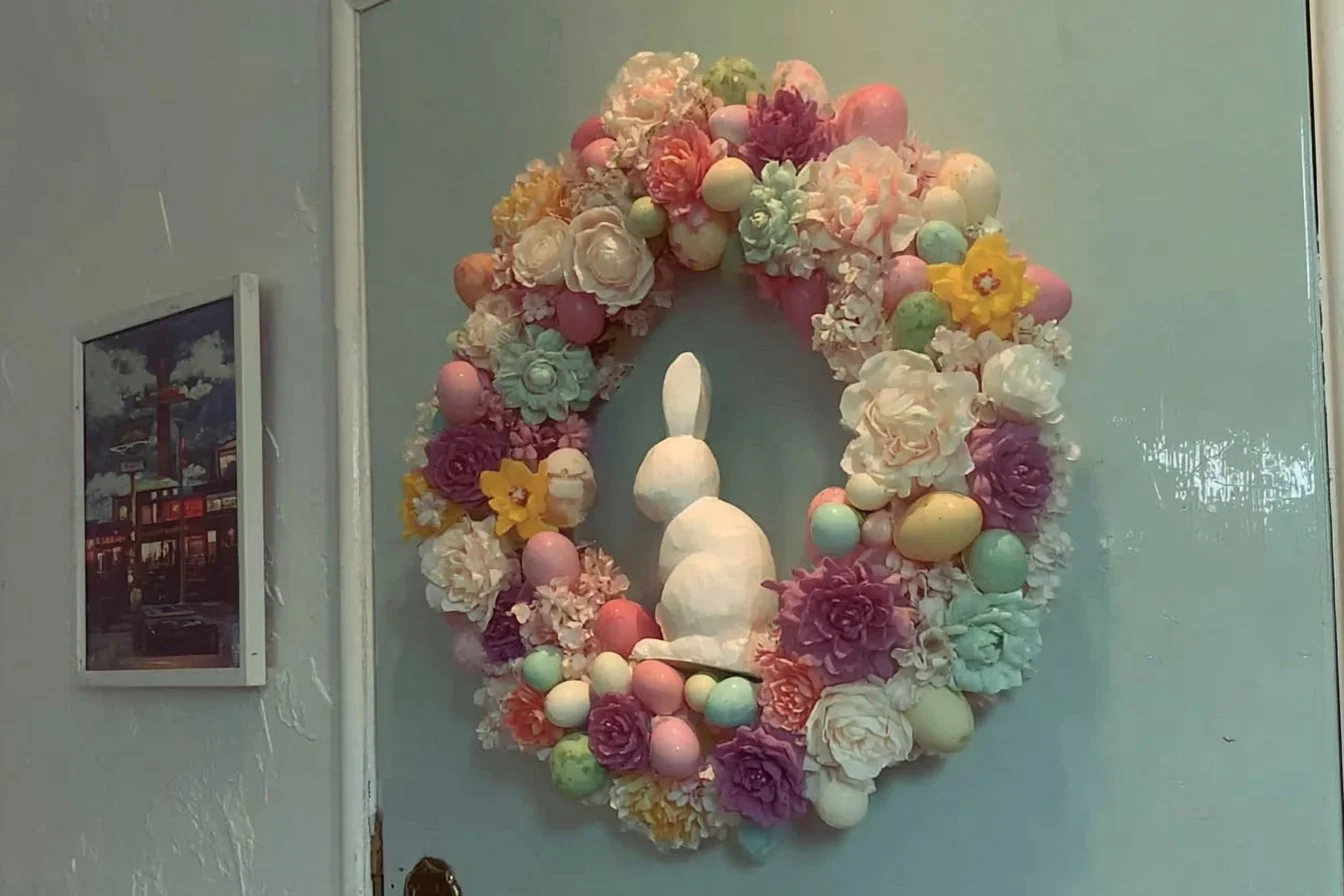
A pastel floral wreath uses faux blooms in soft pinks, ivories, and mint to create a welcoming focal point that reads warm and intentional. Visually it works because the colors mimic nature without overwhelming your front door, while the layered petals add texture that catches the eye from the sidewalk. Emotionally, it signals hospitality—the kind of small detail that makes neighbors pause and compliment your style during evening walks. To make it at home, secure a foam or grapevine base, arrange larger blossoms first, then tuck smaller buds and faux greenery into gaps for depth. Add a wide ribbon to hang it or loop it over a hook for easy swapping. This project is friendly for busy families: involve a child in gluing or color choosing, and you’ll have a front-door piece that feels like a shared memory. It’s a simple interior styling tip that elevates your entry without taking a full afternoon away from routines.

Grapevine and Rustic Ribbon Wreath for Cozy Charm

A grapevine wreath wrapped in burlap ribbon and accented with faux eggs or small wooden cones brings a rustic, lived-in look that pairs well with farmhouse or cottage interiors. The natural base provides an organic texture that feels authentic, while neutral ribbons and tiny ornaments add personality without clutter. This idea works visually because it balances rugged materials with soft accents, making it adaptable to porches, mudrooms, or a cozy wall in your living room. At home, start with a sturdy grapevine base, secure ribbon in loose loops, and evenly space the eggs or sentimental trinkets with floral wire. I often hang one on our backdoor where the kids see it after school; it becomes a small, comforting signal that we’re home and together. If you like blending indoor and outdoor touches, these easy outdoor decorating ideas might spark more projects for porches or patios: seasonal outdoor decorating ideas.

Burlap and Greenery Minimal Wreath for Calm Vibes

A minimal wreath made from burlap strips and eucalyptus or boxwood sprigs gives a clean, calm statement that complements modern interior styling tips. The restrained palette keeps the eye relaxed and invites other décor elements—like a woven runner or family photos—to shine, making it ideal for an entry or above a fireplace. It works emotionally because the muted tones are soothing after a hectic day; they deliver a subtle sophistication without feeling fussy. To do this at home, tie burlap around a wire frame in chunky loops, then insert bundles of faux greenery and secure with floral tape. It’s a great weekend project when you want something classy but low maintenance; my husband appreciates this wreath because it doesn’t require frequent fluffing, and my older child likes to choose which greens go where, which turns a simple task into a tiny creative moment we share.

Playful Pom-Pom Wreath Kids Can Craft

A pom-pom wreath created from yarn or felt is a joyful, tactile piece that’s perfect for involving kids. Its colorful, bouncy texture reads playful and personal, and it often becomes an instant favorite because it showcases the maker more than the material. Visually, the dense pom-poms create a cheerful mass that’s eye-catching on a neutral door, and emotionally it’s a keepsake of small hands at work. To make one at home, wrap a cardboard ring or foam base with yarn, glue or tie an abundance of pom-poms in a tight row, and finish with a ribbon hanger. This is a project I do during after-school craft hours; my youngest loves sorting colors while my older child tests placement like a tiny stylist. If you’re updating a child’s nook or playroom, these playful touches double as decorating inspiration and memorable family activities: ideas to refresh a kid’s space.

Keepsake Memory Wreath for Family Moments

A keepsake wreath that incorporates small mementos—tiny wooden hearts, mini photos in clear frames, or a bit of ribbon from a special outfit—turns front-door décor into a storytelling piece. It works emotionally by anchoring the room in memory; every glance at the wreath invites a smile or a memory swap with the kids. Visually, mixing materials like lace, metal charms, and soft florals creates depth and a curated, collected-over-time look that suits eclectic interiors. To craft one, choose a durable base, attach mementos with small clothespins or ribbon, and keep heavier items balanced to prevent droop. We made one after a summer road trip, tacking on a tiny souvenir magnet and a folded map corner; it now hangs where everyone passes and prompts slow, family conversations. This is a simple way to add unique decorating inspiration that’s also a sentimental archive.

Mixed Material Cluster for an Artistic Statement

A cluster arrangement of small wreaths—each using different materials like straw, moss, and woven twine—creates an artistic gallery feel on an interior wall. It works visually because the variety of textures and sizes forms a deliberate asymmetry that feels curated, not chaotic. Emotionally, it gives visitors something to linger over and invites comments that spark friendly neighborly conversations. At home, select three to five small bases, vary your materials, and hang them at staggered heights above a bench or sofa. In our hallway, this cluster replaced a single large wreath and immediately made the space feel more like a gallery of little stories. My kids love to rearrange the pieces for fun, which keeps the display lively and evergreen—an adaptable interior styling tip that refreshes a space without a major overhaul.

Conclusion

If you enjoy low-stress projects that bring the family together and brighten your home, these wreath ideas offer approachable home décor ideas and practical interior styling tips you can try in an afternoon. Save the ones that speak to you and try adapting materials you already have on hand—those personal tweaks are where the real decorating inspiration lives. For even more variety and step-by-step options, check out this collection of ideas that can spark your next crafting session: 50 DIY Easter Wreath Ideas to Create This Year.

Categories
St Patricks Day

Sweet Shamrock Crafts for Cozy Home Decor

Some afternoons feel like a movie of small, ordinary joys. I’m a mom in my forties juggling school carpools, snacks that need reheating, and a never-ending pile of art projects from my two kids, ages eight and eleven. Our neighborhood block has become a comforting background – Mrs. Jensen’s dog barking at morning mail, kids racing their bikes past our porch, and the smell of pancakes on slow Saturdays. Those little routines make our house feel like home, and I love adding tiny handmade touches that the kids notice and the neighbors compliment. Lately I’ve been experimenting with tiny green crafts that perch on shelves, hang from hooks, or sit in jars on the kitchen table. They are simple, kid-friendly, and instantly lift the mood in the spaces where we live, learn, and gather.

Cozy Front Door Wreath with Tiny Green Motifs

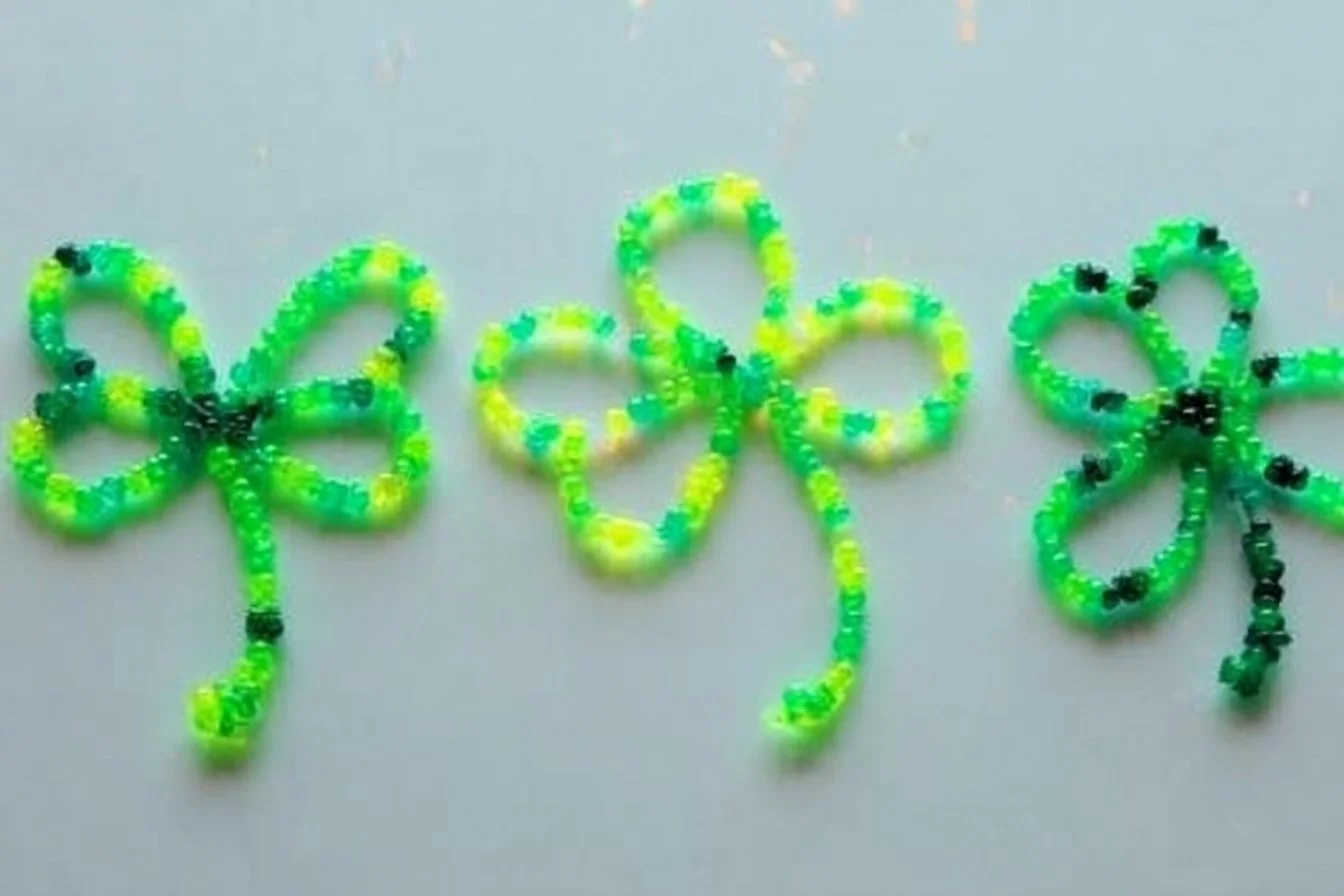
A small handcrafted wreath is an instant mood maker for guests and family returning from after-school sports. Using soft wire or pipe cleaners twisted into simple clover shapes, then adding beads for sparkle, creates a wreath that is both charming and weatherproof when kept on a covered porch. Visually, the clustered shapes form a textured focal point that draws the eye and echoes other green accents inside the house. Emotionally, a handmade wreath says welcome in a way store-bought decor rarely does; my kids love spotting their own small creations when they come home from school. To apply this idea, start with a foam or grapevine base, attach the little clovers with hot glue or floral wire, and tuck in a few silk leaves for depth. It’s an easy interior styling tip that feels personal and warm.

Mason Jar Table Centerpieces with Beaded Greens

Turn ordinary jars into cheerful table anchors for homework nights or casual dinners. Fill mason jars with a handful of sand or rice to stabilize stems, then arrange a mix of beaded green stems and a few live sprigs or faux foliage. The contrast between handcrafted elements and natural textures makes the arrangement look curated, not cluttered. Visually this brings color and height to the table without obstructing conversations, and emotionally it creates a simple ritual when the family gathers for meals. My son likes to help make the stems after school and counts the beads while my daughter arranges the jars just so. For a lasting setup, group three jars of varying heights down the center of the table or place one at each end of the kitchen island for consistent decorating inspiration.

Mantel Garland that Feels Like a Story

A lightweight garland strung across a mantel can shift the entire room’s character without a major overhaul. Make small shamrock-style shapes on flexible wire, bead them, and string them with twine or ribbon to create a gentle, floating line of green. This kind of accent works visually because it aligns with the horizontal plane of a mantel, balancing photos and candles beneath. Emotionally, it becomes part of family memory – I can picture the kids helping me hang the garland as we talk about their day. To apply this idea, measure your mantel, make pieces in a consistent size for rhythm, and secure the garland with removable hooks so you can change it as the mood shifts. This simple touch is a top-notch decorating inspiration for creating cozy vignettes.

Playroom Display that Doubles as Kid Art

Turn craft time into instant décor by displaying small beaded motifs in shadow boxes or on a framed corkboard. The repetition of little green shapes in neat rows or playful clusters makes a bold visual statement while keeping the childlike energy intact. This approach works emotionally because it champions your children’s creativity and gives them pride to see their work featured. Practically, mount lightweight pieces with adhesive dots, tiny clothespins, or museum putty so they are easy to swap out after new projects. In our home, the eight-year-old insists on arranging the pieces by color while homework goes on at the kitchen table, and suddenly the playroom feels intentionally styled. These small curated displays are one of my favorite interior styling tips for blending family life with pretty surroundings.

Everyday Accents: Napkin Rings, Vases, and Shelf Sprigs

Small accents scattered through a room create cohesion without demanding attention. Make tiny beaded clover accents to slip onto napkin rings, tie to curtain ties, or sit in narrow bud vases on shelves. Visually, these accents create points of interest that repeat the green motif throughout your home, guiding the eye from room to room. Emotionally, they are delightful little details that make everyday moments feel special; my kids notice when the napkins look more “fancy” at dinner and that leads to silly, proud conversations. To apply this at home, keep a small basket of finished pieces in a drawer, then change where they appear each week—one week on the coffee table, next week in a hallway vase. These tiny interventions are practical home décor ideas that keep your space feeling fresh.

Conclusion

If you want a quick, approachable tutorial to make these tiny beaded creations with pipe cleaners and simple materials, I often turn to Pipe Cleaner Shamrock with Beads – One Little Project for clear step-by-step guidance. Crafts like these are perfect for blending decorating inspiration with family time; they are inexpensive, portable, and meaningful. Save a few ideas from this post for your next craft night, invite the kids to help, and enjoy how small, handmade touches change the feeling of your home. Come back anytime you need fresh interior styling tips or cozy, doable home décor ideas to brighten the rooms where you live and laugh.