Categories
Living

Declutter Your Space: A Minimalist Living Room Guide

I still remember the Tuesday afternoon when my son tracked mud from soccer all the way to the couch and my daughter spilled a whole cup of crayons while I was making dinner. I am a mom in my forties, juggling carpools, homework checks, and neighborhood potlucks, and my living room often becomes a crossroads for everything our family loves and needs. Over time I realized that when the space felt calmer, our evenings did too. Small habits, like clearing a shelf after guests leave or giving each child a simple basket, made a bigger difference than I expected. If you want comforting, practical home decor that supports a busy life, these ideas will help you create a living room that feels light, intentional, and truly yours. For inspiration on adding personal touches while keeping things simple, check this cozy transformation I loved: transform your living with personal touches.

  1. Clear Surfaces and Smart Storage

    Clutter-free surfaces change how a room feels in an instant. When tables and shelves are uncluttered, your eyes can rest and your family can relax. This works because our brains interpret visual simplicity as order, which reduces stress after a long day. Start by choosing one surface to keep naked most of the time, like a coffee table or mantel. Add a low-profile tray to corral remotes and keys so everything has a place but the surface still reads clean. For kids aged 8 to 12, label bins or baskets at reachable heights so they can help tidy up after play. The goal is not sterile minimalism but practical calm. Rotate decorative items seasonally or monthly from a single storage box so you keep variety without crowding the room. You will notice more breathing space for family conversations, homework, or spontaneous games with neighbors.

  2. Neutral Palette with Layered Textures

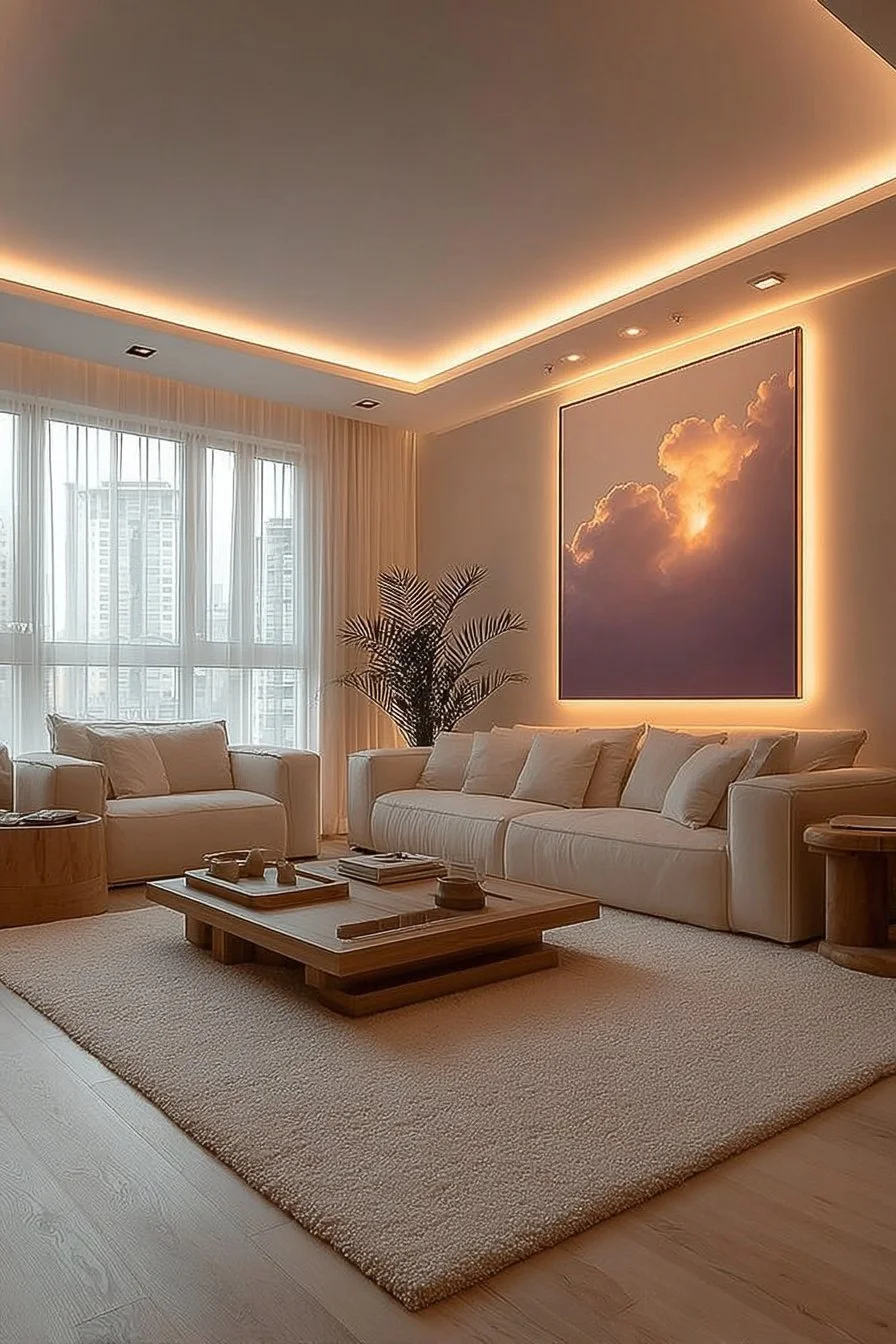
    A neutral color palette creates a soothing backdrop that highlights what matters in your life. It works because muted tones let texture do the storytelling, so a woven rug or chunky throw becomes the focal point instead of competing colors. Choose two or three base shades and then introduce texture through cushions, curtains, and a soft rug. For a family home, pick fabrics that are durable and easy to clean but still tactile. When my daughter invites a friend over, the living room still feels warm and intentional even if toys appear for an hour. Layer a washed linen sofa with a few machine-washable cushion covers and a tactile knit throw for depth. Paint one wall a soft taupe or warm gray to anchor the space and create a canvas for family photos or a simple mirror that reflects light and life.

  3. Multipurpose Furniture That Grows With You

    In a family home every piece of furniture should earn its keep. Multipurpose furniture works because it reduces the number of items in a room while meeting multiple needs. Choose a storage ottoman that opens for blanket and game storage, or a console table with drawers that can hide chargers and school forms. For open-plan homes where the living room bleeds into the kitchen, pick pieces that can move easily—lightweight chairs or nesting tables that tuck away when you need floor space for crafts. A sofa with a built-in chaise can double as a reading nook for your 10-year-old and a spot for movie night. When picking finishes, favor timeless lines so pieces remain useful as tastes change. Practicality means fewer purchases later, and the kids learn to value functional, beautiful things over clutter. For creative crossover ideas that connect living and kitchen zones, you might enjoy this playful approach: 5 ways to make your kitchen more witchy.

  4. Curated Accessories and Meaningful Displays

    Minimalism is not about absence but about intention. Curated accessories work because each item tells a story and supports the room’s calm. Instead of filling shelves, choose a handful of meaningful objects—perhaps a vintage vase, a framed family photo, and a small potted plant. Grouping items in odd numbers creates visual interest without clutter. To keep kids involved, dedicate a small shelf where they can rotate one or two projects they are proud of. This honors their creativity while maintaining an overall tidy look. Use a single gallery wall with consistent frames and a restrained color palette to display memories without overwhelming the space. The result is a living room that feels personal yet uncluttered, a place where neighbors can drop in and you can still easily clear space for a birthday party or a school fundraiser meeting.

  5. Defined Zones and an Easy Traffic Flow

    A minimalist living room functions best when each area has a clear purpose. Defined zones work because they prevent crossover clutter and make everyday routines smoother. Create a cozy seating zone for conversation, a small homework corner with a slim desk, and a tidy entry spot for backpacks and shoes. Use rugs or furniture placement to delineate these areas rather than adding extra screens or dividers. For families, this means after-school life feels streamlined: backpacks stay in the entry zone, crafts happen at the table, and story time happens on the sofa. Keep pathways wide and unobstructed so neighbors and visiting grandparents can move through comfortably. Teach kids to return items to their zones with a gentle routine and watch how much easier cleaning up becomes. The living room remains flexible, welcoming, and ready for whatever family life brings.

Conclusion

If your living room often doubles as a playroom, office, and gathering spot, these design choices can help you create calm without losing warmth. Start small with one cleared surface or a storage ottoman, and build systems that your whole family can follow. Save this guide for later and try one idea each weekend until the room feels like a peaceful, practical center of your home. For more decorating inspiration and mood-focused ideas, visit Inspire Mood: Home for additional resources and styling ideas to enrich your living space: Inspire Mood: Home.
Categories
Living

Transform Your Living Room into Stunning Spaces

I never thought the living room would become our family’s archive of small, perfect moments, but it did. One rainy Saturday when my two kids, ages 9 and 11, built a blanket fort that swallowed half the sofa, I watched our neighbor’s little boy peek through the curtains and grin. The memory of that afternoon – coloring lines on the coffee table, the scent of cinnamon toast, my husband paging through an old photo album – made me want the room to be both lived-in and lovely. As an American mom in my forties, my days are full of carpools, after-school snacks, and late-night laundry, yet I crave a space that welcomes all of it. Those tiny rituals taught me that thoughtful touches can make everyday life feel intentional, and that’s where cozy upgrades and smart styling quietly change how a family uses a room.

  1. Layered Neutrals and Texture for Calm Comfort

    A neutral base with lots of texture creates a calm backdrop that still feels warm and lived-in. Start with a soft sofa in a neutral tone, then add textured throws, boucle pillows, and a woven pouf to bring depth without overwhelming color. This approach works because texture reads as richness to the eye while allowing toys, crafts, and kids’ art to stand out rather than clash. To apply it at home, choose three complementary fabrics – a soft knit, a nubby weave, and a smooth linen – and use them repeatedly across the room to build cohesion. I keep one basket for Lego and another for library books; when the kids scatter their projects, the neutrals absorb the activity without looking chaotic. These subtle shifts make even hectic evenings feel intentionally styled and cozy.

  2. Family Gallery Wall That Grows with You

    A rotating gallery wall is a smart way to honor family moments and swap in new art without a full redesign. Choose uniform frames for a tidy base, then mix in one or two favorite handmade pieces from the kids. It works because our eyes love order, but our hearts crave story. Hang prints at eye level with a few floating frames for three-dimensional keepsakes like a postcard or a school award. Make it a ritual to update photos each season: replace a snapshot of last summer’s bike ride with a fresh drawing from after-school hour. If you need ideas for personal touches and cozy arrangements, check out personal touches for a cozy home. My daughter insists on adding one new piece after birthdays, which keeps the wall current and gives her a small sense of ownership over the space.

  3. Flexible Seating and Functional Zones for Family Flow

    One living room should handle homework, movie nights, and spontaneous dance parties, so create zones using furniture, rugs, and lighting. A sectional or a compact sofa paired with two lightweight chairs gives flexibility for different activities. Why this works: zoning helps the family move naturally between tasks without fighting for space. To apply it, anchor the conversation area with a rug, place a small table near a reading lamp for homework, and designate a soft corner with floor cushions for play. I keep a low shelf with craft bins within arm’s reach of the sofa so the kids can grab supplies during rainy afternoons. These interior styling tips make the room function like a multiuse living space while staying attractive for guests.

  4. Cohesive Color Palette and Transition to Other Rooms

    Choosing a consistent color palette helps the living room feel like part of a larger home story, not an island. Pick two main hues and one accent to repeat subtly in pillows, artwork, and accessories. This strategy works because repetition creates visual harmony and eases the eye as you move from room to room. If your kitchen opens to the living area, mirror a single tone in both spaces so the flow feels intentional. For playful households, consider carrying moody or eclectic accents into the kitchen as well – you can find fun crossover ideas in 5 ways to make your kitchen more witchy. My neighbors once painted their hallway a deep blue and suddenly every room felt curated; simple repeats like a stripe of color on a vase or a matched runner can do the same. Small, consistent choices make the entire home feel thoughtfully put together.

  5. Smart Lighting for Mood and Practicality

    Good lighting changes everything. Layer overhead fixtures with floor lamps and table lamps to create pockets of light for reading, crafting, or calming evenings. Why it works: varied lighting mimics natural daylight cycles and allows the family to adjust the atmosphere based on activity. Apply this by installing dimmers for the main fixture, placing a warm-toned lamp near the homework area, and using plug-in sconces or clamp lights for temporary tasks. We have a lamp next to the couch that my son claims as his “homework light”; it signals his workspace while leaving the rest of the room soft for conversation. Choose bulbs with warm color temperatures to keep faces flattering on video calls and family movie nights. These decorating inspiration moves are small investments that pay off in everyday convenience and comfort.

  6. Greenery, Practical Storage, and Kid-Friendly Style

    Plants and smart storage can coexist beautifully with a family’s daily mess. Low-light houseplants like pothos or snake plants add life and softness without demanding constant care, and they teach children a bit of responsibility when they help with watering. Practical storage, like lidded baskets and multifunctional ottomans, hides clutter while doubling as seating. This works because it balances aesthetics with function: the room looks planned and still survives homework spreads and snack times. Apply it by placing a tall plant to balance a media console and using a storage bench under a window for puzzles and board games. My son keeps his soccer cleats in a bin that matches our rug, which makes cleanup a little less of a battle. These home décor ideas let a space feel intentional without erasing family life.

Every redesign starts with one small change – swapping a lampshade, moving a rug, or framing a favorite family photo. If one idea here feels right, pin it, try it, and watch how it shifts everyday moments into something a bit more meaningful. Come back when you want fresh interior styling tips or more decorating inspiration; tweaking a corner can change how you use the whole room, and that gentle transformation is worth celebrating.

Categories
Living

Elegant Living Room Design Ideas

I remember the late afternoons when the sun would slant through our living room windows and my youngest would trail in with a glue-sticky art project while my neighbor’s golden retriever snoozed on the porch. My life as a mom in my forties is a collage of soccer practices, packed lunches, and small rituals like swapping recipes with other parents at carpool. The living room has quietly become the hub that holds it all together: homework sprawls, impromptu sleepovers, and the quiet cup of coffee I steal between routines. Those lived moments taught me that design should feel like a warm invitation, not a showroom. That’s why I started switching things up slowly, following simple home décor ideas that respected our rhythm, kept the clutter manageable, and still looked like a space we were proud to share. If you want decorating inspiration that honors family life and looks pulled together, these approachable interior styling tips might be just what you need to make your living room sing. For thoughts on flow between spaces, I even saved a few notes about open-plan transitions here.

1. Layered neutrals with playful color accents

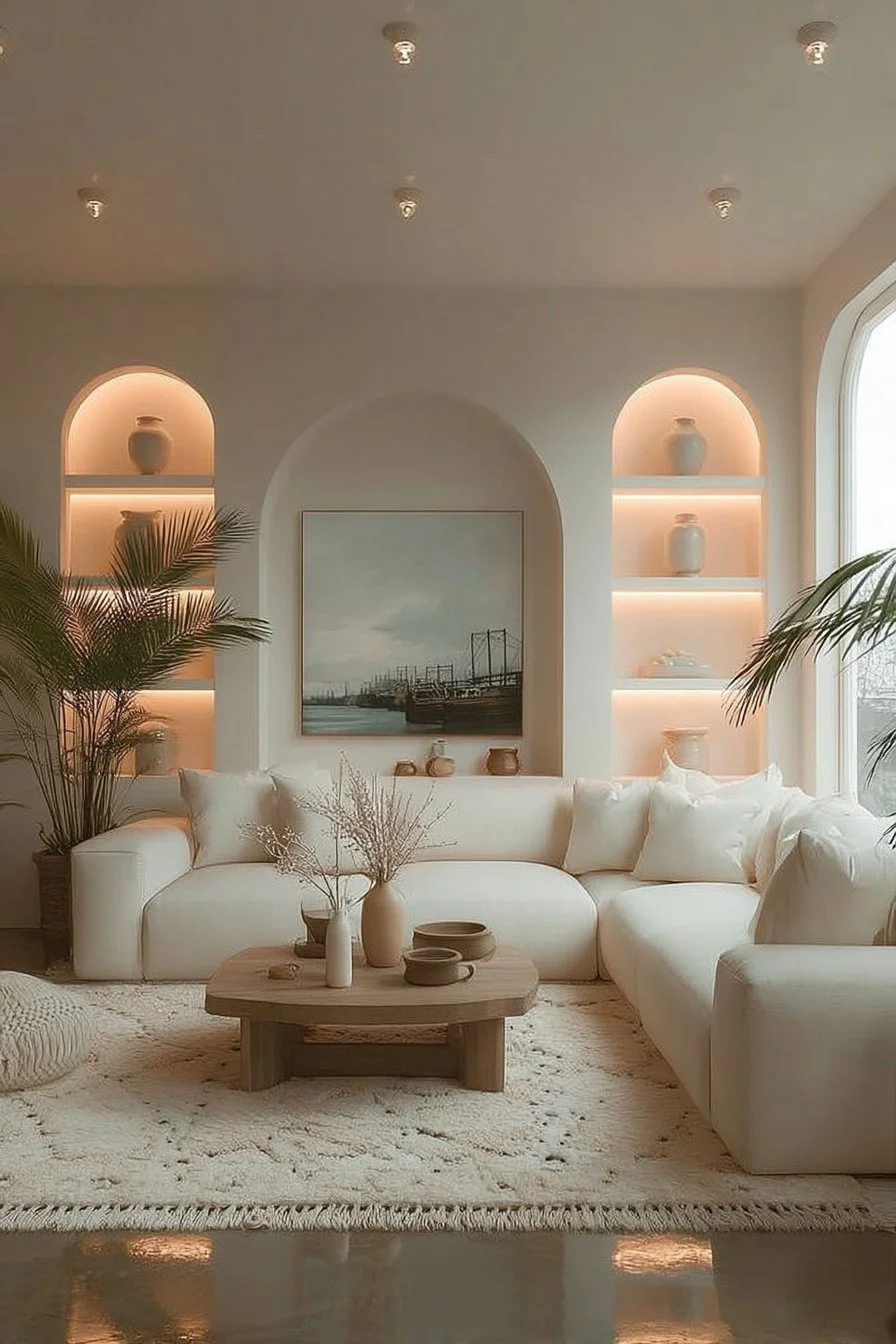
Neutral palettes are not boring when layered right. Start with a warm base like cream walls and soft gray upholstery, then introduce personality with colorful throw pillows or a statement ottoman. Layering textures such as linen, boucle, and worn leather keeps the neutrals from feeling flat and makes the room durable enough for kids and neighbors dropping by. Why it works: neutrals create a calming backdrop that highlights meaningful objects, while small pops of color add life without competing with daily chaos. How to apply: choose a neutral sofa, add two contrasting throw pillows per seat, and rotate seasonal or mood-driven accents like a mint lamp or coral vase. Family touch: give each child a designated cushion they can personalize with a small patch or embroidered initial. These choices deliver decorating inspiration that is both functional and Instagram-ready, helping your living room age gracefully with your family.

2. Flexible seating and intentional family zones

A living room that adapts to homework time, movie night, and a craft marathon is priceless. Think modular sofas, lightweight accent chairs, and a couple of poufs that can be moved to create conversational islands. Why it works: flexible seating lets you reshape the room for different activities without a full redesign, keeping both adult conversation and kid-friendly play in mind. How to apply: anchor a central rug, arrange seating to face each other for connection, and keep a small trolley nearby for board games and art supplies. Lifestyle note: when the kids set up a fort, the poufs become perfect makeshift pillars, and when grandparents visit, you’ll appreciate the extra, easy seats. For inspiration on arranging pieces to feel warm and inviting, check out curated ideas on living room inspiration that influenced some of our layouts.

3. Curated gallery walls and practical display shelving

Gallery walls are where memories and design meet. Mix family photos, kids’ artwork, and a couple of framed prints to keep the vibe personal. Shelving should be a balance of display and storage so cherished items sit alongside baskets that hide small toys. Why it works: a curated collection tells your story while functional shelves keep the daily clutter at bay. How to apply: plan the gallery on the floor first, then commit to one cohesive frame color to unify the look. Use lower shelves for kid-friendly baskets and upper shelves for fragile keepsakes. Family touch: let your children choose one frame for their latest masterpiece each month to rotate on the wall. This process creates decorating inspiration that feels collaborative and meaningful, and it supports ad-friendly content areas where readers naturally linger on the visuals.

4. Smart lighting and cozy reading nooks

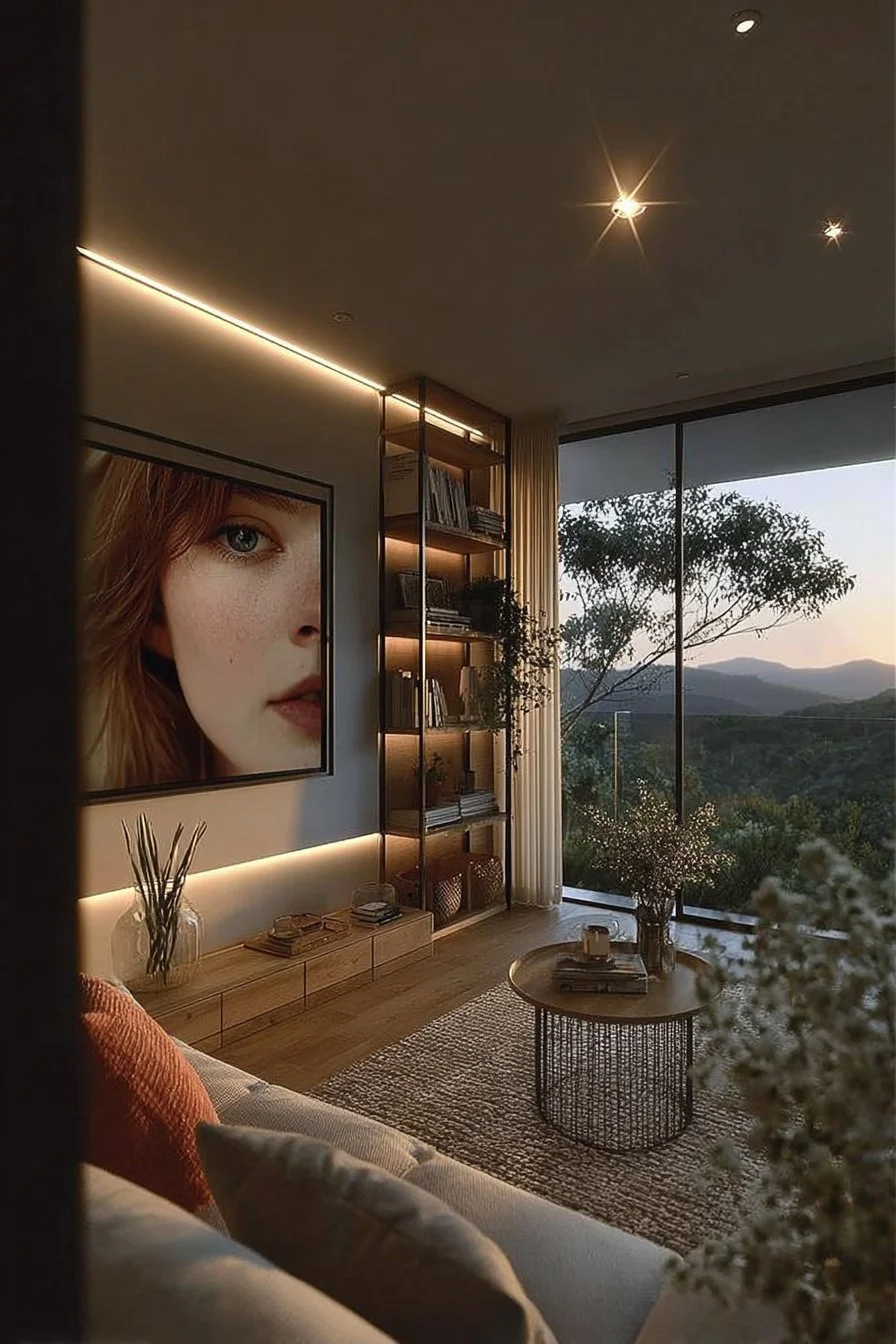
Good lighting changes everything. Layer overhead lights, floor lamps, and table lamps to create moods throughout the day. Incorporate dimmable options and targeted task lighting for reading or homework. Why it works: layered lighting accommodates various activities while making the room feel intentional and comfortable. How to apply: carve out a corner with a comfy chair, a small shelf for books, and a floor lamp to create a dedicated reading nook. Family note: this becomes a favorite spot for nightly storytime and a secret haven for your teenager to escape to with headphones. Thoughtful lighting is one of the most effective interior styling tips because it enhances photographs, improves functionality, and lifts the room’s overall mood for everyone in the household.

5. Multi-texture rugs and soft furnishings for warmth

A rug is the ground floor of comfort. Choose rugs with layered textures to hide footprints and mask spills while adding warmth. Natural fibers like jute mixed with softer wool rugs create a resilient foundation that still feels cozy under bare feet. Why it works: texture provides visual interest and practical resilience, especially in a family-centered home where kids and pets are part of the daily mix. How to apply: use a larger rug to define seating zones and add smaller, washable throw rugs near doorways or play areas. Family touch: place a twin rug near the craft table for easy cleanup after painting sessions. These soft layers also create great ad placement spots where readers pause to imagine their own rooms transformed.

6. Indoor greenery and low-maintenance plants for life

Plants make a living room breathe. Opt for sturdy, low-maintenance plants like snake plants, pothos, or zz plants for a touch of green without the guilt. Why it works: greenery introduces color and improves air quality while anchoring corners and shelves with organic shapes that soften rigid lines. How to apply: cluster plants of different heights near windows and on shelving, and use woven baskets to hide planter pots for a cohesive look. Lifestyle tie-in: involve the kids by giving each a small watering responsibility or making a weekend ritual out of repotting. This not only teaches care and responsibility but also fosters a sense of pride in the space they helped cultivate.

Conclusion

Designing a living room that fits real family life means choosing small, deliberate changes that add comfort and style. Save these home décor ideas and interior styling tips to your favorite board and try one fresh update each month to see how little shifts create big happy moments. If you want to share your room refresh with a community or learn more about home trends that work for families, visit the Press Room – Mom Blog Society for press and seasonal features that inspire further decorating inspiration.

Categories
Grandparents

Granny Chic Decor: Bringing Vintage Charm into Modern Homes

I still remember the sound of my mother folding lace tablecloths while I helped set snacks on a rainy Saturday. Now, with two kids between 8 and 12, our house is a whirl of homework, soccer cleats, and cookie crumbs, but those small rituals have stuck with me. I find comfort in mixing the familiar with the fresh, whether it is a chipped teacup in the cabinet or a hand-me-down quilt on the couch. Between school runs and neighbor chats over the fence, I sneak in little changes that make our living room feel like a warm hug after a long day,  perfect for welcoming grandparents and family alike. Those same instincts helped me rethink bedrooms and shared spaces using gentle vintage touches alongside modern conveniences, which is exactly the kind of home décor ideas that keep a house feeling like home.

Section 1: Heirlooms Meet Minimalism

Bringing a treasured heirloom into a clean, modern room instantly adds personality and history. A grandmother’s chest or an old mirror creates contrast against crisp paint and simple furniture because it tells a story in a space that might otherwise feel anonymous. These pieces also create cozy spots where grandparents can sit, relax, and enjoy family visits. They invite conversation, spark memories, and often become favorite spots for storytelling or sharing afternoon tea with grandchildren. Incorporating these heirlooms thoughtfully keeps the room feeling warm, lived-in, and connected to family traditions.

Section 2: Floral Fabrics in Unexpected Places

Floral patterns are often dismissed as fussy, but when used sparingly they add warmth and softness to modern interiors. Slip a floral lumbar pillow onto a leather chair or reupholster a single dining seat in a faded chintz. The pattern brings a gentle vibrancy that reads as intentional rather than old-fashioned. I swapped one dining chair cover and suddenly snack time felt cozier; my son likes to claim that chair for Lego building. When introducing floral fabrics, limit the palette to two complementary colors that match modern accessories, and place the patterned piece where family life happens so it looks lived in and loved. This approach keeps decorating inspiration practical and family-oriented.

Section 3: Layered Rugs and Textures

Layering rugs and textiles adds depth and comfort in a way that invites people to linger. Start with a neutral flatweave and top it with an heirloom rug or a soft braided mat to create zones in open-plan rooms. The tactile variety makes floors more forgiving for spilled juice and board games while keeping the aesthetic rich. I laid an old Persian runner under the coffee table and put a washable, kid-friendly rug next to it for art projects; the combination works for both beauty and mess. Choose rugs with similar color stories and vary textures rather than patterns. For more ways to blend classic and contemporary bedroom ideas, I often reference modern design guides like this modern luxury bedroom design for inspiration on scale and balance.

Section 4: Painted Furniture and Curated Displays

A coat of paint can revive a worn sideboard or a small dresser, turning it into a statement piece without losing its history. Soft sage, muted blue, or cottage white can transform an old chest into a practical storage hub for toys, linens, or school supplies. Curate the top with a few meaningful items like a vintage clock, a family photo, and a small plant to create a lived-in vignette. When my daughter needed an art station, a painted dresser became her supply center and somehow made cleanup feel cheerful. Keep the styling functional so it works for daily routines, and swap items seasonally to refresh the look without adding clutter. This tactic offers decorating inspiration that is both beautiful and purposeful.

Section 5: Cozy Nooks with Vintage Lighting

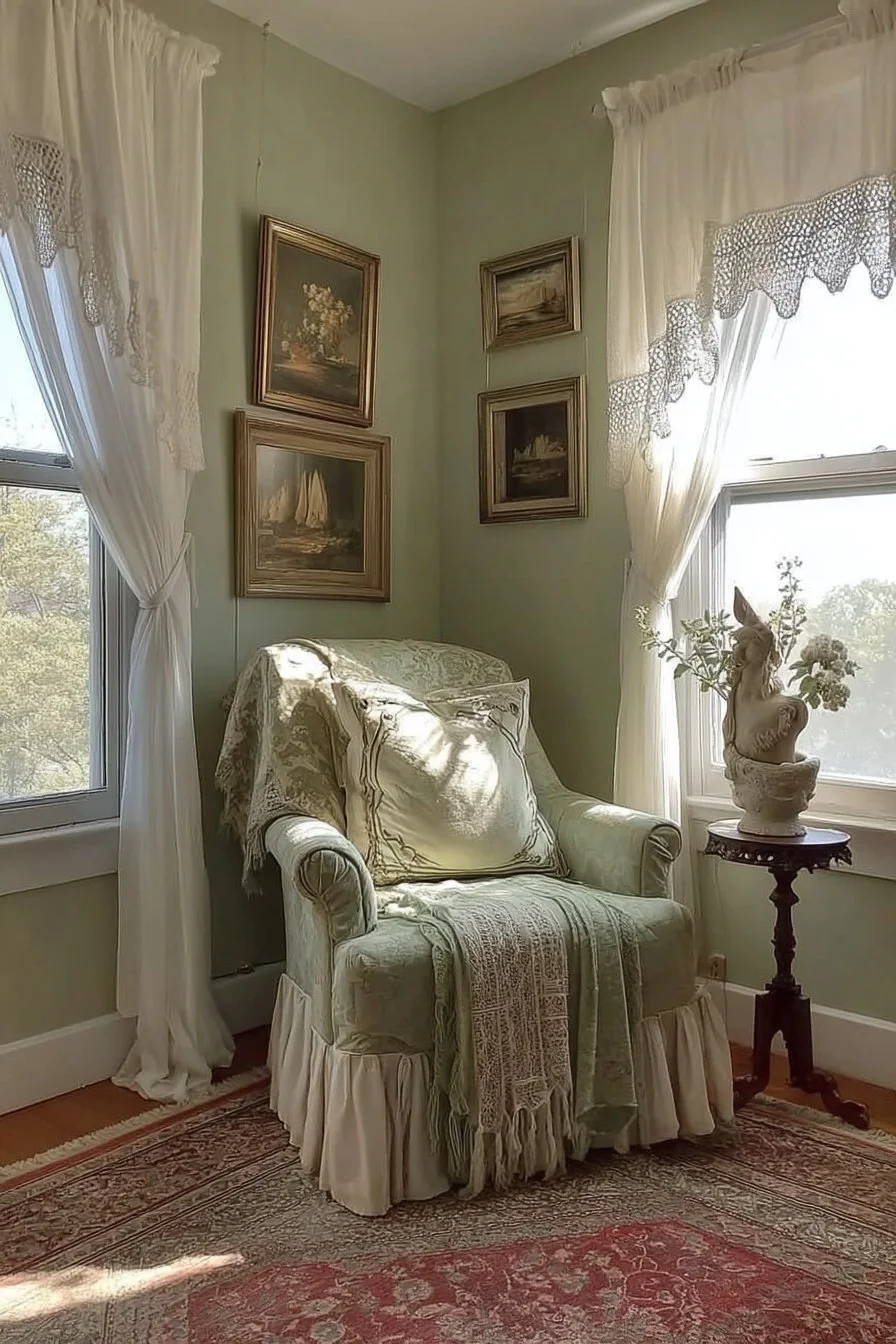
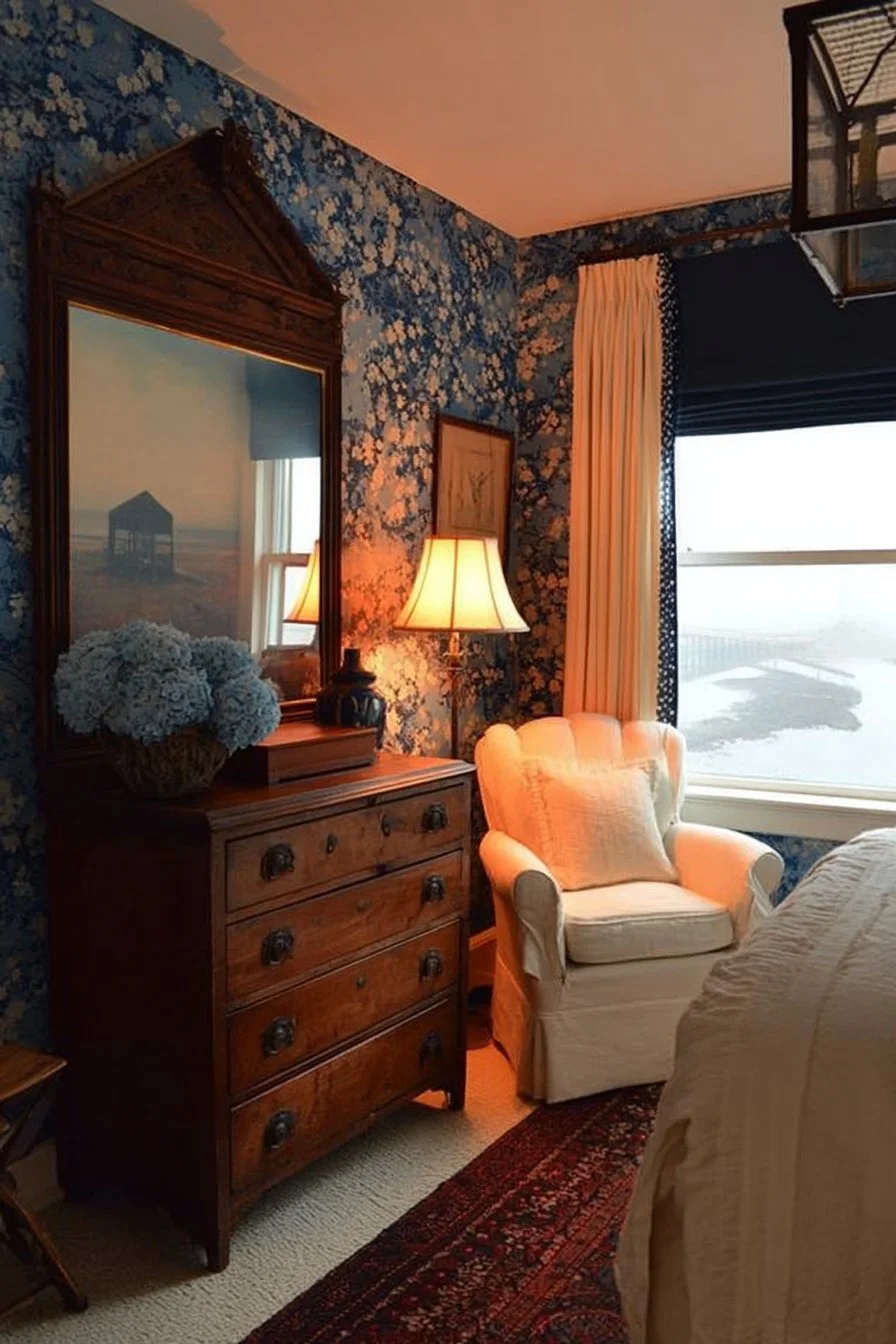
Creating a nook encourages family moments and quiet time, and vintage lighting is a perfect finishing touch. A small armchair, a knitting basket, and a lamp with a warm bulb invite bedtime stories and weekend reading. It’s a space where grandparents can enjoy quiet afternoons or read to visiting grandchildren.

My husband reads to our youngest under a soft-shaded lamp while the older one practices piano in another corner; these pockets of comfort organize our home life around routines. Choose lamps with updated wiring for safety and place them in spots where the family naturally gathers. This cozy approach to interior styling tips makes the house feel restful and timeless.

Section 6: Displaying China, Art, and Everyday Finds

Open shelving or a modest glass-front cabinet lets you showcase beautiful everyday items without overdoing it. Rotating plates, bowls, and small framed art keeps displays fresh and gives kids ways to contribute by placing their small creations beside treasured pieces. I encourage my children to pick one object to add each month and that habit teaches them appreciation for objects and the stories behind them. Group items by color or theme so the display reads clearly from across the room. Use museum putty or secure anchors for anything fragile, especially in busy family rooms. This simple method offers decorating inspiration that is interactive and sentimental.

Conclusion

Granny chic is not about recreating a past decade, it is about blending old and new so your home feels layered, practical, and full of stories. Try one idea at a time and involve your family in small decisions to make the process fun and manageable. For a deeper look at how grandmillennial style translates into modern living rooms, consider this helpful resource: Timeless Elegance: Bringing Grandmillennial Style into the 21st Century. Save this article for later, try a single change this weekend, and revisit these ideas as your home evolves.

Categories
Grandparents

Cozy and Gracious Bedroom for Grandparents

I still remember the quiet afternoons spent enjoying the little routines that make a house feel like home. The soft light coming through the windows, the scent of fresh flowers, and a favorite book waiting on a chair reminded me that a bedroom should feel warm, collected, and forgiving of everyday life. For grandparents, this space is not only a retreat for relaxation but also a welcoming environment for family visits, cherished memories, and simple daily pleasures.

Creating a cozy and gracious bedroom is about more than just picking furniture or color schemes—it’s about crafting a space that supports comfort, tranquility, and function while reflecting personal style. From layered textures to practical furniture choices, every detail matters in making the room inviting and usable.


Soft Neutrals and Layered Textures

A soft, neutral palette is the foundation of a relaxing bedroom. Colors like warm whites, creamy beiges, muted grays, and soft greens create a calm backdrop that allows personal items and accents to shine. Neutrals also make small spaces feel larger and airy, providing visual relief and a sense of balance.

Layering textures is key to adding depth and warmth. Consider knit throws, linen or cotton pillow covers, woven rugs, and soft upholstered chairs. These elements provide visual interest while inviting relaxation. For grandparents, durable and easy-care fabrics are essential—they ensure comfort without constant upkeep.

Incorporate tactile layers on the bed, window seats, and chairs. A chunky throw at the foot of the bed can be used while reading or resting, while textured pillows add subtle elegance. Layered textures not only enhance the visual appeal but also create a lived-in feel that is both stylish and practical.


Vintage Finds and Timeless Charm

Vintage furniture and thrifted treasures bring a sense of history and personality to the bedroom. Items like a reclaimed dresser, a wooden rocking chair, or a classic trunk tell stories while providing functional value.

When selecting vintage pieces, focus on durability and usability. Can the coffee table withstand a cup of tea, or will a sideboard accommodate linens or books? Repurposing items—like using an old trunk for storage or a bench with hidden compartments—adds charm without compromising practicality.

These curated, timeless pieces contribute to a cozy atmosphere while connecting the room to personal and family history. Mixing vintage with new furniture ensures a cohesive look that blends tradition and contemporary comfort.


Open Shelving and Styled Vignettes

Open shelving offers both function and aesthetic appeal. Shelves can display favorite books, keepsakes, decorative bowls, or seasonal accents while keeping essentials accessible. For grandparents, open shelves can highlight memories, hobbies, or collections, turning everyday objects into a curated visual story.

Arrange items thoughtfully, grouping by color, scale, or theme. Combine practical objects with decorative pieces to balance usability and style. A low shelf can hold daily-use items, while higher shelves showcase collectibles or framed photos. Adding small DIY touches—hand-painted ornaments or crafted items from grandchildren—introduces a personal and playful element.

Styled vignettes make the space feel intentional without being fussy. Wooden trays, small baskets, or simple ceramic pieces help corral items and maintain order, ensuring the bedroom is both functional and beautiful.


Cozy Seating Clusters That Invite Conversation

Seating arrangements play a crucial role in making the bedroom feel welcoming. Instead of lining furniture against the walls, create clusters that encourage conversation and connection. Pair a sofa or armchair with a small side table and perhaps a pouf or floor cushion to offer flexible seating.

These clusters support multiple activities: reading, chatting with visiting family, or quietly enjoying tea. Adding rugs defines different areas within the room, visually anchoring seating and creating a sense of intimacy. Keep blankets and small baskets nearby for convenience, and incorporate storage options for books, magazines, or games.

Seating clusters make the space feel approachable and lived-in. They also enhance photography-friendly corners for Pinterest inspiration while remaining functional for real-life use.


Natural Elements and Greenery

Bringing natural elements into the bedroom creates a sense of calm and connection to the outdoors. Wooden furniture, woven baskets, jute rugs, and greenery add texture and warmth. Potted plants like peace lilies, snake plants, or herbs provide freshness while requiring minimal maintenance.

Displaying edible or seasonal elements, like bowls of fruit or jars of preserves, adds both beauty and practicality. For grandparents, low windowsill herb gardens or small plants can offer gentle engagement and sensory stimulation. Natural elements make the space feel alive and restorative, enhancing well-being and creating a serene retreat.


Thoughtful Lighting for Comfort and Mood

Lighting is critical in shaping the room’s atmosphere. Layered lighting—combining overhead fixtures, bedside lamps, and floor lighting—allows flexibility for different activities. Dimmable bulbs or warm-toned lamps provide comfort for reading, relaxing, or entertaining family.

Position lamps near reading chairs or seating clusters for functional light, and consider accent lighting to highlight artwork, family photos, or decorative vignettes. Soft lighting encourages relaxation, while strategic placement enhances the room’s style. For grandparents, good lighting supports both comfort and safety, making daily routines easier and more enjoyable.


Personal Touches and Memory Displays

Adding personal touches turns a functional bedroom into a meaningful sanctuary. Gallery walls, framed photographs, heirlooms, or curated keepsakes tell stories and preserve memories. Rotating items over time keeps the room fresh and allows for seasonal updates or additions from family visits.

Consistency in frame color or style maintains cohesion, while flexible displays let personal objects shine. Memory shelves, hand-made crafts, and souvenirs from family trips or local markets make the room feel lived-in and treasured. Personal touches foster nostalgia, connection, and a sense of identity, turning the bedroom into a warm and inviting haven.


Flooring, Rugs, and Window Treatments

Flooring contributes to comfort and safety. Low-pile carpets, area rugs, or layered rugs provide warmth underfoot and prevent slips. Choose natural fibers like jute, sisal, or wool for durability and texture. Layered rugs can define functional areas, such as a reading nook or seating cluster.

Window treatments balance light, privacy, and style. Layered curtains—sheer panels for daylight and heavier drapes for evening—offer flexibility. Easy-to-operate blinds or shades ensure functionality, especially for older adults. Coordinating fabrics and patterns with bedding and furniture strengthens the room’s cohesive, welcoming feel.


Conclusion

Designing a grandparents’ bedroom is about creating a space that is cozy, practical, and filled with personal meaning. By using soft neutrals, layered textures, vintage finds, natural elements, and thoughtful lighting, the bedroom becomes a sanctuary that balances comfort, style, and function. Seating clusters, open shelving, and memory displays ensure the room is welcoming for visitors while supporting quiet moments of relaxation.

Take your time implementing these ideas, one change at a time. Incorporate personal memories, seasonal accents, and practical furniture to create a space that feels alive and lived-in. The result is a gracious, inviting bedroom that celebrates comfort, family, and the beauty of everyday life.

Categories
Outdoor

7 Backyard Oasis Ideas for Outdoor Living

Some evenings I stand on the back porch watching my two kids, ages eight and eleven, race the neighbor kids across the lawn while I hold a cup of tea that has long gone lukewarm. Between carpools, homework reminders, and the constant hum of life, I crave a corner of our yard that feels like a retreat without adding more stress. I started small, stealing thirty minutes to move a chair, test a light, or plant a pot of herbs with my son. Those tiny changes turned our awkward patch of grass into a place where memories happen: marshmallow toasts, impromptu dance parties, quiet afternoon reading. If you are juggling family life and dreaming of a backyard that actually invites relaxation, these home décor ideas will give simple, realistic steps to create a place your whole family will return to again and again. For extra seasonal flair and ideas beyond patios, see more home décor ideas here. home décor ideas

  1. Fire Pit Corner with Built-in Bench

    A fire pit instantly creates a focal point and extends outdoor evenings, which is why many families gravitate toward it. It works so well because fire brings heat, light, and an excuse to gather. At home we took a basic metal ring and placed it atop gravel, surrounding it with a semi-circle bench built into a retaining wall. This built-in seating doubles as storage for cushions and outdoor blankets, keeping things tidy after soccer practice. To apply it, pick a safe spot away from overhanging branches, center the pit, and anchor seating around it using inexpensive cinder blocks or reclaimed wood for a rustic look. Add a few weatherproof pillows for comfort and a low table for s’mores supplies. This approach blends practical storage with welcoming ambiance, and it is easy to adapt to small or large yards while following simple safety steps so parents can relax.

  2. Pergola with Drapes and Soft Lighting

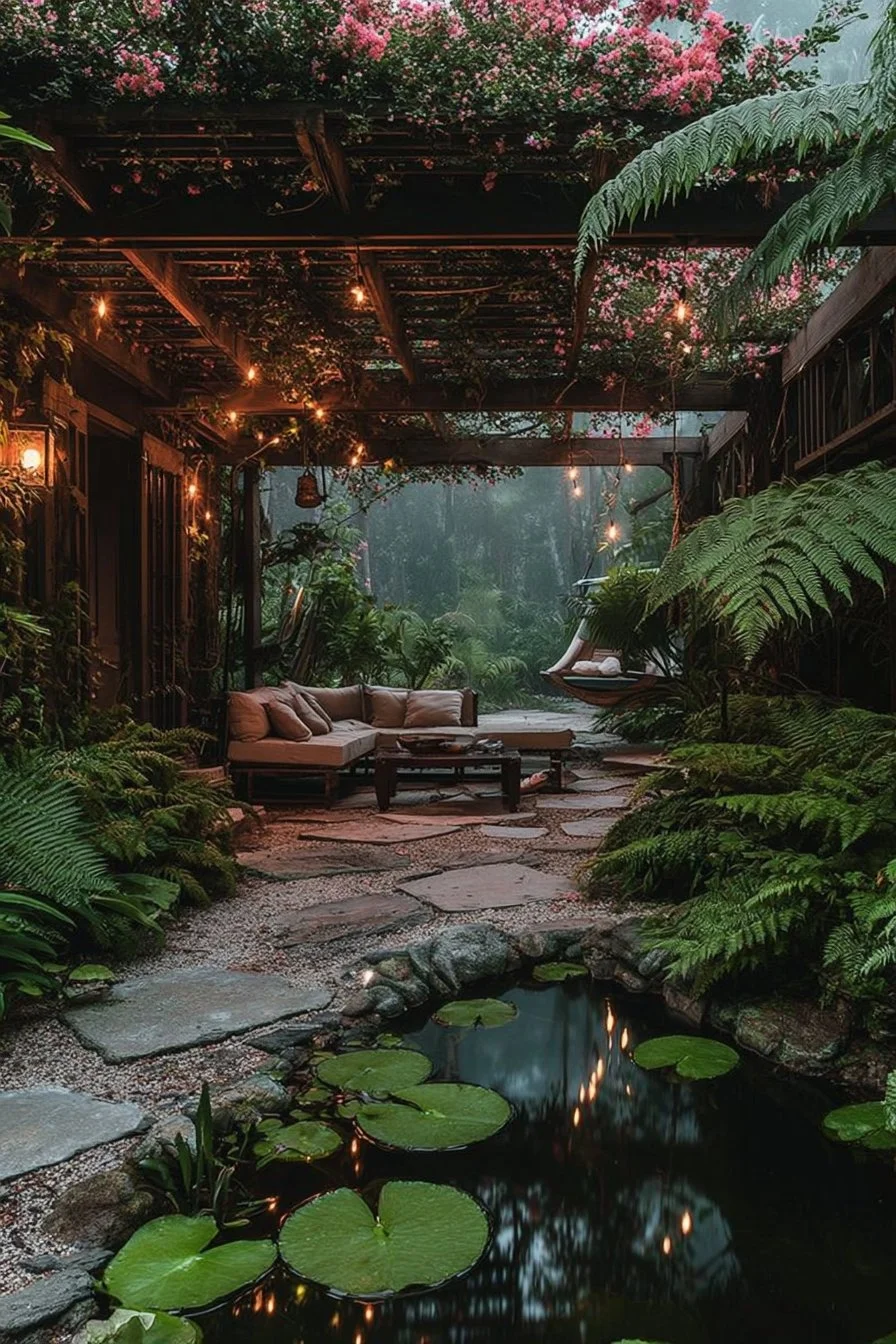
    A pergola can turn a plain patio into a private room, and drapes add softness and movement that kids love to play peek-a-boo with. This idea works because it creates defined space without permanent walls. We installed a modest pergola over our deck and hung linen drapes for afternoon naps and cooler evenings. Attach string lights to the beams to create a cozy canopy effect; the extra light makes late-night chats with neighbors feel magical. To recreate this, choose a pergola size that fits your seating area, use outdoor-rated fabric for drapes, and secure them with tiebacks so they do not flap wildly on windy days. The result is an outdoor living room that invites lingering, perfect for family story time or a quiet cup of coffee when the kids are at school.

  3. Outdoor Kitchen Nook and Compact Dining AreaAn outdoor

    kitchen does not need to be elaborate to be useful. A simple built-in grill, a prep counter, and a compact dining table can transform routine barbecues into full dining experiences. It works because it brings cooking and conversation outside, keeping parents in the action while kids play nearby. I remember flipping pancakes on a portable griddle while my daughter drew chalk paths on the patio; the setup kept us all together. Use modular grill carts and weatherproof cabinets to create a streamlined prep area, then add a small bistro table or bench seating for family meals. Choose easy-care finishes and a few colorful textiles so cleanup is fast and the area feels inviting for spontaneous meals or weekend brunches.

  4. Hammock or Lounge Nook with Layered Textiles

    Creating a quiet nook with a hammock or daybed is a low-effort way to invite relaxation. It works because it is comfortable, portable, and instantly signals a change of pace. We strung a hammock between two strong posts and added a side table for drinks; our kids use it for reading, and I sneak in for short naps. Pair the hammock with outdoor rugs and layered cushions to make the space cozy and grounded. For smaller yards, consider a freestanding hammock frame or a cushioned bench beneath a tree. Incorporate washable slipcovers and durable fabrics so spills from juice boxes or craft projects are no stress. If you want more centerpiece ideas to pair with this cozy corner, check out some creative decorating inspiration that translates well from indoor to outdoor styling.

  5. Vertical and Container Gardens with Privacy Screens

    If you want lushness without a green thumb, containers and vertical gardens solve space and maintenance problems. They work well because they are flexible and can be tailored to sunlight and watering routines. We hung planters on a wood trellis and filled them with herbs and trailing flowers; the kids loved snipping basil for pizza night. Pair container gardens with a lattice or trellis to create natural privacy from neighbors. Use a mix of heights and pot sizes to add depth, and choose drought-tolerant plants for easier care. For families, keep kid-friendly plants like strawberries or cherry tomatoes within reach so children can help with watering. This strategy turns walls and fences into living features, boosting curb appeal and making your backyard feel like an oasis without a full landscaping overhaul.

  6. Water Feature and Pathway Lighting

    Adding water and light brings motion and atmosphere that make a yard feel intentional. A small fountain or bubbler works because the sound masks neighborhood noise and adds a soothing element for family downtime. We installed a pedestal fountain near our patio and bordered the path with solar stake lights so evening strolls feel whimsical. To add this at home, pick a fountain size that complements your space and use low-voltage or solar lighting along paths for safety and mood. Consider stepping stones that snake through garden beds to create a sense of journey; kids love following them like a treasure trail. These elements encourage family exploration and quiet moments, whether you are sipping lemonade or watching fireflies.

  7. Multi-Use Deck or Patio with Zoning for Family Life

    A single outdoor surface can do a lot more when it is thoughtfully zoned. This idea works because it allows different activities to happen at the same time without chaos. On our patio, we defined zones using outdoor rugs: one area for dining, another for lounging, and a small open section for the kids to sprawl with games or yoga mats. Low planters and movable benches act as soft dividers without blocking sightlines, so I can keep an eye on everyone while still relaxing. To recreate this, start with one solid surface like a deck, concrete slab, or pavers, then layer in rugs, furniture, and lighting to signal each “room.” Use stackable or foldable furniture so the space adapts easily from weekday homework time to weekend gatherings. This approach keeps the backyard flexible, organized, and stress-free, making it a place the whole family can use at once without stepping on each other’s toes.

Conclusion

Creating an outdoor space that feels like an extension of your home does not require a full remodel. Start with one idea, adapt it for your family routines, and build from there. Save this article to try a new project each month, invite the neighbors over for a simple test run, and let your yard collect the small rituals that make a house feel like home. For more compact solutions and additional ideas to fit tighter spaces, check out this collection of 25 Small Backyard Ideas For A Mini Outdoor Oasis.

Categories
Outdoor

15 Ideas for Home Exteriors: Transform Your Curb Appeal

Some evenings when I tuck the kids into bed, I stand at the window and watch our little street settle down. My two are 8 and 11, tracking dirt from soccer cleats and backyard adventures, while neighbors often stop by with a cup of sugar or a chat about school pickups. Those small routines made me notice how a freshly painted house or a welcoming porch sets the tone for the block. I learned simple, practical ways to boost curb appeal without breaking the bank, blending family life with little touches that create big smiles.


1. Fresh Paint and Trim: Color That Welcomes

A clean coat of paint is transformative. Choose a neutral main color with contrasting trim to highlight architectural details. Use durable exterior paint in satin finish for easy cleaning. Family tip: involve kids in choosing accent colors or holding swatches. Pair with small updates like pressure washing and tightened hardware for a high-impact, low-cost refresh.


2. Front Door Focal Point: Bold Door and New Hardware

Refreshing the front door makes an instant statement. Pick a bold color and update hardware for a polished look. Add a welcome mat and layered lighting for evening charm. Family touch: a small tray for lost school items or a hook for backpacks keeps mornings organized and the entry welcoming.


3. Lighting That Enhances and Protects

Layered exterior lighting improves both safety and aesthetics. Combine sconces, path lights, and motion sensors to illuminate your space. Add soft string or pendant lights for cozy evenings. Lighting not only beautifies but also signals family routines, like a cue for kids to pause outdoor play.


4. Landscaping and Simple Hardscaping

Thoughtful landscaping elevates any exterior. Define beds with mulch, add native shrubs, and include stone borders or curved paths. Family activity: plant herbs or berries with kids. These simple projects teach gardening skills and provide lasting beauty.


5. Window Boxes, Shutters, and Small Architectural Accents

Add charm with window boxes or shutters. Lightweight materials like cedar or composites prevent sagging. Mix trailing and upright plants for fullness. Seasonal swaps or watering duties become fun family activities, giving the space a lived-in, welcoming feel.


6. Cozy Porch and Functional Seating

Turn your porch into an outdoor room. Weatherproof cushions, a small bench, and a durable rug create inviting seating. Include storage solutions like a bench with a lid for sports gear. Personal touches like a family name sign or kids’ art make it heartwarming.


7. Driveway and Walkway Upgrades

High-visibility surfaces like driveways and walkways can be refreshed with resurfacing, pavers, or simple gravel accents. Pressure wash, repair cracks, and add edging. Kids can enjoy chalk games on freshly cleaned surfaces, blending maintenance with play.


8. Mailbox, House Numbers, and Small Details

Polished details matter. A new mailbox, modern house numbers, or a freshly painted post signals care. Family touch: let kids help choose colors or decorate small accents to create pride in the home’s appearance.


9. Planting for Privacy and Structure

Shrubs, ornamental grasses, and small trees provide natural screens and define beds. Plan heights and layers for year-round appeal. Create a kid-friendly nook behind plantings for reading, building forts, or quiet playtime.


10. Mulch, Edging, and Clean Lines

Fresh mulch and clean edges give a maintained look. Pick colors that complement the house, use durable stone or metal edging, and create a simple maintenance routine. Kids can help rake or water, turning chores into bonding time.


11. Seasonal Decor and Swaps

Switching seasonal accents like pumpkins, lanterns, or potted flowers keeps the entryway fresh. Kids can participate by painting or arranging seasonal décor. This adds variety without permanent changes.


12. Outdoor Art and Wall Accents

Install small outdoor-friendly art pieces or wall sculptures. Metal, resin, or weatherproof wood works well. Art gives personality, tells your family story, and creates conversation with neighbors.


13. Simple Water Features

Even small fountains or birdbaths add movement and calm to your front yard. Choose low-maintenance designs. Kids enjoy watching birds or the gentle sound of water, making your entry lively and tranquil at the same time.


14. Strategic Seating in Landscaping

Beyond the porch, place a bench or small swing near flower beds or shaded areas. It encourages outdoor play or quiet reading. Combine with cushions in your exterior color palette for a cohesive look.


15. Pathway Accents and Lighting

Add small planters, lanterns, or solar lights along walkways. They enhance nighttime visibility, highlight landscaping, and make the home feel magical. Kids can help line the path with seasonal décor, making maintenance interactive.

Conclusion

I hope these home décor ideas spark a few realistic projects you can try between carpools and homework. Saving pins, small weekend plans, and involving the kids keeps improvements fun and meaningful. For more focused inspiration on working with specific materials like brick, check this guide to a Brick Home Makeover: Exterior Ideas & Transformation Tips. Bookmark this list for later and try one small change this month to see how much warmth and curb appeal it brings to your family’s everyday life.

Categories
Outdoor

7 Top Outdoor Decorating, Lighting, Swings, Ceilings, Railings, and Tiles Ideas

I still laugh at how our little porch has become the command center of our neighborhood. Mornings start with cereal boxes in hand and a chorus of kids heading for the bus, and evenings end with neighbor kids lingering for a last story or two while my own two argue over who gets the best spot. Between homework folders, a soccer cleat here and a ballet shoe there, I found that small changes to that front step made our days feel calmer and our memories richer. I started hunting for simple ways to make that space cozy without breaking the bank, bookmarking home decor ideas on Pinterest and mixing practical fixes with sentimental touches. If you love the idea of a porch that holds family rhythms and welcomes neighbors, these decorating inspiration tips might be the gentle nudge you need to start. Check out a few budget projects that worked for us, like this guide to budget-friendly small bathroom remodel ideas that inspired easy swaps around the house.

    1. Create a Cozy Seating Zone with Layered Textures

      A porch that invites lingering is one that feels soft and intentional. Start with a sturdy bench or a compact loveseat, then layer cushions, outdoor-friendly throws, and a woven rug. Layering brings depth and warmth and is one of those interior styling tips that translates beautifully outdoors because textures read as comfort to kids and guests alike. Use color to anchor the space; my children love picking bright pillow covers for impromptu art sessions, and a reversible cushion is a quick fix after a muddy soccer game. For families, choose water-resistant fabrics and removable covers so cleaning is stress free. Add a small side table for a cup of coffee or a homework book and you have a functional, stylish spot where life happens.

    2. Porch Swings and Hanging Seats that Pull Everyone Outside

      A porch swing is not just a seat, it is a ritual. Whether you pick a classic wooden swing, a cushioned love seat swing, or a modern hammock chair, the motion calms kids and adults after busy days. Swings encourage shared moments like reading together or watching the sun dip behind sycamores, and they become the default hangout during summer evenings. Make sure to install with proper anchors and weatherproof chains or rope. If space is tight, a single hanging egg chair offers cozy privacy for an older child doing homework while you keep an eye on dinner. Pair with a throw and a small ottoman to create a mini reading nook that becomes family lore.

    3. Ceiling Treatments that Elevate the Look

      The porch ceiling is often overlooked, but painting it or adding beadboard instantly feels like a designed room rather than an afterthought. A pale blue or soft cream can brighten low light and make late-night porch talks feel open and breezy. Beadboard or tongue-and-groove panels add cottage charm and mask imperfections, which is especially helpful when you’re balancing aesthetics with busy family life. Consider a clear finish or outdoor paint for low maintenance. For a slightly bolder touch, add simple stenciled patterns near the light fixture to delight kids without creating clutter. These small ceiling changes count as thoughtful home décor ideas that make guests feel the effort without you needing to fuss daily.

    4. Railings That Balance Safety and Style

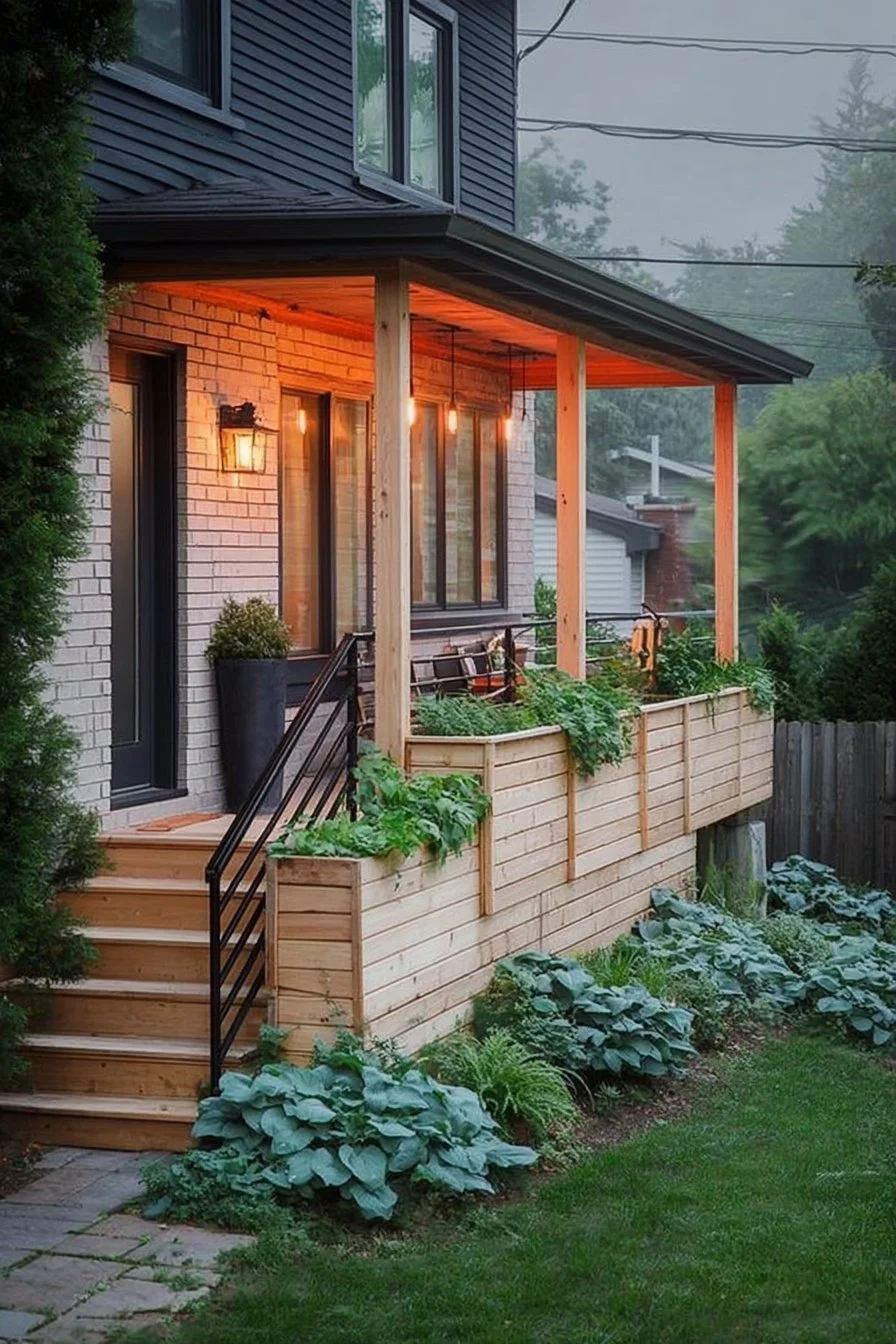
      Railings protect curious climbers while shaping your porch’s personality. Cable railings provide modern lines and unobstructed views, while classic spindles give traditional charm. A low planter railing blends safety with gardening, letting kids help tend herbs or flowers within arm’s reach. We installed a half-height railing with built-in planters where my son keeps his tomato plant; watching him water it after school became his proud ritual. For rental homes or tighter budgets, paint the existing railing in a fresh color and swap simple hardware for a quick style upgrade. This is practical decorating inspiration that keeps safety first but looks intentional.

    5. Outdoor Tiles, Painted Floors, and Rug Layering

      Flooring choices anchor the porch visually and functionally. Porcelain tiles made for outdoor use give a sleek, durable finish that resists summer spills and winter freeze. If replacing flooring is beyond the budget, painting your porch floor with a patterned stencil or a durable porch paint gives big impact for little cost. Layer with an outdoor rug to define seating areas and add softness for tiny feet. Our painted checkerboard lasted seasons and provided endless games for neighbors’ kids, while rugs kept the mud at bay during rainy afternoons. Choose slip-resistant finishes and low-maintenance materials so the space stays inviting through everyday life.

    6. Lighting that Extends Porch Life After Dark

      The right lighting turns a porch into an evening haven for family dinners or storytelling. String lights create cozy ambiance and make the porch feel magical to children at dusk. Wall sconces provide task light for reading or sorting backpacks, and step lights enhance safety for late-night returns. Solar path lights are an eco-friendly addition that requires no wiring, perfect for busy parents juggling carpools and bedtime. Layer lighting levels so you can switch from bright cleaning light to soft mood light for summer nights. Our go-to is a dimmable overhead fan light for hot evenings and a row of fairy lights for weeknight wind-down; together they make the porch feel like an extra room where memories happen.

    7. Smart Additions and Family-Friendly Details

      Small conveniences make a porch truly livable. Add hooks for backpacks and jackets, a boot tray for muddy pairs, and a basket for toys to keep the clutter contained. Smart switches or motion-sensor lights add safety and cut down on forgotten switches, useful when hands are full of school projects or grocery bags. Consider a small storage bench that doubles as seating so sports gear is out of the way but easy to grab for practice. My daughter uses a hanging organizer to keep craft supplies handy for quick DIY moments inspired by seasonal projects like those in this Valentine’s craft ideas guide. These practical touches are interior styling tips that respect the rhythms of family life while keeping the porch beautiful.

Conclusion

If you want a porch that works for playdates, quiet mornings, and neighborly conversations, pick a few ideas that fit your family rhythm and try them slowly. Whether you focus on lighting, a new swing, or a painted floor, small intentional changes create big returns in comfort and curb appeal. Save this article, pin the looks that speak to you, and revisit ideas as your kids grow and routines shift. For more curated inspiration and seasonal looks, explore these porch and patio design ideas you’ll love all season.

Categories
Outdoor

Mid Century Modern House Exteriors That Last

I still remember dropping the kids off at school on a damp Tuesday and waving to Mrs. Harper next door as she watered her succulents, the way her front windows caught the grey morning light like a little stage. My two kids, eight and eleven, clamored from the minivan with backpacks bouncing, and my mind wandered to the little projects that make a house feel like ours again: swapping a tired mailbox for something sleeker, planting low-care shrubs that survive the neighborhood’s wandering squirrels, or finally painting the fence a bolder hue. Between carpools, homework and bedtime rituals, those small changes are how we stitch comfort into everyday life. Lately I keep bookmarking images of houses that seem effortless and personal, the kind of spaces that make you imagine family breakfasts and backyard playdates lingering into golden afternoons. That instinct for thoughtful, livable design is exactly what draws me to modern styling and practical home décor ideas like these.

  1. Clean Lines and Low Rooflines: Keep it simple, live comfortably

Mid century modern exteriors are memorable for their clean, horizontal lines and low roof profiles that feel both understated and intentional. The simplicity of a flat or gently pitched roof calms the street view and gives the whole home a cohesive silhouette. Why it works: clean geometry reduces visual clutter, which makes homes feel wider and more grounded—perfect when you want a safe, familiar backdrop for family life. How to apply it: choose siding materials that emphasize horizontal lines, like long planks of cedar or fiber cement lap siding, and maintain a narrow roof overhang to preserve the style. Paint trim in a complementary but subtle tone to keep the lines crisp. Lifestyle note: for busy weekday mornings, a garage or carport with a low roof can double as a sheltered drop-off spot for backpacks and sports gear, keeping the porch clutter-free and calm.

  1. Warm Woods and Natural Materials: Texture that welcomes

One hallmark of mid century design is the mix of natural materials paired with modern forms. Warm woods like teak, walnut and cedar bring tactile depth to an exterior and age gracefully over time. Why it works: natural textures create an emotional connection, making a modern façade feel more approachable and family-friendly. How to apply it: use wood cladding on a feature wall, add a wood slatted privacy screen, or incorporate stone at the entry to anchor the house. Sealing and finishing will protect surfaces while preserving grain and warmth. Lifestyle note: a wood-clad porch bench or a cedar mailbox shelf makes mornings smoother when kids need a last-minute shoe or glove, turning beautiful materials into useful family spots. These practical touches double as subtle interior styling tips when you carry similar textures inside.

  1. Floor-to-Ceiling Glass and Indoor-Outdoor Flow: Bring the yard in

Expansive windows and sliding glass doors are a signature move in mid century homes, prioritizing natural light and visual connection to the yard. Why it works: more glass makes interiors feel larger and brighter, which is comforting for families who spend time both indoors and out. How to apply it: invest in high-performance glazing to keep energy costs down, and frame openings to align with key views like the play lawn or patio. Pair with simple window treatments that can be opened fully to encourage airflow and sightlines. Lifestyle note: when the kids spread toys or art projects at the kitchen table, the view out to the backyard helps everyone stay relaxed rather than feeling boxed in. For those redesigning bedrooms or other rooms, check out creative space planning tips like these modern bedroom design ideas that echo the open, light-filled ethos.

  1. Open Plans, Built-ins and Functional Touches: Design that supports daily life

Mid century influence is as practical inside as it is outside, with open floor plans, built-in storage and well-considered mudroom areas that keep life organized. Why it works: purposeful built-ins and transitions make the home feel efficient and calm, helping parents manage clutter without sacrificing style. How to apply it: plan a bench with cubbies at the entry, integrate a low, built-in shelving unit in the living area for books and game storage, and keep sightlines clean from entry to backyard. Consider swapping an oversized vanity for a compact mid century-inspired option in smaller bathrooms to maximize movement. Lifestyle note: a built-in homework nook lets my kids spread out after school while I prepare dinner nearby, and having a dedicated drop zone prevents backpacks from taking over the sofa. For ideas on creating cohesive bathrooms that match this approach, see this mid century bathroom inspiration vanity and layout guide.

  1. Statement Front Doors and Color Pops: Personality without fuss

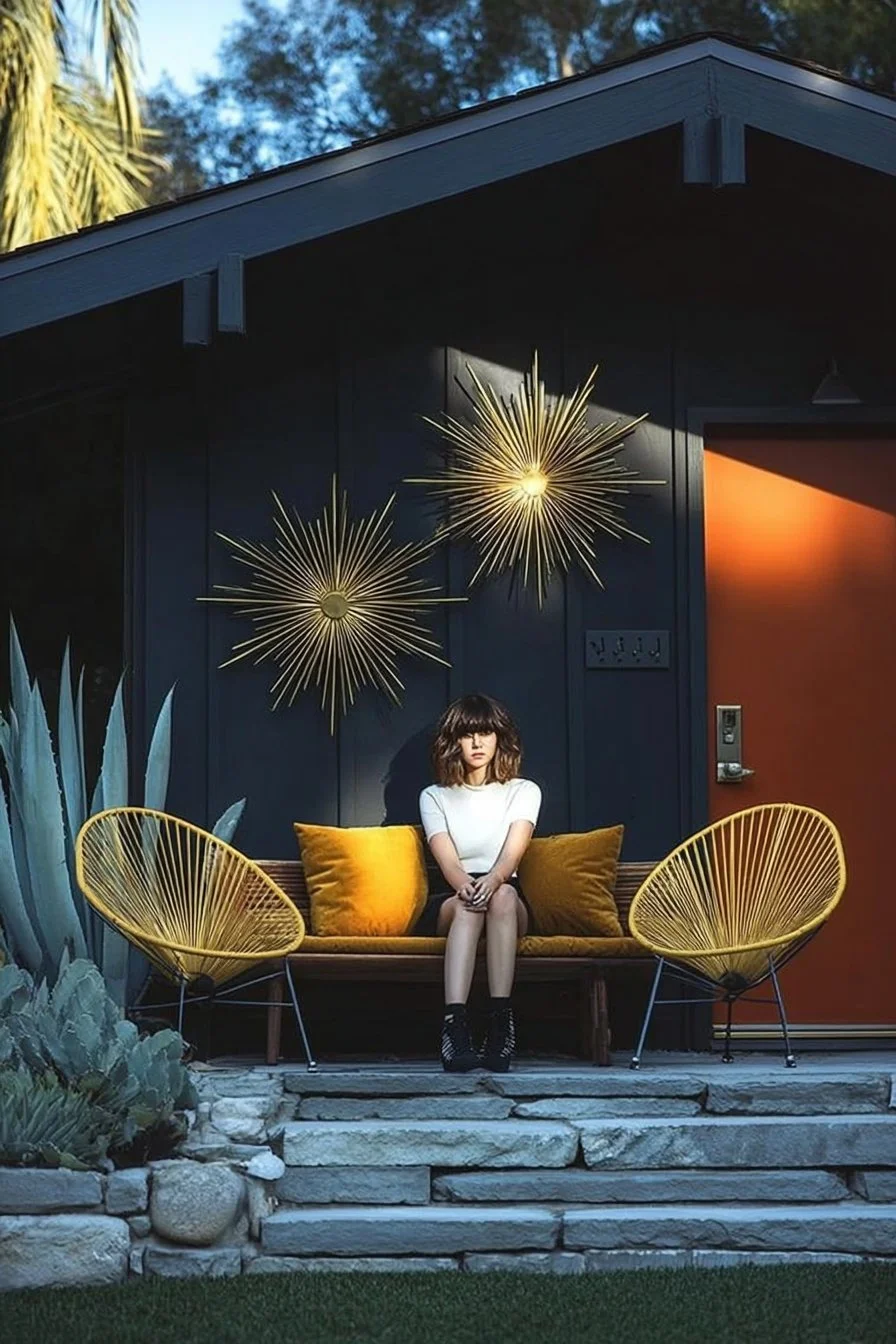
A bold front door or a playful pop of color can turn a modest exterior into a memorable moment on the block. Why it works: mid century design balances restraint with accents, and a bright door provides visual warmth and personality without overwhelming the whole look. How to apply it: choose a saturated, durable paint for the front door—teal, mustard or a rich red—and pair it with understated hardware. Keep surrounding elements neutral to let the door be the focal point. Lifestyle note: a colorful door becomes an easy reference for kids waiting to be picked up, and neighbors often remember houses by these small, joyful choices. Combine color with practical features like a covered porch mat or built-in bench to welcome muddy sneakers while keeping the aesthetic intact.

  1. Landscaped Geometry and Outdoor Living: Simple plants, lasting impact

Landscape makes the house feel complete. Mid century yards favor geometric planting beds, low-maintenance perennials and hardscaping that echoes the home’s lines. Why it works: structured plantings and functional outdoor zones extend living space and require less maintenance—critical for busy families. How to apply it: define walkways with concrete pavers interspersed with groundcover, use ornamental grasses and shrubs for year-round interest, and create a modest patio with clean lines for family dinners. Add a small play lawn bordered by pea gravel for durability. Lifestyle note: our weekend rituals—barbecues, soccer in the yard, or neighbor playdates—feel more cohesive when the outdoor space flows from the interior and stays low-effort. These practical decorating inspiration moves help homes look curated without constant upkeep.

Conclusion

Mid century modern house exteriors offer a timeless balance of form and function that suits real family life—clean lines that calm the eye, warm materials that invite touch, and smart details that make daily routines easier. If you want to explore more visuals and real-world examples that prove this design style endures, take a look at These Mid Century Modern House Exteriors Prove Why This Design Style Is Here To Stay for fresh decorating inspiration and ideas you can adapt for your home. Save the ideas that resonate, and try one small change this week to see how much a thoughtful detail can transform your day-to-day.

Categories
DIY

DIY Cute Yarn Birdies You Can Make in Minutes

DIY Cute Yarn Birdies You Can Make in Minutes

I still remember sitting at my kitchen table while my kids did their homework and my mother called to ask about Sunday dinner. As a proud forty-something American mom, I love filling our home with small handmade touches that tell a story. My son, who is ten, and my daughter, who is nine, love to add their doodles to my projects, and sometimes my husband and I will sip tea and string yarn together after the kids are in bed. These little birdies started as a rainy-day craft, inspired by the crocheted ornaments my grandmother kept on her mantle. Sharing them with neighbors and giving them as tiny gifts to schoolteachers has become a weekend ritual. If you like cozy, approachable decorating ideas that blend family memories with modern home décor, this is a perfect, quick craft to add warmth to any room.

Quick supplies and simple techniques for busy households

Creating yarn birdies does not require a closet full of craft supplies. Start with basic materials: yarn in a few favorite colors, scissors, a glue gun or fabric glue, small styrofoam or yarn-wrapped cores if you want a round body, and a few beads or tiny felt scraps for eyes and beaks. For interior styling on a budget, choose a neutral palette with one accent color that matches your living room or bedroom. The technique is forgiving: wrap yarn around a small cardboard ring or balloon, tie it off, and shape it with scissors. If your children are between 8 and 12, they can safely help with wrapping and gluing while you handle hot glue. Practical tip: set up a craft tray to contain stray yarn and make clean-up quick. This approach keeps decorating tips realistic for busy families and supports collaborative projects with kids and neighbors.

Styling birdies as shelf and mantel accents

Once you have a handful of birdies, think about placement. Group them on a mantel with a mix of books and potted plants to create layered texture. Use odd numbers, like three or five birdies, for a more natural arrangement. Try varying heights by placing some on small wooden blocks or cake stands to add dimension. For interior styling that feels curated, pick one shelf in your living room and build the display around a family photo or a favorite ceramic piece. A small anecdote: my daughter loves to set the birds near her science books; she says they keep her company during study time. Practical tip: secure tiny birdies with museum putty if pets or little siblings are active in the home. These small touches bring decorating inspiration into everyday spaces.

Creating playful garlands and mobiles for cozy corners

Stringing multiple birdies into a garland is an instant update for a reading nook or entryway. Use thin twine or sturdy ribbon and space the birds about 6 to 8 inches apart. For mobiles, suspend three to five birdies from a wooden hoop and hang near a window where they can gently sway. This adds movement to a room without overwhelming the decor. If you are aiming for a cohesive look, coordinate the yarn colors with throw pillows or curtains in the same room. A practical tip: attach birds with small clothespins so you can rearrange or wash the garland easily. I once made a mobile for my son’s homework corner and he said it made studying feel more fun. These ideas are easy to implement and give immediate decorative payoff.

Tabletop arrangements and center-of-attention displays

Yarn birdies make charming tabletop decor for coffee tables, bedside tables, or kitchen islands. Create a simple centerpiece by placing a cluster of birdies in a shallow tray with smooth stones or faux moss for texture. For a more elevated look, perch a bird on the rim of a decorative bowl or drape one over a stack of hardcover books as a playful accent. Use them to punctuate a vignette of candles and ceramic vessels to introduce softness and color. Practical tip: mix materials like wood, glass, and fabric to maintain balance in your interior styling. My neighbor loved this idea and brought a trio of birdies to our last book club meeting to decorate the snack table; everyone ended up asking how to make them. These small decorative pieces become conversation starters.

Customization, gift ideas, and family craft nights

One of the best parts of yarn birdies is how customizable they are. Add tiny stitched initials for teacher gifts, glue on little beaded eyes for sparkle, or use patterned yarn for a vintage look. Host a family craft night where each person personalizes a birdie; my siblings and I once made a dozen in an evening and labeled each with a memory from our childhood. For practical gift packaging inspired by decorating tips, tuck a birdie into a simple kraft box with shredded paper and a handwritten note. If you plan to sell or gift these at community fairs, attach a little card with care instructions for long-lasting home décor. These projects teach kids crafting skills and create keepsakes that reflect personal stories and interior styling preferences.

Conclusion

Handmade accents like yarn birdies are an easy and affordable way to refresh your home décor and spark creativity in the whole family. If you want a step-by-step visual guide to making similar pieces, check out this helpful tutorial: DIY Cute Yarn Bird : 5 Steps (with Pictures) – Instructables. Try a few techniques, involve your kids or neighbors, and let these little birdies bring new warmth and inspiration to your decorating routine.