Categories
Kids

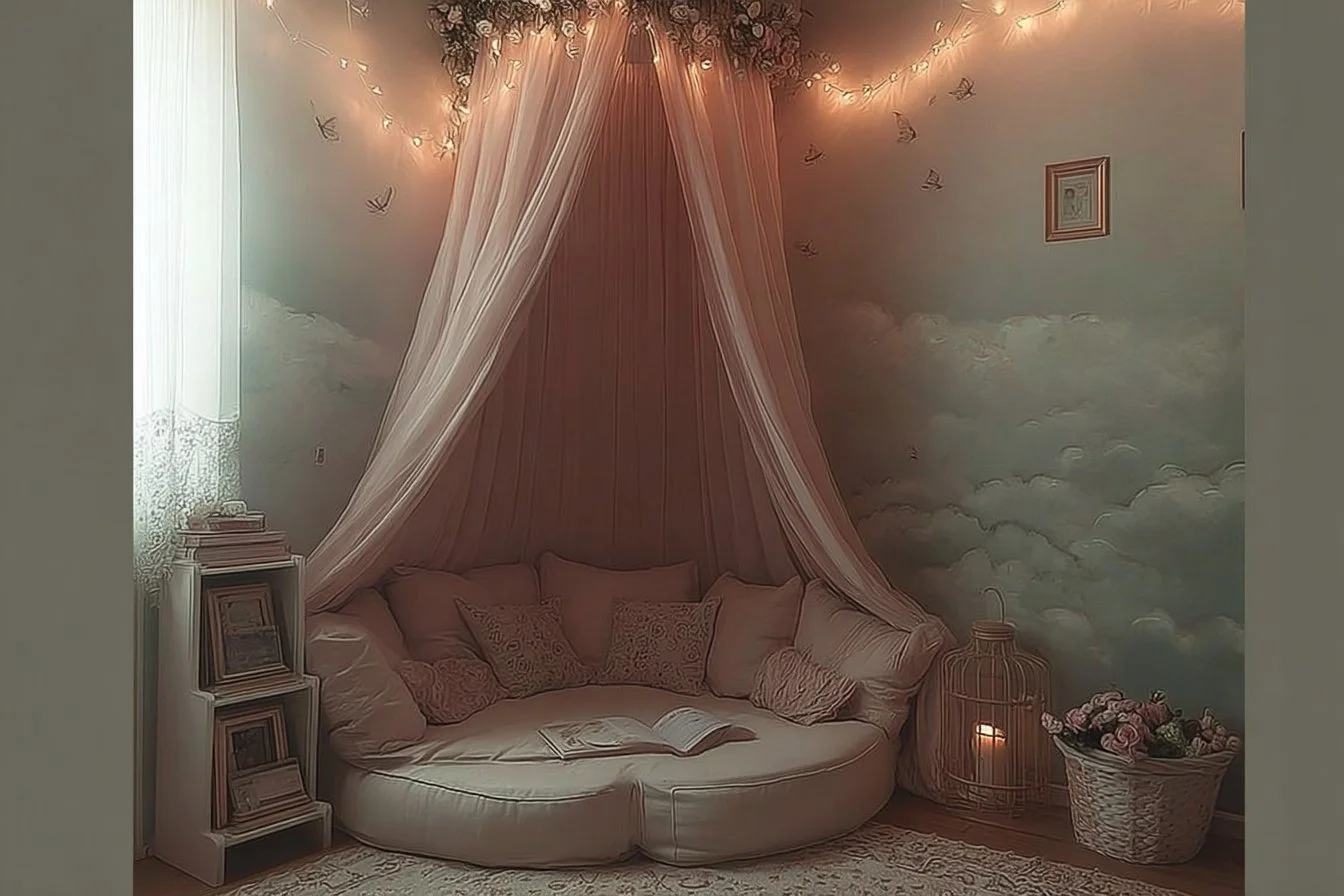
Creating Enchanting Reading Nooks in Kids’ Bedrooms – Fuss Free Home

Creating a cozy little spot where my kids disappear with a book is one of those tiny domestic victories that feels big. I’m a mom in my forties, juggling carpools, homework, and the kind of small neighborly chats that turn into recipe swaps. My two kids, ages 8 and 12, have wildly different reading tastes but the same appetite for a private corner. I remember afternoons when the living room hummed with the sound of pages turning, and how a simple throw pillow could turn a faded window seat into a secret world. Between soccer practices and school lunch packing, crafting a space that invites quiet, imagination, and family stories became something I enjoy planning. If you want a place that feels lived in and loved, these home décor ideas will help you design a nook that fits your family’s rhythm and brings more reading into your everyday life. Learn more about our approach to making rooms work for families on our about page.

Comfortable Window Seat with Built-In Storage
A window seat is timeless because it blends seating, light, and storage in one tidy package. Natural light makes reading feel effortless, and built-in cubbies or drawers hide the clutter of art supplies and half-finished projects. Start with a sturdy bench or repurpose an old dresser by shortening it and adding a cushion. Choose washable fabrics in fun prints that can take spills and sticky fingers. Add a couple of lumbar pillows for back support and a basket beneath for bedtime favorites. This idea works because it creates a defined zone that feels permanent, encouraging kids to return again and again. I tucked storybooks and my daughter’s stuffed animals into my own window seat, and it quickly became the informal homework station and weekend reading lounge for both kids. For extra interior styling tips, pick a color that complements the bedroom palette so the seat reads as part of the room rather than something bolted on.

Canopy or Curtain Reading Tent
A fabric canopy or simple tension-rod curtain can transform a corner into a cozy hideaway without major renovations. The soft enclosure reduces distractions and signals to kids that this is a special place for focus and calm. Choose lightweight cotton or voile for a breezy look, or heavier fabric for a denser feel. String a low-voltage fairy light or clip-on lamp inside for warm, safe illumination during evening storytime. Layer a plush rug and a mix of pillows for varying comfort levels; the youngest might like sprawling while older kids prefer upright support. I made a small canopy in my son’s room using a round hoop and affordable fabric, and it became his go-to spot for silent reading after school. This approach is effective because it offers flexibility: remove the canopy for more space, or move it to another room when guests visit. If you plan to photograph and share your project online, many creators explore ways to monetize those posts, including how to buy ad space to grow a blog or social presence.

Built-In Bookshelf Nook with a Beanbag
Turning a narrow alcove into a bookshelf nook makes books the focal point of the room and turns storage into style. Shelves at kid-friendly heights invite independent browsing and foster ownership of reading choices. Mix display shelves for favorite covers with deeper shelves for series and baskets for small toys. Place a large, supportive beanbag or a comfy floor cushion in front, and add a low side table for a cup of cocoa during weekend reading. The reason this works is psychological: visible books equal choices, and choices equal more reading. In our house, rotating the books on eye level kept my 8-year-old excited about new titles, while my 12-year-old appreciated a designated shelf for series she was collecting. Practical touches like washable slipcovers and anti-tip hardware make this a family-friendly solution that blends decorating inspiration with everyday function.

Mood Lighting and Soft Textiles for Ambience
Lighting and textiles set the tone for a reading nook and can be changed without redecorating the whole room. Warm, layered lighting prevents eye strain and creates a snug atmosphere. Combine a dimmable bedside lamp or clip-on light with string lights or a softly glowing nightlight to give options for different reading times. Pair those lights with tactile textiles: a chunky knit throw, faux sheepskin, or a quilt that holds sentimental value. These choices work because sensory comfort encourages relaxation, and relaxed kids are more likely to read. I swapped thin sheets for a textured throw and added a small lamp with adjustable brightness to my daughter’s corner; it became the place she chose to unwind after busy school days. For interior styling tips, coordinate textures with the room’s paint color and let small pattern mixes add personality without visual chaos.

Rotating Book Displays and Multi-Use Seating
Make books visible and changeable to keep interest fresh. A rotating display rack, lazy susan bookshelf, or a simple ledge that shows covers encourages curiosity and makes selection easy for younger readers. Pair this with multi-use seating like a small upholstered bench with storage, a foldable floor chair, or a low armchair that doubles as a reading spot and a place for board games. This idea works because it blends utility and novelty; rotating titles and flexible seating keep the nook adaptable as kids grow and interests shift. I keep a seasonal rotation of picture books and chapter books on a front-display ledge, and my kids love swapping them out on rainy afternoons. For families who want a quieter, device-free corner, consider setting rules about gadgets in the nook and teaching kids that this is a place for stories, rest, and imagination. If parents prefer fewer ads when researching tutorials, you can find steps to disable ads on many pages that explain how to make spaces calm and focused.

Conclusion

Creating a reading nook is less about perfection and more about balance, texture, and intentional little moments. These home décor ideas and decorating inspiration can help you carve out calm in a busy household, invite kids to choose books, and build a corner that holds family memories. Try one small change this weekend, like adding a throw pillow or a low lamp, and see how your children respond. For a step-by-step guide with photos and cozy styling suggestions, check out How to Create a Cozy and Enchanting Book Nook for Kids. Save this post for later and come back when you are ready to tweak the details or share your own before-and-after photos.
Categories
Kids

Create A Dreamy Luxury Kids Bedroom: Stylish Ideas

6 Stylish Ideas to Create a Dreamy Luxury Kids Bedroom

Some of my favorite mornings are small and ordinary. I make coffee while my two kids, ages 8 and 12, argue gently over who gets the blue blanket, and our neighbor waves as she walks her dog past the mailbox. There are afternoons when the house smells like baking, and nights when we pile into their room for a movie and the soft glow from a lamp makes everything feel safe. After years of living in a modest suburban home and juggling carpools, homework, and playground memories, I started rethinking their space. I wanted a room that felt grown up without losing that childlike warmth, a place where sleep, play, and small rituals could happen naturally. Those little daily moments are what turned design from a hobby into a mission: how to blend comfort, style, and practicality so a family of four can live beautifully every day.

Idea 1: Luxe canopy and layered bedding

A canopy instantly adds drama and comfort without sacrificing function. For children, a soft, airy canopy creates a private nook that feels like a secret fort while still being elegant. Choose translucent fabrics in washable materials; they look dreamy and are easy to launder after sticky fingers or craft sessions. Layering bedding with a textured quilt, a couple of coordinated throws, and a mix of patterned and solid pillows gives depth and makes bedtime inviting. For families, this setup doubles as a cozy spot for bedtime stories or a rainy day movie. Opt for muted neutrals with one accent color to keep the look sophisticated yet playful. This approach to bedding is an easy interior styling tip that gives a high-end feel without a large budget.

Idea 2: Soft color palette with metallic accents

A calming base palette of creams, muted blues, or dusty pinks sets the stage for a luxurious kids bedroom. These tones make the room feel larger and more serene, helping kids unwind after a busy day of school, sports, and playdates. Metallic accents such as gold drawer pulls, a brass lamp, or framed metallic art bring a touch of glamour that reads luxurious rather than flashy. Use metallics sparingly so they catch the eye without overwhelming the space. In our home, swapping out knobs and adding a small mirror transformed a tired dresser into something the kids were proud of. These subtle touches are practical home décor ideas that show how small changes can elevate a room and create a calming nightly routine for children.

Idea 3: Built-in storage and custom shelving

Smart storage is the backbone of any well-designed kids bedroom. Built-in drawers under beds, cubbies in a window seat, and custom shelving beside a desk create designated spots for toys, books, and schoolwork. When every item has a home, clutter becomes manageable and cleaning up becomes a family habit. Consider adjustable shelves that grow with your child so the investment pays off for years. Include lower hooks or bins for younger kids and higher shelves for keepsakes as they get older. I love watching my kids use their own labeled baskets because it teaches responsibility and keeps the room photo-ready for the neighbor who loves to pop in. Thoughtful storage is an interior styling tip that marries form and function for real family life.

Idea 4: Statement lighting with dimmer control

Lighting changes everything. A standout fixture, like a small chandelier or sculptural pendant, can be the centerpiece that gives a room a designer feel. Pair that with layered lighting: bedside lamps for reading, a floor lamp for play areas, and a ceiling fixture on a dimmer to set mood. Dimmers are crucial for bedtime routines; lowering the light helps signal it is time to wind down after homework or late-night forts. Safety is essential, so pick fixtures rated for children’s rooms and secure cords out of reach. I switched to warm LED bulbs in all our kids spaces and noticed calmer evenings and easier transitions to sleep. This decorating inspiration shows how intentional lighting supports both aesthetics and family rhythms.

Idea 5: Playful yet sophisticated wallpaper or mural

Wallpaper or a painted mural creates instant character without cluttering surfaces. Choose designs that feel whimsical but refined, such as soft florals, subtle geometrics, or a muted sky scene for a sense of wonder. Removable wallpaper is a great option for renters or growing kids because you can update the room as tastes change. Apply wallpaper to a single accent wall to keep the look grounded and let other furnishings shine. In our house, a hand-painted star mural became the backdrop for sleepovers and made the room feel like a private universe for both kids. This is one of those home décor ideas that blends personality with a grown-up sensibility, offering a focal point that invites play and imagination.

Idea 6: Cozy reading nook with window seat and storage

A dedicated reading nook turns a bedroom into a retreat for quiet moments. A cushioned window seat with built-in storage beneath is both practical and beautiful. Add layered cushions, a soft throw, and a small bookshelf nearby to keep bedtime chapter books within reach. Natural light makes the space ideal for afternoon reading and crafts, while a nearby lamp keeps it cozy at night. Our family rituals often involve trading books and whispering plot twists, and a comfy nook encourages independent reading for both ages. This feature ties into interior styling tips that prioritize comfort and usability, creating a personal corner where kids can study, dream, or simply relax away from screens.

Conclusion

I hope these ideas spark your decorating inspiration and help you imagine a room that balances luxury and everyday family life. If you want more ways to bring organization and elegance into your home, check out this collection of 9 Dreamy Luxury Walk-In Closet Ideas for an Organised Home. Save this post for your next redesign, try one idea at a time, and revisit the room as your children grow. A thoughtfully styled bedroom becomes a backdrop for memories, routines, and the small joys of family life.

Categories
Kids

Ultra Modern Purple Bunk Bed Design | Luxury Kids Room with City Views

I still remember the quiet hush after bedtime, when the city lights down the block wink at us and the apartment finally feels like ours for a moment. As a mom in my forties with two kids between eight and twelve, my days are packed with school lunches, homework negotiations, and neighborhood playdates that spill into evenings. Our son built a fort out of cushions last week and our daughter insists on arranging the stuffed animals by window view. Those little rituals made me rethink how our home could support both busy routines and sweet moments of calm. That led me to experiment with bold colors and smart layouts that make mornings easier and nights cozier. Along the way I bookmarked a few home décor ideas and interior styling tips that blended practicality with personality, so our small city-space started feeling like a boutique retreat for the whole family. For more inspiration on high-end bedroom transformations, I looked through some modern luxury bedroom styles that guided my choices: modern luxury bedroom styles.

  1. Sleek purple frame and clean lines

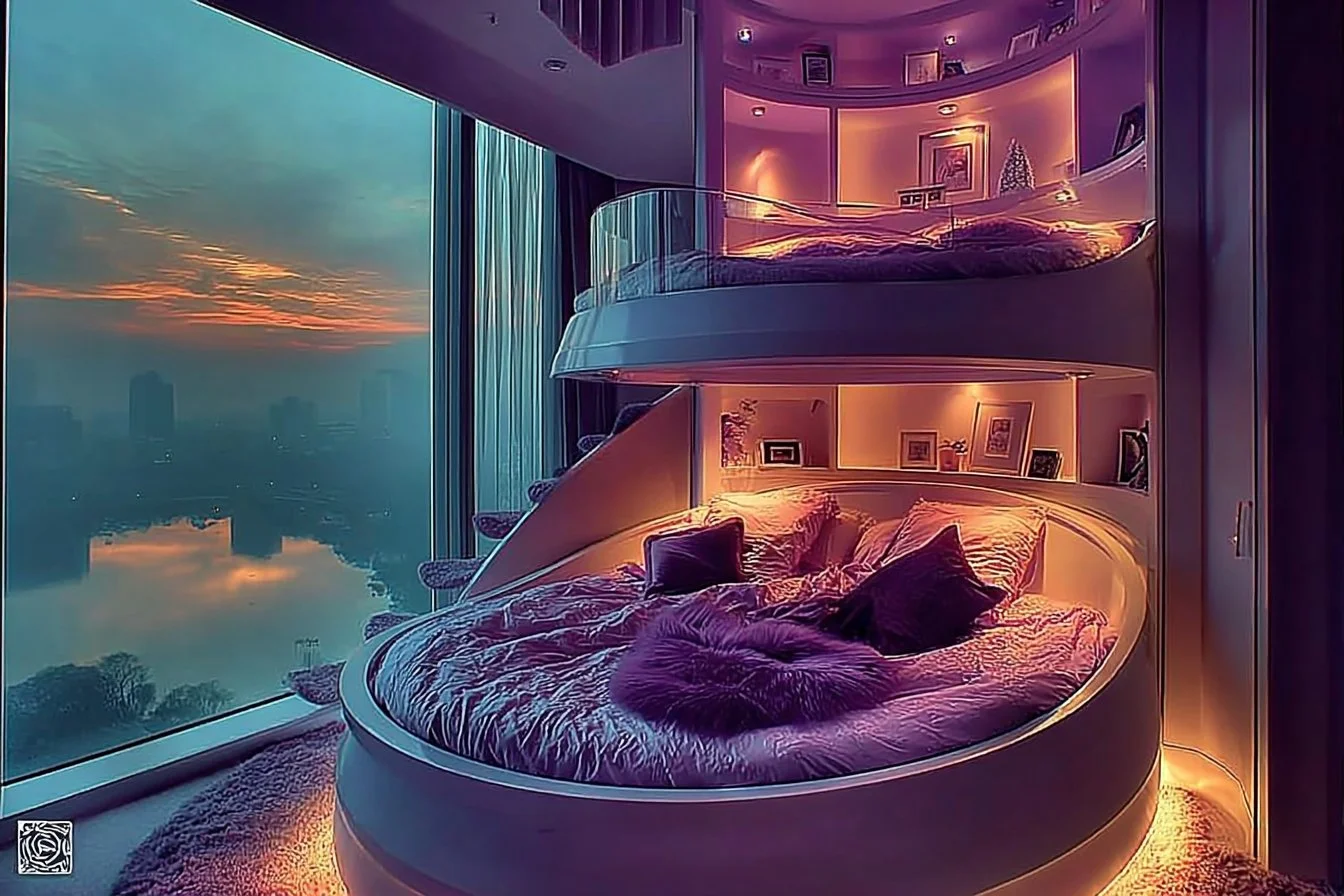
    A crisp, streamlined bunk with a deep purple finish is modern without being fussy, and it instantly signals a grown-up sense of style in a kid-friendly room. Purple reads luxurious when paired with matte metals and neutral walls, so it works for both playtime and sleep. Start with a low-profile frame that maximizes floor space and choose a shade like eggplant or plum to keep it sophisticated. Add integrated LED reading lights for each bunk so kids can read without waking each other, and choose durable, stain-resistant fabrics for the ladder and cushions. For families juggling homework stations and toy storage, a compact built-in desk beneath the lower bunk turns wasted space into a functional nook. I did this in our apartment and it became the favorite homework spot; my daughter claims the view helps her focus during math drills. These choices balance decorating inspiration and everyday needs.

  2. Layered textiles for warmth and personality

    Layering is where interior styling tips meet practical parenting. Plush bedding, a textured throw, and a washable area rug below the bunks create a cozy micro-climate that invites reading and quiet play. Mix a patterned duvet on the top bunk with a solid, easy-to-wash cover on the bottom to reduce late-night laundry stress. Add blackout curtains or a roller shade behind the bunks to keep city glare from creeping into sleep time. Incorporating soft purples with complementary neutrals keeps the room feeling curated rather than cartoonish. I learned this from swapping out a single thin sheet for layered options; suddenly my son stayed in bed longer on chilly mornings. If you want a cross-reference for neutral palettes and durable fabric picks, check out this guide to modern bedroom design ideas that helped me choose textures that endure.

  3. Built-in storage and smart organization

    When two kids share a room, storage is a lifesaver. Built-in drawers under the lower bunk and cubby shelves at the headboard keep toys and clothes accessible yet out of sight. Choose soft-close mechanisms and rounded edges to keep the design kid-safe and polished. A pull-out trundle with divided compartments can hold seasonal bedding or larger toys and still tuck away neatly. Labeling clear bins with stickers or symbols lets younger children participate in clean-up, which I turned into a short game after school. Thoughtful storage reduces clutter and increases usable floor area for after-school projects. Opt for modular pieces that can adjust as your kids grow, and consider a folding desk that drops down when homework time starts. These practical features make elegant décor feel lived-in and purposeful.

  4. City-view focal wall and layered lighting

    If your room has a view of downtown lights or skyline silhouettes, use it. Position the bunks to face the window so evening city vistas become part of the room’s charm. Frame the view with layered lighting: recessed ceiling lights for overall glow, wall sconces for reading, and string lights or a star projector for playful mood lighting. Soft violet LED accents behind the headboard can echo the purple of the bed without overwhelming the space. I installed dimmer switches so bedtime can shift from energetic play to calm story time with a single touch. This combination of natural view and layered lighting elevates the atmosphere and supports different nighttime routines. It also makes every bedtime feel a little like a hotel stay, which my kids enthusiastically agree with after late-night neighborhood fireworks.

  5. Multifunctional furniture and flexible zones

    Design for adaptability by choosing pieces that serve multiple roles. A ladder that doubles as a bookshelf or a side table with charging ports blends form and function. Create zones within the room: a sleep zone, a study corner, and a relaxed play area by using rugs, lighting, and furniture scale to separate activities. Fold-down desks or wall-mounted art boards are perfect for quick creative bursts and easy storage. When friends come over, the lower bunk can convert into a lounge with extra cushions, so sleepovers feel special without extra setup. In our home, a compact fold-out table became the hub for puzzles after piano practice and for family game nights on Sundays. These adaptable solutions keep the room useful through school years and into early teens.

  6. Art, personalization, and durable finishes

    Personal touches make a luxury kids room feel uniquely theirs. Encourage kids to curate a small gallery of framed drawings, photos, or city postcards above the lower bunk. Opt for washable paints and scuff-resistant finishes so the room stays fresh through roughhousing and furniture moves. Metallic accents and minimalist hardware maintain a refined look while standing up to daily use. I found that involving the kids in choosing a piece of wall art created ownership; they were more careful with the space afterward. Add a chalkboard panel or magnetic board for rotating displays so art can change with school projects. These finishing touches combine decorating inspiration with practical considerations, giving the room personality without sacrificing longevity.

Conclusion

If you want to recreate a hotel-like retreat in a city apartment, focus on smart layouts, layered lighting, and timeless finishes that grow with your family. Save these home décor ideas for your next weekend project, try one or two interior styling tips at a time, and come back to tweak as your kids’ needs evolve. For a little urban hotel inspiration that pairs well with city-view styling, consider checking out the modern, compact comforts of YOTEL New York | Times Square, Midtown Manhattan Hotel to spark ideas for lighting, color, and efficient use of space. Keep experimenting and saving favorites on Pinterest so your luxurious purple bunk room can become a practical, playful sanctuary for your family.

Categories
Kids

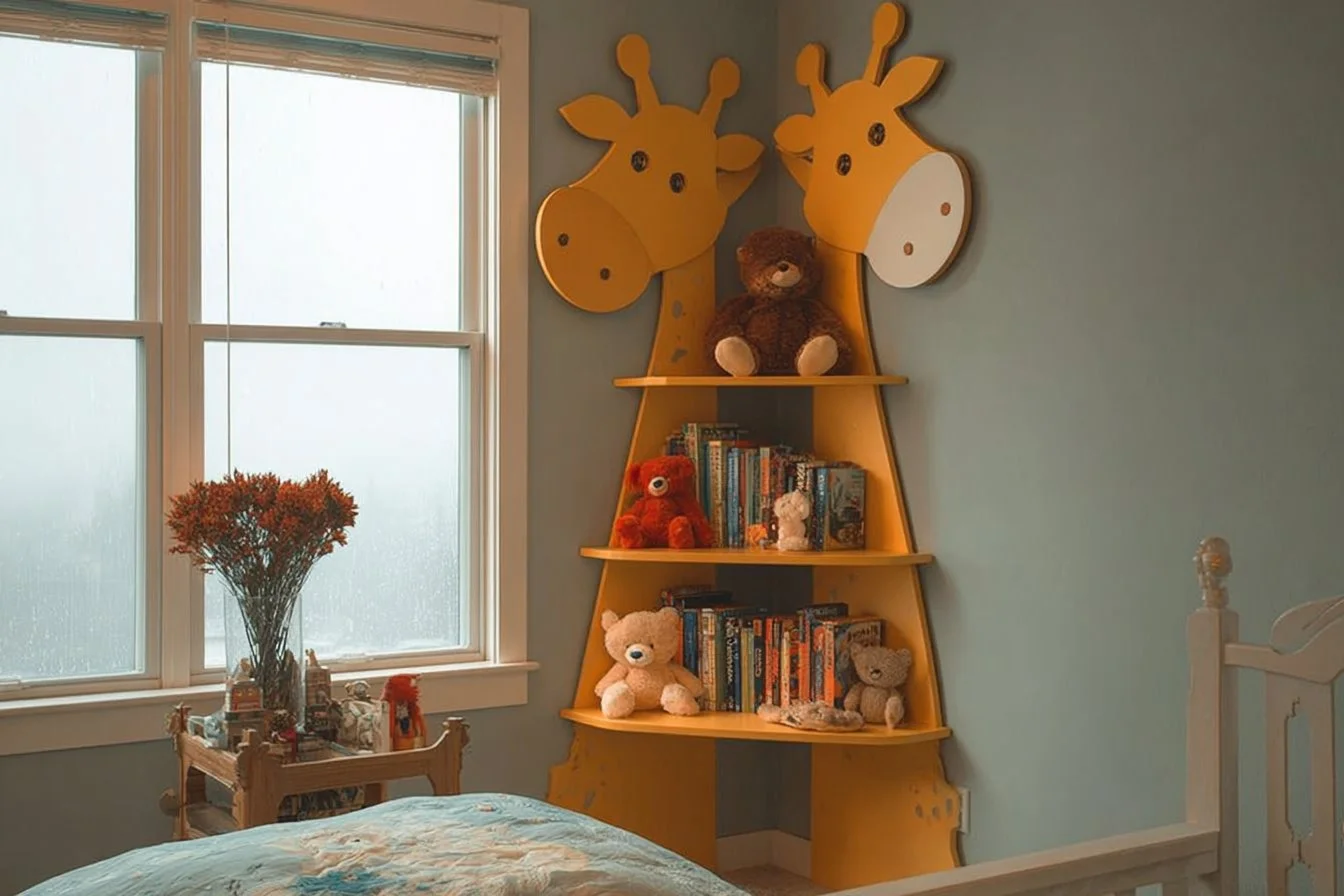
Transform Kids’ Rooms with Corner Shelf Decor and Animal-Shaped Wall Shelves

When the afternoon quiet hits and I’m folding laundry while the kids build yet another blanket fort in the living room, I often catch myself remembering the little things that made my own childhood room feel magical. Our two kids, ages 8 and 11, have a knack for turning ordinary afternoons into treasure hunts, and our neighbor’s daughter stops by after school to trade stickers and stories. Those small rituals—bedtime stories on the rug, swapping drawings at the kitchen counter, and the way light pools in the window—made me realize that thoughtful touches in a child’s space do more than store toys. They create memories. That gentle prompting is why I began experimenting with corner shelves and animal-shaped wall shelves; they felt like tiny stages for my kids’ daily lives, full of comfort and personality without overhauling the whole room.

  1. Cozy Corner Reading Nook with Floating Corner Shelves

    A small corner can become the family’s favorite spot when you add floating corner shelves at varying heights. Corner shelving makes the most of unused space and keeps books and bedtime treasures within arm’s reach. Why it works: corners are naturally intimate and, when layered with soft cushions and soft lighting, they invite lingering. How to apply it at home: mount three cloud or triangular floating shelves in a stepped pattern, place picture books and a small LED lamp, and top off the nook with a washable floor cushion. This setup offers quick access for an 8-year-old who devours picture books and a preteen who likes to tuck in with a comic after homework. It’s one of those simple interior styling tips that supports quiet routines and family reading time without crowding the room.

  2. Animal-Shaped Wall Shelves as Playful Display

    Animal-shaped wall shelves double as wall art and storage, giving kids a sense of ownership and whimsy. A fox, whale, or cloud shelf instantly becomes a focal point that sparks imagination. Why it works: kids connect emotionally to playful shapes, and these shelves are both decorative and functional, holding favorite toys, small plants, or night lights. How to apply it at home: choose one or two animal shelves placed at eye level for each child, use soft, non-toxic paint or prefinished wood, and switch out displayed items on weekends. Incorporating these shelves into a shared room can even help avoid morning squabbles—each child has a designated shelf for their prized possessions. For family life, they become conversation starters with visiting grandparents and friends.

  3. Tiered Corner Shelf Gallery for Art and Awards

    Turn a plain corner into a rotating mini-gallery with tiered corner shelves. This idea celebrates creativity and keeps awards and craft projects on proud display. Why it works: children crave recognition, and seeing their art showcased boosts confidence while keeping clutter off the floor. How to apply it at home: install a slim, tiered corner shelving unit and dedicate a shelf to current artwork, another to school projects, and a top shelf for trophies or photos. Frame a few pieces on inexpensive mat boards to elevate the look without fuss. On school nights when my son runs in waving a new drawing, we swap out a piece and talk about what he learned. This approach blends decorating inspiration with practical storage and supports a rotating showcase that keeps the room feeling fresh.

  4. Themed Shelves for Learning Zones and Play Areas

    Shelves can define zones within a bedroom—one corner for reading, one for crafts, one for STEM toys. Using themed decor like animal-shaped bookends or corner shelves painted with chalkboard paint creates interest and helps kids know where things belong. Why it works: clear zones reduce stress and encourage independence when kids can find and put away items themselves. How to apply it at home: choose a theme that reflects your child’s interests—dinosaurs, ocean life, space—and coordinate shelf colors and small décor items. Install a low corner shelf for craft suppliesable bins and a higher animal shelf for display pieces. My daughter loves labeling baskets with drawings she made, which has made cleanup after playdates much faster. These interior styling tips are both playful and practical for everyday family life.

  5. Mix-and-Match Materials for Texture and Durability

    Combining materials like painted MDF animal shelves, raw wood corner shelves, and woven baskets adds sensory variety that grows with your child. Why it works: texture and quality materials give a room depth and stand up to everyday wear from busy kids. How to apply it at home: pair soft pastel-painted animal shelves with a sturdy wooden corner ladder shelf for heavier items. Use wall anchors rated for the load and choose finishes that clean easily. Over a weekend, my husband and I sanded and sealed a thrift-store shelf while the kids painted cardboard cutouts, turning a chore into a family project. This choice reflects smart decorating inspiration—thoughtful materials add character while being practical for family life.

  6. Growth-Friendly and Safety-First Shelf Layouts

    Kids change fast, so design shelves that adapt as they grow. Adjustable or modular corner shelves and wall mounts let you raise displays to eye level for older kids or lower them for early readers. Why it works: flexible systems extend the life of your décor and prevent frequent replacements, which is great for the budget-conscious parent. How to apply it at home: choose shelves with adjustable brackets, secure all wall mounts into studs, and keep heavier items on lower tiers for safety. Animal-shaped shelves make great anchors for a child’s evolving collection—swap stuffed animals for digital devices as needs change. I remember moving a shelf down when my son moved from preschool toys to sports gear, and the difference in usability made our mornings smoother and safer.

Conclusion

These ideas are meant to be gentle nudges toward a room that feels like home while serving real family needs. Try one corner at a time and let your kids help choose colors or animals for their shelves; it’s a fun weekend project that becomes part of your family story. For an easy starter set of corner shelves that work beautifully in a cozy nook, consider the Beskadi Cloud Floating Corner Shelves – Set of 3 on Amazon. Save this article on Pinterest for future home décor ideas and come back when you’re ready to tackle the next small change that brings big comfort.

Categories
Kids

The Best Girl and Boy Shared Bedroom Design Ideas

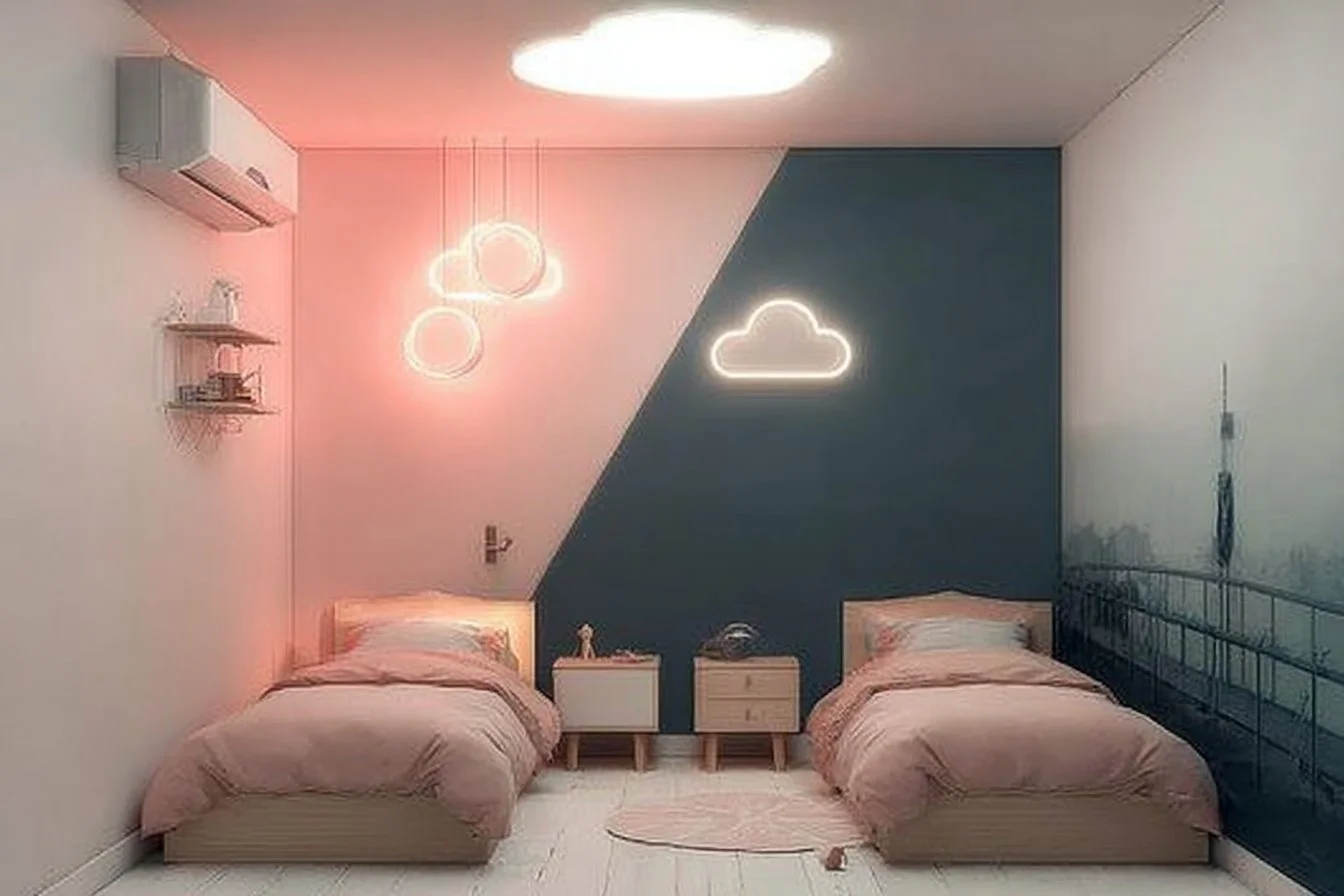
Some nights I linger in the doorway, watching my two kids — one who hoards books and one who sleeps with a flashlight — trade whispers over a blanket that smells like summer. Being a mom in my forties, I have a file in my head of small neighbor barbecues, school morning chaos, and the way our house fills up with homework and snack crumbs. Our shared bedroom is where homework turns into giggles and where scraped knees get patched between bedtime stories. I’ve learned that thoughtful touches can calm the chaos and make room for both personalities without sacrificing sleep or style. Those gentle changes are the kind that stick, the kind neighbors ask about, and the kind family photos remember. If you love easy home décor ideas that work for real life, you will find this practical, cozy guide helpful. For ideas on calming palettes that translate to every age, see these cozy calm bedroom ideas.

  1. Zoning with Bunks and Loft Beds

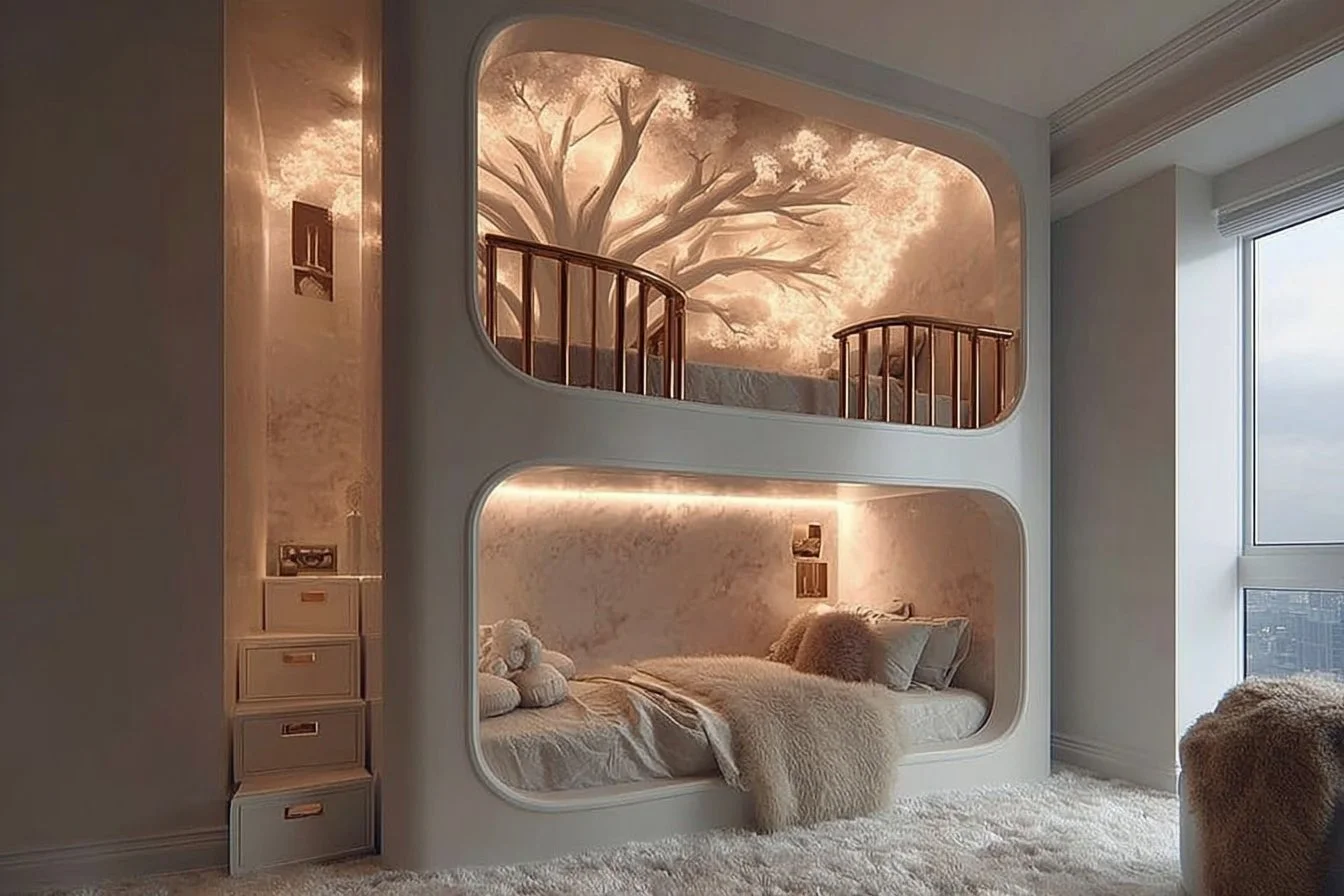
    A loft or bunk approach creates distinct zones for sleep, play, and study while freeing floor space for toys and running shoes. This design works because vertical space is often underused, and lifting one bed opens room for a desk or a reading nook underneath. At home, choose a solid ladder and guardrails for safety, and add a soft rug beneath the loft to warm the footprint. Paint the underside of the loft in a soft color or add string lights to make it feel like a secret fort. For us, the lower bunk became a homework station on weekdays and an afternoon reading den on weekends, giving both kids a sense of ownership without arguments over territory. This idea blends clever interior styling tips with practical safety choices to keep energy focused and clutter minimized.

  2. Neutral Base with Colorful Kid Zones

    Starting with a neutral palette gives the room longevity and makes it easy to introduce personal color choices that change as kids grow. Neutral walls, bedding, and a shared rug form a calm canvas that visually enlarges the room, while the kids pick accent colors through pillows, wall decals, or desk lamps. This works well because it reduces visual conflict and makes cleaning up feel less chaotic. To apply this, paint walls in a warm off-white or pale gray and add two accent corners with removable peel-and-stick wallpaper or decals—one side blue-green, the other coral or lavender. Switch out accents seasonally or as tastes change for a quick refresh. Families with tight schedules will appreciate how this approach streamlines decision making and keeps the space feeling curated. For a refined twist on neutral styling, peek at some luxury modern Japandi ideas that translate beautifully into kid-friendly versions.

  3. Smart Storage That Grows with Them

    Storage is the unsung hero of shared rooms. Built-in drawers under beds, labeled bins, and cubbies keep toys, art supplies, and seasonal clothes organized without overwhelming the room. The reason this idea works is that accessible storage teaches kids to put things away while giving each child responsibility over their own space. At home, use low open shelving for daily items and higher closed storage for less-used belongings. Color-code baskets or add name tags so each child recognizes their zone. My neighbor swears by rolling bins that slide under beds for sleepover gear, which made our own sleepover hosting smoother. This storage approach supports routine and reduces nightly battles, and it provides many opportunities for subtle decorating inspiration when baskets and bins match the room’s palette.

  4. Personalized Display Walls for Identity and Pride

    A shared room can celebrate differences with two mini gallery walls. One wall can showcase sports posters, sculptures, or a corkboard of homework, while the other displays drawings, favorite photos, and trophies. This approach works because it honors individuality without carving the room into permanent halves. To apply, measure two equal wall sections and install picture rails or floating shelves so the displays can evolve without extra holes in the wall. Encourage the kids to curate their own area and switch pieces every few months. I remember how proud my daughter was the first time she rearranged her shelf; it became a confidence builder and a weekend project the whole family enjoyed. Personalized displays bring decorating inspiration into day-to-day life and invite visitors to learn about each child’s interests.

  5. Curtains, Rugs, and Color Blocking to Create Separate Feelings

    You can create the illusion of separate rooms without construction by using curtains, rugs, and color blocks. This works because visual and textile boundaries give each child a private nook while maintaining the flexibility of a shared space. For application, hang light, noise-dampening curtains on a ceiling track that can be pulled between bunks or reading corners. Choose area rugs with different patterns or color tones under each bed to define sleeping spaces. Add a shared lamp and a small divider shelf that opens on both sides for toys and bedside books. In our household, a simple curtain became a stage for play and an instant privacy retreat for teens during study season. These small fixes are easy to update and align with popular home décor ideas that keep function at the forefront.

  6. Creative Study and Play Zones that Adapt

    A shared desk or two side-by-side workstations with privacy dividers help siblings focus while keeping a sense of togetherness. This layout works because it teaches collaboration and boundaries at the same time. At home, pick a long table with adjustable chairs and add clip-on lamps for individual lighting. Use magnetic boards or chalk paint sections above each work area so study tools live vertically and desks stay clear. For younger kids, integrate a play surface that doubles as a craft table with wipe-clean tops. Our Friday craft nights moved smoothly when each kid had their own pegboard for art supplies and a communal jar for shared markers. These functional touches make homework less stressful and offer a steady stream of interior styling tips that parents can tweak as kids mature.

Conclusion

Designing a shared bedroom for a girl and boy is about blending practical solutions with spaces that reflect each child. Save your favorite idea, try one change at a time, and revisit what works as kids grow. For more practical and creative options, check out 24 Ideas for Designing Shared Kids Rooms to spark additional decorating inspiration and home décor ideas you can adapt easily. Pin a few looks, involve the kids, and enjoy the process of building a room that holds memories.

Categories
Kids

6 Boho Playroom Ideas with Teepees and Tents

I still laugh when I remember the rainy afternoon my two kids decided the living room was a jungle and our neighbor’s cat was a misplaced tiger. At forty-something, balancing carpools, soccer practices and those small neighborhood moments is part of the rhythm of my life. My children, ages 8 and 11, have turned every nook into an imagination station, and I have learned that the right little hideaway makes all the difference. Between school projects and quiet reading hours, I started collecting simple home décor ideas that feel warm and practical. A few touches changed our playtime from chaotic to cozy, and I found inspiration from a bunch of sources, including a handy collection of modern boho living room ideas that sparked my first tent corner. These small shifts made our house calmer and gave the kids a place of their own that fits our family rhythms.

  1. Cozy Teepee Corner with Floor Cushions

    A classic teepee remains the easiest way to carve out a private play space that feels magical and grounded. The reason it works is simple – a teepee creates a visual boundary without closing off light, and kids love the tent-like privacy. To create one, choose a neutral canvas teepee and surround it with oversized floor cushions in natural fibers like cotton or linen. Layer a soft rug underneath for comfort and to define the zone. For our family, the teepee became a homework station and a secret reading hideaway when neighborhood friends stopped by. Keep a small basket of books and a clip-on lamp inside so the space is useful during both play and study. This approach blends decorating inspiration with practical interior styling tips that fit everyday life.

  2. Layered Rugs and a Sun-Shaped Centerpiece

    Rugs instantly warm a room and act as an anchor for play areas. Layering rugs is a boho trick that creates texture and separates zones – a flatwoven jute rug topped with a softer patterned rug gives the room depth. A bright sun-shaped rug or round boho mat makes a playful focal point under a teepee or play tent and helps little ones know where toys should stay. I paired a layered rug setup in our playroom with low storage baskets so my kids could clean up quickly before dinnertime. If you want more ideas for blending natural elements with contemporary styling, take a look at these nature-inspired living room ideas that helped me pick the right textures. This method balances style and function, perfect for families who want decorating inspiration without sacrificing durability.

  3. Natural Materials and Textural Accents

    Boho style thrives on natural materials and tactile elements like rattan, wicker, and macrame. A woven rattan teepee pole or a macrame hanging inside a larger tent adds visual interest and softens the space. These pieces work because they feel handmade and approachable, which is reassuring in a busy household. Try incorporating woven storage baskets for toys, a small wooden bookshelf, and a macrame wall hanging at child height so it feels personal. I remember my son arranging his stuffed animals on a small wooden crate like they were guests at a tea party, and the natural palette made everything calmer after a long day of play. For interior styling tips, prioritize washable textiles and low-slung furniture so the room stays kid-friendly and beautiful.

  4. Neutral Palette with Pops of Color

    Sticking to a neutral base keeps a playroom feeling serene, and adding pops of color through pillows, garlands, or a painted tent flap provides playful contrast. A cream teepee with terracotta or muted teal pillows reads cozy, not chaotic. This idea works because it creates visual order while still honoring a child’s love of bright things. At my house, the kids pick a color accent each season to swap into pillows or art, which makes redecorating feel fun rather than expensive. To apply this, choose a few color accents and repeat them in small details like storage bins and wall art. That repetition keeps the space cohesive and reinforces a calm vibe even when toys scatter across the floor.

  5. Reading Nook Tents with String Lights

    A small tent or canopy dedicated to reading transforms story time into an event. String fairy lights inside create a cozy glow that encourages quiet moments and helps transition to bedtime routines. This works because the tent signals a specific purpose – reading – which helps kids self-regulate. To set one up, pick a low tent with a soft door flap, add a floor cushion or pouf, a small bookshelf, and a clip-on light. When my daughter was nine she started requesting nightly reading sessions in her tent, and that quiet ritual gave us a calm window in the evening. If you are thinking about comfortable, family-centered spaces, I also found useful tips in this grandparents cozy calm bedroom decor ideas guide that inspired our lighting choices.

  6. Multipurpose Play Tent with Built-In Storage

    Think of a tent as more than a hideout – it can be a functional hub with toy storage, fold-out seats, or a chalkboard panel. A canvas tent with pockets sewn into the sides or a nearby shelf keeps art supplies and small toys organized. This idea works because it combines play with easy cleanup, which is essential for families juggling activities and neighbors dropping by. To implement, choose a tent with sturdy poles, add labeled woven baskets, and designate a “put-away” ritual the kids follow before leaving the tent. On rainy weekends our tent doubles as a craft station and a nap spot, and the built-in organization makes transitions smoother. Interior styling tips like matching storage to the room’s neutral palette make everything feel intentional.

Conclusion

If you want a simple decor upgrade that brings both function and charm, a focus on textiles, natural materials, and purpose-built tents can transform a corner of your home into a go-to playroom. Save a few ideas, try one small change at a time, and let your kids help choose the accents so the space reflects their personalities. For a cheerful focal piece that works well under tents and as a play mat, consider this Boho Sun Round Rug – 4ft Colorful Bohemia Play Mat For Kids Room as a quick way to tie the whole design together: Boho Sun Round Rug – 4ft Colorful Bohemia Play Mat For Kids Room. Save this post for later and come back when you are ready to refresh your playroom with simple home décor ideas and gentle decorating inspiration.

Categories
Living

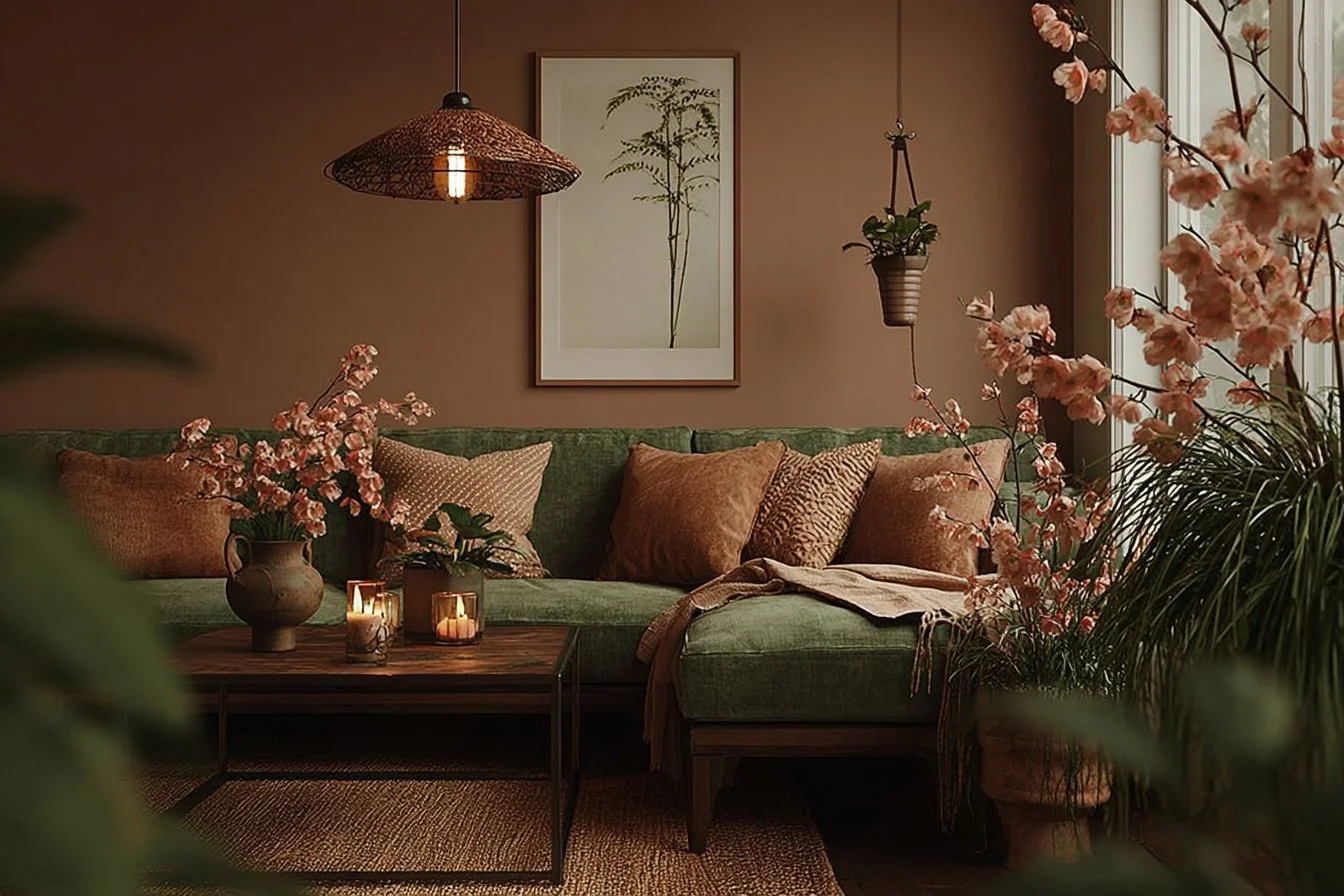
25 Nature-Inspired Contemporary Living Room Ideas with Greenery

Introduction
Bringing greenery into a contemporary living room is one of the simplest yet most effective ways to breathe life into your space. Plants don’t just add color; they soften clean lines, introduce texture, and create a sense of connection between your indoor environment and the natural world outside. In a modern living room, greenery can balance minimalism with warmth, creating spaces that feel inviting and serene. Below, I’ve compiled 25 nature-inspired ideas to refresh your living room with plants, natural materials, and thoughtful styling — all while keeping a contemporary aesthetic that feels cohesive and curated.


1. Statement Indoor Tree

A single indoor tree can transform a room. A fiddle-leaf fig or a kentia palm placed in a prominent corner becomes a living sculpture. These trees not only provide height but also serve as a natural focal point, drawing the eye upward and creating a sense of space. Choose a pot that complements your room’s color palette, such as a sleek black ceramic or a textured terracotta, to maintain a contemporary look.

2. Living Wall

Vertical gardens are an innovative way to incorporate lush greenery without taking up floor space. Modular planters or mounted wall systems allow you to create a living tapestry of plants. This feature works particularly well in small living rooms, bringing the calming effects of nature indoors while serving as a striking design statement.

3. Floor-to-Ceiling Window Planting

Tall windows invite natural light, and framing them with plants like palms or dracaenas helps blur the boundary between indoor and outdoor spaces. The effect is airy and expansive, making your living room feel connected to the garden or cityscape outside.

4. Sculptural Planters

Modern living rooms benefit from planters that are as visually interesting as the plants themselves. Geometric shapes, minimalist ceramics, and matte finishes can enhance the architectural lines of your furniture while highlighting the organic forms of greenery. This combination creates a harmonious dialogue between nature and design.

5. Hanging Planters

Suspended plants such as pothos or string-of-pearls add vertical interest and a sense of movement to your living room. Using sleek metal or macramé hangers allows the plants to dangle gracefully, creating layers and depth that draw the eye across the room.

6. Shelf-Level Trails

Allowing trailing plants like philodendrons or ivy to spill over shelves softens hard lines and brings life to eye-level furniture. This technique works beautifully on floating shelves, bookcases, or media units, adding a dynamic sense of flow and movement to otherwise static displays.

7. Mixed-Size Groupings

Cluster pots of different heights, textures, and plant types to create a curated gallery-style display. Groupings of three to five plants often feel visually balanced and intentional. Mix leafy plants with sculptural succulents or cacti for contrast and visual intrigue.

8. Moss and Preserved-Plant Art

For those who want the beauty of greenery without daily maintenance, preserved moss frames and botanical panels are ideal. They maintain a vibrant green color and natural texture while requiring no watering, giving your living room a fresh, living-wall feel without the upkeep.

9. Terrariums on Coffee Tables

Miniature glass ecosystems are perfect for adding intrigue to your living room. Terrariums can house tiny ferns, moss, or succulents, creating a modern, whimsical focal point. They also serve as conversation starters and add a touch of “modern vintage” style.

10. Natural-Fiber Textiles

Introduce textures that complement your greenery. Jute rugs, linen throws, and cotton cushions create warmth and tactile contrast. These materials bring a soft, organic element to the room, echoing the natural beauty of your plants.

11. Stone and Pebble Accents

Small stones, pebbles, or sand trays under planters can ground your plant arrangements and add earthy texture. These details are subtle but effective, creating visual cohesion while reinforcing a natural aesthetic.

12. Water Feature Focal Point

A compact fountain or tabletop waterfall can add movement and the soothing sound of flowing water. Water features mimic the tranquility of nature, creating a meditative corner while enhancing the biophilic atmosphere in your living room.

13. Botanical Prints and Photography

Complement living plants with botanical artwork. Muted, large-scale prints or photography of leaves, ferns, or flowers can unify the space and reinforce a nature-inspired theme. Art and plants together create a cohesive and stylish design story.

14. Indoor Herb Nook

A sunny windowsill or shelf dedicated to herbs like basil, rosemary, and thyme adds both beauty and function. Not only does it bring greenery into the living space, but it also offers fragrant scents and the convenience of fresh ingredients for cooking.

15. Minimalist Plant Stands

Elevate your plant display with thin metal or timber stands. Lifting pots off the floor adds airiness and emphasizes the sculptural quality of both plants and containers. This technique is especially effective with taller plants or unique pot designs.

16. Biophilic Color Palette

A modern living room benefits from a color palette inspired by nature. Soft greens, warm neutrals, and natural wood tones echo the environment outdoors and provide a subtle, calming backdrop for your plant arrangements.

17. Reclaimed-Wood Furniture

A coffee table, sideboard, or console made of reclaimed wood introduces warmth and organic texture. The natural grain of the wood complements plants beautifully, bridging contemporary style with earthy elements.

18. Statement Palm Corner

Grouping several palms in a corner creates a tropical, yet understated, sculptural presence. The combination of fronds and height adds drama while maintaining elegance, perfect for larger spaces that need a focal area.

19. Air Plants and Wall Displays

Air plants mounted on driftwood, cork boards, or geometric frames offer a lightweight and low-maintenance option. These displays are perfect for modern interiors, adding interest without crowding surfaces.

20. Seasonal Rotations

Keep your living room fresh by rotating plants or foliage with the seasons. Introduce bright blooms in spring, textural branches in fall, or evergreens in winter. Seasonal changes maintain visual interest and keep the space aligned with the natural rhythm of the year.

21. Pebble and Succulent Tray

Create a low-maintenance centerpiece with a shallow tray filled with succulents, sand, and river stones. This arrangement is perfect for coffee tables or sideboards and brings a modern, minimalist touch to your living room.

22. Layered Lighting for Plants

Proper lighting highlights your plants’ beauty and supports healthy growth. Adjustable spotlights, floor lamps, or grow-friendly fixtures can create dramatic shadows, emphasize textures, and enhance the overall ambiance of the space.

23. Transparent Planters

Glass or acrylic pots provide a modern, clean aesthetic while showcasing root structure. Transparent planters give your living room a botanical “statement piece” quality and allow you to observe your plant’s growth over time.

24. Mixed-Material Planters

Mixing concrete, brass, and wood planters adds visual contrast and interest. The combination of materials creates depth, texture, and a sophisticated contemporary look that complements modern interiors.

25. Green Partition

Use a shelf of potted plants or a trellis of climbing vines as a living room divider. This approach provides privacy while maintaining openness, blending functionality with greenery for a modern, biophilic solution.


Plant Picks (by light and maintenance)

  • Bright, indirect light: Monstera, Fiddle-leaf fig, Bird of paradise

  • Low light: Snake plant, ZZ plant, Pothos

  • Humidity-friendly: Ferns, Calathea, Peace lily

  • Sun-loving: Succulents, cacti, rosemary

Placement & Styling Tips

  • Odd-numbered groupings (3, 5, or 7) create natural visual harmony.

  • Keep lines clean by choosing pots with similar tones or a shared metal accent.

  • Use height variation — tall trees, mid-size pots, and small tabletop plants prevent flat arrangements.

  • Reflective surfaces like mirrors or glass can amplify greenery and light.

  • Balance greenery with open negative space for a calm, contemporary feel.

Care Essentials

  • Match plant choice to light conditions before placing.

  • Water consistently but avoid overwatering — always check soil moisture first.

  • Dust leaves regularly to maintain photosynthesis and a polished look.

  • Rotate pots so all sides receive light evenly.

  • Inspect for pests routinely and quarantine new plants.

Sustainable & Practical Considerations

  • Choose native or low-water plants whenever possible.

  • Reuse or upcycle containers to reduce waste.

  • Invest in quality potting mix and breathable pots like terracotta for healthy roots.

  • Consider plant services or smart sensors if your schedule limits care time.

Styling Examples (quick combos)

  • Minimalist: Single fiddle-leaf fig + monochrome rug + brass floor lamp

  • Cozy contemporary: Layered rugs + clustered pothos + woven throw + wooden coffee table

  • Tropical-modern: Palm cluster + rattan chair + stone side table

  • Scandinavian green: Clean white walls + eucalyptus stems + pale wood furniture


Conclusion
Bringing plants into your contemporary living room is about more than decoration — it’s about creating an environment that feels alive, calming, and connected to nature. When combined with natural materials, textured textiles, and art that complements the greenery, your living space becomes a haven of tranquility. Adding a scenic piece like Waterfall Wall Art Living Room Decorations can echo the soothing presence of your plants, enhancing a biophilic atmosphere that nurtures both relaxation and inspiration. With these 25 ideas, you can create a modern, green sanctuary that’s stylish, functional, and enduring.

Categories
Living

Transform Your Living Room with Earthy, Minimalist Style

An earthy, minimalist living room blends natural warmth with clean lines and calm neutrals. The goal is a space that feels grounded and inviting without feeling cluttered. Below are practical design tips to help you achieve a serene, tactile living room that highlights natural materials, subtle color, and purposeful simplicity.

Start with a soft, neutral palette

  • Choose warm neutrals as your foundation: soft beiges, warm greiges, muted taupes, and creamy off-whites.
  • Layer in deeper earth tones sparingly—olive, terracotta, and chocolate—to add depth and visual interest.
  • Keep contrasts gentle. High-contrast black-and-white feels sharper than earthy minimalism; aim for tonal harmony instead.

Prioritize natural materials

  • Wood: Use oak, walnut, or ash for flooring and larger furniture pieces. Lighter woods keep the space airy; medium tones feel cozier.
  • Stone and clay: Marble or honed stone coffee tables, terracotta planters, and ceramic accessories introduce organic texture.
  • Textiles: Choose linen, cotton, hemp, and wool for upholstery and soft furnishings. These fibers age gracefully and bring subtle variations.

Choose furniture with clean, organic lines

  • Minimalist silhouettes with soft edges read as modern but warm. Avoid overly ornate or ultra-modern glossy pieces.
  • Invest in a comfortable, well-proportioned sofa in a neutral fabric—this will be the room’s anchor.
  • Mix low-profile seating (like a lounge chair or bench) with functional storage units that conceal clutter to preserve the minimalist feel.

Layer texture for warmth

  • Rugs: Choose natural fiber rugs (jute, wool, sisal) in muted shades to define seating areas and add underfoot comfort.
  • Throws & cushions: Use layered textures—soft wool throws over linen cushions—to invite touch without introducing loud patterns.
  • Wall finishes: Consider textured plaster, limewash, or grasscloth wallpaper for a subtle, tactile backdrop.

Bring in plants thoughtfully

  • Greenery is essential for an earthy look. Use a mix of heights and leaf shapes for visual interest—tall palms, medium fiddle-leaf figs, and small succulents or herbs.
  • Choose simple, neutral planters (clay, cement, rattan) that complement the palette.
  • Group plants to create focal points and soften corners, but avoid overplanting, which can compete with minimalist intentions.

Mindful lighting choices

  • Aim for layered lighting: ambient, task, and accent.
  • Warm LED bulbs (2700K–3000K) preserve the cozy, earthy atmosphere.
  • Use sculptural floor lamps and simple pendant lights in natural materials—rattan shades, matte metal, or ceramic—for both form and function.
  • Dimmers are invaluable for adjusting mood and warmth throughout the day.

Create balanced layouts for flow and function

  • Keep traffic paths clear and center seating around conversation and views (a fireplace, window, or piece of art).
  • In smaller spaces, use multi-functional furniture—nesting tables, storage ottomans, or benches—to reduce clutter.
  • For larger rooms, divide areas into purposeful zones (conversation, reading nook, media) while maintaining cohesion through a consistent palette and material choices.

Curate a restrained accessories scheme

  • Adopt a “less is more” mentality: choose a few well-made pieces rather than many small items.
  • Art: Opt for large, simple artworks or nature-inspired pieces with muted colors. One or two statement pieces work better than a crowded gallery wall.
  • Collections: Display natural objects (stones, woven baskets, ceramic bowls) in deliberate vignettes to tell a cohesive story.

Textiles and patterns—use sparingly

  • Favor solids and subtle weaves over bold prints. If using pattern, select organic, low-contrast motifs (soft stripes, muted geometrics, or nature-inspired designs).
  • Keep scale in mind: larger patterns suit large furniture or rugs, while small-scale patterns can be used for pillows or throws.

Maintain a calm seasonal rhythm

  • Rotate textiles seasonally—lighter linens in summer, heavier wool throws in winter—to keep the room feeling fresh without changing the core pieces.
  • Introduce small seasonal accents: dried branches in fall, fresh-cut flowers in spring, citrus in summer.

Practical maintenance tips

  • Protect floors with natural-fiber rugs in high-traffic areas.
  • Choose fabrics with easy-care blends for households with pets or children.
  • Keep a regular editing routine: every few months, remove one or two items to maintain the minimalist aesthetic.

Final styling checklist

  • One dominant neutral color, plus one or two deeper earth tones for accents.
  • At least three natural materials (wood, stone/clay, natural fiber textiles).
  • A central, comfortable seating piece and two supporting seats.
  • Layered lighting with warm bulbs and dimmers.
  • A curated selection of plants and a few meaningful accessories.

Conclusion

An earthy, minimalist living room thrives on thoughtful restraint: a calm neutral palette, honest natural materials, tactile layering, and purposeful furniture choices. If you’re working with a larger room and need guidance on proportion and zoning while keeping a neutral, grounded aesthetic, this resource on How to decorate & furnish large spaces | These Four Walls offers practical strategies for decorating big living areas without losing intimacy or warmth.

Categories
Living

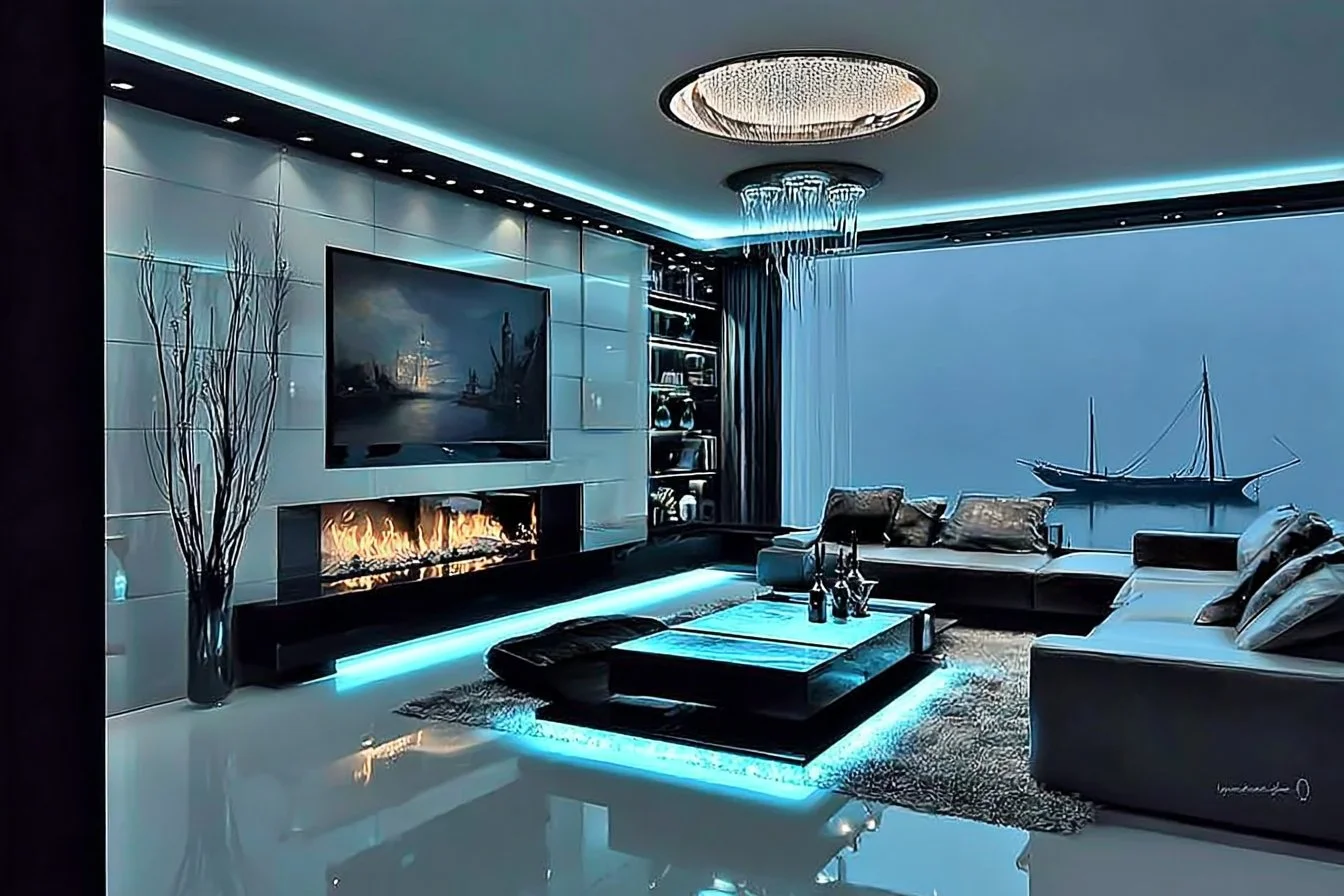
25 Chic Modern Luxury Living Room Ideas to Inspire

A modern luxury living room blends clean lines, rich textures, and carefully chosen accents to create a space that feels both contemporary and indulgent. Whether you’re renovating a whole room or refreshing a corner, these ideas will help you strike the right balance between elegance and livability. For complementary bedroom ideas that align with modern-luxe aesthetics, check out 2025 bedroom design inspiration.

Core principles to follow

  • Prioritize quality over quantity: a few premium pieces make a stronger statement than many mediocre ones.
  • Keep palettes restrained: neutrals with one bold accent color often feel most sophisticated.
  • Layer textures: velvet, leather, metal, and stone provide depth without clutter.

25 Chic Modern Luxury Living Room Ideas

  1. Statement sofa
    • Choose a sculptural sofa in a luxe fabric (velvet or fine leather) as the room’s anchor.
  2. Sculptural lighting
    • A statement chandelier or asymmetrical pendant can double as art.
  3. Monochrome with a pop
    • Build a neutral base and add a single saturated color for drama.
  4. Mixed metals
    • Combine brass, chrome, and black metal for depth — keep finishes cohesive.
  5. Oversized artwork
    • One large canvas can unify the room and create a gallery-like vibe.
  6. Minimalist built-ins
    • Sleek shelving and concealed storage keep clutter away while showcasing selected objects.
  7. Textured wall treatments
    • Venetian plaster, wood slats, or grasscloth add tactile luxury to plain walls.
  8. Area rug anchoring
    • Oversized rugs define seating zones and bring warmth to large floors.
  9. Curved furniture
    • Rounded sofas and chairs soften modern lines and invite conversation.
  10. Layered window treatments
    • Combine sheer panels with heavy drapes for control of light and privacy.
  11. Accent chairs
  12. Built-in fireplace
    • A seamless, modern fireplace becomes a focal point and elevates comfort.
  13. Statement coffee table
    • Choose an artistic or mixed-material coffee table as a centerpiece.
  14. Hidden TV solutions
    • Use motorized panels, cabinetry, or artwork that slides to conceal screens.
  15. High-gloss and matte contrasts
    • Combine glossy lacquer with matte finishes for elegant contrast.
  16. Natural stone accents
    • Marble or honed stone for a side table, mantel, or accent wall feels timeless.
  17. Smart integration
    • Integrate lighting and AV seamlessly for a high-end user experience.
  18. Bespoke millwork
    • Custom cabinetry and trim create a tailored, expensive look.
  19. Statement bookshelves
    • Curate shelves with art, coffee-table books, and sculptural objects.
  20. Sculptural plantings
    • Architectural plants (like fiddle-leaf figs) in sculptural pots add life without clutter.
  21. Metallic accent trim
    • Thin metal inlays on tables or walls add subtle shine.
  22. Layered lighting
    • Combine recessed, task, and ambient lighting to shape mood and depth.
  23. Curated accessories
    • Edit accessories down to a few meaningful pieces rather than filling surfaces.
  24. High-contrast entrances
    • A dramatic foyer with a bold door or statement console sets the tone for the living space.
  25. Neutral luxury framework
    • Build a calm, neutral foundation and vary materials for an elevated result; for tips on neutral luxury decor in sleeping spaces (transferable to living rooms), see luxury neutral decor ideas.

Design tips for execution

  • Start with the largest item (sofa or rug) and layer outward.
  • Create focal points: art, fireplace, or a dramatic light fixture.
  • Keep traffic flow in mind; luxury is comfortable, not cramped.
  • Invest in two or three signature pieces and refresh smaller items seasonally.

Sourcing and budget

You don’t need a celebrity budget to achieve a luxe look. Mix investment pieces (sofa, lighting) with affordable accents (throws, pillows, decorative objects). Shop vintage or custom-shop for unique pieces that read expensive.

Maintenance and longevity

  • Choose durable finishes for high-use surfaces.
  • Protect textiles with professional cleaning plans.
  • Maintain natural materials (wood, stone) with appropriate care to preserve their premium appearance.

Conclusion

To finish your living room with the right ambiance, consider lighting options that complement both modern and luxurious sensibilities — one curated resource for fixtures that bridge style and function is Best modern kitchen island lighting ideas Factory Sale.

Categories
Living

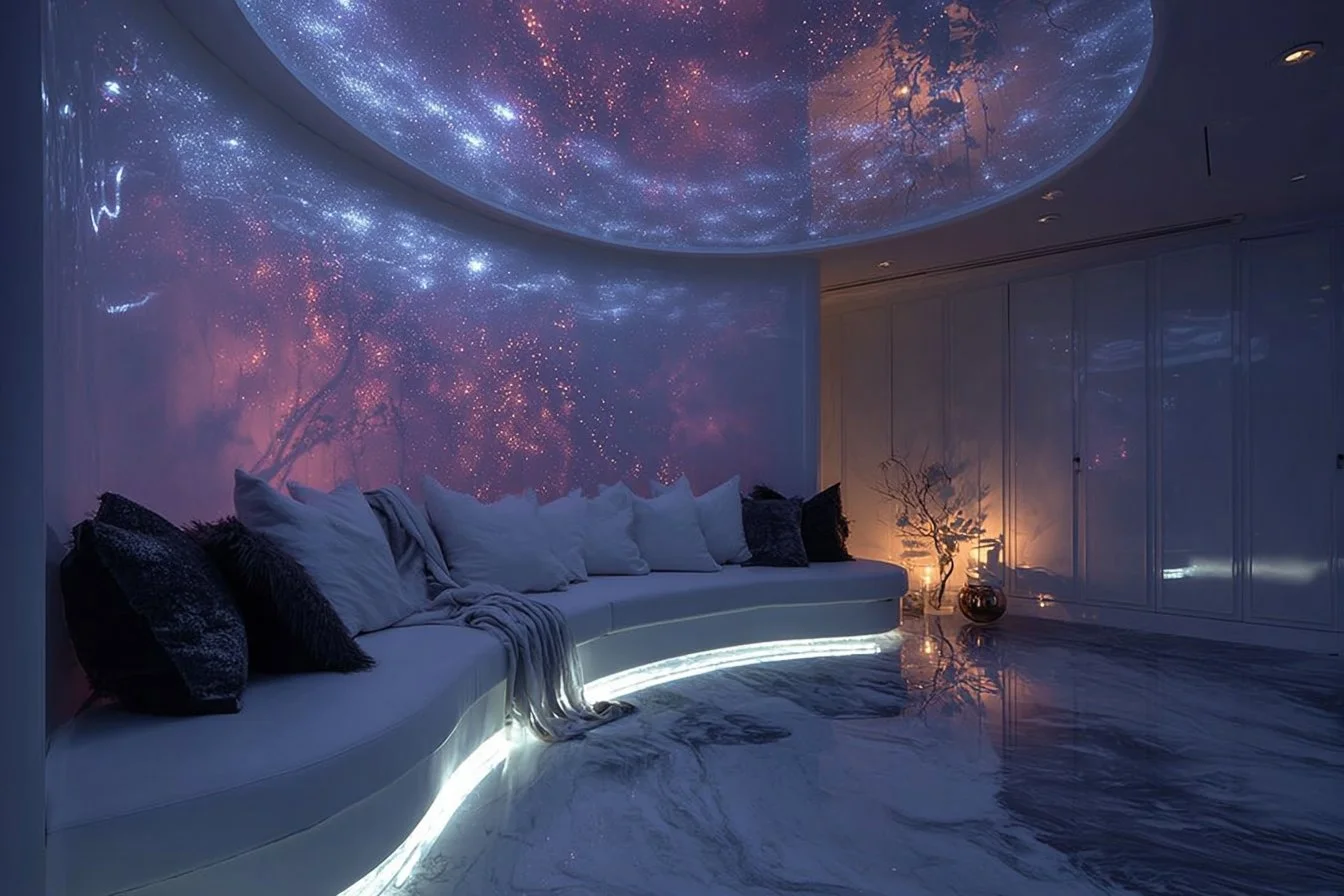
Galactic Luxe: Futuristic Sofas

Introduction
The idea of a sofa is changing. No longer just a place to sit, modern sofas are becoming sculptural statements of lifestyle and imagination. Drawing inspiration from Coruscant’s endless urban layers and illuminated horizons, designers are reimagining lounge furniture as futuristic focal points—sleek, modular, and atmospheric. This article explores how the aesthetic language of a city-planet skyline translates into functional, luxury seating for terrestrial homes.

Design DNA: What “Coruscant” Means for Sofas
Coruscant’s skyline evokes density, vertical rhythm, reflective surfaces, and ambient light. When applied to furniture design, these elements produce a coherent design DNA:

  • Verticality and tiering: Multi-level cushions, stepped armrests, and layered back panels mimic the stacked silhouette of a towering metropolis.
  • Reflective finishes: Metallic trims, lacquered bases, and subtly mirrored upholstery fabrics capture the gleam of city lights at dusk.
  • Ambient illumination: Integrated LED accents beneath bases or along seams create a halo effect reminiscent of suspended skyways.
  • Clean geometry: Flowing yet crisp silhouettes convey speed and futurism without losing comfort.

Materials and Finishes
To achieve a Coruscant-inspired aesthetic, designers combine advanced materials with tactile comfort:

  • Metals: Brushed aluminum, anodized titanium tones, and bronze accents supply that aerospace feel.
  • High-performance fabrics: Microfiber blends, leather alternatives with a slight sheen, and coated textiles for low maintenance.
  • Composite bases: Carbon-fiber-reinforced frames allow thin-profile supports that are both strong and light.
  • Glass and acrylic: Transparent back panels or cantilevered tables echo the transparency and depth of urban architecture.

Color Palette and Light
A Coruscant palette is less about primary colors and more about gradients—dawning purples, cool steel blues, warm amber glows:

  • Deep slate and charcoal for structural pieces.
  • Holographic or pearlescent accents to suggest movement.
  • Backlit seams in soft white, cool blue, or warm gold to set mood and emphasize contours.

Lighting is crucial: integrated LEDs with adjustable color temperature let the sofa shift from cinematic night scenes to crisp daylight atmospheres.

Form Meets Function: Ergonomics and Modularity
Futuristic sofas must balance aesthetics with real-world comfort and flexibility:

  • Modular units: Interlocking sections that can reconfigure from elongated loungers to conversation clusters, reflecting urban adaptability.
  • Adjustable backrests and headrests: Smooth, gearless mechanisms allow subtle posture shifts without breaking the visual line.
  • Built-in tech: Wireless charging pockets, concealed speakers tuned for ambient soundscapes, and pop-out trays for devices and drinks.
  • Storage integration: Minimal, flush drawers or hidden compartments maintain the sleek skyline look while adding functionality.

Sustainability Considerations
A forward-looking design should consider environmental impact:

  • Recycled composites and reclaimed metals reduce material footprints without sacrificing finish quality.
  • Replaceable upholstery panels extend lifecycle and allow users to update colors or fabrics as tastes evolve.
  • Low-VOC finishes and plant-based foams improve indoor air quality while maintaining resilience.

Styling and Placement Tips
To make a Coruscant-inspired sofa sing in a room:

  • Pair with minimal, glossy surfaces—think low-profile coffee tables and slim console units.
  • Use vertical art or tall shelving to echo the towering skyline motif.
  • Layer lighting: overhead directional fixtures for structure, and integrated sofa lighting for atmosphere.
  • Keep accessories sparse; a sculptural side table or a single metallic floor lamp complements the futuristic aesthetic.

Customization and Bespoke Options
Many designers offer bespoke options to match the imagination:

  • Custom LED choreography: animated lighting patterns that recall flying vehicles or pulsing city traffic.
  • Personalized upholstery textures and contrast piping to emphasize silhouette.
  • Scale adjustments: compact builds for apartments or grand, panoramic configurations for open-plan lofts.

Buying Guide: What to Look For
When choosing a futuristic, Coruscant-inspired sofa:

  • Inspect joinery and frame materials for long-term durability.
  • Test integrated tech for ease of access and future-proof compatibility.
  • Check cushion density and support zones to ensure comfort aligns with the avant-garde form.
  • Ask about replacement parts and upholstery options—longevity matters in statement furniture.

Conclusion

If you’re decorating a living space that wants to feel like a comfortable outpost overlooking a luminous metropolis, consider pairing your sofa with cityscape art that reinforces the theme—such as a detailed Coruscant skyline poster available from Coruscant Skyline Poster – Etsy.