Categories
Kitchen

Small Pantry Ideas 2026: Modern Pantry Solutions That Elevate The Kitchen

I still remember the morning my neighbor dropped off a bag of zucchini from her garden while my youngest scrambled cereal boxes onto the counter. At forty-two, with two kids aged eight and eleven, my mornings look like a choreography of backpacks, permission slips, and last-minute lunch swaps. Some afternoons our street echoes with bikes and laughter, and sometimes I catch myself thinking about the little routines that make our house feel like home. Those routines live in the corners of the kitchen: where snacks are grabbed, soup is scooped, and holiday cookie projects come together on the counter. Small changes in that space ripple through the day, calming the chaos and making our family moments easier. That’s why I started rethinking how we use a tiny pantry, turning it into a place that feels organized, pretty, and quietly dependable for all of us.

Maximize Vertical Space with Open Shelving

When floor space is limited, looking up is a mom’s secret weapon. Installing open shelving that reaches toward the ceiling creates immediate visual height and gives you room for baskets, seldom-used appliances, and pretty glass jars. Visually, this pulls the eye upward and makes the entire nook feel larger rather than cramped. Emotionally, it gives a sense of order that lowers daily stress, because everything has a visible home. At our place, the top shelf holds holiday serving dishes and cookie tins that are hard to reach for the kids but easy for me to rotate seasonally. To apply this at home, pick safe brackets and lightweight shelves and start with items you access less often. Keep breakfast essentials at kid height so the 8 and 11-year-old can grab yogurt and granola independently, fostering confidence and saving a few minutes every school morning.

Pull-Out Organizers for Busy Days

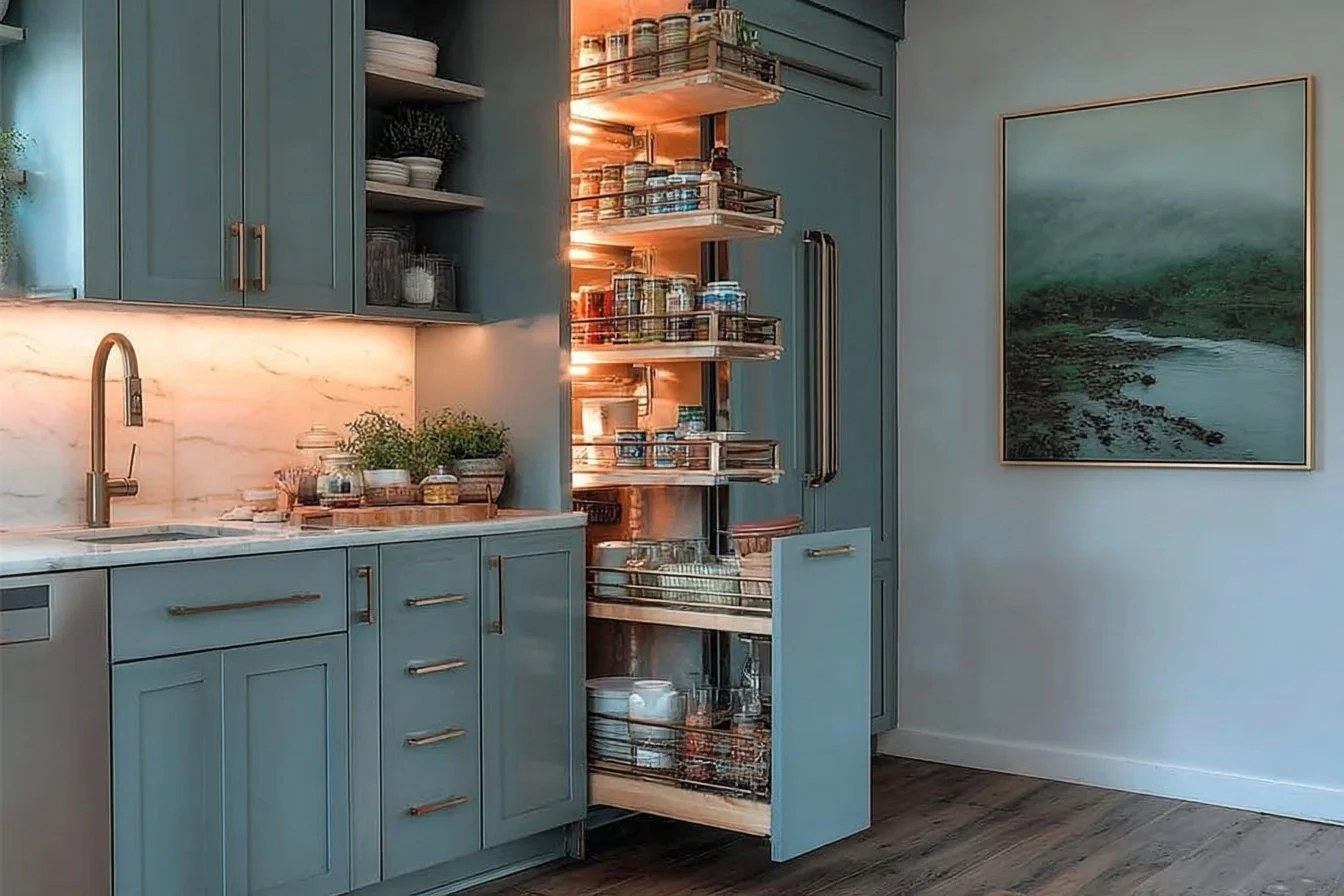
Pull-out shelves and drawers transform deep, unreachable corners into functional zones. Instead of digging through a pile to find the rice cooker, sliding drawers let you sweep things forward with one motion. This approach works visually by creating clean, horizontal lines and emotionally by removing the friction that turns a simple task into a small stressor. In our routine, a pull-out bottom drawer holds lunchbox supplies, sandwich bags, and napkins so I can prep while the kids set the table. To make this realistic, measure depth first and choose full-extension slides so the most remote item becomes accessible. Consider adding clear liners or small dividers to keep plastics from sliding and let your children help restock the drawer after school. It becomes their responsibility zone, and that shared ownership means fewer reminders and more smooth afternoons.

Transparent Containers and Friendly Labels

Uniform, transparent containers do more than look pretty; they create calm. Seeing exactly how much pasta remains or where the flour is removes guesswork and prevents last-minute grocery runs. Visually, rows of matching containers offer a soothing rhythm. Emotionally, clear storage invites contributions from the whole family because it is obvious what’s running low. We purchased a handful of airtight canisters and labeled them with simple chalkboard tags; now the kids can see when cereal is low and add it to the list. Start by transferring staples into stackable jars and use waterproof labels for longevity. Place everyday items at reachable heights and reserve top shelves for bulk items. This small habit taught my family patience during restocking days and made snack-time decisions quicker for everyone.

Dual-Purpose Door Storage

The often-overlooked inside of a pantry door can hold surprising utility. Slim racks for spices, clip-on baskets for foil and wraps, or even a row of hooks for aprons and small bags add storage without stealing floor space. This solution works visually by turning a blank surface into a curated, useful feature and emotionally by making everyday items effortless to find. In our household, the door houses baking supplies and a rotating spice shelf so I can grab essentials while teaching the kids to measure for a recipe. To apply this in your home, choose hardware that has a soft-close or lightweight design to avoid slamming. Keep heavier items off the door and use labels so little hands know where to return things. It becomes a family-friendly station for quick tasks and keeps surfaces uncluttered for homework or craft projects.

Cozy Corner with a Personalized Nook

A tiny pantry can double as a small hospitality or snack station that reflects your family’s personality. Dedicate a shelf or a corner to a “mini coffee and snack” area with a compact carafe, a jar of tea, and a basket of pre-portioned snacks for after-school hunger. Visually, this creates a focal point that feels intentional and styled, turning a functional space into a warm part of your home. Emotionally, it sends the message that nourishment and comfort are always within reach, which matters during busy weekdays and neighborhood playdates. Set this up by choosing a tray to corral items, adding a small plant or framed photo, and using child-friendly containers for grab-and-go snacks. When neighbors drop by or the kids come home from practice, this little nook becomes a welcoming pause in the day.

Lighting and Finishing Touches for Big Impact

Good lighting changes everything in a small space. Adding LED strips under shelves or puck lights inside the pantry brightens dark corners and highlights organized zones. A lighted pantry feels more luxurious and makes finding ingredients faster, which is a real emotional lift during hurried afternoons. A fresh coat of paint or a removable wallpaper on the back wall adds depth and personality, while woven baskets and soft liners bring warmth. At our house, swapping a tired bulb for a warm LED strip turned the pantry into a friendly, usable place where the kids actually enjoy helping me restock. To implement this, choose battery-operated or plug-in options for easy installation and pick a neutral paint or pattern that complements your kitchen. These finishing touches elevate a practical space into one that feels curated and calm for the whole family.

Conclusion

If you saved a few of these pantry ideas, try one small change this weekend and notice how it shifts your daily flow. Little upgrades like pull-out drawers, clear containers, and warm lighting can turn crowded shelves into a calm, functional part of family life. For more inspiration and practical layouts that work in tight spaces, explore Smart Kitchen Cabinet Pantry Ideas for Home. Come back later to swap stories about what worked for your routine, or pin your favorite setup to revisit when you plan your next kitchen refresh.
Categories
Kitchen

Soft Brass & Candy Shades: A Charming Kitchen Pendant Idea

I still remember the late afternoons when my two kids barreled in from the bus, backpacks already half off, begging to help with snack duty while I wiped down the counter. At forty-something, juggling carpools, piano lessons and neighborhood potlucks has taught me that the little details make home feel like home. One summer evening I swapped the old dining light for a playful pendant in soft brass with blush and buttery yellow accents, and suddenly homework time felt cozier. Neighbors stop by more often, the kids linger at the island, and even simple pancakes feel like a small celebration. If you love warm, lived-in spaces but want a fresh, joyful twist, this is a great place to start with some approachable home décor ideas and interior styling tips that fit family life.

A Statement Fixture That Feels Personal

Choosing a bold pendant in soft brass with pink and yellow tones turns a functional light into a focal point without feeling precious. Visually, the warm metal anchors the shape and brings richness, while the colored shades add the kind of cheerful personality that kids and grown-ups both notice. Emotionally, this style reflects a home that is confident yet welcoming. For real-life use, hang the fixture above a kitchen island at about 30 to 36 inches from the countertop to keep sightlines open for homework and snack prep. In our house, the pendant invites conversations while I pack lunches and the kids do worksheets nearby. It blends decorating inspiration with everyday rhythm, proving that style and family-friendly practicality can thrive together.

Color Pairing That Keeps It Light

Pink and yellow can sound bold on paper, but paired with warm steel in a gold or soft brass finish, they read as modern and soothing. A soft blush shade paired with a mellow butter yellow warms cabinets, counters, and those little messes that come with kids. Visually, the colors create layered depth; emotionally, they add optimism and calm. Try muted tones on the light itself, then echo them subtly in dish towels, a fruit bowl, or kids’ placemats. At my house, a small yellow ceramic jar by the sink has become a landing spot for markers and permission slips. These simple touches turn decorating inspiration into habits that feel natural and durable for family life.

Scale and Placement for Real Kitchens

The right scale makes a pendant feel intentional rather than overpowering. A fixture roughly two feet high and just under three feet across works well over a large island, balancing workspace and seating. If you have an island where kids do crafts or homework, place the light so it illuminates the center and leaves room for heads and conversations. For multi-pendant setups, keep spacing consistent and hang each at the same height for a cohesive look. I lowered our pendant slightly when my youngest started elementary school so crafts and reading could happen in better light. These small adjustments make the design both beautiful and practical, aligning interior styling tips with household routines.

Mixing Metals and Textures Without Chaos

Soft brass plays nicely with other finishes when you keep the palette deliberate. Pair it with matte black hardware for contrast or brushed nickel for a softer layered effect. Introduce texture through wood stools, a woven runner, and a marble or quartz island top to balance the shine. Visually this creates interest; emotionally it feels curated rather than store-bought. For our family, mixing a warm brass pendant with painted cabinets and wooden stools made the kitchen feel collected over time. Use a unifying accent color—like a muted pink or warm yellow in textiles—to pull everything together. These decorating inspiration ideas make it easy to update without a full renovation.

Kid-Friendly Styling and Easy Maintenance

Design should survive crayons, cereal, and science-project glue. Choose finishes that hide fingerprints and shades that are simple to wipe clean. Steel in a gold-toned finish or soft brass often wears well and can be buffed without special cleaners. Keep any fabric or delicate trims out of reach and opt for smooth surfaces on the light that family hands can touch. I keep a small step stool tucked in a nearby cabinet so my 8-year-old can help change a bulb safely under supervision. Practical interior styling tips like using washable seat cushions and easy-to-clean lamp shades will help your pendant stay fresh and loved, even with daily family life happening below it.

Layering Light for Mood and Function

A single statement pendant sets the tone, but layering with under-cabinet lights, recessed cans, and dimmable switches gives you control. Bright task light helps with chopping and homework, while a dimmed pendant creates a cozy evening for family meals. Visually, layered light makes the brass finish shine at just the right moments; emotionally, it turns the kitchen into a flexible space for busy mornings and relaxed late-night talks. I installed a dimmer and instantly felt more in charge of our evenings; homework feels focused with brighter light and reading becomes a ritual with softer glow. These home décor ideas are simple to implement and transform how your kitchen functions every day.

Conclusion

If you want more ideas to blend playful color, warm metal finishes, and family-first function in your home, this resource can spark fresh creativity. For a practical reference that helps translate inspiration into real-world choices, check out this helpful home décor ideas resource and save the ideas that feel like you. Try one change this week and watch how small styling updates shift the rhythm of your family space.

Categories
Valentine’s Day

7 Heart Decoration Ideas for Valentine’s Day You Can Make at Home

I still remember the first time my neighbor waved over the fence with a plate of cookies and a paper heart she’d taped to her own front window. As a mom in my forties with two kids aged eight and twelve, our days are a collage of school runs, soccer practices, and hurried dinners that somehow become stories at bedtime. Small, homemade touches have become our family’s secret to turning ordinary afternoons into tiny celebrations. Between helping with homework and swapping laughs with the kids while folding laundry, I love turning simple materials into comforting accents that make our house feel more like ours. Those little projects invite neighbors to smile, give my kids something to be proud of, and make our home a place that looks and feels cared for. Here are approachable decor ideas you can actually do with things on hand to bring warmth and charm into your rooms.

Paper Heart Garland for Mantel or Window

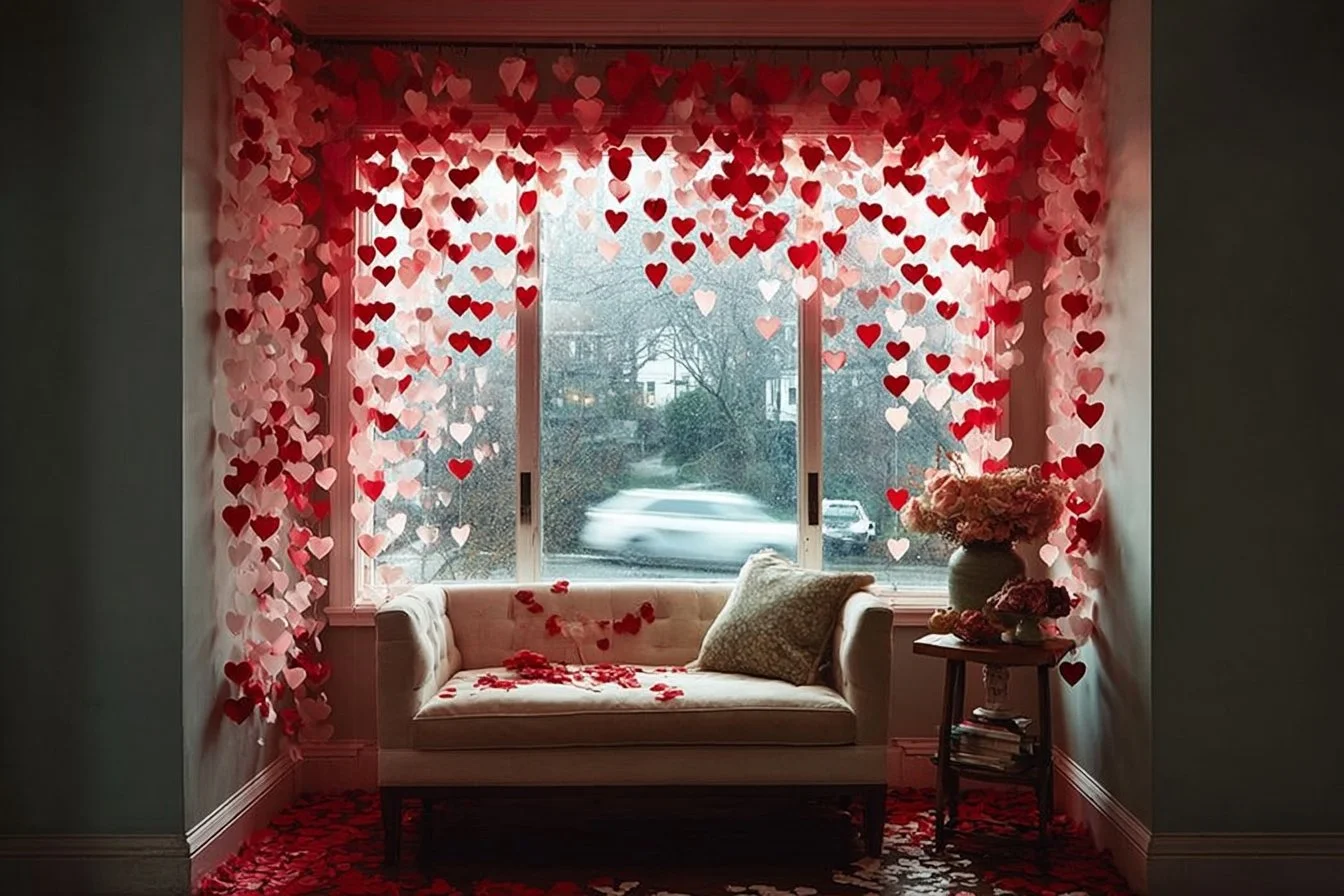
A paper heart garland is cheerful, lightweight, and perfect for draping across a mantel or window. Visually, repeated heart shapes create rhythm and movement that draw the eye and soften sharp edges in a room. Emotionally, the garland feels personal because it’s often made with kids’ scribbles or patterned scrapbook paper, which prompts proud grins from little helpers and neighbors who stop by. To make one at home, trace hearts on colorful cardstock, fold each heart in half and glue the halves together for a 3D effect, then string them on twine. Hang it low enough near the kids’ homework station so they feel included, or perch it above family photos. It’s budget-friendly, stores flat, and can be refreshed each year as a quick interior styling tip that truly reflects your family’s personality.

Heart Throw Pillows to Cozy Up Sofas

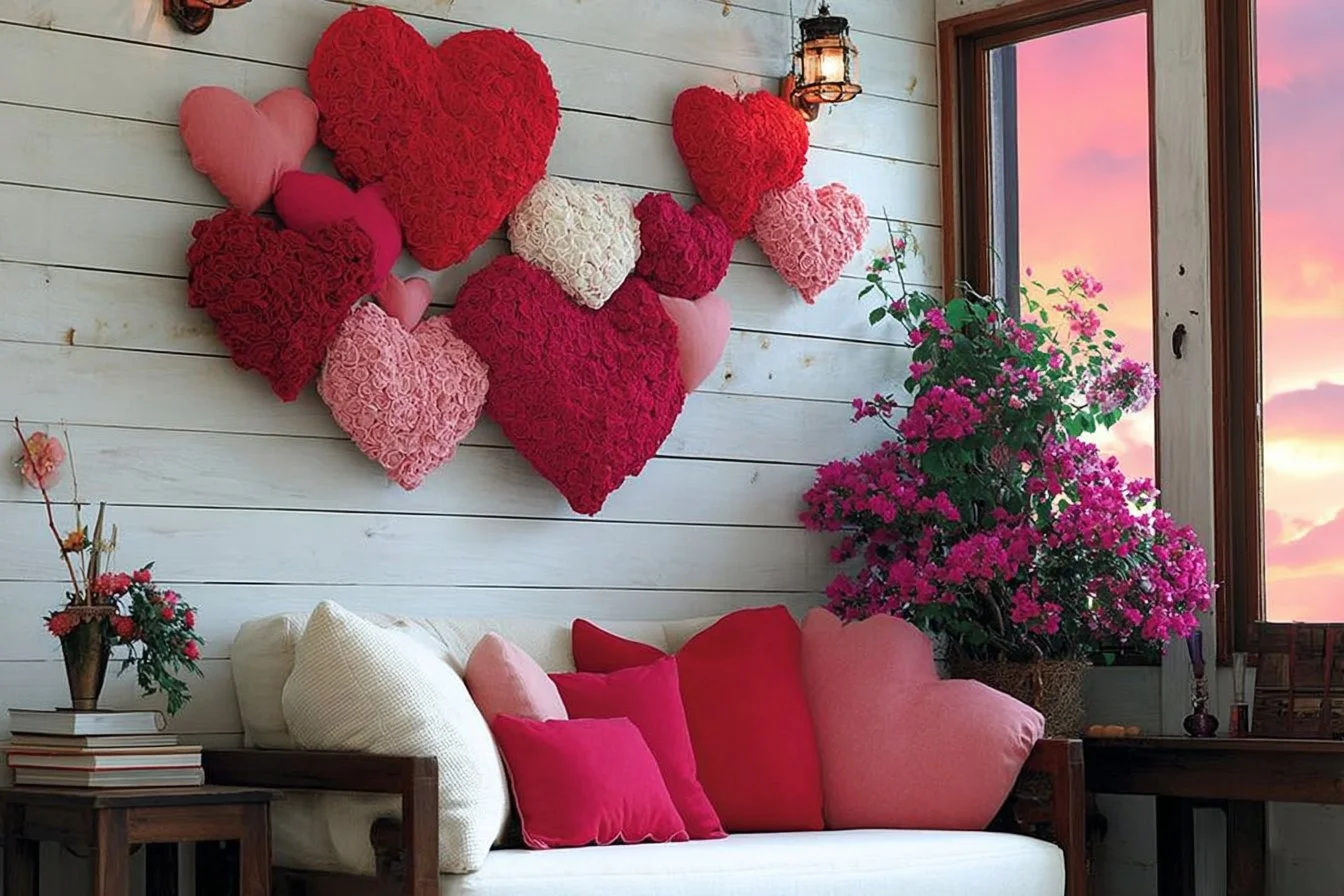
Swapping pillow covers is one of the most satisfying home décor ideas because the change is instant and feels luxurious without a big investment. Heart-shaped or heart-printed pillow covers add a soft, romantic note to a living room or den where your family gathers every evening. Visually, these pillows introduce friendly curves that contrast with rectangular couches and angular coffee tables. To make them at home, cut heart shapes from felt or fabric and sew or glue them onto plain cushion covers—your kids can help choose fabric scraps for a lively, mismatched look. Place them beside a reading lamp so your child has a special spot for story time, or stack a few on the porch bench to welcome neighbors. The tactile element invites touch, encouraging cozy moments and cuddles during movie nights.

Mason Jar Heart Luminaries for Tables and Pathways

Lighting changes mood instantly, and mason jar luminaries with heart cutouts bring a gentle, warm glow that feels like a hug for a room. When clustered down the center of a dining table or along an evening walkway, they make simple family dinners feel more like a small celebration. To create them, cut heart shapes into tissue paper or use heart-shaped stickers on the outside of clean jars, then place battery-operated tealights inside for safety. The soft flicker highlights the heart silhouette and casts delicate patterns that kids love to chase on the walls. It’s an easy interior styling tip that doubles as a safe nightlight for your middle-schooler and a charming touch for neighbors passing by, creating a welcoming atmosphere without fuss.

Heart Photo Collage Wall for Memories

A heart-shaped photo collage is a heartfelt way to showcase family memories and makes a powerful focal point for a hallway or stairwell. The heart silhouette gives structure to a collection of candid snapshots—soccer games, science fairs, backyard barbecues—turning everyday moments into an intentional display. To do this at home, sketch a large heart on kraft paper, arrange printed photos within the outline, and attach them with removable adhesive so you can swap images each season. Include a few small mementos like ticket stubs or doodles from your eight-year-old for an emotional layer that tells your family story. This decorating inspiration becomes a conversation starter when guests arrive and gives kids a boost seeing their achievements framed with love.

Painted Wooden Heart Signs for Entryways

Hand-painted wooden heart signs lend a rustic, handmade feel that works well with many styles—from farmhouse to modern eclectic. These signs look great leaning on an entryway table or hanging on the door, offering a warm welcome every time you return home with backpacks in tow. The visual impact comes from bold shapes and textured brushstrokes, which contrast nicely with smoother surfaces like metal lamps or glass vases. To create one, buy an inexpensive wooden plaque, sketch a heart, and fill it with layered paint colors or stencils. Let your kids add fingerprints or their names to make it a family project. The result is a durable piece of decorating inspiration that becomes part of your everyday routine and greets neighbors with sincere charm.

Door Wreath with Fabric Hearts

A wreath made of fabric hearts blends tradition with a soft, modern twist and instantly personalizes your front door or a bedroom wall. The circular shape symbolizes welcome and continuity, while the hearts inside add a touch of warmth everyone appreciates during morning school drop-offs or when friends stop by. To assemble one, cut fabric scraps into heart shapes, stitch or hot-glue them to a foam wreath form, and alternate colors for depth. Hang it at kid-eye level for a cheerful detail your youngest can admire on the way out the door. It’s lightweight, weather-tolerant with a little care, and easy to store—giving you a reusable piece of decor that keeps family life feeling festive and friendly.

Heart Table Runner and Centerpiece for Everyday Meals

A heart-themed table runner transforms ordinary family dinners into meaningful rituals without extra effort. Laid down the center of the table, a runner with subtle heart motifs anchors the setting and invites everyone to linger longer over mashed potatoes and weekend pancakes. Visually, it offers a linear guide that organizes place settings and helps small hands know where to set dishes. To make one, stitch or glue heart cutouts onto a length of linen or repurpose a scarf as a runner and add a cluster of candles or a simple vase of fresh greenery as a centerpiece. Let the kids place homemade paper hearts along the runner as a nightly tradition—this small interior styling tip becomes a gentle way to mark time and create memories around the table.

Conclusion

If you loved these easy home décor ideas, try starting with a simple garland to see how quickly a small change lifts your space. For a ready-made option to get a project going, consider a 3D red and pink paper heart garland to hang over a mantel or window—it’s a fast way to add color and dimension while the kids help string the hearts. Save a few of these decorating inspiration ideas to your favorite board and come back when you want more interior styling tips you can actually do with your family.

Categories
Kitchen

Chic Cylinder Pendant Lighting Ideas for a Modern Kitchen

I still remember the first time I hung a show-stopper light in our entryway and how it changed the whole mood of our little row of houses. Between packing lunches, shuttling the kids to soccer and piano, and waving hello to Mrs. Greene across the fence, our home needed small touches that felt both grown-up and cozy. My two kids, aged eight and twelve, love making forts under the kitchen table, and I love lights that make those chaotic moments look intentional. Midweek dinners, neighborhood drop-ins, and lazy Saturday mornings demand decor that is practical and pretty. That’s how I started experimenting with elegant cylinder pendants and soft glass shades—simple swaps that felt like decorating inspiration and gave our rooms a calm, collected vibe. When I share ideas with friends, we also trade pins and articles like 10 beautiful fall exterior decor ideas to try to keep things fresh from porch to pantry.

Entryway Focal Lighting: Make Every Return Feel Special

A single cylinder pendant can welcome you home in a way that ordinary fixtures never do. Visually, the clean vertical lines of the fixture draw the eye upward and create a sense of height, which is especially useful in smaller foyers. Emotionally, a warm glow at the entrance signals comfort; after a long day of carpools and homework help, stepping into a softly lit space feels like a hug. To apply this at home, center the pendant above your entry console and pair it with a round mirror to bounce light and reflect family photos. Keep the bulb warm and the shade translucent to soften the light so the kids can find their shoes without harsh glare. This small investment in your entry instantly elevates your home décor ideas and sets a welcoming tone for neighbors and weekend guests.

Dining Nook Statement: Gather Around a Modern Cylinder Light

There’s something about a cylinder pendant hung low over a dining table that invites conversation. It creates an intimate pool of light where plates and faces take center stage, perfect for family dinners, spelling tests, or long chats with friends. From an interior styling tips perspective, a pendant with a sleek black finish and warm glass adds contrast against light walls and wooden tables. To style it, hang the fixture about 30 inches above the table surface, or slightly lower for cozy vibes during the kids’ craft evenings. Layer soft textiles—table runner or placemats—to absorb sound and keep the room family-friendly. If you want more ideas to bring sophisticated warmth to your living areas, explore inspirational resources like chic modern luxury living room ideas to adapt luxe touches to everyday family life.

Kitchen Island Cluster: Practical Beauty for Busy Mornings

When school lunches need making and homework folders are scattered across the counter, bright and focused lighting becomes essential. A tight group of cylinder pendants above the island balances task lighting with visual interest; each pendant marks a station—prep, homework, or snack duty. Visually, repeating cylindrical shapes create rhythm and a cohesive look that pairs well with shaker cabinets or open shelving. Choose glass shades that diffuse glare so children can read and chop safely, and use dimmers to switch from function to ambience between breakfast rush and after-school homework. For installation, measure the island length and plan fixtures evenly spaced for symmetry. This approach blends everyday practicality with decorating inspiration, so the kitchen looks considered even on the busiest days.

Porch and Entryway Porch Lighting: Curb Appeal with Warmth

An outdoor cylinder lantern works double duty: it guides guests to the door and gives your home a distinct personality at night. A black and glass pendant creates a graphic silhouette that complements brick, clapboard, or stucco facades while casting a welcoming wash of light for trick-or-treaters and late-night returnees. Beyond looks, good porch lighting improves safety for little feet racing in and out and for neighbors dropping by. Mount a cylinder pendant under a covered porch or along a recessed entry to create layers of light and shadow that feel intentional. For inspiration on how lighting enhances the outside of your home and neighborhood presence, check out practical lighting ideas for driveways and curb appeal, then adapt those principles to your own entry fixture choice.

Cozy Corner Accent: Homework, Reading, and Quiet Moments

Turning a corner into a cozy nook is one of those interior styling tips that pays off daily. A slender cylinder pendant with a warm glass shade suspended over a reading chair or kids’ homework table gives focused light without dominating the room. Emotionally, it creates a small, personal sanctuary where a child can concentrate or you can steal ten minutes with a book. Visually, pairing the pendant with layered textures—an area rug, a floor pillow, and woven baskets—brings depth and softness. For families, this setup keeps activities contained: craft supplies stay near the light, and chargers or school projects have a dedicated spot. It’s an easy way to fold decorating inspiration into functional daily life, making even the smallest spaces feel purposeful and cozy.

Warm, practical, and a little bit stylish, these pendant ideas are the kind of updates that make daily life feel curated without fuss. If one idea sparks your imagination, save it to your boards, try it in a small corner, and watch how a simple change in lighting lifts the whole room. Come back any time for more home décor ideas and interior styling tips that fit family routines and real life.

Categories
Valentine’s Day

Cozy Advent Wreath Ideas for Small Homes

I still remember lugging backpacks, soccer gear, and a trail of cookie crumbs through the front door while juggling school drop-offs at 7:30 a.m. My two kids, ages 8 and 11, have a way of turning simple routines into tiny rituals: a quick chat on the porch with the neighbor, a shared laugh over cereal, a paper crown left on the kitchen table like a small trophy. Those everyday moments made me want our home to feel warm and intentional without a lot of fuss. Decorating around the house became a gentle way to mark the season and create memories—one small wreath on the table, a candle lit during homework time, a handmade ornament from a rainy afternoon. If you love cozy corners and easy home styling that fits family life, these wreath ideas blend beauty with practicality and real-life charm.

Modern Minimalist Wreaths

A modern minimalist wreath is perfect for moms who crave calm in a busy household. Think simple rings of eucalyptus or olive branches, paired with one neutral candle and subtle texture. Visually, this approach works because it creates negative space and a clean silhouette that reads well in photos and on mantel displays. Emotionally, a pared-back wreath feels peaceful after a long day of carpools and homework battles. For a realistic at-home version, use a plain metal hoop, attach greenery with floral wire, and tuck in a single cotton stem or dried leaf for contrast. Place it on a narrow console table near the entry so kids can see it as they come in and feel the quiet routine it represents. These designs translate well into interior styling tips for small spaces, keeping the room uncluttered while adding character.

Nostalgic Vintage Wreaths

A vintage-inspired wreath brings a sense of tradition that many families cherish. Use old glass baubles, faded ribbons, and wooden beads to call back to ornaments Grandma might have displayed. The visual appeal rests in texture and storytelling: each weathered element hints at memories, making your home feel lived-in and loved. To create one at home, raid thrift shops for mismatched treasures, secure them to a straw or grapevine base, and add a soft satin ribbon for hanging. Let your kids help glue on felt stars or tiny bells—these simple tasks turn decorating into a family activity. Place the wreath above a family photo gallery or near the kitchen where little hands can admire handiwork. It’s a warm way to weave decorating inspiration into everyday family life.

Boho-Inspired Natural Wreaths

If you favor relaxed layers and natural materials, a boho-style wreath brings texture and soul to your space. Combine dried flowers, pampas grass, feathers, and macrame accents for an effortless, artsy look. This style visually reads as soft and eclectic, perfect for a cozy reading nook or sunlit corner where the kids build forts. Emotionally, boho wreaths feel handcrafted and personal, like a small piece of art that grows with your home. For a practical version, attach dried stems to a wrapped foam ring using twine, and add a small tassel or woven scrap for a homemade touch. Hang it on an interior door or above a bench where the family drops backpacks; its tactile elements invite touch and conversation, making decorating a gentle part of daily life.

Foraged, Nature-Led Wreaths

Foraging with children turns wreath-making into an outdoor adventure and gives you a wreath rich in organic texture. Gather pine, cedar sprigs, berries, and cinnamon sticks to create a fragrant, nature-led centerpiece. The visual benefit is a multi-layered, rustic look that warms any room, while the scent invites cozy memories of walks and weekend outings. At home, secure materials to a sturdy grapevine base and use hot glue for heavier elements like pinecones. Include a family memory by attaching a tiny chalkboard tag where each child writes their favorite winter treat. Place this wreath on the dining table or near the laundry room where daily comings and goings happen; it will remind everyone of outdoor time and simple family rituals, integrating decorating inspiration with everyday life.

Kid-Friendly Craft Wreaths

Crafting wreaths with kids creates not just décor but memories. Use foam rings covered in fabric scraps, colorful pom-poms, or painted wooden beads for a playful, durable option. Visually, these wreaths add cheerful pops of color and whimsy to entryways or playrooms. Emotionally, they become treasured keepsakes the children are proud to see displayed. To make one, set up a crafting station with safe glue, pre-cut shapes, and ribbon; let each child design a section to celebrate their creativity. Hang their creations at kid-height on an interior door so they can show friends and neighbors. These approachable projects double as interior styling tips—incorporate the kids’ colors into cushions or table runners to tie the look together while honoring their contributions to the home.

Candle-Centered Table Wreaths

A table-focused wreath, designed around candle safety and style, gives a focal point for family gatherings and quiet evenings. Start with a low, sturdy ring of preserved greenery and nestle battery-operated candles in the center to enjoy glow without worry. This setup looks elegant and invites a slow-down moment during busy routines like homework or dinner prep. Emotionally, a lit candlescape signals togetherness and comfort. At home, arrange the wreath on a tray that protects the surface, and teach kids the routine of lighting and blowing out candles safely—even if they are flameless, the ritual matters. Swap in seasonal accents or small family-made ornaments to refresh the look. This is a practical decorating idea that blends aesthetics with the realities of family life and daily rituals.

Conclusion

I hope these ideas spark new ways to bring warmth and personality into your home with wreaths that fit real family life. If you want to explore more styles and detailed how-to ideas, check out this collection of Advent wreath trends and ideas for extra decorating inspiration and practical tips to suit every household. Save a few favorites, try one with the kids, and come back when you need fresh interior styling tips or more home décor ideas.

Categories
Kitchen

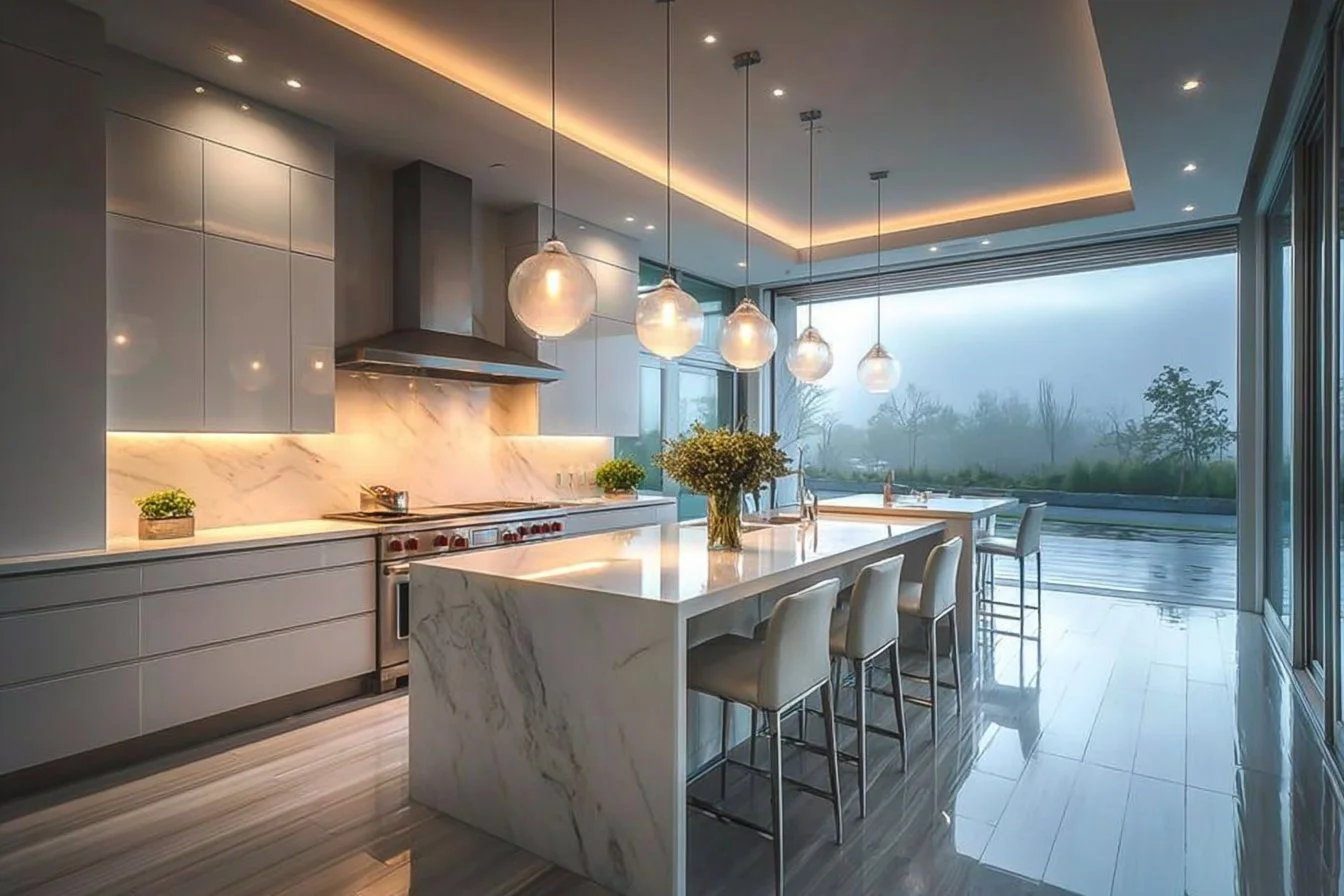
Kitchen Ideas. Modern Kitchen in Light Tones: Ideas for a Stylish and Functional Interior

Serene Light Kitchen Design Ideas

I still remember the first chilly morning our twins were in middle school and I stood at the sink watching steam rise from a cereal bowl while neighbor Mrs. Collins waved from her porch. As a forty-something mom juggling carpools, homework negotiations, and soccer snacks for my two kids aged 8 and 11, the kitchen has become the heartbeat of our home. It’s where lunches are made, science projects are assembled, and quiet coffee moments are stolen between carpools. Over the years I learned that a calming kitchen makes chaotic mornings softer and evenings cozier. Small changes in color, texture, and layout have transformed how our family moves through the day, and those everyday upgrades are what inspired the fresh decorating ideas I want to share. These are practical, child-friendly tweaks that also look picture-perfect for a Pinterest board or a weekend refresh.

Soft White Foundations with Layered Texture

A light, soft-white base creates a calm canvas that visually expands the space and soothes a busy household. Using varying textures—matte cabinets, honed quartz countertops, and a subtle textured backsplash—prevents the space from feeling flat. This works emotionally because the eye finds comfort in simplicity, and your family will notice the difference when mornings feel less cluttered. Realistically, start by repainting cabinets in a warm white and add tactile elements like woven baskets or a linen runner. For a family with kids, choose paints and finishes that are easy to wipe clean and finishes that hide fingerprints. The result is a kitchen that brightens school-day breakfasts and looks effortlessly styled for weekend breakfasts when neighbors drop by.

Warm Wood Accents to Ground Light Tones

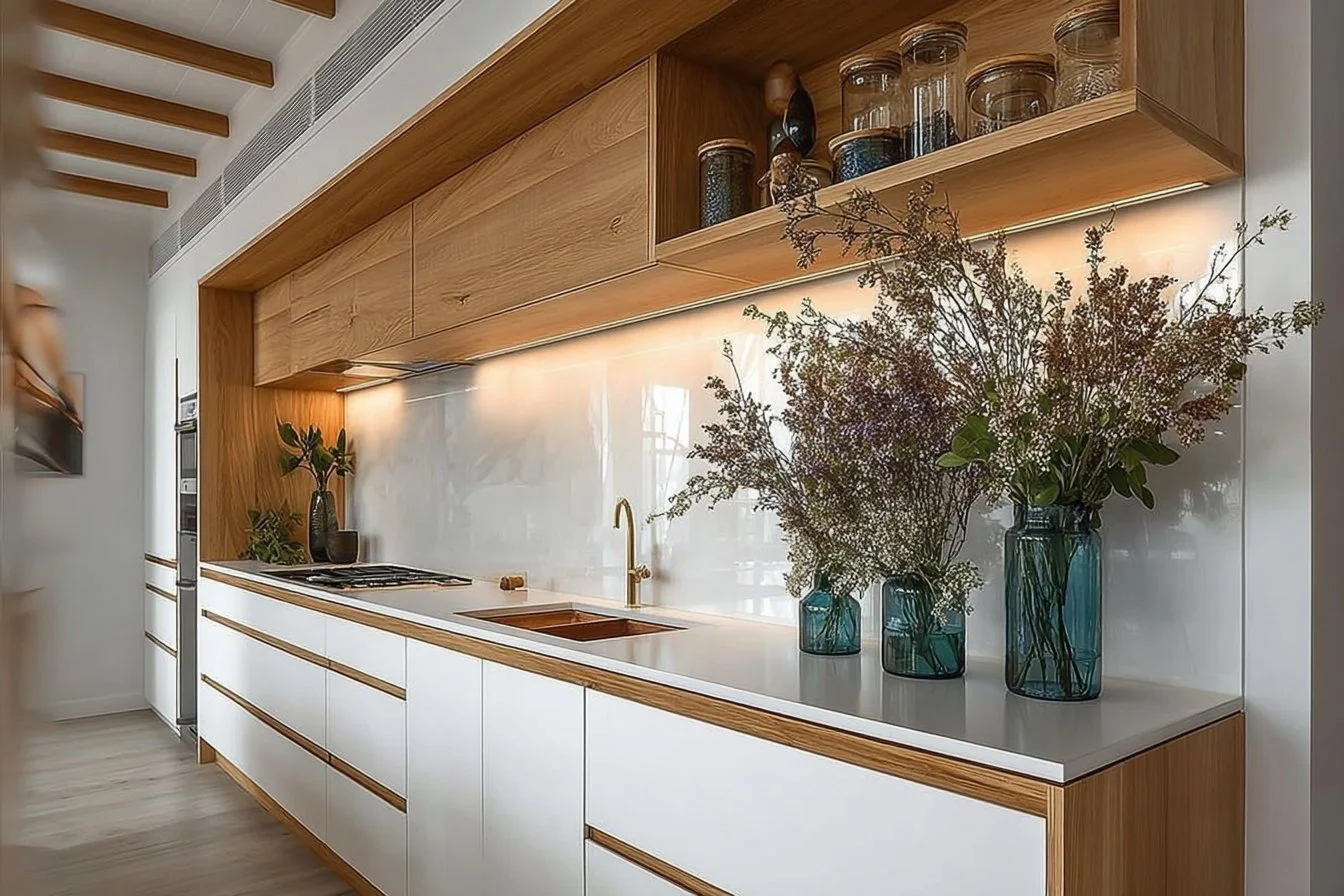
Introducing warm wood tones brings life and warmth into a pale palette without overwhelming it. Think a butcher block island top, oak open shelving, or a walnut cutting board displayed proudly. Visually, wood adds contrast and a natural focal point; emotionally, it feels inviting and homey. To apply this at home, swap a countertop section for wood, install floating shelves, or choose stools with wood legs. For families, wood surfaces are forgiving for everyday wear and can be sanded or refinished after boisterous craft sessions. Pair wood accents with soft whites to keep the kitchen bright while making it feel like a cozy extension of your living space.

Matte Finishes and Minimal Hardware for a Calm Look

Matte finishes on cabinets and fixtures create subtle elegance that hides smudges and softens reflections. Paired with pared-down hardware or recessed pulls, the kitchen reads as modern yet approachable. People respond to understated spaces emotionally because they reduce visual noise and allow family moments to stand out. Implement this by choosing matte cabinet paint or replacing glossy tiles with honed stone. Opt for small, durable hardware that won’t snag on school backpacks or sweaters. This update is budget-friendly when done in stages: swap cabinet handles first, then update paint or surfaces. Your kitchen will feel curated, and your kids will appreciate the easier cleanup after arts-and-crafts afternoons.

Open Shelving with Thoughtful Curating

Open shelving is an excellent way to showcase pretty dishes, cookbooks, and a few cherished family items while keeping the kitchen airy. Visually it opens walls and provides instant decorating inspiration. Emotionally, it turns everyday objects into shared memories—grandma’s mixing bowl, a hand-painted mug from a third grader. To do this well, pick two or three coordinated dish colors and mix in wooden or ceramic accents. Keep lower shelves kid-accessible for bowls and plates, and reserve upper shelves for fragile items. For busy households, use baskets on shelves to tuck away snacks and lunchbox supplies, making mornings quicker and giving the space a lived-in, loved feel.

Maximizing Natural Light and Soft Window Treatments

Natural light elevates pale interiors, making them feel fresh and uplifting. It enhances the light tones and highlights textures, which is ideal for a kitchen where family life unfolds. Emotionally, sunlight helps regulate moods and creates a welcoming atmosphere for weekday breakfasts and weekend baking. To maximize light, choose translucent window treatments or simple Roman shades that filter glare but preserve privacy. If privacy is a concern on a busy street, opt for top-down shades or light-filtering blinds. Place a small bench by the window for reading time while dinner simmers—kids can do homework there while you keep an eye on the stove. Thoughtful window choices turn ordinary days into brighter, calmer ones.

Family-Friendly Surfaces and Functional Zones

Designing zones for cooking, homework, and quick snacks makes a light-toned kitchen function beautifully for real life. Durable, low-maintenance materials like quartz or porcelain tile withstand spills and crayons, while a designated homework nook keeps clutter off counters. Visually, separate zones create a clean, intentional look; emotionally, they reduce morning chaos. Set up a charging station near the breakfast bar and a homework caddy with pencils and a timer. For active families, choose stain-resistant fabrics on bar stools and rounded-edge counters for safety. These practical interior styling tips keep the kitchen beautiful and usable, turning it into a calm command center where family routines flow more smoothly.

Conclusion

If your goal is to create a serene, light-filled kitchen that feels both stylish and family-ready, start small and build layers of texture, warmth, and function. Save ideas that speak to your routine, try one change each weekend, and watch how tiny adjustments transform everyday moments. For more kitchen trends and decorating inspiration that pair well with these tips, check out a curated guide that can spark bigger updates when you’re ready. Keep creating a space that supports the small, meaningful rituals of your family.

Categories
Valentine’s Day

Sweet Valentine Decor Ideas to Cozy Up Your Home

I can still hear the kids arguing about who gets the pink plate while I pour coffee, and that small chaos is exactly what keeps our house feeling alive. As a mom in my forties with two children ages 8 and 12, my days are filled with school drop-offs, PTA emails, and the ritual of waving hello to the neighbor who walks her golden retriever every morning. Some afternoons I find myself pausing by the window, remembering how my mom used to drape paper hearts across her kitchen doorway. Those little traditions make ordinary days feel special. Lately, I’ve been swapping out one shelf, one pillow, or one candle at a time to bring a gentle, festive warmth into the rooms we use most, using pieces that work around homework time and soccer practice without adding stress.

Mantel Magic: Heart Garland and Framed Notes

A simple heart garland across the mantel instantly softens a living room. Choose felt or kraft paper hearts strung on twine for a homemade touch that kids can help make. The garland adds color and movement, while framed love notes or family photos create a layered vignette that invites conversation. Visually, mixing textures—wood frames, soft hearts, a small vase—keeps the display interesting without feeling overdone. Emotionally, seeing handwritten notes tucked into frames reminds even busy parents why the little gestures matter. Place a small basket nearby for the kids to drop in tiny drawings or “I love you” scribbles. This setup works well with everyday decor, so you’re not replacing items, just styling them with a purpose. It’s a cozy, low-cost interior styling tip that makes the room feel curated.

Kitchen Charm: Floral Centerpiece and Themed Linens

The kitchen is where our family naturally gathers, so a seasonal centerpiece does more than look pretty—it sets the tone for shared meals. A mason jar filled with simple blooms, like carnations or spray roses, sits well on a reclaimed wood tray with a few votive candles. Pair it with a folded heart-print tea towel or a soft pink oven mitt for a coordinated touch. This approach works visually because it balances color and scale without crowding the counter. Practically, choose easy-care flowers and place the centerpiece where it won’t interfere with homework spreads or after-school snack prep. Kids can pick a stem to add to their lunchbox notes, turning decorating into a family ritual. These small home décor ideas bring warmth to routines and create moments worth photographing for a pin-worthy memory.

Bedroom Retreat: Cozy Pillows and Candle Clusters

Swapping a few throw pillows and adding candle clusters transforms a bedroom into a restful retreat. Pick one patterned pillow and a solid coordinating one to avoid visual clutter. Arrange candles of different heights on a ceramic tray to create a soft glow at night; battery-operated candles are a safe choice with energetic kids. This idea works emotionally by making the adult space feel like a pause button at the end of the day, while visually it creates a focal point that reads intentional and inviting. For kids’ rooms, pick themed pillowcases or a small string of heart lights that can stay up without disrupting sleep. These interior styling tips are simple enough for busy families and provide a quiet way to celebrate the season within the home’s everyday flow.

Kids’ Corner: DIY Paper Hearts and Valentine Mailbox

Designating a small corner for kids’ creations turns decorating into a shared activity. Stringing layers of paper hearts at different lengths creates depth and lets children contribute art that becomes part of the room’s story. Add a little homemade Valentine mailbox where siblings can leave notes or jokes; it encourages kindness and gives them a craft to revisit. Visually, playful colors and varying heart sizes create an engaging focal point that feels personal rather than store-bought. Practically, use removable hooks so parents can change displays quickly between seasons. This kind of decorating inspiration makes memories tangible and supports daily routines—after homework, one child often drops a note into the mailbox and the other reads it aloud, sparking laughter that fills the hallway.

Bathroom Refresh: Soft Towels and Scented Details

Small updates in the bathroom can have big visual impact. Swap hand towels for rosy hues or subtle heart embroidery, and add a soap dispenser with a seasonal scent like vanilla or citrus. A clear jar filled with pink bath bombs or handcrafted soaps becomes a decorative accent on the counter. These touches work because they change the room’s palette without requiring major effort, and they offer unexpected pockets of delight during fast mornings and bedtime routines. For a family-friendly twist, keep a tiny tray of confetti hearts out of reach for kids to admire rather than scatter. These interior styling tips elevate a utilitarian space and make everyday hygiene feel a little more special, helping routines feel celebratory without upheaval.

Porch & Entry: Wreaths and Warm Pathway Lights

First impressions matter, and a modest wreath paired with soft pathway lights makes arriving home feel welcoming. Choose a wreath with natural elements—eucalyptus, twine, and a few blush accents—to keep it timeless and neighbor-friendly. Add luminaries or battery lanterns along the walkway to create a gentle glow for evening playdates and trickle-in guests. This approach is visually effective because it frames the entry and provides a warm contrast to winter evenings. For families, consider a small chalkboard by the door for cheerful messages or quick reminders for kids heading off to school. These decorating inspiration ideas blend curb appeal with everyday practicality, creating a hospitable feeling that neighbors notice and children remember.

Conclusion

I hope these approachable ideas spark a few moments of joy in your daily routine—small swaps that fit around carpools, homework, and neighborhood visits. If you want more cozy room refreshes that are simple enough to finish between school runs, check out Sweet and Simple Guest Bedroom Decor | Abby Organizes for more inspiration. Save a few of these tips to try this week, and don’t be surprised if a little decor change becomes a new family tradition.

Categories
Kitchen

Sage & Wood Kitchens That Feel Like Home

I still remember standing at the sink, watching my son juggle a soccer ball in the driveway while my daughter traced a crayon masterpiece across the fridge door. Mornings are a blur of school lunches, lost shoes, and coffee that somehow cools before I get a sip. Our neighbors wave from across the cul-de-sac and drop off banana bread when life gets hectic. Between carpools and homework, I began to notice how the kitchen felt like a hug at the center of our day. Small changes—soft paint, a warm wooden shelf, a cozy island corner—made that space calmer and somehow more like the home I wanted for my kids. Those tiny shifts in color and texture inspired me to think about fresh ways to bring warmth and style into a busy family kitchen.

Soft Sage Cabinets with Warm Wood Countertops

Painting lower cabinets a soft sage tone anchors a kitchen with a calm, lived-in feel. The green reads as soothing but not fussy, and pairing it with warm wood countertops adds an organic contrast that feels tactile and welcoming. Visually, the wood grain provides movement against a flat painted surface, while emotionally it brings in a sense of nature, perfect for a room that hosts everything from cereal spills to baking experiments.

To make this work at home, start with a sample of sage paint on a cabinet door and test it against wood samples under your kitchen lighting. Choose durable finishes for busy hands and sticky fingers. Keep family needs in mind by selecting a countertop sealant that resists stains, and add open wood shelving for the kids to reach their cereal bowls. This combo blends style and function, delivering home décor ideas that survive real life.

Two-Tone Layout: Sage Island, Natural Wood Perimeter

A two-tone kitchen with a sage island and natural wood perimeter cabinets feels curated without trying too hard. The island becomes an inviting focal point for homework sessions or late-night sandwich assembly, while the surrounding wood cabinetry keeps the space grounded. The contrast supports depth and warmth, creating an intimate backdrop that still reads modern.

To apply this look, choose one consistent sage shade and balance it with wood tones that complement rather than match exactly. Consider durable hardware and kid-friendly storage inside the island for lunchbox supplies and craft bins. This layout offers practical interior styling tips: designate zones for homework, cooking, and landing school bags so the family can move smoothly through the day. It’s a design that looks good on a Pinterest board and stands up to everyday chaos.

Open Wood Shelves Against a Sage Backdrop

Open shelving in raw or stained wood paired with a sage backsplash or painted wall instantly makes dishes feel like part of the décor. The shelves introduce texture and display opportunities for treasured mugs, the kids’ art projects, and that chipped mixing bowl Grandma gave you. Emotionally, it reads as approachable and lived-in, not overly styled.

Start by mounting sturdy shelves where they’re easily accessible to little hands. Use the sage backdrop to make ceramics pop, and mix closed storage below to hide school paperwork. For a practical touch, keep everyday items within reach and reserve the top shelf for seasonal pieces. This approach blends decorating inspiration with everyday function, creating a kitchen that invites hands-on moments and casual conversations.

Sage Walls with Wooden Trim and Family Nooks

Painting walls in a muted sage and adding wooden trim or paneling adds subtle architectural interest that feels cozy and personal. Wooden trim around windows or a small banquette bench makes the room feel custom without a full renovation. This is especially helpful for families who want warmth without the commitment of full wood cabinetry.

To bring this to life, choose a sage that complements your home’s natural light and pick wood trim in a finish that resists scuffs. Add a small bench with storage for backpacks and sports gear beneath a window trimmed in wood to create a morning routine station. The result is a blend of home décor ideas and functional design where the kids can stash their jackets and you can sip coffee in a pleasant, soft-lit corner.

Mixed Metals, Sage Cabinets, and Reclaimed Wood

Combining mixed metal hardware with sage cabinets and reclaimed wood accents creates a layered, collected look that feels like your family has lived into it. Brass knobs bring warmth, black pulls add modern edge, and reclaimed wood introduces character and story. This mix creates depth and personality without feeling chaotic.

Apply this by choosing one cohesive tone for large surfaces and letting metals and wood act as accents. Swap a few hardware pieces for something vintage or mismatched to add charm. Use reclaimed wood for a floating shelf or a small bar cart that can double as a homework station on busy nights. This idea gives you interior styling tips that let personality shine while keeping things practical for kid-driven routines.

Muted Sage Walls with Warm Wood Floors for Timeless Comfort

Sage-painted walls paired with warm wood floors create a serene stage for family life. The continuity of the wood underfoot ties living spaces together, making transitions between kitchen and play areas feel smooth. The color palette supports calming mornings and relaxed evenings after sports practices, helping the room function as a communal hub.

To execute this, select a durable wood or wood-look flooring that withstands spills and heavy foot traffic. Keep the sage slightly muted to hide scuffs and pair with washable upholstery and rugs in high-traffic seating zones. Add layered lighting so homework can be done under task lights while the rest of the room remains soft. This approach delivers decorating inspiration and practical benefits that help busy households breathe easier.

Conclusion

If you’re collecting home décor ideas or looking for fresh interior styling tips, these sage and wood combinations are family-friendly, visually soothing, and easy to live with. Save a few of these motifs for your next slow weekend project and try swapping one element at a time so the kids can help. For more color guidance and cabinet ideas that pair beautifully with sage and wood, check out 23 Gorgeous Kitchen Cabinet Color Ideas You Need to Try.

Categories
Valentine’s Day

Easy Valentine DIYs to Transform Your Home

I still remember the slow Saturdays when juice cups ringed the coffee table, backpacks by the door and the neighbor’s Labrador bubbling past our fence like clockwork. My two kids, eight and twelve, have a rhythm of their own now—homework at the kitchen island, impromptu fort nights, and a chorus of the same three songs during art time. Those little routines make our house feel like a warm, lived-in scrapbook, and I love weaving small moments into the décor. Somewhere between dropping off school lunches and coaxing the dog down from the couch, I started turning spare paper, ribbon, and cookie cutters into tiny surprises that made the whole family smile. These simple projects became part of our weekends, and they’re perfect for busy households looking for easy home décor ideas that bring a little extra heart into everyday life.

Heartfelt Paper Garland for Doorways

A paper heart garland brightens any doorway and invites neighborhood pals to peek in with a smile. Cut hearts from patterned scrapbook paper or old Valentine cards and string them together with baker’s twine. It works visually because repeated shapes create rhythm, and layered patterns add depth without clutter. Emotionally, kids feel proud seeing their handiwork framed for guests and family to admire. At home you can hang a garland across the entry, above a mantel, or between two hooks on the porch for an instant focal point. Let your eight-year-old pick colors while the twelve-year-old practices folding and cutting; this turns a simple craft into a shared morning ritual. This approachable idea fits with broader interior styling tips by using existing color palettes to tie the heart garland into your living room or hallway.

Rustic Mason Jar Vases with Painted Touches

Mason jars are a staple for approachable decorating inspiration. Paint the inside of several jars in soft blush tones or metallics, then place clippings from the yard or store-bought stems inside. The translucency of painted glass catches light and creates a gentle glow when grouped on a side table or kitchen island. Visually, the staggered heights and varied textures make the display feel curated without being fussy. Emotionally it’s calming; seeing fresh stems helps the whole family slow down after a busy day of school runs and piano lessons. At our house, the kids help clip branches and arrange blooms, turning prep time into conversation. This idea is a lovely example of home décor ideas that use thrifted materials to achieve a fresh, boutique look.

Cozy Candle Cluster Centerpiece

A cluster of candles and small vases transforms an ordinary table into a warm gathering spot. Use pillar candles of different sizes on a wooden tray, surround them with small faux or real flowers, and tuck in a few heart-shaped candies for a playful touch. The glow from mixed-height candles creates a layered, intimate atmosphere that’s both visual and tactile. Emotionally, it sets a calm tone for family dinners or neighborhood get-togethers. In practical terms, choose flameless candles if you have little ones who love to explore or pets that jump up on surfaces. Place the cluster on a breakfast table or console and encourage the kids to set the table; this simple act becomes part of your family routine and a small lesson in hospitality and interior styling tips.

Fabric-Wrapped Wreath with Kids’ Touches

A fabric-wrapped wreath is instantly charming and surprisingly forgiving for imperfect hands. Wrap a foam wreath form with strips of cotton or flannel, then add small ornaments, buttons, or felt hearts that your children can glue on. The texture adds warmth to any entry or hallway and complements soft sofa fabrics and throw pillows. Emotionally, a wreath made together tells a story each season and becomes a familiar welcome for neighbors and visiting grandparents. It’s practical too: use fabric scraps from old shirts to keep materials sustainable, and let the kids add a small note or drawing to tuck into the loops. This project blends decorating inspiration with family craft time, making it a repeatable favorite for busy households.

Chalkboard Love Notes and Photo Display

Convert a small wall space into an ever-changing message board and display area for artwork and photos. Paint a framed board with chalkboard paint or hang a corkboard and let the children pin up mini masterpieces and printable valentines. This works visually by creating a curated vignette that evolves, keeping your décor fresh and personal. Emotionally, it becomes a daily reminder of affection—the kids might draw silly faces or write grocery notes that spark smiles. At our house, this corner doubles as a homework command center and a place to celebrate small wins like spelling test scores. Blending function with sentiment makes this an effective interior styling tip that families can adapt year-round.

Simple Mantel Styling with Mini-Themed Accents

Styling a mantel with small, themed accents is an easy way to make a big visual impact. Start with a neutral runner, then add three to five focal pieces such as ceramic hearts, framed kid art, and a string of small lights. Balance is key: alternate tall and short objects, and include a natural element like eucalyptus for texture. Visually it anchors the room and ties together other décor elements, from throw pillows to lamps. Emotionally, a styled mantel becomes a showcase for memories—displaying a family photo or a handmade card adds meaning. Make this a mini family activity by rotating a new piece each week, encouraging kids to curate and learn about composition. This approach is a go-to among home décor ideas when you want a polished look without a lot of time.

Conclusion

I hope these approachable projects spark confidence to try something new with your family and add gentle personality to your home. If you’re looking for community events or local updates that might inspire a craft swap or neighborhood display, check the Suffolk County newsflash. Save the ideas that fit your routine, invite the kids to help, and come back to this post whenever you need fresh decorating inspiration or interior styling tips to refresh your space.

Categories
Valentine’s Day

Cozy Valentine Decor Ideas for Every Home

I still remember tugging my winter coat closed as I walked the kids to the bus stop, juggling a thermos, a soccer shoe, and the grocery list tucked in my pocket. My neighbors wave from their porches, and our cul-de-sac has that comfortable rhythm where everyone knows whose turn it is to collect stray bikes. With two kids between eight and twelve, mornings are full of permission slips, quick breakfasts, and the little victories that make ordinary days feel special. At night, we trade stories over homework and hurried dinners, and I catch myself rearranging a throw pillow or smoothing a table runner while I listen. Those small shifts around the house are how I keep our days cozy. Lately I’ve found that a few thoughtful touches can lift the whole mood—little design moves that feel homey, familiar, and just right for a family who lives loudly and loves deeply.

Soft Heart Accents in Neutrals

Introducing soft heart accents in neutral palettes gives a subtle nod to sentiment without feeling over the top. A set of linen heart throw pillows on the couch can blend with your current color scheme while adding warmth. Visually, they break up flat surfaces and bring softness that signals comfort; emotionally, they feel like a gentle hug after a long school day. To apply this at home, swap two existing cushions for heart-shaped ones or add a heart-stitched cover over a standard pillow. Keep patterns minimal so the shapes read clearly from across the room—a plus when kids are doing homework at the kitchen table and you want an uncluttered backdrop. This approach is an easy interior styling tip that keeps decorating inspiration practical for families who need durable fabrics that wash well.

Warm Mantel and Entry Vignette

A mantel or entry table is an instant focal point that welcomes family and neighbors. Layering simple elements like wooden candlesticks, a small wreath, and a framed family photo creates a lived-in tableau that feels curated but effortless. The key is balance: vary heights and textures so the eye moves naturally from one piece to another. For my home, adding a few faux eucalyptus sprigs and a pair of blush taper candles makes the mantel feel intentional without being fragile—important when my youngest practices cartwheels nearby. This vignette works visually by combining organic materials and clean lines, and emotionally it offers a moment of calm when you drop backpacks and shoes. Try rotating one or two items each month to keep the space fresh without a full overhaul.

Kid-Friendly Paper Garland Project

Decorating with kids turns ideas into memories and builds easy, budget-friendly charm. A paper garland is an approachable craft that looks delightful strung across a window or along a banister. Choose heavyweight paper in soft tones, let the kids cut simple shapes, and use a sewing machine or glue to connect them. This makes decorating inspiration tangible because every imperfection tells a story. The visual payoff is undeniable: a cascade of shapes brings motion and a handmade vibe that complements modern furniture. Practically, keep the garland low enough so the children can help hang and remove it. It becomes part of the routine—an activity to do together, a festive backdrop for family photos, and a small way to teach kids about styling and color.

Textured Table Centerpiece

A centerpiece built from mixed textures can transform the dining table without crowding dinner prep. Combine a low wooden tray, a stack of ceramic bowls, a cluster of small glass vases, and a soft runner to anchor the arrangement. Textures like wood, ceramic, and linen play well together; they add depth without distracting from plates and placemats. I often place a couple of battery tea lights and a simple sprig from the yard to keep it kid-friendly and spill-resistant. Emotionally, a thoughtfully styled table signals that even quick family meals deserve a gentle spotlight. Visually, it draws everyone to the table and encourages conversation. This is a practical interior styling tip for families who want their daily spaces to feel curated and cozy while staying functional for after-school snacks.

Cozy Reading Nook with Soft Lighting

Creating a small reading nook invites calm minutes during a busy day. Choose a corner with natural light, add a plush throw, a supportive cushion, and a small side table for a cup of tea or a stack of chapter books. A string of soft, warm lights or a dimmable lamp makes the space usable at dusk when homework winds down and stories are read aloud. This setup works visually by carving out a dedicated silhouette within the room and emotionally by offering a retreat for everyone—mom, dad, kids—to recharge. For a household like mine, the nook doubles as a homework station or a spot for whispered bedtime stories. Incorporate a basket for magazines and kids’ books so the area stays tidy and ready for spontaneous moments of connection.

Conclusion

If you want fresh decorating inspiration that fits a busy family life, focus on pieces that balance beauty and function. Small swaps like textured accents, handmade garlands, and a well-styled table create spaces that feel intentional but relaxed. Save a few of these ideas and try one room at a time—your home will evolve in ways that reflect your daily rhythms and the people who fill it. For more affordable finds to build these looks, check out Holiday Decor – Marshalls, where seasonal and everyday pieces can spark your next decorating project.