Categories
DIY

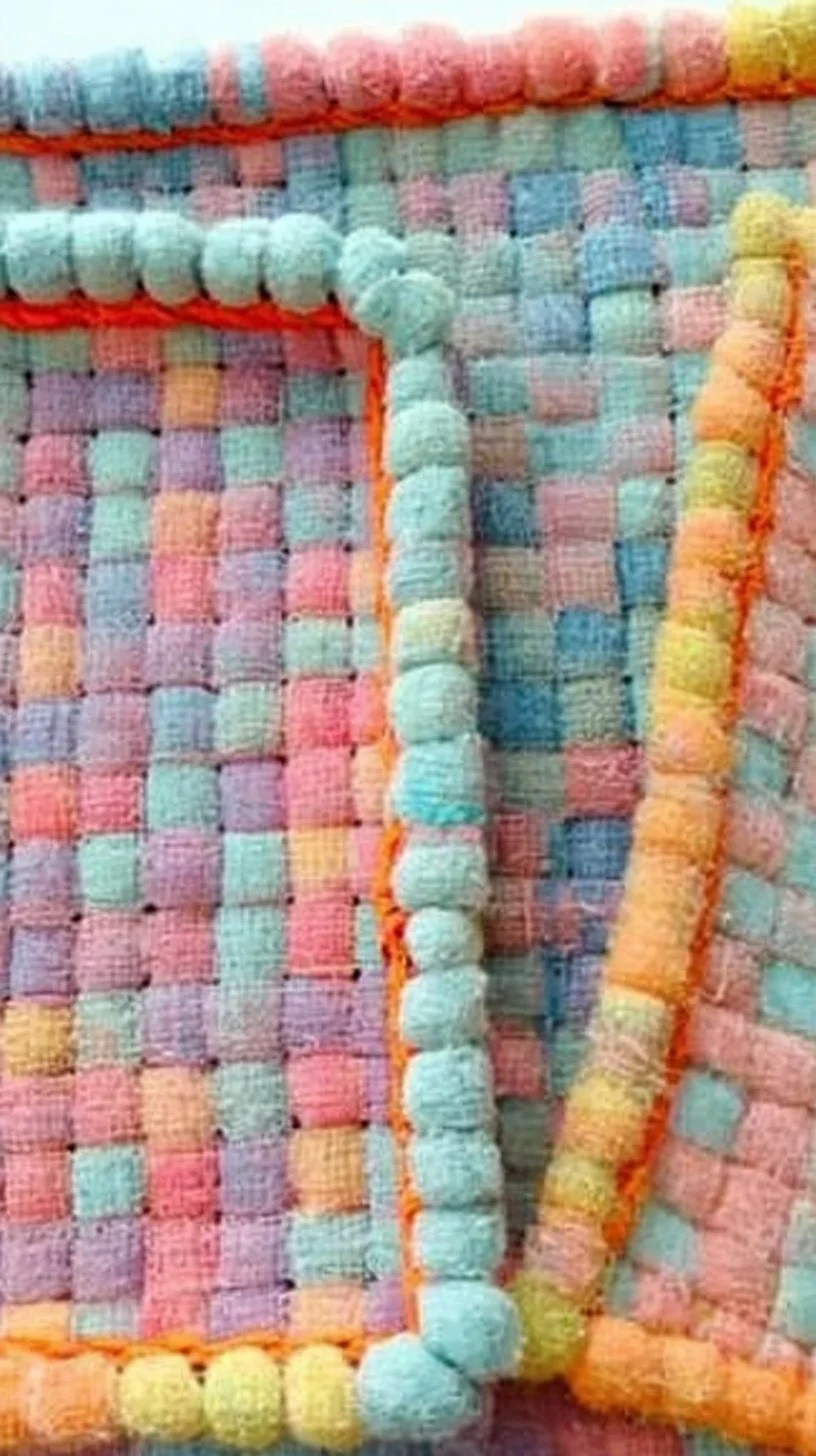
How to Finish a Potholder Loom

I still remember the afternoon my kids turned my kitchen table into a makeshift craft studio, flour on one side and a potholder loom on the other. I’m a mom in my forties, proud of the small-town values my parents taught me, and I love sharing hands-on projects with my son and daughter, who are 8 and 11. My husband will bring down a tray of lemonade while the neighbors’ kids stop by to admire our colorful squares. Those afternoons echo memories of my own childhood, sitting with my aunt as she showed me how to finish edges neatly. Finishing a potholder loom is a cozy, satisfying ritual that gives you a usable piece and a touch of handmade charm for your home décor. I’ll walk you through thoughtful, practical finishing techniques that add durability and style while fitting into modern interior styling and decorating tips.

Choose the right finishing edge for style and strength

The edge you pick determines both the look and longevity of your potholder. Popular finishes include whipstitch, overcast stitch, braided fringe, and a neat crochet border. For a kitchen that leans toward farmhouse or cottage-core, a simple whipstitch with matching cotton yarn gives a tidy, homey finish. If your interior styling favors boho or eclectic looks, add a braided fringe on two sides for texture.

Actionable tips:

  • Use a needle large enough for your yarn to avoid snagging. I teach my kids the whipstitch first because it’s forgiving and fast.
  • Match your border color to a dominant tone in your kitchen to make it feel intentional as part of your home décor palette.
  • For strength, stitch through both layers at the edge so the potholder can handle frequent use and washing.

A neat border turns a plain square into a decorative item you won’t be afraid to display on hooks or arrange on open shelving.

Add a practical backing for durability and visual appeal

A backing protects the weaving and gives the potholder a polished look. You can hand-sew a cotton fabric backing, use felt for insulation, or quilt a thin layer for extra thickness. Fabric backing also lets you coordinate with placemats, napkins, or curtains for cohesive decorating tips across your kitchen.

Practical steps:

  • Cut the backing slightly smaller than the woven square to avoid corners peeking out.
  • Use a short, tight stitch to secure the fabric to the weaving; this prevents bunching after washing.
  • If you want more heat resistance, add a layer of cotton batting or sew in a small square of insulated fabric inside.

I often let my daughter pick scraps from my sewing box to create playful, personalized combinations. The backing not only improves function but also ties your potholder into your overall interior styling.

Create a hanging loop or tab that complements your decor

A small loop turns a potholder into both a tool and a display piece. Think of it as a dual-purpose finishing touch that makes your potholder accessible and part of the room’s look. Choose a loop made from matching yarn, leather cord, or a small ribbon that echoes the room’s aesthetic.

How to do it:

  • Secure the loop into the edge when you finish the border so it is anchored to multiple stitches.
  • Reinforce the attachment by stitching through the loop base several times, or add a small backing patch for extra strength.
  • Position the loop in a corner for a traditional look, or centered on one side for a modern display.

I hang a set of three coordinated potholders on a slim wall peg near my stove — they’re practical and create a colorful vignette that fits my home décor inspiration.

Block, trim, and wash for a professional finish

Blocking and gentle washing make a handmade potholder look like it came from a boutique. After finishing the edges, trim stray yarn ends close to the fabric but not so close you risk unraveling. Blocking evens the shape and helps the border sit flat.

Steps to follow:

  • Lightly dampen the potholder and pin it gently to a flat towel to shape it, letting it air-dry fully.
  • Trim loops or uneven yarn with sharp scissors, keeping the cut clean.
  • Wash gently by hand or on a delicate cycle in a mesh bag; reshape while damp to maintain the edges.

These finishing touches create a polished item that stays attractive through use. I always show my kids how blocking smooths out their projects — it’s a satisfying bit of magic for little makers.

Style potholders into everyday home décor and inspiration

Think beyond utility and let potholders add charm to shelves, hooks, and tablescapes. They work as small placemats under hot dishes, layered coasters for a casual coffee station, or framed as textile art on a gallery wall that highlights craft and texture. Match them to your kitchen’s color story, or use them as little pops of pattern against neutral countertops.

Practical styling ideas:

  • Group several in a row on a peg rail for a curated, artisanal look.
  • Rotate color families to refresh visual interest without a full redecorating effort.
  • Use sets to echo other textiles such as tea towels or chair cushions for cohesive interior styling.

When friends drop by, these small handmade touches often spark conversations about technique and tradition. For a home that blends function and design, potholders are a delightful way to weave personal craft into everyday decorating tips.

Conclusion

Finishing a potholder loom well gives you a useful piece and a tiny canvas to express your home décor style. If you want a clear, hands-on tutorial with photos and step-by-step finishing methods, check out The Best Way to Finish Handwoven Potholders – Big Green Chair. Try a few different edges, backings, and display ideas until you find combinations that fit your kitchen and interior styling. With a little patience and practice, you’ll have durable, attractive potholders that add warmth and inspiration to your home.
Categories
DIY

Everyday Bow Tutorial – How to Make Wreaths – Wreath Making for Craftpreneurs

I remember the hum of my kitchen on a slow Saturday, the kids building blanket forts nearby while I looped ribbon and sipped coffee. As an American mom in my forties, I love tying traditions together with something handmade. My son likes to help snip ribbon and my daughter insists on glitter for one tiny bloom, which reminds me of afternoons with my own mother teaching me basic stitches. My husband brings snacks and my neighbor sometimes drops by to admire a new wreath. Those small moments shaped how I approach wreath making and home décor, mixing practicality with cozy charm. If you want wreath-making ideas that fit into family life, sell well online, and feel like a warm addition to any home, you are in the right spot.

Mastering the basics of bow making: tools and materials

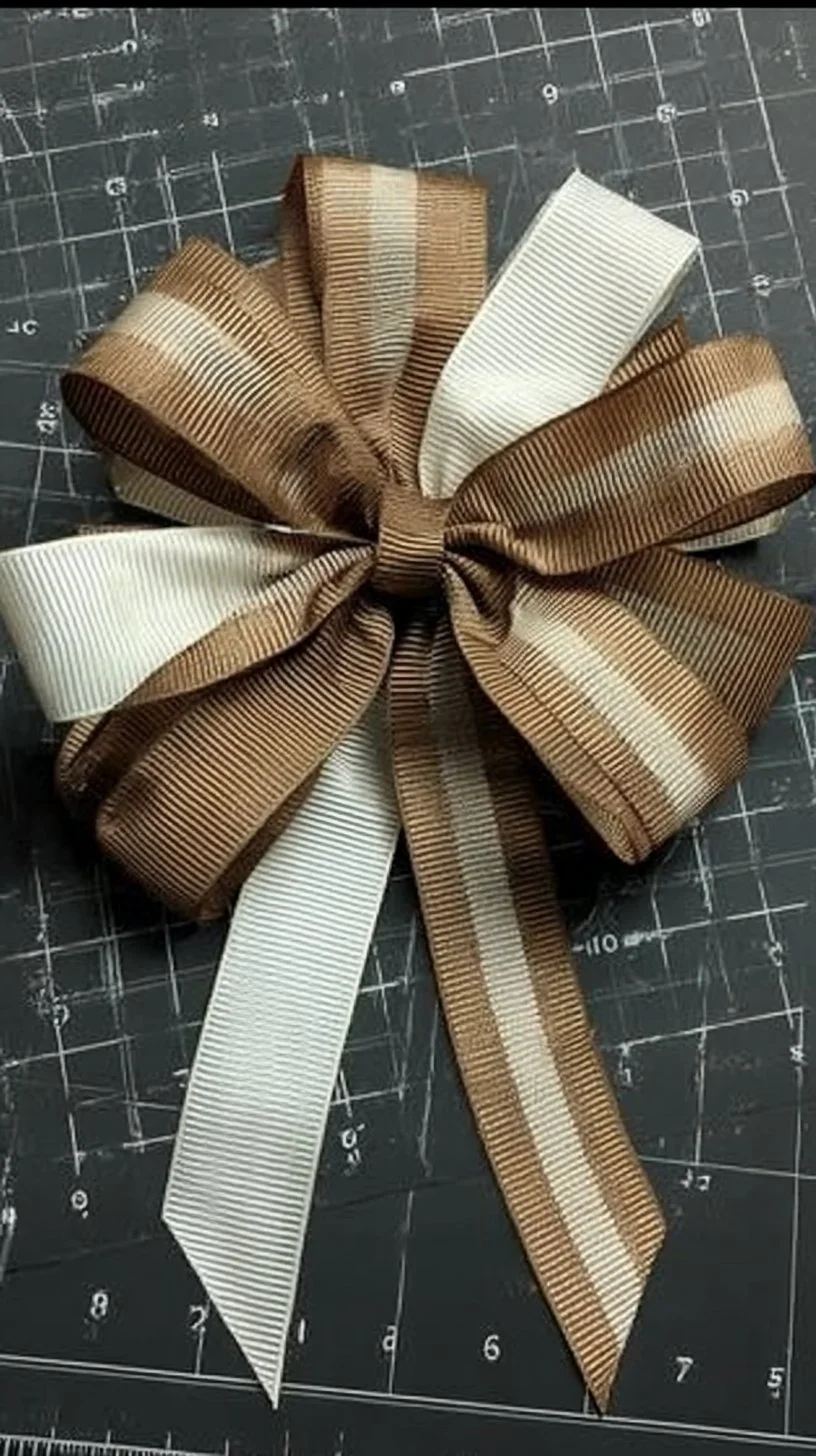
Great bows start with a short list of reliable tools: wired ribbon, scissors, floral wire, a ruler, and a foam or grapevine wreath base. Wired ribbon holds its shape, which is essential for consistent results whether you make a single wreath or batch dozens for customers. Choose ribbon widths from 1.5 to 4 inches depending on the wreath size. For home décor and interior styling, neutral tones like cream, olive, and soft gray pair well with natural wreath bases, while jewel tones add a luxe feel. Practice basic loop bows until you can produce them without measuring every loop — this saves time and gives a handmade look. Tip: mark ribbon lengths on a small clipboard to speed repetitive cuts when you are creating multiple bows for a craft business.

Everyday bow styles that elevate wreaths

There are a handful of bow styles that work across many decorating tips and interior styles. The classic loop bow is timeless and elegant; a farmhouse bow uses simpler materials like burlap for a rustic vibe; a streamer bow has long tails that look great draping over a mantel; and a layered bow mixes two ribbons for dimension. Try a small, tightly looped bow for wreaths hung indoors on gallery walls, and a larger, fluffier bow for a focal wreath in an entryway. Anecdote: my teenage niece once suggested adding a tiny charm to the knot. It became a best-seller for my online shop because customers loved the personal touch. For instruction, fold ribbon in even loops, secure the center with floral wire, fluff by separating loops, and trim tails at an angle for a polished finish.

Speed techniques and batch production for craftpreneurs

If you sell wreaths, consistency and speed matter. Make templates for common bow sizes and use a ribbon cutter board marked with measurements to reduce waste. Pre-cut ribbon bundles into standardized lengths — for example, five loops of 12 inches each for a mid-sized bow. Invest in a heavy-duty wire cutter and a pair of quick-clamp pliers to fasten bows securely to wreath frames. Keep a production flow: cut, form, secure, and trim in assembly-line order. I taught my sister this system and we knocked out orders quicker than expected while still welcoming neighbors who popped in. Pricing tip: calculate time per bow plus materials, and then test a few prices on your platform to see what sells. Don’t forget to factor in shipping protective packaging for bows with delicate wired edges.

Styling wreaths for interior décor and visual harmony

Think of a wreath as another element in your interior styling toolbox. Match ribbon textures with pillows and throws to create cohesion in living rooms or entryways. Scale matters: a 24-inch wreath needs a fuller bow than an 12-inch wreath to balance proportions. Use color theory to choose ribbon: monochromatic palettes add sophistication, while complementary colors create contrast and draw the eye. For minimalist spaces, keep bows simple and neutral. For eclectic interiors, layer patterns like thin plaid over solid ribbon for depth. Practical tip: photograph your finished wreath in situ — hung above a console or paired with a lit lamp — so buyers can envision the piece in their homes. My neighbor bought a wreath after seeing it on my doorway in a photo because she pictured it on her gallery wall.

Photography, listing, and customer care for craftpreneurs

Strong photos and clear descriptions are essential for selling handmade wreaths. Capture close-ups of bow details, show the wreath from different angles, and include a shot that shows scale against a door or mantel. Use keywords like home décor, interior styling, decorating tips, and wreath making in your product title and description to improve searchability. Describe materials, ribbon width, and care instructions so buyers know what to expect. Offer a brief personalization option, such as a choice of ribbon color or a small charm, to increase perceived value. Packaging matters: wrap bows with tissue and secure tails so the recipient receives a pristine product. When customer questions arise, respond with warmth and helpful tips, as my parents taught me to do with every neighbor who knocked.

Conclusion

I hope these practical decorating tips and bow-making ideas spark inspiration for your next wreath project or small business push. If you want a focused guide with step-by-step bow techniques and more styling inspiration, check out this helpful resource: DIY Wreath Bow Tips And Tricks With The Creative Coaches. Try a few styles, keep a small kit ready for quick production, and let family moments and personal touches guide your designs to create home décor that resonates.

Categories
DIY

How to Make Birdseed Ornaments

How to Make Birdseed Ornaments

When I think about simple projects that bring the family together, I picture my kitchen table covered in newspaper, an enthusiastic eight-year-old smudging seed on his cheek, and my ten-year-old daughter carefully pressing a cookie cutter into a sunflower seed mixture. I grew up watching my mother make things with natural materials, and now my husband and I tuck those same memories into our home décor. Neighbors stop by to admire the tiny creations hanging from our porch, and my parents always ask for a dozen more to hang in their backyard. That cozy, hand-made feeling is what I want to share with you: a friendly, guide-to-do-it-yourself approach that blends interior styling with a practical craft the whole family can enjoy.

Gather the right materials and prioritize safety

Before you begin, collect the basics: birdseed mix, unflavored gelatin or a peanut butter alternative, corn syrup or applesauce for binding, cookie cutters or molds, twine or ribbon, and a nonstick surface. Choose a birdseed blend that is fresh and free of dust to avoid mold later. If you have neighbors or children with nut allergies, skip peanut butter and use a seed-friendly binder like gelatin or a fruit puree. Work on a washable surface or lay down parchment paper to keep cleanup simple. Wear gloves if anyone has sensitive skin, and keep tools out of reach of very young kids. These small precautions keep the project enjoyable and safe while supporting a long-lasting result that contributes to your home décor.

Basic recipe and step-by-step method

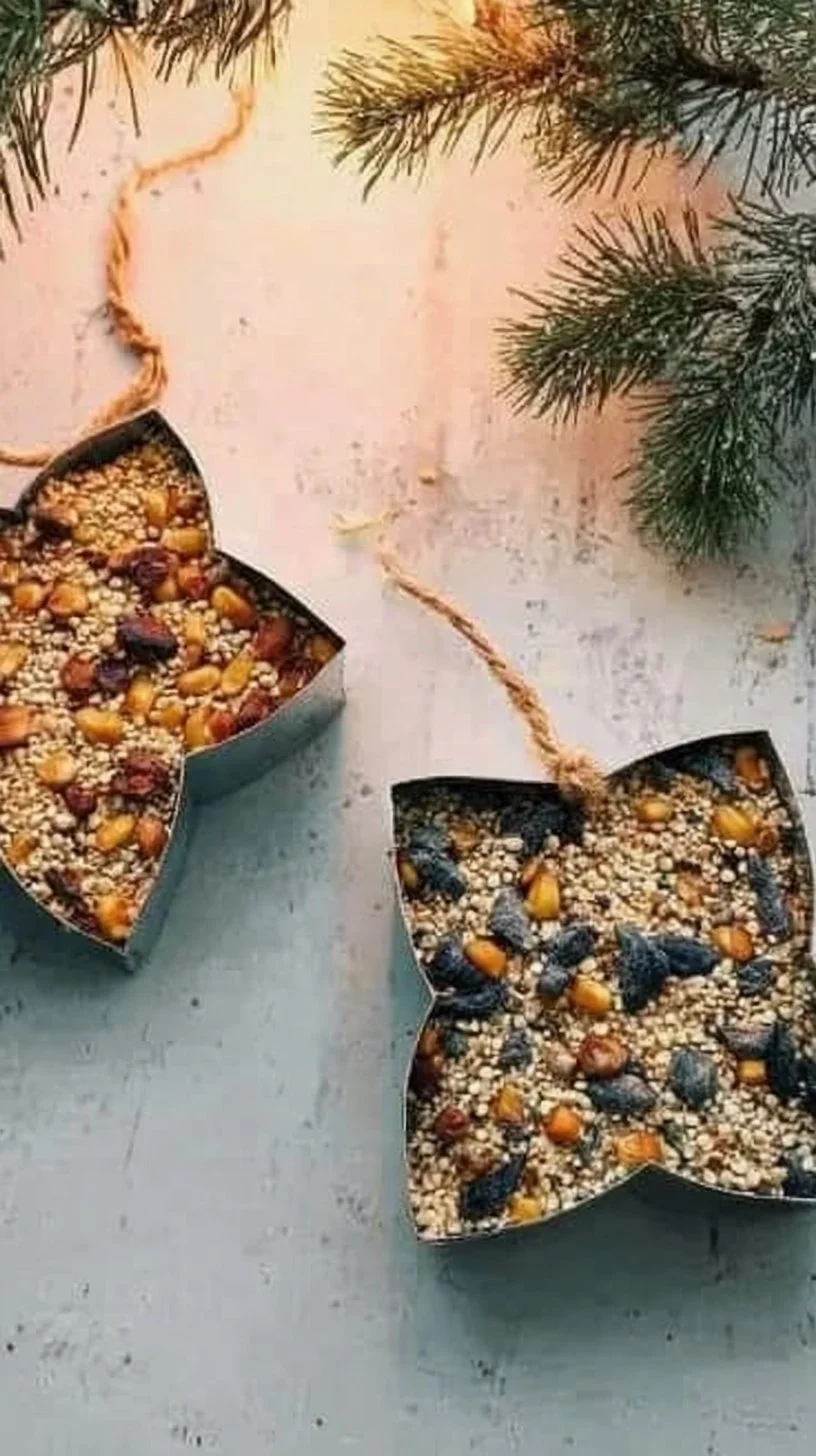
A dependable recipe helps your ornaments hold together without crumbling. Start by blooming one packet of unflavored gelatin in 1/4 cup cold water. Heat gently until dissolved, then stir in 1/4 cup corn syrup or 1/3 cup applesauce for a less sticky option. Pour the binder into 3 cups of birdseed and mix thoroughly until seeds are evenly coated. Press the mixture firmly into cookie cutters or silicone molds on a parchment-lined tray. Poke a hole near the top with a skewer for hanging, then refrigerate for at least two hours. Carefully lift the ornament from the mold, loop twine through the hole, and let it cure in a cool, dry place for another day. This method keeps the ornaments sturdy and easy to display as part of your interior styling choices.

Creative shapes, molds, and textural ideas

Think beyond plain circles. Cookie cutters and silicone molds offer endless shape possibilities: hearts, stars, mini houses, and leaves all look lovely grouped together. For added texture, press a sprig of rosemary or a thin slice of dried orange gently into the surface before the binder sets. You can also layer seeds for a striped effect by pressing a thin layer of one seed type, then a contrasting one on top before the final press. If you enjoy a rustic look, use twine for hanging; for a more refined accent, choose thin leather cord or satin ribbon. These small styling choices let your birdseed ornaments function as charming home décor elements that reflect your personal interior styling sense.

Display and styling tips for home décor

Once your ornaments are ready, plan how they will complement your space. Hang a trio of different-sized ornaments from a curtain rod in a quiet corner, or group several at varying heights on a decorative branch placed in a tall vase for a natural centerpiece. They also look great clustered on a windowsill or tugged into a wreath for year-round texture. Use neutral twine to mesh with minimalist décor, or bright ribbon to add a pop of color in an eclectic room. Consider placing a shallow dish under ornaments that will be near walkways, so any dropped seeds are easy to sweep up. These decorating tips help integrate DIY birdseed ornaments into your interior styling and provide simple inspiration for readers refreshing their home décor.

Weatherproofing, longevity, and placement choices

To help ornaments last longer indoors and near sheltered outdoor areas, consider a light spray of food-safe lacquer or diluted white glue brushed on the back side only. Avoid heavy varnishes if the ornaments will be used around wild birds, and never use toxic sprays. Place ornaments away from direct sunlight to keep seeds from fading, and rotate displays to check for signs of mold or deterioration. If you want outdoor-friendly versions for covered porches, use a sturdier binder like boiling sugar syrup or vegetable shortening blended with seeds, then allow thorough drying. Proper placement and simple protective steps extend the life of your crafts and make them reliable additions to your home décor collection.

Make it a family project with kid-friendly variations

This craft is perfect for involving both children and adults, and it is a great way to introduce kids to interior styling basics. Give younger children small, supervised tasks such as sprinkling seeds, pressing into molds, or choosing ribbon colors. For older kids, challenge them to design a themed set for a room, teaching them about color balance and texture. Turn the process into a friendly competition with simple criteria like most original shape or best color layering. Keep a camera handy to document the process and display a photo strip near your finished ornaments as part of a gallery wall. These activities create lasting memories while reinforcing decorating tips and inspiration for personalizing your home.

Conclusion

I hope these decorating tips and DIY steps inspire you to add a handmade touch to your interior styling. For a detailed recipe and extra step-by-step photos to help you make birdseed ornaments with confidence, check out this helpful guide: Birdseed Ornaments – Fountain Avenue Kitchen. Try a small batch first, involve the kids, and let your home décor evolve one charming ornament at a time.

Categories
Valentine’s Day

Easy DIY Valentines Party Ideas for Kids

Introduction

When I picture the kind of kid-friendly gathering I love to host, I see my kitchen table covered in paper, my son and daughter laughing as they trade markers, and my husband pouring the hot chocolate they begged for. As an American mom in my forties, I grew up making simple crafts with my own parents and neighborhood friends, and those cozy memories shape how I style parties today. I still borrow a tip my sister taught me years ago: use what you already have and make it feel intentional. Whether I am showing my kids how to fold a napkin into a heart or pulling out an old craft idea from my childhood, the goal is warmth and simplicity. For extra inspiration on kid-friendly crafts that work year round, I sometimes flip through a favorite tutorial like this homemade ornament example from a holiday collection to adapt techniques for everyday decorating: homemade ornament idea.

  1. Create a Cozy Color Palette

Choose a restrained color story to make any kid party look styled without fuss. Think two neutrals plus one lively accent color. For example, soft cream and warm gray with a pop of rosy pink keeps the room feeling intentional, not overly themed. Use fabric swatches or paper samples as a quick mockup on the table before you buy anything. Practical tip: reuse curtain fabric or throw blankets as tablecloths or runner pieces to add texture and control cost. When my daughter was eight we used her old floral curtains as a tablecloth and added mismatched mason jars for blooms; it looked curated because the palette stayed consistent. This approach transfers to interior styling too: matching small decor elements like cushions or placemats helps the party blend into your home décor so it feels like part of your everyday style rather than a one-off.

  1. Easy Reusable Centerpieces and Table Styling

Centerpieces that double as keepsakes mean less waste and more charm. Try a simple cluster of glass jars with battery tea lights and tissue paper flowers inside. Kids can make the flowers beforehand and store them for another event. Another idea is a craft-paper table runner covered in doodles and stickers; let children decorate a strip, then roll it up and save it for future use. For place settings, create name cards from folded cardstock that also hold an activity prompt, like “Draw a silly face” or “Tell a joke.” I once used painted wooden blocks as place cards and later turned them into building blocks my kids still play with. These small touches tie into decorating tips for the whole home by emphasizing multifunctional pieces and texture play.

  1. DIY Activity Stations that Double as Décor

Set up craft stations that look pretty when not in use. A pegboard on an easel can display paper shapes, ribbon spools, and scissors in an organized, attractive way. Kids can create garlands or paper bouquets that go straight from the station to the wall, saving setup time. I label jars for each material and add a small sample piece so little ones know what to make. For step-by-step inspiration and other easy craft links I have bookmarked, this collection of simple DIY projects has ideas I adapt often: easy DIY links. Practical setup tip: protect surfaces with vinyl placemats and keep wet wipes handy to keep cleanup fast so you can enjoy the party instead of tidying for hours.

  1. Wall and Window Treatments with a Handmade Touch

Lightweight decorations on walls and windows can transform a room and are simple to take down afterward. Try a layered paper chain curtain in mixed sizes and textures hung over a doorway or window. Or create temporary window clings using washable window markers or removable vinyl shapes that kids can decorate. My neighbor once had her children make sun-catcher circles from contact paper and tissue scraps; they looked so sweet in the afternoon light and doubled as art for the fridge afterward. For a more grown-up look, hang neutral macrame or fabric panels behind the snack table and add small clusters of paper blooms to anchor the display. These choices fit interior styling trends that favor tactile, handmade elements and keep your home feeling curated and welcoming.

  1. Low-Mess Craft Favors and Thank-You Displays

Think of favors as part of your décor by displaying them on a styled cart or tiered tray. Small jars with craft supplies, mini puzzle packets, or a simple DIY seed packet activity look charming and are useful long after the party. Create a gratitude board where kids pin thank-you cards they make during the event; it becomes both an activity and a visual centerpiece. I like adding a small sign with simple instructions so even shy kids know how to participate. For games that double as decor, a clear jar filled with colored tokens where guests guess the number can sit on a side table and spark conversation. When favors are practical and pretty, they contribute to your home décor rather than creating clutter.

Conclusion

I hope these approachable ideas inspire you to create a memorable and stylish kids gathering that feels like part of your home décor. If you want a ready-made list of kid crafts to try at your next gathering, check out this helpful resource for Valentine crafts and adaptable projects: Valentine crafts for kids. Try one or two ideas and build from there; small, intentional touches will make your party look thoughtfully styled and give your children memories that fit right into your family story.

Categories
Valentine’s Day

7 Romantic DIY Valentine’s Day Decorations

When my daughter and son tumble into the craft room with glitter on their cheeks and the biggest questions about colors, I feel right at home. As a forty-something American mom, I love turning simple materials into warm corners that invite conversation. My husband often jokes that our house smells like cinnamon and glue, and my parents still remember the paper hearts I made as a kid. Over the years I have learned to blend practical decorating tips with small traditions that make a living room feel lived-in and loved. If you like projects that involve your kids or tapping into memories from your own childhood, these approachable ideas will help you build a romantic, everyday look without spending a fortune. For more inspiration on easy festive craft lines I sometimes borrow from, check out these easy DIY decorating ideas.

  1. Soft, Layered Textiles for Instant Coziness

Idea 1: Create a layered palette with throw pillows, a textured blanket, and a subtle rug. Start by choosing two main colors and one accent hue that reads as romantic but timeless, such as dusty rose with warm beige and a hint of gold. Practical tip: buy one pro-quality neutral throw and add two lower-cost patterned pillows for contrast. Anecdote: my son helped stitch a simple pillow cover from an old sweater, which became our favorite spot for storytime. Styling tip: arrange pillows in odd numbers on sofas or window seats and fold the blanket over an armrest for an inviting vignette. This approach to textiles is a cornerstone of interior styling and home décor because it balances comfort with polished design.

  1. Candlelight and Soft Lighting Tricks

Idea 2: Use varied light sources to craft a soft, flattering atmosphere. Combine dimmable overheads, table lamps, and clusters of candles. Safety tip: for households with young kids, swap some real candles for warm LED candles that flicker convincingly. Try placing a trio of different-height candles on a decorative tray with greenery for an easy centerpiece. My neighbor taught me to add a tiny votive behind a frosted jar to create a stained-glass effect that delights kids during bedtime. Lighting is one of the most transformative decorating tips you can use to make any room feel romantic in an everyday way.

  1. DIY Floral Touches That Last

Idea 3: Favor long-lasting stems and mixed textures over delicate single flowers. Combine dried grasses, preserved roses, and a few seasonal blooms in low vases to keep arrangements from looking fussy. Practical how-to: trim stems at an angle, arrange in a triangle shape for balance, and anchor with floral foam or pebbles if needed. My daughter loves to press a few leaves between books, then we incorporate them into a glass jar display. If you want to borrow techniques from winter crafts, I also reference crafty tutorials for repurposing materials from other seasons. Using botanicals in this way offers a romantic accent that remains practical and low-maintenance.

  1. Personalized Wall and Shelf Displays

Idea 4: Make wall groupings that tell your family story. Mix framed photos, simple illustrations, and text prints with small ledges for rotating objects. Actionable tip: start with a central piece at eye level, then add supporting pieces around it, stepping back frequently to check the balance. Try a family memory shelf with a vintage plate from your parents, a small handmade heart from your child, and a candle. I love swapping items seasonally or when my children create new artwork, which keeps the display feeling fresh and personal. This curated approach to interior styling turns bare walls into meaningful focal points without needing professional help.

  1. Upcycled Rustic Accents for Character

Idea 5: Repurpose old items to create charming accents with character. Think reclaimed wood signs, mason jar vases, or painted frames. Practical steps: sand and stain a scrap board, stencil a simple phrase, and hang it over a mantel for instant personality. My siblings and I once made a pallet table together and now it holds our game nights and snacks. Budget tip: scout thrift stores or garage sales for pieces that only need a little love. These rustic touches work well with both modern and farmhouse aesthetics and are a fantastic way to practice sustainable decorating while adding romantic warmth.

  1. Simple Tabletop Styling for Everyday Romance

Idea 6: Set small “moments” around the home rather than overdressing the entire space. Place a styled tray on the coffee table with a book, a small vase, and a pretty coaster. For the dining table, use neutral linens, mismatched plates, and a runner to keep things relaxed yet intentional. Practical tip: create a quick centerpiece using items you already own: stack books, top with a bowl of citrus, and tuck in a sprig of greenery. My husband appreciates these little touches when he walks in after work; they feel intimate without effort. Such decorating tips make everyday meals and gatherings feel curated and cozy.

  1. Texture Play with Natural Materials

Idea 7: Introduce texture with woven baskets, ceramic pieces, and natural fiber rugs. Actionable suggestion: layer a jute runner under a soft area rug to add depth and interest to flooring. Use wicker baskets for storing throws and toys so practicality meets style. Story: when my parents visited, they commented on how the baskets kept the living room tidy but warm, which made me proud. Mixing textures is an easy interior styling trick that keeps a romantic scheme from feeling flat while maintaining family-friendly functionality.

Conclusion

These ideas blend practical decorating tips, interior styling inspiration, and heartfelt touches you can actually live with. Try one idea this weekend with the kids or invite a neighbor over to help make a simple centerpiece. If you want more farmhouse-friendly projects to expand your toolkit, explore this collection of farmhouse Valentine’s DIY projects for additional inspiration.

Categories
Valentine’s Day

5 Cutest Valentine’s Day Jar Gifts You Can DIY

I still remember Saturday mornings in my childhood kitchen, the sunlight catching a jar of buttons on the windowsill while my mom sang along to the radio. As a mom in my forties with a son and daughter between 8 and 12, I love recreating that cozy clutter in our home. My kids help me assemble little jars of treats and notes for neighbors, and my husband labels each one like it is a prized heirloom. If you enjoy crafting with kids, you might like this collection of simple projects for little hands to help with while learning practical decorating tips and interior styling basics: holiday crafts kids can make. These jar gifts double as sweet presents and thoughtful accent pieces that fit effortlessly into everyday home décor.

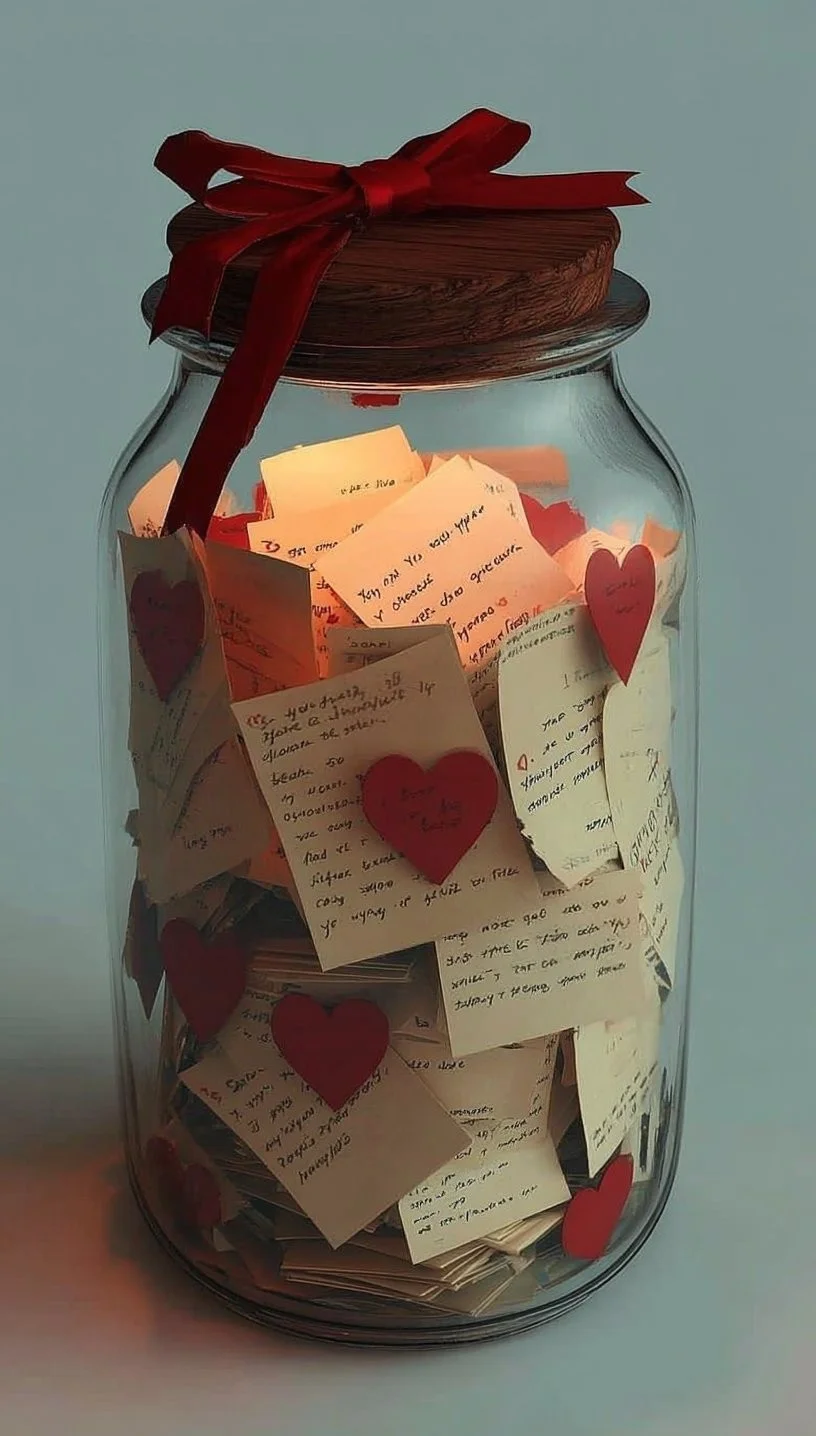
1. Love Notes Jar – Memory-Filled Accent

Turn a plain mason jar into a memory keeper by filling it with short, handwritten notes. Use colorful scrap paper, folded into tiny hearts or rectangles, and ask each family member to write one happy memory, gratitude line, or future promise. For a grown-up twist, include small prompts like “A favorite recipe” or “Our best inside joke.” Display the jar on a bedside table or mantel as part of a styled vignette with framed photos and a candle. To elevate the look for gifting, tie a ribbon around the neck and attach a tiny wooden spoon or charm. This idea blends sentimental content with practical decorating tips for creating intimate, personalized accents that enrich your interior styling.

2. Mini Photo Terrarium – Personalized Keepsake

Create a little photo terrarium using a clear jar, a couple of small printed photos, faux moss, and tiny pebbles. Roll or accordion-fold a photo to stand upright, tuck it into a nest of moss, and finish with a smattering of miniature fairy lights for evening ambience. These jars work beautifully on bookshelves, entryway consoles, or clustered on a coffee table as part of a gallery-style display. For cohesive home décor, pick photo tones that match your room palette and use a uniform type of jar for a curated look. This project makes interior styling approachable by combining personal stories with visual texture and color balance.

3. Scented Candle Jar – Cozy Glow for Any Room

Pour-your-own candles in recycled jars are charming, useful, and great for learning simple craft skills. Use soy wax, cotton wicks, and essential oil blends such as lavender-vanilla or citrus-ginger to appeal to different rooms in the house. Add dried botanicals around the edge for texture but keep them away from the flame for safety. Label each jar with kraft paper tags and decorate lids with twine or stamps. Styling tip: group two or three jars of varying heights on a tray with a stack of books and a ceramic bowl to create a warm focal point. Candle jars offer an easy way to introduce layered lighting into your decorating routine and create cozy zones throughout your home.

4. Recipe-In-A-Jar – Heirloom Flavors and Presentation

Layer dry ingredients for cookies, pancakes, or spice mixes in a clear jar and include a sturdy recipe card tied to the lid. Make it personal by using a family recipe passed down from your parents or siblings, and write a short note about why it matters. For visual impact, alternate colors and textures of ingredients so the jar becomes a decorative stripe of flavor. Present the jar with a small wooden spoon and a hand-stamped tag describing baking times and tweaks. This idea is both a thoughtful gift and a styling trick: keeping a few of these jars on open kitchen shelves adds charm and functional decor that reads as warm, lived-in interior styling.

5. Mini Herb Garden Jar – Living Décor for Shelves

Small jars can house cuttings of basil, mint, or rosemary rooted in water or a thin layer of soil for a tiny herb garden that livens up any room. Use matching jars and labels for a tidy, modern look, or mix and match vintage jars for eclectic charm. Place them on windowsills, kitchen islands, or grouped on a floating shelf to bring fresh scent and color into your home. Maintenance is simple: change water weekly for cuttings, or repot into slightly larger containers when roots fill the jar. If you like styling your kitchen with personality, these living accents pair well with curated cookbooks and decorative plates to create a kitchen vignette that blends practicality with inspiration. For creative shelf styling ideas that complement these jars, explore ways to adapt decor to your cooking space here: kitchen styling ideas.

Conclusion

I hope these five jar gift ideas spark both heartfelt giving and fresh inspiration for your home décor. They are simple enough to make with kids, carry family memories, and translate into everyday interior styling touches that lift a room. If you want more themed gift ideas to pair with these jars, check out this collection of adorable teacher gift ideas for easy presentation tips and finishing touches. Try one this weekend and tuck the finished jars into your seasonal displays or everyday shelves for a personal, stylish accent.

Categories
Valentine’s Day

Valentines Day Photo Project with Balloons

I still remember a rainy Saturday when my daughter wanted to string balloons through the living room and my son insisted on hiding behind the couch for the perfect peek-a-boo shot. As a mom in my forties, I love weaving those small rituals into our home décor so they feel like part of the story on the walls. My husband hangs the string lights, my mom brings an old frame from the attic, and the neighbors often stop by to admire the little display. Those afternoons taught me how a simple photo project can turn into a lasting accent for a home that reflects family and culture. If you need a few kid-friendly project ideas to start, I sometimes pull inspiration from lists like these holiday crafts kids can make to spark creativity with materials already on hand. The following ideas focus on interior styling, decorating tips, and inspiration you can use all year.

Plan with a décor-first mindset

Start by treating the shoot as a styling exercise, not just a photo session. Look at the dominant colors and textures in the room you want to highlight and choose balloon hues that complement them. For example, if your living room has warm neutrals and oak tones, pick matte cream and muted terracotta balloons for an elegant, cohesive look. Smaller rooms benefit from transparent or pearlized balloons that keep the eye moving rather than overpowering the space. Practical tips: test a sample arrangement against the wall before inflating a big batch, and keep spare ribbon and a hand pump nearby so you can adjust sizes without stress. This approach keeps the project aligned with your interior styling rather than making it feel tacked on.

Balloon arrangements that flatter your interiors

Think about scale and placement. A cluster of varied-size balloons tucked into a corner reads as intentional décor, while a single oversized balloon anchored beside an armchair can become a whimsical focal point. Use combinations of matte and glossy finishes to add depth, and consider mixing balloons with lightweight paper or fabric garlands to anchor them visually to your room palette. For homes with high ceilings, a low balloon cloud above a coffee table can draw attention down to conversational areas. Anchoring balloons to heavy objects like decorative planters or books avoids visible weights and keeps styling clean. Actionable tip: wrap the balloon ribbons around a small decorative tray or ceramic bowl to make the anchor part of the vignette.

Props and textures that make photos feel like décor

Layering is key. Use pillows, throws, and tabletop objects that already live in your space to craft scenes that photograph beautifully and double as display pieces afterward. Old frames, brass candlesticks, and woven baskets can all become props that echo your home’s style. Get your kids involved in making simple props — paper hearts, hand-painted frames, or small clay tags — to make the décor feel personal. If you want project ideas for kids to practice cutting, gluing, and painting that translate into decor, look at examples like easy snowman crafts that sell out every holiday season for technique inspiration even if you adapt the shapes and palettes for year-round themes. Practical example: create a small gallery cluster on a narrow wall using 3 to 5 framed photos from the shoot, interspersed with fabric swatches or a small balloon ribbon loop to unify the layout.

Lighting, composition, and capturing cozy moments

Natural light is your friend. Pick a time of day when the room gets soft, indirect light and position your subjects so their faces are lit but not squinting. If natural light is limited, use warm LED bulbs and bounce light with a white sheet or reflector to maintain a cozy, homey atmosphere. Composition tips: get down to the kids’ eye level, leave breathing room in the frame, and use the balloons as a leading element that guides the viewer’s gaze toward faces or décor items. Encourage candid interaction rather than rigid posing; ask them to whisper a joke to each other, build a small fort with pillows, or hold up a favorite book. Those moments produce images that feel like authentic décor rather than staged portraits.

Turn images into lasting home décor pieces

Once you have prints, think beyond a single framed shot. Create a mixed-media display: pair printed photos with pressed flowers, fabric swatches, or a small shelf that holds a mini balloon sculpture. Consider a consistent frame color and mat size to create a cohesive gallery wall that fits your home’s interior styling. For an easy, high-impact piece, choose three images with similar tones and hang them above the mantel or in the dining nook. Actionable decorating tip: rotate the photos seasonally or whenever you refresh your living room textiles to keep the display feeling new without a major redesign. Also, consider printing a few smaller matted versions for bedside tables or for gifting framed shots to grandparents; that extends the décor story through your family.

Personal touches and preservation tips

Make the project meaningful by incorporating family heirlooms or traditions. Use a scarf from your grandmother as a background drape, or place a favorite childhood toy in a candid shot. Preserve balloon prints by opting for archival paper and UV-protective frames so colors remain true over time. Store digital files in organized folders labeled by year and room location so you can easily swap images into displays as your décor evolves. Anecdote: I once framed a candid of my son mid-laugh and hung it near his school desk; every time he studies he sees that snapshot of joy and it brightens the corner. Small decisions like consistent framing, archival materials, and thoughtful placement keep these projects from feeling ephemeral and make them genuine decorating elements.

Conclusion

If you want more project ideas and ways to turn photos into gifts or decor elements, this collection of favorite projects is a great resource to explore further: Our Favorite Valentine’s Day Photo Projects – Printique. Try a few of the suggestions above, involve your kids in simple prop-making, and let the finished prints become part of the home’s story. These decorating tips and interior styling ideas are meant to help you create a warm, personalized environment that celebrates family moments every day.

Categories
Valentine’s Day

10 of the Best Valentine’s Day Craft Ideas!

Cozy beginnings from my kitchen table

Some of my best decorating memories began at the kitchen table, with crayons underfoot and a cup of coffee cooling as my two kids, ages 8 and 11, plotted their next creation. As an American mom in my forties, I love blending family-made touches with thoughtful home décor. My husband chops wood for our fireplace while my parents drop by with vintage frames, and my childhood memories of cutting paper with my sister still guide how I layer textures and color. Whether a neighbor stops in for a quick craft swap or my son proudly tacks his piece to the mudroom wall, these moments shape how I approach interior styling. This guide takes that warm, lived-in perspective and turns simple, family-friendly craft ideas into decorating tips you can use around the house.

1. Gallery Wall Upgrades with Handmade Accents

Turn a plain wall into a personal gallery by mixing store-bought frames with kids’ crafts and simple DIY pieces. Create small mixed-media panels using painted cardstock mounted on wood slices or thrifted frames. Choose a consistent palette that complements your living room, like soft neutrals with a pop of coral or blush. Swap pieces seasonally or whenever your daughter brings home a new favorite drawing. This approach upgrades wall art while keeping the display fresh and budget-friendly, adding warmth and personality without overwhelming a room.

2. Functional Decor: DIY Vases and Planters

Handmade vases and planters bring texture and life into any space. Decorate simple glass jars with fabric scraps, washi tape, or painted hearts for a modern artisanal look. Seal painted surfaces for durability and fill planters with easy-care greenery such as pothos or snake plant. My son enjoys pressing tissue paper onto jars, and neighbors often comment on the cheerful porch display. These practical decorating tips combine craft time and everyday function, perfect for anyone looking for inspiration in home décor.

3. Textile Touches That Tell a Story

Textiles instantly soften a room and offer a canvas for family-made style. Sew or glue small appliqued pillows using simple shapes cut from craft felt, or stitch pockets to hold a child’s mini artwork. Use complementary colors and textures to tie together sofas, chairs, and bed linens. I pass on embroidery skills learned from my mother to my daughter during afternoon projects. Personal textile additions create conversation pieces while celebrating family creativity.

4. Shelving and Vignette Styling with Handmade Objects

Shelves are perfect for showcasing curated items and crafted treasures. Create small clusters to balance scale: handmade clay hearts, painted stones, or ceramics next to a favorite cookbook. Alternate vertical and horizontal objects and leave breathing room for each piece. Rotate your kids’ latest creations to give guests a glimpse of family life. This interior styling technique keeps shelves looking collected rather than cluttered, inspiring seasonal swaps without holiday restrictions.

5. Tabletop Centerpieces and Everyday Charm

Create centerpieces that work year-round by combining natural elements with small DIY crafts. Arrange a shallow tray with a low vase, a handful of painted wooden hearts, and tea lights. Use materials you already have mason jars, dried flowers, or smooth pebbles and add hand-lettered tags or tiny painted canvases. Coordinate colors with your dining room palette and keep arrangements low for conversation flow. These tips emphasize charm over flash and make everyday spaces feel special.

6. Handmade Heart Garlands for Windows and Mantels

Create garlands from paper, fabric, or felt hearts to hang across mantels, windows, or doorways. Mix patterns, colors, and textures to match your interior palette. This is a simple weekend project that involves the kids, my daughter loves helping me cut hearts while my son strings them on twine. Heart garlands add visual interest and warmth, and can be swapped out with seasonal variations or kept up year-round for a cozy touch.

7. DIY Mini Wreaths with Nature Finds

Collect twigs, eucalyptus sprigs, or dried grasses to make small wreaths for doors or walls. Add ribbons made from scrap fabric or burlap for rustic charm. Layer small flowers, beads, or painted accents to personalize each wreath. I often let my children decorate mini wreaths for gifts or table décor. These projects are budget-friendly, use natural materials, and bring texture and life into your home décor.

8. Painted Mason Jar Candle Holders

Transform mason jars into elegant candle holders with a bit of paint, washi tape, or glitter accents. Place tea lights or battery-operated candles inside for a cozy glow. You can arrange a group of different heights on a tray to create a warm centerpiece for your coffee table or mantel. This project is easy, safe for kids to join in, and doubles as both craft and décor inspiration.

9. DIY Love Notes and Memory Jars

Fill small jars with handwritten notes, favorite quotes, or little tokens of appreciation. Use colorful paper and let your kids write or draw messages to family members. Display jars on shelves, bedside tables, or mantels to add a personal, heartwarming touch. These memory jars make meaningful gifts while adding depth and charm to your home décor.

10. Layered Fabric and Tassel Pillows

Combine felt, tassels, and layered fabrics to make cozy throw pillows that feel playful yet stylish. Mix patterns like stripes, solids, or subtle prints to create dimension. Place them on sofas, chairs, or window seats. This small DIY elevates interior styling while allowing the kids to contribute with simple embellishments, giving your home a lived-in, family-friendly vibe.

Conclusion

These ten approachable DIY Valentine’s Day craft ideas transform everyday spaces into warm, family-filled homes. From handmade garlands and pillows to memory jars and mini wreaths, these projects are fun for kids and inspiring for adults. Try a few this season and watch as small, crafted touches create a big impact in your home décor. For more projects and tutorials, check out 25+ of the Best Valentine’s Day Craft Ideas.


Si tu veux, je peux maintenant te faire la version prête pour Pinterest avec titre alternatif, description SEO, hashtags et prompts pour images MidJourney pour ce guide des 10 idées. Veux‑tu que je fasse ça ?

Categories
Valentine’s Day

Easy Valentine’s Day Touches That Wow

I still remember the day I taught my eight-year-old son how to fold a simple paper heart while my ten-year-old daughter watched from the kitchen counter, sticky from baking cookies with my mother. As an American mom in my forties, I love weaving family memories into the little details that make our house feel like home. My husband often jokes that our neighbors can tell when we are celebrating because heart-shaped cushions appear on the porch and soft candles glow on the mantle. Those small moments, passed down from my parents and siblings, are the kind of cozy touches that lift a room. I share these ideas not as an event planner but as a practical decorator who loves easy, meaningful changes you can do between homework and bedtime. If you want approachable decorating tips that add warmth and wow without major renovations, read on.

Soft Layers: Textiles That Whisper Romance

One of the easiest ways to refresh any room is with textiles. Swap in plush throw pillows, a lightweight throw blanket, or a patterned runner to soften seating areas. Choose fabrics with tactile appeal like velvet, boucle, or quilted cotton in muted reds, blushes, or neutral tones that pair with your existing palette. Tip: pick two statement pillows and one smaller accent with a coordinating pattern to avoid a matchy look. I like to involve my kids by having them pick one pillow pattern for the living room; their choices often surprise me and make the space feel lived-in. For dining areas, a simple linen runner and cloth napkins instantly elevate the table without breaking the bank. These small textile swaps are classic interior styling moves that read thoughtful and intentional.

Mood Lighting: Candles, Lamps, and Layering

Lighting creates atmosphere, so focus on layers rather than a single bright source. Use table lamps on side tables, a floor lamp by a reading nook, and a soft pendant above the kitchen island to create depth. Candles add instant warmth; place a trio of varying heights on a tray with greenery for a centerpiece that looks curated. Safety tip: use LED flameless candles if you have children or curious pets. For a subtle glow, string a set of dimmable bistro lights along a porch or mantel. Lighting is a decorating tip that works year-round to make spaces feel intimate and polished, and my husband often remarks that good lighting makes even a Tuesday night dinner feel special.

Fresh Florals and Greenery: Natural Pops That Last

Fresh flowers are a universal mood booster and a simple interior styling trick. Choose low-maintenance stems like eucalyptus, ranunculus, or even hardy branches from the yard and arrange them in a clear vase or a textured ceramic pitcher. If fresh never seems to fit your schedule, high-quality faux stems or preserved moss bowls look realistic and require minimal care. Place small bud vases in unexpected spots: an entry console, a bathroom shelf, or a bookshelf niche. I keep a small vase on my kids’ homework table; it gives them a little reminder that beauty lives in everyday places. This touch is great for home décor inspiration because it connects indoor spaces to the outdoors and adds color without clutter.

Tabletop Styling: Simple Centerpieces That Impress

You do not need an elaborate centerpiece to create a memorable table. Start with a neutral base like a wooden tray or a linen runner, then layer: add candles, a small floral arrangement, and a decorative bowl filled with seasonal fruit or decorative balls. For a family-friendly twist, set out a small stack of conversation cards or a simple build-your-own dessert station that doubles as décor and activity. Practical tip: keep heights varied to encourage conversation and ensure sightlines are clear across the table. I love using heirloom serving pieces my mother gave me; they add personal history and spark stories during meals. Tabletop styling is a decorating tip that blends function with beauty and makes gatherings feel intentional.

Personal Touches: Photos, Keepsakes, and Curated Collections

Personalized details make a house unmistakably yours. Create a small gallery shelf with framed family photos, a favorite cookbook, and a couple of pottery pieces or travel finds. Rotate the items seasonally or when your kids bring home new art from school to keep the display fresh. Use matching frames for cohesion or mix frames for an eclectic vibe. I often place a framed photo of my parents on the mantle alongside my daughter’s watercolor, which invites conversation and keeps family stories alive. These curated collections are an easy interior styling practice that adds depth and meaning to your décor without big expense.

Conclusion

Small, thoughtful changes can transform your home into a warm, inviting space with minimal time and cost. From layered lighting and tactile textiles to fresh florals and curated personal items, these decorating tips provide practical inspiration that works for everyday life. If you want more ideas and step-by-step inspiration, check out Valentine’s Day Ideas to Wow – WOWBouquet for creative suggestions that translate beautifully into home décor projects. Give one or two of these touches a try this week, and notice how small updates bring big joy to your rooms and routines.

Categories
Valentine’s Day

5 Creative Valentine’s Crafts for Adults

On a chilly evening last February, I found myself curled up on the sofa with a mug of tea, watching my two kids giggle as they tried to cut perfect hearts from construction paper. I am a forty-something American mom, proud of the small traditions my family keeps alive from Sunday dinners with my parents to backyard barbecues with my siblings and friendly chats with our next-door neighbors. My husband smiled as our daughter carefully glued glitter into place, and my son proudly displayed a crooked but heartfelt card. Those moments of making together are how our house becomes a home. Over the years I have learned simple ways to turn crafts into stylish pieces that enhance home décor, blend with my interior styling, and spark creative inspiration for the whole family.

1. Heart Shadowbox for a Cozy Gallery Wall

Turn a handcrafted shadowbox into a sophisticated focal point for your living room or hallway. Start with a deep frame, acid-free backing, and layered paper or fabric hearts in coordinating tones. Add small keepsakes like a pressed flower, a tiny vintage key, or a handwritten note to create depth. For a professional look, mount several small shadowboxes in a grid to create a mini gallery wall that complements your existing interior styling. Practical tip: choose matte frames in black, white, or warm wood to blend with most décor palettes. I made one using an old recipe card from my grandmother and it now sits on our entryway console, a permanent reminder of family stories and decorating tips that feel personal.

2. Scented Soy Candles in Decorative Jars

Hand-poured candles are both a craft and a home décor staple. Use soy wax, cotton wicks, and essential oil blends for a clean, long-lasting burn. Choose decorative jars that match your mantel or bookshelf style think amber glass for rustic rooms or frosted white for modern spaces. Add dried rose petals or a strip of ribbon as a finishing touch. Styling idea: group three different sizes on a tray with a small stack of design books and a ceramic bowl to create a curated vignette. I like to involve my kids by letting them sprinkle a pinch of botanicals on top; they love seeing their handiwork arranged with our favorite interior accessories.

3. Hand-Lettered Quote Art for the Entryway

A simple hand-lettered quote can elevate any space with personality and warmth. Use high-quality watercolor paper, ink pens, and practice modern calligraphy or block letter styles. Select a quote that resonates with your family, perhaps a line from a childhood song or a family motto I heard from my mother. Frame the finished piece with a mat to give it a gallery-finish. Hanging it in the entryway sends a welcoming message and ties into broader decorating tips: mix framed art with mirrors and small hooks for keys to make the area both beautiful and functional. Pro tip: scan and print the design on heavier paper to make multiple copies as thoughtful, homey gifts.

4. Velvet Heart Throw Pillows for Layered Texture

Sewing plush heart-shaped pillows is a simple way to add luxe texture to sofas and beds. Choose velvet or cotton-linen blends in colors that complement your living room palette. Use a basic pattern, sew two heart shapes together leaving a gap for stuffing, then finish with a hidden stitch. For an elevated look, add piping or a contrasting back fabric. Styling tip: place a pair on either end of the sofa or nest them among larger square pillows to create a layered, hotel-chic effect. I sewed a set last winter in deep cranberry and soft blush; they instantly warmed up our neutral couch and became favorite cozy companions during family movie nights.

5. Upcycled Frame Collage with Vintage Finds

Collect mismatched frames from thrift stores and create a collage that blends family photos, small artworks, and crafty elements like fabric hearts or embroidered patches. Paint frames uniformly for a cohesive feel or leave them distressed for a farmhouse look. When arranging, start with the largest piece and build outwards, paying attention to balance and negative space. This project is a wonderful way to honor memories and incorporate heirlooms into your decorating. My neighbors helped me hunt for frames at a weekend market, and we turned an empty wall into a conversation-starting focal point that reflects our shared taste and story.

Conclusion

Crafts can be powerful tools for home décor, offering personalized, budget-friendly ways to refresh your space and refine your interior styling. If you want a head start on supplies or ready-made pieces that inspire decorating tips and projects, check out this curated selection: Sale valentine crafts to make for adults on Sale. Try one of these ideas this weekend, invite the family, and enjoy how handmade touches transform your home into a place full of warmth and inspiration.