Categories
Living

9 Ways to Create a Dreamy Modern Boho Living Room

Transform Your Living Room into Modern Boho Bliss

I remember the sticky mornings when my two kids raced the school bus down our quiet cul-de-sac, backpacks bouncing and cereal crumbs on the couch—little reminders that a living room needs to hold real life, not just look pretty. As a forty-something mom, I’ve learned to blend practicality with personality: a place where neighbors drop by after soccer practice, where craft projects cover the coffee table for an afternoon, and where late-night chats with my husband feel calm and restorative. Those everyday moments pushed me to rethink our space with gentle layers, thoughtful storage, and pieces that have meaning. If you’re juggling family routines and want decorating inspiration that actually works for a busy household, these home décor ideas will help you create a living room that feels lived-in and artful. For bedroom inspirations that pair beautifully with this look, check out dreamy boho bedroom ideas you’ll love.

Embrace Natural Textures and Layered Rugs

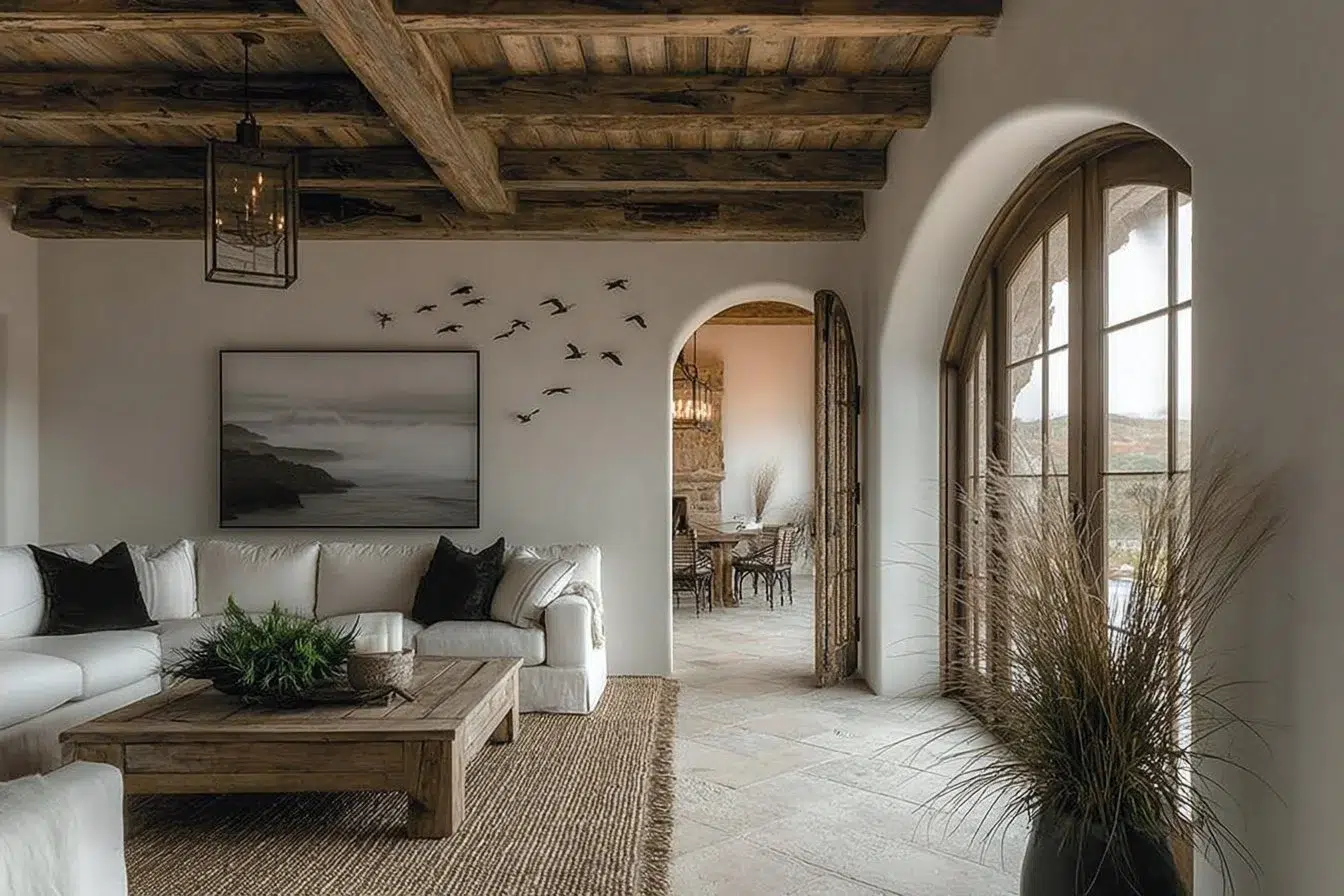
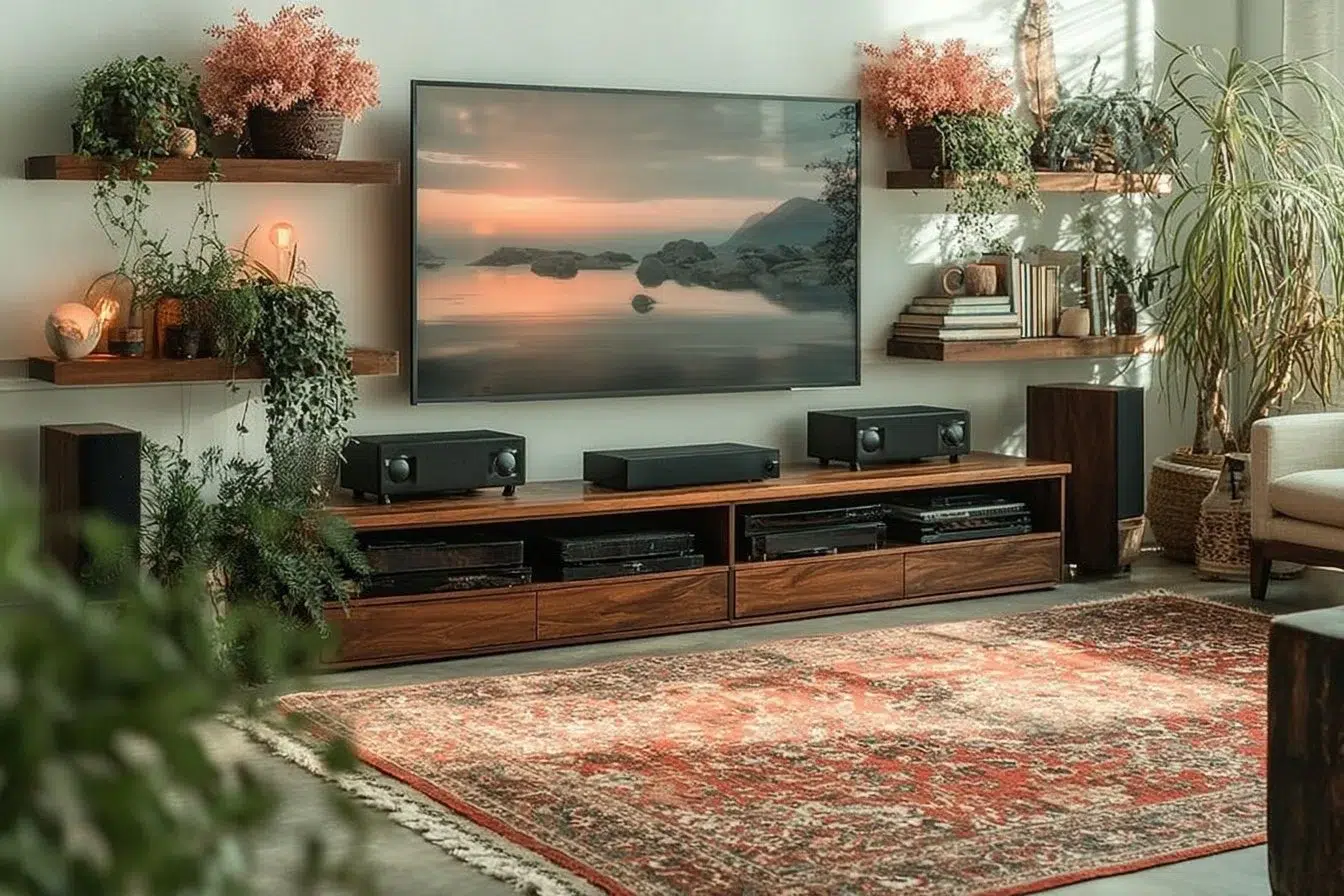
Start with touchable textures: woven jute, rattan baskets, linen slipcovers, and a macramé wall hanging. These elements add depth and a tactile warmth that makes a room feel collected over time rather than staged. A statement area rug anchors seating and defines the family zone—choose one with a subtle pattern and layer a smaller, softer rug on top near where the kids play. Visually, mixed textures bring contrast without overwhelming a neutral palette, and emotionally they create a calming, grounded atmosphere after a hectic morning routine. Practically, opt for rugs that can handle spills and a low-maintenance weave near the entryway or under the coffee table. When styling, tuck a basket with blankets beside the sofa for impromptu movie nights and to keep small toys corralled when unexpected guests stop by.

Warm Neutrals, Surprising Pops, and Living Greenery

A modern boho room often leans on warm neutrals—creams, warm taupes, and soft terracottas—as a backdrop, then introduces pops of color through cushions, art, or a favorite lamp. Jewel-toned throw pillows or a single mustard accent chair give personality without competing with the relaxed vibe. Plants are essential: tall palms in corners, small succulents on shelves, and a hanging plant near a sunny window add life and cleaner air. For families, plants also double as a teaching moment—my daughter waters the spider plant every Sunday and loves watching it grow. These layers of color and greenery are simple interior styling tips that breathe life into the room while fitting into busy schedules: choose low-maintenance plants and washable textiles for easy upkeep.

Low-Profile Seating and Multi-Functional Furniture

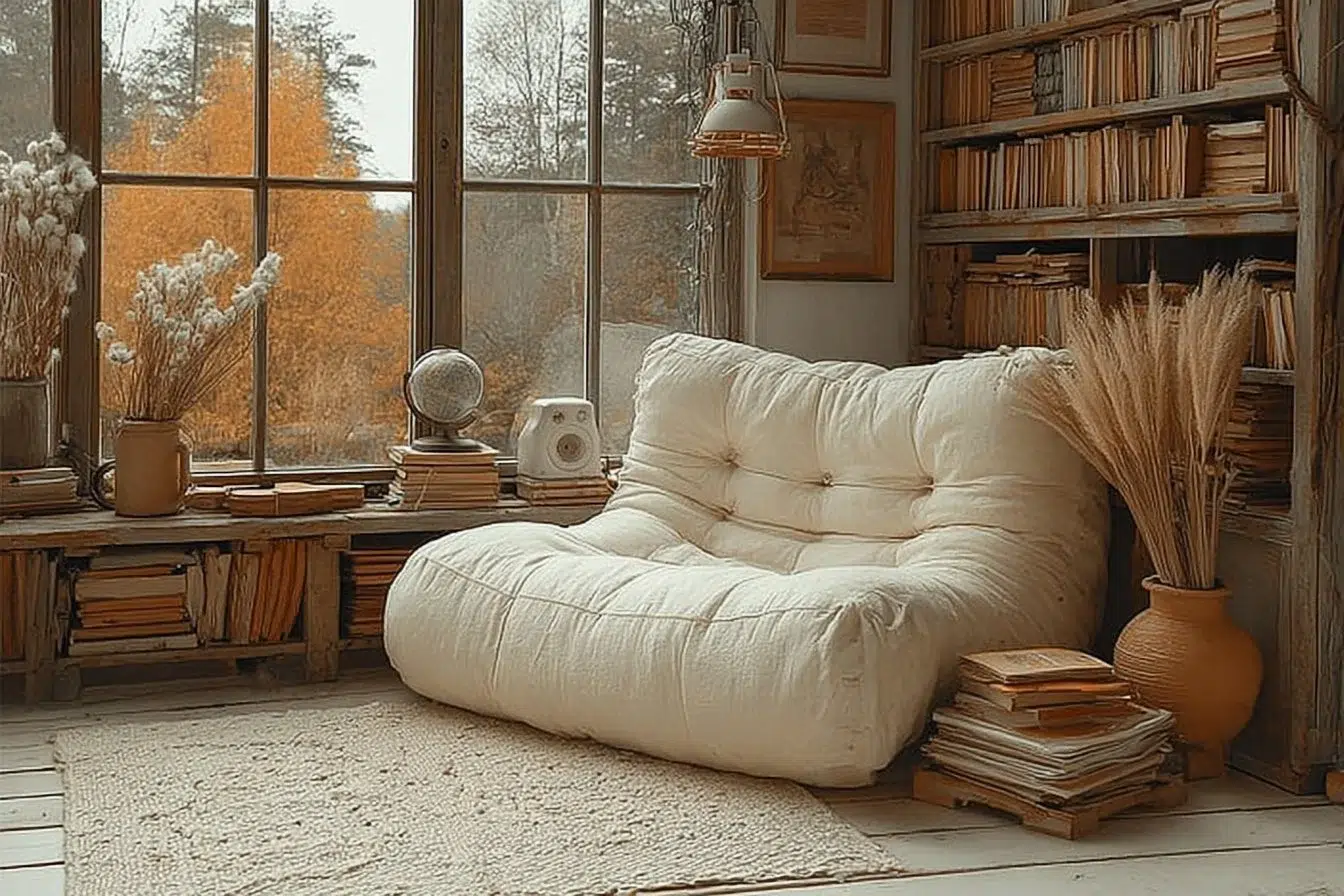
Modern boho favors comfortable, low-slung sofas and seating that invite you to sink in after soccer practice or a long day. Pick durable fabrics in neutral shades with removable covers to handle kid-friendly wear. Incorporate multi-functional pieces like ottomans with storage or a bench that doubles as extra seating for game nights. A daybed or sleeper sofa can serve as a cozy reading nook or a guest spot during sleepovers without sacrificing style. Emotionally, seating that feels inviting encourages family connection—our couch is where homework helpers become stories before lights-out. When choosing pieces, measure for flow so kids can run around safely and opt for pieces that balance aesthetics with function, reflecting the practical side of decorating inspiration for family life.

Curated Shelving, Woven Art, and Personal Finds

Swap a cluttered bookshelf for curated open shelving that mixes books with baskets, ceramics, and woven wall hangings. The boho look thrives on authentic, artisanal items—think a thrifted brass lamp beside a handmade pottery vase. Rotate children’s art into simple frames to celebrate their creativity without overwhelming the space. Shelves can serve double duty: display and tidy storage—use labeled baskets for board games, crayons, and chargers. Displaying a few vintage finds alongside modern pieces gives the room character and tells your family’s story, which makes guests linger and ask about each item. These interior styling tips encourage thoughtful editing: less visual noise, more meaningful accents that still accommodate the everyday flow of family life.

Layered Lighting for Mood and Function

Lighting transforms a room from rushed morning energy to a relaxed evening retreat. Combine overhead fixtures with floor lamps, table lamps, and soft accent lighting to create layers that suit homework time, movie night, or a quiet chat. A dimmer on the main light lets you shift the mood instantly when the kids wind down. For task areas—like a corner where my son spreads out puzzles—use focused floor or table lamps that deliver ample light without glare. Warm bulbs flatter natural textures and make the space feel inviting. Thoughtful lighting is one of the most practical home décor ideas because it supports daily routines and sets the emotional tone for gatherings, homework, and quiet reading.

Smart Storage, Baskets, and Finishing Touches

A true family-friendly modern boho living room balances beauty with invisible organization. Invest in built-in shelving, a media console with doors, or attractive baskets that slide under benches—these let toys and tech hide away quickly. Labeling baskets helps kids learn tidy habits and keeps the space ready for neighbors who pop in. Small finishing touches—like a tray for remotes, a ceramic catch-all for keys, or a curated stack of coffee table books—make the room look intentional. Styling inspiration often comes from repurposing: an old ladder can hold throws, and thrifted frames become a rotating gallery. These home décor ideas are about designing a calm backdrop for real life, where storage supports spontaneity rather than stifling it, and every item serves a purpose.

Conclusion

If you want to deepen the daylight in your boho living room, consider how natural light and skylights change textures and colors across the day—learn more about the benefits of Velux skylights to see if they match your home improvement goals. Save a few of these decorating inspiration ideas for your next weekend refresh, and try one small change at a time so your living room grows with your family’s rhythms. For more room-to-room inspiration, explore how spacious layouts can influence flow and your day-to-day comfort.
Categories
Living

Small Living Rooms Cozy Ideas for a Warm Retreat

Tiny Living, Big Warmth: Create an Inviting Family Room

I still remember the first autumn we moved into our little bungalow — backpacks lined by the door, a soccer ball in the hallway, and two kids arguing over the TV remote while I tried to fold laundry on the couch. Between school runs, PTA meetings, and neighborhood block parties, our living room became the house’s heartbeat: where homework got done, secrets were whispered, and sleepy movie nights happened. Those everyday moments taught me that a small space doesn’t need to be loud to feel full; it simply needs to feel intentional. Over time I gathered simple home décor ideas and interior styling tips that made our compact sitting area feel like an embrace at the end of a long day. If you love practical decorating inspiration that works for active families, start here and peek at a few of my favorite cozy heartfelt decor ideas that inspired our first cozy refresh.

Layered Textiles for Soft Warmth

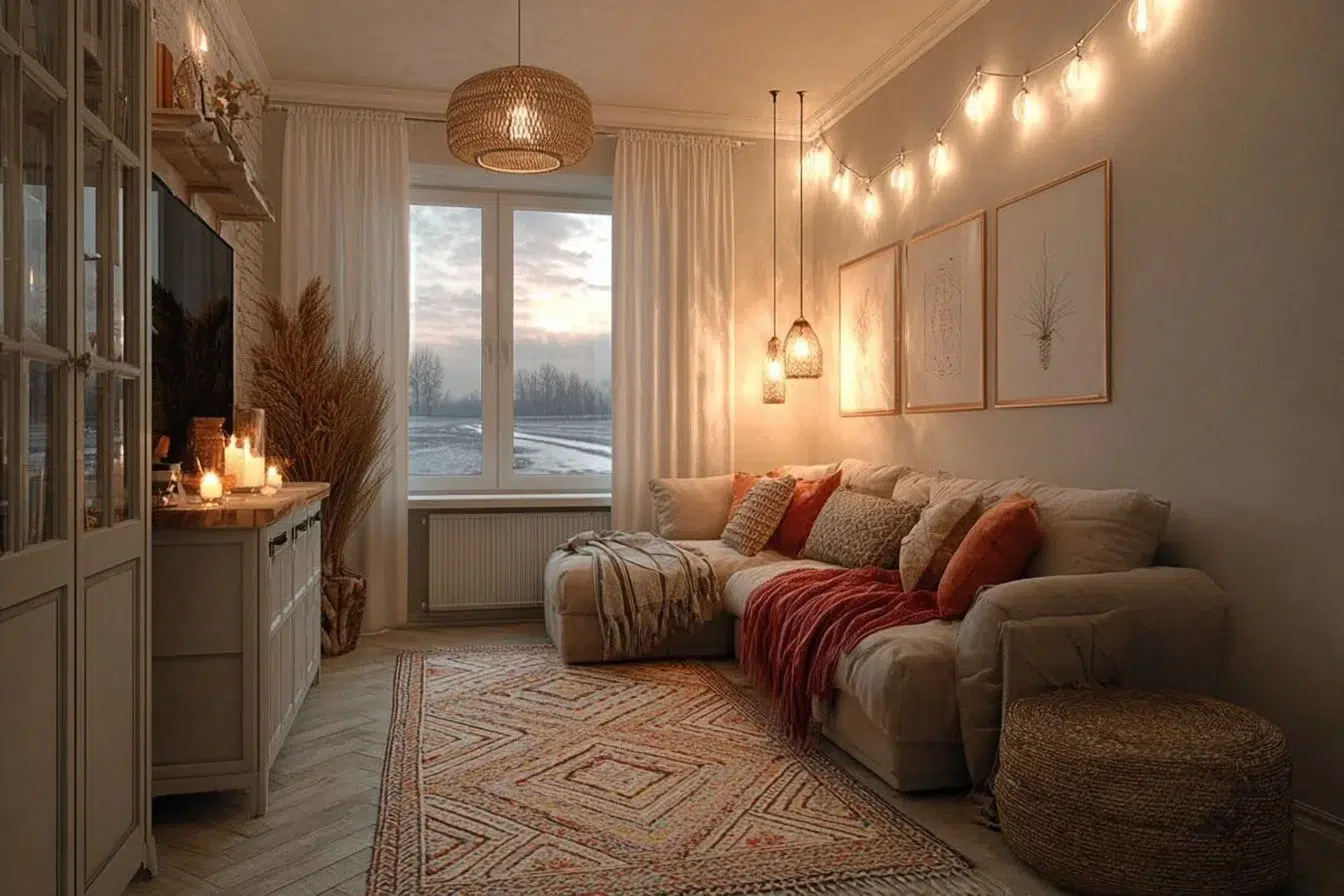
Layering fabrics turns a tight living area into a tactile retreat. Think plush throws over a slim sofa, a weighted cotton throw for movie nights, and a low-pile rug that defines the sitting area without overwhelming the floor. Visually, textiles add depth and tone — they break up clean lines and invite people to linger. Emotionally, a stack of soft pillows becomes a signal that this is a pause spot: for reading with a child, for a neighbor to drop by with coffee, or for a rainy afternoon of board games.

Practically, choose washable fabrics in kid-friendly blends and rotate pieces seasonally so nothing feels stale. Mix patterns in the same color family to keep the look cohesive; a striped lumbar pillow plus a subtle floral cushion works beautifully without shouting. For houses with active children, keep a designated basket for cozy blankets so they’re always within reach but easy to tidy when company arrives.

Smart Furniture That Fits and Feels

In compact rooms, furniture must multitask and feel proportionate. A narrow loveseat paired with an ottoman that doubles as toy storage keeps sightlines open while hiding clutter. Low-profile sofas preserve a sense of vertical space, and furniture on casters can be rearranged for homework help or impromptu playdates. Choosing pieces with exposed legs also creates an airy silhouette that tricks the eye into seeing more room.

Emotionally, furniture that’s scaled to the family invites everyone in — my kids can curl up beside me during storytime, and there’s still space for a friend who pops over after school. When buying, measure for clear walking paths and imagine daily routines: snack time, a craft afternoon, or folding laundry during commercials. These interior styling tips make a small space feel deliberate rather than cramped, and they provide practical zones without sacrificing style.

Light That Hugs: Warm Lighting Tricks

Lighting transforms mood more than color does. Swap harsh overhead bulbs for layered illumination: a warm-toned floor lamp for reading, table lamps on side tables for soft glow, and dimmable fixtures for evening wind-downs. A string of low-profile sconces or plug-in wall lights can add ambient layers without complex wiring, perfect for weekday evenings when homework and dinners blend into family time.

Visually, warm light makes textures sing and skin tones look more flattering — ideal for cozy conversations after school drop-offs. Emotionally, the right light can make a tired space feel rejuvenated; I remember how a single lamp changed our evenings from frazzled to serene. For practicality, choose energy-efficient bulbs with a 2700K–3000K temperature and place lamps at multiple levels so the room never feels flat. These small adjustments are some of the most effective decorating inspiration for family-focused rooms.

Palette of Gentle Neutrals with Pops

A soft, neutral palette creates a calming backdrop that amplifies small spaces. Warm beiges, muted greiges, and soft whites unify the room and reflect light, making corners feel less confined. Instead of stark monochrome, introduce personality with deliberate pops: a mustard throw pillow, a slate-blue vase, or artwork your kids helped pick. These accents give the room life while keeping the overall feel serene.

Why it works: neutrals act like a visual hug, easing transitions between the living area and kitchen or hallway. For families, practical durability matters — pick mid-tone finishes that hide fingerprints and scuffs while letting accent colors shine. I mixed washable slipcovers and an accent armchair we scored at a thrift sale; neighbors compliment it, and my daughter claims it for afternoon reading. These decorating inspiration choices are forgiving, stylish, and rooted in real household rhythms.

Textural Walls and Family-Friendly Art

Walls are blank canvases for adding tactile interest without eating floor space. Consider a subtle grasscloth wallpaper on an accent wall, beadboard behind the TV, or a linen-wrapped pinboard where kids can pin drawings. Textural walls create warmth through depth rather than color, making a compact room feel intentional and curated.

Pair textures with family-friendly art: framed school projects, a rotating gallery of watercolor experiments, or a woven wall hanging that doubles as a conversation starter for visiting grandparents. Emotionally, seeing your kids’ work displayed elevates ordinary days and strengthens that sense of home. Practically, use lightweight frames and removable hanging hardware so you can swap pieces easily; little changes keep the room feeling fresh through each stage of your children’s growth.

Nooks & Multipurpose Zones for Togetherness

Small rooms benefit from clearly defined micro-zones: a reading nook by the window, a homework corner with a slim desk, and a game zone with a low storage bench. These areas let family members coexist without stepping on each other — homework can happen beside movie prep, and quiet time can live alongside afternoon play. Use a consistent color thread or matching baskets to visually tie zones together so the space feels united.

From a practical angle, furniture that serves double duty — a bench that stores blankets, a coffee table with hidden compartments — supports busy routines. I carved out a tiny craft table for my younger one, and it became the household’s creativity hub: homework sometimes migrates there, and neighbors’ kids often gather for playdates. These interior styling tips maximize function while keeping the room warm and lived-in.

Conclusion

If you’d like more ways to layer warmth into tight spaces, this round-up of ideas can be a gentle starting point for your next refresh. Save the ideas that resonate, try one change at a time, and come back to tweak them as your family’s routines evolve. For extra inspiration that guided some of our choices, see this collection of inviting and cozy living room ideas that blend comfort with real-life practicality.

Categories
Living

Modern Farmhouse Paint Palette

Modern Farmhouse Paint Palette: Timeless Neutrals with a Fresh Twist

The modern farmhouse palette blends warm heritage with clean contemporary lines, favoring soft neutrals, muted pastels, and a few bold accents to ground the space. If you’re gathering ideas or dreaming about a remodel, explore some inspiring examples of modern farmhouse projects to see how color sets the tone in different rooms: modern farmhouse inspirations.

Foundations: Whites, Beiges, and Soft Greys

Start with a neutral foundation—warm whites and gentle greiges form the backbone of the look. These hues create a bright, airy backdrop that highlights architectural details like shiplap, exposed beams, and black metal accents. To introduce depth without overwhelming the simplicity, try pairing an off-white wall with a slightly darker trim or cabinetry shade.

For coastal or sun-drenched farmhouse spaces, cooler neutrals with a touch of blue-green can keep rooms feeling fresh and calm; designers often reference seaside palettes when softening grey-beige combinations, as illustrated by the soothing tones in the Coastal Calm Sea Salt palette.

Accent Colors: Muted Greens, Deep Blues, and Warm Blacks

Accents make the farmhouse look modern. Muted sage greens and soft teal bring a hint of nature indoors, while deep navy or charcoal create contrast for kitchen islands, front doors, or an accent wall. Warm black—think blackened bronze rather than stark jet black—adds definition on hardware, window frames, and light fixtures without reading too harshly.

When choosing an accent color, test it on the largest element you intend to paint (an island or an entire wall) rather than a small swatch. Small samples may read differently once they cover more surface area and interact with natural light.

Finishes, Textures, and Complementary Materials

Paint sheen and complementary materials are as important as the color itself. Matte or eggshell finishes hide imperfections and suit walls and ceilings, while satin or semi-gloss fares better on trim, doors, and cabinetry where durability is needed. Layer texture with reclaimed wood, woven textiles, and hand-finished ceramics to keep the palette grounded and tactile—handcrafted elements often amplify the authentic farmhouse vibe, much like seasonal ornaments and rustic DIY accents that personalize the home: hand-painted wood slice DIY ideas.

Practical Tips for Choosing and Using Color

  • Sample multiple tones in different lighting conditions—morning, midday, and evening—to understand how undertones shift.
  • Use the 60-30-10 rule: 60% dominant neutral, 30% secondary color (cabinets, upholstery), 10% accent (hardware, art).
  • Coordinate finishes: pair warmer neutrals with warm metals (brass, bronze) and cooler greys with nickel or matte black.
  • Keep continuity between rooms by repeating one neutral and one accent across adjoining spaces.

Styling with Paint: Room-by-Room Ideas

  • Kitchen: A soft cream or warm grey on walls, deep navy island, and crisp white cabinets make a balanced statement.
  • Living room: A green-grey accent wall behind shelving or a fireplace brings coziness without overpowering.
  • Bedroom: Pale, warm whites with layered linens and natural wood tones create a restful retreat.
  • Exterior: Light siding with darker trim and a bold door color (forest green, navy, or warm black) boosts curb appeal.

Conclusion

For a curated set of modern farmhouse color suggestions and combinations from a leading paint brand, see the official palette guide: Modern Farmhouse Paint Color Palette | Benjamin Moore

Categories
Living

Curated Whole House Paint Palettes for Timeless & Trendy Homes

Whole‑Home Paint Palettes Every Mom Will Love

I still remember the afternoon I stood in the driveway with a takeout coffee, watching my two kids race the neighbor’s golden retriever while the autumn sun softened the siding of our house. Between piano practice, science projects, and carpools, our home has become a patchwork of memories—finger-painted art taped to the fridge, soccer cleats lined by the door, and the smell of banana bread drifting from the oven. Lately I’ve been thinking about how the colors around us shape those moments: the calming wall in my eldest’s room that helps with homework focus, the bright mudroom that survives muddy backpacks, the living room hue that makes family movie night feel extra special. That curiosity led me to explore paint palettes that work across every room—practical, stylish, and forgiving for the small daily messes of family life. Here are curated whole‑home paint ideas that balance timeless appeal with a touch of trend, so your house looks pulled together without constant repainting.

Warm Neutral Foundation: Greige That Lives With Life

A warm greige acts like a gentle exhale for a busy household. It reads neutral but carries subtle warmth that flatters wood floors, woven rugs, and the varying tones of family photos. Visually, this shade unifies open-plan spaces—kitchen, dining, and living—so transitions feel seamless and intentional instead of choppy. Emotionally, it provides a calming backdrop for the chaos of morning routines and homework sessions, offering a quiet stage that doesn’t compete with toys or artwork.

To apply it at home, paint all main living areas in a single greige formula and layer color with textiles: throw blankets, curtains, and accent pillows. Keep trim a crisp off‑white to frame windows and architectural details. As an interior styling tip, add a few warm metallics or natural woods to prevent the palette from feeling flat. This approach makes it easy to change accent colors seasonally or when a child’s taste evolves—no repainting required, just swap cushions and art.

Serene Bedroom Blues and Greens for Better Rest

Bedrooms benefit from paint that invites relaxation and slow mornings. Muted blues and soft sage greens slow the visual pace without feeling cold or infantilized. These tones help bedrooms feel like a sanctuary after school drop‑offs and weekend sleepovers, contributing to better sleep and calmer evening routines. They also pair effortlessly with linen textures and layered lighting, making bedtime rituals feel luxurious yet practical.

To use these hues, choose a slightly desaturated blue for the master or a soft green for kids’ rooms. Keep ceilings and closets neutral to avoid overwhelming small spaces. Add personal touches—photo collages, a favorite quilt, or floating shelves with treasured finds—to keep rooms feeling lived‑in and loved. For an interior styling tip, pick bedding with subtle patterns that echo the wall tone; that repetition helps tie together décor while still allowing toys and school projects to shine without clashing.

Earthy Accent Rooms: Terracotta, Mustard, and Warm Clay

Accent rooms—think powder rooms, mudrooms, or a breakfast nook—are perfect places to embrace richer, trend-forward hues like terracotta or warm mustard. These colors bring warmth and personality, creating pockets of energy that lift daily routines like packing lunches or coming home from practice. They also photograph well for family snapshots and make small spaces feel intentional rather than afterthoughts.

Start by choosing one or two rooms to accent and commit to a saturated tone on three walls or just the focal wall behind a mirror or bench. Pair these colors with matte finishes and natural textures—rattan baskets for shoes, a wooden bench with cubbies, or a pendant light above the nook. A small investment in paint yields big visual payoff and allows the rest of the home to remain understated. This strategy supports decorating inspiration by giving you high-impact areas that express personality while keeping main zones versatile.

Playful Yet Practical Hues for Kid Zones

Kid areas need color that can take a beating and still look intentional. Chalky, muted versions of primary colors—soft navy, chalkboard green, or dusty coral—offer playfulness without chaos. These shades stimulate creativity but are forgiving: smudges blend in, and touch‑ups are easier because the tones aren’t too bright or saturated. Emotionally, they create spaces where kids feel safe to experiment and display art, making those messy afternoons feel purposeful.

Apply these paints to a playroom, craft wall, or a feature stripe in a hallway where backpacks hang. Use washable, durable finishes for lower wall areas, and designate a small gallery wall where artwork can be rotated. Incorporate child‑friendly storage solutions that match the palette so cleanup becomes part of the routine—baskets and labeled bins in complementary hues keep things tidy without sacrificing style. These interior styling tips help rooms stay stylish for parents and fun for kids.

Trim & Door Drama: Dark Accents for Modern Contrast

Adding dark trim or painted doors elevates an entire palette without repainting every wall. Charcoal, deep green, or near‑black on doors, window frames, and baseboards creates a crisp, modern contrast that highlights architectural details. This approach works especially well in family homes because trims and doors are less likely to need frequent repainting than whole walls, offering longevity and a designer touch that withstands changing trends.

To do this at home, choose a low‑sheen finish on trims to reduce scuff visibility and select a coordinated main wall color that shares undertones with the dark accent. For practical application, focus on high-impact elements—front door, pantry door, or stair balustrade—so the effect feels intentional. The result reads polished and collected, like the house was styled steadily over time. It’s an easy interior styling tip that photographers and neighbors notice, making everyday moments—welcoming guests, running after the mail—feel a little more special.

Cohesive Flow: Matching Undertones Across Rooms

A whole‑home palette feels intentional when undertones are consistent. Cool greys with blue undertones can clash next to warm beiges; instead, map your home by choosing a primary undertone—warm, cool, or neutral—and select each room’s color to harmonize with it. This technique creates visual continuity that’s forgiving when furniture moves rooms or when kids rearrange toys and books.

Practically, sample paint swatches in each room during different times of day to see how daylight and lamp light shift color. Use a unifying element—like the same off‑white trim or repeated brass fixture—to anchor varied hues. For families, this reduces repainting stress because each space reads as part of a greater story rather than a collection of competing choices. These home décor ideas and interior styling tips help create a home that flows from the mudroom to the master suite, making everyday routines more peaceful and visually satisfying.

Conclusion

If you’re gathering decorating inspiration for a full repaint or a few targeted updates, think about a palette that honors daily life—durable finishes, cohesive undertones, and a mix of calm and cheerful rooms. Save this page for when you’re standing in the paint aisle with two kids asking to pick “one color,” and remember small changes like painted doors or a warm greige can make a big difference. For a ready-made option and more curated whole‑home color guidance, check out this Curated Modern Boho Whole Home Color Palette Guide on Etsy that can help you choose a cohesive scheme for every room. Come back when you’re ready to tackle the next wall—your home is a living scrapbook, and paint is one of the easiest ways to tell your family’s story.

Categories
Winter Decor

Calm Minimal Winter Decor Ideas for Cozy Homes

Serene Winter Nesting: Minimal Minimalist Styling

I remember one January evening, kids hemmed in with homework and a spilled cup of cocoa on the kitchen counter, while snow dusted the neighbor’s eaves. As a forty-something mom of two, my days are punctuated by school drop-offs, PTA emails, and the little rituals that make a house feel like ours — pancake Saturdays, lost mittens, and late-night board games. After the holiday rush I crave a home that feels quiet without being cold, a place that welcomes muddy boots yet still breathes. That’s when I started rethinking our rooms with restraint: gentle palettes, tactile layers, and purposeful pieces that survive the chaos. These ideas grew from real life — from balancing kids’ crafts with a calm backdrop — and are meant to help you create a tranquil, family-friendly space using simple home décor ideas anyone can manage.

Layered Neutrals for Tranquil Living Rooms

A subtle neutral palette instantly calms a busy household. Soft beiges, warm greys, and muted whites create a background that highlights texture and family life rather than vying for attention. Visually, layers of tone-on-tone fabric—think a nubby throw over a linen sofa and cashmere-like pillows—add depth without clutter. Emotionally, this restraint helps the room feel intentional and restful after school chaos and neighbor drop-ins.

To apply this at home, start with one neutral as your anchor: paint or a large rug. Add two or three complementary textures—wool, cotton, woven—rather than bold patterns. Keep kid-friendly materials that launder easily but look polished: washable slipcovers and stain-resistant throws. I keep a low basket of board games near the sofa so evenings feel warm but tidy. This approach is a smart interior styling tip for families who want an inviting space that handles daily life gracefully.

Natural Accents: Bring the Outside In

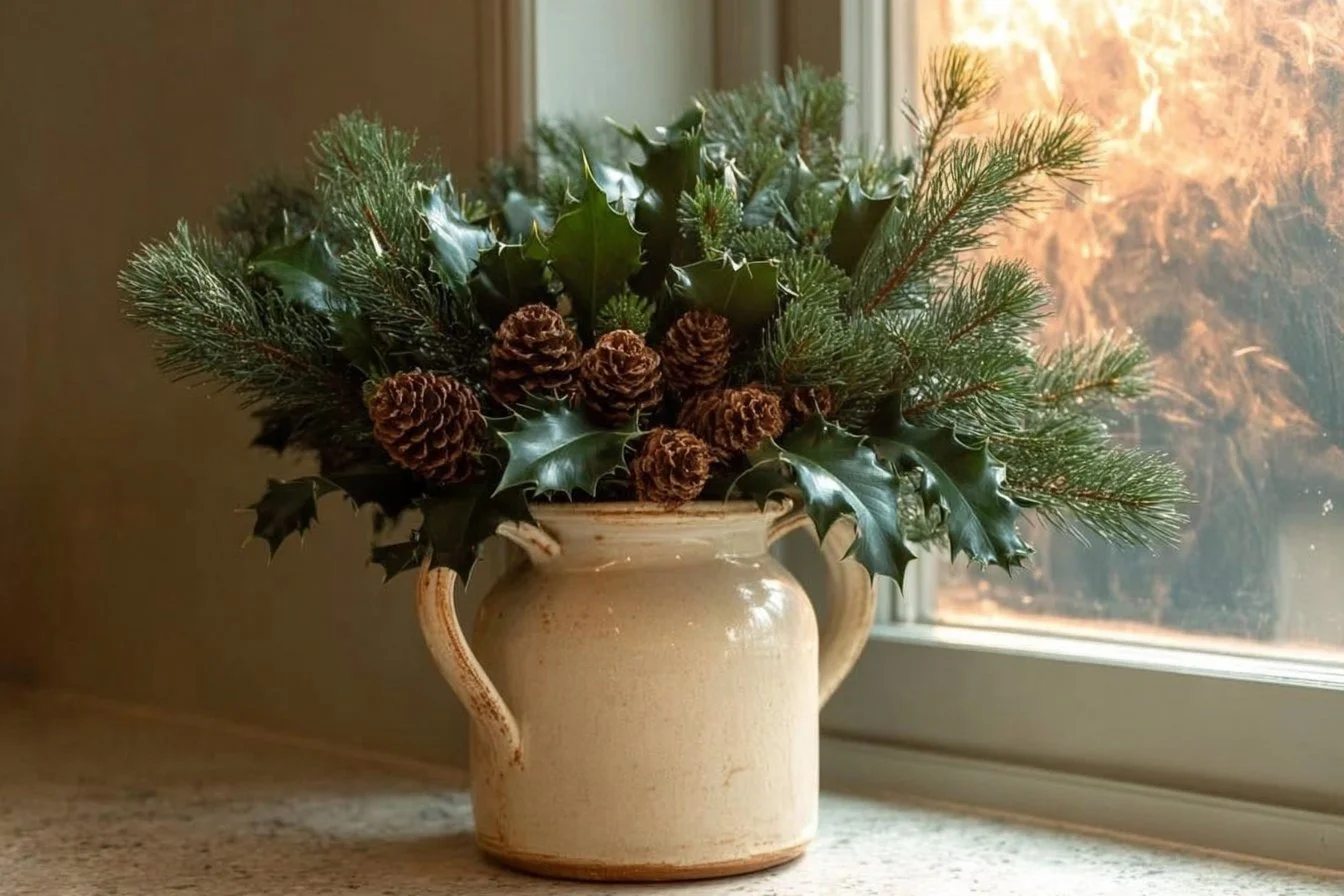
In winter, natural elements read as warm and authentic. Small branches in a simple vase, a cluster of pinecones on a tray, or a jar of eucalyptus can transform a stark room into one that feels lived-in and serene. These accents work visually by introducing organic shapes and softer lines that counterbalance clean minimal furnishings. Emotionally, they trigger memories of backyard walks or neighborhood tree-planting days.

Make it easy by adopting a “one-thing” rule: one nature-based accent per major surface. Gather items on family walks — my kids love finding interesting bark — and display them on a console or windowsill. Mix these with a single textured item, like a woven coaster or a raw-wood bowl, to keep the look intentional. Natural accents are a gentle decorating inspiration that blend with everyday life while staying low-maintenance and budget-friendly.

Soft Lighting and Warm Glow

Lighting changes how a room feels more than any accessory. In the darker months, switch harsh overheads for layered light: table lamps, floor lamps, and strings of warm LED bulbs. Soft lighting creates a soothing atmosphere for homework time, story reading, or early dinners with neighbors. Visually, pools of warm light highlight textures and corners, making small rooms feel intimate rather than cramped.

Implement this by placing lamps in reading nooks and on kitchen islands where kids do crafts. Use dimmers if possible, or plug-in fixtures on timers to mimic natural evening rhythms. Battery-operated candles on a mantel or hearth provide a flicker without the worry of little hands. These simple interior styling tips help your home feel curated and lived-in, balancing functionality with a relaxed aesthetic that supports family routines.

Decluttered Mantels and Shelf Styling

A restrained mantel or bookshelf becomes a focal point without feeling busy. Choose a few meaningful objects—family photos in neutral frames, a sculptural bowl, or a single art print—and give them room to breathe. This minimalist approach reads as elegant and intentional, creating visual harmony that feels reassuring after piles of art projects have been cleared.

To execute, edit ruthlessly: set aside three items you love and rotate them seasonally. Involve the kids by asking them each to pick one item to display; it keeps the space personal and reduces the urge to overcrowd. Use matching frames or consistent shapes to tie disparate items together. This method supports a tidy, functional home while still allowing warmth and character to shine—perfect for households juggling school projects, weekend playdates, and quiet evenings.

Warm Woods and Tactile Textures

Introduce warmth through materials: ash, pine, and oak furniture with soft finishes feel welcoming without overpowering a room. Woven baskets, sisal rugs, and linen curtains add tactile layers that invite touch and make spaces feel approachable. These elements create visual interest while maintaining the simplicity central to minimalist decor.

Practical application: replace one painted side table with a small wood piece or swap plastic bins for woven baskets in play areas. Choose durable finishes that show wear in a flattering way—fingerprints and patina become part of the story. I keep a wooden tray near the entry for mittens and masks; it looks intentional even on hectic mornings. These decorating inspiration ideas foster a lived-in elegance that stands up to active family life.

Multi-Use Spaces That Grow With Your Family

Designing flexible rooms reduces stress and keeps décor intentional. A dining table doubles as a homework station, a guest room becomes a craft corner, and storage ottomans hide board games while offering extra seating. These multifunctional choices look calm because everything has a place, which is emotionally soothing when routines get hectic.

Start by assessing daily movement: where do you and your kids spend the most time? Add discreet storage—closed cabinets, under-sofa bins—and stick to a curated palette so different uses feel cohesive. I converted a corner of our living area into a homework spot with a narrow desk and floating shelves; it keeps pencils organized and allows the rest of the room to remain uncluttered. These practical home décor ideas ensure your styling supports the real rhythms of family life.

Conclusion

If you’d like more ideas on how to transition holiday decor into subtle, serene winter arrangements, this guide offers helpful strategies for keeping your home tidy and inviting. Save a few concepts to try over the next weekend, and return to experiment with textures, light, and thoughtful editing as your family’s needs evolve. For additional inspiration, check out Beautiful Winter Decor | 6 Tips for Transitioning After Christmas for simple, family-friendly suggestions that align with these interior styling tips.

Categories
Winter Decor

Stylish Winter Decor Ideas for a Welcoming Home

Layered Textures for a Welcoming Home

I still remember the morning my eldest refused to leave the house because he wanted to finish a fort of blankets and throw pillows on the living room floor. As a mom in my forties with two kids between 8 and 12, our days move between school runs, snack negotiations, and neighborhood drop-bys where Mrs. Alvarez from next door brings over her lemon bars. Those small rituals made me realize my home should be as inviting for spontaneous forts and homework sessions as it is for quiet evenings. Over years of trial and error—swapping out a lamp here, adding a rug there—I’ve learned simple touches can turn everyday chaos into a warm, lived-in haven. If you’re like me, juggling family routines and wanting spaces that feel intentional, these interior styling tips blend practicality with decorating inspiration so your home welcomes everyone, from kids with crayon marks to visiting neighbors.

Soft Neutrals with Warm Accent Colors

A soft neutral base—think warm creams, gentle grays, and sandy beiges—creates a calm backdrop that lets family life shine without feeling cluttered. Neutral walls and larger furniture pieces mean easier swaps when tastes change or the kids decide to redecorate their own rooms. Add pops of warm color through pillows, small throws, or a single accent chair; these touches elevate the room visually and emotionally, making it feel curated rather than chaotic. For a practical application, choose washable fabrics for high-traffic spots and reserve richer textures for places the kids don’t touch as much. I keep a folded plaid throw on the arm of the sofa for movie nights and let my children grab patterned cushions for their fort; it looks styled but survives everyday use. These home décor ideas strike the balance between beautiful and family-friendly.

Chunky Throws and Layered Bedding

Layering bedding is both comforting and functional—perfect for those evenings when a child crawls into bed after a bad dream or when we pull blankets to the couch for homework sessions. Start with a crisp sheet and a mid-weight duvet, then add a chunky knit or faux fur throw at the foot of the bed for texture and warmth. In living areas, drape a heavyweight blanket over the back of a sofa to invite snuggling and to hide the evidence of snack time. Visually, varied textures add depth to a room, while practically they create grab-and-go warmth during busy mornings. I wash my throws weekly and keep an extra folded in a basket near the entry so the kids can grab one before heading outside to build snowmen or collect pinecones on our neighborhood walk. These interior styling tips make layered bedding an inviting, usable element of daily life.

Natural Elements: Greenery, Branches, and Simple Containers

Incorporating natural elements brings life into rooms without fuss. A few evergreen sprigs in a glass vase, a bowl of polished stones on the mantel, or a small potted plant on the windowsill humanizes space and provides sensory texture that kids love to examine. Gather branches from weekend walks or use pinecones collected by the kids to create a centerpiece that feels homemade and meaningful. Visually, organic materials break up straight lines and glossy surfaces; emotionally, they connect the indoors to the backyard treehouse and family outings. To keep things practical, choose low-maintenance varieties like snake plants or hearty succulents for spots kids might reach. I often let my youngest arrange a small bouquet in the kitchen—simple decorating inspiration that doubles as family bonding and a way to teach care for living things.

Layered Lighting and Candle Groupings

Good lighting transforms a room’s mood more than any single accessory. Combine overhead fixtures with table lamps and floor lights to create layered illumination that transitions from morning bustle to evening calm. Place lamps in reading corners for homework, and use dimmers or softer bulbs in family rooms to signal wind-down time. Candles arranged on a tray—battery-operated for safety with kids—add flicker and softness during dinner or a movie night. Stylistically, clusters of light sources create visual interest and highlight textured fabrics or art pieces. Practically, I keep a small stash of flameless candles in a drawer so the kids can set up a “campout” mood without me worrying. These interior styling tips for lighting help you craft spaces that adapt to everyday life while staying comfortably stylish.

Functional Entryway Styling for Easy Routines

The entryway is where family life greets design: backpacks, shoes, mail, and neighborly packages all pass through. Make it both welcoming and practical with a durable rug, a bench that doubles as storage, and a set of hooks for jackets and book bags. A shallow tray for keys and phones keeps clutter off surfaces, while a tall mirror opens the space and helps with last-minute outfit checks. Visually, a styled entry sets the tone for the rest of the home; emotionally, it reassures you that even on hectic mornings things have their place. I taught my kids a quick “drop and hang” routine we do when they walk in—backpacks off, shoes to the rack, lunchbox on the bench—so the space stays tidy and ready for neighborhood friends who pop over after school. These home décor ideas make daily comings and goings feel intentional and handled.

Blend Vintage Finds with Modern Pieces

Mixing antiques or thrifted treasures with contemporary furniture creates personality and tells a story. A weathered side table or a framed heirloom print adds depth and conversation-starting charm among sleeker modern fabrics. The trick is balance—pair a vintage chest with clean-lined seating or repeat a color from a retro find in new throw pillows so the room feels cohesive. Emotionally, those older pieces often carry memories and become family favorites: my grandmother’s lamp sits on a modern console, and every time I light it we remember her and share stories with the kids. Practically, hunt for durable vintage pieces at yard sales or thrift shops and give them simple refreshes like a new knob or a light sanding. These decorating inspiration moments make your space layered, personal, and striking without sacrificing family life.

Conclusion

Try saving a few of these interior styling tips to your Pinterest board and test one small change each weekend—swap a throw, add a plant, adjust lighting—and you’ll notice the difference in how your home feels. If you want more ideas that blend layered textures with warm greens and family-friendly approaches, I found a helpful resource with beautiful, practical examples at Cozy Winter Home Decor Ideas: Layered Textures, Warm Greens …. These decorating inspiration touches help homes feel lived-in and loved, where routines and neighbors’ visits are always welcome.

Categories
Winter Decor

Classic Rustic Winter Decorations with a Modern Twist

Rustic Hearths with a Fresh Modern Edge

I still remember bundling my two kids into thick jackets, the neighbor kids squealing as they raced down our cul-de-sac, and the smell of cinnamon from a pan on the stove—little rituals that make our house feel lived-in. As a forty-something mom juggling carpools, homework, and the occasional PTA meeting, I’ve learned that decorating shouldn’t be another chore. It’s how we stitch memories into the fabric of our home. Between soccer practices and late-night spelling tests, I love transforming ordinary corners into warm, intentional spaces that welcome neighborhood drop-ins and calm chaotic mornings. That’s where classic rustic pieces with a clean, modern twist come in—they’re forgiving, family-friendly, and instantly instill personality without looking fussy. Below are approachable home décor ideas and interior styling tips that blend heirloom charm with contemporary simplicity, perfect for busy households like mine.

Weathered Wood Meets Sleek Metal

One of my favorite home décor ideas is marrying reclaimed wood with brushed metal accents. The warmth of distressed wood brings an organic, lived-in feel, while thin metal frames or matte hardware keep the look current and polished. Visually, the contrast creates depth: the rough grain anchors a room and the metal adds a refined edge. Practically, a farmhouse-style console with iron legs survives sticky hands and homework projects better than a delicate antique. To apply this at home, swap out an all-wood coffee table for a mixed-material piece, or add a wooden mantel with modern black brackets. I like to let my kids display their seasonal artwork on clipboards hung from a metal bar—charming, functional, and easy to update. These touches offer decorating inspiration that feels intentional yet family-friendly, fitting easily into everyday routines.

Foraged Greenery in Clear, Simple Vessels

Bringing nature inside is a timeless interior styling tip that never feels overdone when done simply. Cut branches of pine, eucalyptus, or birch placed in clear glass vases or mason jars read rustic but uncluttered. The visual language is minimal—organic shapes and neutral palettes—so the greenery is the focus, not an ornate container. Emotionally, foraged stems connect the home to the outdoors and create a tranquil backdrop for family life. To implement this, keep a basket of clippers by the back door and let the kids collect handfuls of greenery after a walk. Pair branches with a single strand of warm LED lights for an understated glow. These vignettes work on dining tables, windowsills, and open shelving, offering practical decorating inspiration that’s both low-cost and high-impact.

Layered Textiles with Modern Patterns

Textiles are where rustic comfort meets contemporary restraint. Think vintage plaids and chunky knits balanced by solid, neutral rugs and geometric throw pillows. Layering different fabrics adds visual interest and warmth without feeling cluttered. For a modern twist, limit the palette to two core colors—for example, cream and charcoal—and use patterned throws or cushions as accents. This approach makes the room approachable for family life: stains hide on textured weaves, and throws are easy to wash after sports gear meets snack time. In our living room, a family quilt folded over a leather sofa reads homey rather than fussy, and a single patterned runner on the stair landing gives character without chaos. These interior styling tips help you create durable, attractive spaces that reflect both tradition and today’s clean lines.

Warm Lighting with Contemporary Lanterns

Lighting changes everything. Swap out ornate chandeliers for modern lanterns or cylinder pendants to keep a rustic scheme feeling fresh. The soft, layered glow from table lamps, battery-operated candles, and understated lanterns creates a comforting atmosphere without relying on fussy decorations. Visually, matte finishes and clear glass keep light fixtures from competing with other elements; emotionally, they invite relaxation after a busy day of carpools and school projects. Try placing a sleek metal lantern on a reclaimed tray with a handful of pinecones for a simple centerpiece that’s safe and child-friendly. For hallways and reading nooks, use adjustable wall sconces that combine old-world charm with contemporary convenience—my kids love the gentle brightness for bedtime stories. Thoughtful lighting is one of the most effective decorating inspiration tools for creating a welcoming home.

Heirloom Ornaments with a Controlled Palette

Mixing sentimental treasures with a limited color story gives a tree or mantel a curated, modern look. Choose a palette—say, natural tones with a hint of warm red—and let vintage ornaments shine against plain ribbon or matte baubles. This keeps the display from feeling cluttered and emphasizes the stories behind each piece. Emotionally, it honors family history: the glass ball your grandmother gave you becomes part of a cohesive vignette rather than getting lost in chaos. At home, I let each child select one special ornament to hang at eye level, so their choices feel honored and visible. For a modern twist, place ornaments in a shallow wooden bowl on the entry table or hang a single strand of oversized, neutral-toned ornaments along a sleek railing. These decorating inspiration ideas keep sentimentality front and center while maintaining a refined aesthetic.

Functional Rustic Entryways for Busy Families

Entryways are where style must meet real life. A rustic bench with built-in storage, oversized baskets for mittens and hats, and a minimalist wall hook system deliver form and function. Choose durable finishes and easy-to-clean textiles so the space can handle muddy boots after a neighborhood walk or a forgotten lunchbox at the door. Visually, natural wood and woven textures set a homey tone; pairing them with a slim, contemporary mirror or a simple painted board for notes keeps the area feeling uncluttered. I use the wall space for a family message zone where my kids can jot quick reminders before school—practical and charming. This blend of practicality and design is a key interior styling tip that helps you stay organized without sacrificing the warm, inviting look you want.

Conclusion

If you enjoy home décor ideas that balance heritage charm with modern simplicity, these decorating inspiration tips are made to fit busy family life. Try one idea at a time—swap a light fixture, add a foraged arrangement, or edit ornaments to a single palette—and watch how small shifts create a refreshed, welcoming home. For extra tree-styling ideas that pair classic color schemes with contemporary silhouettes, I often look to curated inspirations like the Red and White Winter Wonderland Christmas Tree – Maison de Pax for visual reference and cozy, family-friendly concepts. Save the ideas you love and revisit them when you’re ready to refresh a corner of your home.

Categories
Easter

5 Easter Decor Ideas for a Gorgeous Springtime Atmosphere in Your Home

I still remember the morning my youngest, now nine, raced down the stairs in pajamas because our neighbor’s dog had stolen a plastic egg from the front yard hunt. Mornings like that—loud, a little chaotic, and full of small surprises—are my favorite kind of ordinary. With two kids between eight and twelve, our house is a living scrapbook of school papers, snack crumbs, and the kind of laughter that makes the walls feel alive. I like little seasonal touches that welcome neighbors dropping by and make homework time feel cozier. Over the years I’ve learned that a few thoughtful swaps can lift the whole mood without adding stress to the daily routine. Below are approachable decorating ideas that blend style with family life, so your home looks polished while still being perfectly lived-in.

Soft Pastel Entryway + Welcome Wreath

Switching a front entry’s color palette to soft pastels immediately signals warmth. Choose a gentle palette—pale greens, blush pinks, and cream—and update a small rug or bench cushion to set the tone. A simple wreath made from preserved boxwood and faux berries invites guests without being precious; it hides smudges from little hands and survives rainy days. This approach works visually because it creates a calm first impression, and emotionally because it’s a small ritual your kids can help with—my son loves adding a tiny felt bunny. To apply this at home, swap one textile and hang a low-maintenance wreath; the entry becomes photo-ready for spontaneous neighbor visits and family pictures. These home décor ideas are easy to rotate as your family’s tastes evolve.

Playful Bunny Shelf Vignette + Kid-Crafted Accents

A shelf in the living room or kitchen can become a charming vignette with a single ceramic bunny, a stack of pastel books, and a jar of seasonal blooms. The trick is to balance whimsy with restraint so the space stays stylish and family-friendly. Let kids contribute one handmade item, like a painted egg or a paper garland, then mix it with more permanent pieces so everything feels intentional. This visually works because varying heights and textures create movement, while the handmade pieces add personality and memory. Practically, place delicate items out of high-traffic reach and use a tray to corral small things; that way the vignette looks curated but tolerates daily life. It’s a nice way to include the kids in your interior styling tips without sacrificing polish.

Natural Egg Centerpiece + Moss Layers

A centerpiece that combines dyed eggs, small branches, and a bed of moss reads fresh and effortless. Use a shallow wooden bowl or a low tray and arrange eggs in varying shades—soft neutrals paired with one or two pale pastels look grown-up and calm. The moss adds texture and anchors the composition so it feels natural rather than staged. Emotionally, this invites curiosity; children love to peek at the eggs and ask about colors, making it a family moment as well as a pretty table accent. To create this at home, gather natural materials from the yard or a craft shop, position the items loosely, and let kids help tuck pieces in. This is one of those decorating inspiration moments that looks like it took forever but comes together in minutes.

Fresh Mantel Garland + Framed Spring Prints

A mantel provides prime real estate for seasonal updates. A delicate garland of eucalyptus, tiny faux eggs, and ribbon transforms an ordinary shelf into a focal point. Pair the garland with one or two small framed prints—think watercolors of botanicals or soft abstract shapes—and keep other items minimal to avoid clutter. Visually, the flow of the garland draws the eye horizontally and makes the room feel cohesive. On the emotional side, swapping prints and accents for seasonal pieces creates a rhythm the family notices; my daughter always exclaims when we change the mantel because it signals a fresh start. For a practical approach, secure garlands with removable hooks and frame prints in neutral frames so you can rotate them with ease. These interior styling tips keep the space serene and family-proof.

Cozy Table Styling + Basket Treat Displays

For everyday meals and special moments, a table styled with a soft runner, mixed candles, and a couple of small floral clusters feels inviting without being fussy. Integrate a basket display filled with wrapped treats or small toys for kids—it’s festive and functional, doubling as decor and delight. Candles in varying heights create intimacy, while the runner ties everything together and protects the table from spills. This works visually by layering elements and emotionally by creating a small moment of joy during routines; my family loves picking a wrapped chocolate after homework on the nights we set out a treat basket. To recreate this, choose reusable accents you can refresh each season and let kids add one playful element so the table reflects your household. These home décor ideas balance charm with the realities of family life.

Conclusion

Try saving a few of these ideas to your favorite board and pick one to test this weekend—small changes add up and make everyday life feel celebratory. If you want more detailed inspiration for creating a centerpiece that becomes the heart of your table, check out Easter centerpiece ideas from At Home in the Wildwood; it sparked one of our favorite family projects that now sits out every season. Come back anytime for more decorating inspiration, or share a photo of your own twist on these interior styling tips so others can try them too.

Categories
St Patricks Day

Charming Shamrock Chains to Brighten Your Home

I still remember the sound of cereal bowls clinking on Sunday mornings, the kids racing out to play while I waved to Mrs. Langdon across the street. At forty-two, juggling school runs, soccer practice, and the little rituals that stitch our week together has made me a pro at quick, meaningful touches around the house. My two kids, ages 8 and 11, love when I turn tiny bits of paper into something that makes our house feel warm and purposely lived-in. Decorating doesn’t have to be complicated to feel special; a simple string of shamrocks draped across a shelf can spark the same kind of neighborhood-wide “ooh” that gets you smiling as you hang laundry. If you like simple paper crafts, I keep a few easy patterns handy and even saved a neat tutorial for a classic chain my neighbor tried out for basic paper chains.

Front Door Garland That Welcomes Smiles

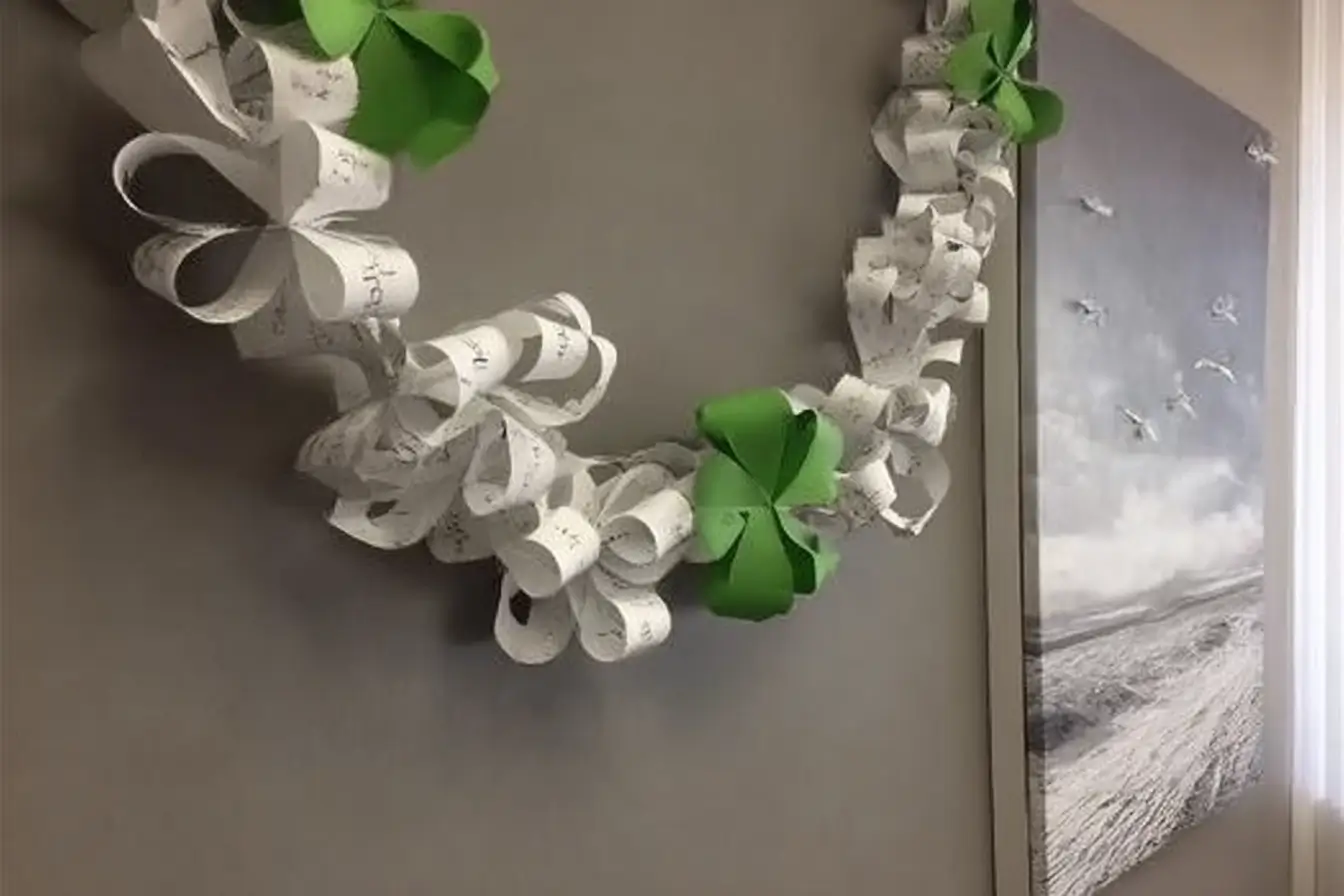
A short shamrock chain right at the front door sets a friendly tone before guests step inside. Cut small shamrocks from different green tones and link them into a lightweight garland; hang it on the knob or across the doorframe using removable hooks. Visually, the layered green shapes create movement and invite the eye, while emotionally they convey care and seasonal cheer that neighbors and kids notice when they stop by. This kind of decor is practical—weatherproof cardstock holds up to playful hands—and fits right into morning rushes: one loop can stay up for weeks, and the kids love checking how many shamrocks we add each day. Use a thin ribbon to tie the chain to a wreath for an instant, cohesive entry vignette that feels warm and effortless.

Mantel Layering with Lights and Texture

Drape a shamrock chain along the mantel to add whimsy without clutter. Pair the paper chain with a strand of warm white lights and a few sprigs of faux greenery to balance the paper’s flat shapes with texture and glow. Visually, the repetition of shamrocks creates rhythm while lights give depth and a cozy evening vibe that makes family movie night feel special. Practically, assembling the chain can be a Saturday project while a pot of soup simmers—my kids and I spread out paper, scissors, and glue on the kitchen counter and chat about the week. This placement also gives you a chance to tie in books or family photos nearby, so the mantel becomes a small, personal gallery that reads as thoughtfully styled, not staged.

Window Chains to Catch Light and Little Eyes

Hanging a shamrock chain in front of a sunny window turns paper into ephemeral stained glass when light filters through. Use lighter-weight paper or vellum in a mix of translucent greens to let sunlight animate the shapes; hang several staggered chains at different heights for a playful, dancing effect. Emotionally, these window displays become a favorite for kids waiting for the bus and for neighbors walking past; my daughter loves waving to people and saying she helped “decorate the sky.” This idea is low-cost and tear-down friendly, perfect for renters or busy families. For a craft day twist, combine these with other homemade accents like homemade birdseed ornaments hung nearby to create a layered, nature-inspired corner that both decorates and feeds backyard birds.

Table Runner Accent for Everyday Meals

A low-profile shamrock paper chain woven through the center of your table makes family dinners feel intentional without taking up serving space. Create a long, flat chain and anchor it with small glass votives or a wooden tray to protect the paper and add weight. Visually it elongates the table and leads the eye across plates, encouraging conversation and connection; emotionally it signals that even simple meals deserve a little ceremony. I often let the kids thread shamrocks while we set the table, and the activity doubles as a calm pre-dinner ritual. This approach is practical: keep the colors muted for everyday appeal and swap in seasonal accents as the mood changes. Small touches like this help turn hurried evenings into moments worth remembering.

Kid-Friendly Craft Nights and Learning Moments

Turn the chain-making process into an evening activity that blends creativity and quiet learning. Use templates to help kids cut consistent shamrocks, and talk about patterns, symmetry, and patience as you glue links together. This hands-on time builds family memories and gives children a sense of ownership over home styling. Visually, the variety of handmade shapes across different kids’ skill levels reads as authentic and warm, not perfect; emotionally, it fosters pride and teamwork. If you want a craft that grows with skill, try pairing short craft sessions with other fiber or loom projects after you’ve mastered the chains, then finish off pieces using tips on how to finish a potholder loom to teach persistence and craftsmanship how to finish a potholder loom.

Banister and Stairwell Pathways

A delicate chain running up a stair banister adds vertical interest and invites movement through the home. Secure the chains at intervals with baker’s twine or thin ribbon so they sit neatly against the spindles. This placement works visually because the repeating shamrock motif echoes the rhythm of the stairs, and emotionally it creates a welcoming route that greets family members as they move between floors. It’s also an easy way to make everyday transitions feel celebratory—my son loves counting the shamrocks as he runs up to get ready for bed. Use cardstock for durability and choose a color palette that complements your stair runner or wall paint so it reads like intentional styling instead of temporary clutter.

Conclusion

If you want step-by-step instructions to assemble the basic shamrock chain before trying these decor ideas, this clear guide shows the full process and easy tips for beginners How to Make a Shamrock Paper Chain | Blissful Domestication. Save the ideas that fit your home, try one project with your kids this week, and come back for more simple home décor ideas and interior styling tips that make everyday life feel a little more special.

Categories
Outdoor

Eco Chic Garden DIYs: 5 Outdoor Decor Ideas

I still remember the Saturday morning when my youngest insisted we build something “magical” out of old wood and paint while the neighborhood kids rode bikes past our yard. As a mom in my forties juggling school drop-offs, piano lessons, and dinners that never seem to come together on time, those small backyard projects became our family’s slow ritual. My two kids, ages 8 and 11, love leaving tiny handprints on stepping stones, and our next-door neighbor often stops to admire the latest planter on the fence. When I need fresh decorating inspiration between carpools, I often peek at a few blog roundups for simple ways to upgrade outdoor spaces, like these backyard oasis ideas, and then we make it our own. These projects ended up saving money, teaching the kids useful skills, and making our yard feel like an extension of our home.

Recycled Pallet Planters and Upcycled Tire Planters

Reclaimed pallet planters bring rustic texture and vertical interest without costing a fortune. Visually, the weathered wood adds warmth and a cozy, cottage feel that neighbors often compliment, and emotionally it’s satisfying to see plants thriving in something you built together. To make one, sand rough boards, reinforce with a few screws, add landscape fabric, and fill with potting mix. Let the kids help drill or paint plant labels for a family touch.

An upcycled tire planter is another playful option that pops with color and happy shapes. Paint the tire in outdoor acrylics, mount on a short stump or lay flat, and fill with trailing flowers or succulents. Both ideas are great for small yards and encourage hands-on learning about plant care, and they anchor well near play areas so the children can water and watch growth day to day. If you enjoy turning everyday items into decor, you might also like some seasonal craft techniques for repurposing decorations in different ways, which can spark kid-friendly projects too, like those DIY snowflake decorations.

Mason Jar Herb Garden and Rain Barrel Planter

A row of mason jar herb gardens on a sunny fence rail is charming and practical. The clear glass shows roots and moisture levels, which makes herb care a helpful science lesson for children. Use metal hose clamps and a small board to secure jars, or set them in a shallow wooden tray. This setup invites quick snips for dinner and encourages kids to try new flavors during family meals.

For larger water-conscious gardening, a rain barrel planter both conserves water and becomes a sculptural focal point. Top an old barrel with a planter insert or cut a decorative band and fill with cascading nasturtiums or sweet alyssum. Emotionally, these projects teach stewardship and family responsibility—kids can be in charge of checking the barrel after storms. If you want to make garden décor playful, think about small themed touches that match your kid’s interests; families who love superhero motifs might combine garden markers or paint accents with their child’s favorite character, much like these superhero bedroom ideas that use bold color and personality.

Solar Bottle Lights and Fairy Garden Wheelbarrow

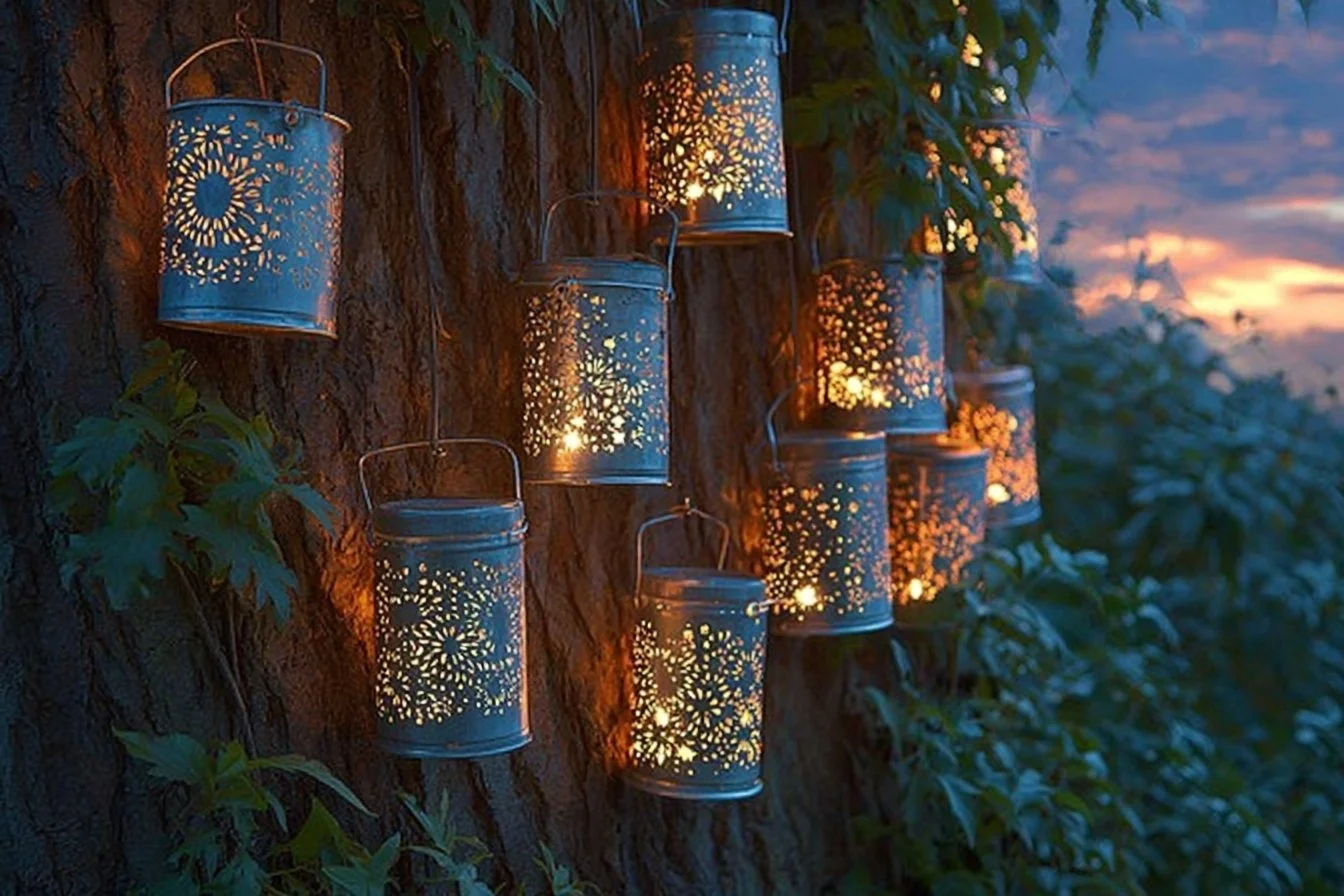
Solar bottle lights create evening magic with very little effort. By fitting old glass bottles over inexpensive solar garden lights, you create glowing columns that line paths or flank a patio. They cast soft, diffused light and instantly make the yard feel cozy after dark without adding to your electric bill. Kids can help collect bottles or choose paint colors for bases, turning evening chores like brushing teeth into a reason to linger outdoors a bit longer.

A reclaimed wheelbarrow turned into a fairy garden becomes a storytelling nook where imaginations run free. Add soil, miniature plants, tiny furniture, and a few pebbles to suggest paths. This decorative vignette becomes part of family storytelling time and can be moved to shade or sun as plants need. Both ideas are visually whimsical and emotionally rich, giving the yard focal points that invite neighborly compliments and curious little hands.

Stepping Stones with Kids’ Handprints and Twig Trellis

Making concrete stepping stones with handprints is an instant family heirloom. Mix quick-setting concrete, pour into molds, press in hands or leave space for painted designs, and seal when dry. These stones lead through the garden like a timeline of childhood—grandparents and neighbors love seeing how the handprints grow over the years. They’re tactile, durable, and aesthetically pleasing when spaced among groundcover or gravel.

A simple twig trellis adds vertical structure and supports beans, clematis, or roses while blending seamlessly with natural surroundings. Gather sturdy branches, tie them at intersections with twine, and anchor them firmly in the ground. The trellis looks effortless and organic; it’s a calming backdrop for family photos or for kids to climb nearby under supervision. Both projects are budget-friendly and strengthen the sense of a lived-in, loved yard.

Bee Hotel from Bamboo and DIY Compost Bin

A bee hotel made from bamboo and reclaimed wood invites beneficial pollinators and educates kids about ecology. Bundle bamboo tubes of various diameters, secure them in a sheltered box, and mount the structure facing southeast for morning sun. Watching native bees colonize the tubes connects children to real-world science and provides pride in supporting local biodiversity.

A DIY compost bin transforms kitchen scraps into black gold and models sustainable habits. Use a simple wooden pallet box or a lidded plastic bin, add layers of greens and browns, and turn occasionally. Composting reduces waste, saves money on soil amendments, and gives kids a hands-on role in nourishing the plants they care for. Both projects are quietly transformative—improving plant health and teaching practical environmental lessons while keeping the yard naturally beautiful.

Conclusion

If you want more ideas to layer into these projects, a helpful resource that expands on eco-friendly landscaping and DIY yard improvements is this roundup of 25 DIY landscaping projects for your yard. Save a few of these ideas for weekend family projects, and let the kids pick one to lead so the yard grows with memories as much as color and texture. Come back often—small, thoughtful updates become the details neighbors remember and children carry into adulthood.