Categories
Kids

The Coolest Bunk Room for Boys You’ve Ever Seen


Creating Cozy Corners in a Shared Bedroom

Some of my sweetest memories come from late summer evenings when my two boys, ages eight and twelve, finally drift into the room they share while our neighbor walks past with her dog. Between school carpools, soccer practices, and the endless laundry, our house hums with routines that feel both chaotic and warm. I love the small pockets of calm—reading stories on the floor while the boys trade superhero theories, or sipping coffee as they build blanket forts that transform the living room. These tiny rituals made me realize that kids’ rooms should feel cozy, clever, and a little like a secret clubhouse.

LED Accent Lighting to Set the Mood

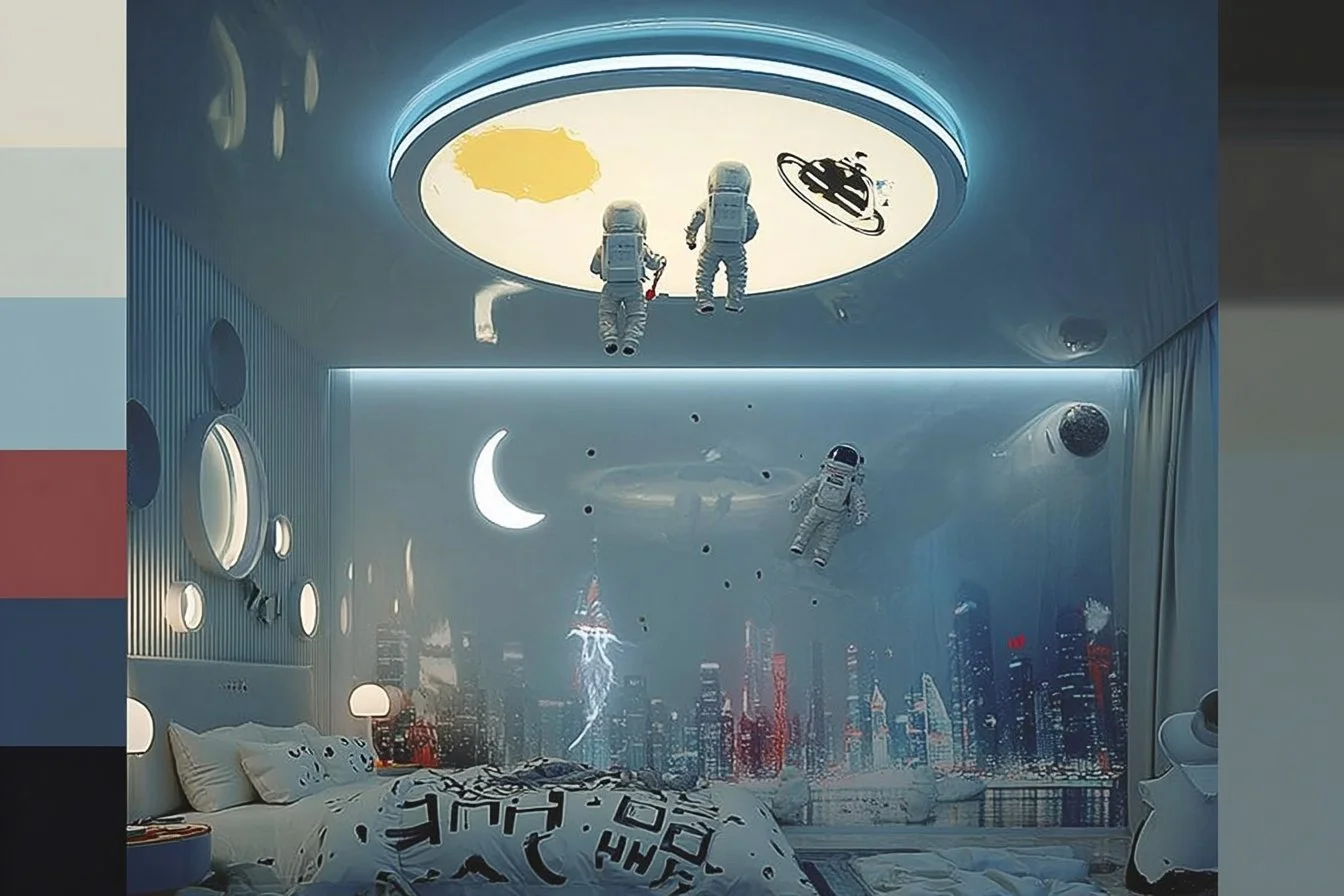
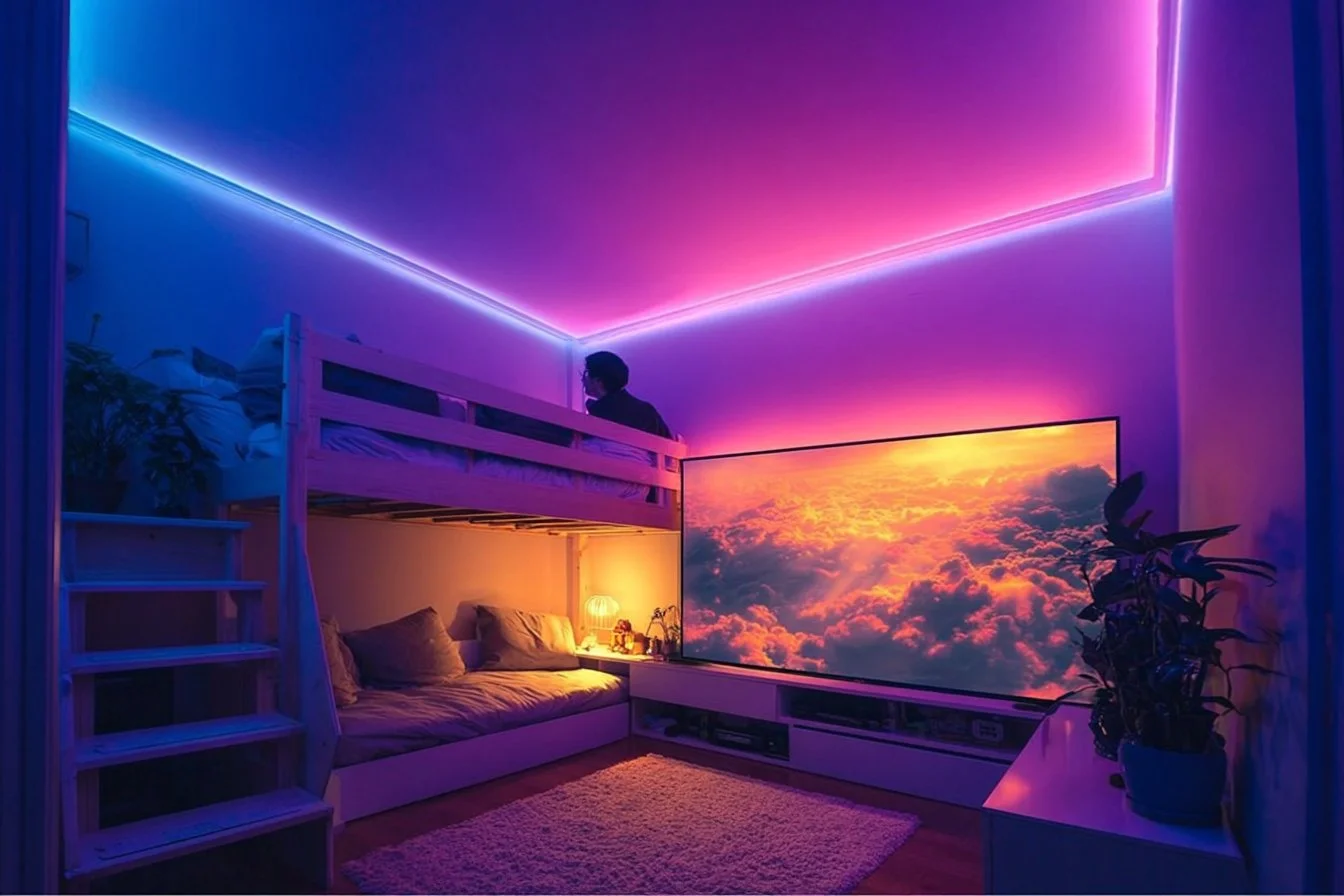
LED strip lighting is one of the easiest ways to transform a bunk room without a full remodel. For kids who love gaming, space themes, or just moody ambiance, LEDs create layered light that can shift from soft night light to full-on party mode. They’re low-heat, energy-efficient, and color-adjustable, so siblings can agree on a setting—or take turns choosing it. At home, RGB strips under the upper bunk and along the headboard edge work perfectly. Hiding the power supply in a drawer and using a small remote keeps cords out of the way. For reading, some kids use LED strips as task lighting without disturbing the rest of the household.

Built-In Storage That Doubles as Play Space

Small rooms get messy fast unless storage is both practical and inviting. Built-in drawers under the lower bunk and wall cubbies can serve as storage and seating, making cleanup feel less like a chore. Kids are more likely to put things away when storage is visible and accessible. At home, pull-out drawers on casters and labeled fabric bins help organize toys and gear. A shallow shelf can display trophies or favorite models, giving kids a small daily ritual of rearranging items after homework.

Accent Walls and Personalized Graphics

A bold accent wall anchors the room and makes shared spaces feel cohesive. Choose paint, peel-and-stick wallpaper, or removable decals for a focal point that reflects their interests while remaining adaptable as they grow. A matte navy wall behind the bunks with faint glowing constellation decals can turn a room into a spaceship cabin. For older kids, textured finishes like faux brick or wood planks add a grown-up touch while keeping the playful vibe. Accent walls create a backdrop for homework, sleepover selfies, and everyday adventures.

Dedicated Homework Nook with Smart Lighting

A quiet spot for focus makes a bunk room work harder. Compact desks or fold-down wall tables with task lighting create clear zones for sleep, study, and play. At home, a slim desk beneath a window with an adjustable desk lamp gives the right light for mornings and afternoons. Noise-cancelling headphones in a wall basket and a cork strip for schedules help kids concentrate. Using a timer for focused work sessions encourages productivity and keeps busy weekends manageable.

Layered Bedding and Washable Textures

Bedding affects comfort, sleep quality, and laundry frequency. Layering washable throws, a durable duvet, and fitted sheets in complementary colors creates a polished look that withstands roughhousing. Texture and durable fabrics hide wear and can be cleaned frequently without losing style. At home, dark, stain-friendly duvet covers paired with a soft knit throw handle nightly reading and play. Mixing patterns in the same color family keeps the room cohesive while letting each child express personal style.

Rotating Display Walls and Hobby Zones

Give kids ownership of their space with display areas for evolving interests. Pegboards, magnet boards, or floating shelves allow them to showcase models, art, and trophies without permanent holes. Rotating projects—like robotics, nature finds, or comic art—make the room dynamic and engaging. Display zones spark conversation during sleepovers and encourage pride and care, keeping the room fun, lived-in, and adaptable as tastes change.

Conclusion

If you want a step-by-step inspiration guide for a boy’s bedroom makeover, this DIY Boy’s Bedroom Makeover resource is a great place to start and pairs well with the LED and storage ideas above. Try saving this article for later, pinning your favorite sections, and experimenting one small change at a time so the room grows with your family. For more project planning and real-life before and afters, check out DIY Boy’s Bedroom Makeover – Lake and Lumber. These home décor ideas and interior styling tips are all about making practical, kid-friendly choices that still look intentional and fun.
Categories
Kids

Cute Rooms – home design inspiration ideas

6 Cute Rooms: Home Design Inspiration Ideas

I still remember the afternoon the school bus dropped the kids off drenched from a sudden rainstorm and our living room looked like a tiny tide pool of sneakers, backpacks, and art projects. As an American mom in my forties juggling two kids between 8 and 12, my days are full of packed lunches, neighborhood play dates, and the small victories of getting everyone out the door on time. Evenings are for homework, folding laundry while trading stories with the neighbor over the fence, and sneaking in a cup of tea after the kids are asleep. Those routines made me cherish rooms that feel warm, practical, and a little bit charming. Over time I started collecting small styling ideas from places I loved, like a few pages on dreamy farmhouse bedrooms that showed how comfort and charm can coexist without sacrificing function. Tiny changes made home life easier and prettier, and that’s what I want to share.

Playful Pastel Accents

Soft, playful pastels bring a gentle lift to any room without overwhelming the space. Pastel accents work because they introduce color in a way that feels light and calming, ideal for rooms where family activity and relaxation overlap. Start small with throw pillows, a pastel area rug, or framed prints that coordinate with your existing palette. In a child’s room, swap bright, hyperactive colors for muted pinks, blues, or mint to create a soothing backdrop for sleep and play. In shared spaces, a pastel lamp or vase can add personality without competing with furniture. Apply this at home by choosing one dominant pastel and two complementary neutrals so items blend naturally. I swapped a few bold cushions for pastel ones after a neighbor complimented our living area, and suddenly the whole room felt more cohesive and inviting during after-school craft sessions.

Cozy Reading Nook

A dedicated reading nook transforms a corner into a family-friendly retreat where both kids and adults can unwind. It works because a small, curated space signals pause and presence, encouraging quiet moments amidst a busy household. Choose a comfortable chair or a window bench with storage, add layered blankets and a basket of books, and anchor the area with soft lighting like a floor lamp or wall sconce. Personalize the nook with a small shelf of favorites and seasonal discoveries from the library. For inspiration on creating inviting spaces, I often turn to ideas similar to those found in cozy living ideas that emphasize warmth and personal touches. My kids love claiming the nook during rainy afternoons, and I enjoy sneaking in a chapter of a novel while they build pillow forts nearby. A reading corner is an easy, high-impact spot to practice interior styling tips that support family routines.

Multi-Functional Furniture

Choosing multi-functional furniture is a practical decorating inspiration that keeps rooms tidy and adaptable. These pieces work because they solve storage problems while maintaining style, which is essential in family homes where toys, school supplies, and laundry circulate constantly. Look for benches with hidden compartments, ottomans that double as storage, beds with drawers underneath, and extendable tables that accommodate homework or dinner guests. When shopping, imagine daily life: can the piece withstand sticky fingers, be easily cleaned, and serve multiple roles? At our house, swapping a living room coffee table for a storage ottoman meant fewer scattered puzzles and more floor space for impromptu dance parties. Integrate this idea by measuring the room first, picking durable fabrics, and selecting finishes that complement your color scheme. Multi-functional furniture keeps the aesthetic serene while supporting the practical chaos of family life.

Statement Wall with Subtle Patterns

A statement wall with subtle patterns adds character without overwhelming a room, offering a focal point that still feels cozy and family-friendly. Subtle patterns work because they bring texture and visual interest without becoming a distraction when children are doing crafts, homework, or play. Consider washable wallpaper with tone-on-tone prints, half-wall paint with a stencil, or a gallery-style arrangement of framed family photos and artwork. Apply the pattern to one wall only, such as behind a bed or sofa, to maintain balance. I once turned our hallway into a soft patterned gallery wall where kids’ school portraits sit beside hand-drawn masterpieces; neighbors stop by to admire it, and it sparks conversation at family gatherings. This approach to decorating inspiration allows you to experiment boldly in a controlled way so the room remains usable and attractive for everyday life.

Natural Textures and Greenery

Bringing natural textures and greenery into a room creates warmth and a lived-in elegance that feels both fresh and familiar. Natural elements work because they add layers and contrast to smooth, manufactured surfaces, making spaces feel more inviting and calming for everyone at home. Incorporate woven baskets, jute rugs, linen curtains, and potted plants that tolerate family traffic, such as snake plants or pothos. Even faux greenery can add life where real plants are impractical. Use plant stands to keep low plants away from curious hands and rotate arrangements seasonally to keep the look interesting. I get ideas from outdoor inspiration and sometimes adapt them indoors, linking curb appeal ideas to the kinds of plants and textures that translate well inside. My kids enjoy helping water low-maintenance plants, and the extra greenery makes mornings feel brighter and more peaceful.

Personalized Display Shelves

Personalized display shelves turn everyday objects into meaningful décor and tell the story of your family in a way that guests instantly connect with. This idea works because it showcases memories and achievements while keeping surfaces organized and intentional. Use floating shelves, built-ins, or a ladder shelf to arrange family photos, travel finds, small plants, and a rotating selection of children’s artwork. Mix heights and materials for visual interest, and reserve one shelf for seasonal or weekly highlights like school awards or a special craft. In our home, a hallway shelf became a gallery of our little victories and silly moments, and it prompts stories from my kids when grandparents visit. Display shelves encourage treasure-keeping without clutter, and they make decorating feel personal rather than perfect. Keep the vibe approachable so children can contribute and help refresh the arrangement.

Conclusion

If you liked these home décor ideas and want more decorating inspiration, save this post for later and try a few changes that match your family’s rhythms. Small shifts in color, texture, and function can make rooms feel cuter and more livable without big budgets. For further ideas to pin and explore, check out this helpful Houzz collection of home design ideas that sparks fresh interior styling tips and practical solutions for every room: 75 Home Design Ideas You’ll Love – December, 2025 | Houzz.

Categories
Living

Luxury Modern Glam Living Room Meets LED Penthouse Energy

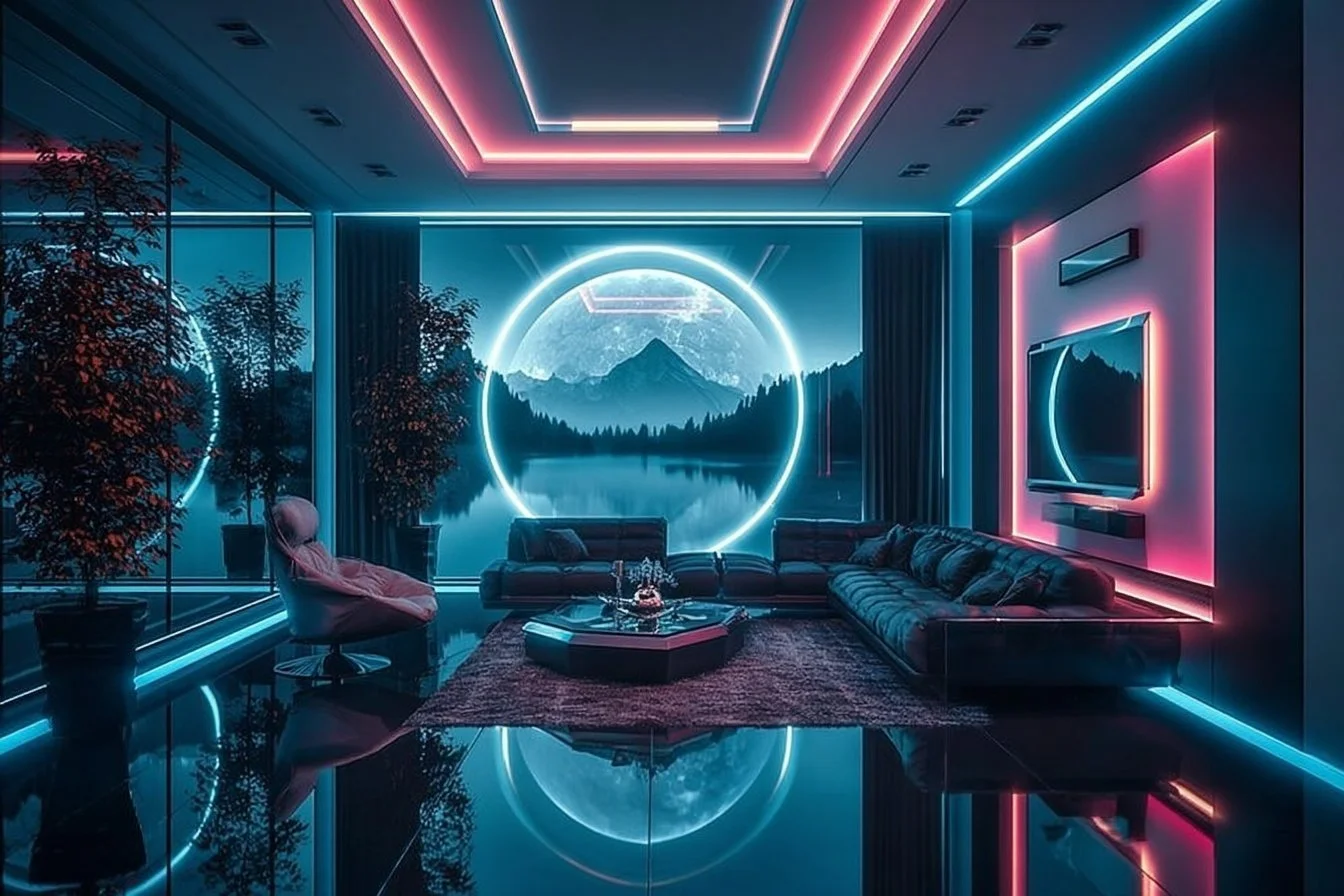
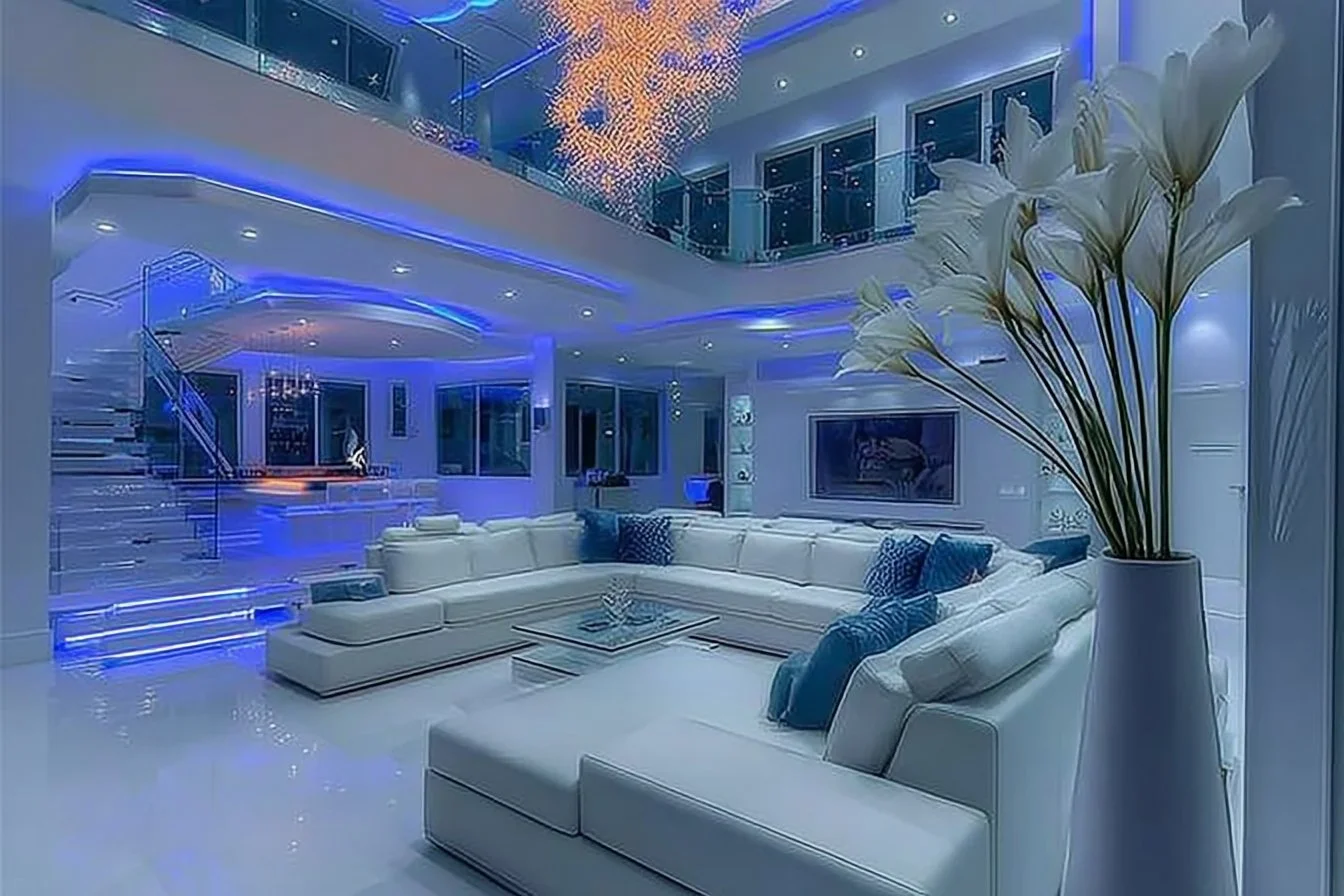
A living room that fuses luxury modern glam with the kinetic energy of a penthouse LED scheme is about contrast and cohesion: rich textures and metallic accents paired with crisp lines and dynamic light. This style celebrates opulence without clutter, and spectacle without chaos. For designers thinking beyond the sofa, consider how room-to-room continuity can be informed by broader modern trends—explore ideas inspired by modern bedroom design to keep a unified aesthetic across a home: modern bedroom design ideas.

Below are strategies to achieve a living room that feels both lavish and alive, whether you’re redesigning a city penthouse or upping the glamour in a suburban loft.

Palette, Materials, and Finishes

  • Color: Anchor the room in a neutral base—warm ivories, deep charcoals, or soft taupes—then layer in statement colors like emerald, sapphire, or velvet blush through upholstery and art. Metallics (brass, rose gold, polished chrome) become accents rather than the primary hues.
  • Textures: Velvet sofas, silk-blend drapes, high-gloss lacquer panels, and honed marble create tactile contrast. Mirrored or lacquered surfaces amplify light and give the glam feel without excess ornamentation.
  • Surfaces: Combine matte and reflective finishes—matte cabinetry or wood floors with a high-gloss fireplace hearth or mirrored console—so the LEDs have surfaces to play off for dramatic effect.

For interiors that cross minimalist restraint with warm luxury, the Japandi influence—clean lines, natural materials, and restrained ornament—can be a useful filter to avoid over-decorating while keeping warmth: see how Japandi principles translate to intimate spaces in this luxury modern Japandi master bedroom design.

Furniture and Layout: Modern Lines, Glamour Details

  • Scale and proportion matter in penthouse spaces. Choose large, low-profile seating with tailored upholstery rather than fussy frills. Add a sculptural accent chair in metallic leather or a tufted velvet chaise for that glam punctuation.
  • Coffee tables in marble or smoked glass with thin metal legs keep the footprint light. Consider built-in media walls or floating cabinets to preserve sightlines and enhance the penthouse’s sense of space.
  • Layer rugs to create zones without erecting walls—choose a plush, high-pile rug under seating topped by a low-pile geometric rug for contrast.

The LED Penthouse Playbook: Lighting as Architecture

Lighting transforms the mood. In a penthouse, the ability to control natural vistas and city glow means artificial light should be a flexible tool, not a static fixture.

  • Cove and perimeter lighting: Concealed LED strips in ceilings and behind crown moulding produce a soft, ambient halo, giving the ceiling extra height and a floating effect.
  • Tunable white and color: Use tunable white LEDs for circadian-friendly warm-to-cool transitions, and RGB/RGBW accents for theatrical moments—think deep teal washes behind a bookshelf or warm amber highlighting art for evening glamour.
  • Layered approach: Combine ambient (coves and recessed), task (reading sconces, floor lamps), and accent lighting (picture lights, uplights) so each element—from velvet sofa to marble hearth—is composited in light.
  • Smart control: Integrate with a home automation system to program scenes—“Cocktail Hour” with dimmed warm light and color accents, or “Morning Clarity” with crisp cool white to energize the space.
  • Fixtures as sculpture: Choose statement chandeliers or linear LED pendants that read as modern sculpture—polished metal, glass rods, or stacked geometric shapes that reflect and refract light for glam appeal.

For design inspiration that balances modern trends with luxurious finishes, it’s useful to reference current style guides and trend forecasts when planning materials and light levels; for example, look at contemporary bedroom trend guides to inform cross-room lighting strategies like color temperature and layering: 2025 bedroom design modern luxury styles.

Art, Mirrors, and Decorative Accents

  • Art: Large-scale abstract pieces or a curated gallery wall with consistent frames maintain the glam aesthetic without becoming fussy. Use directional LED accent spots to give paintings depth.
  • Mirrors: Oversized mirrors with thin metallic frames double the light and expand the room visually—perfect for penthouse vistas that you want to multiply.
  • Accessories: Keep ornaments few and intentional—an oversized sculptural vase, a set of metallic coffee table books, or a single statement chandelier. Texture-driven accents (fur throws, hammered metal trays) add warmth to sleek surfaces.

Tech, Acoustics, and Practicalities

  • Acoustic treatments: Plush textiles, heavy drapes, and upholstered wall panels balance the liveliness of LEDs and hard surfaces, preventing echo in high-ceiling penthouses.
  • Media integration: Conceal speakers in cabinetry or use flush-mounted ceiling speakers for clean sightlines. High-quality AV systems should be discrete but powerful—matching the living room’s refined aesthetic.
  • Energy and sustainability: Modern LED technology is highly energy-efficient; select fixtures with high CRI (90+) for true color rendering of art and finishes, and choose Energy Star-rated drivers to reduce consumption.

Styling Tips for Entertaining

  • Create flexible seating with occasional stools or ottomans that tuck away, enabling effortless transitions from intimate evenings to larger gatherings.
  • Designate a cocktail nook with its own accent lighting and mirrored backdrop to emphasize glamour.
  • Use layered lighting scenes to cue the atmosphere—bright and lively for receptions; warm, dimmed, and colored for after-hours ambiance.

Conclusion

A living room that blends luxury modern glam with LED-driven penthouse energy is fundamentally about intentional contrasts: opulent materials paired with clean modern lines, and dramatic light balanced by thoughtful acoustic and spatial design. If you’re seeking professionals who translate this kind of high-end aesthetic into real-world builds and renovations, consider partnering with an experienced team such as West Hollywood Luxury Home Builder | Landmark Enterprise: West Hollywood Luxury Home Builder | Landmark Enterprise.

Categories
Kids

Girls Bedroom Design Ideas

I still remember the night my youngest crawled into bed with a flashlight and a stack of library books, insisting the ceiling would make a better reading sky than the living room lamp. Between carpools, neighborhood bake sales, and the small triumphs of homework done early, our house has been a constant flow of tiny emergencies and big hugs. My two kids, ages eight and twelve, share secrets, clothes, and sometimes a sock drawer, and those simple moments nudged me to rethink their rooms. Creating spaces that soothe after a long day, spark creativity on a Saturday morning, and survive sleepover chaos became my little project. What started as a weekend paint job evolved into thoughtful approaches that respect family life, neighbors’ curiosity, and a mom’s desire for order. The result? Practical, pretty spaces that feel lived in and loved.

  1. Color-blocked Walls with Removable Wallpaper

    Color-blocking a room using removable wallpaper or peel-and-stick paint panels gives a bold, playful look without a long-term commitment. It works because it adds visual interest and defines zones, which is perfect for a child’s changing tastes. Choose two or three complementary hues and wrap one wall or a portion of it for instant personality. Removable wallpaper is forgiving and renter-friendly, so you can refresh the room as your child grows. As a mom juggling school projects and neighborhood playdates, I loved that this approach lets me honor my daughter’s current obsession with stars or mermaids without starting a renovation. Pair the color blocks with simple white trim and cozy textiles to keep the space balanced. This idea blends decorating inspiration with practical upkeep, giving you a bold look that still holds up to sibling dramas and craft projects.

  2. Cozy Reading Nook with Built-In Shelves

    A dedicated reading nook transforms bedtime routines and encourages quiet moments. Install shallow built-in shelves or floating ledges at kid height and add a plush cushion, throw pillows, and a small side lamp. This works because children feel ownership over a small, cozy space, which can boost independent reading and imaginative play. Keep a rotating selection of library finds and personal favorites to keep the nook feeling fresh. In our house, weekend library trips became a small ceremony; the kids pick books and then camp out in their corner while I tidy up dinner. Built-ins maximize small rooms and hide clutter behind baskets or bins, which helps maintain calm on busy mornings. This approach is a smart blend of home décor ideas and family-life practicality, encouraging routines that stick while looking Pinterest-ready.

  3. Convertible Furniture and Smart Storage

    When two kids share a room, furniture that adapts is lifesaving. Think trundle beds, lofts with desks below, and beds with built-in drawers. Convertible pieces work because they save floor space, organize belongings, and evolve with your child’s needs. Invest in a modular dresser where shelves can be reconfigured, and use labeled bins for toys, art supplies, and seasonal clothes. I remember reorganizing our son’s side for a science fair project and sliding the craft bin under the bed for easy access. Durable finishes and stain-resistant fabrics make these pieces family-friendly, so spills and late-night snack crumbs are less stressful. This is where interior styling tips meet real life: practical storage choices reduce clutter and create calm, giving you more time for homework help and neighborly chats without sacrificing style.

  4. Layered Lighting for Mood and Function

    Good lighting changes everything. Combine overhead fixtures with task lights for desks, bedside sconces, and soft string lights for ambiance. Layered lighting works because it supports multiple activities: study, sleep, reading, and play. Use dimmable bulbs or plug-in lamps to control brightness depending on the hour. In our home, switching on a warm bedside lamp signaled wind-down time, while a bright desk lamp meant focused homework. Consider motion-sensor night lights for trips to the bathroom to avoid flipping the main switch. This approach also allows you to introduce fun elements like star-projection lamps or colored bulbs for mood without overpowering the room’s overall design. Layered lighting blends decorating inspiration with daily routines, making the bedroom functional and cozy for busy family life.

  5. Personalized Gallery Wall and Display Ledges

    A gallery wall of framed art, school photos, and your child’s creations gives personality and celebrates milestones. Use simple frames in matching finishes or mix-and-match for a playful look, and include ledges to rotate artwork easily. This works because it honors the child’s identity and creates a focal point that’s both decorative and meaningful. I still swap out my daughter’s drawings with seasonal library bookmarks and notes from neighbors after a block party. Display ledges make those swaps quick and keep the wall from feeling permanent, so you can swap themes from ballerina to botanist as interests change. Include a small shelf for trophies or a favorite stuffed animal to keep the wall warm and personal. This idea offers decorating inspiration that showcases family memories while staying flexible for new achievements.

  6. Multi-Functional Study and Craft Corner

    Design a compact zone that supports both homework and creative projects. A slim desk with shallow drawers, a pegboard for supplies, and a wipeable tabletop keeps mess contained. This setup works because it separates focused tasks from play while fitting into tight rooms. Add a corkboard or chalkboard panel for reminders, schedules, and quick sketches. I put a small bin labeled “science lab” where my son stashes materials for experiments after school, and it has saved countless minutes hunting for glue sticks. Comfortable seating and adjustable task lighting help kids focus longer and reduce slouching. This combination of interior styling tips and organization solutions ensures the room supports study routines, artistic flare, and family schedules, making it easier to balance school nights and weekend crafts.

Conclusion

If you want more decorating inspiration to spark fresh ideas or to adapt any of these home décor ideas to your style, check out this helpful roundup of room options and looks. For additional reference and visual ideas, see 27 Best Girls’ Room Ideas in 2024 – Girls’ Bedroom Design. Save this post, try one change this weekend, and come back when the next mood arrives; these rooms are meant to evolve with your family.

Categories
Kids

Space themed boys room inspiration

I still remember the night my younger son crawled into bed, flashlight tucked under his chin, convinced the ceiling held secret constellations only brave children could see. As a forty-something American mom with two kids between eight and twelve, our house hums with soccer cleats, school projects, and neighbor kids knocking on the door to ride bikes. Weekends mean pancake mornings and impromptu backyard stargazing, and small rituals like that shape how I think about our rooms. Creating warmth and wonder in a child’s space feels more like crafting memories than matching trends. That blend of practicality and playfulness is exactly why I started reworking bedrooms into little launchpads of imagination, where everyday life meets decorating inspiration and families gather to dream together.

Celestial mural or accent wall


A painted mural or high-quality wallpaper with planets, galaxies, or a simple starfield becomes the room’s focal point and sets the tone for the whole scheme. Visually it anchors the space, so other elements like bedding and toys feel intentional rather than cluttered. For a realistic but budget-friendly approach, choose peel-and-stick wallpaper or commission a local artist for a small section behind the bed. I painted a scaled planet scene to match my older son’s school project, and neighbors complimented the cozy, storybook feel during a block party. When planning, think about scale and sightlines so the mural reads well from the doorway and while tucked in at bedtime. This kind of bold statement is one of those home décor ideas that instantly turns a plain room into an immersive environment without sacrificing daily practicality.

Starry ceiling and smart lighting


Lighting transforms mood, and for a space themed room a starry ceiling projector or layered lighting creates bedtime magic while supporting practical use. A soft, dimmable overhead fixture paired with a string of warm LED stars or a compact projector lets kids read or play and then drift off under a gentle night sky. In our house, we installed a projector that casts moving galaxies and added a lamp with interchangeable color bulbs for homework nights. This dual setup offers interior styling tips that balance whimsy with function. Place task lighting near a desk and a low-level nightlight near the door so kids can navigate bathrooms or hallways without waking the whole house. These small changes support routines and create memories, and they work well whether your child prefers rocket ships or astronauts.

Space-themed bedding and textiles


Textiles are an easy swap that refreshes a room overnight. Bedding, curtains, and rugs with subtle planet motifs, constellation prints, or rocket embroidery provide comfort and visual cohesion without committing to full redesign. I found that mixing a bold patterned duvet with solid throw pillows keeps the look grounded and less juvenile as kids get older. Choose machine-washable fabrics for frequent laundry cycles and consider layering textures for a cozy, lived-in feel that fits a busy family life. When my younger son joined a sleepover, his friends noticed the glow-in-the-dark sheets and wanted the same playful detail at home. Incorporating these fabrics is one of my favorite decorating inspiration moves because it’s affordable, swap-friendly, and perfect for adapting to changing interests as kids grow.

Functional furniture with a space twist


Smart furniture choices make a themed room maintain order while fueling imagination. Look for beds that double as storage, desks with adjustable heights, or bookcases shaped like rockets or space stations, which blend utility with visual interest. We swapped a bulky dresser for a chest with labeled drawers, which made morning routines smoother when both boys dressed for school in the same hallway. A small reading nook with a comfy chair and a spaceship-shaped shelf became the homework command center during busy sports seasons. Opt for durable materials and finishes that hide scuffs, and choose pieces with easy-to-replace accents like knobs or decals to refresh the look without buying new furniture. These interior styling tips help a room stay kid-friendly and camera-ready for those Pinterest-worthy moments parents love to save.

Educational displays and interactive play zones

Turning the room into a place for both learning and play deepens engagement and extends use beyond sleep. A wall-mounted world map that highlights planets, a corkboard for science fair projects, and a simple telescope by the window invite curiosity and discovery. Our family keeps a rotating shelf of space books and DIY model kits so rainy days become mini science labs. Incorporate a small table for crafts and model-building that can also serve as a snack station during movie nights. These decorating inspiration elements encourage hands-on learning and give siblings a shared zone to brainstorm and bond. Integrate labels or family rules nearby to keep things tidy and respectful, especially when neighbors or friends stop by after school to collaborate on the next rocket design.

Conclusion

If you want to gather more pieces that spark imagination while staying practical, consider browsing curated finds that fit this approach. For a quick way to shop themed accents and decor that match the ideas above, check out Outer Space Room Decor For Boys – Amazon.com for options like bedding, wall decals, and night lights that work well with the layers and styling tips described here. Save the ideas you love, try one refresh at a time, and revisit the room every season to adapt it as your kids grow and their interests evolve.

Categories
Kids

6 Fun and Themed Kids’ Playroom Ideas

I still remember the Saturday morning when my neighbor Mrs. Carlson knocked on our door with a plate of cinnamon rolls and a laugh about the toy avalanche that had spilled into her yard. As a mom in my forties with two kids between eight and twelve, our house is a constant rotation of homework, soccer cleats, and late-night fort-building. Those small moments taught me that a playroom should feel like an invitation, not a battleground. I borrowed calming paint cues from other rooms like these cozy calm bedroom ideas and mixed them with practical storage, so after school the kids know exactly where to put puzzles and plush friends. It made our days smoother and our evenings together more relaxed, and that same gentle logic can help you shape a playful, stylish space without stress.

Section 1: Reading Nook Retreat (and Storybook Display)

A cozy reading nook is a simple way to add charm and purpose to a playroom. Why it works: it creates a quiet corner for independent play and literacy development, giving kids a space to decompress. How to apply it: tuck a small upholstered chair or beanbag by a window, layer soft rugs, and install low shelves at kid height so they can grab books easily. Add a storybook display with covers facing forward to spark curiosity. In our home, the kids rotate their favorite chapter books each week, and neighbors stop by for impromptu story swaps after bike practice. From a home décor ideas perspective, this combines function with visual warmth, and the result feels like a mini library that supports both reading and family routines.

Section 2: Art Studio and Display Gallery


Turning a corner into an art studio supports creativity and keeps supplies contained. Why it works: designated art zones encourage ongoing projects and reduce clutter in the rest of the house. How to apply it: add a washable table, mounted cups for brushes, and an easy-clean mat on the floor. Hang a rotating gallery above a low rail or wire so kids can clip up their masterpieces, proud and visible. Use washable paints and labeled storage bins to teach organization. I remember the time our son covered an entire sheet with painted handprints and insisted it be displayed until his birthday; small rituals like that make decorating inspiration feel personal. For interior styling tips, balance bold kid-made art with neutral wall tones to keep the room lively without overwhelming the senses. Also useful for color cues: some exterior decorating schemes inspired our palette choices, which was a fun experiment borrowing outdoor flair indoors via creative exterior décor tips.

Section 3: Teepee or Tent Adventure Zone


A tent or teepee creates instant magic and works for quiet play or imaginative stories. Why it works: it gives children a defined territory for pretend play and a place to gather with pals. How to apply it: choose a sturdy frame tent for safety, add fairy lights, floor cushions, and a basket of favorite books or toys inside. Place it near a set of shelves so kids can easily bring treasures in and out. Our daughter often invites the neighborhood kids over for “campouts” with homemade s’mores by the kitchen, and the tent becomes a social hub that also teaches sharing. For decorating inspiration, mix textures like canvas and woven rugs to build a layered look that feels curated. This setup blends playfulness with practical storage solutions so cleanup is part of play.

Section 4: Montessori-Style Low Storage and Play Zones


Implementing Montessori principles keeps the playroom accessible and empowering. Why it works: low shelves and labeled baskets encourage independence and reduce parental prompt fatigue. How to apply it: install open shelving at child height, use clear bins or baskets for different categories, and rotate toys to keep interest high. Include a small table for puzzles and tactile play, and a soft corner for quiet time. Our routine improved dramatically after we kept puzzles in a visible tray and named the basket it lived in; the kids began tidying up before dinner because it felt doable. For interior styling tips, pick natural materials like wood and woven fiber to create a calming backdrop that complements colorful toys without competing with them. This approach merges practical storage with thoughtful home décor ideas.

Section 5: Chalkboard and Magnetic Learning Wall

A dedicated wall for drawing, math games, and magnetic letters makes learning playful. Why it works: it transforms walls into active learning surfaces while keeping counters clear. How to apply it: paint one wall with chalkboard paint or affix a large magnetic sheet, and keep chalk, erasers, and magnets in a slim tray below. Use the wall for daily challenges, grocery list games, or family notes. Our son loves drawing a “menu” on Saturdays, and it became a family ritual to vote on the weekend special. For decorating inspiration, frame the chalk area with a simple wooden border to make it look intentional and stylish. Pairing this wall with floating shelves for baskets keeps supplies handy and ties the look into your overall home décor ideas.

Section 6: Themed Zones and Flexible Storage

Create themed corners like space, jungle, or vintage play to spark imagination without permanent commitment. Why it works: themes can rotate as interests change and they make the room feel curated. How to apply it: designate a small area for each theme with removable decals, themed baskets, and specialized props like telescopes or plush animals. Use modular storage so zones can shift easily, and keep a neutral base so the themes pop. I recall when a space phase lasted two months straight; instead of repainting, we swapped in star decals and a glow-in-the-dark mobile, and it felt fresh every week. For interior styling tips, combine playful patterns with muted furniture so the room reads as intentional adult-approved décor while still being kid-friendly. This flexibility supports evolving tastes and keeps decorating inspiration sustainable.

Conclusion

Designing a playroom that balances fun with order is all about creating small rituals, clear zones, and kid-friendly access to toys and books. Try saving a few ideas you love, test one change at a time, and watch how simple shifts improve daily routines and family time. For more visual ideas and themed inspiration to help you plan your next refresh, check out this curated collection of 28 Fun and Themed Kids’ Playroom Ideas.

Categories
Living

20 Modern Boho Living Room Ideas You’ll Love”

Boho (bohemian) style has evolved from its eclectic, free-spirited roots into a polished, modern aesthetic that balances warmth, pattern, and texture. Whether you’re starting from scratch or refreshing a corner of your home, these 20 ideas will help you craft a living room that feels curated, comfortable, and unmistakably you. If you want a primer on blending contemporary elements with personality, this guide to modern contemporary living room ideas is a great complement to the tips below.

  1. Natural fiber foundation
    Use jute, sisal, or seagrass rugs to anchor the space. Natural fibers add warmth, define seating areas, and layer beautifully under patterned rugs.
  2. Neutral base with colorful accents
    Start with a neutral palette—cream, warm white, soft taupe—and introduce color through pillows, throws, and art so the room feels calm but lively.
  3. Mixed-texture seating
    Pair a low-profile linen sofa with a leather accent chair or a velvet pouf. Mix textures to create visual interest without clutter.
  4. Global rugs and pattern play
    A single statement rug with tribal or kilim patterns can set the tone. Keep the rest of the decor simple so the rug reads as intentional rather than chaotic.
  5. Layered lighting
    Combine ambient lighting (pendants or recessed), task lighting (floor and table lamps), and accent lighting (sconces or string lights) for a cozy, adaptable environment.
  6. Macramé and wall hangings
    Use handwoven pieces or modern interpretations to add a tactile focal point above a sofa or console. They soften walls without the heaviness of framed art.
  7. Low, lounge-style seating
    Create a relaxed vibe with low sofas, daybeds, or floor cushions. It encourages conversation and complements boho’s casual aesthetic. For ideas that bridge transitional tastes and subdued palettes, check out this piece on neutral transitional decor.
  8. Houseplants everywhere
    Fiddle-leaf figs, rubber plants, and trailing pothos bring life and humidity into the room. Mix tall plants with table-top varieties in woven baskets or ceramic pots.
  9. Woven storage solutions
    Baskets, rattan cabinets, and cane-front storage units add function with style—perfect for corralling throws, toys, or magazines.
  10. Earthy color accents
    Terracotta, ochre, olive, and deep teal pair beautifully with natural wood and woven textures.
  11. Vintage finds and modern pieces
    Blend a mid-century coffee table or vintage lamp with new furniture for a curated look that feels layered and deliberate.
  12. Sculptural side tables
    Choose interesting shapes—stone, hammered metal, or carved wood—to act as small art pieces beside seating.
  13. Statement mirror
    A large, round mirror with a rattan or carved wood frame opens the room and reflects light, enhancing the airy boho feel.
  14. Textural curtains
    Light, gauzy curtains soften windows while letting in natural light. Consider linen blends for a slightly more structured look.
  15. Mix-and-match patterned pillows
    Stick to a cohesive color story and vary scale—small geometrics with large florals—to keep it visually balanced.
  16. Creative shelving displays
    Open shelving allows you to display books, ceramics, and woven pieces. Keep a mix of low and high elements for an intentional, casual arrangement.
  17. Earthy plaster or matte paint finishes
    Opt for matte wall treatments or a soft plaster finish to add depth and a handcrafted feel. For inspiration on integrating luxe touches and sophisticated finishes, see approaches used in modern luxury styling.
  18. Statement pendant or rattan chandeliers
    A woven pendant instantly reads boho-chic and serves as an anchor for the seating area. Choose one large fixture rather than many competing lights.
  19. Curved furniture and soft shapes
    Rounded sofas, arched mirrors, and circular rugs counterbalance angular architecture and lend a gentle, inviting atmosphere.
  20. Personalized gallery corner
    Curate a small gallery wall of vintage prints, family photos, and woven art. Keep the frames cohesive in color or material to maintain a relaxed, styled look.

Quick styling tips

  • Keep clutter minimal: Boho can slide into messy if every surface is filled. Edit down and rotate pieces seasonally.
  • Use odd numbers when grouping objects for a more dynamic display.
  • Embrace imperfections: Hand-thrown ceramics, slightly faded textiles, and patinaed wood add authenticity.
  • Scale matters: If your room is small, choose one or two bold boho elements (like a rug and a pendant) rather than filling every corner.

Conclusion

If you want boho inspiration that extends beyond the living room and into workspaces, explore these Boho Office Ideas- 20 Clean and Bright Offices You’ll Love … for fresh ways to bring relaxed, modern boho vibes into every corner of your home.

Categories
Living

Futuristic & Spacious Living Room Designs to Elevate Your Home

A big living room is a blank canvas for bold, futuristic design. Whether you’ve got a loft with soaring ceilings or a sprawling open-plan area, the right blend of scale, technology, and materials can turn the space into a comfortable yet forward-thinking environment. Below are practical ideas and design strategies to help you create a living area that feels both expansive and cutting-edge. For quick inspiration and commercial resources, check out this helpful room transformation tips guide.

  1. Embrace Modular, Sculptural Furniture


  • Choose large-scale modular seating with clean lines and rounded edges to fill a big room without making it feel cluttered. Pieces that reconfigure (sofas that convert into daybeds, ottomans that click together) keep the layout flexible for different activities.
  • Add a sculptural statement chair or a curved sectional as a focal point. Futuristic design often favors soft geometry and continuous forms over sharp angles.
  • Use low-profile furniture to maintain sightlines across the space, which emphasizes the room’s size and promotes flow.
  1. Layer Lighting with Smart Controls


  • Implement layered lighting: recessed ambient lights, directional accent lighting for art or architectural features, and integrated LED strips to highlight coves or shelving.
  • Integrate smart lighting controls so you can change scenes (movie mode, entertaining, reading) at the push of a button or via voice commands. This is central to a futuristic home experience.
  • For tips on tech-friendly setups, explore smart lighting and automation options through practical resources like this smart lighting setups reference.
  1. Zone Your Space Intelligently


  • A large living room benefits from distinct zones: lounging, media, reading nook, and even a workstation or bar. Use area rugs, differing floor materials, or ceiling treatments to visually separate areas without building walls.
  • Position furniture to create conversational islands — for instance, two sofas facing each other with a coffee table between — while still leaving generous circulation paths.
  • Consider floating furniture away from walls to create a more intimate feel within a large footprint and to allow for 360-degree walkaround access. For space planning inspiration, check this space planning resources guide.
  1. Futuristic Materials and Finishes


  • Mix materials like brushed metal, frosted glass, polished concrete, and matte lacquer finishes to give the room a modern edge. Reflective surfaces amplify light and make spaces feel larger.
  • Use continuous floor finishes (polished concrete or large-format porcelain) to unify the room visually. Add warmth with area rugs and textiles in muted or metallic tones.
  • Accent walls in textured plaster, 3D panels, or backlit translucent materials introduce depth and a high-tech aesthetic.
  1. Integrate Audio-Visual Tech Invisibly


  • Hide speakers and wiring in architectural elements, such as ceilings, built-in shelving, or behind acoustically transparent panels. A seamless AV setup keeps the room looking clean and futuristic.
  • Mount a retractable screen or use ultra-short-throw projectors for a large, cinema-like display that disappears when not in use.
  • Smart home hubs that control lighting, climate, and AV from a single interface simplify operation and maintain the minimalist look.
  1. Biophilic Touches for Balance


  • Even the most futuristic rooms benefit from plants and natural materials. Large potted plants or vertical green walls bring life, improve air quality, and soften hard surfaces.
  • Combine greenery with natural wood tones or woven textiles to counterbalance metallics and concrete and make the space feel inviting.
  1. Color Palette and Art


  • Stick to a restrained palette—charcoals, cool grays, deep navy, and crisp whites—punctuated by one or two bold accent colors (electric blue, neon green, or copper).
  • Large-scale art or installation pieces can anchor a zone and add personality. Consider interactive art or LED-based pieces for a distinctively contemporary vibe.

Quick Styling Checklist

  • Define zones with rugs and furniture.
  • Invest in modular, multifunctional furniture.
  • Layer smart lighting and automate scenes.
  • Conceal AV equipment for a clean look.
  • Mix reflective and natural materials for warmth and depth.

Conclusion

To deepen your understanding of different approaches and find style-specific guidance, consult trusted design resources like Interior Design Styles — Interior Designer Auckland | Design & Style …. They provide a helpful overview of styles that can inspire the futuristic and spacious living room you want to create.

Categories
Living

Futuristic Cyberpunk Living Room with Holographic Earth

I still remember the slow hum of the minivan idling in the driveway as I tried to finish a work call while dinner simmered and my youngest practiced piano in the next room. Small routines like swapping backpacks with the neighbor or debating which cartoon to let the kids watch feel like the backbone of our days. As a mom in my forties with two kids between eight and twelve, I live somewhere between chaotic school runs and quiet late nights with a cup of tea. Those moments made me rethink living spaces not as perfect showrooms but as places that hold memories, snack crumbs, and bedtime stories. That mix of lived-in comfort and a touch of wonder is exactly why I started experimenting with futuristic touches in our family room, marrying practical organization with playful technology and gentle style shifts. For tips on simplifying the base layer before adding high-tech flair, check out this decluttering guide for living rooms: https://how-then.com/declutter-your-space-a-minimalist-living-room-guide/.

  1. Holographic Earth as a Centerpiece

    A holographic Earth floating above the coffee table becomes a family ritual waiting to happen. It works because the globe is both a visual anchor and a conversation starter, turning the room into a storybook full of curiosity. To create this effect at home, use a compact holographic projector or a glass display with a small rotating LED base; position it where the kids can safely admire it without touching fragile components. Keep surrounding furniture low and minimal so the hologram reads clearly, and add a soft rug to invite leggy puzzle nights or forts. This idea plays well with younger kids who love showing friends an impressive “space planet” and helps older kids feel like their home has personality. From an interior styling tips standpoint, balancing technology with tactile elements keeps the space cozy and child-friendly while still feeling cutting-edge.

  2. Smart Ambient Lighting and Color Scenes

    Lighting sets the mood and makes futuristic elements feel intentional. Smart RGB strips, programmable overheads, and dimmable floor lamps allow you to shift scenes from homework-focus white to movie-night violet, enhancing the holographic Earth and other displays. This works because color influences perception and energy levels, helping kids calm down or ramp up depending on the hour. Start by wiring LED strips behind shelving or under sofas to create indirect glow, and sync lights to routines so evening colors naturally cue quieter activities. Include a family-friendly control hub that kids can use to pick colors within safe presets, and tuck tech easily into the back of a media console to keep clutter away. These small investments double as interior styling tips and practical tools for managing household flow while still delivering that cyberpunk vibe.

  3. Textures that Soften Futurism

    A cyberpunk living room can easily feel cold, so layering warm textures is essential. Combine matte black or glass surfaces with plush throws, woven baskets, and rounded cushions to humanize sharp-edged tech. This works because contrast creates visual interest and makes high-tech pieces feel welcome rather than imposing. Apply this by placing a soft, oversized wool rug beneath the holographic display and adding washable slipcovers to the sofa for parental sanity. Incorporate metallic accents sparingly to highlight a shelf or frame a digital picture without overwhelming the space. A mix-and-match approach lets kids add drawings or small crafts that sit comfortably alongside futuristic objects, making the room feel lived-in and loved. For more refined inspirations that blend comfort and polish, explore elegant living room design ideas at https://how-then.com/elegant-living-room-design-ideas/.

  4. Modular Seating and Smart Storage

    A family room must adapt to Lego build sessions, movie nights, and craft projects, so modular seating and hidden storage are a must. Systems that reconfigure from sectional to separate chairs work because they keep the space flexible for different activities while hiding the chaos quickly. Choose ottomans with built-in storage or benches that lift to stow puzzles and cables safely away from tiny hands. Add discrete charging docks inside side tables to keep devices powered without visual clutter; kids learn to plug in after homework and it becomes part of the routine. This strategy blends decorating inspiration with functional solutions, allowing tech like a holographic Earth to shine while maintaining a kid-safe environment. Include labels or color-coded bins to teach responsibility in a playful way, and rotate toys so the room stays fresh for everyone.

  5. Interactive Walls and Rotating Art Scenes

    Turn a wall into a living canvas by using projection mapping or modular frames that cycle art and family photos. Interactive walls work because they let the room evolve with mood and occasion, from calming starfields during bedtime to animated cityscapes for weekend movie marathons. To implement this, mount a small projector with adjustable mapping software or use magnetic frames that children can rearrange as they please. Keep one shelf dedicated to rotating family mementos so the space feels personal, and teach kids to curate a mini-exhibit to display their latest projects. This element builds decorating inspiration into everyday life, encouraging children to participate in styling and to feel ownership over their environment. If you enjoy blending nostalgia and new trends, you will appreciate how personal items sit comfortably in a futuristic setting, similar to cozy, layered design ideas like a nostalgic haven for family gatherings: https://how-then.com/grandmacore-living-room-nostalgic-haven-comfort/.

Conclusion

If you want a living room that sparks bedtime stories and sparks curiosity while remaining family-friendly, start small and layer thoughtfully. Save this post for when you are ready to add one piece of tech or a new light scene, and invite the kids to help pick colors or art for rotating displays. For more creative ideas about holograms and how they can be used in near-future or cyberpunk settings, check this roundup of practical concepts: 20 Hologram Uses for Cyberpunk/Near-Future Settings. Try one change at a time, and revisit ideas as your family grows into the space and makes its own memories.

Categories
Living

Rohini Velvet Daybed Cushion

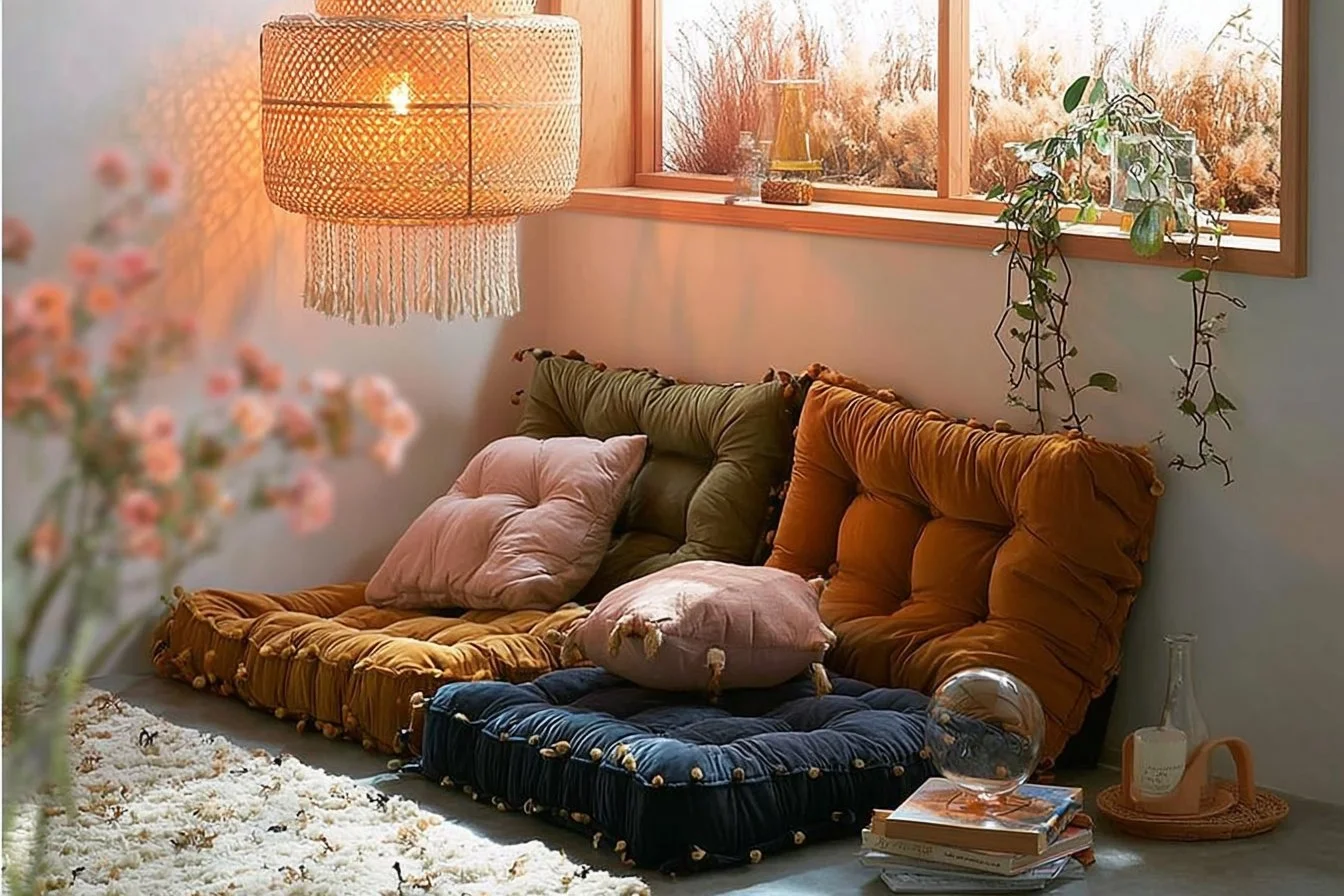
The Rohini Velvet Daybed Cushion effortlessly blends sumptuous comfort with refined style, transforming any daybed into a cozy, inviting centerpiece. Perfect for sunrooms, window nooks, or guest rooms, this cushion pairs plush velvet upholstery with thoughtful construction, offering both aesthetic appeal and lasting support.

Design & Materials

At the heart of the Rohini Cushion is its soft, densely woven velvet cover. Velvet introduces depth and subtle sheen to a space, reflecting light beautifully while providing a tactilely pleasing surface. Beneath the luxurious exterior, a high-resilience foam or layered fiber core ensures the cushion retains its shape, offering a perfect balance of support and softness.

Material highlights include:

  • Velvet cover with tight weave for durability and smooth finish

  • High-density foam or polyurethane core for consistent support

  • Reinforced seams and hidden zippers for longevity and ease of cleaning

Comfort & Support

A daybed cushion must be versatile enough to accommodate lounging, seating, and occasional overnight use. The Rohini Cushion’s foam core resists bottoming out while providing gentle give for a relaxing experience. Its thickness typically delivers adequate spinal support for most adults, while the velvet surface prevents sliding and remains comfortable against bare skin.

Tips for maximizing comfort:

  • Add a mattress topper or quilt for extra softness if you plan to sleep on it regularly

  • Rotate the cushion periodically to maintain even wear

  • Include bolsters or lumbar pillows to enhance back support

Styling Ideas

Velvet instantly elevates a room, and the Rohini Cushion adapts beautifully to multiple decor styles:

  • Modern Minimalist: Choose neutral tones like charcoal, ivory, or taupe. Pair with streamlined accessories—metal accent tables, monochrome throws, and clean lines create a sleek look.

  • Bohemian Chic: Layer jewel-toned cushions with patterned throws and textured rugs for a rich, eclectic vibe.

  • Classic Glam: Deep velvet hues look stunning with brass or mirrored accents, creating an elegant, sophisticated space.

Adding pillows in complementary textures—linen, knit, or silk—adds depth and contrast, enhancing the overall aesthetic.

Care & Maintenance

Keeping your velvet cushion looking and feeling its best is simple with regular care:

  • Vacuum gently with an upholstery attachment to remove dust and debris

  • Spot-clean spills immediately using a damp cloth and mild detergent; test on a hidden area first

  • If the cover is removable, follow washing instructions carefully (cold, gentle cycles are usually recommended)

  • Brush with a soft brush to restore the velvet’s nap and sheen

Additional tips:

  • Avoid prolonged direct sunlight to prevent fading

  • Keep sharp objects away to minimize snags

Sizing & Fit

Daybeds come in different lengths and widths, so it’s essential to verify dimensions before purchasing. Common sizes range from twin to full, and the cushion should fit the frame while providing even coverage.

Measuring guide:

  • Measure the internal frame length and width carefully

  • Consider edge overhang if you prefer a draped look

  • Factor in bedding and throws when evaluating cushion thickness

Buying Tips

When selecting a Rohini Velvet Daybed Cushion, consider:

  • Fabric durability and whether the velvet is performance-grade (stain-resistant)

  • Removable covers for easy cleaning

  • Return policies and warranty coverage

  • Customer reviews mentioning long-term shape retention and comfort

If you plan to use the daybed regularly as a sleeping surface, prioritize a firmer core or cushions marketed as “sleep-ready.”

Conclusion

Upgrading your daybed with a plush, stylish cushion like the Rohini Velvet Daybed Cushion can instantly transform your living space. Its combination of luxurious velvet, supportive foam, and versatile style makes it a perfect addition to modern, eclectic, or classic interiors. Take time to compare sizes, colors, and customer feedback to ensure your choice enhances both comfort and aesthetics. With the right cushion, your daybed becomes more than furniture—it becomes a cozy, elegant centerpiece for everyday living.