Categories
Outdoor

Sleek and Stunning: Modern Ranch Exterior with Panoramic Views

I used to ferry kids to soccer and piano practice while swapping coffee notes with Mrs. Jensen next door, and those small rituals taught me to notice what makes a house feel like home. With two kids between eight and twelve, morning routines are a ballet of backpacks and mismatched socks, and evenings are about homework spread across the kitchen island. I remember the first time we opened our new living room curtains and my son gasped at the valley view — that instant made me rethink how our home’s exterior and sightlines shape our family life. As I started collecting home décor ideas and interior styling tips, simple choices like window placement and siding color became ways to hold memories, not just design moves. Along the way I even saved a few sources like Scandinavian bathroom ideas that helped me keep a calm, modern palette while planning our house updates.

Low-Slung Roofs and Mixed Materials for Timeless Curb Appeal

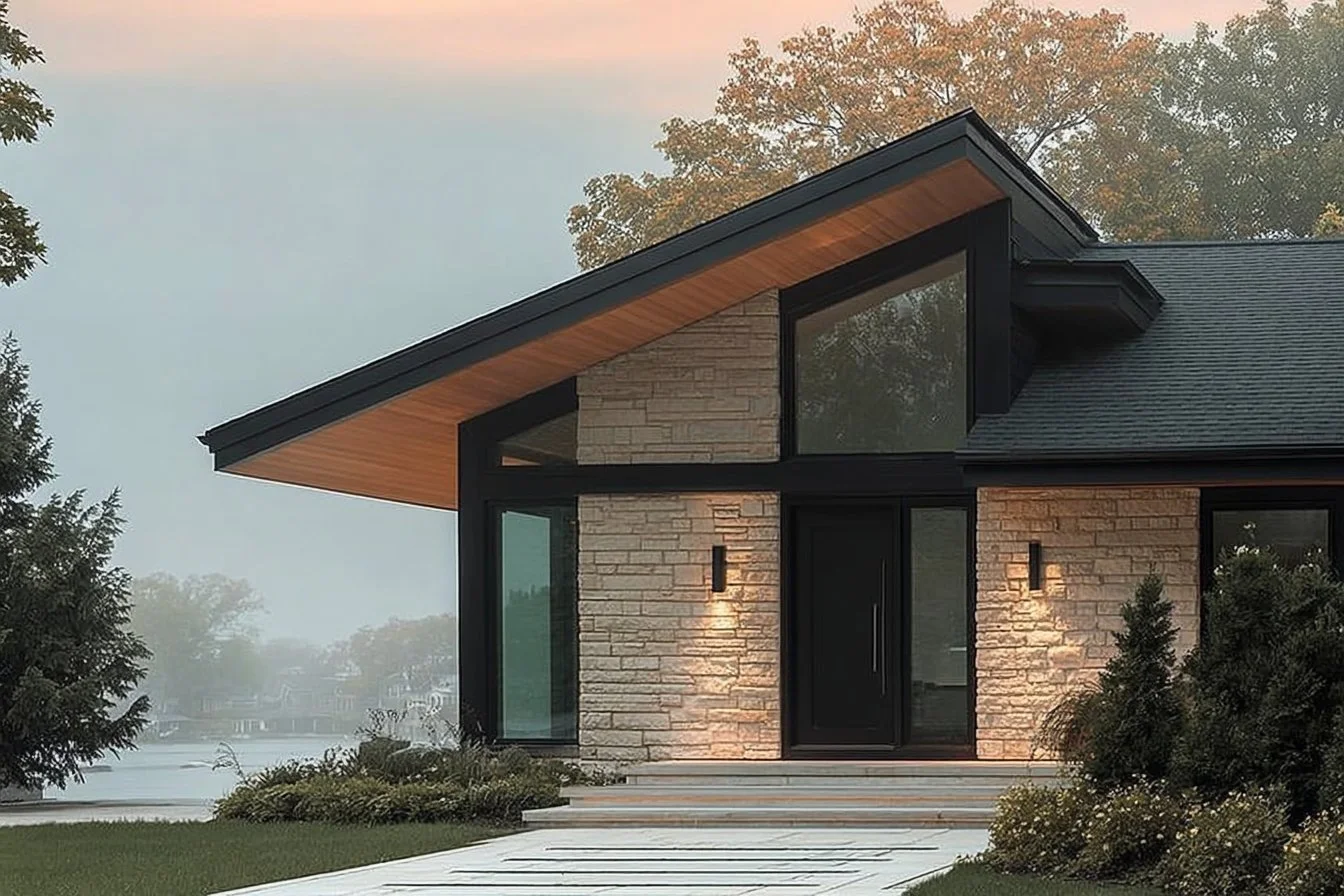
A hallmark of modern ranch style is its grounded, low-slung roofline paired with a mix of materials like wood, stone, and metal. Visually, this combination anchors the house to the landscape and reads as approachable yet refined, which is exactly the vibe you want when neighbors stop by with baked goods or the kids invite friends over. Emotionally, natural materials communicate warmth and stability, subtle signals that this is a lived-in, welcoming home. To apply this at your place, choose one dominant cladding like horizontal wood or fiber cement and layer an accent material around the entry or base. Keep colors muted and coordinate trim to let panoramic views remain the star. For a practical family touch, pick durable finishes that hide fingerprints and stand up to active kids and pets while still looking elevated.

Floor-to-Ceiling Windows That Invite the Outside In

Big windows transform a ranch into a view-focused retreat; they blur the boundary between indoors and out and make everyday moments feel cinematic. A wall of glass visually enlarges rooms and invites natural light that lifts moods during long afternoons of homeschooling or art projects. Emotionally, those uninterrupted sightlines give a sense of freedom and calm — like your family can breathe a little deeper. To install this idea without cold drafts or sky-high bills, opt for energy-efficient glazing and thoughtful shading. Place seating areas and the kitchen to face the view so routines like breakfast and homework come with a calming backdrop. If privacy is a concern, use graduated landscaping or frosted lower panes so kids can play freely while adults enjoy unobstructed vistas.

Warm Neutrals and Textured Accents to Soften Modern Lines

A modern ranch benefits from a neutral base softened by layered textures; think warm greys, soft ivories, and wood grains. These tones calm the crisp geometry of contemporary exteriors and make the house feel cozy when kids tumble in after the school bus. Visually, textured siding, slatted wood accents, and stone bases add depth so the façade reads as intentional, not flat. To apply this at home, choose one neutral palette and introduce texture in measured spots — the porch ceiling, the garage door, or the entry surround. Use outdoor textiles and planters to echo those tones, making a welcoming threshold for returning family routines. For inspiration on harmonizing minimalism with warmth, I often look to Japandi interiors that balance simplicity with comfort and can translate well to exteriors like porches and patio zones Japandi bedroom inspiration.

Seamless Outdoor Living Zones That Extend Daily Life

A modern ranch with framed views begs for outdoor rooms that become part of everyday family life. A covered patio or perpendicular terrace lets kids move between indoor play and outdoor exploring without losing sight of the view. Visually, these extensions read as integral parts of the architecture rather than afterthoughts. Emotionally, an outdoor living area encourages more casual meals, stargazing bedtime stories, and summer projects with neighbors. Realistically, start by connecting doorways to a weather-protected seating area and choose multipurpose furniture that handles spills and sun. Include storage benches for sports gear and a durable rug to define the space. With modest investments, your patio becomes a second living room where routines — from morning coffee to weekend crafts — naturally migrate and where panoramic views become everyday scenery.

Thoughtful Hardscape and Driveway Details for Everyday Ease

Driveways, walkways, and gentle retaining walls set the tone for arrival and departure in daily family life. Well-planned hardscape balances form and function: textured pavers and curved pathways guide visitors and kids with scooters safely to the front door while complementing the home’s modern silhouette. Visually, layered planting beds and strategic lighting break up long stretches of lawn and draw the eye toward a framed view or entry. To apply this, prioritize low-maintenance materials and subtle grading that manages rain without dramatic slopes—practical for a busy household and playdates. Add kid-friendly elements like a defined drop-off zone near the garage and clear sightlines for parents to spot kids playing outside. These details make routines smoother and enhance the overall decorating inspiration of your exterior.

Lighting and Landscaping to Create Nighttime Magic

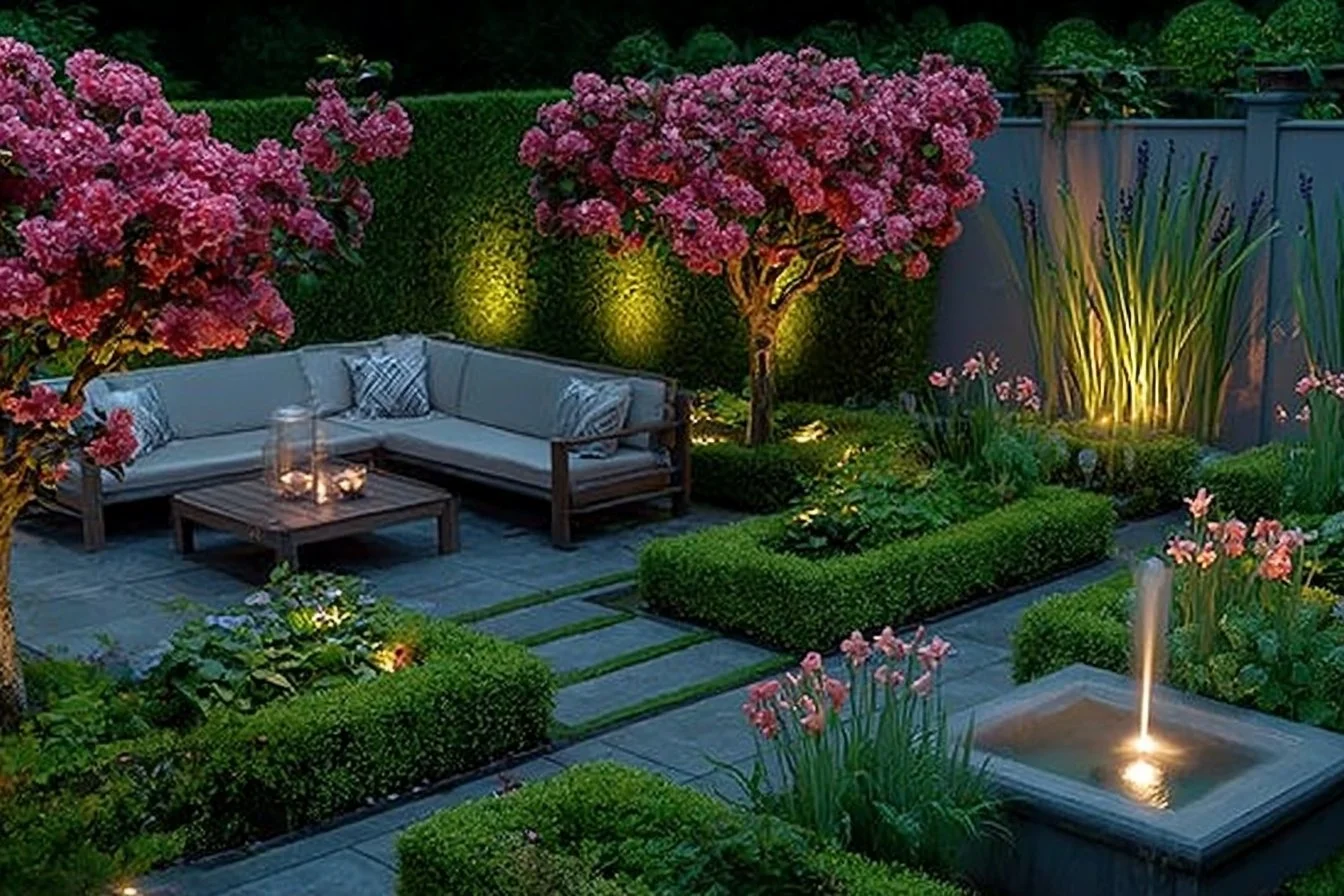
Exterior lighting and planting design turn a modern ranch into a lived-in, enchanting backdrop after dusk. Soft uplighting on specimens and path lights along walkways create layers of depth that keep the house feeling safe and magical when late-night homework or evening baths run long. Visually, balanced lighting highlights architectural materials and preserves those panoramic views through subtle silhouettes. Emotionally, a well-lit landscape invites impromptu backyard games and post-dinner porch hangs that become treasured family memories. Apply this by mapping sightlines from indoor seating to outdoor focal points, choosing warm LEDs with dimmers, and planting native, low-care shrubs that keep maintenance light for busy parents. Thoughtful placement ensures light supports routines like evening tidying and kid check-ins without washing out the night sky.

Conclusion

If you loved these decorating inspiration ideas and want a little wanderlust mixed into your design library, I found a lovely narrative that influenced how I think about texture and place: Notes From the Road: A Research Trip in Romania. Save the ideas that fit your family’s daily flow, try one change at a time, and revisit the small details that make routines feel special. Whether you start with a new window, a cozy terrace, or a simple siding swap, these interior styling tips and home décor ideas can help you craft a modern ranch exterior that holds both views and memories. Come back when you’re ready to plan the next project or to share how it changed your family’s everyday moments.

Categories
Outdoor

Jávea Coastal Home: 6 Cozy Decorating Ideas

I still remember the first morning we opened the shutters in our little Spanish rental: my two kids, ages nine and twelve, raced to count sailboats while I made coffee and waved at Mrs. López from across the lane. Weekday routines here look a lot like at home — backpacks by the door, a neighbor dropping off extra oranges, homework sprawled across the kitchen table — but there’s a softer rhythm that nudges you to slow down. Those everyday moments inspired me to rethink how our space feels: not just pretty, but practical and warm for early breakfasts, messy art projects, and quiet reading nooks. As evenings drift to a pastel horizon, I found simple touches that merge family life with the coastal charm around us, turning ordinary rooms into comforting, lived-in spaces that still feel fresh and inspiring.

Soft Coastal Palette for Calm Everyday Life

A light, sun-washed palette instantly lifts a home while keeping it forgiving for family living. Think warm whites, sandy beiges, and muted sea-glass blues that reflect Jávea’s shoreline and make small rooms feel airier. Visually, these tones create continuity from room to room and emotionally they calm busy minds after a school day. To apply it, repaint high-traffic walls in easy-to-clean eggshell finishes, swap heavy curtains for linen panels that sway with the breeze, and anchor sofas with slipcovers in neutral tones to hide spills yet stay chic. My kids love adding colorful throw pillows that we can swap as moods change, and a washable rug in the play area keeps things practical. These choices give you a soothing backdrop for both homework and lazy Sunday afternoons, while still serving as a versatile canvas for seasonal decor or rotating art projects.

Bring the Outside In with Greenery and Natural Light

Plants and natural light make rooms feel alive and connect your family to the outdoors. In Jávea, potted palms, rosemary in terra cotta, and hanging succulents are easy to grow and gentle on space. Visually, plants add texture and color without overwhelming a room, and emotionally they improve mood and air quality for active children. Start with a few low-maintenance plants on sunny windowsills, a tall fiddle-leaf in the corner that becomes a reading buddy, and small herb pots in the kitchen for weekend cooking experiments with the kids. Position seating to make the most of daylight for homework and crafts, and use lightweight sheers to diffuse harsh noon sun. This approach blends interior styling tips with simple family routines and makes daily moments like snack time or piano practice feel fresher and more connected to nature.

Textured Layers for Comfortable, Kid-Friendly Rooms

Textures—think woven baskets, rattan chairs, and chunky knit throws—build a layered look that’s both stylish and forgiving. Textural pieces create visual interest and hide wear from everyday use, which is perfect when kids are at craft or snack time. Choose a durable woven sofa for the living area and add removable, machine-washable covers for spills. Place natural fiber rugs in play zones to cushion tumbles and hide crumbs, and mix wooden accents for warmth. In practice, I keep a low basket of art supplies in the family corner and swap out delicate decor for sturdier, child-friendly versions when friends come over. These tactile elements also offer sensory comfort at the end of a long day, helping children settle in for storytime and making the home feel approachable and well-loved rather than staged.

Flexible Zones for Family Flow and Function

Designing multi-use zones helps a home adapt to homework, playdates, and relaxed entertaining without feeling cluttered. A long console table can double as a craft station during the day and a serving area in the evening. Visually, distinct but coordinated areas make the whole home feel intentional, and emotionally they reduce friction when family schedules collide — everyone knows where to land. Implement this by using area rugs or different lighting to define spaces, and choose furniture on casters for quick rearranging before guests arrive. In our apartment, a bench with storage at the entry holds soccer gear and doubles as extra seating when neighbors drop by. These interior styling tips help you create a flexible layout where homework spreads out peacefully while dinner prep happens nearby, keeping family life flowing naturally.

Local Finds and Personal Stories as Focal Points

Incorporating local art, pottery, or a thrifted mirror adds authenticity and a tactile story to your home. A single statement piece, like a framed market print or a small ceramic bowl from a local maker, becomes more than décor — it becomes a memory that anchors the room. Visually, these items break up neutral palettes and emotionally they spark conversation and connection with place. Display one or two local finds on a mantel or shelf at eye level so kids can tell visitors about them, and rotate pieces by the season or mood. I encourage my children to choose one souvenir each trip; their selections sit proudly beside family photos and school drawings. This approach to decorating inspiration ensures your space feels curated and personal, not catalog-perfect, while teaching kids the joy of collecting small, meaningful treasures.

Smart Storage That Keeps Style and Sanity

Practical storage solves everyday chaos and lets your styling show through without constant tidying. Built-in shelves, closed cabinetry, and labeled baskets maintain a tidy look while keeping toys, art supplies, and laundry out of sight. Visual appeal comes from mixing concealed storage with a few curated open shelves to display favorite objects or rotating decor. Emotionally, organized spaces reduce morning stress and make it easier for kids to find what they need before school. Start by assigning zones for backpacks, shoes, and sports gear near the entry, and use low hooks so children can participate in keeping things orderly. A family command center with a small corkboard and a basket for permission slips keeps routines smooth. These decorating inspiration strategies help maintain a lived-in, welcoming home that supports both parents and kids through daily life.

Conclusion

If you want to keep coming back to this list when planning or refreshing a home, save a few ideas that fit your family rhythm and try them one at a time. Small updates like washable slipcovers, a beloved plant, or a local art piece transform ordinary days into moments worth remembering. For practical browsing of homes and local styles in Jávea, explore trustworthy listings like Casas y pisos en Jávea/Xàbia, Alicante — idealista to gather more decorating inspiration and to see how real spaces are styled for family life.

Categories
DIY

10 Amazing Spider Man Bedroom Ideas for Superhero Fans

Transform Your Child’s Room with These 10 Superhero Bedroom Inspirations

As a busy mom juggling two energetic kids, I often find myself navigating spontaneous adventures between school pick-ups, playdates, and the inevitable homework hustle. My two children, aged 8 and 12, bring so much joy into our home, but they sure know how to fill our space with an array of superheroes. Just the other day, I caught my youngest re-enacting epic battles between Spider-Man and Venom in the living room, his imaginative play spilling into every corner of our home. While I cherish the goofiness of childhood, I’ve often daydreamed about incorporating that superhero magic into their bedrooms—not just as an aesthetic choice but as a way to elevate their everyday lives. Here are ten vibrant and fun room ideas that every superhero fan would adore.

Bold Spider-Man Wall Murals

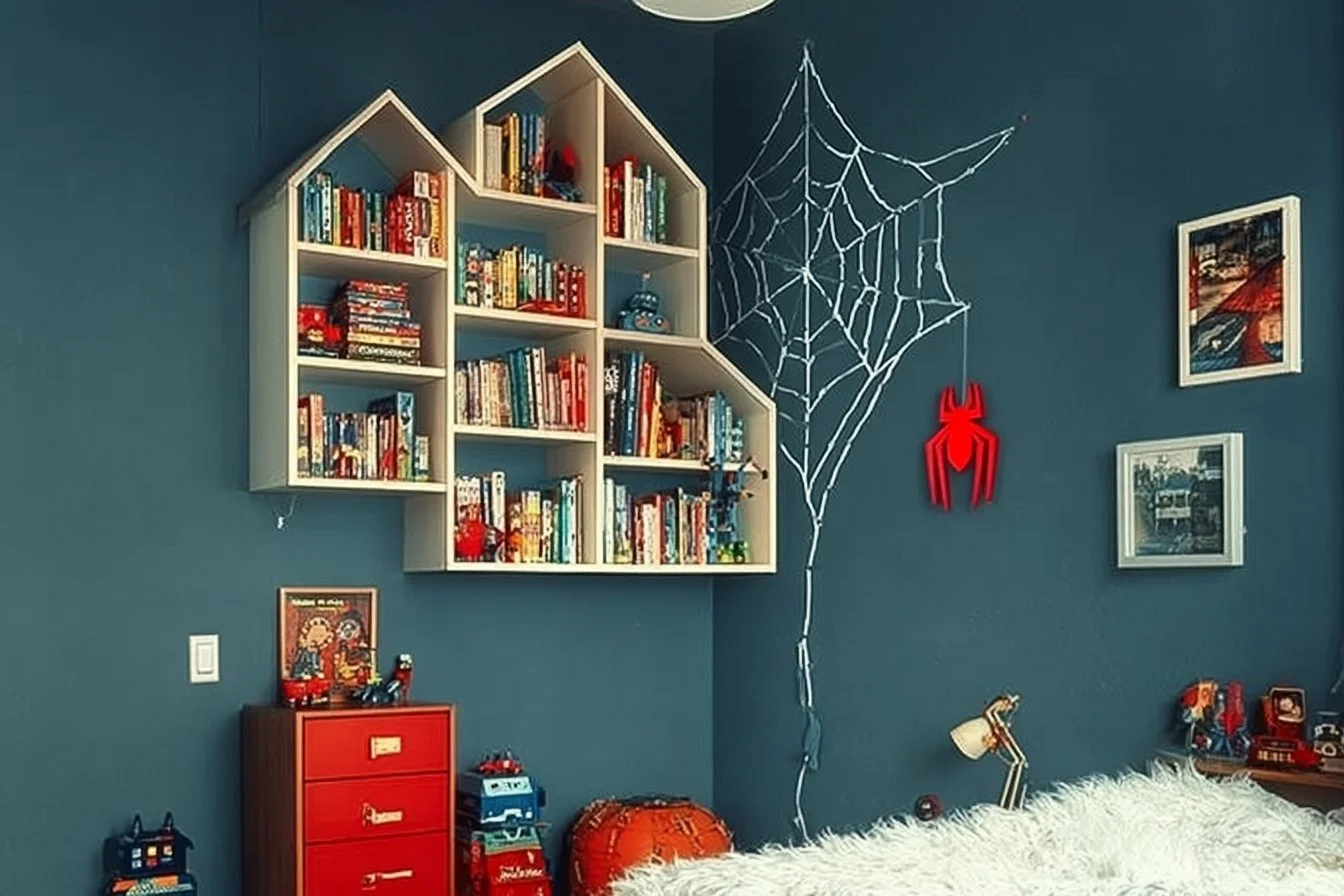
One of the easiest and most stunning ways to bring Spider-Man into your child’s room is with a bold wall mural. Imagine walking into a room where the web-slinger is leaping across the wall in a swirl of colors. This kind of visual impact instantly transforms the space into an exciting lair. Paint or wallpaper murals can reflect your child’s favorite moments from the comics or movies and foster inspiration while encouraging play and creativity. Adding some comic-book-themed décor, like floating wall shelves shaped like webs, can tie the theme together beautifully.

Spider-Man Bedding Sets

Every kid loves to snuggle up with their favorite hero, and what better way to do that than with themed bedding? A vibrant Spider-Man bedding set can encapsulate the essence of your child’s love for the character while ensuring a cozy night’s sleep. Look for sets featuring a combination of red, blue, and iconic spider-web designs, ensuring they dream of their next big adventure. As a bonus, these sets are often machine washable, making them practical for busy families like ours.

Web-Inspired Bedding Pillows

To further complement your child’s Spider-Man bedding, consider adding web-inspired throw pillows. These unique accents provide comfort and can be arranged for maximum fun when building a pillow fort or inviting friends for a movie night. Mix in a few plush Spider-Man toys for a cohesive look that not only enhances the theme but also gives your kids some cuddly companions during bedtime. They’ll love having their favorite superhero within arm’s reach.

Spider-Man Action Figures Display

For many kids, action figures are more than toys; they’re cherished collectibles that tell stories of heroism and bravery. Designating a shelf to display Spider-Man action figures can turn your child’s room into a mini gallery of superpowers. Opt for a floating shelf or a glass cabinet to showcase their collection. This encourages organizational skills while ensuring the room stays tidy—something every mom appreciates. Plus, it creates a personal touch, showcasing their unique style and passions.

Superhero-Themed Art and Prints

Decorate the walls with superhero-themed art that reflects your children’s love for Spider-Man. Look for vibrant prints that include famous quotes or dynamic scenes, perfect for igniting imagination and conversation. As they grow, you can mix and match different pieces to refresh the aesthetic, making the room feel new without a complete makeover. Artwork can motivate creativity and engagement, nurturing your child’s artistic side while subtly teaching them the importance of personal expression.

Sleek Study Area with Spider-Man Touches

Create a dedicated study area that channels your child’s superhero spirit and encourages them to tackle homework like a true hero. A desk with Spider-Man decals or a bold red chair can make a world of difference in their attitude toward studying. Pair this setup with thoughtful organization tools like colorful folders and themed stationery. This not only enhances their educational space but helps instill a sense of responsibility while making it fun to work on assignments.

Spider-Man Rugs for Comfort and Style

Rugs are a fantastic way to ground a space and add comfort underfoot—perfect for playtime! A Spider-Man-themed rug can illuminate the room while adding warmth and whimsy. Look for options that can handle spills since kids can be prone to messes during snack time or play. These rugs can serve as a designated play area and maintain the superhero theme cohesively, giving kids an inviting spot to unleash their imaginations.

Themed Nightlights for Sweet Dreams

Light plays a significant role in setting the mood of a room. A Spider-Man nightlight can provide just the right amount of soft glow to comfort your child as they drift off to dreamland. There are options available that project Spider-Man’s image, making bedtime adventures a little less intimidating. Nightlights can also foster independence as kids learn to sleep in their rooms, allowing them to shine a little bright even during the dark hours.

Hanging Capes and Costumes Display

If your little ones love dressing up, cleverly incorporating a display for their superhero attire adds functionality and fun. Hang a decorative hook or a mini rack in their space for capes and costumes. This not only keeps the room tidy but encourages imaginative play. Plus, seeing their favorite Spider-Man costume on display can inspire them to jump into their next adventure, keeping the superhero spirit alive in their daily routines.

Spider-Man Themed Storage Solutions

Keeping a kid’s room organized can be a daunting task, yet themed storage options can make it exciting. Invest in Spider-Man bins, baskets, or boxes to sort toys and games—keeping playful energy in the room while cultivating neatness. These storage solutions add a practical yet visually appealing element to the décor, proving that even superheroes need some order in their lives.

Creating a superhero haven within your home can connect your children’s dreams with their everyday lives, making their rooms a sanctuary for creativity and imagination. Each idea serves not just to decorate but to inspire, turning their spaces into vibrant reminders of their favorite heroes. As you explore these ideas, remember to let your child’s personality shine through—after all, their room should be a reflection of who they are, superpowers and all! Save these inspirations for later, and embrace the fun of decorating your superhero’s lair!

Categories
DIY

Decor Guide: Kids Room Ideas That Are Nothing but Stylish

Stylish Kids Rooms: Fresh Cozy Decorating Ideas

I still remember the Saturday morning when my neighbor Mrs. Alvarez knocked with a plate of muffins and a paint-splattered grin, asking if she could borrow our ladder while her son and mine debated superhero capes at the picnic table. As a forty-something mom with two kids between eight and twelve, life is a steady stream of carpools, homework checks, and bedtime negotiations over whose stuffed animal gets the top pillow. Our house holds Lego cities on the dining table and crayon murals that somehow find their way into every corner. Those small domestic scenes have taught me that a kid’s room should be a calm backdrop for messy, joyful life — a place that keeps order without squeezing out personality. Over the years I’ve collected simple, real-world tricks to turn chaos into style so rooms feel purposeful, kid-friendly, and picture-worthy without endless overhauls.

Color Anchors: One Wall, Big Impact

Choosing a single accent wall or a bold wallpaper turns a child’s room into a curated space without overwhelming a busy household. A painted wall becomes a visual anchor where everything else can stay neutral and easy to swap as tastes change. Visually, it grounds the room and gives photos and Pinterest boards something to pop against. Emotionally, a color kids helped pick becomes part of family stories — the blue wall where they learned to ride a scooter inside on rainy afternoons, or the soft coral that brightens after a long week of school. To apply this, pick a washable eggshell paint or peel-and-stick wallpaper for durability, then place the bed or desk against that wall to maximize the impact. These small color investments are classic home décor ideas that make cleaning and rotating toys feel intentional, not chaotic.

Smart Storage That Doubles as Furniture

Clutter fades when storage feels like design. Think benches with hidden boxes, beds with drawers, or modular cubes that become bedside tables. These pieces work visually because they keep lines clean and surfaces tidy, and emotionally because they reduce the friction of family routines — morning rushes and bedtime cleanups are simpler when everything has a place. Start by assessing daily flows: where do school backpacks land, which toys are used most, and where do art projects accumulate? Choose durable fabrics and finishes that stand up to spills and energetic kids. Teach routines gently by making cleanup part of play: a game to stow books before snack, or a race to fill the toy bin. These interior styling tips make rooms look edited and teach kids responsibility without a lecture.

Rotating Gallery Walls to Showcase Growth

A gallery wall is an evolving statement rather than fixed decor. Frame school art, family photos, or favorite postcards in a mix of sizes so the arrangement feels curated but flexible. Visually it creates texture and personality; emotionally it honors children’s changing interests and small wins. Apply this at home by dedicating a single wall or the space above a headboard to a mix of removable frames or washi-taped prints. Rotate pieces monthly or when a new school project comes home. In my house, swapping art became a Friday ritual: the kids choose one piece to feature and explain why they picked it, turning decorating inspiration into family storytelling. The result is a room that celebrates creativity while staying stylish and uncluttered.

Cozy Reading Nook with Layered Textiles

A cozy corner invites quiet moments and helps balance a busy household full of activity. Create a reading nook with a low bookcase, a soft pouf or bench, and layered textiles like a washable throw and a few plush pillows. Visually, layers add warmth and depth; emotionally, a dedicated spot offers children a reliable retreat for nightly reading or rainy-day calm. Keep books within reach and rotate selections to match interests — adventure titles near the older child’s side, picture books closer to the younger one. Lighting matters: a soft bedside lamp or adjustable clip light makes the space useful after dusk. These small interior styling tips make the room feel lived-in and intentional, encouraging independent reading while fitting seamlessly into a family routine.

Durable, Design-Forward Rugs as Room Anchors

A well-chosen rug can define zones for play, study, and sleep while protecting floors from daily wear. Choose low-pile, stain-resistant rugs with a pattern that hides small spills and survives rough play. Visually, rugs anchor furniture and give the room a finished, polished look; emotionally, a comfy rug becomes the unofficial meeting spot for blocks, board games, and bedtime chats. To apply this practically, size the rug so the front legs of the bed and furniture sit on it, creating cohesion. Layer smaller washable rugs for high-traffic areas like beside the bed. I’ve learned that a rug’s color palette informs the rest of the room — pick tones that coordinate with bedding and wall accents so switching accessories later feels effortless. These home décor ideas keep style and utility in balance.

Whimsical Lighting and Personal Details

Lighting sets mood and supports routines. Mix ambient ceiling light with task lamps for homework corners and soft string lights for nighttime comfort. Visually, varied light sources create depth and warmth; emotionally, personalized lamps or themed shades can become comfort objects children remember as they grow. Apply this by installing dimmable switches where possible and choosing fixtures that are safe and easy to clean. Add a small nightlight near the closet for midnight searches and a wall sconce for the older child’s reading. Personal touches like monogram pillows, a special curtain panel painted together, or a map of places visited add layers of meaning without clutter. These decorating inspiration cues help kids feel ownership while keeping rooms serene for the whole family.

Conclusion

If one thing’s true from years of carpools and late-night story swaps, small, thoughtful changes add up to rooms that feel both stylish and lived-in. Save a pin or try one idea at a time — an accent wall this month, a cozy nook next — and watch how the space shifts with your family’s life. For budget-friendly finds and clearance-worthy picks that spark fresh decorating inspiration, consider browsing kids room clearance inspiration. For additional professional perspectives on designing child-friendly interiors, this children’s room decor guide offers practical examples and styling details.

Categories
DIY

Cozy Room Refreshes Every Mom Will Love

I still remember the day my neighbor dropped off a plate of fresh cookies because my son left his soccer cleats in her yard again. Between school carpools, piano practice, and helping my daughter hunt down a missing science project, our house feels alive and a little lived-in. As a forty-something mom with two kids aged eight and eleven, I appreciate small changes that make our daily rhythms smoother and our home feel like a calm hug at the end of the day. Those tiny upgrades—an extra lamp by the homework table or a basket that hides the LEGO pile—have become my quiet victories. They also reminded me that thoughtful room touches can change how a family uses a space, not just how it looks. Here are approachable ideas that blend style and real family life.

Warm Layered Lighting for Everyday Comfort

Layered lighting transforms a room from harsh and clinical to warm and inviting. Start with an overhead fixture that provides general light, then add table lamps and a floor lamp to create pools of cozy brightness where the family actually gathers. I put a soft-glow lamp near the reading chair my daughter claims as hers after school, and it instantly became her homework nook. Dimmable bulbs let you shift from bright craft time to a gentler evening mood without major rewiring. Use warm white bulbs for a comforting color temperature that flatters skin tones and pastel walls. Visually, layered lighting adds depth and highlights favorite corners. Emotionally, it signals a pause button after a busy day. Realistically, swap one hard-to-reach bulb for an easy dimmer or add a plug-in lamp where you need it most; it’s a small change with big family payoff.

Family-Friendly Gallery Wall with Purpose

A gallery wall mixes art, photos, and meaningful objects to tell your family’s story while anchoring a room visually. Choose a consistent frame color or a repeating mat to keep the arrangement cohesive even when adding new pieces each year. We started our wall with the kids’ school portraits and a framed map of our hometown; now it’s a rotating timeline that sparks conversations at dinner. Use lightweight frames and picture-hanging strips for easy swaps without damaging drywall. Emotionally, a curated cluster of images makes everyday spaces feel intentional and loved. Practically, place the gallery at eye level near a hallway or stair landing where family members pass by; it becomes a warm reminder of shared memories rather than a static display. This approach blends decorating inspiration with real-life storytelling.

Smart Storage That Doubles as Style

Storage solutions that look as good as they function are lifesavers in family homes. Think woven baskets, upholstered storage benches, or chic shelving that corral toys, blankets, and school supplies. I added a low bench with hidden storage to the mudroom and instantly freed the entryway of backpacks and shoes strewn by two energetic kids. Visually, textured baskets and closed bins keep chaos out of sight while adding warmth. Emotionally, neat storage reduces morning stress and helps kids learn organization. To apply this at home, audit one zone—like the play corner or media center—and swap an open pile for a labeled basket or dual-purpose ottoman. Choosing pieces in neutral tones keeps the room calm and lets colorful toys or seasonal decor be the accent rather than the main event.

Soft Textiles for Cozy, Kid-Proof Living

Textiles instantly soften a room, making it feel snug without compromising durability. Layer a low-pile rug under the dining table to define the space and survive crumb-filled nights. Add washable throw pillows and a machine-washable slipcover on the sofa for easy cleanups after craft sessions with glitter. I favor rugs with kid-friendly patterns that hide spills and show less wear, so the living room feels styled even on busy weekends. Textiles add color, texture, and tactile comfort that welcome little feet and movie-night snuggles. To apply this idea, pick fabrics labeled for high-traffic use and choose a few accent textiles to rotate through the year—it’s an easy way to refresh the mood without a big budget or a full remodel.

Kid-Centered Zones That Grow with Them

Design spaces that adapt as children change, from reading corners to creative stations. A modular desk in my daughter’s room shifted from homework hub to crafting table and then to a small laptop workstation as she got older. Use adjustable shelving, rolling carts, and multi-height seating to accommodate different ages and activities. Visually, clearly defined zones keep a room from feeling chaotic; emotionally, they give kids a sense of ownership and responsibility. For realistic application, start small: designate a low shelf for homework supplies, place a comfy rug for reading, and add a corkboard for rotating art. These flexible elements support family routines, like morning prep and afterschool projects, and save you from constant furniture swaps.

Bring Nature Inside with Low-Maintenance Greenery

Plants add instant life and improve air quality without feeling like fuss. Choose resilient houseplants like snake plants, pothos, or ZZ plants that tolerate forgetful watering and busy family schedules. I keep a small succulent cluster on the kitchen windowsill and a taller plant in the corner of the family room; both create a calmer atmosphere and a visually dynamic focal point. Greenery pairs well with natural textures—wood, rattan, and linen—to create a lived-in, inviting space. Emotionally, plants lower stress and signal care; kids notice them and often take pride in watering duties. Apply this by starting with one easy plant and a decorative pot that matches your decor palette, then gradually add more as the family develops routine care habits.

Conclusion

I hope these ideas inspire small, manageable changes that make your home more comfortable and stylish for family life. If you want more project-level inspiration, check out cute craft room ideas for a craft space makeover that show how functional decor can double as creativity stations. For playful prints and whimsical nursery or kid-friendly art inspiration, see this floral elephant print inspiration that can influence colors and patterns for a child’s corner. Save a few ideas, try one change this weekend, and come back when you’re ready to refresh another room—small updates add up to a home that feels more peaceful and purposeful for your family.

Categories
Outdoor

Simple Cozy Backyard Retreats You’ll Love This Weekend

Cozy Backyard Retreats to Try This Weekend

I still remember the first summer my kids learned to ride bikes without training wheels. Our cul-de-sac turned into a parade of scraped knees and triumphant shrieks, while neighbors paused on their porches to cheer. Now, in my forties with two kids aged 8 and 11, mornings are a mix of packed lunches, dog walks, and last-minute homework checks. Afternoons blur into swim lessons and impromptu chalk art on the driveway. Those fleeting pockets of calm—an early cup of coffee on the patio, or an evening where we all swap stories around a small fire pit—are the moments I want my backyard to protect and enhance. That quiet desire for a welcoming outdoor space is what led me to slowly stitch together practical, beautiful touches that keep the family comfortable and the neighbors asking for tips.

Layered Seating for Comfortable Family Time

Layering seating creates a relaxed look and invites everyone to linger. Start with a durable outdoor sofa or sectional as your anchor, then add a couple of weatherproof chairs and a low bench for kids. Textiles like fade-resistant cushions and a couple of throw blankets soften the space visually and make it emotionally cozy after a long day. I chose muted blues that hide messes from muddy sneakers yet still feel fresh beside my potted herbs.

To apply this at home, measure first so pathways stay clear for bikes and strollers. Mix seating heights to keep conversations easy and sightlines open when parents are supervising. Swap cushion covers seasonally for a mini refresh without replacing furniture. For our family, the layered setup became the spot for afternoon snacks and homework check-ins, where everyone can be together without feeling crowded.

Defined Zones with Rugs and Planters

Breaking a backyard into zones makes it feel larger and more purposeful. Use an outdoor rug beneath the dining table to ground meals, then mark a play area with a second rug or colorful planters. Rugs add texture and are a subtle way to introduce pattern without overwhelming the space. I picked an outdoor rug that hides crumbs and dries quickly after summer sprinklers.

Implementing zones is simple: place furniture in small groupings and use taller planters as visual dividers. For families, this keeps the kids’ play close but separate from the evening dining area. When teens started wanting privacy to chat with friends, we created a quiet corner with a hammock and tall grasses that doubles as a reading nook for me. Zoning helps the backyard adapt to busy routines and quiet moments alike.

Warm Ambiance with String Lights and Lanterns

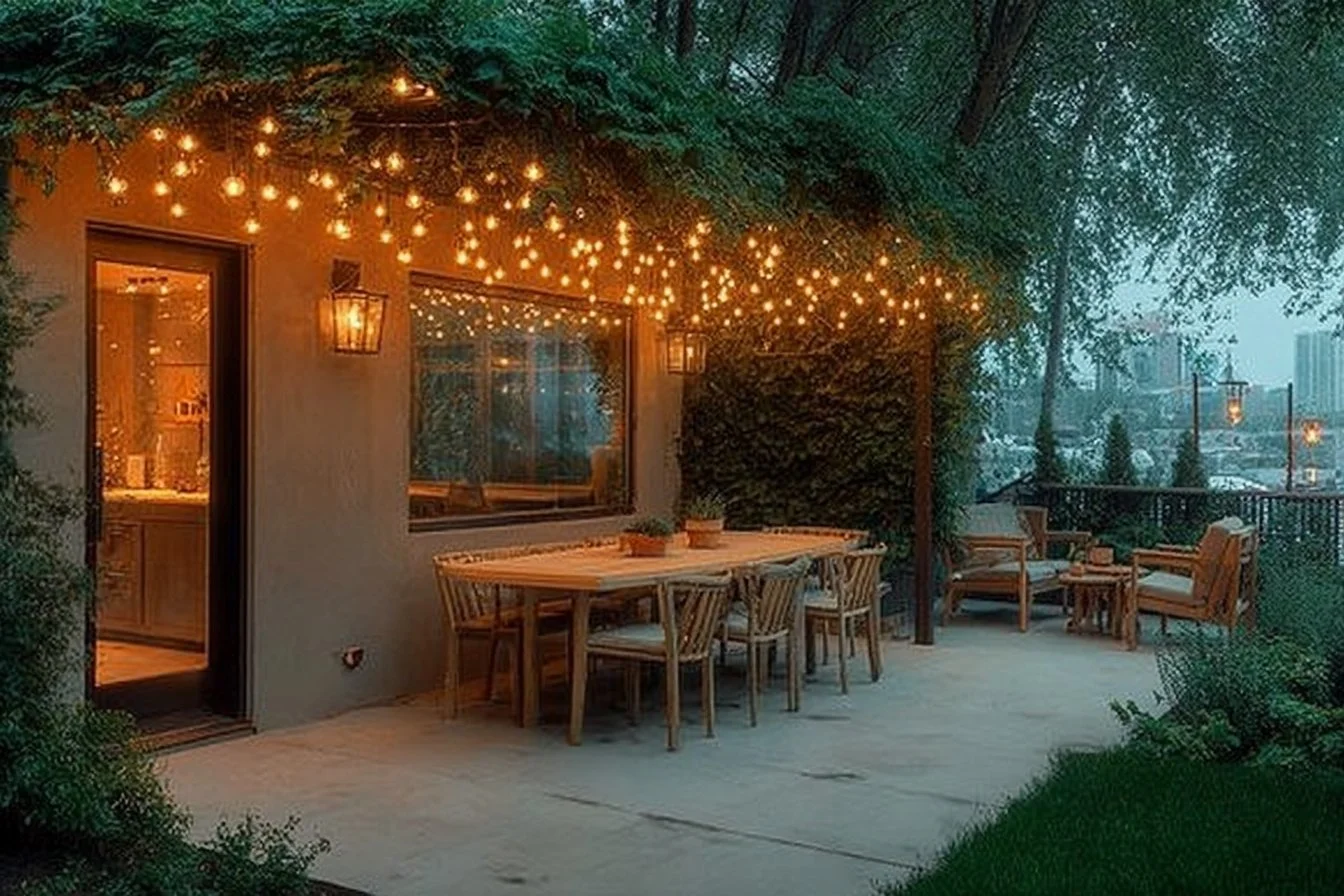
Lighting changes everything. A string of warm bulbs woven above the patio or draped through trees turns ordinary evenings into something memorable. Lanterns on tables and low solar path lights add layers so the yard feels safe and enchanting well after sunset. I installed dimmable string lights to avoid glare during bedtime routines.

To use lighting effectively, combine overhead strands with task lighting near the grill and soft accent lights near walkways. Battery or solar options make installation family-friendly and reduce wires for curious kids. For emotional impact, choose warm-toned bulbs to mimic candlelight; it makes late-night chats feel intimate and cozy, perfect for storytelling sessions before the kids head to bed.

Vertical Greenery and Privacy Screens

Vertical planters and lattice screens deliver beauty and function without taking up precious floor space. A wall of trainable vines, a series of hanging planters, or a slatted privacy screen can soften neighbors’ sightlines while creating a natural backdrop for backyard activities. We trained jasmine along a trellis, and now summer evenings smell like a small secret garden.

Start small: mount a few wall planters near a seating area or install a freestanding screen behind the dining table. Pick low-maintenance plants like succulents, ferns, or herbs that can survive occasional neglect during hectic weeks. For families, vertical greenery helps define play boundaries while giving kids a chance to learn basic gardening—watering plants together became one of our favorite Saturday chores.

Focal Point: Fire Pit or Water Feature

A focal point anchors the outdoor design and draws people together. A small fire pit is irresistible for marshmallow toasting and storytelling, while a compact water feature adds relaxing sound without overpowering conversation. Our family chose a propane fire pit for quick nights when we needed warmth without fuss.

Choose a focal point that fits your lifestyle and space. A movable fire bowl or a tabletop fountain can suit small patios and apartments, while built-in features work well in larger yards. Safety matters: leave ample clearance and store lighter objects away when children play. Creating that central spot transformed our backyard into the place where evening routines slowed down and family rituals—like our weekly Sunday s’mores—were born.

Kid-Friendly Durability with Stylish Storage

Durability does not have to mean boring. Opt for storage benches, wicker chests with waterproof liners, or an attractive shed painted to match your palette. These solutions keep toys, cushions, and pool gear tidy while contributing to the overall look. I remember the relief of one tidy evening when every ball and pool noodle had a home—suddenly the patio felt peaceful and inviting again.

Integrate storage near activity zones so clean-up becomes a few easy steps for the kids. Label bins with fun icons for younger children and teach a quick five-minute tidy ritual after playtime. Durable fabrics and stain-resistant materials reduce replacement costs and keep the yard looking Pinterest-ready even after school sports and birthday parties.

Conclusion

I hope these ideas inspire you to shape a backyard that fits your family’s rhythms and invites lingering moments, from homework breaks to sunset chats. Save a few ideas to try on the weekend, tweak them to match your space, and let small changes add up to big comfort. Before you build anything permanent like a built-in fire feature, it can help to check local guidelines and neighborhood rules; it is wise to review your town’s community reports if you need reference documents. Come back when you want fresh decorating inspiration or more interior styling tips for outdoor living.

Categories
Outdoor

Design a Warm & Inviting Backyard for Family Evenings

I still remember the first summer my boys insisted on setting up a lemonade stand out front; they were eight and ten, sticky fingers and big laughs, and the neighbors stopped by like it was a small-town fair. Those everyday moments made me notice how the yard became the backdrop for our family life — homework sprawled on the patio table, soccer drills between porch chairs, and quiet evenings when I could finally sip a tea while the kids chased fireflies. Reimagining that space felt less like a renovation and more like crafting a familiar, comforting stage where memories happen. If you’ve daydreamed about turning your yard into a calm, cozy spot for family hangs, these home décor ideas and decorating inspiration will help you create a space that fits real routines and small, imperfect moments.

Warm Firepit Circle for Story Nights

A simple firepit instantly signals invitation. Visually, the glow draws people in and creates depth in the backyard; emotionally, it anchors family rhythms — marshmallow roasting, bedtime stories, or late-night chats with a neighbor. Choose a low-profile metal or stone pit to suit your yard’s style, and arrange seating in a semi-circle to keep conversation flowing. Add a few weatherproof cushions and throw blankets for texture and comfort; kids aged 8 to 12 love having a dedicated spot that feels “theirs.” For safety, keep a small bucket of sand nearby and position the pit away from low branches. This idea blends practical outdoor living with interior styling tips: think of the pit as a focal fireplace for outdoor design, where color, light, and materials set a cozy tone for family evenings.

Built-In Fireplace and Bench Nooks

A built-in fireplace adds permanence and a little architectural drama without feeling formal. It visually anchors a patio and gives your backyard a “room” quality, which helps extend indoor styling outdoors. Integrate bench seating into the hearth design for built-in storage — perfect for storing outdoor games, pillows, or grilling tools. Use family-friendly finishes like textured stone or brick that hide wear and look lived-in rather than pristine. For emotional impact, incorporate soft lighting and cushions so the kids want to curl up there to read or do homework while you prep dinner. This approach to home décor ideas gives you a year-round gathering spot, blending practicality with the warm, familiar vibe that makes neighbors and kids feel welcome.

Layered Lighting for Soft Evenings

Good outdoor lighting changes everything. String lights overhead create a starlit canopy that feels magical to children and soothing to adults; pathway lights and lanterns add safety and mood. Layering light sources gives texture to the space visually and invites lingering after dark. Practically, choose solar or low-voltage options to keep energy use low and maintenance simple for busy parents. Consider dimmable sconces near the house for homework-friendly brightness that can be softened for evening play. Lighting is one of those easy interior styling tips that translates directly to the yard: mix warm bulbs with varied fixtures to create pockets for reading, eating, and playing, letting your family move through different moods without ever leaving the backyard.

Textiles and Rugs for an Outdoor Living Room Feel

Outdoor rugs, layered cushions, and washable throws turn a hard patio into an instant living room. Visually, textiles ground furniture and add color without permanent commitment; emotionally, they signal comfort and encourage kids to sprawl out with crafts or board games. Choose durable, stain-resistant fabrics so spills from juice boxes and craft paint won’t derail your plans. Anchor the seating area with a large outdoor rug, then add a smaller patterned runner near the dining table for contrast. This decorating inspiration is practical: store extra cushions in a nearby bench when rain is expected, and rotate patterns seasonally to keep the space feeling fresh. The kids love a soft landing for tumbling and play, and you’ll appreciate how textiles soften the overall look.

Versatile Dining Spot for Homework and Meals

A multifunctional dining area makes the backyard work for the whole family. A sturdy table serves as dinner central, outdoor homework station, and craft zone for rainy-day projects. Picking a table height and material that fits your lifestyle — easy-to-clean composite, treated wood, or metal — ensures longevity and low fuss. Add an umbrella or sail shade to allow afternoon coloring sessions without squinting, and place a few stackable chairs for flexible seating when friends come over. For DIY-minded families, a simple project like a cinder block base or pallet tabletop can stretch a budget while delivering personality; it’s a practical decorating idea that involves the kids and builds ownership. This kind of interior styling tip makes outdoor meals feel like an extension of home life, where everyday routines and sticky-fingered creativity coexist.

Green Borders and Privacy Screens for Calm

Plants and screens frame the yard in a way that feels intimate and peaceful. Green borders soften hard lines and introduce seasonal movement, while lattice or bamboo screens create privacy from nosy neighbors and reduce noise — helpful when kids practice the tuba or the dog insists on barking. Visually, varied plant heights create layers and hide utility areas; emotionally, foliage offers a sense of refuge, like an outdoor hug after a busy day. Choose easy-care shrubs and planters that children can help water, turning gardening into a shared chore that doubles as bonding time. Even a couple of potted evergreens or a climbing vine on a trellis adds depth. This blend of planting and practical design is one of those home décor ideas that boosts curb appeal while supporting family life.

Conclusion

Try one or two of these ideas and watch how small changes shift the way your family uses the yard; sometimes a new light or a comfy rug is all it takes to make the space feel like a second living room. If you’re looking for a specific project to tie dining and shade together, check out this helpful DIY patio umbrella table project for hands-on inspiration. Save a few of these decorating inspiration tips, experiment with textures and light, and come back to tweak as your family grows — these are the kinds of updates that turn everyday moments into lasting memories.

Categories
Outdoor

Rustic Cottage Charm: Cozy Home Styling Ideas

I still remember coming home with two sleepy kids buckled in the backseat, backpacks trailing crumbs and a stack of library books, while Mrs. Harper next door waved from her porch as she watered geraniums. As a forty-something mom juggling carpools, homework checks, and dinner plans, creating a calm, lived-in space became my small act of self-care. Our mornings are full of cereal bowls and quick hugs; our evenings are for board games and scouting the yard for lost soccer balls. Little design choices — a soft throw on the couch, a basket by the door for shoes, or a warm porch light — changed how our house felt after a long day. I even tucked a bookmarked page of outdoor lighting ideas into my phone to make evening routines cozier for the kids. Those tiny shifts inspired a rustic, practical direction that fits family life and small spaces.

1. Embrace Warm Wood Tones for Instant Comfort

Warm wood tones bring an instant sense of history and ease to a small country-style house. The grain, the soft honey hues, and the slightly worn edges all signal authenticity and welcome — qualities kids notice when they flop onto a couch after school. Visually, wood grounds a room, providing contrast to pale walls and bright toys. Emotionally, it reads as durable and familiar, which reassures busy parents.

To apply this at home, start small: a reclaimed coffee table, floating shelves made from salvaged planks, or a stained trim around windows. Mix finishes gently; too many different woods can feel chaotic, but a consistent undertone—warm or cool—creates cohesion. In our kitchen, a butcher-block counter paired with white cabinets made meal prep feel less clinical and more like family time. Small changes like swapping out cabinet hardware for aged brass or adding a wooden tray near the entry can be affordable and child-friendly.

2. Layer Textiles for Texture and Family-Friendly Comfort

Layering textiles makes rustic spaces feel soft and inviting while hiding everyday wear and tear. Throws, cushions, and textured rugs absorb sound, dampen the chaos of a busy household, and create cozy zones where kids can read or craft. Textiles also let you rotate colors and patterns without a full makeover; a season of muddy play need not mean permanent compromise.

Choose durable yet soft fabrics—linen, cotton blends, and washable wool-look rugs for high traffic areas. A neutral base with pops of muted color prevents overstimulation and keeps the room adaptable as children grow. Drape a washable throw over the back of your sofa, add a washable slipcover for tough spills, and layer a flatweave rug over a natural-fiber base to protect floors. For us, a mix of braided rugs in the play corner and woven cushions on the reading bench created distinct spots for homework, storytime, and quiet naps.

3. Hunt Vintage Finds to Add Character and Story

Vintage pieces add patina and personality that new furniture rarely achieves. A chipped farmhouse table, a battered mirror, or a chest of drawers with imperfect paint anchors a room with history. Kids love the unique shapes and parents appreciate the durability. Emotionally, these items tell a story and invite imagination, turning a house into a home with memories attached.

Start by scouting thrift stores, flea markets, and online local listings. Focus on pieces with solid structure that can be refinished or left as-is for charm. Refurbish knobs or reupholster a chair in a kid-friendly fabric to make it practical. In our family room, an old sideboard became a craft station with baskets for supplies; the kids loved having their own “grown-up” corner. A few well-chosen vintage accents can feel intentional rather than cluttered when balanced with simpler modern elements.

4. Maximize Small Spaces with Smart, Stylish Solutions

Small homes thrive on smart design that makes every inch useful. Clever storage doubles as decor: a bench with cubbies, wall-mounted peg rails for backpacks, or a narrow console that holds keys and lunchboxes. These solutions keep chaos contained and make daily routines smoother for parents and children alike.

Visually, integrated storage maintains a calm aesthetic, and emotionally, it reduces the stress of misplaced items. Practical styling tips include vertical storage to free floor space, multiuse furniture like sleeper ottomans, and color-coding baskets for each child. If you need inspiration for tiny room transformations, exploring compact bathroom and toilet styling can spark ideas for other small zones; a helpful reference is the guide on small space chic ideas. We created a drop zone by the back door with labeled hooks and a rolling cart for sports gear; mornings became faster and less frazzled.

5. Bring the Outside In with Plants and Natural Light

Plants and natural light quickly lift a rustic interior, forging a connection to the landscape that families love. Greenery introduces life and movement, while sunlight makes textures pop and rooms feel larger. For children, tending a plant can be a simple chore that teaches responsibility and brings pride.

Select low-maintenance, non-toxic plants if kids are curious explorers—snake plants, pothos, and spider plants are good options. Place a plant cluster near windows or on a reclaimed windowsill to create a mini indoor garden. Mirrors opposite windows reflect light and expand the visual space. In our sunny breakfast nook, a hanging fern and a small herb pot encourage kids to smell and taste fresh flavors during weekend pancakes, connecting cooking to the garden outside.

6. Layer Lighting for Mood, Safety, and Evening Routines

Good lighting is both practical and emotional: layered sources create ambiance for family nights while providing task light for homework and meal prep. Overhead fixtures set the general tone, while table lamps, sconces, and under-cabinet lights offer focused illumination. For small homes, lighting also defines zones and makes spaces feel larger and safer after dark.

Choose warm bulbs to complement wood tones and use dimmers where possible to soften evenings. Install child-friendly switches or smart bulbs for easy control during late bedtimes. Outside, a string of soft lights on the porch or a motion-sensor path light makes returning home feel welcoming and secure for kids coming in from play. Our evening routine shifted when we added a reading lamp by the couch and a soft sconce in the hallway; bedtime felt calmer and hallways less treacherous for sleepy feet.

Conclusion

If you take away one simple idea, let it be this: choose pieces and strategies that fit how your family actually lives. Pin a few of these looks, try one change at a time, and watch a small cozy house transform into a sanctuary where routines flow and memories form. For those curious about deeper historic context and country-home influences, you can explore detailed resources in the historic country home resources to inspire authentic touches for your space. Save the ideas that resonate and come back when you are ready to refresh another corner of your home.

Categories
Outdoor

Dream Backyard Oasis: Modern Landscape Design Ideas

I used to think my afternoons would always be a blur of homework, snacks and neighborhood playdates, but lately I find myself pausing at the kitchen window, watching my two kids — an imaginative 8 year old and a lanky 12 year old — race each other across the lawn as if the world is made just for them. Mornings are a shuffle of lunches and carpools, evenings a gentle ritual of bikes returned to the garage and stories traded on the porch with the next-door neighbor. Those small rituals taught me that a yard does more than hold grass; it holds memory. After refining the house interior with calming neutral palettes and small focal points inspired by projects like calming neutral palettes, I began to imagine the backyard as an extension of that comfort, a place where style meets kid-friendly function and everyday life gets a little more beautiful.

1. Layered Minimalist Patio

A clean, minimalist patio anchored by natural materials instantly elevates the backyard without overwhelming it. Visually, layers of texture — smooth pavers, a gravel border and a reclaimed-wood bench — create depth and a modern vibe that still feels warm and welcoming. Emotionally, simplicity reduces stress; after a hectic school drop-off I appreciate a calm space where my son spreads out his Lego nearby and my daughter colors on the steps. To apply this at home, pick two complementary materials, keep furniture silhouettes simple, and add one or two textured textiles like an outdoor rug or woven throw pillows for softness. Aim for durable, kid-tolerant fabrics and low-maintenance surfaces so the area stays beautiful without extra work. This approach blends home décor ideas with practical living, making outdoor time feel curated yet lived-in.

2. Smart Lighting for Evenings

Good lighting turns a backyard from functional to magical. Thoughtful placement of path lights, uplights for specimen plants and soft string lights above seating areas creates layers of illumination that feel both modern and intimate. Visually, lighting sculpts space and highlights focal points; emotionally, it extends family time into cool evenings, whether we’re grilling or reading by lamplight. To implement, start with low-voltage or solar path lights for safety, add adjustable spotlights for architectural elements, and drape weatherproof string lights across a pergola or fence for atmosphere. Choose warm color temperatures to keep the vibe cozy — my neighbor’s littlest one sleeps better after outdoor storytime under gentle bulbs. Lighting doubles as practical safety and subtle décor enhancement, marrying interior styling tips to the landscape.

3. Multi-Use Zones That Grow With Kids

Designing distinct zones keeps the yard feeling purposeful: a play lawn, a dining terrace and a quiet reading nook can coexist beautifully. The secret is soft transitions — a stepping-stone path, a low planter or a subtle change from turf to gravel — so each area feels connected. Visually this creates a sense of structure, and emotionally it supports family routines: soccer practice on the grass, backyard pizza nights at the table, and secret fort-building under a privacy screen. At home, start by mapping family habits and dedicating small, flexible footprints to each activity. Choose movable furniture and storage benches that double as seating for toys. If you love patterned textiles indoors, pull similar colors into outdoor cushions to tie spaces together; homeowners who enjoyed modern boho living room ideas often find the aesthetic translates beautifully outside. Multi-use zones keep every family member accounted for and make the yard work hard for your lifestyle.

4. Native Planting for Low-Maintenance Beauty

Planting native species is both an eco-smart choice and a visual win. Native grasses, flowering perennials and small shrubs offer seasonal interest without the fuss of constant care. Visually these plants give a natural, contemporary look — think swaying grasses and clusters of blooms that feel curated yet effortless. Emotionally, watching pollinators return and kids discover ladybugs brings small daily joys. To apply this plan, visit a local nursery for region-specific recommendations, group plants by water needs, and use mulch to cut down on weeds. Incorporate a few evergreen anchors for year-round structure and add sensory elements like lavender or rosemary that invite touch and scent. For busy parents, native landscaping reduces upkeep while creating a sensory-rich backdrop for family memories.

5. Water and Fire Elements for Year-Round Warmth

Combining a modest water feature with a fire pit creates a balanced focal point that reads modern and inviting. A shallow reflecting basin or a small fountain introduces soft sound and movement, while a controlled fire pit offers evening warmth and a place to gather. Visually, the contrast of water and flame is striking; emotionally, these elements anchor rituals like roasting marshmallows or listening to rain ripple on the surface. To bring this home, choose compact, child-safe options: a bubbler bowl tucked into a planter and a gas or liner-protected fire pit with a removable cover. Position seating at a safe distance and store blankets in an outdoor chest for chilly nights. The result is an outdoor living room feel that supports family traditions and offers decorating inspiration that’s both luxe and lived-in.

6. Outdoor Room Under a Pergola

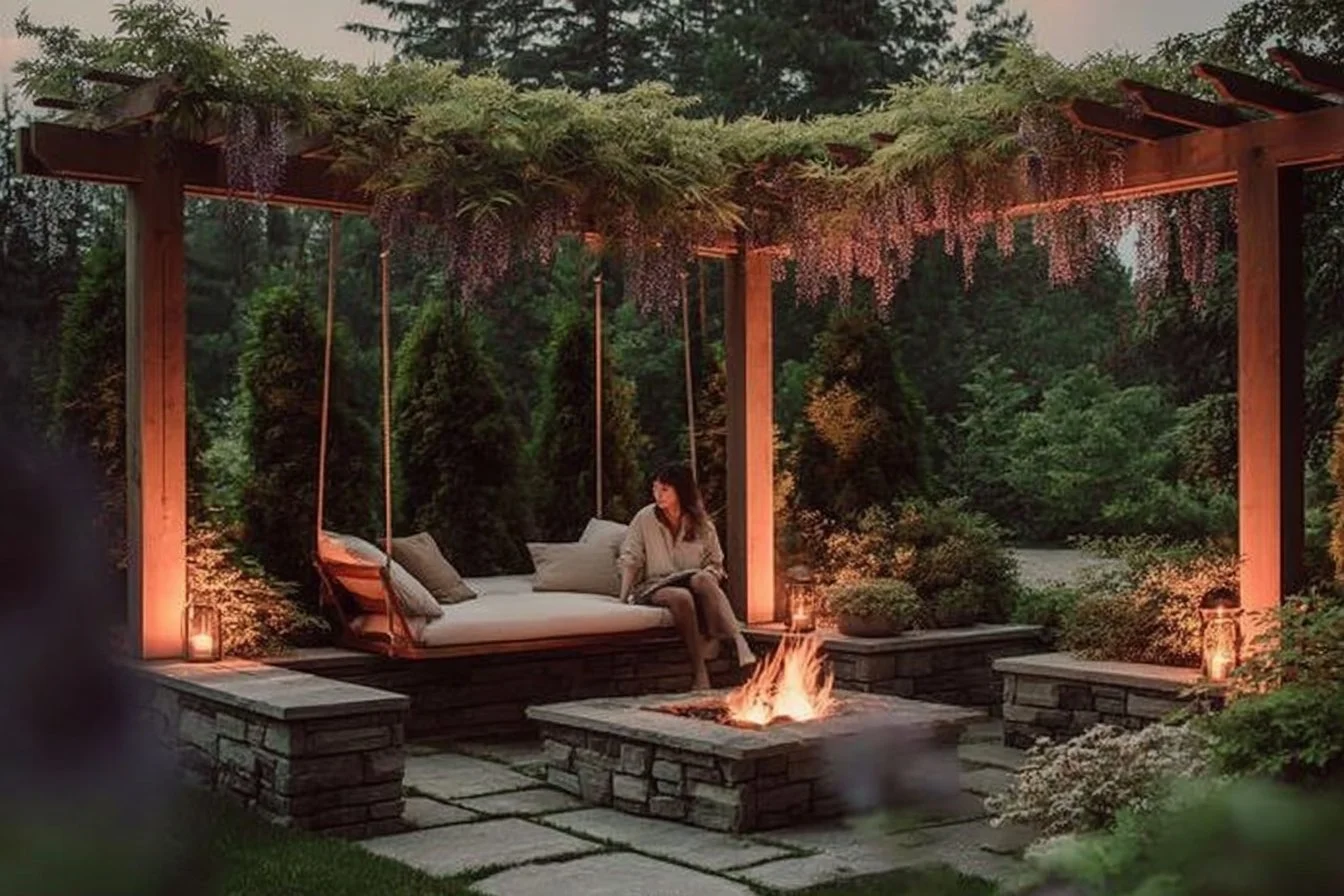
A defined outdoor room under a pergola creates shade, intimacy and structure without enclosing the yard. Draped fabric panels, a hanging lantern and layered cushions transform the space into a cozy retreat that doubles as an art table for my kids and a quiet coffee spot for me. Visually, the vertical elements add height and rhythm; emotionally, the sheltered area becomes a go-to place for both work and play. To create this at home, pick a modular pergola kit or train vines on a simple frame for green cover, choose weatherproof furniture in neutral tones, and layer textiles that echo interior styling tips for continuity. Include storage solutions so craft supplies or outdoor games are always within reach. This gives the family a semi-private sanctuary while keeping the yard open and airy.

Conclusion

If you tuck one idea into your weekend plans, let it be about blending style with daily life so the yard becomes part of your family story — a safe place for kids to play, for neighbors to gather and for quiet moments between errands. Save a pin, try a small change first, and remember that thoughtful choices make home décor ideas feel personal, not staged. For more in-depth guidance on modern outdoor layouts and plant choices, explore this helpful modern landscape design ideas resource to inspire your next backyard refresh.

Categories
Kitchen

Why Greige Cabinets Make Kitchens Feel Like Home

I used to pour cereal at the counter while signing permission slips, watching the light change across the cabinets and thinking about how our house quietly holds a thousand small routines. Now, with two kids between eight and twelve, mornings are a collage of backpacks, misplaced socks, and neighbor kids knocking to ask if someone can walk home together. My husband and I trade stories over coffee about school projects and the tiny rituals that make a place feel lived in. Those everyday moments taught me that a kitchen should be a comfort zone, not a showroom. When I started freshening up our space, I kept returning to warm, muted tones that calm the chaos and welcome friends. Even the littlest design choices have helped the room feel more like ours. For a dose of postcard charm that influenced my palette, I looked at some postcard-from-Italy kitchen ideas and adapted them to our busy life.

Warm Wood Pairings to Soften Greige

Pairing greige cabinetry with warm wood floors or accents creates an instant sense of comfort. The neutral gray-beige of greige reads as calm and adaptable, and warm woods—like oak or walnut—bring in a natural, lived-in glow that keeps the kitchen from feeling cold. Visually, the grain and warmth add depth; emotionally, the combination feels familiar, like a grandmother’s house updated for today’s family. At home, try wide plank floors or an island countertop with a honey-toned wood insert. In our house, the kids like to perch on the wood island ledge while we prep dinner, and that small interaction makes the material choice feel right. For families, this mix hides wear better than painted white and invites everyday life in without sacrificing style. Small changes like swapping barstools or adding a wooden cutting board can achieve this look affordably.

Two-Tone Cabinets for Visual Interest

A two-tone approach—greige as the main field and a deeper hue on the island or lower cabinets—adds architecture without drama. The contrast gives the eye a place to rest and creates a focal point that grounds family gatherings. It works visually because greige remains neutral, while the darker base commands attention without overpowering. To apply this at home, paint the island in a charcoal or muted navy and keep all perimeter cabinets greige; the result is balanced and practical for hiding fingerprints from little hands. When my neighbor popped over for a playdate, she immediately asked about our island color, which led to swapping school pickups between us. This style also helps with traffic flow: a darker base on the island conceals scuffs from daily use, so your kitchen can stay pretty and functional even with kids around.

Warm Metals and Friendly Hardware Choices

Selecting hardware and fixtures in warm metals like aged brass or soft black gives greige cabinetry personality without fighting the palette. Metals add a tactile, emotional element—brass feels familiar and slightly nostalgic, while matte black reads modern and grounded. Visually, metallics provide sparkle and definition along the edges, so doors and drawers read as carefully considered rather than flat. In practice, swap out builder-grade pulls for simple brass cup pulls on drawers and slim knurled knobs on upper cabinets. My son loves pressing the rounded edges when he helps with baking, and those tactile choices make chores feel like part of the home ritual. Pick finishes that hide fingerprints in high-traffic zones and use a consistent metal for lighting and faucets to tie the room together for a cohesive, family-ready space.

Open Shelves and Family Displays

Integrating open shelving with greige bases softens the room and lets personality show through everyday items. Open shelves display well-loved bowls, school artwork, and a rotating collection of children’s drawings, which makes the kitchen feel alive and reassuring. Visually, the shelves break up cabinetry mass and introduce texture; emotionally, they create connection points where kids can find their favorite mug or a cookie jar. Apply this by installing a couple of staggered shelves near the breakfast nook or above a short run of countertop where kids do homework. In our home, a lower shelf holds everyday plates that the kids reach for themselves, building independence and reducing morning chaos. Keep breakable or valuable pieces higher, and use baskets on lower shelves for snack stashes and crafts to maintain order without stifling the charm.

Soft Backsplash Choices and Layered Lighting

Choosing a warm, subtle backsplash—like creamy subway tile or a soft stone mosaic—lets greige cabinets remain the star while adding texture and resilience. A gentle contrast keeps the room calming and forgiving; after soccer practice, splatters are less obvious and wipe down more easily than on stark white grout lines. Layered lighting brings the palette to life: undercabinet lights for homework time, pendant lighting over the island for dinners, and a warmer overhead light for evening routines. When we do family meal prep, the adjustable lighting helps set a cozy mood, and the backsplash reflects that warmth back into the room. To apply this, select a grout tone that blends with greige and install dimmable fixtures so energy levels and moods can shift with the day, which helps a busy home feel more intentional and less hectic.

Conclusion

If you want decorating inspiration that balances style with everyday family life, greige cabinetry and its complementary elements offer a timeless, practical path. Save these ideas to try a small change first—swap hardware, add a wood accent, or brighten a shelf—and notice how the room becomes more welcoming for homework, snacks, and weekend pancakes. For more curated looks and visual ideas to guide your project, check out this collection of latest modern greige cabinets ideas.