








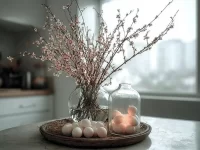





Serene Winter Nesting: Minimal Minimalist Styling
I remember one January evening, kids hemmed in with homework and a spilled cup of cocoa on the kitchen counter, while snow dusted the neighbor’s eaves. As a forty-something mom of two, my days are punctuated by school drop-offs, PTA emails, and the little rituals that make a house feel like ours — pancake Saturdays, lost mittens, and late-night board games. After the holiday rush I crave a home that feels quiet without being cold, a place that welcomes muddy boots yet still breathes. That’s when I started rethinking our rooms with restraint: gentle palettes, tactile layers, and purposeful pieces that survive the chaos. These ideas grew from real life — from balancing kids’ crafts with a calm backdrop — and are meant to help you create a tranquil, family-friendly space using simple home décor ideas anyone can manage.
Layered Neutrals for Tranquil Living Rooms
A subtle neutral palette instantly calms a busy household. Soft beiges, warm greys, and muted whites create a background that highlights texture and family life rather than vying for attention. Visually, layers of tone-on-tone fabric—think a nubby throw over a linen sofa and cashmere-like pillows—add depth without clutter. Emotionally, this restraint helps the room feel intentional and restful after school chaos and neighbor drop-ins.
To apply this at home, start with one neutral as your anchor: paint or a large rug. Add two or three complementary textures—wool, cotton, woven—rather than bold patterns. Keep kid-friendly materials that launder easily but look polished: washable slipcovers and stain-resistant throws. I keep a low basket of board games near the sofa so evenings feel warm but tidy. This approach is a smart interior styling tip for families who want an inviting space that handles daily life gracefully.
Natural Accents: Bring the Outside In
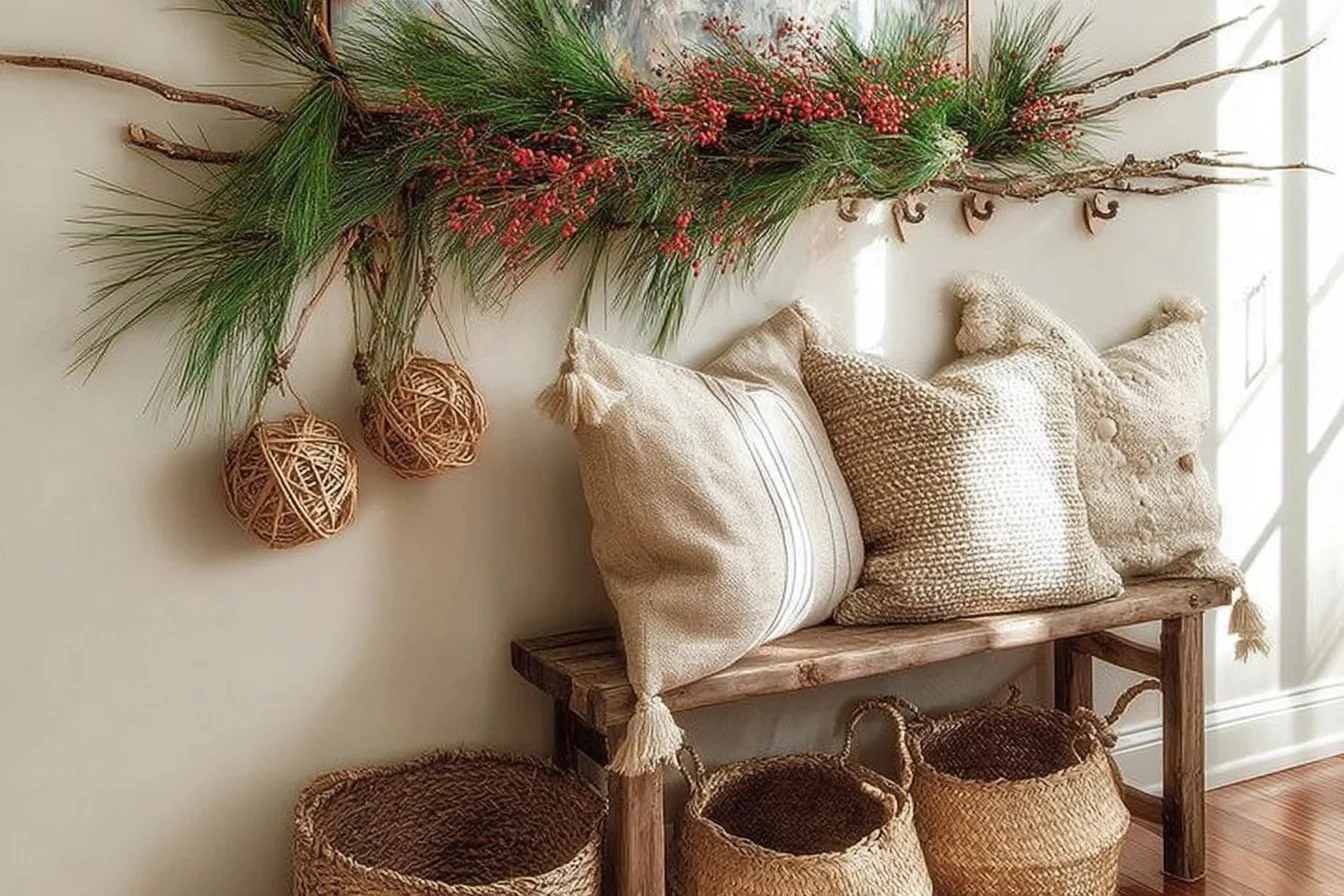
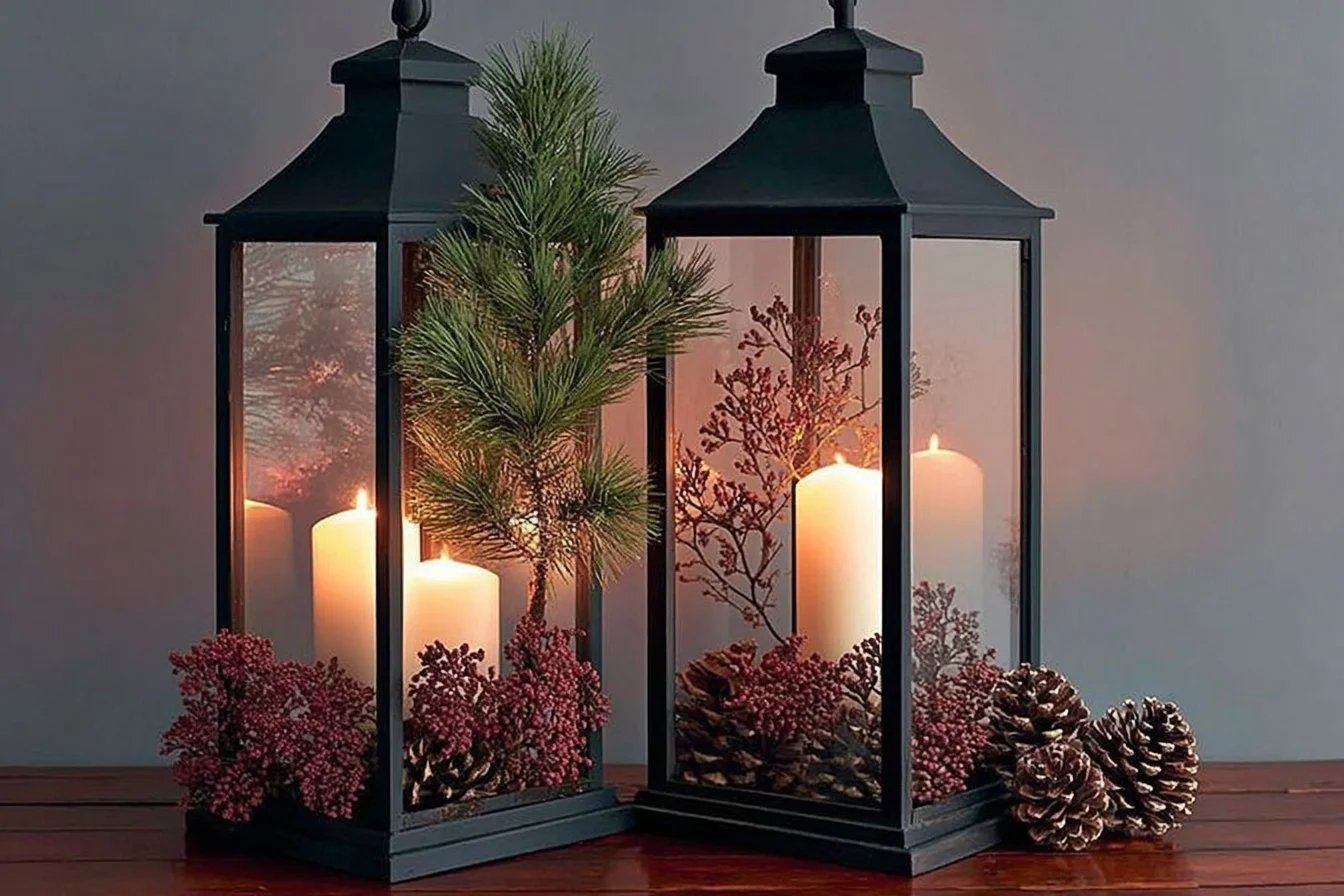
In winter, natural elements read as warm and authentic. Small branches in a simple vase, a cluster of pinecones on a tray, or a jar of eucalyptus can transform a stark room into one that feels lived-in and serene. These accents work visually by introducing organic shapes and softer lines that counterbalance clean minimal furnishings. Emotionally, they trigger memories of backyard walks or neighborhood tree-planting days.
Make it easy by adopting a “one-thing” rule: one nature-based accent per major surface. Gather items on family walks — my kids love finding interesting bark — and display them on a console or windowsill. Mix these with a single textured item, like a woven coaster or a raw-wood bowl, to keep the look intentional. Natural accents are a gentle decorating inspiration that blend with everyday life while staying low-maintenance and budget-friendly.
Soft Lighting and Warm Glow
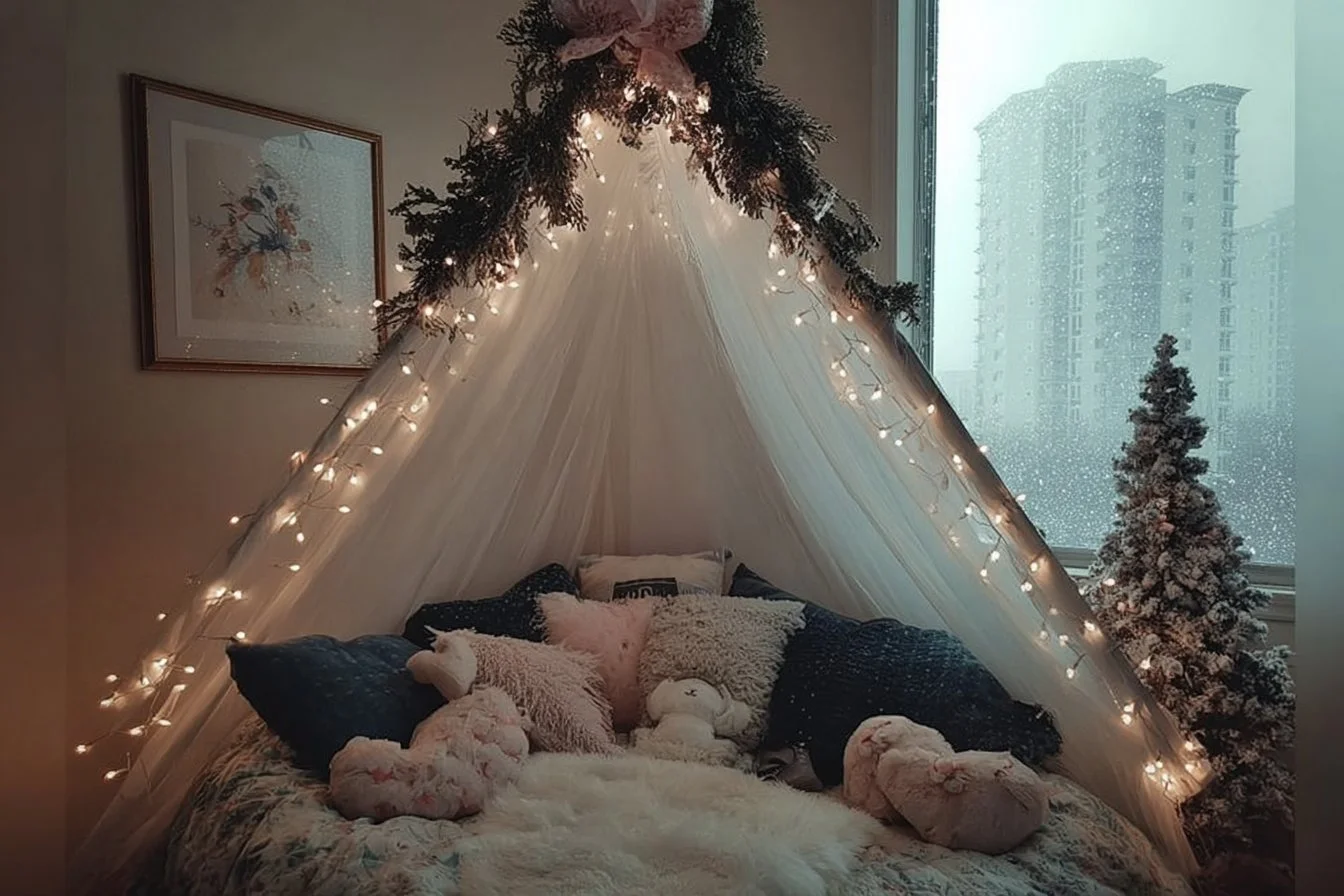
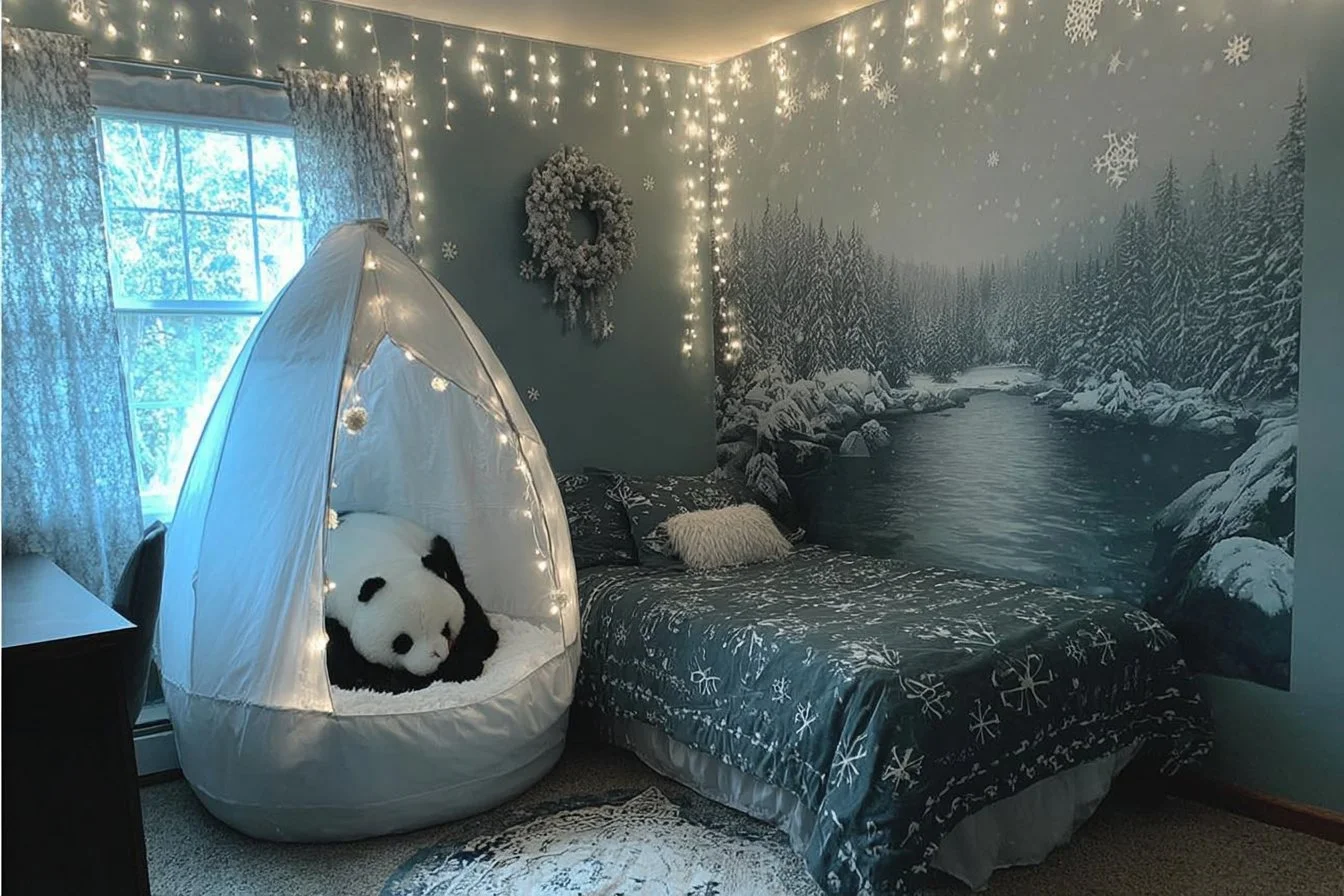
Lighting changes how a room feels more than any accessory. In the darker months, switch harsh overheads for layered light: table lamps, floor lamps, and strings of warm LED bulbs. Soft lighting creates a soothing atmosphere for homework time, story reading, or early dinners with neighbors. Visually, pools of warm light highlight textures and corners, making small rooms feel intimate rather than cramped.
Implement this by placing lamps in reading nooks and on kitchen islands where kids do crafts. Use dimmers if possible, or plug-in fixtures on timers to mimic natural evening rhythms. Battery-operated candles on a mantel or hearth provide a flicker without the worry of little hands. These simple interior styling tips help your home feel curated and lived-in, balancing functionality with a relaxed aesthetic that supports family routines.
Decluttered Mantels and Shelf Styling
A restrained mantel or bookshelf becomes a focal point without feeling busy. Choose a few meaningful objects—family photos in neutral frames, a sculptural bowl, or a single art print—and give them room to breathe. This minimalist approach reads as elegant and intentional, creating visual harmony that feels reassuring after piles of art projects have been cleared.
To execute, edit ruthlessly: set aside three items you love and rotate them seasonally. Involve the kids by asking them each to pick one item to display; it keeps the space personal and reduces the urge to overcrowd. Use matching frames or consistent shapes to tie disparate items together. This method supports a tidy, functional home while still allowing warmth and character to shine—perfect for households juggling school projects, weekend playdates, and quiet evenings.
Warm Woods and Tactile Textures
Introduce warmth through materials: ash, pine, and oak furniture with soft finishes feel welcoming without overpowering a room. Woven baskets, sisal rugs, and linen curtains add tactile layers that invite touch and make spaces feel approachable. These elements create visual interest while maintaining the simplicity central to minimalist decor.
Practical application: replace one painted side table with a small wood piece or swap plastic bins for woven baskets in play areas. Choose durable finishes that show wear in a flattering way—fingerprints and patina become part of the story. I keep a wooden tray near the entry for mittens and masks; it looks intentional even on hectic mornings. These decorating inspiration ideas foster a lived-in elegance that stands up to active family life.
Multi-Use Spaces That Grow With Your Family
Designing flexible rooms reduces stress and keeps décor intentional. A dining table doubles as a homework station, a guest room becomes a craft corner, and storage ottomans hide board games while offering extra seating. These multifunctional choices look calm because everything has a place, which is emotionally soothing when routines get hectic.
Start by assessing daily movement: where do you and your kids spend the most time? Add discreet storage—closed cabinets, under-sofa bins—and stick to a curated palette so different uses feel cohesive. I converted a corner of our living area into a homework spot with a narrow desk and floating shelves; it keeps pencils organized and allows the rest of the room to remain uncluttered. These practical home décor ideas ensure your styling supports the real rhythms of family life.
Conclusion
If you’d like more ideas on how to transition holiday decor into subtle, serene winter arrangements, this guide offers helpful strategies for keeping your home tidy and inviting. Save a few concepts to try over the next weekend, and return to experiment with textures, light, and thoughtful editing as your family’s needs evolve. For additional inspiration, check out Beautiful Winter Decor | 6 Tips for Transitioning After Christmas for simple, family-friendly suggestions that align with these interior styling tips.